
35 Living Room Traditions That Brought Families Together Every Night: Timeless Rituals That Strengthened Household Bonds
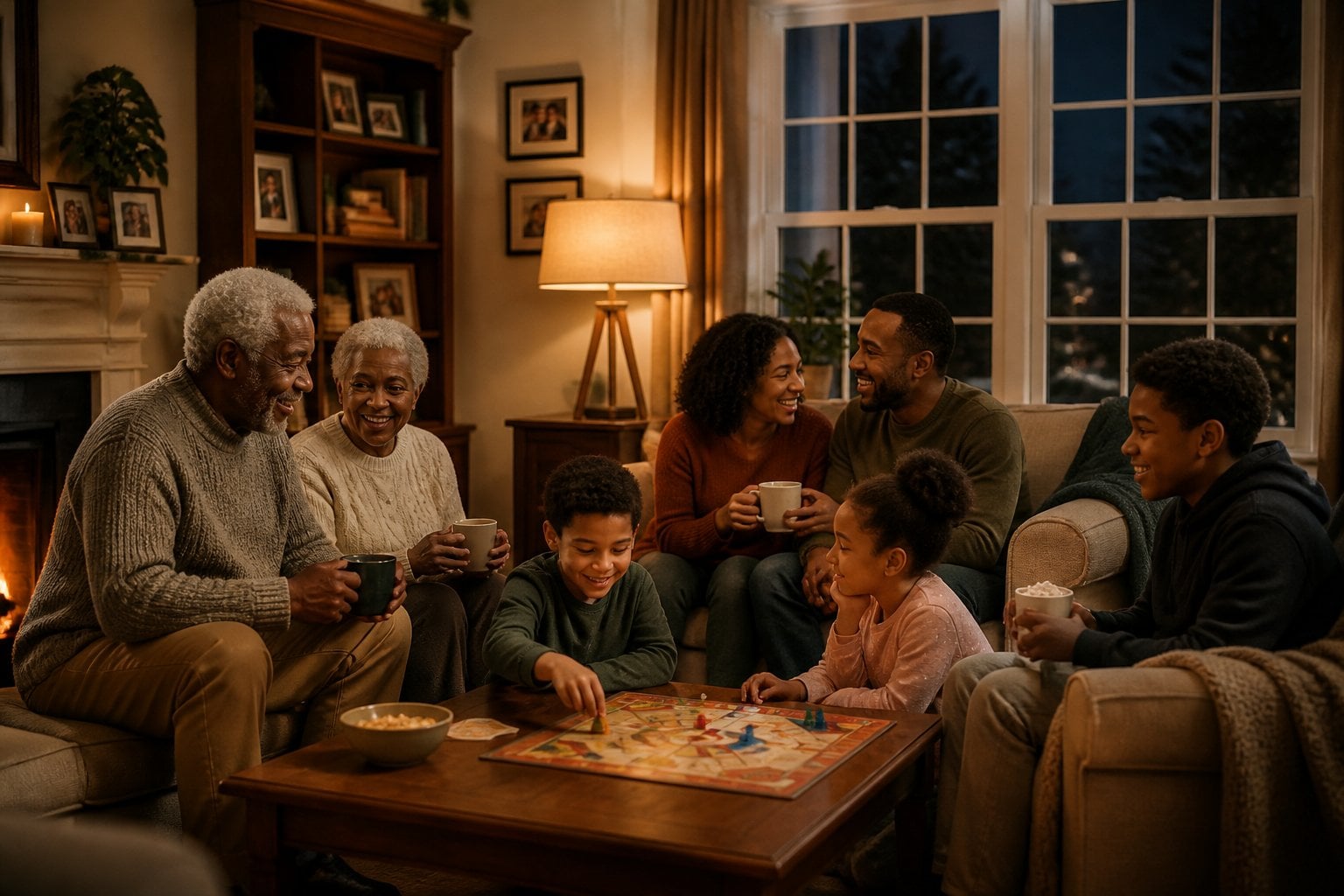
The living room once served as the natural gathering place where families connected after dinner each evening. Before screens dominated individual attention, families created intentional routines that brought everyone together in a shared physical space. These traditions ranged from board games and storytelling to craft projects and discussions about the day.
Regular evening traditions in the living room helped families build stronger communication patterns and created opportunities for meaningful interaction across generations.
The activities didn’t require expensive equipment or elaborate planning. Most centered on simple, repeatable experiences that became anticipated parts of family life.
This collection explores 35 specific traditions that families used to turn their living rooms into hubs of connection. You’ll find examples spanning entertainment, creativity, education, and conversation that fit different family sizes and schedules.
1. Weekly Sunday Roast and Storytime
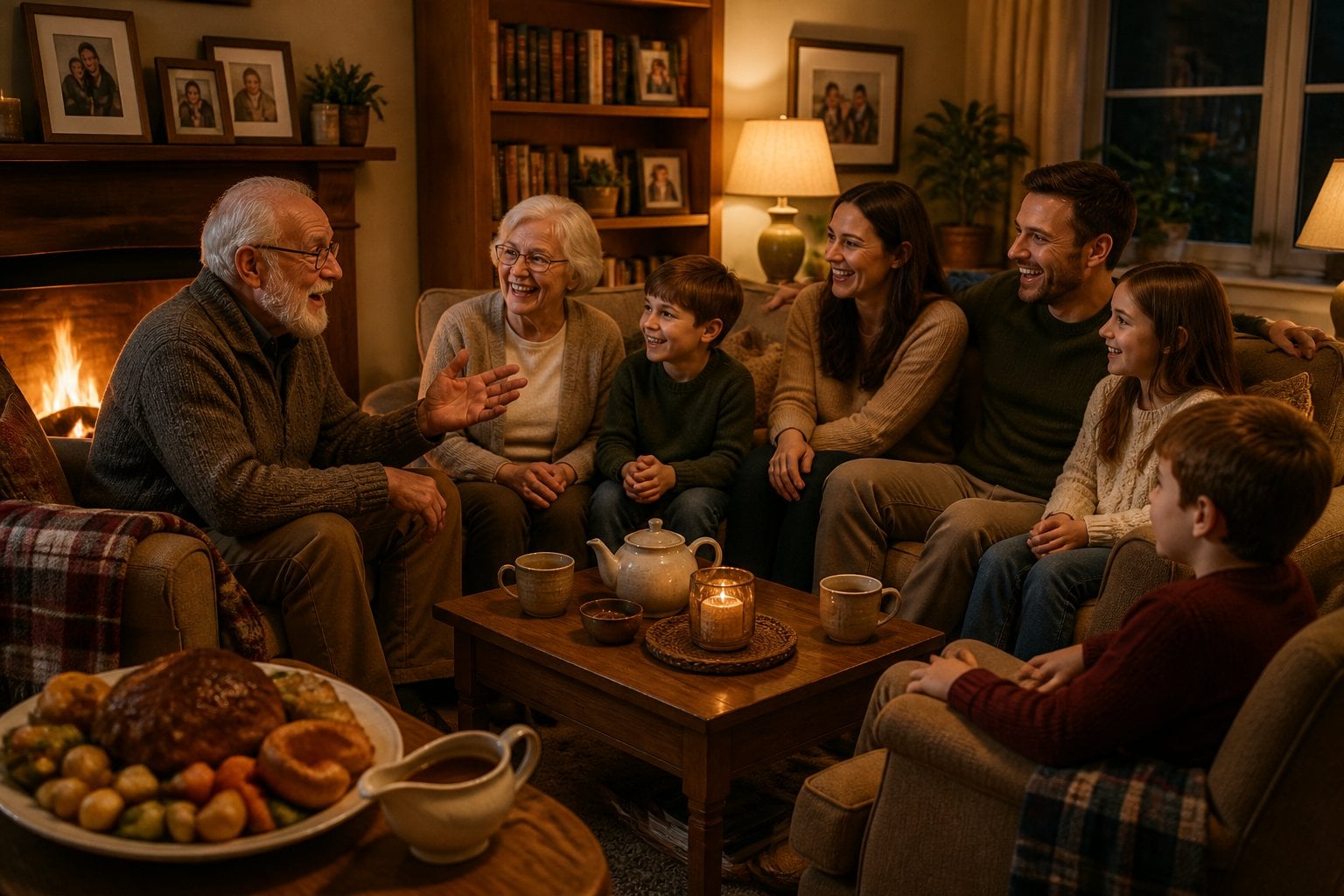
The Sunday roast anchored your family’s week with its predictable rhythm and comforting aroma. You’d gather in the living room after dinner, bellies full of tender meat and roasted vegetables, while someone shared stories from the week or read aloud from a favorite book.
This tradition required minimal setup but delivered maximum connection. Your parents often prepared the roast the night before, signaling that something meaningful was coming.
The living room became your storytelling hub where generations mixed freely. Grandparents recounted their childhood memories while children sprawled on the carpet, listening intently. These weekly gatherings created psychological anchors that researchers now link to stronger emotional security.
You didn’t need screens or elaborate entertainment. The combination of satisfied hunger and unhurried conversation naturally drew everyone together, turning Sunday evenings into a reliable touchstone that shaped your sense of belonging.
2. Friday Night Board Game Marathon
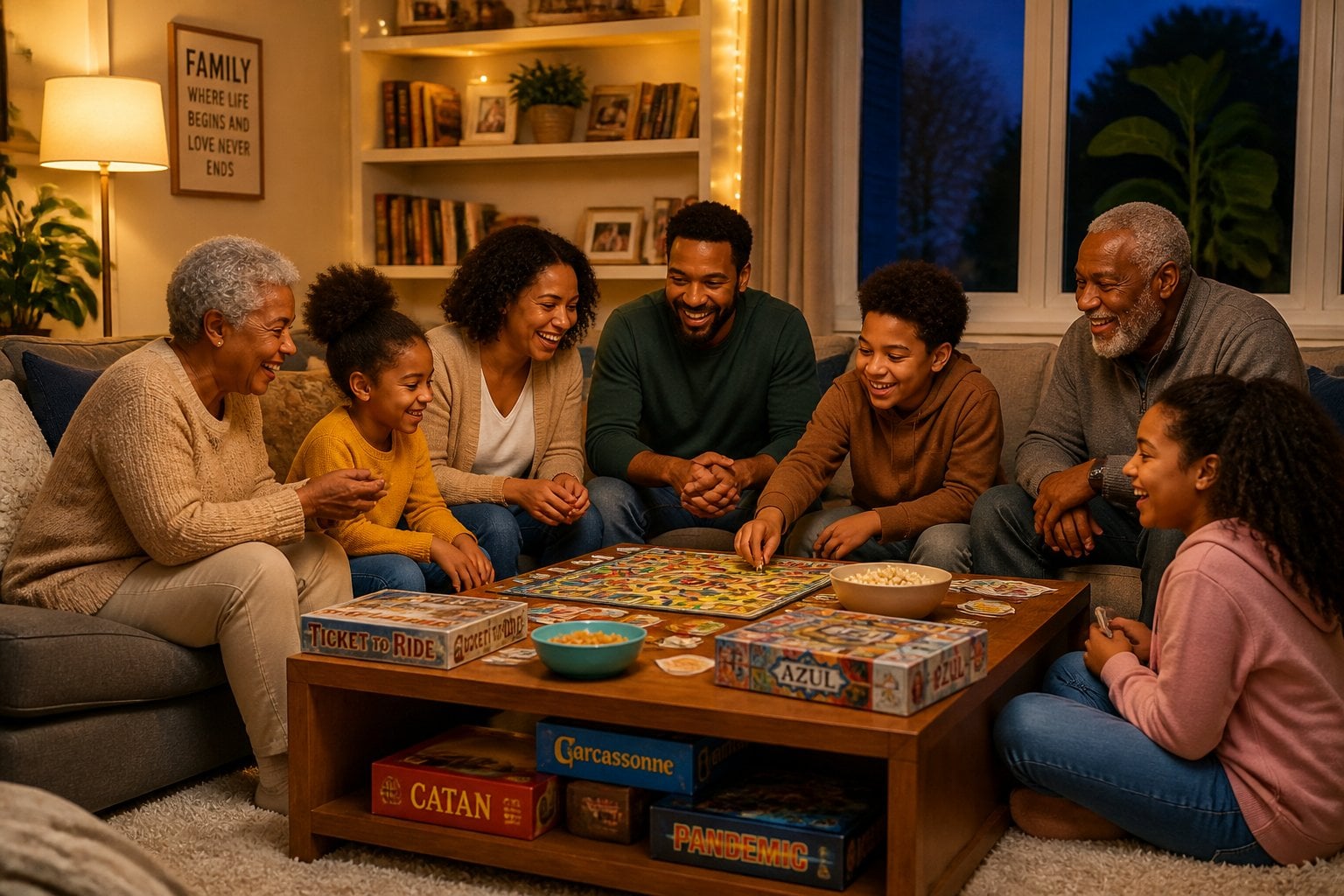
Friday nights became a weekly gathering point where families unpacked their favorite board games and settled in for hours of competition. You would clear the dining table or spread out on the living room floor as someone retrieved Monopoly, Scrabble, or Clue from the hall closet.
These game nights weren’t quick affairs. Families dedicated entire evenings to playing through multiple rounds, switching between strategic games and luck-based favorites. You learned patience waiting for your turn and developed critical thinking as you planned your next move.
The ritual of setting up the board, distributing game pieces, and reviewing rules created anticipation before the actual game began. Parents and children competed on equal footing, with younger players often surprising adults with clever strategies.
This tradition required no screens or electronics. You simply needed a flat surface, a game box, and willing participants ready to engage face-to-face for genuine entertainment.
3. Family Puzzle on the Coffee Table
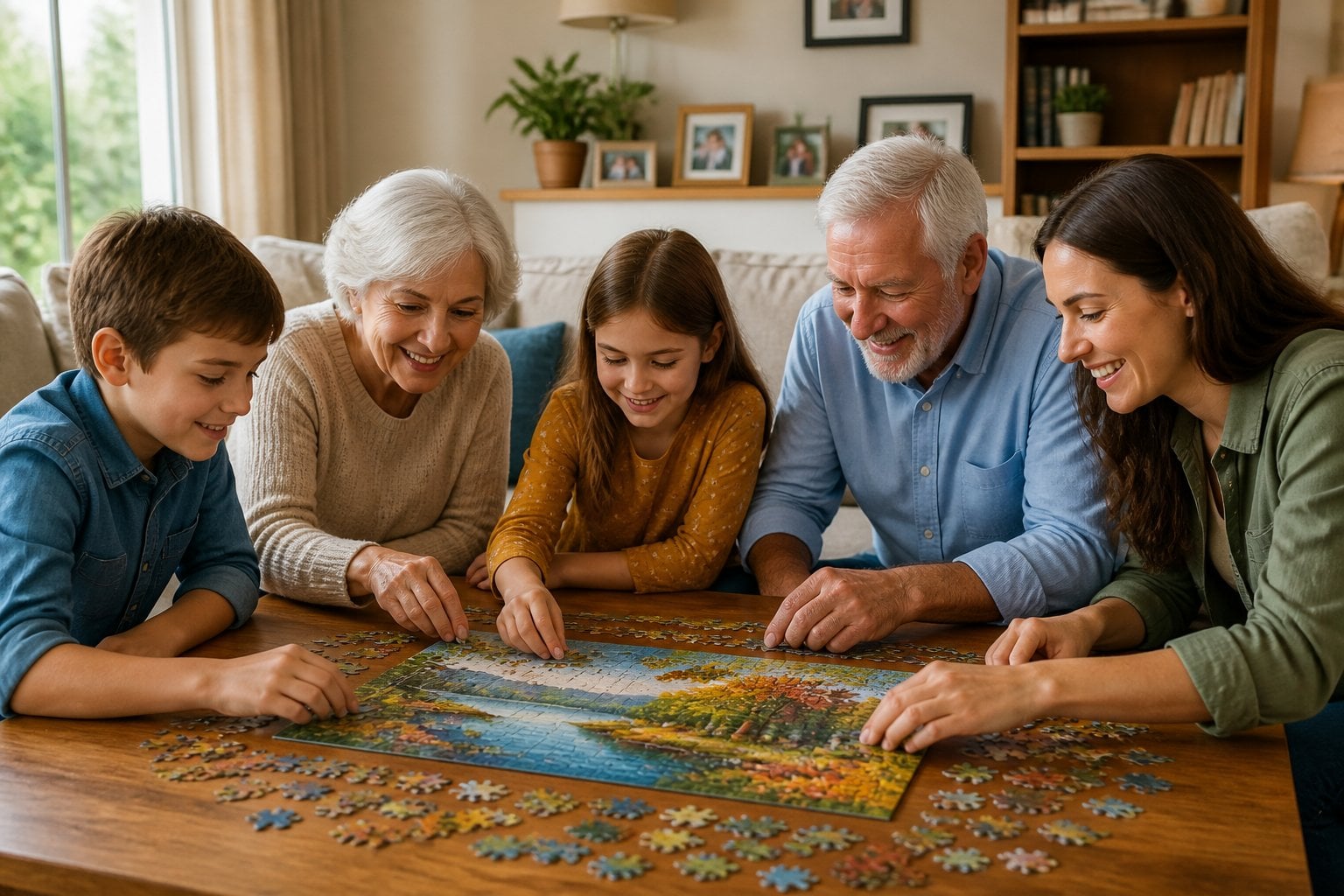
Leaving a jigsaw puzzle out on your coffee table creates an open invitation for family members to gather and connect. You can start a puzzle at any time, and others will naturally drift over to add a few pieces when they pass by.
This tradition works because it requires no formal planning. You simply set up the puzzle and let family members contribute whenever they have a few minutes. The activity encourages conversation while keeping hands busy.
Puzzle tables become natural gathering spots where family members of all ages can participate at their own pace. You might work on it during commercial breaks, after dinner, or on lazy weekend mornings.
The shared goal of completing the puzzle gives your family something to work toward together. Each person contributes different skills, from finding edge pieces to matching colors and patterns.
4. Rotating Member-Selected Movie Night
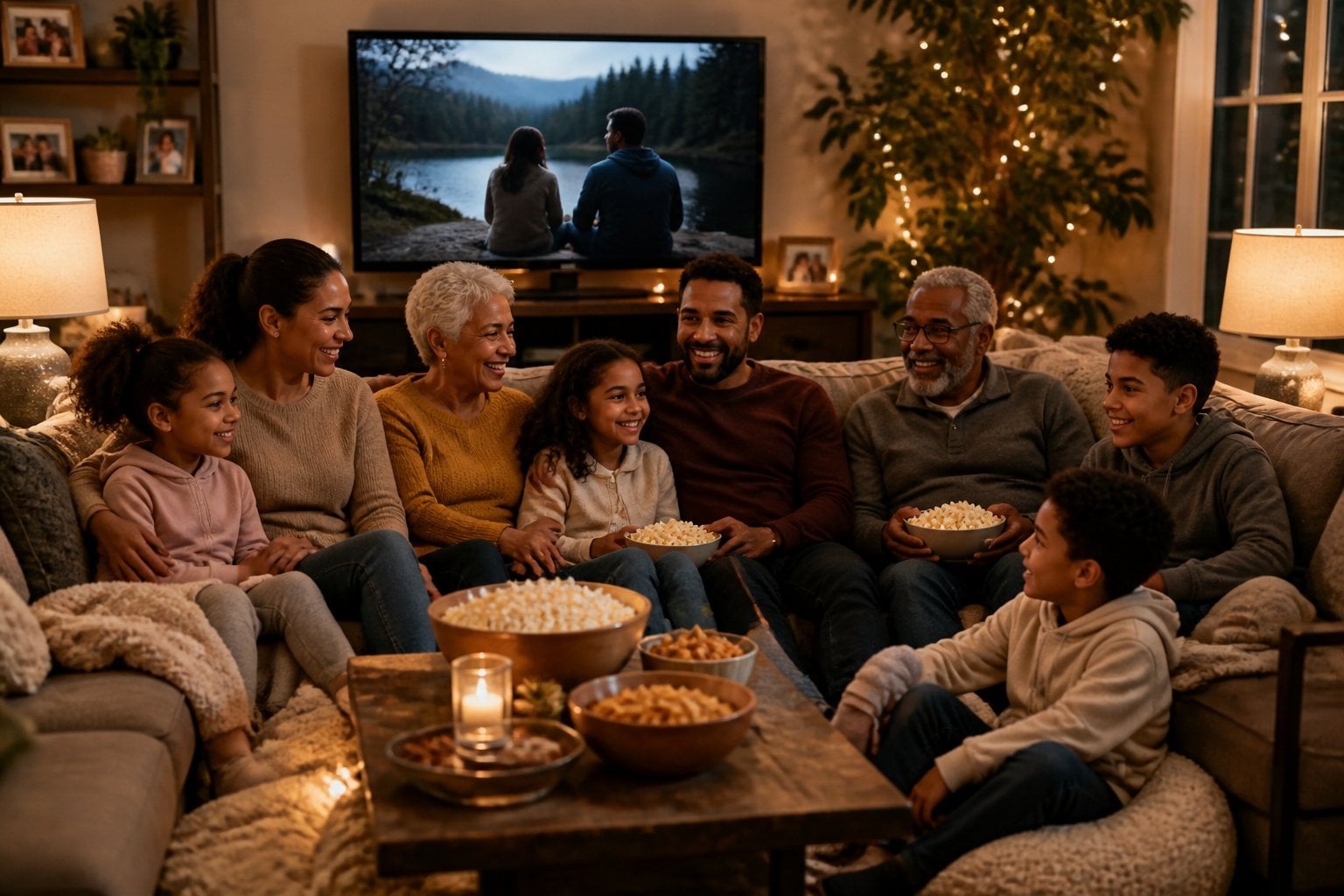
Assigning each family member a designated night to pick the movie creates ownership and anticipation throughout the week. This rotation system ensures everyone’s preferences get equal consideration, from children’s animated features to parents’ classic films.
The practice works best when you establish a clear schedule that family members can plan around. You might assign specific days based on age order or let the selection rotate weekly. Some families keep a running list of choices to avoid last-minute decision paralysis.
No phones during viewing time helps maintain focus on the shared experience. When the selector introduces their choice, they can briefly explain why they picked it, fostering communication and insight into each other’s interests.
This tradition teaches children decision-making skills while giving them a voice in family activities. Adults benefit from exposure to newer content they might not choose independently.
5. After-Dinner News-and-Discussion Circle
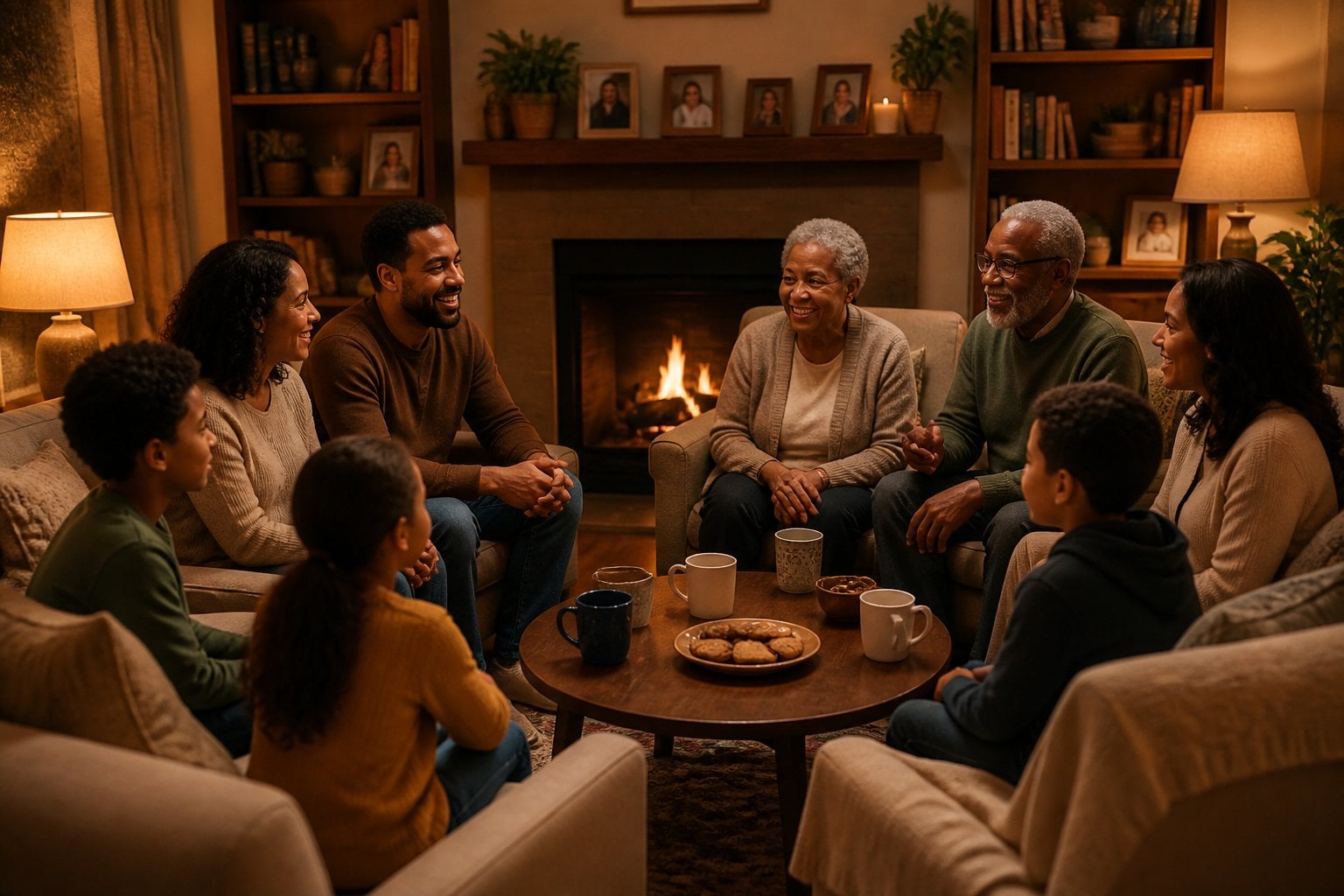
Your family likely gathered in the living room after dinner to review the day’s news together. Parents and children would pass around sections of the evening newspaper, reading aloud interesting headlines or articles that caught their attention.
This practice turned current events into conversation starters. Your parents might have explained complex political situations or local issues in terms you could understand. Everyone had a chance to share opinions and ask questions about what was happening in the world.
The ritual taught you to think critically about information and form your own perspectives. Unlike today’s isolated screen time, this shared news consumption created opportunities for multigenerational dialogue. You learned how to discuss disagreements respectfully and consider different viewpoints within your own household.
6. Bedtime Read-Aloud by Grandparents
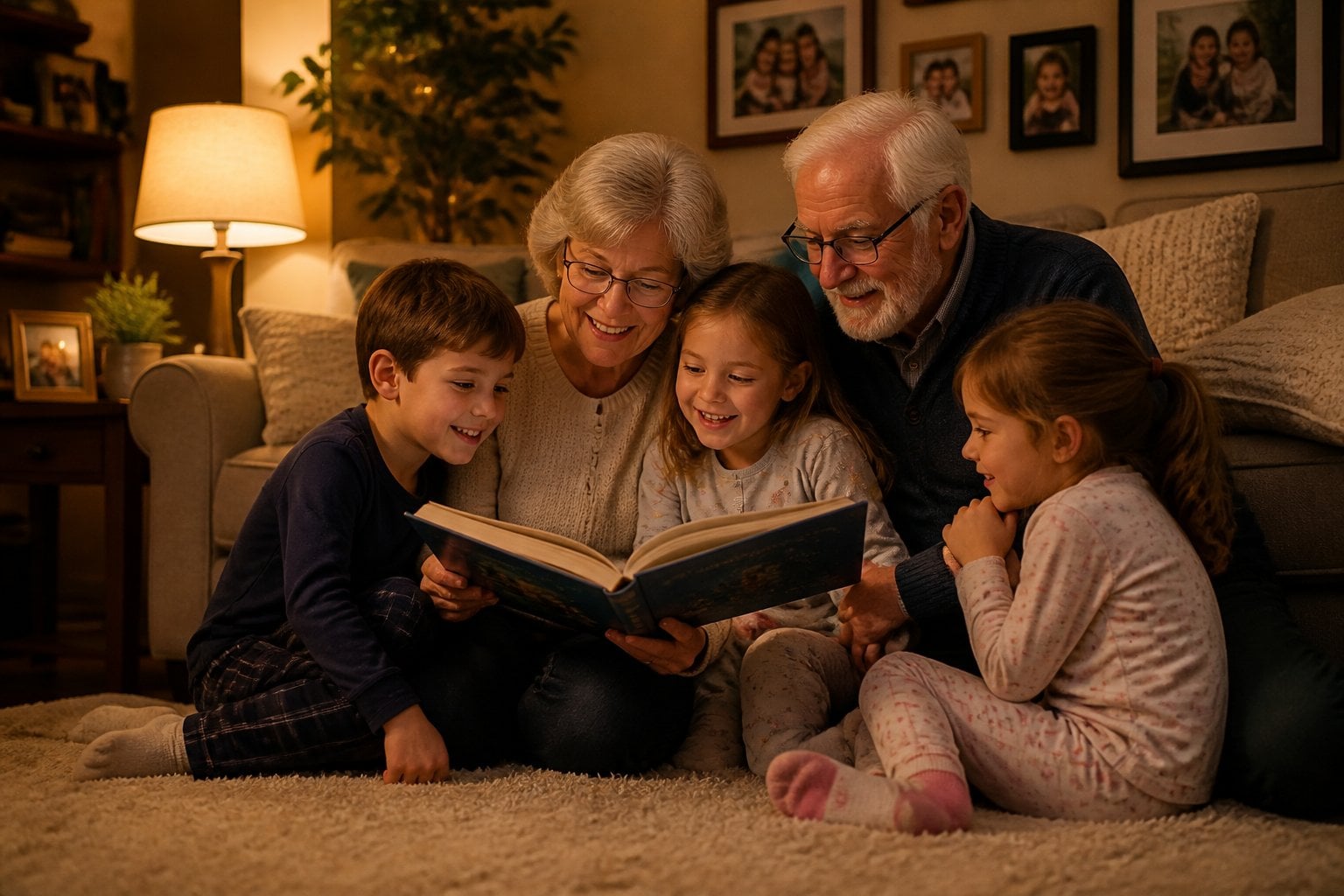
Grandparents reading bedtime stories created a special ritual that many families looked forward to each evening. This tradition allowed older generations to share their love of literature while passing down family values and life lessons through carefully chosen tales.
The practice worked whether grandparents lived in the same home or connected from a distance through phone calls. Many grandparents developed signature voices for different characters or had favorite books they returned to again and again.
Children benefited from hearing stories in their grandparents’ calm, unhurried voices, which often made settling down for sleep easier. The one-on-one attention strengthened bonds between generations and created memories that lasted well into adulthood.
This nightly reading time also gave grandparents a meaningful role in daily family life, reinforcing their importance within the household structure.
7. DIY Pizza Assembly Night
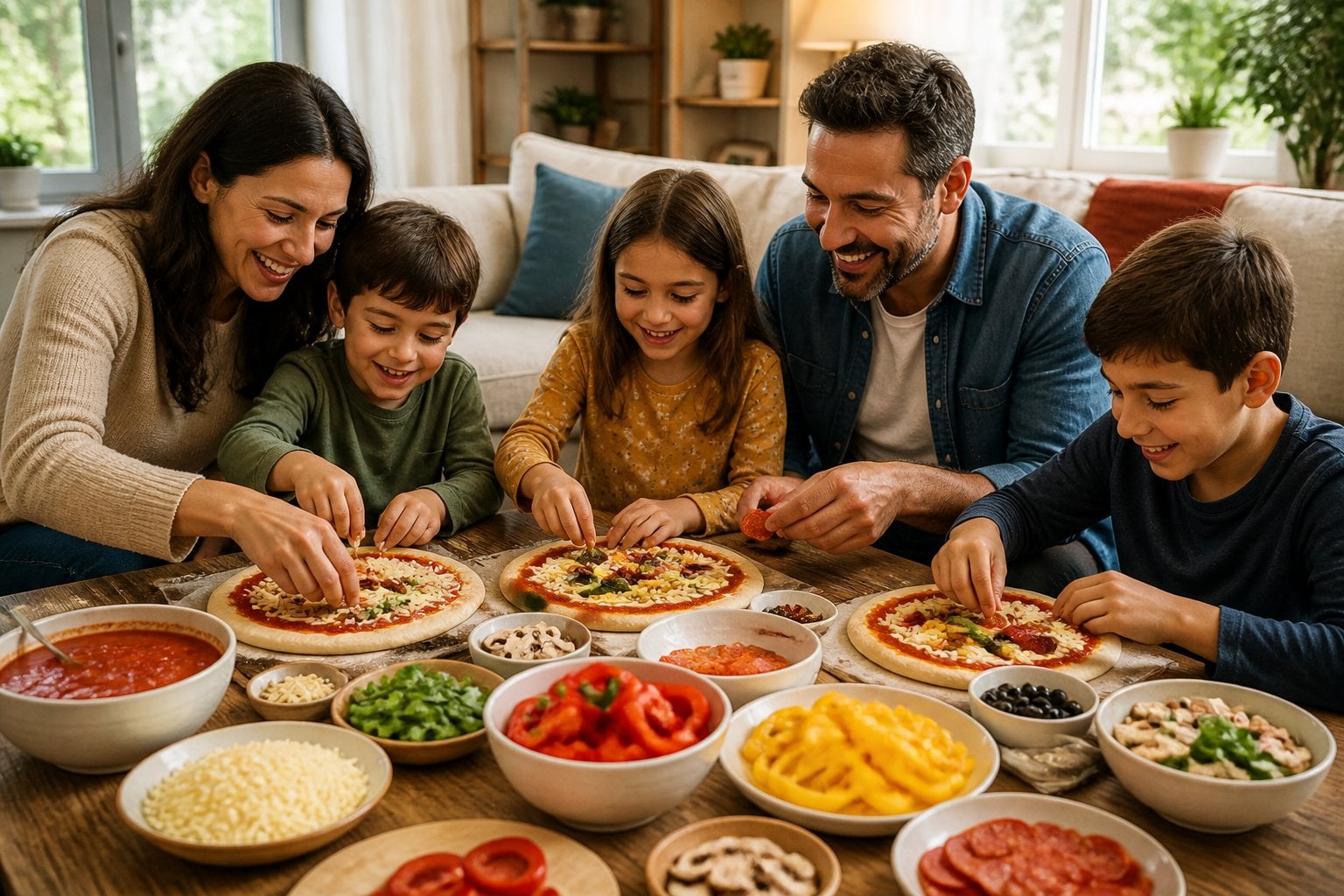
Setting up a pizza assembly line in your living room transforms dinner into an interactive experience. You lay out premade dough, various sauces, cheeses, and toppings on your coffee table or designated station where everyone gathers.
Each family member designs their own personal pizza according to their preferences. This approach accommodates different tastes without preparing multiple separate meals.
The activity typically takes one to two hours from setup to eating. You can prepare the dough ahead of time or purchase it ready-made to simplify the process.
The cost remains budget-friendly, usually ranging from $12 to $25 for a family. Children enjoy selecting their own toppings while adults appreciate the casual, hands-on nature of the meal.
This tradition works well as a weekly ritual, making meal planning predictable while reducing reliance on takeout.
8. Karaoke by the Lampstand
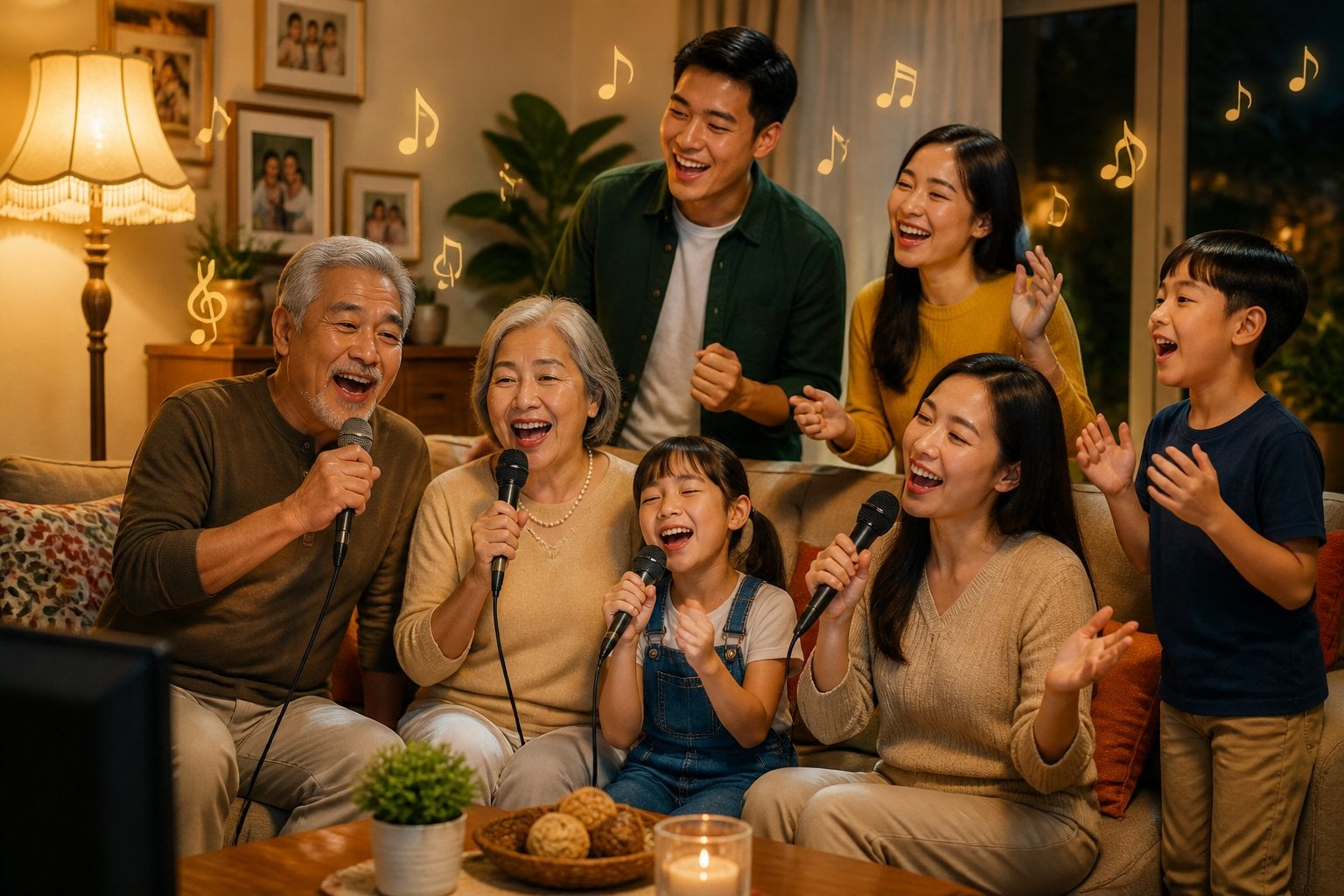
You didn’t need a professional setup to turn your living room into a music venue. A microphone, a small speaker, and the warm glow of a lampstand created the perfect atmosphere for family karaoke nights.
Someone would flip through the song catalog while others rearranged furniture to make space for performers. You took turns grabbing the microphone, singing everything from classic ballads to current hits.
The lampstand served as your makeshift spotlight, casting shadows that made even nervous singers feel like stars. Your siblings cheered from the couch while your parents recorded performances on camcorders.
These evenings weren’t about perfect pitch or vocal talent. They were about participation and shared laughter. Everyone got their moment in the spotlight, whether they could carry a tune or not.
The tradition brought out personalities you didn’t see during regular dinners, strengthening bonds through music and playful competition.
9. Living-Room Talent Show Saturdays
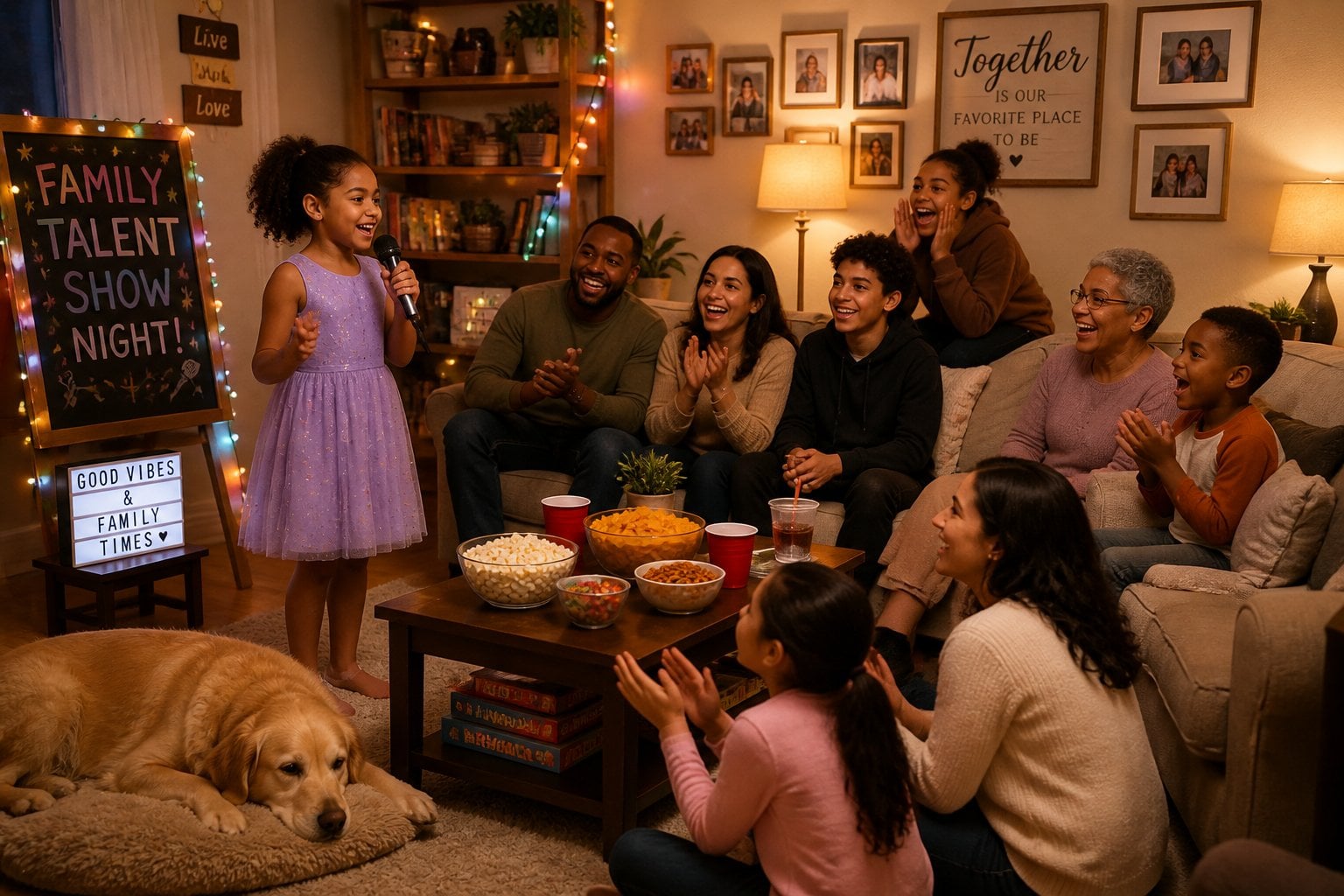
Saturday evenings provided the perfect stage for family talent shows in the living room. Children spent hours rehearsing magic tricks, dance routines, or piano pieces to perform for their parents after dinner.
Parents became the enthusiastic audience, applauding every act regardless of skill level. Your siblings might have competed to see who could deliver the best performance, whether through songs, poems, or comedy skits.
These homemade shows required no fancy equipment or costumes. A makeshift curtain from a bedsheet and a flashlight for a spotlight were often enough to create the atmosphere. The living room transformed into your personal theater every weekend.
These performances built confidence in children while giving parents a window into their kids’ creativity and interests. The tradition created anticipation throughout the week as family members planned their acts.
10. Cookbook-Recipe Demo Sessions
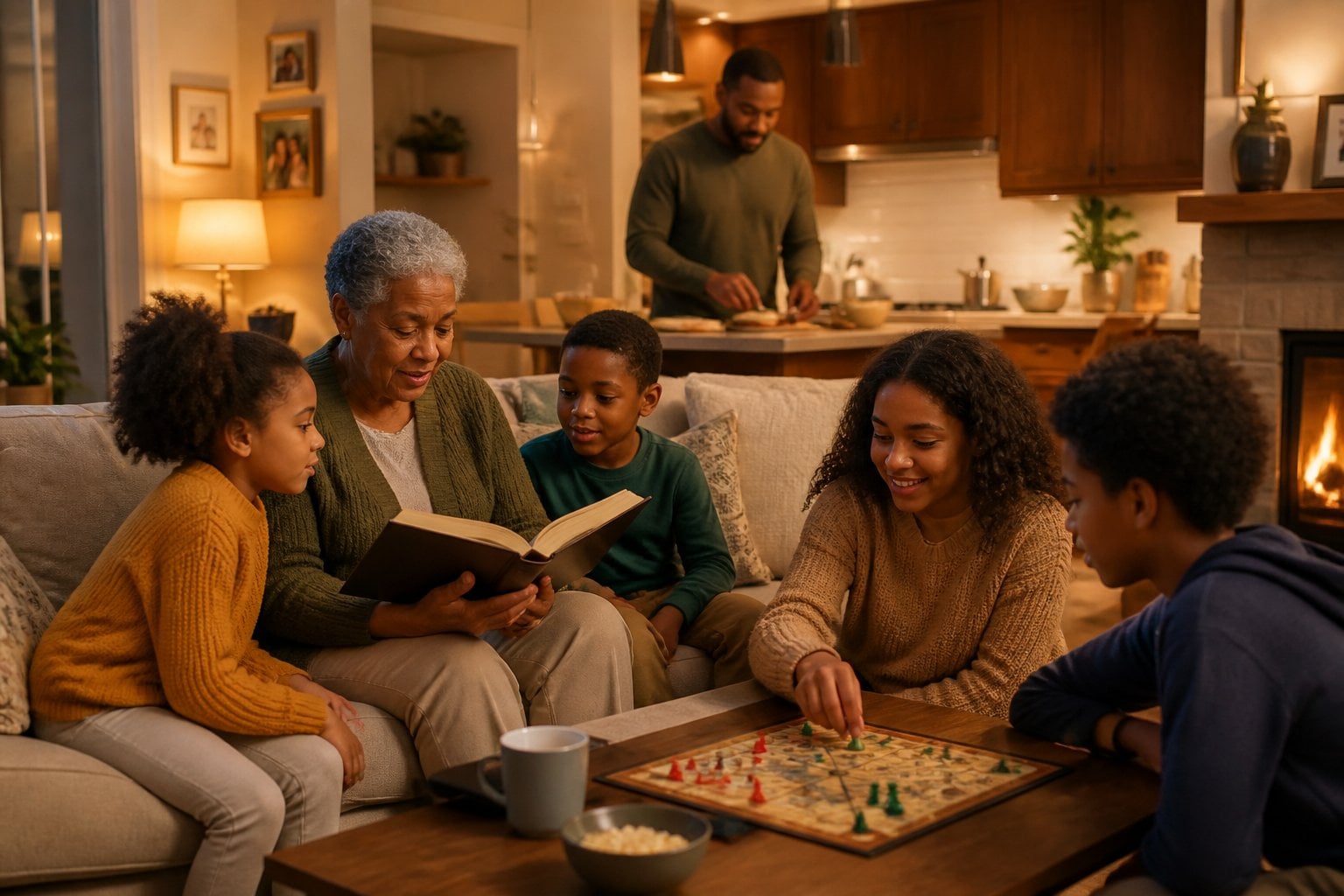
You gathered in the living room while someone demonstrated how to make a family recipe from the old cookbook. The cook would explain each step, share ingredient tips, and answer questions about technique. Everyone watched closely, taking mental notes or jotting down modifications.
These sessions preserved recipes that might otherwise be forgotten. You learned the proper way to fold dough or season a sauce directly from the person who had made it hundreds of times. The demonstrations often revealed small tricks that weren’t written down anywhere.
Children paid attention because they could see, smell, and eventually taste the results. You asked about substitutions, cooking times, and where the recipe originated. The sessions created a natural learning environment where cooking knowledge passed from one generation to the next through direct observation and participation.
11. Seasonal Mantel Decoration Party
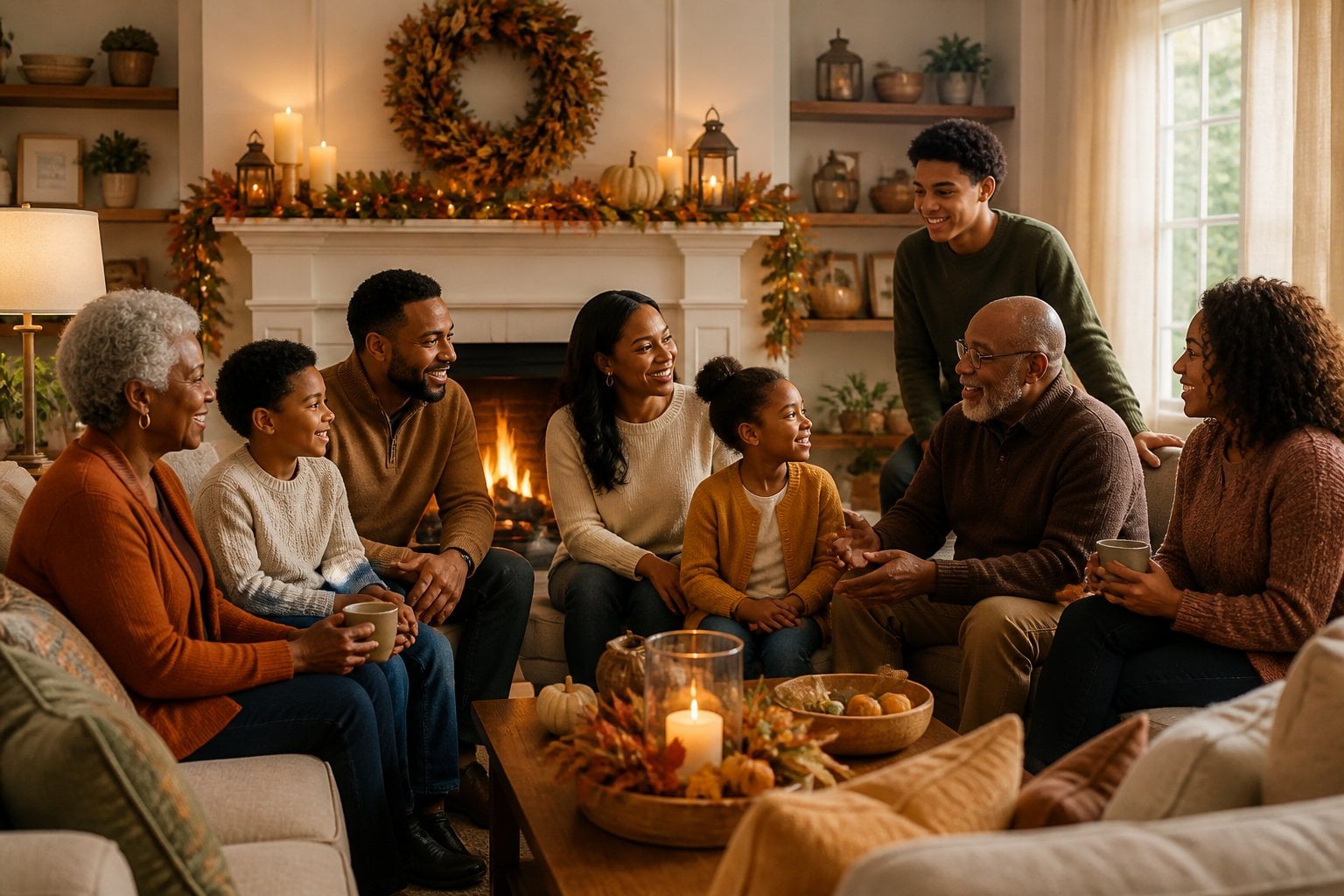
Gathering as a family to redecorate the mantel marked the transition between seasons. You selected items that reflected the time of year, from spring florals to autumn wreaths, creating a visual centerpiece for your living room.
Each family member contributed decor pieces or handmade items. Children crafted seasonal artwork while adults arranged greenery, candles, and seasonal accents. This collaborative effort gave everyone ownership of the display.
The process became an evening event rather than a solo task. You discussed color schemes, debated placement, and shared ideas for creative arrangements. These decisions sparked conversations about upcoming holidays and family plans.
The finished mantel served as a daily reminder of your teamwork. You admired the results throughout the season before gathering again to refresh it. This rotating tradition kept your living space current while providing regular opportunities for family collaboration.
12. Photo-Album Memory Sharing Hour
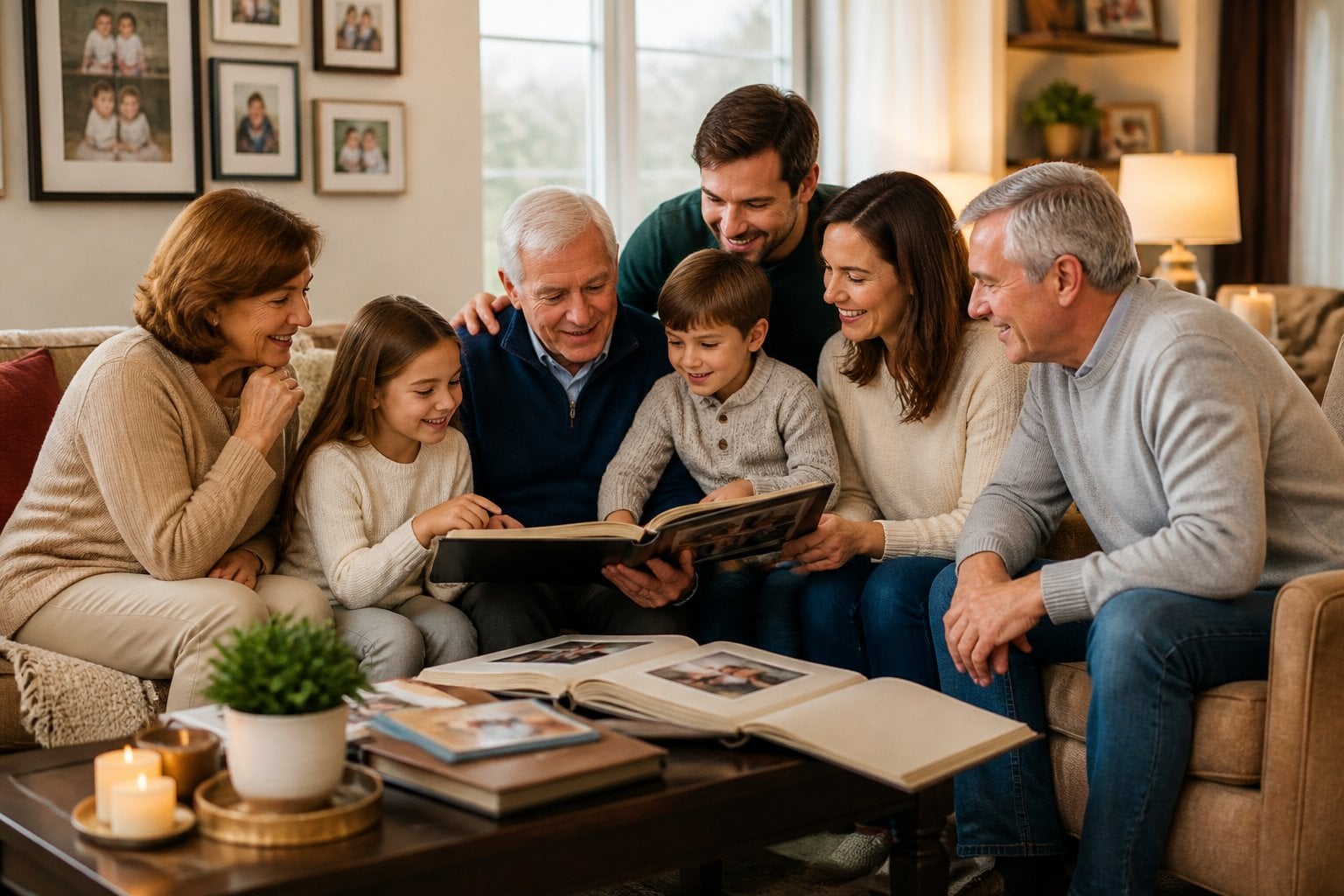
Families gathered in the living room to flip through physical photo albums, creating a dedicated time to revisit shared experiences. You would sit together on the couch while parents and grandparents narrated stories behind each photograph, explaining the context of vacations, birthdays, and everyday moments captured on film.
Children learned about their family history through these sessions. They discovered details about relatives they had never met and heard firsthand accounts of events that shaped their family’s journey.
This activity required no technology or special equipment. You simply needed the albums themselves and a willingness to slow down and engage with the past together.
The practice strengthened intergenerational bonds as older family members passed down knowledge and younger ones asked questions. These regular sessions turned photographs into storytelling tools that preserved family narratives for future generations.
13. Hot Chocolate and Sock-Puppet Theater
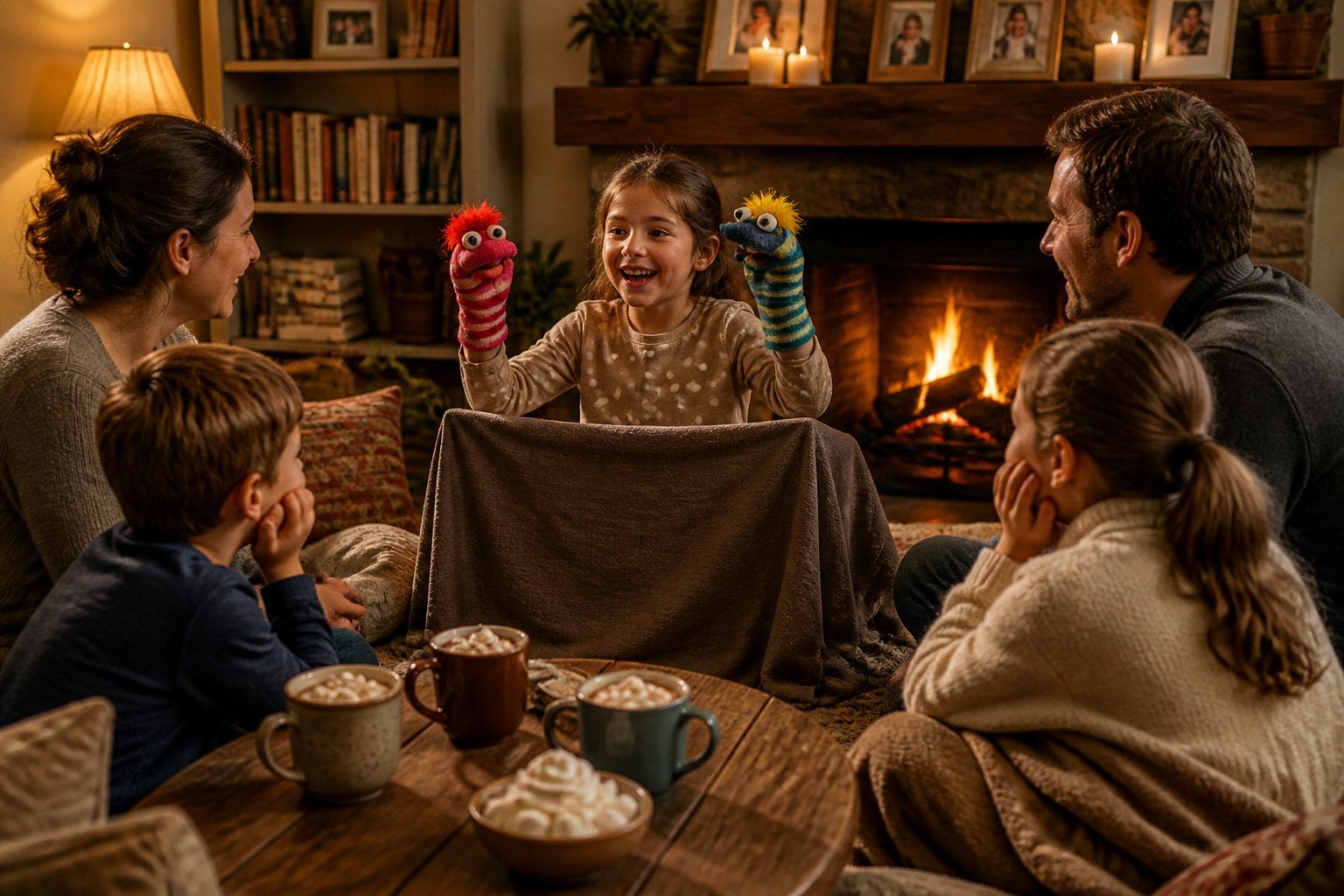
Making sock puppets from mismatched socks became a creative evening activity that cost nothing but delivered hours of entertainment. You could transform old socks into characters using buttons, yarn, and fabric scraps while sipping warm hot chocolate.
The living room became your stage. You hung sheets between chairs or used the back of the couch as a makeshift theater.
Your family members took turns as puppeteers and audience, acting out original stories or favorite tales. The combination of crafting, performing, and enjoying a warm drink created a complete evening experience. Children developed storytelling skills while parents participated in the creativity.
The hot chocolate added comfort to the activity, especially during cold months. This tradition required minimal preparation but offered maximum participation for all ages.
14. Instrument Jam Session on the Rug
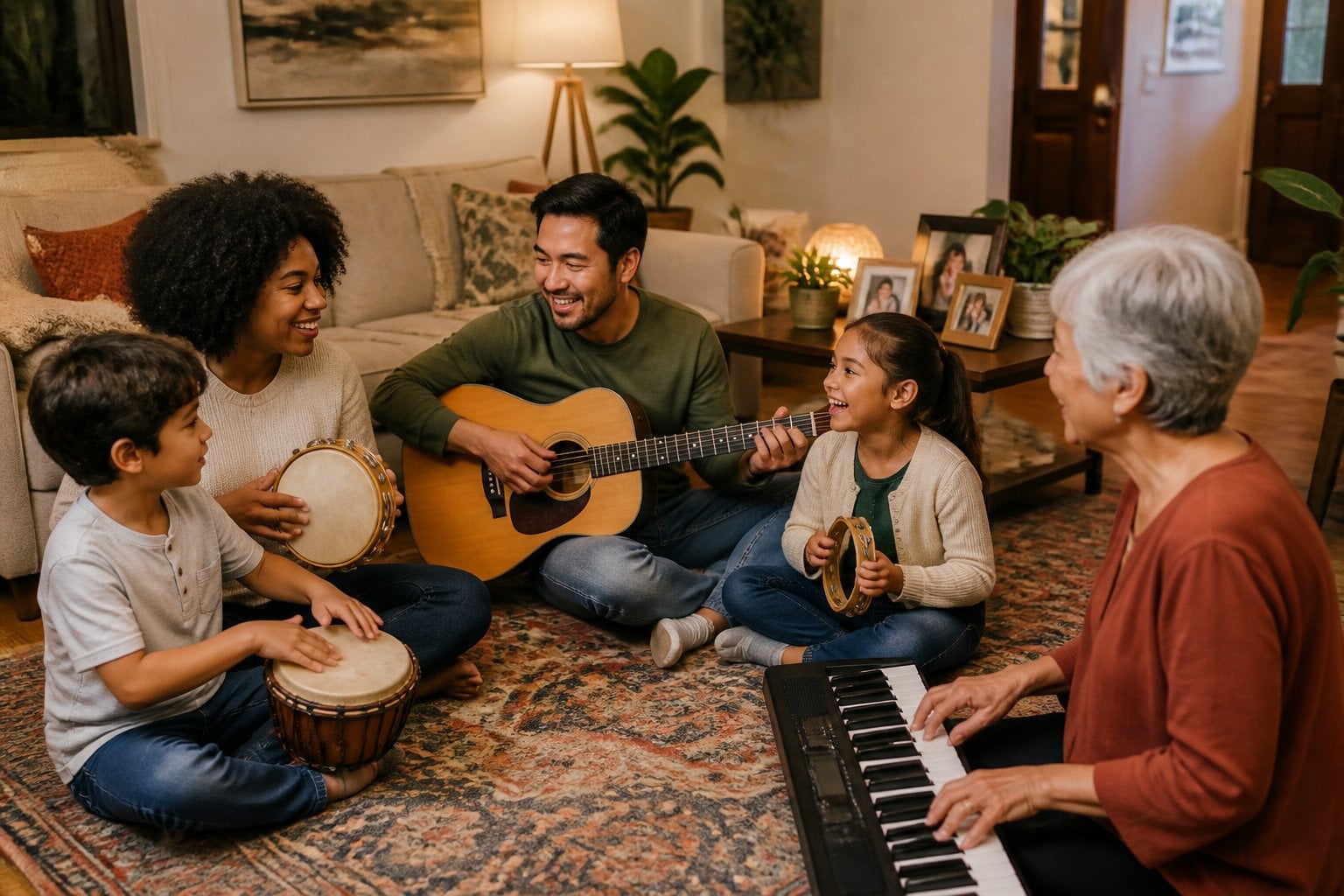
You gathered on the living room rug with whatever instruments your family owned. Someone played guitar while another kept rhythm on a tambourine or shook a maraca. The youngest might have banged on a toy drum or wooden spoon against a pot.
These informal sessions required no musical training. You learned by listening and joining in, picking up basic chords or rhythms through repetition. Your living room became a practice space where mistakes were expected and experimentation was encouraged.
The rug provided a comfortable spot where everyone sat in a circle, making it easy to see and hear each other. You played familiar songs or created simple melodies together. These sessions happened weekly for some families, monthly for others, but they created a shared musical language that belonged only to your household.
15. Candlelit Living-Room Tea Time
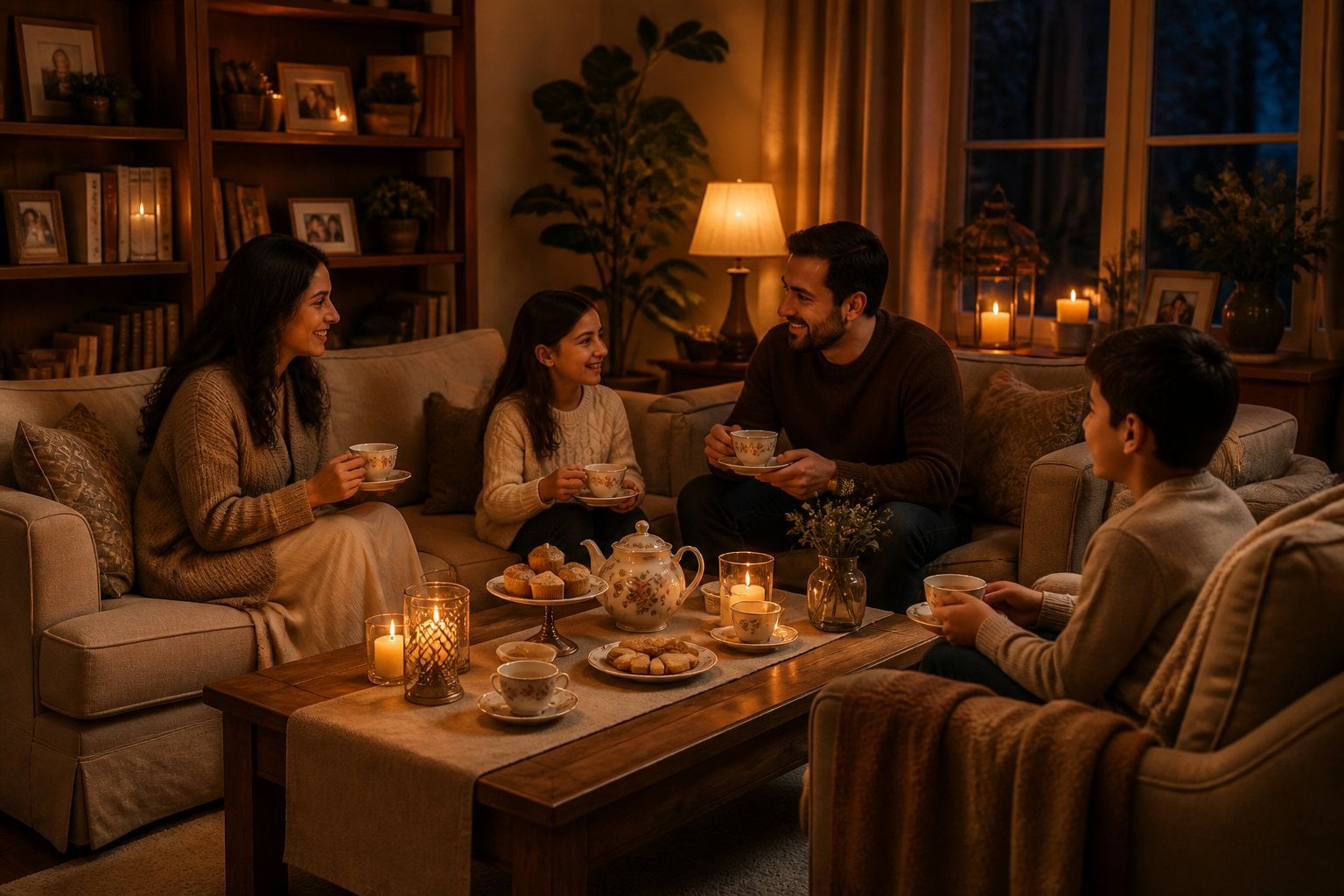
Setting aside time for tea by candlelight created a natural transition from daytime chaos to evening calm. You would gather in the living room as someone prepared a pot of tea, while another family member lit candles around the space.
This ritual didn’t require elaborate preparation. A simple teapot, a few cups, and candles placed on the coffee table or mantel were enough to transform the atmosphere. You could include biscuits or small snacks, but the focus remained on conversation and presence.
The soft glow encouraged quieter voices and more thoughtful exchanges. Children learned to slow down and practice patience as they waited for their tea to cool. The dimmed lighting signaled a shift away from work and school demands toward connection and rest.
16. Weekly Crafting on the Throw Blanket
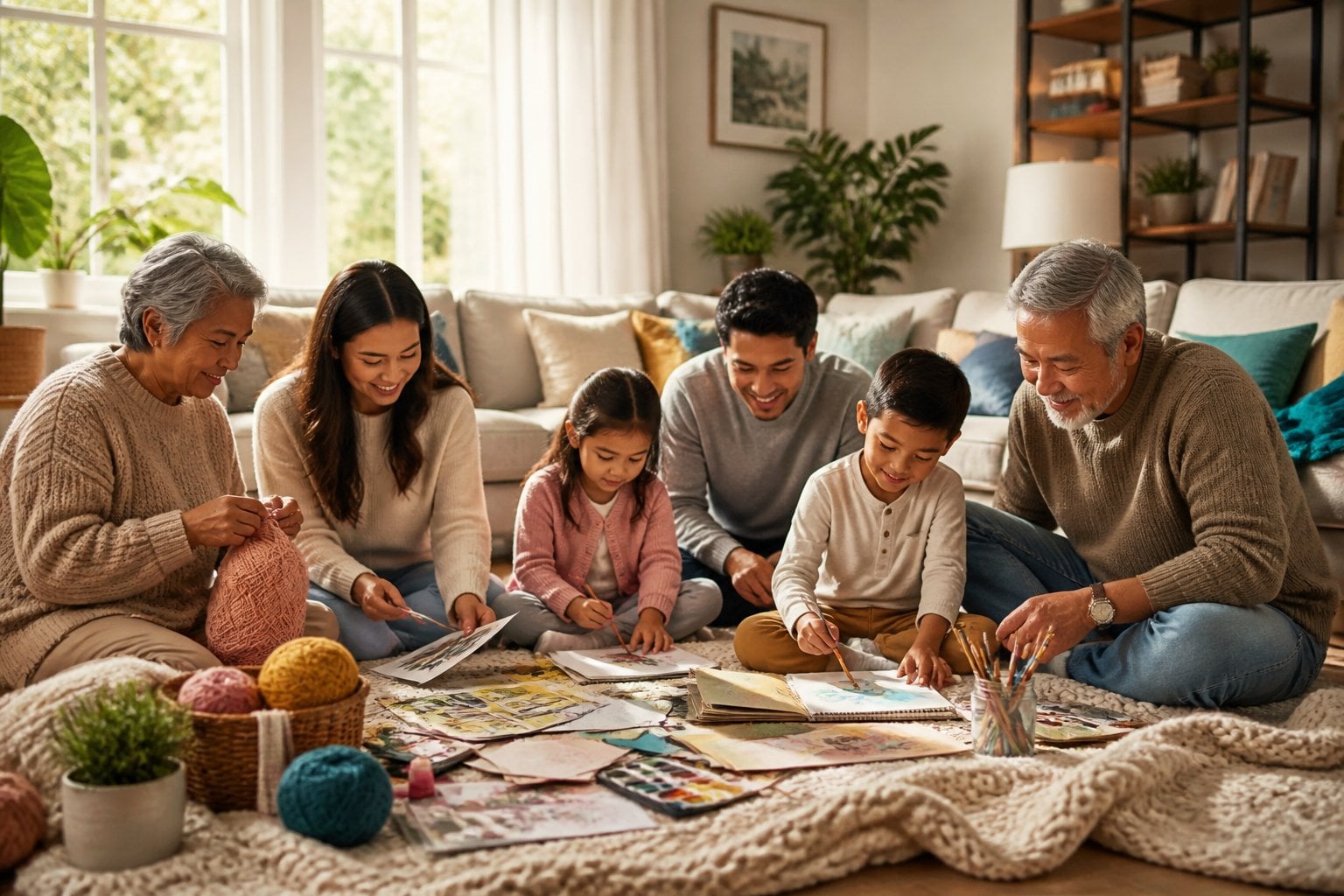
Spreading a throw blanket on the living room floor creates an instant crafting station that signals creative time together. You can designate one evening each week for family members to work on their projects in this shared space.
The blanket defines the activity zone and makes cleanup easier when the session ends. Your family can rotate who chooses the craft, from painting and drawing to beading or origami.
This tradition works particularly well because it accommodates different ages and skill levels. Younger children can color while teenagers work on more complex projects, all within the same designated area.
The throw blanket becomes associated with creativity and family time. You simply roll it up and store any unfinished projects inside until next week’s session.
17. Homework Help and Math Club Hour

The living room transformed into a study space after dinner, where parents worked alongside children on assignments and problem sets. You’d spread textbooks and papers across the coffee table while parents reviewed multiplication tables or spelling words.
Many families designated specific evenings for focused homework sessions. Your siblings might tackle their own subjects nearby, creating a shared learning environment that made studying feel less isolating.
Math problems often became family puzzles, with parents demonstrating different approaches to solving equations. You learned that struggling with homework wasn’t something to hide but an opportunity to ask for guidance.
This tradition taught accountability and time management. Your parents didn’t simply provide answers but walked you through the reasoning process, building skills that extended beyond individual assignments.
18. Living-Room Gardening: Plant Potting Night
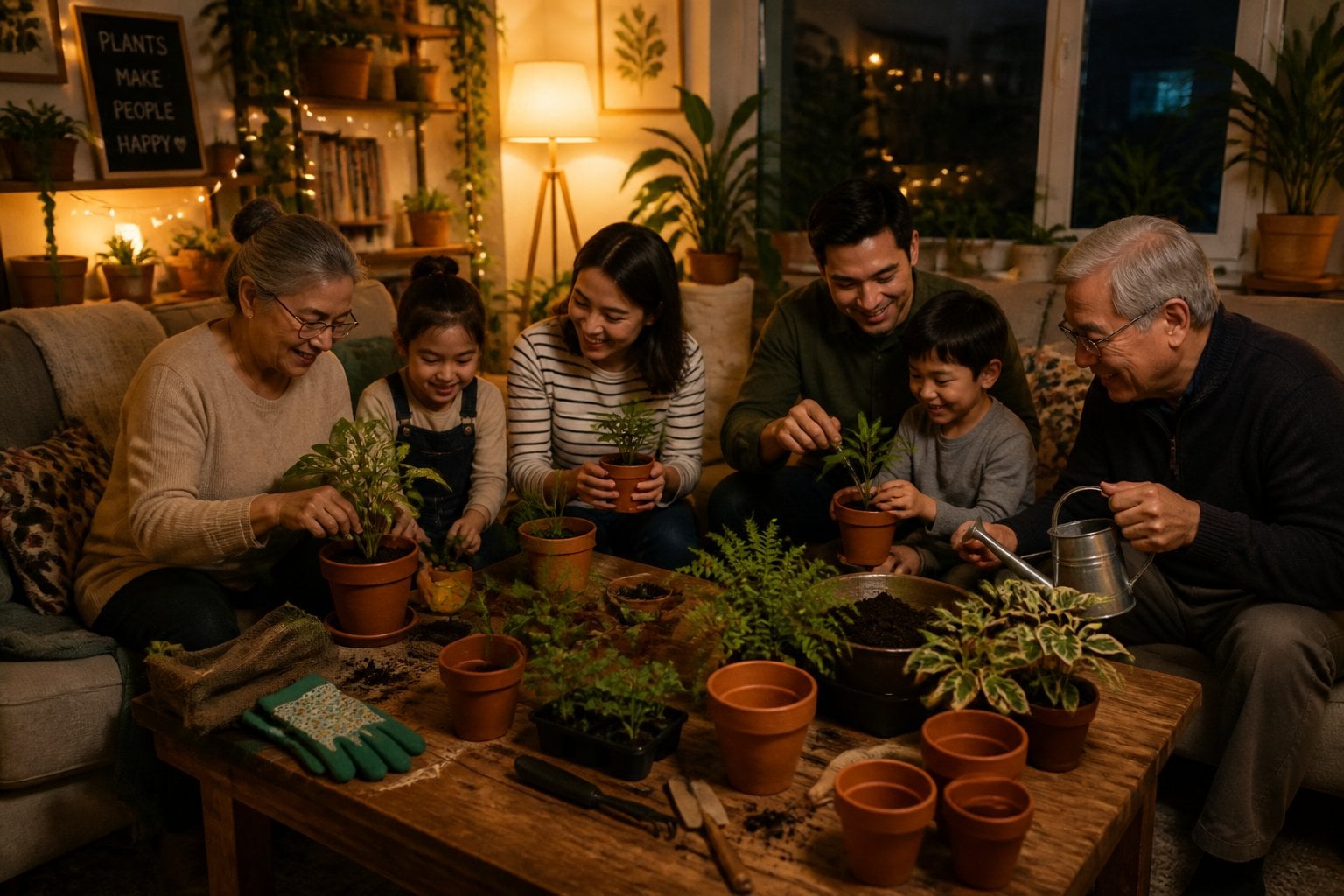
Setting aside an evening for indoor gardening created a hands-on activity that engaged the whole family. You gathered around the coffee table with pots, soil, and seedlings, transforming your living room into a temporary greenhouse.
This tradition allowed you to teach children about plant care while beautifying your home together. Each family member selected their own plant to pot and nurture, creating personal investment in the activity.
The process was straightforward. You spread newspaper across the floor, arranged your materials, and worked side by side repotting houseplants or starting new cuttings. Spider plants, pothos, and other hardy varieties were popular choices that tolerated indoor conditions well.
Plant potting nights combined practical home maintenance with quality time. Your living room became a space where you cultivated both greenery and family connections.
19. Sunday Evening Gratitude Round
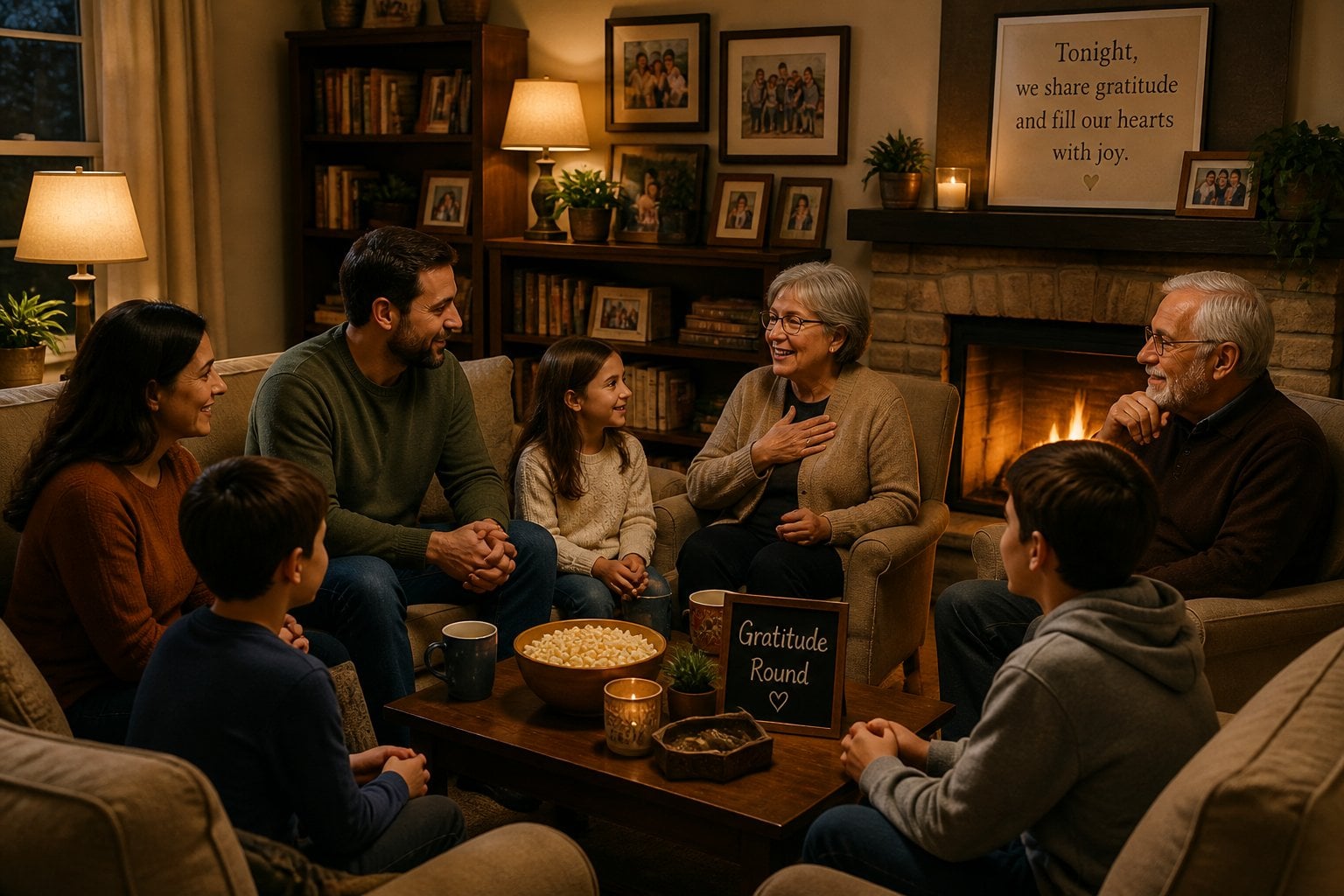
Sunday evenings offered families a natural transition point between the weekend and the upcoming week. Many households gathered in the living room to share what they felt grateful for from the past seven days.
This simple practice required no special equipment or preparation. You simply sat together and took turns expressing appreciation for specific moments, people, or experiences. Children learned to articulate their feelings while adults modeled thoughtful reflection.
The ritual helped families end the weekend on a positive note. It shifted focus away from Monday anxieties toward meaningful connections made during the week. Some families kept gratitude journals to track these shared moments over time.
The practice took only ten to fifteen minutes but created space for everyone to feel heard and valued before the busy week began.
20. Family Calendar Planning Session
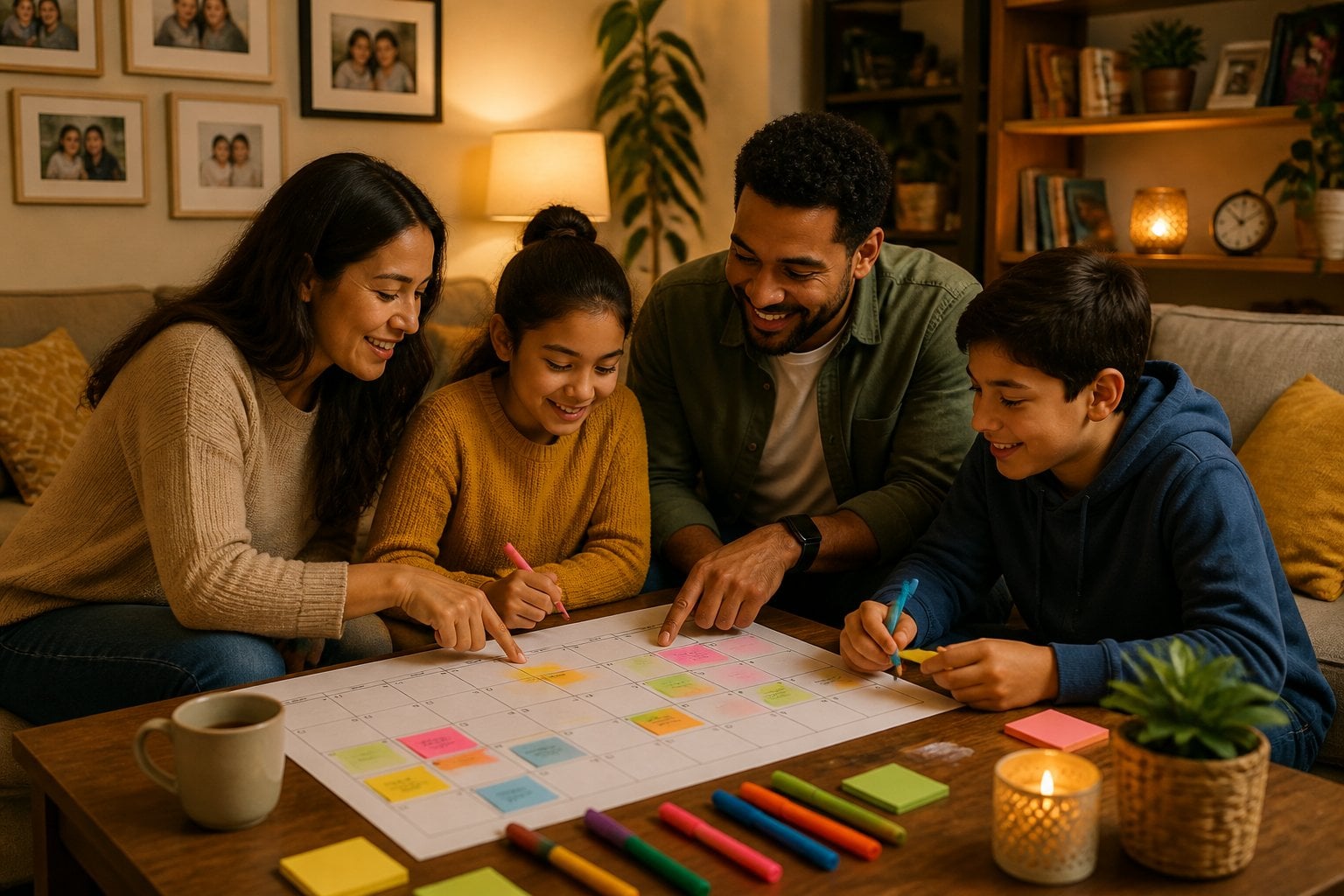
Sunday evenings became dedicated time for families to gather around the coffee table with their wall calendar and plan the week ahead. You would review everyone’s schedules, mark important appointments, and coordinate carpools and activities. This simple practice helped prevent scheduling conflicts and ensured everyone stayed informed about family commitments.
The planning session gave each family member a voice in household decisions. Children learned organizational skills by participating in discussions about their activities and responsibilities. Parents could balance work obligations with family time more effectively.
These sessions typically lasted fifteen to thirty minutes. You would use a large calendar visible to everyone, often hanging in the living room or kitchen. The ritual created accountability and helped families prioritize what mattered most for the upcoming week.
21. Neighborhood Letter-Writing Hour
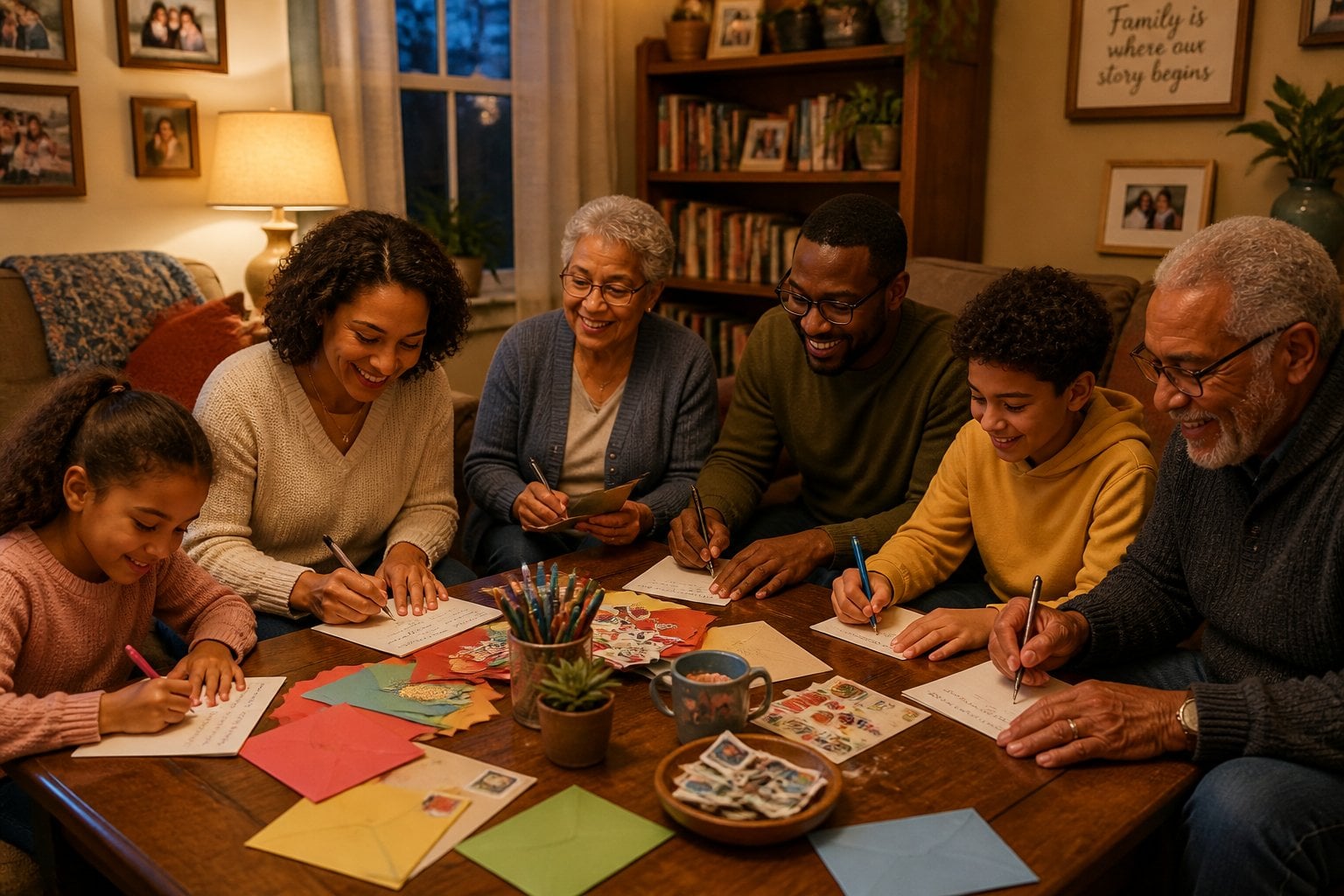
Many families designated a specific evening hour for writing letters to distant relatives and friends. You would gather around the living room table with stationery, pens, and address books spread out before you.
Parents helped younger children compose their messages while older family members worked on their own correspondence. This shared activity created a quiet, focused atmosphere where everyone participated in maintaining connections beyond your immediate neighborhood.
The practice taught you patience and thoughtfulness as you considered what to share about your daily life. You learned proper letter-writing etiquette and the value of maintaining relationships through regular communication.
After finishing your letters, family members often read their drafts aloud to get feedback before sealing the envelopes. The anticipation of receiving replies weeks later extended the joy of these writing sessions well beyond the initial evening.
22. Classic Radio-Show Listening Hour
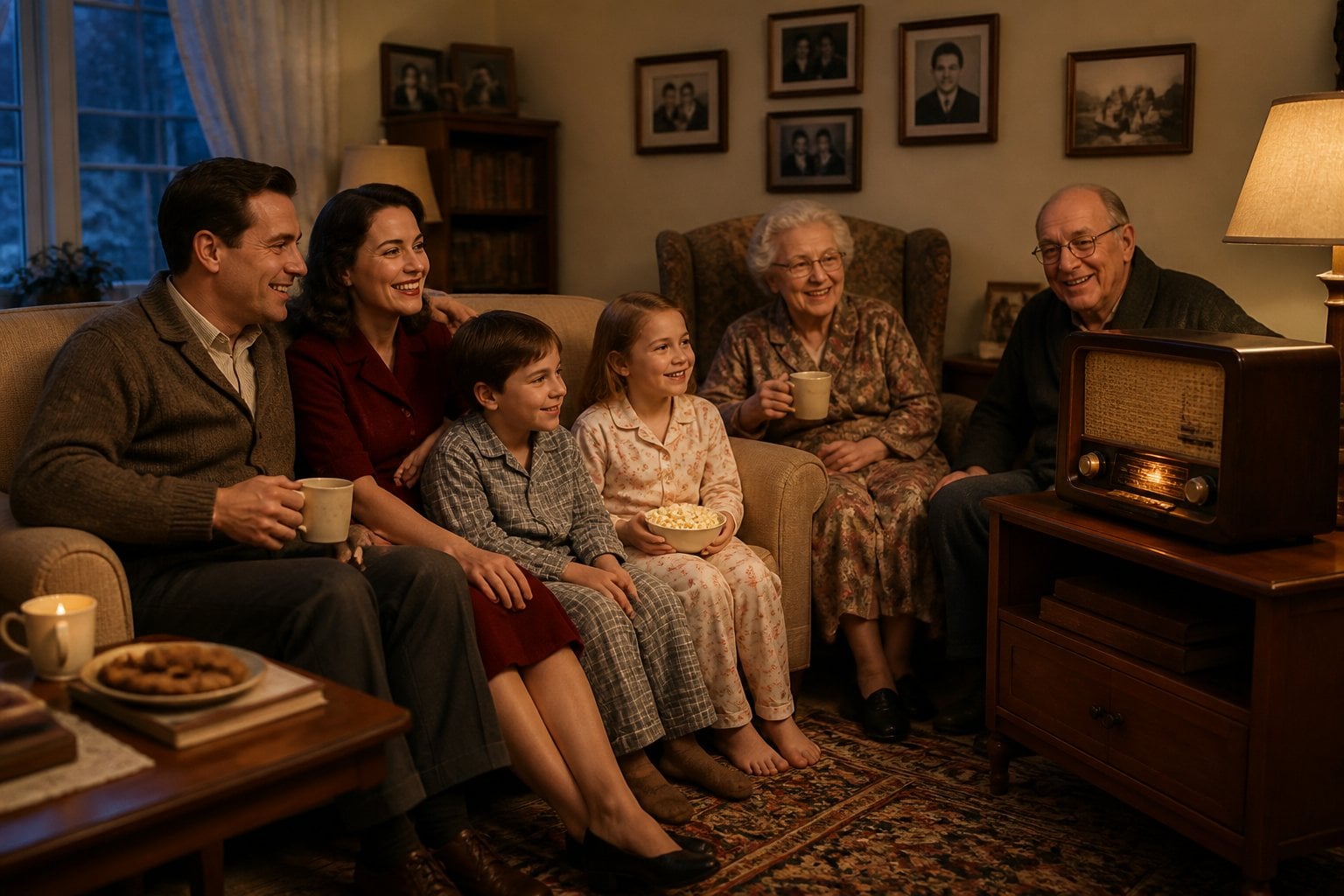
Before television dominated living rooms, families gathered around wooden radio sets for their nightly entertainment. You would find parents and children settling into their favorite spots, ready to listen to dramas, mysteries, and comedies that sparked their imaginations.
Popular programs like “Gunsmoke” and “Our Miss Brooks” became household staples during the 1940s and 1950s. Your family would share snacks like popcorn while listening, creating a communal experience that everyone looked forward to each evening.
The audio-only format required listeners to imagine the scenes, characters, and settings themselves. You and your family members would often discuss plot twists and favorite characters after each episode, strengthening family bonds through shared storytelling.
This listening hour became a cherished ritual that brought multiple generations together in one room, united by the voices crackling through the airwaves.
23. Piece-by-Piece Home Movie Editing Night
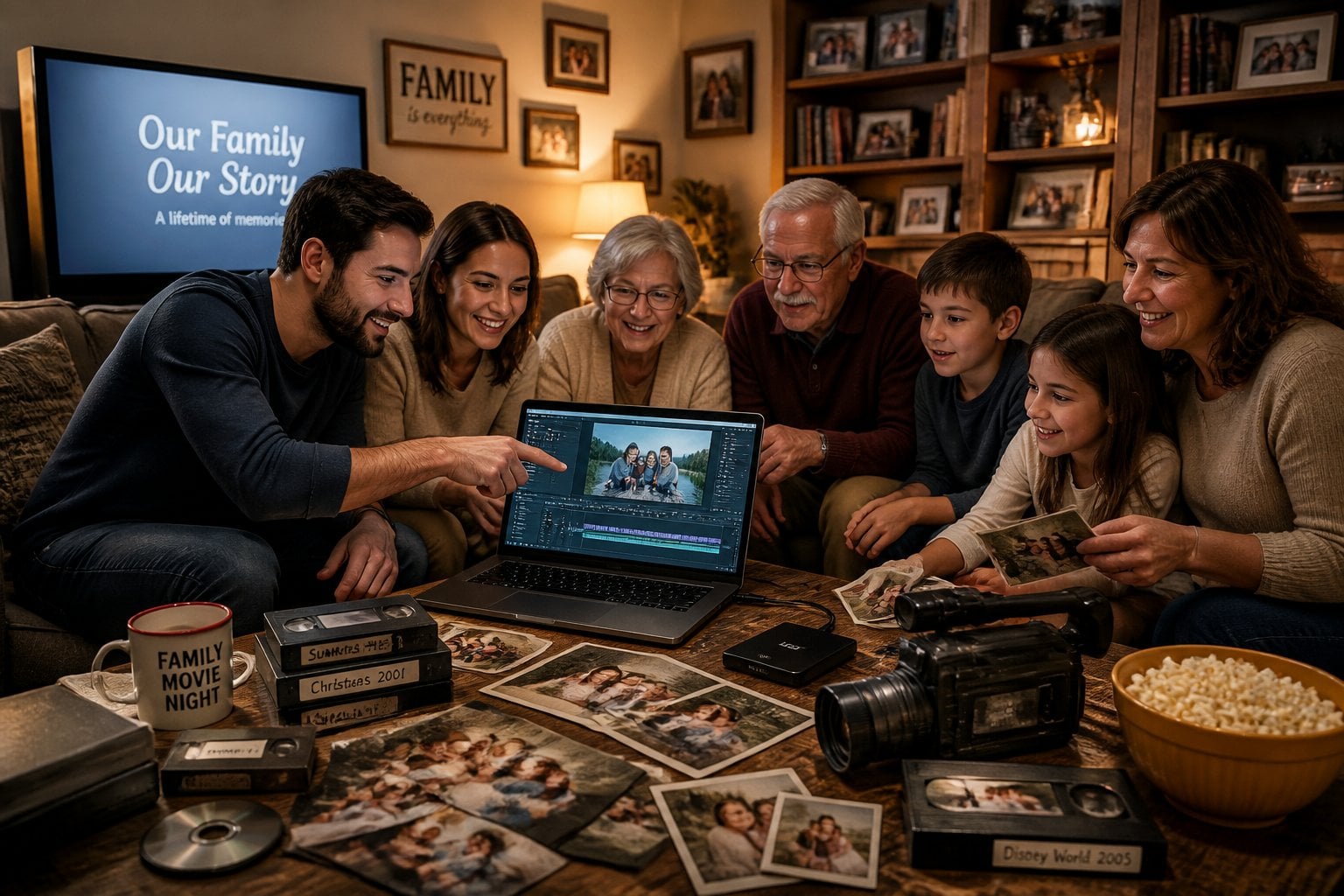
Before digital video made editing simple, families gathered around the dining room table with reels of film, scissors, and splicing tape. You would review vacation footage or birthday celebrations frame by frame, deciding which moments deserved to stay and which scenes to cut.
This process required patience and collaboration. Everyone offered opinions on the best shots while one person carefully cut and taped the film strips together.
The physical nature of editing made each decision feel significant. You couldn’t simply undo mistakes with a click. These sessions turned raw footage into family stories, with everyone contributing to the narrative.
The finished reels became treasured possessions, representing both the memories captured and the evening spent crafting them together.
24. Pajama Swap and Pillowcase Sewing Night
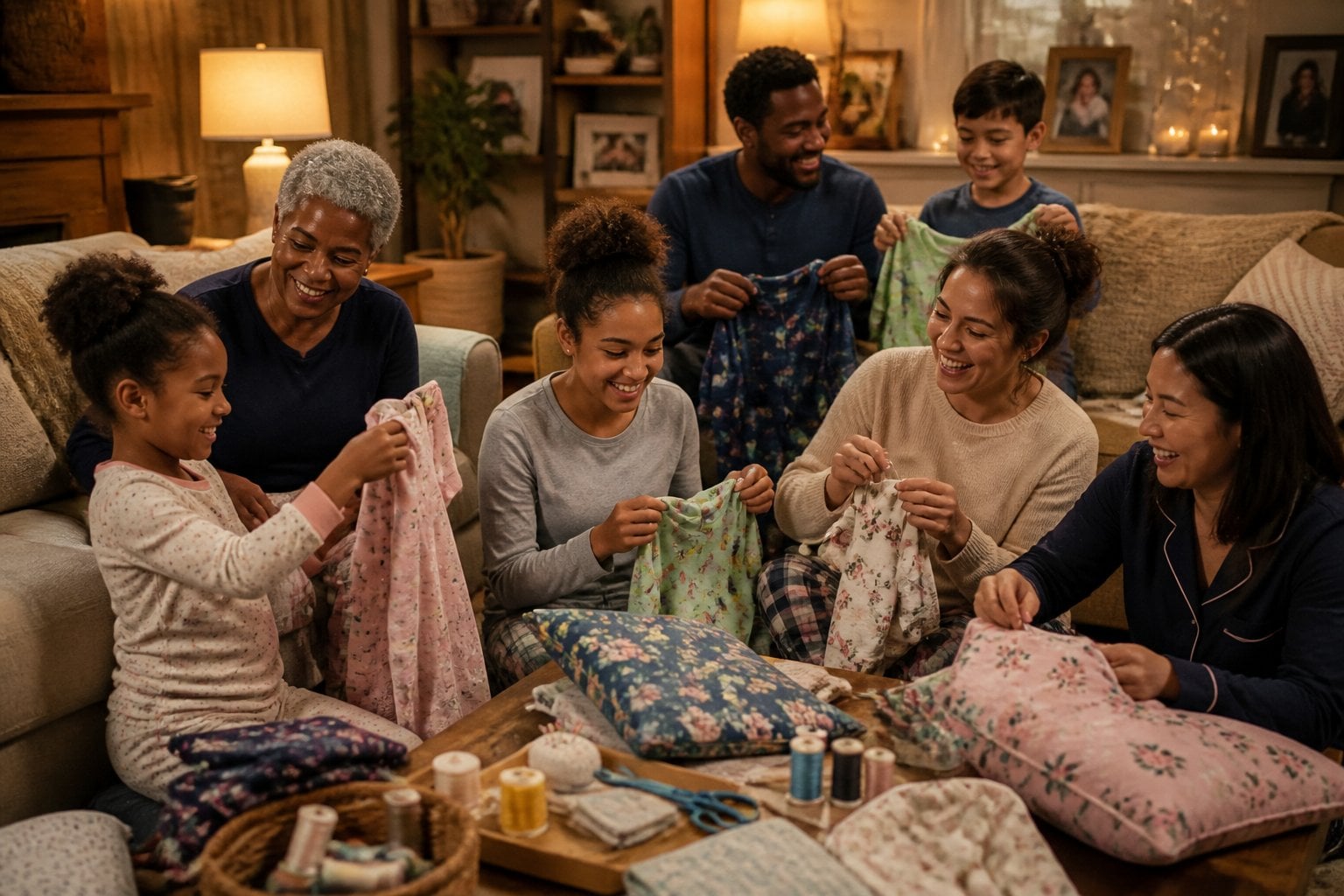
You can transform an ordinary evening into a creative family gathering by hosting a pajama swap and sewing session. This tradition combines practicality with hands-on learning as you teach children basic sewing skills while creating personalized sleepwear.
Start by gathering old pillowcases and simple sewing supplies. You’ll find that pillowcases work perfectly for making nightgowns or sleep shirts with minimal cutting required. Add ribbon for straps and let each family member choose their favorite pattern or color.
The swap element lets siblings exchange outgrown pajamas before you alter them together. This teaches resourcefulness while creating items your family will actually use.
You’ll spend the evening guiding younger children through threading needles and basic stitches while older ones handle more complex tasks. The completed projects give everyone a sense of accomplishment and wearable memories of time spent together.
25. Living-Room Science Experiment Demo
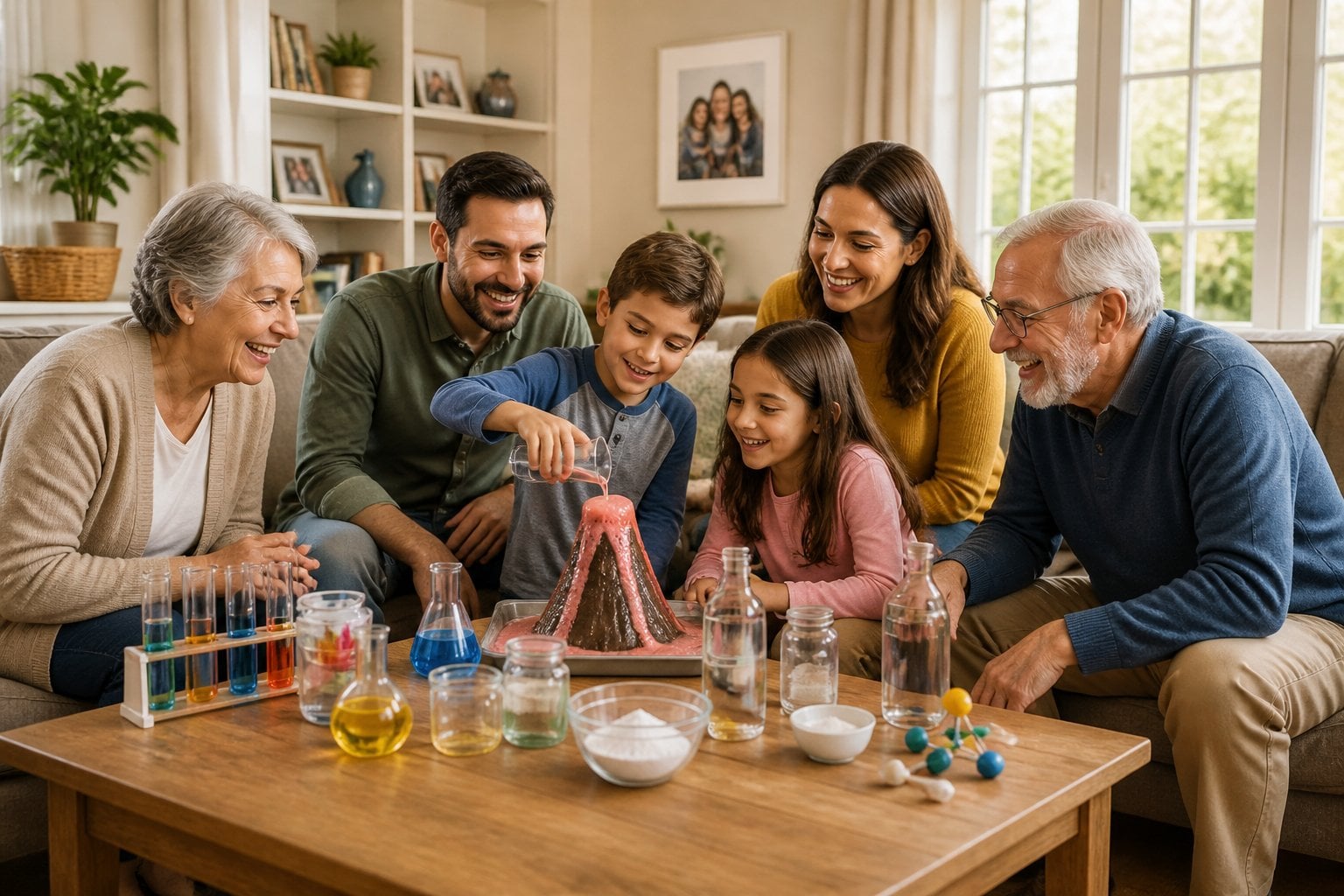
You can transform an ordinary evening into an educational experience by conducting simple science experiments together. This tradition turns your living room into a hands-on lab where curiosity drives the activity.
Start with safe experiments using household items. You might grow sugar crystals, extract DNA from strawberries, or create a baking soda volcano. These demonstrations require minimal equipment and setup.
The real value comes from working through each experiment as a team. Your children ask questions, form hypotheses, and observe results firsthand. You guide them through the scientific method without needing specialized knowledge.
This nightly ritual builds critical thinking skills while creating memorable moments. You can rotate who picks the next experiment, keeping everyone engaged and invested in the tradition.
26. ‘High-Low’ Conversation After Dinner
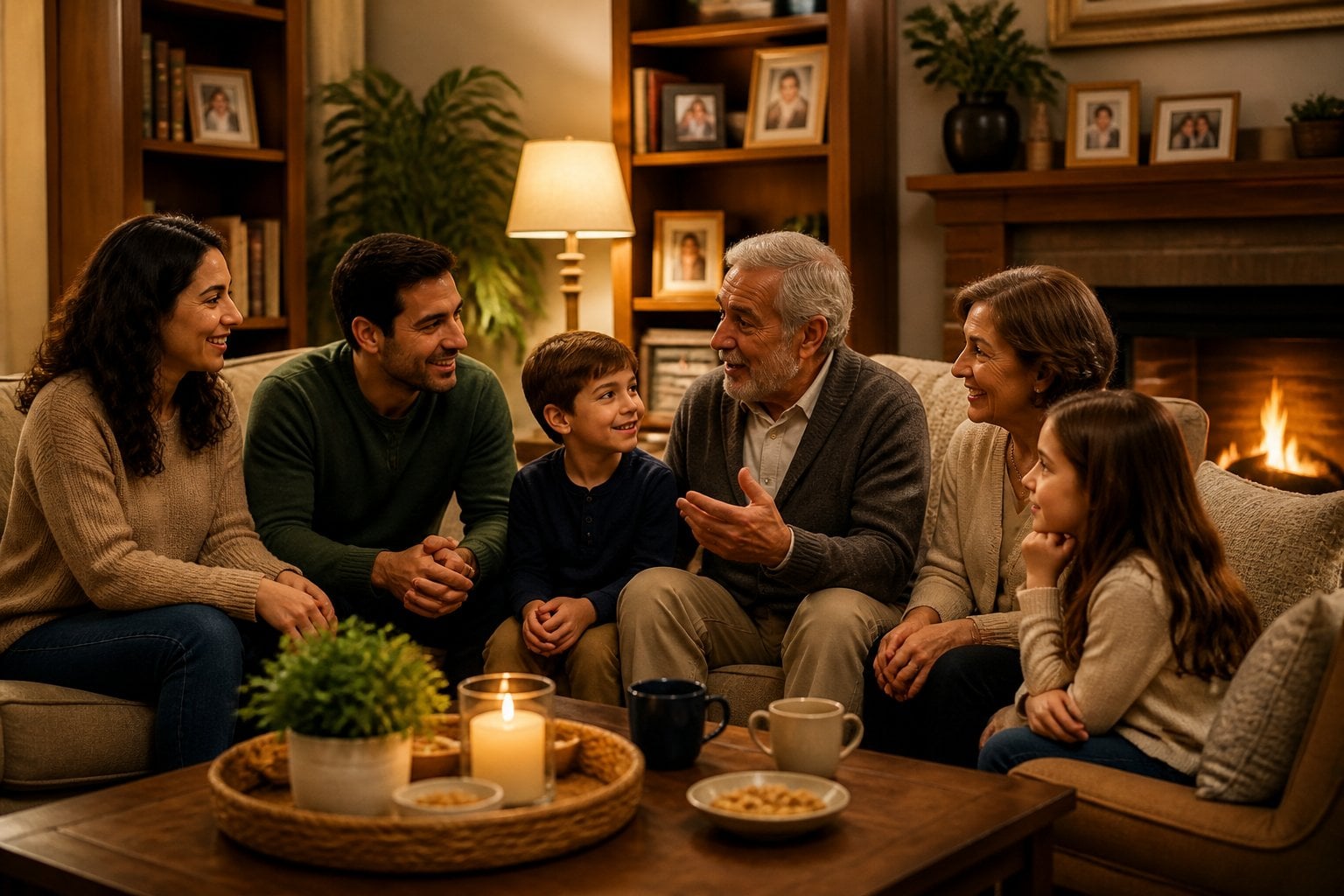
You gathered around the living room after clearing the dinner table to share the best and worst parts of your day. Each family member took turns describing their “high” and “low,” creating a simple but powerful ritual that encouraged everyone to open up.
This tradition gave children a structured way to talk about their experiences. They learned to identify and express their emotions while developing stronger communication skills. You listened to triumphs and struggles without judgment, making it easier for kids to discuss problems they faced.
The practice required no special equipment or preparation. You simply asked two questions and gave everyone space to answer honestly. This nightly routine transformed ordinary evenings into opportunities for genuine connection, helping family members understand each other’s daily lives beyond surface-level conversations.
27. Rotating Family Book-Club Meeting
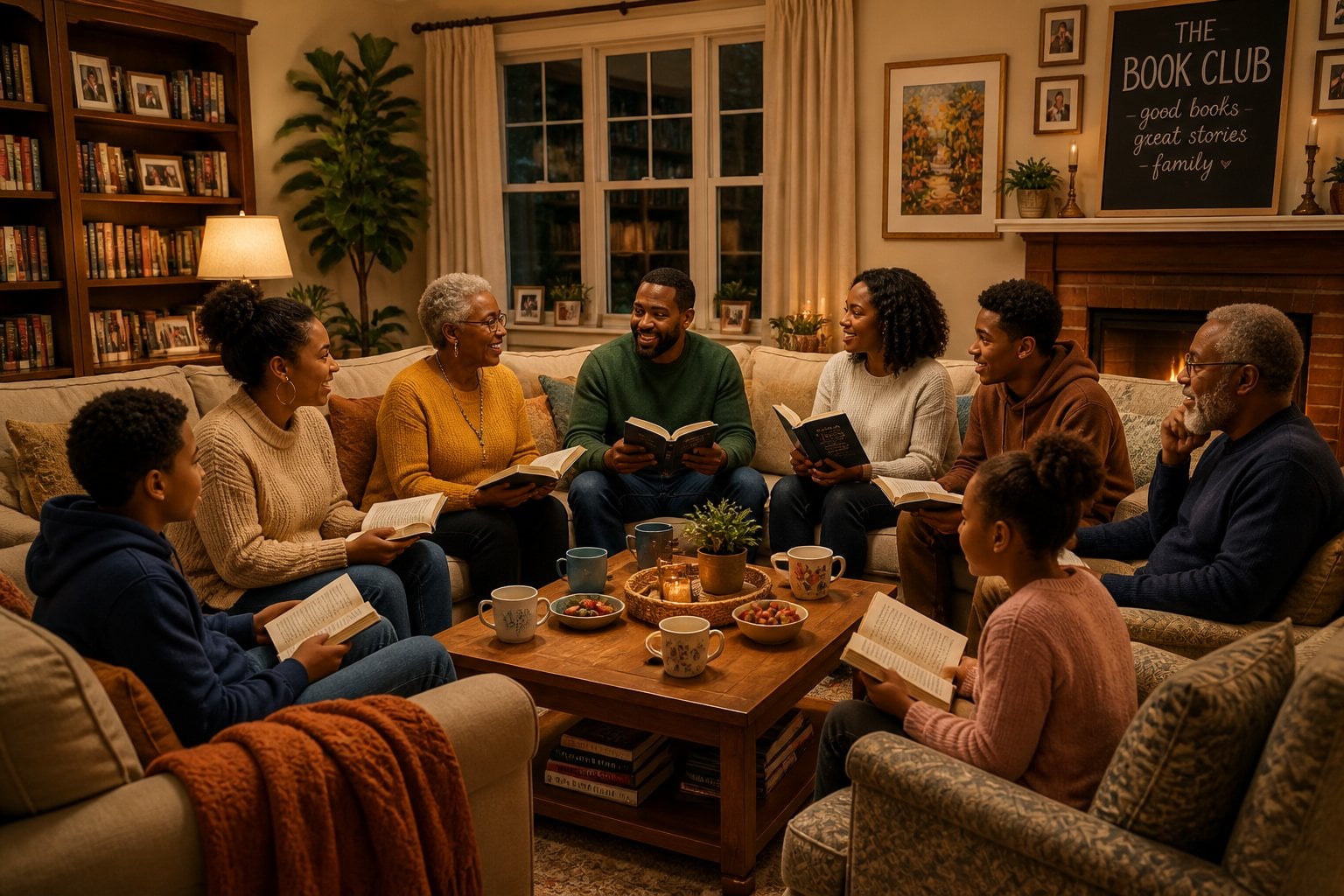
You can transform your living room into a literary hub by establishing a rotating family book club. This tradition works best when you designate consistent meeting times, whether weekly or monthly, allowing everyone to finish the selected book.
The rotation system lets each family member take turns choosing the book and hosting the discussion. You pick a comfortable spot in your living room where everyone can gather in a circle or around the coffee table.
Younger children can participate by selecting age-appropriate titles or illustrated books that spark conversation. You guide discussions with open-ended questions about characters, favorite scenes, and personal connections to the story.
The tradition encourages active listening and respectful dialogue as family members share different perspectives on the same material. You create lasting memories through these shared reading experiences.
28. Scrapbook Construction Night
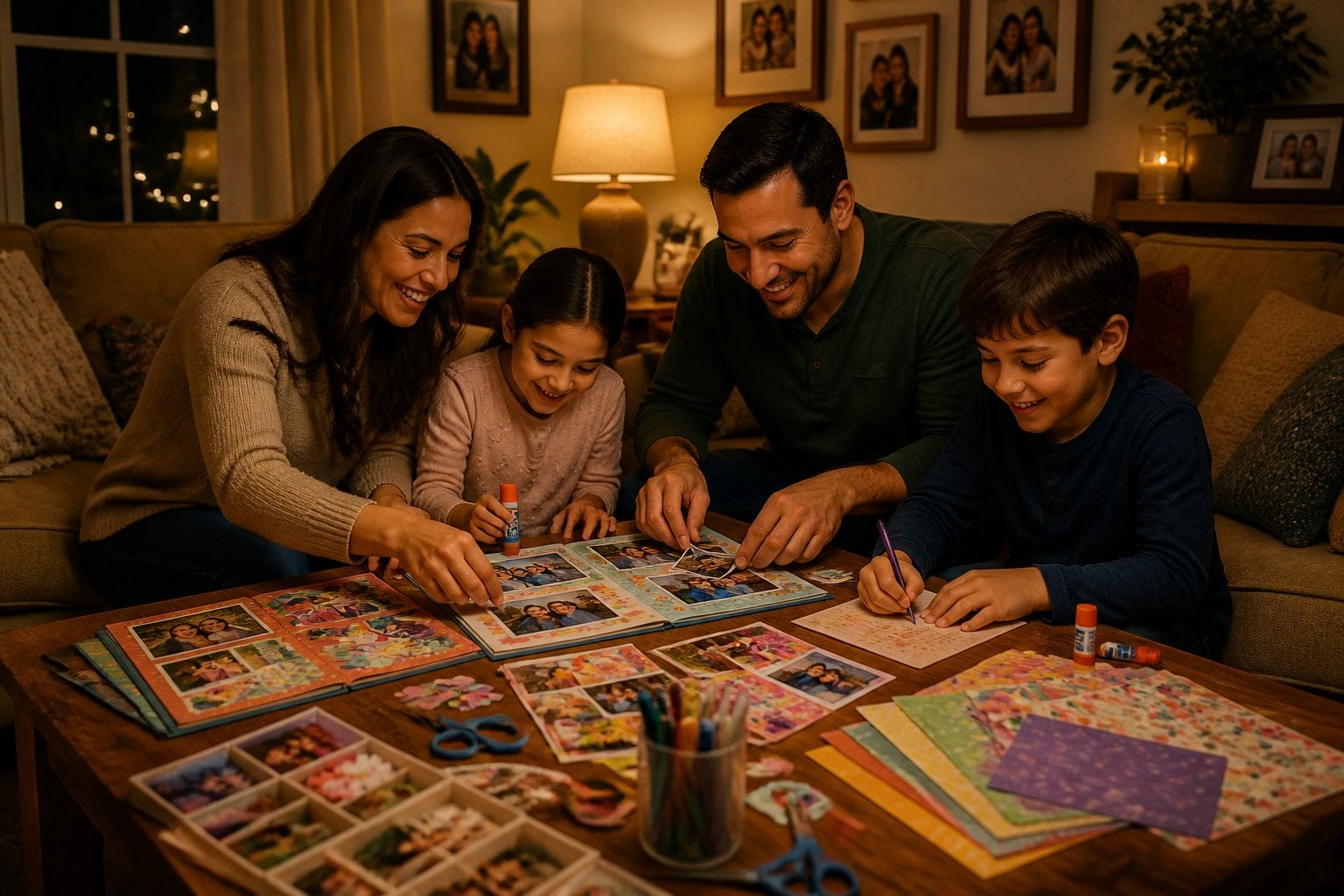
Setting aside one evening each week to work on family scrapbooks creates a hands-on tradition that preserves your memories together. You gather photos from recent events, ticket stubs from outings, and other memorabilia to arrange on pages while sharing stories about each moment.
This activity gives everyone a chance to contribute their perspective on family experiences. Younger children can help select photos and place stickers, while older family members write captions or journal entries that add context to the images.
Working on scrapbooks together turns memory preservation into a collaborative project rather than a solo task. You create both the physical album and new memories during these construction sessions. The finished scrapbooks become treasured keepsakes that document your family’s story through the years.
29. Film-Photo Slide Night with Stories
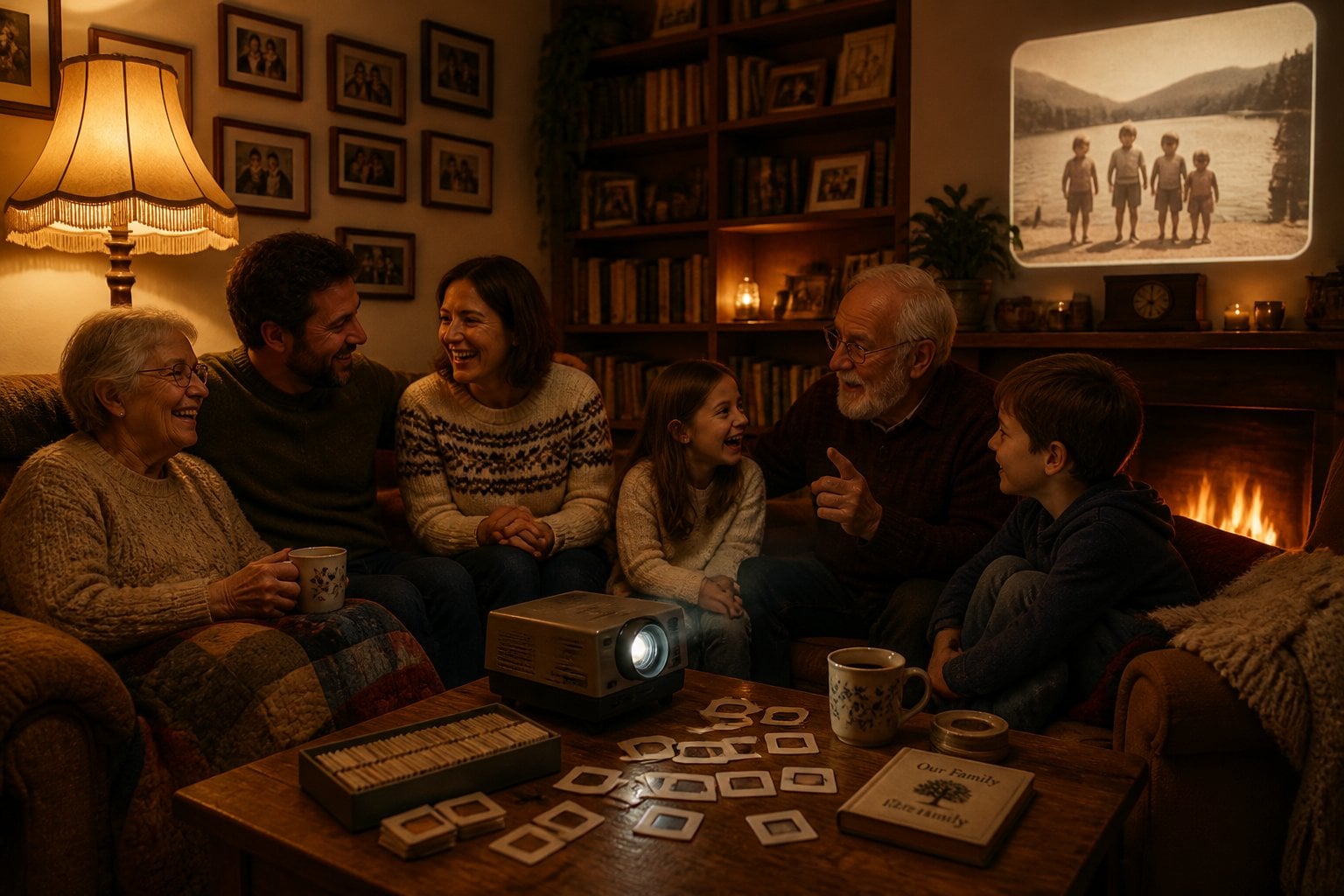
You gathered everyone in the living room, pinned a white bedsheet to the wall, and set up the slide projector for an evening of shared memories. The lights went down, and the first 35mm slide clicked into place, illuminating recent vacations, birthdays, or family milestones.
Each slide prompted stories and laughter as you narrated the moments captured on film. Your children heard about the funny mishap at the beach, while neighbors who joined learned about your latest trip.
This tradition required preparation. You loaded slides into carousel trays, arranged them in order, and invited family members to gather on a specific evening. The two-hour presentations turned photographs into communal experiences, where everyone reacted together rather than scrolling alone.
These nights slowed down the pace of sharing memories and created dedicated time for connection through storytelling and light.
30. Neighborhood Game Tournament (charades/ Pictionary)
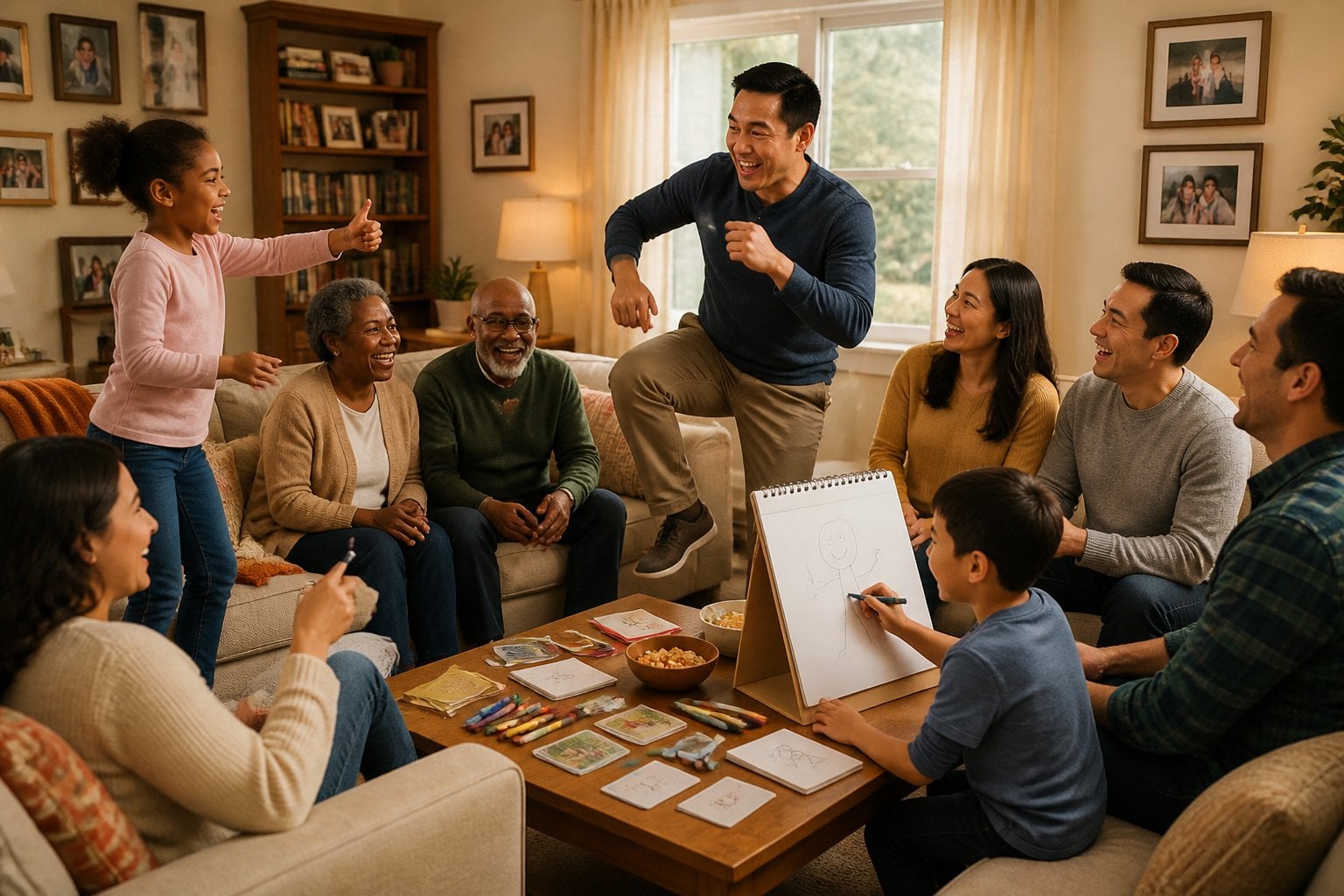
Hosting a neighborhood game tournament brought multiple families together for spirited competition. You could organize teams from different households to compete in charades or Pictionary rounds. These games required no special equipment beyond paper, pens, and creative thinking.
The tournament format added structure to casual gatherings. You set time limits for each round and kept score on a visible board. Families rotated between acting out clues and drawing prompts while neighbors guessed together.
These events worked across age groups since both games relied on communication rather than physical ability. Your youngest participants could draw simple objects while older players tackled complex phrases. The informal competition encouraged neighbors to interact beyond quick hellos.
Regular tournaments created anticipation in the community. You might host monthly events where families brought snacks to share between rounds. This tradition turned individual living rooms into gathering spaces that strengthened neighborhood bonds.
31. Recipe-Share and Tasting Night
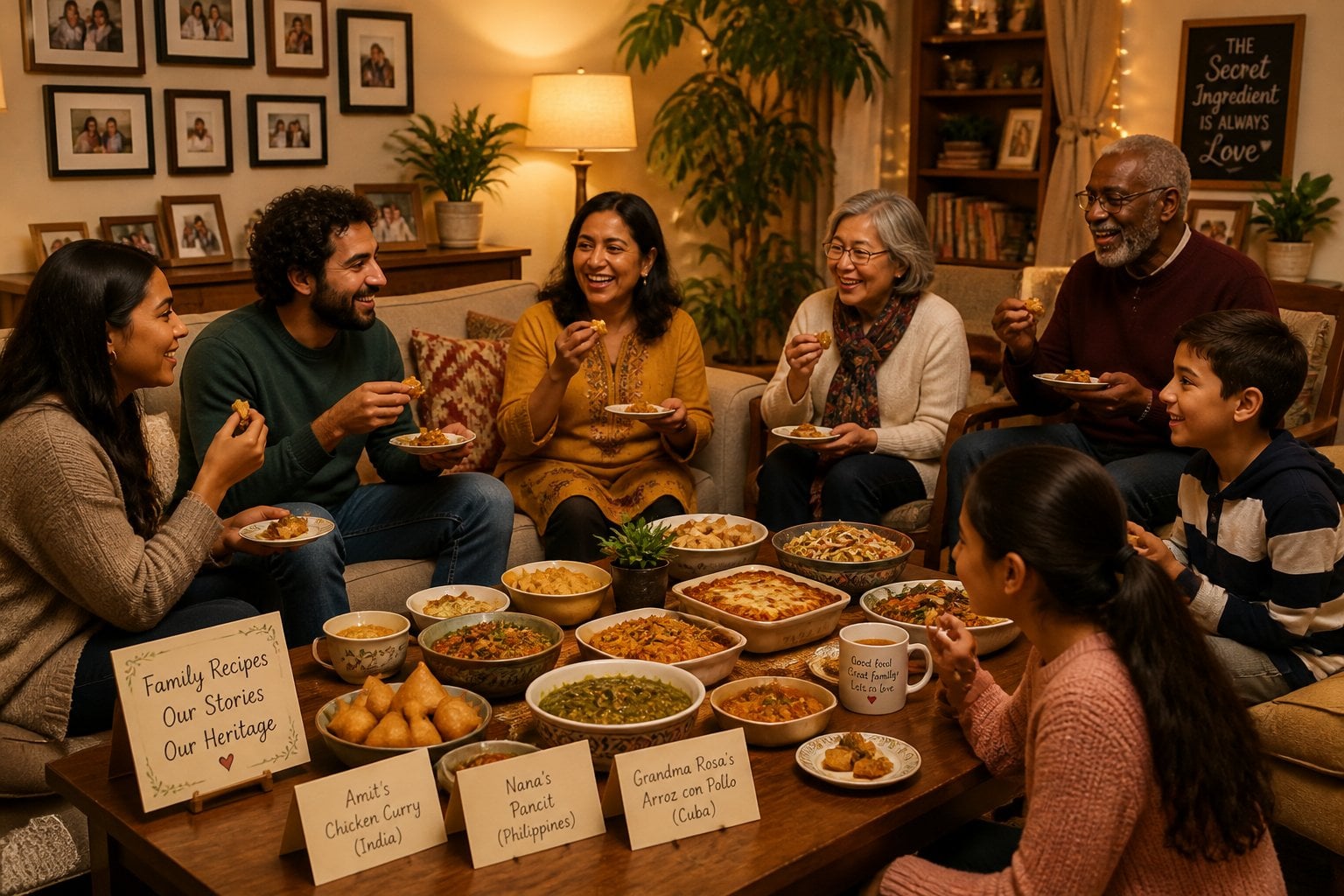
You could turn your living room into a testing ground for family recipes every few weeks. Each person brought a dish they wanted to share, whether it came from a handwritten card or their own creation.
The coffee table became a buffet of small portions. You tried everything and offered honest feedback about flavors and textures. Kids learned to cook alongside adults, and grandparents passed down techniques that never appeared in cookbooks.
This tradition kept recipes alive across generations. You discovered which dishes deserved a spot at holiday tables and which needed adjustments. The evening combined eating with storytelling, since every recipe carried its own history.
You built a collection of family favorites through these gatherings. Simple ingredients and clear instructions mattered more than complexity.
32. Monthly “What I Learned” Presentation Night
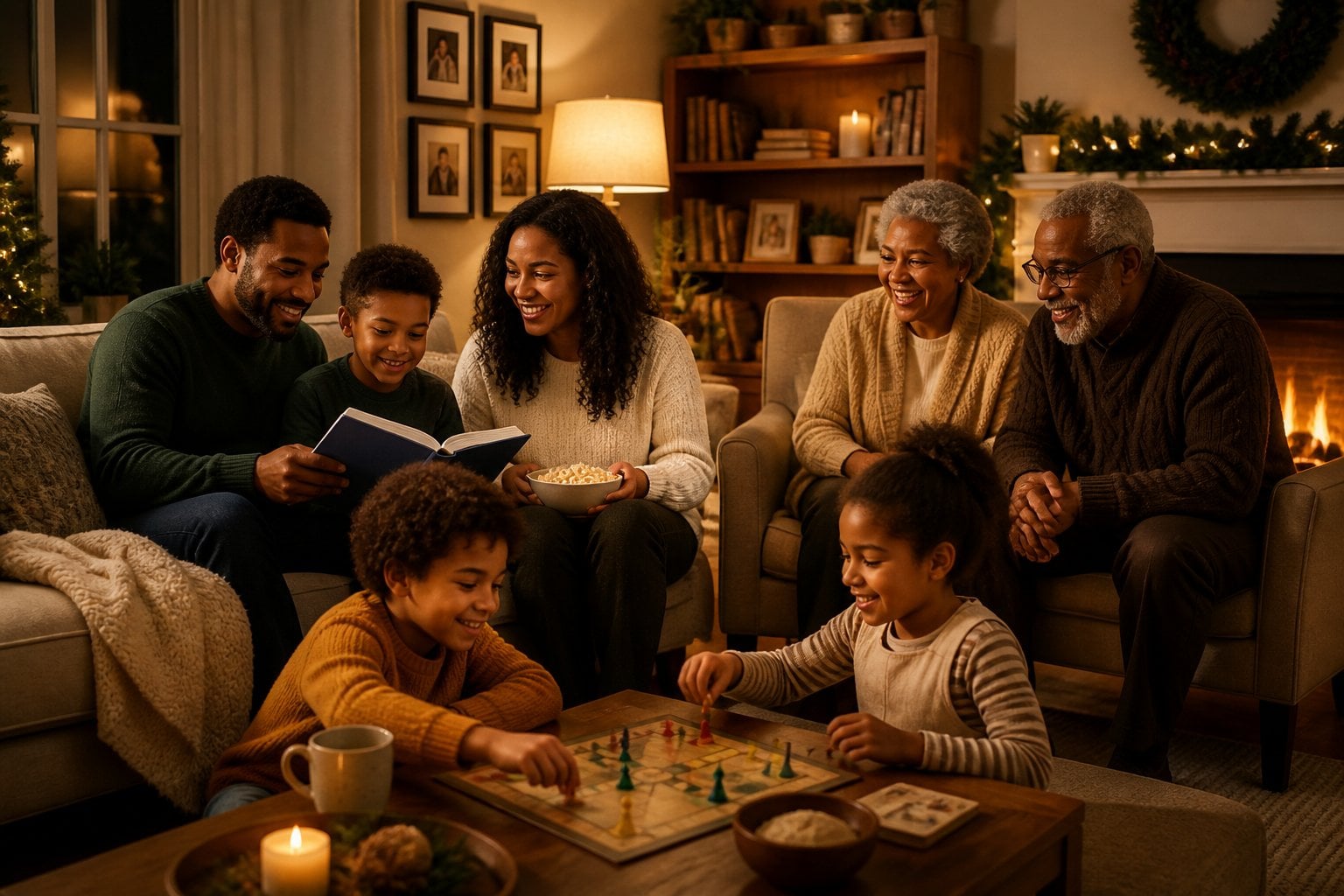
One evening each month, family members took turns presenting something new they had learned. You would gather in the living room as each person shared knowledge from school, work, hobbies, or everyday experiences.
The presentations were informal and varied widely in topic. Your daughter might explain a science concept, while your partner demonstrated a cooking technique they had mastered.
This tradition encouraged continuous learning and gave everyone a platform to share their interests. You learned to appreciate each family member’s unique perspective and discoveries. Children developed public speaking skills in a supportive environment.
The monthly format made preparation manageable without becoming a burden. You kept it relaxed, with questions and discussions welcomed after each presentation. These nights transformed your living room into a casual classroom where teaching and learning became a shared family value.
33. Board-Game Design Workshop
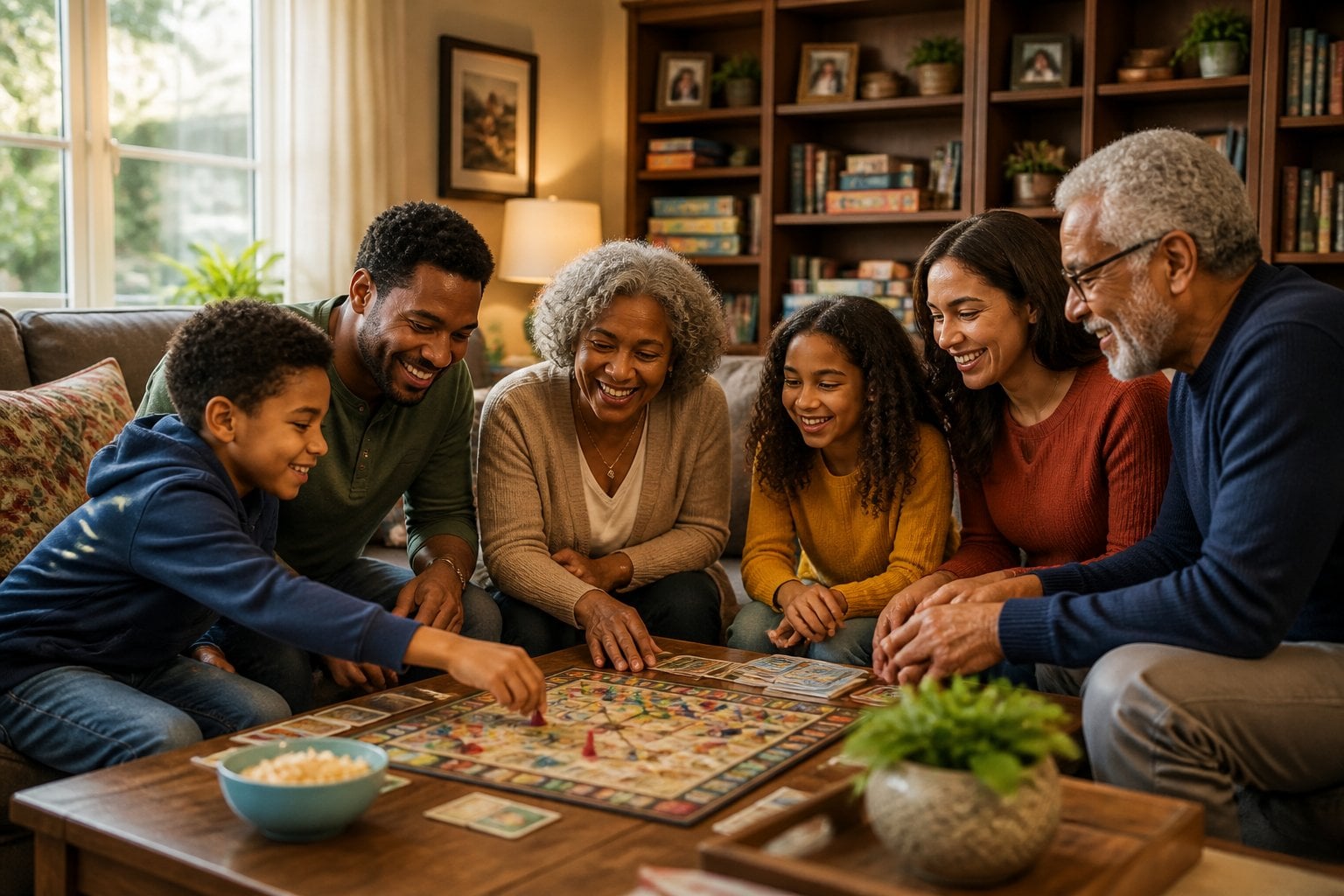
You gathered materials and tools on the living room floor to create original games as a family. This hands-on tradition turned ordinary evenings into collaborative design sessions where everyone contributed ideas for rules, themes, and gameplay mechanics.
You sketched game boards on poster paper, crafted cards from index stock, and repurposed household items as playing pieces. Your children learned problem-solving and creative thinking as they tested different mechanics and adjusted rules based on what worked.
The workshop format encouraged experimentation without the pressure of perfection. You spent time fabricating prototypes, playtesting with family members, and refining concepts together. These sessions produced unique games that reflected your family’s interests and humor, creating keepsakes that no store-bought box could replicate.
34. Heirloom Storytelling on the Armchair
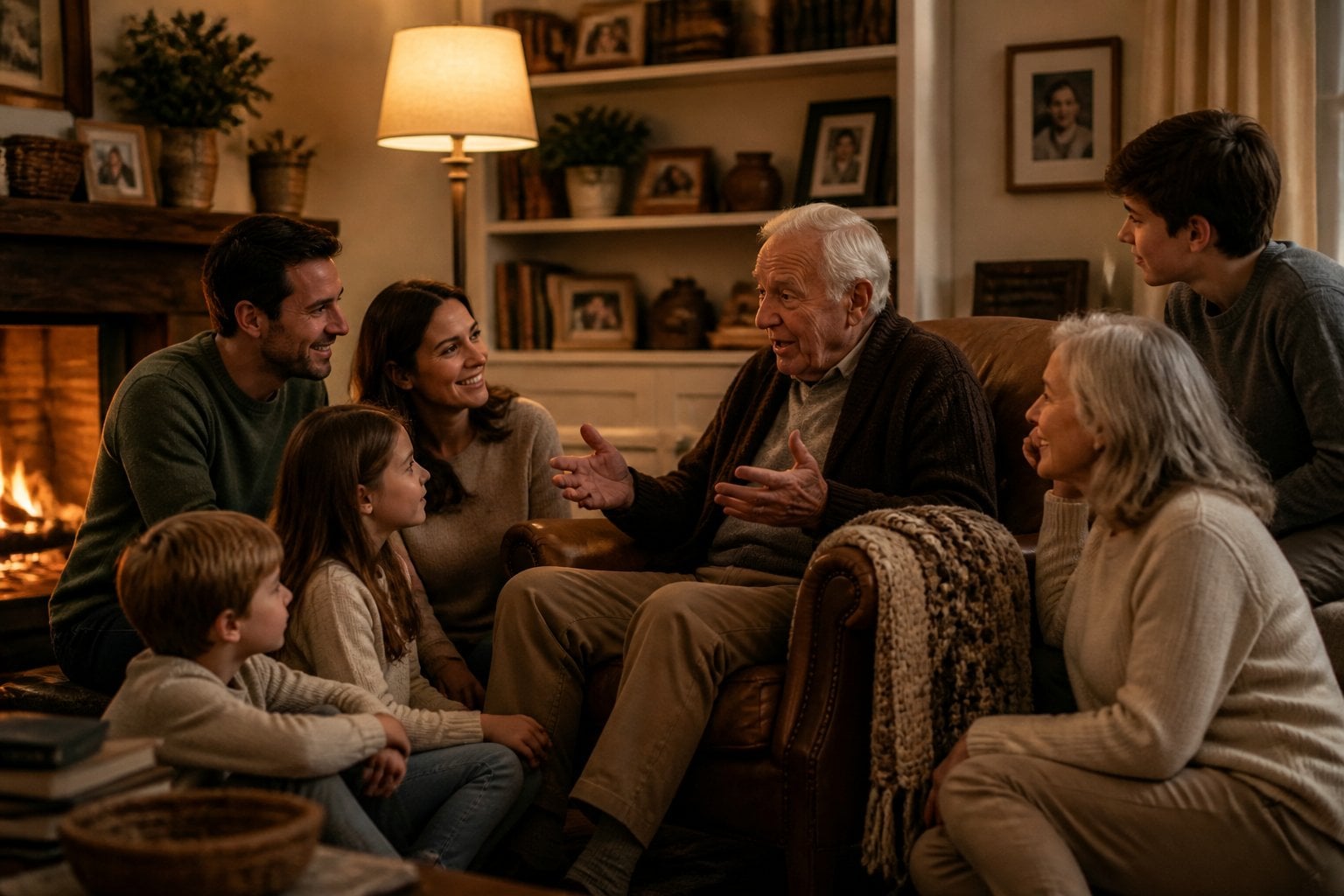
One designated chair often became the storytelling seat where family members shared the history behind inherited objects. You would gather around as someone held up a pocket watch, ceramic plate, or piece of jewelry and explained its origins.
These sessions turned physical items into narrative vessels. Each scratch, repair, or worn edge had a story that connected you to ancestors you might never have met.
The armchair setting made these moments feel official yet intimate. You learned family values and historical context through the objects themselves rather than abstract lessons.
Younger family members discovered their heritage through tangible connection. You could hold the same teacup your great-grandmother used or examine the tools your grandfather carried, making distant relatives feel present and real in your living room.
35. Family Budget-and-Goals Planning Session
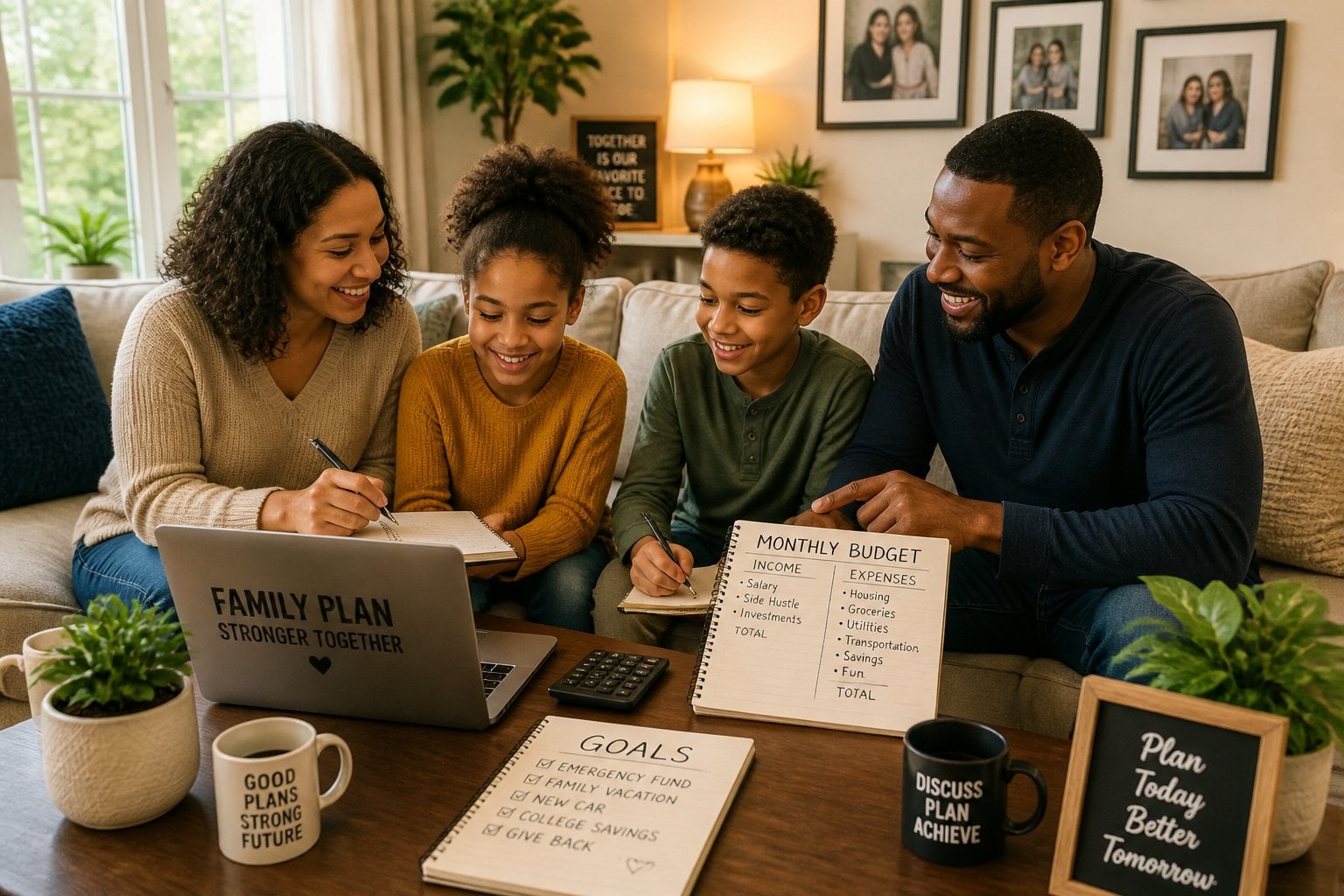
Setting aside time in the living room for budget discussions taught children financial responsibility while strengthening family unity. You gathered around the coffee table with bank statements, bills, and planning notebooks to review expenses and set shared objectives.
These sessions turned abstract money concepts into tangible lessons. Your children learned the value of saving, the necessity of prioritizing needs over wants, and how family decisions required compromise.
Planning future goals together created collective excitement and accountability. You discussed vacation funds, home improvements, or saving for education. Each family member contributed ideas and understood their role in achieving these targets.
The living room provided a comfortable, neutral space for these conversations. You made financial planning feel approachable rather than stressful, building skills your children would carry into adulthood while working toward common family aspirations.
Sociocultural Significance of Evening Gatherings
Evening gatherings served as the foundation for maintaining family cohesion and transmitting cultural values across generations. These nightly rituals created structured opportunities for families to connect emotionally and share experiences that shaped individual identities and collective family narratives.
Role in Strengthening Family Bonds
Regular evening gatherings in the living room established predictable routines that reinforced your family’s sense of unity and belonging. When you gathered consistently in the same space at similar times, you created a shared rhythm that helped family members feel connected to something larger than themselves.
Research demonstrates that families who spend dedicated time together raise children with higher self-esteem and improved social skills. The living room became your neutral territory where different generations could interact on equal footing, setting aside external pressures from work and school.
Key bonding mechanisms included:
- Physical proximity that encouraged natural conversation and observation
- Shared attention focused on common activities rather than individual screens
- Emotional availability during relaxed evening hours when stress levels decreased
- Ritual consistency that provided security and predictability
These gatherings taught you conflict resolution, turn-taking, and emotional regulation through natural family interactions. The informal nature of evening time together allowed relationships to deepen without the pressure of formal occasions.
Intergenerational Storytelling and Customs
Your living room functioned as the primary venue for passing down family history, cultural traditions, and practical wisdom from older to younger generations. Grandparents and parents shared personal experiences, historical events they witnessed, and lessons learned through conversational storytelling rather than formal instruction.
Evening gatherings gave your elders natural opportunities to explain cultural customs, religious practices, and family origins in context. Children absorbed communication styles, value systems, and problem-solving approaches simply by observing how adults interacted and responded to various situations.
This oral tradition preserved family knowledge that written records couldn’t capture—the texture of voices, the emotion behind decisions, and the subtle cultural nuances that defined your family’s identity. You learned recipes, craft techniques, songs, and language patterns through repetition and participation during these regular evening sessions.
The living room setting made these exchanges feel organic rather than educational, allowing younger family members to ask questions and engage with family heritage on their own terms.
Impact on Communication and Emotional Well-Being
Living room traditions created natural opportunities for families to communicate without forced conversation while building emotional security through predictable, shared experiences. These nightly gatherings reduced stress and helped family members develop stronger interpersonal skills.
Encouraging Open Dialogue
Regular living room time established communication patterns that made difficult conversations easier to navigate. When families gathered consistently, talking became a natural part of the routine rather than a scheduled event that signaled something serious.
The informal nature of activities like playing cards or working on puzzles created comfortable environments for sharing. You could discuss your day while your hands stayed busy, which often reduced the pressure of direct eye contact during sensitive topics.
Key communication benefits included:
- Lower barriers to sharing problems – Daily presence meant issues surfaced before they escalated
- Modeling conversation skills – Children learned how to listen, respond, and express themselves by watching parents interact
- Creating communication habits – Regular dialogue became the norm rather than the exception
These interactions built communication muscle memory. Your family developed shared language, inside jokes, and understood each other’s nonverbal cues through repeated exposure.
Fostering a Sense of Belonging
Consistent living room traditions provided tangible proof that family members mattered to each other. Showing up every night sent a clear message about priorities and commitment.
The physical act of gathering in the same space created emotional anchoring. You knew where your family would be and that your presence was expected and valued. This reliability built trust and emotional security, particularly for children who needed stability to develop healthy attachment patterns.
Shared activities created collective identity through common experiences and memories. When you participated in the same traditions repeatedly, you developed a sense of “we” that strengthened family cohesion. This belonging extended beyond individual relationships to create a family unit identity that members could rely on during challenging times.


