The 30 Richest Towns in America: Ranked by Household Income

Household income varies widely across the United States, and some towns stand far above the national average. These communities often combine high-paying jobs, strong local economies, and desirable housing markets. Looking at the wealthiest towns gives you a clearer picture of where income is concentrated and what factors contribute to that financial advantage.
Many of these towns are suburbs of major metropolitan areas, benefiting from proximity to large job markets in finance, technology, and other high-income industries. You’ll notice patterns in location, population size, and regional economic drivers that help explain why certain towns consistently rank at the top.
This list breaks down the 30 richest towns in America based on household income, giving you a straightforward comparison of where the wealth is concentrated.
1. Atherton, California
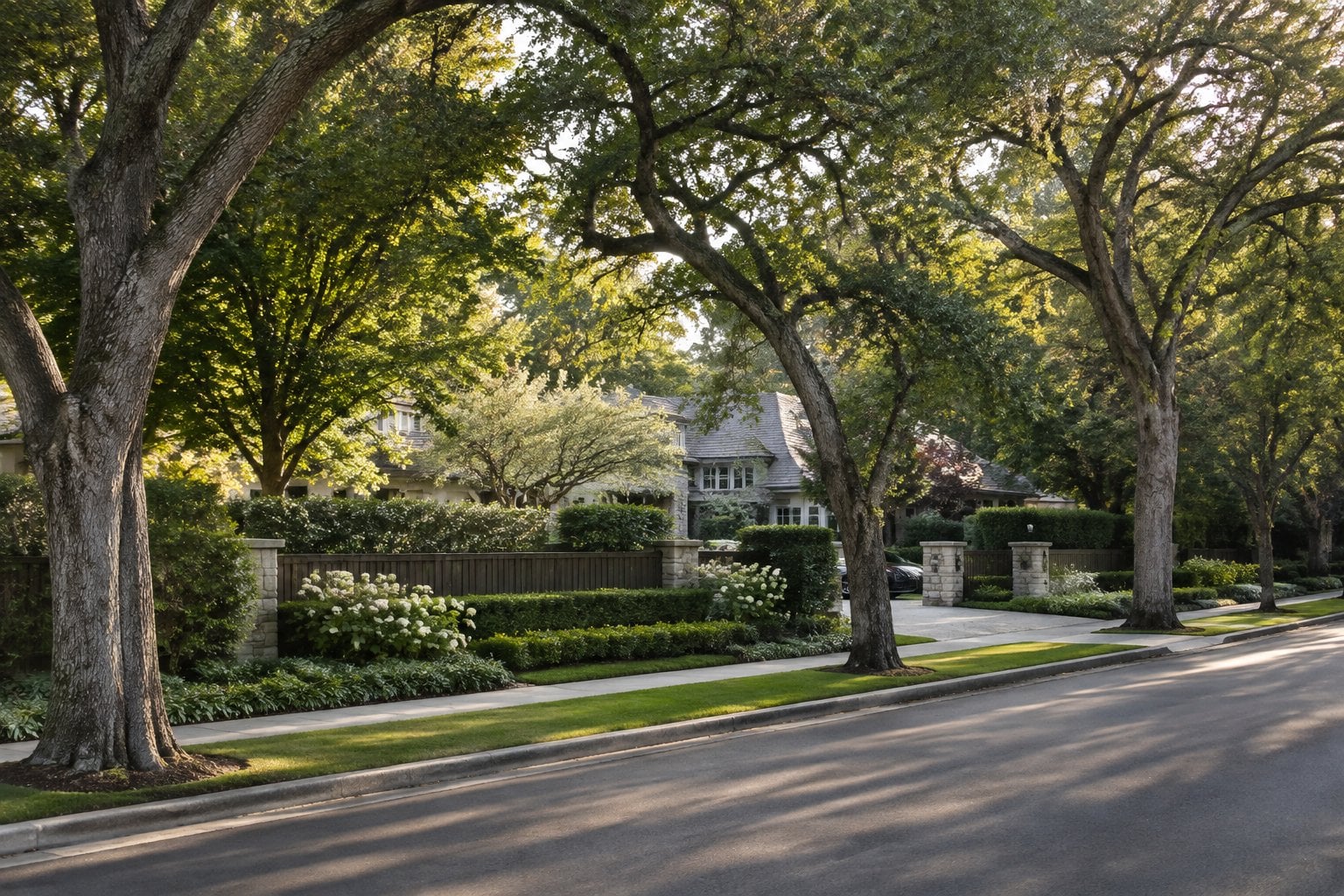
You’ll find Atherton sitting quietly on the San Francisco Peninsula, tucked between Redwood City and Menlo Park. It consistently ranks as the wealthiest town in the United States, and the numbers back that reputation up clearly.
Household income figures for Atherton often reach the Census reporting ceiling of $250,000 or more, though average household incomes run far higher. Either way, you’re looking at a community where wealth concentration is extreme even by Bay Area standards.
Home values match that income level. Typical home values in Atherton sit around $8 million, with many properties selling well above that figure given the large lot sizes and privacy the town is known for.
Atherton has no commercial district or downtown of its own. You won’t find shops or restaurants within town limits, since zoning here favors residential estates over commercial development.
Its proximity to Silicon Valley explains much of its wealth. Many residents work in or have connections to the technology industry, given the short drive to major tech company headquarters nearby.
2. Hunts Point, Washington
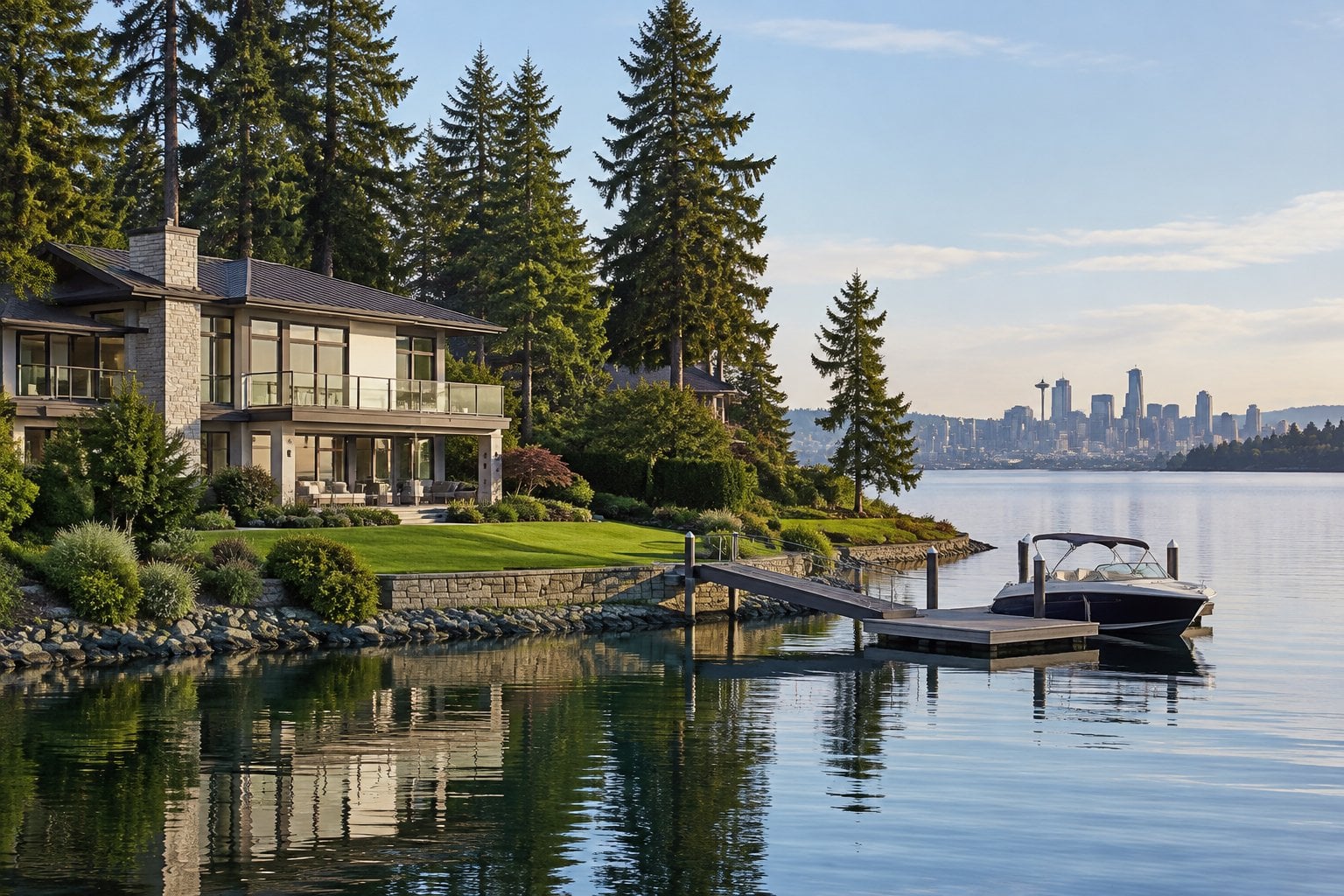
Hunts Point sits on the Eastside of Lake Washington, just across the water from Seattle. You’ll find it tucked into King County, part of the same affluent corridor that includes Medina and Yarrow Point.
Census data places the median household income here among the highest in the country, with figures commonly reported at $250,000 or more. Home values match that income level, with waterfront properties often reaching into the millions.
You won’t find much commercial activity in Hunts Point. It’s almost entirely residential, with a population under 500 people. The town is small by design, favoring privacy and low density over growth.
Lake Washington gives many properties direct water access, which adds to the appeal and the price tag. The community has no central business district, so daily errands typically mean a short drive into Bellevue or Seattle.
If you’re looking at this town as a benchmark for wealth in Washington, you’re looking at one of the smallest, quietest, and most expensive places in the state.
3. Los Altos Hills, California

You’ll find Los Altos Hills tucked into Santa Clara County, part of the greater Silicon Valley region. Its median household income is commonly reported at $250,000 or more, the Census reporting cap, placing it among the wealthiest towns in the country.
Home values here reflect that wealth. Expect to see properties regularly priced around $5 million or more, with many estates exceeding that figure by a significant margin.
The town sits near Palo Alto, Cupertino, and Mountain View, giving you proximity to major tech employers without the density of a typical suburb. Large residential lots are a defining feature, with zoning rules that favor spacious properties over compact development.
You won’t find much commercial activity within Los Altos Hills itself. The town has intentionally limited retail and business development, preserving its quiet, low-density character.
Open space and rural-style roads are common throughout the area. Many residents value privacy, and the town’s layout supports that with minimal through-traffic and limited public amenities compared to neighboring cities.
4. Scarsdale, New York
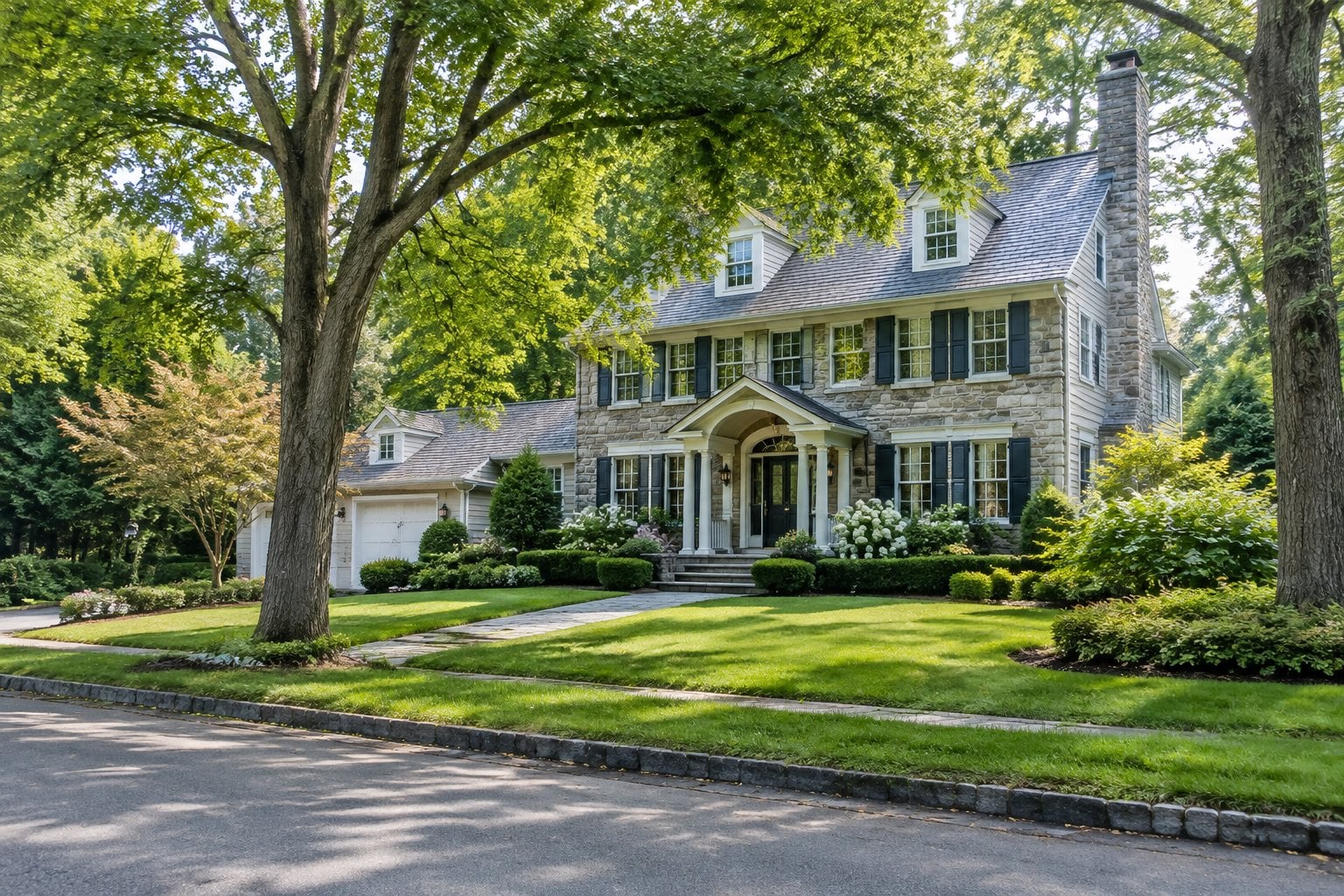
If you’re looking at the wealthiest communities in America, you’ll find Scarsdale has held a top spot for several years running. This Westchester County village sits less than an hour from New York City on the Metro-North line, making it a popular choice for commuters.
You’ll notice the median household income here is reported at $250,000 or more, the Census Bureau’s upper reporting threshold, though average household incomes run far higher. Home values tell a similar story, with the typical single-family house priced above $1.5 million.
What draws you to Scarsdale beyond the numbers is its reputation for strong public schools. Scarsdale High School consistently ranks among the top in the state, and that academic reputation plays a major role in sustaining property values.
The village itself is compact, with tree-lined streets and a mix of colonial and Tudor-style homes. You won’t find much commercial development here; it’s primarily residential, with a small downtown area serving local needs. For professionals seeking proximity to Manhattan without sacrificing suburban space, Scarsdale remains a consistent choice.
5. Medina, Washington
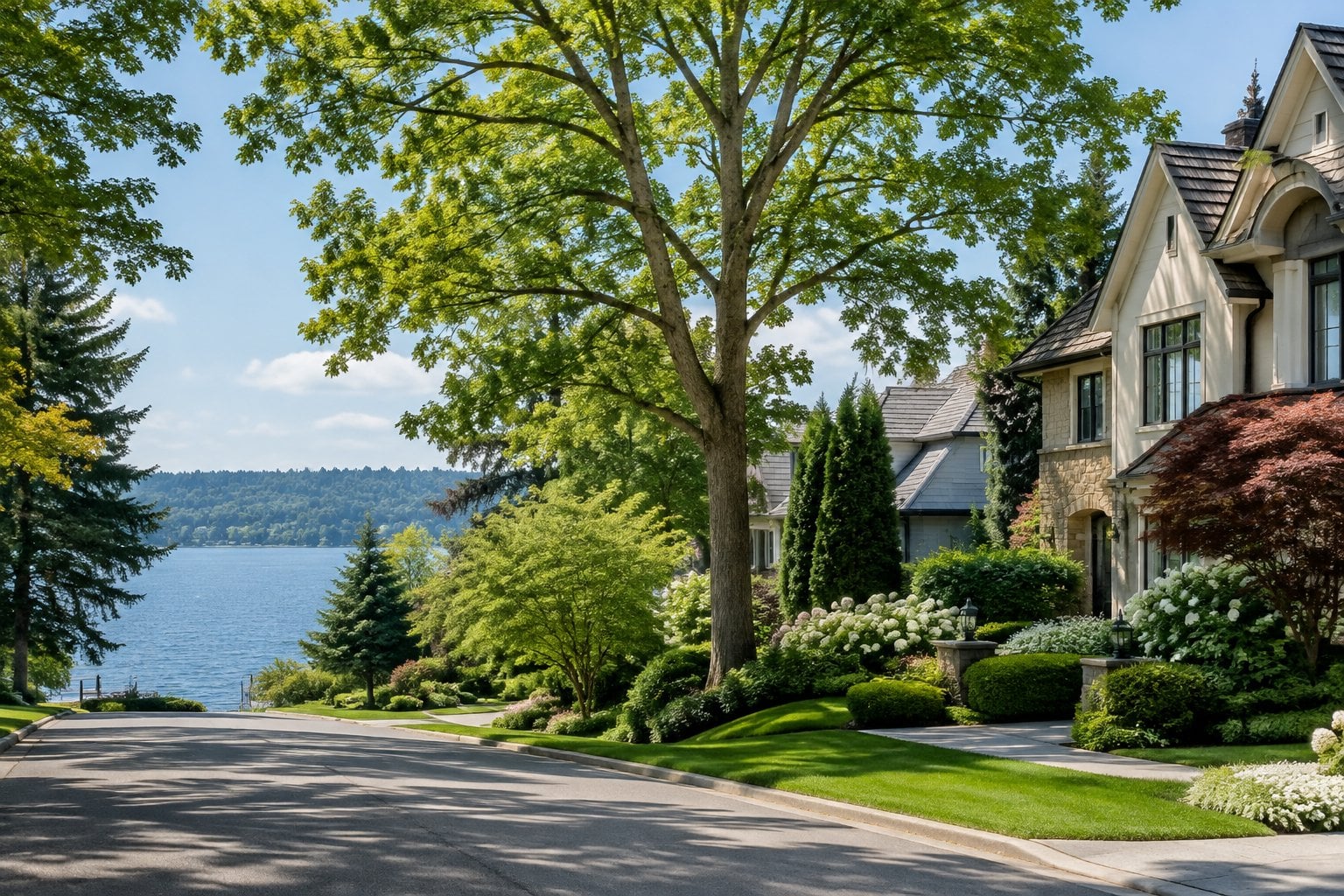
Medina sits on the eastern shore of Lake Washington, just across the water from Seattle. You’ll find it in King County, within easy reach of Bellevue and the broader Puget Sound tech corridor.
Median household income here is reported at $250,000 or more, the Census Bureau’s top reporting threshold. Home values are consistently among the highest in the state, with many properties priced well into the millions due to lakefront access and large lot sizes.
You can expect a quiet, low-density residential character throughout Medina. The town has no commercial strip to speak of, and zoning favors spacious single-family homes over multi-unit development.
Its proximity to major employers in Seattle and Bellevue, including technology companies, helps explain the concentration of high earners. Many residents commute short distances by car or boat to reach downtown job centers.
Medina’s population remains small, typically numbering in the low thousands. That scale, paired with strict land use rules, keeps the town’s housing stock limited and its market highly competitive.
6. Old Westbury, New York
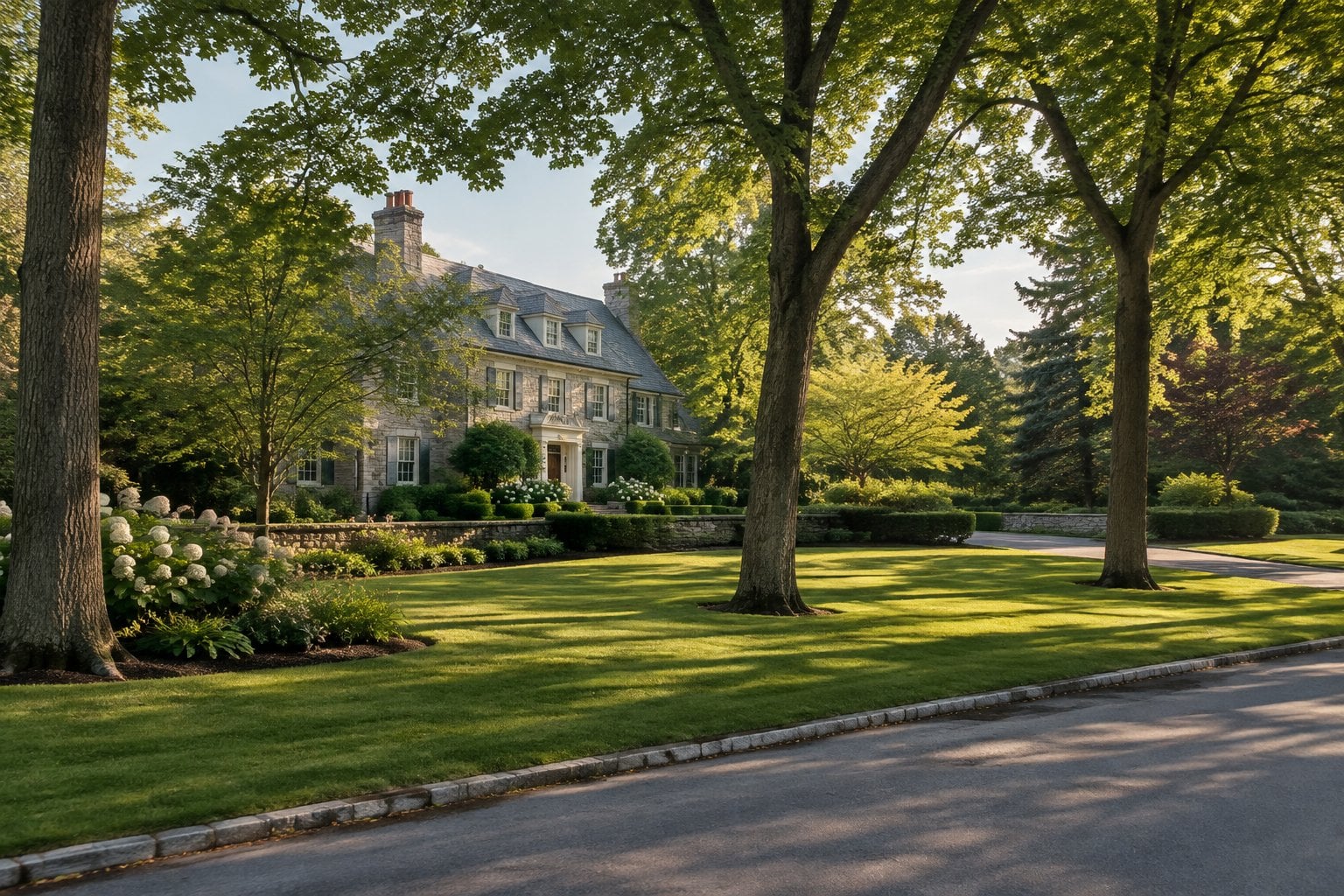
You’ll find Old Westbury on Long Island’s North Shore, within Nassau County and roughly 25 miles from Manhattan. This village reports a median household income near the Census cap of $250,000, placing it among the highest-earning communities in New York State.
Home values here reflect that wealth. Median prices typically exceed $2 million, well above both state and national figures.
Education levels in Old Westbury stand out. A large share of adults hold a bachelor’s degree or higher, well above the national average.
The village has deep historic roots tied to Gold Coast estates built by wealthy families in the early 20th century. Several of these estates remain today, some converted into museums or preserved as part of local institutions.
Old Westbury also hosts a campus of the State University of New York, adding an academic presence to an otherwise residential area. Large lot sizes and low-density zoning help maintain the village’s quiet, estate-like character.
7. Kenilworth, Illinois
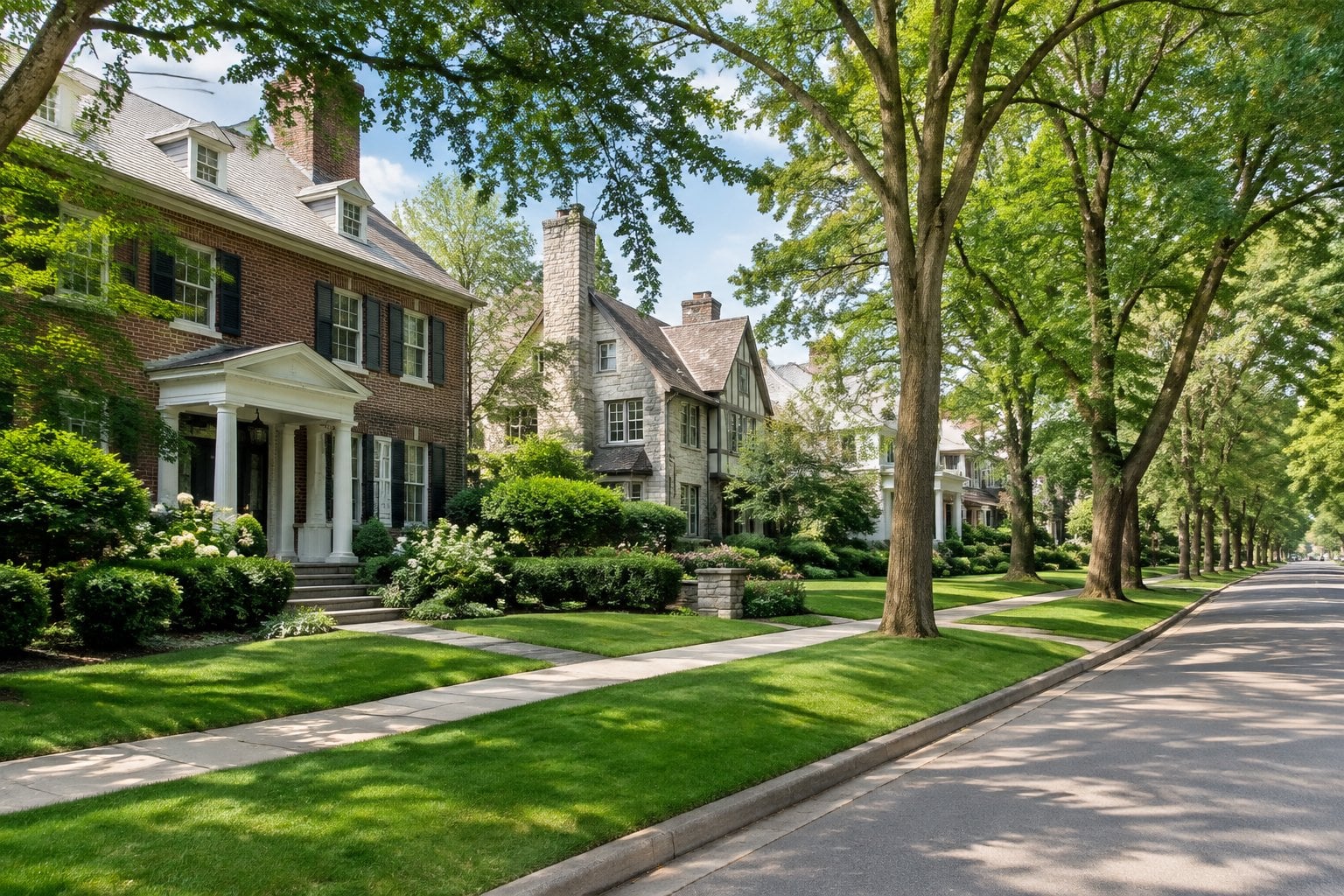
If you visit Kenilworth, you’re looking at the richest city in Illinois and one of the wealthiest small communities in the country. Its median household income is commonly reported at $250,000 or more, the Census reporting cap, and average incomes run far higher.
You’ll find Kenilworth tucked into Cook County along Chicago’s North Shore, just north of Wilmette and south of Winnetka. Despite its wealth, the town is small, with a population hovering around 2,500 residents.
Home values in Kenilworth reflect its income level, with many properties valued well into the seven figures. The housing stock includes historic homes designed by notable architects, and the village maintains strict zoning standards that limit development and preserve its residential character.
You won’t find much commercial activity within Kenilworth itself. Residents typically travel to neighboring Winnetka or into Chicago for shopping, dining, and most services.
Its proximity to Lake Michigan and the Metra rail line gives residents easy access to downtown Chicago, making it a practical choice for commuters who want suburban quiet without sacrificing a connection to the city.
8. Indian Hill, Ohio
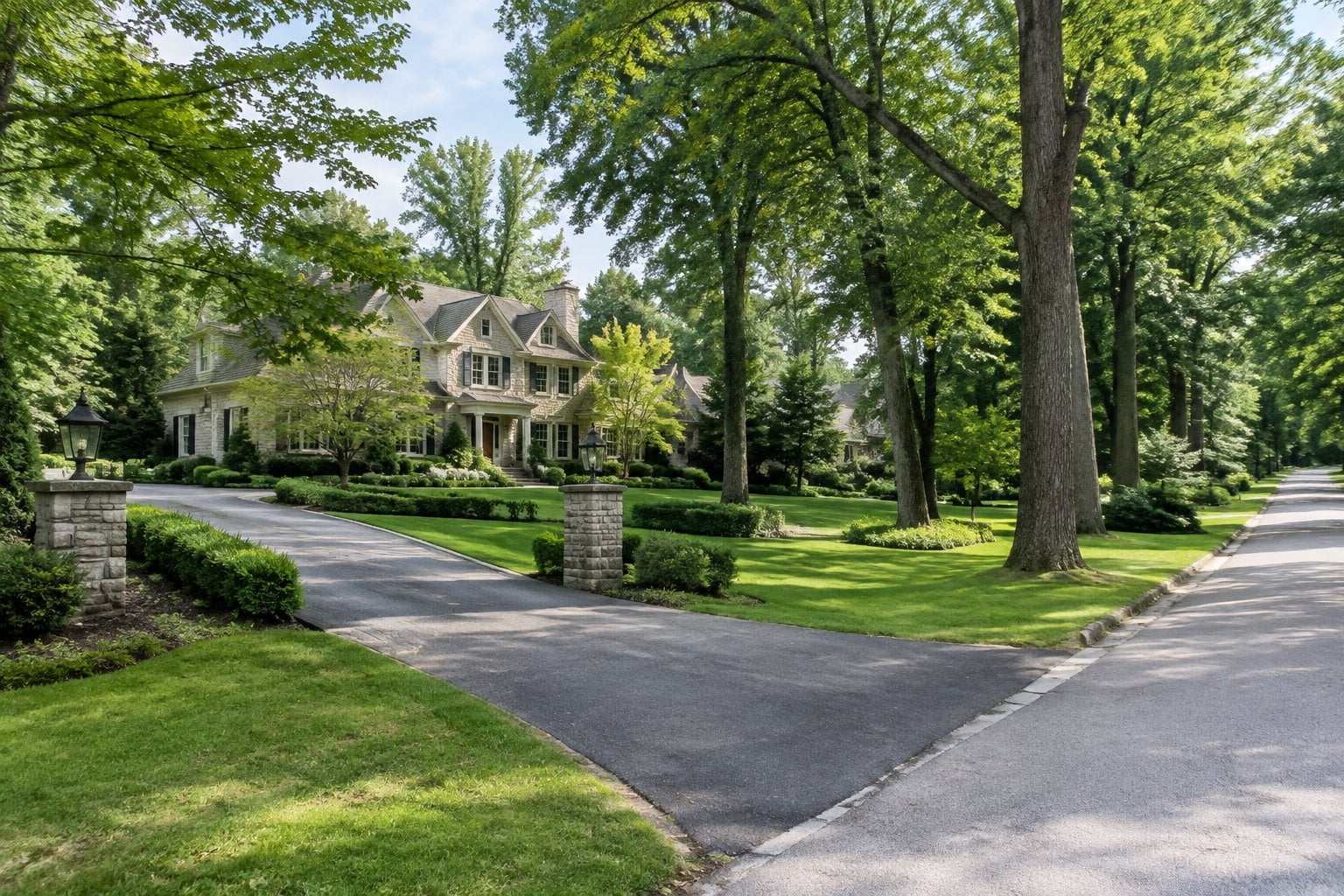
Indian Hill sits northeast of Cincinnati, and you’ll find it consistently ranked among Ohio’s wealthiest communities. The median household income here is commonly reported at $250,000 or more, and average incomes run even higher.
You’ll notice the housing stock reflects this wealth immediately. Home values commonly exceed $1 million, with large estate lots being the norm rather than the exception.
The poverty rate stands in the low single digits, well below state and national averages. If you’re familiar with Cincinnati’s suburbs, you know Indian Hill has built its reputation on spacious properties and a strong public school system.
Zoning here favors low-density development, which helps preserve the area’s rural character despite its proximity to a major metro area. You won’t find dense commercial development or apartment complexes dominating the landscape.
Indian Hill’s population remains modest, around 6,000 residents as of recent estimates. This combination of wealth concentration and limited population size keeps it firmly positioned among Ohio’s top-earning municipalities year after year.
9. Woodside, California
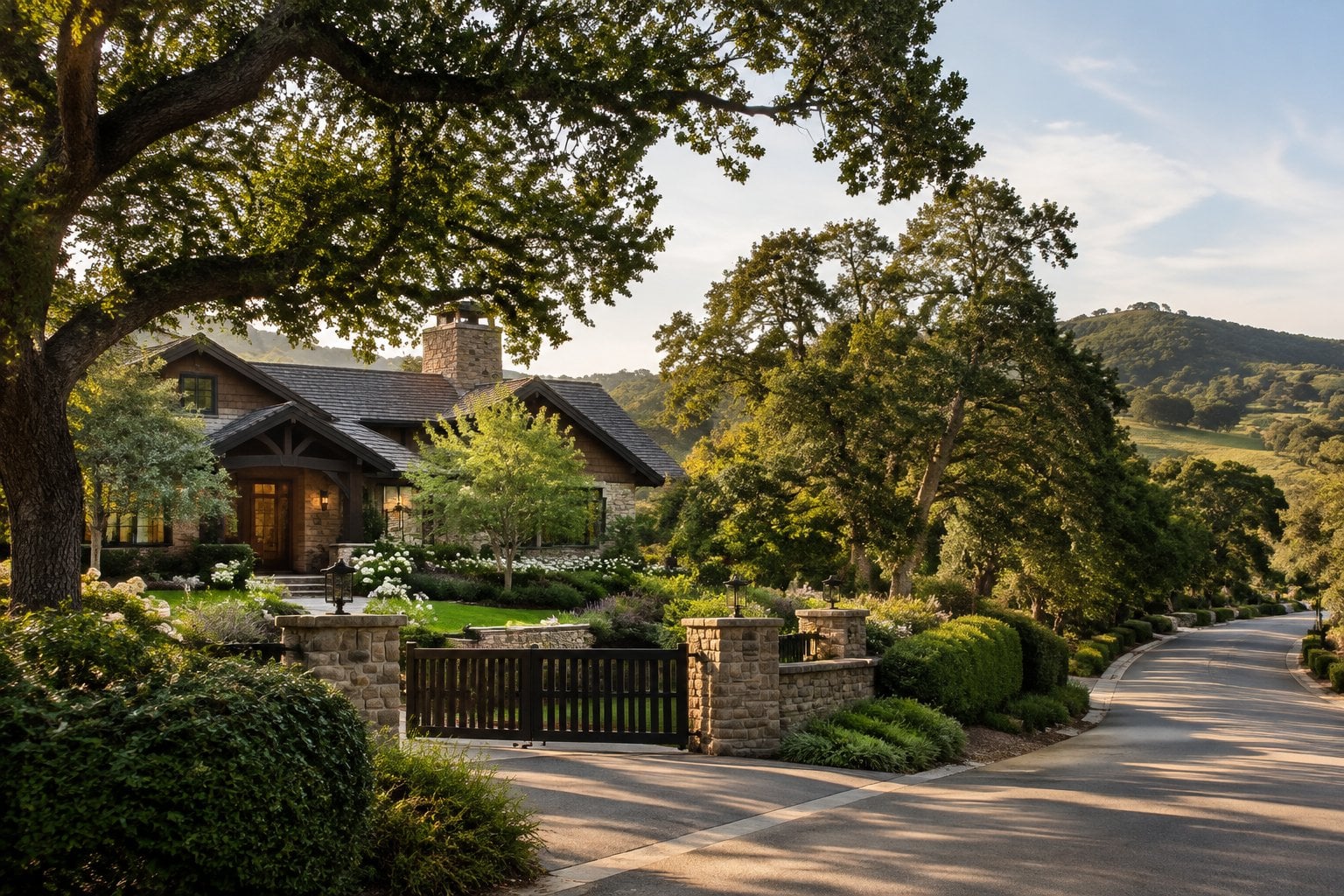
If you’re exploring California’s wealthiest enclaves, Woodside deserves your attention. This San Mateo County town sits in the hills west of Silicon Valley, bordering Redwood City and Portola Valley.
Median household income here commonly exceeds $250,000, reflecting the concentration of tech executives and venture capitalists who call it home. You’ll find this figure near the Census survey’s reporting cap, which signals just how affluent this community is.
Home values in Woodside typically run into the several millions, with many properties sitting on multi-acre lots. You’ll notice a distinct rural character here, despite the proximity to major tech hubs like Menlo Park and Palo Alto.
Horse properties and large estates define much of the landscape. Zoning favors low-density development, so you won’t see the dense housing common in nearby cities.
The town maintains a quiet, private atmosphere. You’ll find no large commercial strips or high-rise buildings, just winding roads and wooded hillsides that keep Woodside feeling secluded despite its wealth and prominence.
10. Portola Valley, California

You will find Portola Valley tucked into the hills west of Silicon Valley, just a short drive from Palo Alto and Menlo Park. The town has a small population, generally estimated at around 4,500 residents, and a reputation for privacy and open space.
Median household income here is commonly reported at $250,000 or more, reflecting the Census reporting cap. Many residents work in technology, finance, or venture capital, given the proximity to Stanford University and major tech employers.
Home values in Portola Valley typically exceed $3 million, with many properties set on large wooded lots. You won’t find dense development here; zoning favors low-density, rural-style living despite the town’s wealth and location.
The area is known for its extensive network of hiking and equestrian trails, along with preserved open space that limits commercial growth. There are no large retail centers or high-rises, which keeps the town quiet and residential in character.
Portola Valley consistently ranks among California’s wealthiest small communities, and its combination of income, geography, and limited development sets it apart from more urbanized parts of the Bay Area.
11. Yarrow Point, Washington
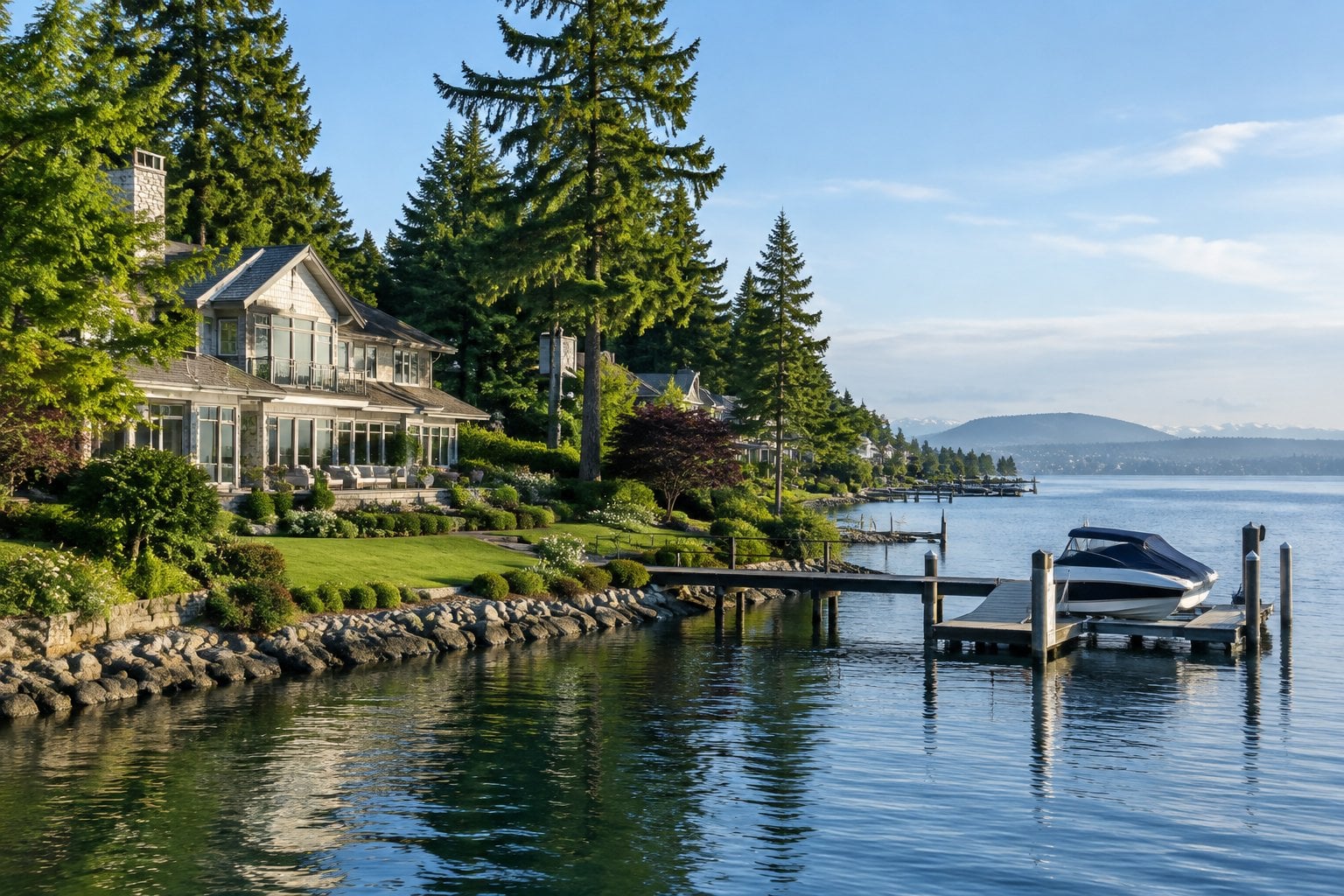
You’ll find Yarrow Point tucked along the eastern shore of Lake Washington, directly across from Seattle. It’s one of the smallest incorporated towns in the state, with a population of around 1,100 residents.
Median household income here reaches the Census reporting cap of $250,000 or more, placing it among the highest-earning communities in Washington. Home values match that distinction, with many waterfront properties valued well into the millions.
You’ll notice the town has no commercial district of its own. Residents rely on nearby Bellevue and Kirkland for shopping, dining, and other amenities.
The area’s appeal comes from its lakefront setting and proximity to major employment centers on the Eastside, including Microsoft’s Redmond campus. Many residents commute to tech-sector jobs in Seattle or Bellevue.
Yarrow Point’s housing stock consists mostly of large single-family homes on spacious lots, reflecting zoning that limits density. You won’t find much in the way of apartments or multi-unit buildings within town limits, reinforcing its quiet, residential character.
12. Cherry Hills Village, Colorado
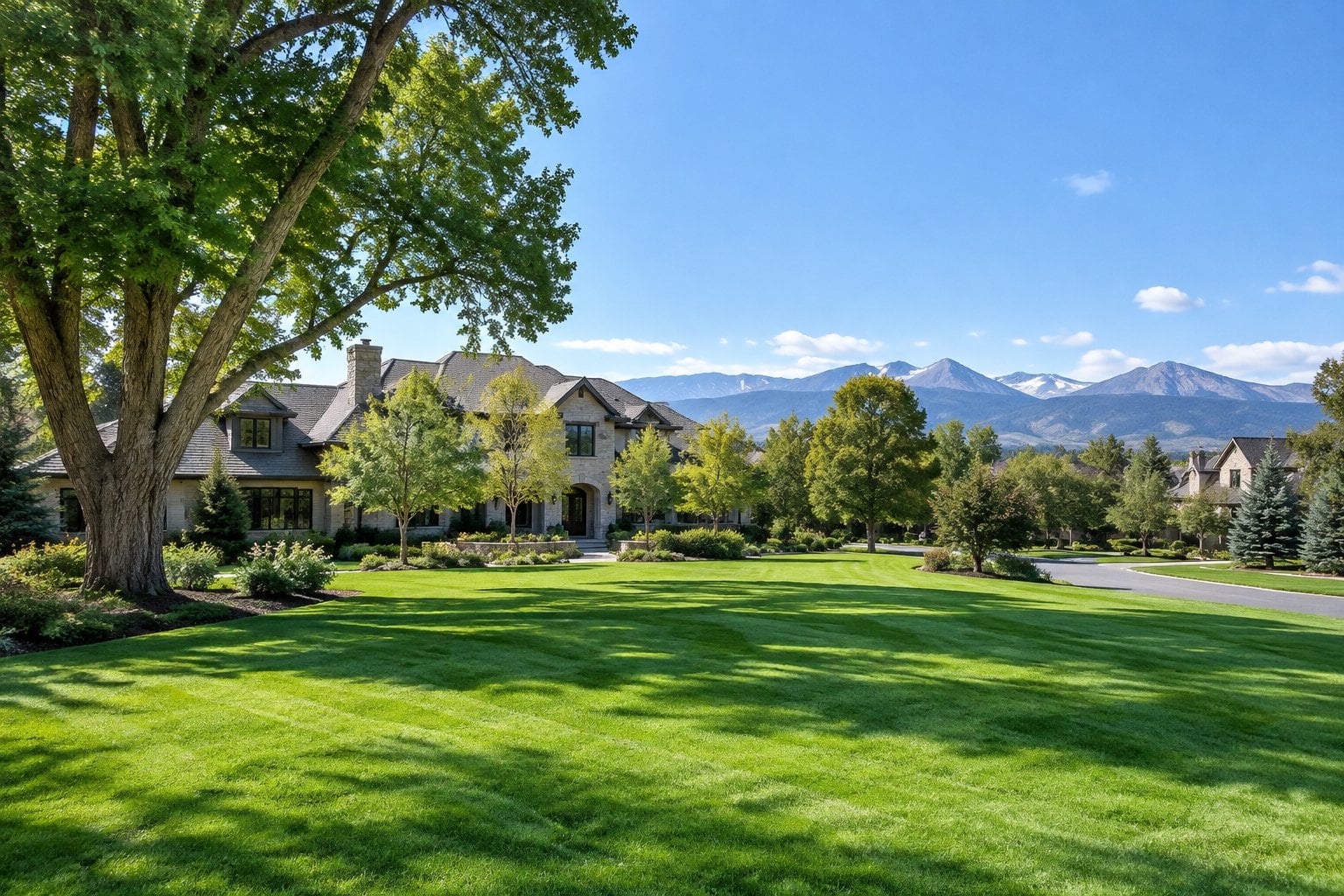
You’ll find Cherry Hills Village southeast of Denver, tucked between Englewood and Greenwood Village in Arapahoe County. Its median household income sits at or above $250,000, the Census survey’s reporting cap, placing it among the highest-earning communities in the country.
Home values here typically exceed $3 million. You can expect large lots, equestrian properties, and winding roads rather than sidewalks or dense development.
The town has no commercial zoning to speak of. You won’t find retail strips or office parks within its borders, since residential privacy has been a priority since its incorporation in 1945.
Many residents commute to the Denver Tech Center, located just a short drive away. Executives, business owners, and professionals in finance and law make up much of the population.
Cherry Hills Village regularly appears on national lists of the wealthiest places in America. Its poverty rate remains low, reflecting the consistency of high earnings across the community rather than a small number of outlier households.
13. Weston, Connecticut
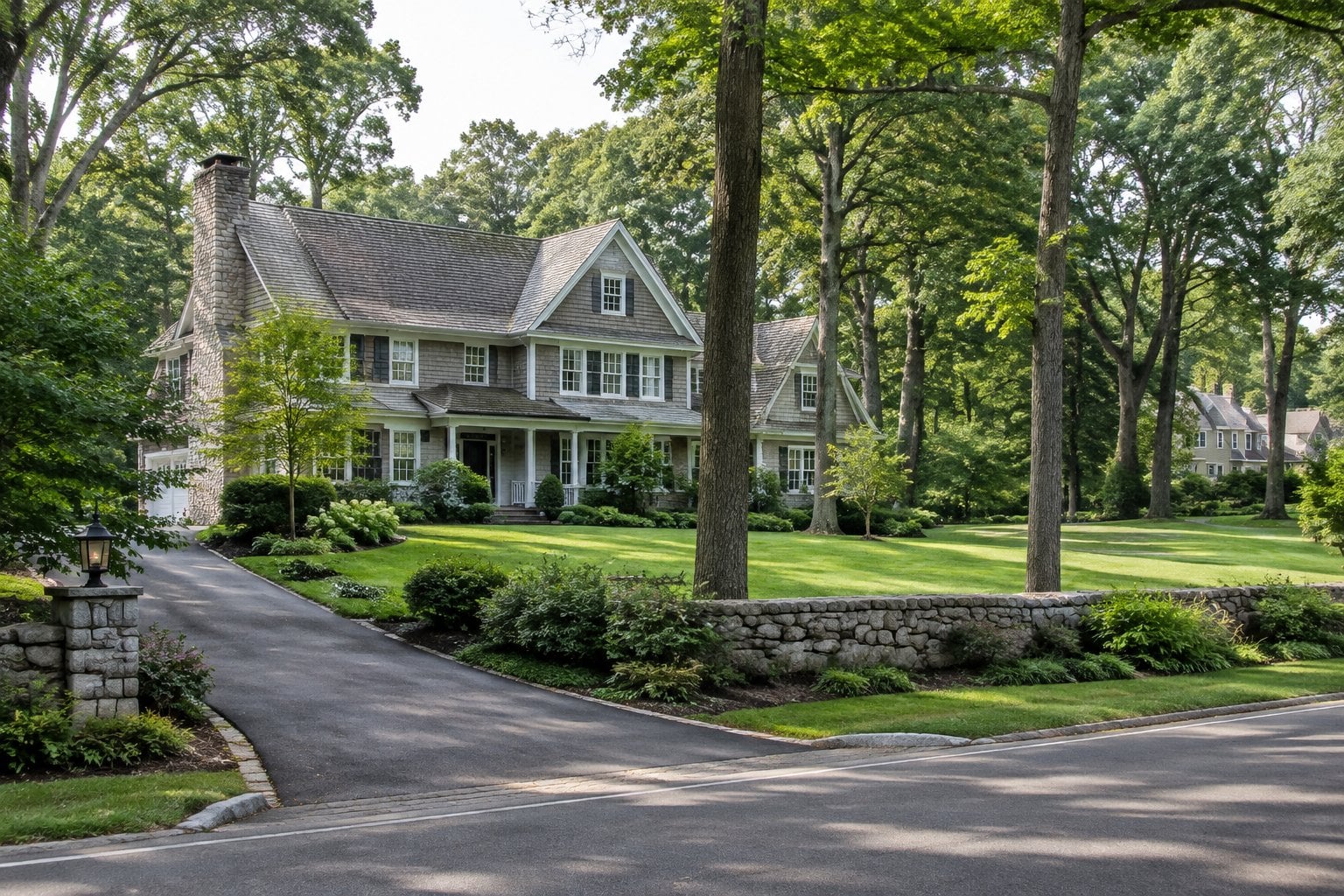
You’ll find Weston tucked into Fairfield County, a quiet suburban town about an hour from New York City. Its median household income regularly ranks among the highest in Connecticut, often reported above $250,000 in Census estimates.
Home values here are steep, with many properties priced well over $1 million. You won’t find much commercial development in Weston, since local zoning favors large residential lots and open space over retail or industry.
The town has no central business district to speak of. Instead, you’ll notice sprawling properties, wooded landscapes, and a strong emphasis on privacy among residents.
Weston shares its affluent character with neighboring towns like Wilton and New Canaan, though it remains smaller and less commercially developed than both. Public schools in Weston are well-funded and consistently rank among the top in the state, which helps explain why many families choose to settle here despite the high cost of living.
If you’re looking for a town that blends rural charm with serious wealth, Weston fits that description closely.
14. Dover, Massachusetts
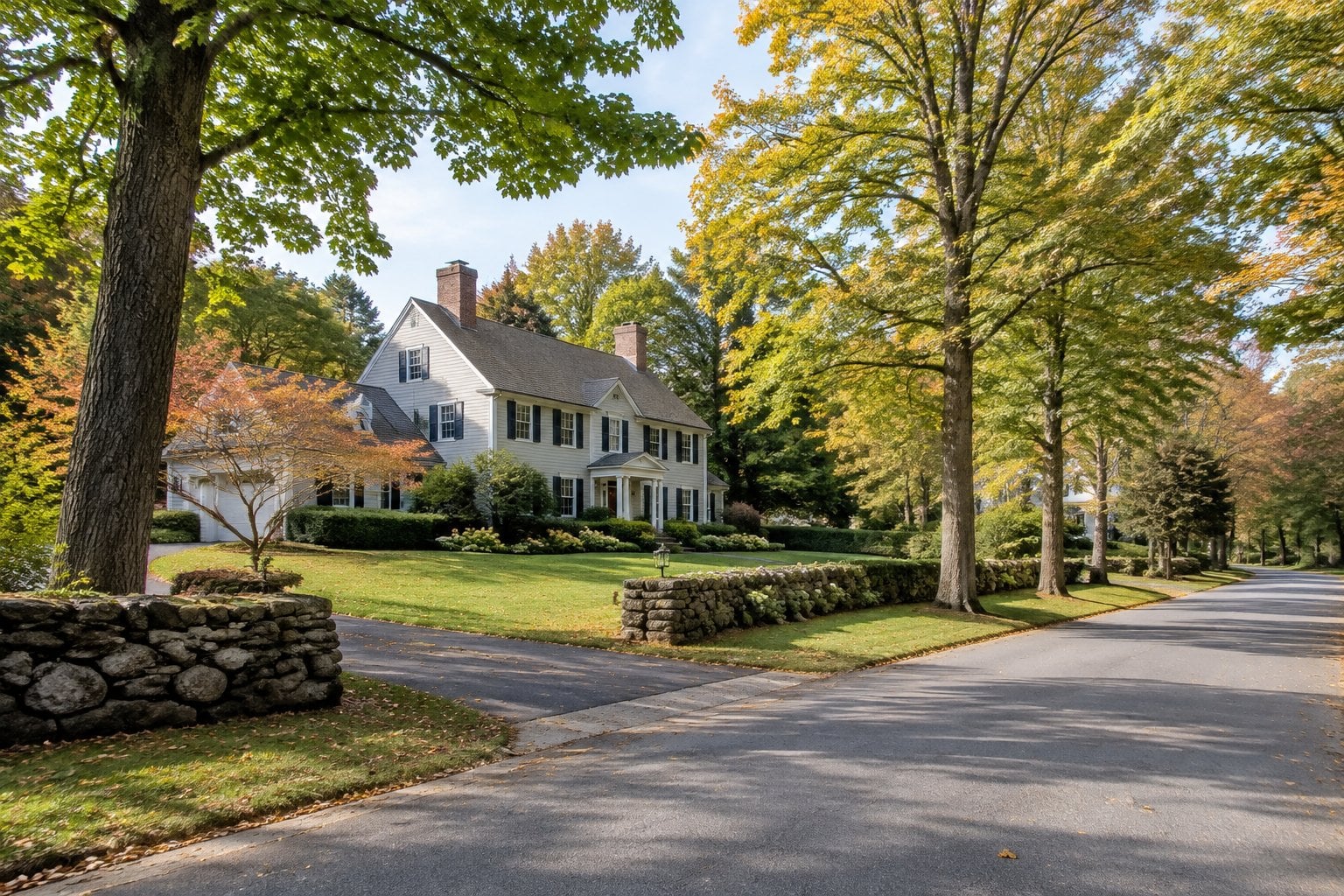
Dover sits about 15 miles southwest of Boston, giving you a rural setting while keeping the city within easy reach. Its median household income ranks among the highest in Massachusetts, with Census estimates placing it at $250,000 or more, the capped figure the ACS reports for its wealthiest communities.
You’ll notice the town’s low density right away. Dover has no traditional commercial center, and zoning rules favor large residential lots, often two acres or more. This keeps the landscape open, with woods, farmland, and horse properties shaping much of the town.
Home values here are steep, with median prices commonly exceeding $1.5 million. Many properties sit on expansive lots, and the housing stock leans toward custom-built homes rather than subdivisions.
Dover shares its school district with neighboring Sherborn, and the combined system has a strong academic reputation. If you’re looking at commuter options, Dover doesn’t have its own train station, so residents typically drive to nearby towns for MBTA access into Boston.
15. Lloyd Harbor, New York
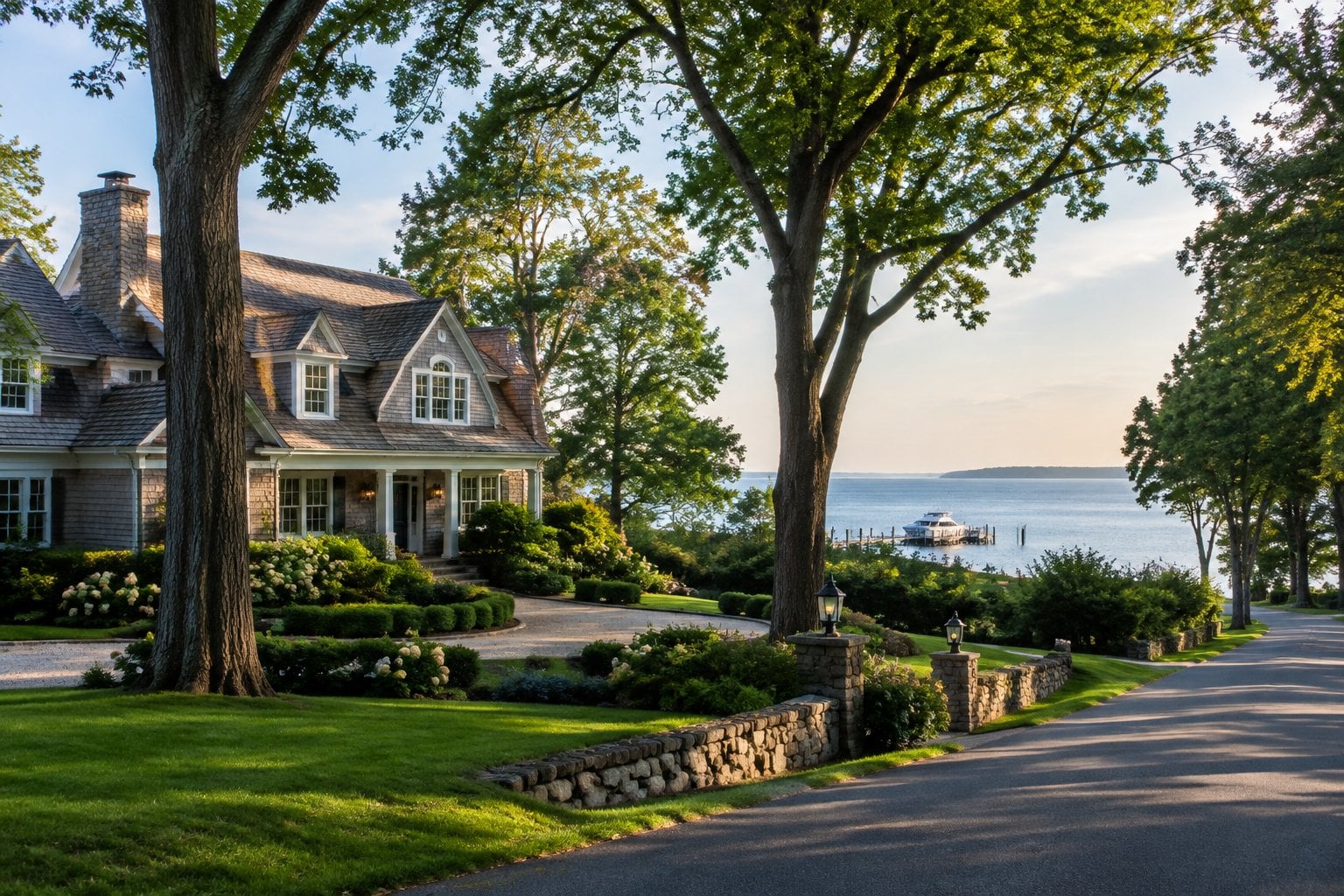
You’ll find Lloyd Harbor on the North Shore of Long Island, within Suffolk County near Huntington. The median household income here is reported at $250,000 or more, reflecting the Census reporting cap for high-earning areas.
Home values in Lloyd Harbor run well into the millions, consistent with its status as one of Long Island’s more exclusive enclaves. The village sits along Huntington Bay, giving residents access to waterfront property and private beaches.
You can expect a small, tightly knit population, with the village maintaining strict zoning laws that favor large lots and low-density development. This has helped preserve the area’s wooded, semi-rural character despite its proximity to New York City.
Lloyd Harbor has no commercial district of its own, so you won’t find shops or restaurants within the village limits. Residents typically commute to nearby Huntington for retail and dining options, while the village itself remains focused on residential privacy and natural surroundings.
16. Winnetka, Illinois
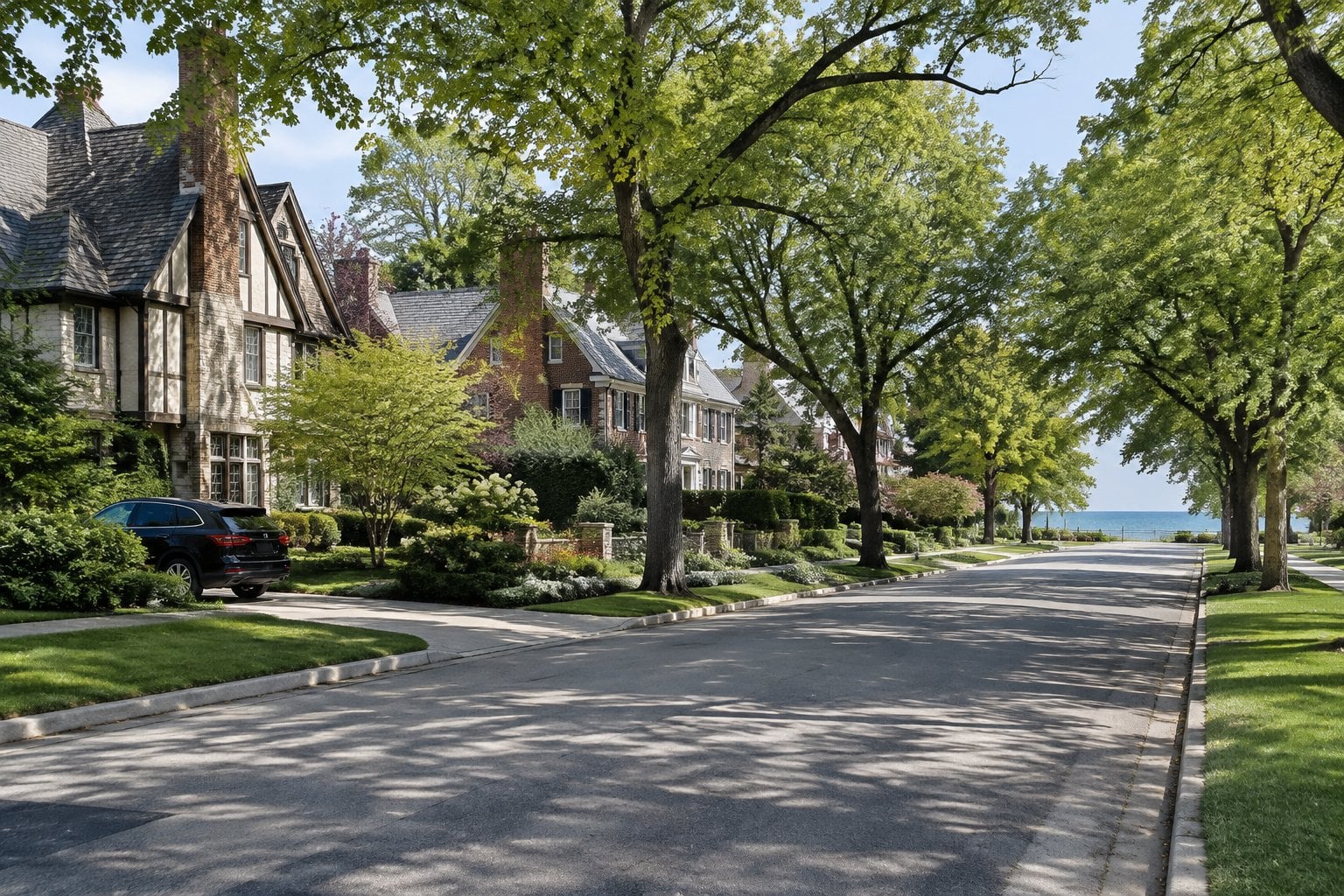
You’ll find Winnetka along Lake Michigan’s North Shore, about 18 miles north of downtown Chicago. It’s one of several affluent suburbs in this corridor, and it consistently ranks among the wealthiest places in Illinois.
Median household income in Winnetka runs well into six figures, with average household incomes running far higher. The Census often reports top-bracket incomes here as capped at $250,000 or more, reflecting the concentration of high earners in the village.
Home values match this income level. You can expect typical home prices well above $1 million, with many properties exceeding that figure by a significant margin.
Winnetka’s population sits around 12,000 residents. The village is known for its school districts, tree-lined streets, and lakefront access, which contribute to its appeal among families seeking proximity to Chicago without city living.
Its poverty rate remains notably low, underscoring the economic stability of the community.
17. Chevy Chase, Maryland
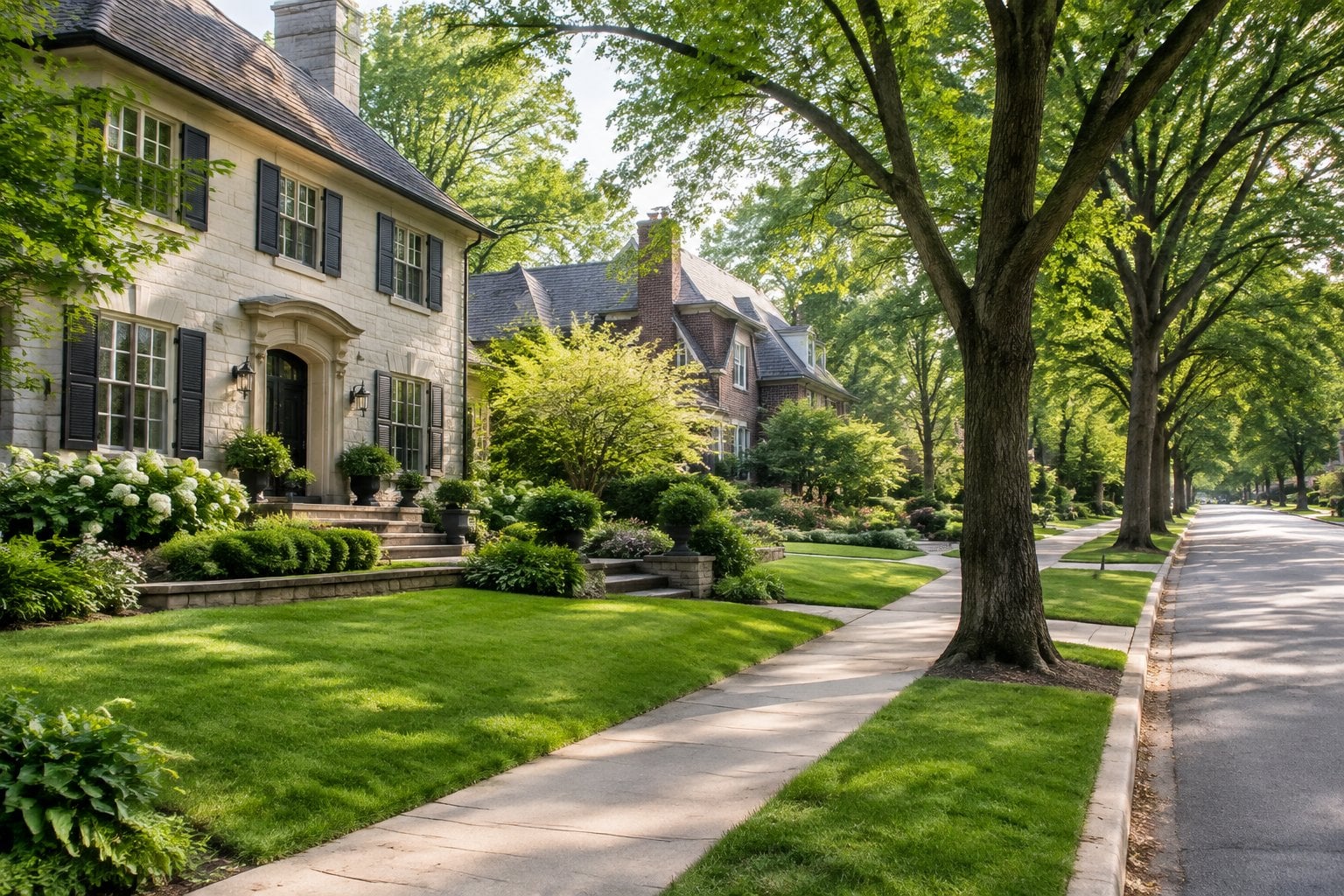
You’ll find Chevy Chase in Montgomery County, just across the District of Columbia line. It’s one of the oldest planned suburbs in the country, developed in the late 1800s along a streetcar line connecting it to downtown Washington.
The median household income here reaches the Census survey’s top reporting value of $250,000 or more. That places Chevy Chase among the highest-earning communities in Maryland and the nation.
Home values match that income level, with many properties well into seven figures. The area includes a mix of large single-family homes on tree-lined streets, along with several distinct villages and sections that fall under the broader Chevy Chase name.
Its location gives you easy access to federal agencies, law firms, and major employers in Washington. Connecticut Avenue runs through the area, linking it directly to the city.
You’ll also notice the Chevy Chase Club and nearby country clubs, which have long been part of the community’s social fabric. Public and private schools in the area are well regarded, drawing families who prioritize education alongside proximity to the capital.
18. Great Falls, Virginia
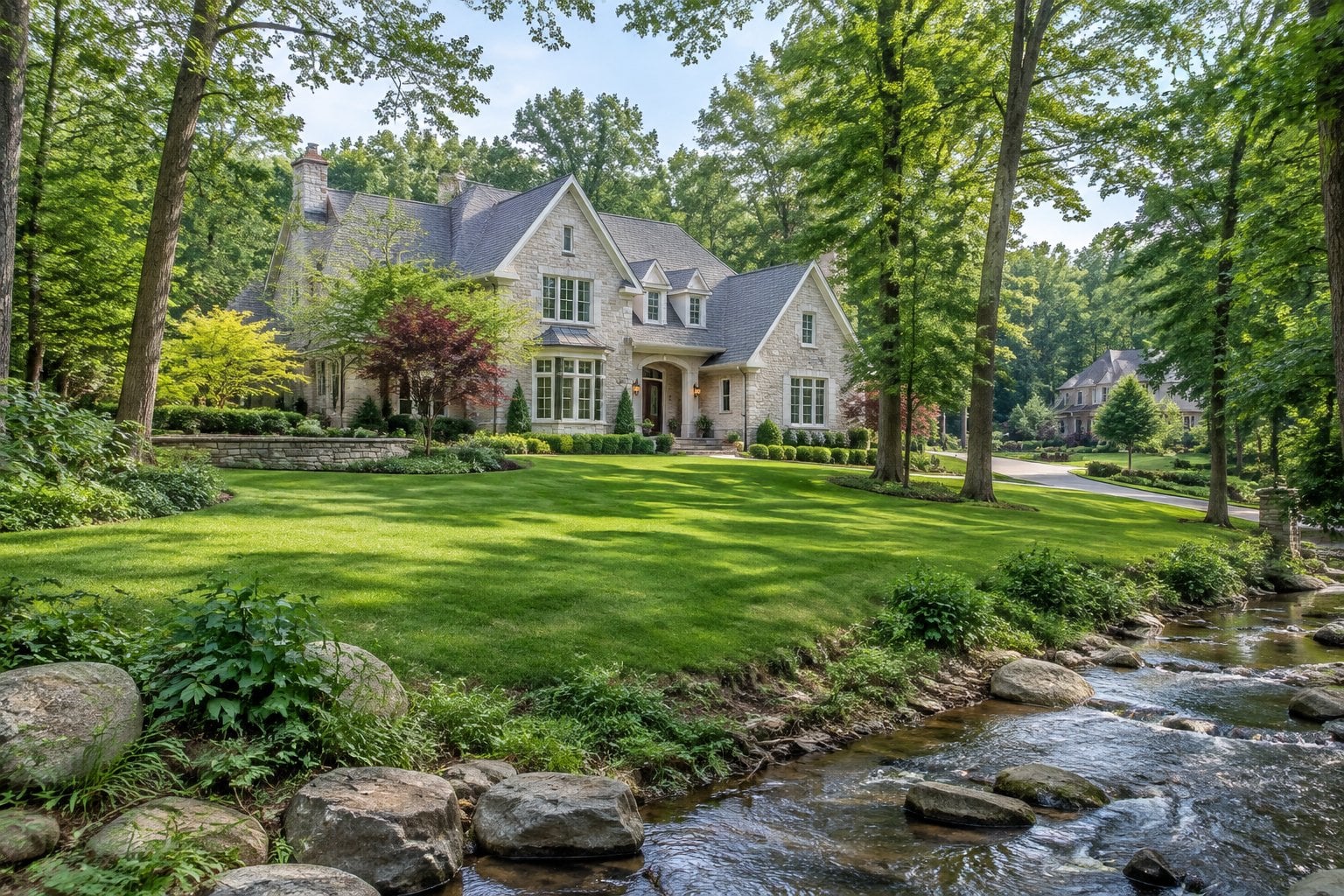
Great Falls sits in Fairfax County, about 20 miles from Washington, D.C. Here, you’ll find one of the highest median household incomes in the country, with Census estimates placing the figure at $250,000 or more, the capped maximum the data reports.
Home values match that income level. Median home prices in Great Falls exceed $1.5 million, reflecting large lots, custom-built houses, and limited development density compared to nearby suburbs.
You’ll notice the town has no traditional downtown or commercial center. Instead, Great Falls is defined by wooded properties, equestrian estates, and proximity to the Potomac River.
Many residents commute into D.C. or work in nearby Tysons Corner, a major business hub. The area’s schools, part of Fairfax County Public Schools, consistently rank among the state’s strongest, which helps sustain demand for housing despite high prices.
If you’re comparing Virginia’s wealthiest communities, Great Falls often appears near the top alongside McLean. Its combination of income, privacy, and access to the capital region explains why it remains one of the most expensive places to live in the state.
19. Bunker Hill Village, Texas
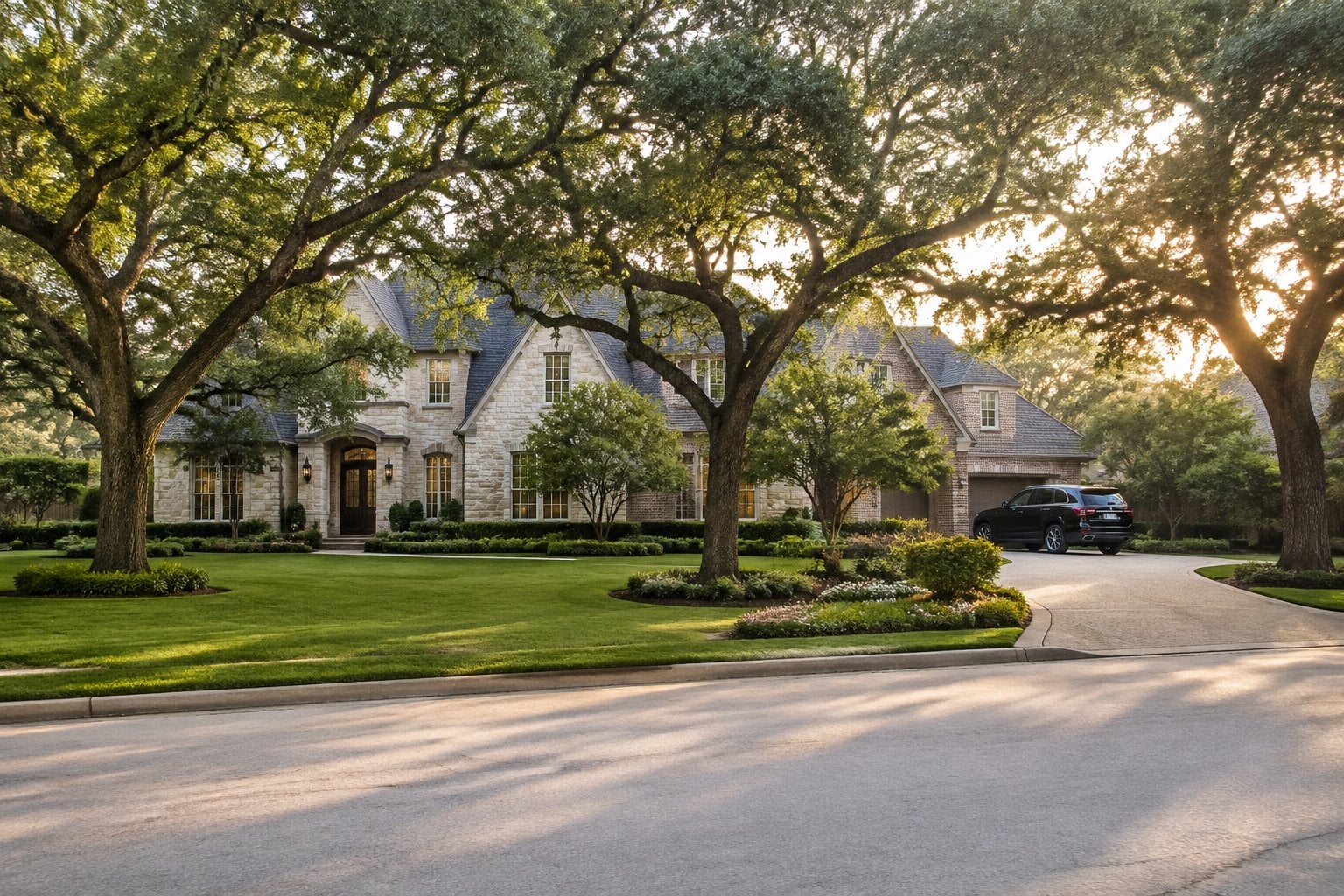
You’ll find Bunker Hill Village tucked inside Houston’s Memorial Villages, a cluster of small, affluent communities west of downtown. The median household income here is reported at $250,000 or more, reflecting the Census Bureau’s income cap for this bracket.
Home values in Bunker Hill Village are substantial, with many properties sitting on large wooded lots. You can expect to see custom-built homes and renovated estates throughout the area, many dating back decades but updated with modern finishes.
The town has a small population, numbering under 4,000 residents. This gives it a quiet, low-density feel despite its proximity to a major metropolitan area.
You’re close to Houston’s business districts and cultural attractions, yet Bunker Hill Village maintains its own municipal government and zoning rules, with police and fire services shared among the Memorial Villages. Local regulations tend to favor large residential lots and limit commercial development, which helps preserve the area’s suburban character.
Tree cover and privacy are common features you’ll notice when driving through the neighborhoods. The village operates independently from Houston proper, though it relies on the larger city for many services and employment opportunities.
20. Piney Point Village, Texas
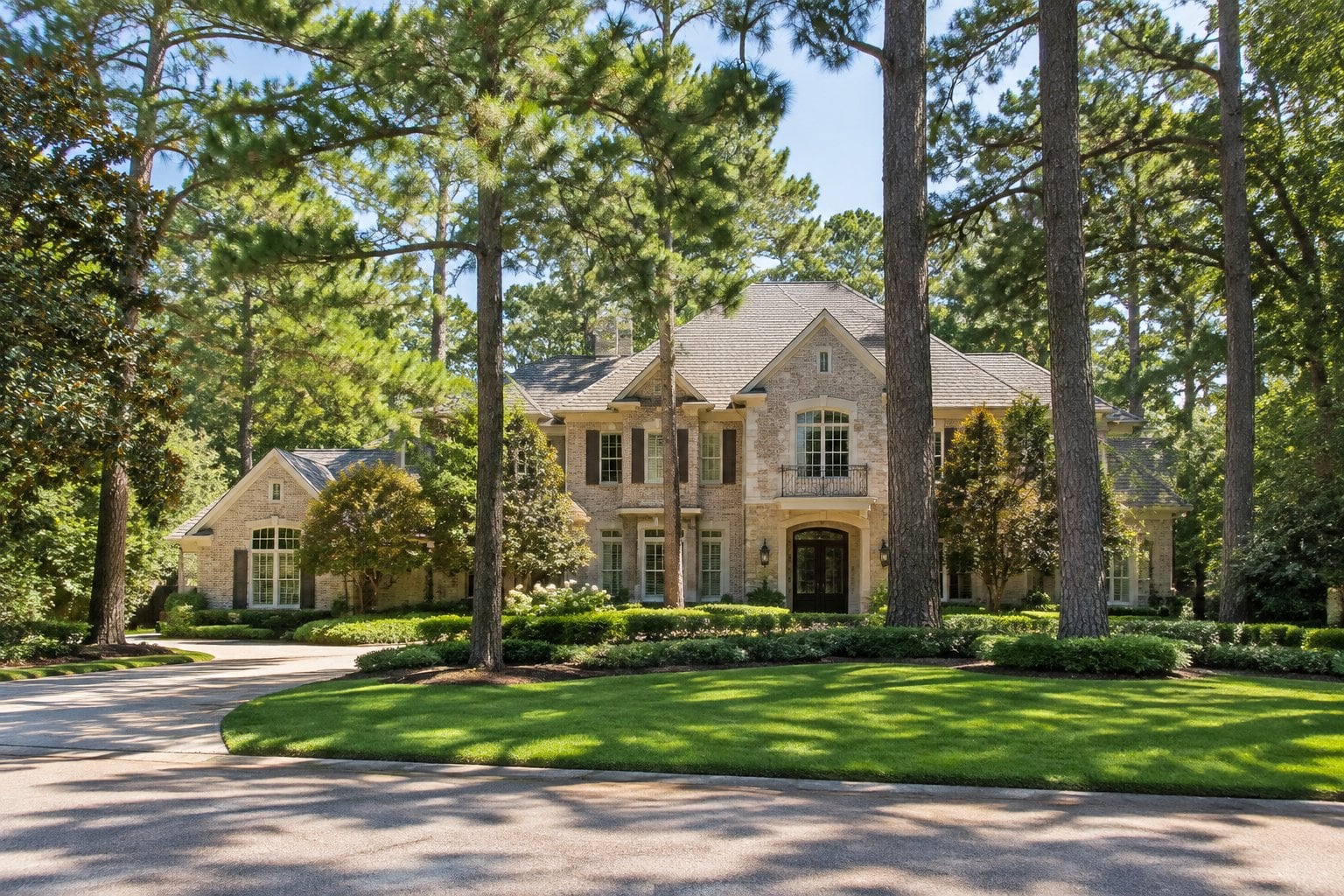
You’ll find Piney Point Village tucked into Houston’s west side, part of a cluster of small, exclusive communities known as the Memorial Villages. The median household income here is commonly reported at $250,000 or more, reaching the Census reporting cap.
Home values in Piney Point Village typically run well into the millions, with many properties sitting on large wooded lots. This gives the area a more rural, secluded feel despite its proximity to downtown Houston.
The village shares its police and fire departments with neighboring villages, separate from the city of Houston. You’ll notice this independence reflected in strict zoning laws that limit commercial development and preserve the area’s residential character.
Memorial Drive runs through the community, connecting it to nearby Houston neighborhoods and the Galleria area. Despite this access, Piney Point Village keeps a quiet, low-density atmosphere.
Large estate lots, mature trees, and winding roads define the landscape here. You won’t find sidewalks in many sections, which adds to the private, secluded feel that residents value.
21. Mission Hills, Kansas
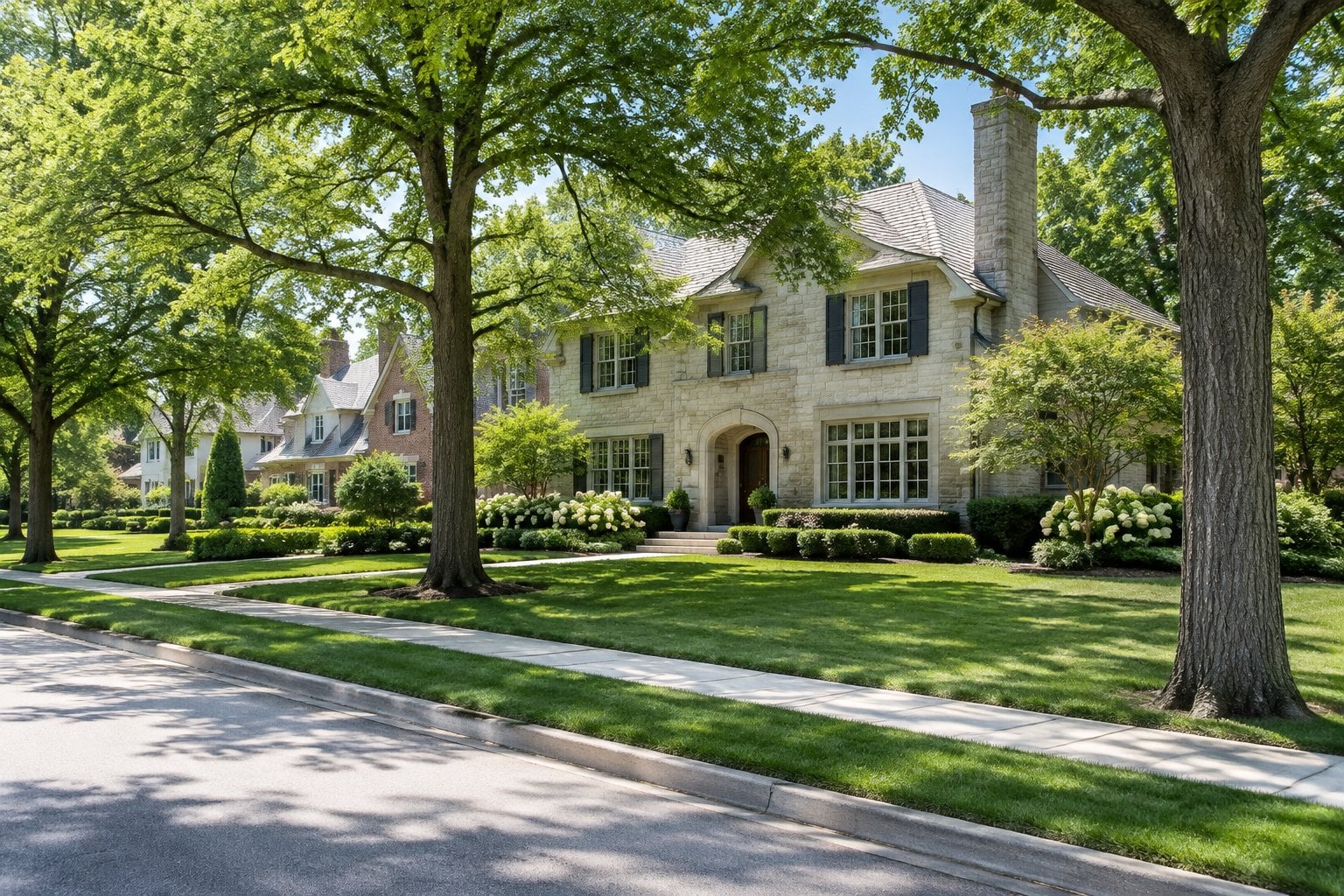
You’ll find Mission Hills in Johnson County, just across the state line from Kansas City, Missouri. It holds the distinction of being the wealthiest city in Kansas, with a median household income reported at $250,000 or more, the capped figure used by the Census Bureau for top-earning areas.
Your home search here won’t turn up many bargains. Home values typically exceed $1 million, reflecting the city’s large lots, mature landscaping, and historic estate-style architecture.
Mission Hills was developed in the early 20th century as a planned residential community, and you can still see that legacy in its curving streets and country club setting. The population stays small, numbering in the low thousands, which keeps the city feeling private and exclusive.
If you’re comparing Kansas suburbs, you’ll notice Mission Hills stands apart for its combination of low poverty rates and consistently high property values. Its proximity to Kansas City’s business and cultural amenities adds to its appeal, while its residential character remains distinctly suburban and low-density.
22. Essex Fells, New Jersey
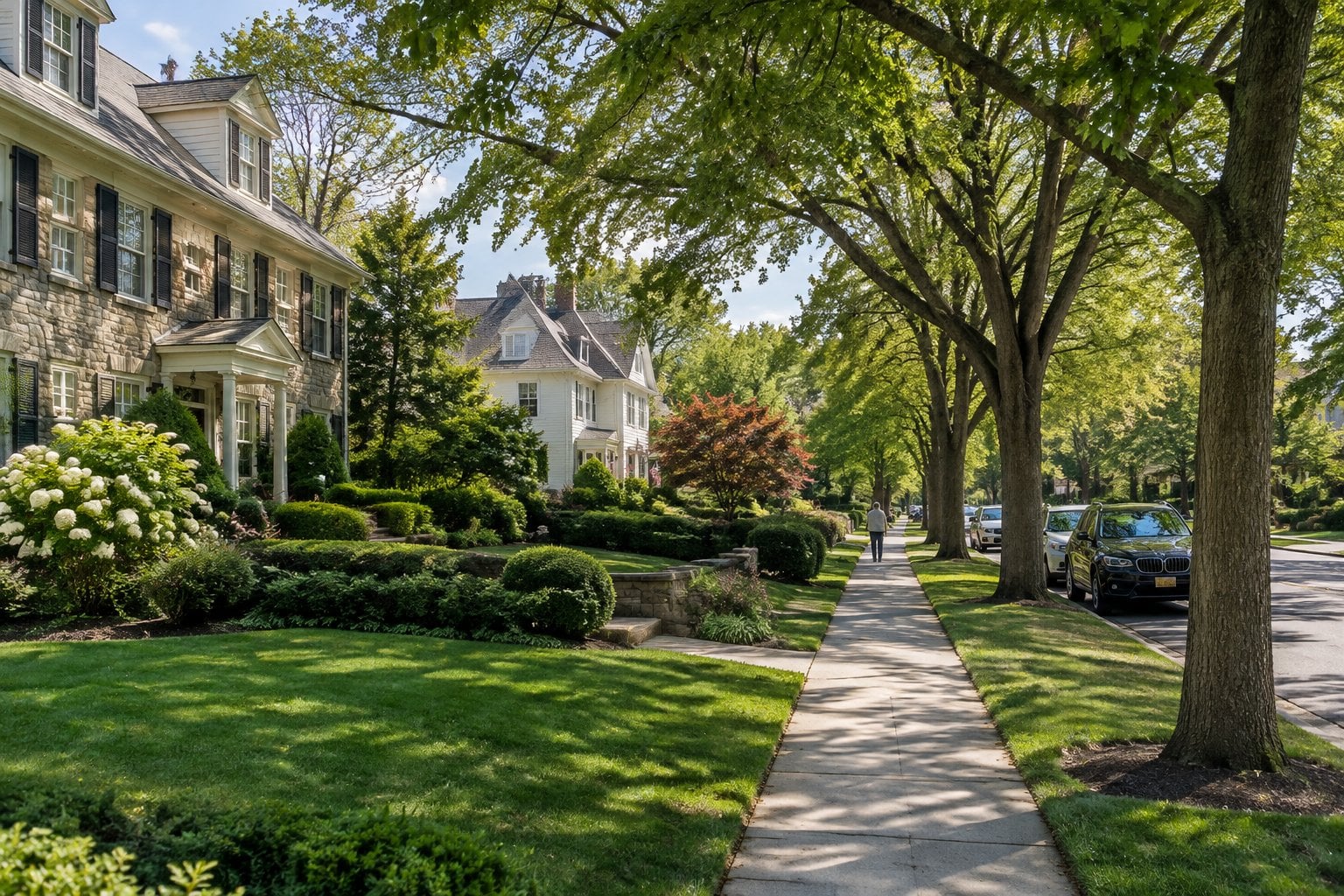
You’ll find Essex Fells tucked into Essex County, about ten miles northwest of Newark and within easy reach of Manhattan. The median household income here runs above $250,000, placing it among the wealthiest small boroughs in New Jersey.
Home values in Essex Fells reflect that wealth, with many properties priced well into seven figures. You can expect large, established homes set on wooded lots, many dating back to the early twentieth century when the town was first developed as a residential retreat.
The borough covers barely more than a square mile, giving it a tight-knit, suburban character. You won’t find much commercial development here, since most of the land is zoned for single-family residences.
Essex Fells sits close to larger communities like Montclair and West Orange, giving residents access to shopping and dining without sacrificing the quiet of a small town. Its proximity to New York City makes it attractive to commuters who want space and privacy while still working in the city.
23. Saddle River, New Jersey
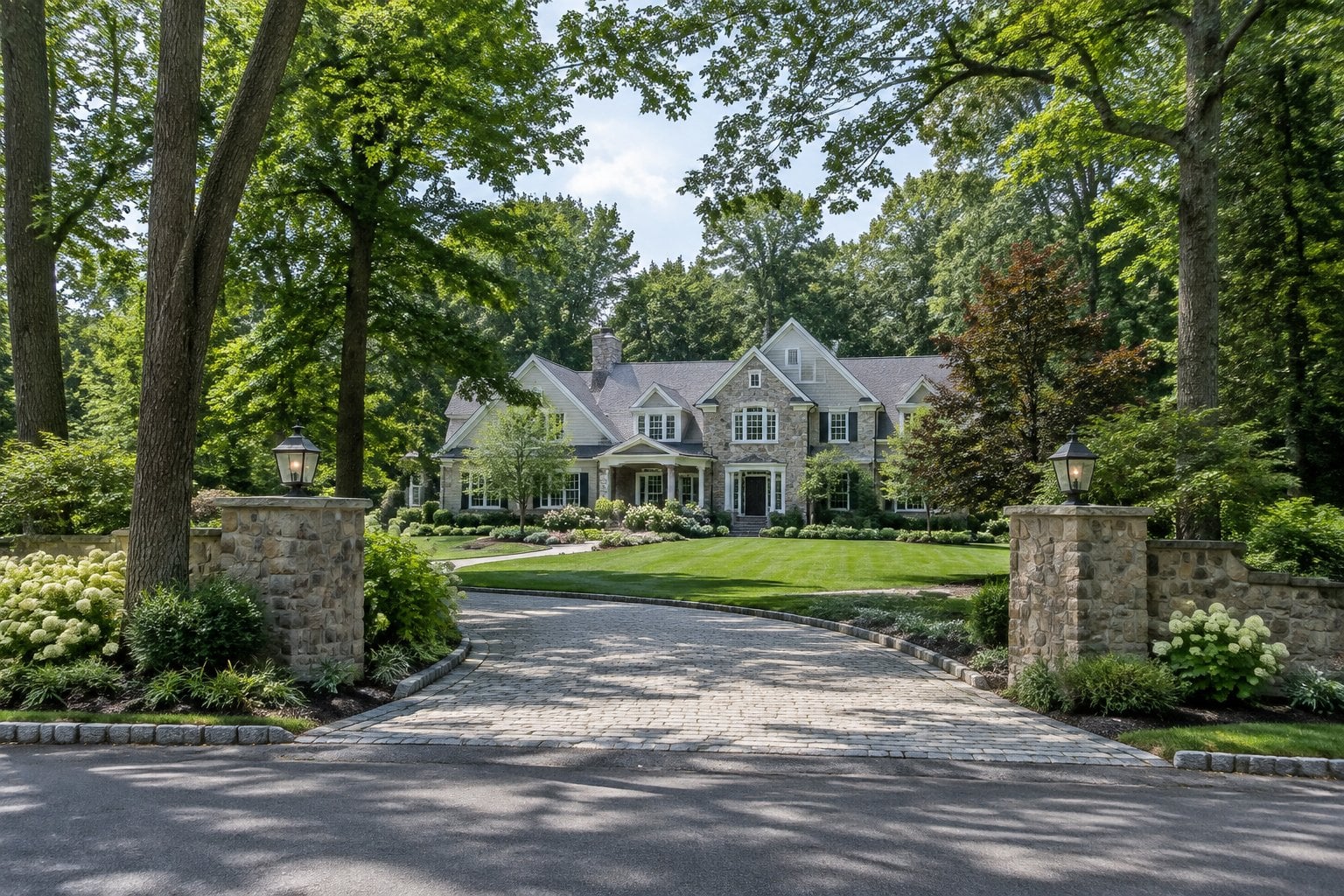
You will find Saddle River tucked into northern Bergen County, about 25 miles from Manhattan. This borough reports a median household income commonly cited above $200,000, placing it among the wealthiest towns in New Jersey and in the country.
The town is defined by large estates rather than dense neighborhoods. Lot sizes often run from one to several acres, and many homes sit well back from the road behind mature trees and long driveways.
Home values here commonly exceed $1.5 million, with many estates priced well above that figure. You can expect a mix of newer custom-built mansions and older colonial-style properties, many featuring pools, guest houses, or private tennis courts.
Saddle River has no central downtown or commercial strip, which keeps the area quiet and residential. Its proximity to New York City makes it appealing to executives and professionals who want privacy without sacrificing an easy commute.
Public schools in the area are well regarded, and the borough maintains a low population density compared to nearby towns. This combination of space, income, and seclusion continues to support Saddle River’s reputation as one of the state’s most exclusive communities.
24. McLean, Virginia
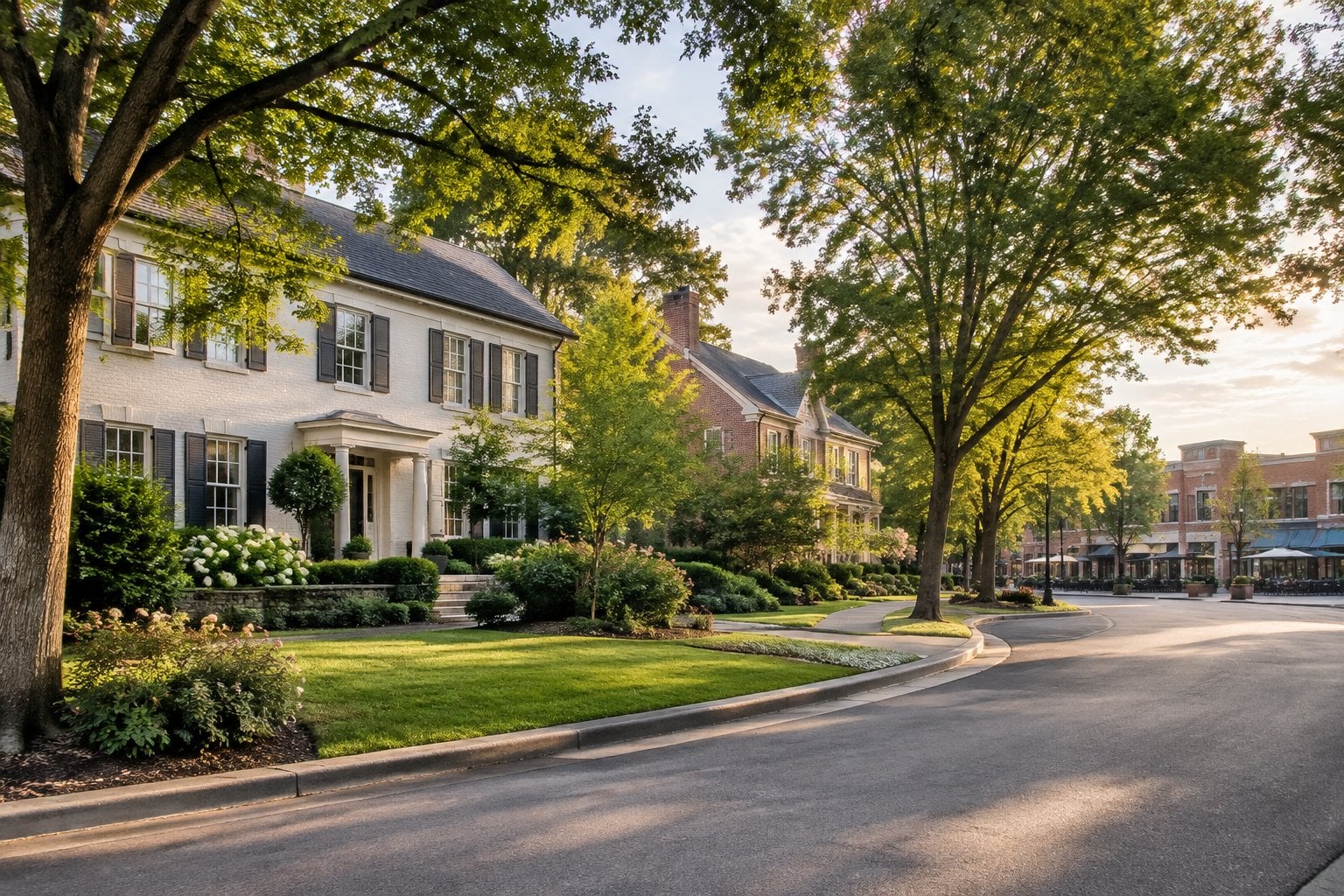
You’ll find McLean just outside Washington, D.C., in Fairfax County, a short drive from the Potomac River. Its median household income is commonly reported near the Census cap of $250,000, placing it among the wealthiest suburbs in the country.
Your proximity to the capital explains much of this wealth. Many residents work in government, defense contracting, finance, or law, and the CIA’s headquarters sits within the town’s boundaries.
Home values here reflect the income levels. You can expect median prices well above the national average, with many properties exceeding $1 million, particularly in neighborhoods near the Potomac.
McLean also offers a mix of suburban comfort and access to urban amenities. You’ll find tree-lined streets, large lots, and quiet residential pockets alongside upscale shopping centers like Tysons Galleria nearby.
Public schools in the area are highly rated, which adds to the appeal for families with children. The combination of strong schools, high incomes, and closeness to D.C. keeps McLean firmly positioned among the nation’s top-earning suburban communities.
25. Westport, Connecticut
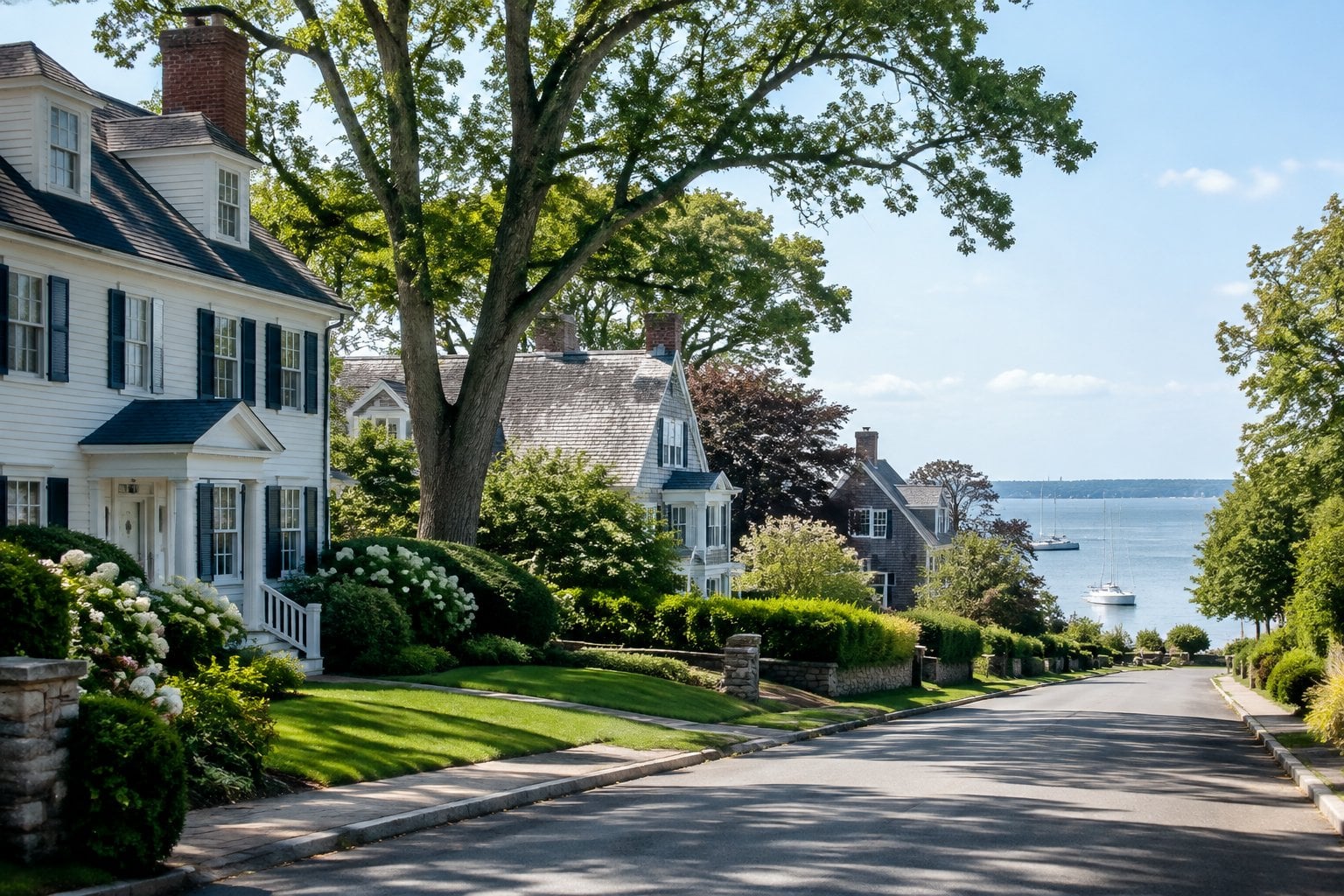
You’ll find Westport along the Connecticut coastline in Fairfield County, roughly an hour from New York City by train. The town has a median household income that typically lands in the $200,000 to $250,000 range, placing it firmly among the state’s wealthiest communities.
Your housing search here means confronting steep prices, with median home values commonly exceeding $2 million. Waterfront properties near Long Island Sound push well beyond that figure.
Westport draws residents who want a quieter, more residential setting while still commuting into Manhattan for work. You’ll notice the town’s downtown area, centered around Main Street and the Saugatuck River, mixes local shops with a walkable New England charm.
The Westport Country Playhouse and nearby beaches add to the town’s appeal if you’re considering a move here. Compo Beach, in particular, serves as a community gathering point during warmer months.
Public schools in Westport consistently rank among the top in Connecticut, which factors heavily into why families with means choose to settle here despite the cost of living.
26. Ladue, Missouri
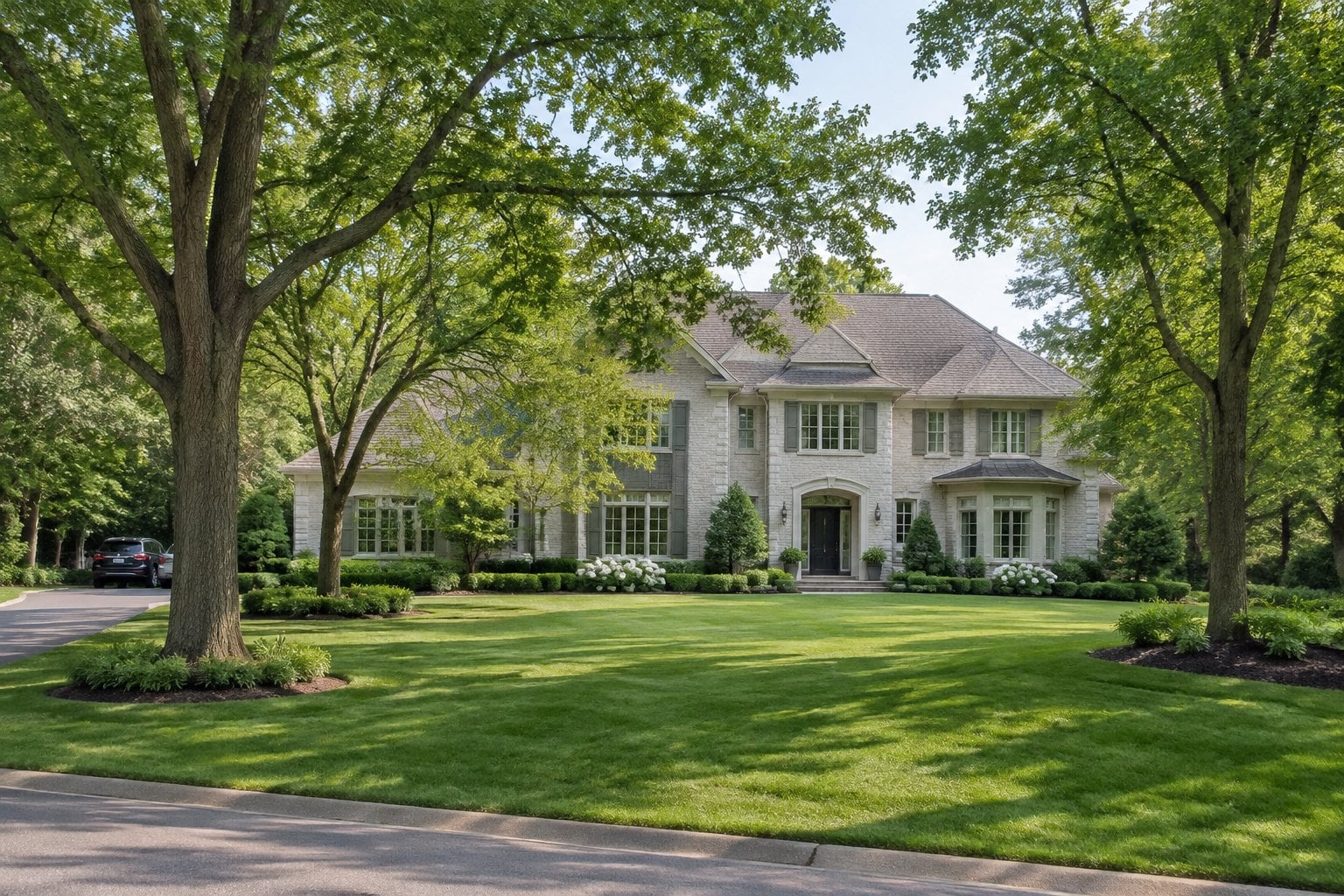
You’ll find Ladue in St. Louis County, about 13 miles west of downtown St. Louis. It’s one of the wealthiest suburbs in the entire Midwest.
The median household income here is commonly reported above $200,000, close to the Census Bureau’s reporting cap. Many households in Ladue earn well beyond that threshold.
Home values match this income level. You’re looking at a median home value well above $1 million, with many properties sitting on large wooded lots that reflect the city’s suburban, low-density character.
Ladue has a small population, numbering under 9,000 residents. The city is known for its highly rated public schools, manicured streets, and proximity to country clubs and private schools.
You won’t find much commercial development here. Ladue has intentionally limited retail and industrial zoning, preserving its residential feel. This approach has helped maintain property values and the area’s reputation as a quiet, affluent enclave within the greater St. Louis metropolitan area.
27. Paradise Valley, Arizona

You’ll find Paradise Valley tucked between Phoenix and Scottsdale, though it operates as its own incorporated town with a distinct identity. Census estimates put median household income here well above $200,000, among the highest figures reported for any Arizona community. Some data sources place average household income even higher, reflecting the concentration of high-value properties within town limits.
Home values in Paradise Valley consistently rank at the top of the state. Large lots, custom architecture, and mountain views define much of the housing stock, with Camelback Mountain and Mummy Mountain serving as prominent backdrops.
The town has long attracted resort development, and you’ll notice several well-known luxury resorts and golf courses within its boundaries. There’s no significant commercial or industrial base here; residential land use dominates, and zoning has historically kept density low.
Paradise Valley’s population remains small compared to its neighbors, which helps preserve its quiet, low-traffic character. Its location gives residents easy access to Phoenix’s urban amenities while maintaining separation through strict land-use policies and minimal commercial development.
28. Fox Chapel, Pennsylvania
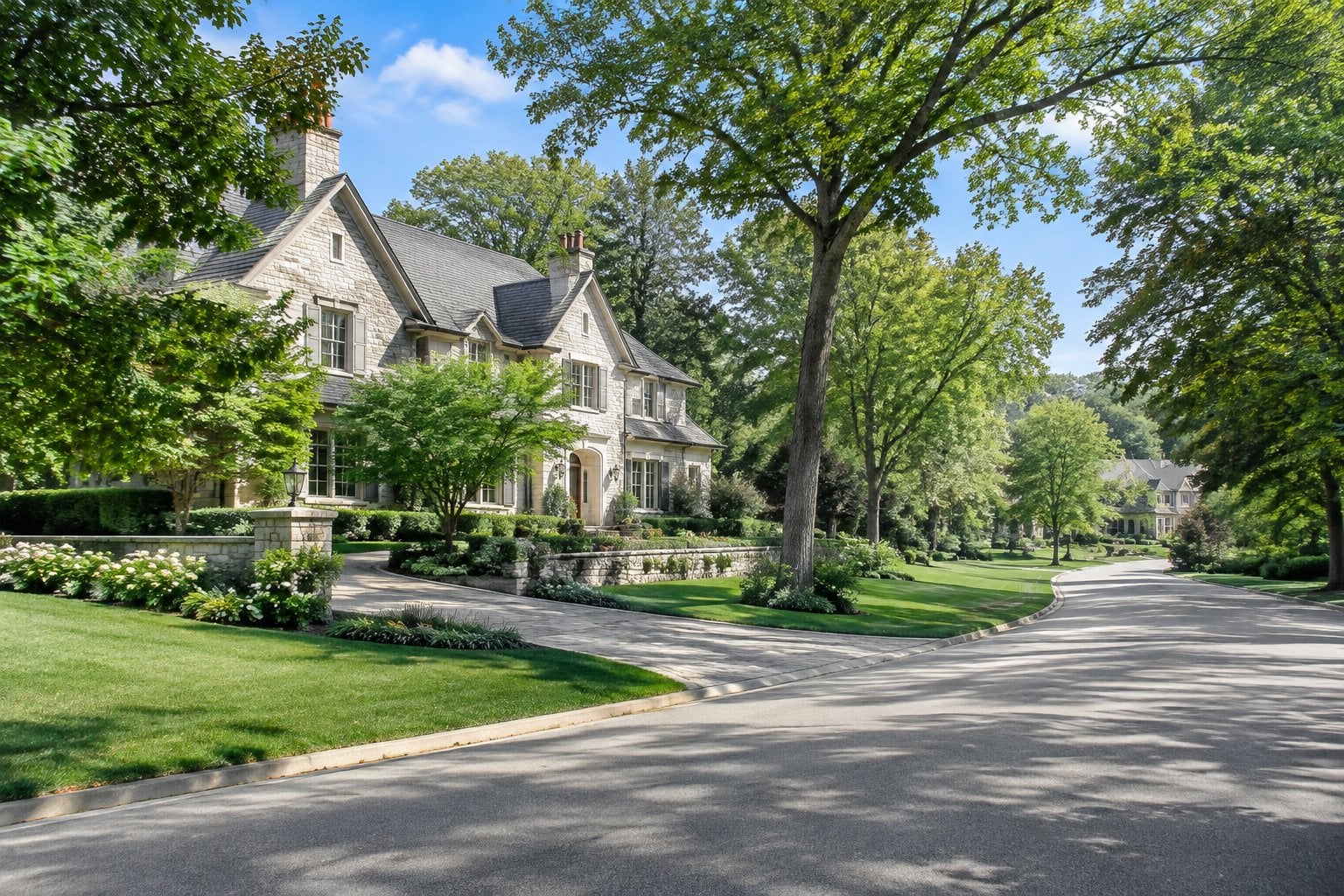
You’ll find Fox Chapel sitting northeast of Pittsburgh, tucked along the Allegheny River in Allegheny County. It’s widely cited as the wealthiest city or borough in Pennsylvania, with median household income estimates commonly above $200,000 depending on the data source and year.
Your view of this borough should account for its small population, estimated around 5,200 residents. This keeps the community tight-knit despite its wealth.
Home values here run well above the state average, reflecting the large lots and custom-built houses that define the area. You won’t find dense development; zoning favors spacious properties and wooded surroundings.
The poverty rate in Fox Chapel sits in the low single digits, underscoring the concentration of affluence. A significant share of households report incomes exceeding $200,000 annually.
You can expect Fox Chapel to maintain its position among Pennsylvania’s top-earning communities for years to come. Its proximity to Pittsburgh, combined with its secluded, upscale character, continues to draw high-income residents seeking privacy without sacrificing access to the city.
29. Bloomfield Hills, Michigan
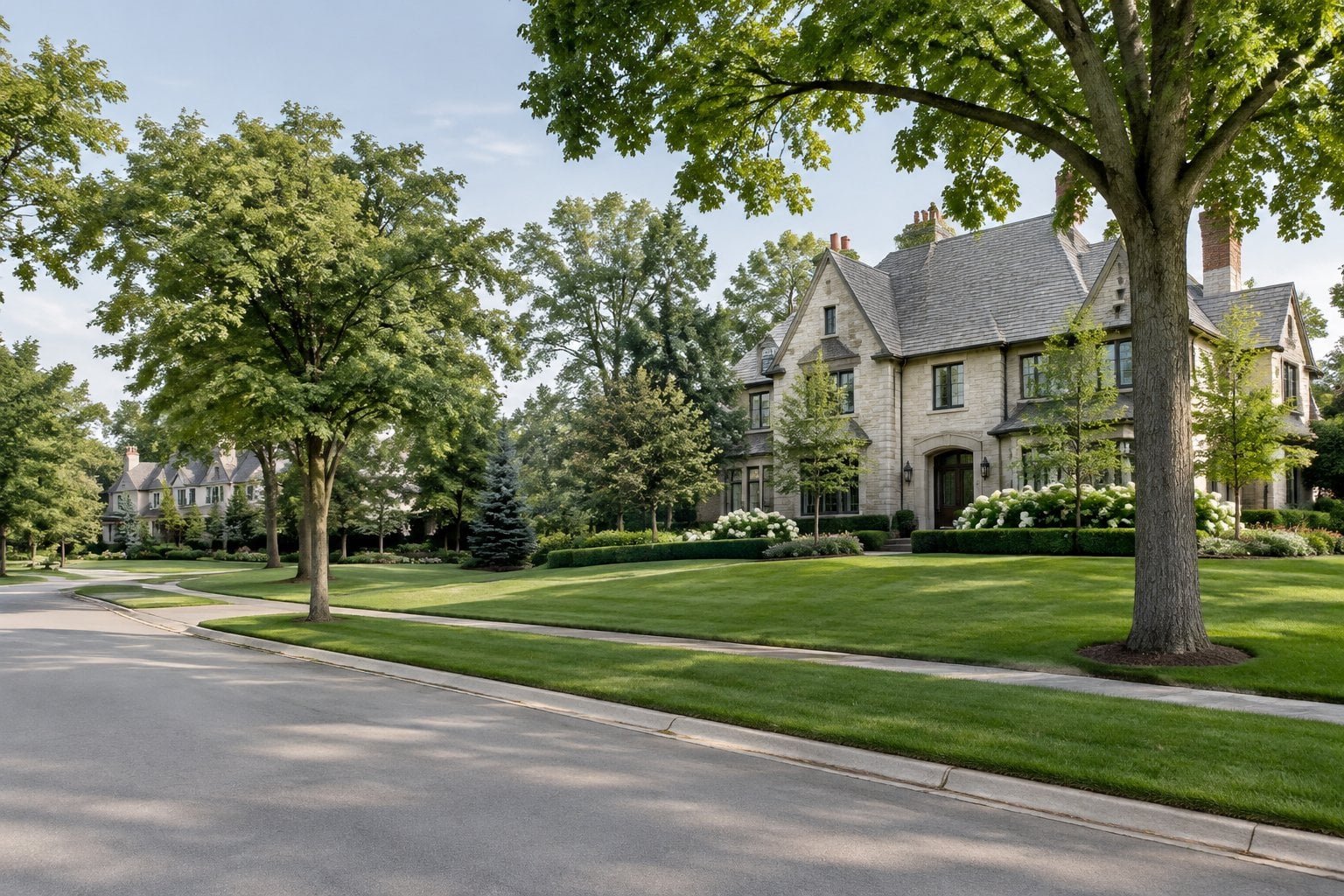
You’ll find Bloomfield Hills in Oakland County, about 25 miles northwest of Detroit. It’s one of Michigan’s most prestigious addresses, with a median household income that exceeds $200,000, among the highest in the state.
Home values here are substantial, with median prices often reported well above $800,000. The city’s housing stock includes large estates on wooded lots, reflecting a low-density, high-end residential character.
You’ll notice the population is small, numbering just over 4,000 residents, which keeps the community tight-knit despite its wealth. This scale also contributes to its reputation as an exclusive enclave rather than a sprawling suburb.
Bloomfield Hills is known for its strong school district and proximity to the Cranbrook Educational Community, a well-regarded institution combining art, science, and education. The area’s leafy streets and architectural variety, ranging from historic to contemporary design, add to its distinct suburban identity.
Its location near Birmingham and Troy places you close to additional affluent communities, reinforcing Oakland County’s standing as a concentration of Michigan’s wealthiest towns.
30. Mountain Brook, Alabama
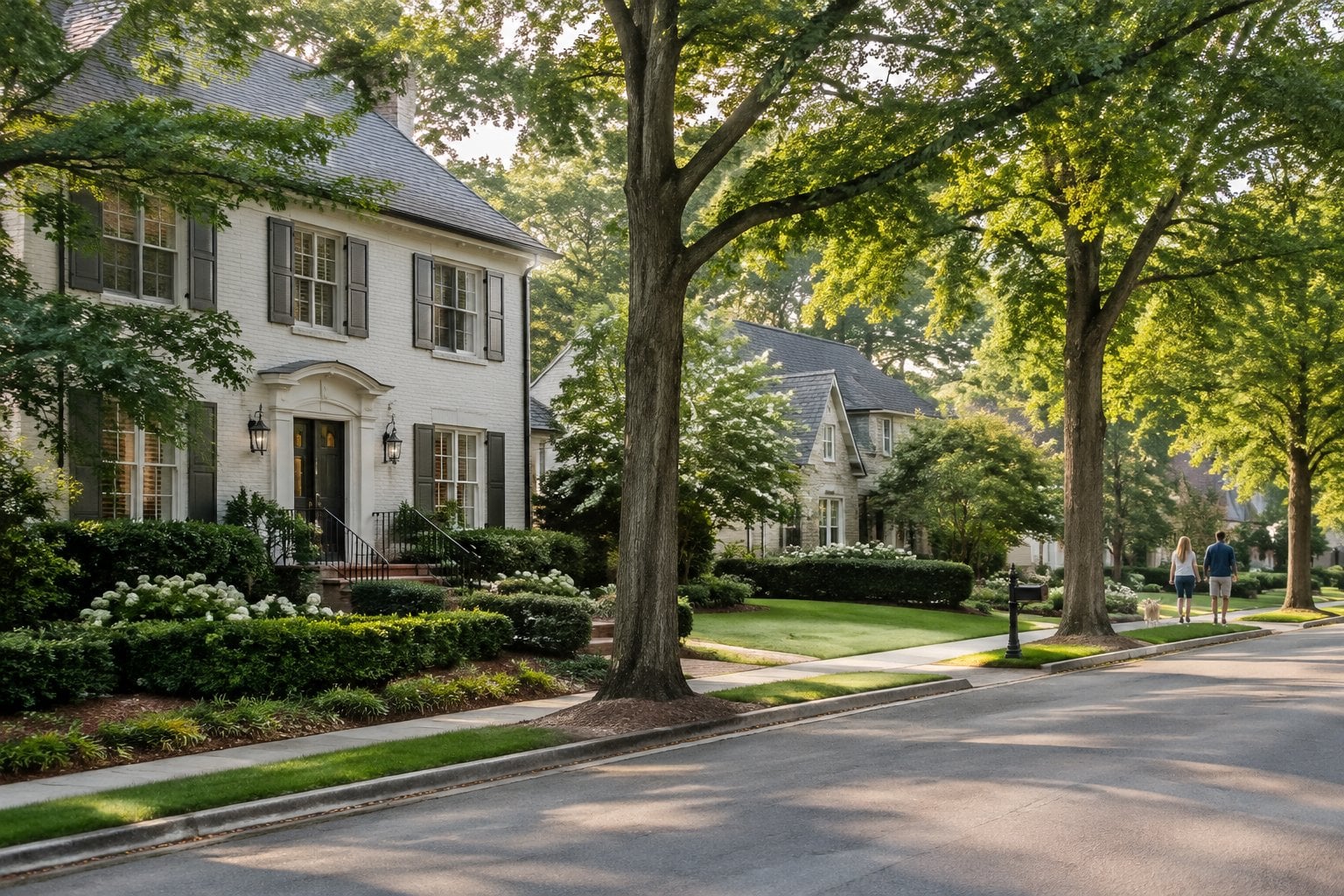
You’ll find Mountain Brook just southeast of Birmingham, tucked into the wooded hills that give the suburb its name. It consistently ranks as the wealthiest city in Alabama, with average household incomes far above the state norm.
Median household income figures put the city well above $150,000, far outpacing the statewide median of roughly $60,000. You can expect home values here to reflect that gap, with typical properties ranging from $400,000 to well over $1 million.
The poverty rate in Mountain Brook is very low, among the lowest you’ll see in any Alabama city. This reflects the concentrated affluence of the area, which draws executives, professionals, and established families.
You’ll notice the city’s layout favors large lots, mature trees, and a quiet, residential character. Public schools in Mountain Brook are regarded as some of the strongest in the state, a factor that continues to draw high-income households to the area.
Nationally, Mountain Brook has appeared in rankings of the country’s wealthiest suburbs, often placing within the top 100 communities by income.
How Household Income Rankings Are Calculated
Rankings of the richest towns rely on standardized Census data, but the method used to calculate and report income can shift a town’s position significantly. Understanding these factors helps you interpret the numbers accurately and compare towns on equal footing.
Median Versus Mean Household Income
Most rankings use median household income, not the average (mean). The median represents the middle value when all households are lined up from lowest to highest earnings.
Mean income can be skewed by a small number of extremely high earners, inflating the figure for a town that may not reflect typical households. Median income avoids this distortion.
You’ll notice some rankings, like those from Bloomberg, use average household income instead. This explains why the same town can appear at different positions on different lists. When comparing rankings, check which measure is being used before drawing conclusions.
Census Data Sources, Reporting Years, and Geographic Boundaries
Nearly all income rankings draw from the U.S. Census Bureau’s American Community Survey (ACS), specifically the 5-Year Estimates. These estimates combine five years of survey data to produce more statistically reliable figures for smaller towns.
Current rankings typically use the 2020–2024 ACS 5-Year dataset, the most recent available as of 2026. Because the data spans five years, it smooths out short-term economic fluctuations but may lag behind rapid local changes.
Geographic boundaries also matter. A “town” in Census terms can be an incorporated place or a census-designated place with defined limits, not a broader metro area. This distinction affects which locations qualify for inclusion and how their income figures compare to neighboring areas.
Population Thresholds and Margins of Error
Many rankings apply a minimum population requirement, often 2,000 or more households, to ensure statistical reliability. Smaller towns with fewer survey respondents produce wider margins of error, making their reported incomes less precise.
Some sources, such as those ranking cities with at least 50,000 or 100,000 residents, exclude very small towns entirely. This changes which places appear on the list.
The ACS also reports some high-income areas simply as “$250,000+” without an exact figure, since the Census Bureau doesn’t disclose precise medians above that threshold. You should treat ranking positions near the top with some caution, as ties and reporting limits can affect exact order.
What High Household Income Reveals—and What It Does Not
A high median household income tells you about earnings, but it doesn’t automatically mean the residents are wealthy or that your money will stretch further there. You need to look at wealth, cost of living, and household composition together to understand what these rankings actually mean for you.
The Difference Between Income and Wealth
Income and wealth are not the same thing, and conflating them leads to a distorted picture.
Income is what a household earns annually through wages, salaries, or investment returns. Wealth is the total value of assets—property, retirement accounts, savings—minus debt.
A town can have a high median income while most residents carry substantial mortgage debt or have limited savings. You might find dual-income professional households earning $250,000 a year but holding modest net worth after factoring in student loans, car payments, and a large mortgage.
Conversely, some lower-income retirees own their homes outright and hold significant wealth despite modest reported income. If you’re evaluating a town’s actual prosperity, income rankings alone won’t give you the full story.
How Housing Costs and Taxes Affect Purchasing Power
A six-figure income doesn’t mean the same thing in every town.
Your purchasing power depends heavily on local housing costs, state and local tax rates, and overall cost of living. A household earning $200,000 in a high-tax state with expensive real estate may have less disposable income than a household earning $120,000 in a lower-cost region.
Consider these factors when comparing towns:
Property taxes: Vary significantly by state and can consume a large share of income in high-value areas.
State income tax: Some states have no income tax; others take a meaningful percentage.
Housing prices: Median home values in wealthy towns often exceed $1 million, requiring much higher income just to afford a mortgage.
Everyday costs: Groceries, childcare, and services tend to cost more in affluent areas.
You should weigh these factors before assuming high income translates to a higher standard of living.
Why Household Size and Income Inequality Matter
Median household income figures don’t account for how many people share that income, which affects your interpretation of the data.
A household of four living on $180,000 has less per-person income than a household of two earning $150,000. Towns with larger average household sizes may report income figures that overstate individual financial comfort.
Income inequality within a town also matters. A median figure can mask a wide gap between high earners and lower-income residents, meaning the “typical” household you picture may not represent everyone living there.
Some wealthy towns have more income disparity than others, even at similar median levels. If you’re using these rankings to assess a community’s overall economic health, you’ll get a more accurate picture by looking at income distribution, not just the midpoint figure.