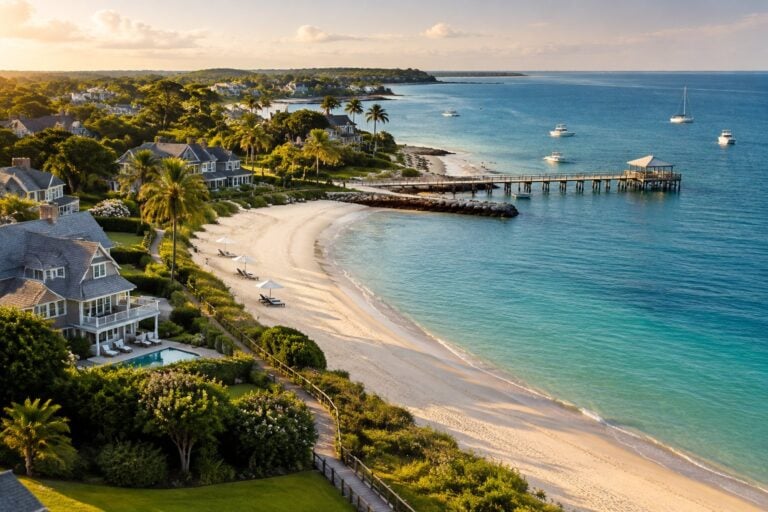
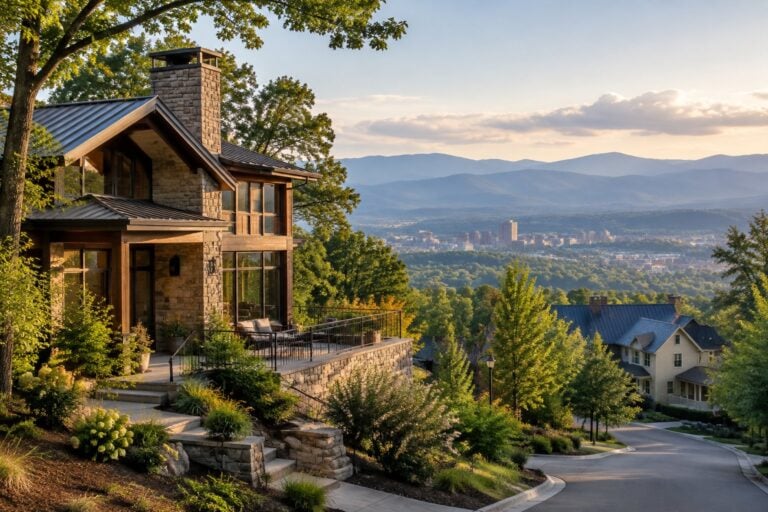
The 30 Most Expensive Places to Retire in the U.S.: Where Retirement Costs the Most

Retirement planning involves more than saving enough money. Where you choose to settle down affects your monthly budget, housing costs, and overall quality of life. Some cities carry a much higher price tag than others, driven by factors like housing markets, local taxes, and the cost of everyday goods and services.
If you’re researching retirement destinations, understanding which areas come with the highest costs can help you set realistic expectations. Several towns across the country consistently rank among the priciest places to retire, largely due to expensive real estate and elevated daily living expenses. Knowing these costs upfront allows you to compare your options and decide whether a high-cost location fits your financial plan.
1. Paradise Valley, Arizona

Paradise Valley sits at the top of the list as the most expensive place to retire in the United States. Median home values here run well above $3 million, and the town is known for luxury resorts, golf courses, and large private estates set against Camelback Mountain and Mummy Mountain.
You’ll find Arizona’s tax climate works in your favor even if housing costs don’t. Social Security benefits aren’t taxed at the state level, and Arizona offers reasonable treatment of pension income. Property taxes in Paradise Valley, while applied to extremely high home values, remain moderate as a percentage rate compared to many other states.
Healthcare access is strong, with proximity to Phoenix’s major hospital systems and specialized care facilities. You can expect a dry, sunny climate with mild winters, which draws many retirees away from colder states.
What sets Paradise Valley apart is its privacy and exclusivity. Low-density zoning, gated communities, and a small year-round population create a quiet, secluded lifestyle that appeals to retirees seeking space and discretion rather than a bustling retirement community atmosphere.
2. Santa Barbara, California

Santa Barbara sits along California’s central coast, between the Pacific Ocean and the Santa Ynez Mountains. This setting is a major reason retirees are drawn here, despite the cost.
Home prices in Santa Barbara run well above the national median, often into the seven figures, and the overall cost of living ranks among the highest in the country. You’ll find groceries, services, and everyday expenses priced noticeably above average.
California does not tax Social Security benefits, which offers some relief. However, the state does tax pension and retirement account withdrawals as regular income, and state income tax rates climb steeply at higher brackets. Property taxes are more moderate, thanks to Proposition 13 limits on annual increases.
Healthcare access is strong, with several well-regarded hospitals and medical centers serving the area. You’ll also have access to a mild, consistent climate with warm, dry summers and mild winters.
The appeal for retirees comes down to lifestyle: ocean views, walkable downtown areas, wine country nearby, and a slower pace than larger California cities, all balanced against a high price for daily living.
3. Chatham, Massachusetts

Chatham sits at the elbow of Cape Cod, and you’ll find it among the priciest retirement towns in New England. Median home prices here run well above $1 million, reflecting its waterfront location and limited housing supply.
Your overall cost of living will be high, driven mainly by housing, but also by groceries and services that cater to seasonal visitors and affluent residents.
Massachusetts offers some tax relief if you’re retired. Social Security benefits aren’t taxed at the state level, though pension income and withdrawals from retirement accounts generally are. Property taxes in Chatham are moderate compared to other parts of the state, but your actual bill will still be substantial given high home values.
Healthcare access is solid, with Cape Cod Hospital nearby and additional specialists within driving distance in Boston. You’ll likely be drawn to Chatham for its quiet harbor, historic downtown, and slower pace of life outside peak tourist season. Many retirees value the strong sense of community and the natural beauty of the coastline.
4. Bainbridge Island, Washington

If you retire on Bainbridge Island, you’ll pay a cost of living roughly 70% to 90% above the national average. Housing drives most of that gap, with median home prices well above $1 million.
You won’t pay state income tax in Washington, which means your Social Security benefits, pension income, and retirement account withdrawals all avoid state-level taxation. This can offset some of the higher everyday expenses, especially if you have significant retirement income. Property taxes are moderate by national standards, though your tax bill will still reflect the island’s high home values.
You’ll find healthcare access through nearby Seattle, a short ferry ride away, giving you access to major hospital systems and specialists. On the island itself, you’ll have smaller clinics and primary care options for routine needs.
Most retirees choose Bainbridge Island for its walkable downtown, mild Pacific Northwest climate, and strong sense of community. You’ll also get proximity to Seattle’s culture and amenities without living in the city itself.
5. Longboat Key, Florida

Longboat Key sits on a barrier island off Florida’s Gulf Coast, between Sarasota and Bradenton. You’ll find median home values well above $700,000, with many waterfront and beachfront properties priced far higher. This is one of the more exclusive retirement markets in the state.
Florida has no state income tax, so your Social Security benefits, pensions, and retirement account withdrawals go untaxed at the state level. That said, property taxes and insurance costs on the island can be substantial given the coastal location and high home values. Your overall cost of living here will run higher than the state average, driven largely by housing.
You’re likely drawn to Longboat Key for its quiet, low-density character compared to busier Gulf Coast towns. Beaches, boating, and golf are central to daily life, and the demographics skew heavily toward retirees. Healthcare access is strong too, with Sarasota’s hospitals and specialists just a short drive away. If privacy and a slower pace matter to you, this island delivers both.
6. Marco Island, Florida
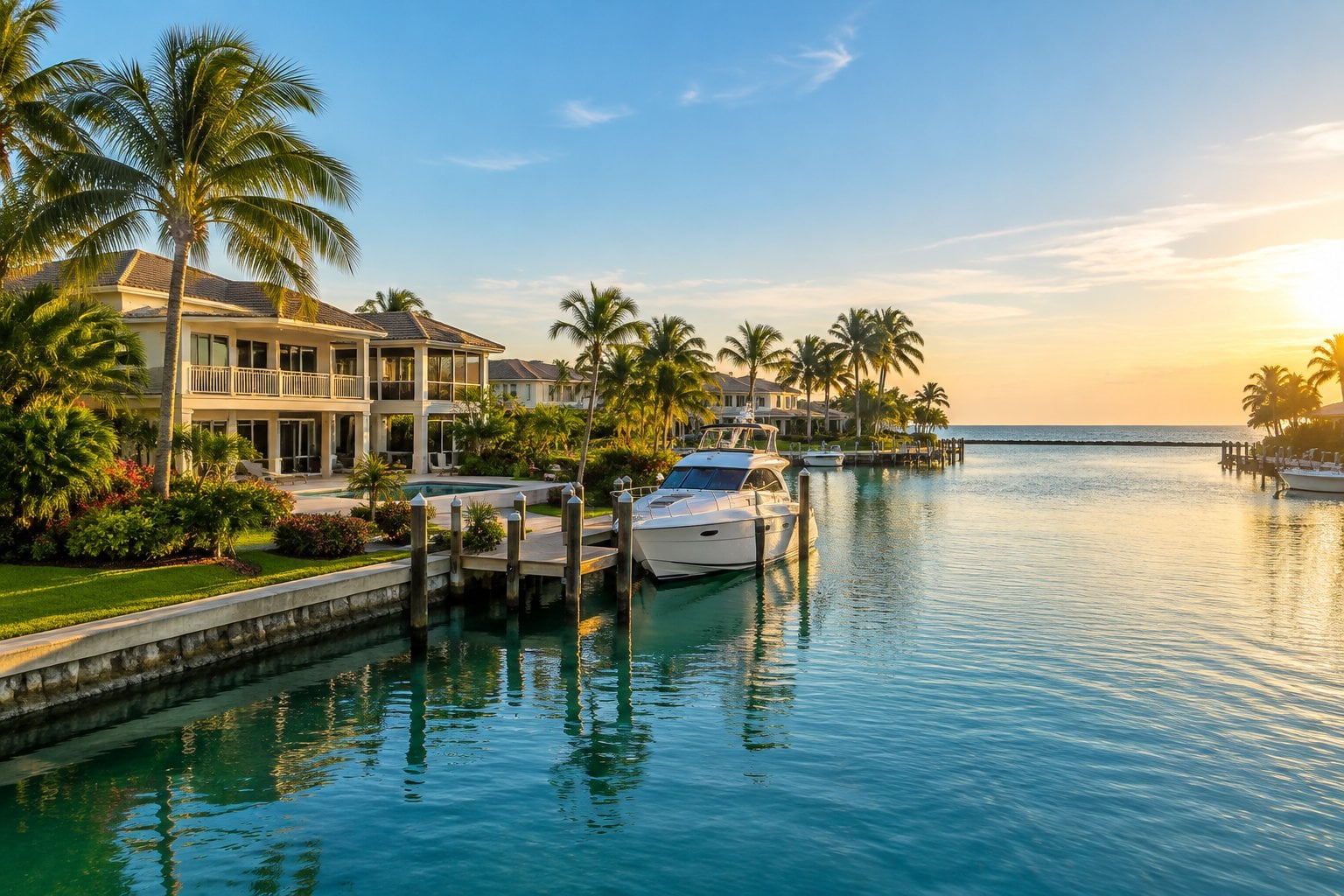
Marco Island sits on the Gulf Coast in southwest Florida and draws retirees who want a quiet, upscale beach community. Home prices here run well above the national median, with many properties priced for waterfront or canal access. The island’s small size and limited housing supply keep real estate costs high.
Your overall cost of living will be elevated compared to most of the country, driven largely by housing, insurance, and dining. Florida does not tax Social Security benefits, pensions, or other retirement income, which helps offset some of these expenses. The state also has no income tax, a point that appeals to retirees managing fixed incomes.
Property tax bills on the island tend to run higher than the state average, reflecting home values. For healthcare, you’ll find basic services locally, but residents often travel to Naples for more specialized care. Many retirees choose Marco Island for its boating access, beaches, and slower pace, along with the appeal of established retirement communities nearby.
7. Boulder, Colorado

Boulder draws retirees who want an active, outdoor lifestyle paired with a college-town atmosphere. Median home prices here run well above $1 million, making it one of the pricier retirement markets in Colorado and the broader Rocky Mountain region.
Colorado offers moderate tax treatment for retirees. Social Security benefits are exempt from state tax, and residents 65 and older can deduct a portion of other retirement income, though property taxes and the overall cost of living in Boulder itself remain high compared to national averages.
You’ll find strong healthcare access, with Boulder Community Health and nearby Denver-area hospitals providing specialized care. The city also supports an active lifestyle, with extensive hiking trails, bike paths, and a walkable downtown.
Many retirees are drawn to Boulder for its scenery, mild four-season climate, and cultural amenities tied to the University of Colorado. You should expect grocery, dining, and service costs to run noticeably higher than in most other U.S. cities, which factors heavily into the area’s overall expense.
8. Indian Wells, California

Indian Wells sits in the Coachella Valley, and you’ll find median home prices well above $1 million here. This desert community is known for golf courses and upscale resorts, which keeps real estate values high year-round.
Your overall cost of living will run significantly above the national average, driven mainly by housing. Groceries and healthcare services also carry a premium compared to most other parts of the country.
California does not tax Social Security benefits, which helps offset some of your fixed retirement income. However, pensions and withdrawals from retirement accounts are taxed as regular income at the state’s rates, which rank among the highest in the nation. Property taxes stay moderate due to Proposition 13 protections, though your home’s high value still means a sizable annual bill.
You’ll have access to quality healthcare through nearby Palm Springs and Rancho Mirage facilities. Many retirees choose Indian Wells for its warm, dry climate, privacy, and golf-centered lifestyle, accepting the higher costs as the price for desert luxury living.
9. Ponte Vedra Beach, Florida
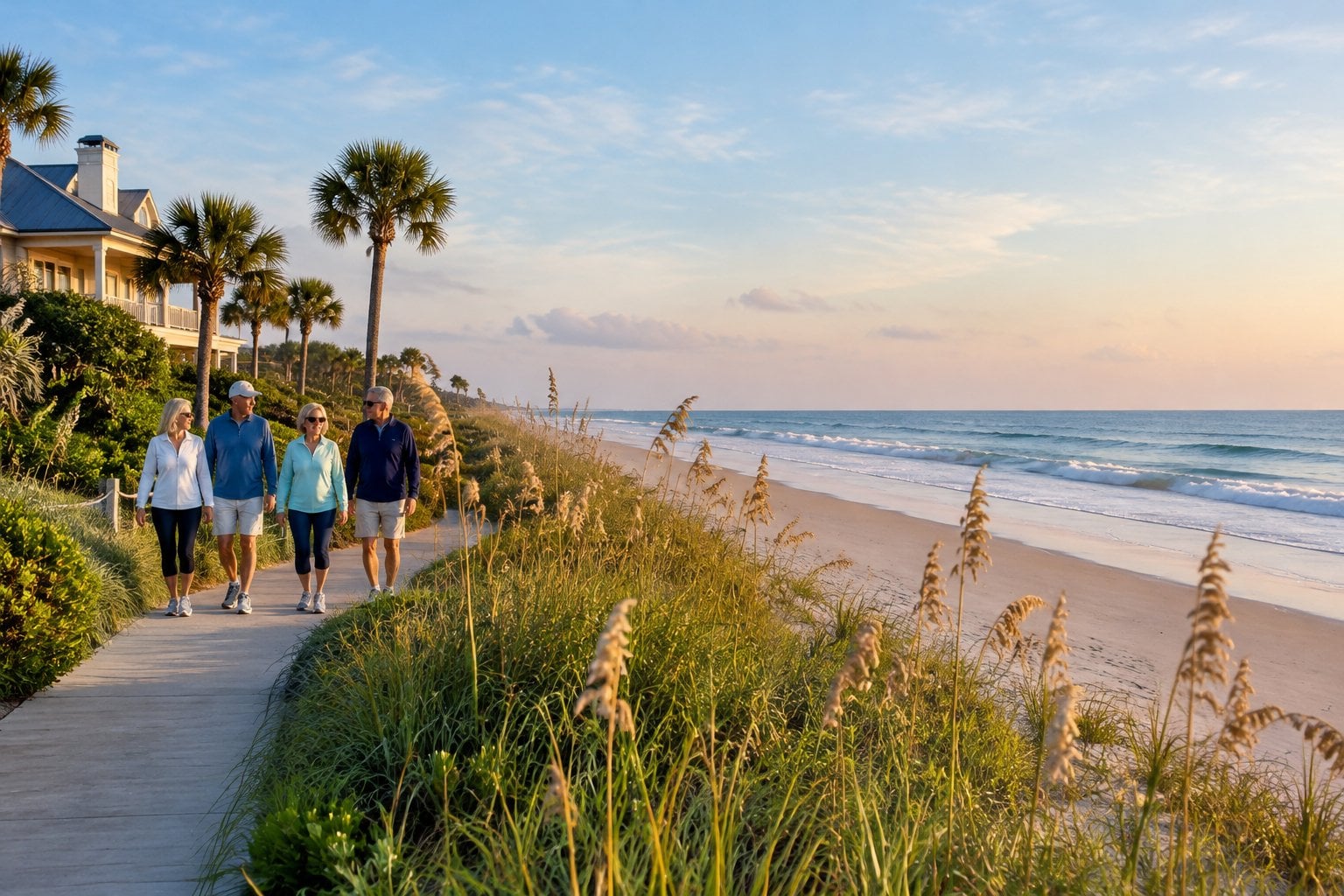
If you retire in Ponte Vedra Beach, you can expect one of the highest costs of living in Northeast Florida. Home prices here run well above both state and national medians, and oceanfront properties along Ponte Vedra Boulevard regularly sell in the millions.
Florida’s tax structure works in your favor once you’ve settled in. You won’t pay state income tax, so your Social Security benefits, pension income, and retirement account withdrawals go untaxed at the state level. Property taxes, however, reflect the area’s high home values, so your annual bill can still be substantial.
Healthcare access is a major draw. You’re close to Mayo Clinic’s Jacksonville campus, which gives you access to specialized care without having to travel far.
You’ll also find golf courses, including TPC Sawgrass, private country clubs, and a quieter, more upscale pace than many other Florida retirement spots. Low-maintenance luxury communities are common, which appeals if you want fewer home upkeep responsibilities during retirement.
10. Sanibel, Florida
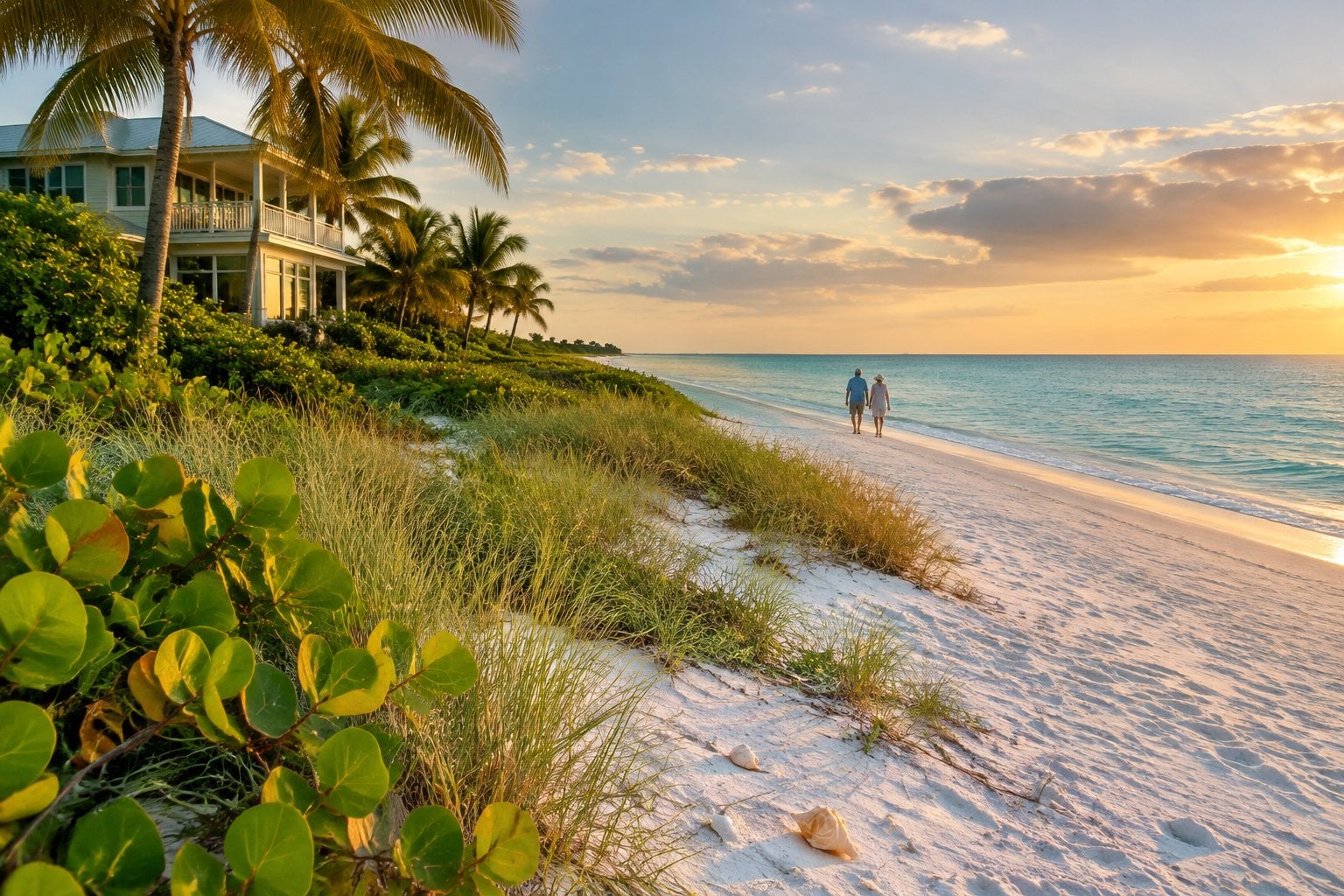
Sanibel sits on a barrier island off Florida’s Gulf Coast, known for its beaches and shell collecting. If you’re considering retirement here, expect to pay a premium for island living. Median home prices run well above $900,000, and many properties exceed $1 million, especially those with water access.
Florida works in your favor financially. There’s no state income tax, so your Social Security benefits, pension income, and retirement account withdrawals aren’t taxed at the state level. Property taxes are moderate by national standards, though insurance costs on the island can be steep due to hurricane risk.
Day-to-day expenses, including groceries, utilities, and dining, run higher than typical Florida averages. Healthcare access is reasonable, with facilities in nearby Fort Myers providing more specialized care than what you’ll find on the island itself.
You’re drawn here for the slower pace, mild winters, and natural surroundings. Sanibel has building height restrictions and conservation land that keep development limited, which appeals to retirees seeking a quieter alternative to Florida’s busier coastal cities.
11. San Luis Obispo, California

San Luis Obispo sits on California’s Central Coast, between the mountains and the Pacific Ocean. You’ll find median home prices well above $800,000, putting homeownership out of reach for many retirees without significant savings or home equity from a previous sale.
Your overall cost of living here runs high, driven largely by housing, though everyday expenses like groceries and transportation also exceed national averages. California doesn’t tax Social Security benefits, which helps offset some costs, but pension income is taxed as regular income, and the state’s income tax rates are among the highest in the country.
Property taxes stay moderate thanks to Proposition 13 protections, which limit how much your assessed value can increase annually. You’ll have access to solid healthcare through facilities like Sierra Vista Regional Medical Center and French Hospital Medical Center.
Many retirees choose San Luis Obispo for its mild climate, walkable downtown, and proximity to wine country. The university presence keeps the area culturally active, though you’ll pay a premium for the lifestyle it offers.
12. Honolulu, Hawaii

If you retire in Honolulu, you take on one of the highest costs of living in the country, with a cost of living index close to double the national average. Housing is the biggest factor, and median home prices here run well above most mainland retirement spots.
Everyday expenses add up too. Groceries, utilities, and transportation all cost more because so many goods have to be shipped in from elsewhere.
Hawaii does offer some tax relief for you as a retiree. Social Security benefits aren’t taxed, and pension income often receives favorable treatment, though other retirement account withdrawals may still be taxed as regular income. Property taxes are relatively low compared to other high-cost states, which softens the blow somewhat if you own your home outright.
Healthcare access in Honolulu is strong, with quality hospitals and specialists available, which matters as you age. What draws you here despite the expense is the setting: year-round warm weather, ocean views, and a slower island pace of life. For many, that trade-off between cost and lifestyle is worth it.
13. Scottsdale, Arizona

If you retire in Scottsdale, you’ll pay a premium for desert scenery and a resort-style lifestyle. The median home price sits around $700,000 to $785,000, well above the national median. Overall living costs run about 15% to 20% higher than the U.S. average, driven largely by housing.
Arizona treats retirees favorably on taxes. Social Security benefits aren’t taxed at the state level, and pension income receives partial exemptions. Property taxes stay relatively low compared to other high-cost retirement markets, which helps offset some of the home price burden.
You’ll find healthcare access to be strong, with Scottsdale home to well-regarded hospital systems and a large concentration of specialists who cater to an older population. Many retirees choose Scottsdale for its warm, dry climate, golf courses, and upscale shopping and dining options.
Your daily expenses, including groceries and utilities, will likely exceed what you’d pay in most U.S. cities. Annual costs for a comfortable retirement here often surpass the national average, making Scottsdale one of Arizona’s priciest retirement destinations.
14. Rancho Mirage, California

Rancho Mirage sits in the Coachella Valley near Palm Springs, and it carries a reputation as a quiet, upscale desert retreat for retirees. Median home prices here run well above the national average, often landing in the $700,000 to $900,000 range depending on the neighborhood and whether you choose a golf community.
Your overall cost of living will be high, driven largely by housing, though everyday expenses like groceries and transportation stay closer to state averages. California taxes most retirement income, including pensions and withdrawals from retirement accounts, but Social Security benefits remain exempt from state tax.
Property taxes stay moderate thanks to California’s assessment limits, which can work in your favor if you plan to stay long-term. Healthcare access is solid, with several hospitals and specialty clinics serving the greater Palm Springs area.
You’ll find Rancho Mirage appealing if you want warm, dry winters, golf courses, and a slower pace without sacrificing proximity to quality medical care and upscale shopping.
15. Bend, Oregon

Bend sits on the eastern slope of the Cascade Range, and you’ll find median home prices around $700,000 in this high-desert city. Your overall cost of living here runs well above the national average, driven largely by housing costs rather than everyday expenses like groceries or utilities.
Oregon does not tax Social Security benefits, which works in your favor if that’s a major part of your retirement income. However, you should know that pension income and other retirement account withdrawals are taxed as regular income at the state’s standard rates. Property taxes in Bend are moderate compared to national figures, though rising home values have pushed actual tax bills upward in recent years.
You’ll have access to decent healthcare through St. Charles Health System, the region’s main hospital network, though specialized care often means traveling to Portland.
What draws you to Bend is the outdoor lifestyle: hiking, skiing, and a dry climate with nearly 300 days of sunshine a year. The tradeoff is a housing market that has grown increasingly competitive and expensive for retirees on fixed incomes.
16. Palm Springs, California

Palm Springs draws retirees with year-round sun, mid-century modern architecture, and a walkable downtown with restaurants, galleries, and golf courses. You’ll find a relaxed desert lifestyle that appeals to those looking to slow down without giving up culture or amenities.
Home prices here run well above the national median, often landing in the $600,000 to $700,000 range. Combined with a cost of living above the national average, your daily expenses, from groceries to utilities, will likely be higher than in many other parts of the country.
California does not tax Social Security benefits, which helps offset some costs. However, the state does tax pension income and other retirement account withdrawals at regular income tax rates, which can be steep depending on your bracket.
Property taxes stay moderate thanks to Proposition 13, which limits increases on assessed home values. Healthcare access is solid, with several hospitals and specialty clinics serving the greater Palm Springs area, giving you reasonable options as your medical needs change over time.
17. Chapel Hill, North Carolina

Chapel Hill is home to the University of North Carolina, and that connection shapes much of what you’ll find here. You get access to top-tier healthcare through UNC’s medical system, along with cultural events, lectures, and sports that come with living in a college town.
Home prices in Chapel Hill run well above the national median, often landing in the mid-$500,000s to $600,000s depending on the neighborhood. The overall cost of living also sits above average, driven largely by housing rather than everyday expenses like groceries or transportation.
North Carolina taxes retirement income, including distributions from 401(k)s and IRAs, though Social Security benefits are exempt. Property taxes in Chapel Hill are moderate compared to other university towns, but you’ll still pay more than in many rural parts of the state.
You can expect a four-season climate with mild winters and humid summers. Many retirees choose Chapel Hill for its walkability, intellectual atmosphere, and proximity to Raleigh-Durham, which gives you airport access and additional medical specialists nearby.
18. Santa Fe, New Mexico

If you retire in Santa Fe, you will find a city known for mild winters, dry air, and a slower pace of life. The median home price sits around $600,000, which is well above the national average but still lower than many California or Hawaii retirement towns.
Your overall cost of living in Santa Fe runs roughly 8% higher than the national average. Housing and healthcare costs are the main drivers, while groceries and transportation tend to stay closer to typical national figures.
New Mexico offers some tax advantages you should factor into your planning. Social Security income is exempt for most retirees, and property taxes are relatively low compared to other high-cost retirement destinations. However, you will still pay state income tax on pension and retirement account withdrawals.
Healthcare access in Santa Fe includes a regional hospital and several specialty clinics, though you may need to travel to Albuquerque for more advanced care. Many retirees are drawn to the area for its arts scene, outdoor recreation, and strong sense of community among active adults.
19. Annapolis, Maryland
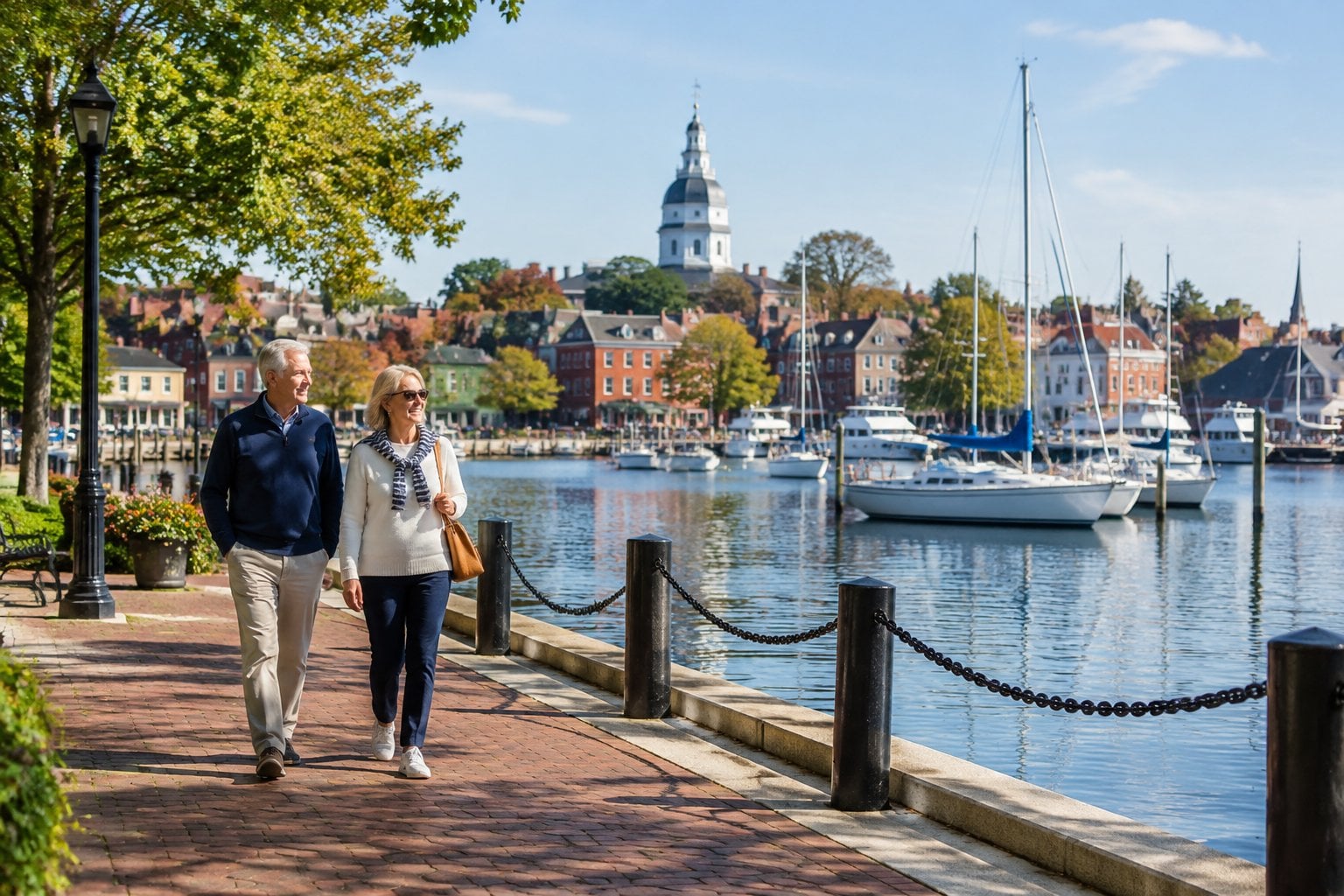
Annapolis gives you a historic waterfront setting along the Chesapeake Bay, with brick sidewalks, a working harbor, and a strong Naval heritage. The city draws retirees who want coastal living without moving to a resort town.
Home prices here run high, with the median typically landing near $600,000, well above the national average. Maryland’s overall cost of living also sits above average, so you’ll want to budget for higher grocery, utility, and service costs than in many other states.
Maryland offers some tax relief for retirees. Social Security benefits are not taxed, and you can qualify for exclusions on pension income depending on your age and total earnings. Property taxes, however, tend to run moderate to high compared to national figures.
Healthcare access is a strong point. You’re close to top-rated hospitals and specialists in both Annapolis and nearby Baltimore and Washington, D.C.
You’ll also find a walkable downtown, sailing culture, and a mix of history and modern amenities that keeps many retirees satisfied despite the higher costs.
20. Fernandina Beach, Florida

If you retire in Fernandina Beach, you’ll be living on Amelia Island, a coastal community known for its historic downtown and beaches. The median home value sits around $550,000, which is well above the national average but still more reasonable than many other Florida beach towns on this list.
You won’t pay state income tax here, so your Social Security benefits, pension income, and retirement account withdrawals go further than they would in a high-tax state. Florida also offers property tax exemptions for homeowners aged 65 and older who meet income requirements, which can help offset your annual costs.
Healthcare access is solid, with Baptist Health’s Nassau campus serving the area and additional specialists available in nearby Jacksonville. About a third of the population is 65 or older, so you’ll find an established retirement community with amenities geared toward your lifestyle.
Expect higher insurance costs due to flood and wind exposure, along with the usual coastal maintenance expenses that come with living near the water.
21. Charleston, South Carolina

Charleston offers a Lowcountry lifestyle with a historic, walkable downtown and mild winters that draw retirees from across the country. You can expect median home prices in the area to fall around $445,000 to $560,000, and the overall cost of living typically runs about 7% to 8% above the national average.
South Carolina treats retirees favorably when it comes to taxes. Social Security benefits are exempt from state income tax, and you get a sizable deduction on other retirement income once you reach a certain age. Property taxes also stay relatively low compared to many coastal retirement destinations.
Healthcare access is solid, with several hospital systems and specialized care centers serving the greater Charleston area. You’ll find a strong network of primary care and specialist providers, which matters as your medical needs grow.
Most retirees choose Charleston for its blend of coastal charm, cultural amenities, and outdoor activities. The combination of history, waterfront access, and a temperate climate makes it a consistently popular choice despite costs that run higher than many other Southern cities.
22. Bluffton, South Carolina
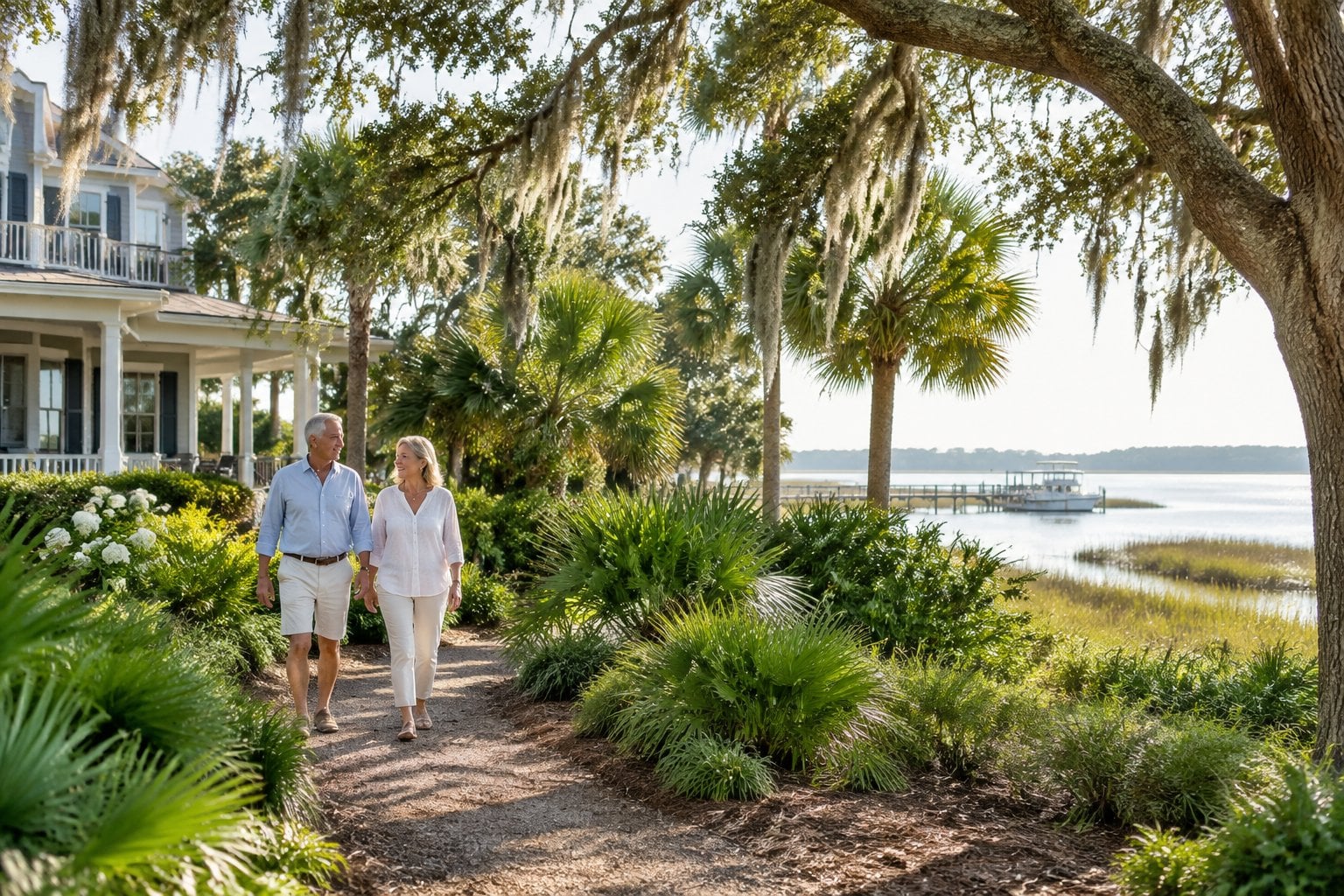
Bluffton sits near Hilton Head Island along South Carolina’s coast, and you’ll find it appeals to retirees who want Lowcountry charm without the full price tag of its beachfront neighbor. Median home prices here typically run above the national average, reflecting demand from retirees drawn to the May River, golf courses, and planned communities.
Your overall cost of living in Bluffton runs somewhat higher than the national average, driven largely by housing. Groceries, utilities, and transportation tend to stay closer to typical national figures.
South Carolina offers you real tax advantages in retirement. Social Security benefits aren’t taxed, and the state provides a deduction on other retirement income like pensions and 401(k) withdrawals. Property taxes also stay relatively low compared to many other states, which helps offset Bluffton’s higher home prices.
Healthcare access is solid, with facilities in Bluffton and nearby Savannah and Hilton Head serving the area’s retiree population. You’ll find the mild climate and slower pace are what draw most people here, along with proximity to historic Savannah and coastal recreation.
23. Coeur d’Alene, Idaho

Coeur d’Alene sits on a large lake in the Idaho Panhandle, and it has become one of the Pacific Northwest’s more popular retirement destinations. Home prices here run well above the national median, and the cost of living reflects steady demand from retirees and remote workers who have moved in over the past decade.
You’ll find that Idaho does not tax Social Security benefits, which helps offset other expenses. Pension income, however, is taxed as regular income, so you should factor that into your budget. Property taxes in Idaho are moderate compared to many other states, giving you some relief even as home values climb.
Healthcare access is reasonable for a city this size, with a regional hospital and several clinics serving the area, though specialized care often requires a trip to Spokane. What draws you to Coeur d’Alene is the scenery: mountains, forests, and a large freshwater lake offer year-round recreation. Summers bring boating and golf, while winters offer skiing nearby, giving you a genuine four-season lifestyle.
24. Prescott, Arizona

If you’re considering Prescott for retirement, expect a cost of living that runs slightly above the national average, driven mostly by housing. For a retired couple with a paid-off home, monthly costs for groceries, healthcare, and utilities stay close to typical national levels.
Arizona offers tax advantages that matter to your retirement budget. Your Social Security benefits are exempt from state income tax, and pension income receives partial exemptions. Property taxes in the state remain relatively low compared to national figures, which helps offset other costs you’ll encounter.
You’ll find Prescott appealing for its mild four-season climate, a departure from the intense heat found in Phoenix or Tucson. The town sits at a higher elevation, giving you cooler summers and manageable winters.
Healthcare access is solid here, with Yavapai Regional Medical Center serving the area. You’ll also benefit from a walkable historic downtown, scenic hiking trails, and a strong sense of community that draws many retirees seeking small-town charm without sacrificing modern amenities.
25. Pinehurst, North Carolina

Pinehurst draws you in with its reputation as a golf destination, but you don’t need a country club membership to enjoy the lifestyle here. Public and resort courses throughout the Sandhills region offer access without the steep dues associated with private clubs. This keeps the area more approachable than its golf-town image suggests.
Home prices in Pinehurst run above the national median, reflecting steady demand from retirees relocating to the area. Your overall cost of living will likely land above average, though housing is the main driver rather than everyday expenses like groceries or utilities.
North Carolina exempts your Social Security benefits from state income tax, which helps offset other costs. Pensions and 401(k) withdrawals are taxed, so you’ll want to account for that in your planning. Property taxes in the region are moderate compared to many other retirement destinations.
Healthcare access is solid, with regional medical centers serving the area. Proximity to Fort Bragg also makes Pinehurst appealing if you’re a military retiree, given nearby services and a community familiar with military life.
26. Charlottesville, Virginia

You’ll find Charlottesville sitting comfortably among Virginia’s priciest retirement destinations, driven largely by the University of Virginia and a steady influx of academics, professionals, and retirees drawn to its small-city charm. Median home prices here run well above both the state and national averages, and overall cost of living reflects that same premium.
Virginia treats your retirement income with a mix of advantages and drawbacks. Social Security benefits are exempt from state tax, but pensions and withdrawals from retirement accounts are generally taxed as ordinary income. Property taxes in Charlottesville and surrounding Albemarle County tend to run moderate compared to other expensive retirement markets, though home values push your overall tax bill higher.
Healthcare access is a strong selling point. You’re close to UVA Health, a major academic medical center that gives you specialist care without needing to travel far.
Many retirees choose Charlottesville for its walkable downtown, wineries, and four distinct seasons, accepting the higher costs in exchange for a cultured, scenic setting.
27. St. George, Utah

If you retire in St. George, you’ll find a desert city known for red rock scenery and a fast-growing retiree population. The median home price sits well above the national average, often in the $500,000 range, and home values have climbed quickly over the past decade as more retirees relocate here.
Your overall cost of living runs higher than the Utah state average, driven mainly by housing. Groceries and everyday goods stay closer to national norms, so your daily expenses may feel more manageable than your housing costs suggest.
Utah taxes Social Security benefits, though you can claim a credit that offsets much of that burden depending on your income. Pension and retirement account withdrawals are taxed as regular income under the state’s flat tax rate. Property taxes remain relatively low compared to many other states, which helps balance your overall tax picture.
You’ll have access to a growing healthcare network, including a regional medical center, though specialized care may require travel to Las Vegas or Salt Lake City. Many retirees choose St. George for its mild winters, outdoor recreation, and active-adult communities.
28. Ann Arbor, Michigan

You’ll find Ann Arbor appeals to retirees who want a college-town atmosphere with access to top-tier healthcare. Home to the University of Michigan, the city offers cultural events, museums, and a walkable downtown that many retirees find hard to match elsewhere in the Midwest.
Median home prices here run well above the national average, and the overall cost of living also sits higher than most Michigan cities. You’ll pay more for housing and everyday expenses than you would in smaller towns nearby, though your dollar still stretches further than in many coastal retirement hubs.
Michigan taxes retirement income in a mixed way. Social Security benefits are exempt from state tax, and depending on your birth year, you may qualify for deductions on pension and retirement account withdrawals. Property taxes in Ann Arbor run higher than the state average, reflecting strong school funding and city services.
Healthcare access stands out as a major draw. Michigan Medicine, the University of Michigan’s health system, gives you access to specialists and research-level care right in town, which matters as your medical needs grow.
29. Sarasota, Florida
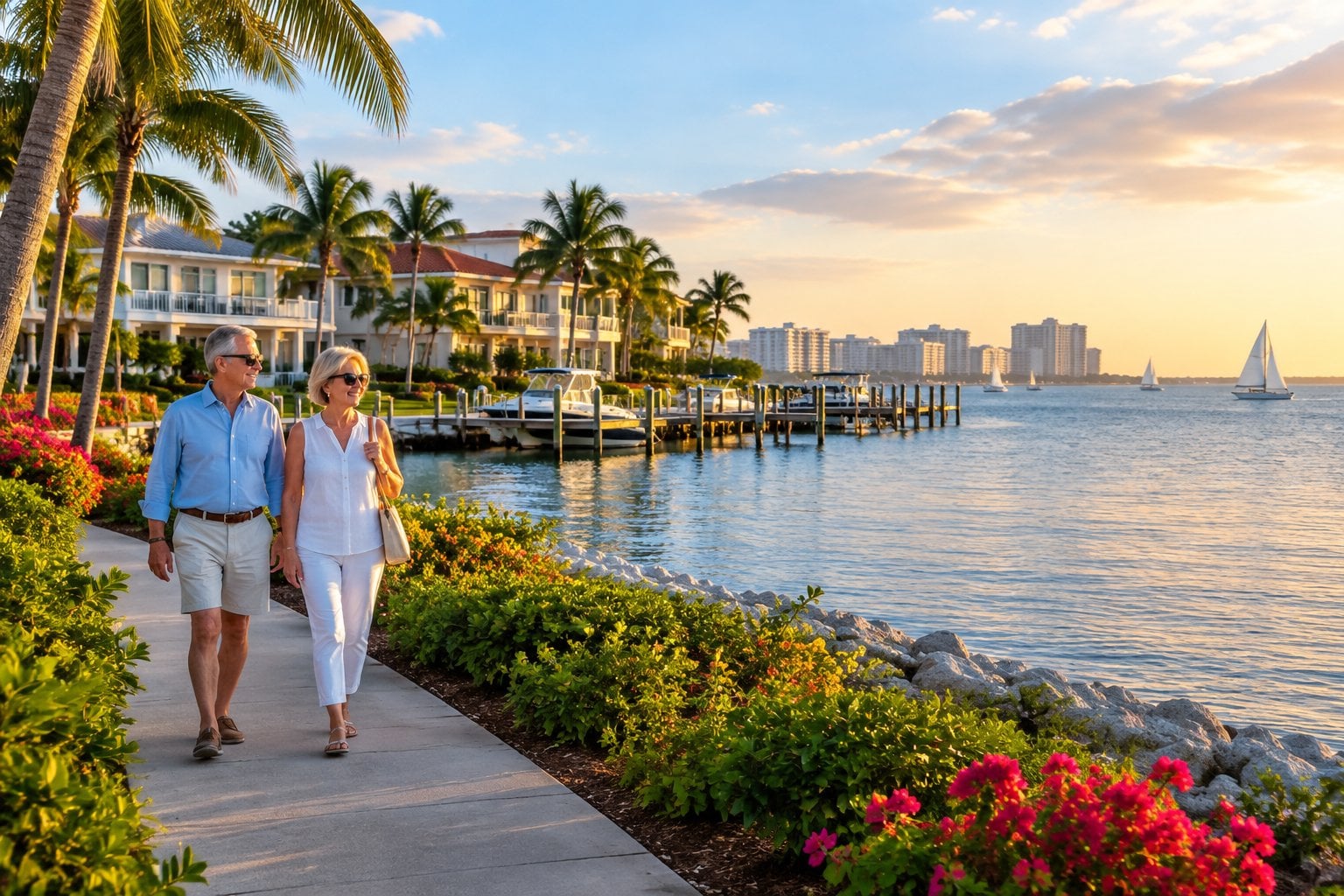
Sarasota sits on Florida’s Gulf Coast and has built a reputation as one of the most sought-after retirement destinations in the country. Median home prices run close to $470,000, which places it above the national average but still within reach for many retirees relocating from higher-cost states.
Your overall cost of living here tends to run about 8% above the national average, driven largely by housing and insurance costs. Florida’s tax structure works in your favor, though: there’s no state income tax, so your Social Security benefits, pension income, and withdrawals from retirement accounts go untaxed at the state level.
Healthcare access is a strong selling point. You’ll find well-regarded hospitals and a dense network of specialists, which matters as you plan for long-term care needs.
Beyond the numbers, you’re drawn to Sarasota for its beaches, cultural scene, and established retiree communities. The combination of lifestyle amenities and no-income-tax status helps offset the higher price tag for many who choose to settle here.
30. Asheville, North Carolina

If you’re considering Asheville for retirement, expect to pay around $410,000 for a median home. That’s well above the national average, though still lower than many other spots on this list.
Overall cost of living runs about 4% higher than the national average, driven mainly by housing. Groceries, transportation, and everyday goods stay closer to typical national levels.
North Carolina taxes retirement income with a flat state income tax, and this applies to most pension income. Social Security benefits are exempt, which helps offset some of your tax burden. Property taxes in Buncombe County remain moderate compared to national figures.
You’ll find healthcare access solid here, with Mission Hospital serving as a major regional medical center. This matters if you’re prioritizing proximity to quality care as you age.
Asheville draws retirees for its four-season climate and Blue Ridge Mountain scenery. You get mild summers and manageable winters, unlike harsher climates elsewhere. The walkable downtown, established arts scene, and food culture give you plenty to do without needing a car for everything.
What Drives Retirement Costs in High-Priced Areas
Several factors combine to push retirement costs higher in certain U.S. cities, and understanding each one helps you budget accurately. Housing, healthcare, and daily living expenses typically account for the largest share of your retirement budget in these locations.
Housing Prices, Property Taxes, and Insurance
Housing remains the single largest expense you’ll face in expensive retirement towns. Home prices in these areas often run 50% to 200% above the national median, and property taxes scale accordingly in many states.
California cities illustrate this pattern clearly. You might pay $8,000 to $15,000 annually in property taxes alone on a mid-sized home in coastal markets.
Homeowners insurance adds another layer of cost, particularly in regions prone to wildfires, flooding, or hurricanes. Your premiums can increase by hundreds of dollars per year if you live in a high-risk zone.
Consider these common cost drivers:
- Limited housing supply in desirable retirement destinations
- High demand from both retirees and working professionals
- Rising insurance premiums tied to climate risk
- Property tax rates that vary significantly by state and county
Healthcare Access and Out-of-Pocket Expenses
Healthcare costs in expensive retirement areas reflect both quality of care and local market pricing. You’ll often find higher specialist fees, hospital charges, and prescription costs in these cities compared to national averages.
Medicare Advantage and supplemental insurance premiums also vary by region. Your out-of-pocket maximums may be higher in areas with fewer competing insurance providers.
Access to specialized care matters too. Many high-cost retirement towns offer proximity to major medical centers, which you pay for through elevated service fees even when your insurance covers a portion of the cost.
Routine expenses like dental care, vision care, and long-term care insurance premiums tend to track with the overall cost of living in your chosen location.
Transportation, Utilities, and Everyday Spending
Daily living costs add up quickly in high-priced retirement destinations. Utility rates for electricity, water, and gas often exceed national averages, especially in states with extreme summer or winter temperatures.
Transportation costs vary based on whether you rely on a vehicle or public transit. Gas prices, vehicle registration fees, and insurance premiums in these areas frequently run higher than the national average.
Grocery and dining expenses follow local cost-of-living indexes closely. You should expect to pay a premium for everyday goods and services in cities where overall living costs rank above average.
How to Evaluate Whether an Expensive Retirement Location Fits Your Budget
A high cost of living doesn’t automatically rule out a location, but it does require a closer look at your income sources, your reserve for unexpected costs, and what you actually get in return for the higher price tag.
Estimating After-Tax Retirement Income
Your retirement budget depends on what you keep after taxes, not your gross income.
State tax policy varies widely. Some states tax Social Security benefits, pension income, and withdrawals from retirement accounts; others exempt these sources entirely.
Before committing to a location, calculate:
- State income tax on pensions, 401(k)/IRA withdrawals, and Social Security
- Property tax rates, which can vary significantly even within the same state
- Sales tax, especially if the state has no income tax but makes up for it elsewhere
- Estate or inheritance taxes, if transferring assets to heirs matters to you
A location with a higher sticker price but lower overall tax burden may leave you with more spendable income than a cheaper-looking alternative.
Stress-Testing Savings Against Inflation and Long-Term Care Costs
Your savings need to hold up over a retirement that could last 20 to 30 years, not just the first few.
Run projections that account for inflation on everyday expenses like groceries, utilities, and healthcare premiums, which tend to rise faster than general inflation. Then factor in long-term care.
The median cost of a private nursing home room exceeds $100,000 annually in many high-cost states, and assisted living isn’t far behind. Ask yourself:
- Does your savings plan account for a potential care need lasting several years?
- Have you priced long-term care insurance or set aside a dedicated reserve?
- Will your location’s cost of living compound these expenses further?
A budget that works at age 65 can fail by 85 without this stress test.
Weighing Lifestyle Benefits Against Financial Trade-Offs
Expensive retirement towns often justify their cost through access to quality healthcare, cultural amenities, mild climates, or proximity to family.
These benefits are real, but they need to be weighed against what you give up financially. A smaller nest egg stretched further elsewhere might fund more travel, a larger emergency fund, or earlier legacy gifts to children.
Ask direct questions:
- Is the healthcare system’s quality worth the premium, or is it comparable to a lower-cost area nearby?
- Does the climate or lifestyle reduce other costs, such as heating bills or travel expenses?
- Would a less expensive location within driving distance offer similar access to what matters most to you?
There’s no universal right answer here. The decision comes down to which trade-offs align with how you want to spend your retirement years and what level of financial cushion gives you peace of mind.