The 30 Most Expensive Places to Live in Texas: Costs and Insights for 2026
Texas has a wide range of housing markets, from small rural towns to large suburbs that surround major cities. The cost of living in these areas varies widely, and home prices in some communities are far above the state average. If you are thinking about relocating, comparing these places can help you set a realistic budget.
The typical home in Texas is worth about $296,000, according to the Zillow Home Value Index for September 2026. In the places on this list, typical values run from about $760,000 to more than $3.5 million. Most of them are small, separately incorporated cities tucked inside or next to Houston, Dallas, Austin and San Antonio, where large lots, top-rated schools and very little open land keep prices high.
This list ranks Texas cities, towns and villages with at least 500 residents by Zillow’s typical home value as of September 2026. Population figures come from the U.S. Census Bureau’s 2024 estimates.
1. Piney Point Village, Texas
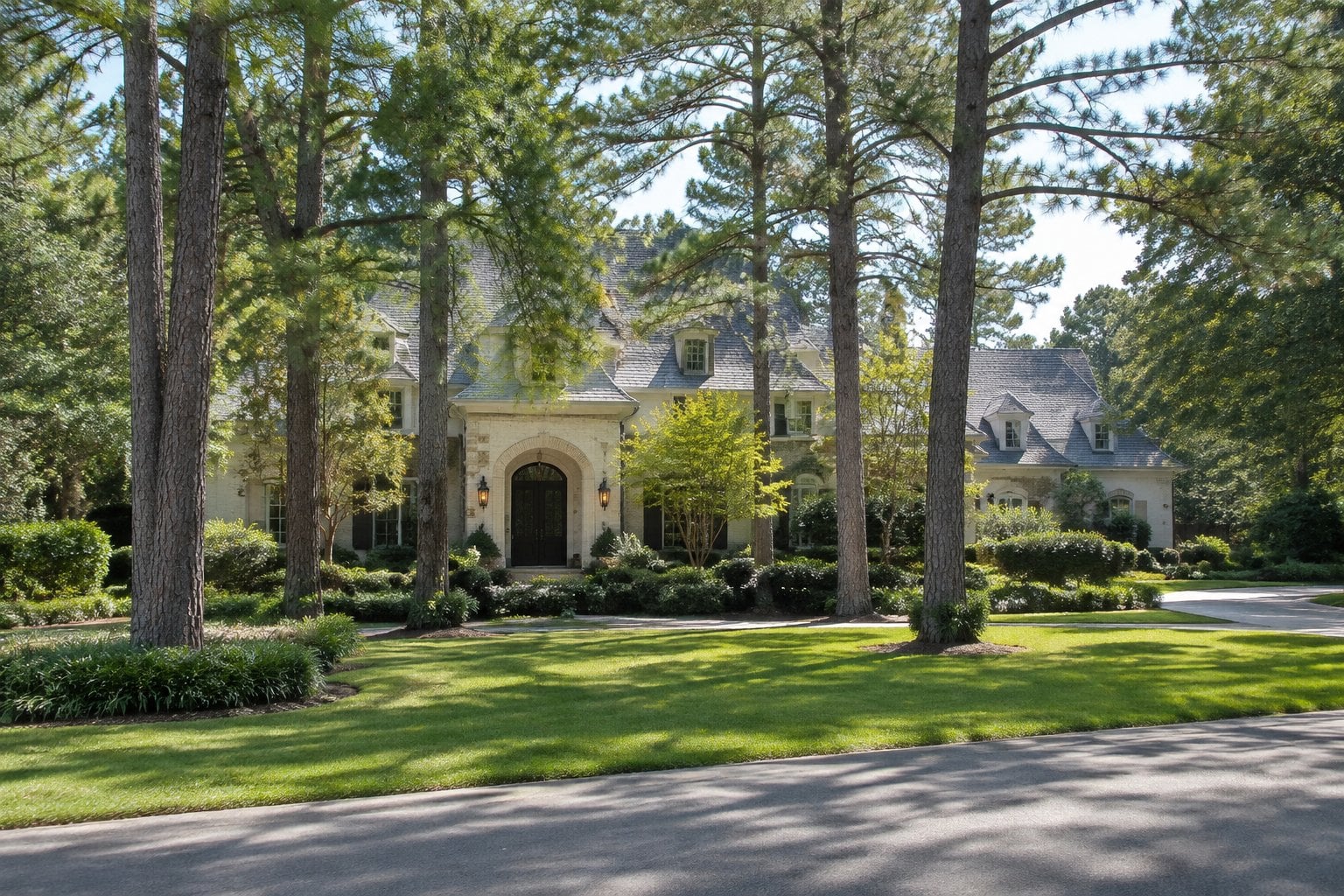
Piney Point Village tops the list. Zillow puts the typical home value here at about $3.53 million as of September 2026, up roughly 14% from a year earlier. That is close to 12 times the Texas typical home value of about $296,000.
The city sits on Houston’s west side and is one of the six Memorial Villages, a cluster of small, separately incorporated cities surrounded by Houston. Only about 3,100 people live here, mostly on large, wooded lots, some of them backing onto Buffalo Bayou.
Piney Point shares the Memorial Villages Police Department with Bunker Hill Village and Hunters Creek Village, and the Village Fire Department covers all six villages. Children attend Spring Branch ISD schools.
With almost no commercial land and very few lots for sale, most new homes here are built by tearing down an older house, which keeps prices climbing.
2. Westlake, Texas
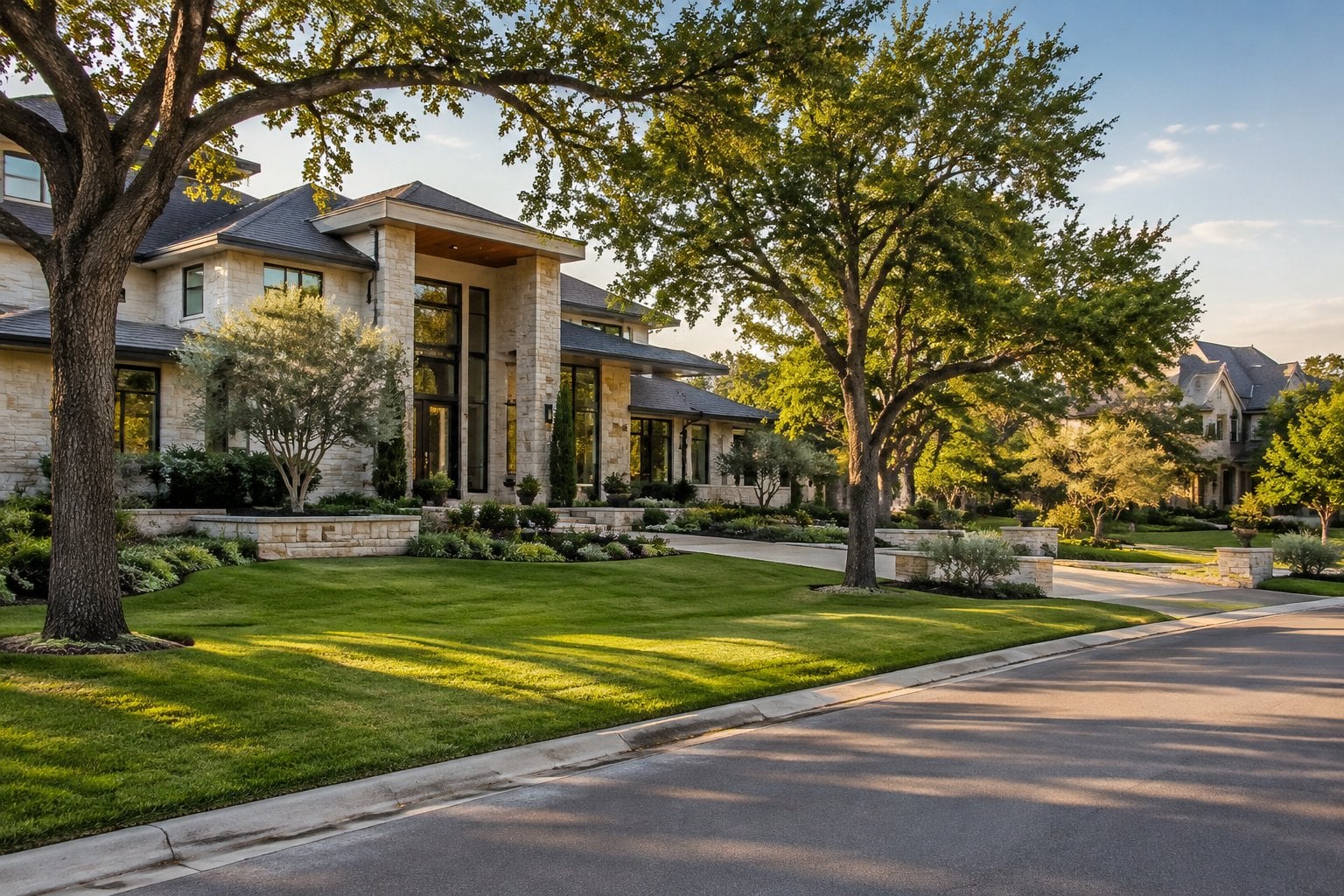
Westlake, in north Tarrant and Denton counties, has a typical home value of about $3.23 million, according to Zillow. Prices rose around 2% over the past year.
The town is tiny, with about 2,000 residents, but it hosts some of the biggest corporate campuses in North Texas. Fidelity Investments, Deloitte University (Deloitte’s training center) and Charles Schwab’s headquarters are all here.
Westlake also runs its own public school. Westlake Academy is a tuition-free K-12 charter school owned and operated by the town, and it teaches the International Baccalaureate program.
Most homes sit in gated, master-planned communities such as Vaquero, where estates on large lots often sell well above the town’s typical value. Westlake has grown from about 1,600 people in 2020 to roughly 2,000 in 2024, but it remains one of the most exclusive addresses in the Dallas-Fort Worth area.
3. Highland Park, Texas
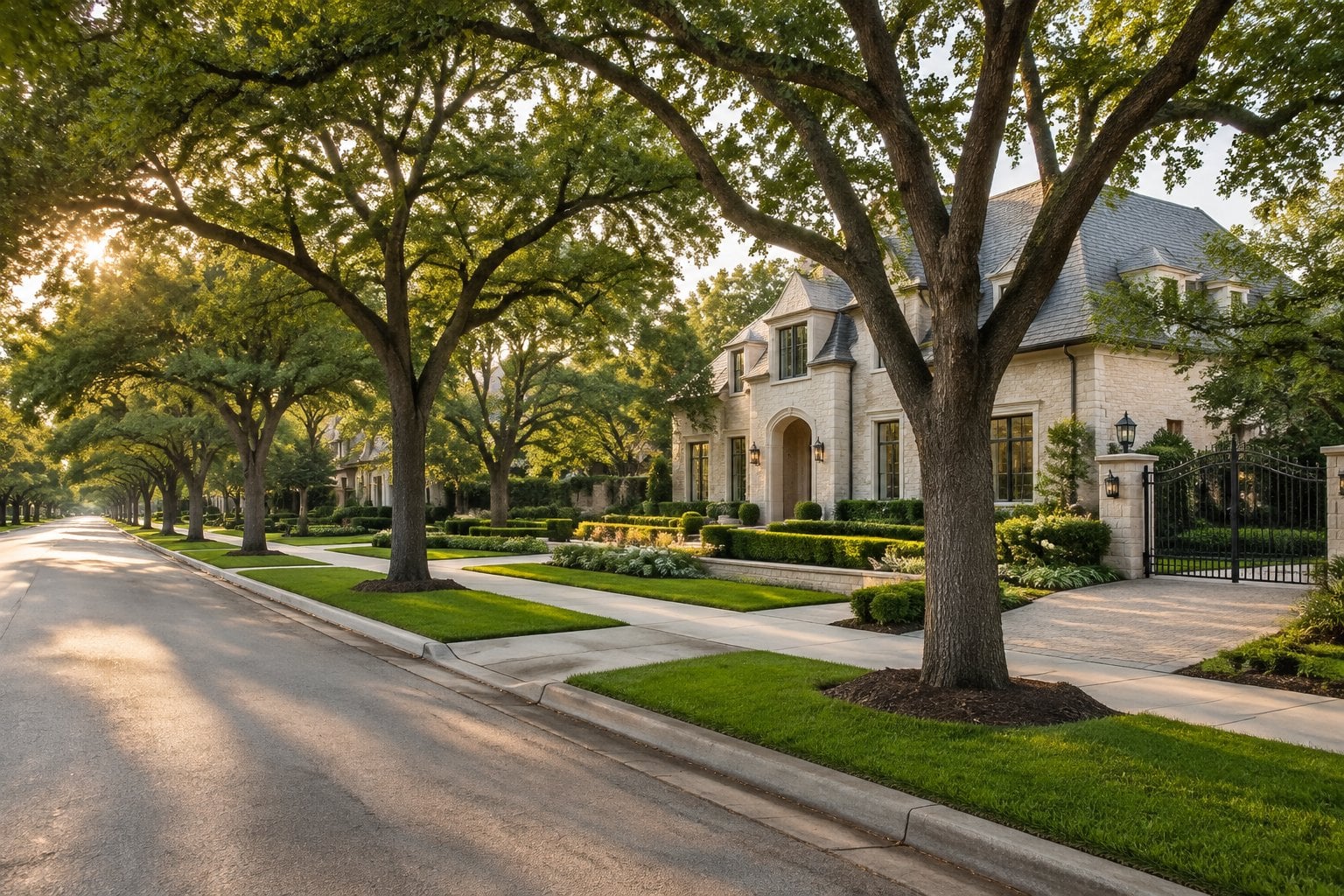
Highland Park, a town of about 8,800 people just north of downtown Dallas, has a typical home value of about $3.03 million, per Zillow. Values climbed about 7.5% over the past year.
The town is completely surrounded by Dallas and University Park, and it has been one of the area’s most sought-after addresses for about a century. Tree-lined streets, Turtle Creek and well-kept parks give it a quiet, park-like feel only minutes from the city center.
Highland Park Village, which opened in 1931, is often credited as one of the first planned shopping centers in the United States and was named a National Historic Landmark in 2000. Today it is home to luxury fashion boutiques and restaurants.
Families are also drawn to Highland Park ISD, which serves both Highland Park and University Park. Many older homes are torn down and replaced, which pushes prices even higher.
4. Hunters Creek Village, Texas
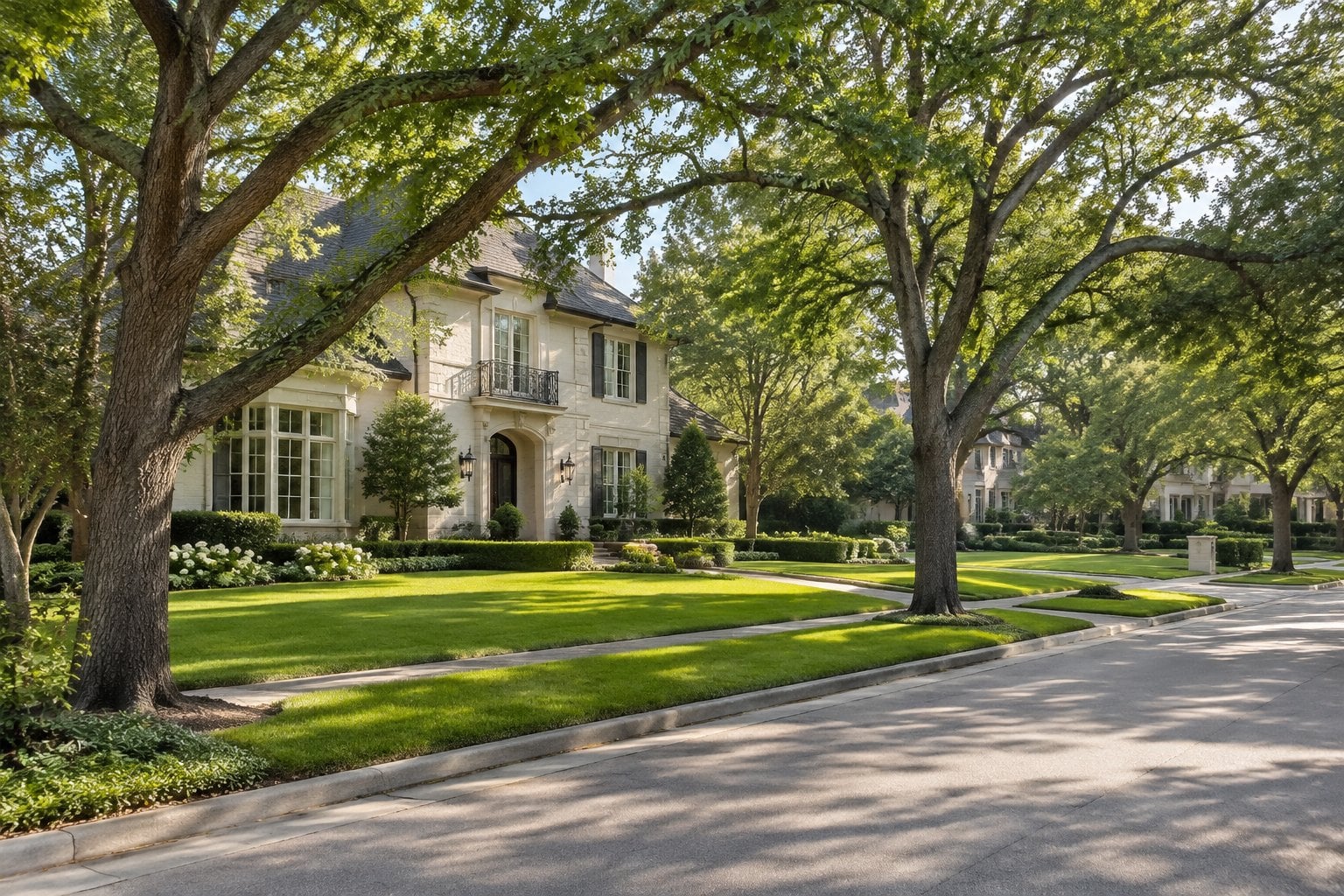
Hunters Creek Village, another of Houston’s Memorial Villages, has a typical home value of about $2.93 million, according to Zillow. That is up about 12% from a year earlier.
About 4,500 people live in the city, which lies along Memorial Drive and the Katy Freeway on Houston’s west side. Large lots, mature pine and oak trees and quiet streets give the area a secluded feel, even though downtown Houston and the Galleria are a short drive away.
Hunters Creek Village is one of three cities that jointly run the Memorial Villages Police Department, and residents are served by Spring Branch ISD.
Because the city is almost entirely residential, there are few homes for sale at any given time. Buyers who want this location often pay millions for an older house, then replace it with a new custom home.
5. Bunker Hill Village, Texas
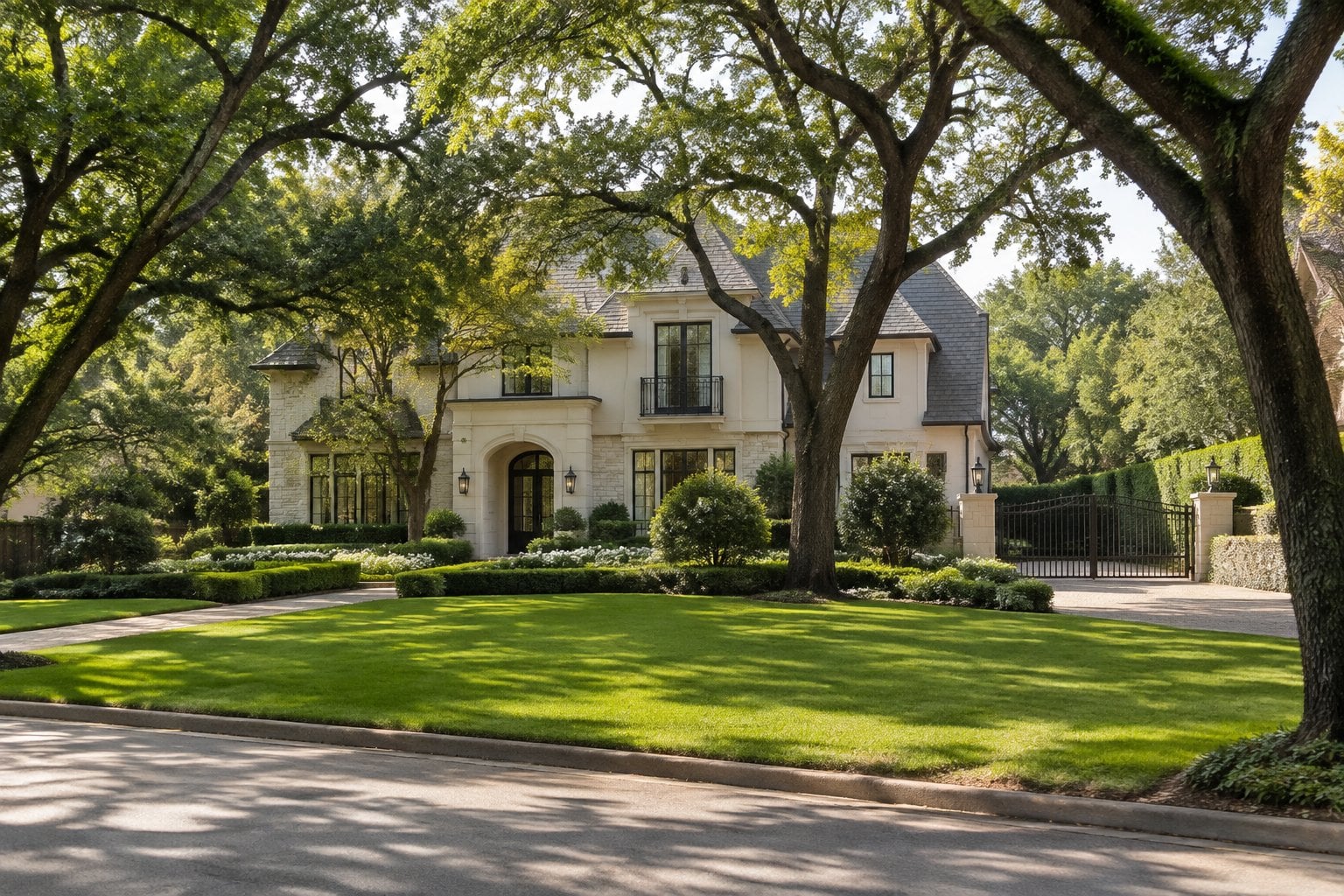
Bunker Hill Village has a typical home value of about $2.59 million, according to Zillow, up roughly 11% over the past year.
The city of about 3,900 people is one of the six Memorial Villages west of downtown Houston. Its city hall sits on Memorial Drive next to the headquarters of the Memorial Villages Police Department, which the city shares with Piney Point Village and Hunters Creek Village.
Homes here are mostly custom-built houses on lots that are much larger than those in nearby Houston neighborhoods. Strict building rules and the lack of commercial development help protect the quiet, residential character that buyers pay for.
Children attend Spring Branch ISD schools, and residents are close to Memorial City, the Galleria and Interstate 10. For many Houston families, Bunker Hill offers a shorter commute than the far suburbs with much larger lots than the inner city.
6. Westover Hills, Texas
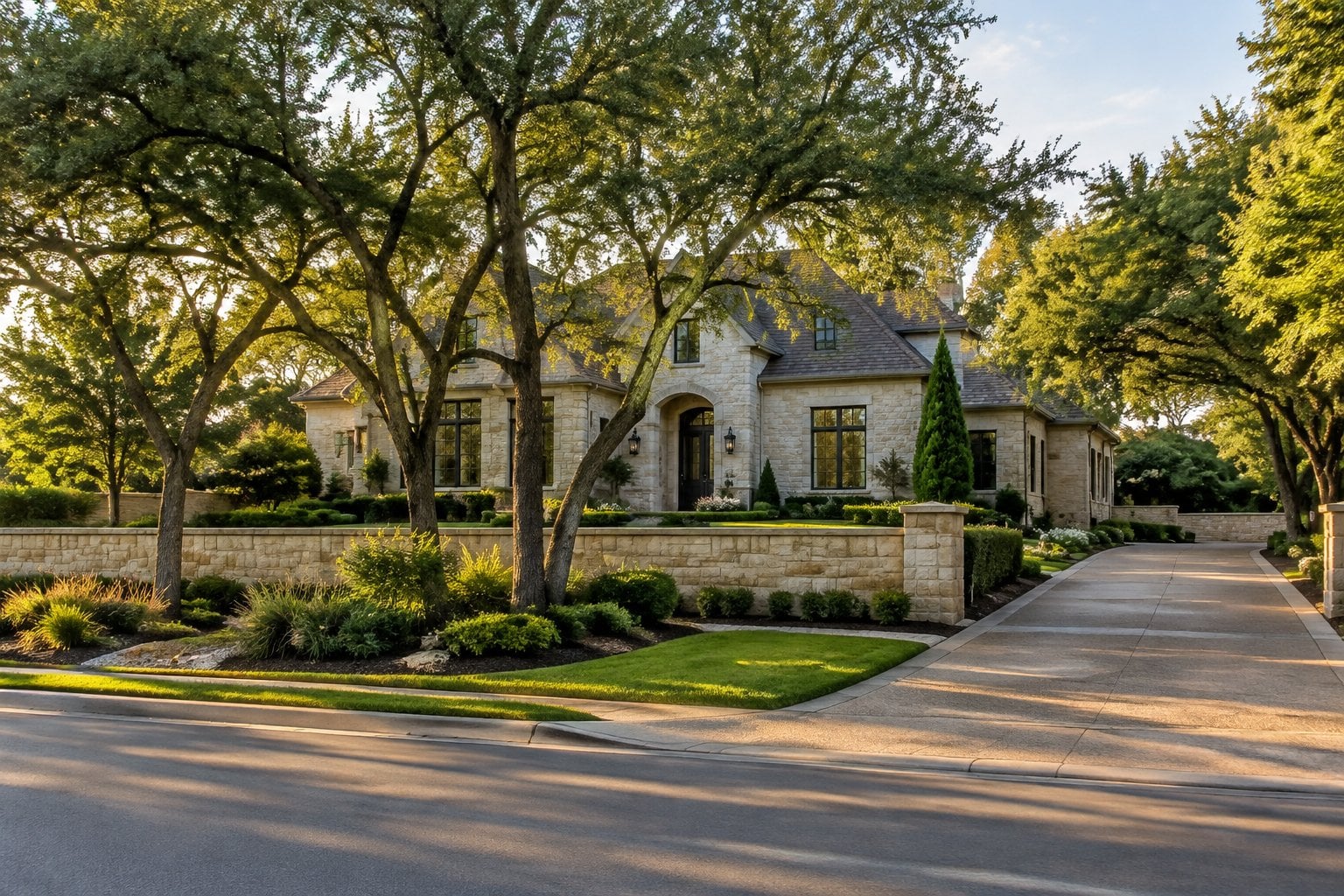
Westover Hills, a town of about 640 people on the west side of Fort Worth, has a typical home value of about $2.57 million, per Zillow. Values rose around 3% over the past year.
It is one of the smallest cities on this list, but also one of the most exclusive in the Fort Worth area. The town is almost entirely made up of large estate homes on generous lots, with winding streets and plenty of mature trees.
Westover Hills sits next to Shady Oaks Country Club, which was founded by Fort Worth oilman Marvin Leonard and is best known as golf legend Ben Hogan’s home club.
With so few homes in town, only a handful change hands each year, and buyers often wait a long time for the right property. Its location, about 7 miles from downtown Fort Worth, makes it convenient for professionals who want privacy without a long commute.
7. University Park, Texas
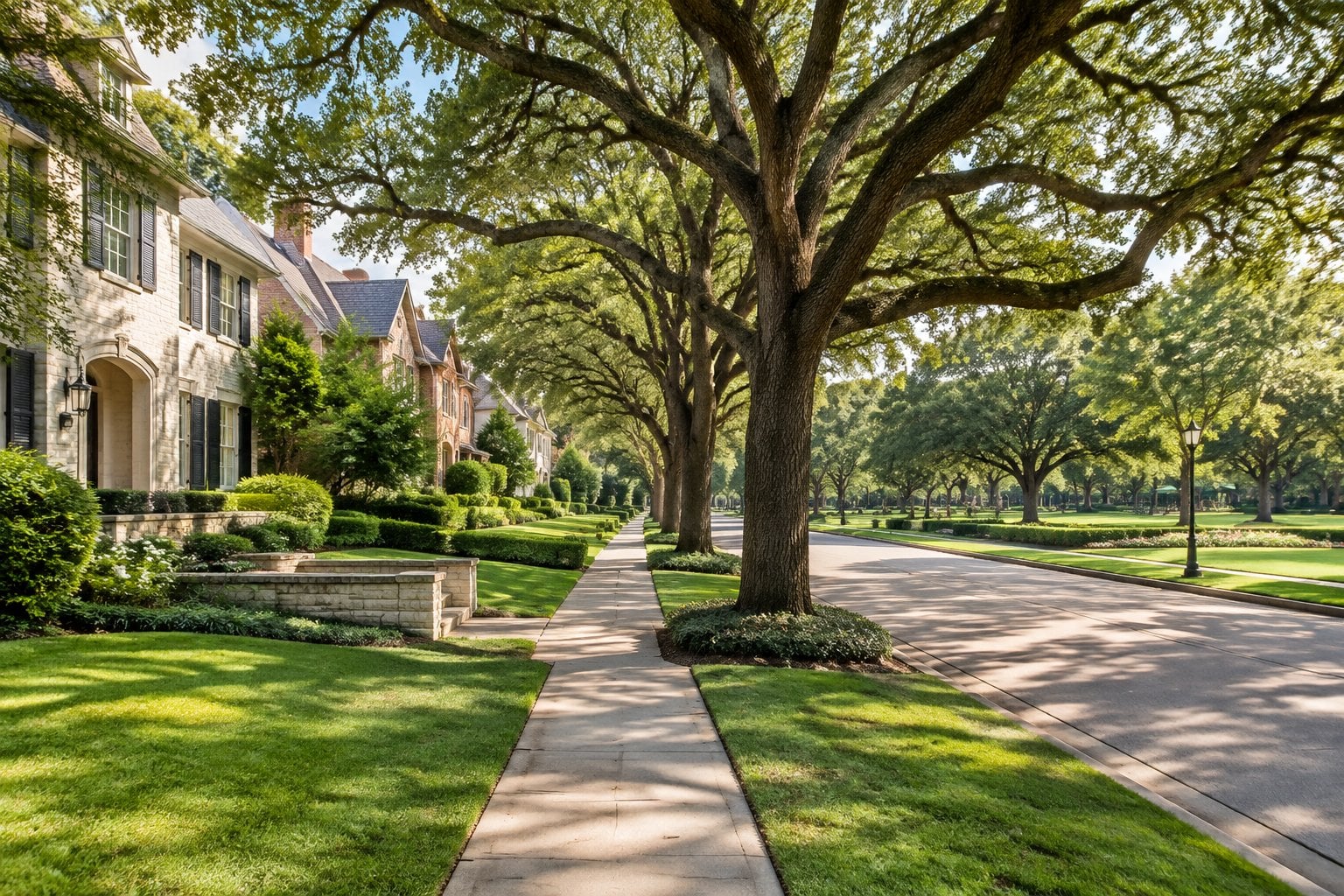
University Park, home of Southern Methodist University, has a typical home value of about $2.47 million, according to Zillow. Prices rose roughly 9% over the past year.
The city has about 25,300 residents and sits just north of Highland Park. Together, the two are known as the Park Cities, and they share Highland Park ISD, one of the most sought-after school districts in Texas.
Neighborhoods here are walkable, with large trees, sidewalks and homes ranging from older Tudor and Colonial houses to new custom builds. Many buyers purchase older homes only to tear them down and build larger ones, which keeps prices high.
Residents are close to Snider Plaza’s shops and restaurants, SMU’s campus events and the Dallas North Tollway. Because the city is fully built out, there is very little new land, and demand from families who want the school district keeps the market tight.
8. Rollingwood, Texas
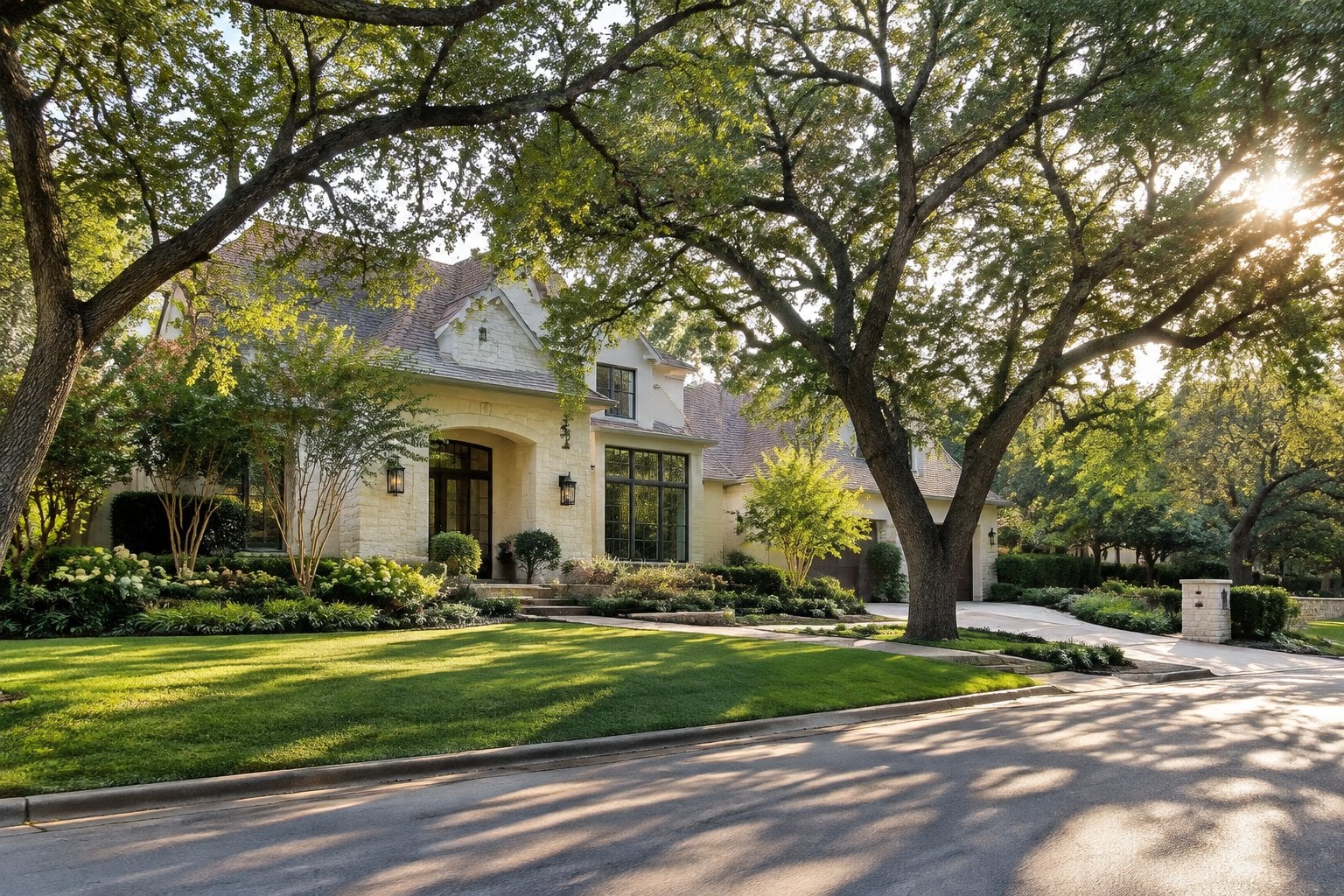
Rollingwood is a small city of about 1,400 people just west of downtown Austin. Zillow puts its typical home value at about $2.33 million, up around 5% from a year earlier.
The city sits along Bee Caves Road and MoPac, minutes from Zilker Park, Lady Bird Lake and downtown. That location, close to the city’s best outdoor spots without being inside Austin’s city limits, is a big part of its appeal.
Rollingwood is served by Eanes ISD, one of the top-rated school districts in the Austin area. Homes are mostly single-family houses on hilly, wooded lots, and many older ranch homes have been replaced by large modern builds.
Like other small cities near Austin, Rollingwood has very little land left to develop. Buyers compete for a small number of listings, which keeps prices among the highest in Central Texas.
9. Southside Place, Texas
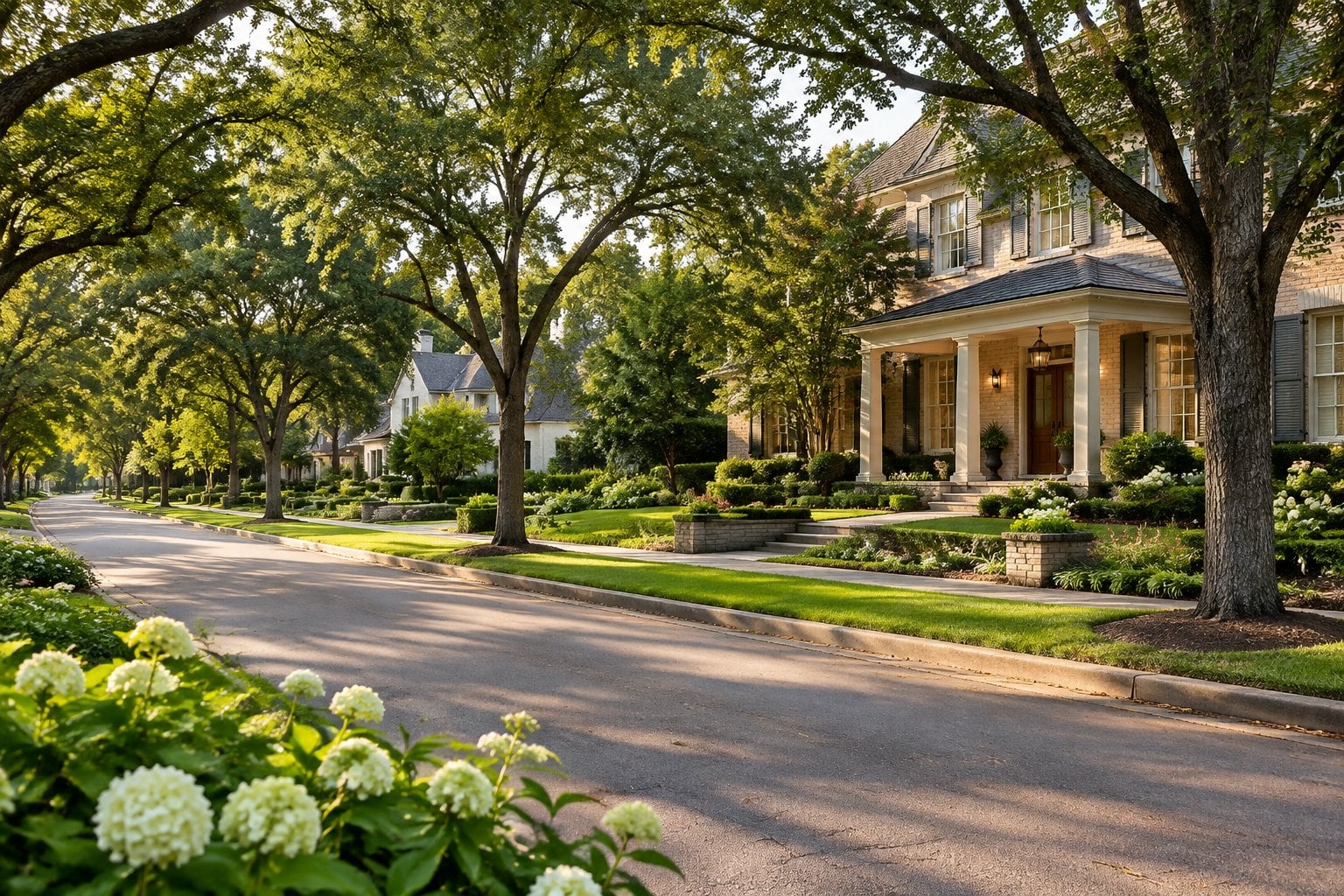
Southside Place is one of the smallest cities in the Houston area, with about 1,900 residents in roughly a quarter of a square mile. Zillow lists its typical home value at about $2.13 million, up about 8% over the past year.
The city sits next to West University Place, a short walk from Rice Village’s shops and restaurants and close to Rice University and the Texas Medical Center. That central location is a big draw for doctors, researchers and other professionals who work nearby.
Southside Place runs its own police department and a volunteer fire department, and residents can join the neighborhood park association that runs the local pool and clubhouse. Children attend Houston ISD schools.
Most of the original small houses have been replaced by larger new homes, which has pushed prices up over the years. With only a few hundred homes in the city, listings are scarce.
10. West Lake Hills, Texas
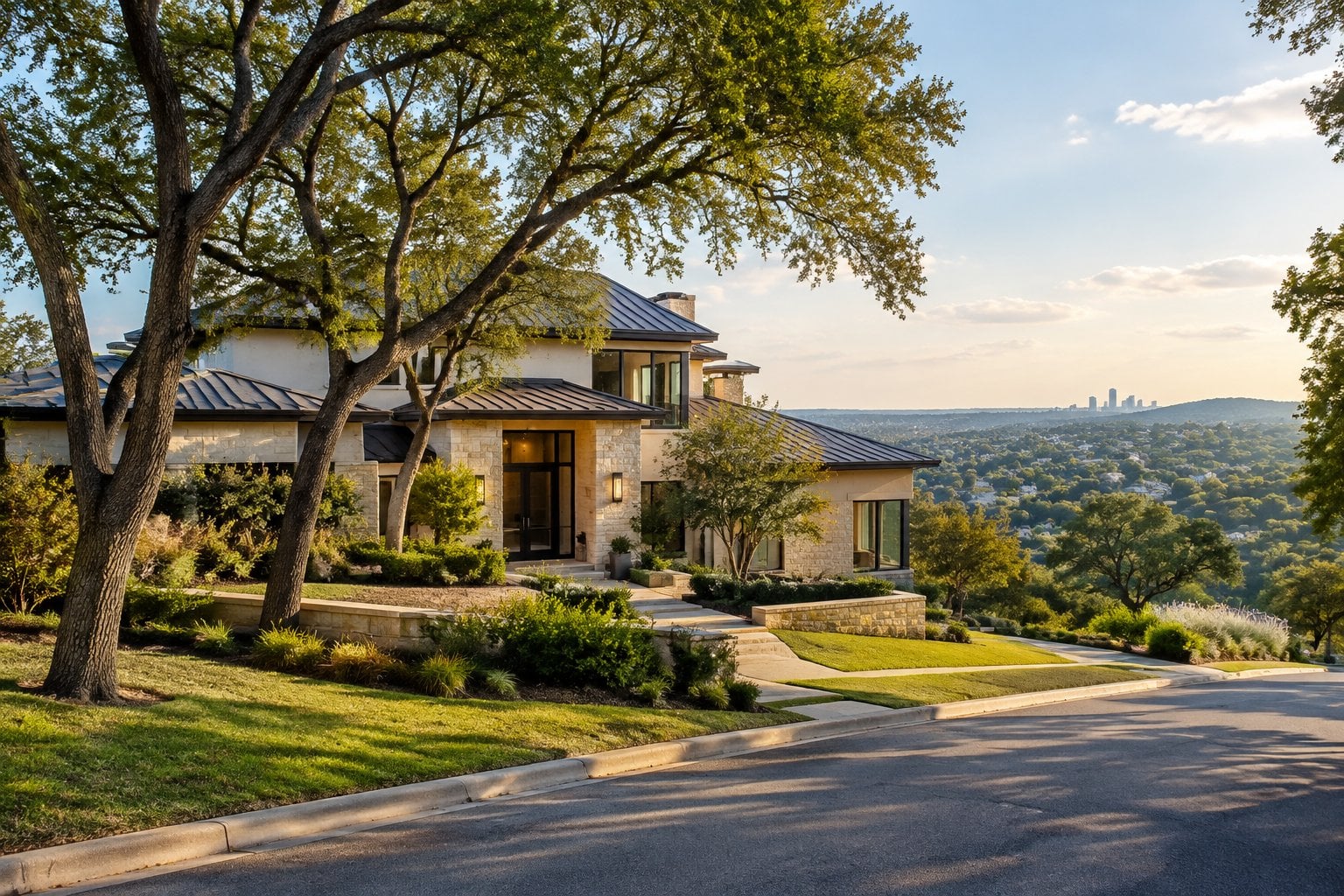
West Lake Hills, a city of about 3,200 people a few miles west of downtown Austin, has a typical home value of about $2.09 million, according to Zillow. That is up about 8% from a year earlier.
The city covers hilly, tree-covered land west of MoPac, and many homes have views of the Austin skyline or the surrounding hills. Lots tend to be large, and the city’s rules limit dense development.
A major reason families choose West Lake Hills is Eanes ISD, which includes Westlake High School, known for strong academics and one of the most successful high school football programs in the state.
Residents get quick access to downtown Austin, Zilker Park and the shops along Bee Caves Road, while still living in a quiet, residential setting. Limited land and steady demand from high earners in Austin’s tech and finance industries keep prices high.
11. West University Place, Texas
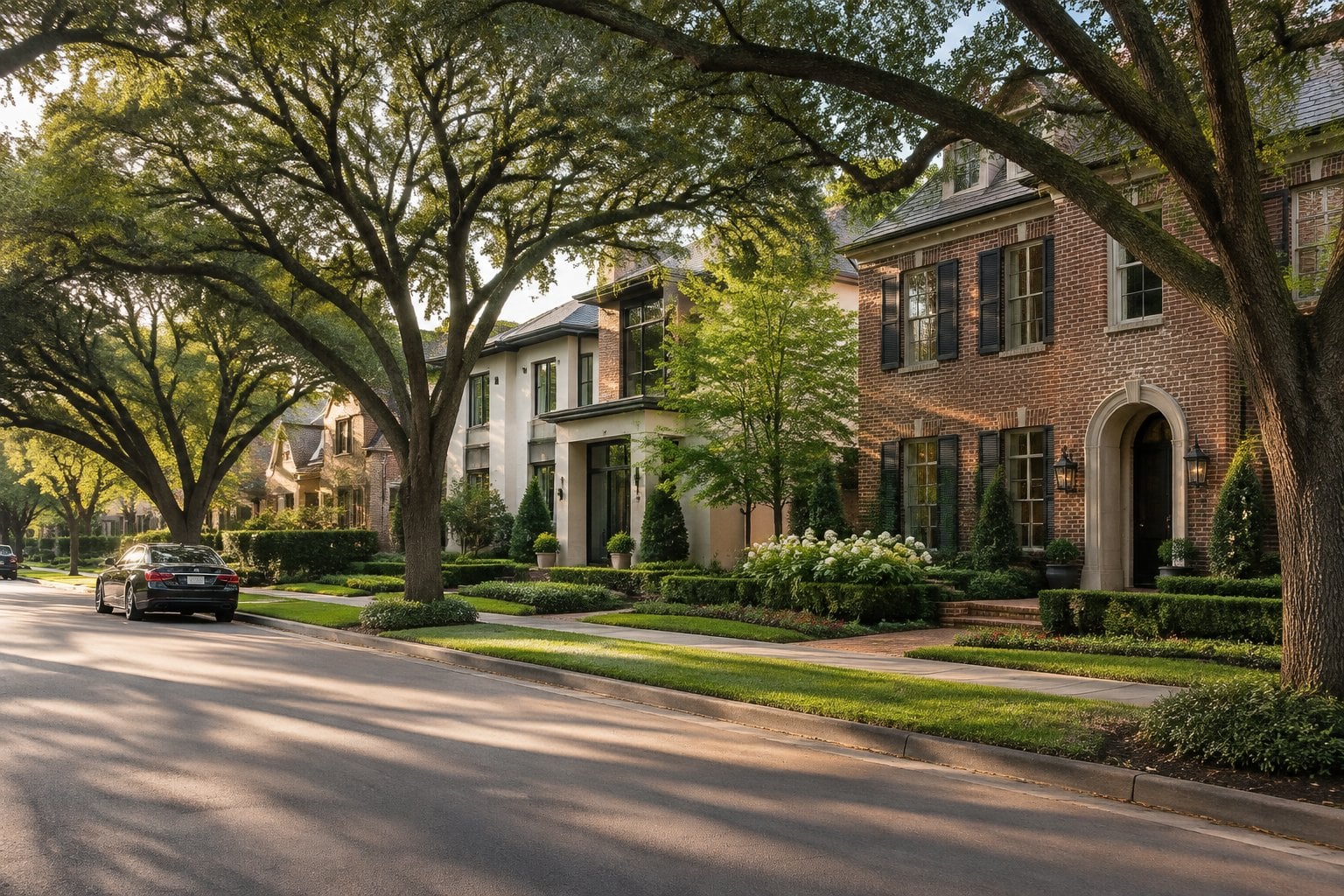
West University Place, known locally as West U, has a typical home value of about $1.84 million, according to Zillow, up about 5% over the past year.
The city of about 15,100 people is surrounded by Houston, Bellaire and Southside Place, and it sits just west of Rice University. Its location close to the Texas Medical Center, downtown and the Galleria makes it popular with doctors, lawyers and executives.
West U is known for its family-friendly streets, sidewalks, parks and a strong community feel. Children attend Houston ISD schools, and West University Elementary is a major draw for many families.
Most of the original bungalows have been replaced over the years by larger two-story homes built close to the lot lines. Because the city is fully developed, new homes are almost always built on lots where an older house was torn down.
12. Hilshire Village, Texas
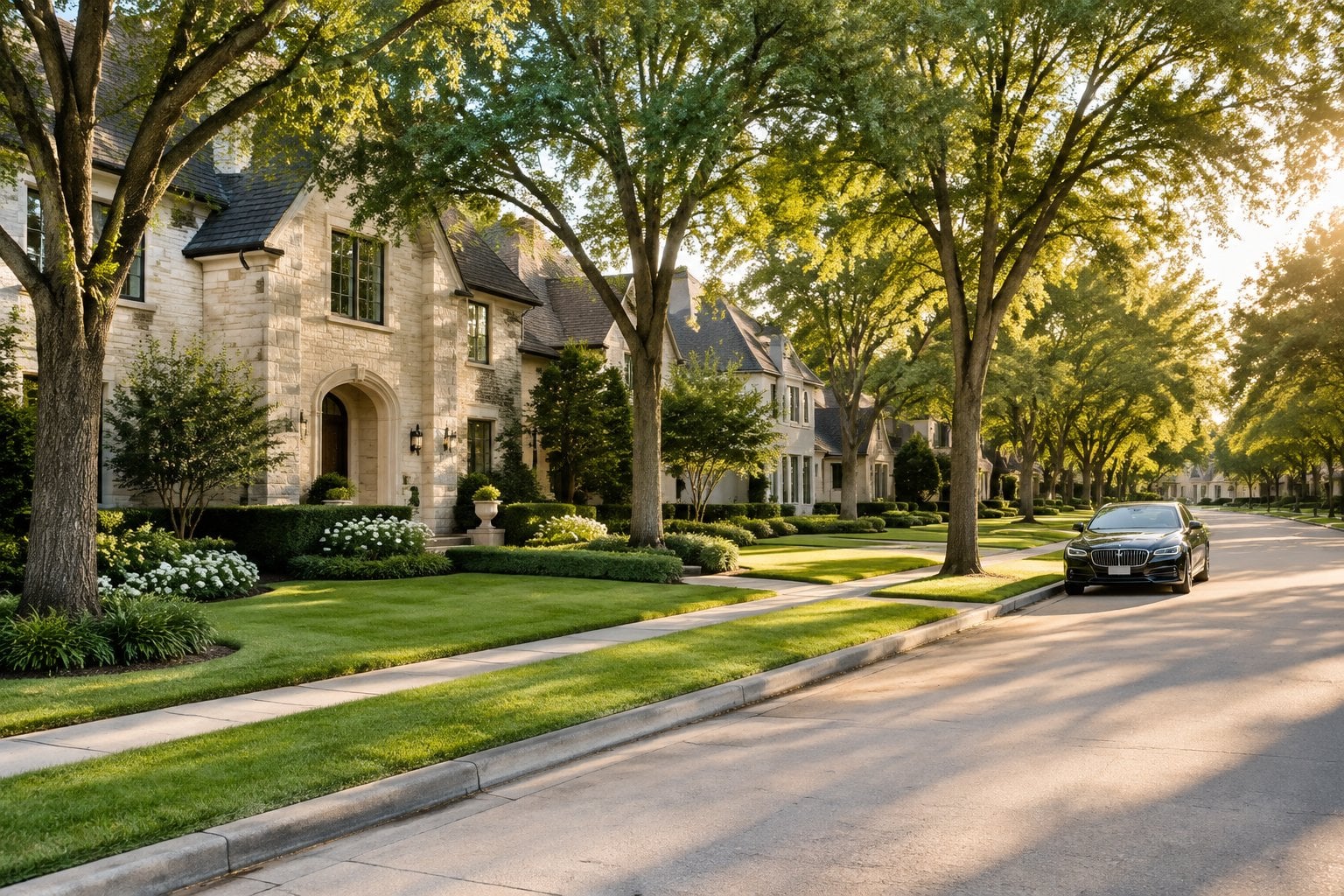
Hilshire Village is the smallest of Houston’s Memorial Villages, with about 840 residents. Zillow puts its typical home value at about $1.56 million, up roughly 10% from a year earlier.
The city sits just north of Interstate 10 on Houston’s west side, near Hedwig Village and Spring Valley Village. It is mostly made up of single-family homes on quiet streets, with no major commercial development inside the city.
Hilshire Village is served by Spring Branch ISD and the Village Fire Department, which covers all six Memorial Villages. Its location gives residents quick access to Memorial City, the Energy Corridor and downtown Houston.
With so few homes in the city, listings are rare. Many buyers purchase an older house and build a new one on the lot, which steadily pushes values higher.
13. Spring Valley Village, Texas
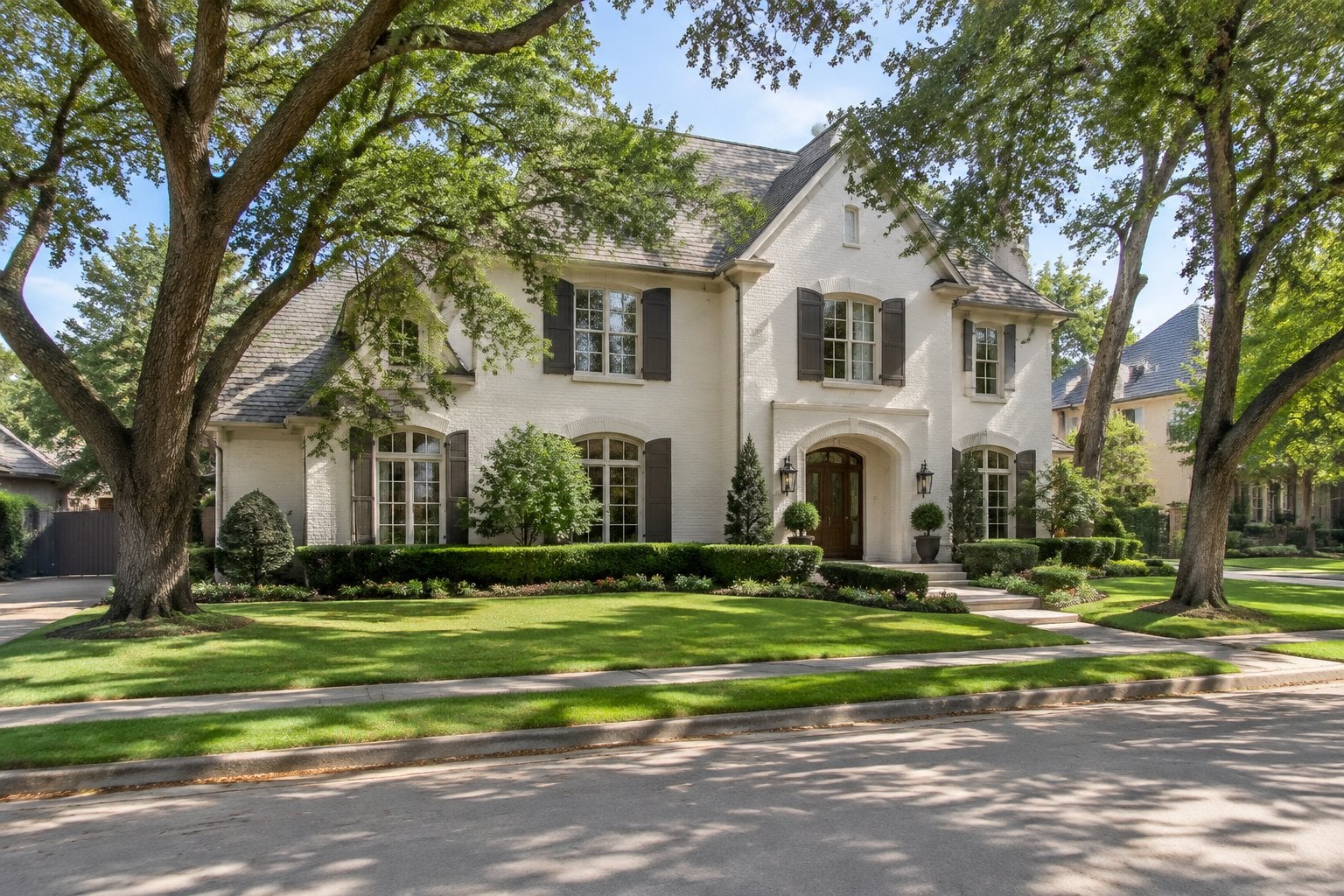
Spring Valley Village, home to about 4,400 people, has a typical home value of about $1.45 million, according to Zillow. Prices rose about 9% over the past year.
The city lies north of Interstate 10 on Houston’s west side and is one of the six Memorial Villages. Its quiet residential streets sit close to Memorial City Mall, the Energy Corridor and the Galleria, making it a convenient choice for people who work in west Houston.
Children attend Spring Branch ISD schools, and the city is served by the Village Fire Department.
Like the other Memorial Villages, Spring Valley Village has seen many older houses replaced with larger new homes. It is often seen as a slightly more affordable way to live in the Memorial Villages area, but its prices are still almost five times the Texas typical home value.
14. Bartonville, Texas
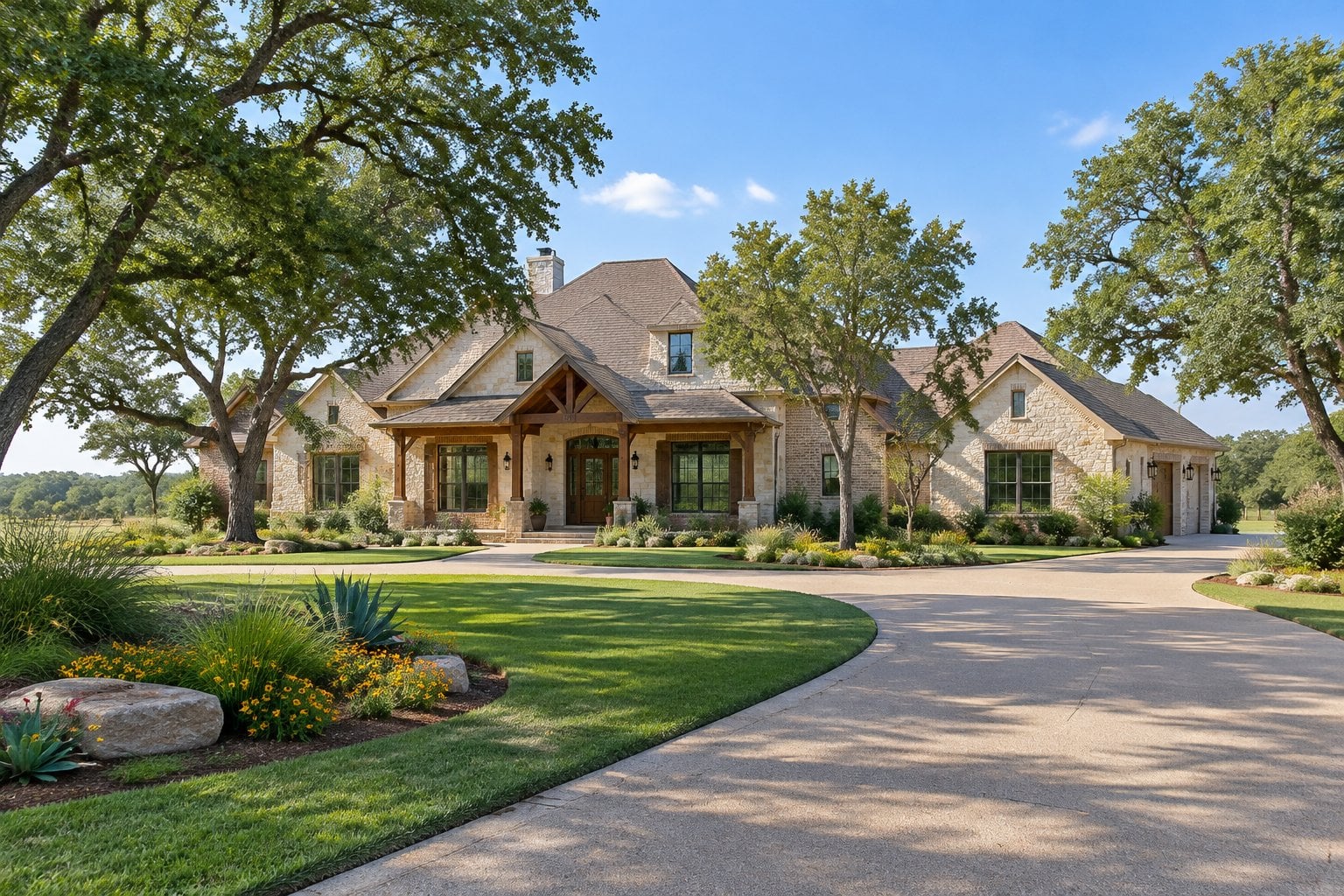
Bartonville is a small town in Denton County with about 1,900 residents. Zillow puts its typical home value at about $1.41 million, up around 4% over the past year.
The town is known for its rural, horse-country feel. Many homes sit on one acre or more, and some properties include barns, pastures and riding arenas. That open space is a big part of the appeal for buyers who want room to spread out while staying within reach of Dallas and Fort Worth.
Bartonville sits near Argyle and Flower Mound, with easy access to Interstate 35W and the job centers around Alliance and Denton. Much of the town is served by the highly sought-after Argyle ISD, while some areas fall in Denton ISD.
As the Dallas-Fort Worth area keeps growing, large-lot towns like Bartonville have become more attractive to buyers looking for privacy, which keeps prices high.
15. Hedwig Village, Texas
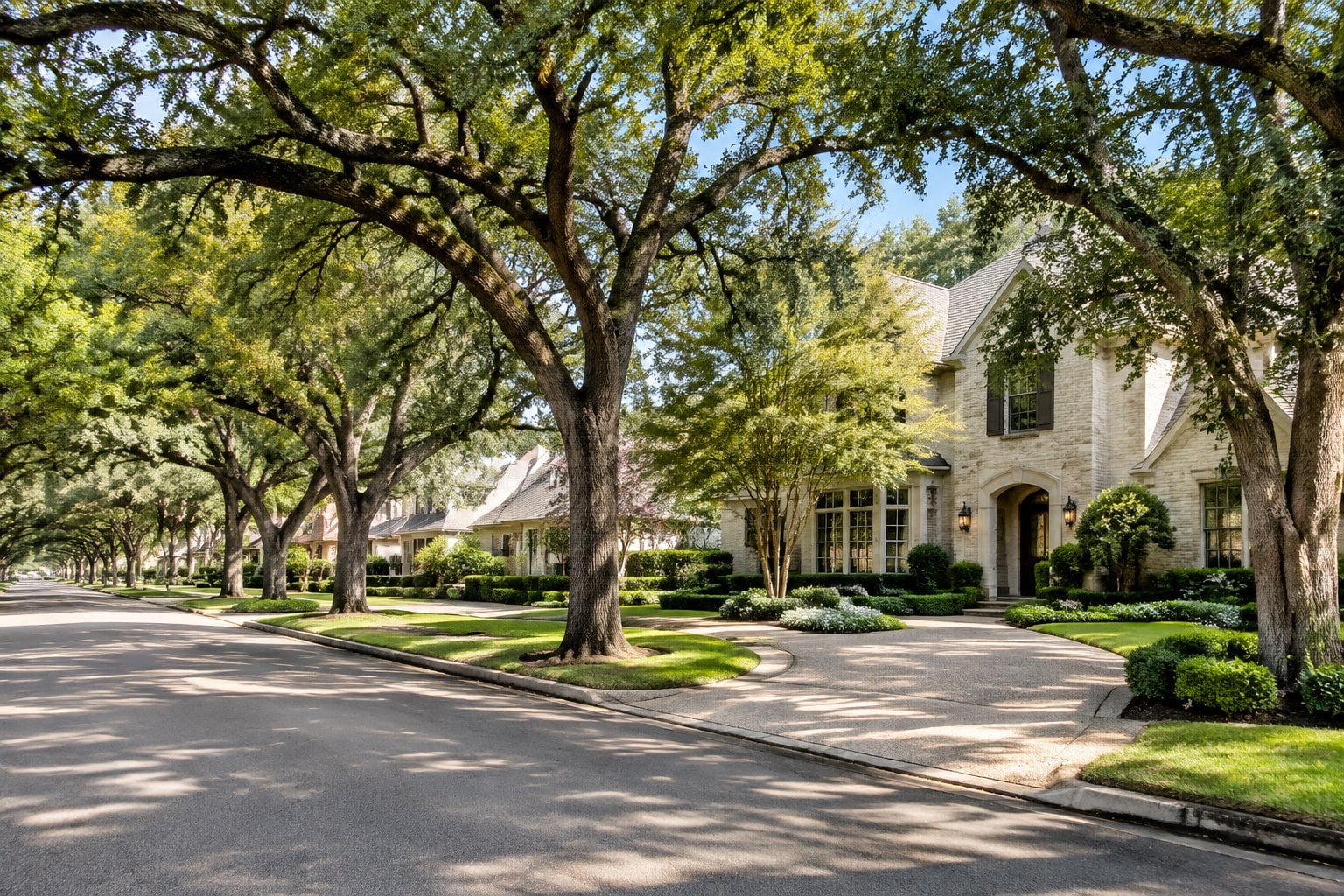
Hedwig Village has a typical home value of about $1.38 million, according to Zillow, up about 14% over the past year.
The city of about 2,400 people is one of the six Memorial Villages on Houston’s west side, about 10 miles from downtown. Unlike most of its neighbors, Hedwig Village has some commercial areas, mainly along the Katy Freeway (Interstate 10).
Homes are mostly single-family houses on quiet, tree-lined streets, with easy access to Memorial City, the Galleria and downtown. Children attend Spring Branch ISD schools.
Like the other villages, Hedwig Village has seen many older homes replaced with larger new ones. Its strong price gains over the past year show how much demand there is for homes in this part of Houston.
16. Southlake, Texas
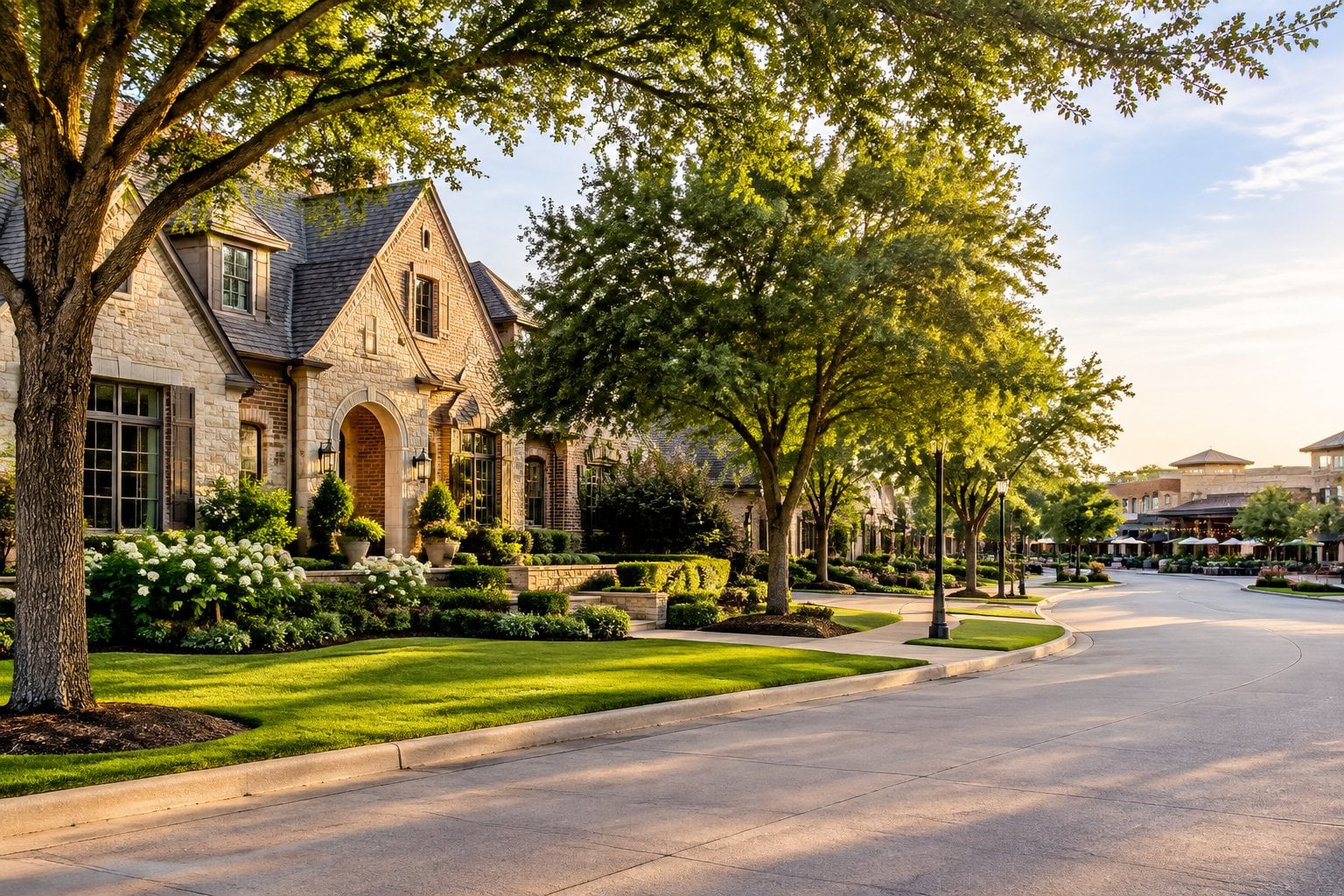
Southlake, a city of about 31,500 people in northeast Tarrant County, has a typical home value of about $1.32 million, according to Zillow. That is up roughly 5% from a year earlier.
It is the largest city in the top half of this list, and one of the best-known upscale suburbs in Texas. Many families move here for Carroll ISD, a highly rated district known for its academics and its Carroll Dragons high school football program.
Southlake Town Square, an outdoor shopping and dining district, serves as the city’s downtown. Homes range from established neighborhoods to newer estate communities with large lots.
The city sits just north of Dallas Fort Worth International Airport, which makes it a convenient base for frequent business travelers. Strong schools, a central location and a steady supply of high-income buyers keep Southlake’s prices among the highest in North Texas.
17. Hill Country Village, Texas
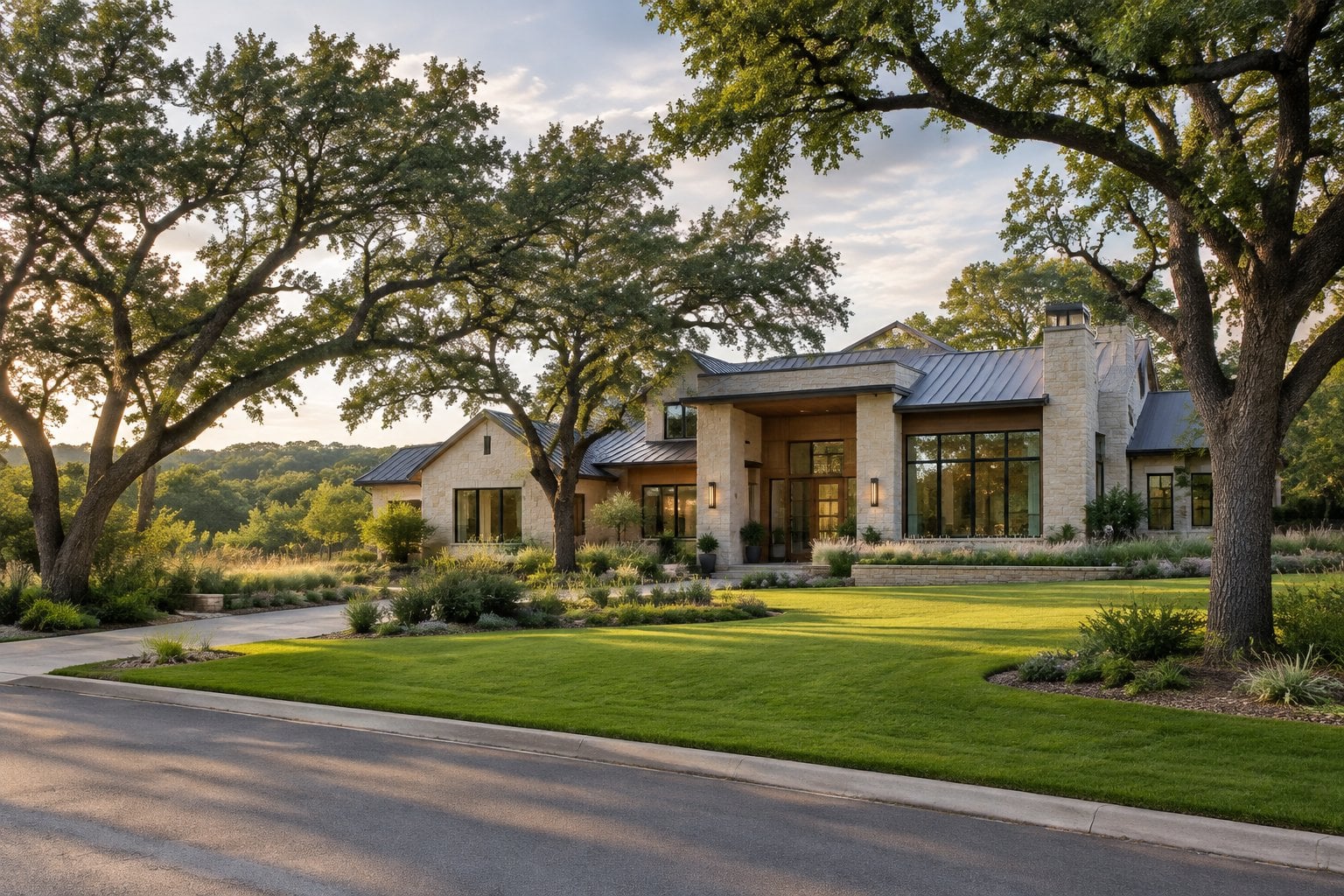
Hill Country Village is a small city on the north side of San Antonio with about 950 residents. Zillow puts its typical home value at about $1.27 million, up around 3% over the past year.
The city sits along U.S. Highway 281, close to San Antonio International Airport and the shopping and dining in north San Antonio. Even so, it feels far from the city, with large wooded lots, winding roads and plenty of wildlife.
Homes here are mostly custom-built houses on big lots, and the city has worked to keep its quiet, residential character. Children attend schools in North East ISD.
Because Hill Country Village is small and hemmed in by neighboring cities, there is very little land for new homes. That limited supply, combined with demand from buyers who want space close to San Antonio, keeps it among the most expensive places in the area.
18. Bellaire, Texas
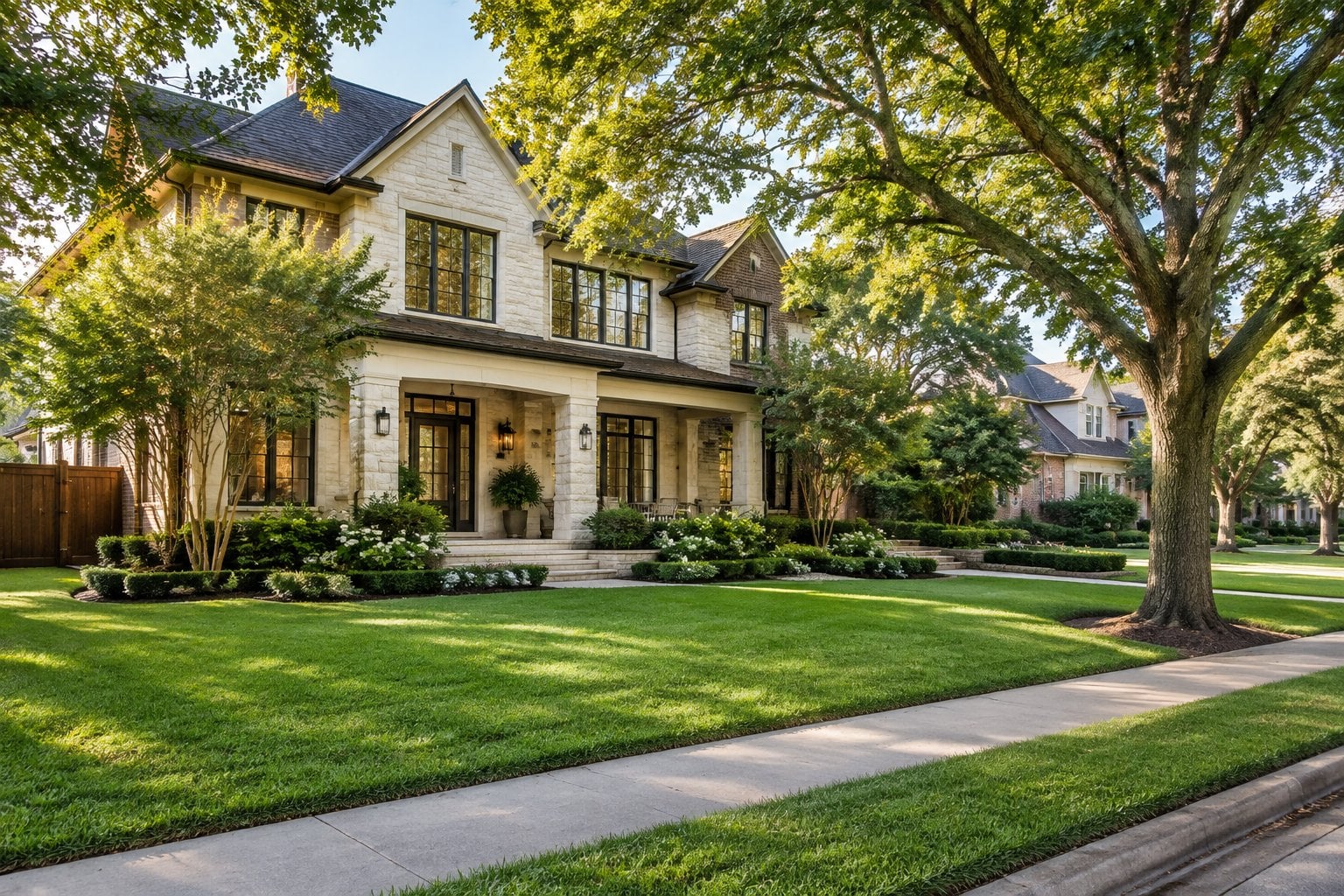
Bellaire, known as the “City of Homes,” has a typical home value of about $1.18 million, according to Zillow. Prices rose about 4% over the past year.
The city of about 17,400 people is surrounded by Houston and West University Place, just southwest of the Loop 610 and close to the Galleria, the Texas Medical Center and Rice University.
Bellaire was incorporated in 1918, and Houston annexed the land around it in 1948, so the city cannot grow outward. As a result, most new homes are built on lots where older houses once stood.
Families are drawn to the city’s parks, quiet streets and public schools, including Houston ISD’s Bellaire High School. Its central location and strong sense of community keep demand high, even though prices are about four times the Texas typical home value.
19. Parker, Texas
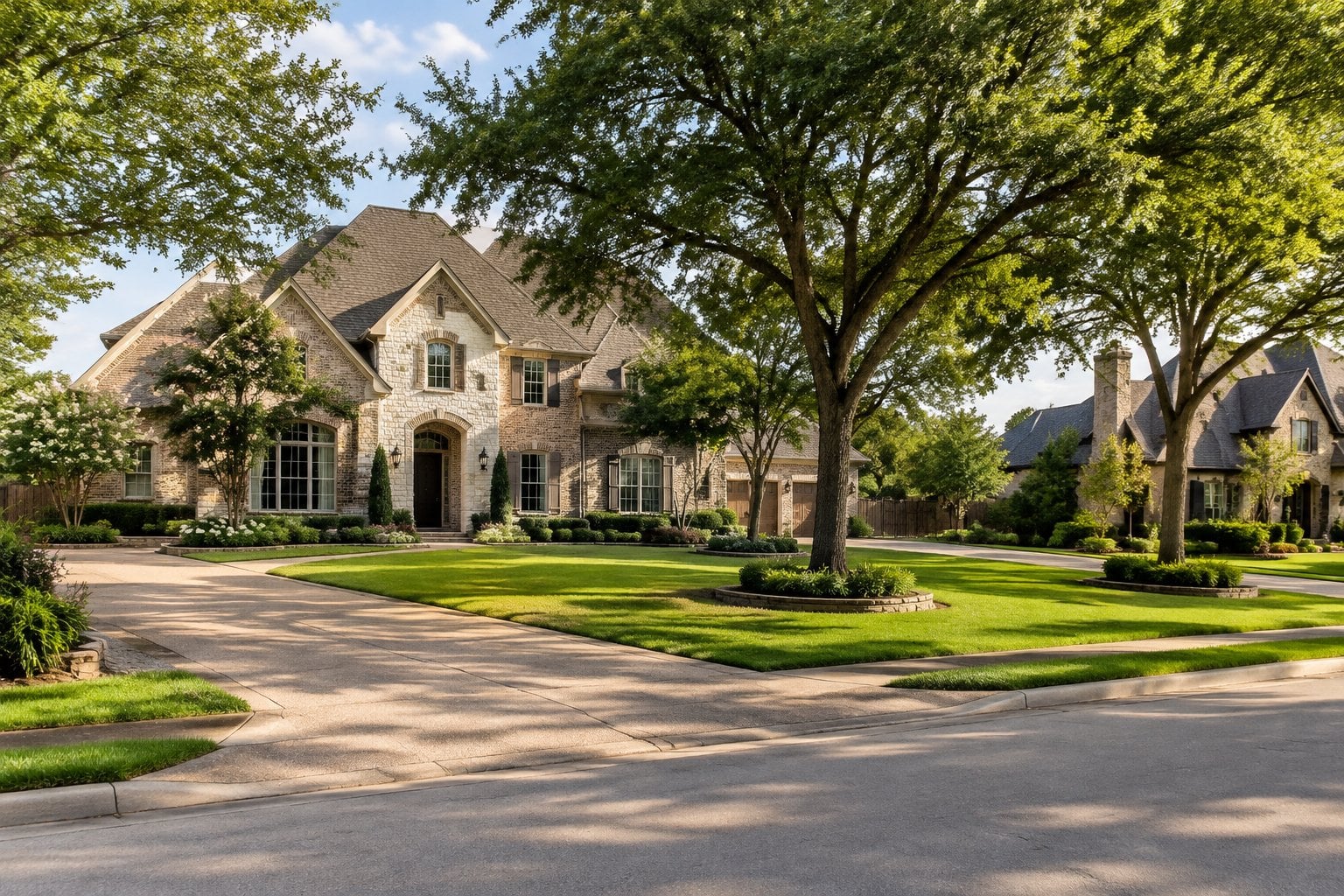
Parker, a city of about 6,300 people in Collin County, has a typical home value of about $1.09 million, according to Zillow. Values dipped about 1% over the past year.
The city is best known as the home of Southfork Ranch, the white ranch house made famous by the TV show Dallas. Today the ranch is an event center, and part of the property is being developed into custom estate homes.
Parker has a rural feel, with many homes on large lots of an acre or more. That space attracts buyers who want room for horses, pools and big yards while staying close to the jobs and shopping in Plano, Allen and Richardson.
Parker’s population grew from about 5,500 in 2020 to more than 6,300 in 2024, as new estate communities were built. Its mix of space and convenience keeps prices well above the Collin County average.
20. Lucas, Texas
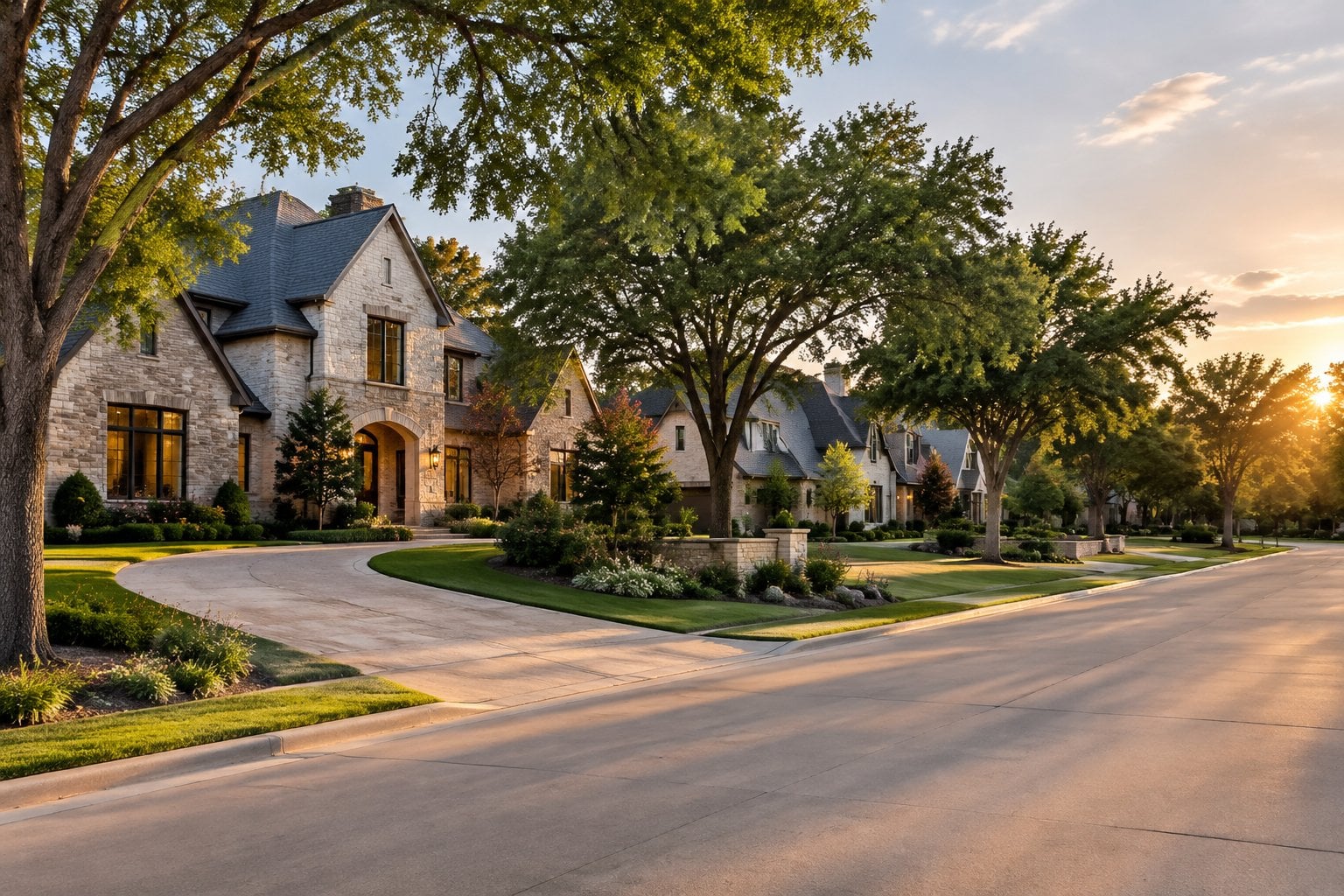
Lucas, a city of about 8,800 people in Collin County, has a typical home value of about $1.05 million, according to Zillow. Prices were roughly flat over the past year.
The city sits along Lavon Lake, east of Allen and McKinney, and is known for its country feel. Many homes are on lots of an acre or more, and the city has worked to keep its low-density, rural character.
That space is a big draw for families who want room for horses, large homes and backyard pools while still being close to the job centers in Plano and Frisco.
Lucas has grown quickly, from about 7,600 people in 2020 to about 8,800 in 2024, as new estate subdivisions have opened. Most of the city is served by Lovejoy ISD, a small, well-regarded district whose high school is in Lucas, while some areas fall in neighboring districts such as Allen ISD.
21. Copper Canyon, Texas
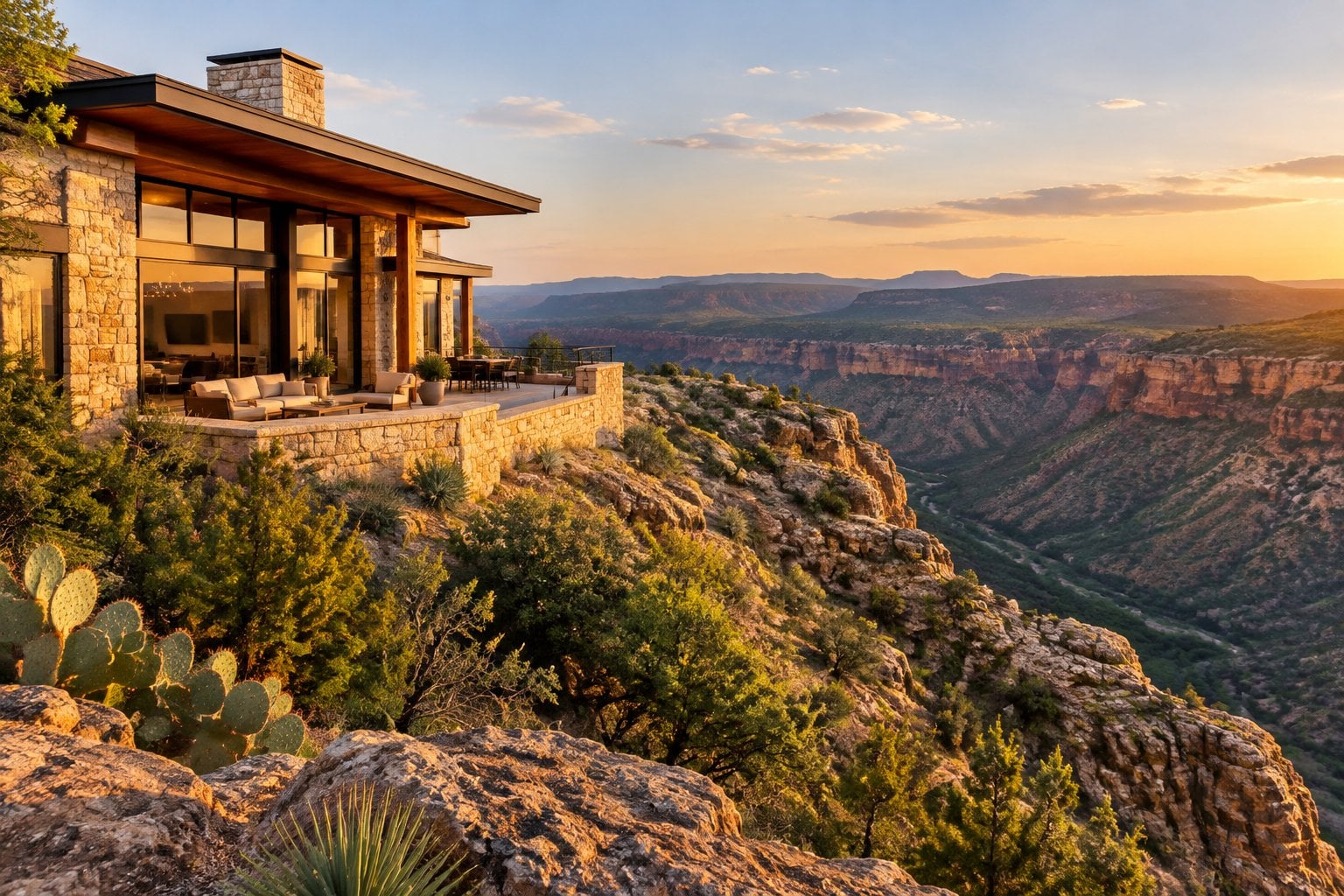
Copper Canyon is a small town in southern Denton County with about 2,400 residents. Zillow puts its typical home value at about $1.02 million, down about 1% from a year earlier.
The town sits between Highland Village, Flower Mound and Argyle, and is known for its quiet, rural setting. Many homes sit on an acre or more, with plenty of trees and open space.
Copper Canyon has grown fast in recent years, from about 1,700 residents in 2020 to about 2,400 in 2024, as new estate neighborhoods have been built. That growth has added more large, high-end homes to the market.
Residents are close to Lewisville Lake and the shops and restaurants in Highland Village and Flower Mound, with an easy drive to Dallas and Fort Worth. For many buyers, the town offers a rare mix of space and convenience in one of the fastest-growing parts of Texas.
22. Volente, Texas
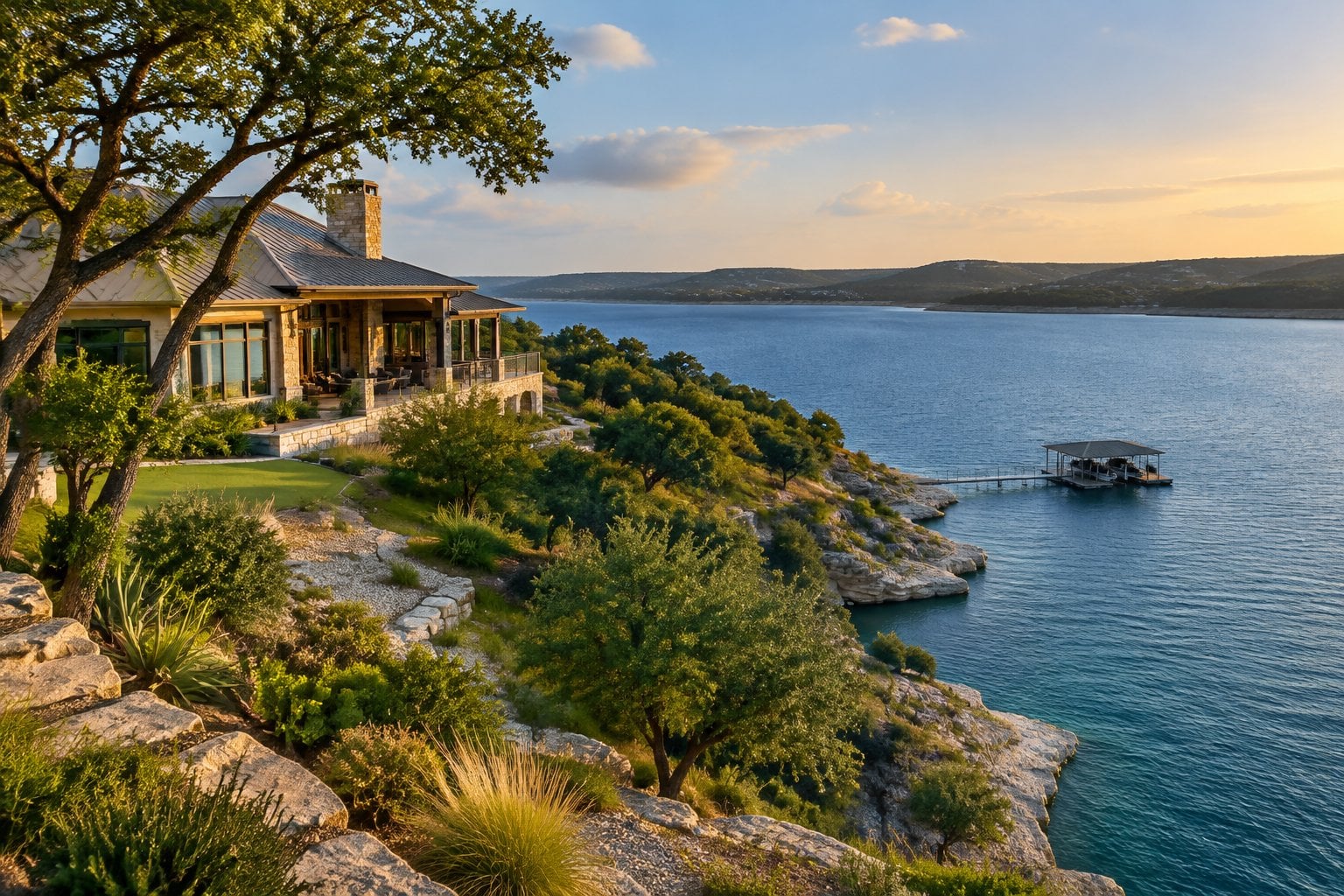
Volente is a small village on the north shore of Lake Travis, northwest of Austin. With only about 520 residents, it is one of the smallest places on this list. Zillow puts its typical home value at about $1.02 million, up about 2% over the past year.
The village’s main draw is the lake. Many homes have water views, and some have private docks or easy access to the water. Hilly terrain and winding roads give the area a quiet, getaway feel.
The village only incorporated in 2003. It is home to Volente Beach, a lakeside water park with slides, pools and beach access that draws visitors in the summer. Children attend Leander ISD schools.
Because the village is so small, only a handful of homes are sold each year. Waterfront and lake-view properties often sell for much more than the typical value, which makes Volente one of the priciest lake communities in Central Texas.
23. Shavano Park, Texas
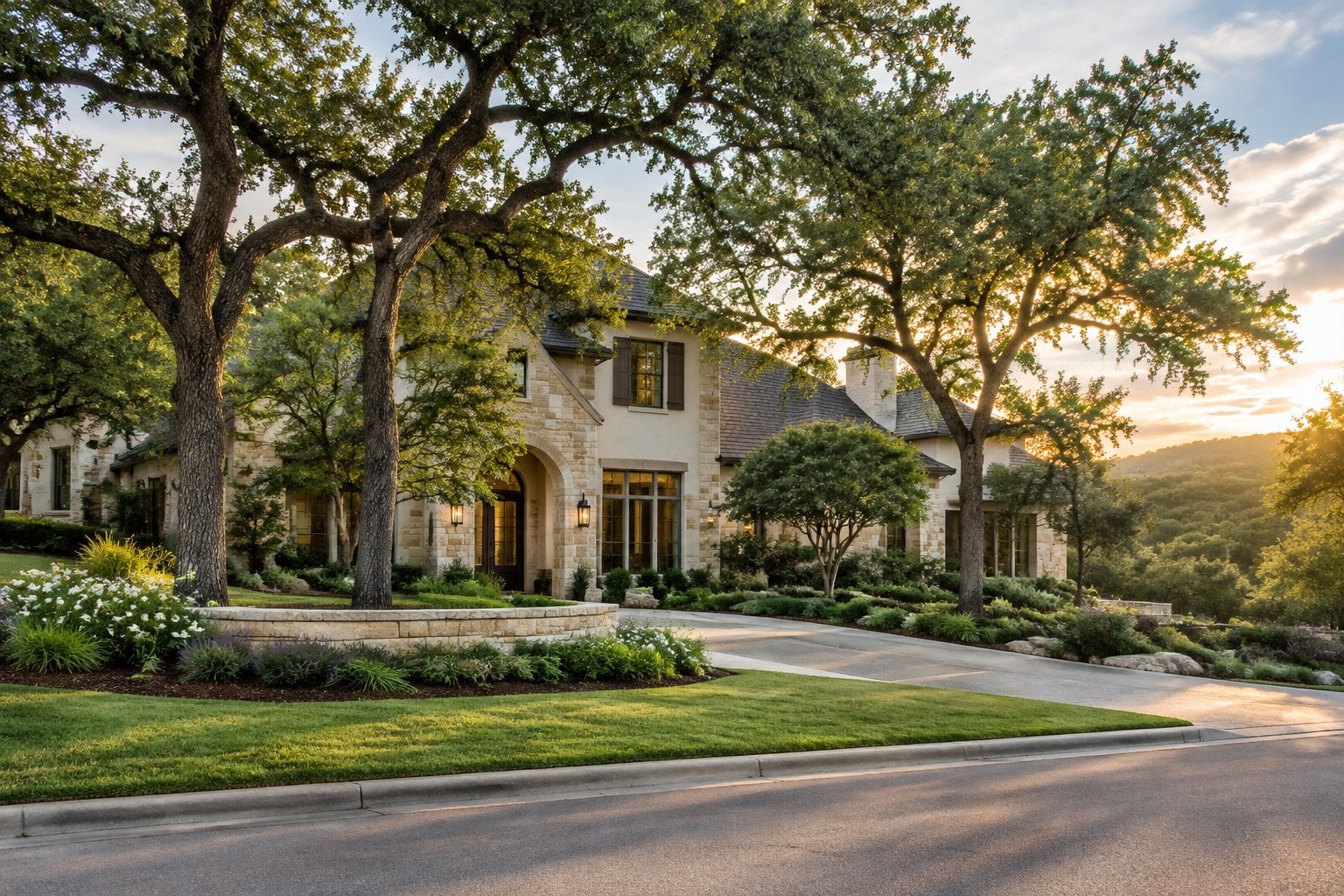
Shavano Park, a city of about 3,800 people in northwest Bexar County, has a typical home value of about $924,000, according to Zillow. Values rose about 1% over the past year.
The city sits about 12 miles north of downtown San Antonio, on the edge of the Texas Hill Country. It covers about 3.3 square miles, and many homes sit on half-acre or larger lots with mature oak trees.
Shavano Park includes several gated neighborhoods with large custom homes, as well as older, established streets. Its location near Loop 1604 and Interstate 10 gives residents easy access to The Rim, La Cantera and the Medical Center area.
Quiet streets, larger lots and a short drive to the city’s major job and shopping centers make Shavano Park one of the most sought-after addresses in San Antonio.
24. Sunset Valley, Texas
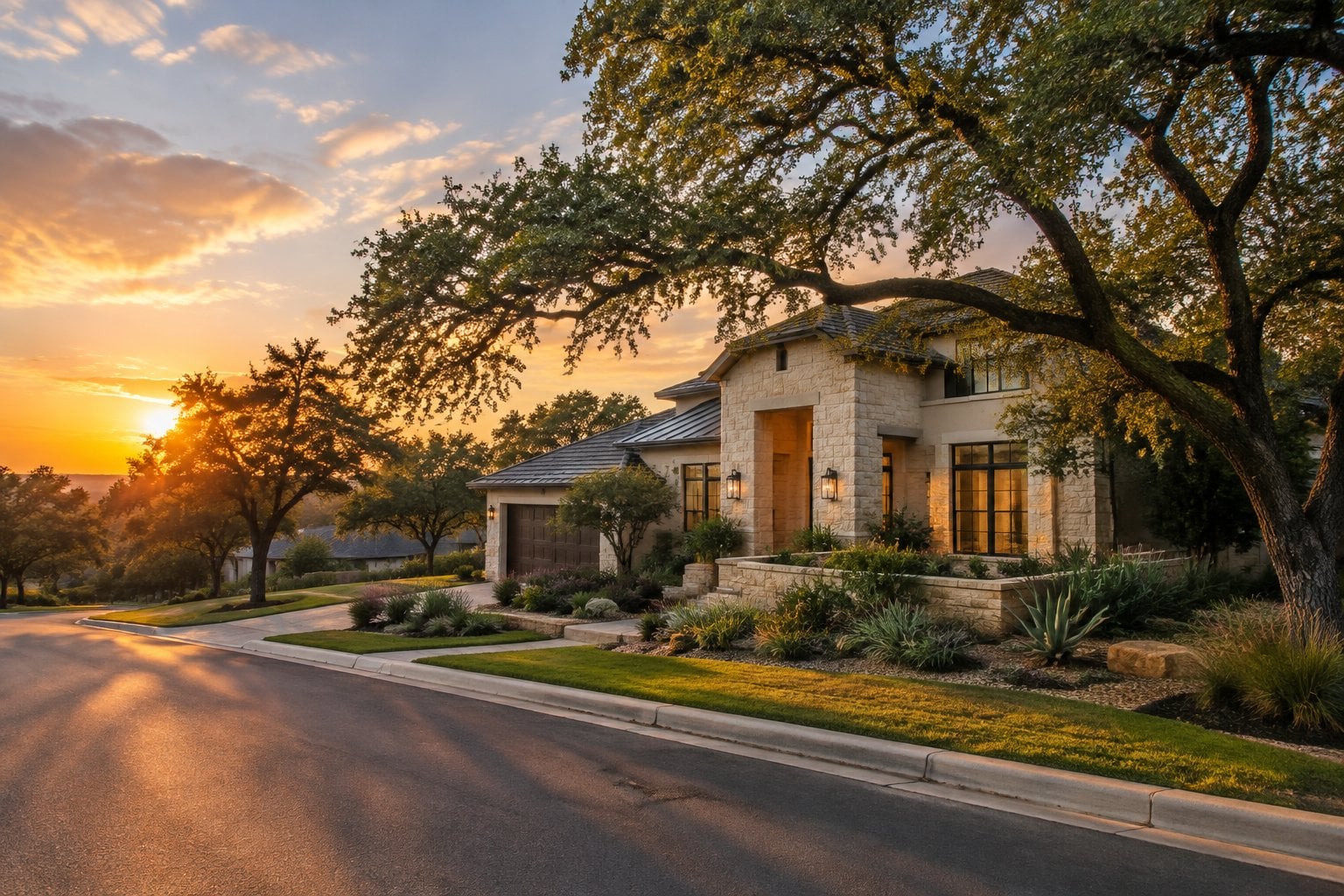
Sunset Valley is a small city of about 600 people completely surrounded by Austin. Zillow puts its typical home value at about $920,000, down about 4% from a year earlier.
The city is unusual because it does not charge a city property tax. Instead, it relies on sales tax from the large shopping centers along Brodie Lane and Highway 290. Homeowners still pay county and school district taxes, but skipping the city portion is a real savings.
Most homes sit on large, wooded lots, and the city has protected a lot of green space, including nature trails and preserves. Residents are only minutes from downtown Austin and Zilker Park.
Prices here have dipped over the past year, in line with the wider Austin market. Even so, the combination of big lots, nature and a central location keeps Sunset Valley among the most expensive places in the Austin area.
25. Olmos Park, Texas
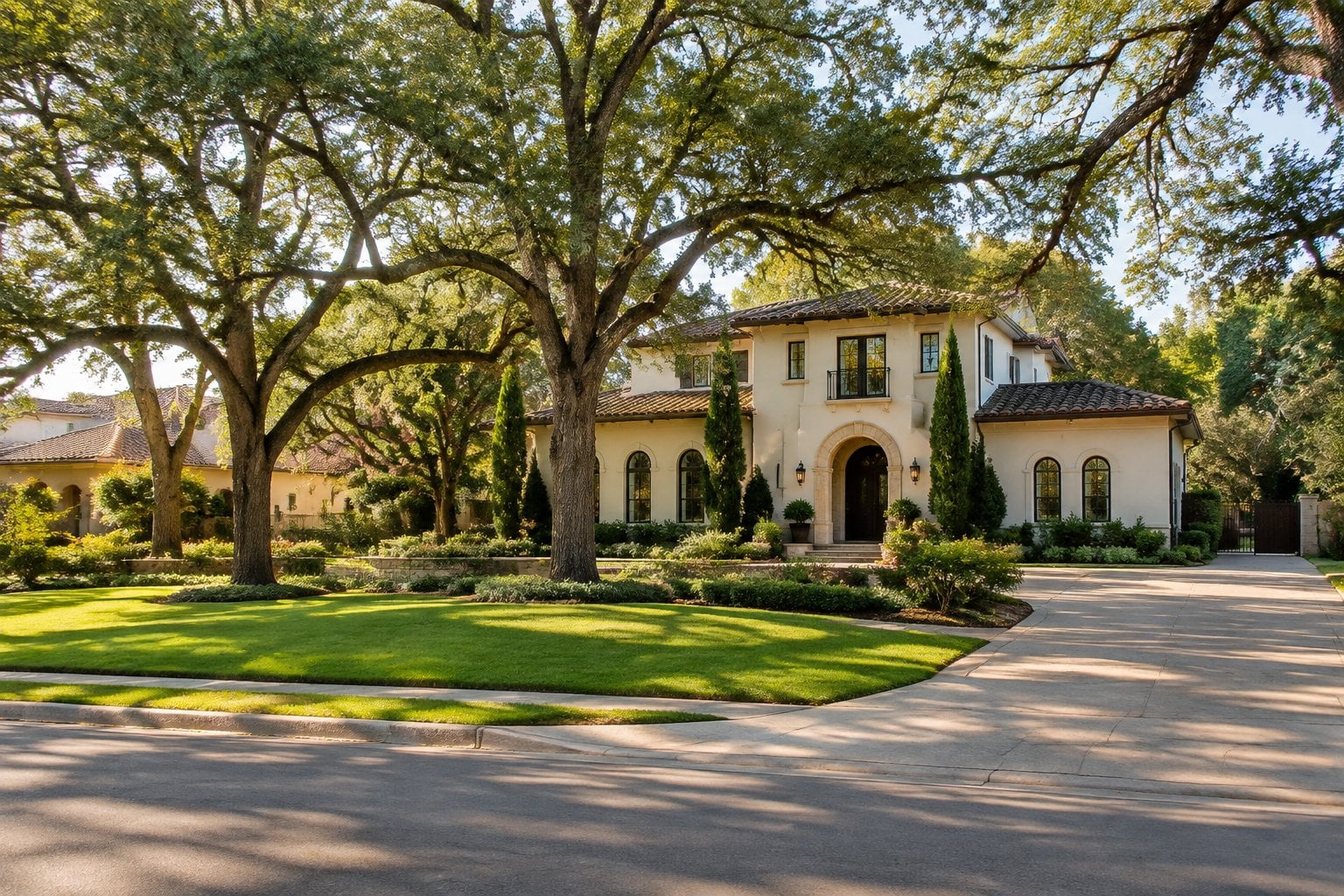
Olmos Park, a city of about 2,200 people, has a typical home value of about $916,000, according to Zillow. Prices were up slightly over the past year.
The city is fully surrounded by San Antonio, just north of downtown. Developer H.C. Thorman laid out the community in 1927, and it became a city in 1939. San Antonio later grew around it, leaving it as a small independent city with its own mayor, city council and police department.
Olmos Park is known for its grand older homes, including many in the Spanish Revival and Tudor styles, alongside newer custom builds. Tree-lined streets and large lots give it a quiet, established feel.
Most of the city is served by Alamo Heights ISD, one of the most sought-after school districts in San Antonio. Its central location, historic homes and strong schools keep Olmos Park in high demand.
26. Colleyville, Texas
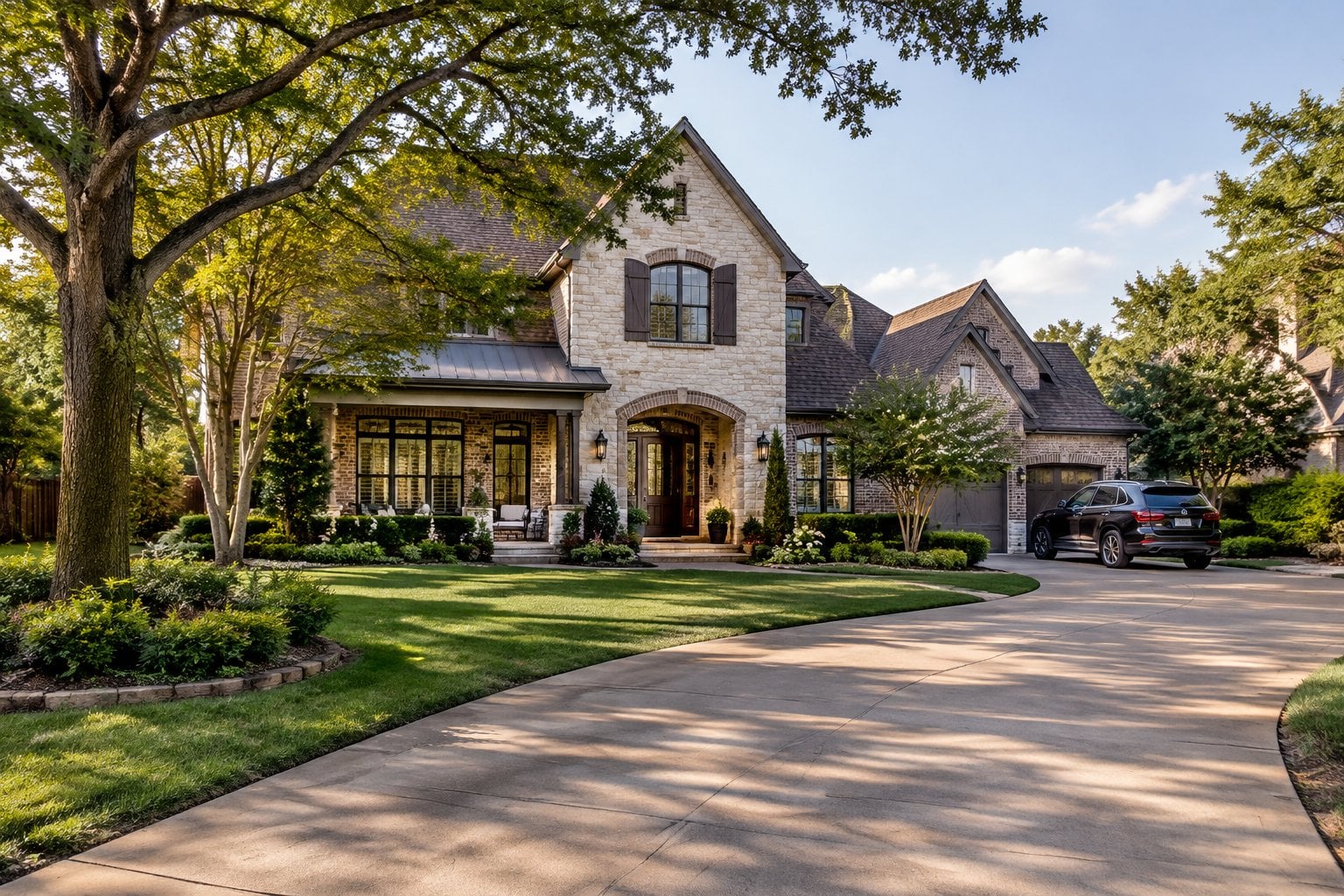
Colleyville, a city of about 26,000 people in northeast Tarrant County, has a typical home value of about $914,000, according to Zillow. Values rose about 4% over the past year.
The city sits just west of Dallas Fort Worth International Airport and next to Southlake and Grapevine. Many homes are on larger lots, and the city’s zoning favors single-family neighborhoods over dense development.
Most of Colleyville is served by Grapevine-Colleyville ISD. The city has a mix of established neighborhoods and newer estate communities.
Its location makes it convenient for frequent flyers and for commuters to both Dallas and Fort Worth. Residents also have easy access to shopping and dining in Southlake Town Square and historic downtown Grapevine. That mix of space, schools and location keeps Colleyville among the priciest suburbs in North Texas.
27. Terrell Hills, Texas
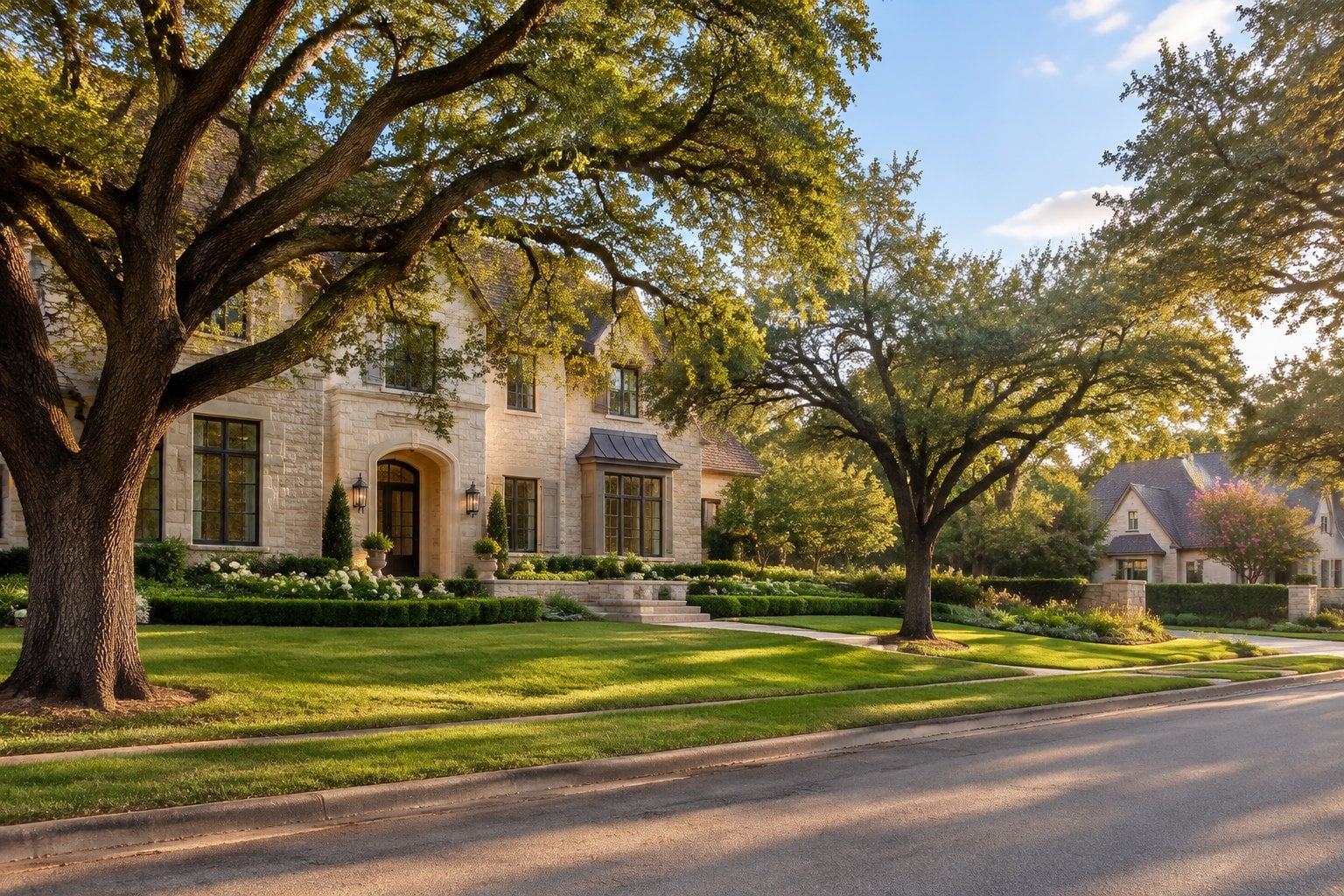
Terrell Hills, a city of about 5,100 people in San Antonio, has a typical home value of about $914,000, according to Zillow. That is up about 4% from a year earlier.
The city sits next to Alamo Heights and Fort Sam Houston, north of downtown San Antonio. Like its neighbors, it was incorporated before San Antonio grew around it, and today it runs its own city government and police force.
Terrell Hills is known for its quiet, tree-lined streets and large, established homes, with lots that are generally bigger than in nearby San Antonio neighborhoods.
Children attend Alamo Heights ISD, one of the top-rated school districts in the area. The combination of strong schools, established homes and a central location keeps Terrell Hills in high demand with families.
28. Double Oak, Texas
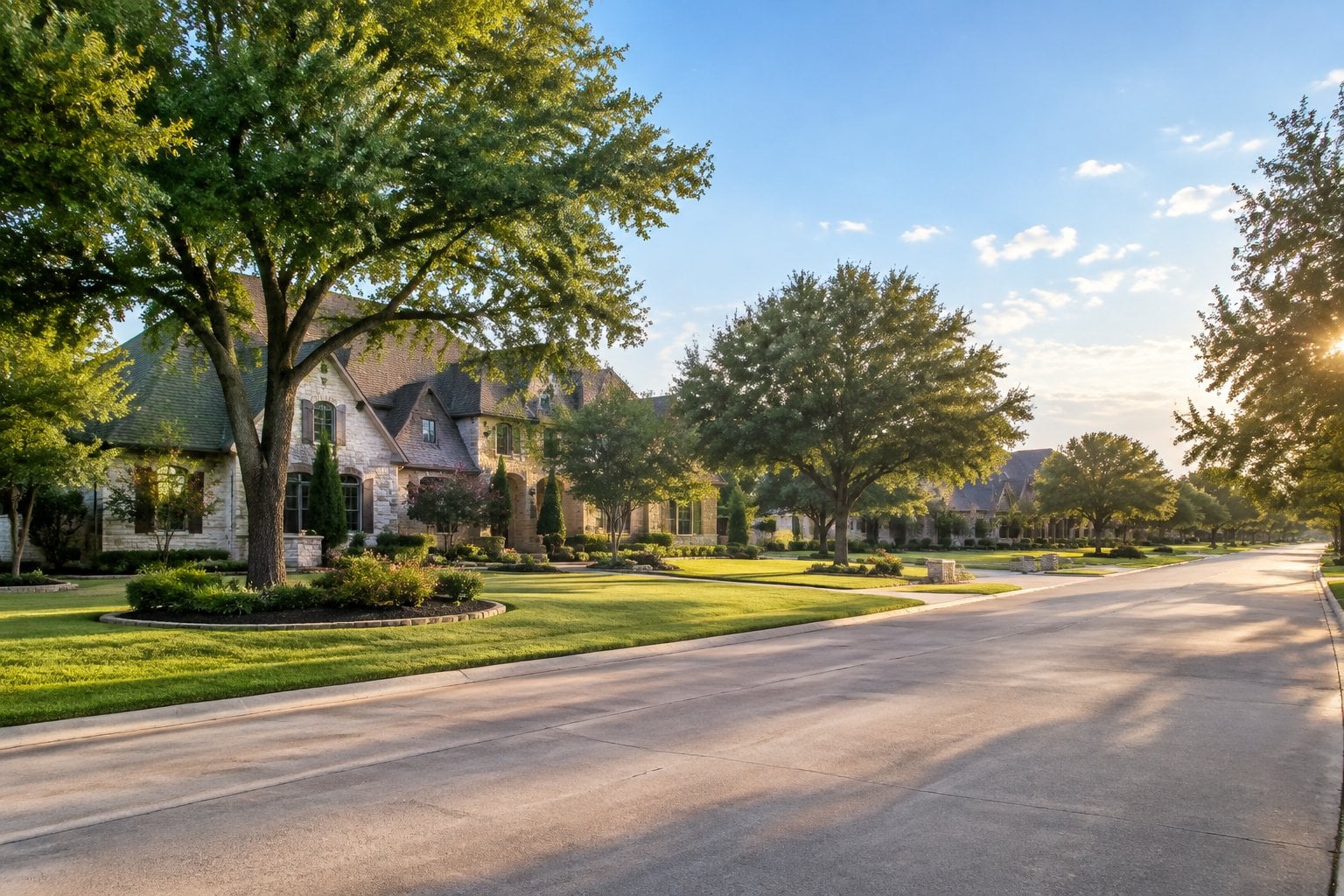
Double Oak is a small town in Denton County with about 3,100 residents. Zillow puts its typical home value at about $850,000, up around 4% over the past year.
The town sits between Flower Mound, Highland Village and Copper Canyon, and is known for its wooded lots and quiet streets. Most homes are single-family houses on lots of an acre or so, with plenty of trees and space between neighbors.
Double Oak has very little commercial development, which helps keep its peaceful, residential feel. Residents are close to the shopping and dining in Flower Mound and Highland Village, and to Lewisville Lake.
With limited land for new homes and steady demand from buyers who want space near Dallas and Fort Worth, Double Oak’s prices remain well above the Texas typical home value.
29. The Hills, Texas
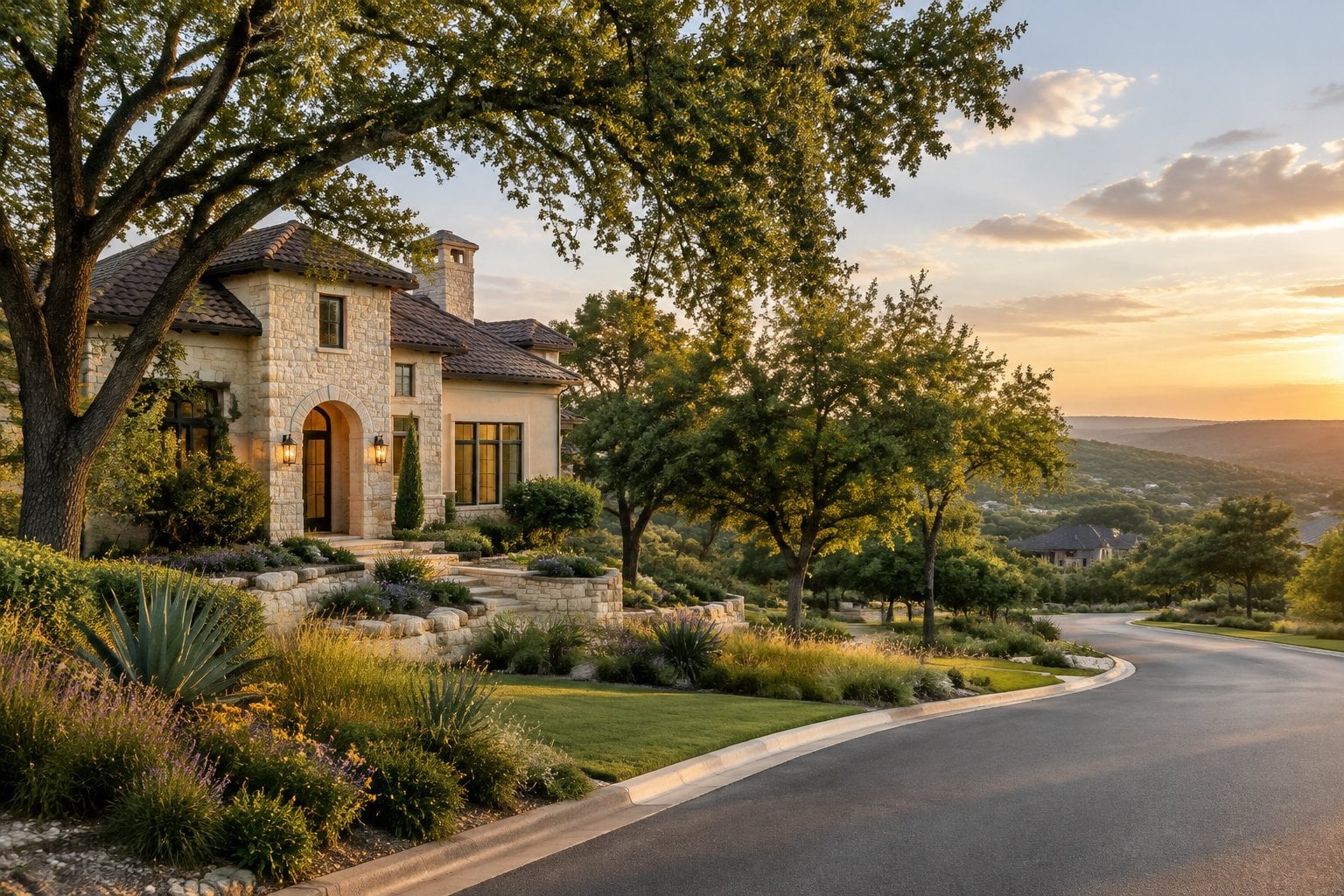
The Hills is a gated village of about 2,300 people next to Lakeway, west of Austin near Lake Travis. Zillow puts its typical home value at about $816,000, up about 3% from a year earlier.
The community is built around golf. The Hills of Lakeway includes a Jack Nicklaus-designed course, and the club also runs the nearby Flintrock Falls course, which was co-designed by Jack Nicklaus and his son.
Homes range from condos and townhomes to large estates with views of the Hill Country and Lake Travis. The gated entrance and private amenities, including golf, tennis and fitness facilities, are a big part of the appeal.
Children attend Lake Travis ISD schools. The Hills is popular with retirees and families who want a resort-style lifestyle within about a 30-minute drive of downtown Austin.
30. Prosper, Texas
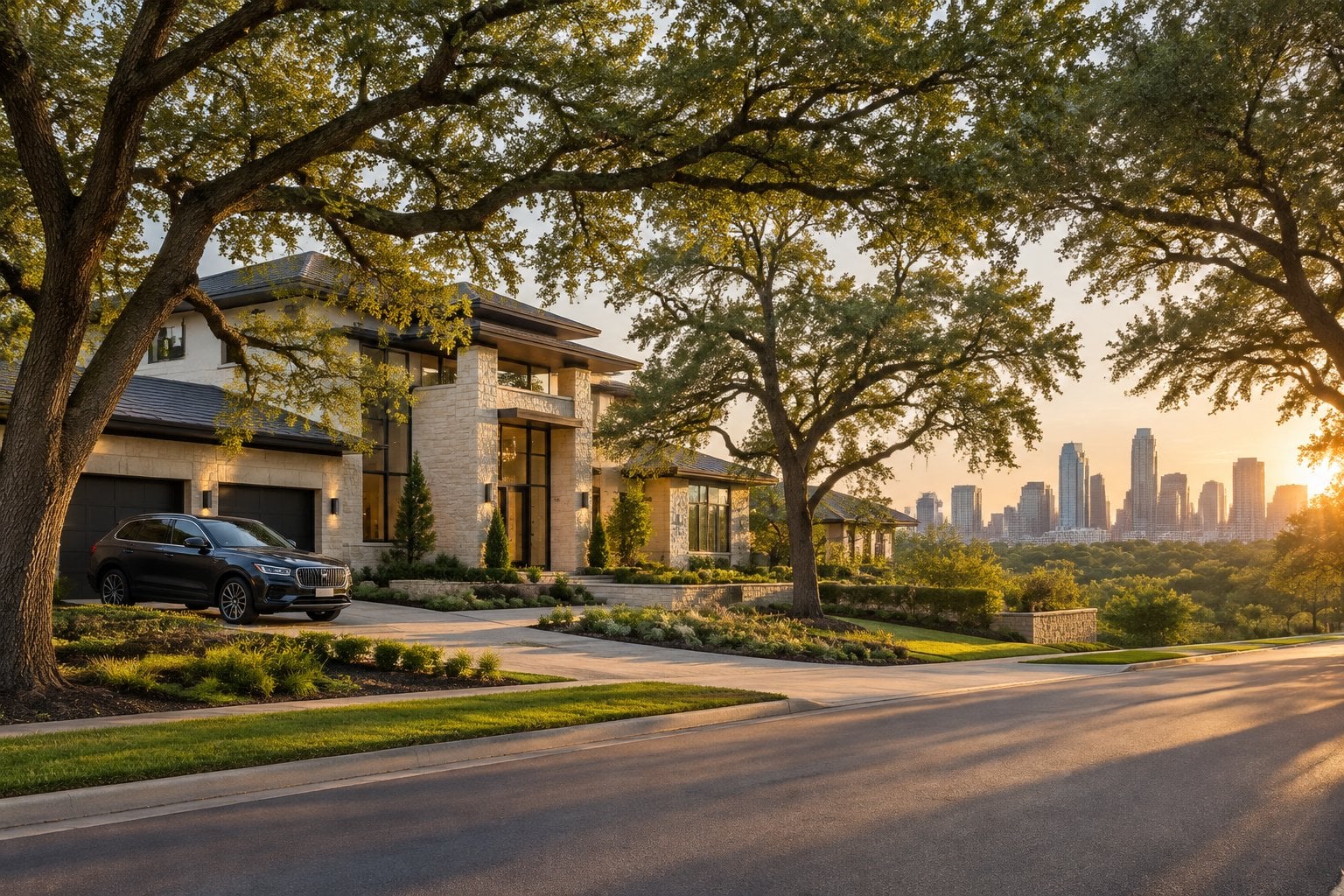
Prosper, a town in Collin and Denton counties, rounds out the list with a typical home value of about $760,000, according to Zillow. Values are down about 5% from a year earlier, as many new homes have come onto the market.
Prosper is one of the fastest-growing towns in Texas. Its population jumped from about 30,000 in 2020 to more than 44,000 in 2024, according to the U.S. Census Bureau.
Much of that growth comes from master-planned communities with new homes, parks, pools and trails. Buyers are drawn to Prosper ISD and to the town’s location north of Frisco, close to the Dallas North Tollway and the many corporate offices along the Highway 121 corridor.
Even with the recent price dip, Prosper’s typical home value is more than double the Texas typical home value, which keeps it among the most expensive places to live in the state.
What Drives Living Costs in High-Priced Texas Communities
Housing is the largest expense in Texas’s priciest communities, and it is shaped by land scarcity and strong buyer demand. Property taxes, insurance and the cost of getting around add recurring charges that raise your monthly budget beyond the purchase price.
Housing Prices and Limited Supply
Home values are the main reason these places rank as expensive. In Piney Point Village, Westlake and Highland Park, the typical home is worth more than $3 million, roughly 10 to 12 times the Texas typical value.
Supply is a major factor. Communities like Highland Park, University Park, West Lake Hills and the Memorial Villages are fully built out, and many have rules that favor large, single-family lots. Few homes come up for sale, so buyers compete for the same small number of listings, and many new homes can only be built after an older house is torn down.
Rentals follow the same pattern. Most homes in these cities are owner-occupied single-family houses, and apartments are limited or absent in many of them.
Property Taxes, Homeowners Insurance and HOA Fees
Texas has no state income tax, but it relies heavily on property taxes. Your bill depends on the combined rates of the county, city, school district and any special districts, and in many of these communities the total often comes to around 1.5% to 2.2% of a home’s taxable value. On a $2 million home, that can mean $30,000 or more a year.
Some cities are exceptions in part of the bill. Sunset Valley, for example, does not charge a city property tax at all, although residents still pay county and school taxes.
Homeowners insurance is another large and rising cost. Hail, wind and flood risk have pushed premiums up across much of the state, and higher-value homes cost more to insure because rebuilding costs are greater.
HOA fees vary widely. Many older enclaves have no HOA at all, while gated communities with golf courses, guards and private amenities can charge thousands of dollars a year on top of club memberships.
Transportation, Utilities and Everyday Expenses
Most high-priced Texas suburbs are car-dependent, so transportation costs are significant. Households commonly own two or more vehicles, and commutes to Dallas, Fort Worth, Houston or Austin can add fuel, tolls and maintenance expenses.
Utilities scale with home size. Larger houses and long, hot summers drive high electricity use, and air conditioning can account for a large share of your summer bills. Watering large lawns adds to water costs as well.
Everyday spending can run above the state average, too, since local dining, childcare and services are often priced for higher-income households.
How to Budget for Life in a High-Cost Texas Community
A realistic budget starts with how your income compares to housing, taxes and daily costs in the specific community you choose. It also accounts for what you pay to get around and the cash you need on hand before and after you move.
Comparing Local Incomes With Total Household Costs
Typical home values in the priciest Texas places run far above the statewide figure of about $296,000. Your budget should start with housing, but it cannot end there.
Build a monthly line-item list that includes:
- Mortgage payments, plus homeowners insurance, which is often higher in storm-prone areas
- Property taxes, paid monthly through escrow or in a lump sum
- HOA dues, if your neighborhood has them
- Utilities, with summer cooling costs weighing heavily
- Groceries, healthcare and childcare
A common guideline is to keep total housing costs at or below 28% to 30% of gross income. Compare your own income, not the local median, against the full cost picture.
Weighing Neighborhood Amenities Against Commuting Expenses
Living close to a major job center usually costs more per square foot. Living farther out lowers your housing cost but adds fuel, vehicle wear, tolls and time. To compare options fairly, estimate the yearly cost of each commute, including toll roads, which are common in Dallas-Fort Worth, Houston and Austin.
Then think about what the neighborhood gives you in return:
- Highly rated public schools that could replace private school tuition
- Walkable shops and restaurants that might let you drive less
- Parks, clubs and recreation that could replace a gym membership
- A shorter commute that saves both time and money
If an amenity saves you money you would otherwise spend, count it as an offset. If you will not use it, do not pay a premium for it.
Planning for Upfront Moving Costs and Ongoing Reserves
Upfront costs in a high-cost community are larger than the down payment alone. On a $1 million home, a 20% down payment is $200,000, and closing costs add more on top of that. Add moving expenses, utility deposits and new furnishings.
After you move, keep reserves for costs that arrive unevenly:
- Emergency fund: three to six months of total household expenses
- Home maintenance: often estimated at 1% to 2% of the home’s value per year
- Property tax reassessments: appraisals can rise yearly, so watch your county appraisal district’s notices and protest deadline
- Insurance changes: premiums for wind, hail and flood coverage can increase at renewal
Set aside these reserves in a separate savings account so they are not spent on day-to-day costs.