The 30 Most Expensive Places to Buy a Home in the U.S.
Home prices vary widely across the United States, with some markets far outpacing the national median. Location, local economy, and demand all play a role in determining what you can expect to pay for property in a given area.
If you’re curious about where housing costs the most, this list breaks down the 30 priciest places to buy a home in the country. You’ll find a mix of major metros and smaller communities, each shaped by its own housing market conditions.
Understanding these trends can help you set realistic expectations if you’re considering a move or investment in one of these areas.
1. San Jose, California
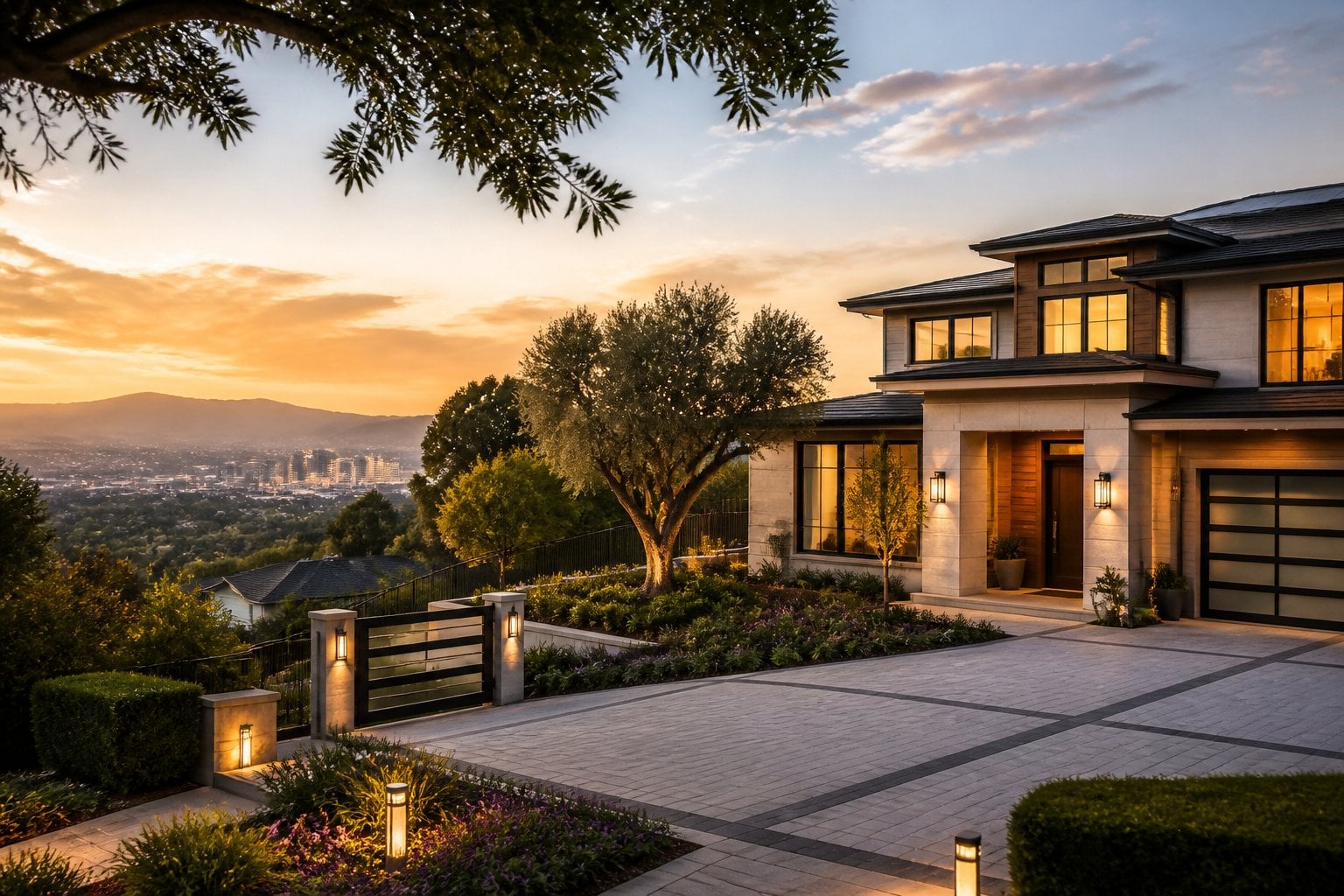
San Jose tops the list of expensive U.S. housing markets. The median home price sits well above $1 million, driven largely by the city’s proximity to Silicon Valley’s tech industry.
You’ll find the highest concentrations of wealth in neighborhoods like Almaden Valley and Willow Glen, where median prices climb even further above the citywide average.
Luxury listings in San Jose can reach into the tens of millions of dollars for larger estates. High demand from tech workers, combined with limited housing supply, keeps prices elevated across nearly every neighborhood.
If you’re considering a purchase here, expect competition for available inventory. Location, lot size, and proximity to major employers all factor heavily into pricing.
San Jose’s housing costs reflect broader trends across the Bay Area, but its status as a tech hub gives it a distinct edge over nearby cities in terms of overall price levels.
2. San Francisco, California
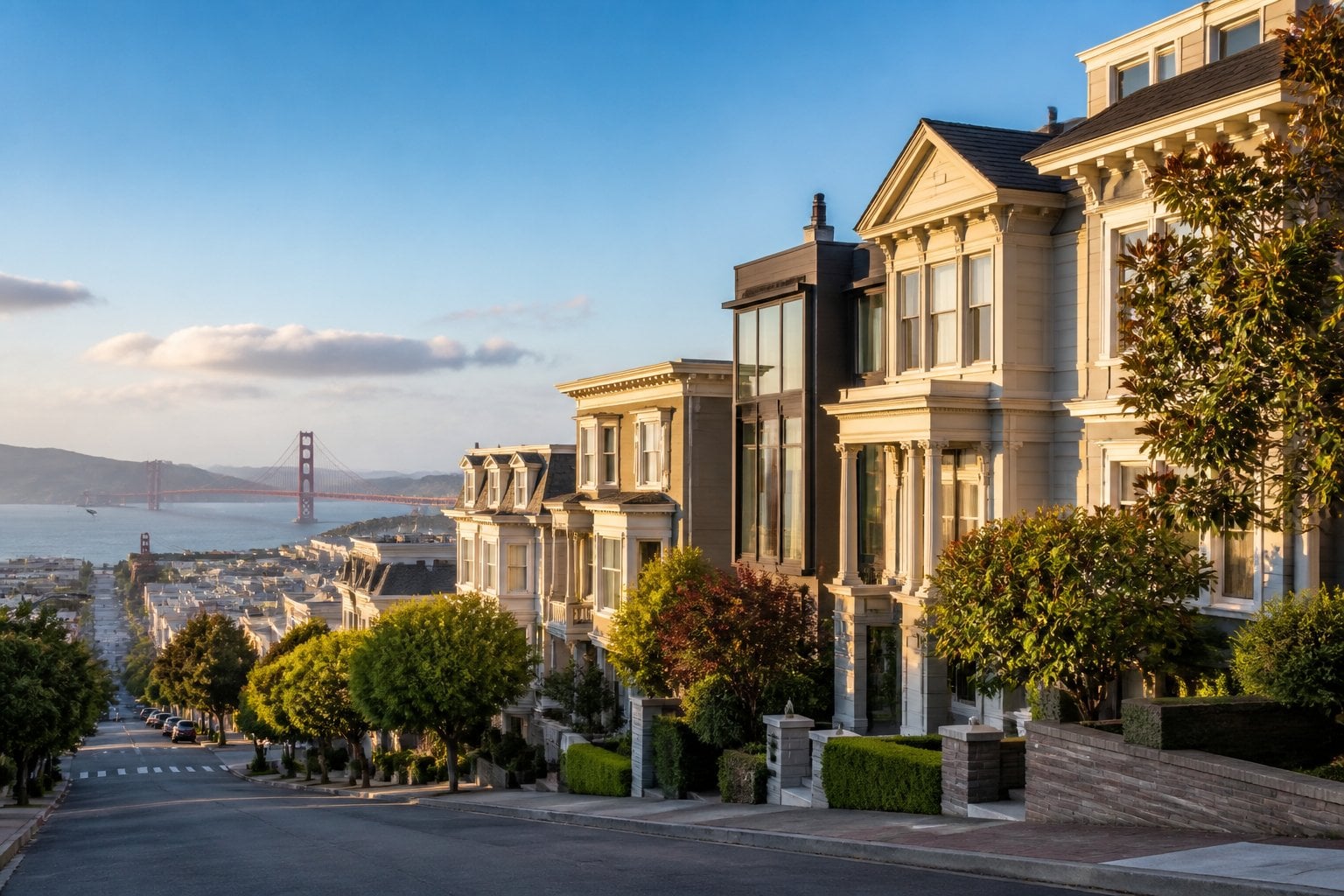
San Francisco consistently ranks among the most expensive housing markets in the country. If you’re buying here, expect a citywide median home price well above $1.2 million, with premium neighborhoods pushing far past that figure.
Pacific Heights and Presidio Heights represent some of the priciest areas, where historic mansions and panoramic bay views drive prices upward. You’ll also find Noe Valley commanding high premiums for its Victorian architecture and family-friendly streets.
Limited land, strict zoning rules, and steady demand from the tech industry keep supply tight. If you’re competing for a home in a desirable neighborhood, you should be prepared for multiple offers and bidding wars.
Beyond the purchase price, you’ll face high property taxes and elevated costs for maintenance and renovations. Despite these costs, San Francisco’s job market, cultural amenities, and proximity to Silicon Valley continue to attract buyers willing to pay a premium.
3. Newport Beach, California
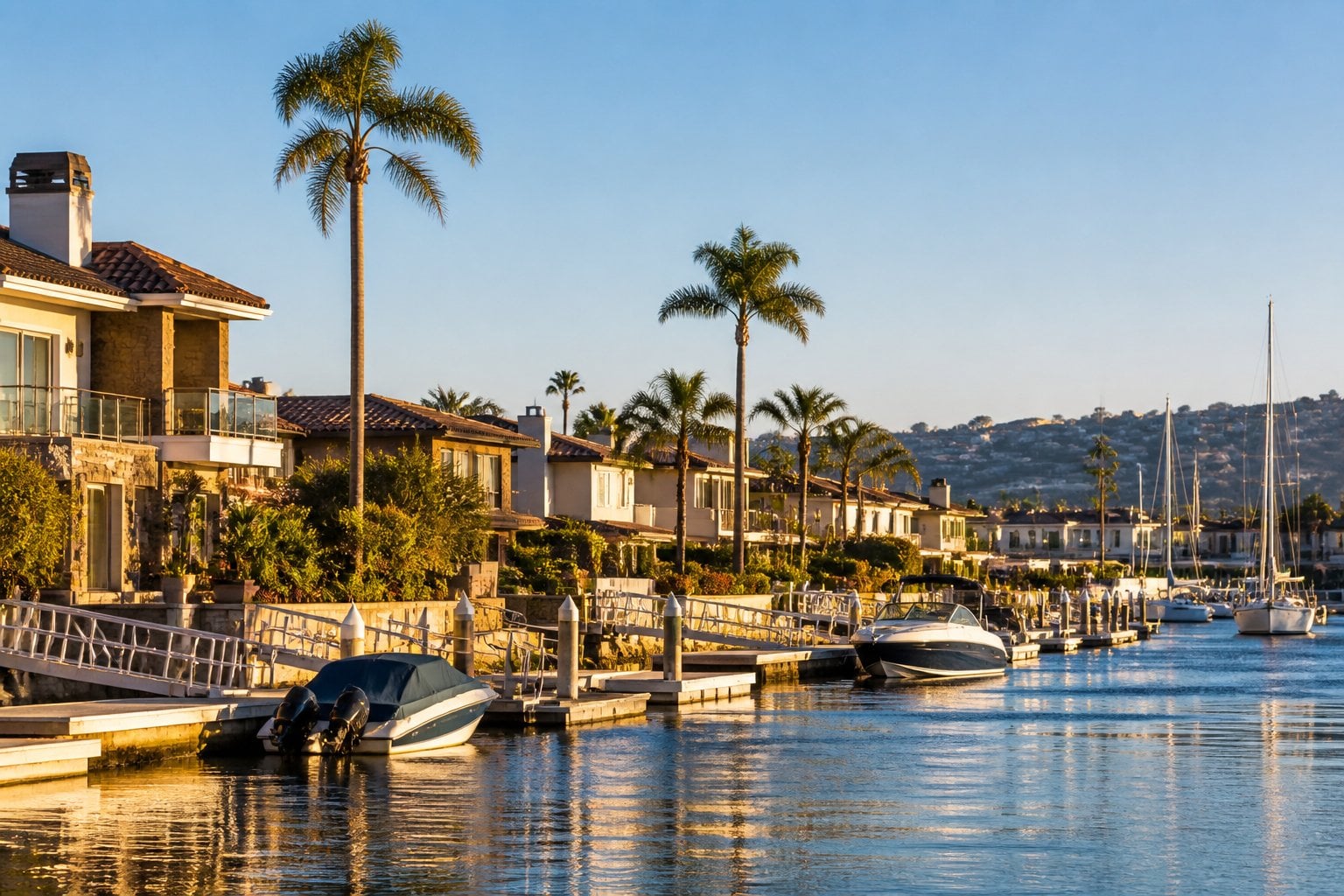
If you’re looking at Newport Beach, expect to pay a premium unlike almost anywhere else in the country. Every residential zip code in the city now ranks among the top 100 priciest in the U.S., and Newport Coast’s 92657 recently surpassed Fisher Island, Florida, to become the single most expensive zip code in America.
You’ll find the highest prices concentrated in Crystal Cove, Newport Coast, and Balboa Island, where waterfront access and privacy drive demand. Harbor views and private docks aren’t unusual features here—they’re part of what defines the market.
Your budget needs to be substantial. Luxury listings average around $5.8 million, though prices range from under $1 million to well over $70 million depending on location and lot size.
Newport Beach’s appeal comes from its coastline, harbor, and proximity to Corona del Mar, Laguna Beach, and Irvine.
4. Santa Clara, California
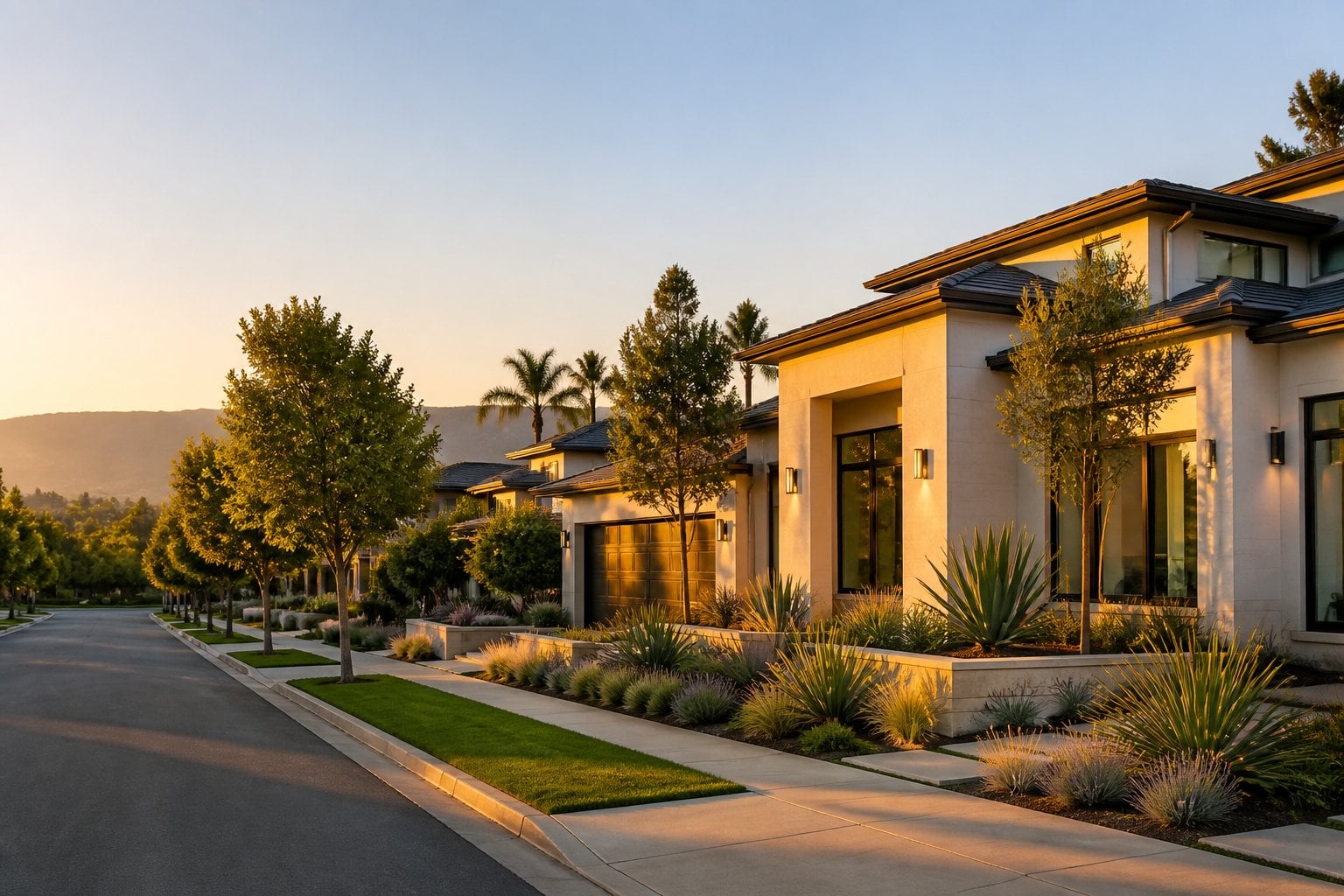
Santa Clara ranks among the most expensive housing markets in the country, driven largely by its position in the heart of Silicon Valley. You’ll find that proximity to major tech employers keeps demand high and inventory tight.
Median home prices here regularly exceed $1.5 million, putting ownership out of reach for many buyers without substantial income. To afford a typical home in this county, you’d generally need to earn well above $500,000 annually.
Neighborhoods near Santa Clara University and Stevens Creek stand out for their appeal, offering suburban amenities, strong schools, and a family-friendly atmosphere. These qualities help sustain high property values even as broader market conditions shift.
You should expect competition from tech industry buyers with significant purchasing power. This dynamic has kept Santa Clara consistently positioned among California’s priciest counties for homebuyers.
5. Irvine, California
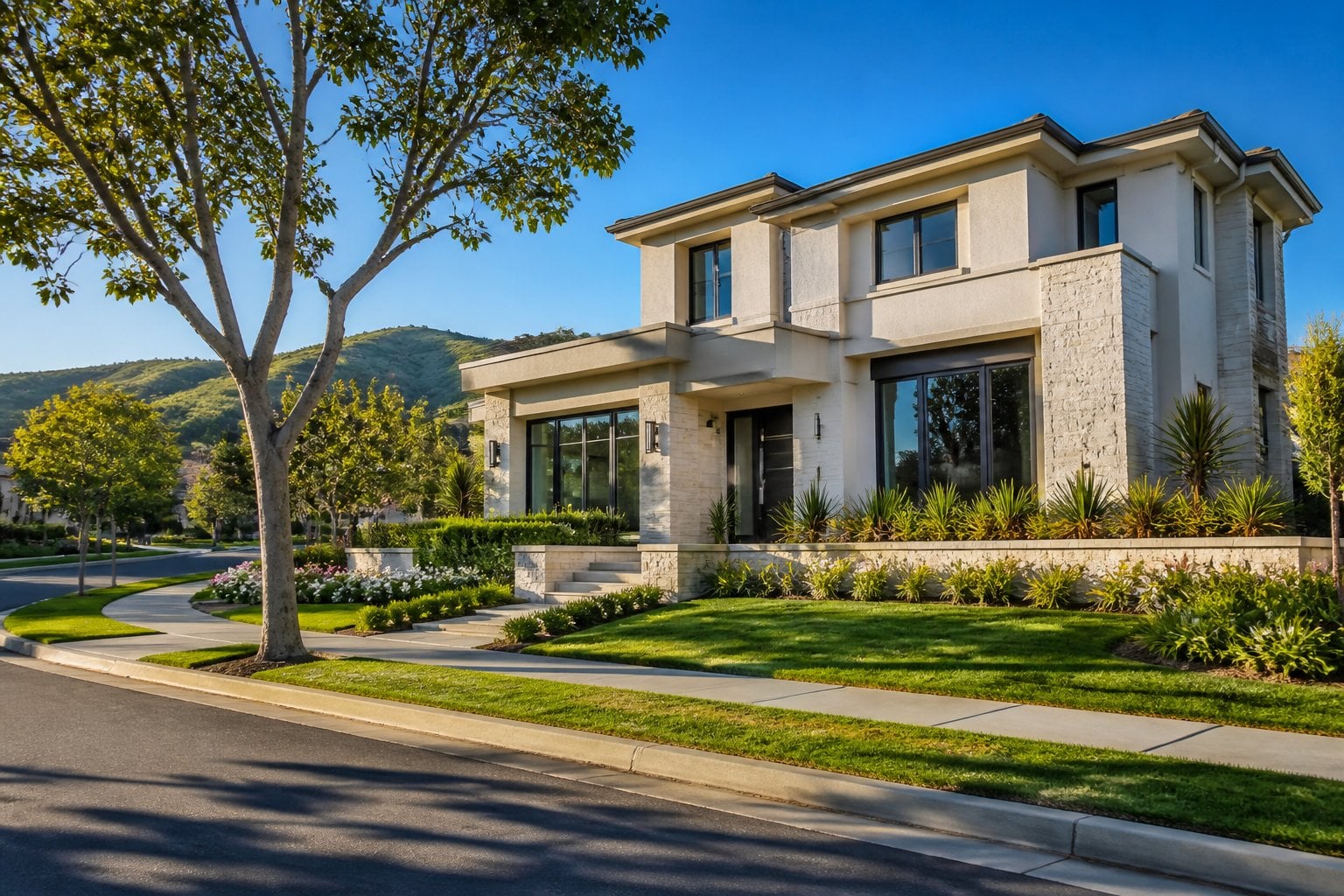
Irvine sits among the priciest housing markets in the country, with a citywide median sale price near $1.5 million. That figure only tells part of the story, though.
If you look at neighborhoods like Shady Canyon, you’ll find median home prices topping $11 million. Turtle Rock, Quail Hill, and other master-planned communities also command premiums well above the national average.
What makes Irvine different from other expensive California cities is its planning history. The Irvine Company designed the city from the ground up, creating a consistent layout of gated communities, top-rated schools, and manicured public spaces.
You’ll also notice Irvine’s economy plays a role in sustaining these prices. The city has a high concentration of residents working in technology and engineering fields, which supports steady demand for housing despite the cost.
For buyers, entering this market means competing in one of the most tightly controlled real estate environments in the state.
6. Los Angeles, California
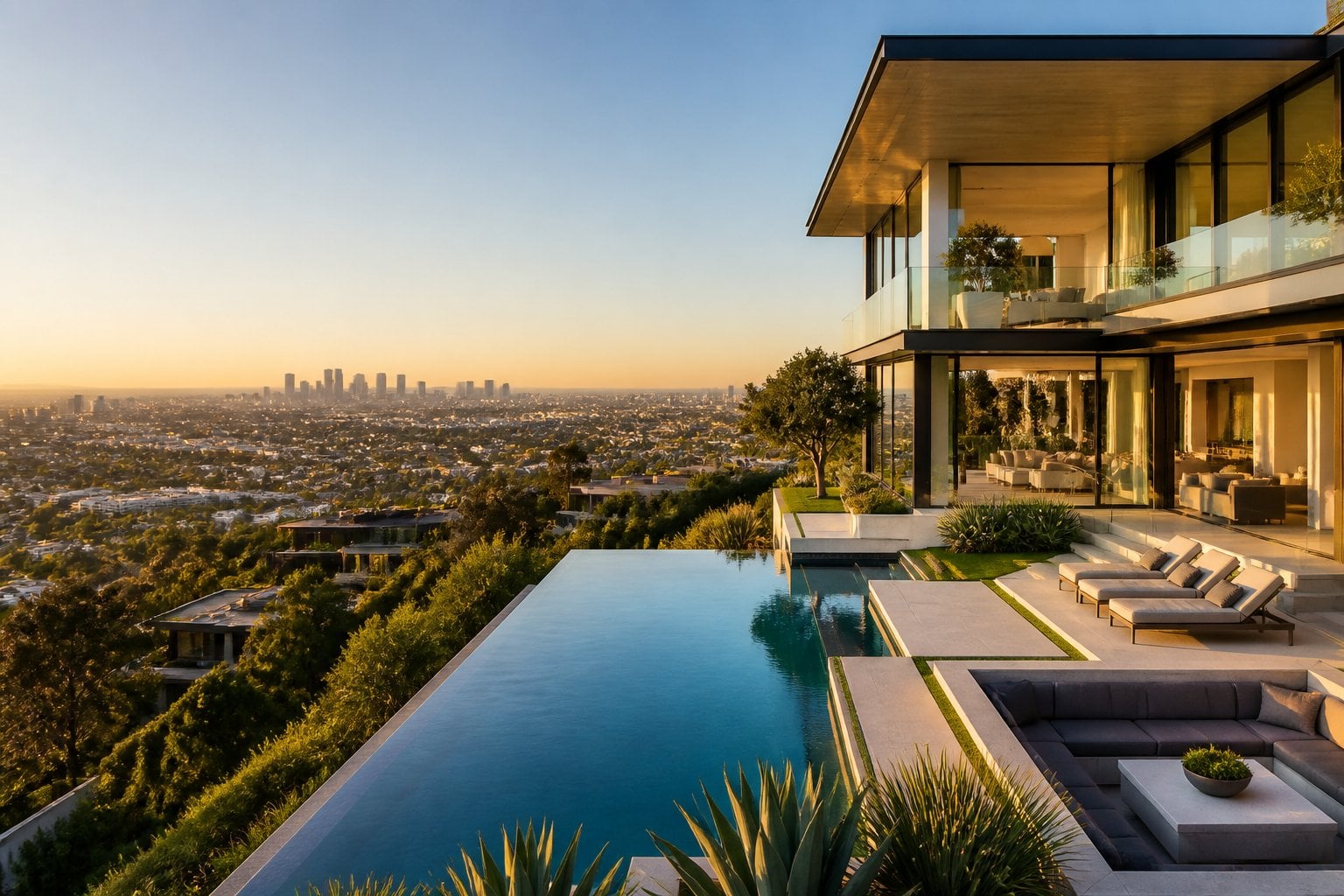
Los Angeles remains one of the priciest housing markets in the country, driven by demand for its climate, entertainment industry ties, and limited land in prime areas. You’ll find the steepest prices concentrated in Beverly Hills, Bel Air, Malibu, and the Bird Streets area of the Hollywood Hills.
In these neighborhoods, home values frequently reach into the tens of millions, with some estate listings exceeding $50 million. Even outside the ultra-luxury tier, median home prices across the broader LA metro sit well above the national average.
You’ll notice the market rewards privacy and views, with hillside and coastal properties commanding significant premiums. Gated compounds and architecturally significant homes also draw buyers willing to pay above-market rates.
If you’re considering a purchase here, expect competition from both domestic buyers and international investors, which keeps inventory tight and prices elevated across most desirable neighborhoods.
7. San Diego, California
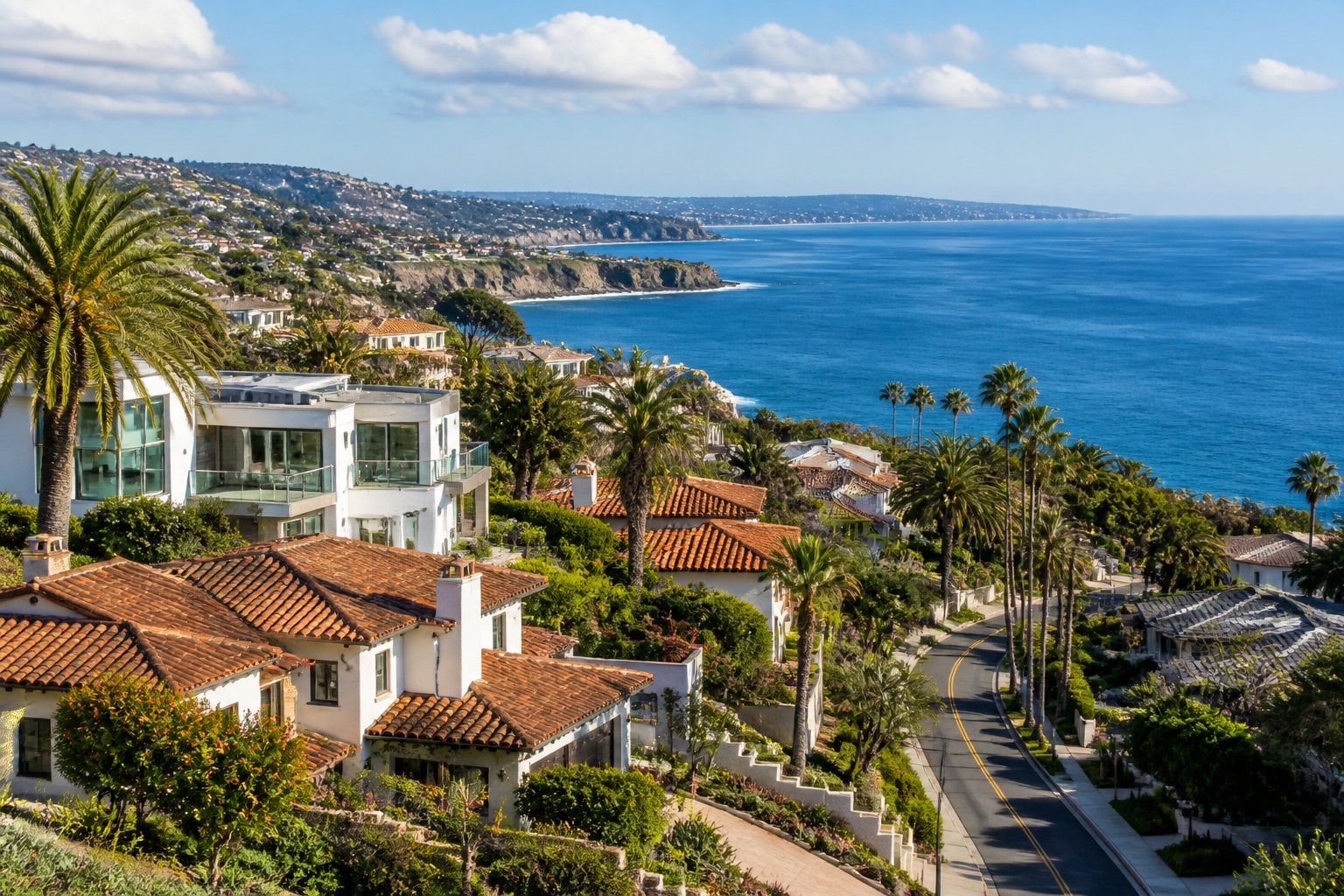
San Diego offers a mix of coastal luxury and steady demand that keeps home prices high across the region. The median list price citywide sits near $899,000, but you’ll find significant variation depending on the neighborhood.
Rancho Santa Fe stands out as the county’s priciest area, with median sold prices reaching approximately $5 million. La Jolla follows closely, drawing buyers with its oceanfront properties and upscale amenities.
You should expect prices in these top-tier neighborhoods to run well above the metro average. Carmel Valley, another sought-after area, carries a median price point closer to $1.4 million, showing the range within the county’s luxury market.
Location plays a major role in San Diego’s pricing structure. Proximity to the coast, lot size, and neighborhood prestige all factor into what you’ll pay, making some ZIP codes far more competitive than others for prospective buyers.
8. Santa Barbara, California
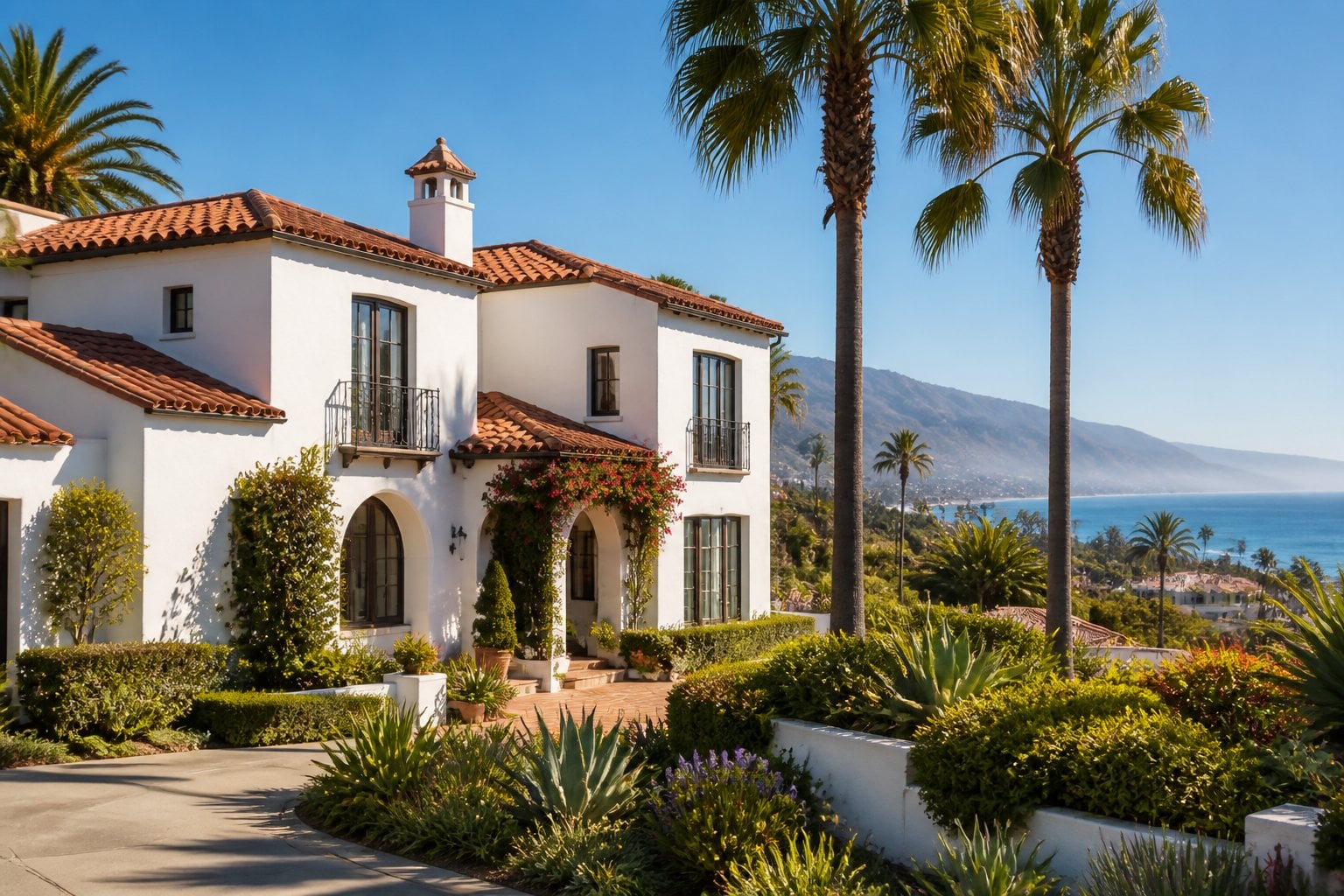
Santa Barbara sits along the California coast between Los Angeles and San Francisco. You’ll find median home prices well above $2 million here, with luxury listings reaching into the tens of millions.
Montecito and Hope Ranch rank among the priciest neighborhoods in the area. These enclaves have attracted celebrities and business executives for decades, which keeps demand steady even as inventory stays limited.
You’re paying for more than square footage in Santa Barbara. Mediterranean-style architecture, ocean views, and proximity to the Santa Ynez Mountains all factor into pricing.
Limited land for new construction adds to the cost. Much of the city is bordered by mountains and ocean, so builders can’t easily expand supply to meet demand.
If you’re considering a purchase here, expect competition for available properties. Cash offers and quick closings often carry weight in this market, and homes in desirable areas tend to sell quickly once listed.
9. Oakland, California
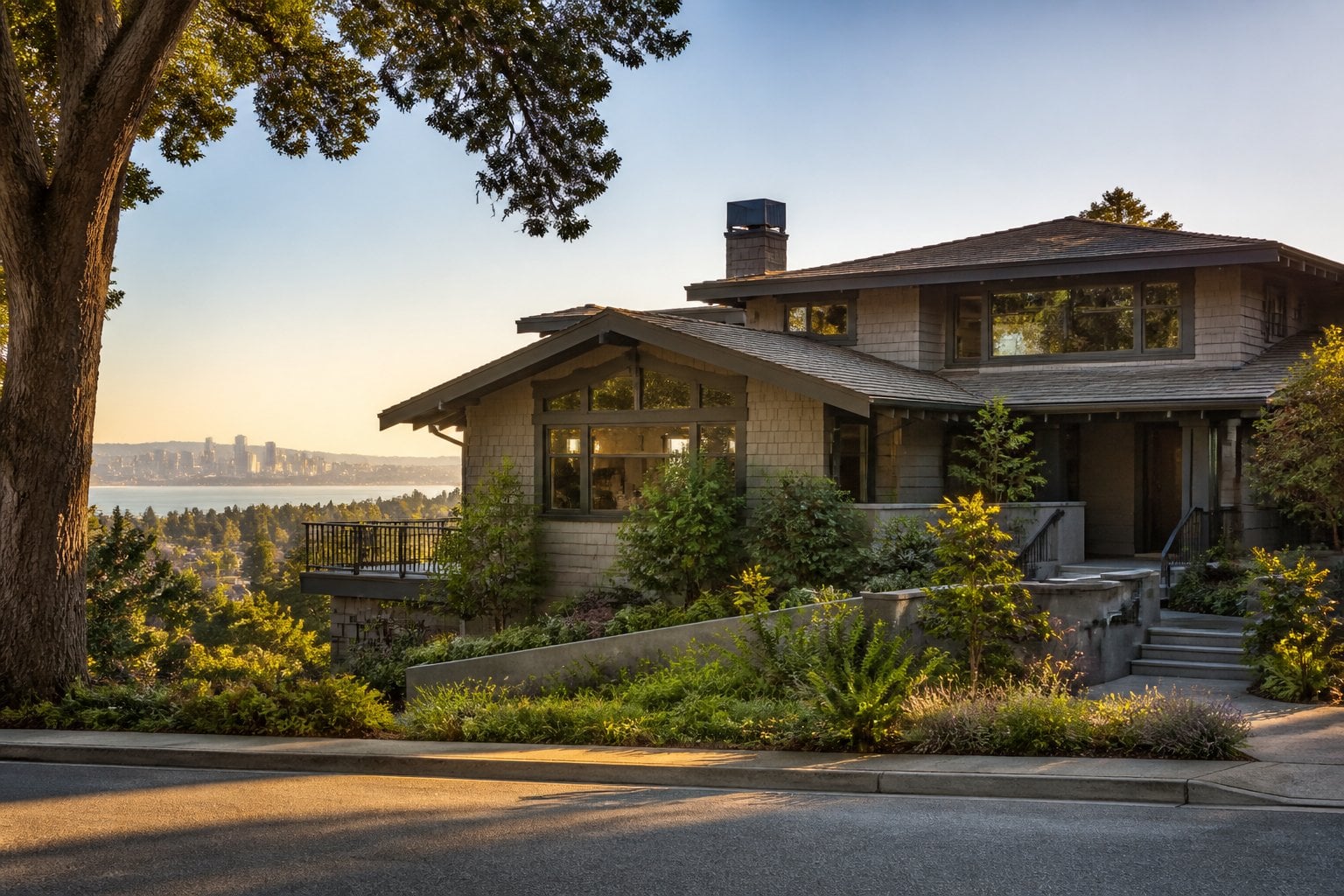
Oakland sits directly across the bay from San Francisco, and its home prices reflect that proximity. You’ll find the city grouped within the San Francisco-Oakland-Berkeley metro, one of the regions with the highest concentration of expensive cities in California.
Luxury listings in Oakland span a wide range, with high-end homes commonly featured on major real estate platforms. If you’re browsing the market here, you’ll notice significant variation between neighborhoods.
Some areas carry a much higher cost of living than others, factoring in real estate, rent, groceries, and general goods and services. You’ll pay a premium for hillside properties with bay views or homes in established, tree-lined districts.
Oakland’s market benefits from limited housing supply and steady demand from buyers priced out of San Francisco. That dynamic keeps values elevated even when broader economic conditions shift, giving you fewer opportunities to find a bargain in this part of the Bay Area.
10. Honolulu, Hawaii
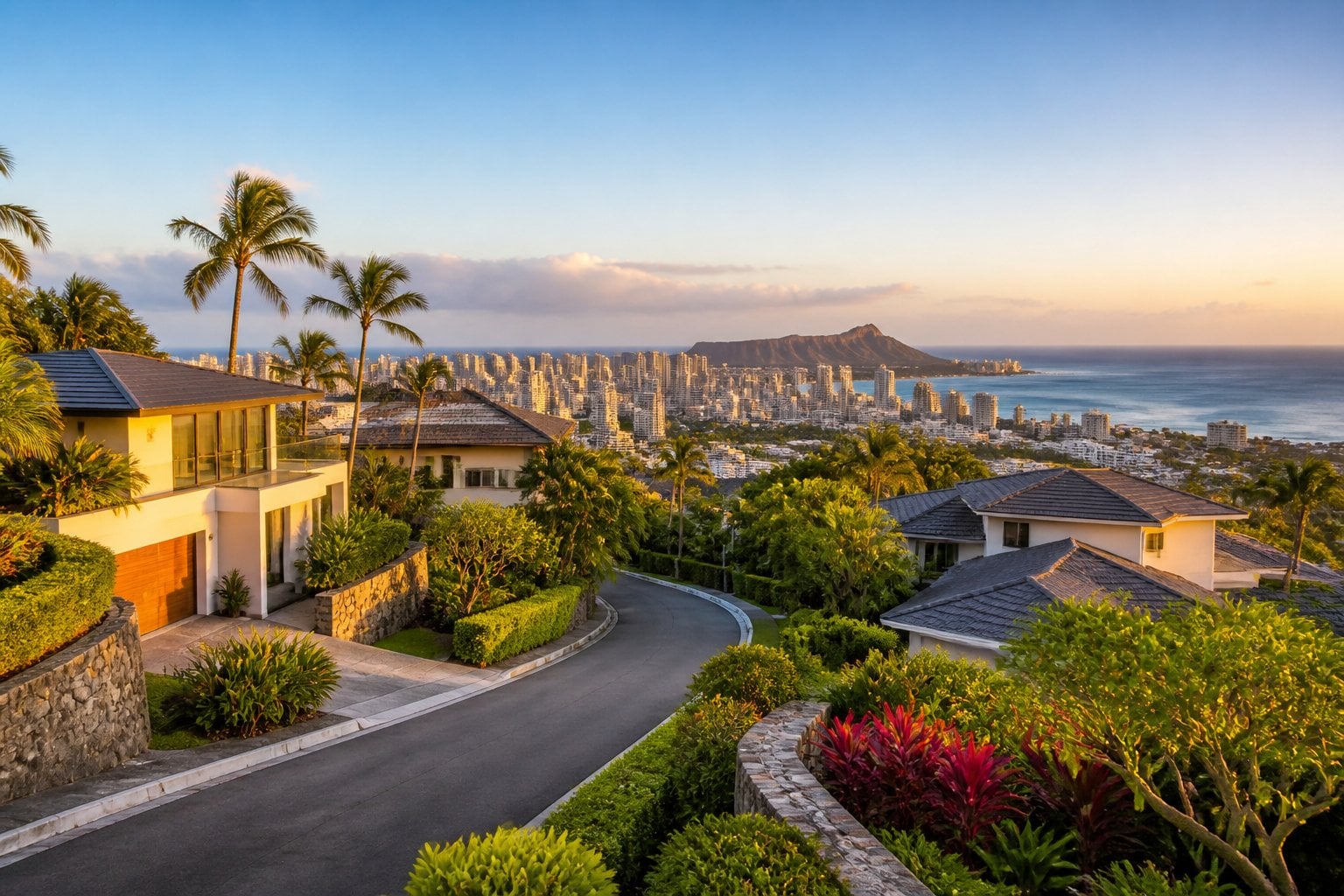
You’ll find Honolulu’s housing costs shaped by geography as much as demand. The city sits on an island with a fixed land supply, so new construction can’t easily expand to meet buyer interest.
Neighborhoods like Kahala, Diamond Head, and Hawaii Loa Ridge post some of the highest median sale prices in the metro area. If you’re shopping in these areas, expect competition from both local buyers and out-of-state investors seeking second homes.
Hawaii’s year-round climate keeps demand steady across seasons. Unlike mainland markets, you won’t see the same seasonal dips in buyer interest here.
Your housing budget in Honolulu also has to account for a market where primary-residence buyers compete directly with vacation-home purchasers. That dynamic pushes prices upward in ways that don’t always track with local wage growth, so affordability remains a persistent concern for residents.
11. Seattle, Washington
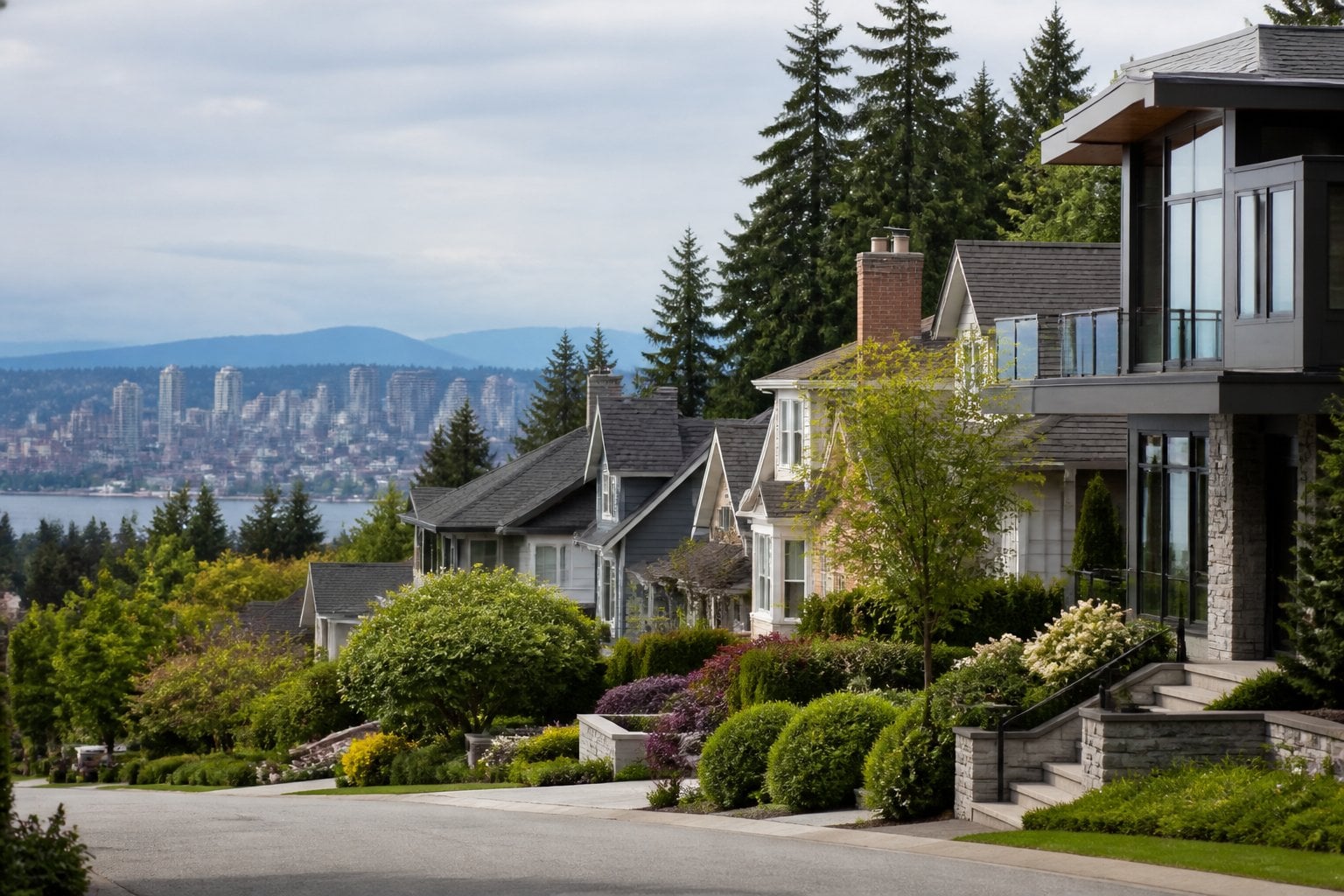
Seattle’s housing market has slowed compared to previous years, but prices remain high. Recent data shows a rare year-over-year price decline for the metro, a shift from the rapid growth Seattle experienced through much of the last decade.
If you’re buying here, expect the median home value to sit well above the national average. Neighborhoods near Lake Washington and downtown Bellevue carry some of the steepest price tags in the region, with waterfront properties commanding significant premiums.
You’ll also notice a wide gap between Seattle proper and its surrounding suburbs. Cities like Medina and Mercer Island typically rank among the priciest in the metro area, while other parts of King County offer more moderate options.
Tech industry wages have historically supported these high prices, giving you context for why Seattle continues to rank among the nation’s costlier markets despite recent cooling.
12. Boulder, Colorado
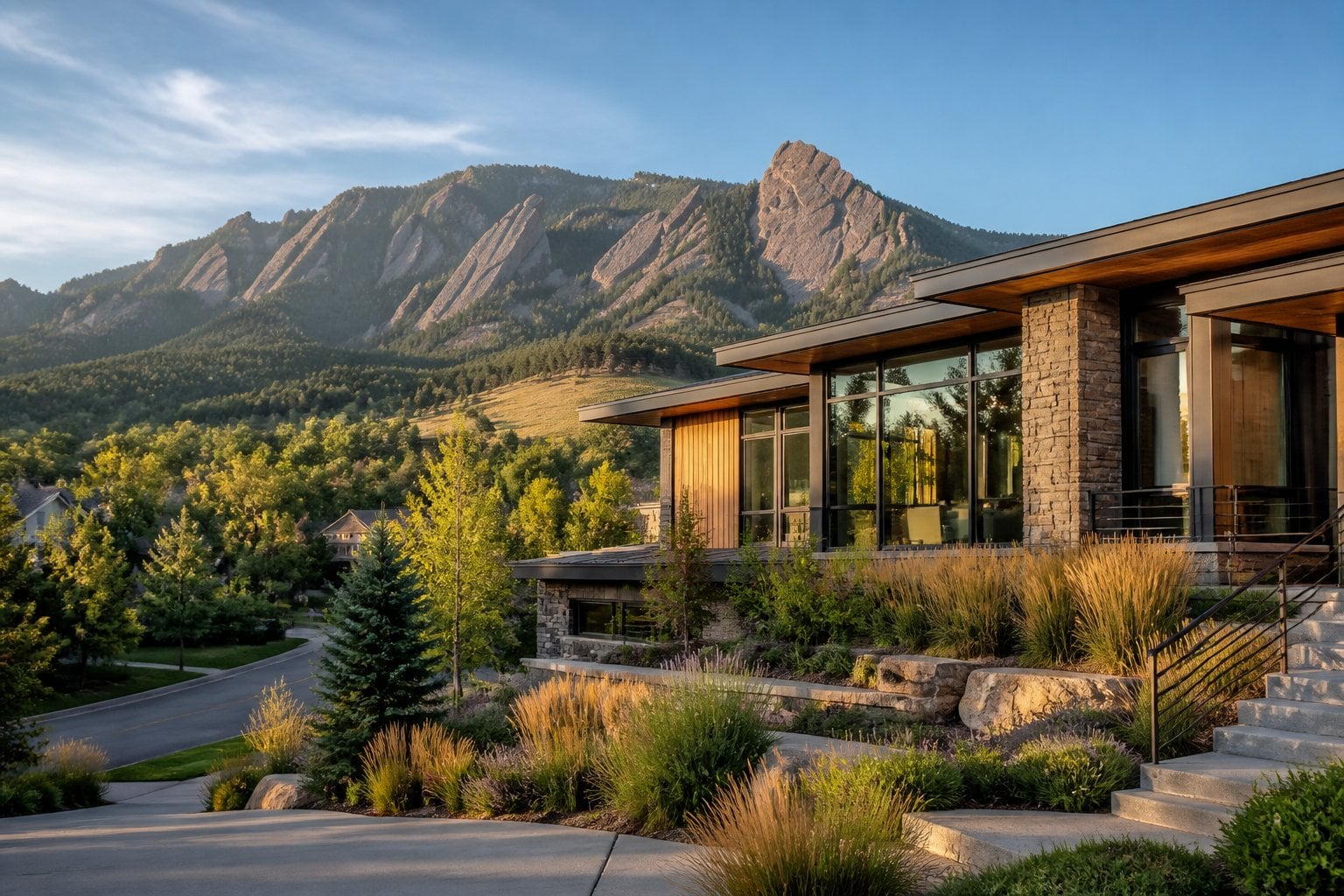
If you’re house hunting in Boulder, expect to pay a premium. The average home value sits around $957,000, one of the highest figures in Colorado.
Prices have stayed fairly steady recently, dipping slightly over the past year. Still, you’re looking at a market that consistently ranks among the priciest in the country, not just the state.
Several factors drive this. Boulder’s location at the base of the Flatirons, its proximity to outdoor recreation, and its status as a hub for tech and university jobs all contribute to sustained demand.
Limited land for new development also keeps supply tight, which supports higher prices across the city’s neighborhoods.
If you’re considering a purchase here, you’ll want to budget accordingly. Even modest homes in Boulder often carry price tags that would buy considerably more space elsewhere in the state.
13. Boston, Massachusetts
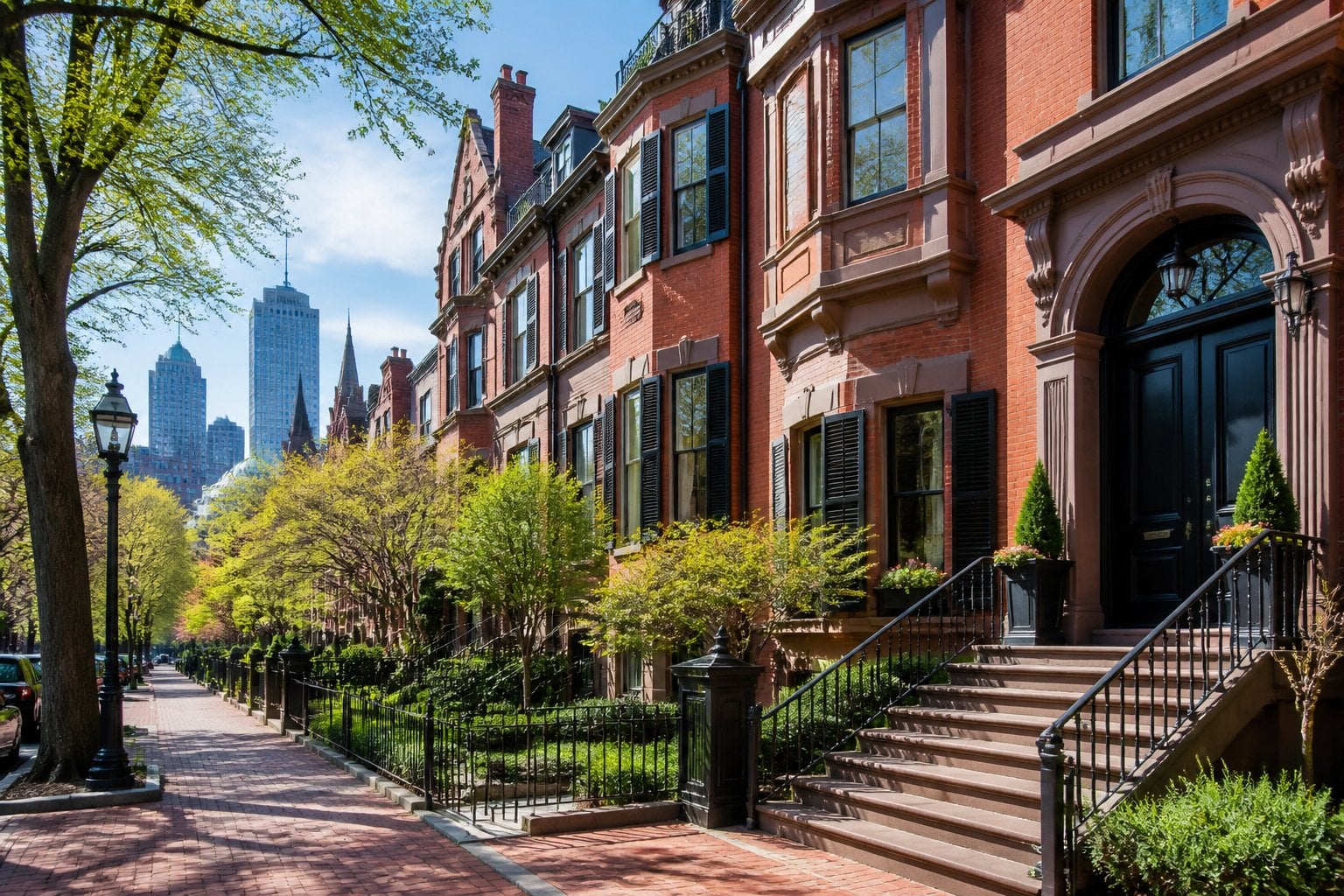
Boston’s median home sale price reached $3,092,500 in 2025, placing it among the priciest markets in the country. You’re paying for more than square footage here.
Historic housing stock, limited land, and proximity to major employers in healthcare, education, and technology all drive costs upward.
Neighborhoods like Beacon Hill push the city’s overall numbers higher, with single-family median prices around $3 million when you exclude more affordable areas like South Boston or Dorchester. If you’re comparing neighborhoods, expect significant variation depending on which part of the city you’re looking at.
Beyond the city itself, nearby suburbs contribute to the region’s high cost of living. Towns like Lexington see median sale prices near $1,748,000, offering proximity to Boston along with highly rated schools.
If you’re considering a move here, you’ll want to weigh location and school district as closely as home size and condition.
14. New York City, New York
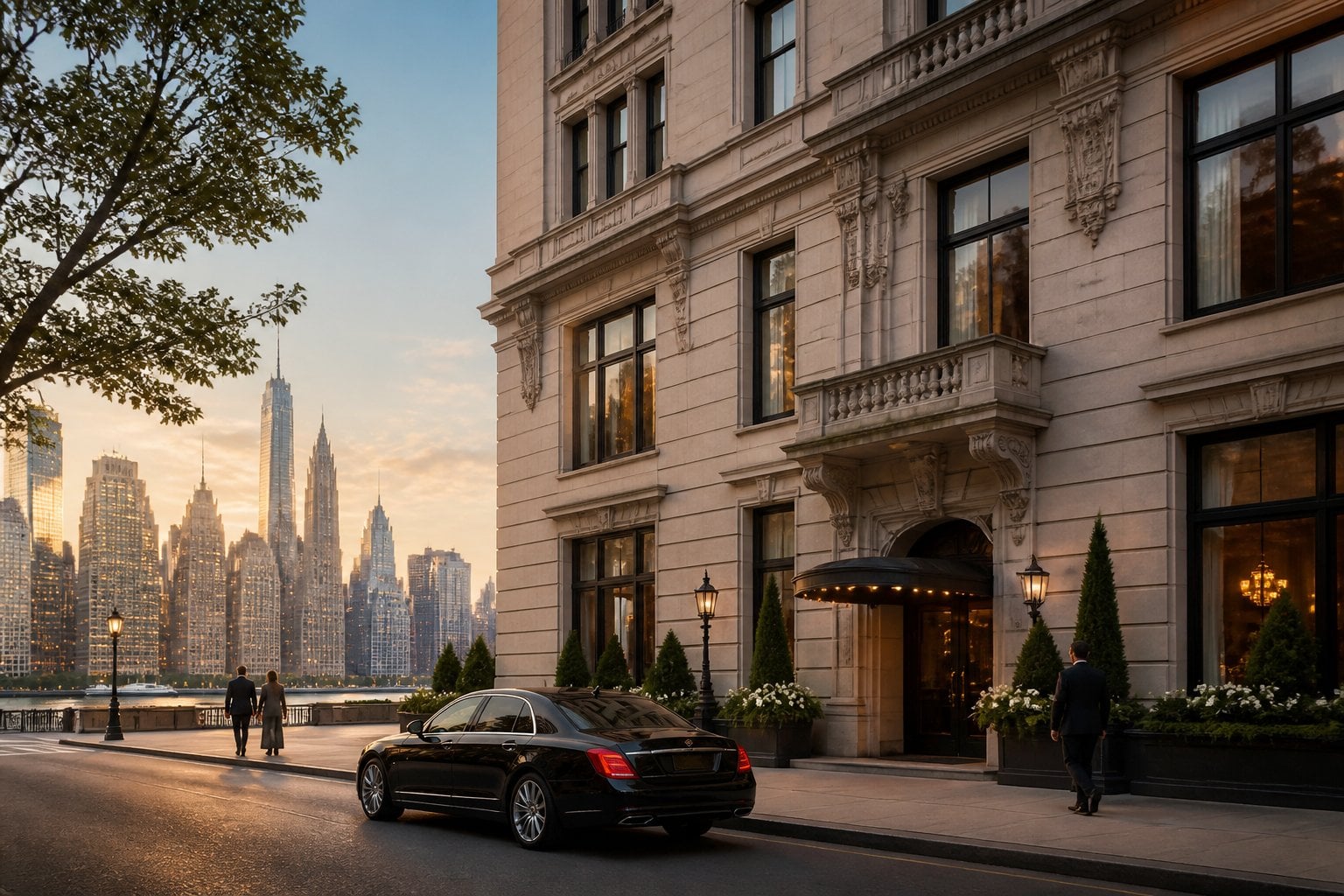
If you’re looking to buy in New York City, expect one of the highest price tags in the country. The median sale price hit $825,000 in the second quarter of 2026, up 3% from the previous year.
Manhattan holds most of the priciest ground. Hudson Yards, SoHo, and Carnegie Hill consistently rank among the most expensive neighborhoods, with SoHo posting a median sale price of $3.41 million.
You’ll pay a premium for location, amenities, and building quality. Newer developments in areas like Hudson Yards come with high-end finishes and services, while older co-ops in neighborhoods like Carnegie Hill often carry strict financial requirements for buyers.
Transaction volume has stayed steady even as prices climbed, with just over 7,000 sales recorded citywide in the second quarter. If you’re entering this market, you should expect competition, limited inventory, and negotiations that move quickly once a desirable listing appears.
15. Bridgeport, Connecticut
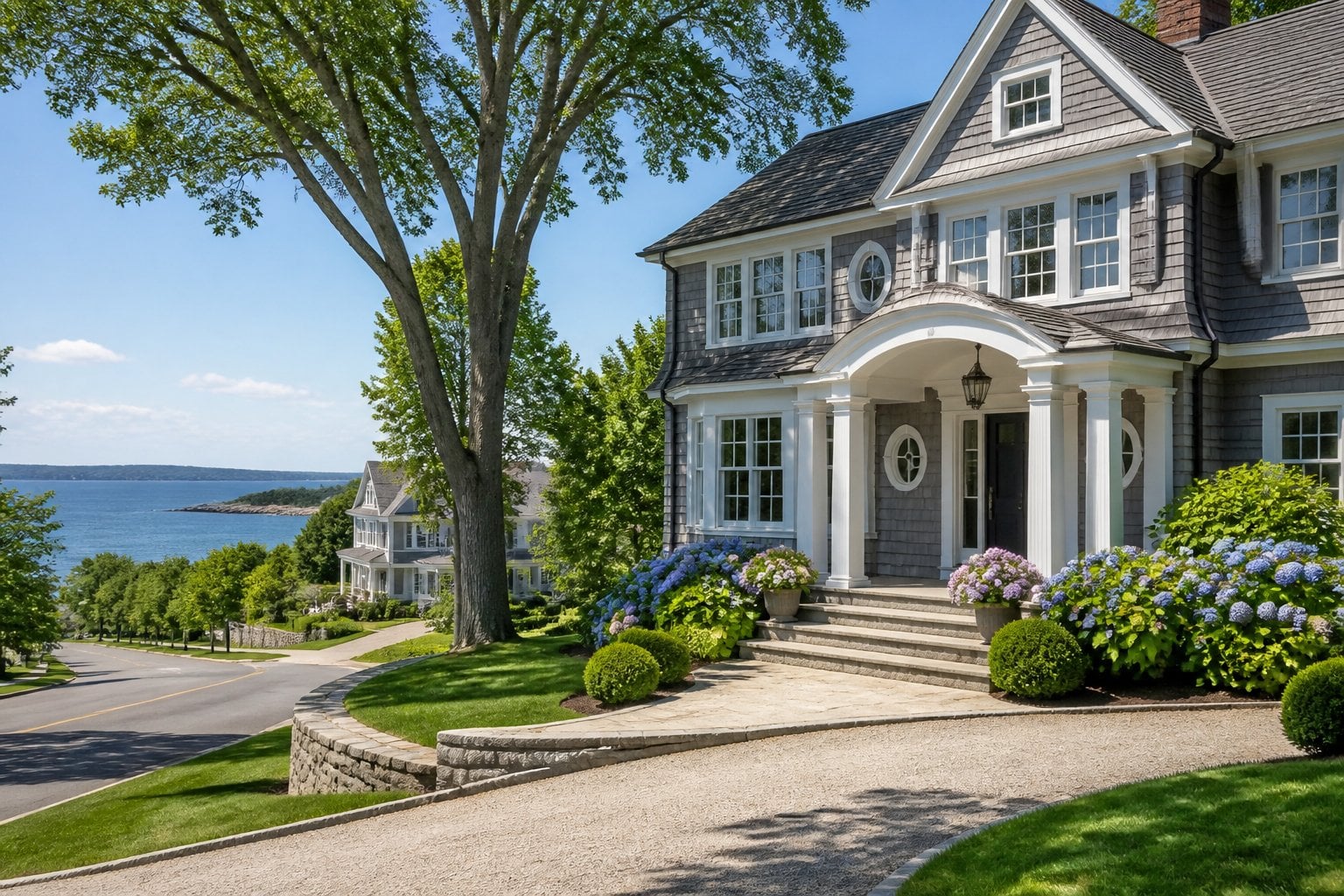
Bridgeport has emerged as one of the more surprising entries on this list. The median home price here sits around $662,866, reflecting a jump of more than 12% in a single year.
You’ll find that this metro’s growth pattern stands out. Prices have climbed over 50% since 2020, a pace that outstrips many other major markets across the country.
Part of the appeal comes from location. Bridgeport sits within commuting range of New York City, which makes it attractive if you want proximity to the city without paying New York prices directly.
That demand has pushed Bridgeport past NYC itself in median home price, a shift that reflects how buyers are increasingly looking toward outer metro areas for value. If you’re considering this market, expect competition from commuters seeking relatively more space for their money.
16. Washington, D.C.
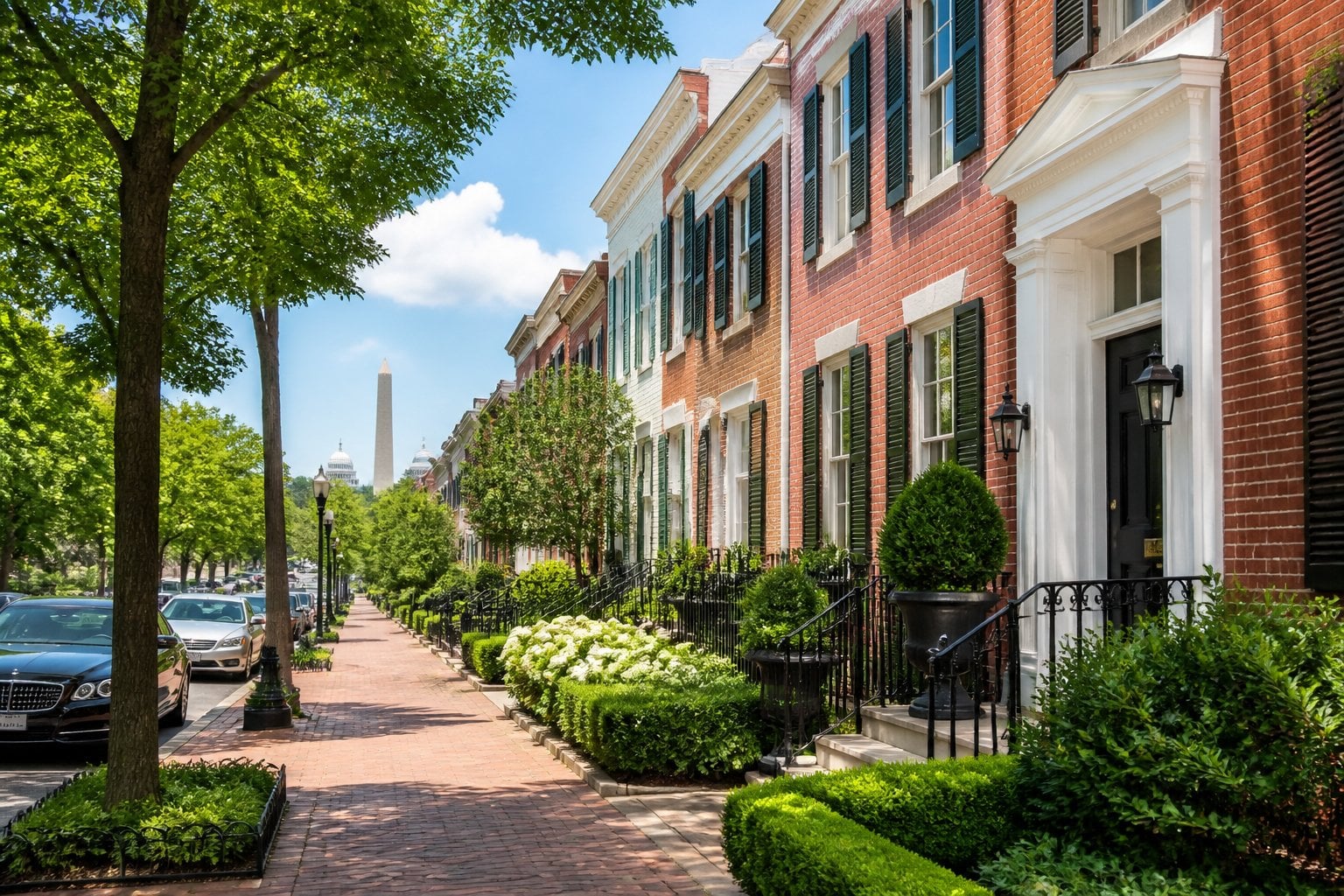
Washington, D.C. remains one of the most expensive housing markets in the country, driven by steady demand from government, legal, and diplomatic professionals. The city’s overall median sale price sits well above the national average, with luxury neighborhoods pushing prices far higher.
If you’re looking at areas like Georgetown, Kalorama, or Wesley Heights, you should expect median home prices to exceed $1 million, with some listings reaching several million dollars. These neighborhoods attract buyers who value proximity to embassies, historic architecture, and established prestige.
Limited inventory continues to keep prices elevated across the District. You’ll find that even with fluctuating interest rates, high-end buyers often move forward with all-cash offers, which keeps competition strong.
If you’re considering a purchase here, you should factor in D.C.’s high property taxes and the added cost of maintaining historic homes, many of which require careful upkeep to preserve their original character.
17. Miami Beach, Florida
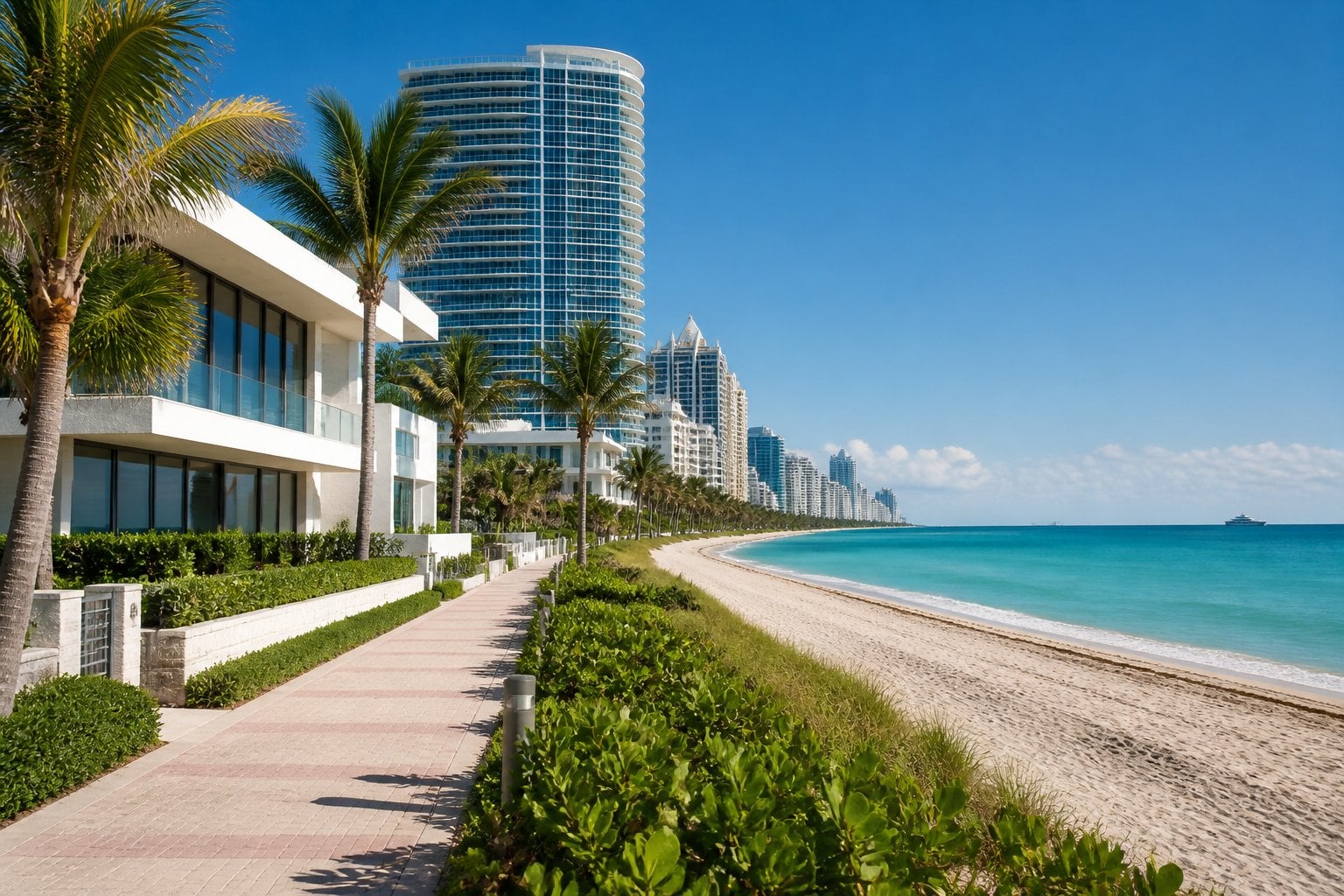
Miami Beach remains one of the priciest markets in the country, driven by oceanfront condos and private estates. The Shore Club Residences set a city record in May 2024, when a penthouse there went under contract for $120 million.
You’ll find the steepest prices in neighborhoods like Gables Estates and along the barrier island’s waterfront corridors. Homes here often include private docks, direct beach access, or unobstructed bay views.
Buyers face limited inventory and high demand from both domestic and international purchasers. Many properties are marketed as investment assets rather than primary residences, which keeps competition intense at the upper end.
If you’re considering Miami Beach, expect entry points in the low millions for modest properties, with luxury listings climbing well past $10 million. Taxes, insurance costs, and flood risk should factor into your decision, given the area’s coastal exposure.
18. Miami, Florida
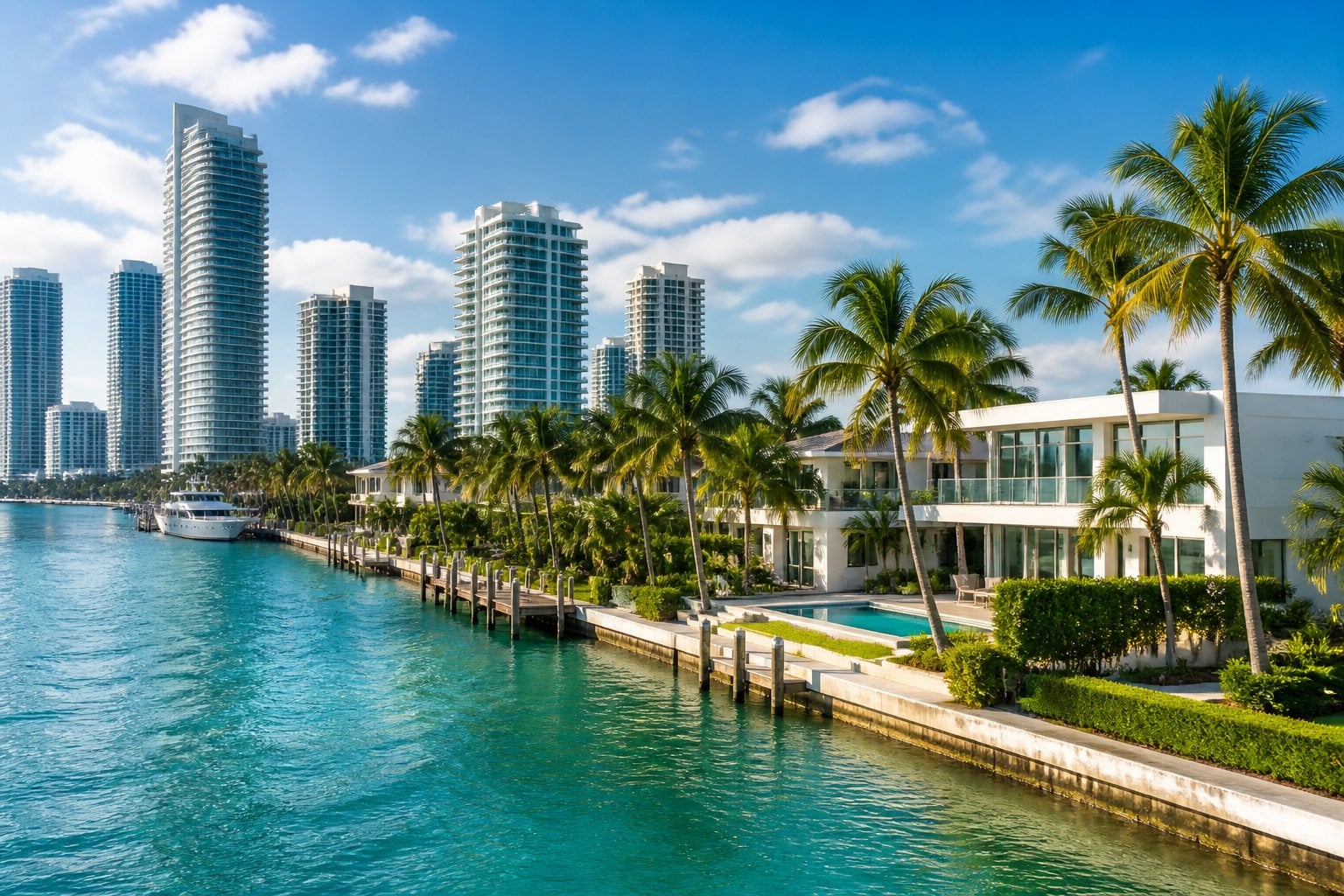
Miami’s real estate market reflects its status as an international hub for finance, tourism, and culture. You’ll find some of the highest home prices concentrated in waterfront neighborhoods like Gables Estates, Coconut Grove, and Indian Creek Island.
Indian Creek Island stands out as one of the most exclusive addresses in the country, with only about 40 properties spread across 250 acres. You’ll notice it draws high-profile buyers, including business leaders and entertainment figures.
Prices in Miami’s top neighborhoods often reach into the tens of millions, with some luxury listings exceeding $90 million. Waterfront access, private docks, and proximity to downtown Miami all factor into these valuations.
If you’re considering a purchase here, you should expect competition from both domestic and international buyers. Miami’s combination of climate, lifestyle, and global connectivity continues to support strong demand at the highest price points.
19. Jersey City, New Jersey
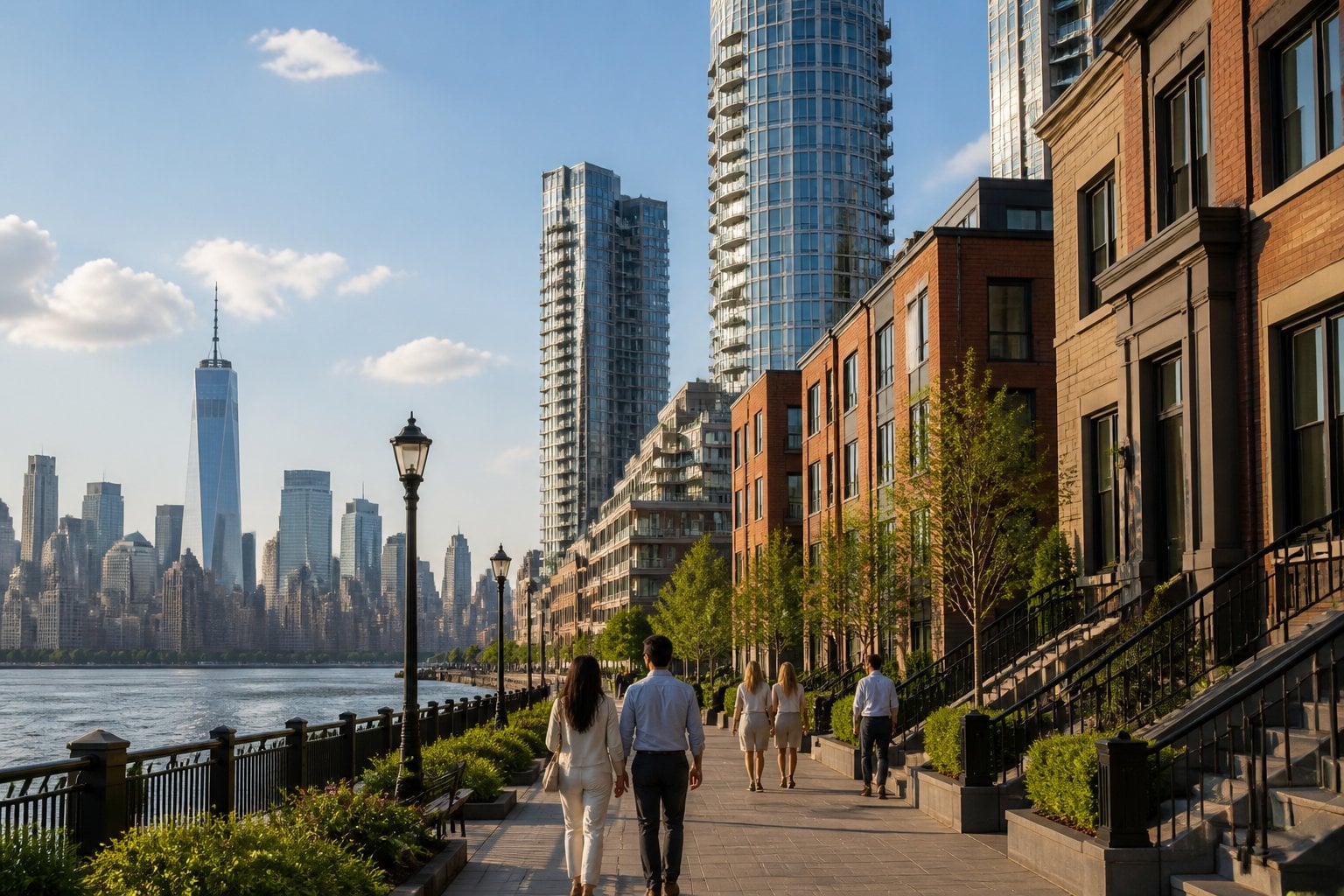
If you’re looking across the river from Manhattan, you’ll find Jersey City, one of the priciest housing markets in New Jersey. The average home value sits around $670,000, though that figure has dipped slightly over the past year.
Your proximity to New York City drives much of the demand here. Commuters can reach Manhattan in minutes via PATH trains or ferries, so you’re paying a premium for that convenience.
Neighborhoods vary widely in cost. Downtown Jersey City and areas near the waterfront tend to command the highest prices, with luxury condos often exceeding $1 million.
You’ll also notice a diverse housing stock, from high-rise condos to historic brownstones. This mix gives you options, but it doesn’t change the fact that Jersey City remains one of the more expensive places to buy in the state.
20. Naples, Florida
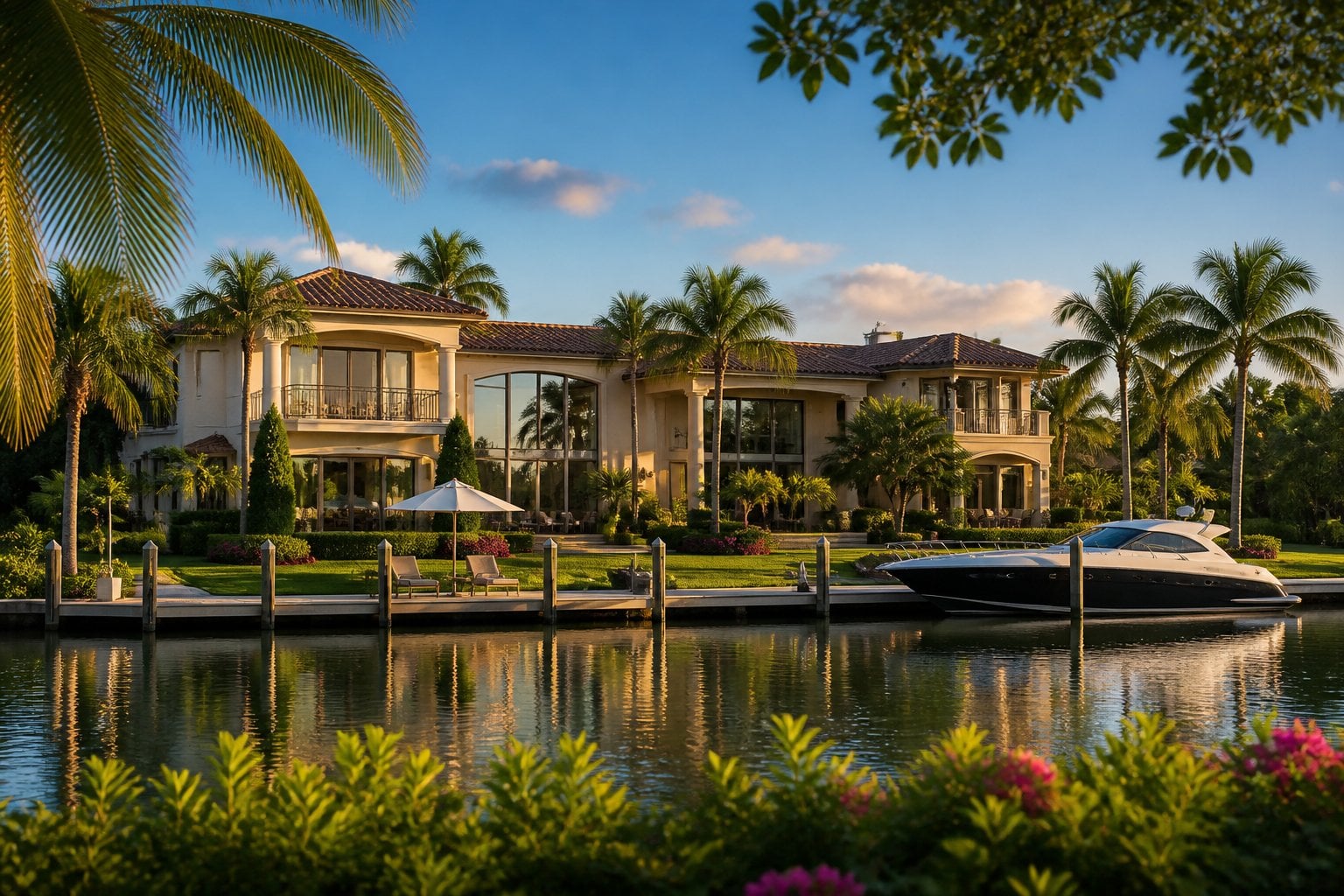
Naples sits on Florida’s Gulf Coast and consistently ranks among the priciest housing markets in the country. If you’re considering a purchase here, Port Royal stands out as the top-tier neighborhood, with waterfront estates that have sold well above $100 million in recent years.
You’ll find that location drives most of the price variation. Homes with direct Gulf access or canal frontage in Port Royal and Pelican Bay command significantly higher prices than inland properties.
In 2025, a Port Royal estate sold for $225 million, marking one of the highest residential sale prices ever recorded in the United States. This kind of transaction reflects the demand among buyers seeking privacy, waterfront access, and proximity to Naples’ downtown amenities.
Beyond the ultra-luxury segment, you’ll still pay a premium for standard single-family homes compared to national averages, largely due to limited inventory and steady demand from retirees and seasonal residents.
21. Arlington, Virginia
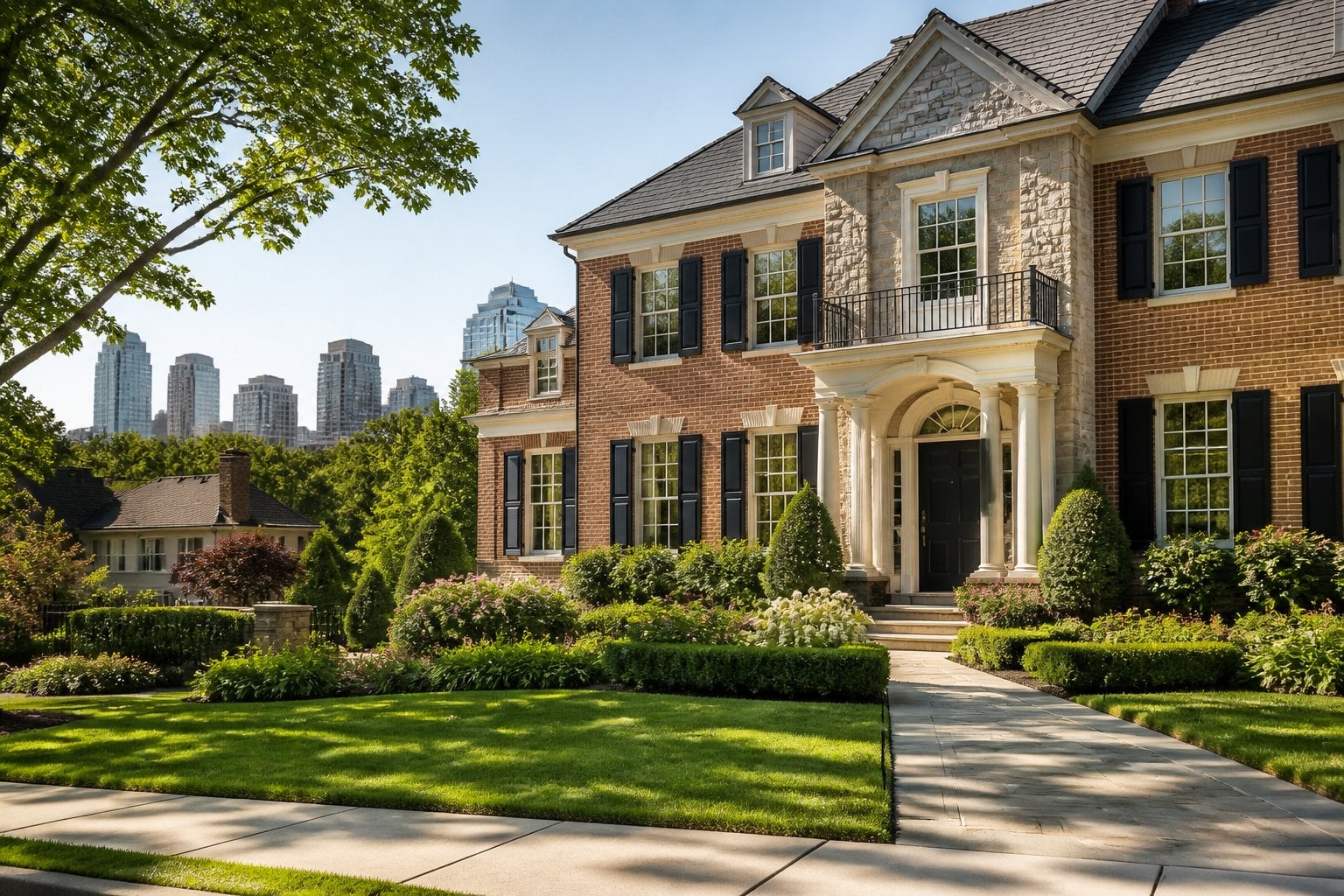
Arlington sits just across the Potomac River from Washington, D.C., and its proximity to the capital keeps demand high. You’ll find the average home value hovering around $815,000, with some neighborhoods commanding significantly more.
The county holds six of the ten most expensive zip codes in Northern Virginia, so you can expect prices to vary sharply depending on where you look. Neighborhoods closer to Metro stations and D.C. tend to carry the steepest premiums.
Your housing dollar in Arlington buys access to strong job opportunities, given the concentration of government and defense-related employers nearby. Inventory has increased in recent years, though competition among buyers remains steady.
If you’re considering Arlington, factor in the cost of living beyond just the mortgage. Groceries, services, and rental rates all run higher than the national average, reflecting the area’s overall demand.
22. Austin, Texas
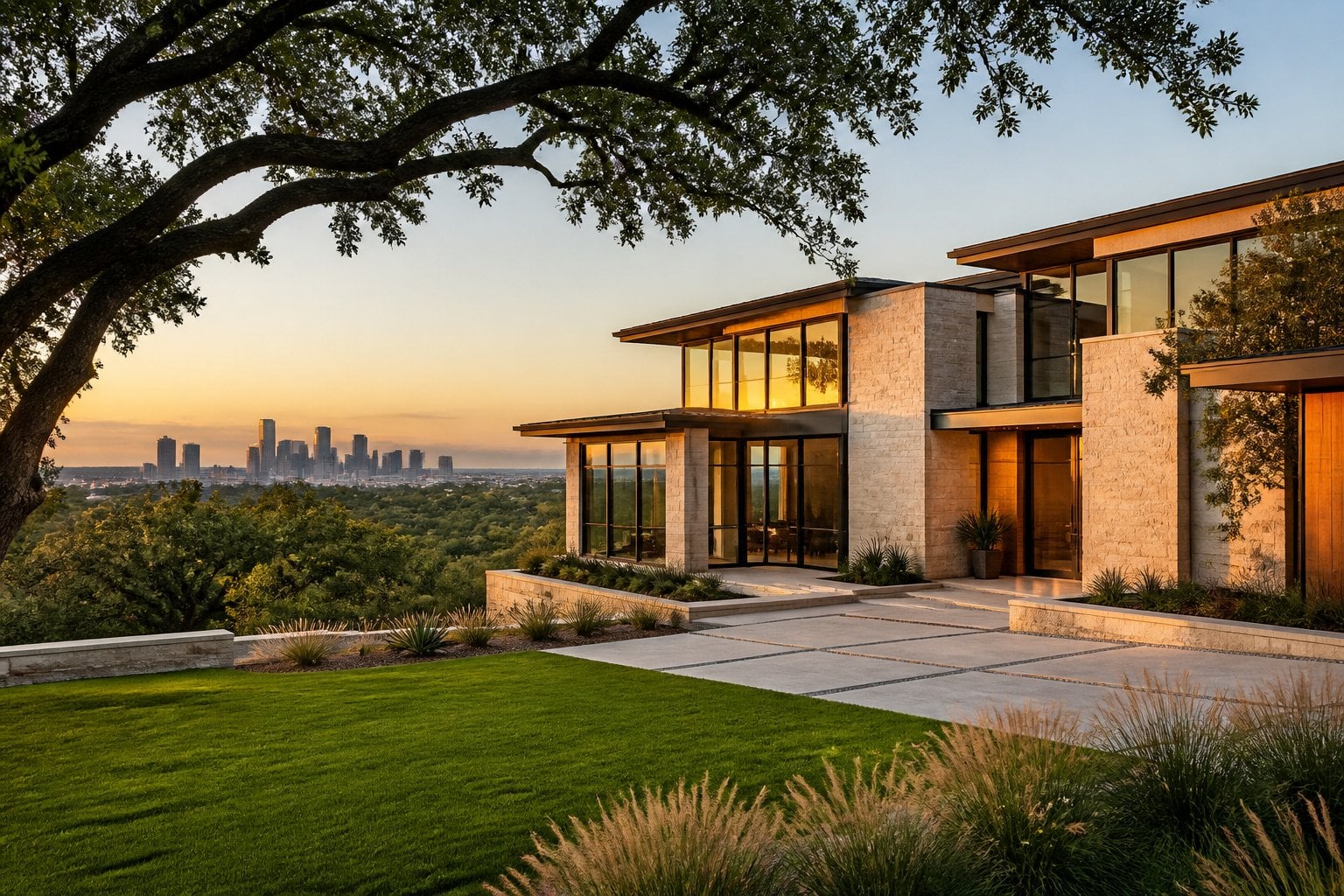
Austin has become one of the most expensive housing markets in Texas, driven by tech industry growth and steady population gains. If you’re considering a home here, expect prices well above the national median.
Lake Austin and Lake Travis command some of the highest premiums in the metro area. Homes along these waterfronts often feature private docks, expansive lots, and Hill Country views, which push values into the multimillion-dollar range.
You’ll also find high-end properties near luxury golf courses and in neighborhoods close to downtown. These areas attract buyers seeking both convenience and exclusivity.
Beyond the city itself, several surrounding suburbs in the Austin metro have seen rising home values, reflecting the broader demand across the region. Location, lot size, and proximity to water remain the strongest factors influencing price in this market.
If you’re shopping for a home in Austin, understanding these patterns can help you set realistic expectations.
23. Denver, Colorado
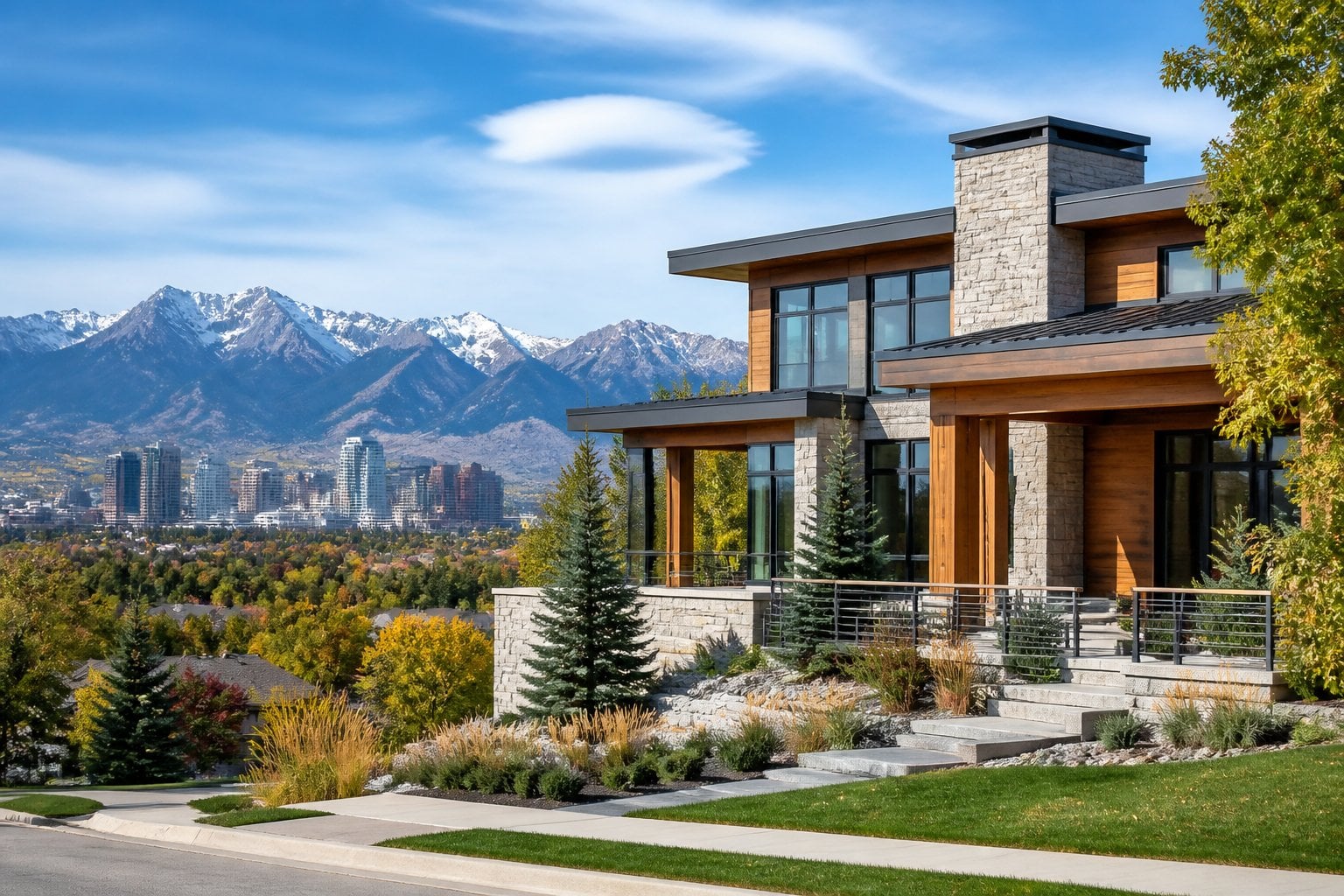
Denver’s home prices have climbed well past the national median, driven by steady population growth and a strong local job market. You’ll find the highest costs concentrated in neighborhoods like Cherry Creek and Washington Park, where single-family homes often approach or exceed $900,000.
If you’re shopping in areas like Capitol Hill, you’ll see more affordable condo options, though even these have risen sharply over the past few years.
Denver’s appeal comes from its combination of urban amenities and proximity to the mountains, which continues to attract buyers from out of state. You should also expect competitive bidding in desirable neighborhoods, especially near downtown and Cherry Creek North.
Property taxes remain relatively moderate compared to other high-cost metro areas, but overall affordability has tightened as inventory struggles to keep pace with demand. Your budget will stretch further in outer suburbs than in the city’s core.
24. Portland, Oregon
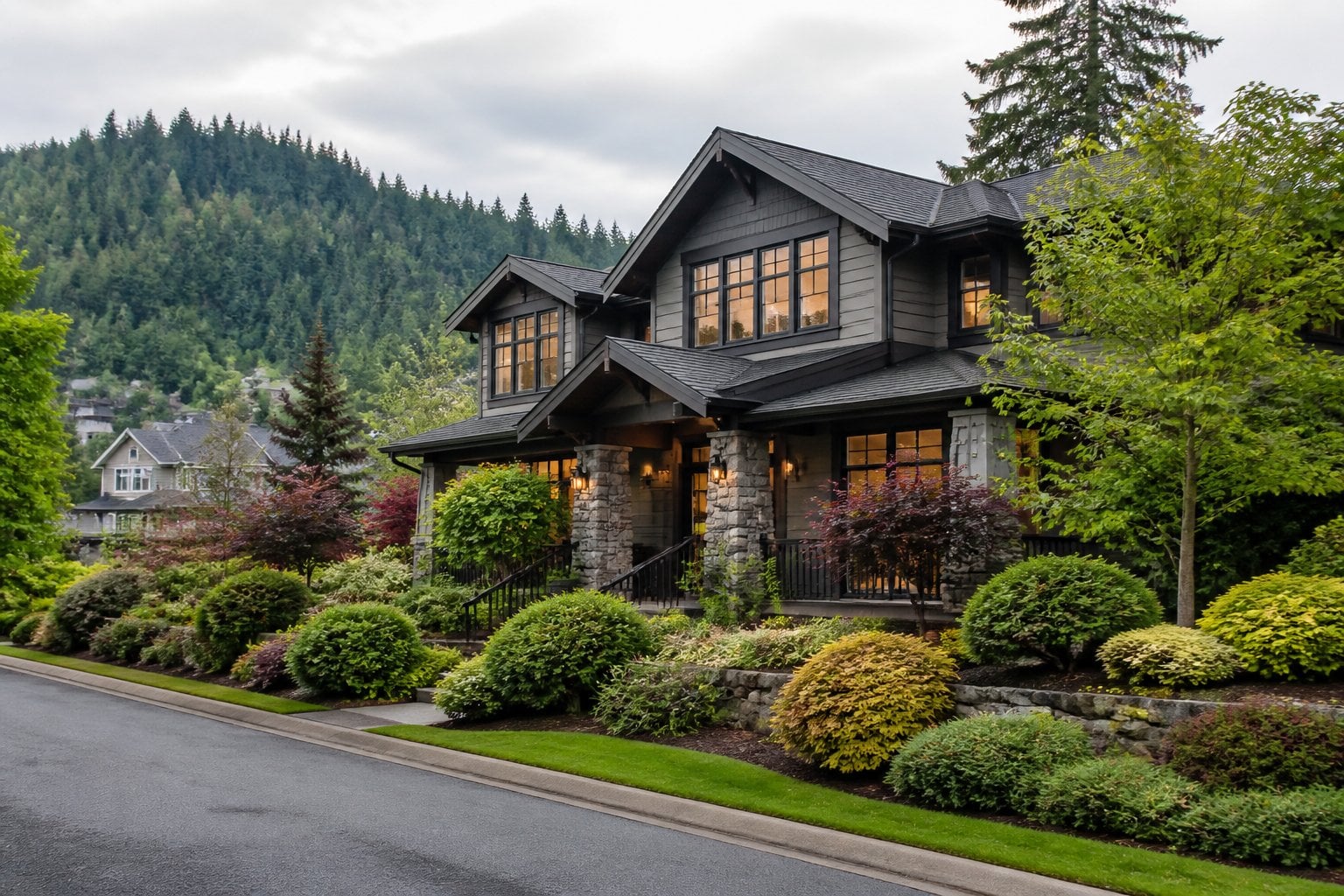
Portland’s housing market reflects a wide gap between its priciest neighborhoods and the city median. In areas like the West Hills, you’ll find home prices exceeding $1.4 million, well above the typical citywide figure.
Dunthorpe and Forest Highlands also rank among the most expensive pockets. These neighborhoods offer larger lots, mature landscaping, and proximity to natural areas like Tryon Creek.
You’re paying for more than square footage here. Privacy, views, and access to well-regarded schools all factor into the premium.
Eastmoreland rounds out the list of high-cost areas, known for its historic homes and tree-lined streets. If you’re comparing Portland to other major West Coast cities, it remains more affordable overall, but its top-tier neighborhoods compete with national luxury markets.
Buyers should expect limited inventory in these areas, since turnover is slow and demand for character homes stays consistent year over year.
25. Sacramento, California
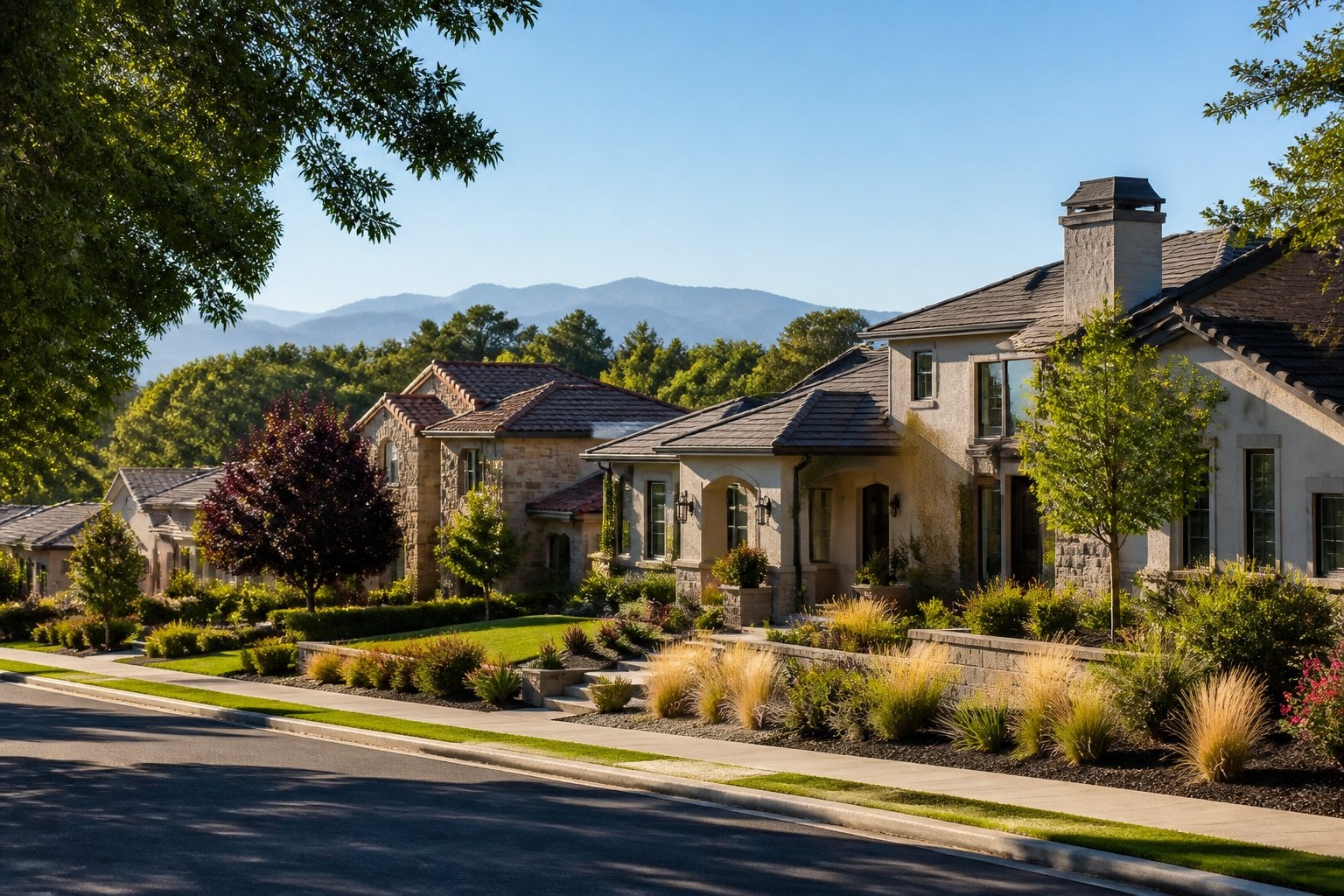
Sacramento’s home prices sit well below the coastal California markets, but the city still ranks among the nation’s pricier metros. You’ll find the median home value hovering in the mid-$500,000s, a figure driven by steady demand from buyers priced out of the Bay Area.
Proximity matters here. Sacramento sits roughly two hours from San Francisco, making it an attractive alternative for remote workers and families seeking more space for less money.
If you’re shopping in this market, expect variation by neighborhood. East Sacramento and Land Park command higher prices than areas further from downtown.
Suburbs like Granite Bay and El Dorado Hills push the regional average up further, with some listings reaching into the millions.
You should also factor in California’s broader cost pressures. Property taxes, insurance, and utility costs add to your overall ownership expenses beyond the purchase price itself.
26. Riverside, California
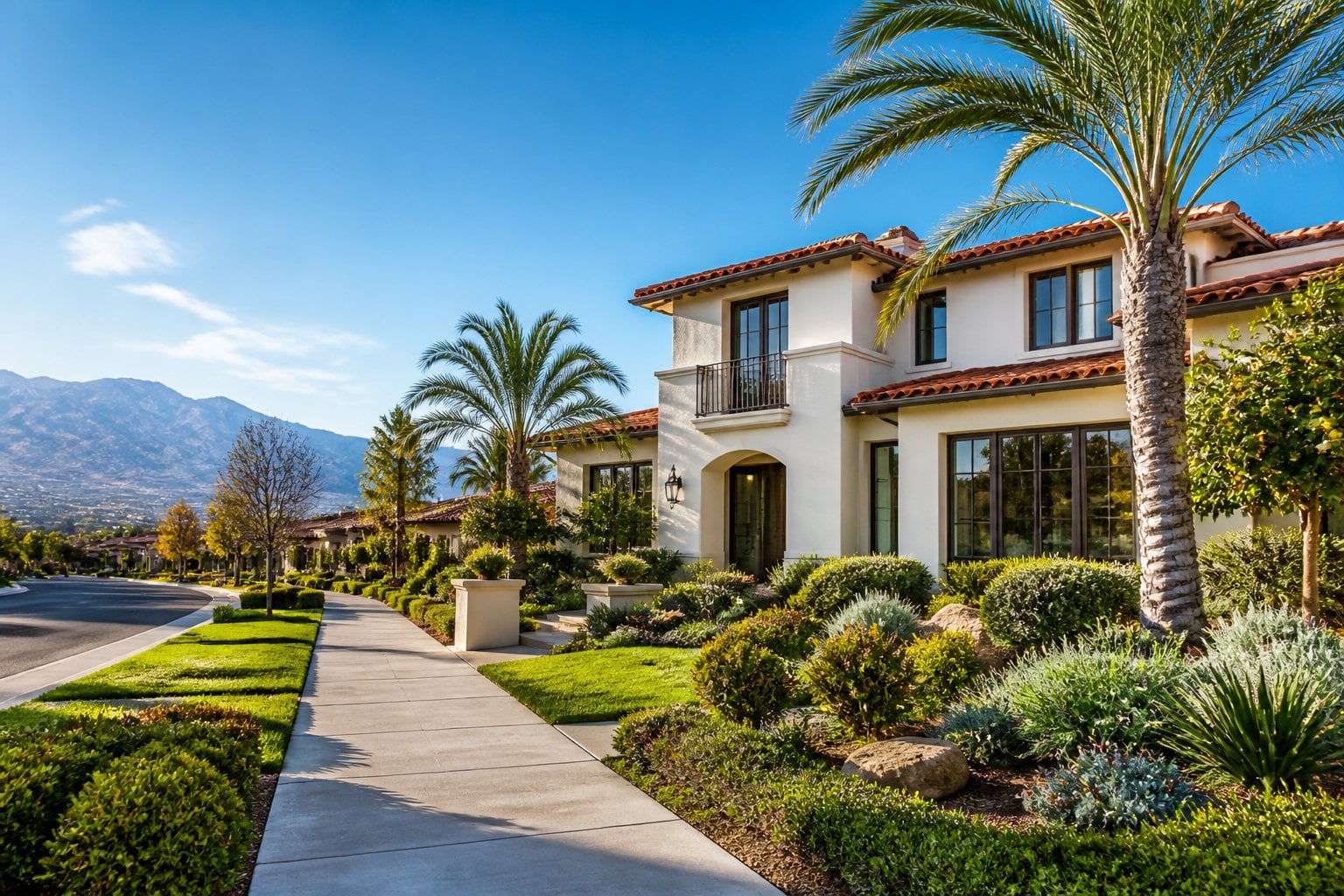
Riverside offers a mix of established neighborhoods and newer developments, with prices varying widely depending on location. Areas near top-rated school districts, including those served by Corona-Norco Unified, tend to carry higher price tags than the citywide average.
You’ll find the steepest prices in neighborhoods with larger lots, custom-built homes, and proximity to amenities like golf courses or scenic views. Homes in these pockets often sell well above the median for the broader Riverside metro area.
If you’re comparing Riverside to other cities in the county, you’ll notice it doesn’t top the list the way Indian Wells or Eastvale do. Still, its most sought-after neighborhoods can rival those markets in terms of per-square-foot costs.
Your budget for a home here depends heavily on which district you choose, since school quality and lot size drive much of the price variation across the city.
27. Anaheim, California
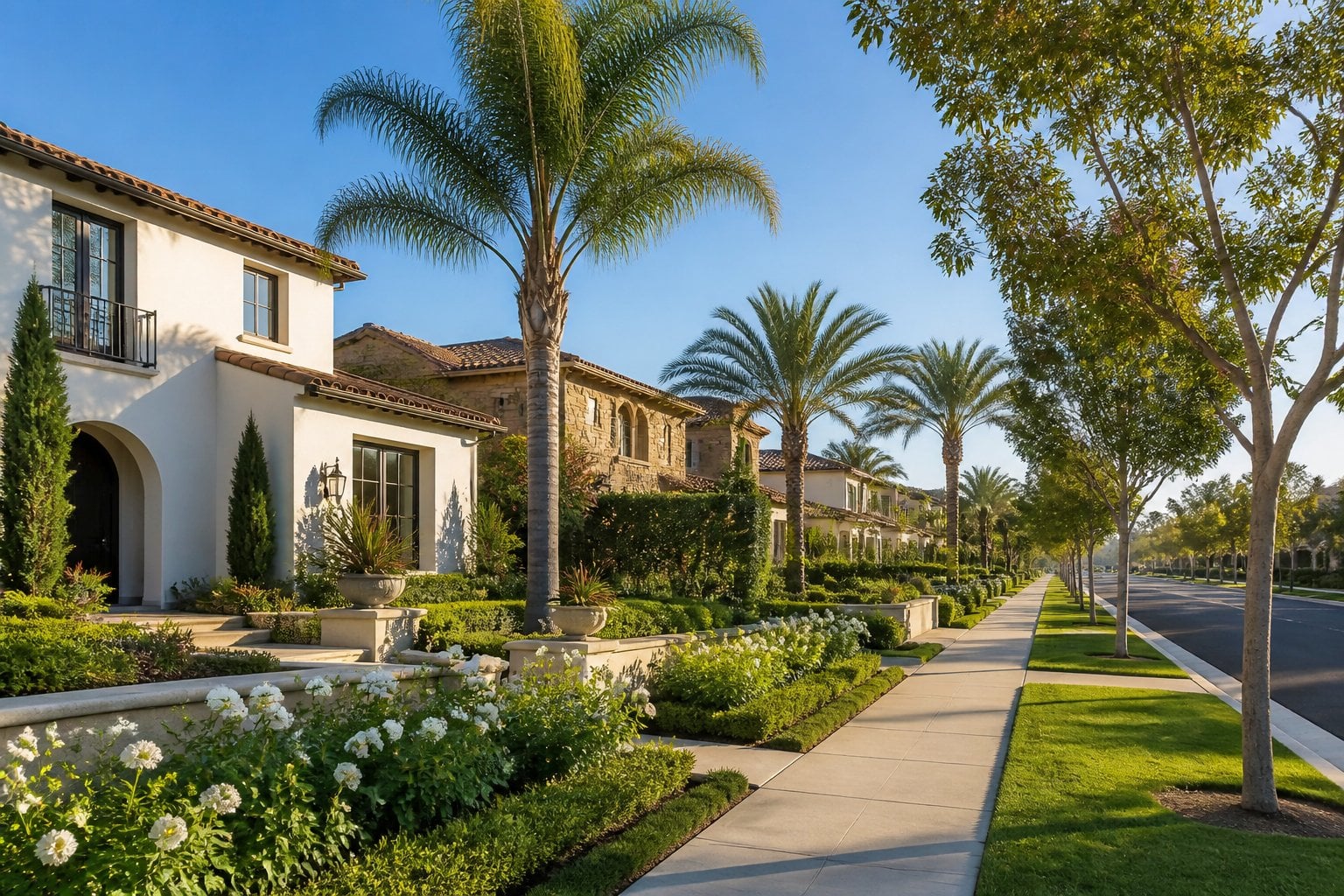
Anaheim’s median home value sits around $953,000, well above the national average. You’ll find that Orange County’s tourism economy and proximity to the coast keep demand strong here.
Beyond the theme park crowds, you’re looking at a housing market shaped by limited land and steady population pressure. Anaheim’s neighborhoods vary widely in price, but even modest homes command figures that would qualify as upscale in most other states.
If you’re considering a move, know that Anaheim’s cost of living extends past housing. Groceries, services, and everyday expenses run higher than national norms too.
Buyers competing for property here typically face multiple offers and quick sales. You should expect that entry-level homes rarely stay on the market long, and price growth has continued at a measured but persistent pace over the past year.
28. San Mateo, California
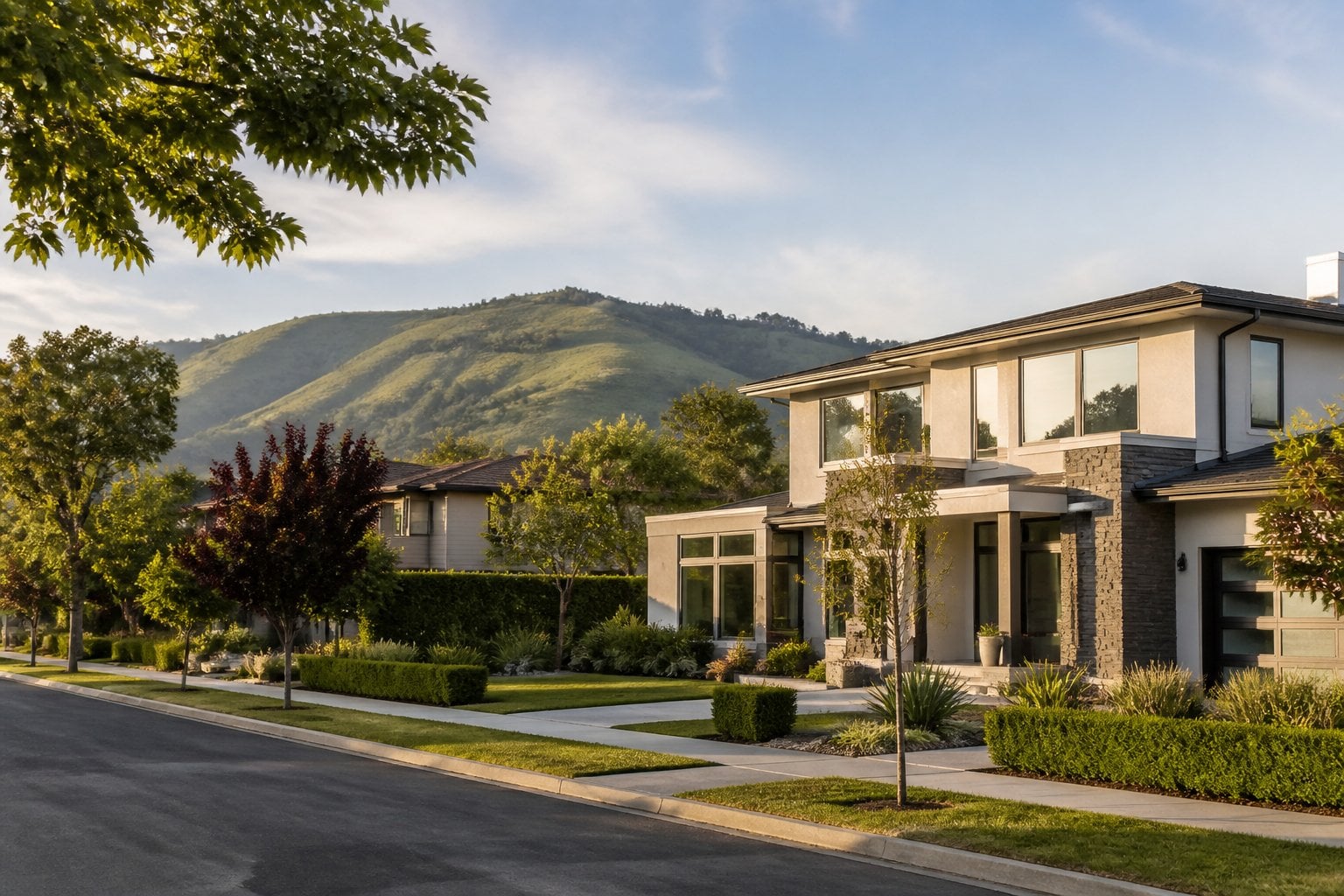
San Mateo sits between San Francisco and Silicon Valley, and its home prices reflect that position. You’ll find yourself paying a premium for the location alone, even before factoring in the quality of the property itself.
The city’s proximity to major tech employers keeps demand high among buyers with substantial incomes. You’re competing with people who work at nearby tech companies and have the earnings to match this market.
Housing inventory here stays limited relative to demand. When you search for a home in San Mateo, you’ll notice fewer options at lower price points compared to other parts of the country.
San Mateo County ranks among California’s priciest housing markets, and San Mateo itself follows that pattern closely. If you’re considering a purchase here, you should expect to compete for properties and pay well above the national median.
29. Palo Alto, California
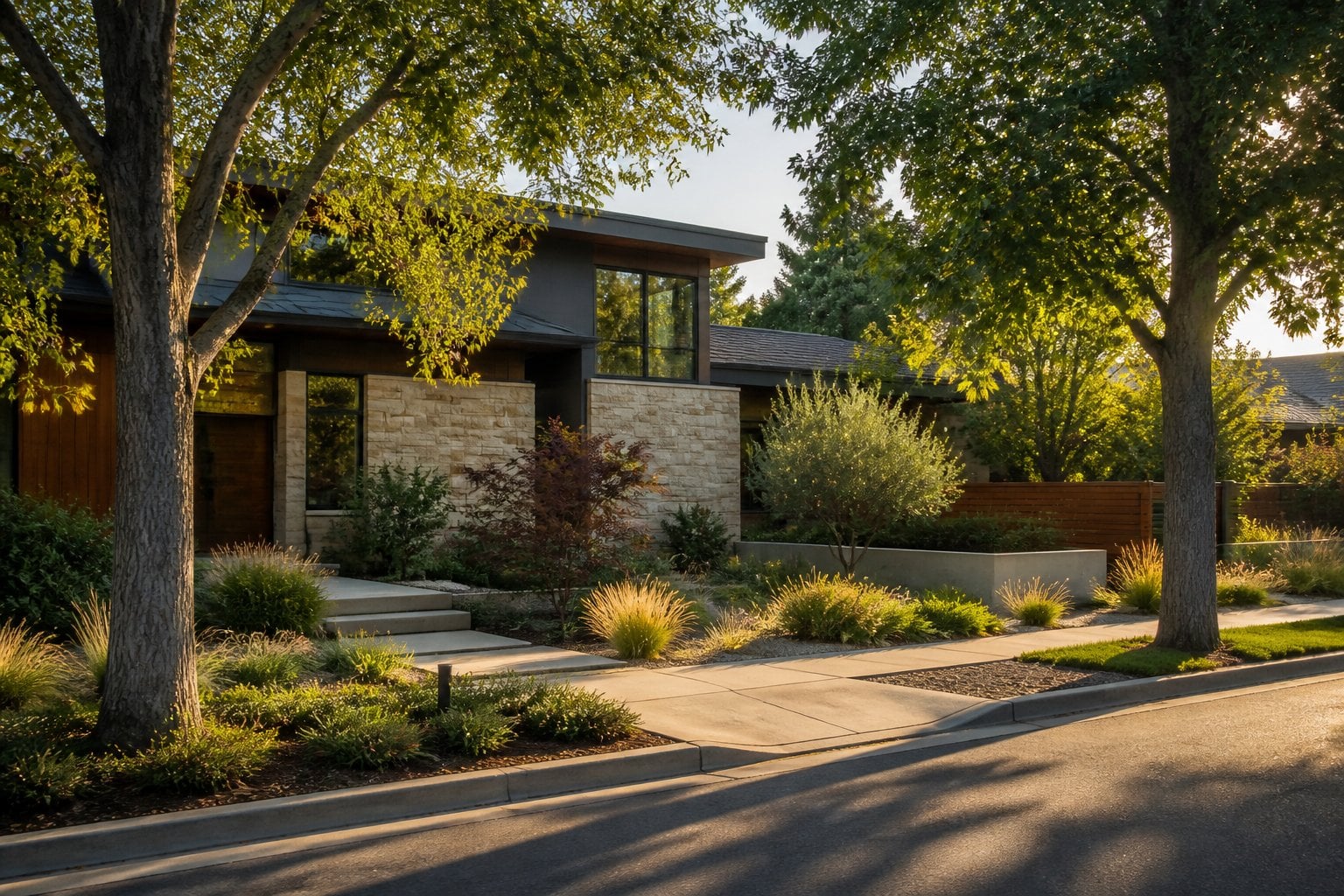
Palo Alto sits at the heart of Silicon Valley, and its home prices reflect the wealth concentrated in the tech industry. The median home sale price here runs around $3.43 million, and homes typically sell in less than a month.
You’ll find that proximity to Stanford University and major tech employers drives much of the demand. Buyers with high incomes from tech jobs compete for a limited housing supply, which keeps prices elevated year after year.
Neighborhoods like Palo Alto Hills carry some of the highest price tags in the city, though pricing varies block by block. Even smaller homes command multi-million dollar price tags due to lot value and location.
If you’re comparing ownership costs to renting, you’ll notice a significant gap. Buying here costs several times more than renting a comparable property, making Palo Alto a market where cash reserves and strong financing matter.
30. Berkeley, California
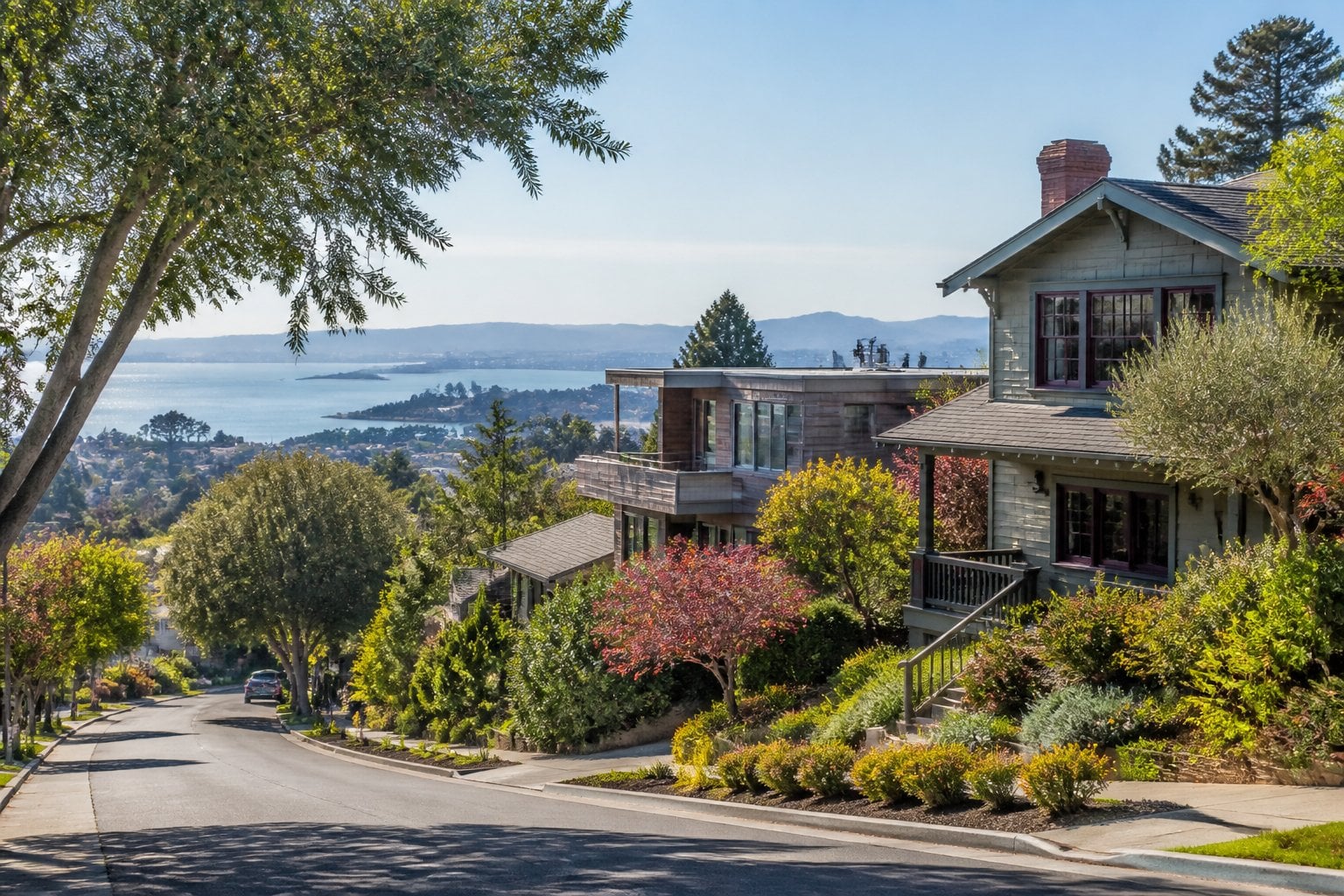
Berkeley rounds out the list, with a median home value around $1.4 million. That figure sits well above the national median of roughly $368,751, but below many other California cities on this list.
Your money goes toward proximity to San Francisco and the East Bay job market. Berkeley also benefits from its association with UC Berkeley, which keeps demand steady among faculty, staff, and university-connected buyers.
If you’re comparing neighborhoods, you’ll notice a wide price range depending on location. Homes near the hills or close to campus tend to command higher prices than those farther out.
You’ll also pay more for daily living here. Berkeley’s overall cost of living exceeds that of similarly sized cities, so factor in more than just the mortgage when you budget for a move.
How Home Prices Are Measured
Rankings of expensive housing markets depend on which price metric is used and how the geographic area is defined. These two factors can shift a city’s position significantly, so it helps to know what’s behind the numbers you’re reading.
Median Sale Price vs. Median Listing Price
Median sale price reflects what buyers actually paid for homes that closed during a given period. It’s based on completed transactions recorded in public records, which makes it a reliable snapshot of market value.
Median listing price, on the other hand, shows what sellers are asking for homes currently on the market. This figure can run higher than the sale price, since sellers often set an initial ask above what they expect to accept.
You’ll notice that rankings using listing prices tend to skew toward markets with more luxury inventory. Sale price data offers a more grounded picture of affordability because it excludes negotiation and asking-price inflation.
When comparing lists of expensive cities, check which metric was used before drawing conclusions about a market’s true cost.
How Location Boundaries Affect Rankings
The way a “city” or “metro” is defined changes what gets counted in the median. A city proper, like Newport Beach, includes only homes within official municipal limits.
A metro area, by contrast, bundles the core city with surrounding suburbs and smaller towns. This can pull the median price down if cheaper suburbs are included, or push it up if wealthy enclaves are folded in.
Neighborhood-level data, such as figures for Beverly Hills’ 90210 zip code, narrows the scope further and often produces the highest prices you’ll see in any ranking.
You should treat city, metro, and neighborhood rankings as three separate categories rather than interchangeable measures of the same thing.
What Drives Luxury Housing Costs
Several forces combine to push luxury home prices higher, from the physical scarcity of desirable land to the ongoing costs you’ll face after closing.
Limited Land and High Demand
In markets like San Jose and Bridgeport, the supply of buildable land is fixed while demand keeps climbing. You’re competing with tech executives, finance professionals, and out-of-state buyers for a limited inventory of homes.
Zoning restrictions in many coastal cities prevent new construction from keeping pace with population growth. This mismatch between supply and demand drives prices up regardless of broader economic conditions.
Geography plays a role too. Cities bordered by water, mountains, or protected land simply can’t expand outward, so existing homes command a premium.
When wealthy buyers relocate for tax advantages or lifestyle reasons, as seen in parts of Florida, they intensify competition in already tight markets.
Property Taxes, Insurance, and Ownership Expenses
Your purchase price is only one part of the equation. Property taxes vary significantly by state and can add tens of thousands of dollars to your annual costs in high-value markets.
Insurance premiums have risen sharply in areas prone to wildfires, flooding, or hurricanes. If you’re buying in coastal Florida or parts of California, expect these costs to factor heavily into your total ownership expenses.
Here’s what typically contributes to your carrying costs:
- Property taxes based on assessed home value
- Homeowners insurance, often higher in disaster-prone regions
- HOA fees in luxury developments or gated communities
- Maintenance costs for larger properties and premium finishes
These recurring expenses can rival or exceed your mortgage payment in the most expensive markets.