The 30 Most Expensive Places to Own a Home in The U.S.
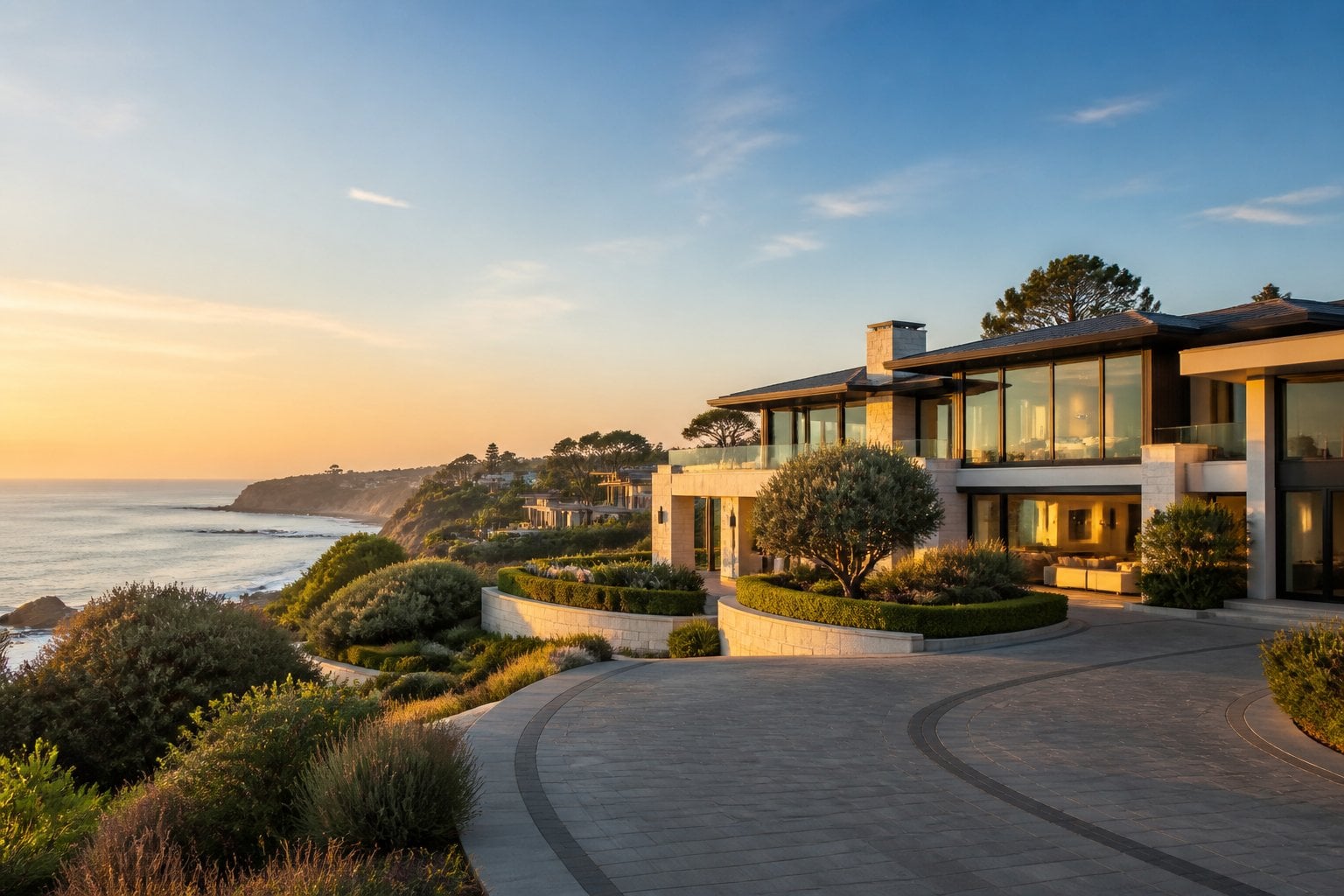
Home prices vary widely across the country, and some markets place ownership far out of reach for the average buyer. Location, demand, and limited housing supply all play a role in pushing certain cities and towns into a different price category entirely.
If you’re curious where these price extremes exist, this list breaks down the areas where median home values reach into the millions. These places share certain traits, including proximity to major job centers, coastal access, or long-standing status as exclusive communities.
You’ll notice that expensive housing markets aren’t limited to major cities. Smaller towns and suburbs often appear alongside well-known metros, showing that high home values extend beyond the places you might expect.
1. San Francisco, California
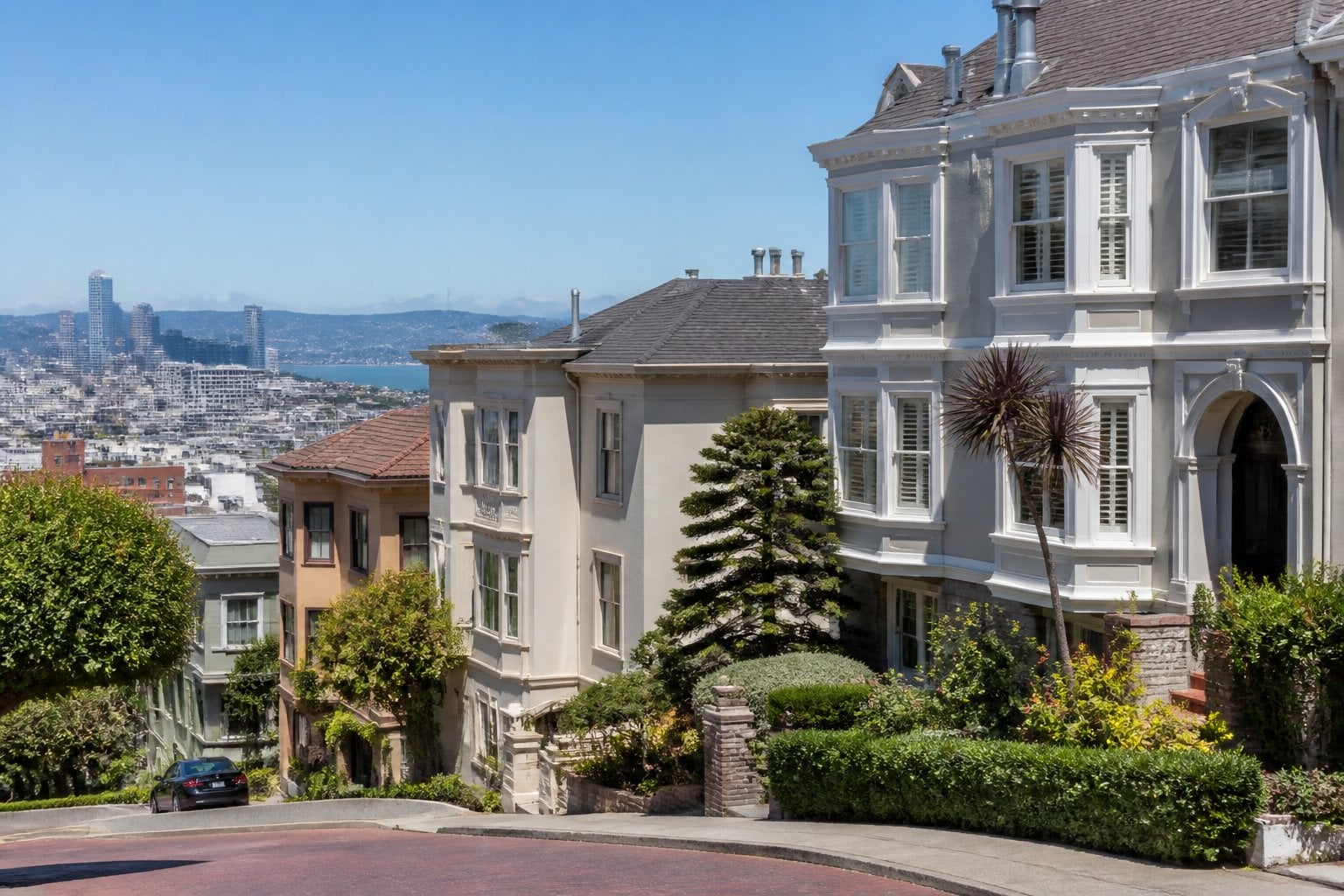
San Francisco tops the list of expensive places to own a home in America. The citywide median home price sits around $1.29 million, but that figure only tells part of the story.
In neighborhoods like Pacific Heights and Presidio Heights, you’ll find prices that far exceed the city average. These enclaves offer views of the Golden Gate Bridge, historic architecture, and proximity to parks and shopping.
You’re also paying for limited inventory. San Francisco’s peninsula geography restricts how much new construction can happen, which keeps supply tight and prices high.
If you’re considering a purchase here, expect competition for listings in desirable areas. Homes in neighborhoods like Noe Valley and Russian Hill often sell quickly, sometimes above asking price.
Property taxes and maintenance costs add to the financial commitment. Before you buy, you’ll want to account for these ongoing expenses alongside the initial purchase price.
2. San Jose, California
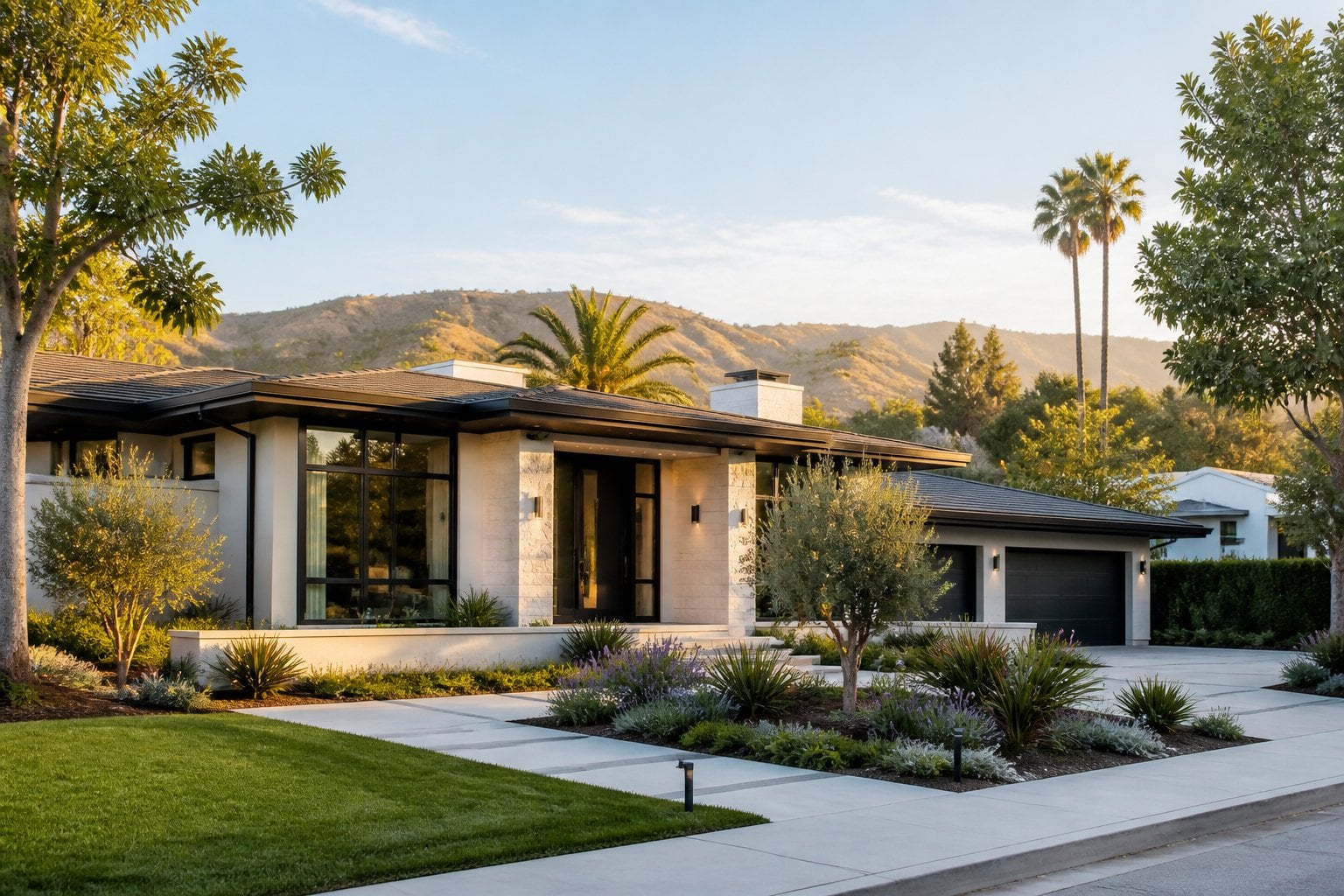
San Jose ranks among the most expensive metro areas in the country. The median home price sits at $1.63 million, one of the highest figures in the nation.
You’ll find that neighborhoods like Almaden Valley and Willow Glen carry some of the steepest price tags in the city. Location, size, and condition all play a role, but even modest homes here often exceed $1 million.
To afford a home in San Jose, you would need an income of roughly $501,012, according to Consumer Affairs. That figure is the highest of any city in California, ahead of San Francisco and Santa Cruz.
The tech industry drives much of this demand. High salaries in the sector, combined with limited housing supply, keep prices elevated year after year.
If you’re considering buying here, expect competition and prices that remain far above the national average.
3. Newport Beach, California
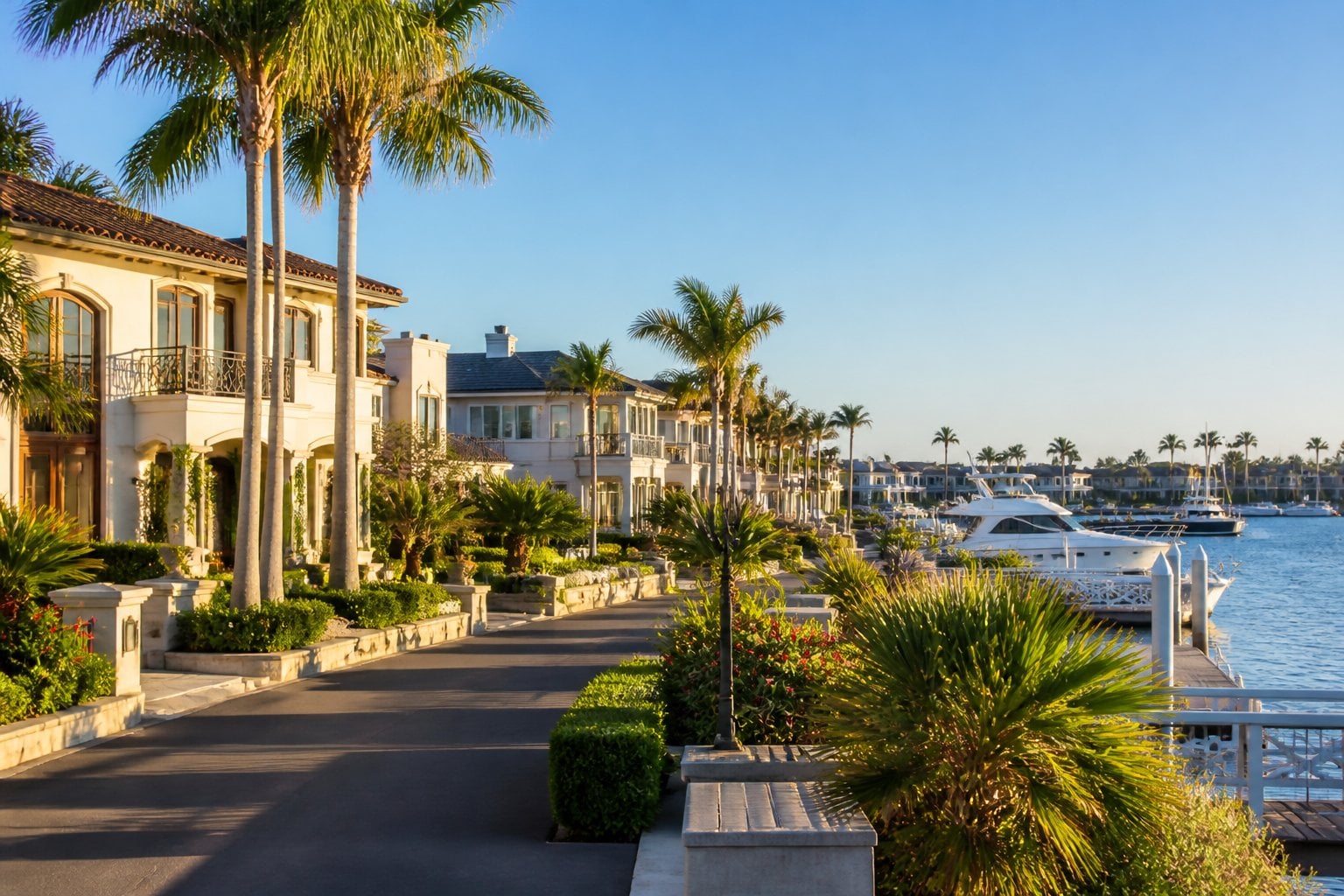
Newport Beach ranks among the most expensive housing markets in the country. In early 2026, every residential zip code in the city landed among the top 100 priciest zip codes nationwide, a distinction few coastal cities can claim.
Newport Coast, one of the city’s premier neighborhoods, has drawn particular attention. Its zip code overtook Fisher Island in Miami Beach to become America’s most expensive zip code, a shift from just a year earlier.
You’ll find the market’s value driven by oceanfront access, gated communities, and private amenities. Neighborhoods like Crystal Cove and Balboa Island command especially high prices, reflecting limited inventory and consistent demand.
If you’re considering property here, expect prices in the millions across most segments of the market. Bay front and coastal homes sit at the very top of that range, with values that continue climbing year over year.
4. Santa Monica, California
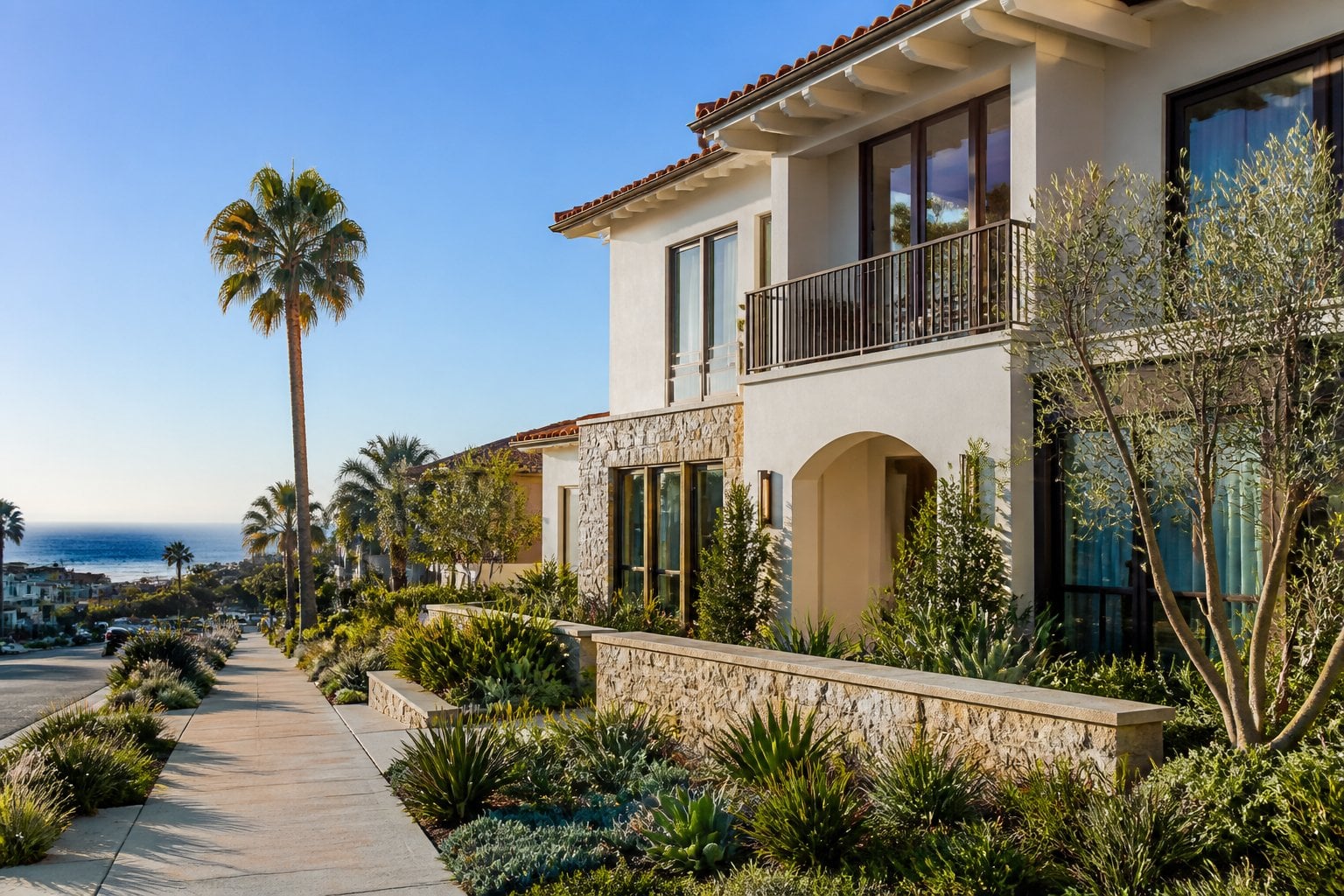
Santa Monica sits along the coast just west of Los Angeles, and its beachfront location drives much of its cost. You’ll find home values here well above the California state average, with luxury listings reaching into the tens of millions of dollars.
The Downtown Santa Monica area offers a mix of high-end condos and single-family homes. If you’re looking north of Montana Avenue, you’re in one of the priciest pockets in Los Angeles County, with median home sale prices exceeding $4 million.
Proximity to the ocean, walkable neighborhoods, and limited housing inventory all contribute to Santa Monica’s elevated prices. You should expect competition for available properties, since demand consistently outpaces supply in this market.
Buying here means paying a premium for location, climate, and lifestyle rather than square footage alone.
5. Palo Alto, California
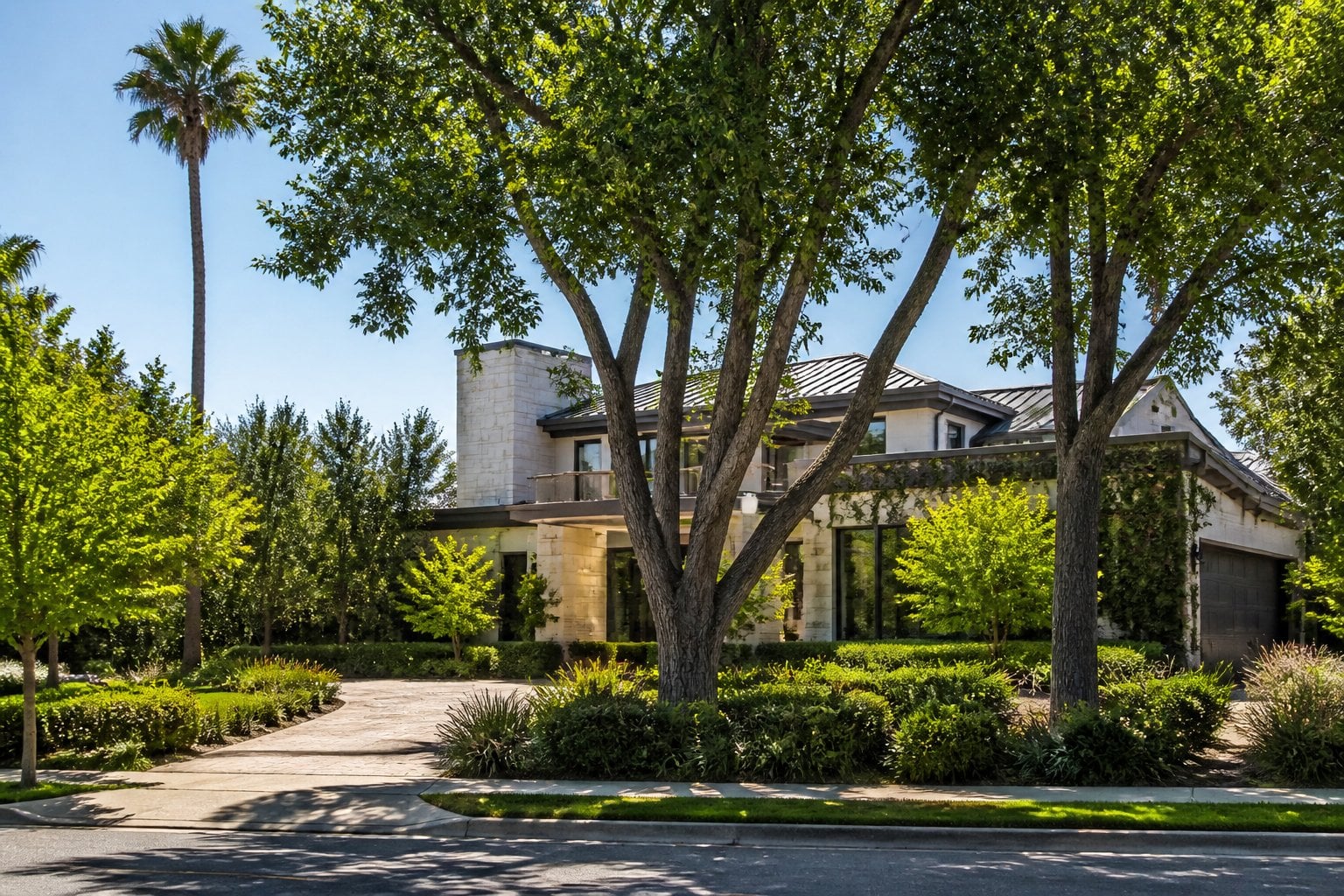
Palo Alto sits at the heart of Silicon Valley, and its home prices reflect that position. You’ll find the average home value near $3.6 million, with growth of roughly 4.5% over the past year.
Your neighbors here likely work in tech or venture capital, or teach at nearby Stanford University. That mix has kept demand strong for decades.
If you’re looking at Palo Alto’s most expensive listings, you can expect prices well above $10 million for larger properties. Some homes on the market exceed $15 million.
You’ll notice the appeal goes beyond square footage. Walkable downtown streets, top-rated schools, and proximity to major employers all factor into what you’d pay here.
Cost of living in Palo Alto extends past real estate too. Groceries and everyday services also run higher than the national average, adding to your overall expenses if you choose to live here.
6. Los Angeles, California
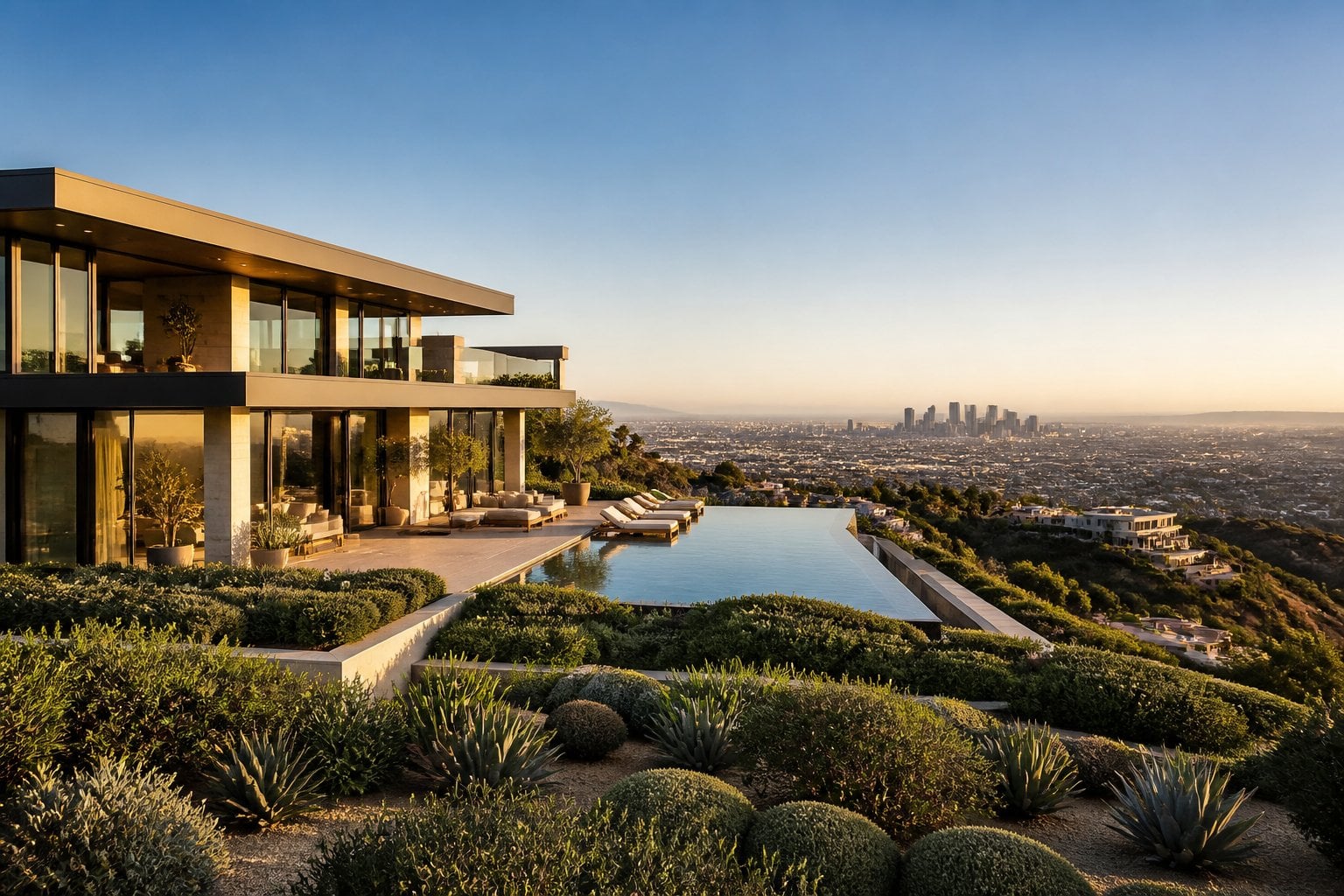
Los Angeles remains one of the most expensive housing markets in the country. The citywide average home price sits above $700,000, but that figure hides massive variation between neighborhoods.
If you’re looking at Brentwood, you can expect average prices near $3 million. Beverly Hills, Bel Air, and Holmby Hills push well beyond that, with some estates listed at $50 million or more.
You’ll find the highest concentration of ultra-luxury properties along the coast and in the hillside communities west of downtown. Malibu consistently ranks among the priciest submarkets, and it now holds several of the highest recorded home sales in California history.
Even outlying areas within LA County, like San Marino, carry premium price tags due to gated privacy and larger lot sizes. Wherever you look in Los Angeles, location and exclusivity drive costs far above national norms.
7. Beverly Hills, California
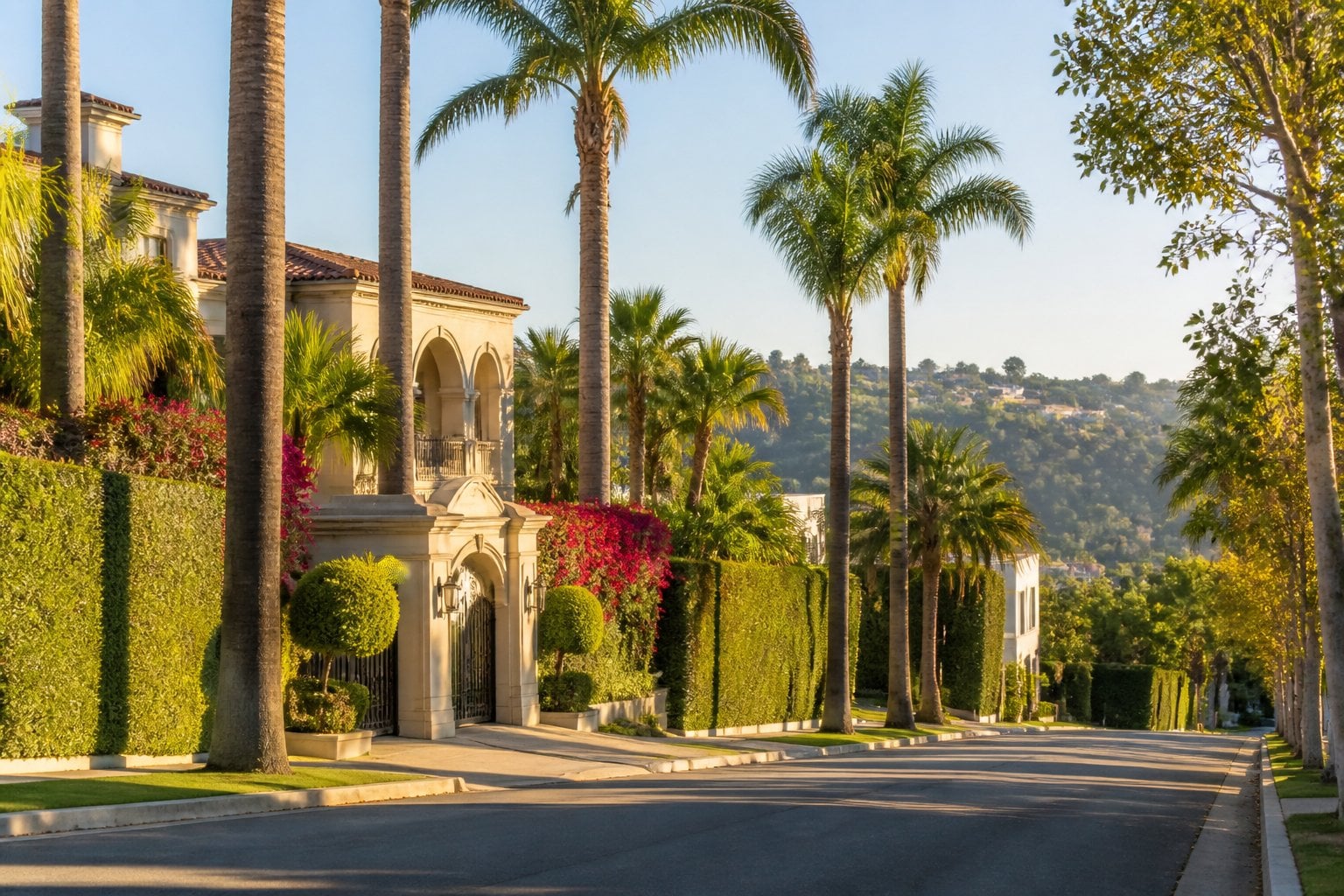
Beverly Hills carries a reputation that translates directly into price. Median listing prices sit above $6 million, with plenty of properties exceeding $30 million.
You’ll find that location drives much of the cost here. Proximity to Rodeo Drive, film studios, and celebrity neighbors adds a premium beyond square footage alone.
Home styles range from Mediterranean villas to modern architectural builds with infinity pools and canyon views. Lot size and privacy often matter as much as the house itself.
If you’re comparing this market to others in Los Angeles County, you’ll notice Beverly Hills consistently ranks near the top. Some individual estates have sold for well over $100 million, though most transactions fall in the multi-million dollar range rather than at that extreme.
Property taxes and maintenance costs also climb alongside purchase prices, adding to the overall expense of ownership here.
8. Bel Air, Los Angeles, California
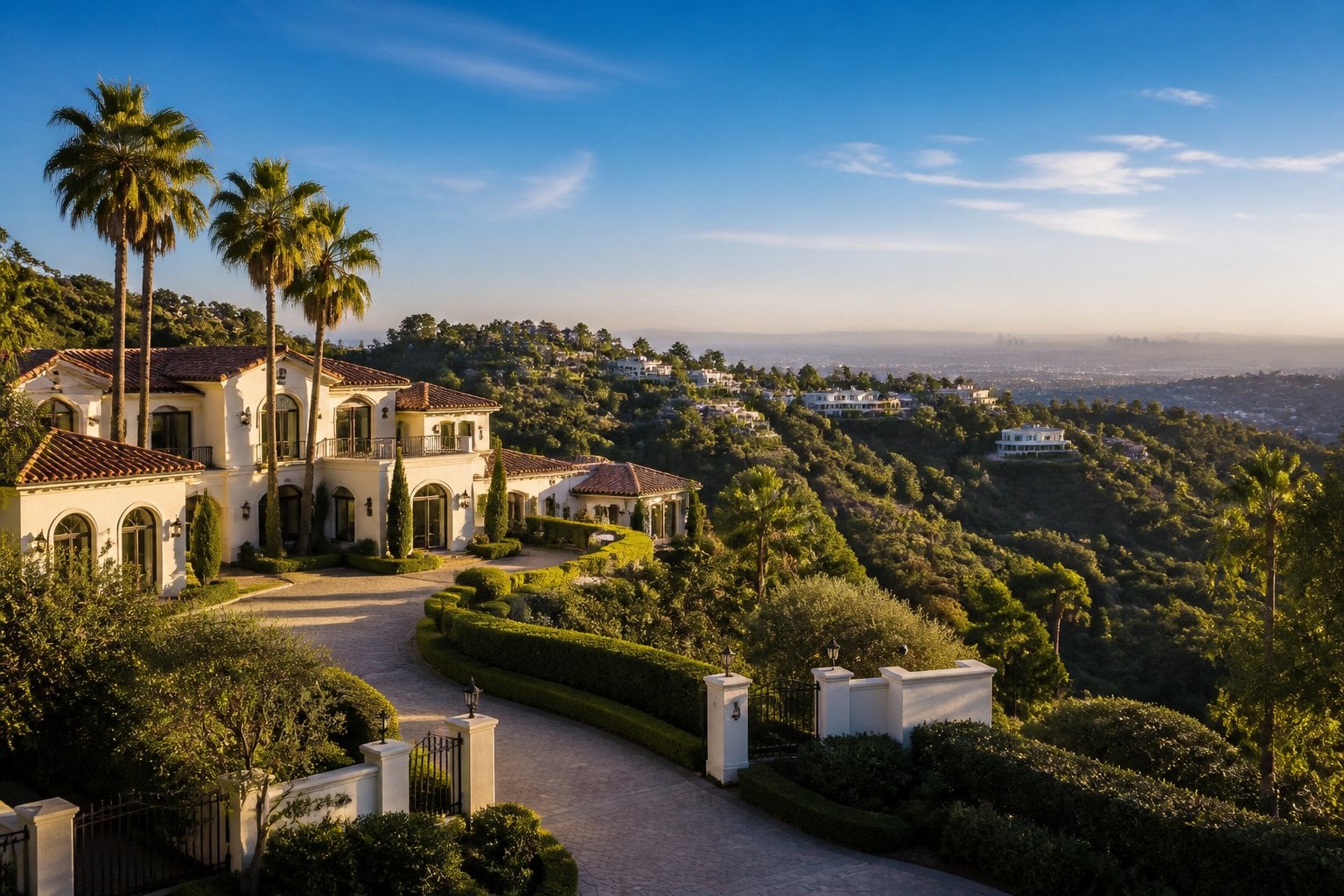
You’ll find Bel Air among the most exclusive residential neighborhoods in the country. Along with Beverly Hills and Holmby Hills, it forms what locals call the “Platinum Triangle,” an area known for large estates and consistently high property values.
Home prices here typically run into the tens of millions of dollars. Some of the largest and most notable estates have sold or listed for well over $100 million, including a mega-mansion known as The One, which sold for $141 million.
You’ll notice the properties in Bel Air tend to sit on large, private lots with mature landscaping. Gated entrances and winding hillside roads add to the sense of seclusion.
If you’re looking at this market, expect steep competition and prices that reflect both land scarcity and demand from high-net-worth buyers.
9. Manhattan, New York
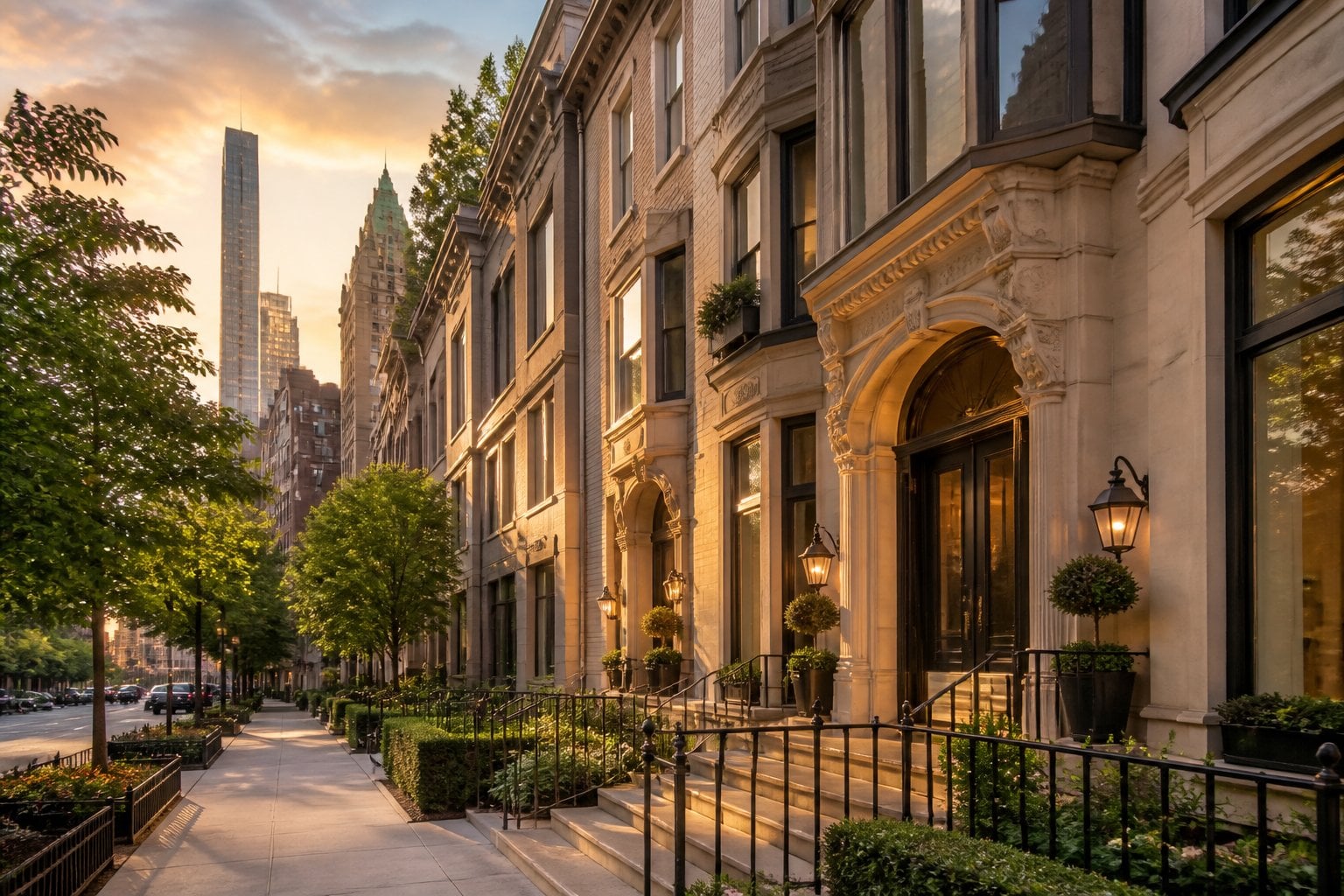
Manhattan remains one of the most expensive places to buy property in the country. Median sale prices across the borough reached $825,000 in mid-2026, and that figure climbs sharply in prime neighborhoods.
Hudson Yards has held the title of Manhattan’s priciest neighborhood for seven straight years. You’ll find mostly new construction there, built around supertall towers on the Far West Side.
Billionaires’ Row and the Plaza District also command extreme prices. A sponsor unit at Aman New York on Fifth Avenue sold for $66 million in 2025, illustrating how far top-tier deals stretch beyond typical market values.
If you’re considering Manhattan, expect steep entry costs regardless of neighborhood. Even smaller co-ops and older buildings carry premiums tied to location, views, and building amenities. Space is limited, and competition for well-located units stays consistent year over year.
10. Brooklyn Heights, New York
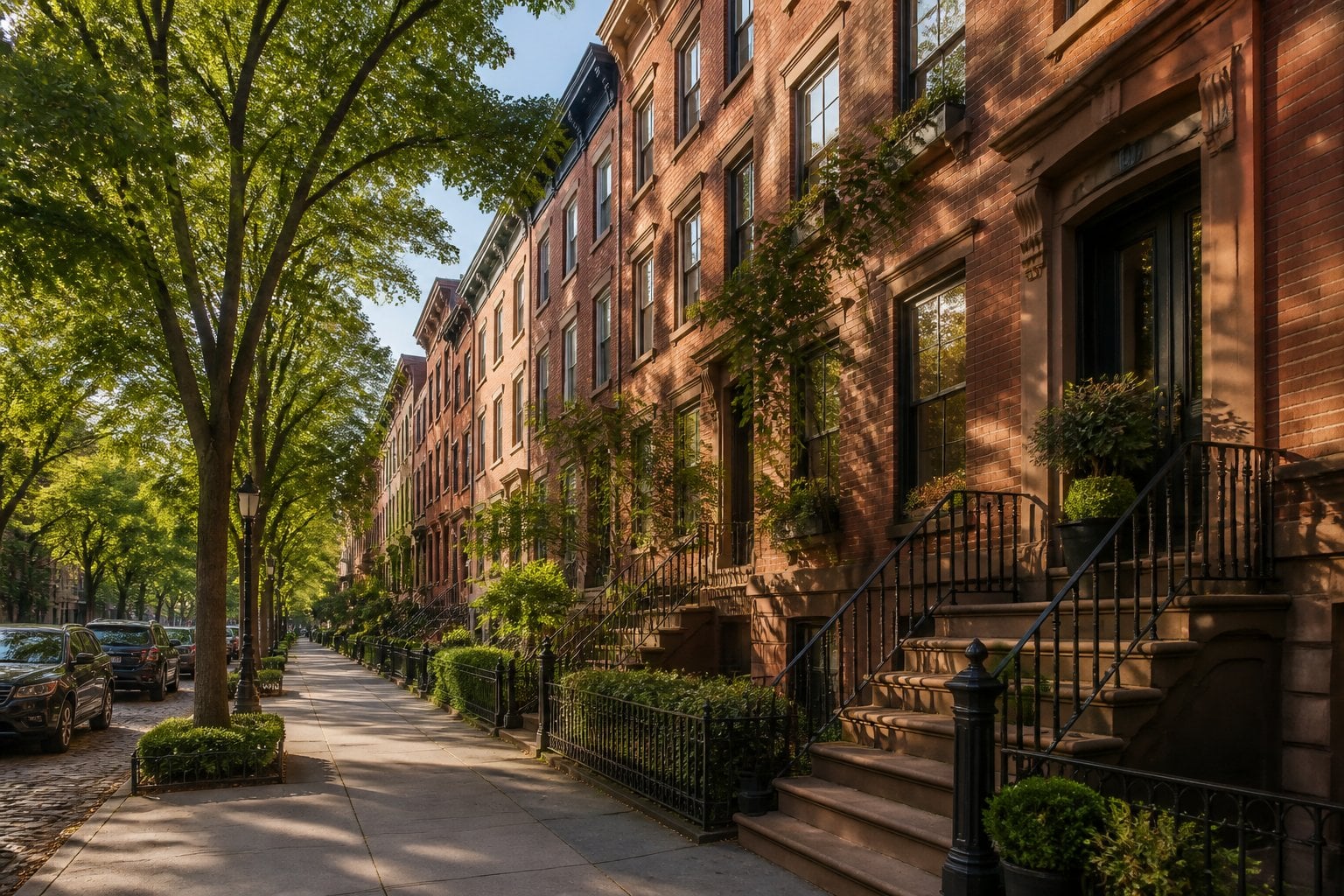
Brooklyn Heights sits along the East River, offering you views of the Manhattan skyline from a neighborhood built around brownstones and tree-lined streets. The average home value here runs above $1.5 million, and prices have continued climbing year over year.
You’ll find some of the highest per-square-foot costs in Brooklyn within this neighborhood. A townhouse here recently sold for $24.5 million, setting a borough record and ranking among Brooklyn’s priciest sales on record.
The Promenade, historic architecture, and proximity to Manhattan give you reasons to expect sustained demand. Landmark status protects much of the housing stock, limiting new construction and keeping inventory tight.
If you’re considering a purchase, expect competition for available listings. Prewar co-ops and single-family brownstones dominate the market, with layouts and light exposure often factoring heavily into pricing for buyers weighing their options here.
11. Greenwich, Connecticut
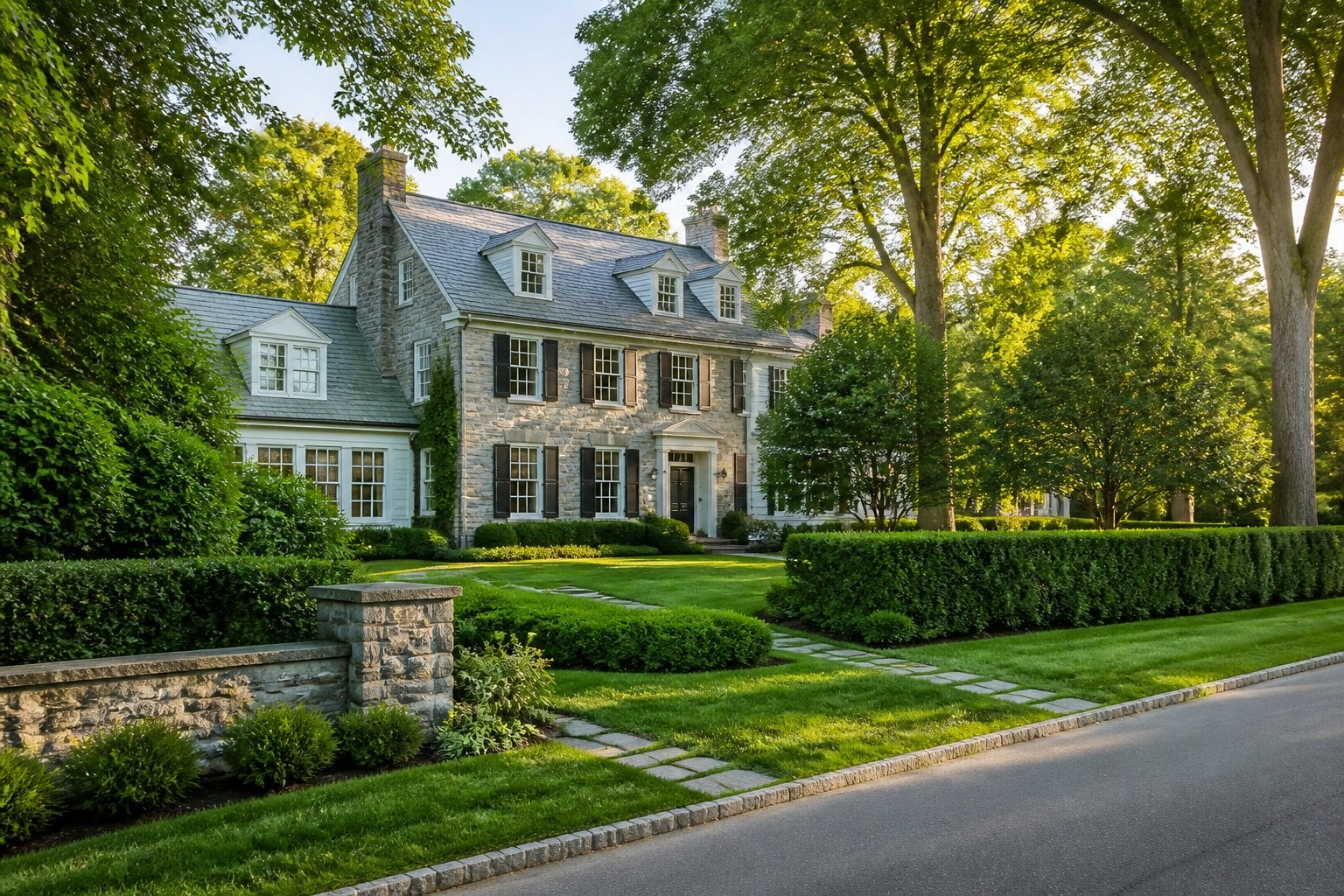
Greenwich sits at the top of Connecticut’s housing market, with a median home value around $1.5 million. You’ll find the state’s priciest neighborhoods here, including Old Greenwich, where median prices exceed $2.1 million.
The town’s location explains much of its appeal. You get a direct commute to Manhattan while living in a low-density, wooded setting with large residential lots.
Property taxes in Greenwich fund strong municipal services, schools, and infrastructure. This combination of low tax rates relative to home value and high service quality attracts buyers who might otherwise settle closer to New York City.
Greenwich’s real estate market includes waterfront estates, historic properties, and newer luxury construction. Backcountry Greenwich, in particular, offers multi-acre parcels with some of the highest price tags in the region.
If you’re considering Greenwich, you’re entering a market shaped by decades of sustained demand and limited inventory.
12. Bridgeport, Connecticut
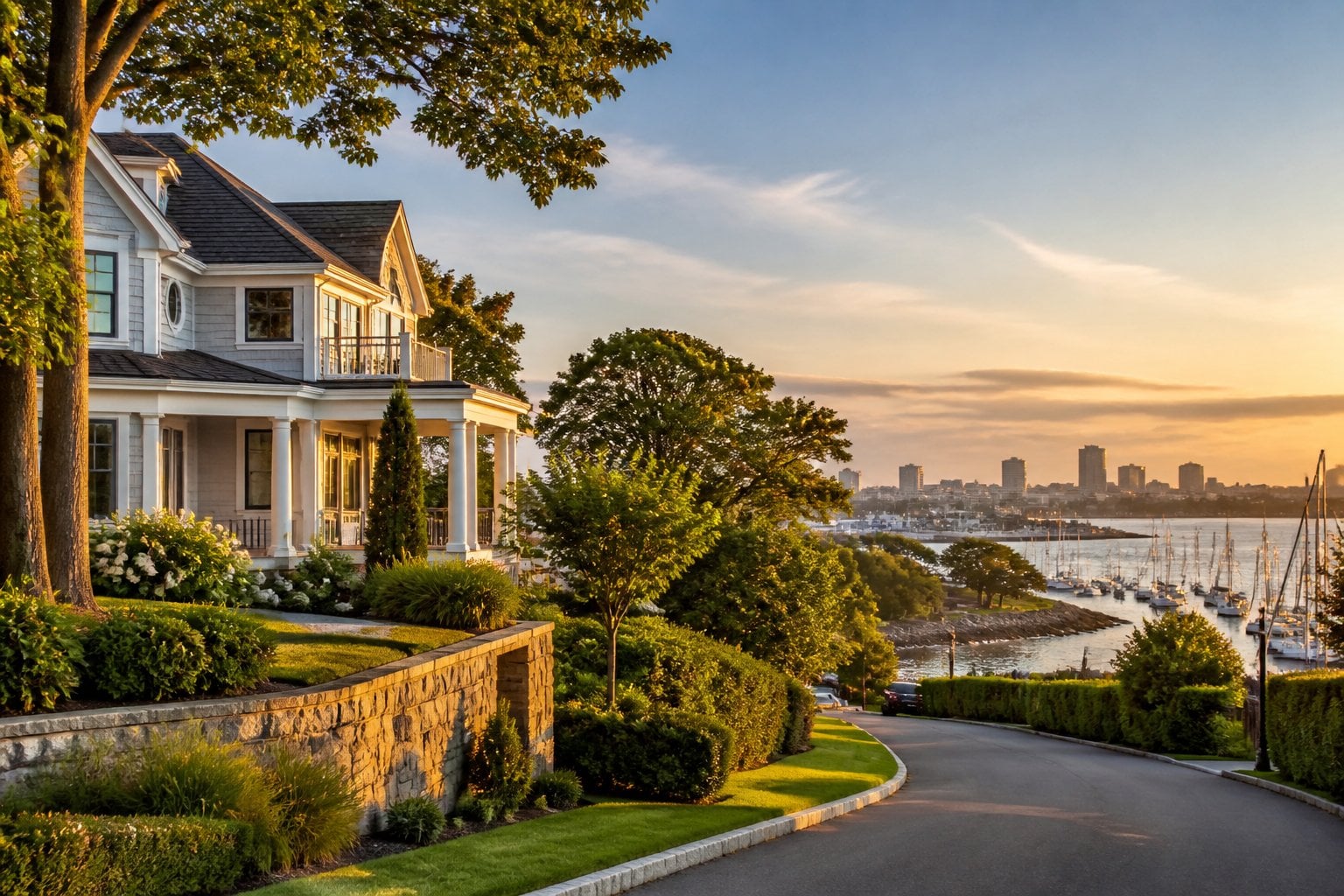
Bridgeport recently overtook New York City in home prices, a shift that surprised many buyers watching the Connecticut market. The city itself sits within the broader Bridgeport-Stamford-Norwalk metro, which dominates Connecticut’s list of expensive housing markets.
You won’t find one uniform price point here. This metro area includes 15 of the top 30 most expensive cities in the state, ranging from Bridgeport proper to nearby towns like Darien and Greenwich.
If you’re considering a purchase in this region, proximity to New York City plays a major role in driving costs upward. High-income professionals commuting to financial centers have pushed demand well beyond what local wages alone would support.
You should also expect competition for available properties. Limited housing supply across the metro has kept prices climbing, even as some other expensive U.S. markets show signs of cooling.
13. Boston, Massachusetts
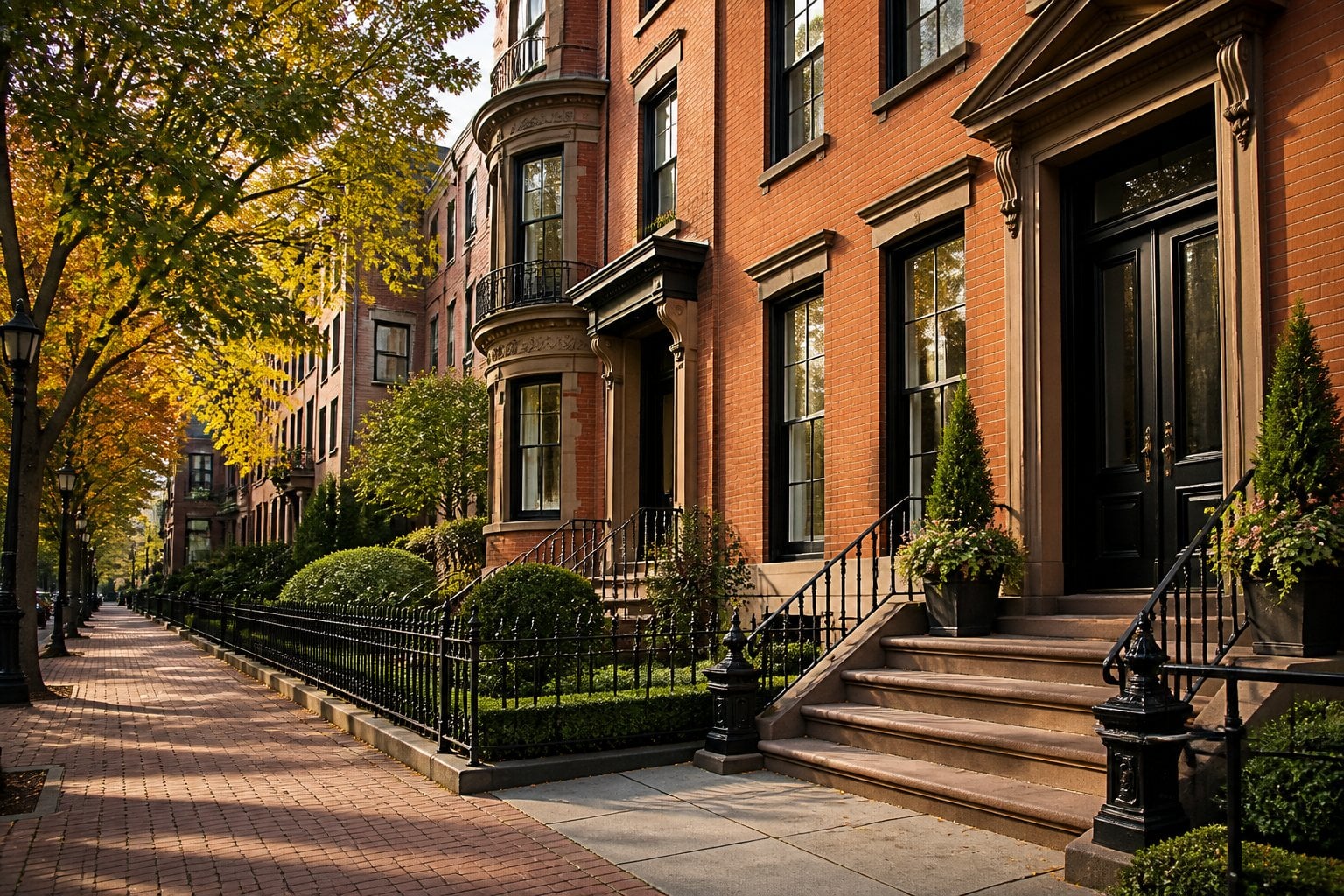
Boston’s median home sale price reached $3,092,500 in 2025, making it the most expensive city in Massachusetts. If you’re buying here, you’re paying for location, historic housing stock, and proximity to major employers in healthcare, education, and technology.
You’ll find the highest prices concentrated in neighborhoods like Beacon Hill, where single-family homes push the citywide median above $3 million. Other pricier pockets include Back Bay and the Seaport District, both known for limited inventory and strong demand.
Space comes at a premium in Boston. You’re often paying significantly more per square foot than in surrounding suburbs, largely due to the city’s dense, historic layout and restricted new construction.
Property taxes add another layer of cost. Combined with high purchase prices, your total ownership expenses in Boston rank among the steepest in the country.
14. Cambridge, Massachusetts
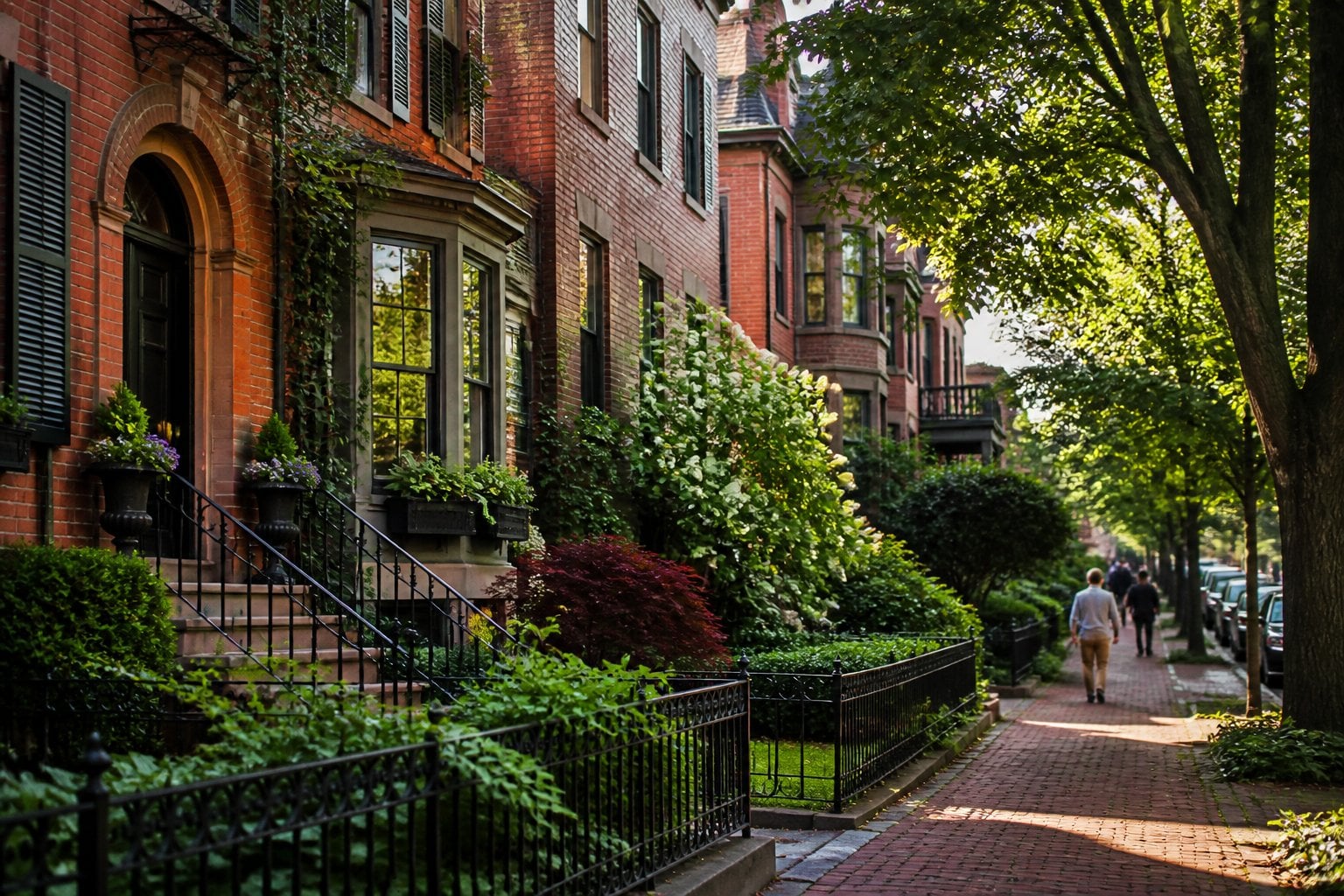
Cambridge sits directly across the Charles River from Boston, and its home prices reflect that prime location. You’re paying for proximity to two world-renowned universities: Harvard and MIT.
The presence of these institutions keeps demand high year-round. Faculty, researchers, and professionals working in the city’s growing biotech and tech sectors compete for a limited housing supply.
You’ll find that Cambridge neighborhoods vary in character, from historic Victorian homes near Harvard Square to modern condos closer to Kendall Square. Kendall Square itself has become a hub for pharmaceutical and technology companies, drawing high-income buyers into the surrounding area.
Cambridge’s dense, walkable layout adds to its appeal. You get easy access to public transit, restaurants, and cultural institutions without needing a car.
That convenience, combined with limited land for new construction, keeps upward pressure on prices across the city.
15. Miami Beach, Florida
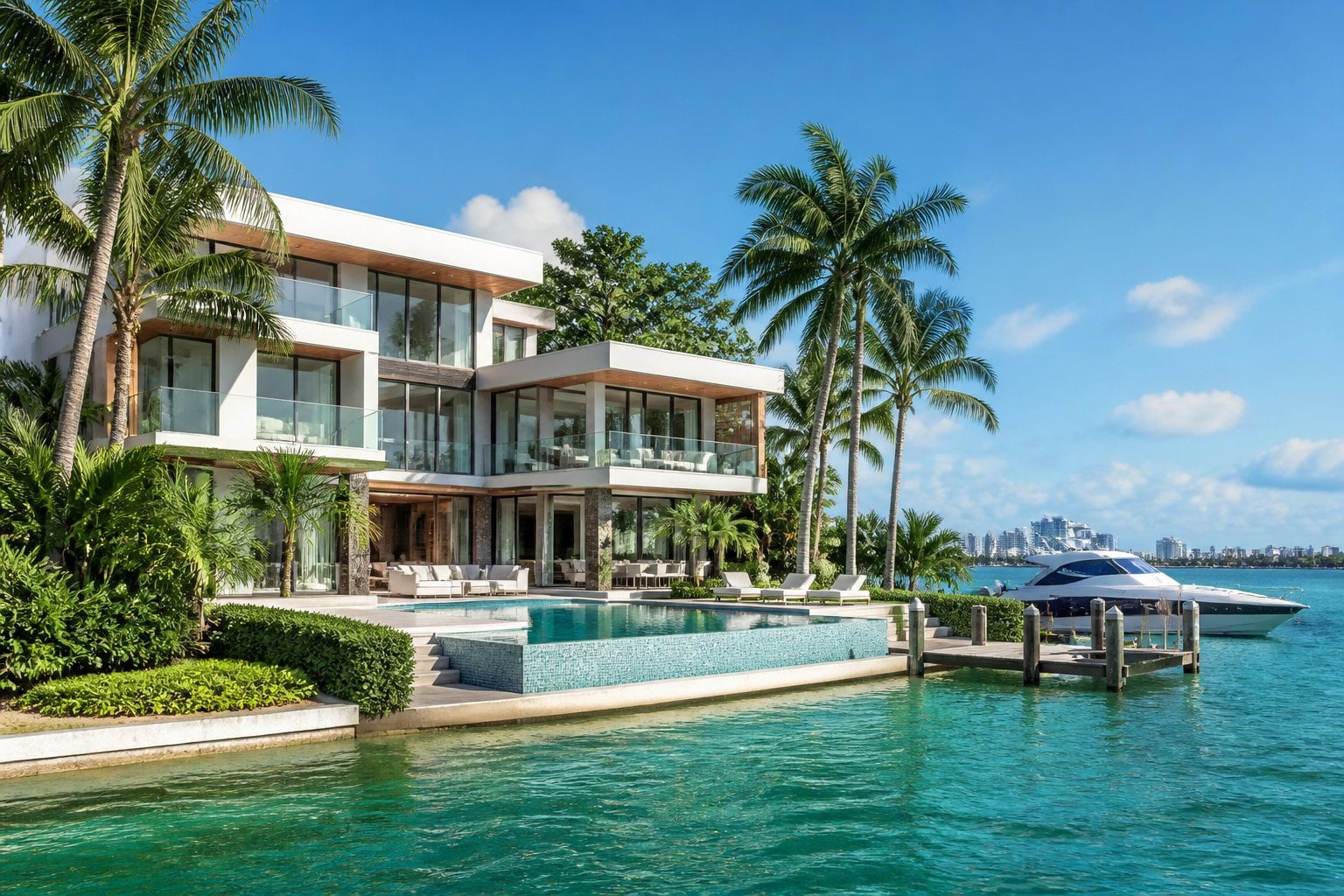
You’ll find one of the most concentrated luxury markets in the country here. Miami Beach spans barrier islands and waterfront enclaves, giving you access to oceanfront condos, private islands, and gated communities.
Indian Creek Island, often called the “Billionaire Bunker,” sits within Miami Beach’s borders. Only about 40 properties occupy its 250 acres, and residents include prominent business executives and celebrities.
Prices at the top end reach staggering figures. The Shore Club Residences set a city record in 2024 when a penthouse went under contract for $120 million.
You’ll pay a premium for waterfront access and privacy in this market. Median home values in the most desirable pockets run into the tens of millions, driven by limited land, international demand, and Florida’s tax advantages.
If you’re considering Miami Beach, expect competition from global buyers seeking both lifestyle and investment value.
16. Palm Beach, Florida
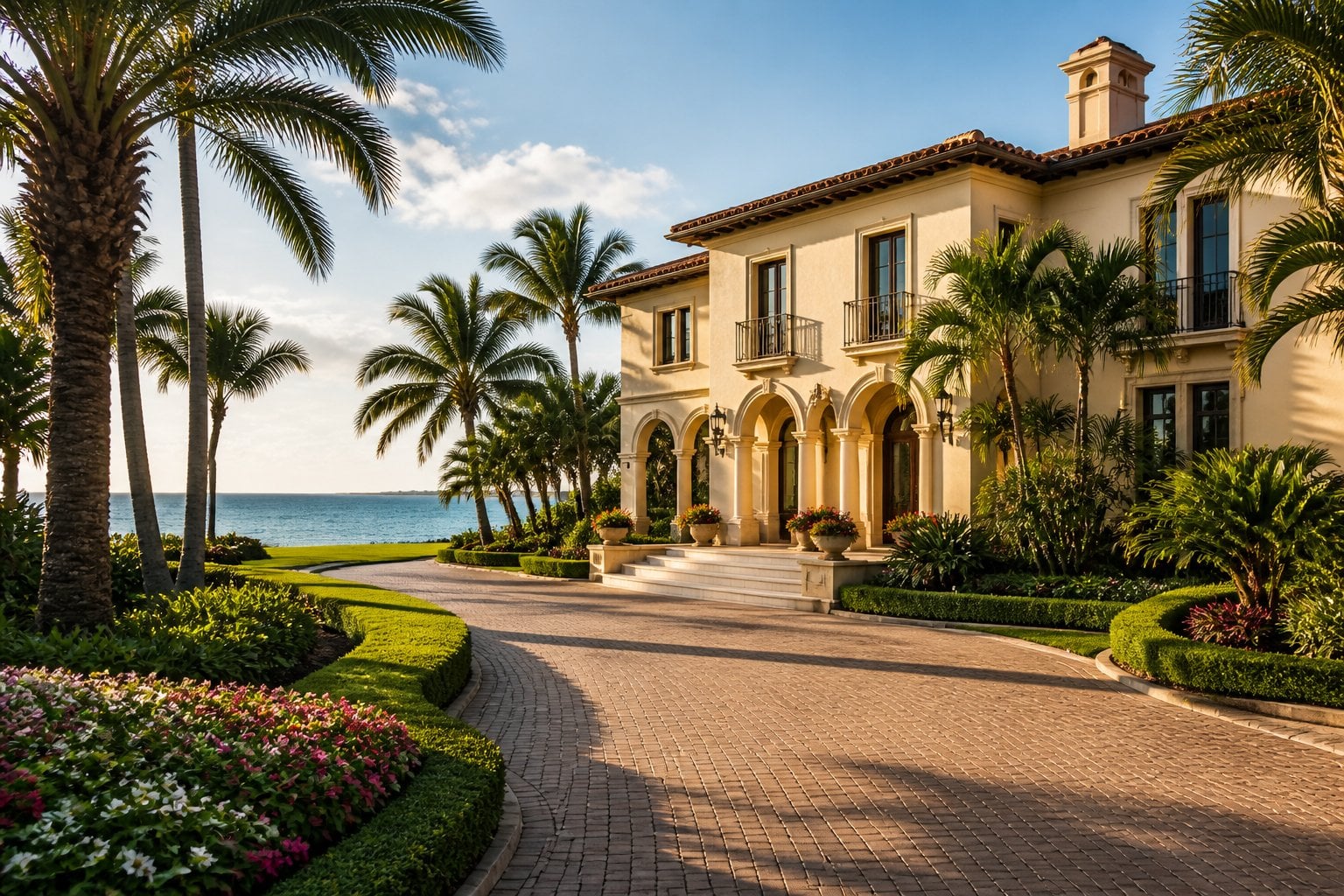
Palm Beach ranks as one of Florida’s wealthiest towns, with average home values exceeding $10 million. You’ll find a market defined by oceanfront mansions, deep-water estates, and strict architectural standards that preserve the island’s character.
Location and water access drive the highest premiums here. Oceanfront properties command significantly higher prices than inland homes, and lots with private docks are among the most valuable in the county.
You’re looking at a buyer pool that includes billionaires and celebrities drawn to the privacy and exclusivity the island offers. Limited inventory keeps competition high, since Palm Beach is a small barrier island with little room for new construction.
If you’re considering property here, expect multi-million-dollar transactions to be standard rather than exceptional. The market rewards patience and connections, as many of the most desirable estates rarely reach public listings.
17. Gordon Pointe, Naples, Florida
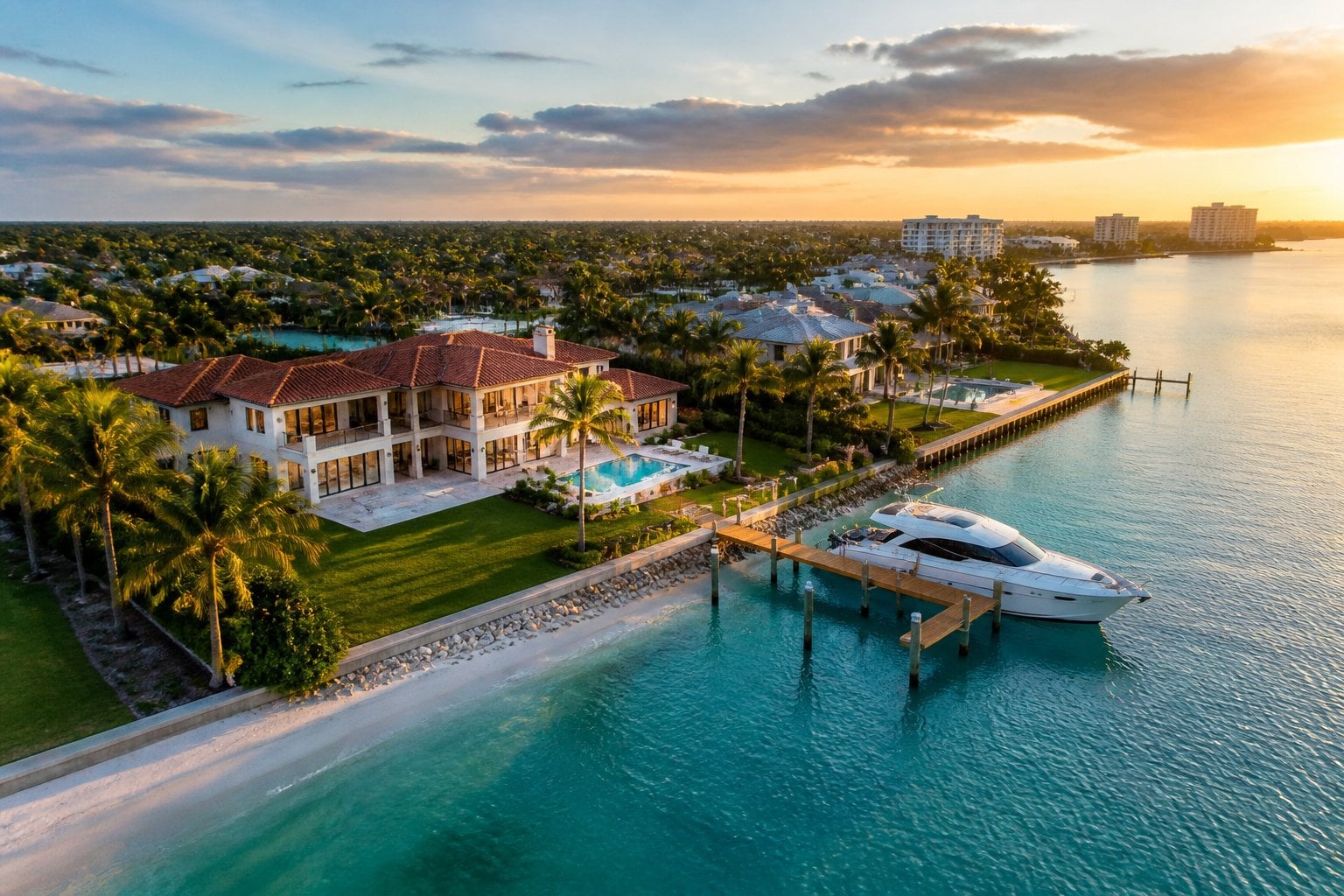
You’ll find Gordon Pointe at 100 Bay Road, occupying nearly nine acres on a peninsula near Gordon Pass in Naples’ Port Royal neighborhood. The Donahue family has long owned this compound, which first listed in February 2024 for $295 million, making it the highest asking price ever attached to a U.S. home at that time.
The estate returned to the market in 2026 with a revised price of $271 million. You get multiple residences, a private yacht basin, and hundreds of feet of beachfront on the property.
Port Royal remains one of the most exclusive addresses in Florida, and Gordon Pointe’s size and waterfront access set it apart even within that market. If the sale closes near its asking price, you’d be looking at one of the largest residential transactions recorded in the United States.
18. Aspen, Colorado
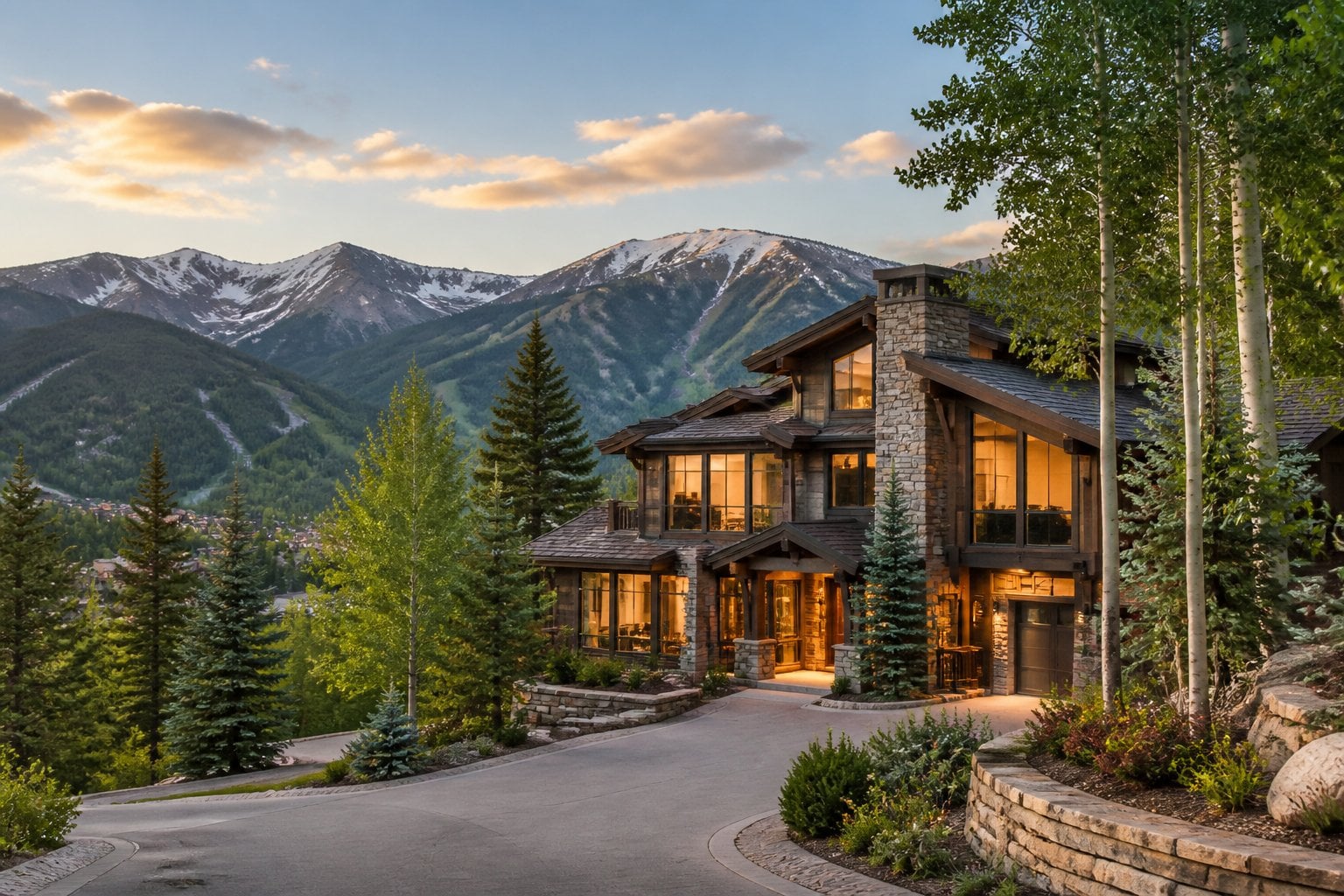
Aspen sits at the top of the country’s luxury housing market. If you’re shopping here, you’re competing for properties that regularly rank among the most expensive home sales in the nation.
The market’s ceiling is extraordinary. Little Lake Lodge, a 74-acre mountain compound outside downtown Aspen, was listed at $300 million, making it the most expensive home for sale in the United States.
You’ll find that record sales aren’t rare occurrences here. In 2024, six of Colorado’s ten priciest home sales happened in Aspen, with 419 Willoughby Way selling for $108 million.
What you’re paying for goes beyond square footage. You’re buying access to private mountain land, proximity to world-class skiing, and a level of exclusivity that few other American markets can match.
19. Vail, Colorado
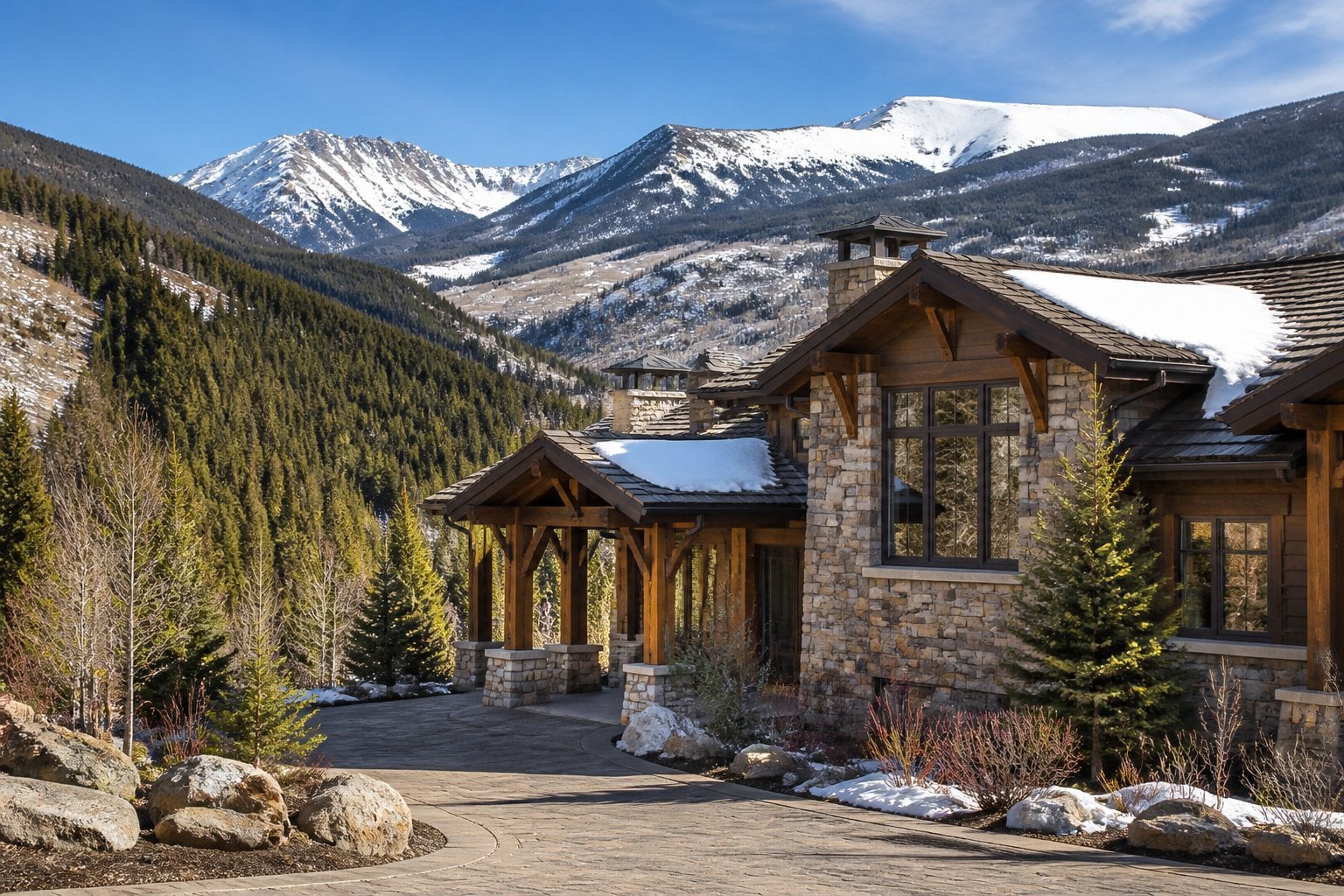
Vail’s median home value sits above $1.9 million, placing it among Colorado’s priciest ZIP codes. You’ll find this price level driven largely by limited buildable land in the surrounding mountains.
The town’s reputation as a top ski destination adds to demand. Properties near the Vail Golf Course and in areas like Bachelor Gulch carry some of the highest price tags in the region.
You should expect competition from buyers seeking second homes or investment properties, not just full-time residents. This mix keeps inventory tight and prices elevated year-round.
Vail’s real estate market has occasionally outpaced even Aspen in certain comparisons. If you’re considering a purchase here, you’re entering a market shaped by scarcity, seasonal demand, and a small year-round population of roughly 4,466 people.
20. Seattle, Washington
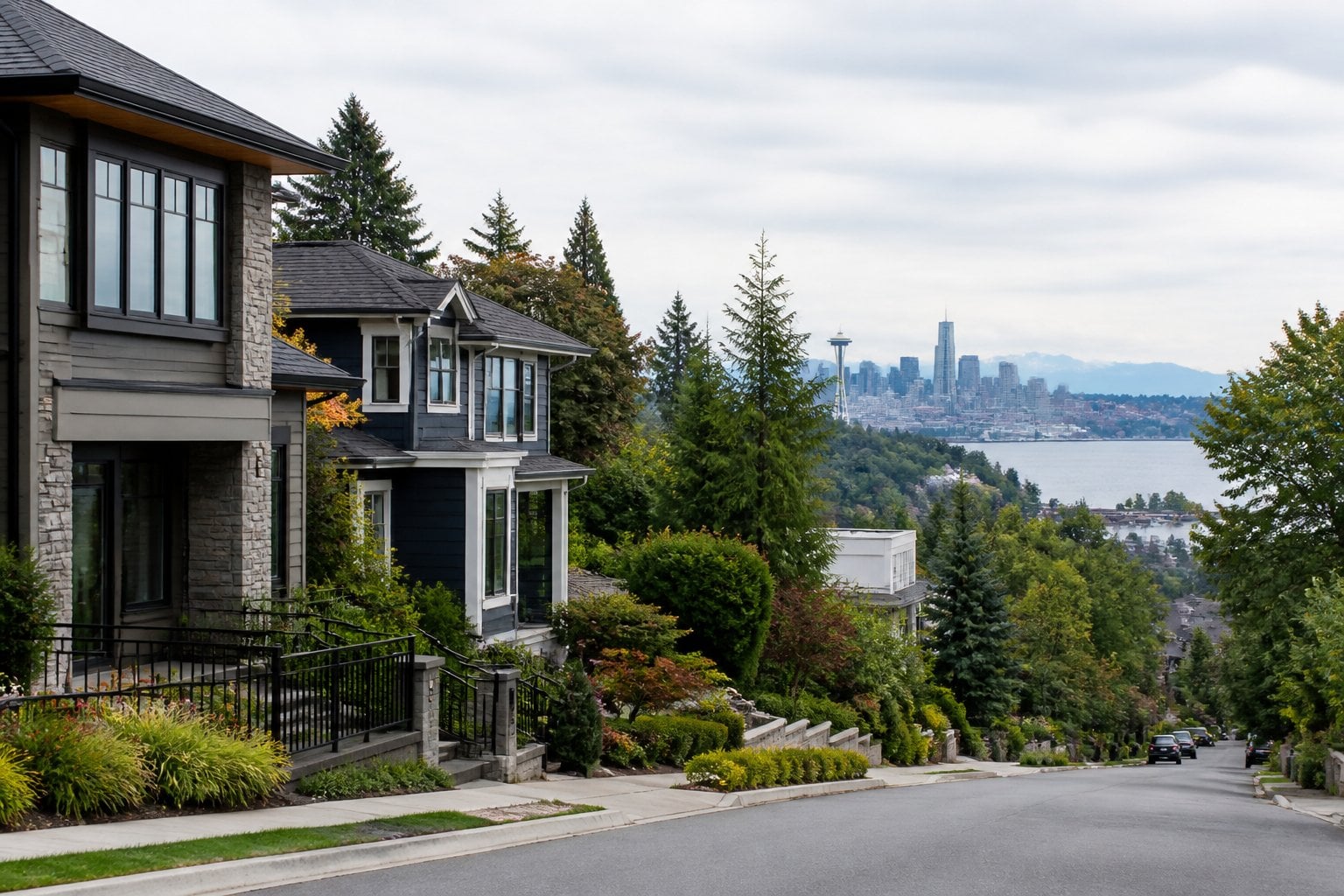
Seattle’s home prices reflect the tech wealth concentrated in the region, with Amazon and Microsoft driving demand throughout the metro area. You’ll find the highest values in neighborhoods like Medina, where waterfront estates on Lake Washington regularly sell for figures far above the city average.
The Seattle-Tacoma-Bellevue metro includes dozens of cities ranking among the state’s most expensive, and Bellevue itself has become a competing hub for luxury real estate. If you’re looking at Seattle proper, expect steep competition for anything with views of Elliott Bay, Puget Sound, or the downtown skyline.
Limited inventory and geographic constraints, including water on multiple sides of the city, keep supply tight. You’ll also notice that even modest homes in desirable school districts command prices that would seem excessive in most other U.S. cities.
21. Bellevue, Washington
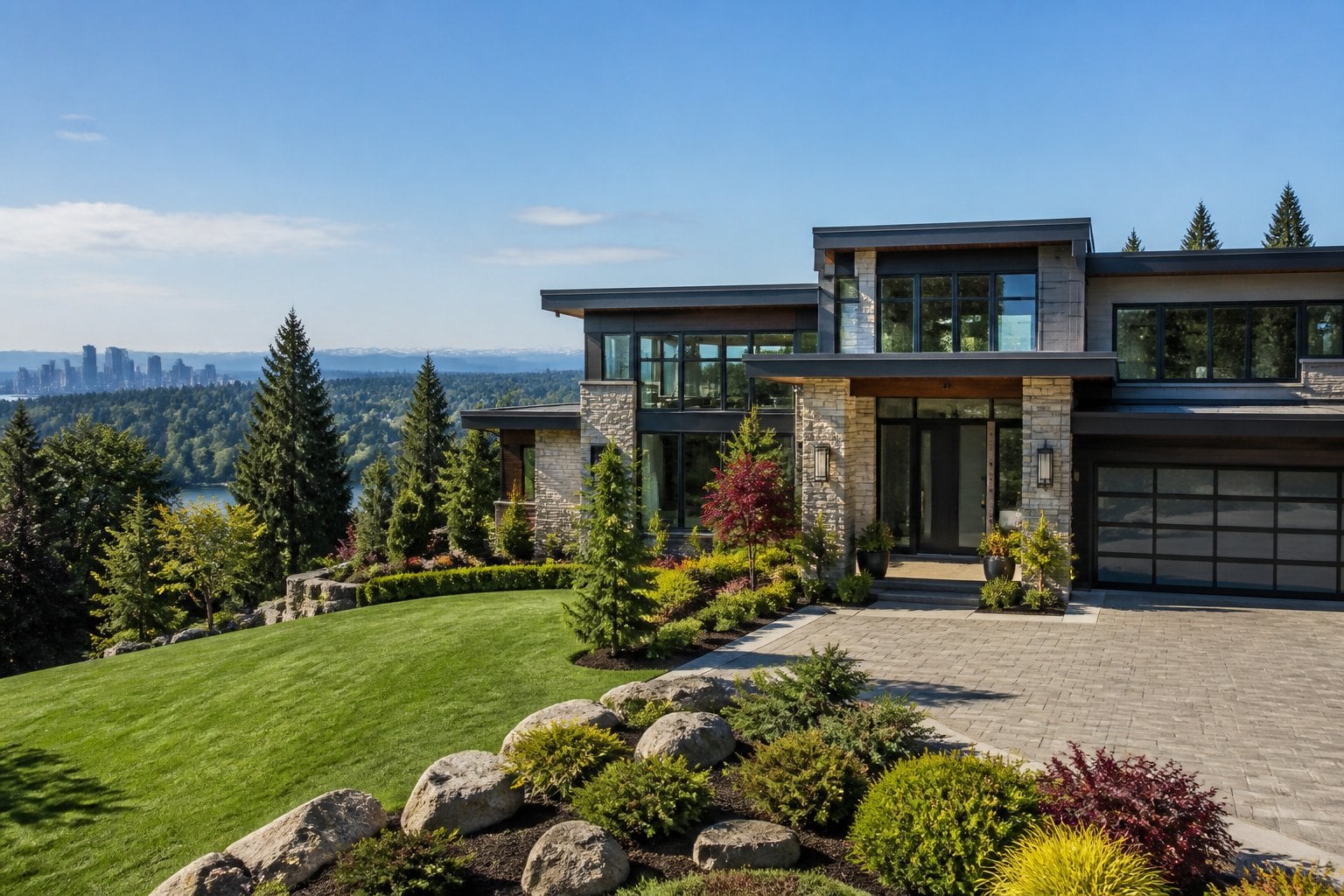
Bellevue sits just across Lake Washington from Seattle, and its home values reflect that proximity. The typical home value in Bellevue is around $1.45 million, though prices vary sharply by neighborhood.
You’ll find the widest range within city limits, from condos in Factoria priced under $600,000 to waterfront estates exceeding $4 million. Downtown Bellevue has drawn particular attention for its price per square foot, which averages over $3,600, ranking it among the most expensive neighborhoods in the country by that measure.
Bellevue also holds the record for the most expensive home ever listed in Washington: a $79 million mansion. The city’s tech industry presence, strong schools, and lake access continue to support high demand among buyers.
If you’re considering Bellevue, expect competition for available inventory, particularly in neighborhoods close to the waterfront or downtown core.
22. Honolulu, Hawaii
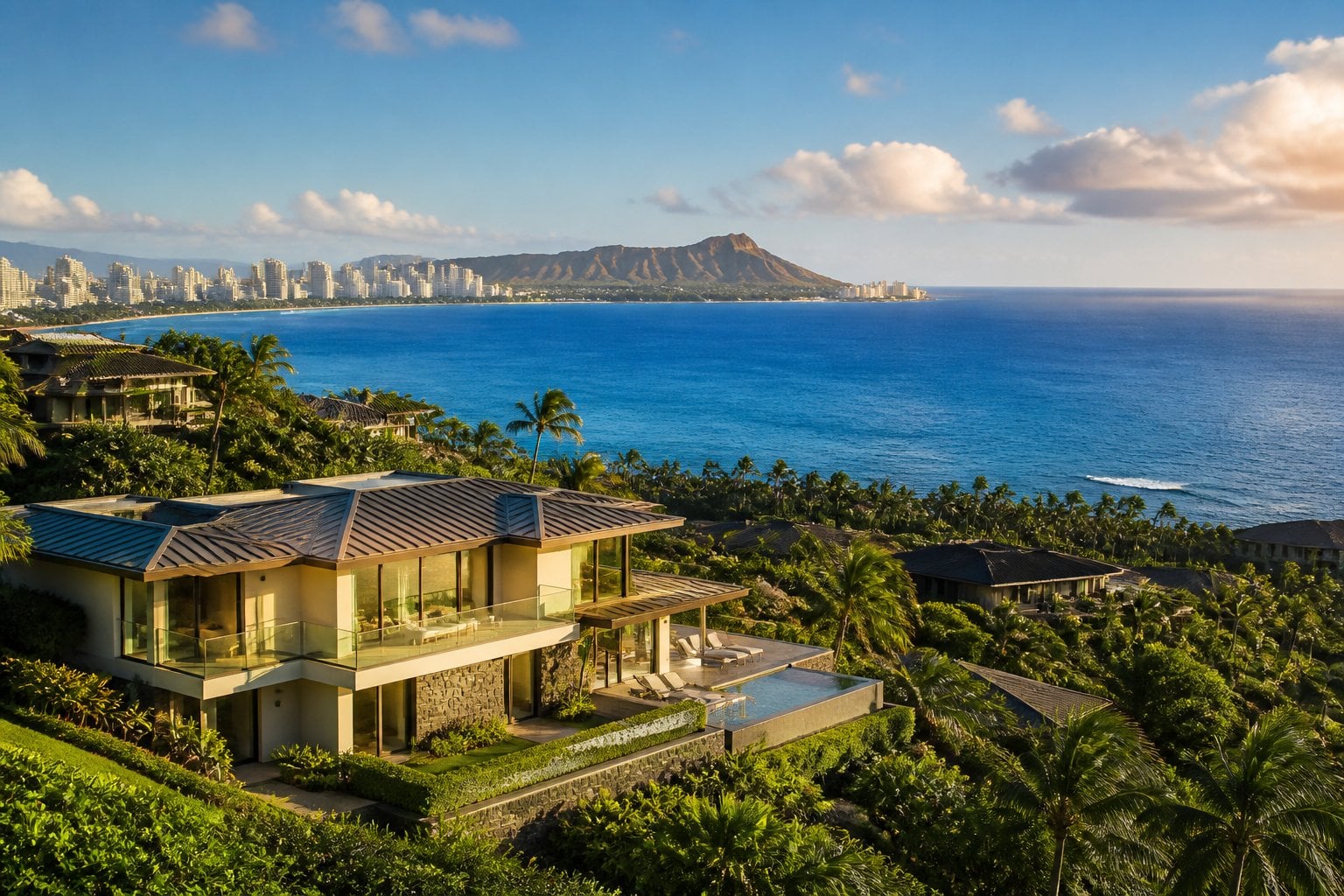
Honolulu holds the distinction of being America’s most expensive capital city. If you’re shopping for property here, you’ll notice prices reflect the constraints of island living: limited land, high demand, and a second-home market that competes directly with local buyers.
Kahala stands out as the city’s most prestigious address. In March 2025, a single home there sold for $65.75 million, a figure so extreme it skewed Oahu’s entire sales average.
You’ll find similar premiums in Diamond Head, Hawaii Loa Ridge, and Hawaii Kai, where oceanfront and view lots command top dollar. Even away from these enclaves, typical Honolulu home values sit well above the national median.
Your cost of ownership extends beyond the purchase price. Property insurance, maintenance, and imported building materials add to your monthly expenses, making Honolulu a market where affordability challenges buyers at nearly every price point.
23. Washington, D.C.
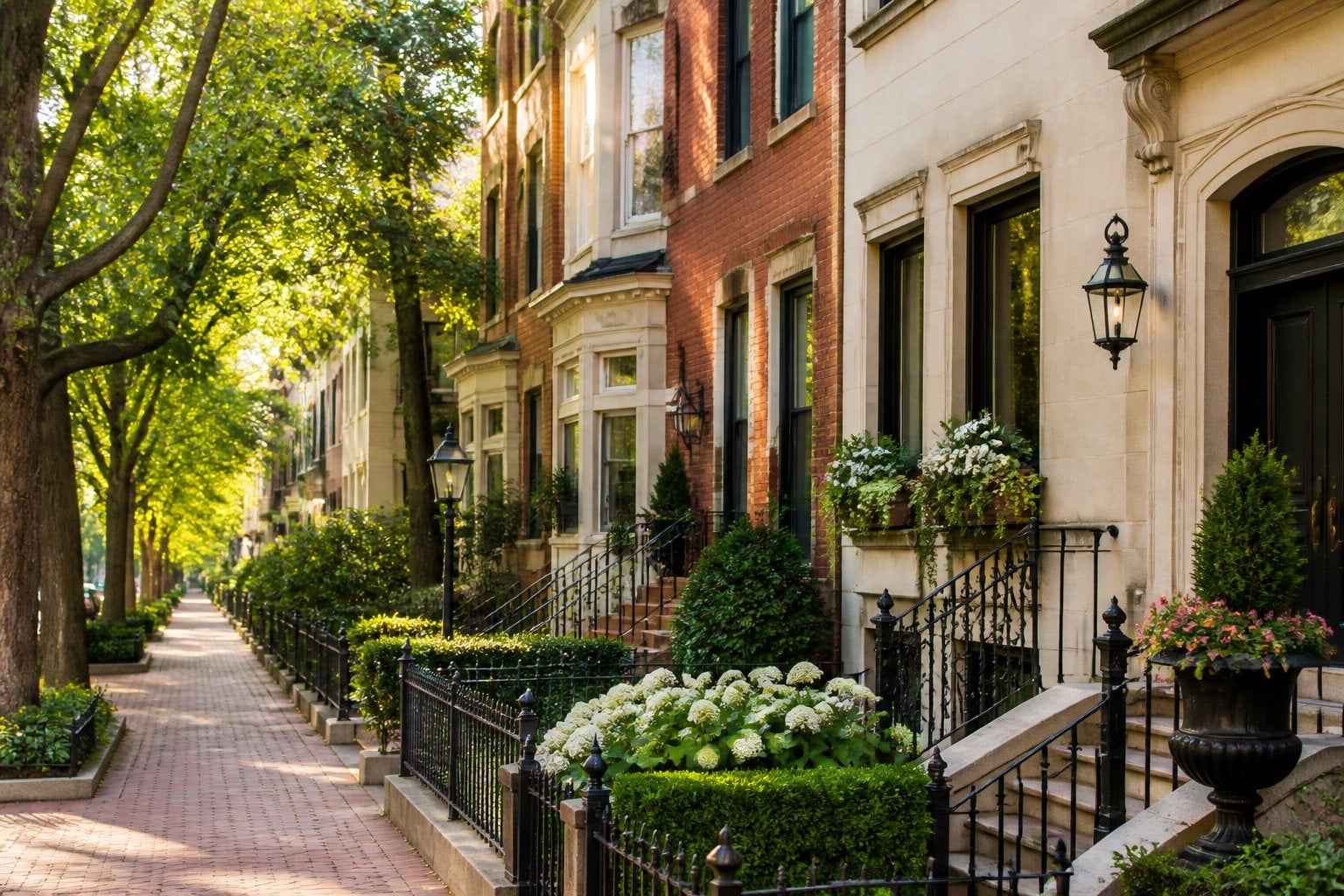
Home prices in Washington, D.C. push well past the $1 million mark in many neighborhoods, and the city’s overall market reflects the wealth concentrated around federal government jobs, lobbying firms, and international organizations.
Georgetown, Kalorama, and Massachusetts Avenue Heights rank among the priciest areas. You’ll find historic townhouses alongside grand estates, many with a mix of architectural charm and modern updates.
If you’re looking here, you should expect to pay a premium for proximity to the National Mall, embassies, and major institutions. Limited housing inventory, combined with strict zoning and historic preservation rules, keeps supply tight.
Your options range from converted rowhouses to sprawling single-family homes, but few come cheap. The district’s political significance and stable employment base continue to support high demand, keeping prices elevated even when other markets soften.
24. Arlington, Virginia
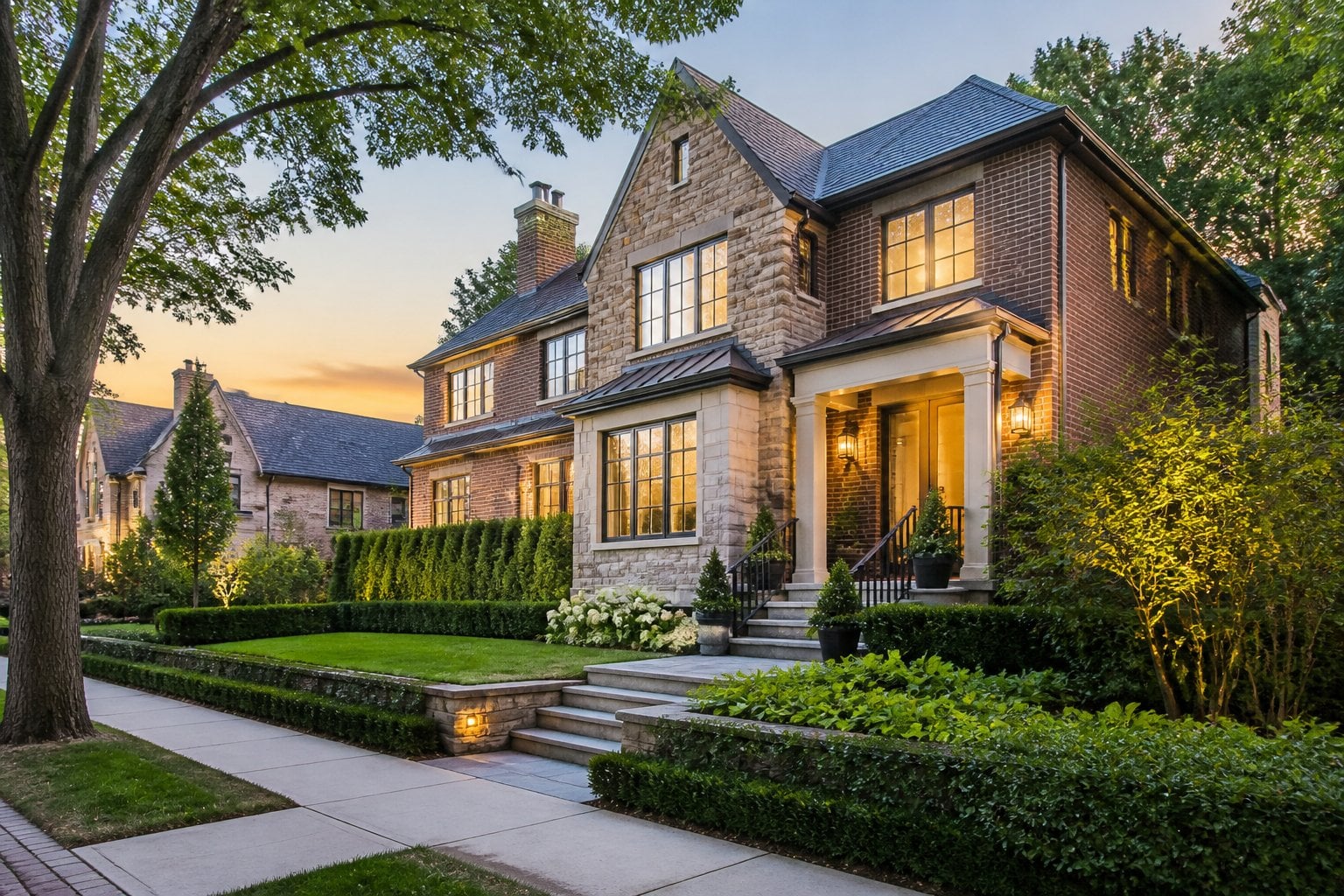
Arlington sits directly across the Potomac River from Washington, D.C., and that location shapes everything about its housing market. You’re paying for proximity here: a short commute to federal jobs, the Pentagon, and downtown D.C.
The average home value in Arlington runs around $815,000. Neighborhoods vary quite a bit in price, but even the more modest areas carry a premium compared to national averages.
You’ll notice the market stays competitive despite rising inventory. Demand hasn’t slowed much, and homes in desirable pockets still draw multiple offers.
Cost of living factors beyond housing—groceries, services, taxes—also run higher than the national average. If you’re considering Arlington, you’re buying into a first-ring D.C. suburb with strong job access, established infrastructure, and limited land for new construction, all of which keep prices elevated.
25. Scottsdale, Arizona
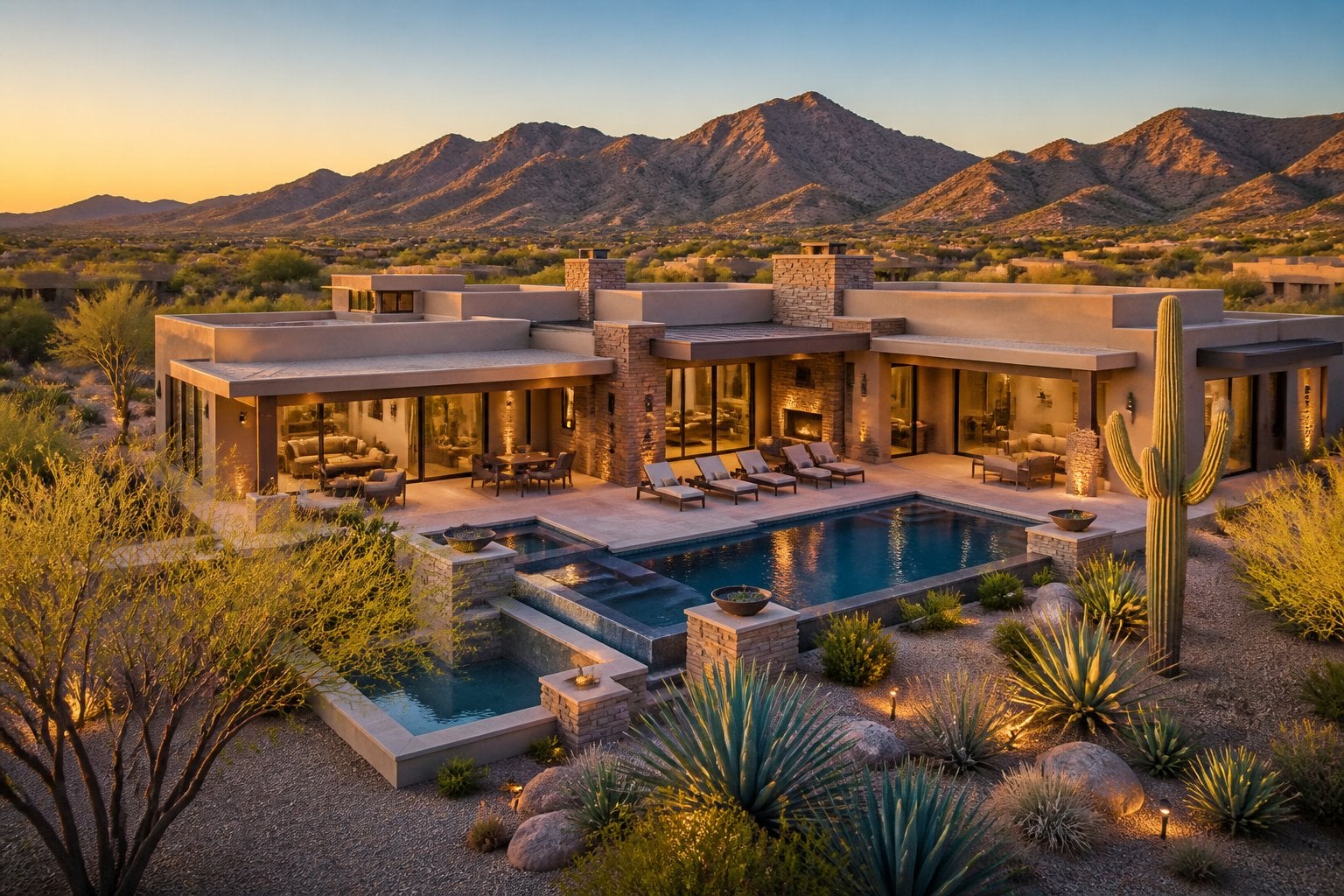
If you’re looking at Scottsdale, you’re paying for desert luxury paired with resort-style living. Neighborhoods like Silverleaf, Desert Mountain, and Ancala anchor the top of the market, with custom estates often exceeding $10 million.
You’ll find that golf access shapes much of the pricing here. Communities built around Troon North or McCormick Ranch carry premiums simply for course frontage and mountain views.
Architecture also plays a role in what you’ll pay. Homes often feature stone construction, expansive glass walls, and layouts designed to frame views of Camelback Mountain or Pinnacle Peak.
Beyond the home itself, you’re buying into a lifestyle built around privacy and exclusivity. Gated communities, curated amenities, and proximity to upscale shopping and dining add to the overall cost.
If you want a Scottsdale address, expect land values, climate, and low housing supply to keep prices firmly in luxury territory.
26. Dallas, Texas
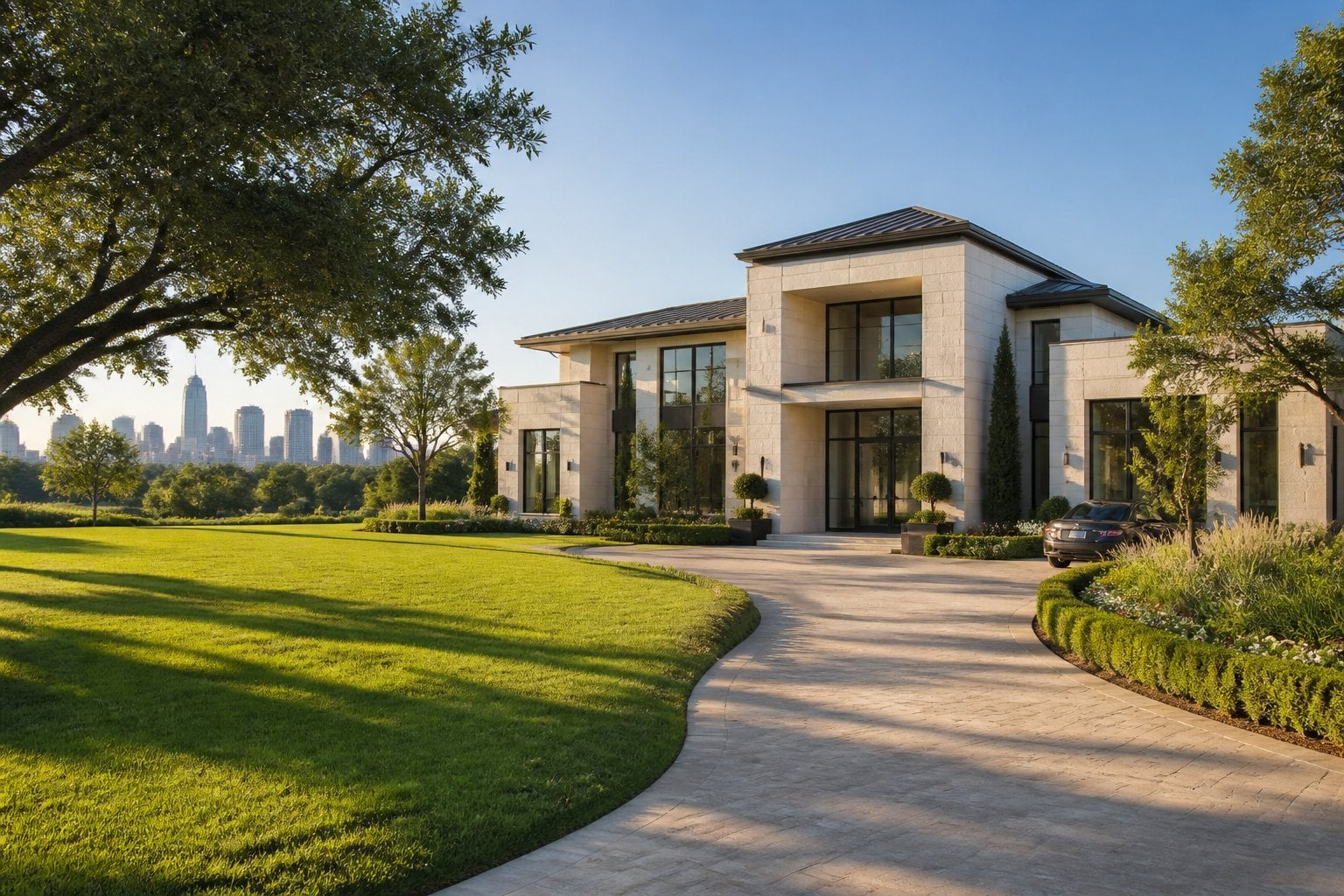
Dallas presents a split market. The city-wide median sits around $500,000, but certain neighborhoods push far beyond that figure.
In areas like Lakeside Terrace, you’ll find single-family homes listed near $4.9 million. Estate-style properties in the top-tier neighborhoods regularly trade between $5 million and $15 million or more.
You should also look beyond city limits when considering the metro’s cost. Suburbs like Prosper and Lucas have joined the high-value tier, with Lucas homes averaging over $1 million after gaining more than 13% in a single year.
If you’re comparing Texas markets broadly, Dallas-Fort Worth stands out. The metro claims 12 spots among the state’s 30 priciest cities, more than any other Texas region.
Your takeaway: Dallas isn’t uniformly expensive, but its luxury segment and surrounding suburbs place real financial demands on buyers seeking premium properties.
27. Austin, Texas
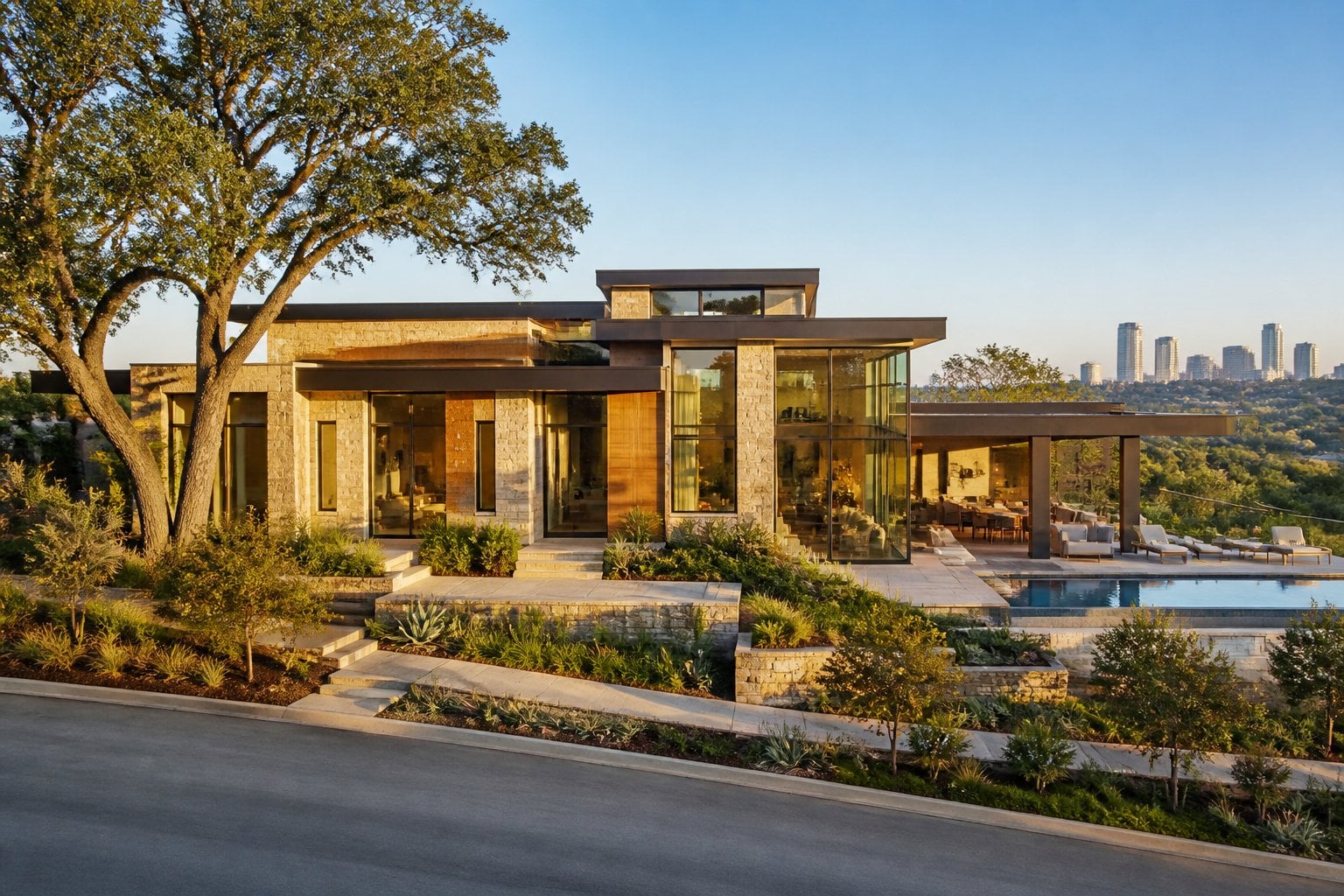
Austin has become one of the most expensive cities in Texas, and homeownership here costs significantly more than renting. A typical monthly mortgage payment runs around $3,323, which is 117% higher than average rent in the area.
To afford a median-priced home in Austin, you’d need an annual income of roughly $118,200. That’s about $30,000 more than what the typical local household earns.
If you’re considering the city’s most desirable neighborhoods, expect prices to climb even further. Areas like West Lake Hills, Barton Creek, Tarrytown, and Rollingwood carry some of the highest price tags in the region.
Austin’s rapid growth over the past decade has driven demand well beyond what local wages can support. You’re not just paying for a home here; you’re paying a premium tied to the city’s tech industry expansion and population influx.
28. Nashville, Tennessee
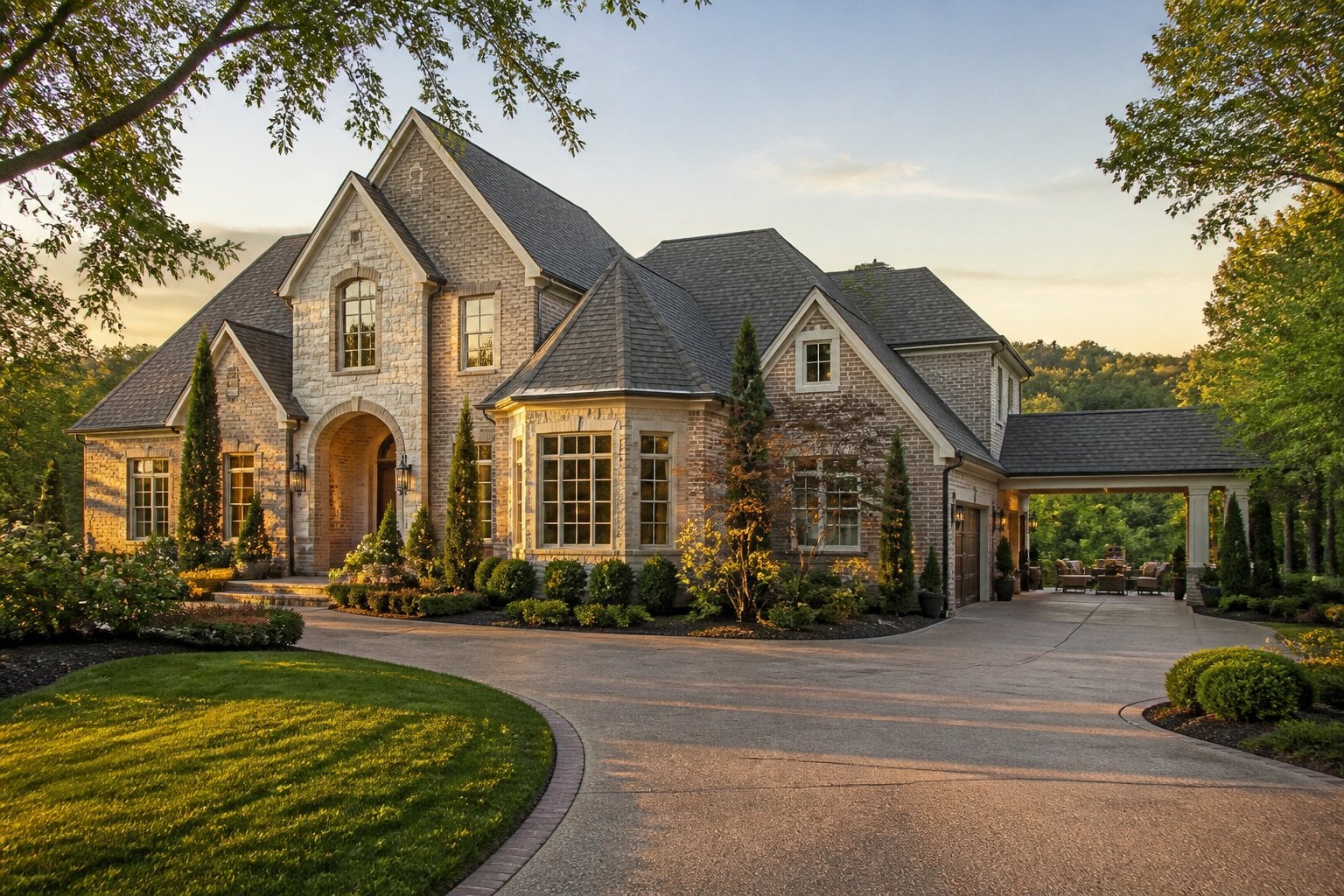
Nashville has become one of the most expensive housing markets in Tennessee and the broader Southeast. Growth in the music, healthcare, and tech sectors has driven demand across the metro area, pushing prices up for both new arrivals and longtime residents.
Belle Meade stands out as the city’s most exclusive neighborhood, with a median home value around $1.5 million. It also holds the record for the most expensive home sale in Tennessee history, at over $32 million.
Other high-value areas include Forest Hills, Westmead, and Hillwood Estates, where median prices range from roughly $425,000 to $2.8 million. You’ll find that these neighborhoods offer privacy, larger lot sizes, and proximity to Nashville’s urban core.
If you’re considering buying here, expect competition. Nashville’s housing market has consistently ranked among the hottest in the country, with values rising steadily across nearly every price bracket.
29. Chicago, Illinois
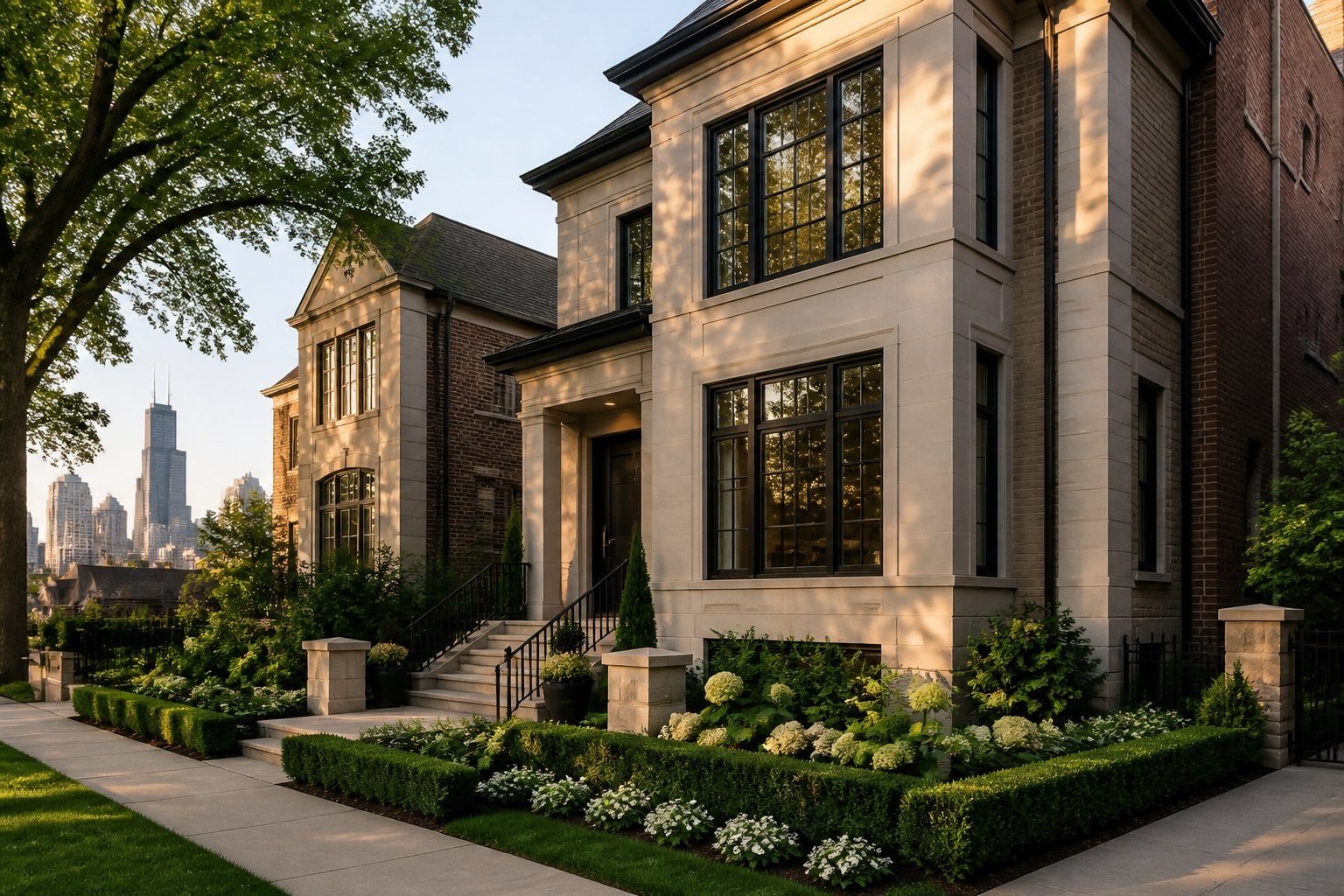
Chicago itself is not among the priciest housing markets nationally, but its wealthiest neighborhoods push the city onto this list. In areas like Gold Coast, Lincoln Park, and the Near North Side, you’ll find median home values well above the city’s overall average.
The Chicago-Naperville-Elgin metro area drives much of this cost. Suburbs such as Glencoe and Highland Park report median home values exceeding $700,000, with Glencoe topping $1.5 million.
You should expect Chicago’s luxury market to center on historic mansions, high-rise condos, and lakefront properties. Proximity to Lake Michigan, downtown access, and top-rated schools all factor into pricing.
If you’re considering a purchase in one of these premium neighborhoods, property taxes in Illinois rank among the highest in the country. This adds a significant ongoing cost beyond the initial purchase price, something you’ll want to factor into any long-term ownership decision.
30. Portland, Oregon
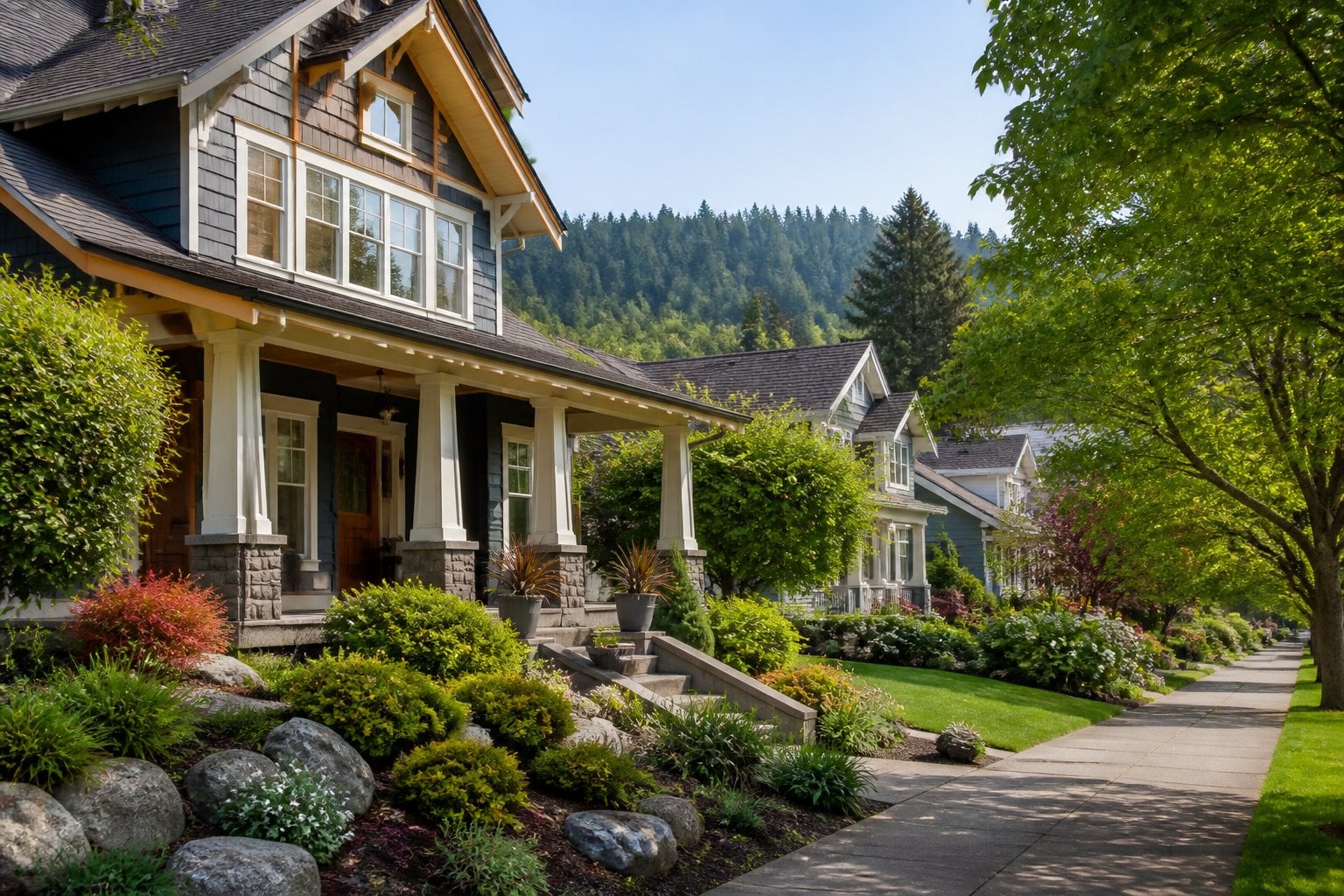
Portland rounds out the list, with home values that reflect the city’s mix of urban density and desirable neighborhoods. If you’re looking at properties here, you’ll find the highest prices concentrated in areas like Forest Highlands and Dunthorpe, where larger lots and river access drive costs up.
You’ll notice that Portland’s overall market has cooled somewhat compared to peak years, but certain pockets remain firmly out of reach for average buyers. Waterfront and hillside properties command the steepest premiums.
Beyond the city itself, you’ll see nearby suburbs in the Portland-Vancouver-Hillsboro metro area also ranking among Oregon’s priciest places to buy. If you’re comparing this market to others on this list, Portland’s prices are lower than coastal California or New York, but still significant by national standards.
How Homeownership Costs Are Measured
Ranking the most expensive places to own a home requires looking past the listing price. Your true cost of ownership includes recurring expenses that vary significantly by location and can add tens of thousands of dollars annually.
Home Prices Versus Total Carrying Costs
When you compare markets, the purchase price only tells part of the story. Your actual financial commitment includes your mortgage payment, but also maintenance, utilities, and repairs that accumulate over time.
A $1.6 million home in San Jose carries different ongoing costs than a similarly priced home in a lower-tax state. You need to factor in:
- Mortgage principal and interest
- Routine maintenance (typically 1-2% of home value annually)
- Utilities, which vary by climate and local rates
- Unexpected repairs, from roofing to HVAC systems
Your total carrying cost often exceeds your mortgage payment by 30% or more once you account for these ongoing obligations.
The Role of Property Taxes, Insurance, and HOA Fees
Property taxes vary dramatically depending on where you buy. Some states charge under 0.5% of your home’s value annually, while others exceed 2%, creating thousands of dollars in yearly differences.
Your insurance costs depend on regional risk factors. Homes in hurricane-prone or wildfire-prone areas typically carry higher premiums than those in lower-risk regions.
If you buy into a community with a homeowners association, you’ll pay additional monthly or annual fees. These can range from modest amounts to several hundred dollars per month, depending on amenities and services included.
Together, these three expenses often determine whether your homeownership costs remain manageable or become a significant financial burden.
What Drives Housing Costs in Premium Markets
Several factors combine to push home prices well above the national median in these markets. Geography, job availability, and quality-of-life features all play a direct role in what you’ll pay.
Limited Land and Housing Supply
In many premium markets, you’re dealing with a fixed or shrinking supply of buildable land. Coastal cities like San Francisco and Newport Beach face natural boundaries from oceans, hills, or protected land that restrict expansion.
Zoning restrictions compound this problem. Many desirable neighborhoods limit construction to single-family homes, which prevents the kind of density that could ease price pressure.
You’ll also find that permitting processes in these areas tend to be slow and expensive. Years of underproduction relative to population growth has created a backlog of demand that new construction hasn’t kept pace with.
When supply stays flat while demand rises, prices climb. This dynamic explains why California holds so many of the country’s most expensive markets.
High-Income Job Centers and Buyer Demand
Your housing costs often track closely with local wages, particularly in tech hubs like Palo Alto and San Jose. High-paying industries concentrate talent in specific metro areas, and that talent needs somewhere to live.
Tech salaries, in particular, have pushed buyer budgets well beyond what typical wage growth would support elsewhere. When a large share of buyers in a market earn six-figure salaries, sellers can set prices accordingly.
You’re also competing against ultra-wealthy buyers in some markets, including Florida cities favored by executives and billionaires seeking tax advantages. This adds another layer of demand at the top of the market that pulls median prices upward across entire metro areas.
Amenities, Schools, and Lifestyle Appeal
Quality of life factors add measurable value to homes in premium markets. You’ll pay a premium for:
- Top-rated school districts that attract families willing to pay more for education access
- Climate and outdoor access, including beachfront property or year-round mild weather
- Cultural and recreational amenities like restaurants, arts venues, and parks
- Proximity to employers that reduces commute times
These features don’t just add convenience. They create sustained demand that keeps prices elevated even during broader market slowdowns.
Cities with strong school systems or coastal access, for example, tend to hold value better than comparable markets without those draws.