
The 30 Most Expensive Mountain Towns in America: Where Real Estate Prices Reach New Heights
Mountain towns across America have become synonymous with high price tags, drawing residents and visitors who want access to scenic landscapes and outdoor recreation. From ski resorts in Colorado to lakeside communities in the Rockies, these towns command premium real estate values driven by limited housing supply and high demand.
If you’re curious about where the wealthiest mountain communities are located and what makes them so costly, this list breaks down the 30 most expensive towns based on housing prices and market data.
You’ll find that certain regions, particularly the Rocky Mountains, dominate the rankings due to their combination of natural beauty and exclusivity.
Understanding these price patterns can help you make sense of broader trends in second-home ownership and luxury living in mountain regions. Whether you’re researching real estate markets or simply interested in where affluent Americans choose to spend their time, this list offers a clear picture of the country’s priciest mountain destinations.
1. Aspen, Colorado
Aspen tops the list as the most expensive mountain town in America. A three-night stay here can cost you over $2,700, well above what you’d pay in other resort destinations.
You’ll find Aspen tucked into a remote, mountain-ringed valley in central Colorado. This setting gives you access to world-class skiing along with high-end dining and accommodations that draw visitors year-round.
Real estate prices reflect this exclusivity. Many properties list well above $5 million, making Aspen one of the priciest housing markets in any US mountain region.
Your reasons for visiting might include the terrain, but you’ll notice the town’s appeal extends beyond winter sports. Aspen has built a reputation as a retreat for affluent travelers, and its pricing structure across lodging, food, and real estate consistently confirms that status.
2. Vail, Colorado
Vail was founded in 1962 to compete with elite European ski destinations, and it has held that reputation ever since. Today, the median home price here exceeds $2.25 million.
If you’re looking at the most desirable streets, expect to pay between $1,500 and $2,300 per square foot. That kind of pricing puts Vail real estate on par with markets like Manhattan.
Several factors drive these numbers. Vail Ski Resort offers world-class terrain, and the town’s appeal extends well beyond winter into a full slate of summer activities.
Limited housing supply adds pressure to an already competitive market. You’re dealing with a fixed amount of land in a narrow mountain valley, which restricts new development.
Combine that scarcity with sustained demand from wealthy buyers, and you get one of the least affordable towns in the country.
3. Telluride, Colorado
You’ll find Telluride ranked among the most expensive ski towns in the country. Research from Realtor.com shows over 38% of its real estate listings exceed $5 million, a higher share than in Aspen or Vail.
Telluride’s remote location in southwestern Colorado limits development, which keeps supply tight. You’re looking at a market shaped by a small, historic town box canyon setting surrounded by protected mountain terrain.
The town’s ski resort and free gondola connect Telluride to Mountain Village, another area with high-value properties. You’ll notice pricing here reflects both scarcity and the area’s reputation as a low-key alternative to more crowded resort towns.
Despite its size, Telluride draws buyers seeking privacy and access to skiing, hiking, and festivals throughout the year.
4. Breckenridge, Colorado
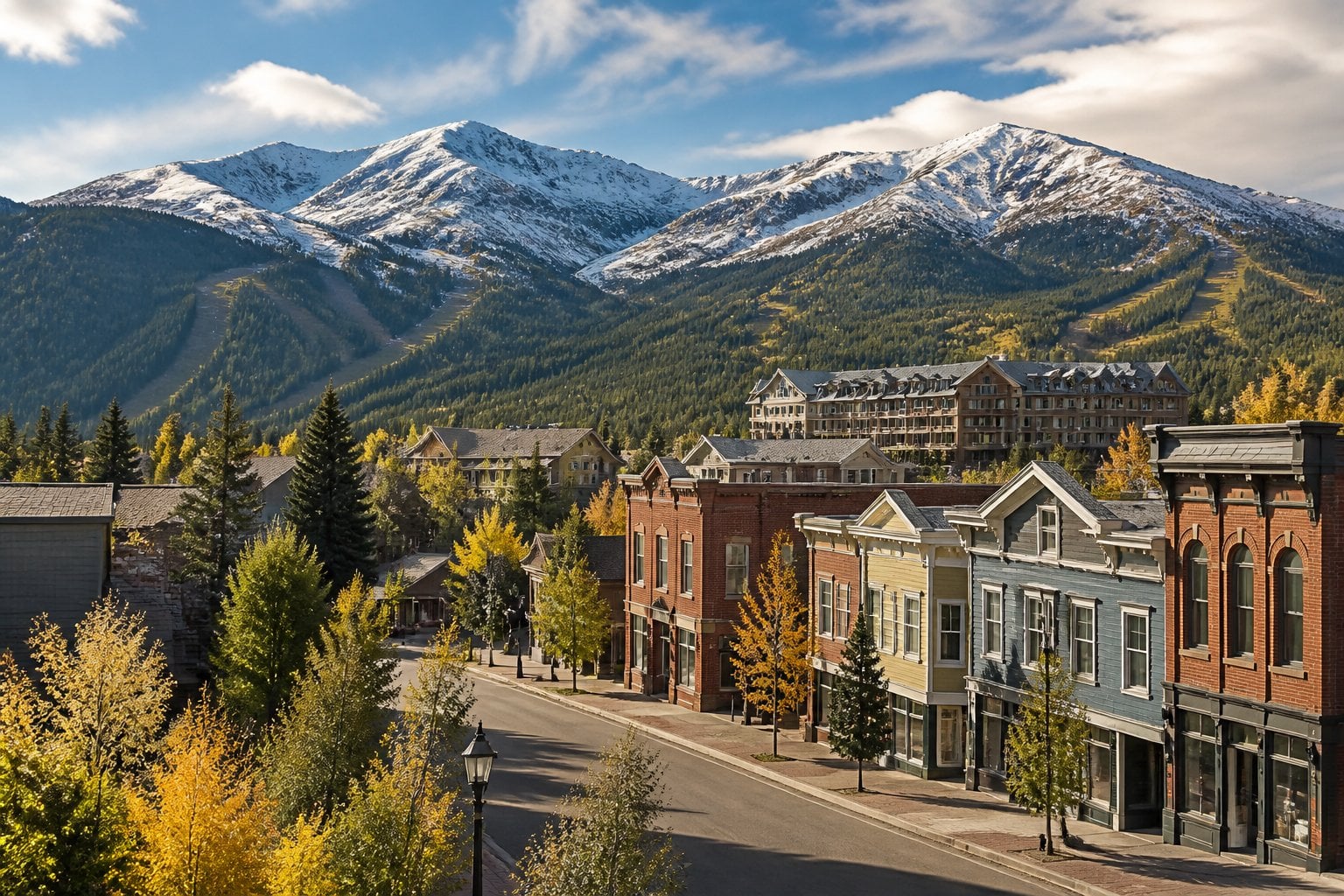
You’ll find Breckenridge among the priciest small towns in the country. The median listing price for homes here sits around $1.4 million, placing it among the top four highest-priced micropolitan areas in America.
Your housing costs aren’t the only expense to plan for. A restricted Epic 1-Day lift pass runs about $125, though you can offset some costs with Epic Mountain Rewards, which offers 20% off food, lodging, lessons, and rentals if you’re a pass holder.
You’ll notice the town’s historic Victorian-era village sits right at the base of the mountain, with ski-in and ski-out properties scattered throughout. This convenience factors directly into the elevated price tag you’ll encounter, whether you’re buying property or booking a short stay.
For median-income earners, homeownership in Breckenridge remains a significant financial stretch.
5. Steamboat Springs, Colorado
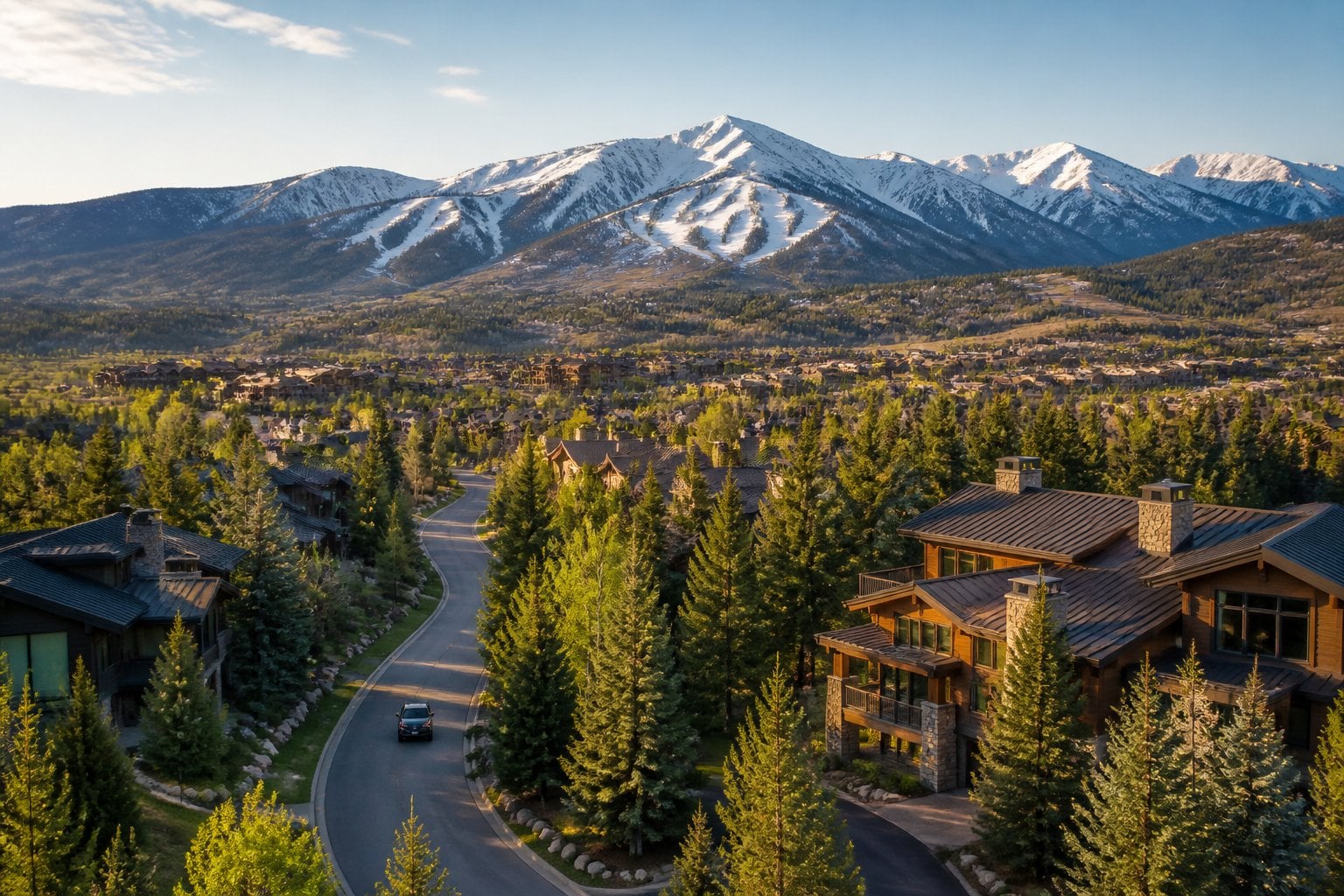
You’ll find Steamboat Springs sitting at 6,700 feet in Colorado’s Rocky Mountains, though the ski resort itself climbs much higher across nearly 3,000 acres of terrain. Median home values here have been estimated between $690,000 and over $1.2 million, depending on the data source and timeframe you’re looking at.
This town has built its reputation on being more laid-back than some of its Colorado counterparts. You’ll notice it attracts families and retirees alongside skiers, giving it a different feel than flashier resort destinations.
That reputation is shifting, though. Wealthy buyers who once gravitated toward Aspen are increasingly looking at Steamboat Springs instead, which has put upward pressure on prices.
If you’re comparing it to other Colorado mountain towns, you’ll see it consistently ranks among the state’s priciest micropolitan areas, often mentioned alongside Breckenridge in national cost comparisons.
6. Crested Butte, Colorado
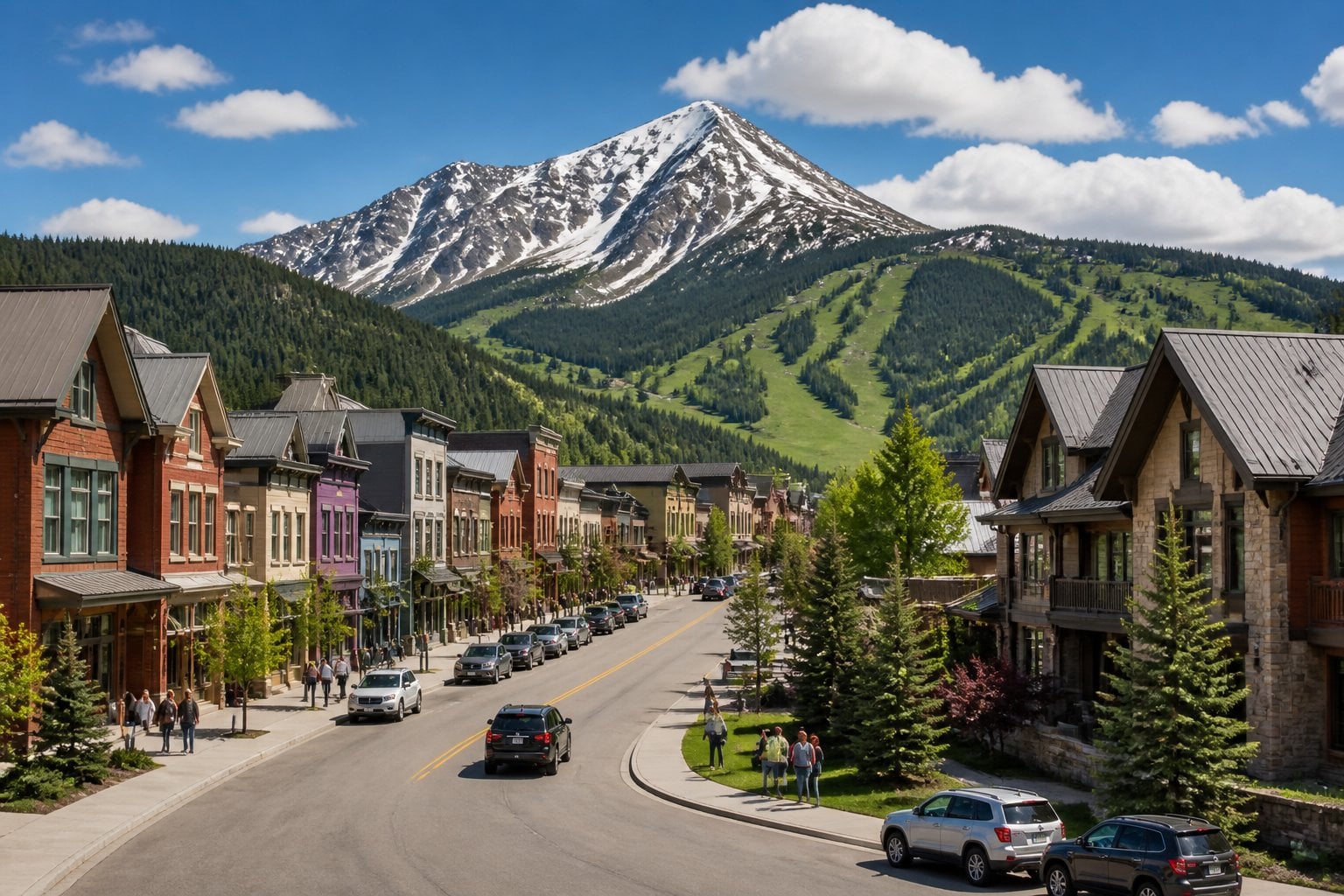
Crested Butte sits in a remote valley within the Elk Mountains of Gunnison County. You’ll find that its isolation has worked in favor of property values rather than against them, creating a market that commands premium pricing despite limited access.
Housing costs here run higher than the national average. A single person can expect monthly housing expenses around $1,207, while a family of four faces closer to $2,212.
The town built its early reputation on mountain biking and an artsy, unpolished identity that set it apart from Vail and Aspen. Over the past fifteen years, that same character has attracted wealthy buyers seeking ski access without the more commercial feel of other resort towns.
You’ll notice the historic Victorian architecture throughout downtown, a reminder of the area’s coal mining past. Combined with genuinely challenging expert terrain, this history continues to draw both skiers and second-home buyers.
7. Snowmass Village, Colorado
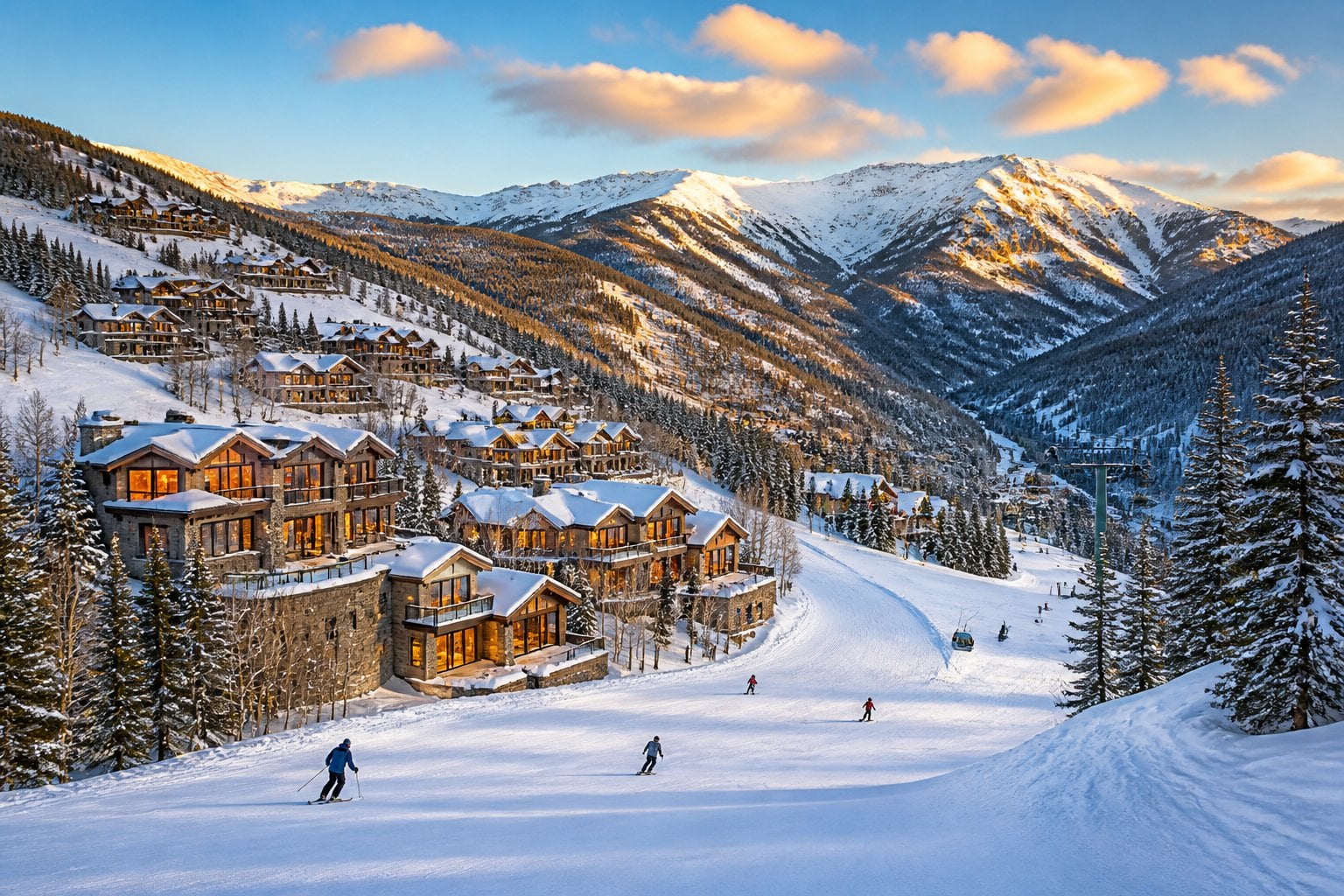
You’ll find Snowmass Village about nine miles northwest of Aspen, tucked into the Rocky Mountains. The typical home value here reaches over $2.1 million, placing it firmly among Colorado’s priciest markets.
Renting isn’t cheap either. If you’re looking at a two-bedroom, expect to pay around $3,740 a month, well above the national average.
Housing costs overall run about 18.5% higher than the US average, and your monthly budget will reflect that whether you’re renting or buying.
Snowmass Ski Area, which opened in 1967, remains the town’s main draw. You’ll get access to terrain connected to Aspen Mountain, Aspen Highlands, and Buttermilk through the Aspen Skiing Company.
With just under 3,000 residents, Snowmass Village stays small, but its real estate prices consistently rank among the highest in the country.
8. Avon, Colorado
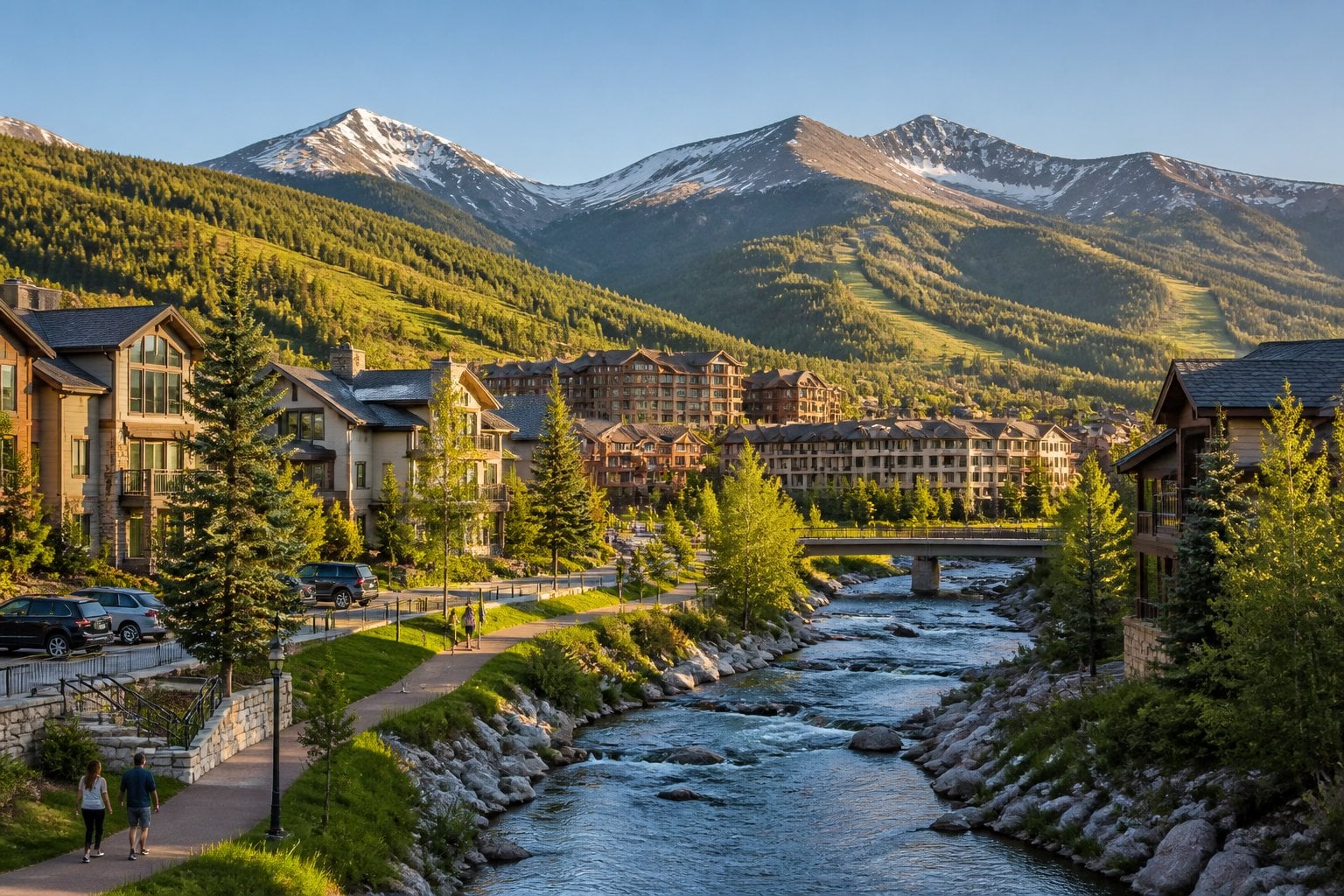
Avon sits at the base of Beaver Creek, giving you direct access to one of Colorado’s premier ski resorts. Home prices here have climbed steadily as demand for mountain property near Beaver Creek and Vail continues to grow.
You’ll find a mix of condos, townhomes, and single-family homes, though even entry-level properties carry a high price tag by national standards. Proximity to Vail, just a short drive away, adds to Avon’s appeal and its cost.
Second-home buyers make up a significant share of the local real estate market. This demand from out-of-state and international buyers keeps competition high and inventory tight.
Beyond skiing, Avon offers hiking, biking, and lake access in the warmer months, making it a year-round destination. That versatility supports property values even outside peak winter season.
9. Beaver Creek, Colorado
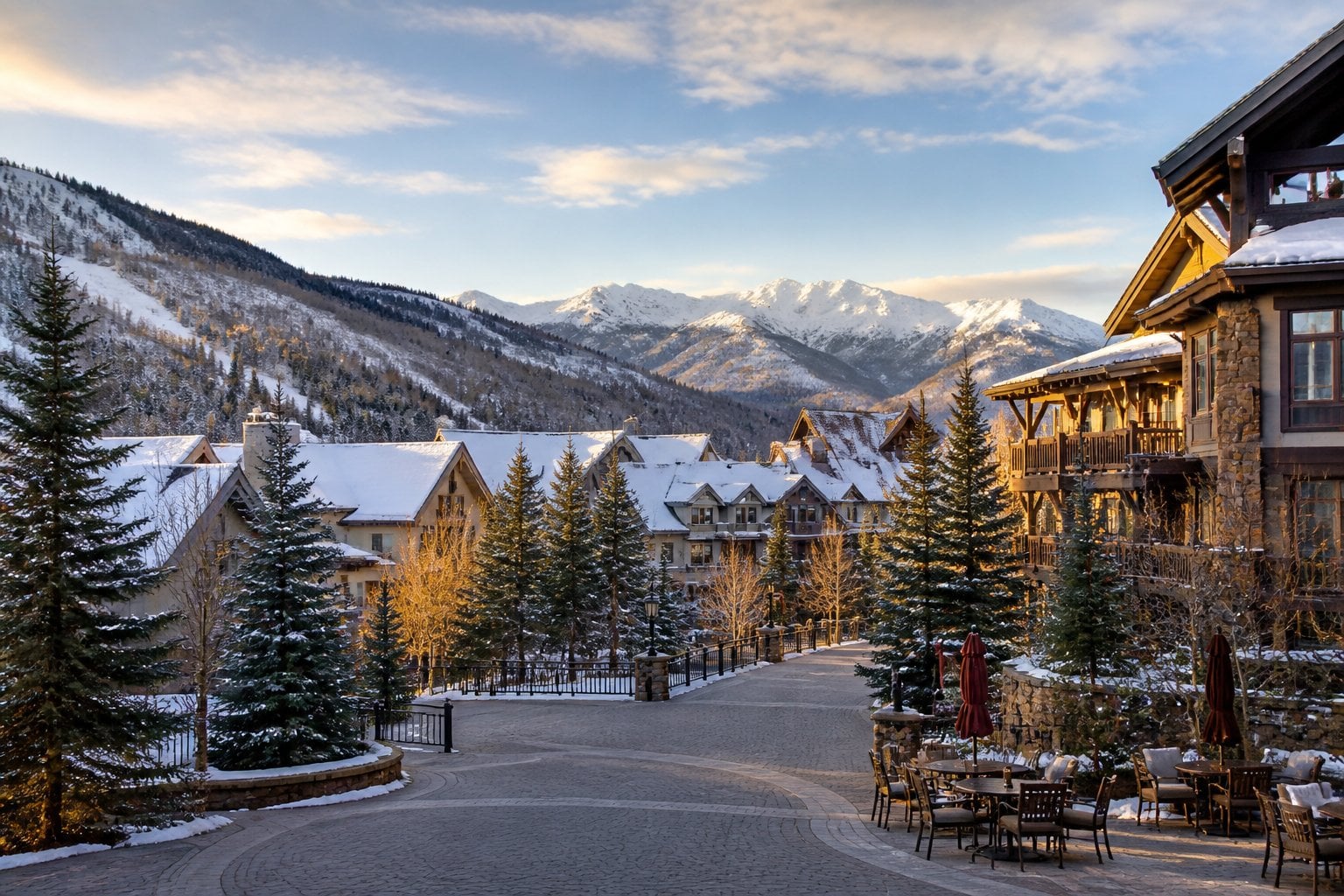
Beaver Creek sits just west of Vail, and it consistently ranks among the priciest ski destinations in the country. You’ll find a day of skiing, lodging, and meals here can run close to $2,000, putting it on par with Aspen.
The village operates as a private, gated resort community, which sets it apart from most mountain towns. You get ski-in, ski-out access to multimillion-dollar homes and condos, along with heated sidewalks and valet parking throughout the base area.
Median home prices here reach well into the millions, driven by limited inventory and steady demand from second-home buyers. If you’re looking at real estate in Beaver Creek, you’re competing with buyers who treat these properties as long-term investments rather than starter homes.
The town’s reputation for exclusivity isn’t accidental. Beaver Creek was designed from the outset to cater to a wealthier clientele than nearby Vail, and that positioning has held steady for decades.
10. Cherry Creek, Colorado
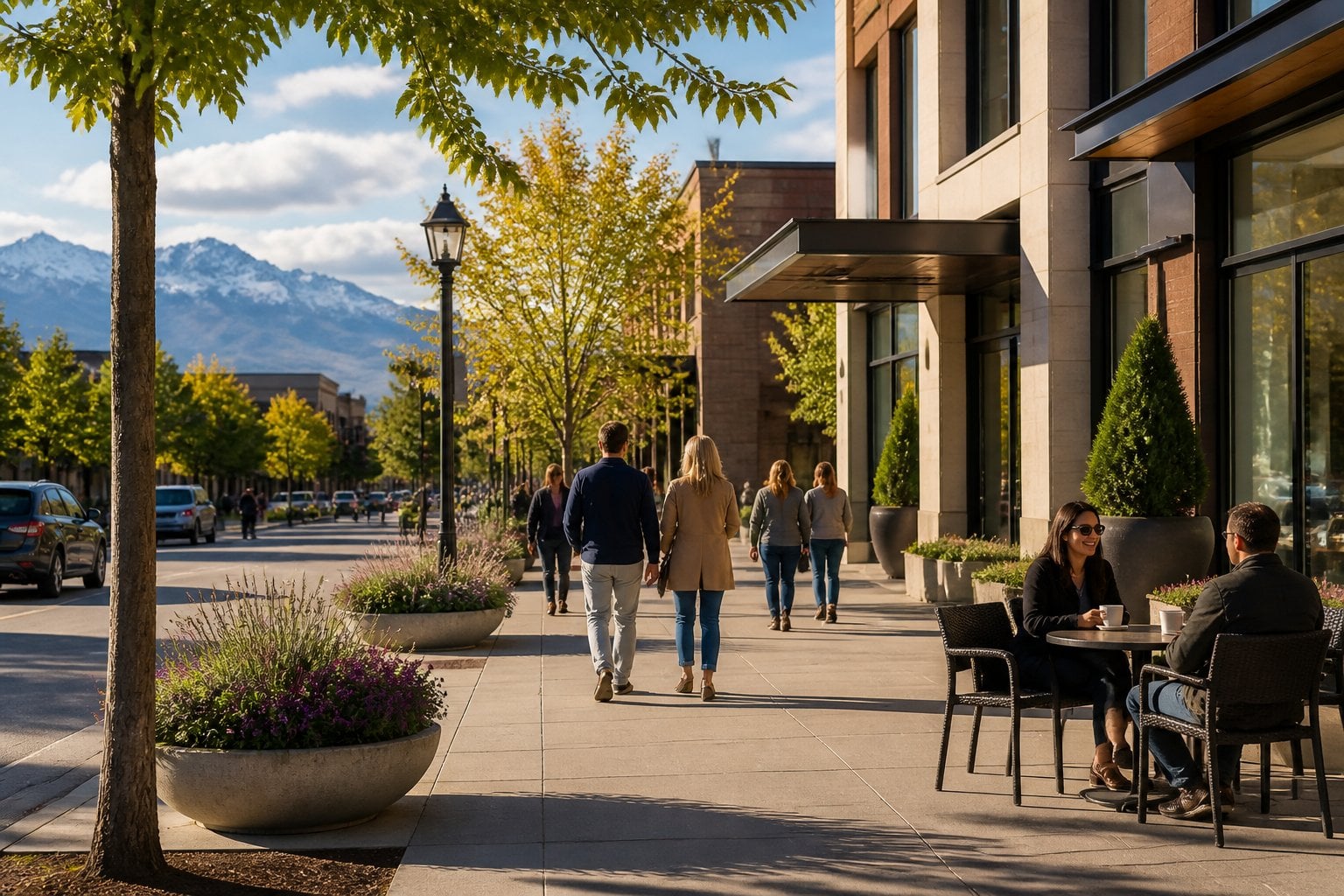
Cherry Creek sits within the Denver metro area rather than the high mountains, but its proximity to the Front Range and its luxury market place it among Colorado’s priciest addresses. You’ll find tree-lined streets, high-end boutiques, and homes that regularly sell well above the state median.
Median home values here often exceed $1 million, driven by demand from professionals who want easy access to both downtown Denver and the mountains beyond. You get walkable shopping districts, upscale dining, and a mix of historic and newly built properties.
Cherry Creek’s appeal comes from convenience as much as prestige. You can reach ski resorts within a couple of hours while still living close to Denver’s job centers and cultural amenities.
This blend of urban comfort and mountain access keeps property values elevated year after year.
11. Jackson, Wyoming
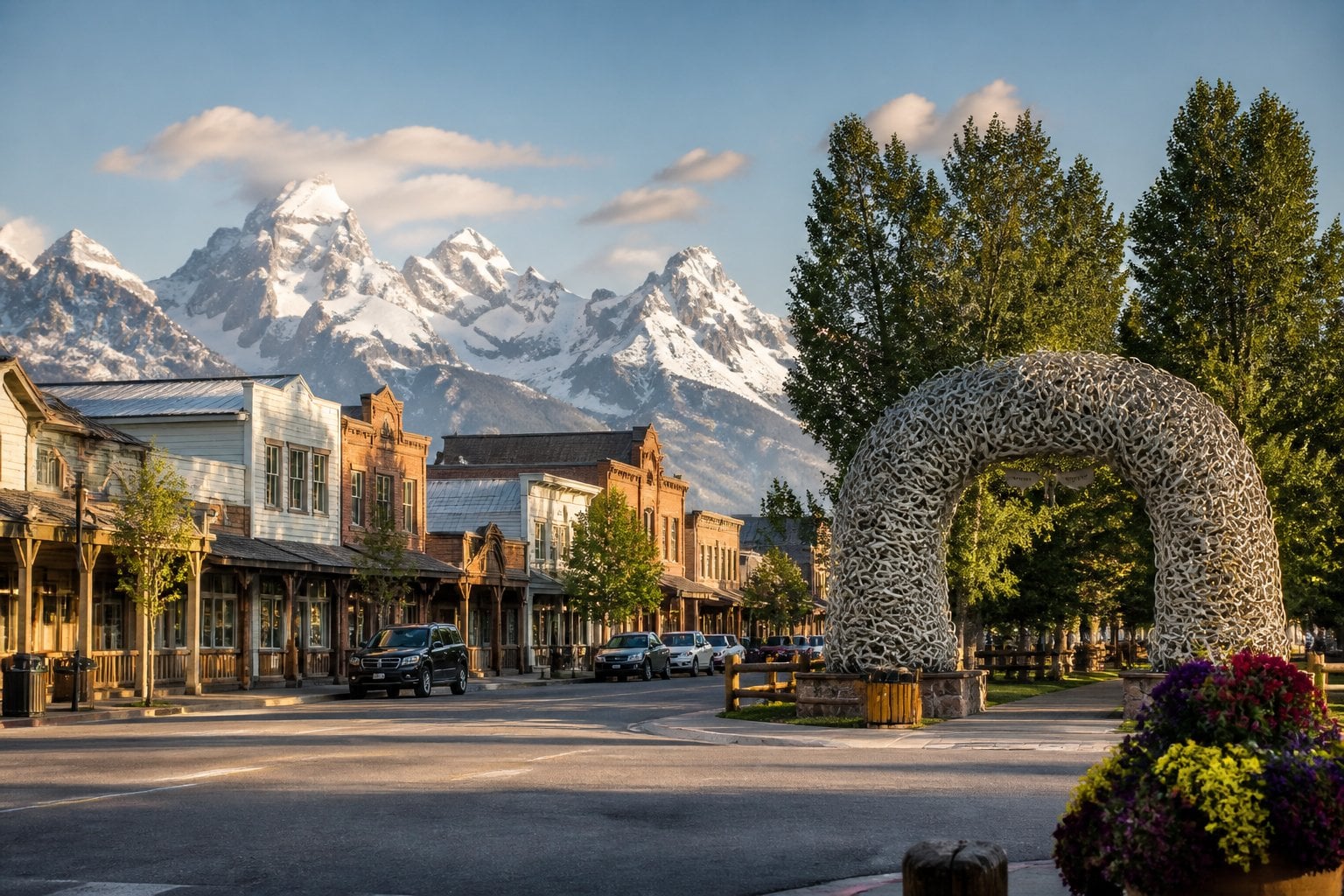
Jackson holds the title of Wyoming’s most expensive place to live, with a median home value exceeding $1.9 million. You’ll find this valley town, along with nearby Teton Village, Moose, and Wilson, forms the broader Jackson Hole area in Teton County.
Wyoming’s lack of state income tax draws wealthy buyers to this region, including celebrities and business owners seeking privacy on remote estates. You can expect real estate here to range from luxury condos to sprawling ranches, with some listings reaching tens of millions of dollars.
Proximity to Grand Teton National Park and world-class skiing at Jackson Hole Mountain Resort adds to the appeal. If you visit, you’ll notice upscale dining, boutique shopping, and art galleries that cater to affluent residents and tourists alike.
Living costs here extend beyond housing, affecting groceries, services, and everyday expenses throughout the valley.
12. Teton Village, Wyoming
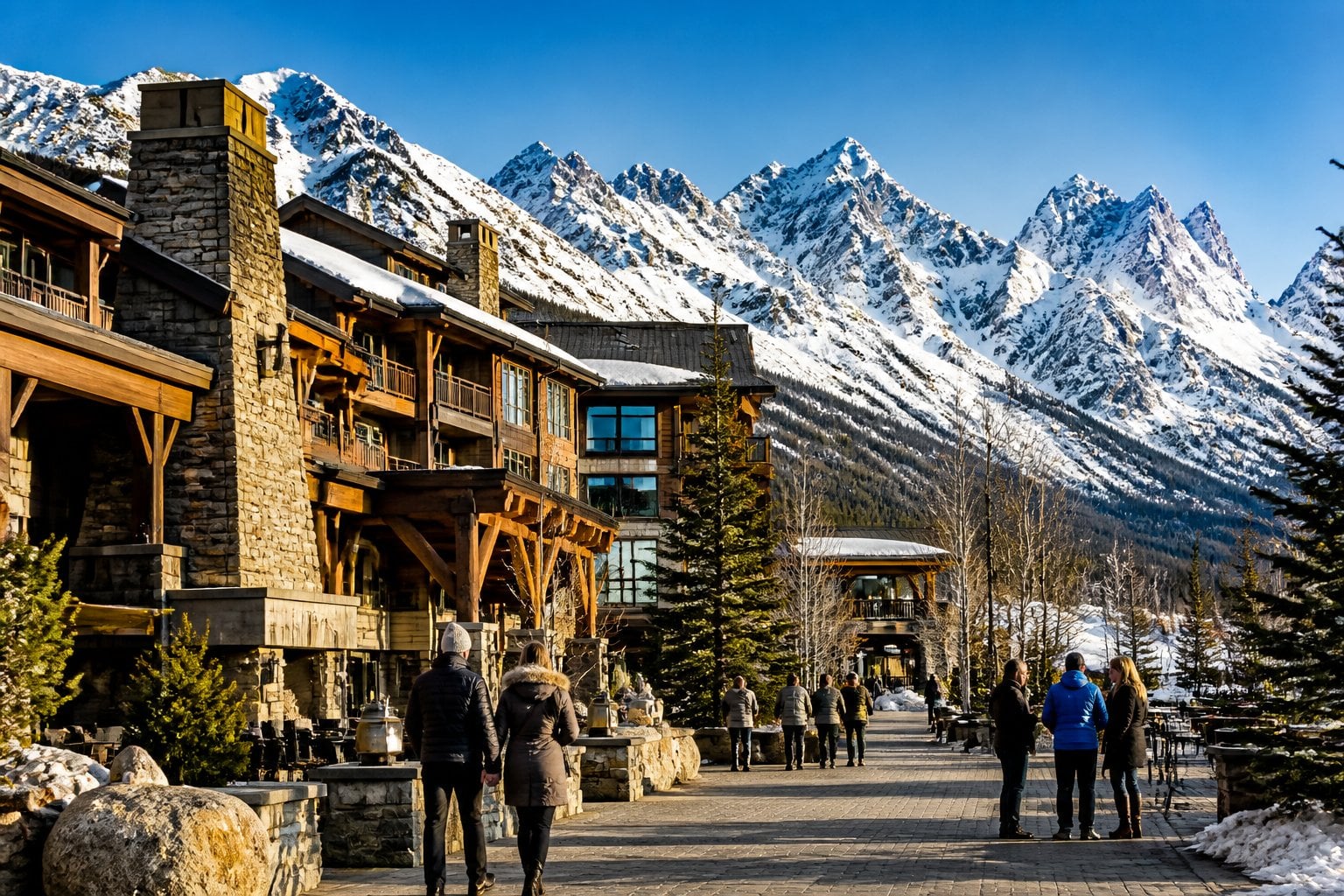
You’ll find Teton Village at the base of Jackson Hole Mountain Resort, in the Jackson Hole valley of Teton County. It’s widely recognized as the most expensive mountain town in Wyoming.
Home prices here often reach into the tens of millions, with the top tier of listings in the area climbing past $40 million. You can expect monthly living costs for a family to run several times above the national average.
The village sits just a mile from Grand Teton National Park and about 12 miles from downtown Jackson. Living here puts you close to direct mountain access, along with upscale shopping and dining.
Teton County also holds the distinction of the highest per capita income in the United States. That wealth concentration shapes the real estate market and cost of living you’ll encounter in Teton Village year-round.
13. Wilson, Wyoming
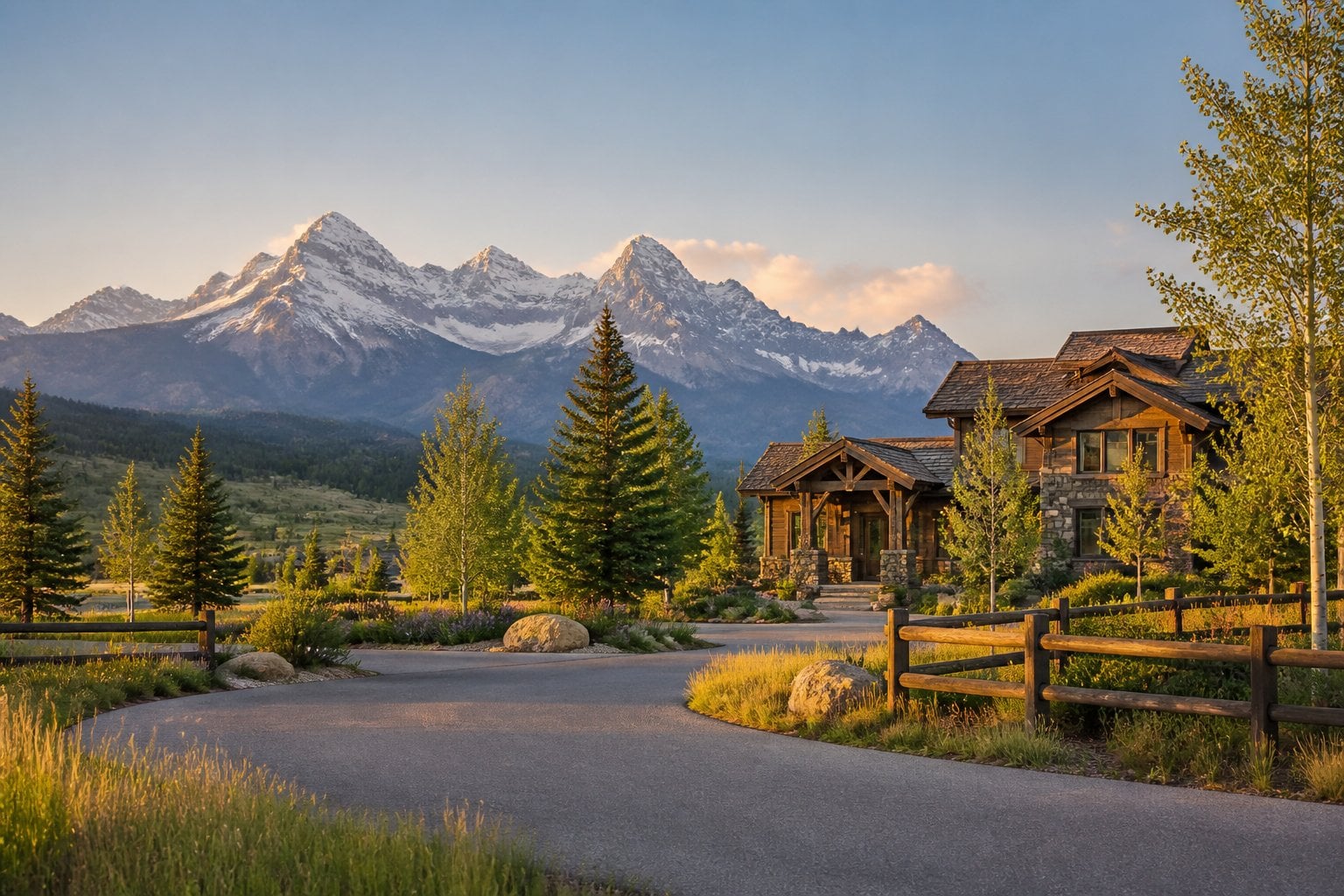
Wilson sits in the Jackson Hole valley, just west of Jackson itself. With around 1,500 residents, it’s a small community, but you’ll find some of the priciest real estate in the country here.
You get proximity to the Teton mountain range and quick access to Jackson Hole Mountain Resort, which draws buyers looking for a quieter alternative to Jackson’s downtown scene.
The town center is modest, with a gas station and a handful of shops. What you’re paying for is land, privacy, and views rather than urban amenities.
Wyoming’s lack of state income tax adds to Wilson’s appeal for wealthy buyers. Combined with limited inventory and high demand from out-of-state purchasers, home prices here rival those in far larger luxury markets.
If you’re considering Wilson, expect multimillion-dollar price tags to be the norm rather than the exception.
14. Park City, Utah
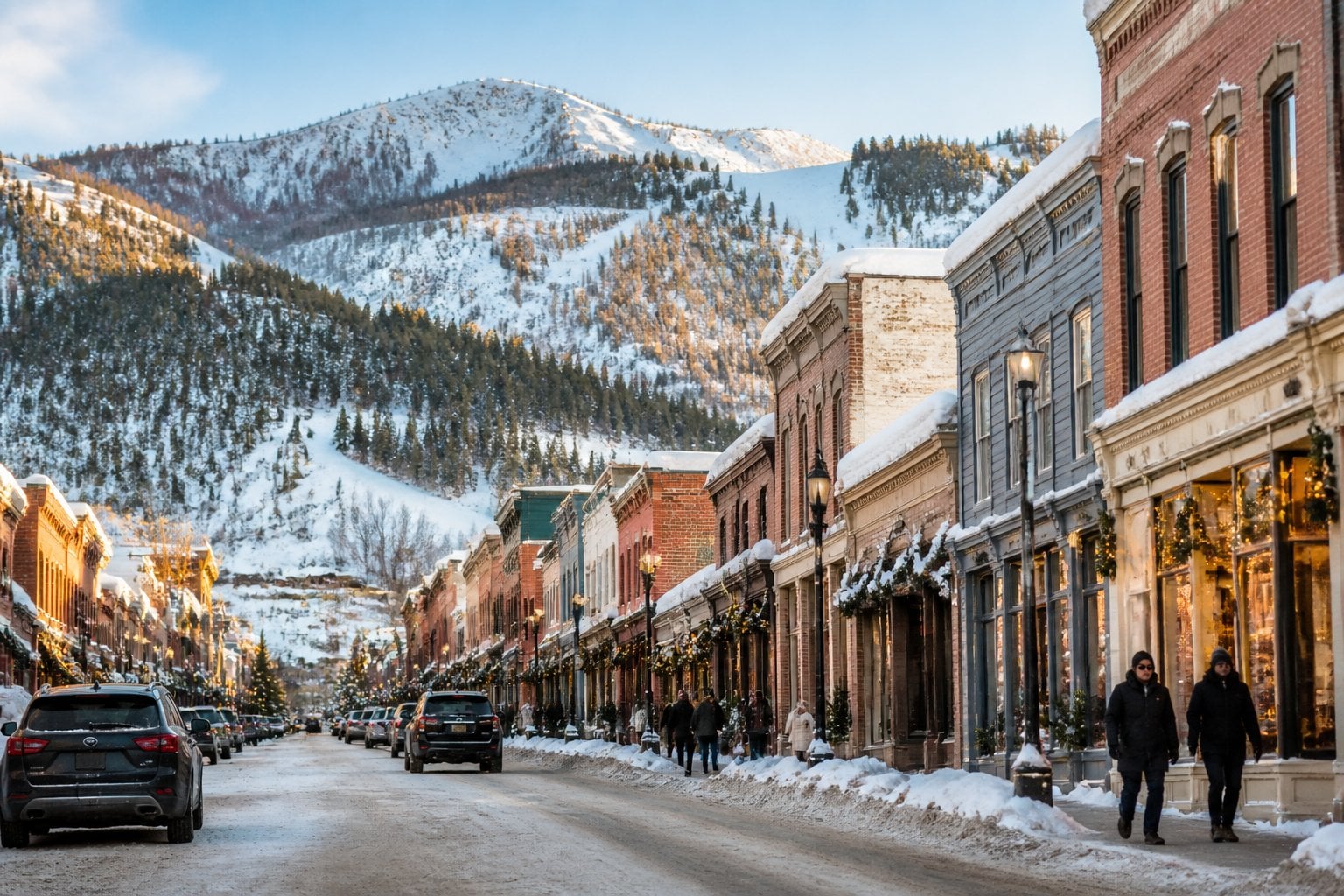
Park City sits about 35 to 45 minutes from Salt Lake City International Airport, a proximity few ski towns can match. Aspen, by comparison, requires a connecting flight or a four-hour drive from Denver. That accessibility drives demand and keeps prices elevated.
Luxury lodging rates here have topped $1,600 a night, placing Park City among the priciest ski destinations in the country. Local tourism officials have pushed back on some of these rankings, noting that average nightly rates don’t always match headline figures.
You’ll find home prices reflecting the same trend, with ski-in properties and mansions commanding significant premiums. A week-long vacation for one person can run close to $5,000, while a family of four might spend over $12,000.
15. Deer Valley, Utah
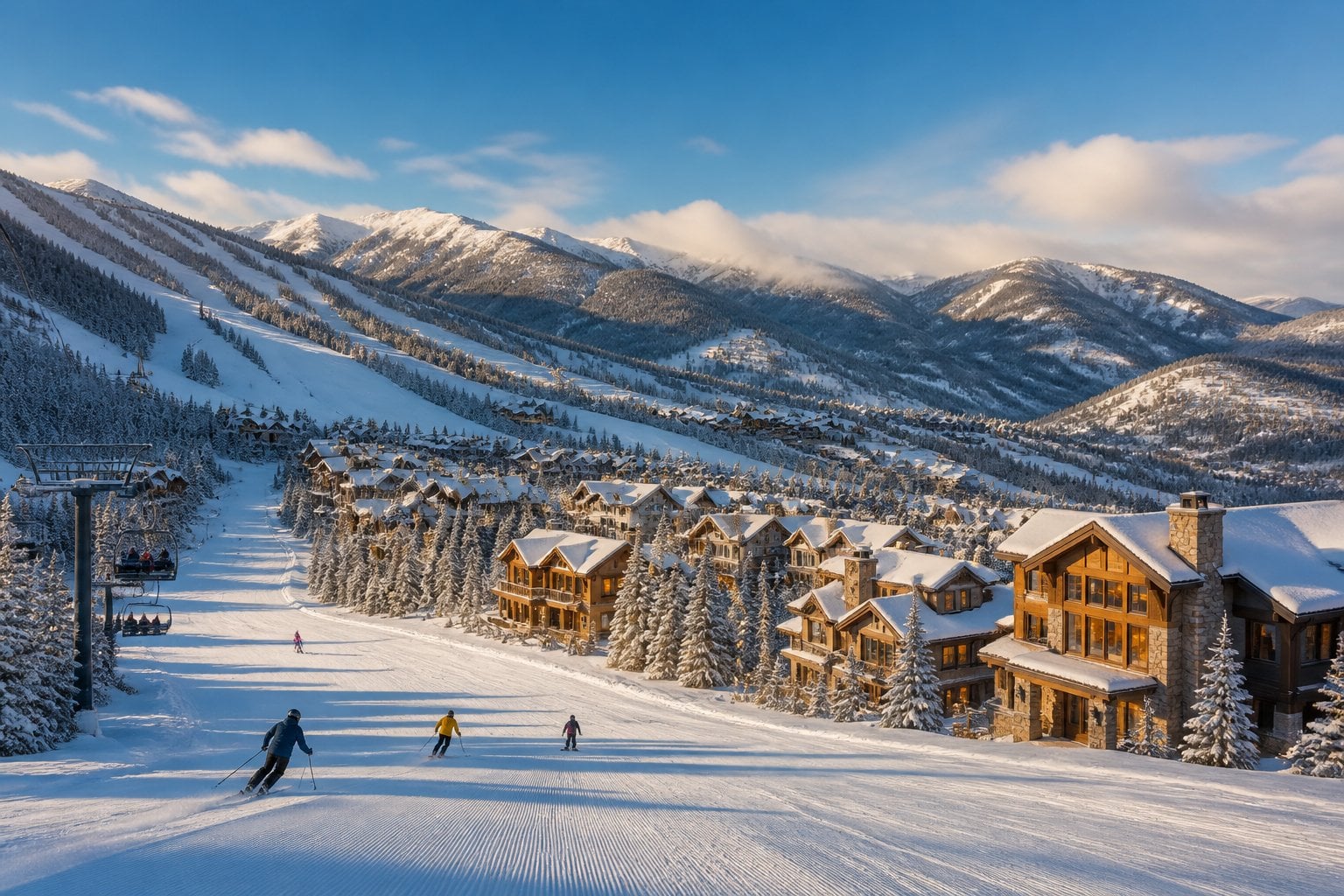
Deer Valley sits just outside Park City and operates as a ski-only resort, banning snowboarders since it opened. That policy, paired with a cap on daily lift tickets, has kept the mountain experience exclusive for decades.
You’ll find real estate here among the priciest in Utah. A duplex penthouse at the Four Seasons Resort in the East Village has been listed for $37 million, ranking as one of the most expensive condos in the state.
Ski-in, ski-out homes dominate the market, and buyers pay a premium for direct mountain access. The town’s proximity to Salt Lake City International Airport, roughly 45 minutes away, adds to its appeal for out-of-state and international buyers.
Deer Valley’s combination of limited crowds, groomed runs, and high-end amenities keeps demand steady, even as prices climb well above those in most other Mountain West resort towns.
16. Alta, Utah
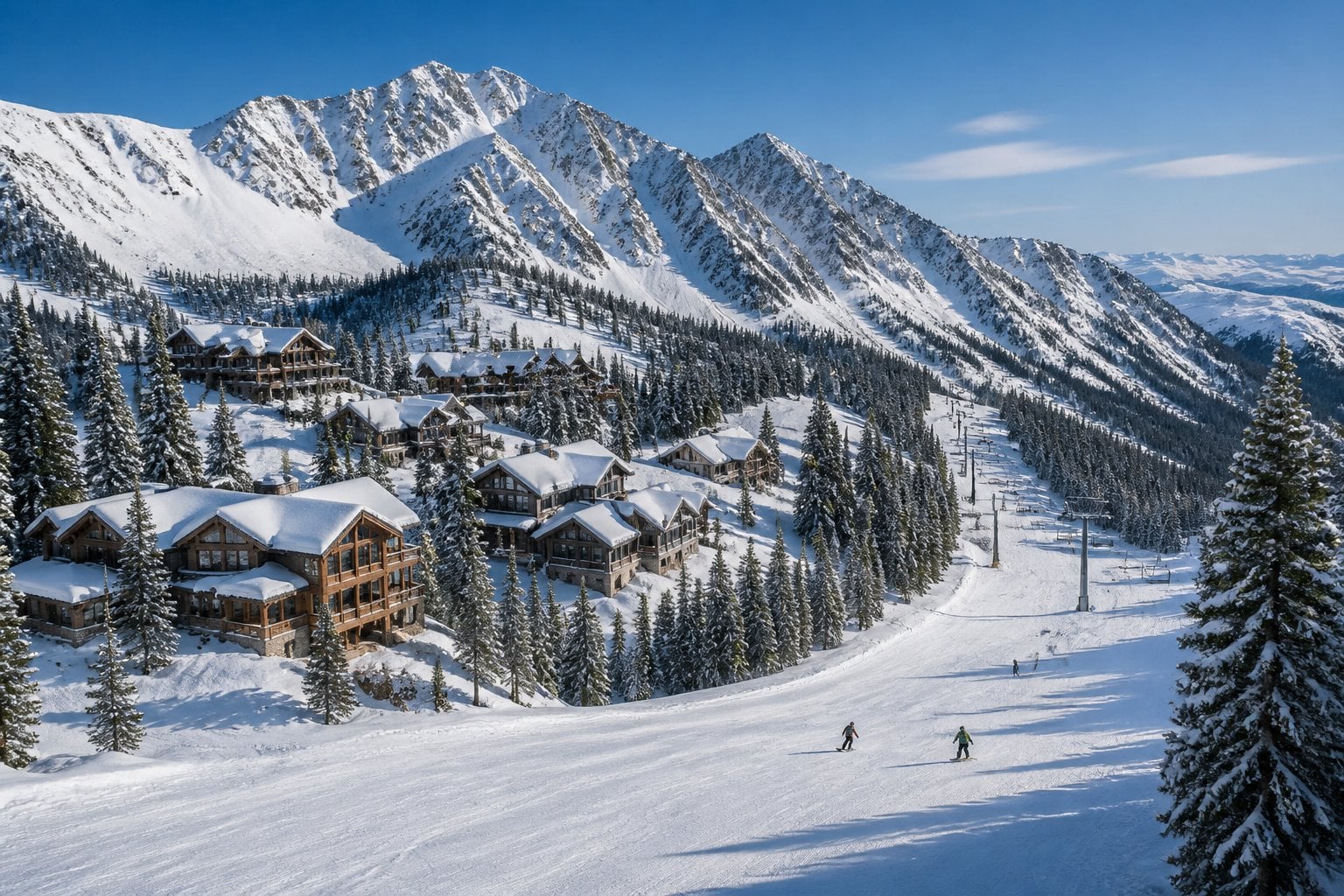
Alta sits at the top of Little Cottonwood Canyon, about 25 miles southeast of Salt Lake City. You’ll find one of the oldest ski resorts in the country here, known for deep powder and a strict no-snowboarding policy that’s been in place for decades.
Home prices reflect the town’s exclusivity and limited housing stock. With a year-round population under 400, most properties cater to seasonal residents rather than full-time locals.
You won’t find sprawling development in Alta. Zoning restrictions and the town’s small footprint keep growth in check, which helps maintain property values and preserves the low-key alpine character that draws skiers back season after season.
Access can be a factor in cost, too. Avalanche control and canyon road closures are common in winter, so you’re paying for a location that guarantees snow reliability but demands patience during storms.
17. Snowbird, Utah
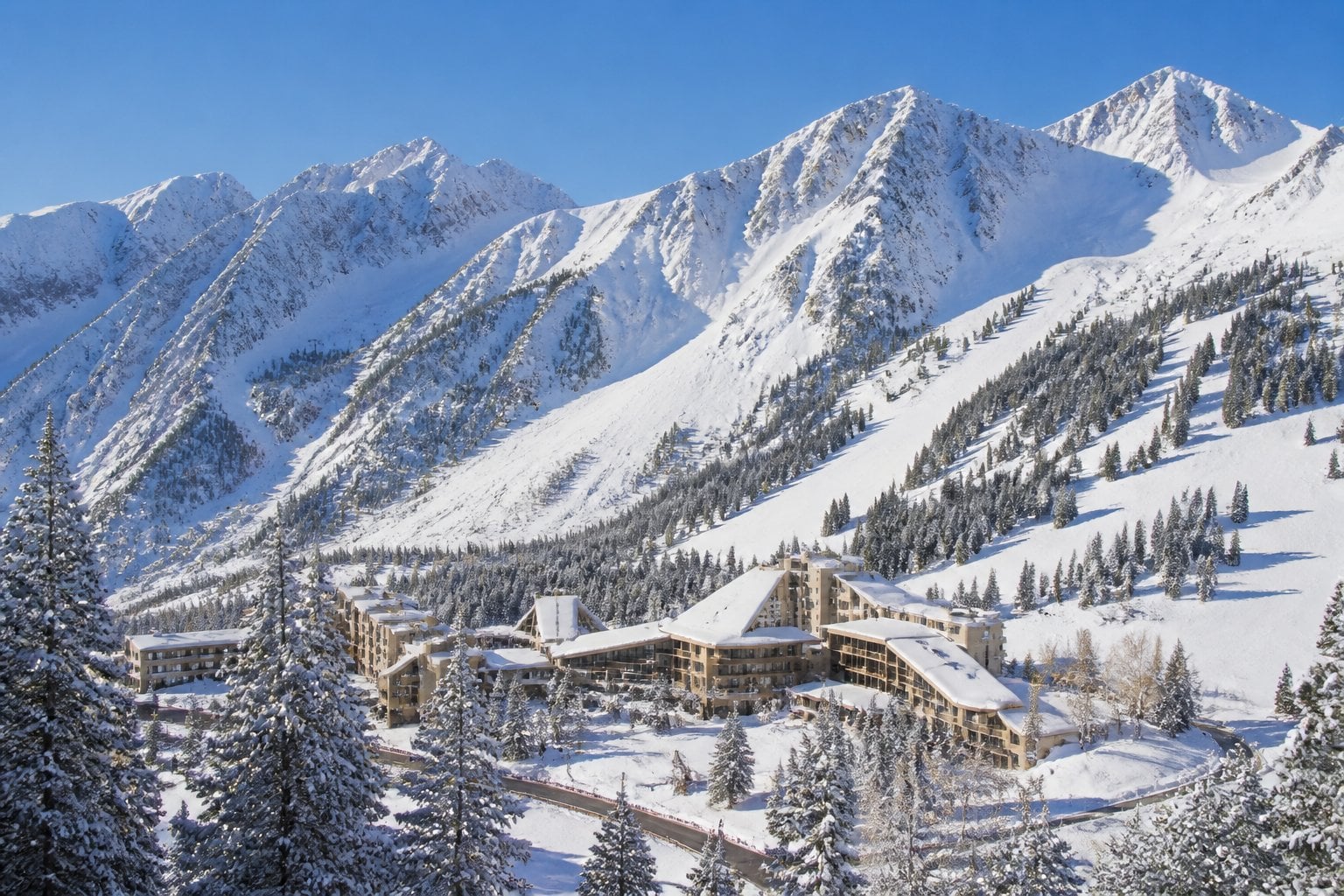
Snowbird sits in Little Cottonwood Canyon, just minutes from Salt Lake City. You’ll find it paired with Alta as one of the two priciest ski destinations in North America, according to survey data comparing lodging costs across dozens of resorts.
The area receives some of the heaviest snowfall in Utah, averaging over 500 inches annually. This reliable powder base is a major reason accommodation rates stay elevated throughout the winter season.
You’ll notice the town itself has a small, tight-knit character rather than sprawling development. Housing options lean toward condos and slopeside units, and prices reflect the limited inventory in the canyon.
Living here means accepting seasonal shifts in population and services, since much of the local economy depends on winter tourism. If you’re considering a move, expect real estate costs comparable to other elite ski destinations in the Wasatch Range.
18. Stowe, Vermont
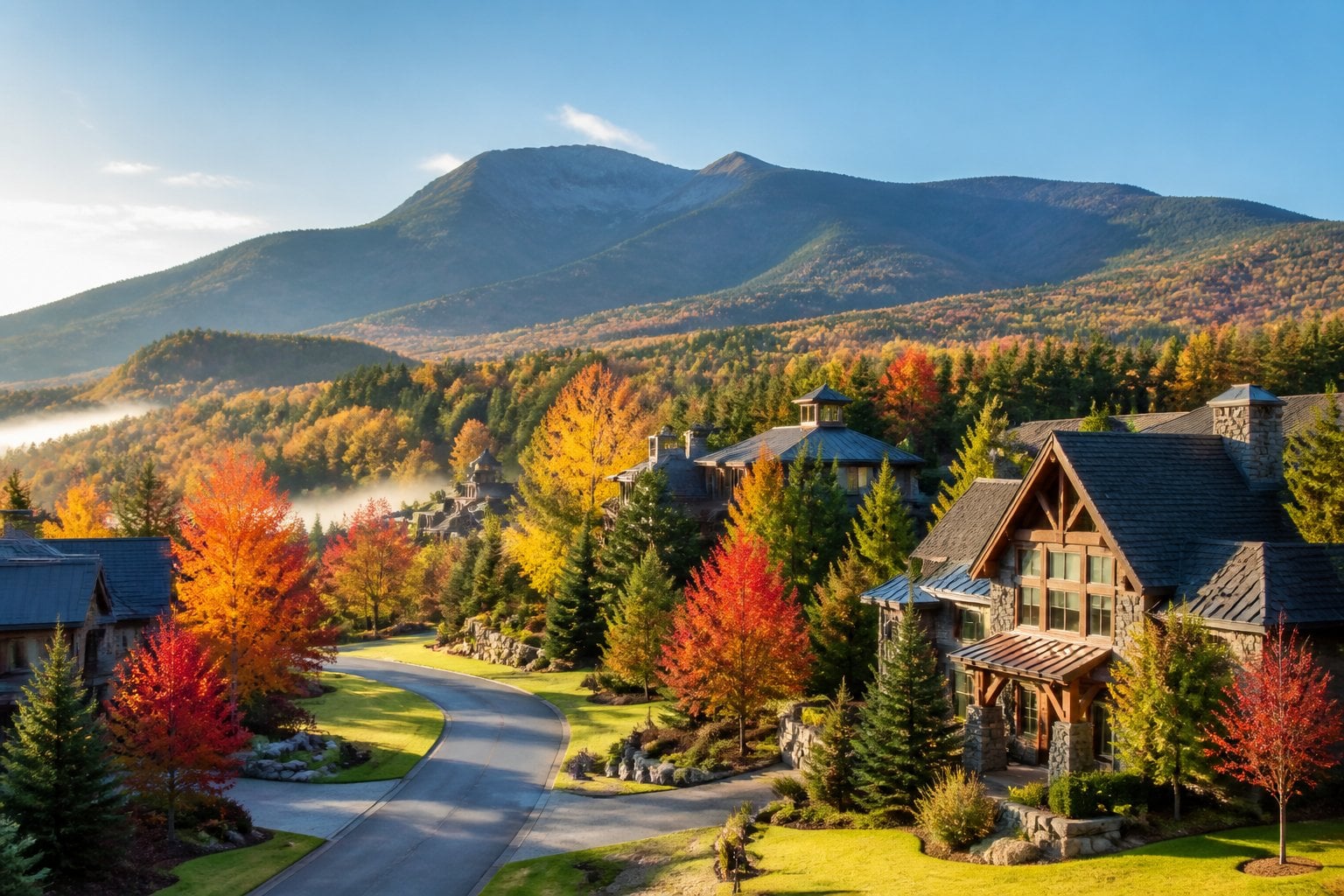
Stowe holds the title of Vermont’s most expensive mountain town for buying a second home. You’ll find the community in Lamoille County, sitting east of Burlington along Vermont Route 108, also known as the Mountain Road.
Many of the homes here serve as vacation properties rather than full-time residences. The average condo price reaches $944,528, though you can occasionally find smaller units for under $400,000. Expect basic amenities and less than 1,000 square feet if you’re shopping at that lower price point.
Stowe ranks as the second most expensive ZIP code in Vermont, under the 05672 designation. You’ll recognize the town as home to Stowe Mountain Resort, with terrain spread across Mount Mansfield and Spruce Peak. Its nickname, “The Ski Capital of the East,” reflects its long-standing reputation among skiers and second-home buyers alike.
19. Killington, Vermont
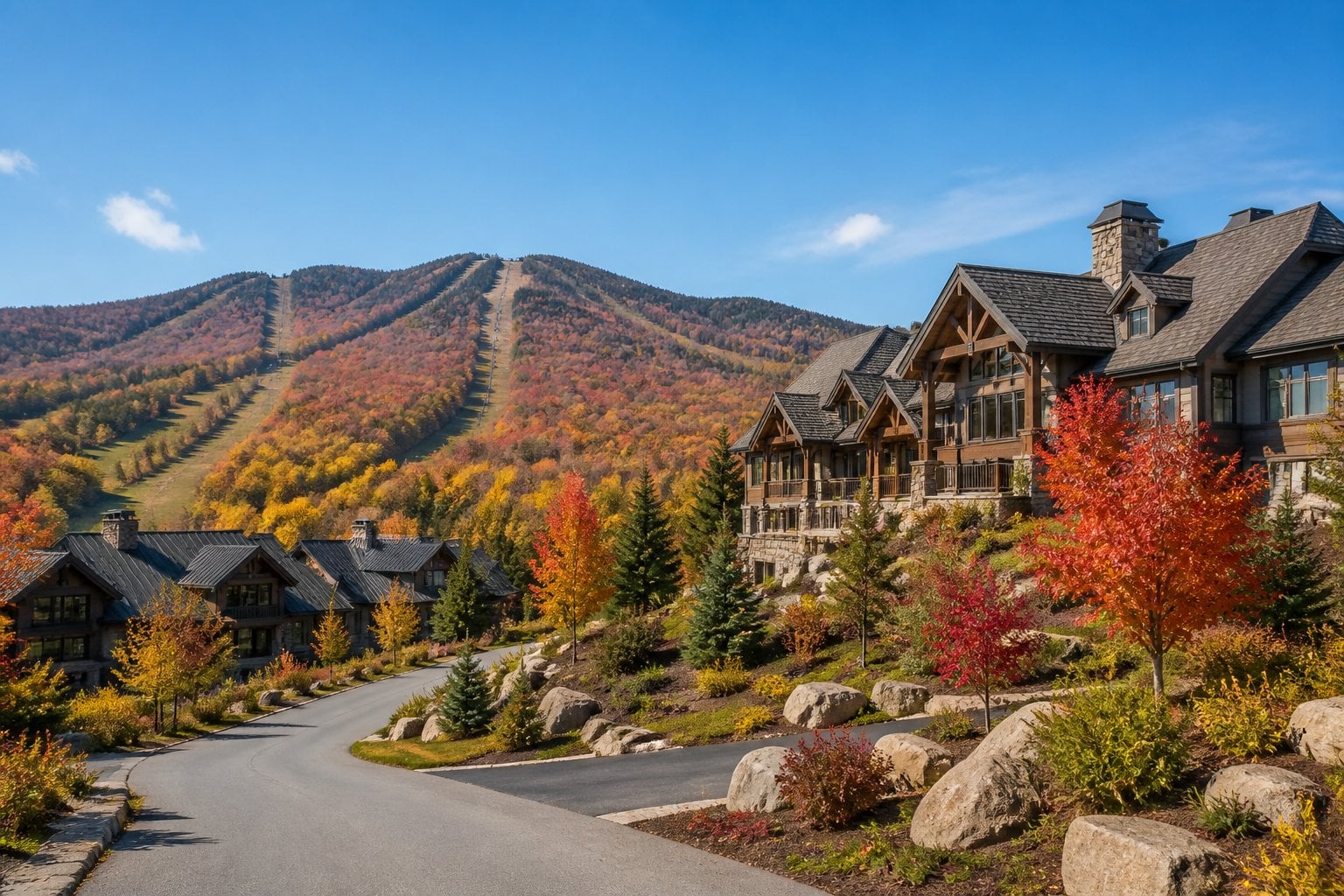
Killington, known as the “Beast of the East,” is home to the largest ski resort in eastern North America. You’ll find 1,526 acres of skiable terrain across six peaks, giving you more options than most other Vermont resorts.
Lift ticket prices reflect that scale. Day passes have run well above $150, putting Killington among the pricier mountains in the region.
Real estate here costs less than in many Western mountain towns, but prices still run higher than the Vermont average. You’re paying a premium for proximity to a resort with this much terrain and reliable snow coverage.
The Access Road area gives you dining, lodging, and nightlife options within walking distance of the slopes. That convenience adds another layer of cost, since properties closer to the mountain and village center typically command higher prices than those farther out.
20. Stratton, Vermont
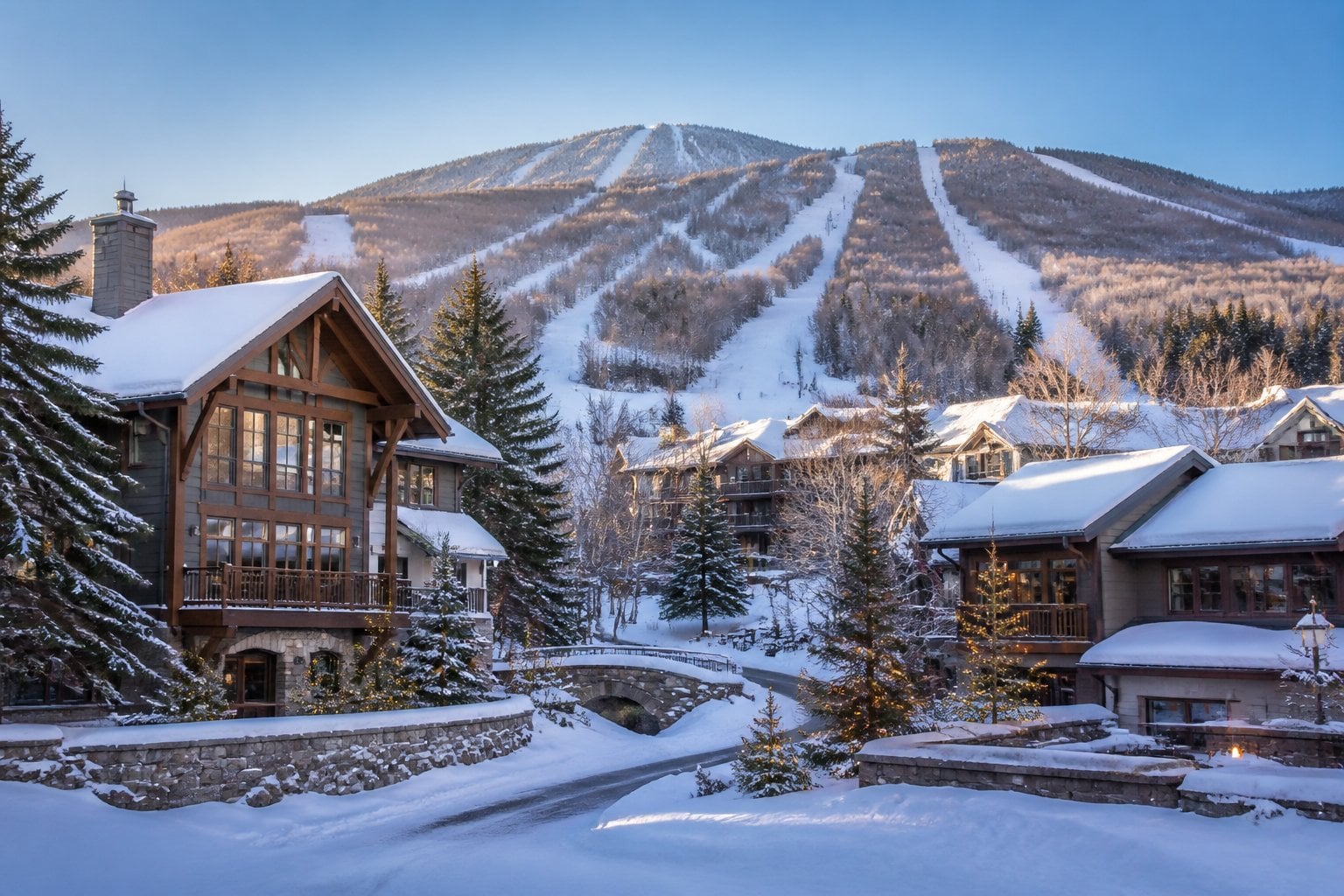
Stratton sits at the base of Stratton Mountain, home to Stratton Mountain Resort. You’ll find the community split between the resort base area and residential development extending north into Winhall.
The resort drives most of the local economy and real estate demand here. You get direct access to alpine skiing and riding in winter, plus golf and mountain biking trails once the snow melts.
Property here tends to command a premium because of that resort proximity. Condominiums near the base village and single-family homes on the surrounding slopes both attract buyers looking for a second home rather than a primary residence.
Stratton’s location in southern Vermont puts it within a few hours of Boston and New York City. That accessibility, combined with limited housing inventory typical of small mountain communities, keeps prices elevated compared to non-resort towns in the state.
21. Winhall, Vermont
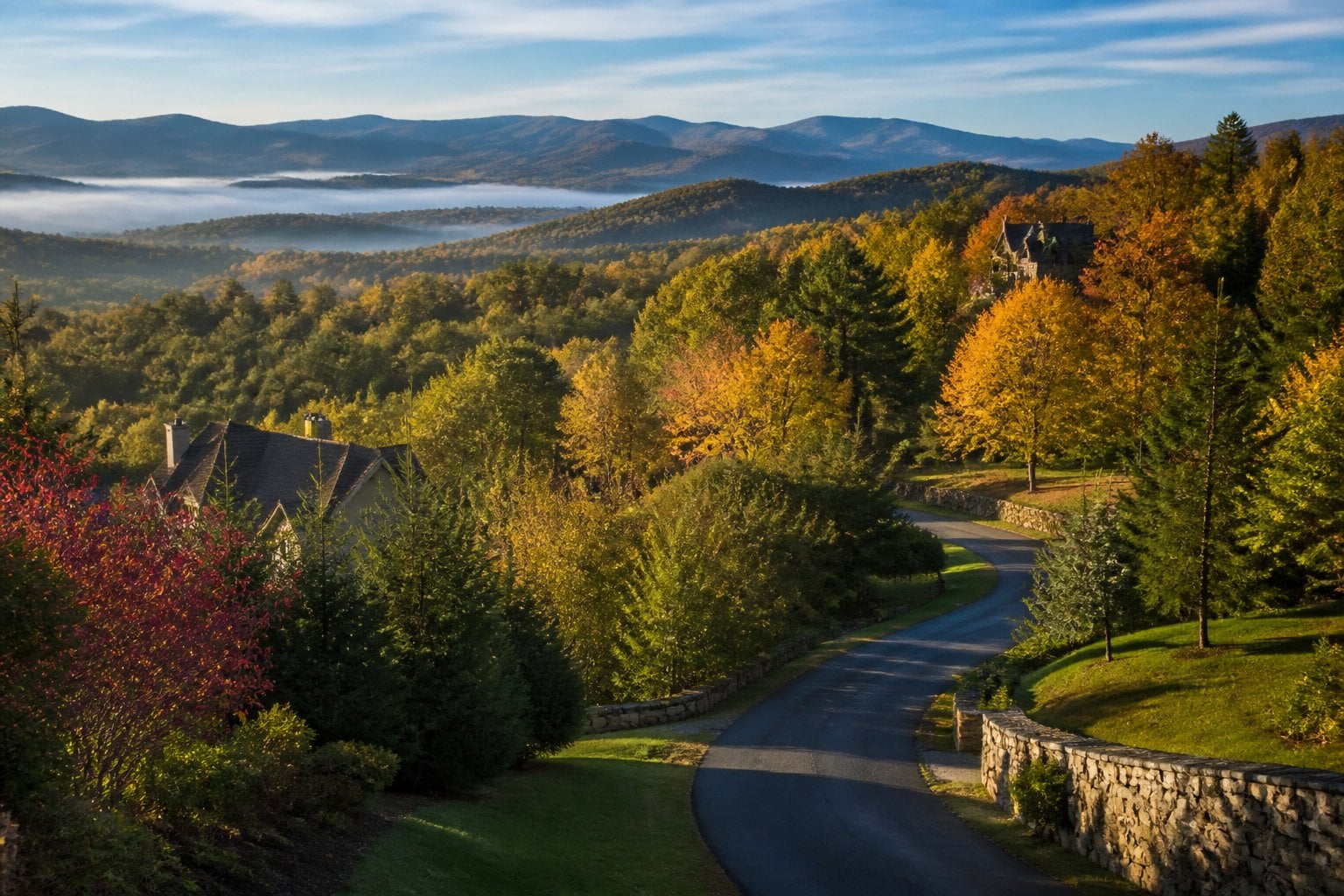
Winhall sits in Bennington County and serves as the gateway to Stratton Mountain Resort. You’ll find the town’s housing stock dominated by condos and vacation homes, many built to accommodate the ski crowd.
Home prices here reflect the resort’s pull. You’re looking at a market where second-home buyers compete with locals, pushing values well above the state average.
The town has a small year-round population, which means much of Winhall stays quiet outside ski season. When winter arrives, though, you’ll notice the shift as visitors and homeowners return to the slopes.
Stratton’s presence gives Winhall an identity distinct from other Vermont mountain towns. You get direct access to lifts and trails without the longer drive some nearby communities require.
Property here appeals to buyers who want proximity to skiing over a bustling downtown, since Winhall itself remains modest in size and commercial development.
22. Lake Placid, New York
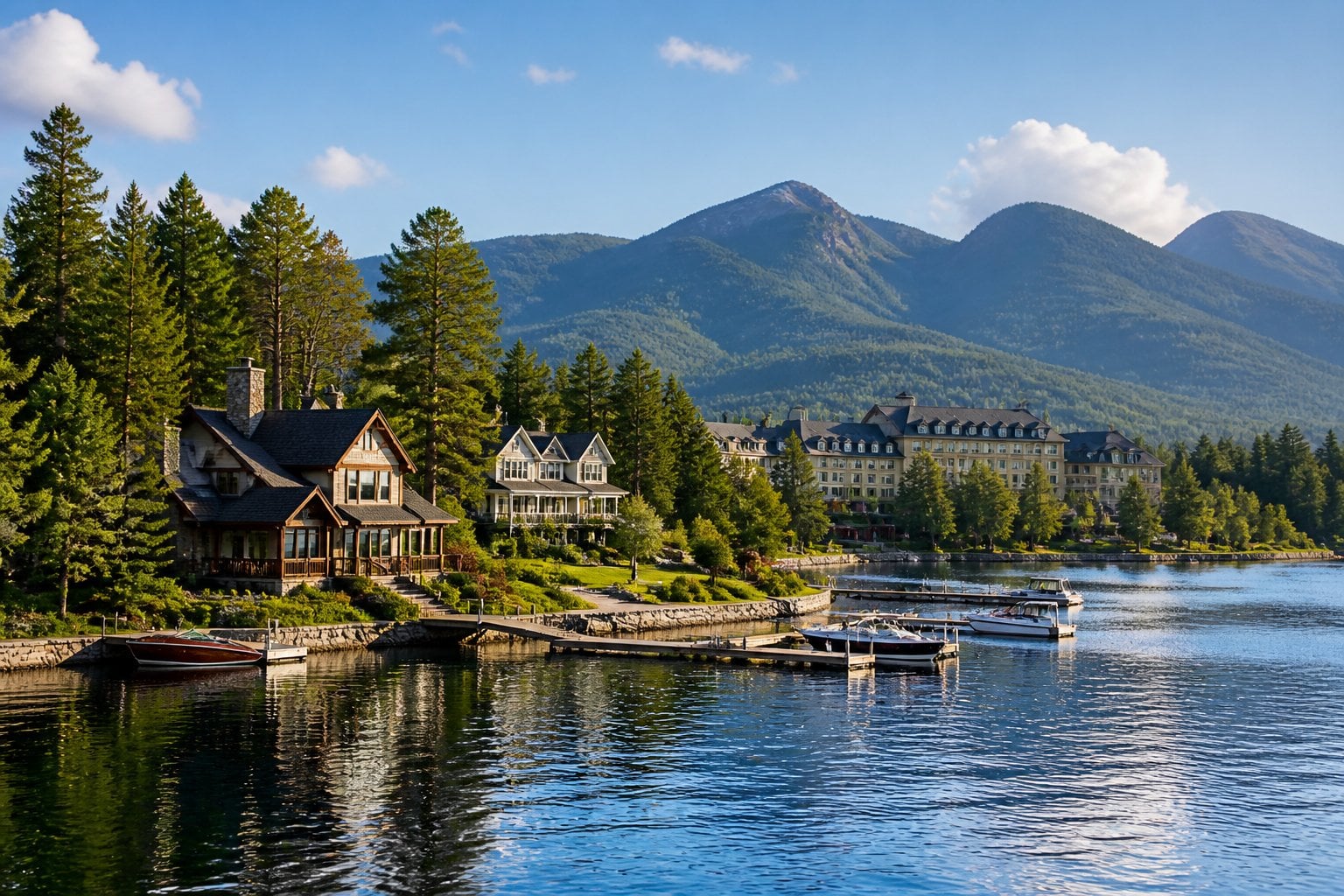
You’ll find Lake Placid tucked into the Adirondack Mountains in Essex County, a village that carries international recognition for hosting the 1932 and 1980 Winter Olympics.
Home costs here reflect that legacy. You’re paying for proximity to Mirror Lake, historic Olympic venues, and a setting most people only see in photographs.
The village’s small size, around 2,200 residents, keeps housing supply limited while demand from seasonal visitors and second-home buyers stays steady.
You’ll notice the mix of amenities that drive up costs: boutique shops, upscale dining, and easy access to skiing, hiking, and lake activities.
Winter brings skiers to nearby slopes, while summer draws visitors seeking cooler mountain air and lakeside recreation. That year-round appeal keeps property values elevated compared to other upstate New York towns.
23. North Creek, New York
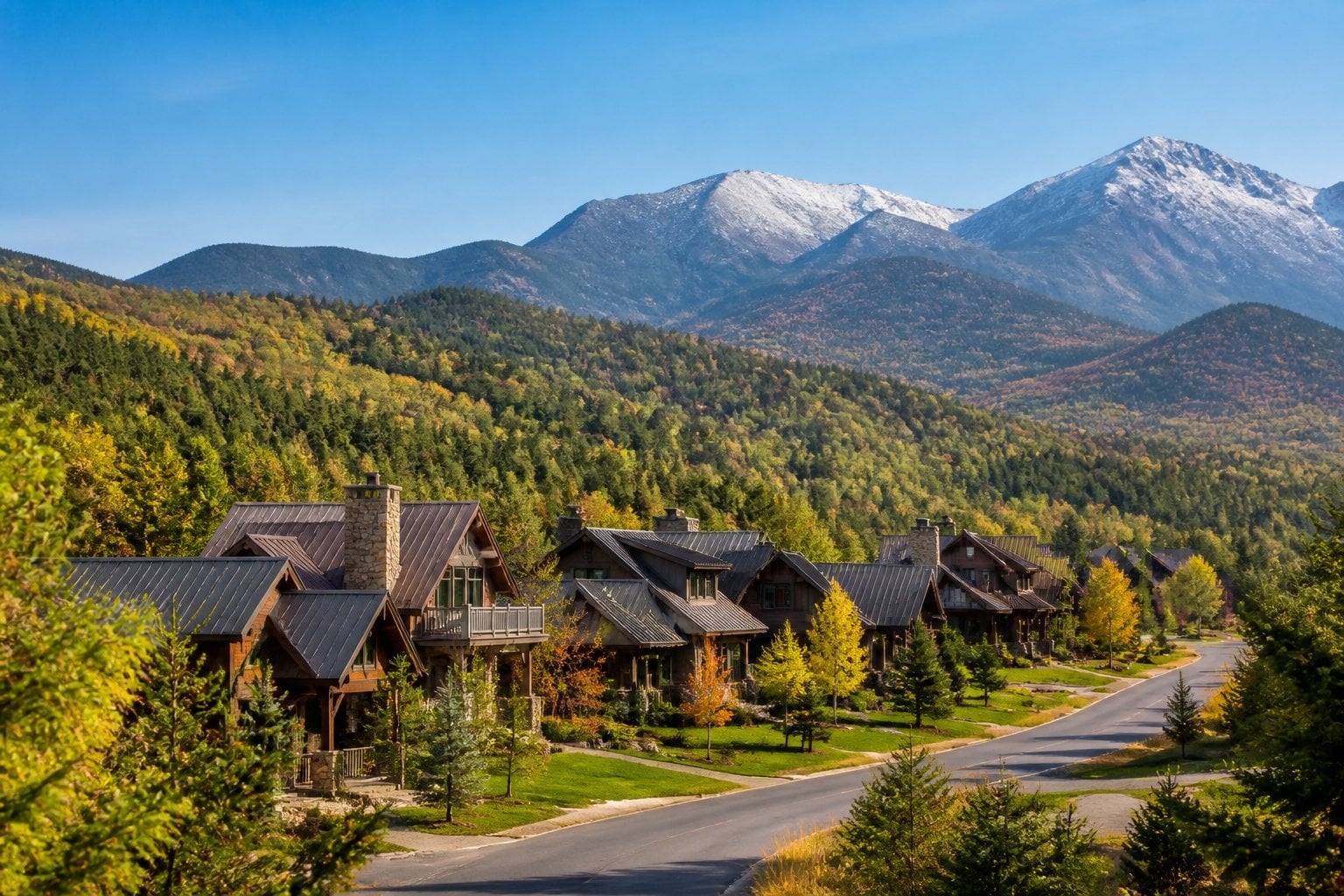
You’ll find North Creek tucked in the Adirondack Mountains of Warren County, a small hamlet that draws skiers to nearby Gore Mountain. The population sits under 1,000, giving you a quiet, close-knit community feel year-round.
Home prices here remain more accessible than in many marquee ski towns, though values have climbed as more buyers seek second homes in the Adirondacks. You can expect median listing prices in the mid-to-high $200,000s to $400,000s, depending on proximity to the mountain and lake access.
Beyond skiing, you’ll have access to hiking, whitewater rafting on the Hudson River, and the historic North Creek Depot, once used by Theodore Roosevelt. Winters bring heavy snowfall and cold temperatures, so you’ll want proper gear if you plan to stay through the season.
The pace of life here is slower, appealing if you value outdoor recreation over city amenities.
24. Whiteface, New York
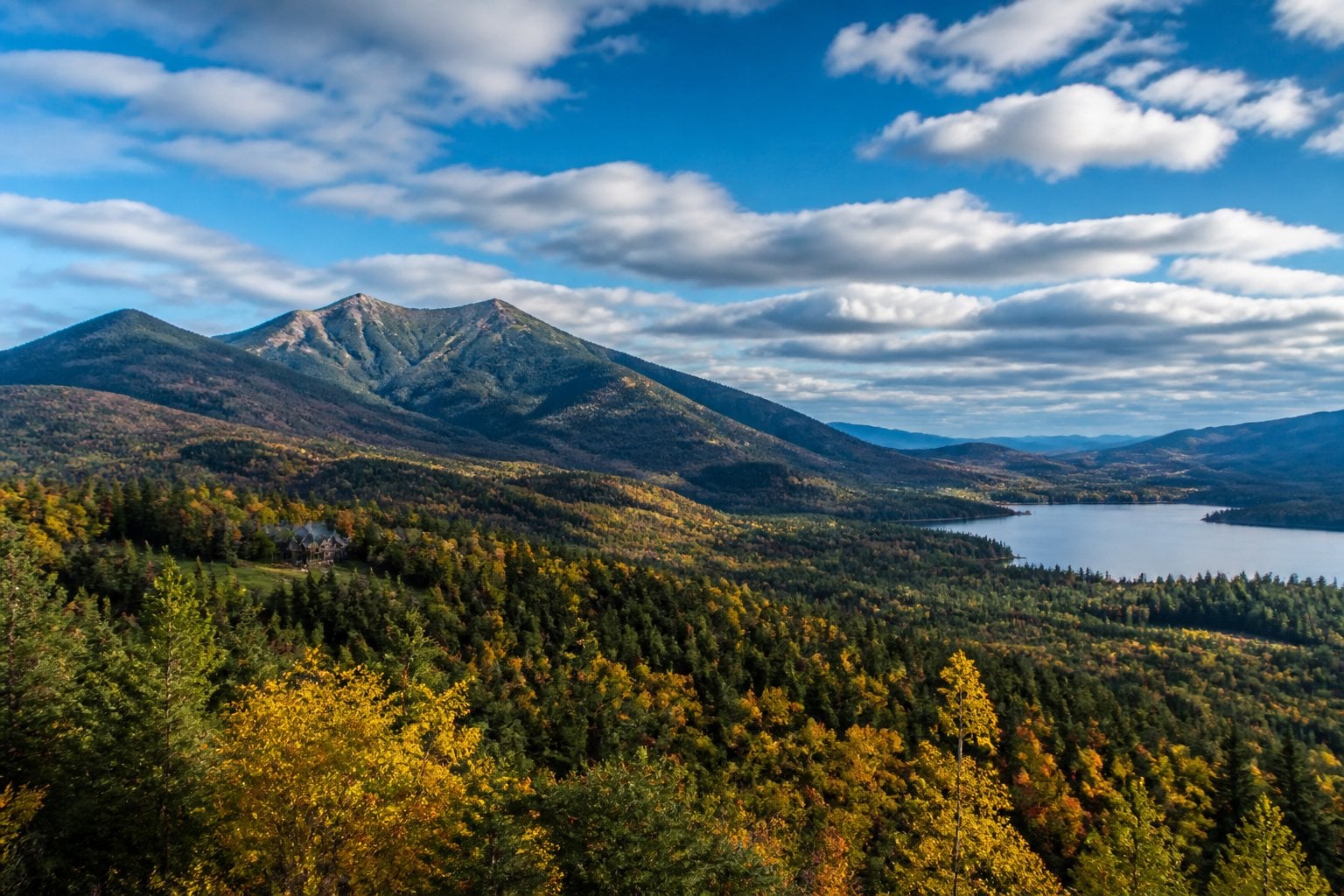
Whiteface sits near New York’s fifth-highest peak in the Adirondack Mountains, close to Lake Placid. You’ll find a small, tight-knit community here, built around access to the Whiteface Mountain Ski Area.
If you drive the Whiteface Mountain Veterans Memorial Highway, you’ll pay one of the steepest tolls in the country. The 8-mile route charges $25 per vehicle and driver, with additional passenger fees on top of that.
Real estate prices reflect the town’s proximity to prime skiing and its Adirondack setting. You’re paying for access to terrain, not for a large or bustling downtown.
Housing inventory stays limited, which keeps competition high among buyers. Seasonal demand from skiers and outdoor enthusiasts pushes costs upward, especially for properties near the mountain itself.
You’ll notice the area caters to visitors seeking quiet, scenic access to the High Peaks region rather than nightlife or large-scale development.
25. Sun Valley, Idaho
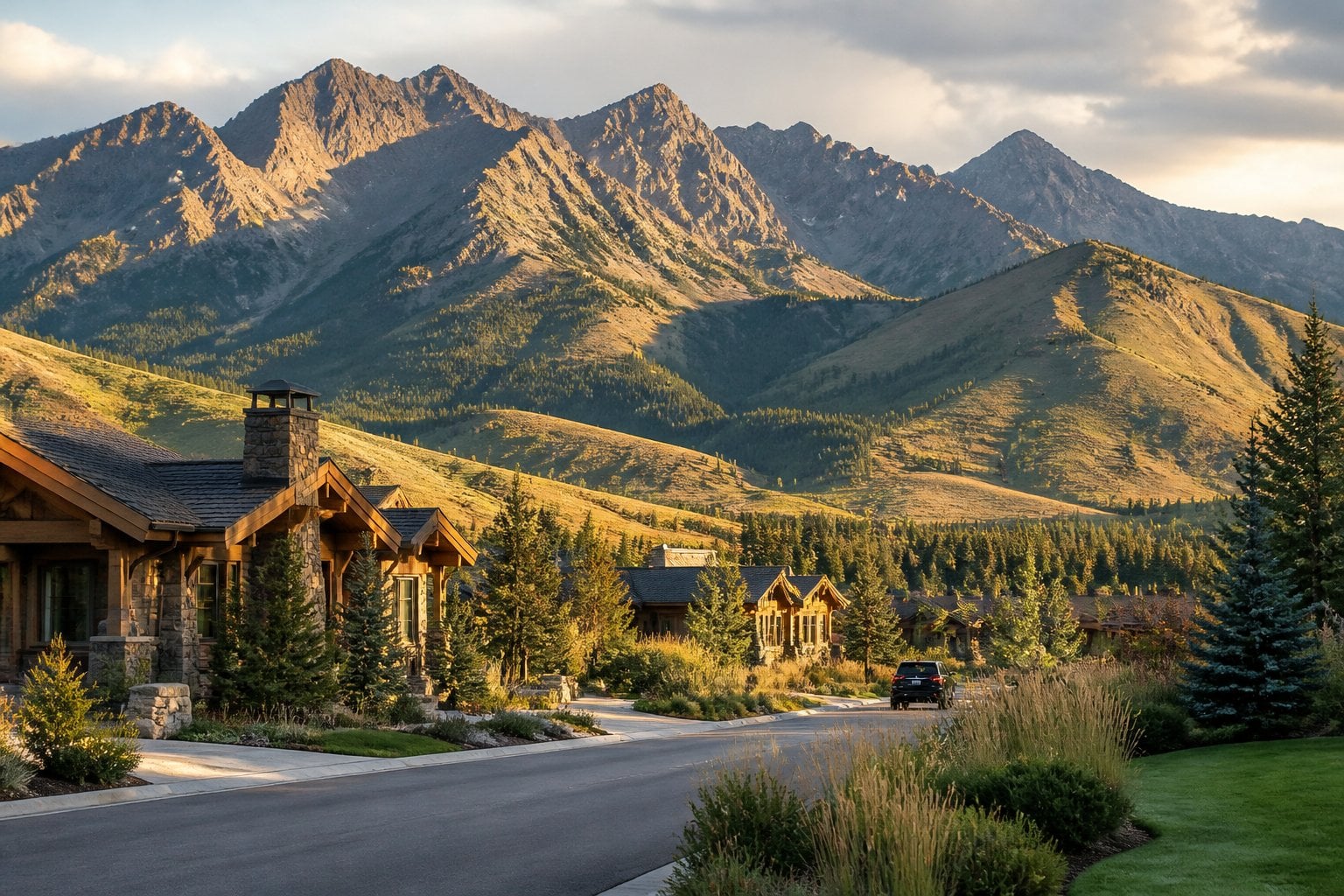
Sun Valley sits in Blaine County, near Ketchum, and carries a cost of living index of 166. That makes it 66% above the national average and one of the priciest places you’ll find in Idaho.
You’ll notice housing drives most of that gap. Median monthly rent runs around $2,114, roughly 60% above the U.S. median.
With just over 1,300 residents, Sun Valley stays small and quiet compared to larger resort towns. This community draws people seeking access to the Sun Valley ski resort and the surrounding mountain terrain.
Wealthy investors and part-time residents have shaped much of the local real estate market here. You’ll find that demand for vacation properties keeps prices elevated year-round, not just during peak ski season.
If you’re considering a move to Sun Valley, expect housing costs to shape your budget more than anything else.
26. Ketchum, Idaho
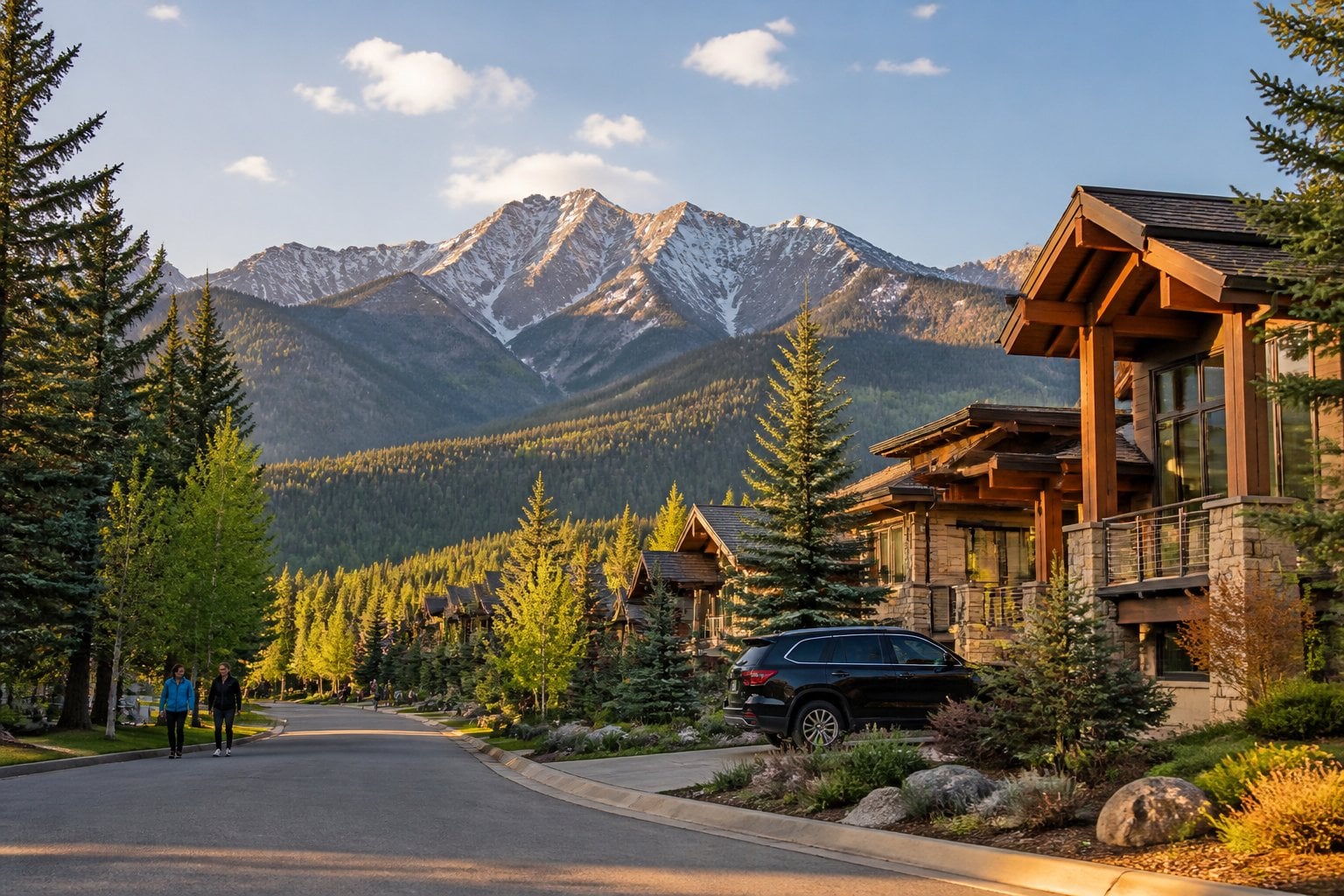
You’ll find Idaho’s most expensive housing market here, in Blaine County near Sun Valley Resort. The average home price sits around $4.6 million, and that figure has climbed sharply over the past several years.
Skiing draws you to Ketchum first, but the town holds year-round appeal. Summer brings hiking, biking, and fly fishing across the Wood River Valley.
You’re not the only one who values discretion here. Ketchum has long attracted wealthy buyers and public figures seeking privacy alongside mountain access, and celebrity sightings remain fairly common.
The town retains a historic character from its mining-era roots, giving it a different feel than newer resort developments. If you visit in autumn, you’ll likely catch the Trailing of the Sheep Festival, a local tradition tied to the valley’s ranching history.
With a population under 4,000, Ketchum stays small despite its outsized real estate values.
27. McCall, Idaho
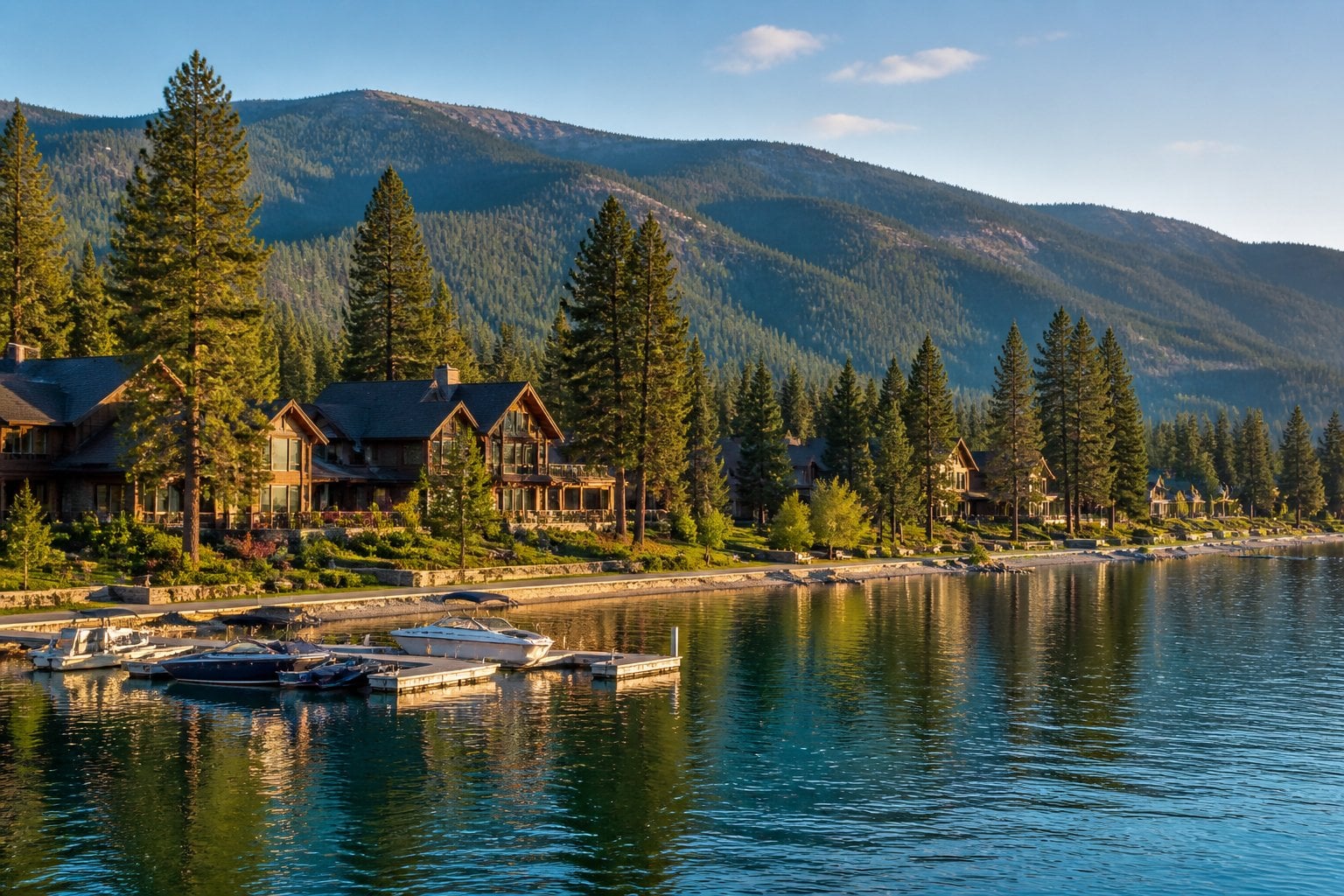
You’ll find McCall along the shores of Payette Lake in central Idaho. This small city has a population of roughly 4,100 people, and its real estate consistently ranks among the most expensive in both Idaho and the country.
Your monthly expenses here reflect that status. A single person’s costs run around $2,099 per month, while a family of four can expect closer to $4,577.
If you’re drawn to outdoor recreation, McCall gives you plenty of reasons to visit. The lake supports boating and fishing, and nearby mountains offer skiing and hiking depending on the season.
You should expect a resort-town atmosphere shaped by tourism and second-home ownership. Both factors continue to push demand, and prices, upward in this part of Idaho.
28. Bend, Oregon
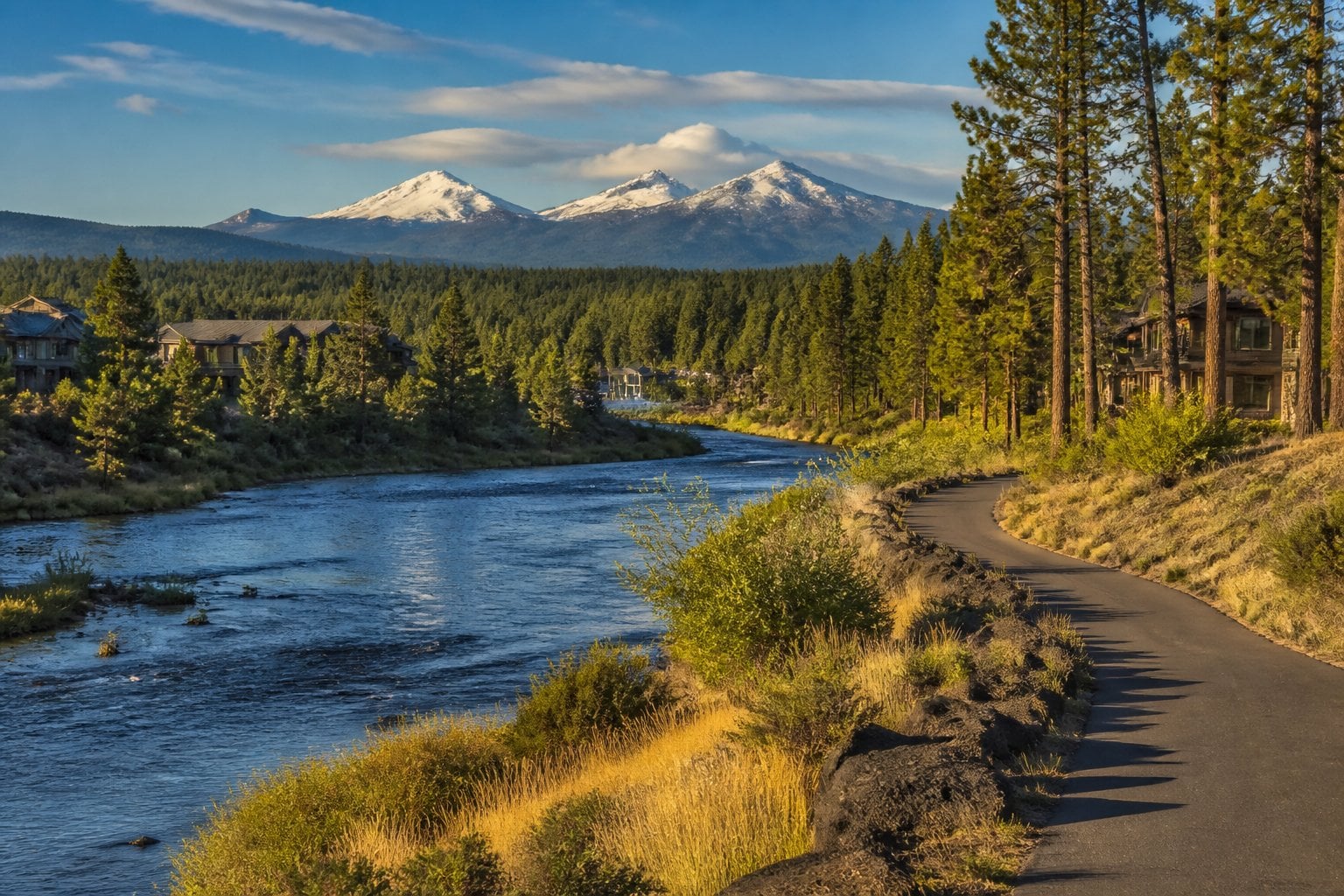
Bend has become one of the fastest-growing luxury markets in the country. You’ll find million-dollar listings up 372% in recent years, driven by buyers who want mountain access without sacrificing urban amenities.
The West side holds most of the premium inventory. Old Bend leads with a median listing price around $1.35 million, and you can expect some properties here to exceed $3 million.
If you’re looking for the top tier, Highlands at Broken Top stands out. This exclusive enclave has only 50 home sites across roughly 500 acres, with parcels near 10 acres each. Home prices there typically run between $4 million and $10 million.
Bend’s overall cost of living sits 43% above the national average. Unlike many exclusive mountain towns, Bend has over 100,000 residents, giving you a larger community alongside its high-end real estate.
29. Lake Tahoe, California
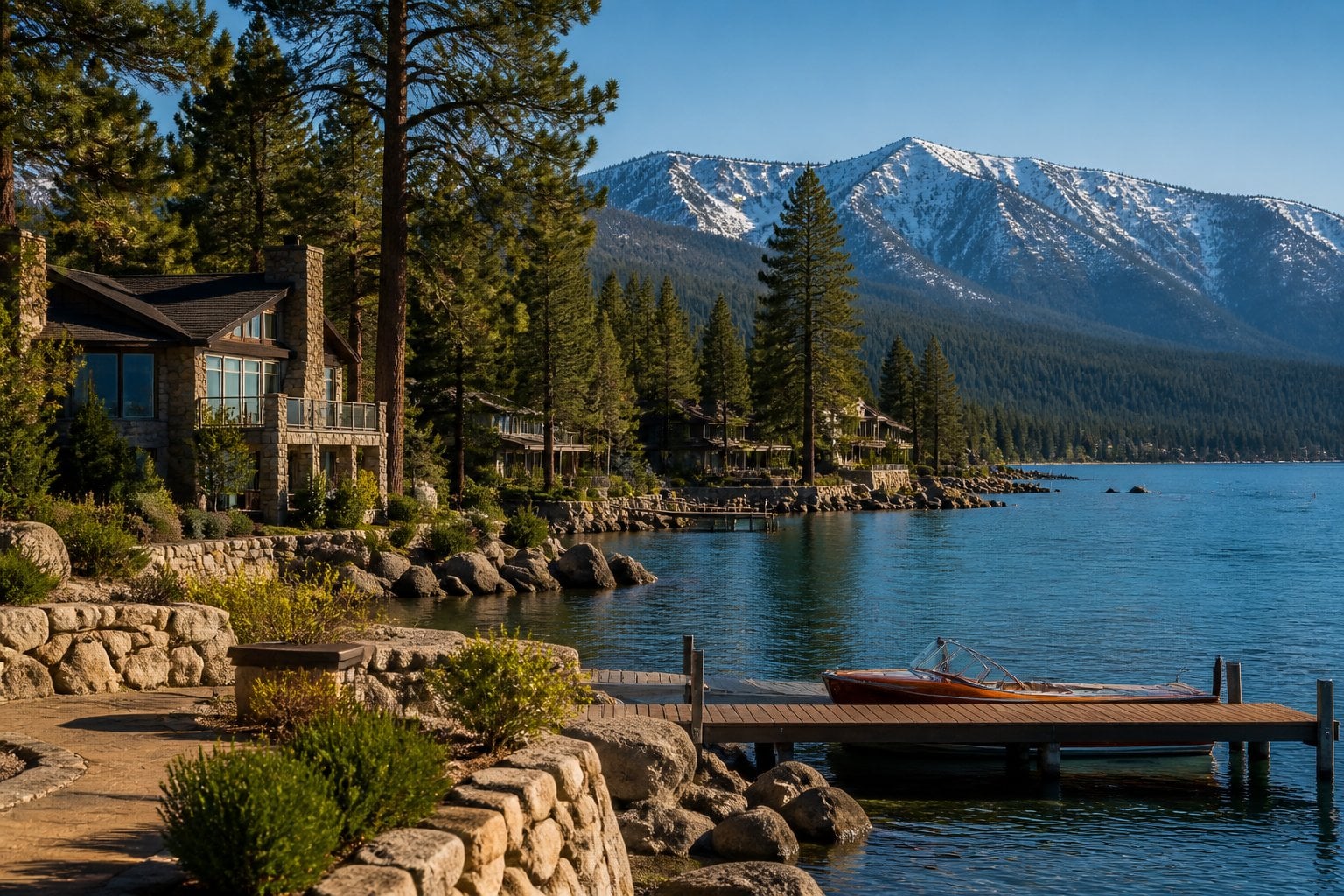
Lake Tahoe sits on the California-Nevada border in the Sierra Nevada Mountains. You’ll find one of the highest-elevation large lakes in North America here, surrounded by towns with steep home prices.
Silicon Valley wealth has reshaped the local real estate market. You’re competing against tech executives who value the lake’s proximity to the Bay Area, roughly three hours away.
South Lake Tahoe carries some of the highest living costs in California, with typical monthly expenses landing among the top percentile nationally. You’ll notice this reflected in everything from groceries to housing.
Tahoe City, on the lake’s northwest shore, offers a more understated, boutique atmosphere compared to the casino-heavy south shore. Your options here lean toward alpine charm rather than nightlife.
Skiing, hiking, and lake access give you year-round recreation, which continues to drive demand and prices upward across the region.
30. Truckee, California
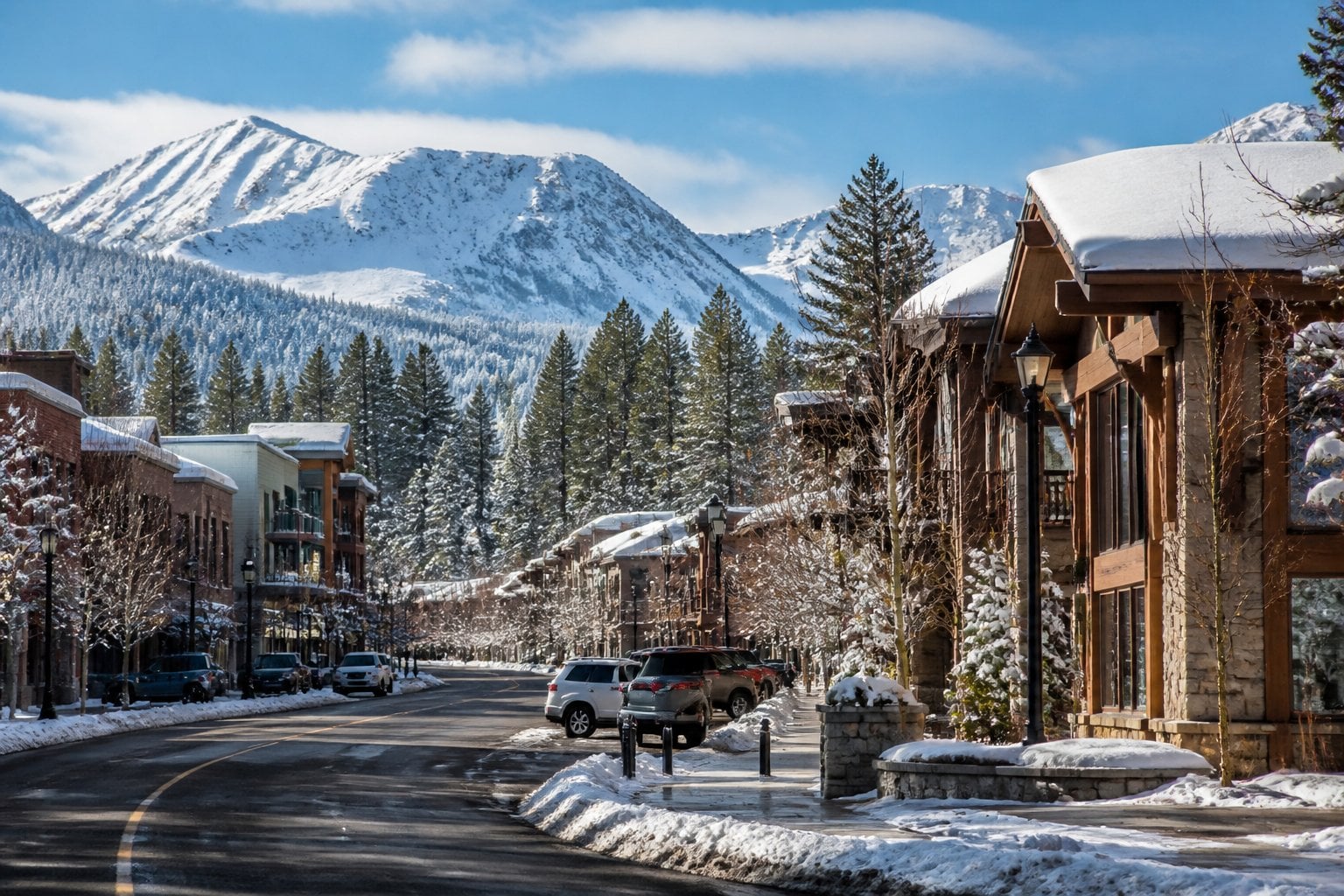
You’ll find Truckee near Lake Tahoe, close to major ski resorts like Palisades Tahoe and Northstar. This location drives up demand and keeps housing costs well above the national average.
Your monthly housing expenses run about 6.8% higher than typical U.S. figures. A single person can expect to pay roughly $1,281 for housing, while a family of four faces closer to $2,349.
Overall, your cost of living in Truckee sits around 38% above the national average. That places the town among California’s pricier communities, ranking in the more expensive tier statewide.
You’re paying for more than scenery here. Proximity to outdoor recreation, a mountain climate, and limited housing supply all factor into what you’ll spend to live in Truckee year-round.
What Drives Mountain Town Home Prices
Geography and buyer psychology work together to push mountain town prices upward. You’ll see the effects most clearly when you compare available land against the number of people who want to own a piece of it.
Limited Buildable Land And Housing Supply
Mountain terrain restricts where you can actually build. Steep slopes, protected forest land, and floodplains eliminate large portions of otherwise desirable acreage.
Federal and state land ownership compounds this constraint. In many Colorado, Montana, and Idaho mountain counties, the U.S. Forest Service or Bureau of Land Management controls a significant share of surrounding land, which caps how much a town can expand.
Local zoning adds another layer. You’ll often find:
- Strict height and density limits designed to preserve mountain views
- Minimum lot sizes in unincorporated areas
- Building moratoriums tied to water rights or wildfire risk
When supply stays fixed while demand grows, prices climb. Recent data shows mountain resort counties in Colorado, including Pitkin, Eagle, and Summit, have posted record-low housing inventory alongside rising median sale prices.
Second-Home And Luxury Buyer Demand
You’re competing against buyers who don’t need financing and aren’t tied to local wages. Many mountain town purchases come from out-of-state buyers seeking vacation homes, investment properties, or full-time relocations funded by remote work income.
This demand pool skews toward higher price points. Buyers with significant liquid assets can pay cash, waive contingencies, and outbid local residents whose budgets depend on regional salaries.
Ski access amplifies this effect. Towns near major resorts, such as Aspen or Jackson Hole, draw buyers willing to pay a premium for proximity to lifts and slopes.
The result shows up in the numbers: some mountain communities now post average home prices exceeding $4.6 million, a figure driven almost entirely by second-home and luxury buyers rather than local housing needs.
Living And Investing In High-Cost Mountain Communities
Buying property in a high-cost mountain town involves more than the purchase price. You need to account for how often you’ll use the home, how the local climate affects upkeep, and what protections you’ll need against natural hazards.
Seasonal Demand And Carrying Costs
If you own a home in a mountain resort town, expect prices and demand to shift sharply between peak and off-peak seasons.
Ski towns see their highest occupancy in winter, while summer draws hikers and outdoor enthusiasts. This creates uneven cash flow if you rent out your property.
Carrying costs add up even when you’re not there:
- HOA fees, often higher in gated or amenity-rich communities
- Property management fees if you rent seasonally
- Utility costs to prevent pipes from freezing in vacant homes
- Snow removal and landscaping, which can run into thousands per year
Many owners offset these costs through short-term rentals during peak months. You should check local rules first, since some mountain towns restrict or heavily regulate short-term rentals to preserve housing for full-time residents.
Climate, Insurance, And Infrastructure Considerations
Mountain elevation and terrain create specific risks you need to plan for before buying.
Wildfire exposure has increased in many western mountain regions, and insurers have responded by raising premiums or declining coverage in high-risk zones. You may need to secure coverage through a state-run FAIR plan if standard insurers won’t write a policy.
Snow load, freeze-thaw cycles, and remote access also affect your costs. Steep or gravel roads can mean longer response times for emergency services and higher costs for plowing and maintenance.
Before you buy, ask about:
- Wildfire risk ratings for the specific parcel
- Whether the home is on a private or county-maintained road
- Water source (municipal, well, or shared system)
- Distance to the nearest fire station and hospital
These factors directly affect your insurance rates and resale value.


