The 30 Most Expensive Counties in the U.S.: Where Housing Costs Hit Hardest

Where you live in America can change the price of a home by millions of dollars. Zillow’s latest figures put the typical U.S. home at $364,288, but in a handful of counties a typical home costs two, five or even about nine times that much.
The counties at the top fall into a few groups: islands with almost no land left to build on, ski counties where vacation homes compete with locals, and the job centers of Silicon Valley and New York City.
Here are the 30 most expensive counties in the U.S., ranked by Zillow’s typical home value as of October 2026, starting with the priciest.
1. Nantucket County, Massachusetts
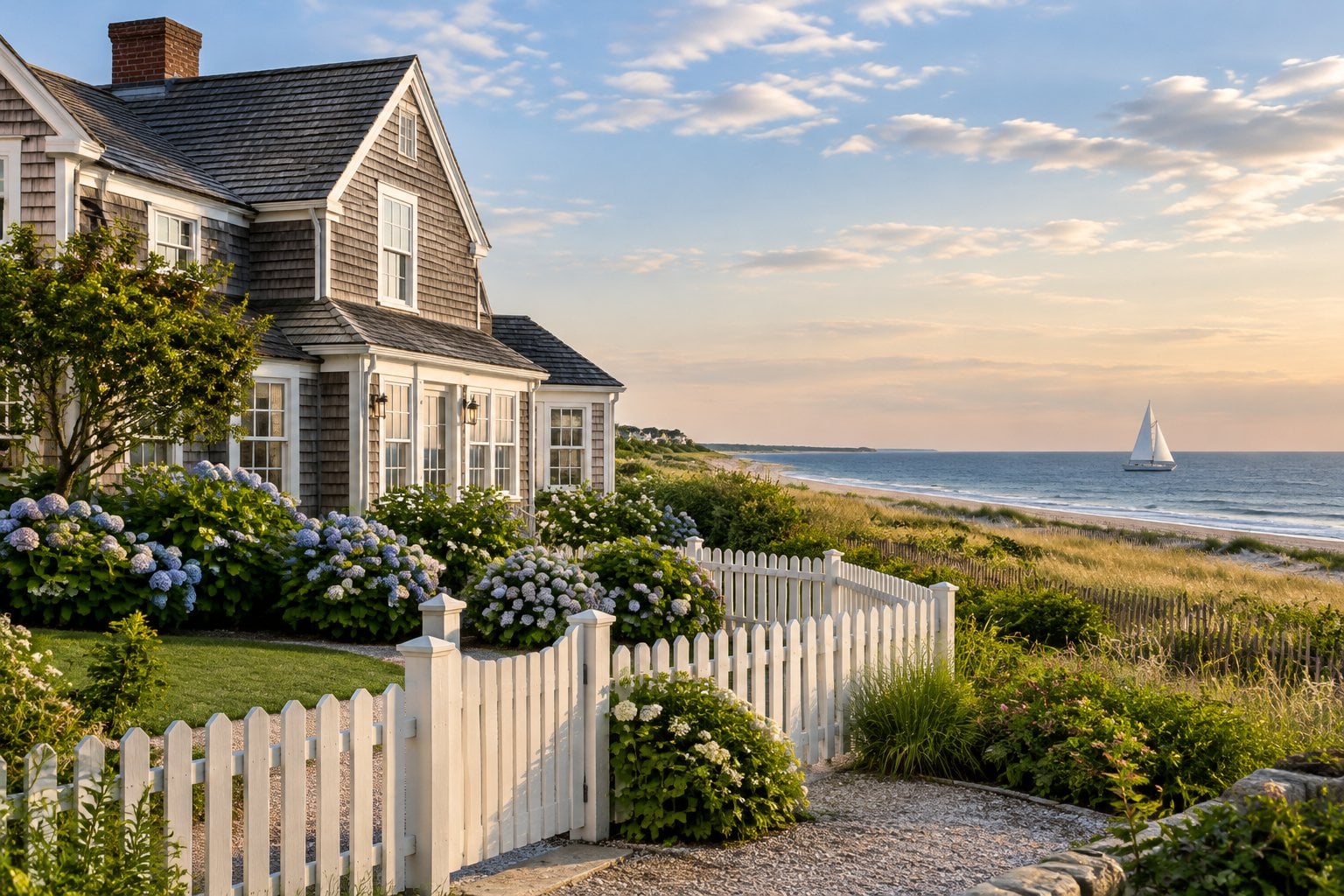
Nantucket County is the most expensive county in the country, and it isn’t close. Zillow puts the typical home value at $3,302,959, up 9.9% over the past year and about nine times the national figure.
The county covers the island of Nantucket, about 30 miles south of Cape Cod, plus the small islands of Tuckernuck and Muskeget. The town and the county share the same borders, so one local government runs the whole island.
Most people arrive by ferry from Hyannis or by plane, and that isolation is part of the appeal. Gray-shingled cottages, cobblestone streets in town and miles of beaches draw summer residents from Boston and New York, and many homes sit empty for much of the winter.
With little land and strict rules on new building, supply stays tight. Everyday costs run high too, since groceries and building materials have to come over by boat.
2. Pitkin County, Colorado
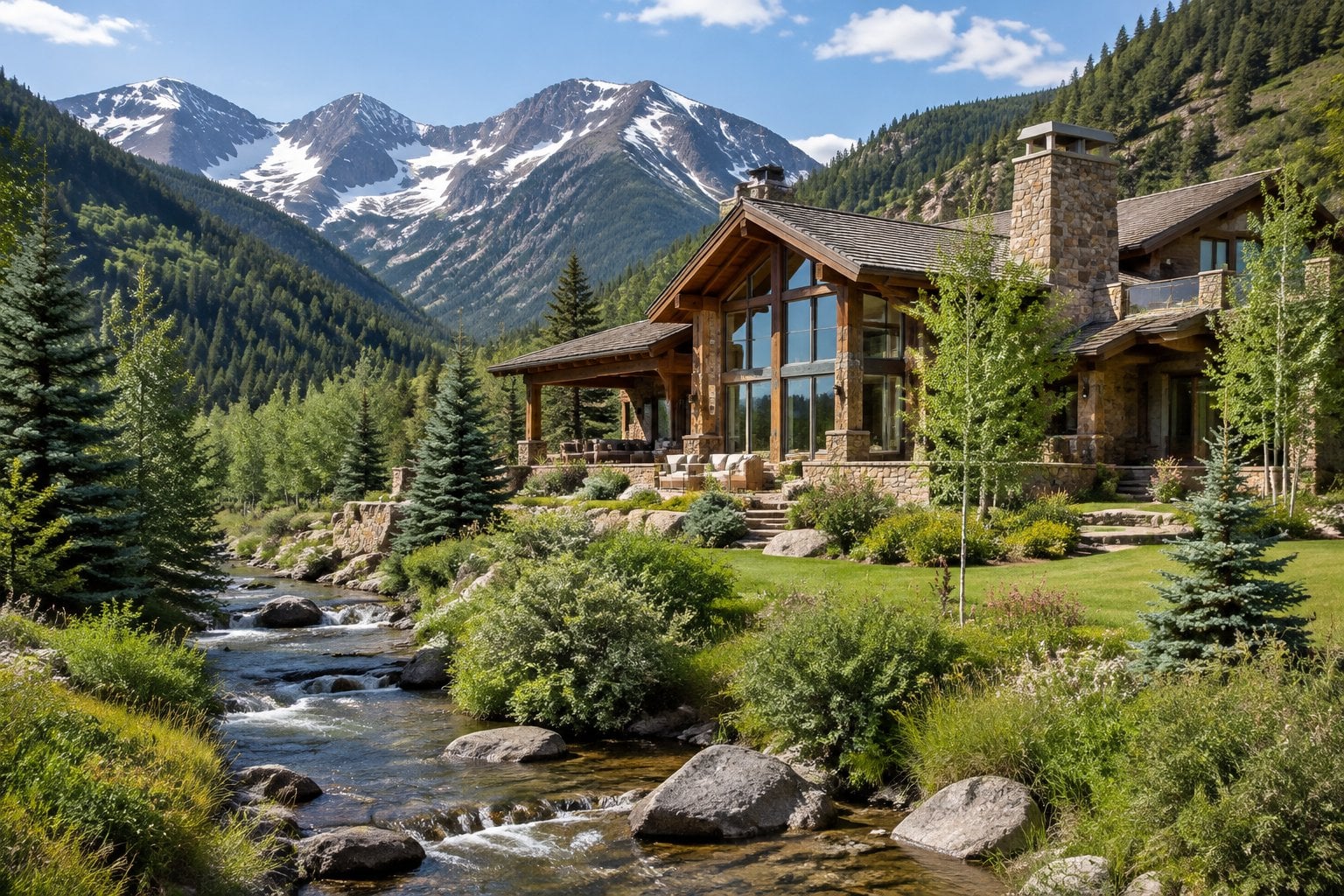
Pitkin County, home to Aspen, is the priciest county in Colorado and second in the nation. Its typical home value is $2,687,076, up 8.7% in a year, according to Zillow.
Aspen and Snowmass Village hold most of the county’s homes, along with smaller spots like Woody Creek and Old Snowmass. Four ski areas, Aspen Mountain, Aspen Highlands, Buttermilk and Snowmass, sit within a short drive of each other.
Aspen started as a silver mining town in the 1880s and remade itself as a ski resort after World War II. Today it draws celebrities, business leaders and second-home buyers from around the world, and much of the land around town is national forest or protected open space.
That mix of global demand and little room to grow keeps prices climbing. Many of the people who work in Aspen live farther down the Roaring Fork Valley, where homes cost far less.
3. Teton County, Wyoming
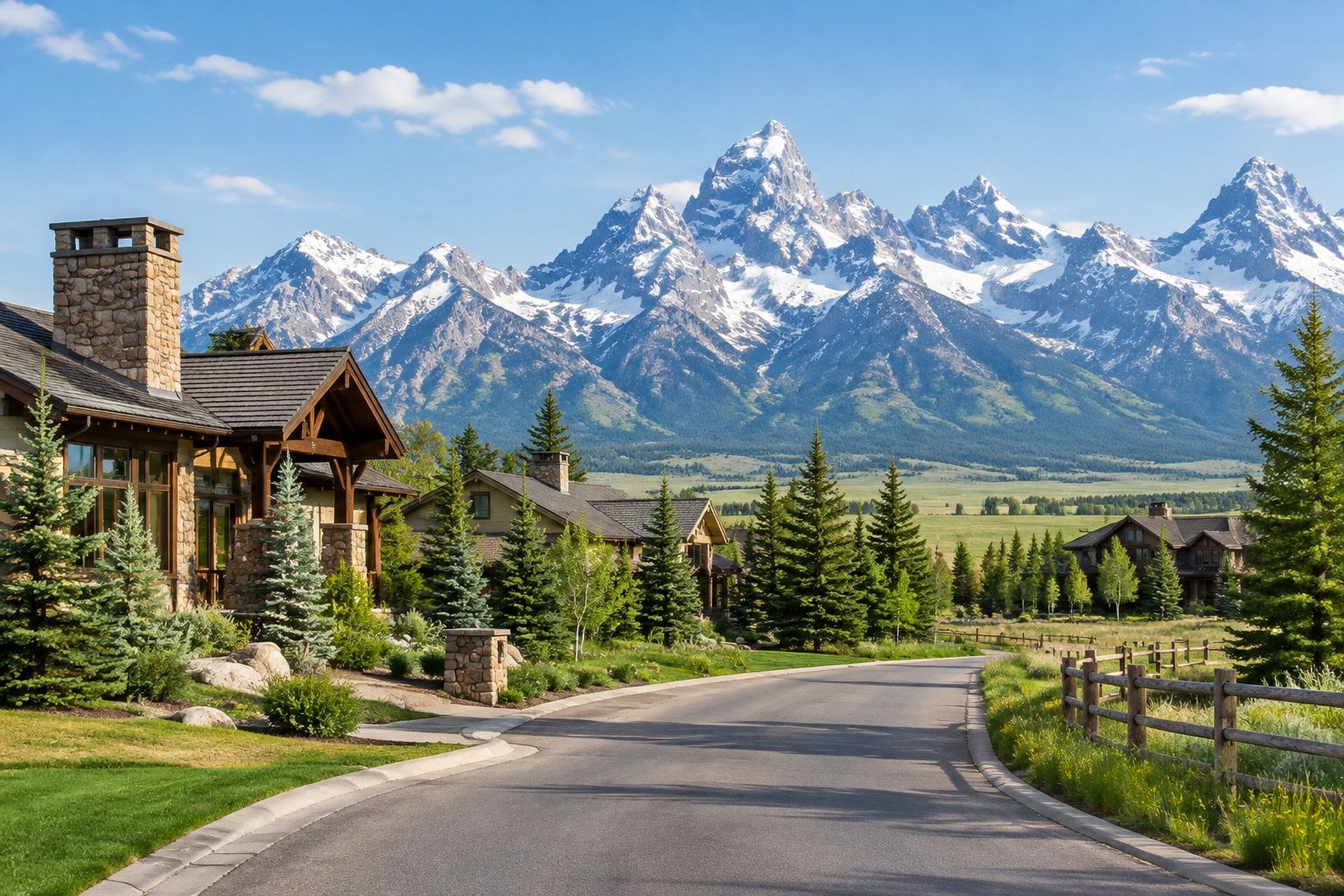
Teton County, Wyoming, takes third place with a typical home value of $2,264,060, up 5.5% over the past year.
This is Jackson Hole country. The county includes the town of Jackson, Wilson and Teton Village at the base of Jackson Hole Mountain Resort. It also holds Grand Teton National Park and the southern part of Yellowstone.
That’s why buildable land is so rare: about 97% of the county is federal or state land, which leaves only a few percent for private homes. Wyoming also has no state income tax, which has helped draw wealthy buyers from other states.
The result is one of the biggest gaps between home prices and local wages in the country. Many people who work in Jackson commute in from Teton County, Idaho, over Teton Pass, or from Star Valley to the south, where homes cost far less.
4. San Miguel County, Colorado
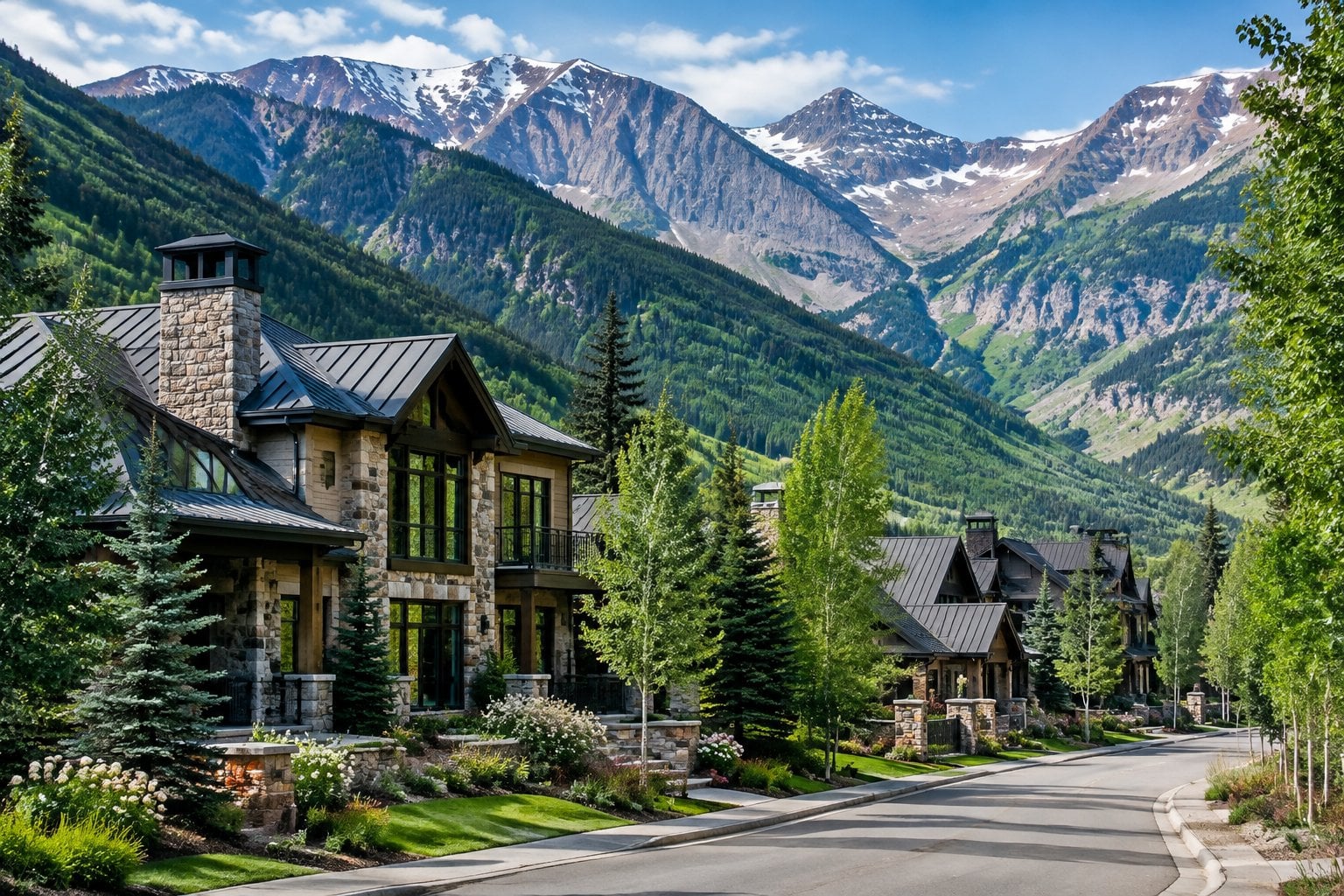
San Miguel County in southwest Colorado has a typical home value of $1,655,804, up 8.6% in a year.
Most of that value is in and around Telluride, a former mining town in a box canyon ringed by high peaks of the San Juan Mountains. Its historic district, full of Victorian buildings from the mining days, is a National Historic Landmark. Up the mountain sits Mountain Village, linked to Telluride by a free gondola.
Telluride is known for its ski resort and its summer festivals, including the Telluride Film Festival and the Telluride Bluegrass Festival.
Like other Colorado ski counties, it has little private land and strong demand for second homes, so prices sit far above the rest of the state. Towns farther west, like Norwood, are where many local workers find something more affordable.
5. San Mateo County, California
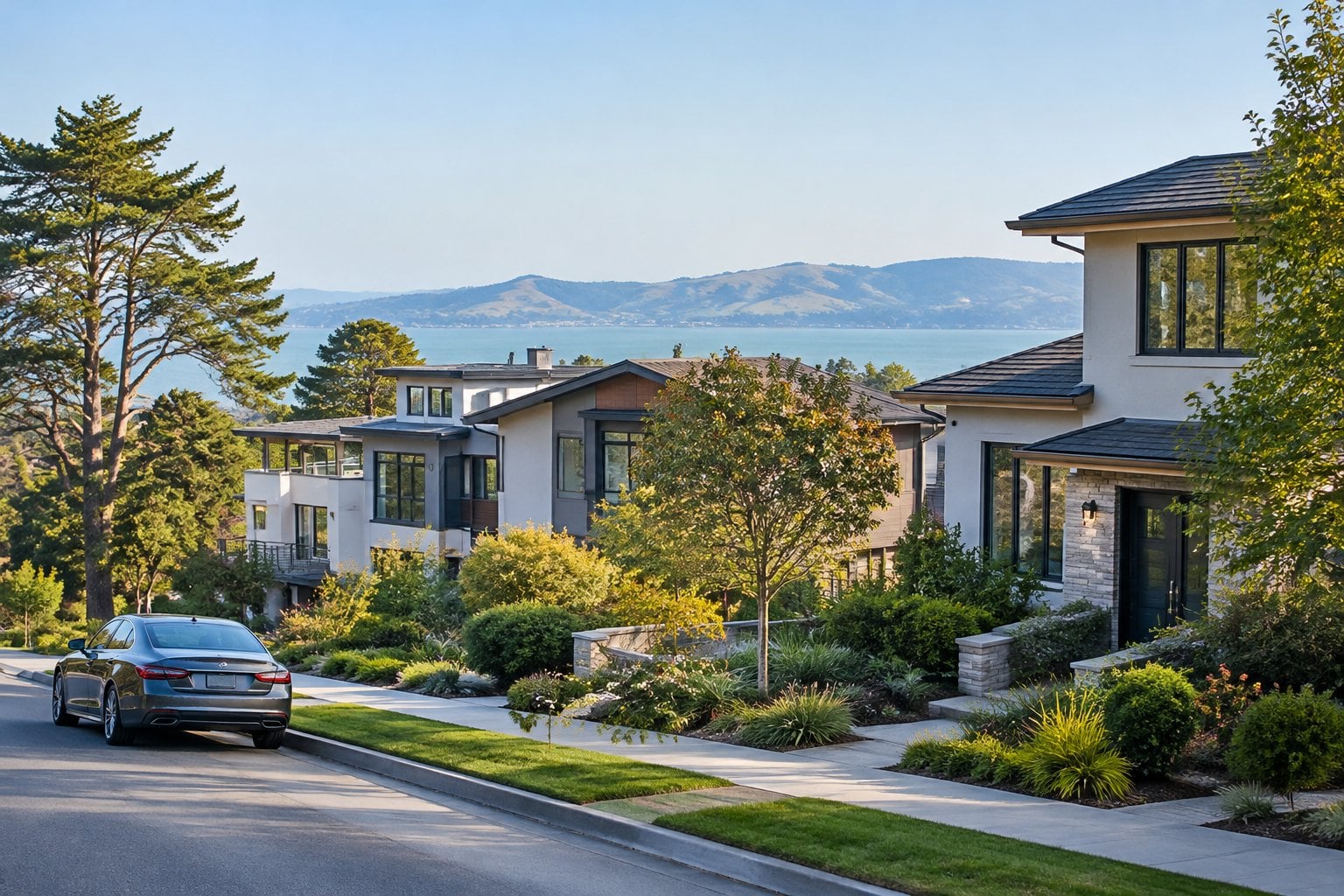
San Mateo County is the most expensive county in California, with a typical home value of $1,601,937, up 4.9% over the past year.
It covers most of the San Francisco Peninsula between San Francisco and Silicon Valley. Some of the priciest towns in America are here, including Atherton, Hillsborough and Woodside, where large estates sit on wooded lots. Menlo Park, home to Meta’s headquarters, and Redwood City add big tech employers to the mix.
On the other side of the hills, the coast is much quieter, with Half Moon Bay and Pacifica facing the Pacific.
High-paying tech jobs, little open land and strict zoning have kept supply tight for decades. The county’s median household income is among the highest in the country, yet a typical home still costs many times what most families earn in a year.
6. Santa Clara County, California
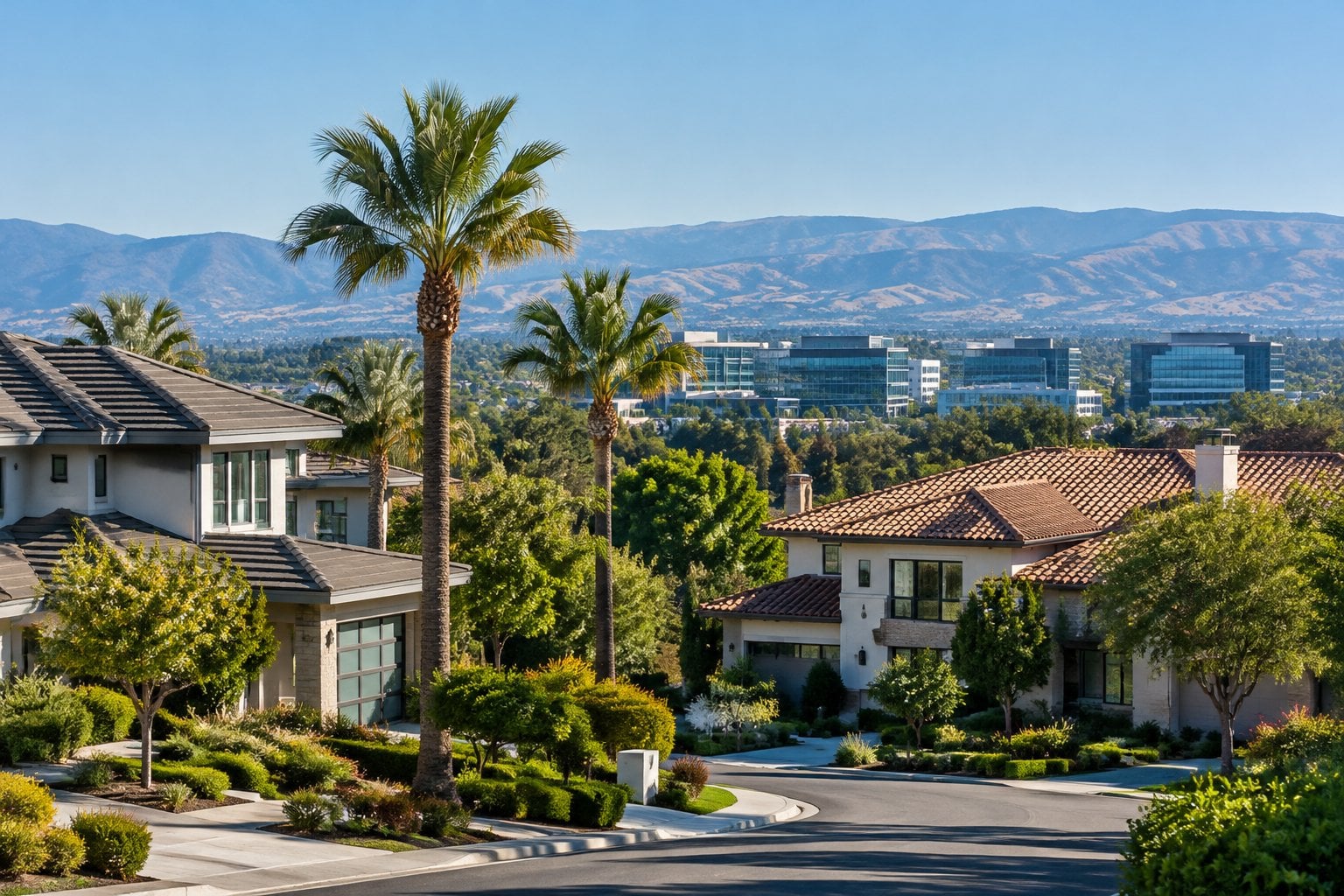
Santa Clara County is the heart of Silicon Valley and comes in just behind San Mateo, with a typical home value of $1,569,644, essentially unchanged from a year earlier.
The county is home to Apple in Cupertino, Google in Mountain View and Nvidia in the city of Santa Clara, along with Stanford University next to Palo Alto. San Jose, its biggest city, is the third-largest city in California.
Prices vary a lot from town to town. Palo Alto, Los Altos and Saratoga are among the most expensive places in the country, while parts of San Jose and the southern towns of Morgan Hill and Gilroy cost less.
Tech salaries drive the market here. The county’s median household income is one of the highest in the nation, but buying a typical home still takes a very large income or a big down payment.
7. Dukes County, Massachusetts
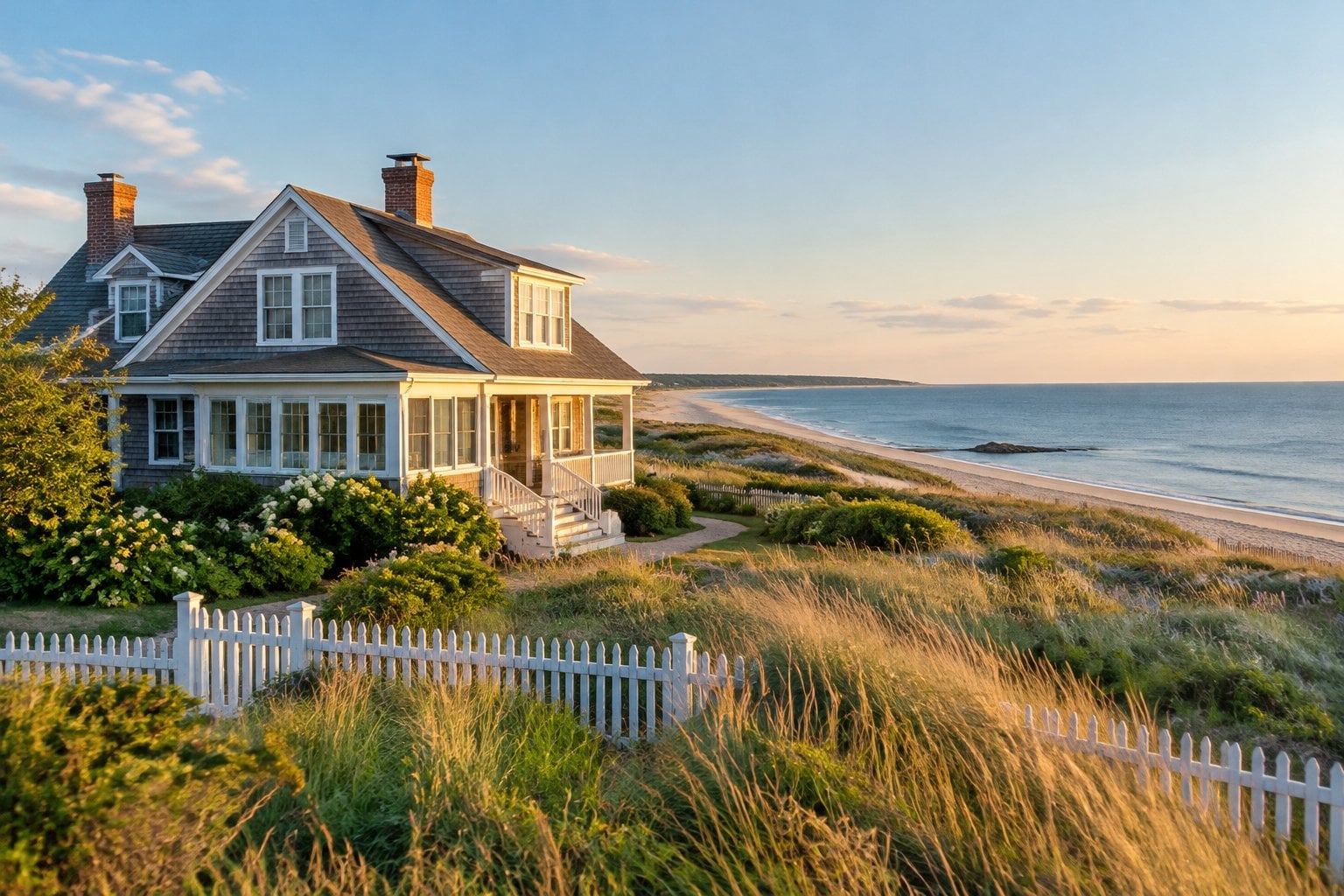
Dukes County, which is mostly Martha’s Vineyard, has a typical home value of $1,569,421, up 6.5% in a year.
The county includes the island’s six towns, Edgartown, Oak Bluffs, Tisbury, West Tisbury, Chilmark and Aquinnah, plus the small Elizabeth Islands. Ferries run from Woods Hole on Cape Cod, a trip of about 45 minutes.
The Vineyard has been a summer escape for well-off families for more than a century, and several presidents have vacationed here. Waterfront homes in Edgartown and Chilmark sell for far more than the county’s typical value.
A large share of the island’s homes are seasonal, which leaves few for people who live here year-round. Groceries, fuel and building materials also cost more because they come over by boat.
8. San Francisco County, California

San Francisco is both a city and a county, the only one like it in California. Its typical home value is $1,483,918, and it rose 17.2% over the past year, the biggest jump of any county on this list.
Prices slipped after 2022 as tech companies cut jobs and many workers went remote, but the market has bounced back strongly as artificial intelligence companies have hired and leased offices in the city.
Neighborhoods like Pacific Heights, Presidio Heights and Sea Cliff hold some of the most expensive homes on the West Coast, while condos downtown and in SoMa sell for less.
Housing is limited by the city’s size, about 47 square miles of land, and by a famously slow approval process for new construction. Muni and BART let many residents get by without a car, which takes some pressure off household budgets.
9. Marin County, California

Marin County sits across the Golden Gate Bridge from San Francisco and has a typical home value of $1,481,994, up 5.2% over the past year.
Its towns include Sausalito, Mill Valley, Tiburon, Belvedere and Ross, many of them set on hillsides with views of the bay. Belvedere and Ross rank among the most expensive small towns in the country.
Marin is also known for open space. Mount Tamalpais, Muir Woods and Point Reyes National Seashore cover a large part of the county, and much of West Marin is farmland protected from development.
That protection is a big part of the story. With so much land off-limits and few new homes built, buyers compete hard for the houses that do come up for sale. Many residents commute to jobs in San Francisco or elsewhere in the Bay Area.
10. Summit County, Utah
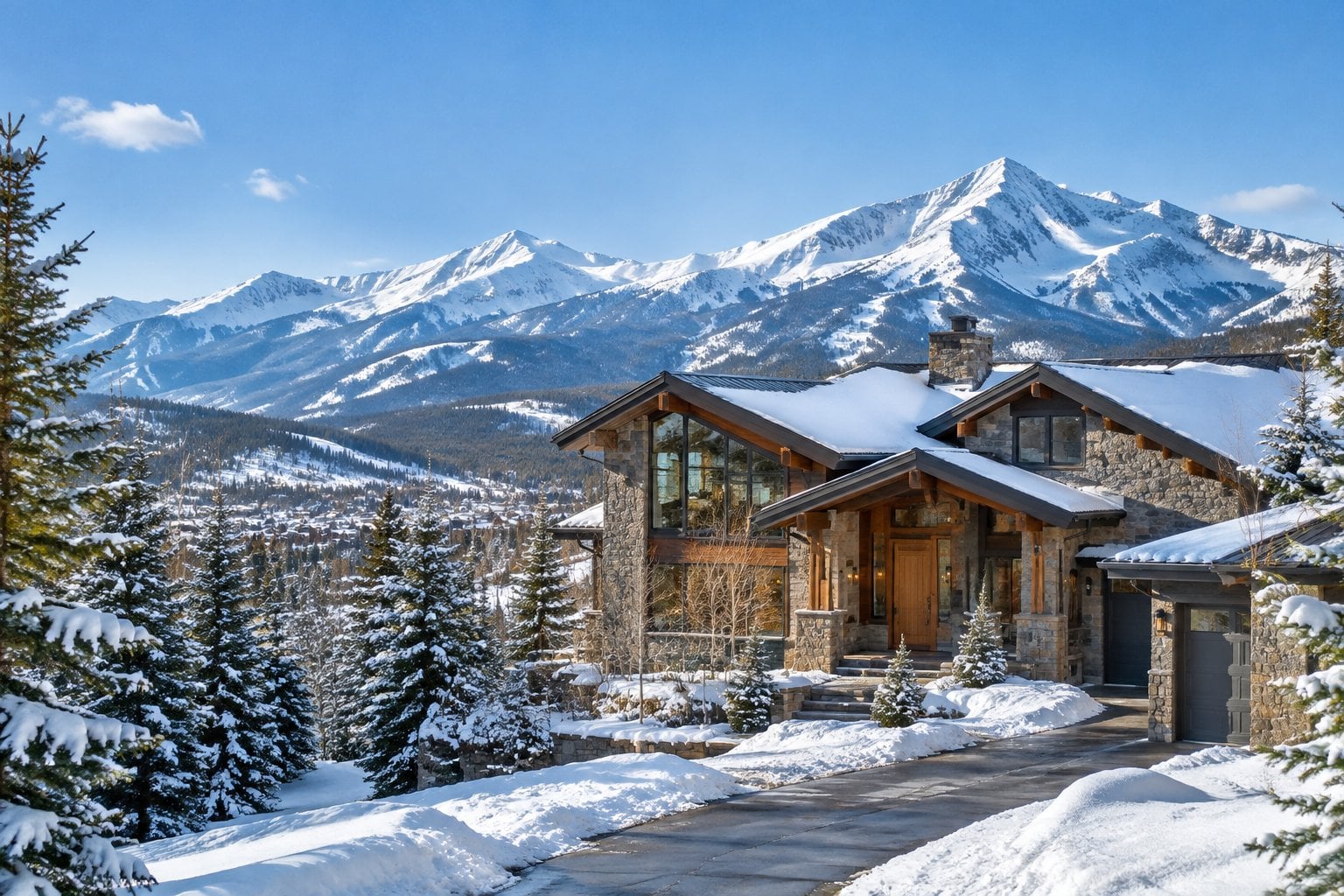
Summit County is Utah’s most expensive county, with a typical home value of $1,323,511, up 5.6% in a year.
Park City is the big draw. It’s home to Park City Mountain, one of the largest ski resorts in the country, and to Deer Valley, known for upscale lodges and ski-in, ski-out homes. The area hosted events at the 2002 Winter Olympics and will again when Salt Lake City hosts the 2034 Winter Games.
Park City was also the longtime home of the Sundance Film Festival, which put the town on the map for many visitors.
Being less than an hour from Salt Lake City International Airport makes it easy for second-home owners to fly in, which adds to demand. Towns on the county’s east side, like Kamas and Coalville, are quieter and cost less.
11. Eagle County, Colorado
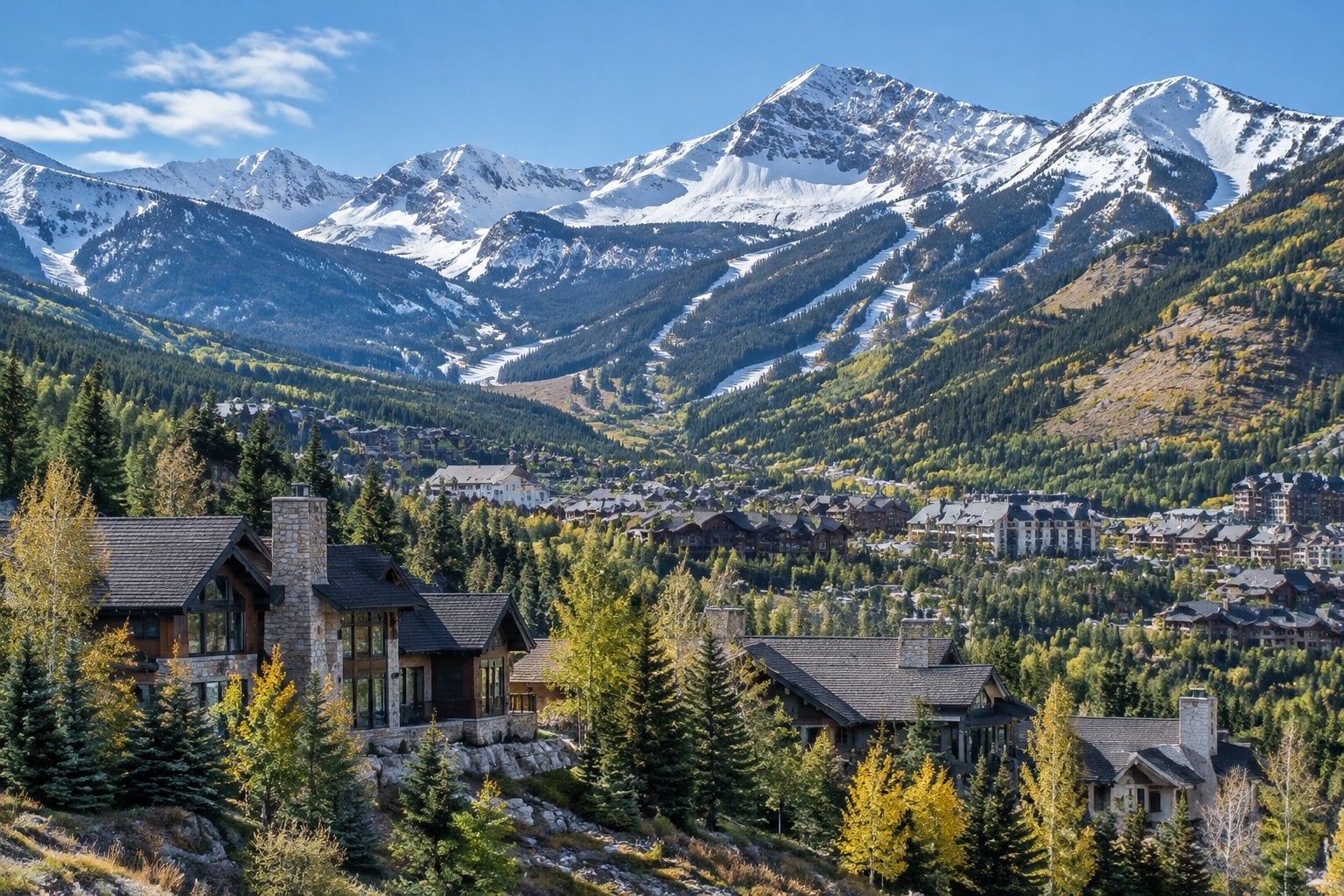
Eagle County ranks third in Colorado with a typical home value of $1,289,851, up 2.2% over the past year.
The county is best known for Vail and Beaver Creek, two of the biggest names in American skiing. Vail Mountain is one of the largest single-mountain ski resorts in the country, and Beaver Creek is famous for its upscale village.
Down the valley, towns like Avon, Edwards and Eagle hold more of the year-round population. Prices are lower there than in Vail itself, but still far above the U.S. typical value.
Second homes make up a large share of the housing in Vail and Beaver Creek, and many sit empty much of the year. That pushes many local workers into long commutes, a problem the county and its towns have tried to ease with worker housing projects.
12. New York County (Manhattan), New York

New York County, better known as Manhattan, has a typical home value of $1,261,523, up 2.6% in a year, the highest in New York State.
Most homes here are co-op and condo apartments rather than houses, so the typical value reflects apartments. Even so, prices are far above the national figure, and the most famous buildings along Central Park and Billionaires’ Row sell for tens of millions.
Neighborhoods like Tribeca, the West Village, SoHo and the Upper East Side are among the priciest, while Inwood and Washington Heights in upper Manhattan cost less.
Manhattan is the center of American finance, media and fashion, and that concentration of high-paying jobs keeps demand strong. Residents also pay New York City income tax on top of state taxes, though many save on transportation by skipping a car and taking the subway.
13. Orange County, California
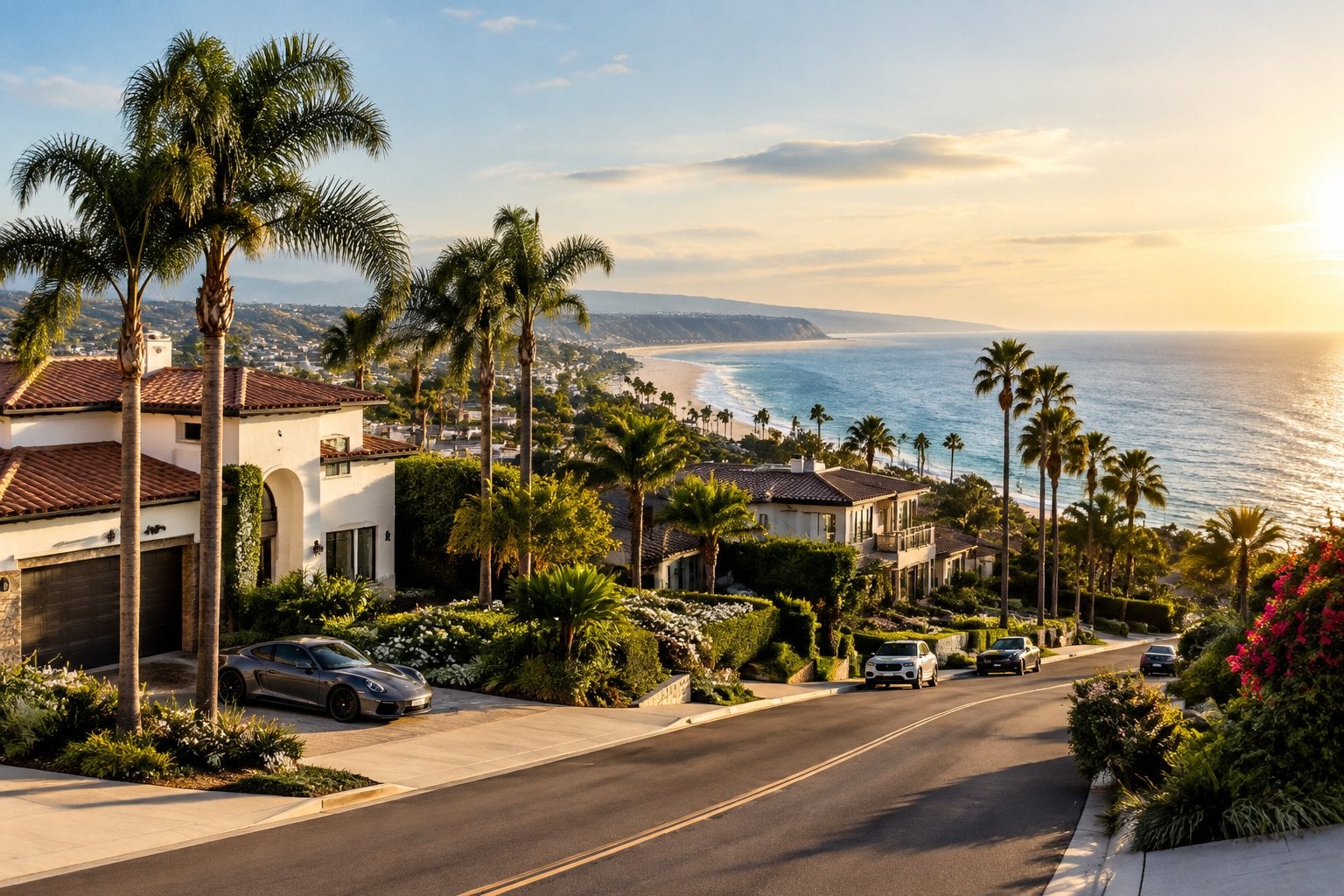
Orange County, south of Los Angeles, has a typical home value of $1,173,064, up 3.2% over the past year.
Its coastline includes Newport Beach, Laguna Beach, Dana Point and Huntington Beach, where oceanfront homes can sell for many millions. Inland, the planned city of Irvine is known for its schools and newer neighborhoods, while Anaheim is home to Disneyland.
With more than 3 million people, Orange County is one of the most populous counties in the country, and it has a large base of jobs in health care, tourism, technology and finance.
Like most of coastal California, the county has little room left to build, and the cost of land makes up a big part of the price of every home. Newport Coast and Laguna Beach hold some of the most expensive homes in Southern California.
14. Santa Cruz County, California
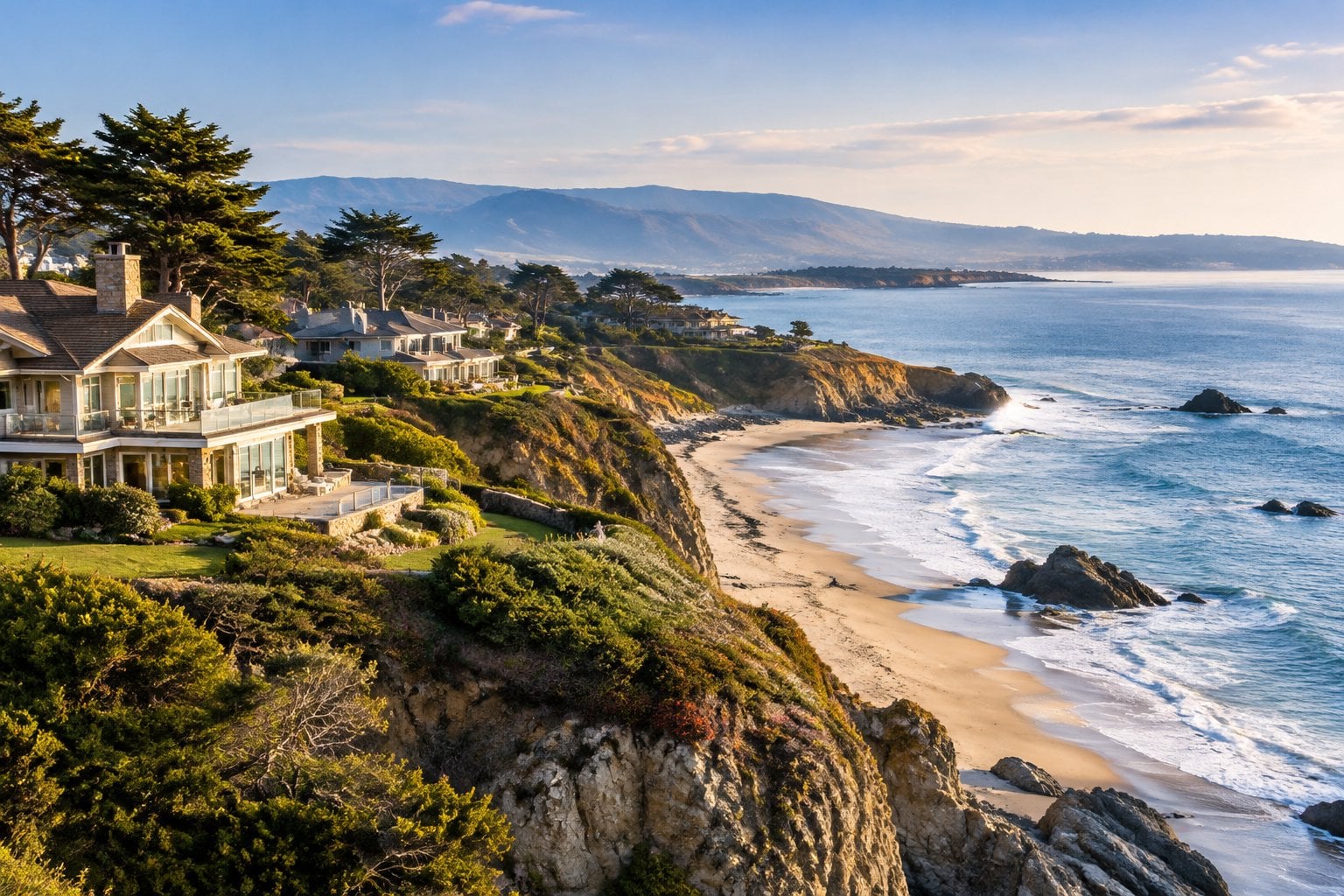
Santa Cruz County has a typical home value of $1,139,881, up 4.4% in a year.
It sits on the north end of Monterey Bay, about 30 miles from San Jose over the Santa Cruz Mountains on Highway 17. Many residents make that winding commute to jobs in Silicon Valley, which ties local prices closely to tech salaries.
The county includes the city of Santa Cruz, with its beach boardwalk and the University of California, Santa Cruz, along with Capitola, Aptos, Scotts Valley and the farm town of Watsonville.
Rents here are among the highest in the country, and local wages in tourism, farming and education haven’t kept up with home prices. Coastal rules and mountain terrain also limit how much new housing can be built.
15. Routt County, Colorado
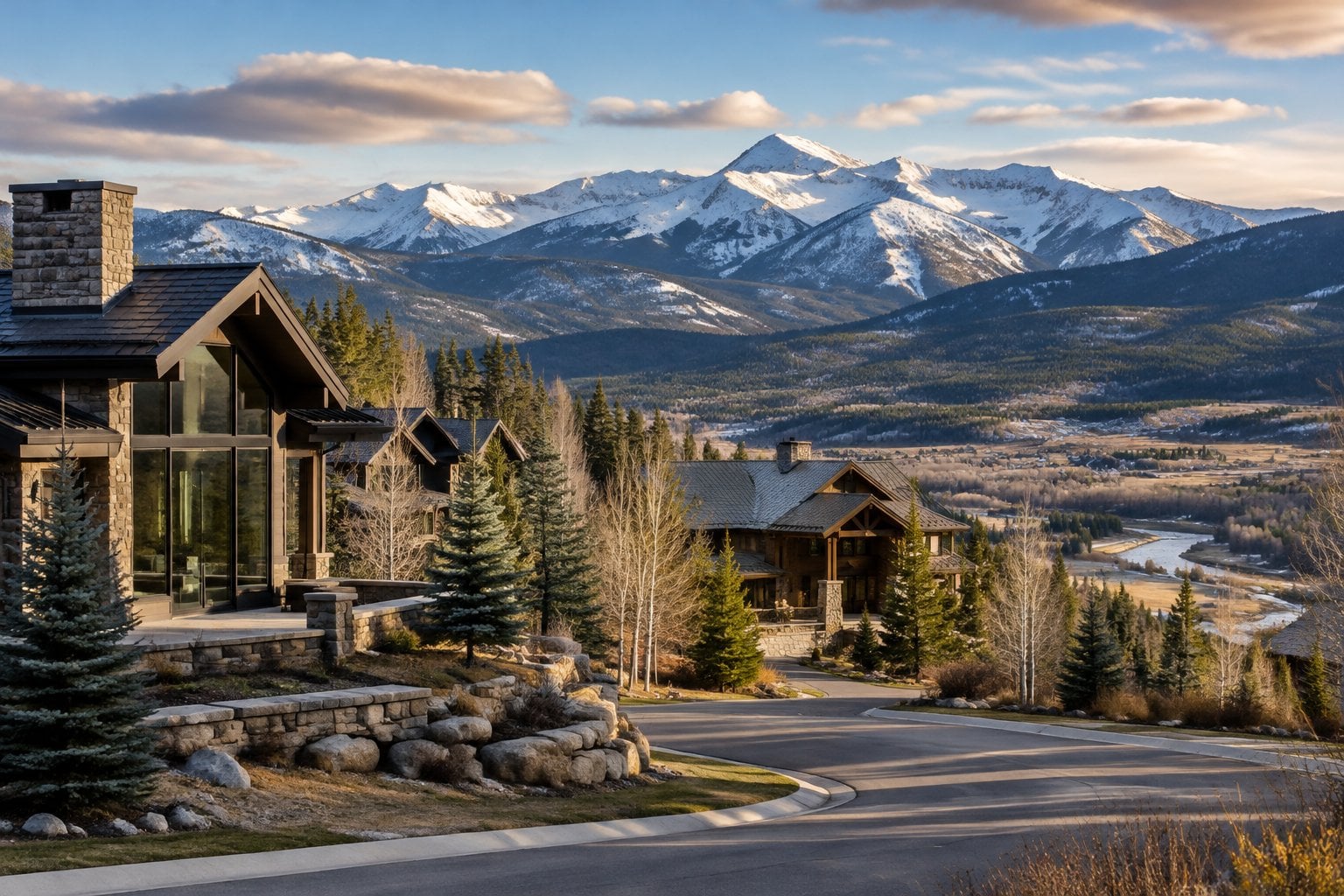
Routt County in northwest Colorado has a typical home value of $1,114,325, up 3.0% over the past year.
Steamboat Springs is the county seat and the main draw. Steamboat Resort is famous for its light “Champagne Powder” snow, and the town calls itself “Ski Town USA” because so many Winter Olympians have come from there.
Outside town, much of the county is still ranch country, with small towns like Hayden, Oak Creek and Yampa.
Prices climbed fast as remote workers and second-home buyers arrived, and Steamboat has struggled to house the people who work at the resort and in local businesses. The city and county have both put money toward worker housing to try to keep up.
16. Blaine County, Idaho
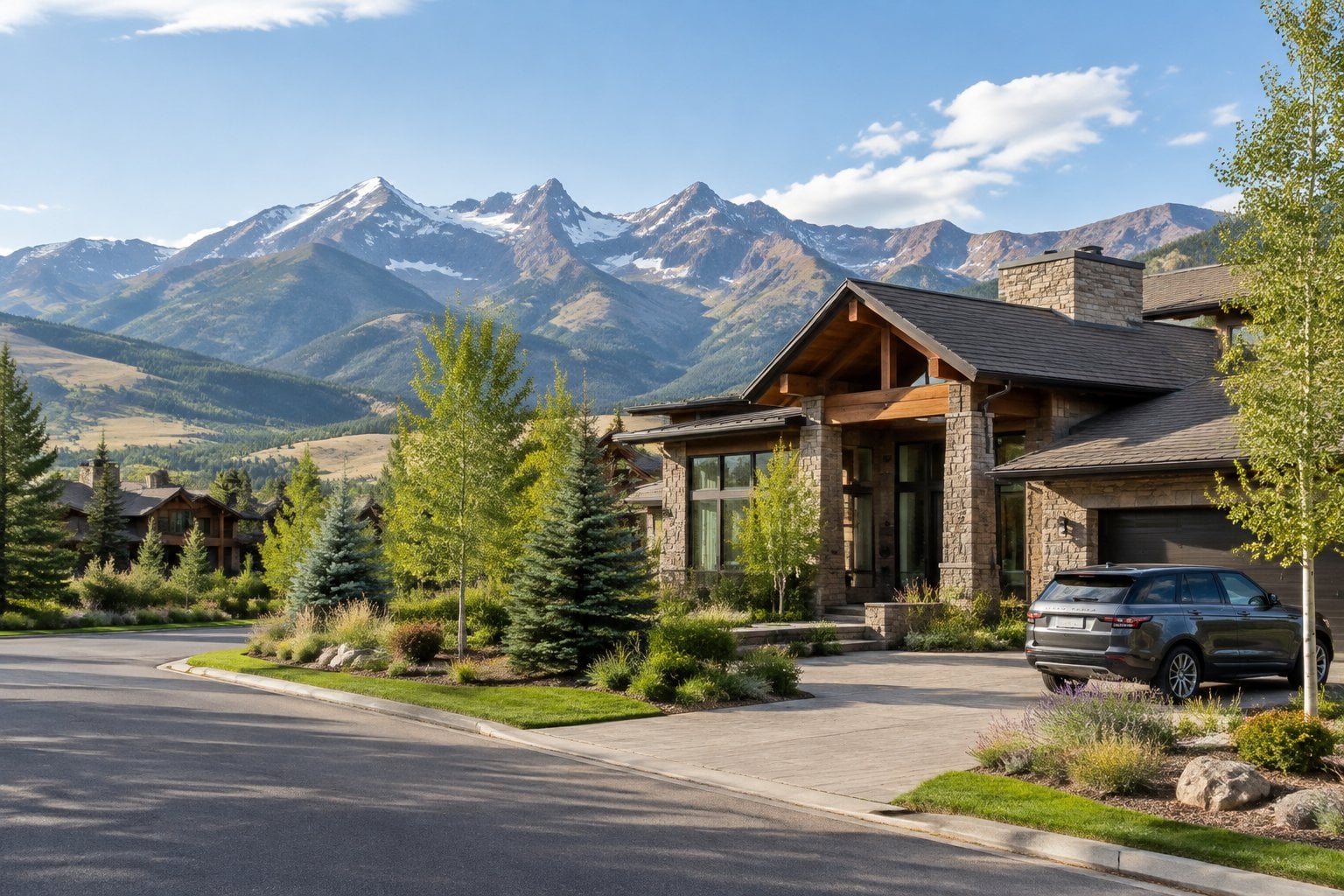
Blaine County is Idaho’s most expensive county by a wide margin. Its typical home value is $1,097,719, up 8.5% in a year.
The county is home to Sun Valley, which opened in 1936 as one of America’s first destination ski resorts and introduced the world’s first chairlifts. Hollywood stars helped make it famous, and it still hosts a well-known yearly gathering of media and tech executives.
Ketchum, next door to Sun Valley, has most of the shops and restaurants, while Hailey, the county seat, and Bellevue sit farther south in the Wood River Valley.
The gap with the rest of Idaho is huge. Blaine’s typical value is about $250,000 more than the state’s next-priciest county, Teton County, on the Wyoming border.
17. Alameda County, California
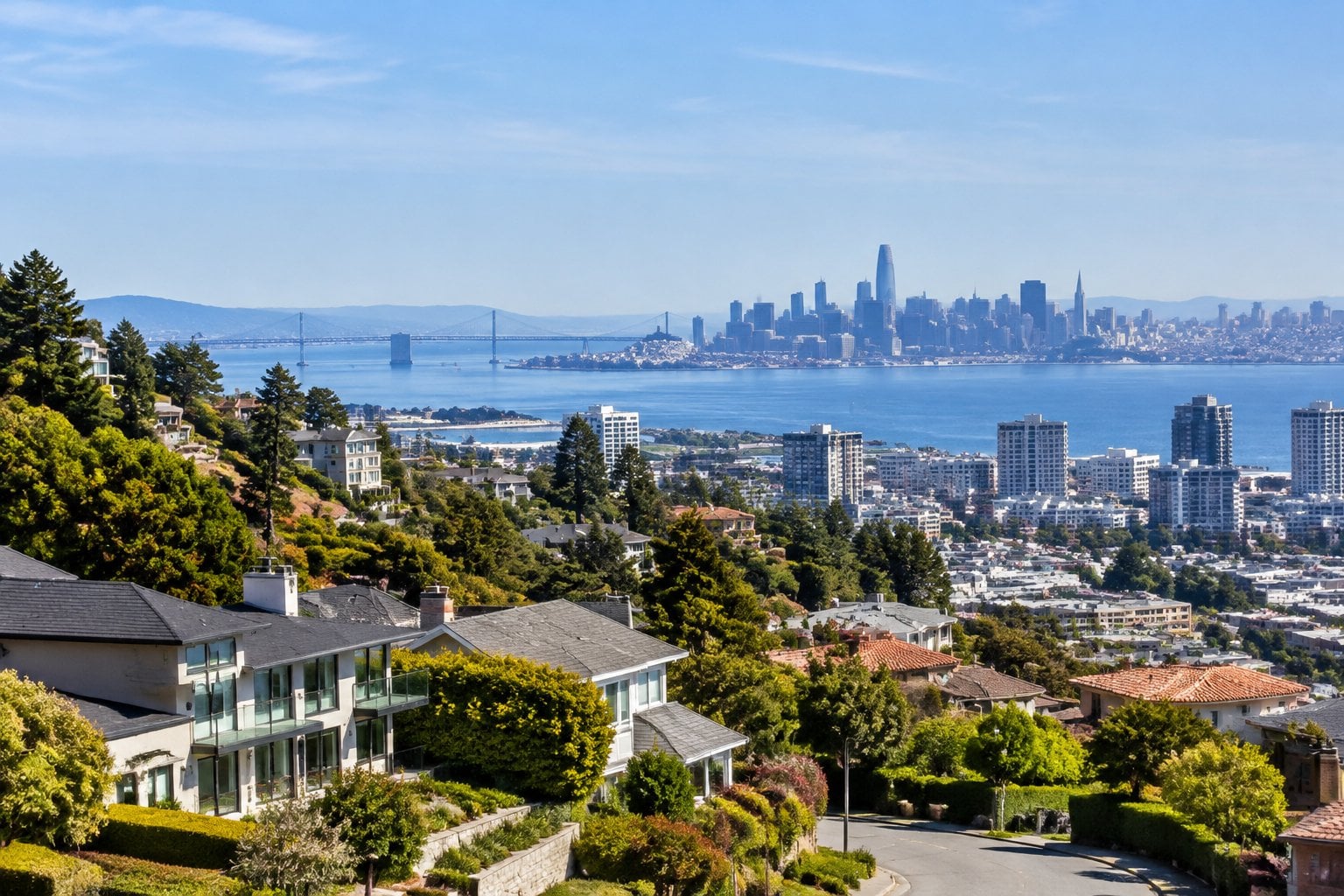
Alameda County, across the bay from San Francisco, has a typical home value of $1,043,994, about the same as a year earlier.
It’s a big, varied county of about 1.6 million people. Oakland and Berkeley sit on the bay, while Fremont, Pleasanton, Dublin and Livermore stretch east and south. The small city of Piedmont, surrounded by Oakland, is one of the wealthiest places in California.
The University of California, Berkeley and Lawrence Livermore National Laboratory are major employers, and many residents commute to San Francisco or Silicon Valley.
Prices have held flat over the past year, but they still sit near three times the national figure. Pleasanton, Piedmont and Fremont, with highly rated schools, tend to cost the most.
18. Kauai County, Hawaii

Kauai County has the highest typical home value in Hawaii at $1,015,483, up 1.8% over the past year.
The county covers Kauai, the “Garden Isle,” and the small private island of Niihau. Kauai is known for the cliffs of the Na Pali Coast, Waimea Canyon and the beaches of Hanalei Bay and Poipu.
Most people live in towns along the coast, like Lihue, Kapaa and Koloa, while Princeville and Hanalei on the north shore have some of the priciest homes.
Much of the island is farmland, forest or conservation land, and strict rules limit how much it can grow. Groceries, gas and power cost more than on the mainland because so much is shipped in. Kauai is also home to Kauai Coffee, the largest coffee farm in the United States.
19. Santa Barbara County, California
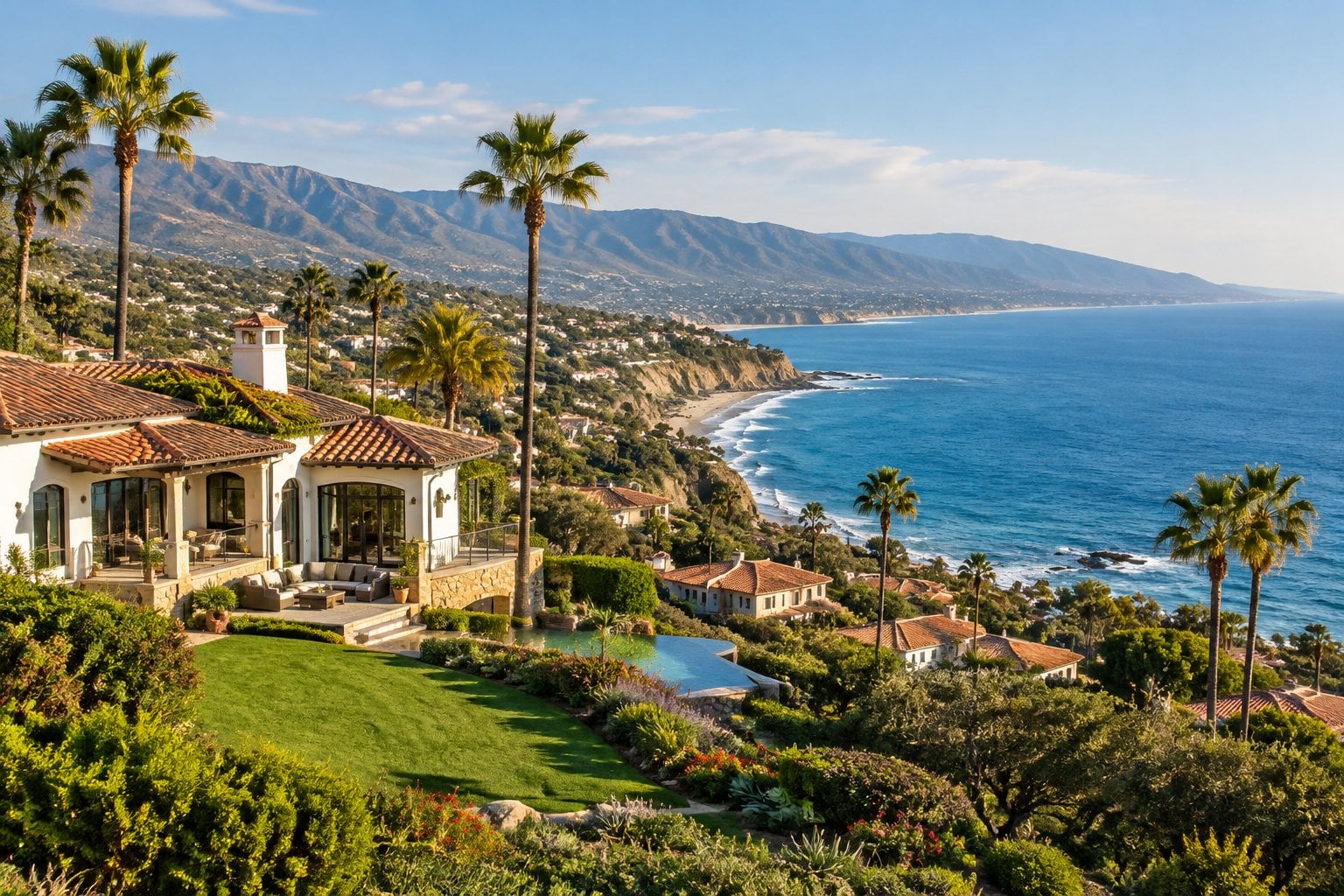
Santa Barbara County has a typical home value of $1,000,065, up 4.1% in a year.
On the coast, the city of Santa Barbara, Montecito, Hope Ranch and Carpinteria hold some of the most expensive homes in California. Montecito is home to celebrities like Oprah Winfrey, Prince Harry and Meghan Markle.
North of the Santa Ynez Mountains, the county changes. Santa Maria and Lompoc are farm and military towns with much lower prices, and the Santa Ynez Valley is wine country, home to the Danish-style town of Solvang.
That spread means the county’s typical value is lower than Montecito’s headlines suggest, but it’s still about 2.7 times the national figure. UC Santa Barbara and Vandenberg Space Force Base are among the largest employers.
20. Maui County, Hawaii

Maui County has a typical home value of $974,971. It’s the only county on this list where prices clearly fell over the past year, down 3.0%.
The county includes Maui, Molokai, Lanai and the uninhabited island of Kahoolawe. On Maui, resort areas like Wailea, Kapalua and Kaanapali hold the most expensive homes, while many residents live in Kahului, Wailuku and Kihei.
The August 2023 wildfire destroyed most of Lahaina, the deadliest U.S. wildfire in more than a century, and wiped out thousands of homes. Rebuilding has been slow, and the loss of housing has squeezed an already tight market.
Maui has also moved to phase out thousands of vacation rentals in apartment-zoned areas to free up homes for residents. Everyday costs are high, as on all the islands, since most goods arrive by ship.
21. Monroe County, Florida
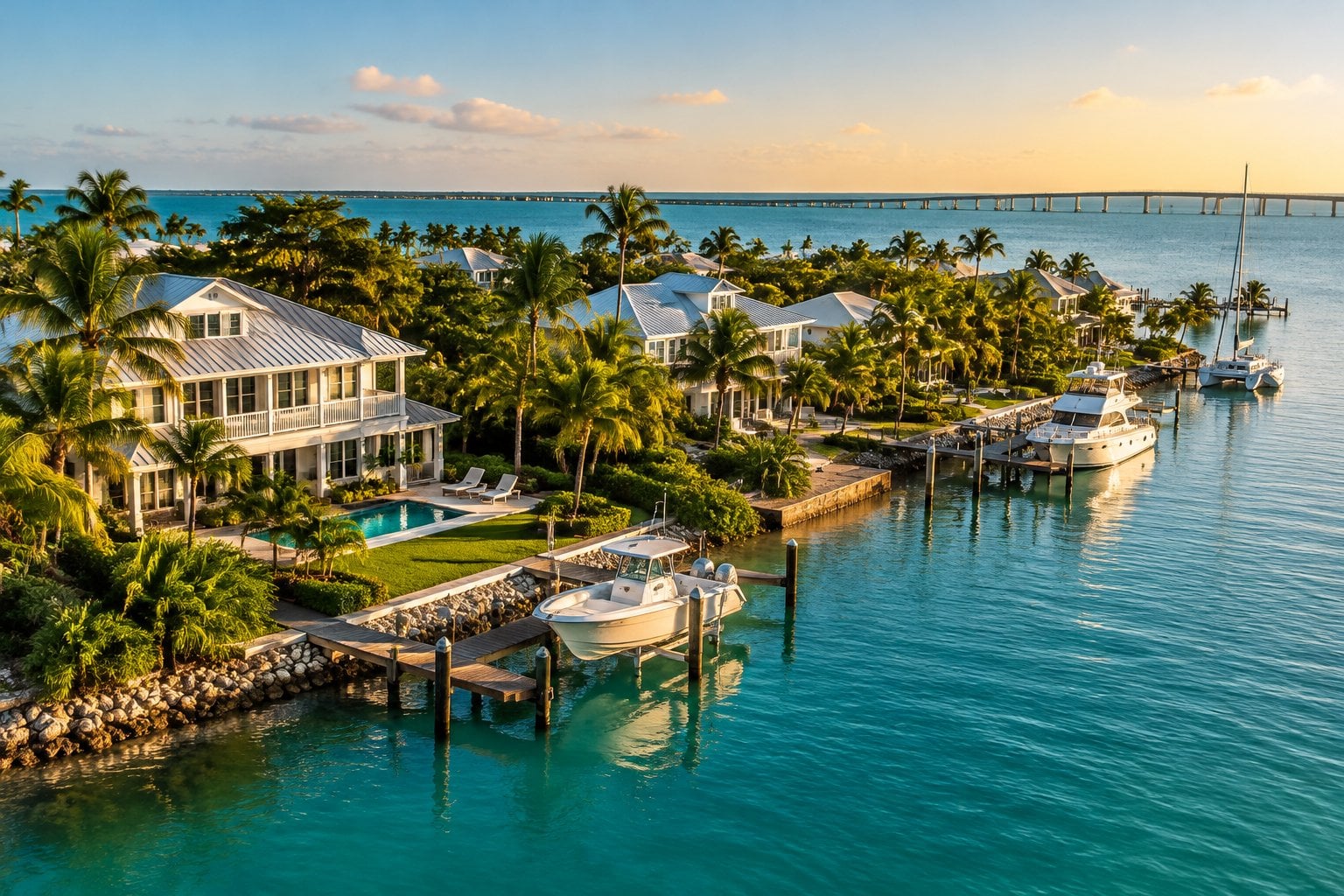
Monroe County, the Florida Keys, has a typical home value of $969,529, up 2.3% over the past year. That’s about $300,000 more than any other county in Florida.
The Overseas Highway runs about 113 miles from the mainland to Key West, crossing the famous Seven Mile Bridge. Key Largo, Islamorada, Marathon and Big Pine Key sit along the way. Most of the county’s mainland area is in Everglades National Park, where almost no one lives.
Land is scarce, building rules are strict, and waterfront homes with boat docks command big premiums.
Owning here also comes with heavy insurance costs. The Keys sit squarely in hurricane country, and Hurricane Irma badly damaged the Middle and Lower Keys in 2017. Flood insurance, wind coverage and storm-proofing add thousands of dollars a year to the cost of a home.
22. Kings County (Brooklyn), New York
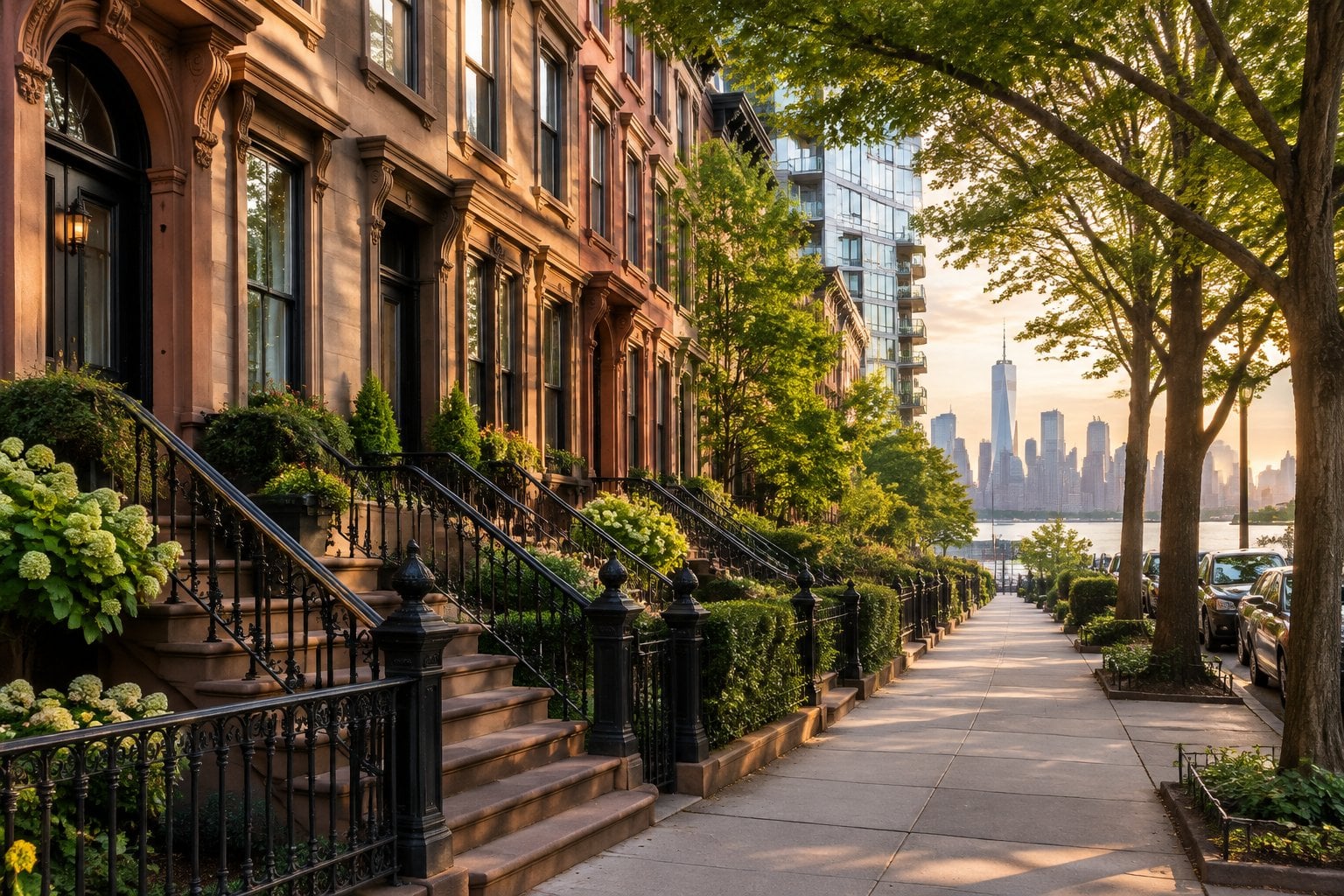
Kings County, better known as Brooklyn, has a typical home value of $966,454, up 5.2% in a year.
Brooklyn is the most populous of New York City’s five boroughs, with about 2.6 million people. Brownstone neighborhoods like Park Slope, Brooklyn Heights, Cobble Hill and Fort Greene hold some of the most expensive townhouses in the city, and DUMBO and Williamsburg on the waterfront are full of newer condo towers.
Prices drop the farther you go from Manhattan, in neighborhoods like Canarsie and East New York, but most of the borough is still well above the national figure.
Short subway rides to Manhattan jobs keep demand high, and young professionals priced out of Manhattan have been moving here for decades. As in Manhattan, residents pay New York City income tax on top of state taxes.
23. Summit County, Colorado
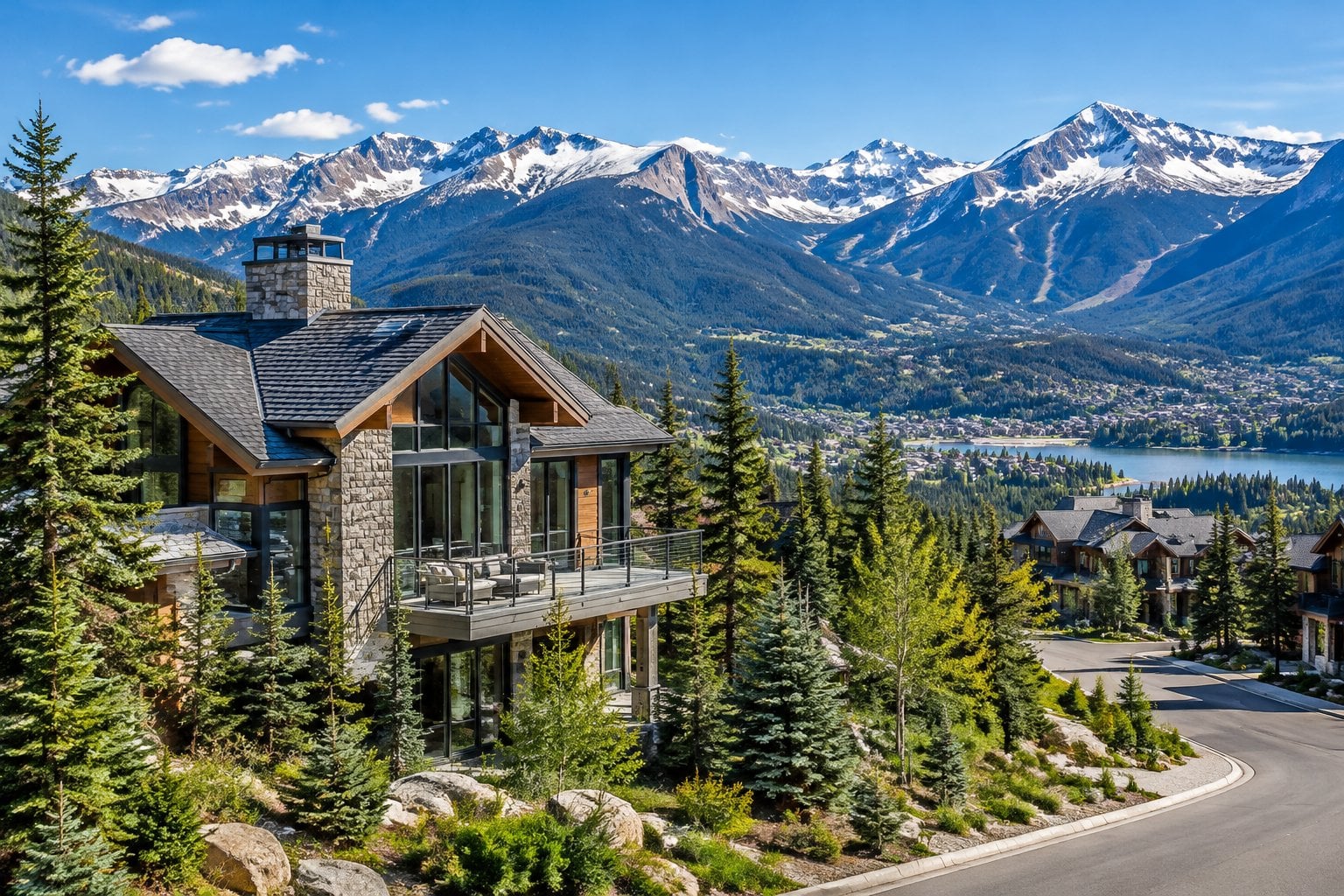
Summit County, Colorado, has a typical home value of $958,693, almost unchanged from a year earlier.
It’s the closest major ski county to Denver, roughly 70 to 80 miles west on Interstate 70. Breckenridge, Keystone, Copper Mountain and Arapahoe Basin are all here, along with the towns of Frisco, Dillon and Silverthorne.
Breckenridge, a former gold-mining town with a historic main street, holds the county’s priciest homes, while condos in Dillon and Silverthorne cost less.
Easy access from Denver makes Summit County popular for second homes and short-term rentals, which pushes prices up for year-round residents. Towns here have added rules on vacation rentals and built worker housing to keep teachers, nurses and resort staff in the county.
24. Wasatch County, Utah
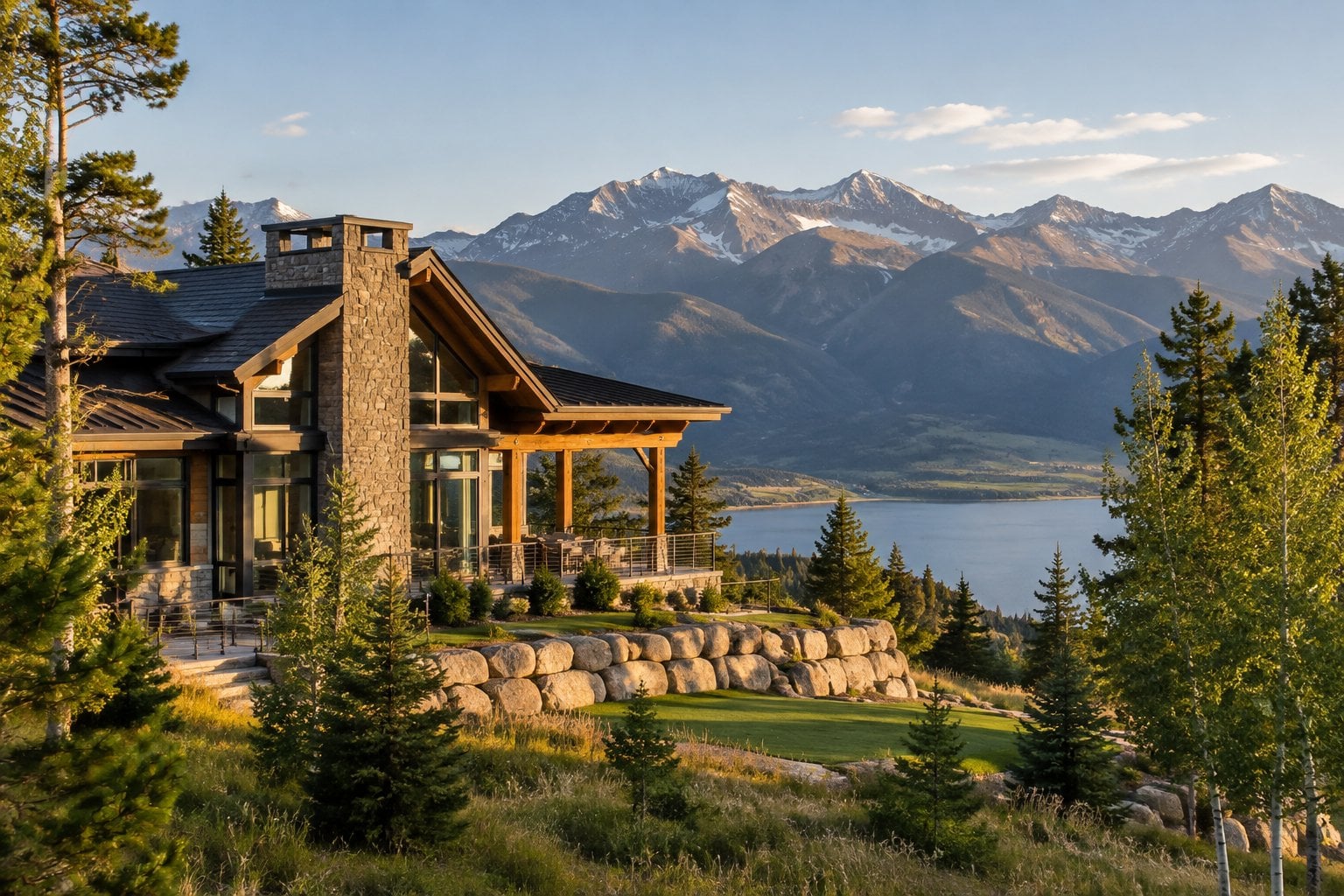
Wasatch County, Utah’s second-priciest, has a typical home value of $943,453, up 2.2% in a year.
It sits just southeast of Park City, and many buyers choose it for easy access to Park City’s ski resorts at lower prices. Heber City is the county seat, and the Swiss-themed town of Midway is known for the Homestead Crater, a geothermal pool inside a limestone dome.
Jordanelle Reservoir, on the county’s north end, has become a center for new luxury homes and resorts, and Deer Valley has been expanding into this area.
Wasatch is one of the faster-growing counties in Utah, and farmland around Heber Valley is giving way to subdivisions. Prices are still well below Summit County’s, but far above the national figure.
25. San Diego County, California
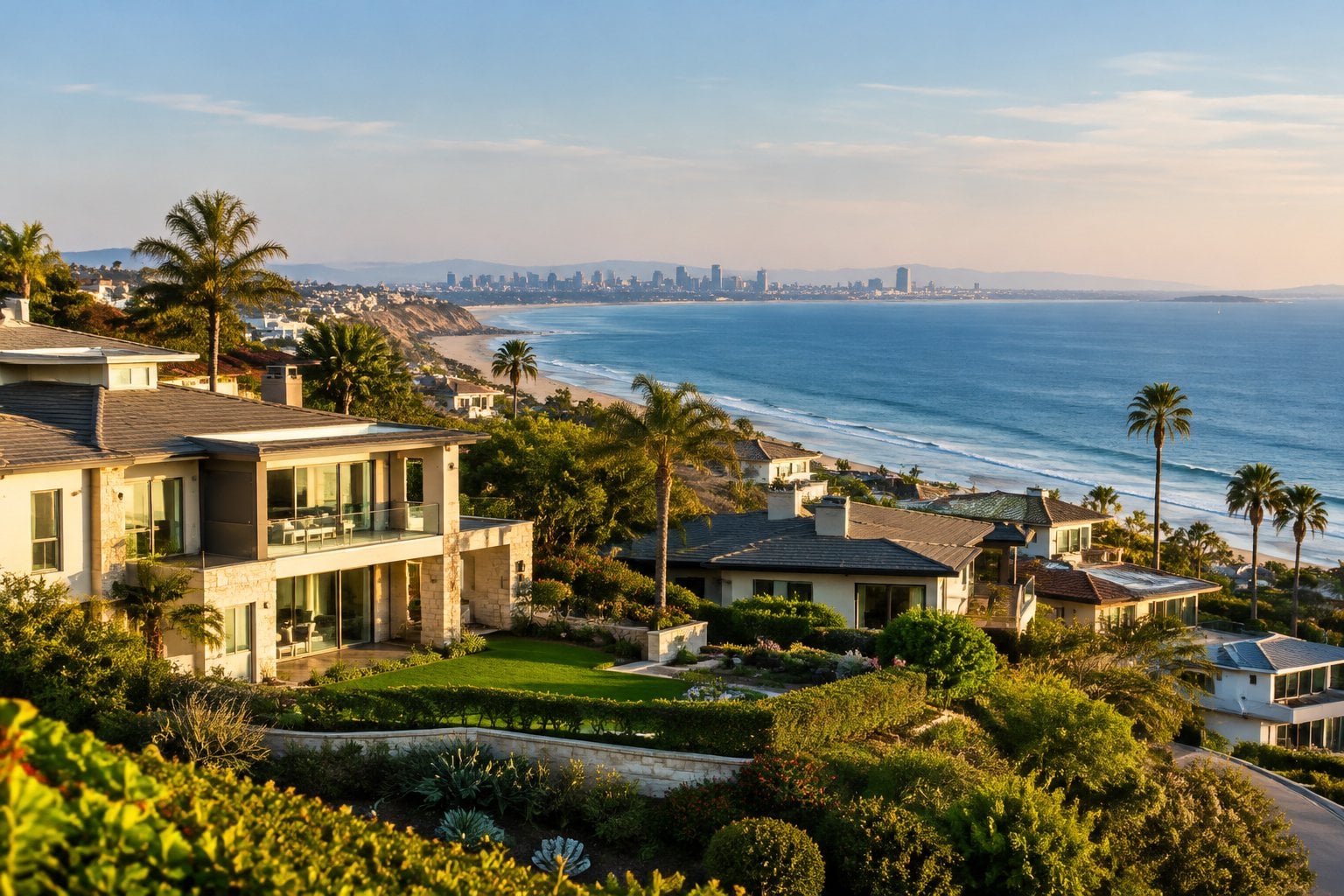
San Diego County has a typical home value of $926,871, up 0.9% over the past year.
It stretches from the Pacific beaches to mountains and desert in the east, and it borders Mexico. La Jolla, Coronado, Del Mar and Rancho Santa Fe hold the most expensive homes, while inland areas like El Cajon and Escondido cost less.
The county’s economy leans on the military, with major Navy and Marine Corps bases, along with biotech, tourism and the University of California, San Diego.
Mild weather all year is a big part of the appeal and the price. Home building hasn’t kept up with population growth for years, which keeps both home prices and rents high compared with most of the country.
26. Williamson County, Tennessee
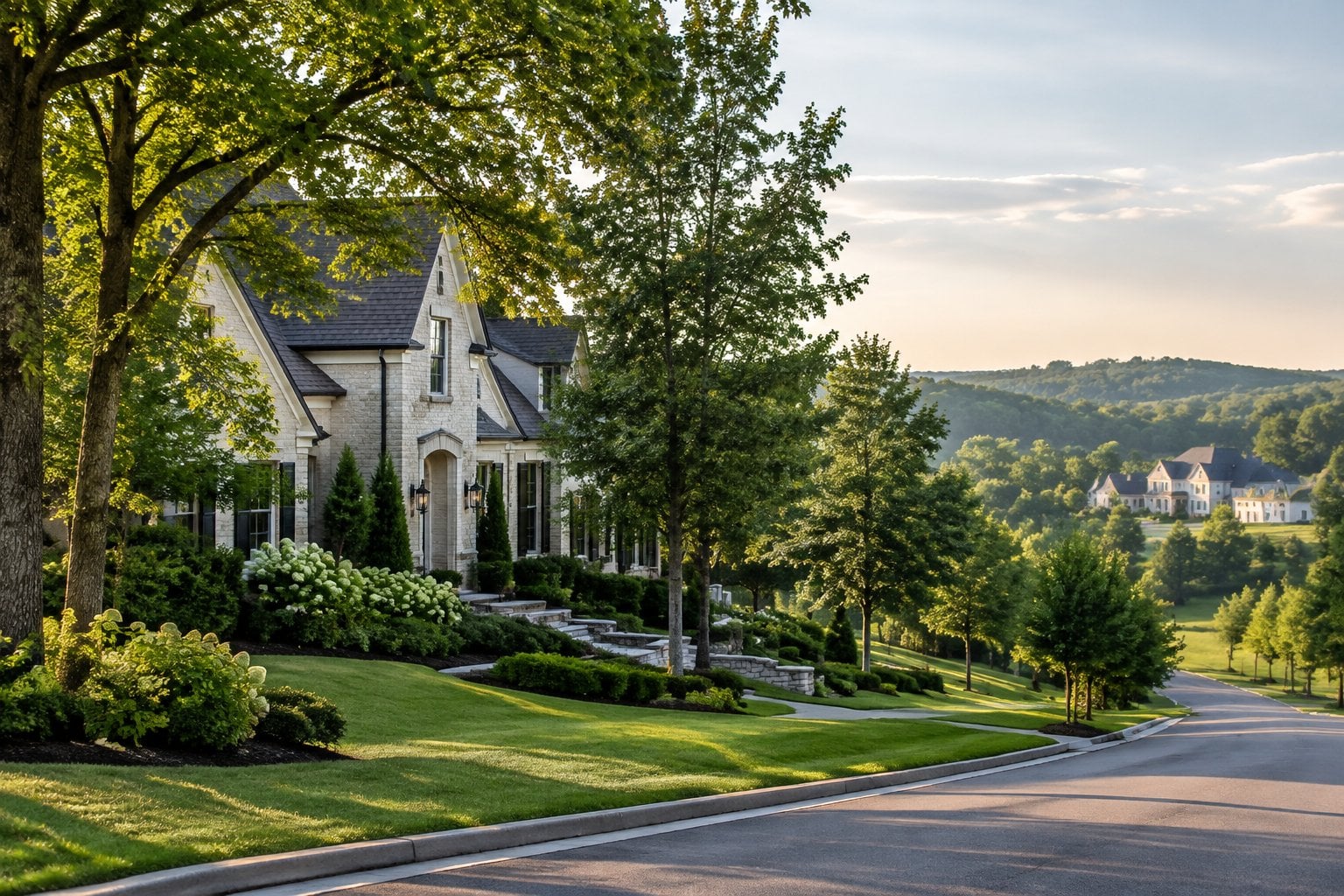
Williamson County, just south of Nashville, has a typical home value of $916,644, up 2.7% in a year. That’s far ahead of every other county in Tennessee: the next-highest, Wilson County, is just under $500,000.
It’s one of the wealthiest counties in the country, with a median household income well over $100,000. Franklin, the county seat, has a historic downtown and Civil War sites, while Brentwood is home to many country music stars and executives.
Top-rated public schools are a big draw, and many companies have moved offices to the Cool Springs area of Franklin.
Tennessee has no income tax on wages, which has helped bring in buyers from states like California, Illinois and New York. Newer towns like Nolensville, Thompson’s Station and Spring Hill have grown quickly as families look for more space.
27. San Luis Obispo County, California

San Luis Obispo County, about halfway between Los Angeles and San Francisco, has a typical home value of $894,408, up 1.8% over the past year.
The college town of San Luis Obispo, home to Cal Poly, is the county seat. Along the coast are Pismo Beach, Avila Beach, Morro Bay, Cayucos and Cambria, and inland is the wine country around Paso Robles. Hearst Castle overlooks the coast at San Simeon.
Coastal towns are the priciest, and many homes there are second homes or retirement homes for buyers from Los Angeles and the Bay Area.
Local wages in farming, tourism and education are much lower than home prices, and the county has long ranked among the least affordable places in the country for local buyers.
28. San Juan County, Washington

San Juan County is Washington’s most expensive county, with a typical home value of $880,857, up 1.5% in a year. It edges out King County, home to Seattle.
The county is made up of islands in the Salish Sea, including San Juan Island, Orcas, Lopez and Shaw. There is no bridge to the mainland: most people come on Washington State Ferries from Anacortes, or by small plane or seaplane.
Friday Harbor, the county seat, is the main town, and Eastsound is the hub on Orcas Island. Orca whales, quiet farms and waterfront cabins draw retirees, remote workers and summer visitors.
Most local jobs are in tourism, retail and government, and wages are much lower than home prices, so housing for workers is a constant issue. The county’s land bank buys and protects open space, which also limits building.
29. Westchester County, New York
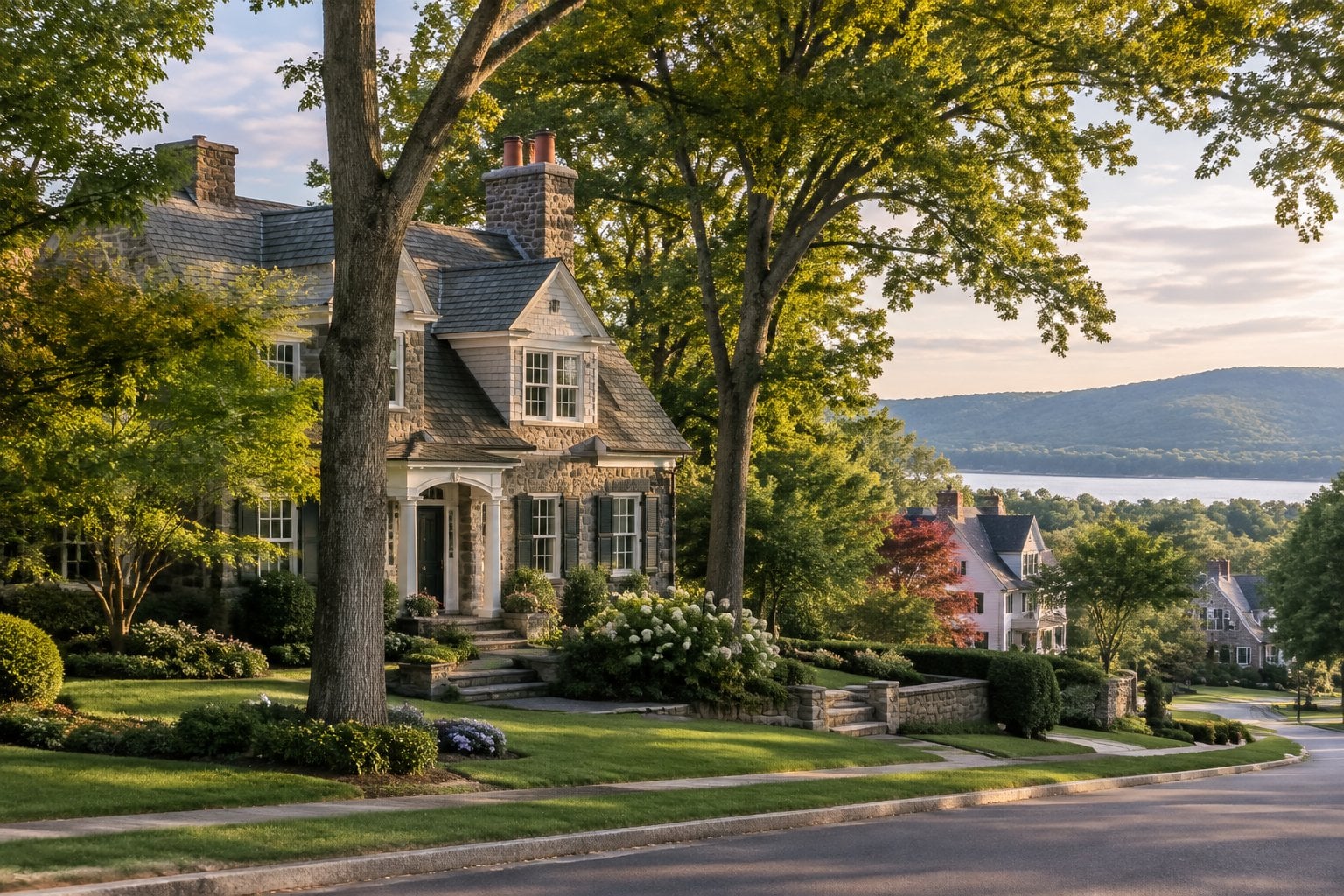
Westchester County, just north of New York City, has a typical home value of $877,732, up 7.8% over the past year.
Towns like Scarsdale, Rye, Bronxville, Chappaqua and Larchmont are known for large houses, strong schools and quick Metro-North train rides to Grand Central Terminal. Many residents work in Manhattan.
Larger cities like Yonkers, New Rochelle and White Plains offer apartments and smaller homes at lower prices.
Property taxes add a big yearly bill on top of the mortgage. Westchester is among the 15 counties with the highest median property tax bills in the country, all above $10,000 a year, according to the Tax Foundation. Strong demand from city families looking for more space has pushed prices up in recent years.
30. Los Angeles County, California

Los Angeles County rounds out the list with a typical home value of $870,656, about the same as a year earlier.
With close to 10 million people, it’s the most populous county in the United States, and it holds 88 cities, from Los Angeles itself to Long Beach, Pasadena and Santa Clarita.
The priciest homes sit in Beverly Hills, Bel Air, Malibu and on the Palos Verdes Peninsula, while Lancaster and Palmdale in the Antelope Valley cost far less.
Hollywood, the ports of Los Angeles and Long Beach, aerospace and tourism all bring jobs, and the mild climate keeps demand high. The county has struggled for years to build enough homes for its population, and the January 2025 wildfires in Pacific Palisades and Altadena destroyed thousands more.
What Makes a County Expensive
Several factors combine to push a county into the top tier, and they rarely act alone. Housing, taxes, insurance and local wages all interact to decide whether your dollar stretches or disappears quickly.
Housing Prices and Rental Costs
Housing is the single biggest driver of county-level costs. In San Mateo and Santa Clara counties, typical home values top $1.5 million, more than four times the U.S. typical value of about $364,000.
Rents follow a similar pattern. When you rent in these counties, you’re often competing with high-income tech or finance workers, which pushes monthly rents well above what local wages alone would support.
Land scarcity plays a role too. Coastal counties, islands and mountain counties surrounded by public land have little room to build, so prices rise instead of supply expanding.
A few patterns stand out:
- Proximity to job hubs (tech, finance, government) increases demand
- Geographic limits (coastlines, islands, mountains) restrict new construction
- Zoning rules slow housing development in high-demand areas
- Second-home buyers compete with locals in resort counties
Taxes, Insurance and Everyday Expenses
Property taxes fund much of the local services in expensive counties, including schools, police and libraries. Because home values are so high, even a modest tax rate can mean a large yearly bill.
Insurance adds another layer. Counties exposed to wildfires, flooding or hurricanes usually carry higher premiums, and that applies to several of the priciest counties on the coasts.
Everyday expenses like groceries, utilities and childcare also tend to run higher in these areas, especially on islands, where most goods arrive by boat.
How Local Incomes Compare With Living Costs
High prices don’t always mean high incomes to match. Many expensive counties have median incomes well above the national average, which softens some of the pressure.
Still, the gap between incomes and home prices is wide in places like Marin and Santa Clara counties, and it’s even wider in resort counties like Teton County, Wyoming, where many homes belong to people who earn their money elsewhere.
This mismatch matters most if you’re a renter or first-time buyer. In many of these counties, home values have climbed faster than local wages over the past decade.
How to Evaluate Affordability Before Moving
A county’s typical home value only tells part of the story. Your real affordability depends on your household budget, your income compared with local jobs, and the cash you’ll need to cover the move itself.
Comparing Total Household Budgets Across Counties
Housing costs matter, but they’re not the only number to look at.
A county with cheaper rent can still cost you more overall once you add up taxes, childcare, transportation and food. Build a full budget comparison instead of relying on one figure.
Here’s what to compare line by line:
- Housing: rent or mortgage payment for your household size
- Taxes: state income tax, property tax and local sales tax
- Childcare: average monthly costs if you have kids
- Transportation: gas, car insurance and transit or toll costs
- Health care: insurance premiums and typical out-of-pocket costs
Add these together and compare the total with your take-home pay. A county that looks expensive on paper might still leave you with more money each month than a cheaper one with high taxes or costly childcare.
Weighing Job Opportunities Against Commuting Costs
A higher salary in an expensive county doesn’t always leave you better off. Compare the local cost of living with your expected pay before assuming a raise will improve your situation.
Commuting costs deserve equal attention. A long drive can wipe out the savings from choosing a cheaper county.
Factor in:
- Fuel or transit fares over a full year
- Wear and maintenance on your car from longer drives
- The hours lost that could go toward work or family
If you work remotely, your income stays the same wherever you live, so a county with lower costs can leave you with more money at the end of the month.
Planning for Moving Costs and a Cash Cushion
Moving costs add up fast, and they hit before you’ve settled into your new budget.
Expect to pay for a security deposit, movers or a truck rental, utility setup fees and possibly short-term housing if your move-in and move-out dates don’t line up. Depending on distance and household size, that can run from a few hundred dollars to several thousand.
Build a reserve before you commit. A common guideline is to save three to six months of expenses based on costs in your new county, not your old one.
That cushion protects you if a job search takes longer than expected or surprise costs come up during the move.