The 30 Most Expensive Small Towns in America: Ranked by Median Home Price
Small towns across the United States often carry price tags that rival or exceed major metropolitan areas. Factors like limited housing supply, desirable locations, and exclusive amenities push home values and living costs well beyond national averages in these communities.
If you’re curious about where small-town living comes with a big-city price, this list breaks down 30 of the most expensive towns in the country based on home values, rent, and overall cost of living. You’ll find a range of locations, from coastal retreats to mountain communities, each shaped by its own mix of geography, demand, and local economy.
1. Wilson, Wyoming
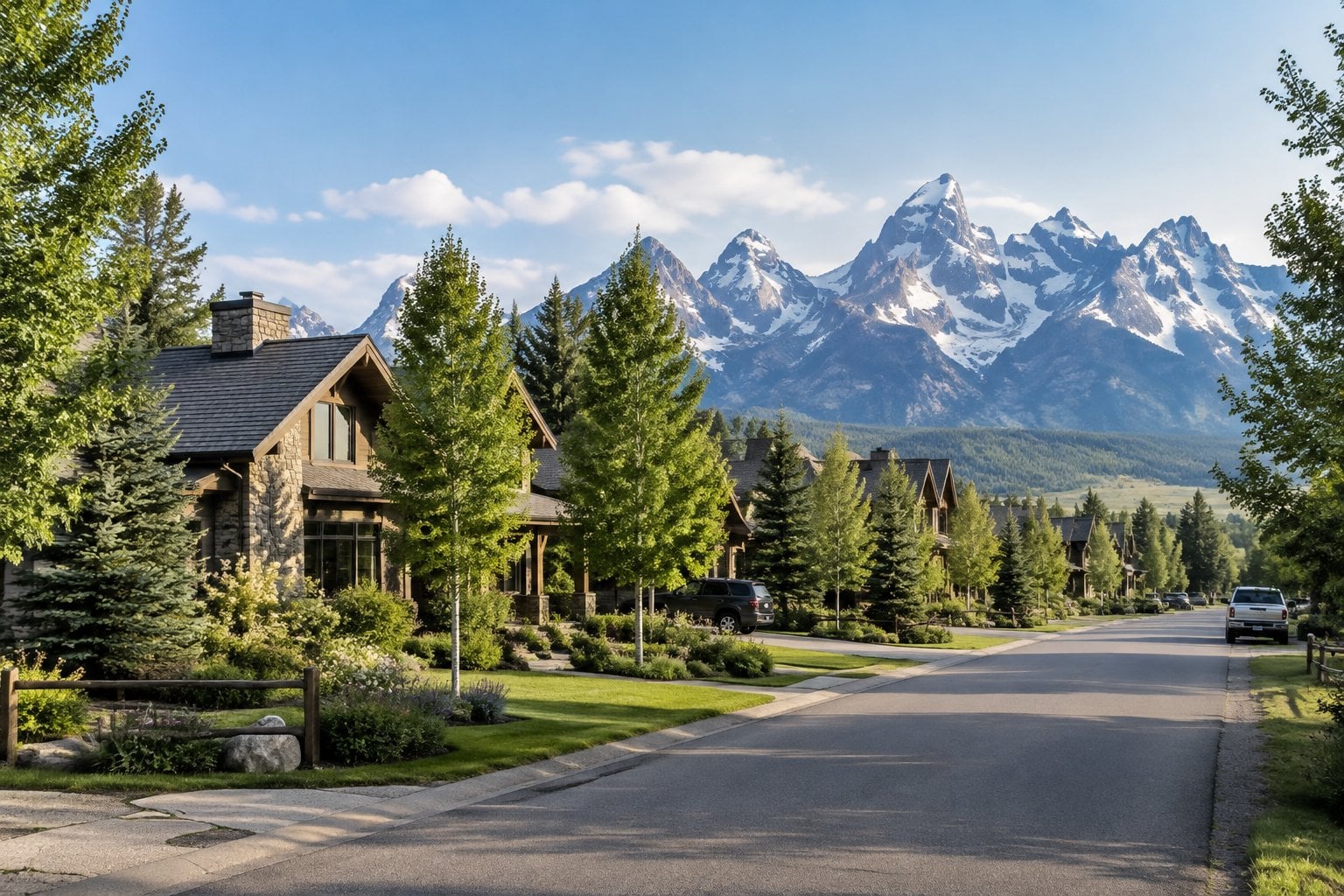
Wilson sits in the Jackson Hole Valley, just west of Jackson, Wyoming. With a population of around 1,500, it’s a small, low-key community, but don’t let the modest downtown fool you. You’ll find a gas station, a few shops, and not much else in the way of commercial development.
What drives home prices here is location. You’re surrounded by the Teton mountain range and bordered by national forest land, which severely limits how much new construction can happen.
Wyoming also has no state income tax, which draws high-net-worth residents looking to protect their wealth. This tax advantage, combined with the area’s natural beauty, pushes demand well above the available supply of homes.
Median home values in Wilson often climb into the multi-million dollar range. You’re paying for privacy, mountain views, and proximity to world-class skiing and outdoor recreation.
Many properties here are second homes or vacation residences, which keeps year-round competition for housing tight and prices elevated.
2. Mountain Village, Colorado
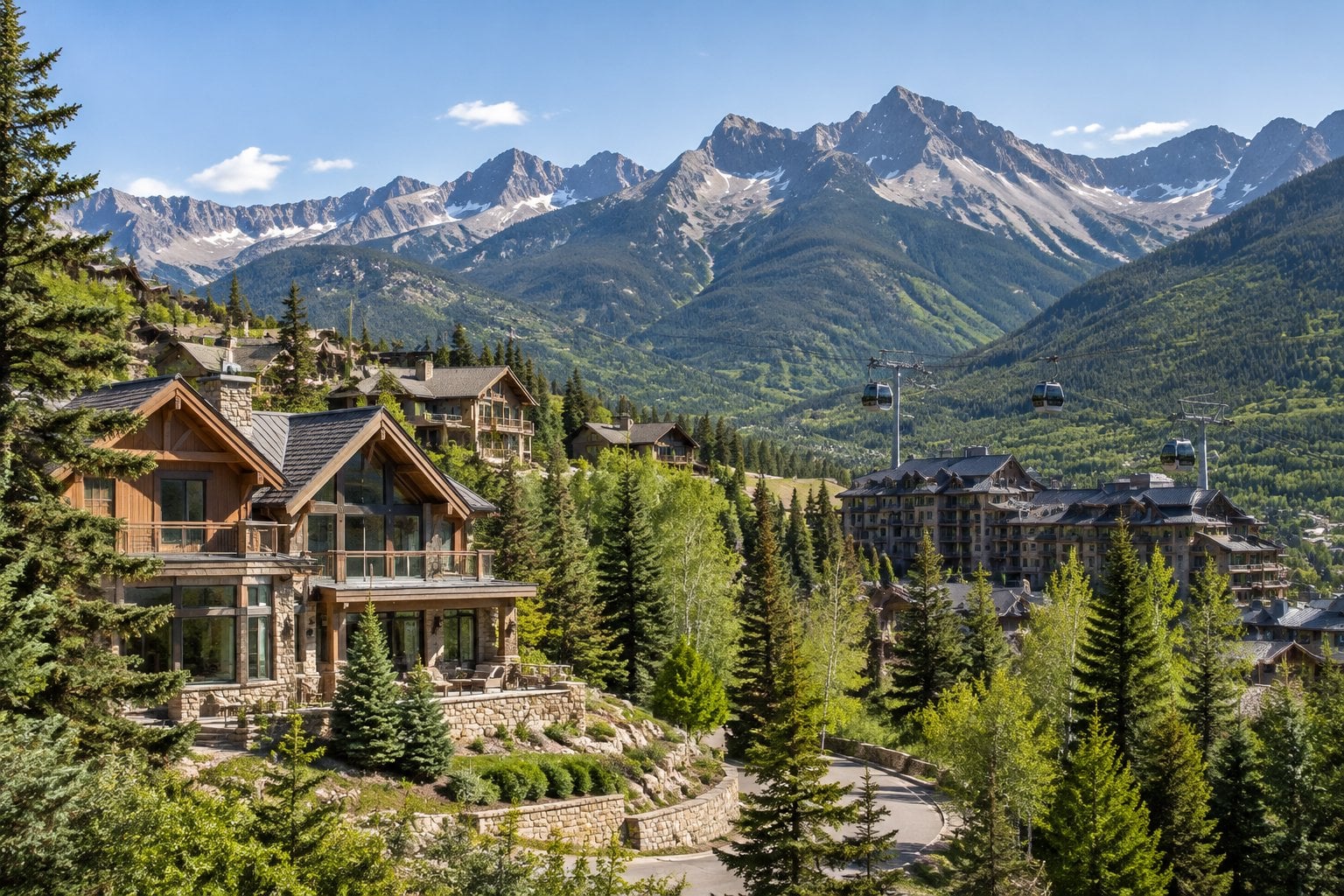
You’ll find Mountain Village perched beside Telluride, connected by a free gondola that carries you over the San Juan Mountains. The town has roughly 1,300 full-time residents, though that number swells during ski season and summer festivals.
Home prices here commonly stretch well into the millions, with median values often exceeding $2 million. Condos near the slopes and custom mountain homes drive much of that figure upward.
What pushes costs so high is simple: limited buildable land surrounded by national forest, combined with a steady stream of wealthy second-home buyers. Ski-in, ski-out access to Telluride Ski Resort adds a premium that few other Colorado towns can match.
You’re also paying for exclusivity. Zoning favors low-density development, and much of the housing stock consists of large single-family homes or luxury condos rather than modest starter properties.
Add in the cost of importing goods and labor to a remote alpine location, and you get a cost of living that sits far above the national average.
3. Snowmass Village, Colorado
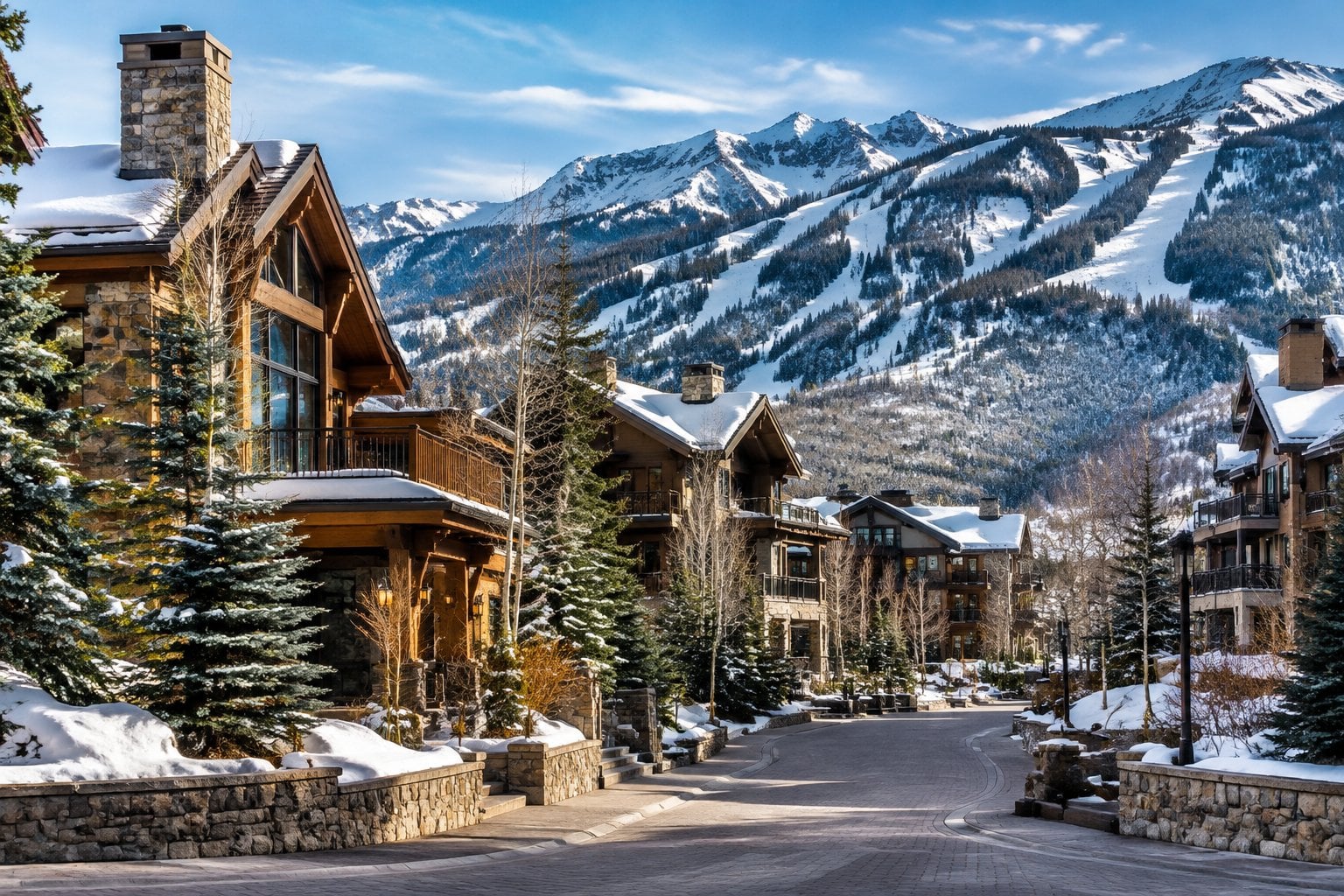
Snowmass Village sits near Aspen in Pitkin County, with a population of roughly 3,000 residents. You’ll find a cost of living here that runs well above the national average, driven largely by housing costs that rank among the highest in Colorado.
Home prices in Snowmass Village reflect its status as a premier ski destination. You’re paying a premium for proximity to world-class slopes, backcountry terrain, and the surrounding Rocky Mountain scenery.
Limited land for new construction keeps supply tight. Combined with strong demand from second-home buyers and seasonal visitors, this scarcity pushes prices upward year after year.
Your neighbors here often include wealthy out-of-state buyers who treat these properties as vacation homes rather than primary residences. This pattern is common throughout Pitkin County, where Aspen and Woody Creek also rank among Colorado’s priciest zip codes.
If you’re considering Snowmass Village, expect expenses that extend beyond housing. Groceries, dining, and services all carry higher price tags than you’d find in most American towns, reflecting the area’s resort economy and remote mountain location.
4. Big Sky, Montana
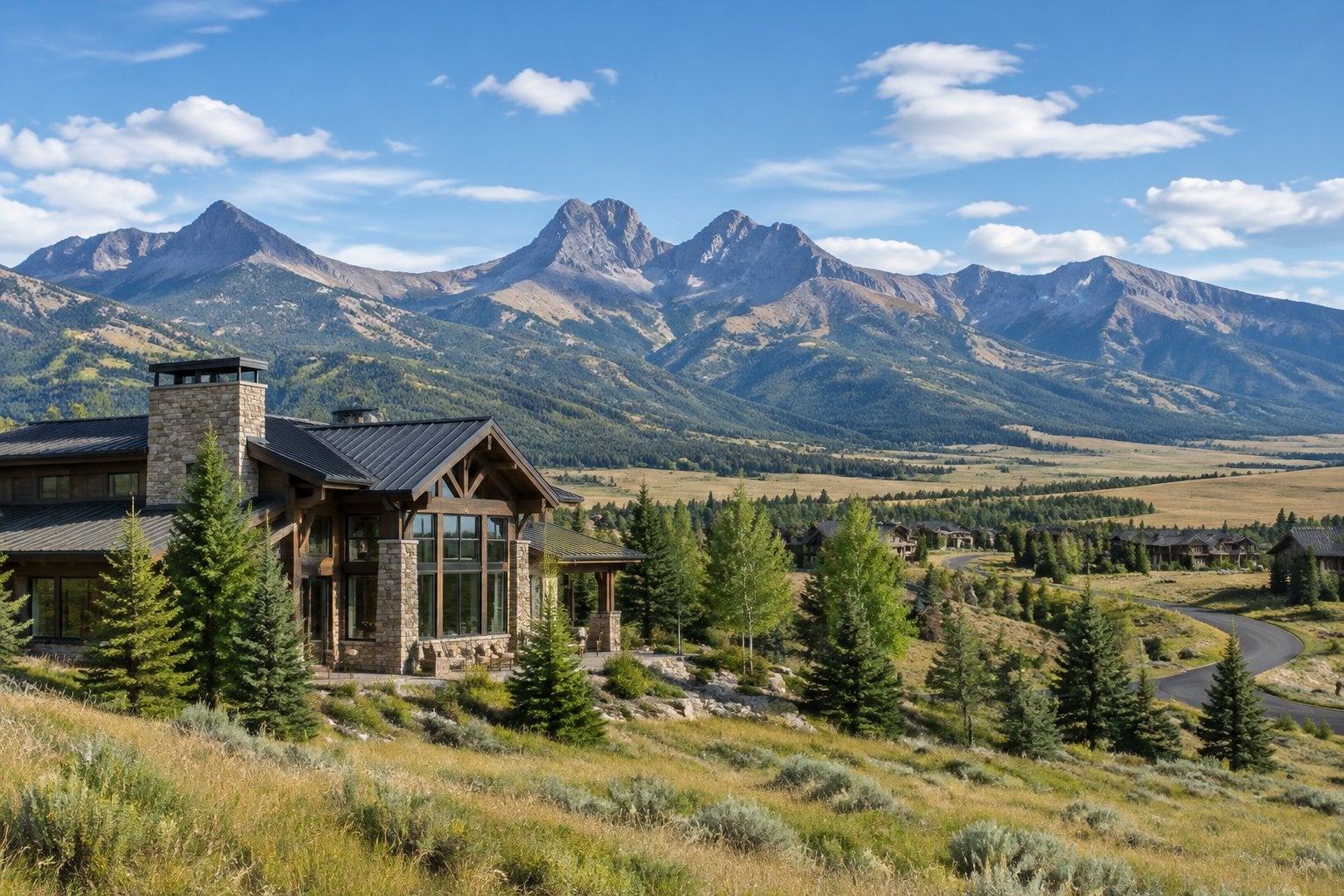
Big Sky holds the top spot among Montana’s priciest housing markets. The typical home value here runs well into seven figures, placing it far above nearly every other town in the state.
You’re looking at a community shaped by its location, not its size. With a year-round population under 4,000, Big Sky sits near Yellowstone National Park and offers direct access to one of the largest ski resorts in the country.
The Yellowstone Club, a private ski and golf community within Big Sky, pushes average prices higher still. If you’re searching for property there, you’ll find it caters to buyers seeking exclusivity and privacy alongside mountain access.
Limited buildable land, strict zoning, and high demand from out-of-state buyers keep supply tight. You’ll also notice that short-term rental potential and proximity to world-class outdoor recreation add to the premium.
Construction costs in this remote part of Montana run higher than average too, since materials and labor must often be brought in from farther away.
5. Incline Village, Nevada
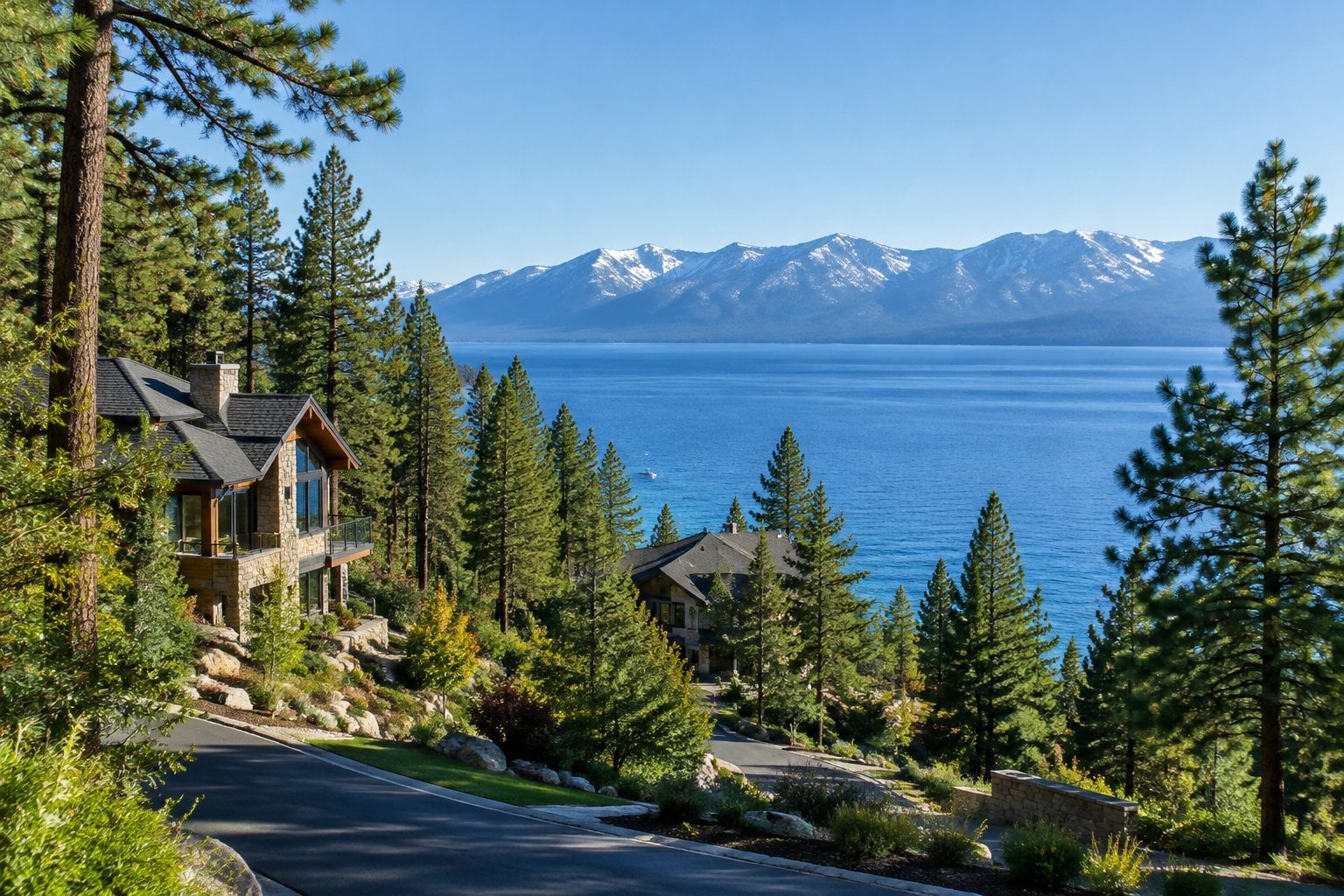
If you’re looking at property in Incline Village, expect to pay a premium few other small towns can match. Median home values here run well above $1 million, and lakefront estates push far beyond that figure. You’re buying into one of the priciest corners of Nevada, if not the country.
The location explains much of the cost. Incline Village sits on the northeastern shore of Lake Tahoe, surrounded by forested mountains and the lake itself. You get access to skiing, boating, and hiking within minutes of your front door, which keeps demand high despite a population under 10,000.
Nevada’s tax structure adds another layer of appeal. You pay no state income tax, which has drawn high earners and wealthy buyers from neighboring California, a state with some of the highest income tax rates in the country.
That inflow of wealthy residents has pushed luxury home sales sharply higher in recent years. Local real estate agents point to the stretch of lakefront homes known informally as “Billionaires Row” as evidence of how far prices have climbed. For you, that means competing in a market shaped by buyers with significant financial resources.
6. New Castle, New Hampshire
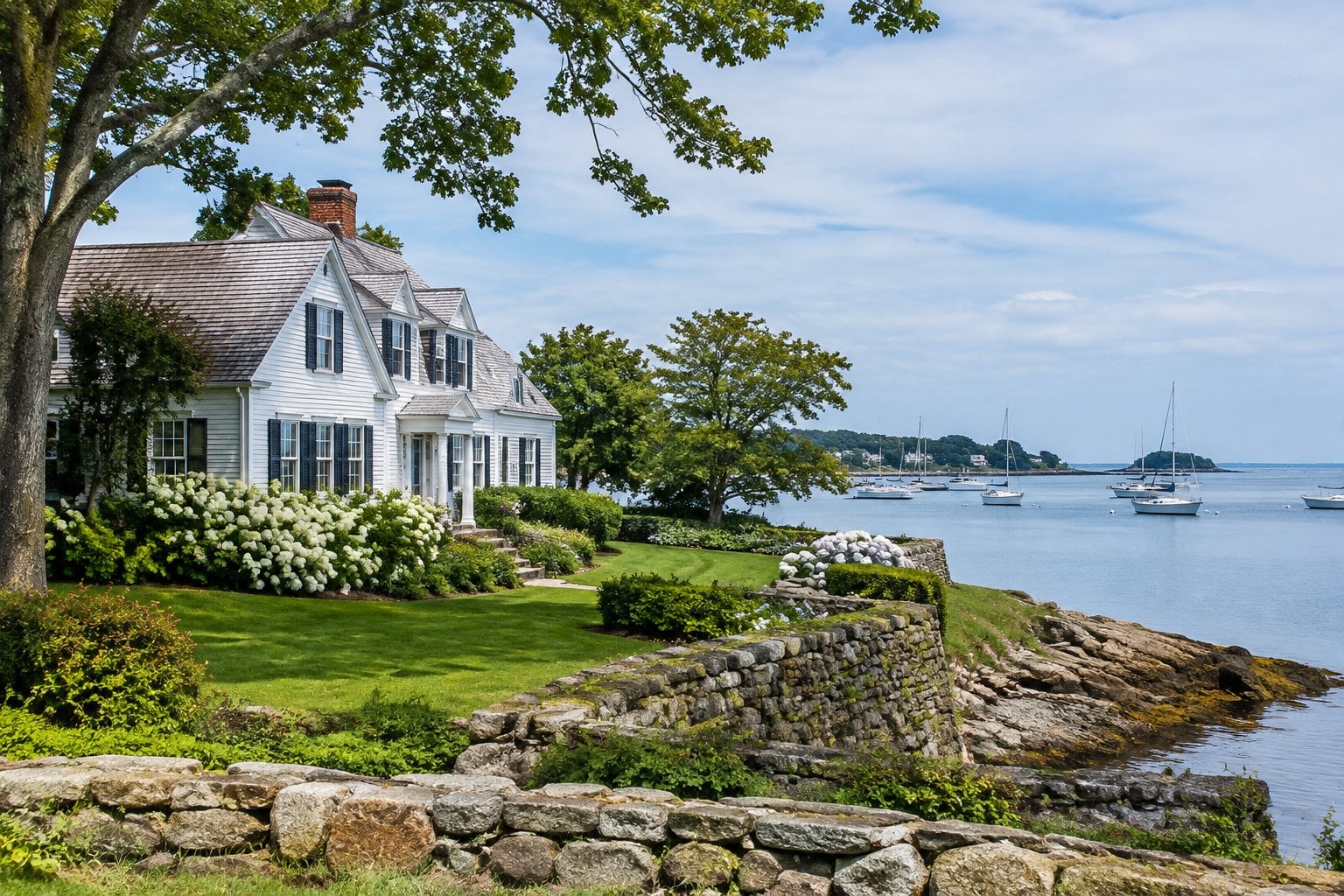
You’ll find New Castle sitting on a small island off New Hampshire’s short coastline, near Portsmouth. It’s the smallest town in the state by land area, with about 1,000 year-round residents.
Home prices here rank among the highest in New Hampshire, often well into seven figures. You’re paying for waterfront access to the Atlantic Ocean and the Piscataqua River, along with a level of privacy that’s hard to find elsewhere in the state.
The town’s limited land area keeps housing supply tight. You won’t see much new construction, since most of the island is already developed with historic homes and estates.
Proximity to Portsmouth gives you access to restaurants, shops, and cultural amenities without sacrificing New Castle’s quiet, small-town feel. Many properties here have direct water views or private docks, which adds significantly to their value.
If you’re drawn to coastal New England charm combined with exclusivity, New Castle represents one of the priciest options in the region.
7. Crested Butte, Colorado
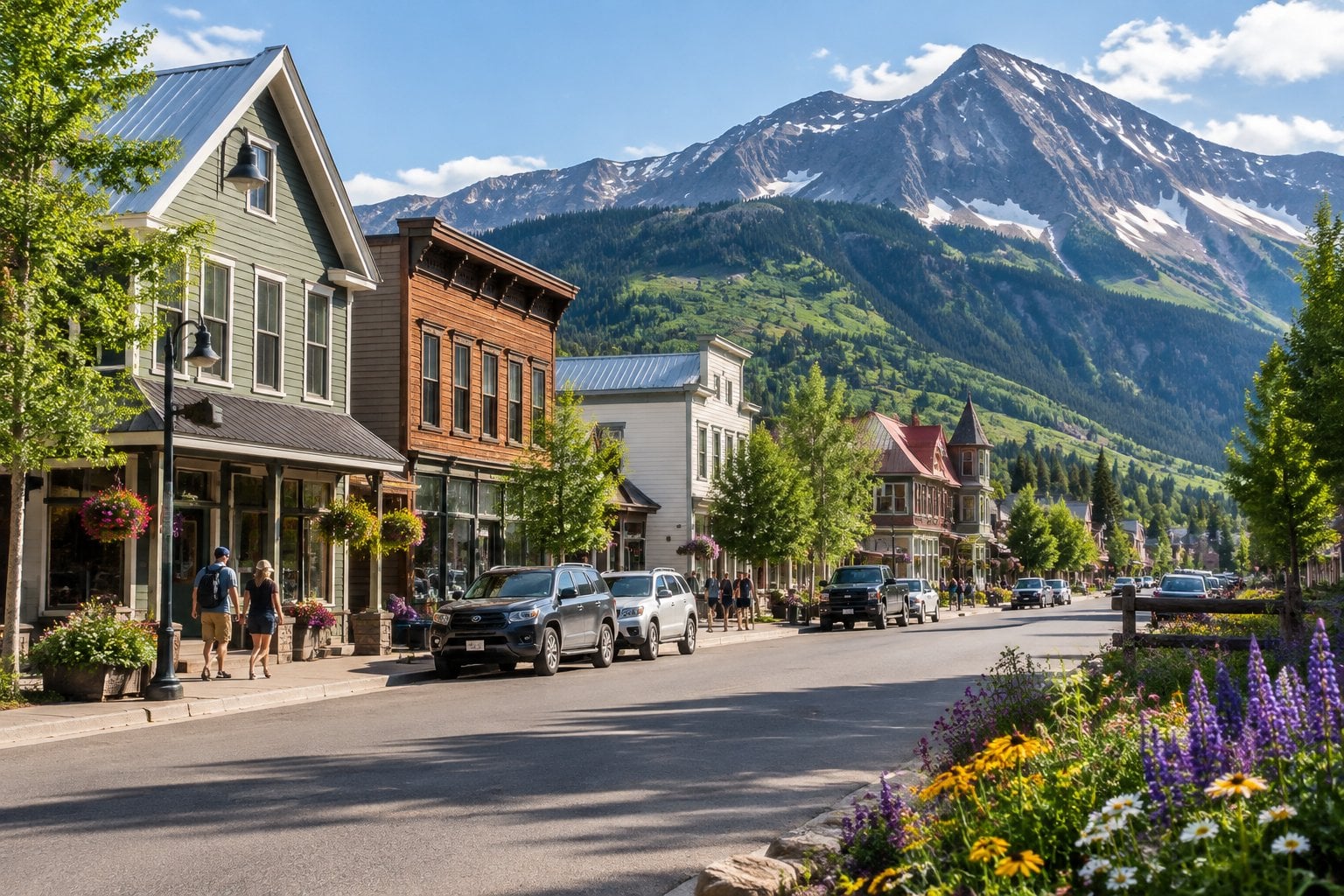
If you visit Crested Butte, you’ll find a small mountain town tucked in the Rocky Mountains, with a year-round population under 2,000. The town sits near the Gunnison National Forest and is known for its ski resort and wildflower-covered valleys.
Home prices here run well above the national median, often reaching into the seven figures for properties close to the slopes. You’re paying for more than square footage. Limited land, strict building regulations, and a short construction season all restrict how much new housing can be built.
Your cost of living in Crested Butte extends beyond housing. Groceries, utilities, and healthcare typically cost more than the national average, largely because goods have to travel long distances to reach this remote location.
Many buyers are drawn to the area for its skiing, hiking, and small-town character, which keeps demand steady despite the high costs. If you’re considering a second home or investment property, you’ll notice that seasonal tourism also plays a role in pushing prices upward, as vacation rentals compete with the limited housing supply available to full-time residents.
8. Yountville, California
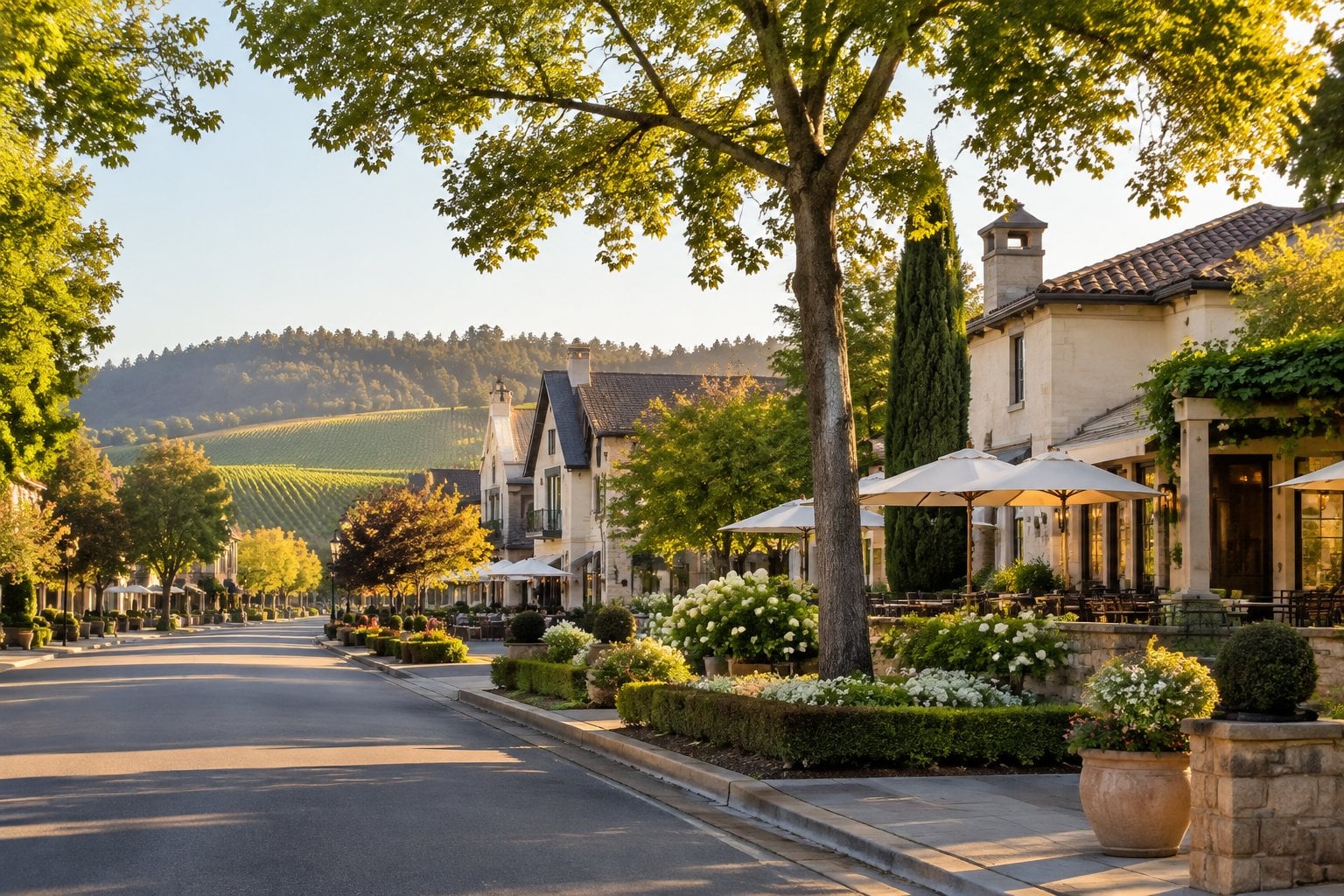
Yountville sits in the heart of Napa Valley, and you’ll find it is a small town, with a population of roughly 3,400. Despite its size, home prices here often reach into the $1 million to $2 million range, driven by its reputation as a premier wine country destination.
You’re paying for proximity to some of the most respected vineyards and restaurants in the country, including multiple Michelin-starred establishments. The French Laundry, one of America’s most acclaimed restaurants, calls this town home.
Limited housing inventory keeps prices elevated. Much of the surrounding land is dedicated to vineyards rather than residential development, so you have fewer options competing for buyer attention.
Cost of living extends beyond housing, too. Dining, wine, and everyday goods carry a premium here, reflecting the town’s upscale tourism economy.
If you’re drawn to Yountville, you’re likely buying into a lifestyle centered on fine wine, culinary excellence, and the slower pace of a small, affluent community surrounded by some of California’s most valuable agricultural land.
9. Ojai, California
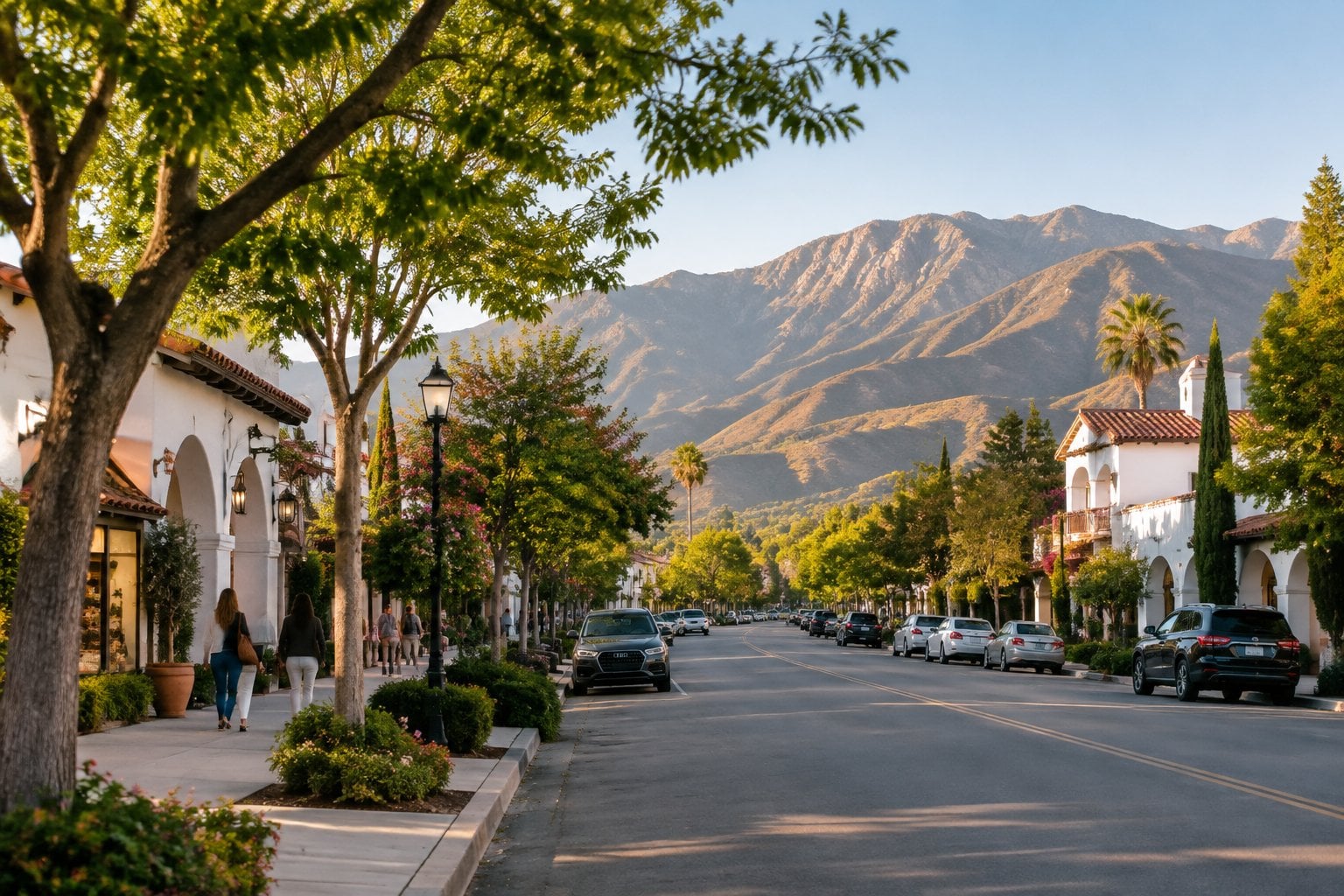
Ojai sits inland from the Southern California coast, tucked into a quiet valley surrounded by mountains. You’ll find a population of roughly 7,500 people here, along with a reputation for wellness retreats, art galleries, and a slower pace of life than nearby Los Angeles or Ventura.
Your cost of living in Ojai runs well above the national average, with housing as the biggest factor. Home prices often land in the $1 million to $1.5 million range, driven by limited inventory and high demand from buyers seeking privacy and scenery.
The valley’s geography restricts development, so you’re dealing with a fixed housing supply in a desirable location. That scarcity keeps prices firm even when broader markets cool.
Beyond real estate, everyday expenses like groceries, utilities, and dining out also sit above average. If you’re considering a move here, expect your monthly budget to stretch further than it would in most small towns, largely because of the premium placed on Ojai’s climate, scenery, and small-town character.
10. Basalt, Colorado
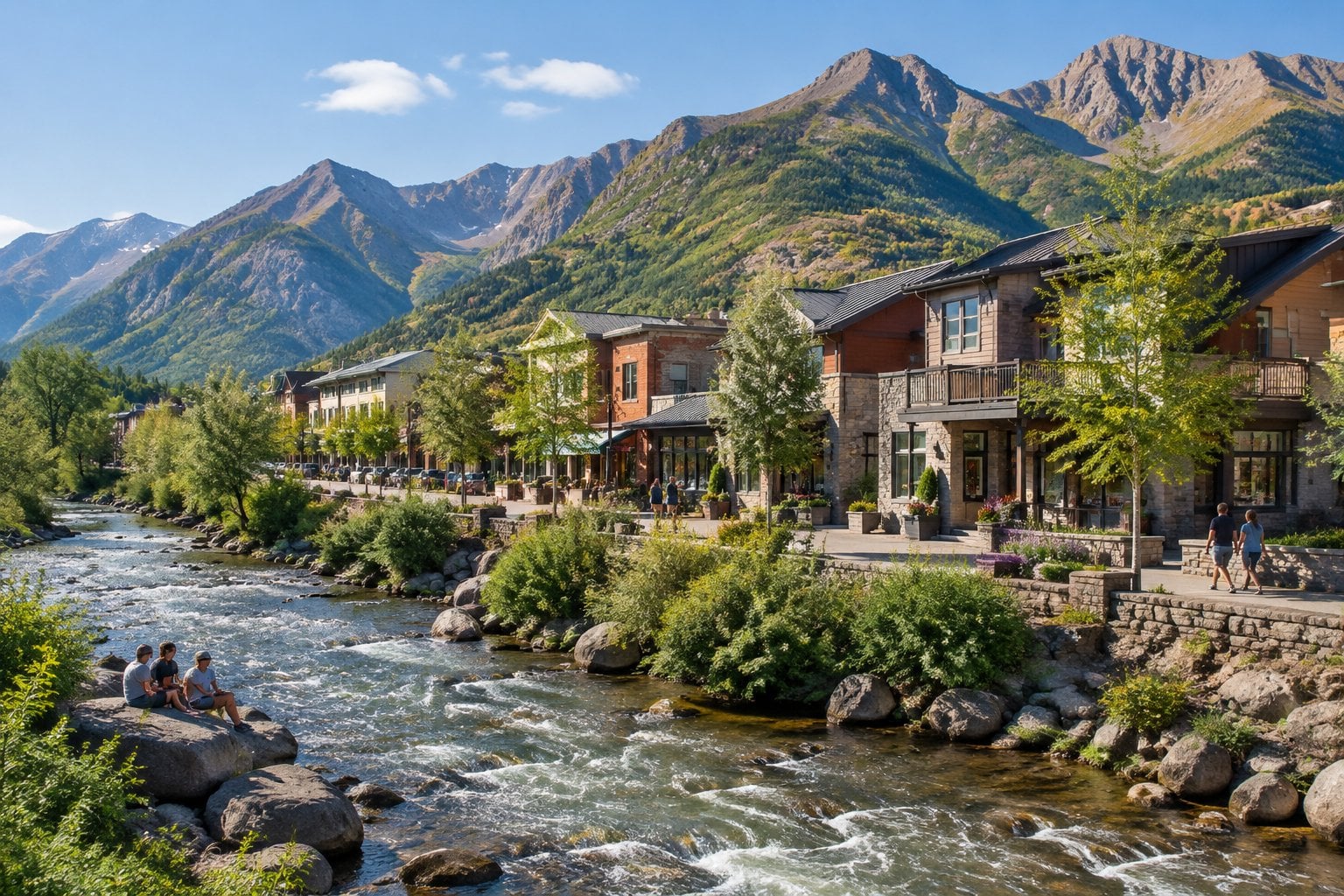
Basalt sits in Eagle and Pitkin counties, with a population of around 4,000. You’ll find it positioned between Aspen and Glenwood Springs, right along the Roaring Fork Valley.
If you’re looking at homes here, expect prices that commonly run well above $1 million, depending on lot size and proximity to the river. Its location near Aspen plays a major role in driving costs up.
The town’s appeal comes from its mountain scenery and access to outdoor recreation, including fly fishing, hiking, and skiing within a short drive. You get small-town character without sacrificing proximity to one of Colorado’s most famous resort destinations.
Limited housing inventory keeps prices elevated, since Basalt’s land is constrained by surrounding mountains and protected open space. Many buyers are drawn by the quieter alternative to Aspen itself, though you’ll still pay a premium for that balance.
Cost of living here extends beyond housing, with groceries, dining, and services all priced higher than national averages.
11. Steamboat Springs, Colorado
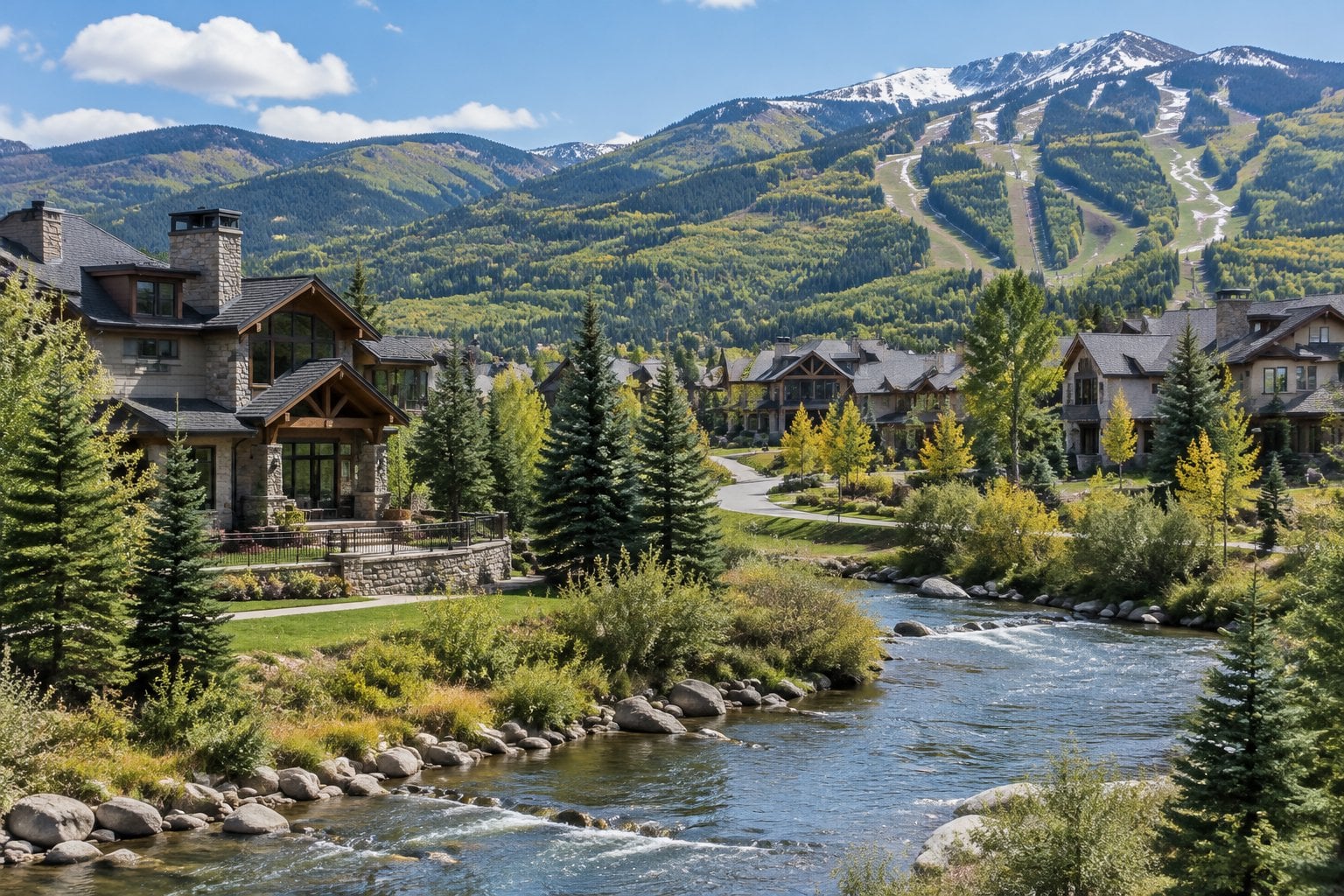
You’ll find Steamboat Springs tucked into Colorado’s Rocky Mountains at roughly 6,700 feet in elevation. The town is known for its ski resort, which spans nearly 3,000 acres of terrain, and for natural hot springs that bubble up right in the downtown area.
Median home values here sit around $1.2 million to $1.3 million, depending on the source and timing of the data. That price tag puts Steamboat Springs among the more expensive small towns in the state, and in the country.
Several factors drive these prices. The town’s dual identity as both a ski destination and a summer recreation hub keeps demand steady throughout the year, not just during peak winter months.
Limited land for new development, combined with strict building regulations meant to preserve the town’s character, restricts housing supply. You’re also competing with wealthy buyers purchasing second homes, which pushes prices well above what local wages alone could support.
Tourism-driven businesses dominate the local economy, and that creates a gap between median incomes and median home prices that’s common in resort towns like this one.
12. Sonoma, California
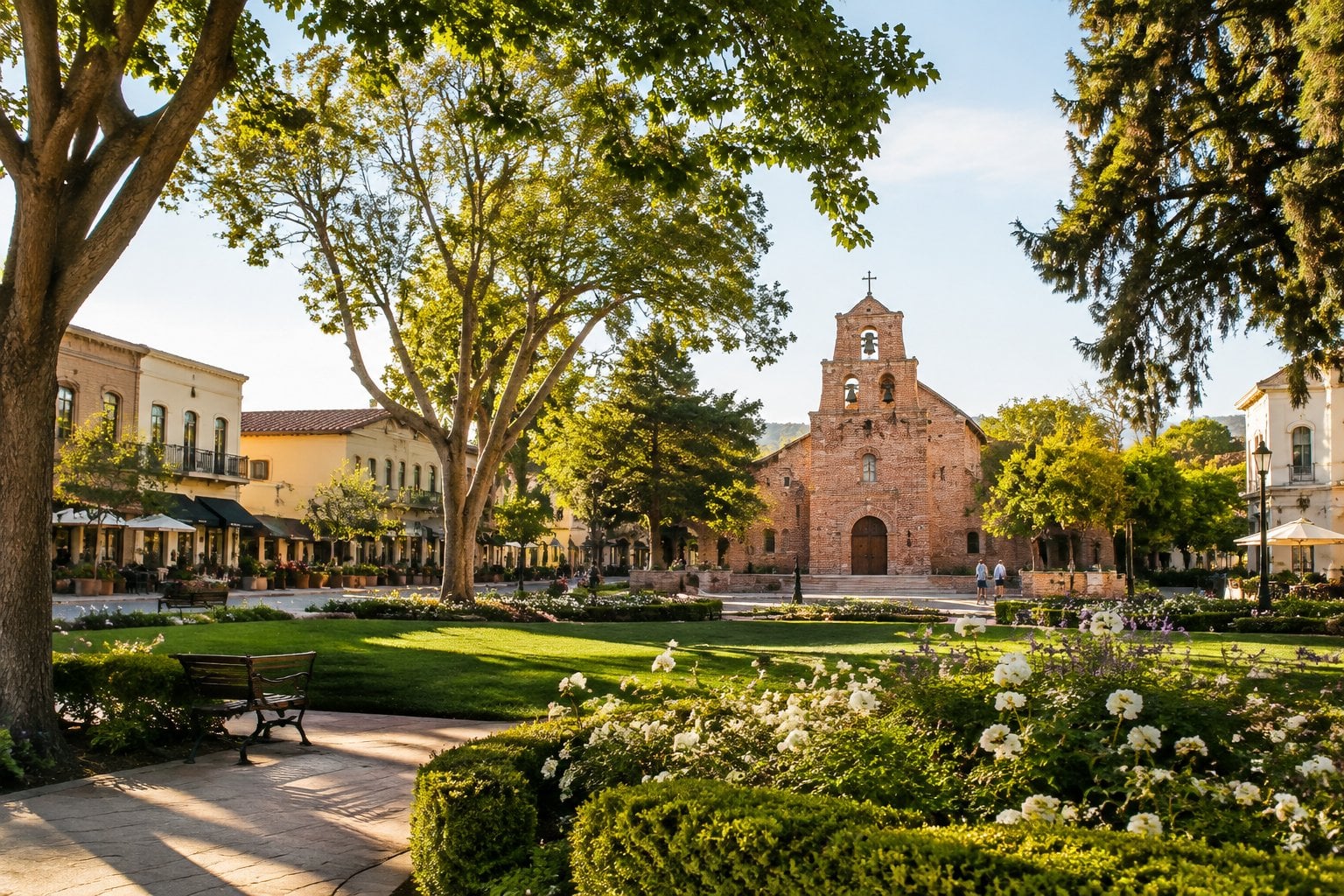
You’ll find Sonoma tucked into California’s famed wine country, about 45 miles north of San Francisco. With a population of roughly 11,000, it’s small, but your housing dollar won’t stretch far here.
Median home prices in Sonoma hover around $900,000 to $1 million, placing it firmly among the state’s pricier small towns. Across the broader Sonoma Valley, that figure climbs even higher when you factor in vineyard estates and larger properties.
Several factors drive these costs. You’re paying for proximity to world-renowned wineries, a temperate climate, and a historic downtown plaza that draws tourists year-round. Limited land for new construction also keeps supply tight, which pushes prices upward.
Beyond housing, your cost of living reflects the area’s upscale reputation. Dining, groceries, and services all carry a premium compared to national averages.
If you’re considering Sonoma, you’re buying into a lifestyle built around wine culture, scenic landscapes, and small-town charm—qualities that consistently command a high price in California’s competitive real estate market.
13. Calistoga, California
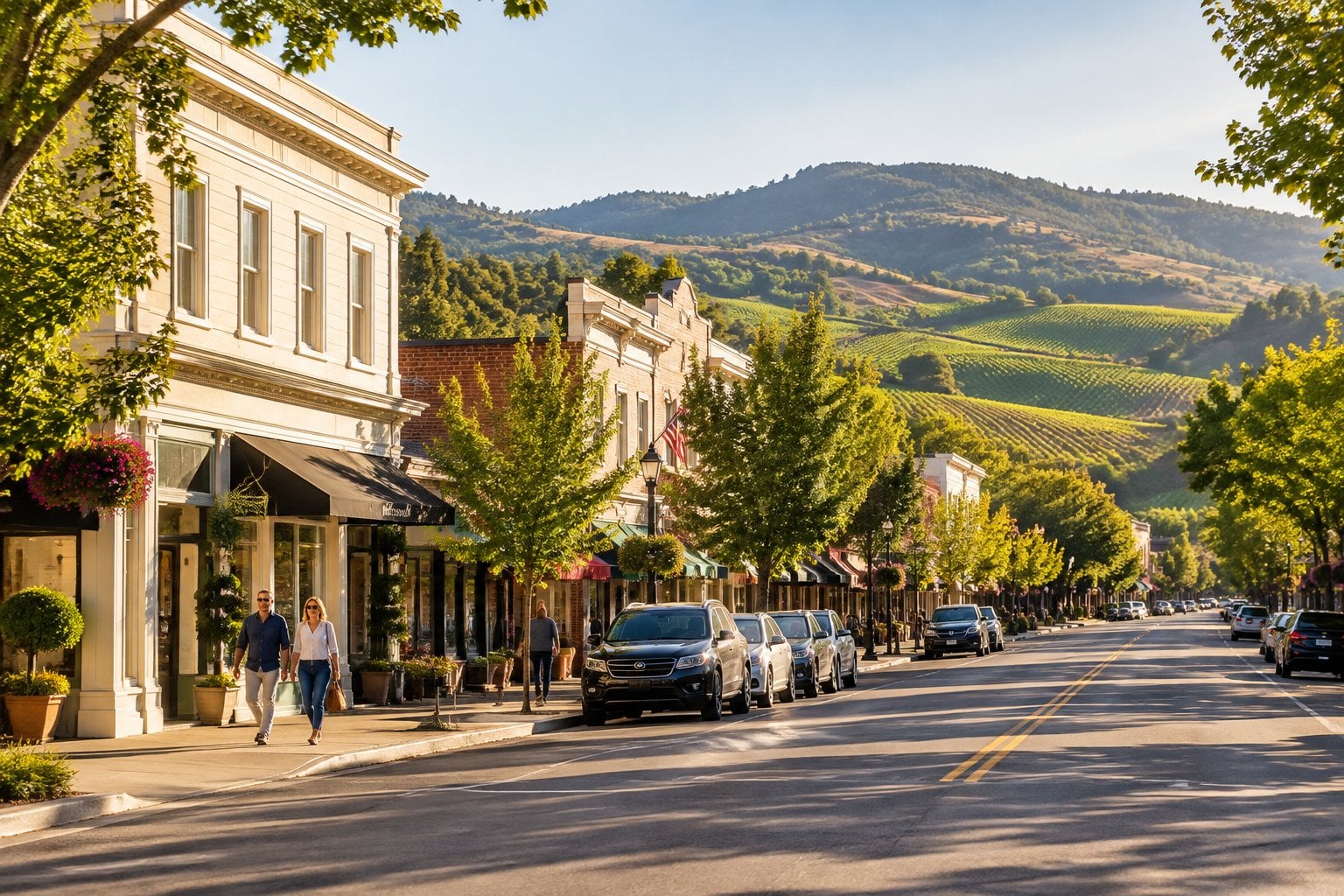
You’ll find Calistoga tucked at the northern tip of Napa Valley, known for its hot springs, geysers, and mud baths alongside some of the most sought-after vineyard land in the country. Home prices here commonly reach well above $1 million, reflecting both the wine industry’s influence and the town’s reputation as a wellness destination.
Your cost of living extends beyond housing. Dining, spa treatments, and wine-related experiences carry premium price tags, especially during peak tourist seasons in summer and fall.
With a population under 5,500, Calistoga remains small, but demand for property stays high. Vineyard estates and boutique inns drive much of the local real estate market, limiting inventory for typical buyers.
If you’re considering a move here, you’re paying for more than a house. You’re buying into wine country prestige, proximity to geothermal attractions, and a slower pace of life that still draws wealthy visitors year-round. Those factors keep valuations elevated compared to many other small towns nationwide.
14. Hanover, New Hampshire
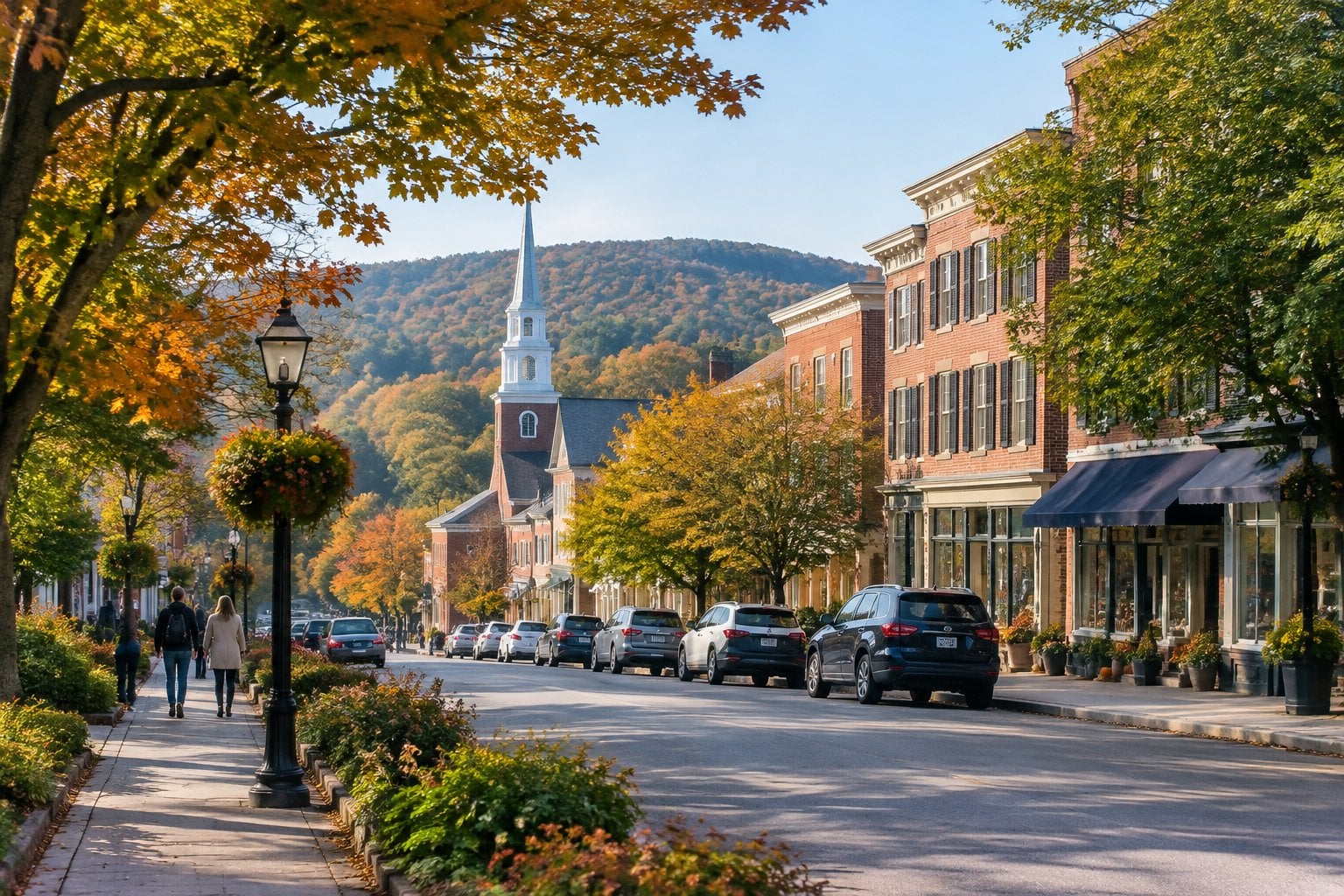
You’ll find Hanover tucked into the upper Connecticut River Valley, home to about 11,000 year-round residents. Median home values here sit near $1 million, among the highest in New Hampshire.
Dartmouth College anchors the town’s economy and identity. If you’re looking at property near campus, you’re competing with faculty, alumni, and families drawn by the school’s reputation and resources.
Limited housing stock keeps prices elevated. Hanover’s zoning favors preservation of its historic character, so new construction is restricted, and older homes rarely stay on the market long.
Your cost of living extends beyond housing. Property taxes in the region run high, and everyday expenses like groceries and services reflect the area’s affluence.
Proximity to outdoor recreation adds to the appeal. You’re close to the Appalachian Trail, ski areas, and the river itself, which draws buyers who want both academic prestige and access to nature.
Hanover’s combination of a prestigious institution, restricted land use, and scenic New England setting explains why you’ll pay a premium to live there.
15. Middleburg, Virginia
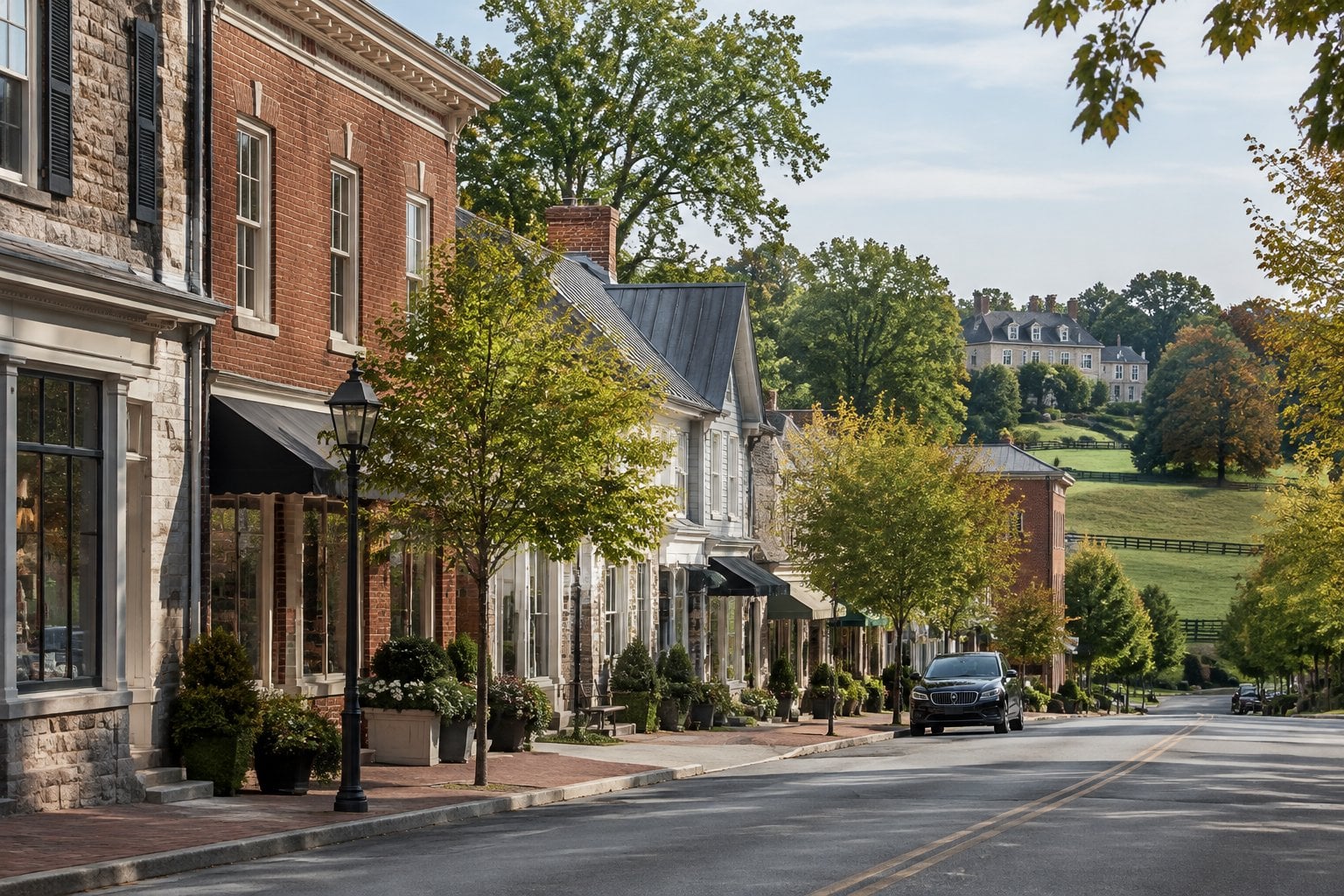
You’ll find Middleburg tucked into Loudoun County, about an hour west of Washington, D.C. Fewer than 1,000 people live here, but the town carries an outsized reputation as the center of Virginia’s horse country.
Home prices in Middleburg run well above the national median, often into the millions for properties with acreage. Much of this comes down to land. Many homes here sit on multi-acre estates designed for horses, including barns, pastures, and riding rings, and that kind of property doesn’t come cheap in this part of Virginia.
Your cost of living here reflects the surrounding affluence. Loudoun County is one of the wealthiest counties in the country, and Middleburg’s small-town character adds a scarcity factor to its real estate.
You’re also paying for history and prestige. The town has long attracted prominent residents, and its historic district, equestrian events, and wineries reinforce its image as an exclusive retreat rather than an ordinary rural community.
16. Highlands, North Carolina
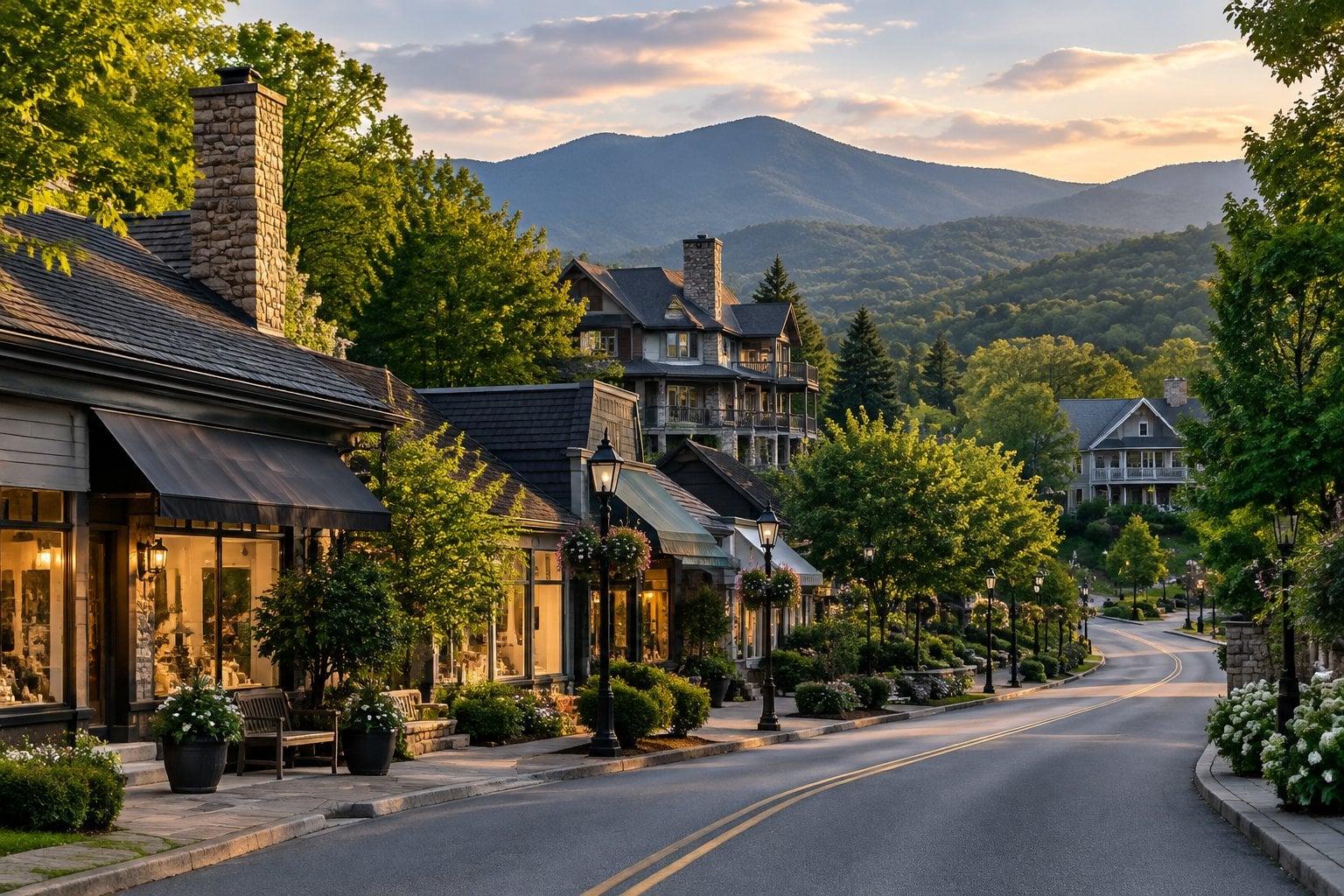
Highlands sits at an elevation of over 4,000 feet in Macon County, making it one of the highest incorporated towns east of the Mississippi. You’ll find a small, walkable downtown with upscale boutiques and restaurants that draw visitors well beyond the local population.
Only about 1,000 people live there year-round, though the number swells with seasonal residents. Home prices reflect the demand for mountain retreats, with many properties priced well above the state average.
The cooler summer climate is a major draw. You can escape the heat of the Southeast while still being within driving distance of Atlanta and Charlotte, which keeps seasonal demand high.
Land scarcity adds to the cost. Much of the surrounding terrain is protected forest or steep topography, so buildable lots are limited and competition for them is steady.
A strong arts and performance calendar runs through the warmer months. Combined with the natural scenery, this gives Highlands a reputation as a refined, if pricey, mountain escape.
17. Stowe, Vermont
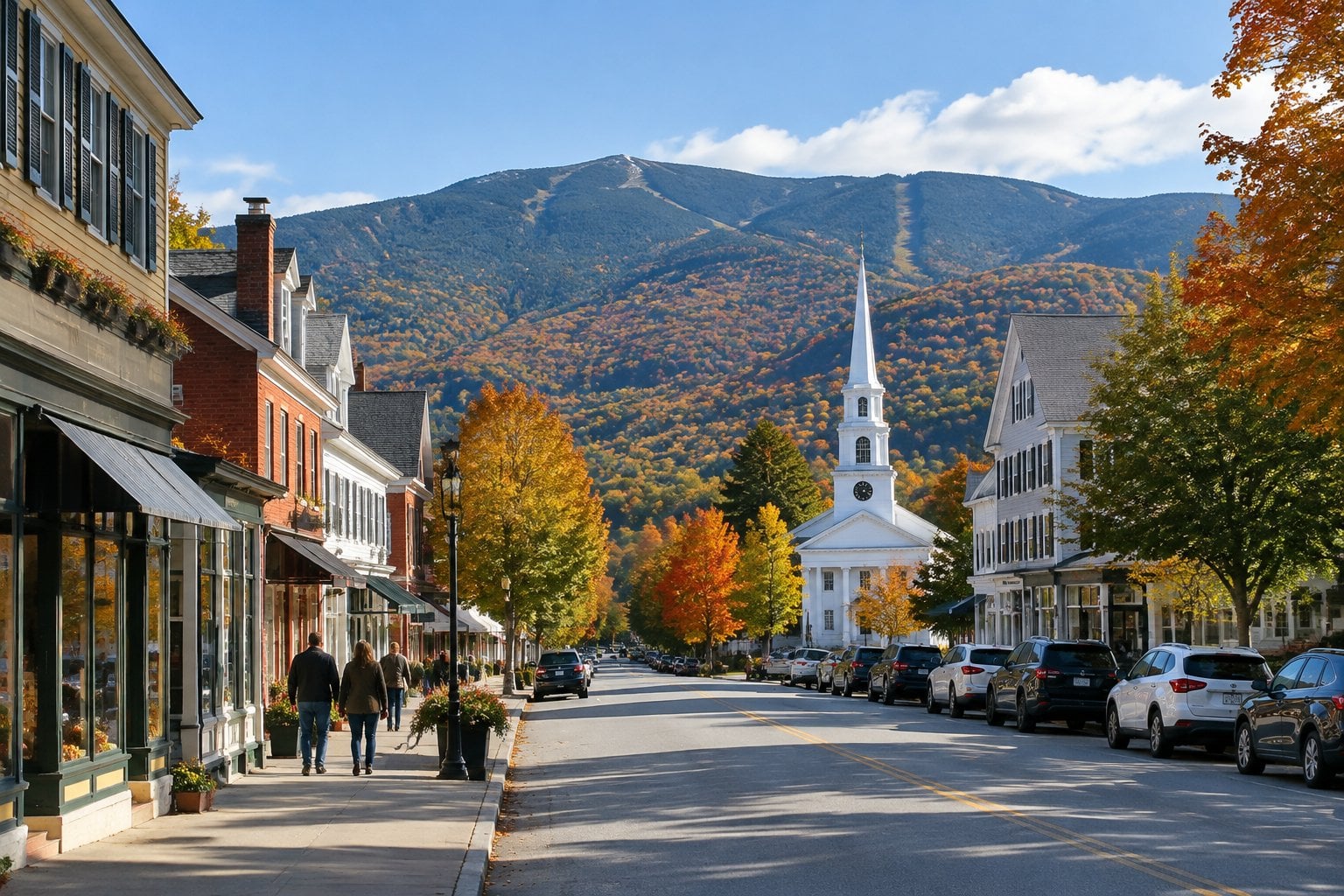
Stowe sits in Vermont’s Green Mountains, and its 05672 ZIP code ranks among the priciest residential markets of any East Coast ski town. You’ll find median home listing prices approaching $1 million, with some properties selling well above that figure.
The town centers on Stowe Mountain Resort, with ski terrain spread across Mount Mansfield and Spruce Peak. Vermont’s tallest mountain draws skiers in winter, but you’ll notice the appeal doesn’t stop there.
In recent years, an increase in year-round buyers has reshaped the local market. Stowe has shifted from a seasonal winter destination into a community people want to live in throughout all four seasons.
That shift has pushed demand higher, since you’re no longer competing only with other ski buyers but with people seeking hiking access, foliage views, and a quieter pace of life. Limited housing inventory in a small mountain town only adds to the pressure on prices. Stowe now ranks as one of Vermont’s priciest ZIP codes overall.
18. Sedona, Arizona
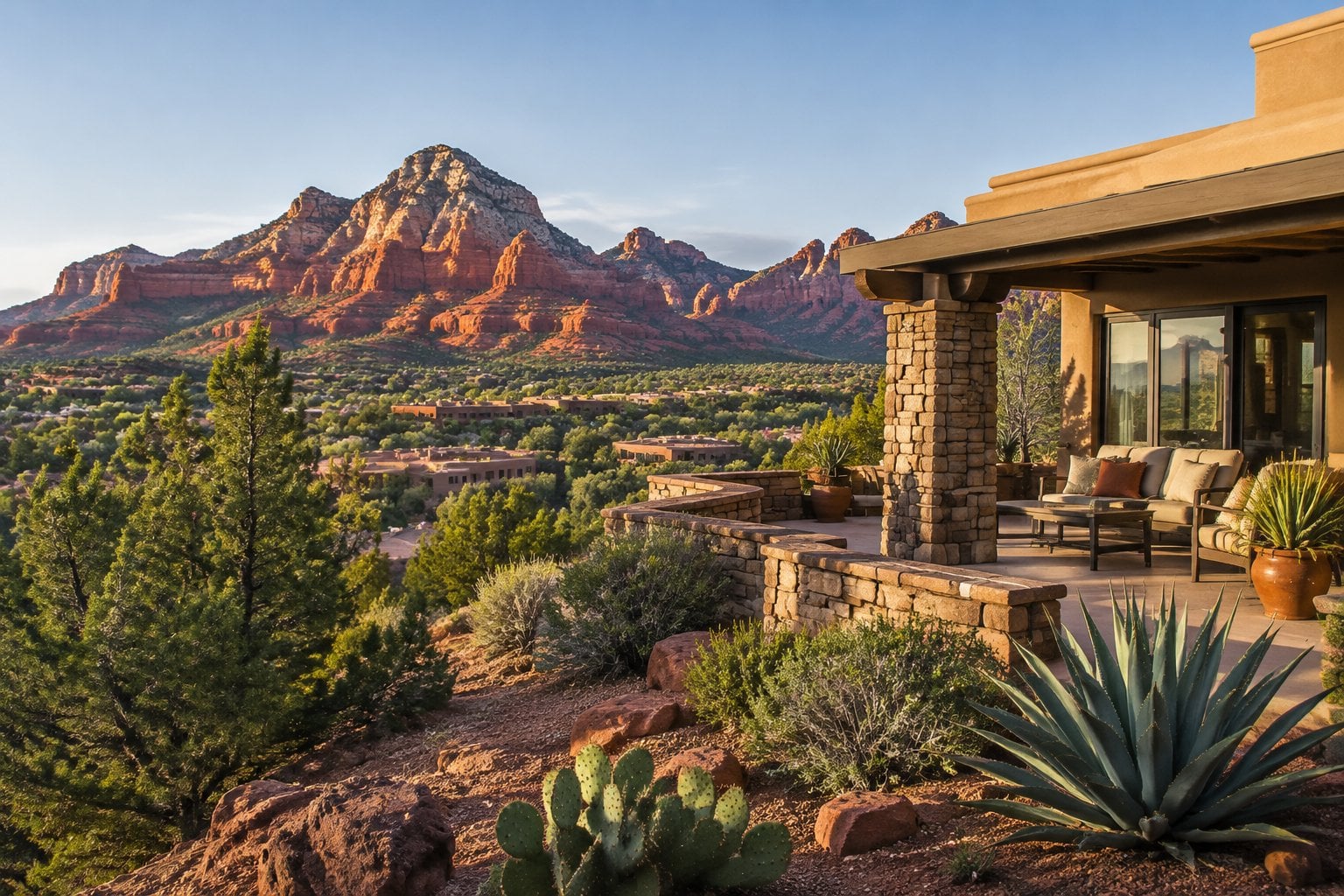
Sedona sits in Northern Arizona, surrounded by red rock formations that draw hikers, artists, and retirees from across the country. The town has fewer than 10,000 residents, but demand for property here far exceeds what you’d expect from a town its size.
Median home prices in Sedona typically run well above $700,000, with many properties priced over $1 million. You’re paying for more than square footage when you buy here; you’re paying for unobstructed views of the red rocks and proximity to protected wilderness.
Zoning restrictions limit how much new construction can happen, which keeps supply tight. Combine that with Sedona’s reputation as a wellness and arts destination, and you get a housing market that stays competitive year-round.
Cost of living in Sedona extends beyond housing. Groceries, dining, and services all carry a premium because the town caters heavily to tourists and second-home owners. If you’re considering a move here, you should expect your overall expenses to run noticeably higher than the national average.
19. Washington, Connecticut
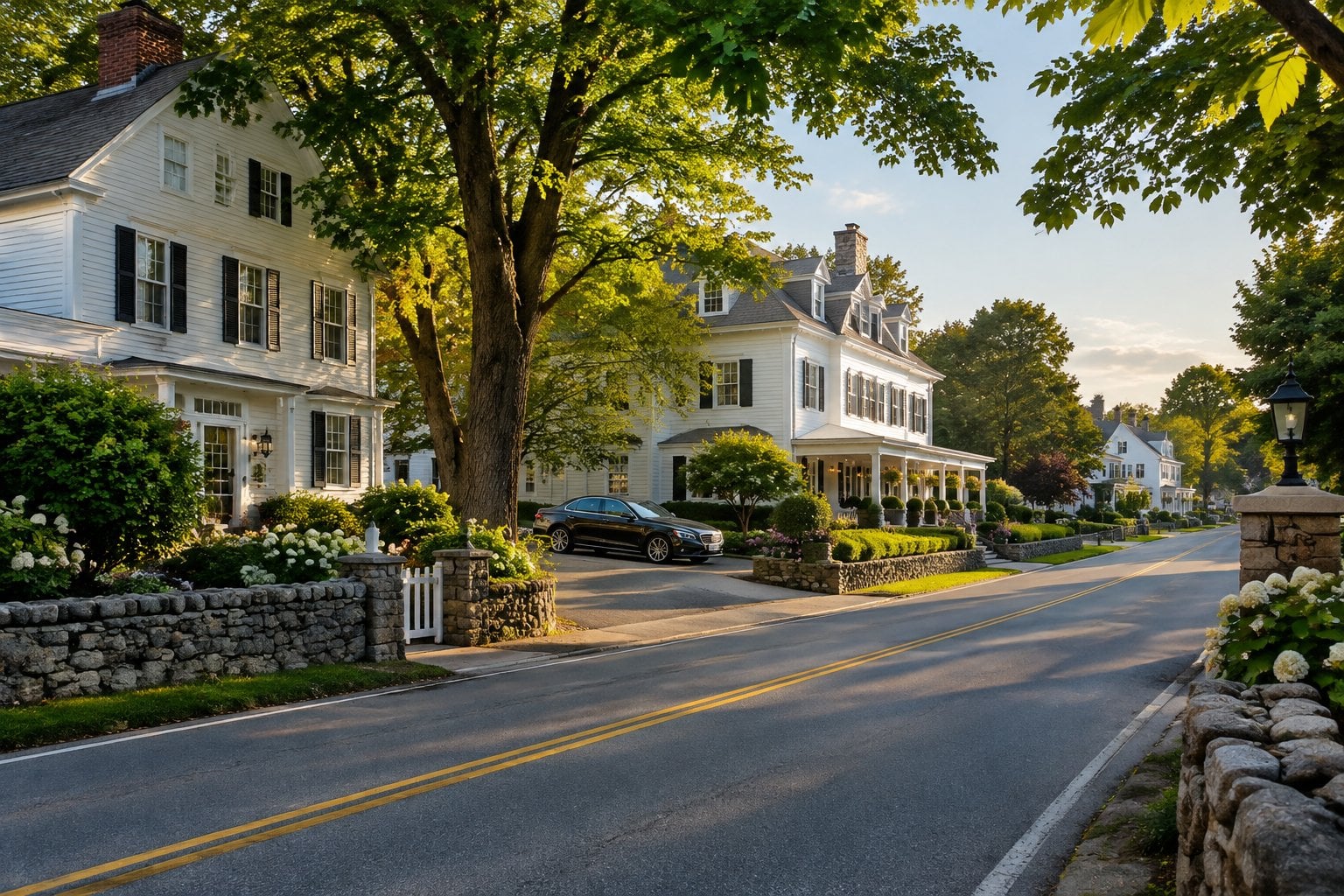
You’ll find Washington tucked into Litchfield County, roughly two hours from New York City. It’s a small town, home to fewer than 4,000 residents, but its reputation for exclusivity extends well beyond its size.
Median home prices here often climb past $700,000, with many historic properties and larger estates reaching well into the millions. You’re paying for land as much as the house itself, since many properties sit on multiple acres with wooded privacy.
The town includes the village of Washington Depot, known for its preserved colonial architecture and quiet, walkable center. You won’t find big-box retail here; instead, boutique shops and small restaurants cater to a clientele with significant disposable income.
Washington’s appeal comes from its combination of rural seclusion and proximity to wealth centers in Fairfield County and New York. You’re also near the Mayflower Inn, a well-known luxury resort that draws visitors seeking the same privacy residents already enjoy. Low housing turnover keeps prices firm year after year.
20. Friday Harbor, Washington
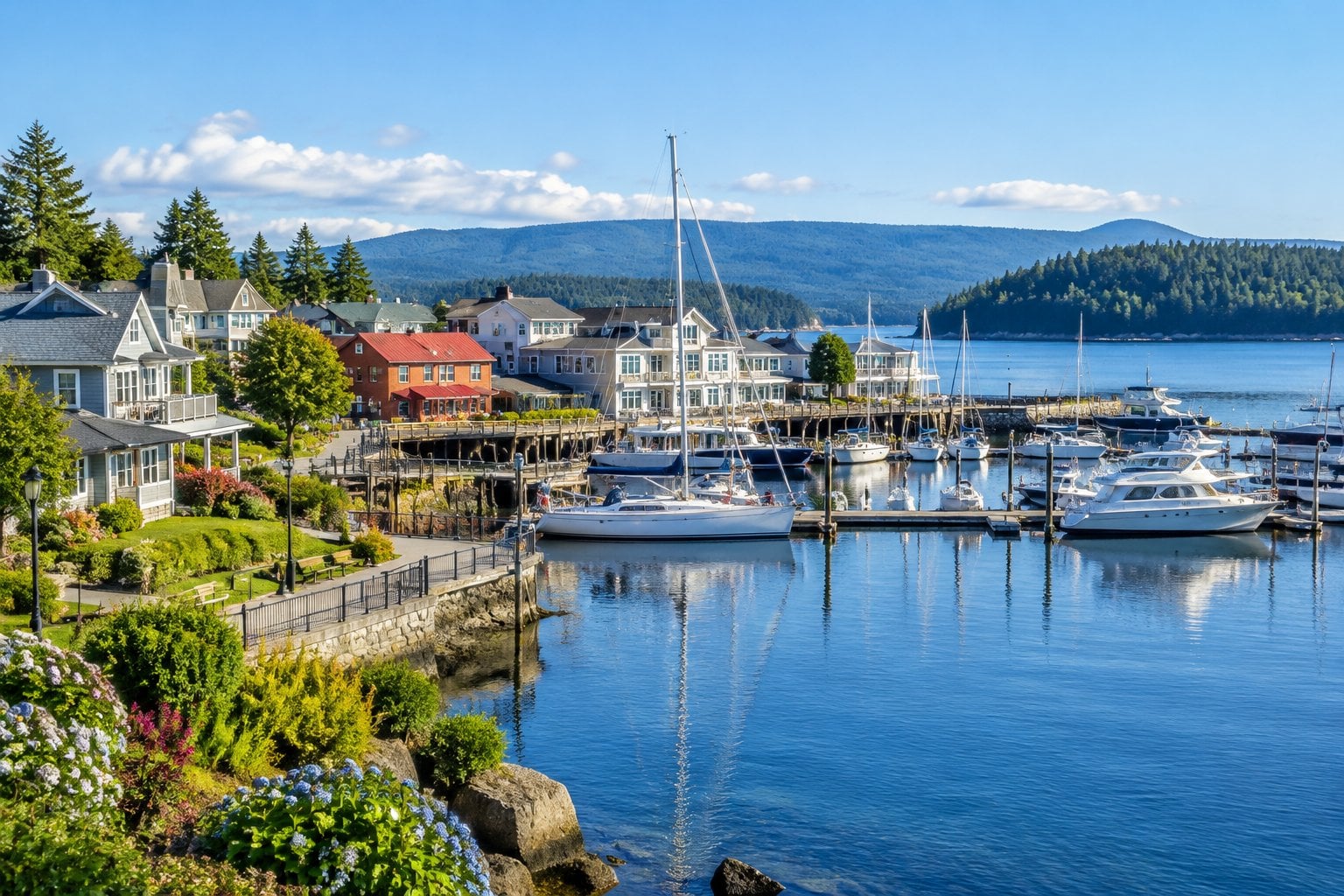
Friday Harbor sits on San Juan Island, reachable only by ferry or small plane from the Washington mainland. The town has around 2,700 residents, making it one of the smallest entries on this list.
Your housing costs here run well above the national average, and rentals are scarce and expensive. Buying a home typically costs even more, since inventory is limited by the island’s geography.
You’re paying for isolation and scenery as much as square footage. San Juan Island draws visitors for whale watching, kayaking, and a slower pace of life, and that tourism economy keeps demand for property high year-round.
Everything you need gets shipped in by ferry, which raises prices on groceries, fuel, and building materials. Construction costs also climb because contractors and supplies have to travel to the island.
If you’re considering a move here, expect a tight real estate market with few new listings. The combination of limited land, ferry-dependent logistics, and strong seasonal demand keeps Friday Harbor firmly among Washington’s priciest small towns.
21. Mammoth Lakes, California
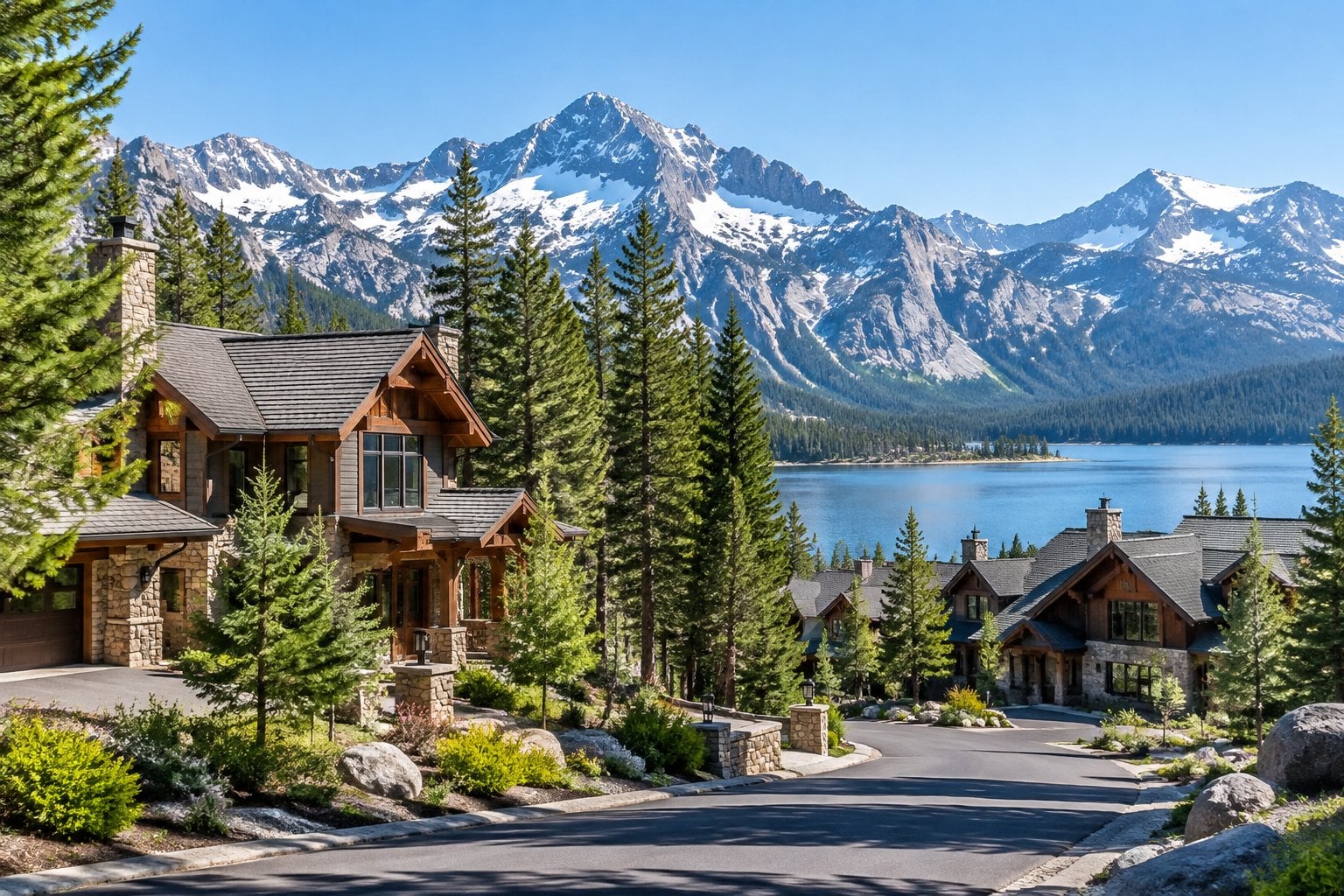
Mammoth Lakes sits in the Sierra Nevada, about 7,800 feet above sea level. With around 7,200 year-round residents, it’s one of California’s smaller mountain communities.
Your cost of living here runs well above the national average. Home prices typically sit in the high six figures, and rentals are scarce and pricey.
You’re paying for proximity to Mammoth Mountain, a major ski and snowboard destination that draws visitors year-round. Limited land for development, combined with strict building regulations tied to the surrounding national forest, keeps housing supply tight.
Many properties here function as vacation homes rather than primary residences, which pushes prices higher. Grocery and utility costs also run above state averages, since goods often need to be transported into this remote area.
If you’re considering a move, understand that seasonal tourism shapes both the local economy and the price of everyday living. Summer hiking and winter sports keep demand steady throughout the year.
22. Blowing Rock, North Carolina
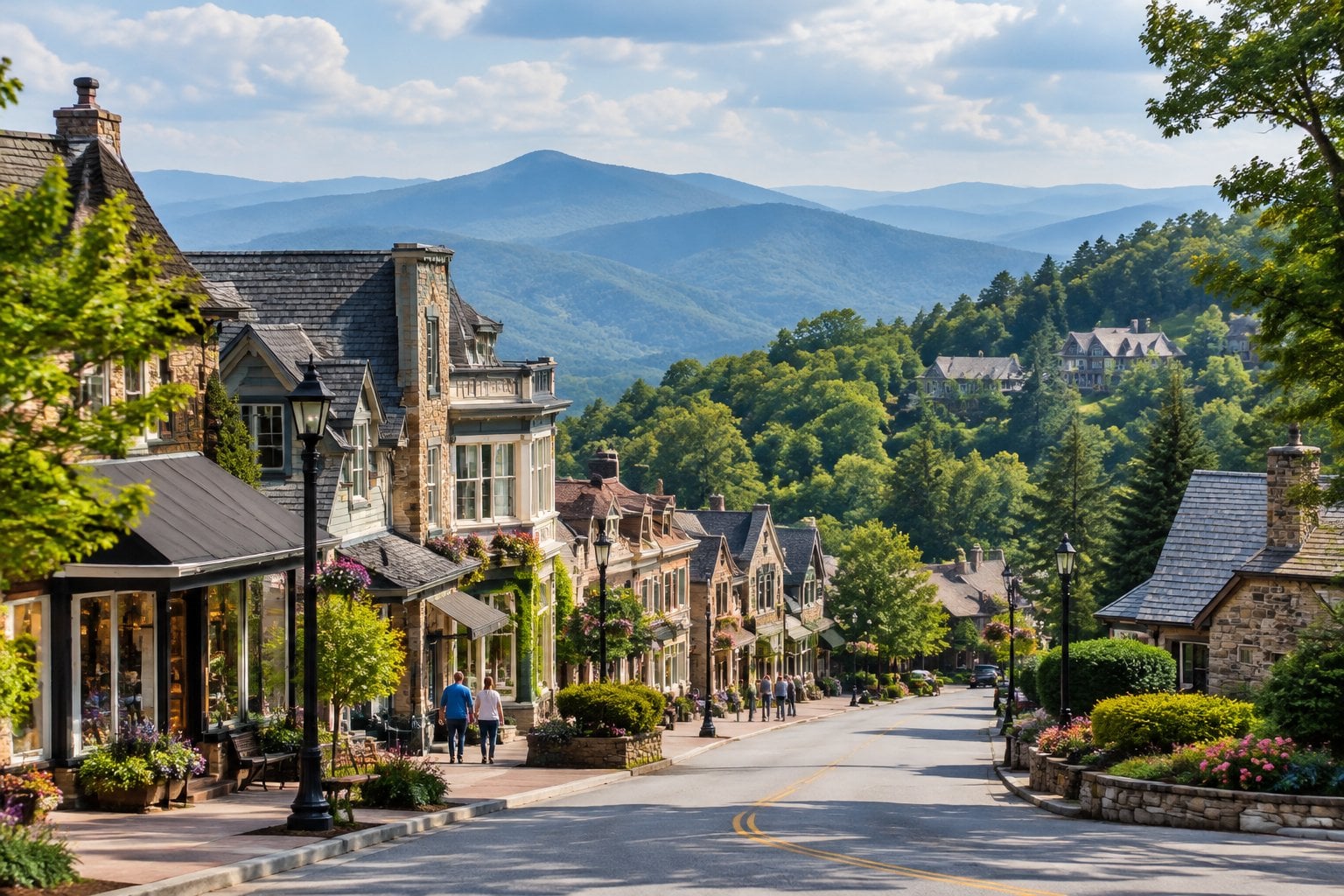
You’ll find Blowing Rock tucked into the Blue Ridge Mountains, with a population just under 1,400. Despite its small size, home prices here run well above both the state and national median.
A mix of factors drives this. The town sits at a high elevation, offering cooler summer temperatures that attract buyers looking to escape the heat elsewhere in the South. Limited buildable land in a mountain setting also keeps supply tight.
You’re also paying for scenery and access. Homes here often come with mountain views, proximity to the Blue Ridge Parkway, and walkable access to a historic downtown filled with shops and restaurants.
Many properties function as second homes or vacation rentals, which pushes demand and prices higher than you’d expect for a town this size. Seasonal tourism supports a local economy built around hospitality, and that steady visitor traffic adds value to real estate.
If you’re considering a home in Blowing Rock, expect to compete with buyers drawn by both lifestyle and investment potential.
23. New Hope, Pennsylvania
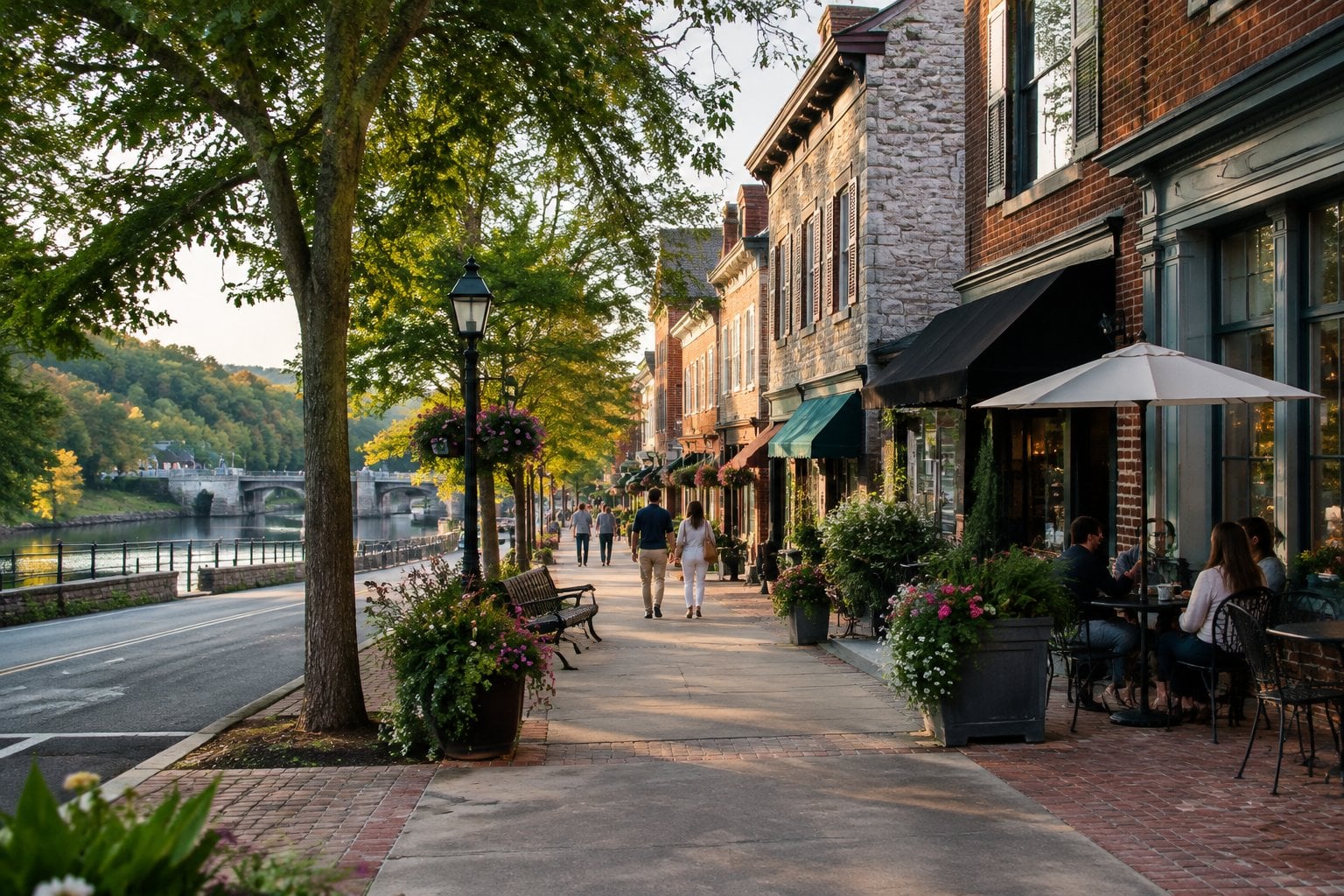
New Hope sits along the Delaware River in Bucks County, about an hour north of Philadelphia. The town has fewer than 3,000 residents, but its home values run well above the Pennsylvania average.
Median home prices here often climb well past $600,000, with some historic properties and riverfront estates reaching into the millions. You’re paying for more than square footage; you’re paying for a setting.
The town’s appeal comes from its mix of 18th-century architecture, art galleries, and a walkable downtown lined with independent shops and restaurants. Its proximity to the river and the Bucks County countryside adds to the draw for buyers seeking a quieter alternative to city life.
New Hope has also long attracted artists, writers, and weekenders from New York and Philadelphia, which has kept demand steady for decades. Limited housing inventory and strict preservation standards for historic buildings keep new construction minimal, pushing prices higher.
If you’re considering a move here, expect to compete for a small, tightly held market where character and location outweigh size.
24. Sisters, Oregon
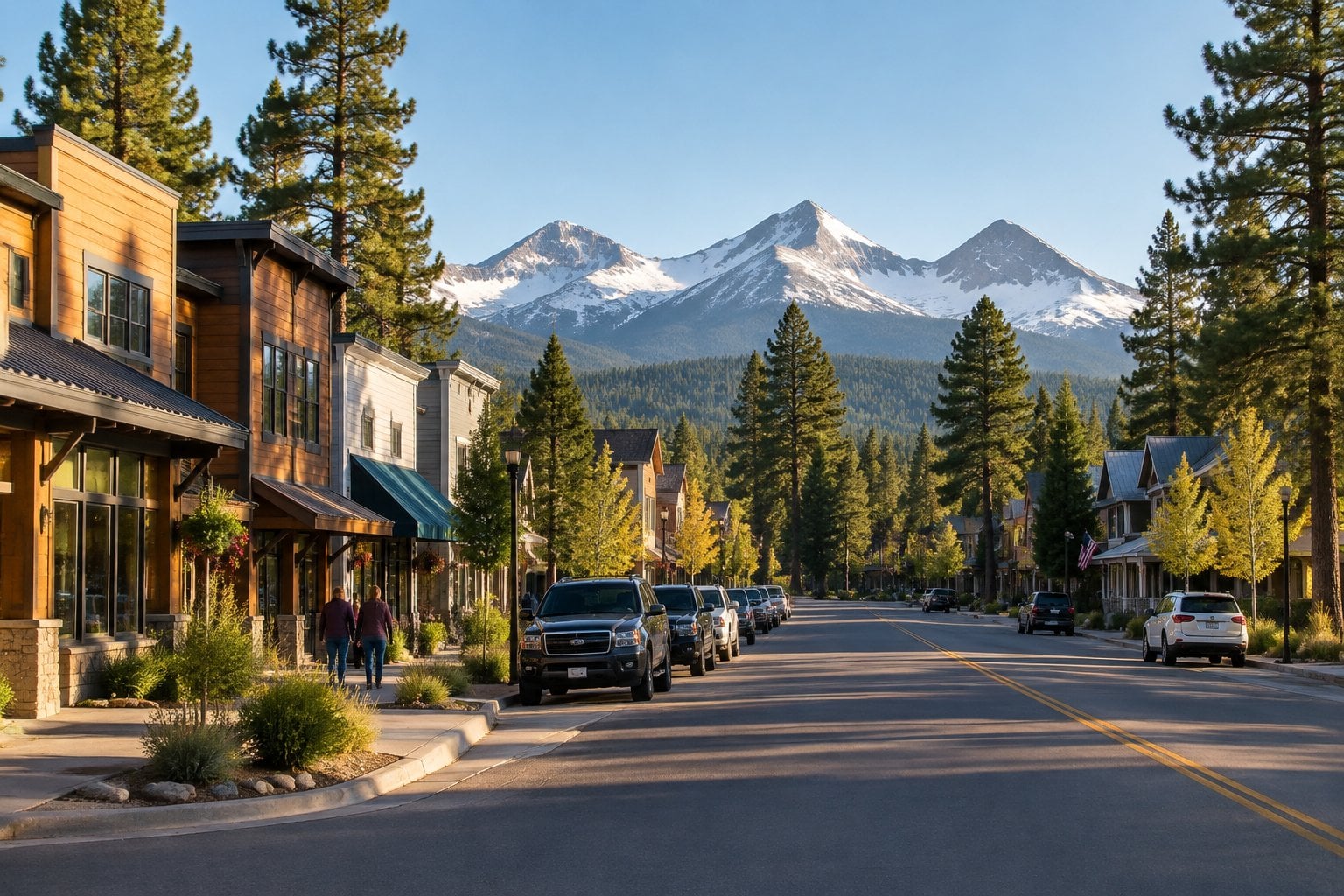
Sisters sits on the eastern side of the Cascade Mountains, a few hours from Portland and close to Bend. You’ll find a small, Old West-themed downtown that draws tourists year-round for its mountain views and outdoor recreation.
Home prices here run well above the national median, often landing in the $600,000 to $700,000 range. You’re paying for proximity to hiking trails, ski access, and the scenic Three Sisters peaks that give the town its name.
Tourism plays a major role in driving costs up. Short-term rental demand has pushed housing prices higher, since visitors and seasonal residents compete with year-round locals for the same limited inventory.
Land scarcity adds to the equation. Surrounded by national forest, Sisters has limited room to expand, which keeps supply tight even as demand grows.
If you’re considering a move, expect a smaller community feel with population figures typically under 4,000. Your cost of living will reflect the area’s popularity as a central Oregon getaway, with groceries and services priced slightly above state averages.
25. Rhinebeck, New York
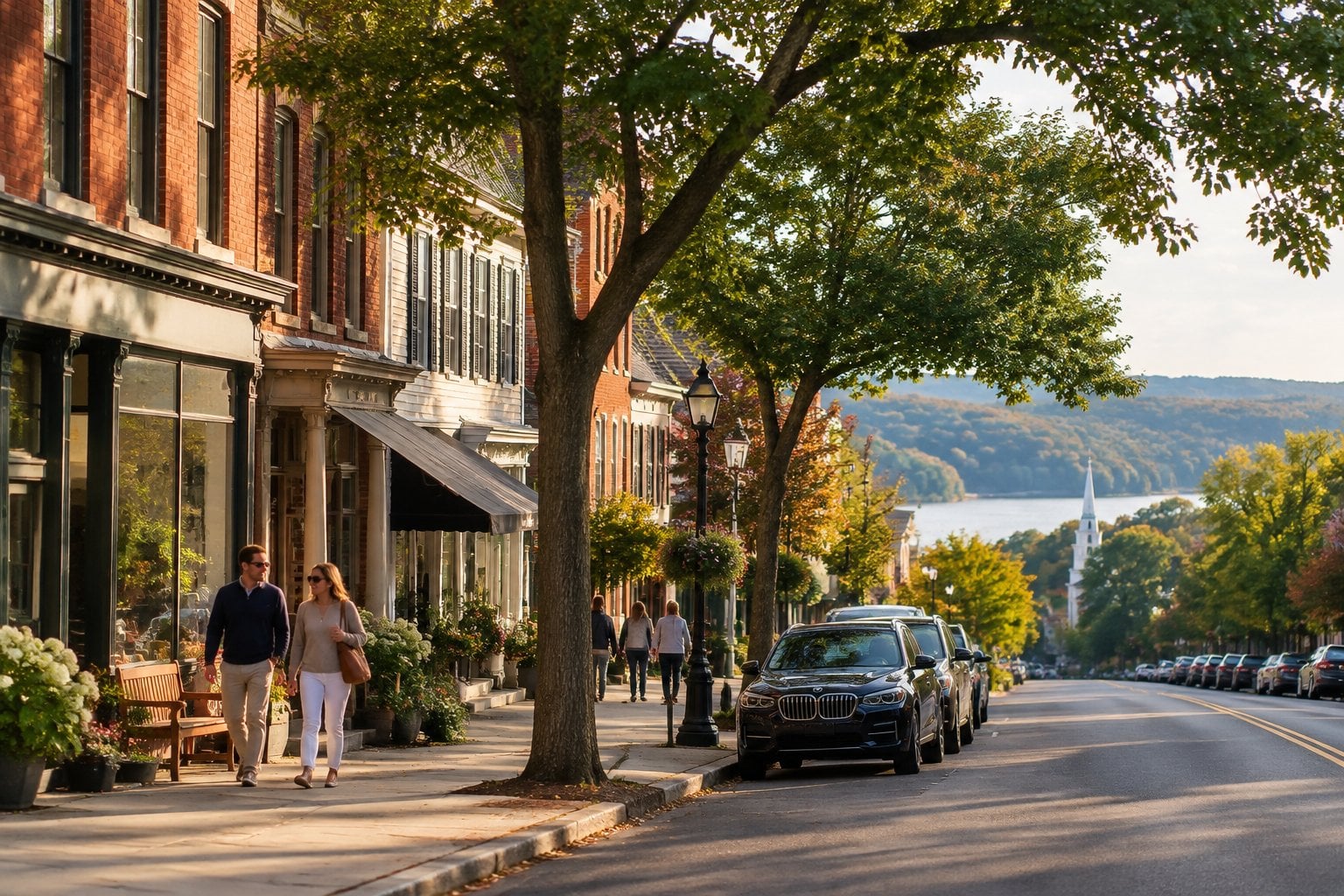
Rhinebeck sits in Dutchess County in New York’s Hudson Valley, roughly two hours north of New York City. You’ll find a population of about 3,000 in the village itself, surrounded by a landscape of farms, historic estates, and river views. Median home prices here typically run from $600,000 to over $1 million, depending on the property’s age, acreage, and proximity to the Hudson River.
You’re paying for history as much as square footage. Rhinebeck’s downtown features buildings dating back to the 1700s, and many surrounding properties include restored farmhouses or former estate land once owned by wealthy New York families.
Its popularity as a weekend retreat for city dwellers has pushed demand well above what local incomes alone would support. You’ll also notice the draw of nearby attractions like the Dutchess County Fairgrounds and the Vanderbilt Mansion, which reinforce the area’s upscale reputation.
Limited new construction and strict preservation rules keep inventory tight, so if you’re looking to buy here, you should expect competition and prices that reflect scarcity as much as charm.
26. Woodstock, Vermont
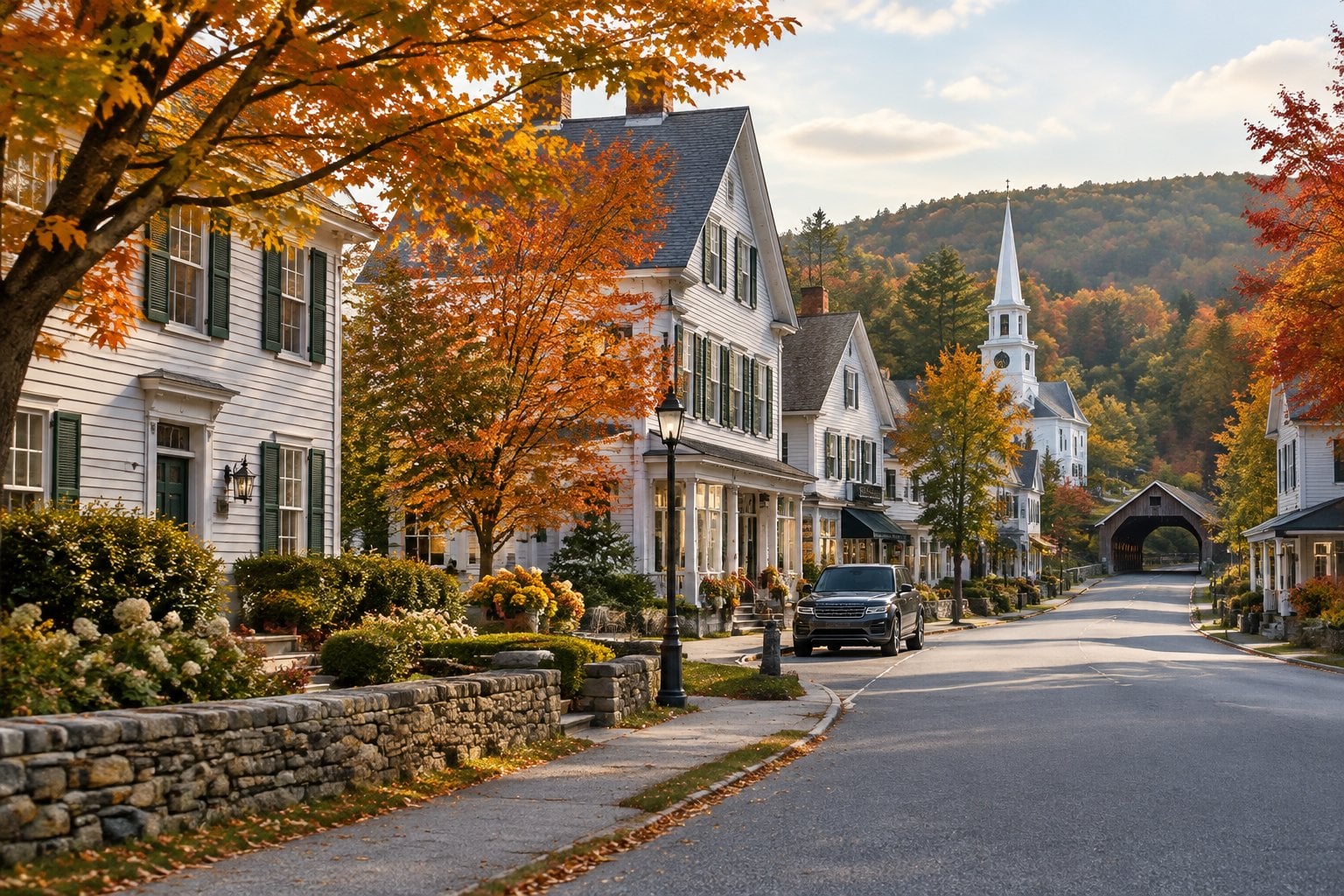
Woodstock sits in east-central Vermont, known for its covered bridges, village green, and preserved 18th and 19th century architecture. Home prices here typically run from $600,000 to over $1 million, well above the state average. The town’s compact size and historic character limit the housing supply significantly.
You’ll find that much of the appeal centers on the surrounding Green Mountain scenery and the town’s reputation as one of New England’s most photogenic villages. Billings Farm & Museum and the Marsh-Billings-Rockefeller National Historical Park draw visitors year-round, adding to the area’s prestige.
Second homes and vacation properties make up a notable share of the market, pushing prices upward. Many buyers come from New York and Boston seeking a rural retreat within driving distance of major cities.
Strict zoning and historic preservation rules protect Woodstock’s look, but they also restrict new construction. This scarcity, combined with steady demand from affluent out-of-state buyers, keeps home values high relative to the surrounding region.
27. Millbrook, New York
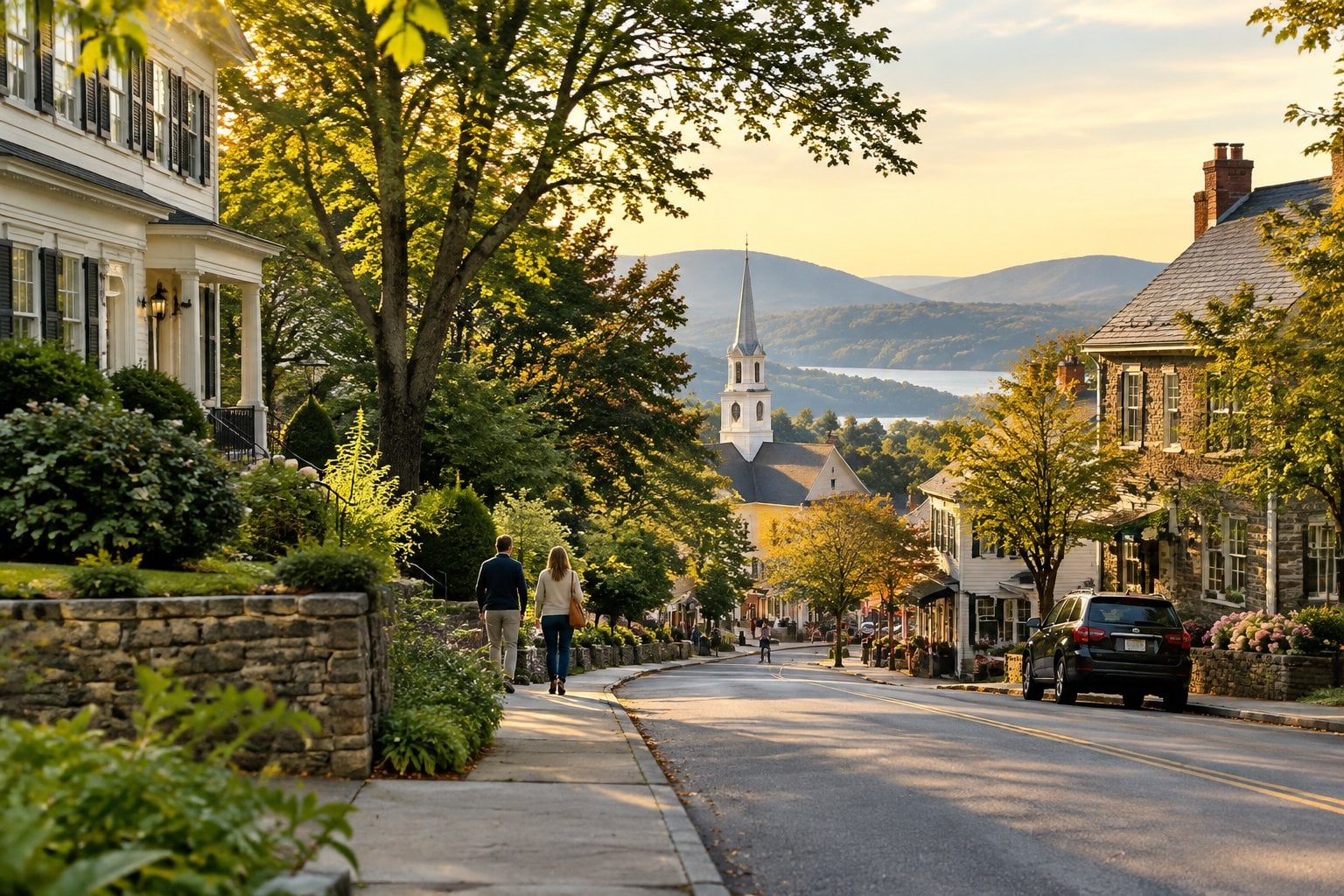
You’ll find Millbrook tucked into Dutchess County, about two hours north of New York City in the Hudson Valley. The town has fewer than 1,500 residents, and that small scale is part of what keeps prices high.
Home values here run high, with large estate properties and horse farms often reaching seven figures amid rolling countryside that attracts wealthy second-home buyers from the city. You’re looking at a market shaped more by land and privacy than by square footage alone.
The surrounding area offers vineyards, nature preserves, and historic architecture, which adds to the appeal for buyers seeking a weekend retreat rather than year-round urban life. Proximity to Manhattan without being part of its suburbs gives Millbrook a distinct identity.
Cost of living extends beyond housing too. Property taxes in Dutchess County tend to be above national averages, and maintaining larger rural properties adds ongoing expense. You’re paying for exclusivity, acreage, and a slower pace of life that remains within reach of the city when needed.
28. Lenox, Massachusetts
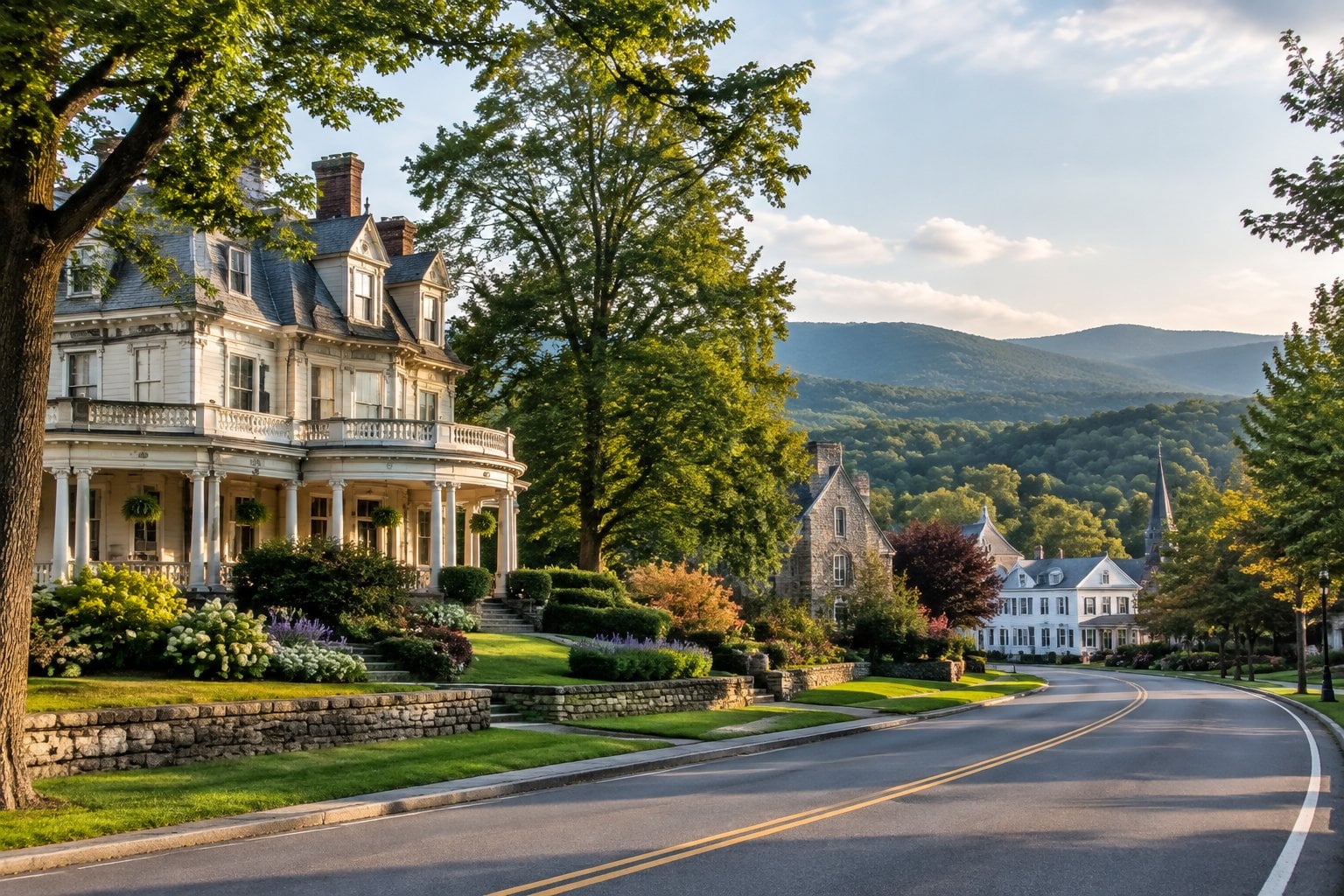
Lenox sits in the Berkshires, a region you likely know for its cultural draw rather than its size. The town has about 5,000 residents, yet its real estate prices compete with much larger markets.
Median home prices here typically fall in the $600,000 to $800,000 range, well above the Berkshire County average. You’re paying for more than square footage when you buy in Lenox.
Much of the value comes from the town’s historic estates, many built during the Gilded Age by wealthy families seeking summer retreats. Tanglewood, the summer home of the Boston Symphony Orchestra, draws visitors and buyers alike, reinforcing demand for property near the venue.
Limited housing inventory keeps competition high, especially for homes near the cultural district or with mountain views. Second-home buyers from Boston and New York add further pressure to an already tight market.
Cost of living in Lenox extends beyond housing. Property taxes, seasonal tourism pricing, and the upkeep required for older homes all factor into what you’ll spend living there.
29. Harbor Springs, Michigan
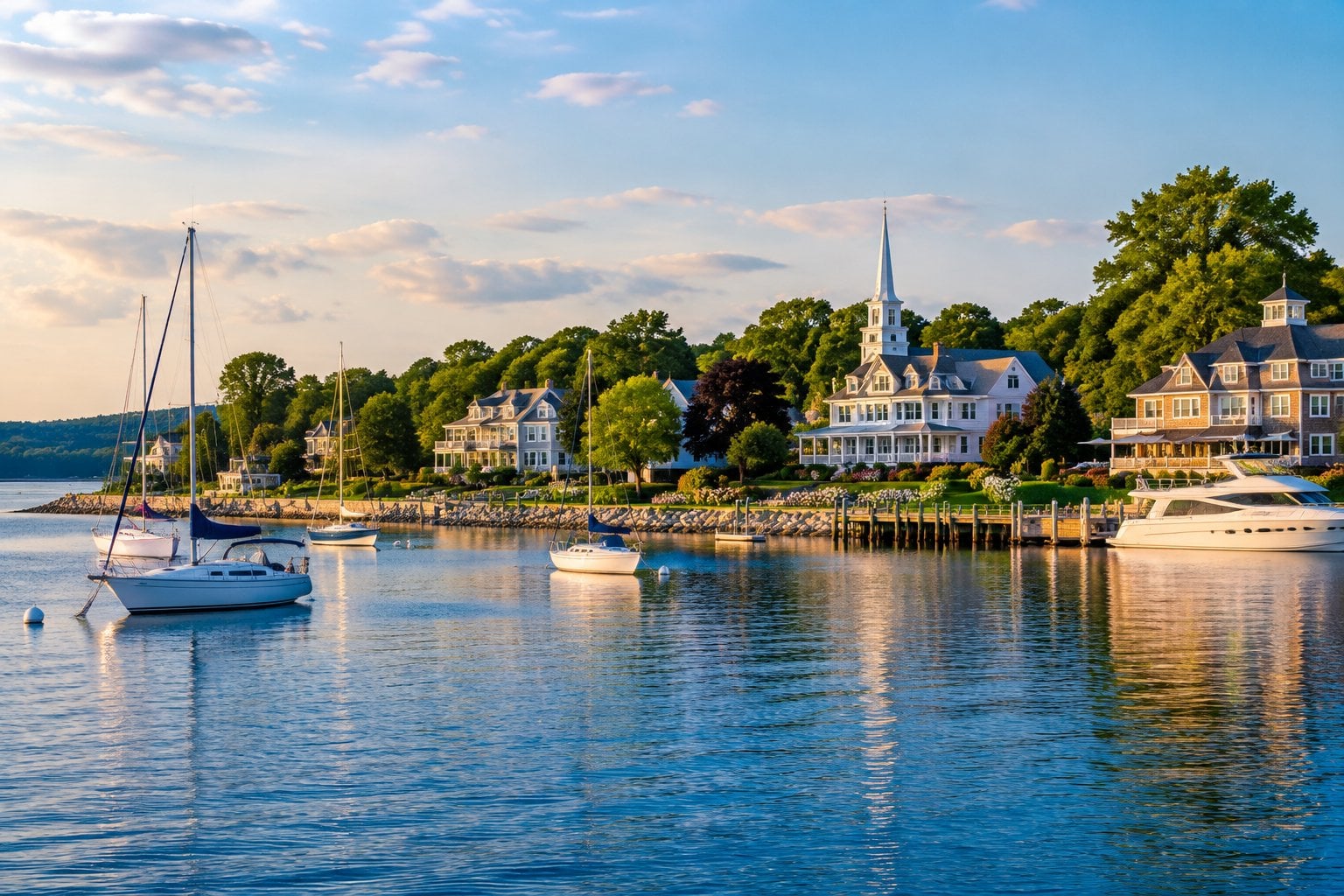
Harbor Springs sits on Little Traverse Bay in northern Michigan, with a year-round population of fewer than 1,200 people. If you visit in summer, you’ll find a town that swells with seasonal residents and tourists drawn to its harbor, sandy beaches, and Victorian-era downtown.
Median home prices here often climb well above $500,000, with waterfront properties and historic cottages pushing far higher. You’re paying for lake access and a tightly limited housing supply, since the town is small and surrounded by protected natural areas.
Harbor Springs has long attracted wealthy Midwestern families who return generation after generation, often to the same summer homes. This legacy ownership keeps inventory low and demand steady, even outside peak season.
Nearby ski resorts and golf courses add to the area’s appeal, giving you recreation options beyond the water. Property taxes and maintenance costs for historic homes can also add to your expenses if you’re considering a purchase here.
30. Lake Placid, New York
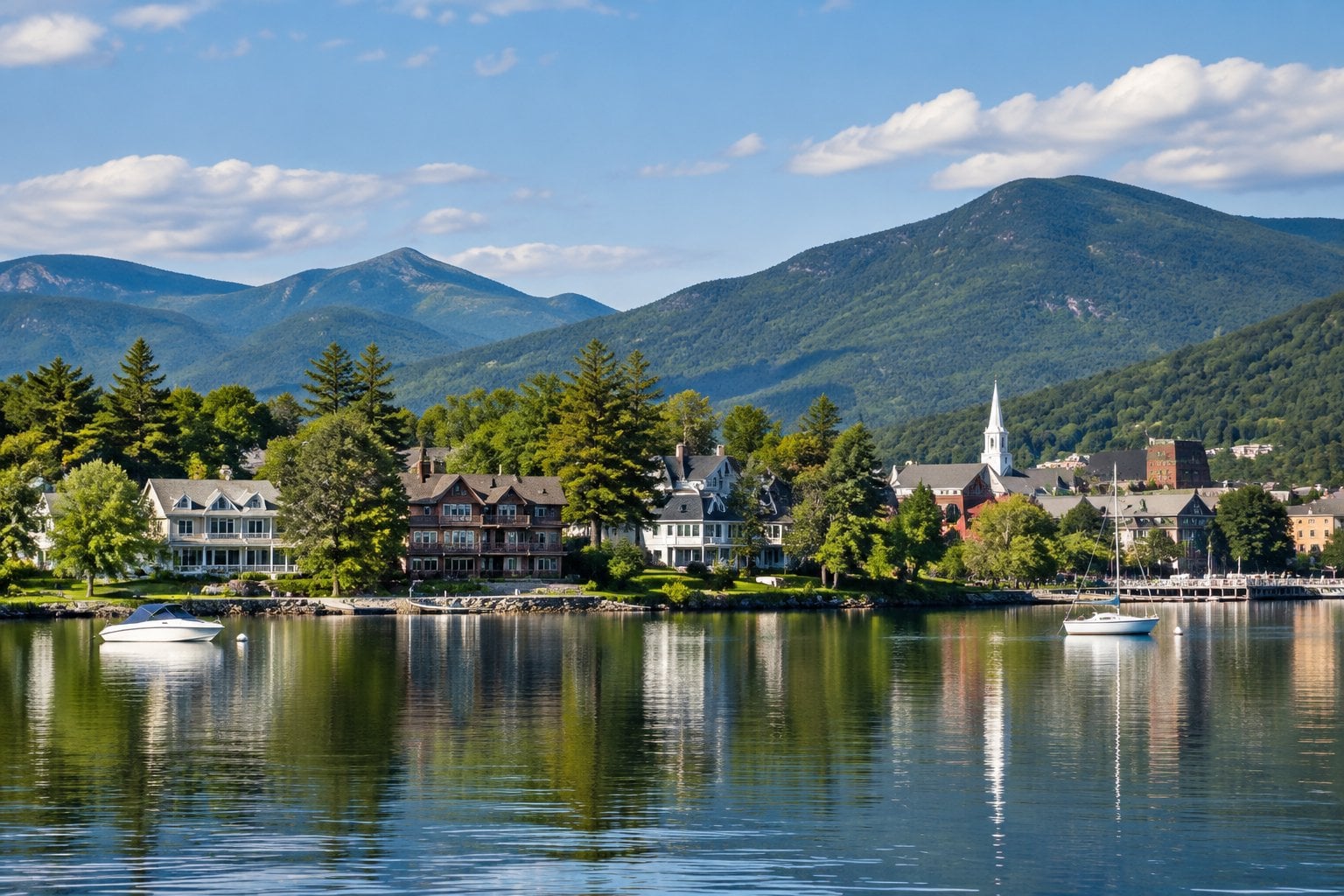
Lake Placid sits in the Adirondack Mountains, a region you likely recognize from hosting the Winter Olympics twice. The village has fewer than 2,500 year-round residents, though the population swells with tourists during ski season and summer months.
Home prices here run well above the national median, often landing in the $500,000 to $700,000 range depending on proximity to the lake or mountain views. Smaller cottages can cost less, but anything with waterfront access or ski-in convenience commands a premium.
You’re paying for scarcity as much as scenery. Land is limited by the Adirondack Park’s protected status, which restricts development and keeps supply tight.
Cost of living extends beyond housing. Groceries, services, and dining tend to run higher than average due to the town’s remote location and reliance on seasonal tourism.
If you’re drawn to outdoor recreation, Lake Placid offers hiking, skiing, and lake access year-round. That lifestyle appeal, combined with limited inventory, keeps prices elevated despite the town’s modest size.
What Drives High Costs in Small Towns
Small-town home prices climb for a mix of structural and market reasons, from tight housing stock to the pull of second-home buyers. Your understanding of these factors can help explain why a town of a few thousand people can out-price a major city.
Limited Housing Supply and Strong Buyer Demand
When a town has a fixed or shrinking number of available homes, prices rise even with modest demand. You’ll find that many expensive small towns have geographic restrictions, like coastlines, mountains, or protected land, that limit new construction.
Local zoning laws often add another layer of restriction. Some towns cap building heights, require large minimum lot sizes, or restrict multi-family housing altogether.
These rules keep housing stock low while demand from buyers stays steady or grows. You end up with a straightforward supply-and-demand imbalance that pushes home values upward year after year.
Resort Amenities, Second Homes, and Desirable Locations
Many of the priciest small towns depend on tourism, seasonal residents, or recreational appeal. You’ll notice that places near ski resorts, beaches, or scenic landscapes attract buyers who want a vacation property rather than a primary residence.
Second-home ownership raises competition for a limited number of houses. This often prices out full-time, local workers who need housing but can’t compete with wealthier buyers purchasing part-time residences.
Local amenities also matter. Towns with:
- Private marinas or golf courses
- High-end dining and retail
- Proximity to National Parks or coastline
- Strong seasonal tourism economies
tend to carry higher price tags, since these features attract affluent buyers willing to pay a premium for lifestyle and privacy.
How Population Boundaries Affect Small-Town Comparisons
The way a “small town” is defined can shape your perception of affordability rankings. Some data sets use strict population caps, such as under 5,000 or 15,000 residents, while others rely on housing unit counts instead.
These boundaries affect which towns appear on a list and how their prices compare to nearby cities. A small town bordering a major metro area, for example, may inherit high prices due to regional demand rather than unique local factors.
You should also consider that census classifications can group seasonal or resort communities differently than year-round towns. This affects median home values, income comparisons, and cost-of-living calculations used to rank the most expensive places to live.
How to Evaluate the True Cost of Living
A high price tag on a home doesn’t tell the whole story. You need to look at housing costs, taxes, insurance, income levels, and job access together to understand what a small town will actually cost you.
Home Prices Versus Everyday Expenses
Median home price is often the first number you see, but it isn’t the full picture. A town with a $650,000 median home price might have lower grocery, utility, and transportation costs than a town with a $500,000 median.
You should calculate a total monthly cost rather than relying on the purchase price alone. This includes:
- Groceries and dining
- Utilities (electric, gas, water, internet)
- Transportation and fuel
- Healthcare and insurance premiums
- Childcare, if applicable
Two towns with similar home values can have very different costs of living once these categories are factored in. A rural small town near a major city, for example, may carry a steep home price but offer cheaper everyday goods than a coastal resort town.
Property Taxes, Insurance, and Maintenance Costs
Property taxes vary significantly by state and county, and they can add thousands of dollars to your annual housing costs. A home valued at $700,000 in a high-tax state could cost you $10,000 or more per year in property taxes alone, while the same home in a low-tax state might cost half that.
Homeowners insurance is another variable cost. Coastal towns, wildfire-prone areas, and regions with frequent severe weather typically carry higher premiums.
Maintenance costs also matter, especially in older homes or in climates with harsh winters or humid summers. Budget for:
- Annual property tax bills
- Homeowners insurance premiums
- Routine maintenance (roofing, HVAC, landscaping)
- Unexpected repairs
These recurring costs can shift a town’s affordability ranking once you add them to the purchase price.
Local Incomes, Job Access, and Housing Affordability
A town’s cost of living only makes sense in the context of local incomes. If median household income is $95,000 but median home price is $750,000, you’re looking at a price-to-income ratio above 7, which signals limited affordability for most local workers.
Job access matters just as much as income levels. Small towns with strong commuter rail or highway access to major metro job centers often justify higher home prices because residents can earn city-level salaries while living in a smaller community.
By contrast, towns with limited employment options nearby may see high home prices driven by vacation demand or retirees rather than local wage growth. You should compare median income to median home price directly, and factor in commute times and job market strength before assuming a town’s cost reflects what you’d actually earn living there.