The 30 Most Expensive Places to Live in California: Ranked by Cost
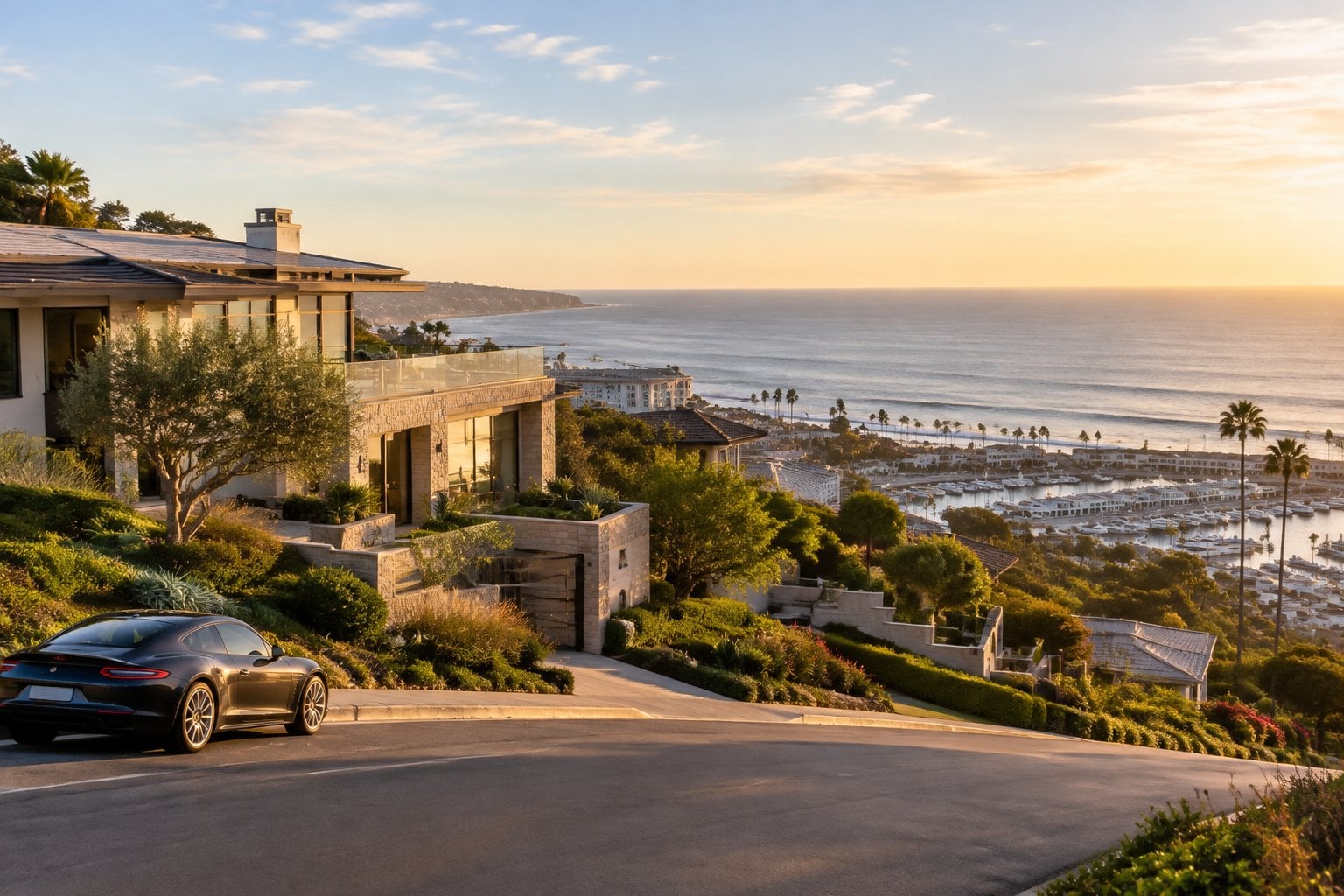
California includes some of the most expensive real estate markets in the country. Home prices, household incomes, and overall cost of living vary widely across the state, but certain cities and towns consistently stand out for their high property values and exclusive communities.
Understanding which places carry the highest costs can help you set realistic expectations if you are considering a move or simply curious about how different areas compare. This article breaks down the thirty most expensive places to live in California, giving you a clear picture of where costs are highest and what factors contribute to those price tags. You will see how location, demand, and local amenities shape the price of living in these communities.
1. Atherton, California
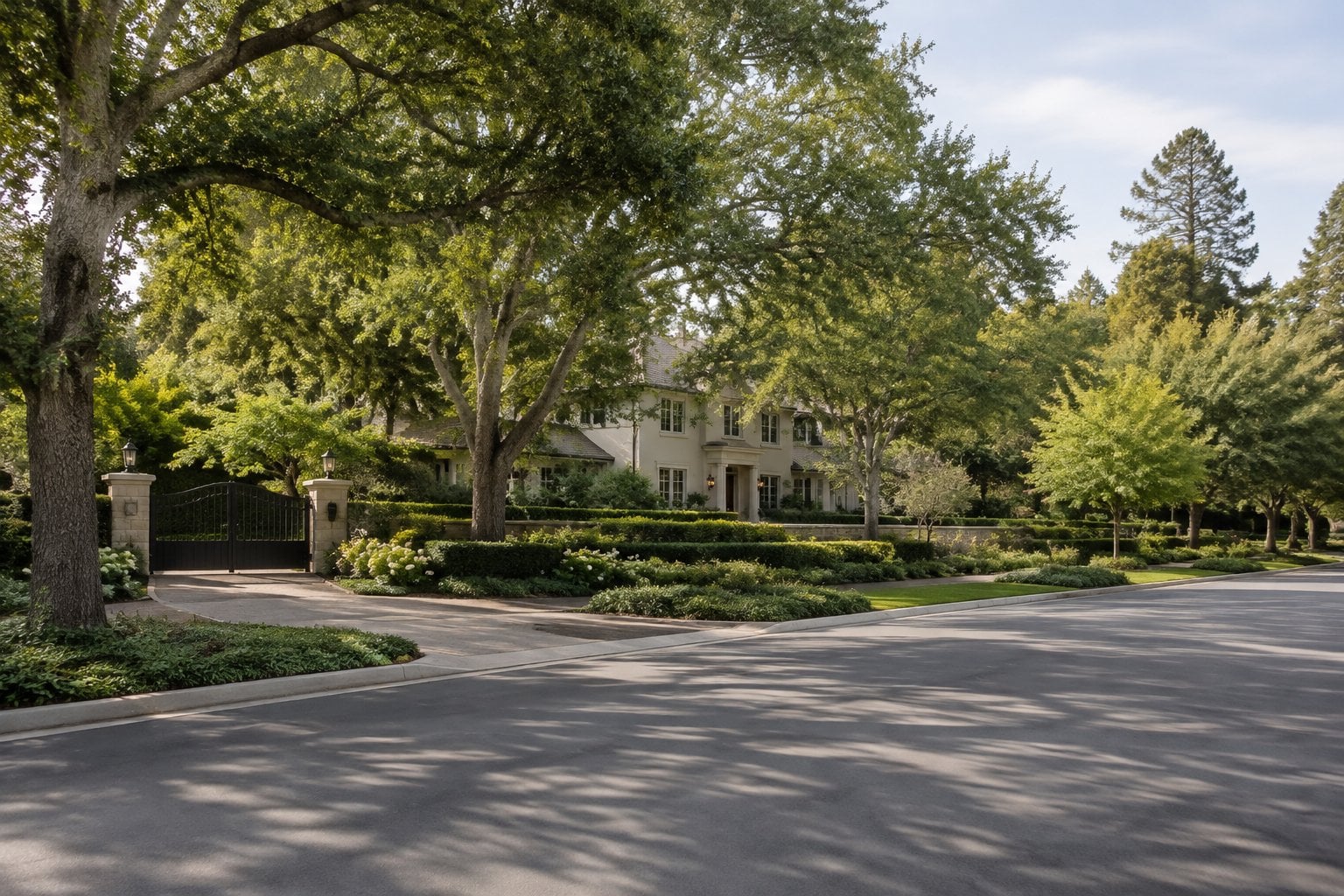
Atherton holds the distinction of being the most expensive place to live in California, and it has repeatedly ranked as the priciest ZIP code in the entire country. Typical home values here sit around $8 million, among the highest of any community in the country.
You’ll find Atherton tucked into the San Francisco Peninsula, roughly 30 to 45 minutes south of San Francisco itself. This location puts you close to major Silicon Valley employers, which has fueled sustained demand from tech executives and investors.
What sets this town apart is its extremely limited housing supply. Large lot sizes, strict zoning rules, and a small overall footprint mean very few homes come onto the market at any given time.
You won’t see commercial density here either, since Atherton is almost entirely residential, favoring privacy and large estates over shops or offices. Its combination of scarcity, location, and exclusivity keeps it consistently at the top of affluence rankings across the state and nation.
2. Hidden Hills, California
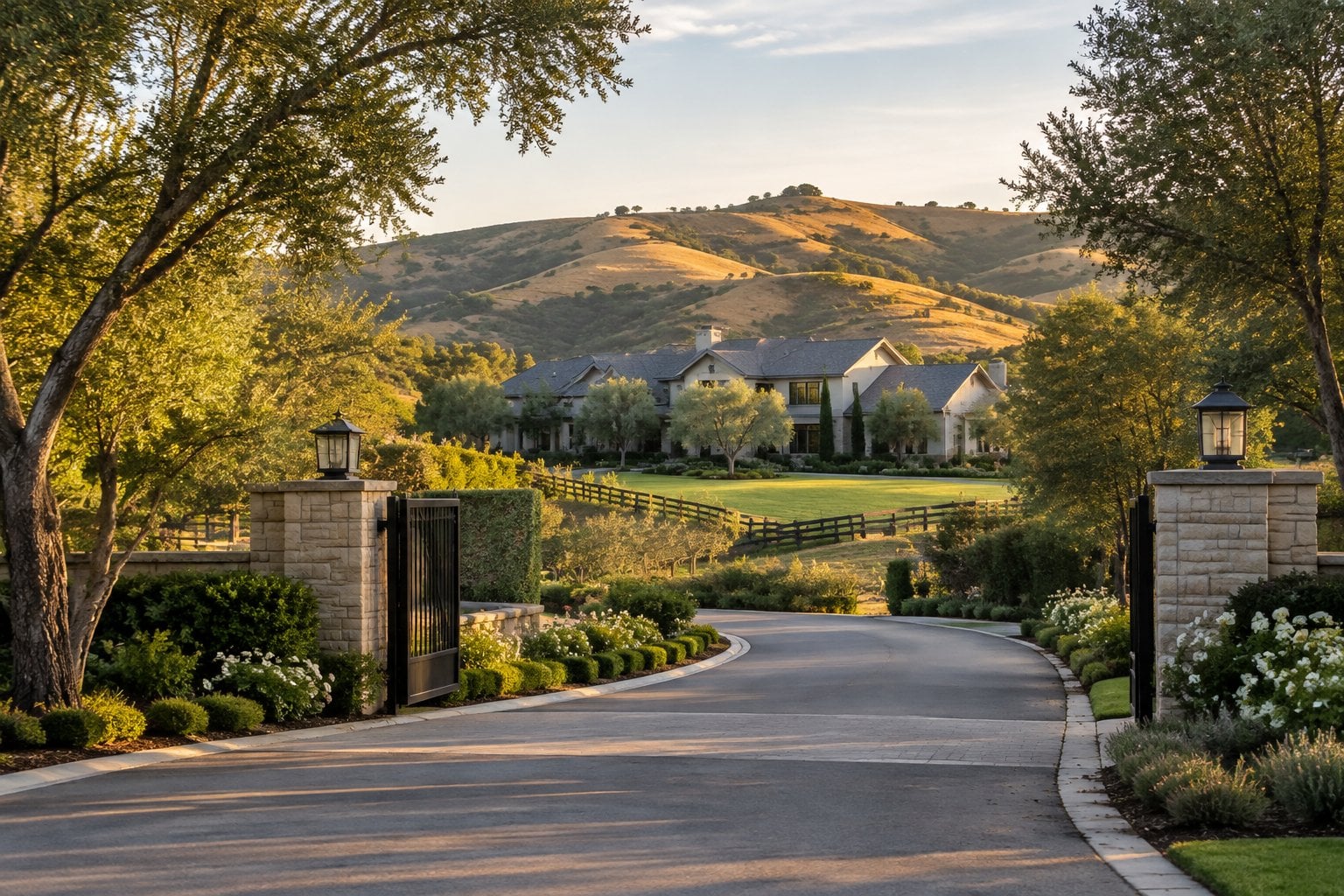
Hidden Hills sits in the San Fernando Valley area of Los Angeles County, enclosed by guarded gates that limit access to residents and their guests. You won’t find sidewalks, streetlights, or commercial buildings here. The town maintains a rural, equestrian character despite being surrounded by dense suburban development.
Home prices in Hidden Hills regularly exceed several million dollars, with many estates priced well above that threshold. Properties tend to sit on large lots, often an acre or more, giving residents space for horse facilities, pools, and private tennis courts. The housing stock leans toward custom-built mansions rather than production homes.
You’ll recognize Hidden Hills as a magnet for entertainers, athletes, and business figures who value privacy. The town has built a reputation partly through its association with reality television families and musicians who’ve made it their base. Cost of living here reflects the exclusivity, with everyday expenses running far above state and national averages. Despite its small population, Hidden Hills consistently ranks among the wealthiest communities in Southern California.
3. Montecito, California
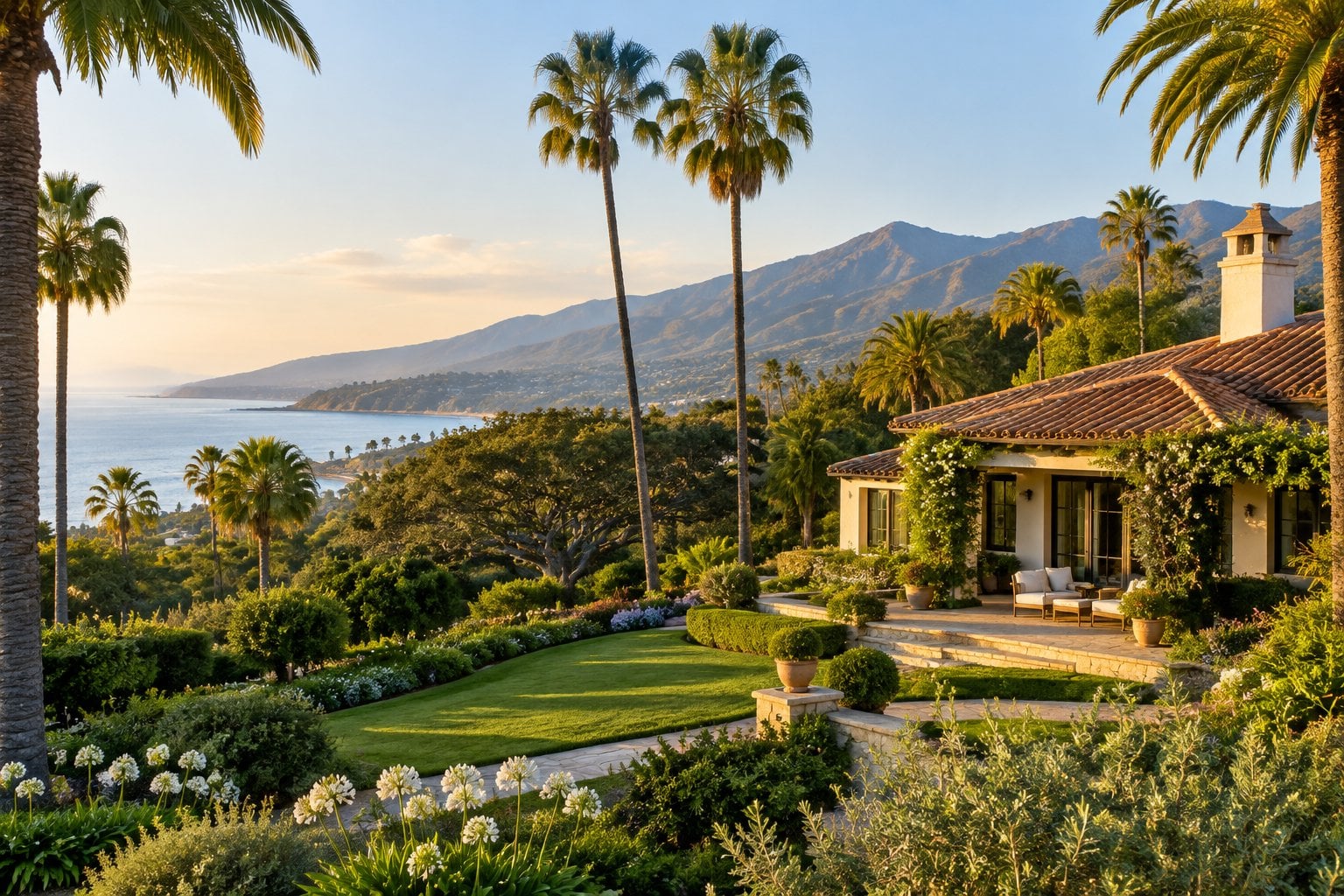
You will find Montecito tucked against the coastline near Santa Barbara, a small unincorporated enclave known for privacy and old wealth. It has long attracted celebrities and business leaders drawn to its quiet streets and ocean views.
The median home price here has climbed well into the multimillion-dollar range in recent years, and Zillow’s typical home value estimate sits above $5 million, reflecting steady annual appreciation.
Property types range widely across your options. Entry-level homes start around $3 million, while family-sized properties often run between $5 million and $10 million. Luxury estates can climb past $25 million, and the most exclusive compounds reach $75 million or more.
Your cost of living here is far above the national average, driven largely by land values and housing scarcity. Everyday expenses like groceries and services also run higher than in most California cities.
Montecito’s appeal rests on its combination of coastal scenery, large lot sizes, and discretion, qualities that continue to support its position among the state’s priciest places to live.
4. Rancho Santa Fe, California
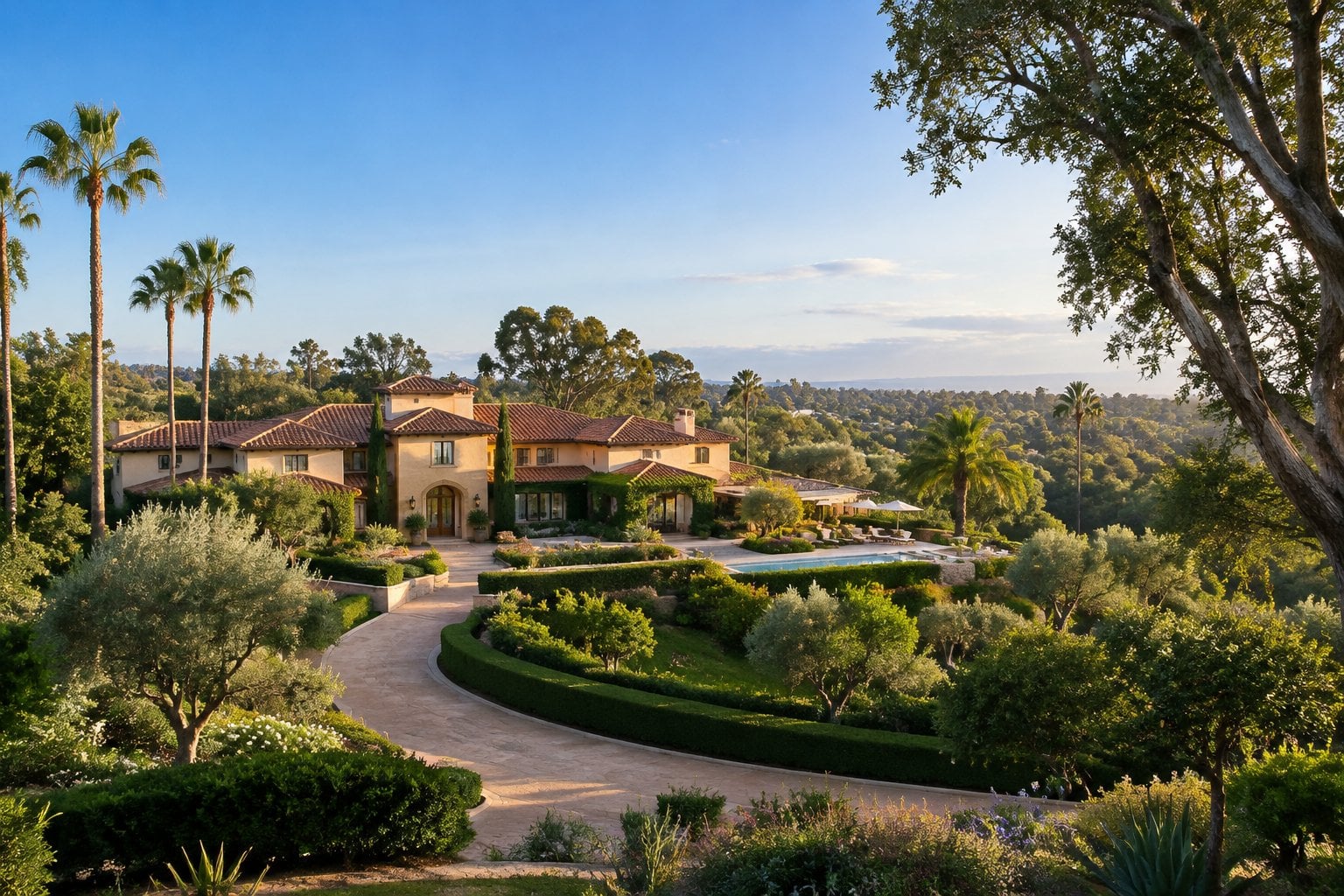
You will find Rancho Santa Fe tucked into the hills of San Diego County, about 25 miles north of downtown San Diego. The median home price here sits around $5 million, placing it among the priciest communities in the state.
Horse trails, citrus groves, and large lots define this area. Many properties sit on acreage ranging from one to several acres, giving you a sense of space that is rare in Southern California.
Your cost of living here runs far above state and national averages. Everyday expenses, from dining to services, reflect the wealth concentrated in this zip code.
Rancho Santa Fe has long attracted executives, athletes, and entertainers seeking privacy. Gated estates and winding, tree-lined roads keep the pace slow and the atmosphere exclusive.
The Rancho Santa Fe Golf Club and the village center, with its boutique shops and restaurants, anchor the community’s social life. If you are drawn to equestrian culture and low-density living, you will notice why this area consistently ranks among California’s wealthiest.
5. Beverly Hills, California
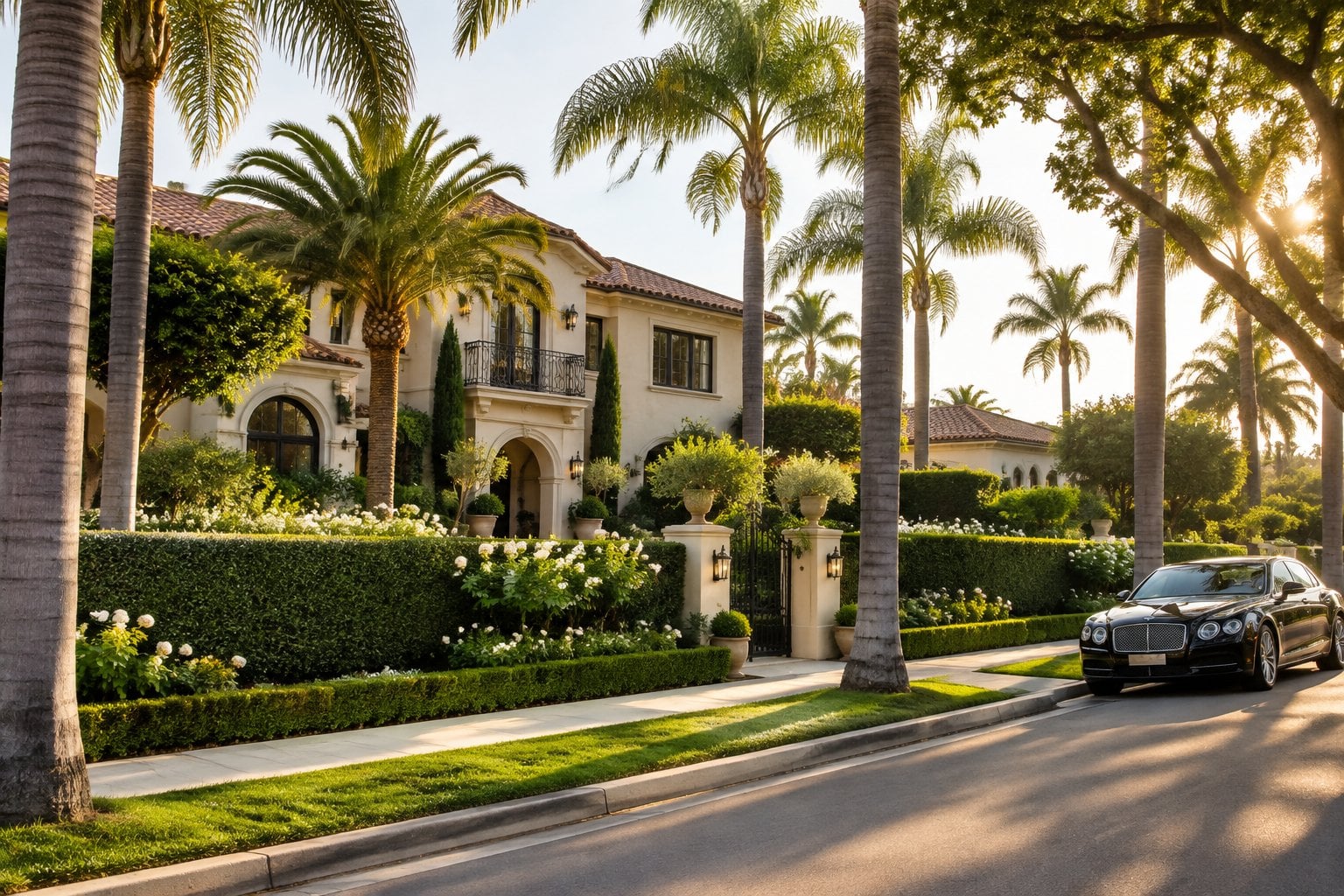
Beverly Hills sits in Los Angeles County, surrounded by the city of Los Angeles. You likely know it through its 90210 zip code, which has become shorthand for wealth and celebrity culture.
Home prices here run well above the state average, with median values typically in the multi-million dollar range. Mansions on tree-lined streets north of Sunset Boulevard command some of the highest prices in the region.
Your cost of living extends beyond housing. Everyday expenses like groceries, dining, and services carry a premium tied to the city’s reputation and clientele.
Rodeo Drive anchors the shopping scene, drawing visitors who want to browse luxury boutiques even if they’re not buying. You’ll also find the Beverly Hills Hotel and a dense concentration of entertainment industry professionals who call the city home.
Despite its small size, Beverly Hills maintains its own police and fire departments and a well-funded school district. The city’s compact footprint and strict zoning have helped preserve its exclusive character for decades, keeping demand consistently high.
6. Rolling Hills, California
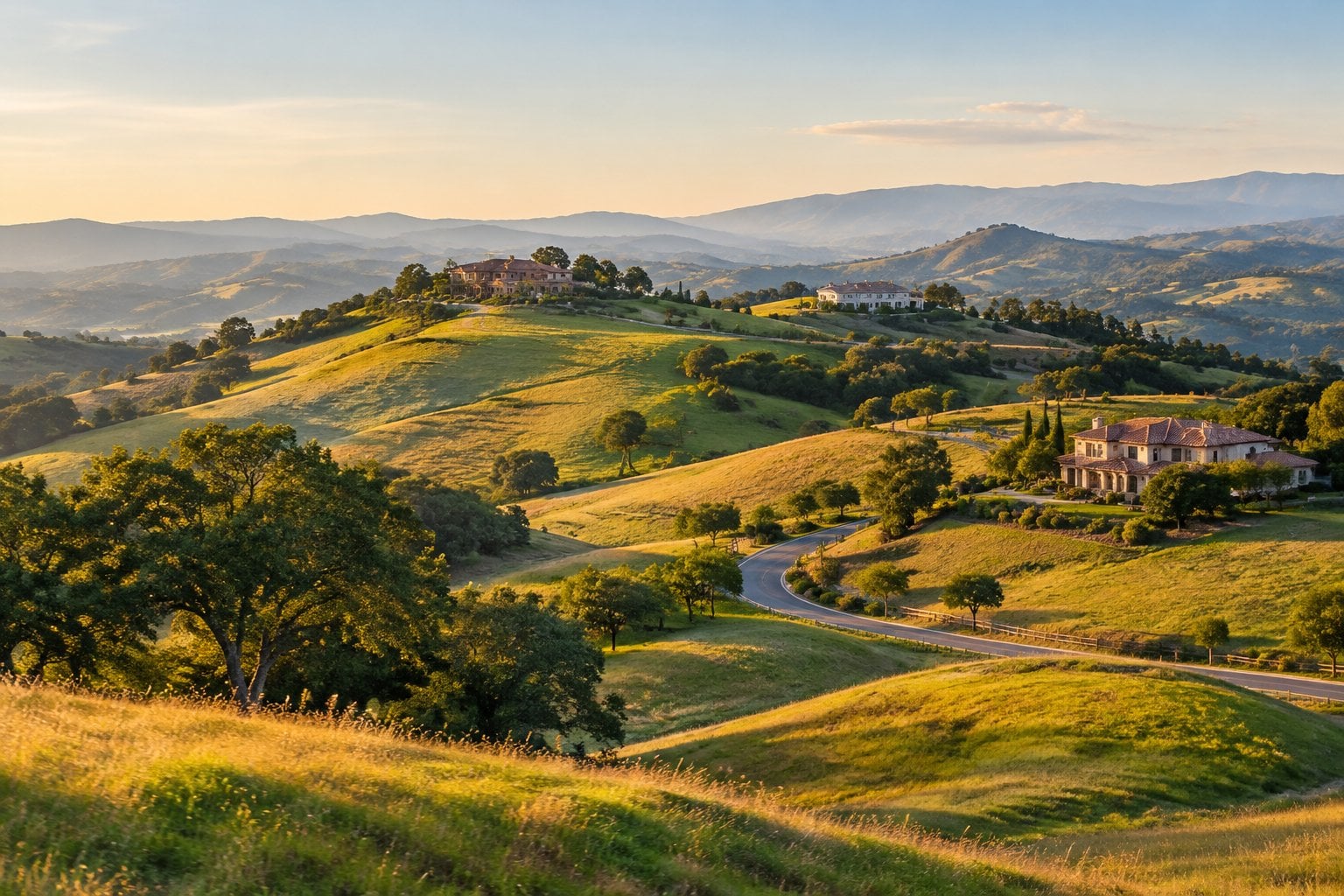
Rolling Hills sits on the Palos Verdes Peninsula in Los Angeles County, and you’ll find typical home values in the multimillion-dollar range, often above $4 million. Prices here have climbed steadily, with notable gains over the past five years.
You’ll notice this gated community is one of the few in California that still maintains a private, equestrian-oriented character. Homes sit on large lots, many with horse trails and panoramic views of the Pacific Ocean or surrounding canyons.
The city was incorporated in the 1950s and has kept strict zoning rules in place ever since. You won’t find commercial development here, since the town is almost entirely residential.
Your cost of living in Rolling Hills extends well beyond housing. Property taxes, maintenance for large estates, and membership fees for the community’s private roads and security gates all add to the expense.
If you’re drawn to privacy, space, and a rural feel within reach of Los Angeles, Rolling Hills offers that combination, though it comes at a steep financial cost.
7. Monte Sereno, California
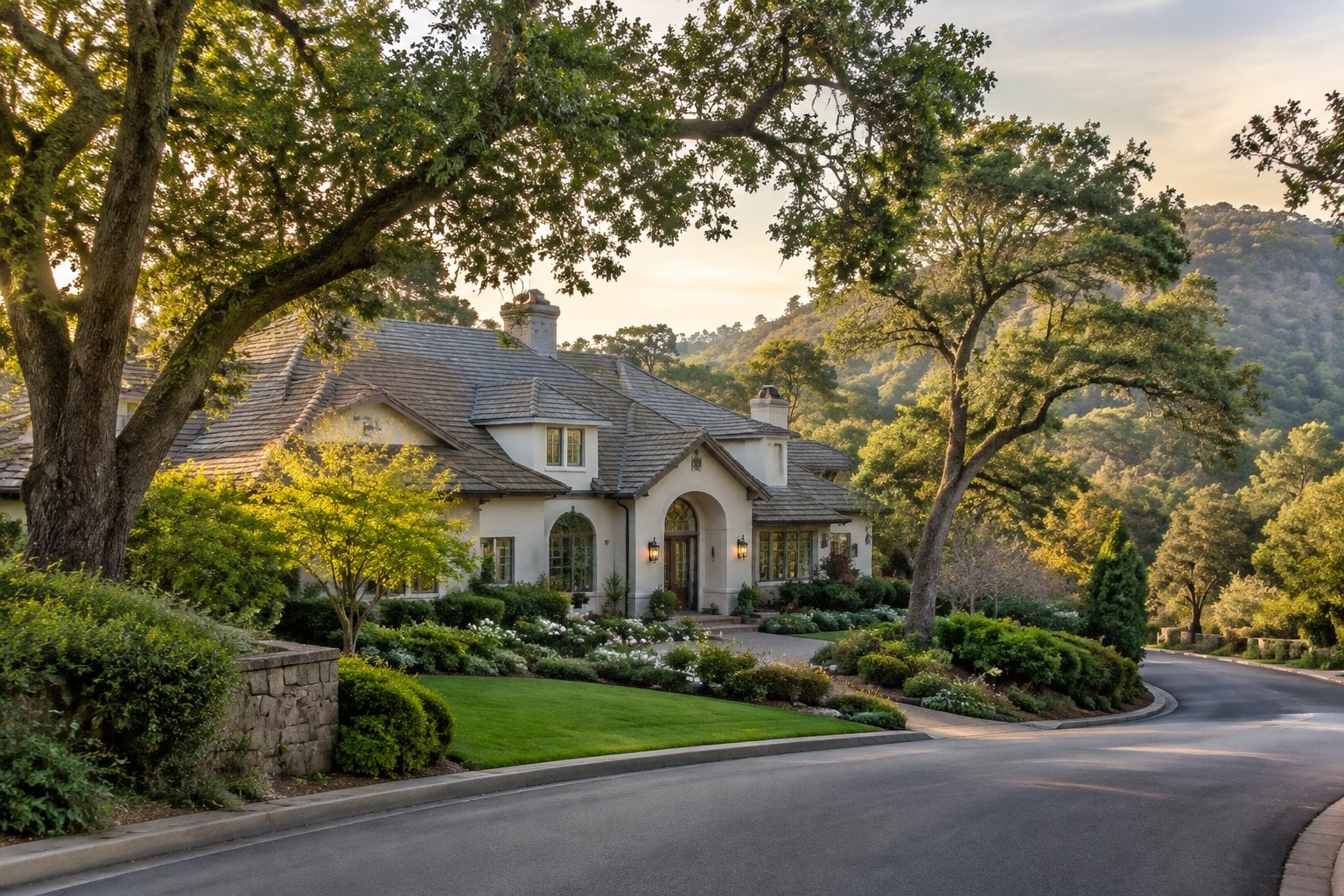
Monte Sereno sits in the Santa Clara Valley, tucked between Los Gatos and Saratoga near the base of the Santa Cruz Mountains. It’s one of the smallest incorporated cities in California, with a population hovering around 3,500 residents.
Home values here commonly reach the multi-million dollar range, with median sale prices often landing in the $4 million to $5 million range. Many properties occupy large lots with significant privacy, which drives much of the premium you’ll find in local listings.
You’ll notice the housing stock leans toward custom estates rather than tract developments. Lot sizes tend to be generous, often exceeding half an acre, giving residents more separation from neighbors than you’d find in denser Bay Area suburbs.
Monte Sereno has no commercial district of its own, so you’ll rely on neighboring Los Gatos and Saratoga for shopping, dining, and services. This lack of commercial zoning helps preserve the town’s quiet, residential character.
Proximity to Silicon Valley tech hubs continues to support strong demand among buyers seeking seclusion without sacrificing access to major employment centers.
8. Malibu, California
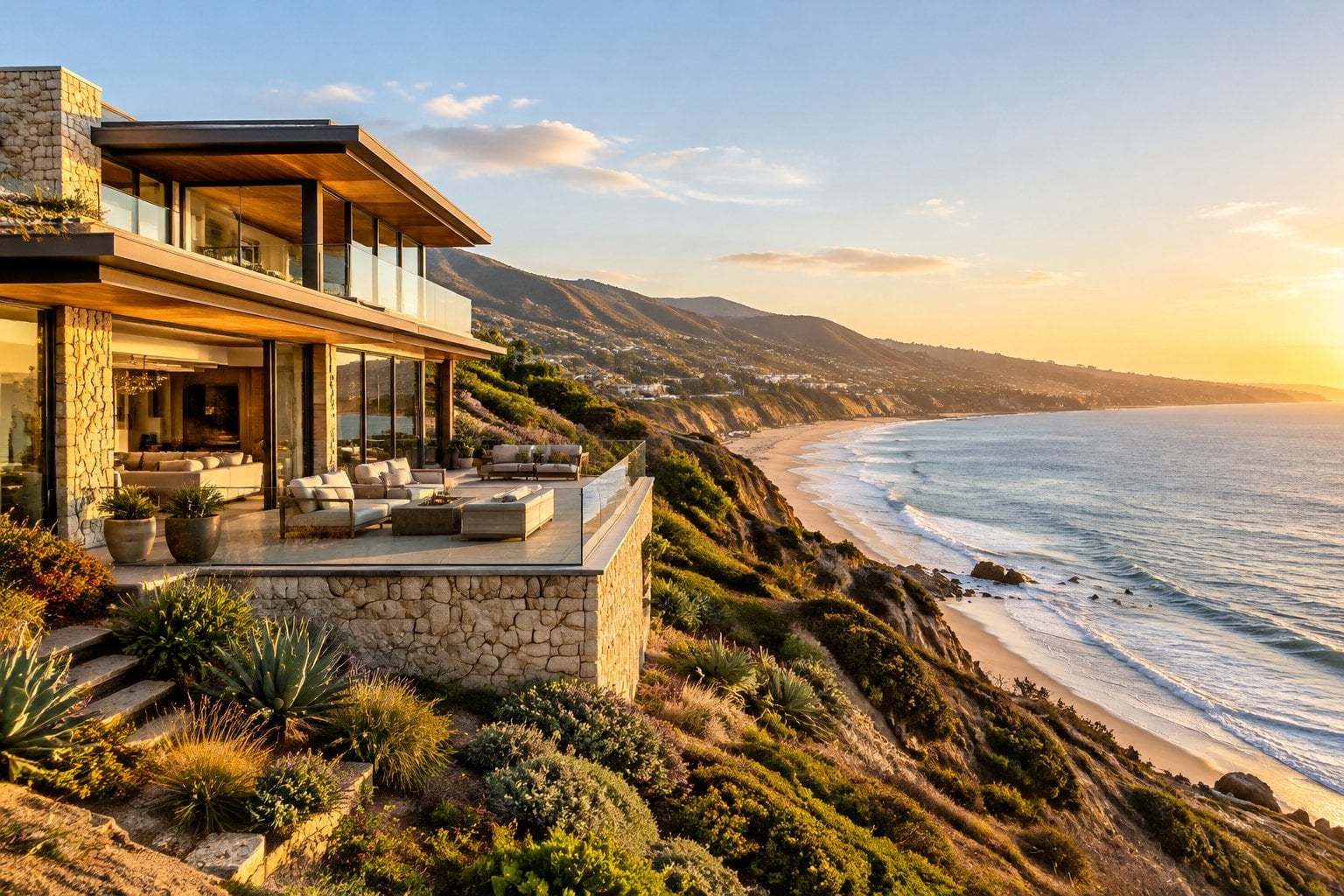
Malibu stretches along 21 miles of Pacific coastline in Los Angeles County, and you’ll recognize it as one of the most iconic beach communities in the country. The median home price here typically runs well above 3 million dollars, with oceanfront properties often commanding far more.
You’ll find a mix of celebrities, entertainment industry executives, and longtime residents drawn to the area’s privacy and natural beauty. The hillsides and canyons surrounding the city add to its appeal, offering views that stretch from the mountains to the sea.
Daily living costs in Malibu sit far above state and national averages. Groceries, dining, and basic services all carry a premium, reflecting the exclusivity of the area.
Surfing culture runs deep here, and you’ll notice it shapes much of the local identity. Zuma Beach and Surfrider Beach remain popular draws for visitors and residents alike.
Despite its small population, Malibu’s name carries significant weight in conversations about luxury coastal living, and its real estate market consistently ranks among the priciest in Southern California.
9. Palo Alto, California
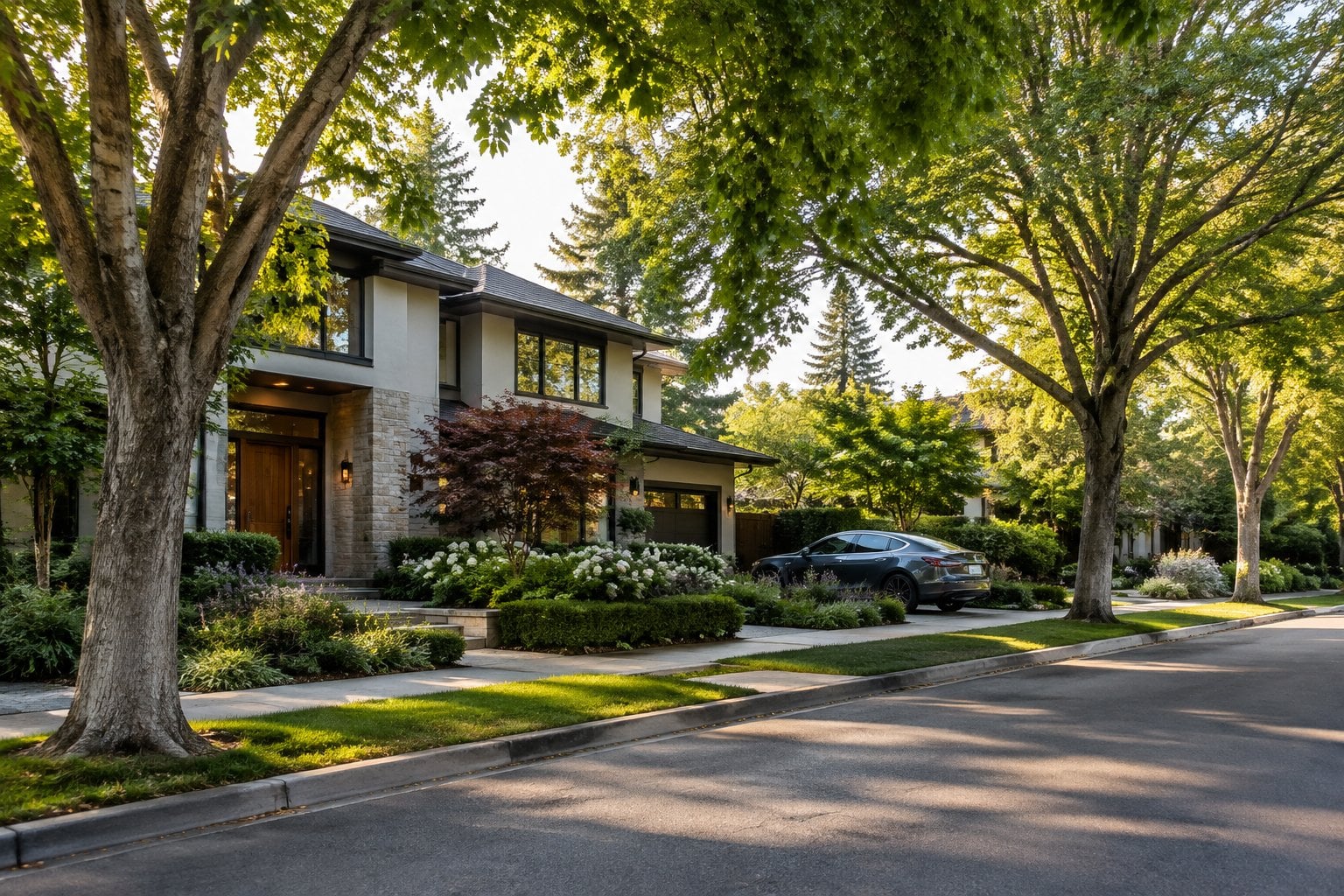
Palo Alto sits in the heart of Silicon Valley, and you’ll find it shaped almost entirely by the technology industry that surrounds it. Stanford University sits right next to the city, drawing academics, researchers, and tech talent who want to stay close to campus. This proximity has pushed home prices into the millions, with median values consistently ranking among the highest in the state.
You’ll notice the cost of living here extends well beyond housing. Groceries, services, and everyday goods all carry a premium, reflecting the wealth concentrated in the area. Many residents work for or have founded companies in the nearby tech corridor, and that income level supports the local price structure.
Downtown Palo Alto offers walkable streets, upscale shopping, and a mix of restaurants that cater to a well-off population. Public schools here are known for strong academic performance, which adds another layer of demand for families willing to pay for it. If you’re considering a move, you should expect limited inventory and competitive offers on nearly every property.
10. Newport Beach, California
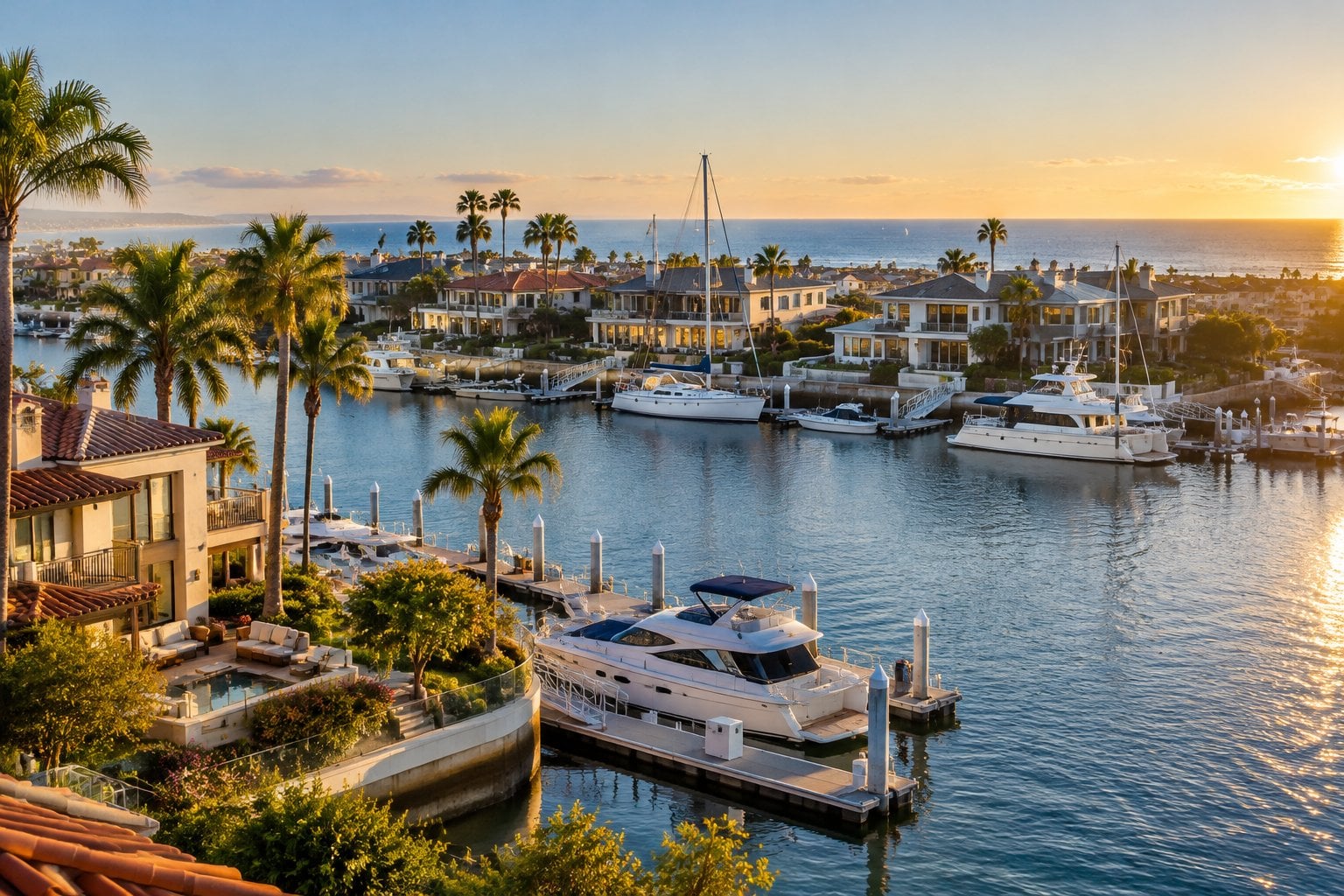
Newport Beach sits along the Orange County coastline and ranks among the most expensive cities in California, with median home values well above $3 million. You’ll find a mix of waterfront estates, harbor-front properties, and hillside homes, each carrying a premium tied to ocean proximity and views.
The city includes several distinct areas, from Balboa Island to Corona del Mar, and prices vary depending on which pocket you’re looking at. Even the more modest inland sections of Newport Beach carry price tags far above the state average.
You can expect a high cost of living here beyond housing alone. Dining, services, and everyday goods tend to cost more than in neighboring inland communities.
Newport Beach is known for its harbor, beaches, and yacht culture, along with upscale shopping areas like Fashion Island. The per capita income in the city is notably high, reflecting the concentration of wealth among residents.
If you’re considering a move here, you should factor in both the purchase price and the ongoing expenses tied to coastal luxury living.
11. Del Mar, California
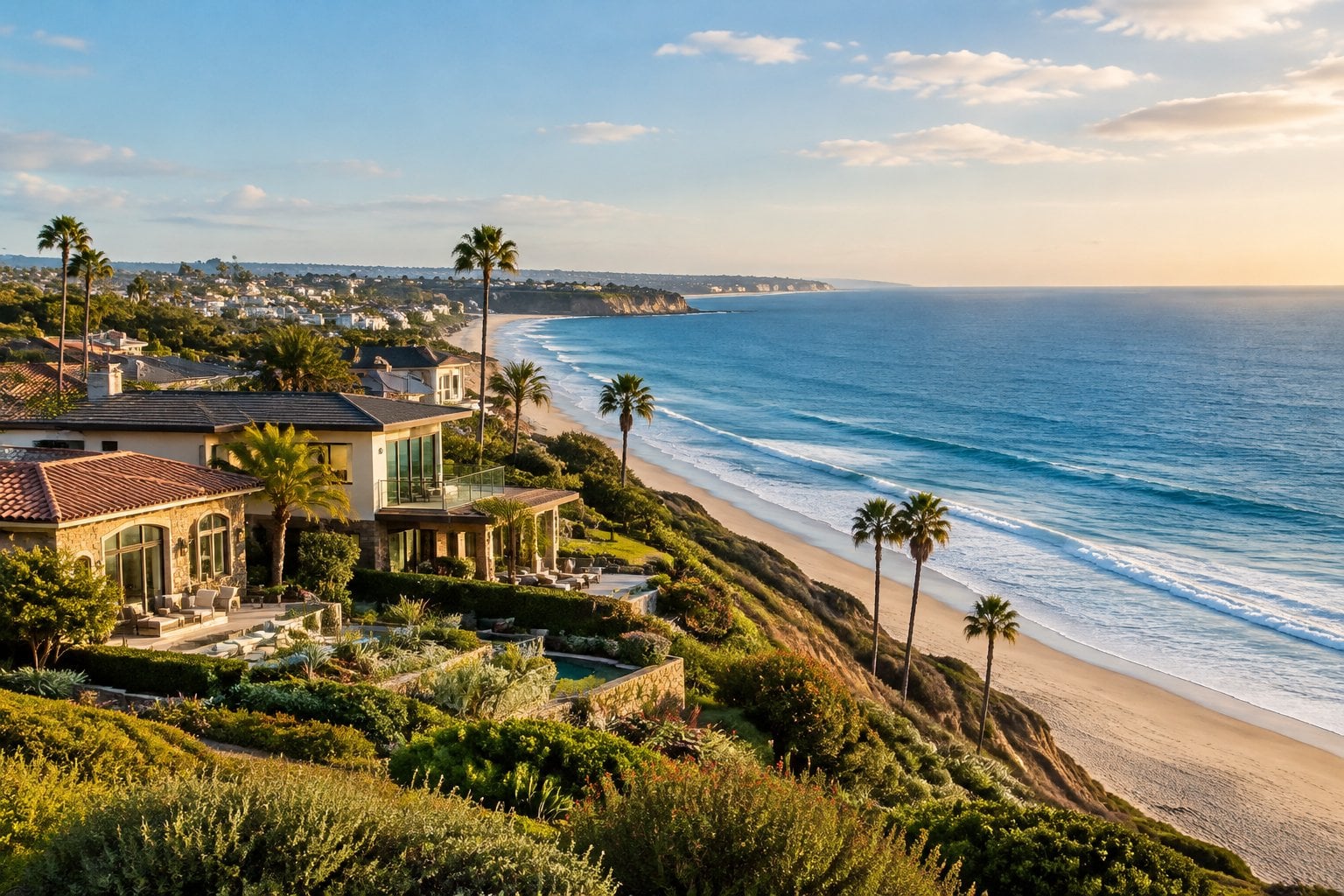
Del Mar sits along San Diego County’s coastline, known for its beaches, the Del Mar Racetrack, and a compact, walkable downtown. You’ll find a small residential population here, with the coastal setting driving much of the appeal and the price tag.
Home prices in Del Mar typically run into the millions, reflecting limited inventory and high demand for oceanfront and ocean-view properties. You’re looking at a market where space is scarce and competition for available homes stays strong year-round.
Your cost of living in Del Mar extends well beyond housing. Everyday expenses, including groceries, services, and dining, run noticeably higher than state and national averages, so you should budget accordingly if you’re considering a move.
Del Mar draws people who want proximity to the ocean without the scale of a larger city. You get a quieter, more residential atmosphere compared to nearby San Diego, paired with easy access to beaches, trails, and seasonal events tied to the racetrack and fairgrounds.
12. Manhattan Beach, California
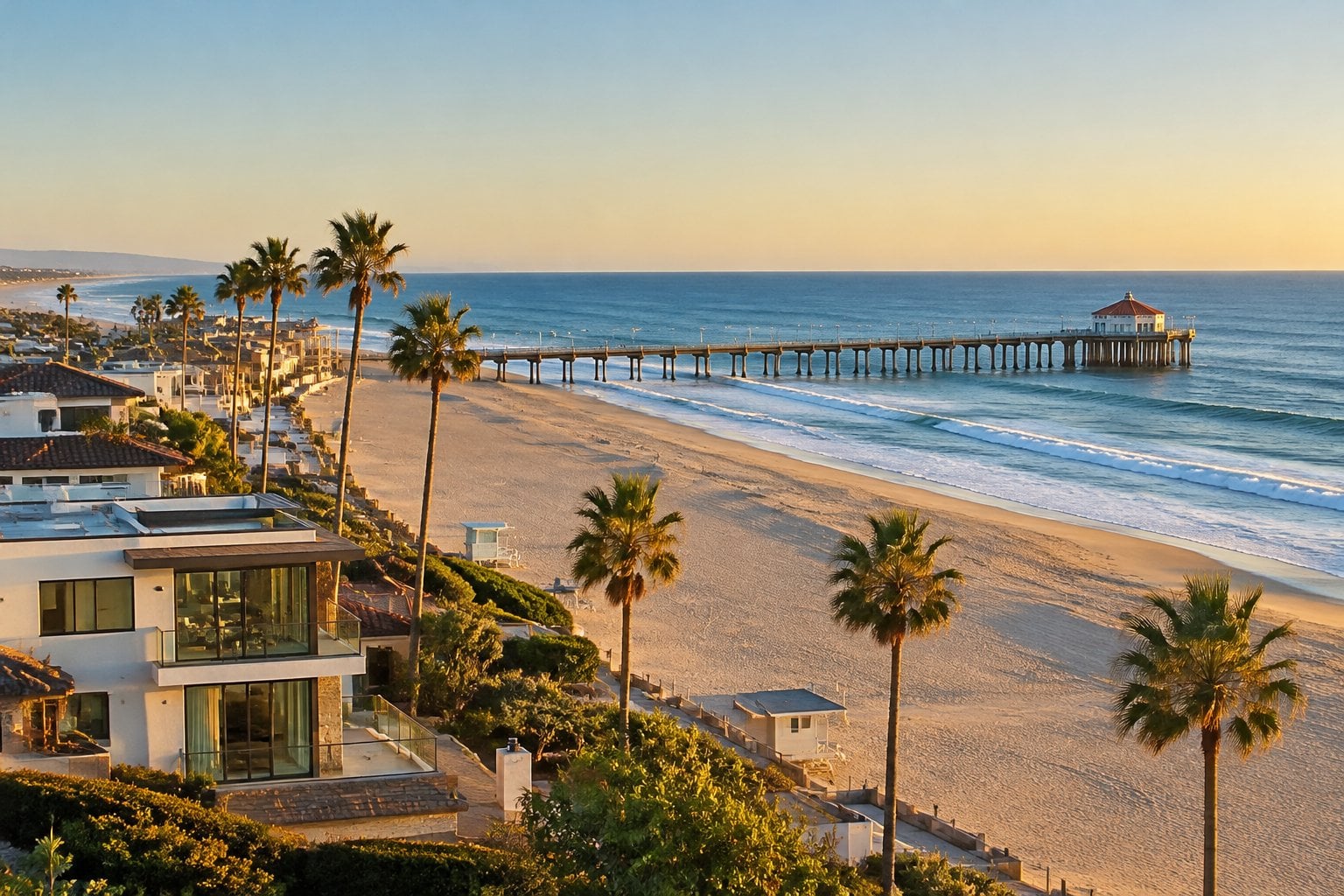
Manhattan Beach sits along the Pacific coastline in Los Angeles County’s South Bay region, just south of El Segundo. You’ll find a community built around its oceanfront setting, with a historic pier anchoring the downtown area and a strand that draws residents out for daily runs and walks.
Home prices here run well into the millions, with the luxury segment reaching above $20 million for premium oceanfront properties. Even away from the sand, you’re looking at a market where median prices far exceed state and national averages.
Your cost of living in Manhattan Beach ranks among the highest in the country, driven by housing costs, property taxes, and local services. Daily expenses for groceries, dining, and entertainment reflect the area’s affluence as well.
You’ll notice the city’s reputation rests on more than its real estate. Strong public schools, low crime rates, and a tight-knit population of roughly 35,000 residents contribute to its standing. Breweries, restaurants, and parks round out a lifestyle centered on comfort and coastal access.
13. San Marino, California
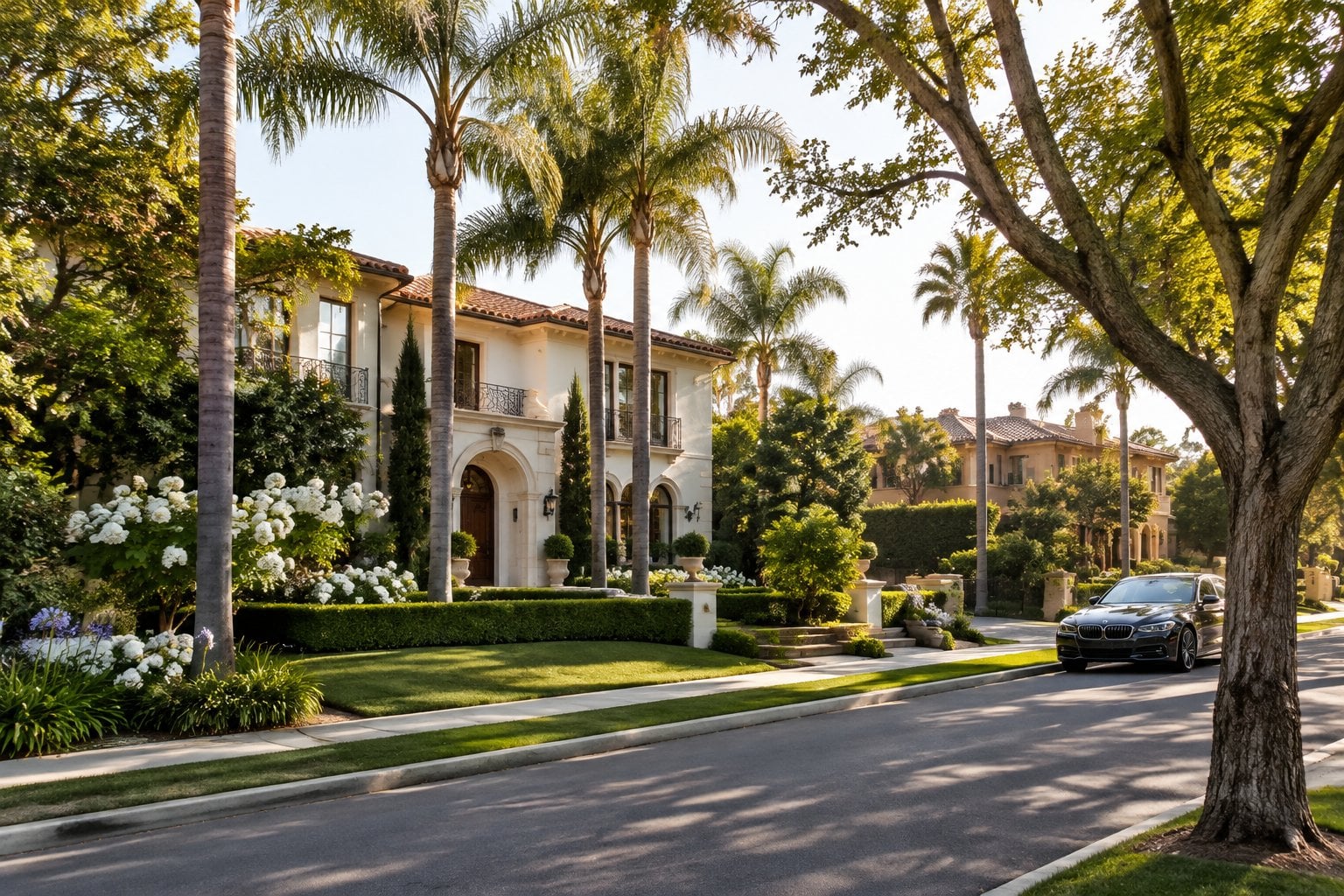
San Marino sits in the San Gabriel Valley, bordered by Pasadena and South Pasadena in Los Angeles County. You’ll find a community of roughly 13,000 residents, known for its quiet, residential character and architectural variety.
Homes here often blend English and Spanish-style influences, giving the city a distinct, polished appearance. Median home values typically land well above $2 million, reflecting the area’s low housing turnover and consistent demand.
The cost of living in San Marino runs far above both state and national averages. You’ll notice this most in housing costs, though property taxes and everyday expenses also reflect the area’s affluence.
San Marino is home to The Huntington Library, Art Museum, and Botanical Gardens, a major cultural draw that adds to the city’s reputation. Excellent public schools further contribute to its appeal among families seeking long-term stability.
Despite its wealth, San Marino maintains a low-key, suburban feel rather than a flashy one. If you’re considering a move here, expect spacious lots, mature landscaping, and a strong emphasis on privacy and tradition.
14. Palos Verdes Estates, California
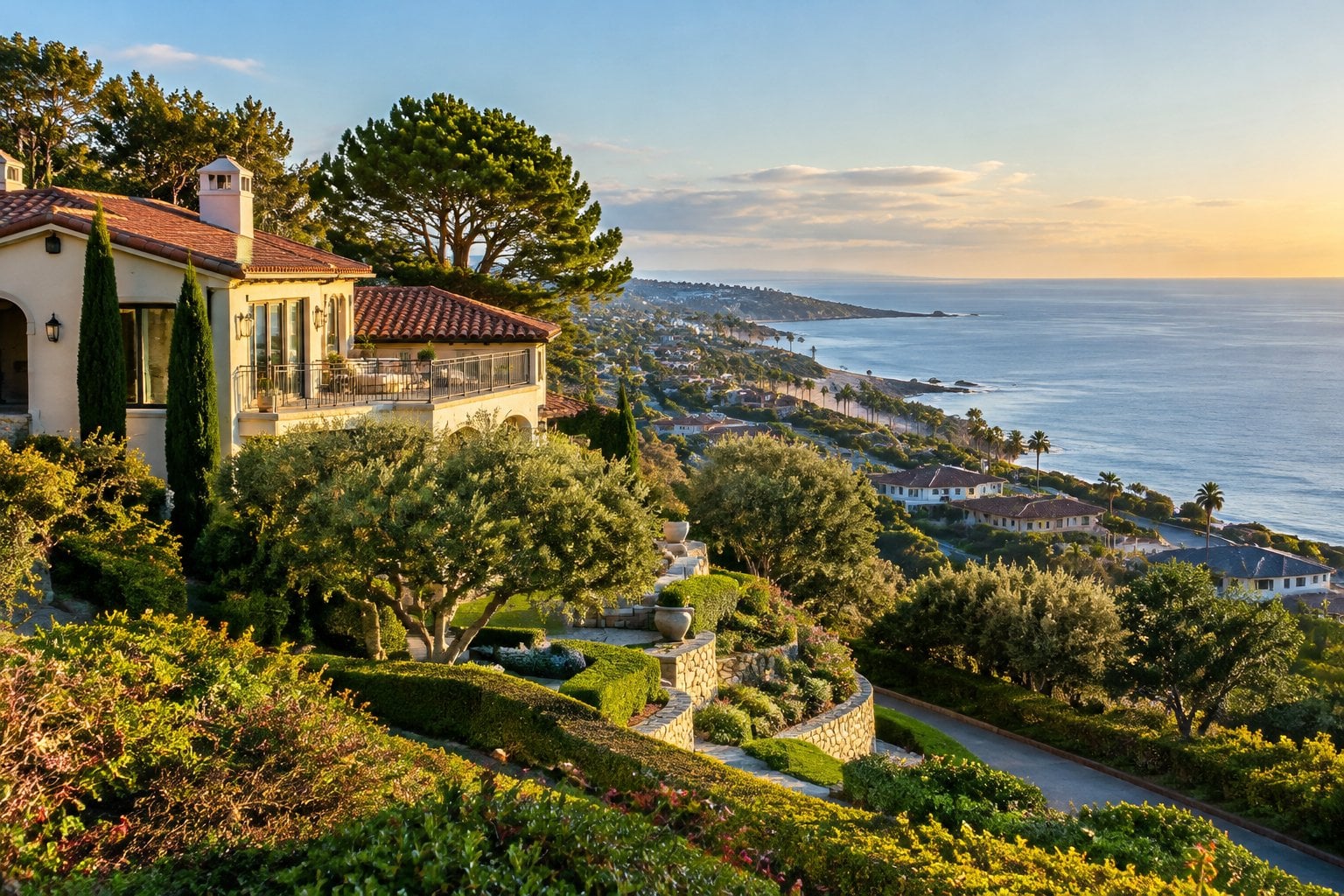
You’ll find Palos Verdes Estates on the Palos Verdes Peninsula, a stretch of coastline at the southern edge of the Los Angeles basin. The city was developed in the early 20th century as one of the first planned communities in the country, and its layout still reflects that original design.
Median household income here ranks among the highest in Southern California, and home prices follow suit. You’re looking at a market where single-family homes routinely sell well into the millions, with ocean or canyon views pushing prices even higher.
Daily living costs run high across the board, not just in housing. Groceries, services, and general expenses sit above state and national averages, reflecting the area’s overall affluence.
The city draws residents who want coastal scenery paired with a quiet, low-density residential feel. Winding streets, mature landscaping, and limited commercial development are part of the character.
You won’t find much in the way of high-rise development or dense retail corridors. Instead, the focus stays on single-family residential living with a strong emphasis on privacy and natural surroundings.
15. Cupertino, California
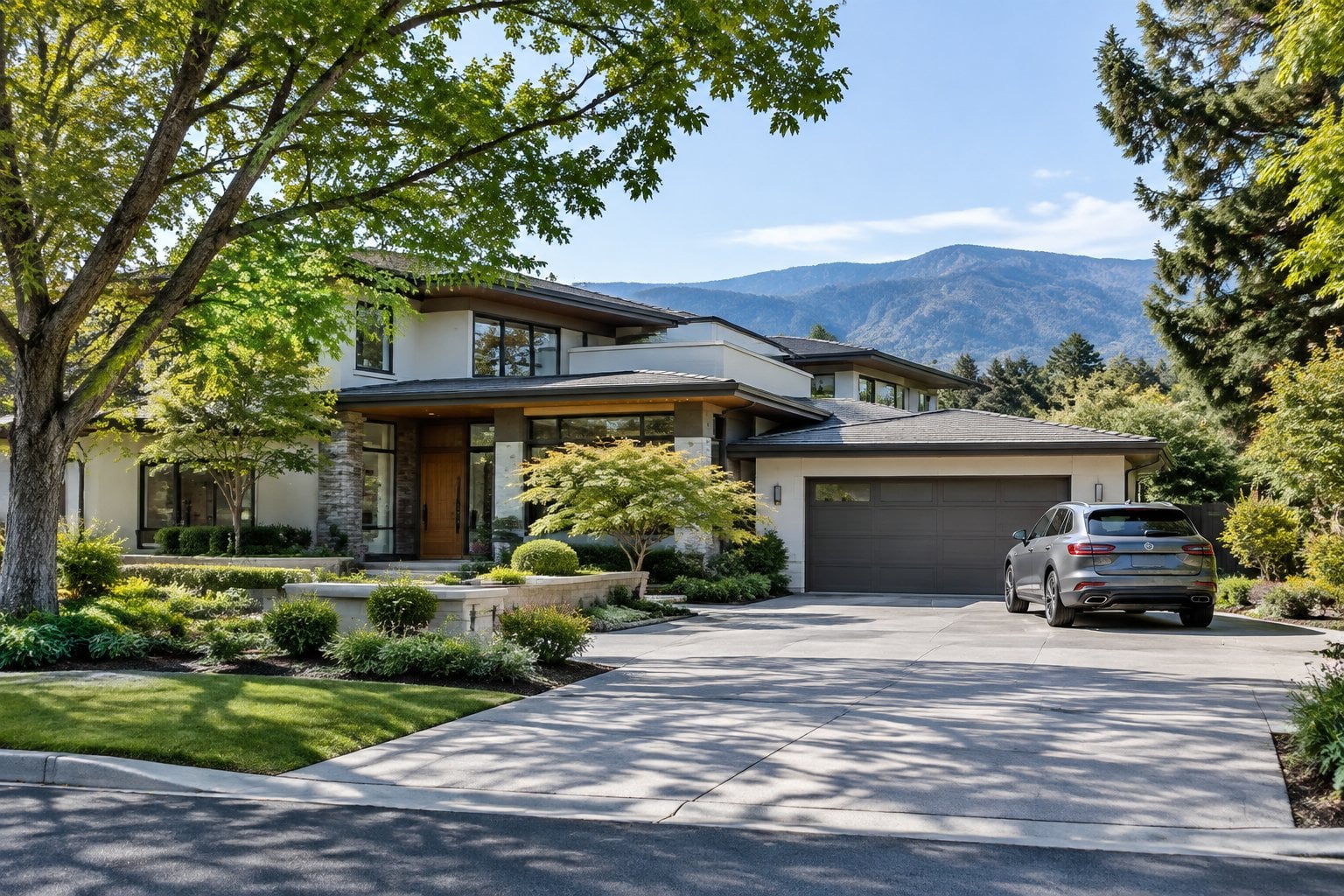
You’ll find Cupertino tucked into the heart of Silicon Valley, a city shaped almost entirely by its role as the headquarters of Apple Inc. The company’s influence runs through everything here, from the local economy to the demand for housing near its campus.
Home prices in Cupertino sit well above the national average, with median values often exceeding $2 million. You’re paying a premium not just for square footage, but for proximity to one of the world’s most valuable corporations and the high-paying jobs it brings.
The city’s schools consistently rank among the best in California, which adds another layer of appeal for families willing to stretch their budgets. That reputation pushes demand even higher, keeping inventory tight and prices firm.
Your daily expenses here extend beyond housing too, since groceries, services, and dining all carry a Silicon Valley markup. Cupertino’s small size and limited land for new development mean supply rarely catches up with demand, reinforcing its position as one of the priciest places you can choose to call home in the state.
16. Menlo Park, California
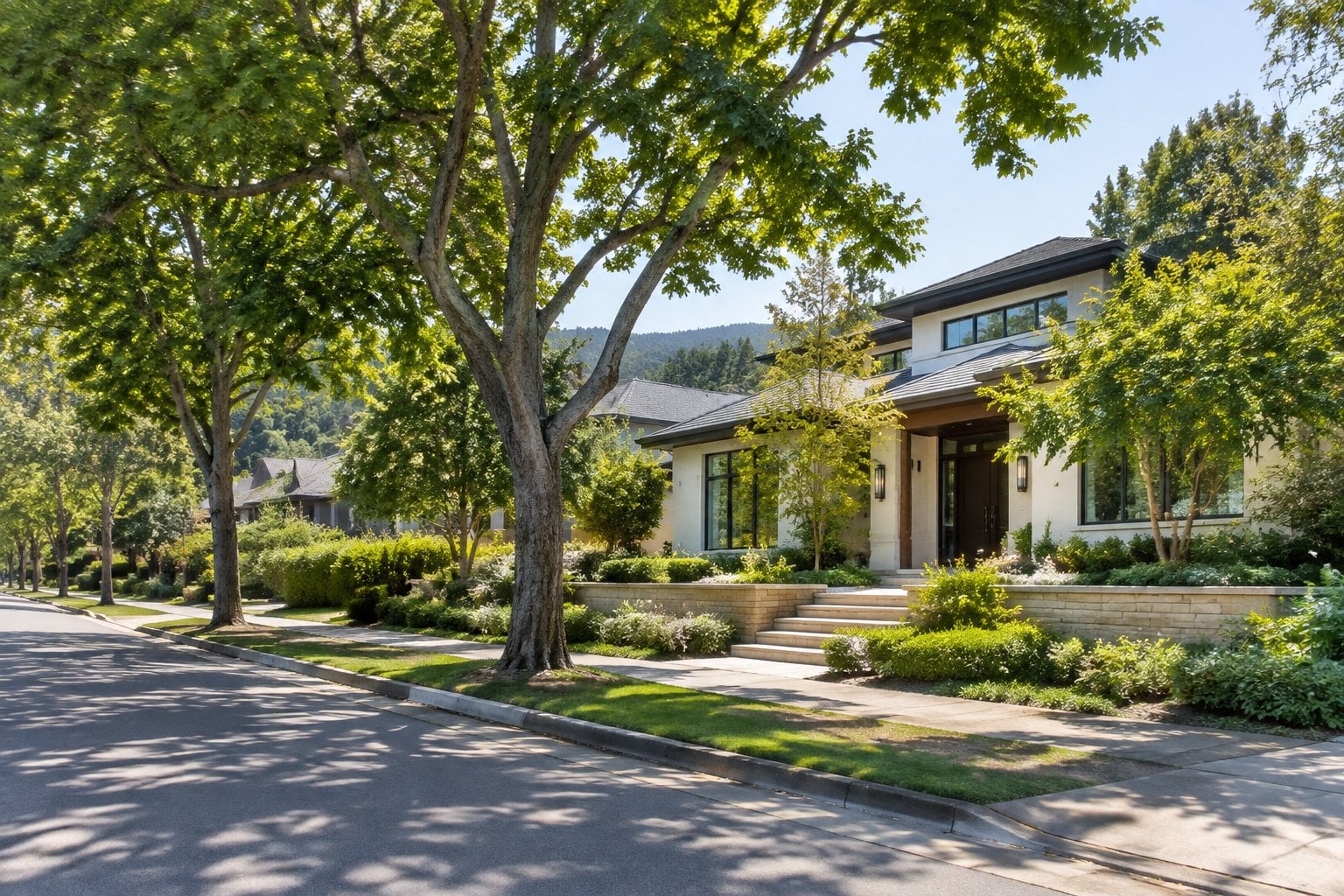
Menlo Park sits on the San Francisco Peninsula, within San Mateo County, bordering Palo Alto and Atherton. You’ll find it closely tied to Silicon Valley, since it hosts major tech company headquarters and draws executives, engineers, and venture capitalists who work nearby.
Median home prices here run around $2 million, placing it firmly among the state’s priciest housing markets. Rent follows suit, with typical monthly costs exceeding $3,000, well above both state and national averages.
Your overall cost of living in Menlo Park ranks far higher than the typical American city, driven mostly by housing but also reflected in groceries, services, and transportation. Household incomes tend to be substantial, which helps offset these expenses for many residents.
Menlo Park is known for its tree-lined neighborhoods, strong public schools, and proximity to Stanford University. Downtown offers a mix of upscale shopping and dining, while nearby open space preserves give you access to hiking and outdoor recreation without leaving the area.
17. Solana Beach, California
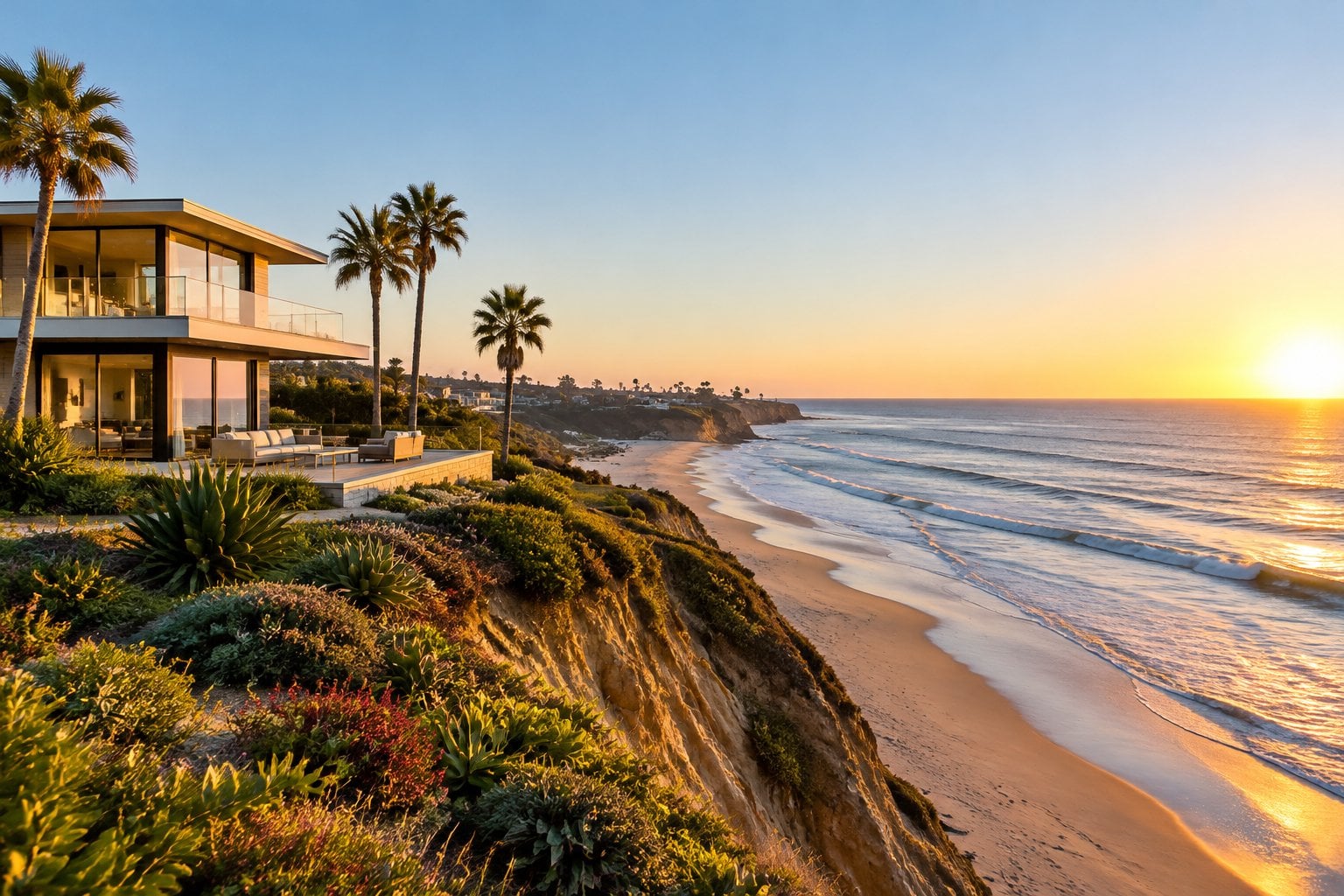
Solana Beach sits along the San Diego County coastline, just north of Del Mar and south of Encinitas. You’ll find a small, tightly packed community defined by its bluffs, beaches, and easy access to the Pacific.
Home prices here run well above both the state and national medians, with many properties priced in the range reserved for coastal estates and single-family homes near the water. Renters face similarly steep costs, with monthly rents often exceeding national averages by a wide margin.
Your overall cost of living in Solana Beach ranks among the highest in the country, driven almost entirely by housing. Everyday expenses like groceries and transportation track closer to typical California levels, but shelter costs set this city apart.
You’ll recognize Solana Beach for Fletcher Cove, its surf culture, and the Cedros Avenue Design District, a stretch known for boutique shopping and dining. The town’s small size and limited housing supply keep demand, and prices, consistently high.
18. Burlingame, California
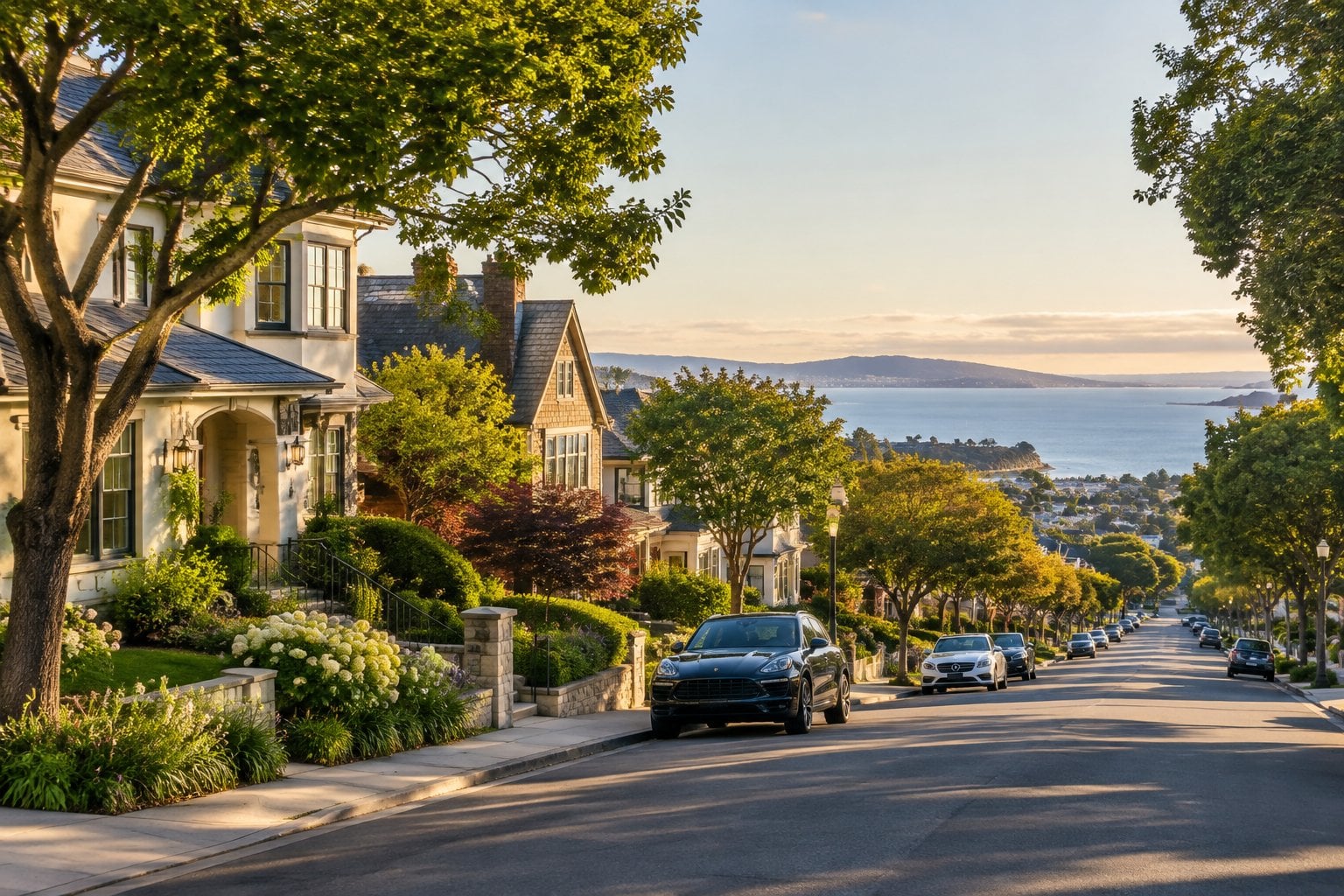
Burlingame sits on the San Francisco Peninsula, just south of San Francisco and bordering San Mateo. You’ll find it known for its tree-lined streets, Burlingame Avenue shopping district, and proximity to San Francisco International Airport.
Housing costs here run well above the national average. If you’re considering a move, expect monthly housing expenses in the thousands for even modest arrangements, with home prices reflecting the broader Peninsula market.
Your overall cost of living extends beyond housing. Groceries, utilities, and transportation also carry a premium compared to national benchmarks, though these categories typically show less dramatic gaps than housing itself.
The city’s appeal centers on its walkable downtown, historic architecture, and access to both tech employment hubs and San Francisco itself. You’ll notice a mix of professionals who commute to Silicon Valley and those who work in the city.
Burlingame’s location between major employment centers makes it a practical choice for dual-income households balancing jobs in different directions, even as that convenience comes at a steep financial cost.
19. Los Gatos, California
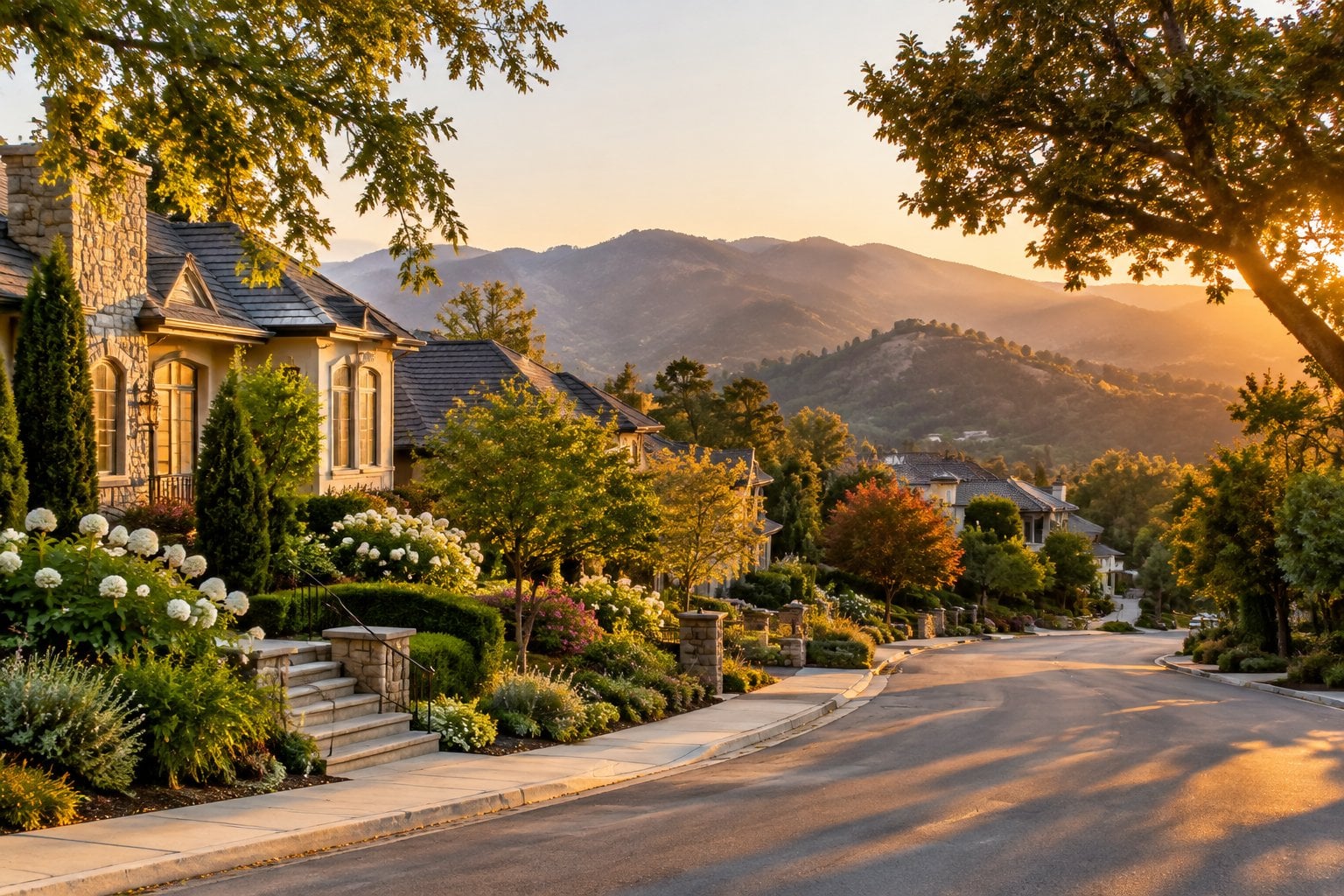
Los Gatos sits in the Santa Clara Valley, near the base of the Santa Cruz Mountains, just southwest of San Jose. You’ll find a town built around a historic downtown with boutique shops, restaurants, and tree-lined streets that give it a distinct small-town character despite its proximity to Silicon Valley’s tech corridor.
Home prices in Los Gatos typically exceed $2 million, placing it among the priciest housing markets in the state. Household incomes here run well above the California average, reflecting the concentration of tech executives and professionals who choose to live in the area.
Your cost of living in Los Gatos extends beyond housing. Everyday expenses, including groceries, services, and dining, run significantly higher than national and state averages.
The town draws residents who want proximity to Silicon Valley employers without sacrificing a quieter, more residential setting. You get access to good schools, low crime rates, and a scenic environment near open space preserves and hiking trails, all of which help justify the premium price tag attached to living there.
20. La Cañada Flintridge, California
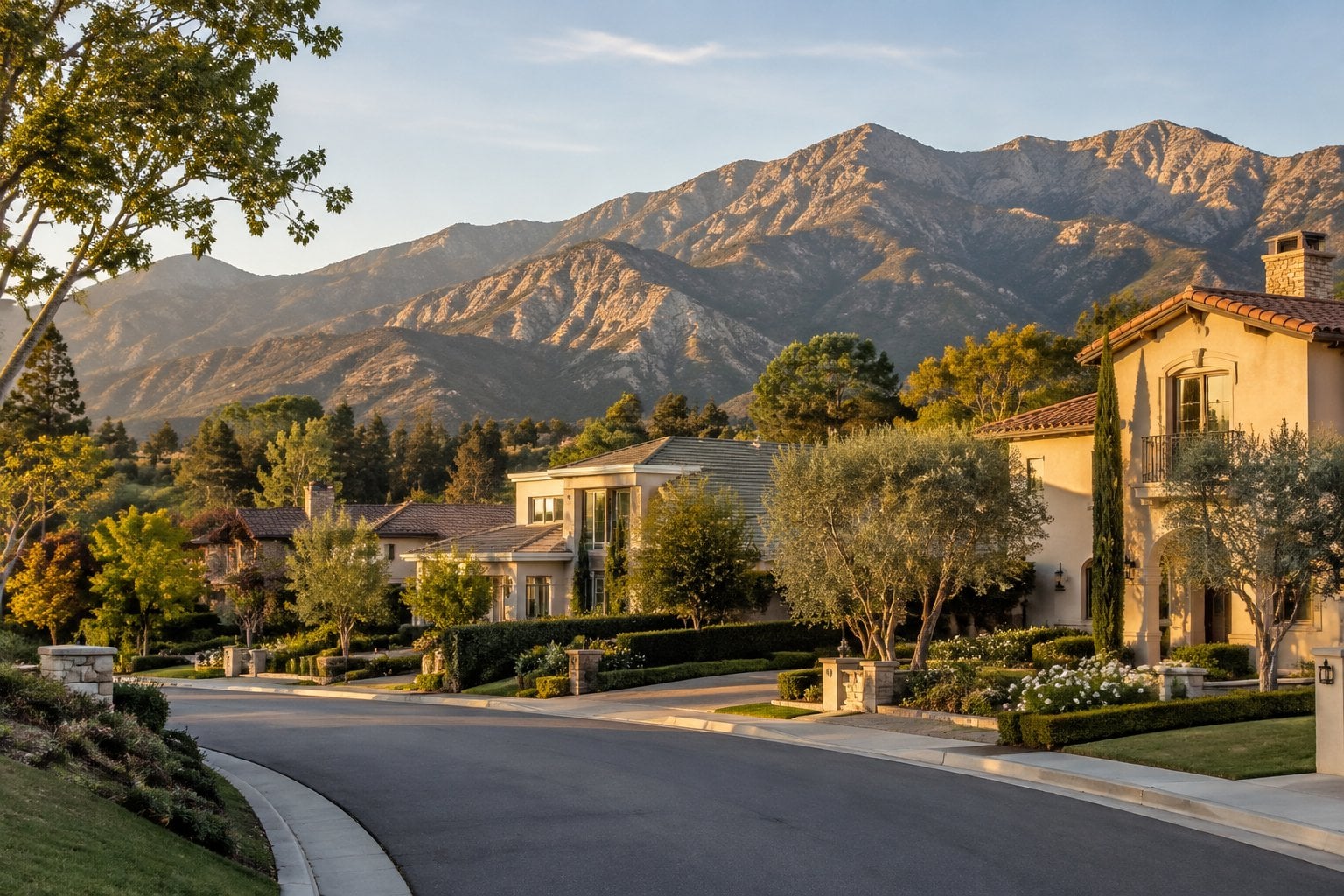
La Cañada Flintridge sits in the foothills of the San Gabriel Mountains, just north of Pasadena in Los Angeles County. You’ll find a quiet, residential community known for excellent schools and easy access to hiking trails along the Angeles National Forest.
Home values here commonly exceed $2 million, placing the city among the priciest in Southern California. Rent also runs well above the national median, reflecting the demand for housing in this area.
Household incomes in La Cañada Flintridge are significantly higher than the national average, which helps offset the steep cost of living. You’ll notice this balance reflected in the community’s upkeep and the quality of local amenities.
The city is known for its low crime rates and strong sense of privacy, drawing residents who want suburban calm without straying far from Los Angeles. Many homes feature larger lots and mountain views, adding to their appeal.
Daily expenses, including groceries and services, also run higher than state averages, so you should plan your budget accordingly if considering a move here.
21. Orinda, California
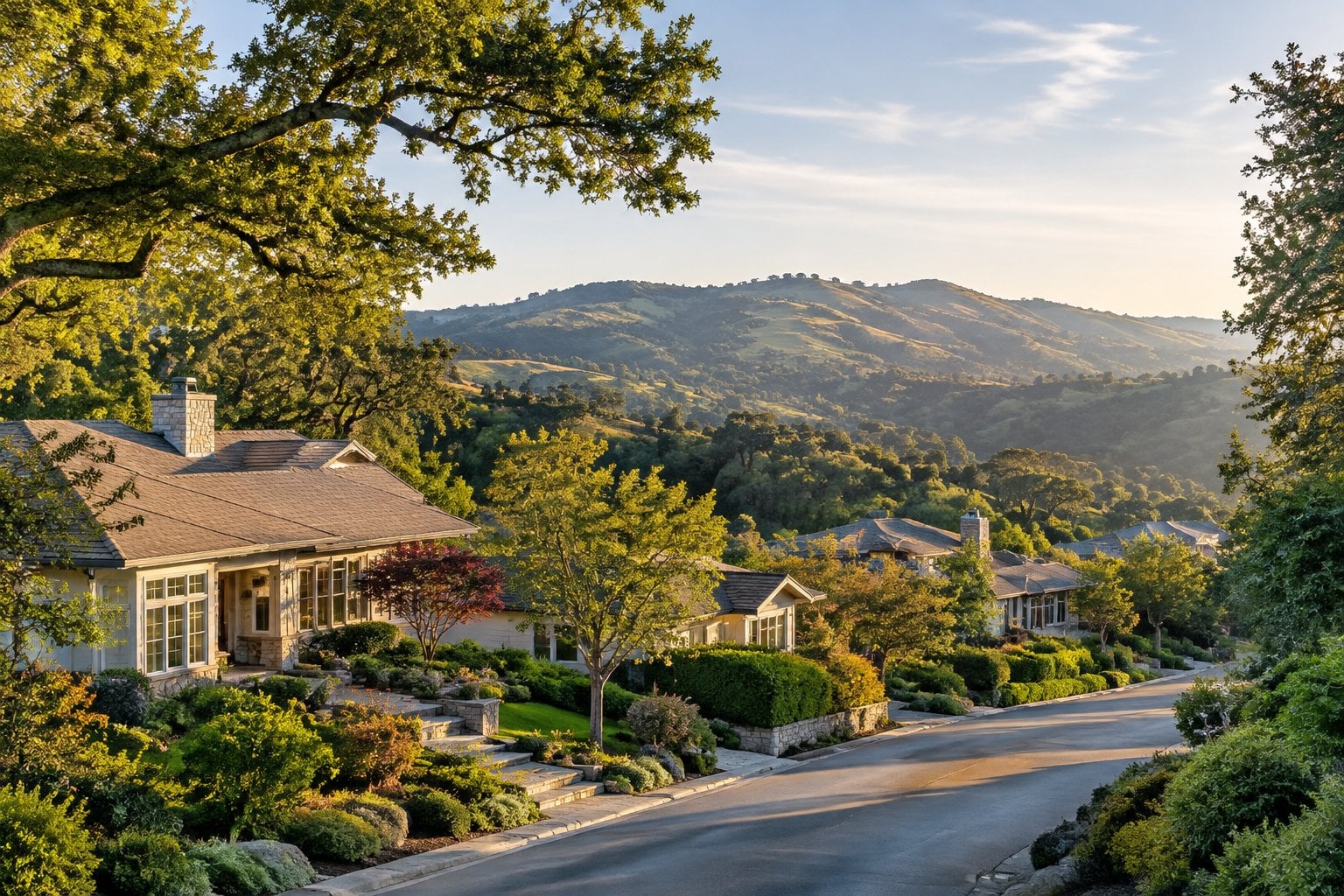
Orinda sits in Contra Costa County, tucked into the hills of the East Bay about 15 miles from San Francisco. You’ll find a quiet, residential community defined by wooded canyons, winding roads, and a strong sense of privacy.
Median home prices in Orinda typically range from $1.5 million to $2 million, reflecting the town’s limited housing supply and large lot sizes. You can expect most properties here to be single-family homes rather than condos or apartments, which keeps the market tight and competitive.
The town is known for its highly rated public schools, a major draw for families willing to pay a premium to live within the district boundaries. You’ll also notice Orinda’s small-town downtown core, anchored by the historic Orinda Theatre, which gives the area a distinct character separate from denser Bay Area suburbs.
Commuters benefit from a BART station that connects Orinda directly to Oakland and San Francisco. Your overall cost of living here extends beyond housing, with property taxes and everyday expenses running well above state and national averages.
22. Mill Valley, California
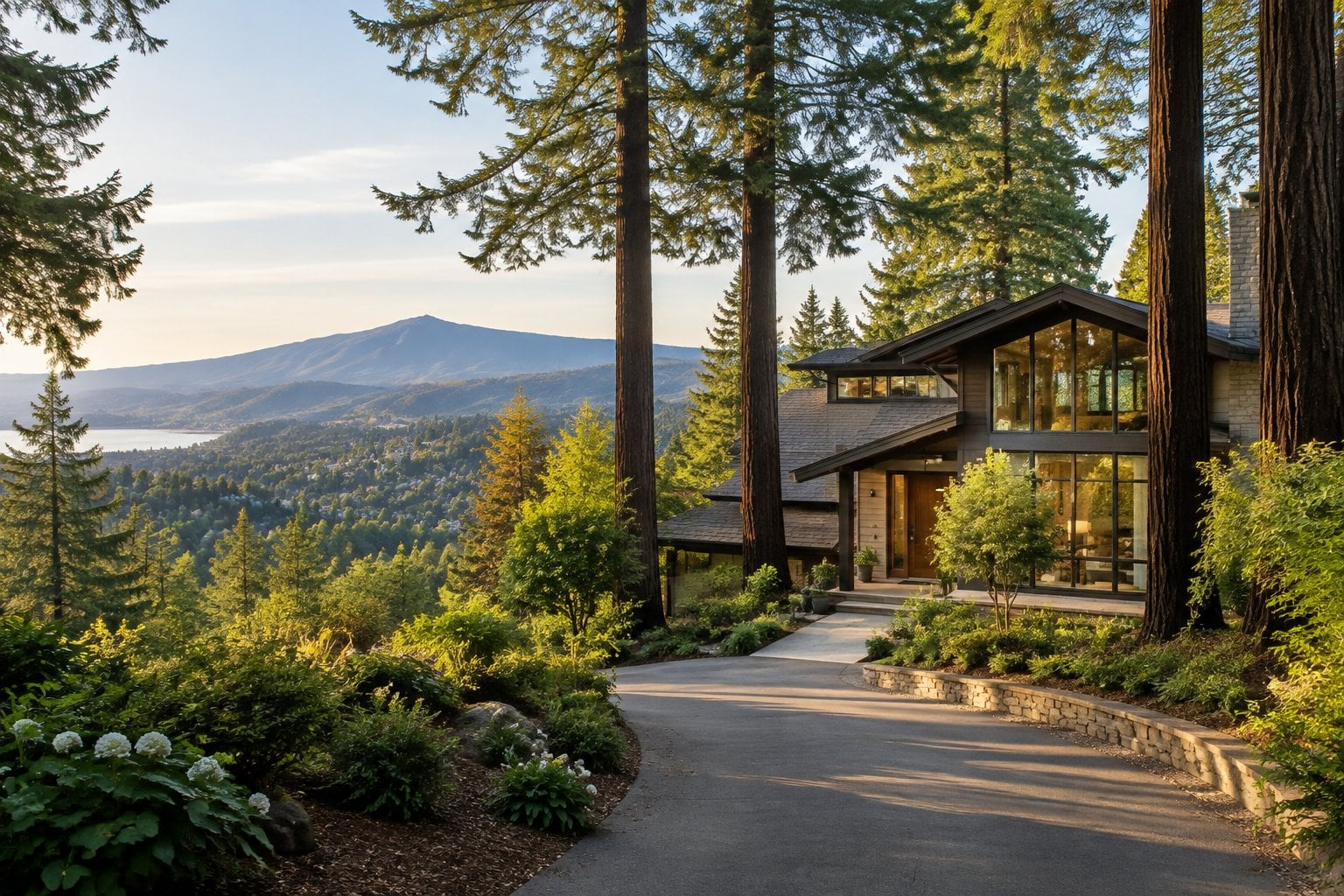
Mill Valley sits in Marin County, tucked against the base of Mount Tamalpais just north of the Golden Gate Bridge. You’ll find a town built around redwood groves, hiking trails, and a downtown that blends small-town charm with upscale retail.
Median home values here typically land in the $1.8 to $2.2 million range, reflecting steady demand from buyers who want proximity to San Francisco without giving up a wooded, residential feel. Many properties feature custom architecture and large lots shaped by the hilly terrain.
Your cost of living extends beyond housing. Groceries, dining, and services carry a premium compared to state averages, driven by Marin County’s broader affluence.
Mill Valley is known for its connection to outdoor recreation, including access to Muir Woods and extensive trail systems. You’ll also notice a strong arts community, with a long-running film festival and a historic downtown core.
The town attracts professionals commuting to San Francisco, along with retirees and families drawn to its quieter pace and natural surroundings.
23. Larkspur, California
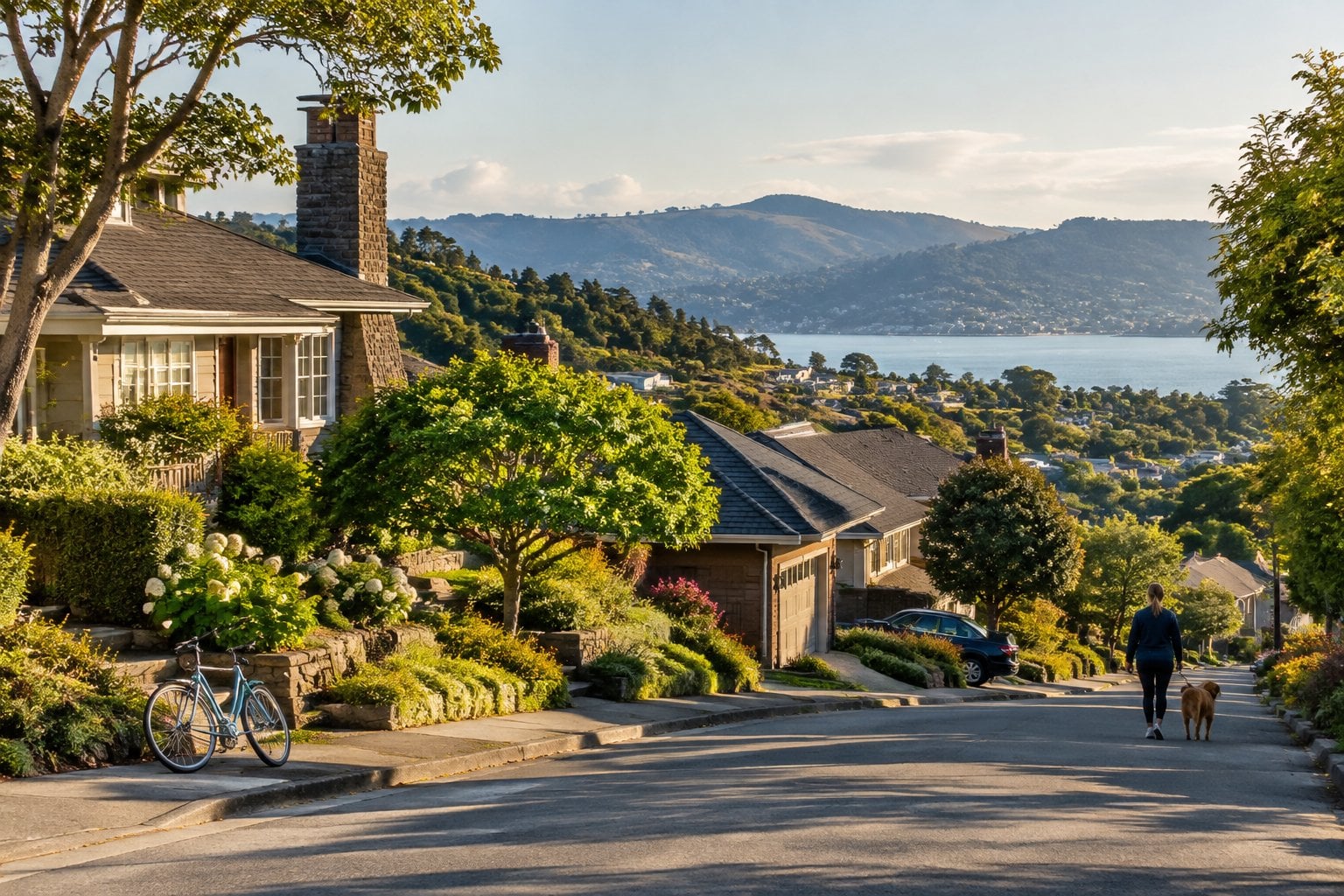
Larkspur sits in Marin County, just north of San Francisco, and you’ll find it tucked against the base of Mount Tamalpais. The town blends small-town charm with easy access to the city, making it attractive to people who want quiet surroundings without sacrificing proximity to urban amenities.
Home prices here run well above the national average, with median values typically landing in the seven-figure range. You’re paying for the location as much as the property itself, since Larkspur offers a short ferry ride into San Francisco and a walkable downtown lined with restaurants and shops.
The town is known for its historic buildings, tree-lined streets, and the nearby Marin Country Mart. You’ll also notice the strong presence of nature, with hiking trails and open space just minutes from residential neighborhoods.
Cost of living in Larkspur extends beyond housing. Groceries, services, and local taxes all reflect the broader expense of living in Marin County, so your monthly budget needs to account for more than just a mortgage payment.
24. Sausalito, California
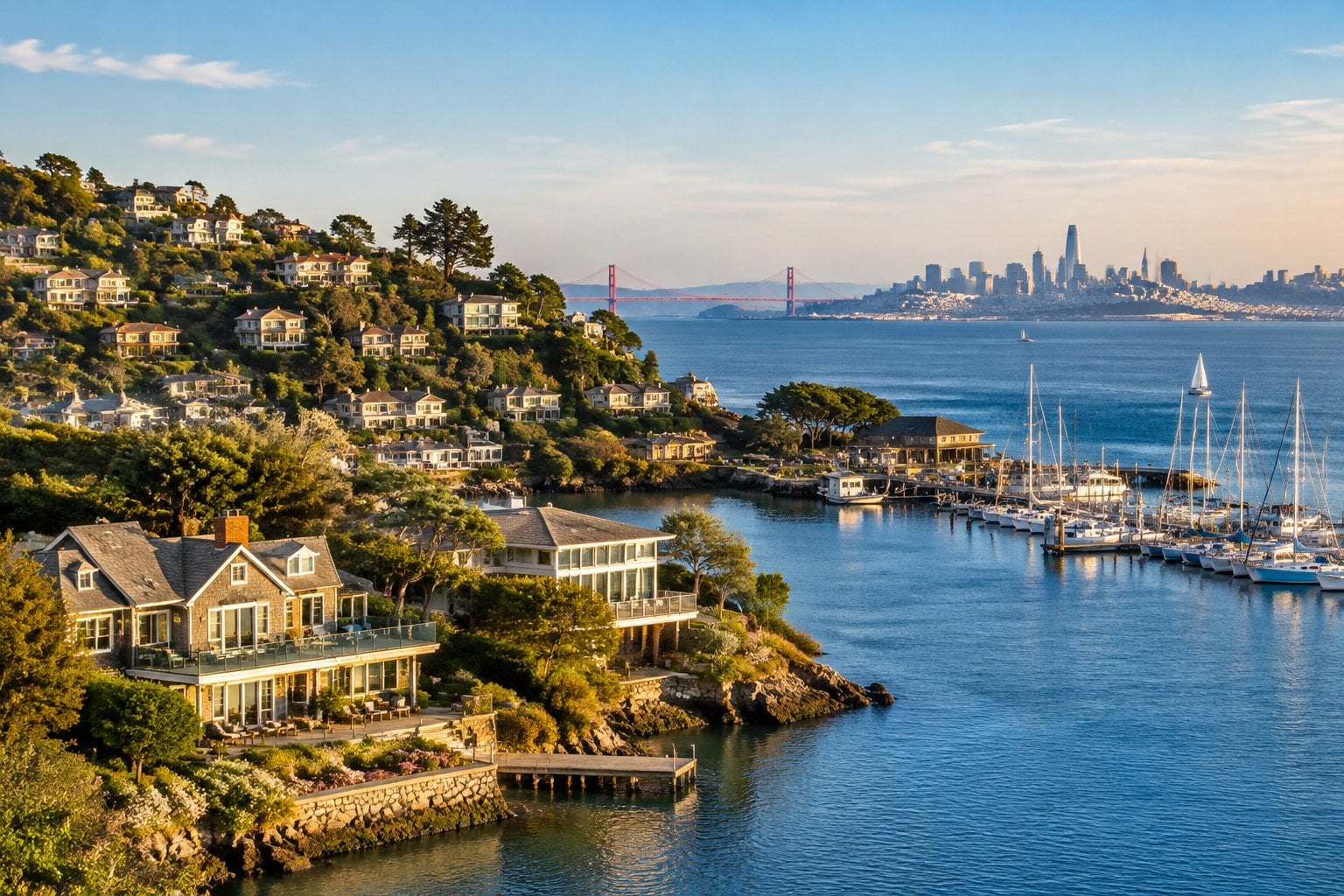
Sausalito sits across the Golden Gate Bridge from San Francisco, tucked along the Marin County waterfront. You’ll recognize it for its houseboat communities, hillside homes, and views of the bay and city skyline.
Home prices here run well above the national average, with many properties priced in the millions depending on location and water access. Your overall cost of living will also exceed California’s already high state average, driven largely by housing.
The town draws comparisons to a small Mediterranean village, with narrow streets, galleries, and waterfront dining. You’re also close to the Marin Headlands and hiking trails, which adds to the appeal for buyers seeking both scenery and proximity to urban centers.
Daily expenses, including groceries and services, tend to run higher than typical California averages. If you’re considering Sausalito, you’re paying for a combination of location, views, and a tight-knit coastal community rather than square footage alone.
25. Mountain View, California
Mountain View sits in the heart of Silicon Valley, and you’ll recognize it as the home of Google’s sprawling headquarters. This proximity to major tech employers drives much of the demand for housing here.
Median home prices in Mountain View typically range from $1.8 million to $2.2 million, putting it firmly among the pricier Bay Area cities. Rental rates follow suit, with one-bedroom apartments often commanding $2,800 or more per month.
Your daily expenses extend well beyond housing. Groceries, utilities, and general services all carry a premium compared to national averages, reflecting the broader cost structure of the region.
Despite the steep prices, you’ll find Mountain View offers a walkable downtown with numerous restaurants and shops along Castro Street. The city also maintains several parks and green spaces, including Shoreline Park near the bay.
Public schools in the area rank well, which adds another layer of appeal for families willing to pay the premium. Caltrain access makes commuting to San Francisco feasible without owning a car.
26. Sunnyvale, California
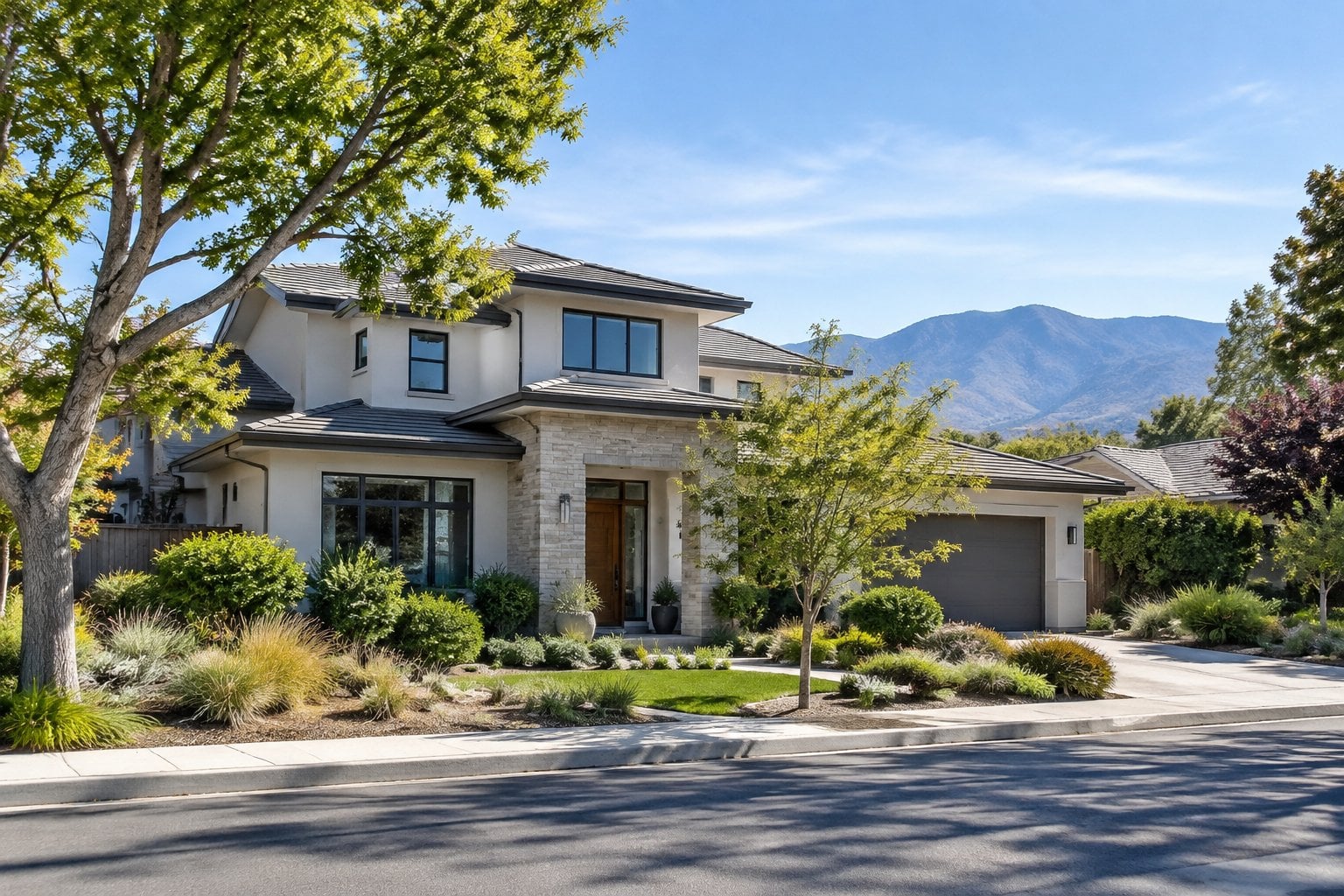
You’ll find Sunnyvale tucked into the heart of Silicon Valley, a city that has grown into one of the region’s steadiest magnets for tech wealth. Its location puts you close to major employers like Google and Apple, which has pushed demand for housing well above state averages.
Median home prices in Sunnyvale typically range in the high $1 million to low $2 million range, depending on the neighborhood and property size. You’ll notice that even modest single-family homes command premium prices here, a reflection of limited inventory and consistent buyer demand.
Daily costs in Sunnyvale extend beyond housing. You can expect higher-than-average prices for groceries, services, and transportation, consistent with much of the South Bay.
Despite these costs, you’ll find a well-regarded school system and a community built around innovation and engineering careers. Many residents work in tech, giving the city a professional, fast-paced character.
Its central Silicon Valley location means you’re within easy reach of San Jose, Mountain View, and Palo Alto, making Sunnyvale a practical choice if proximity to major tech hubs matters to you.
27. Danville, California
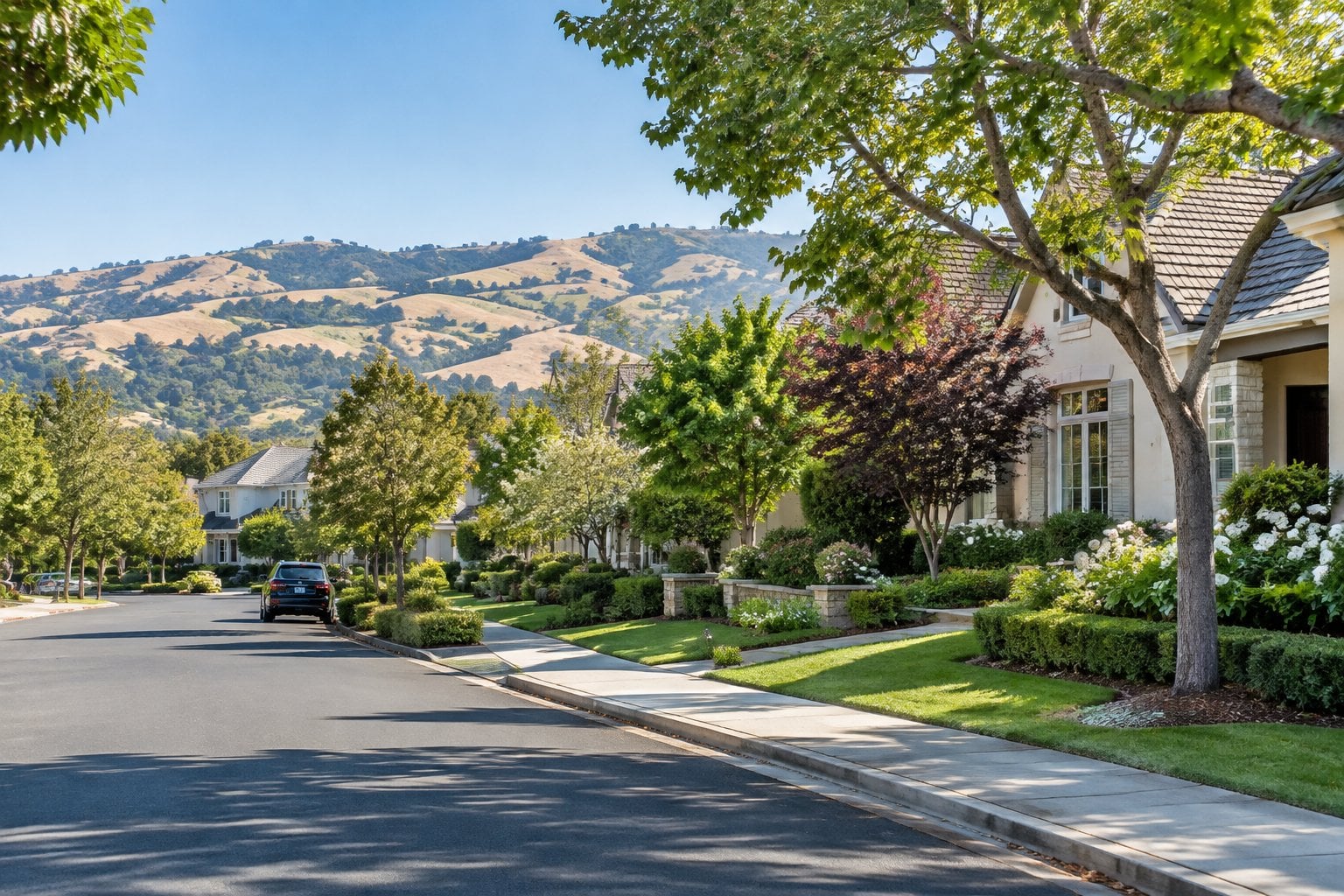
Danville sits in the San Ramon Valley in Contra Costa County, part of the greater San Francisco Bay Area. You’ll find a suburban community known for its small-town charm, rolling hillsides, and historic downtown core lined with shops and restaurants.
Median home values in Danville typically range from the $1.5 million to $2 million mark, reflecting strong demand in this part of the East Bay. You’re looking at a market shaped by quality schools, low crime rates, and easy access to both open space and commuter routes into San Francisco and Oakland.
Cost of living here runs well above state and national averages, driven largely by housing costs. Everyday expenses like groceries, utilities, and services also trend higher than typical California benchmarks.
Danville’s draw includes its proximity to Mount Diablo State Park, giving you hiking and outdoor recreation right at your doorstep. The town is also home to the Eugene O’Neill National Historic Site, adding cultural and historical interest to its residential appeal.
28. Moraga, California
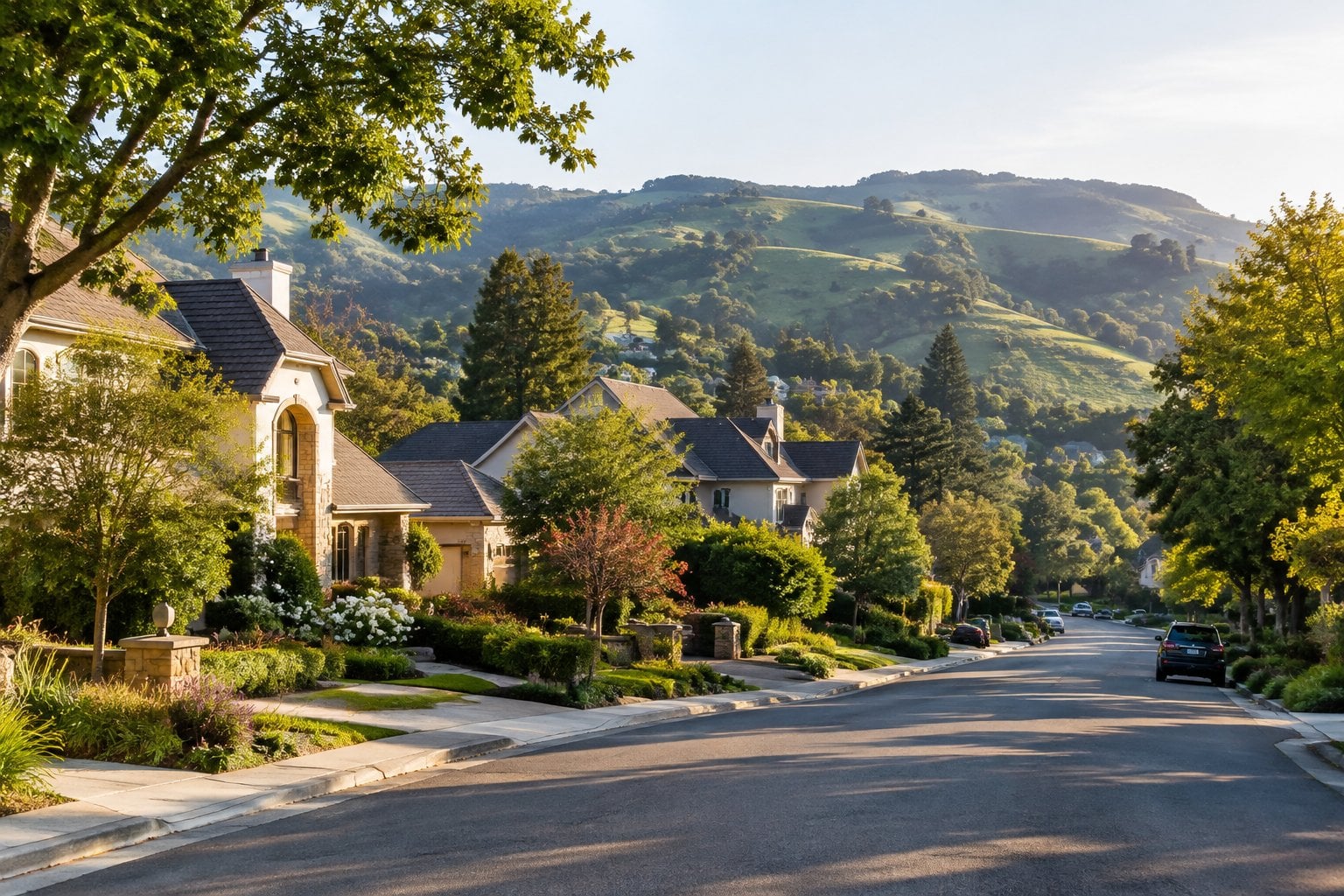
Moraga sits in the East Bay, part of the Lamorinda area that also includes Lafayette and Orinda. You’ll find a quiet, suburban setting here, surrounded by rolling hills and oak woodlands that give the town a distinctly rural character despite its proximity to San Francisco and Oakland.
Home prices in Moraga run high, with median values typically well above the state average. You’re paying for access to top-rated public schools, low crime rates, and a close-knit community atmosphere that draws families from across the Bay Area.
Saint Mary’s College of California calls Moraga home, adding a modest college-town feel to the otherwise residential community. You’ll notice the town center offers limited commercial development, keeping much of the focus on single-family homes and open space.
Daily expenses reflect the broader high cost of Bay Area living, from groceries to services. Your overall cost of living here stays elevated, driven largely by housing rather than everyday goods.
29. Calabasas, California
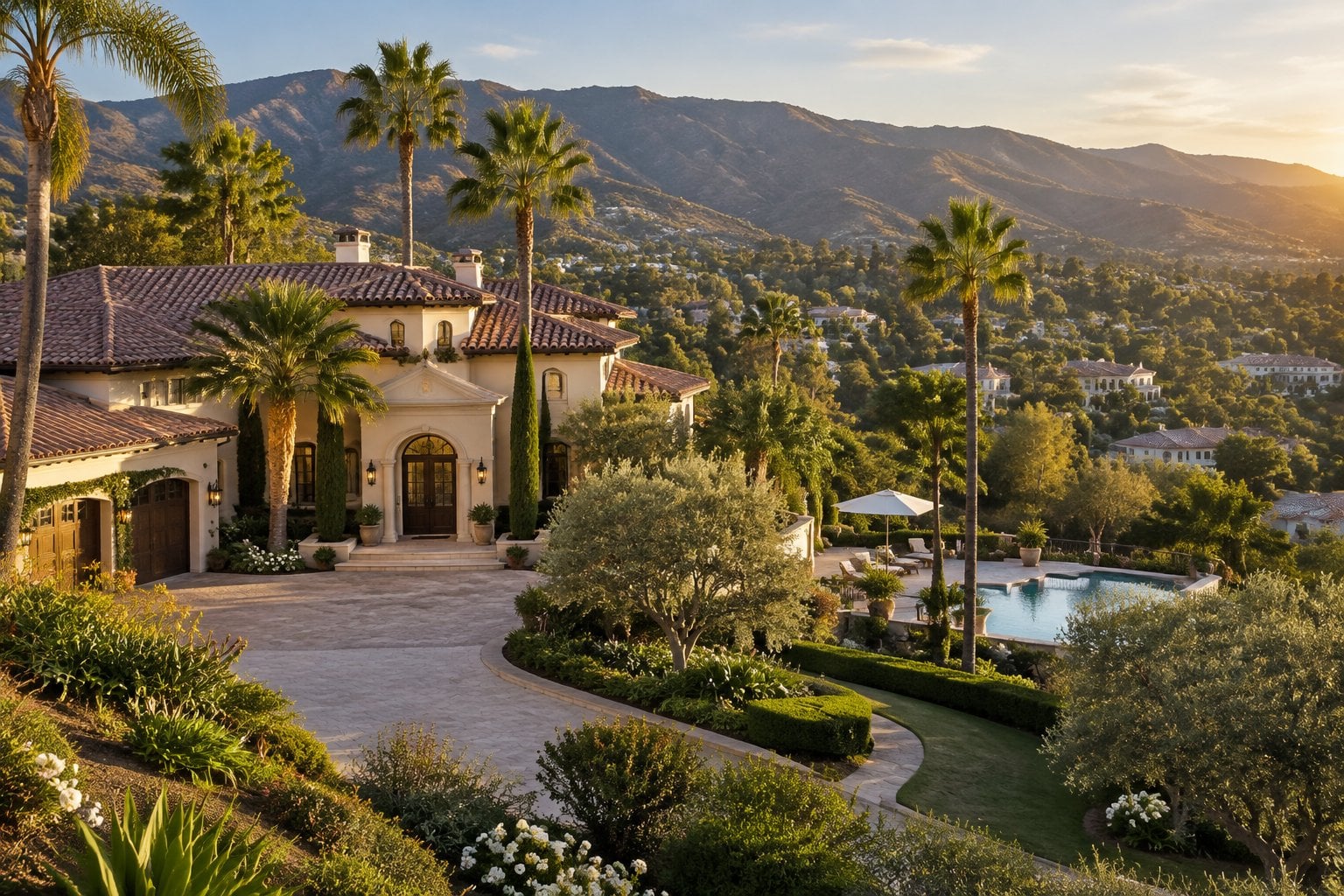
Calabasas sits in the western San Fernando Valley area of Los Angeles County, bordered by the Santa Monica Mountains. You’ll find a mix of gated communities and open canyon views here, giving the town its reputation for privacy and natural scenery.
Housing costs in Calabasas run well above the national average. Typical home values sit well above $1.5 million, and rents run far above the national average as well.
The town is known for its celebrity residents and upscale shopping, particularly around the Commons at Calabasas. Many homes feature large lots, mountain views, or proximity to golf courses and equestrian trails.
Schools in Calabasas rank among the strongest in the region, which adds to the demand for housing. This demand keeps home values elevated compared to many other Los Angeles County communities.
Your overall cost of living here extends beyond housing. Groceries, services, and transportation also carry a premium, reflecting the affluent character of the surrounding area.
30. Santa Monica, California
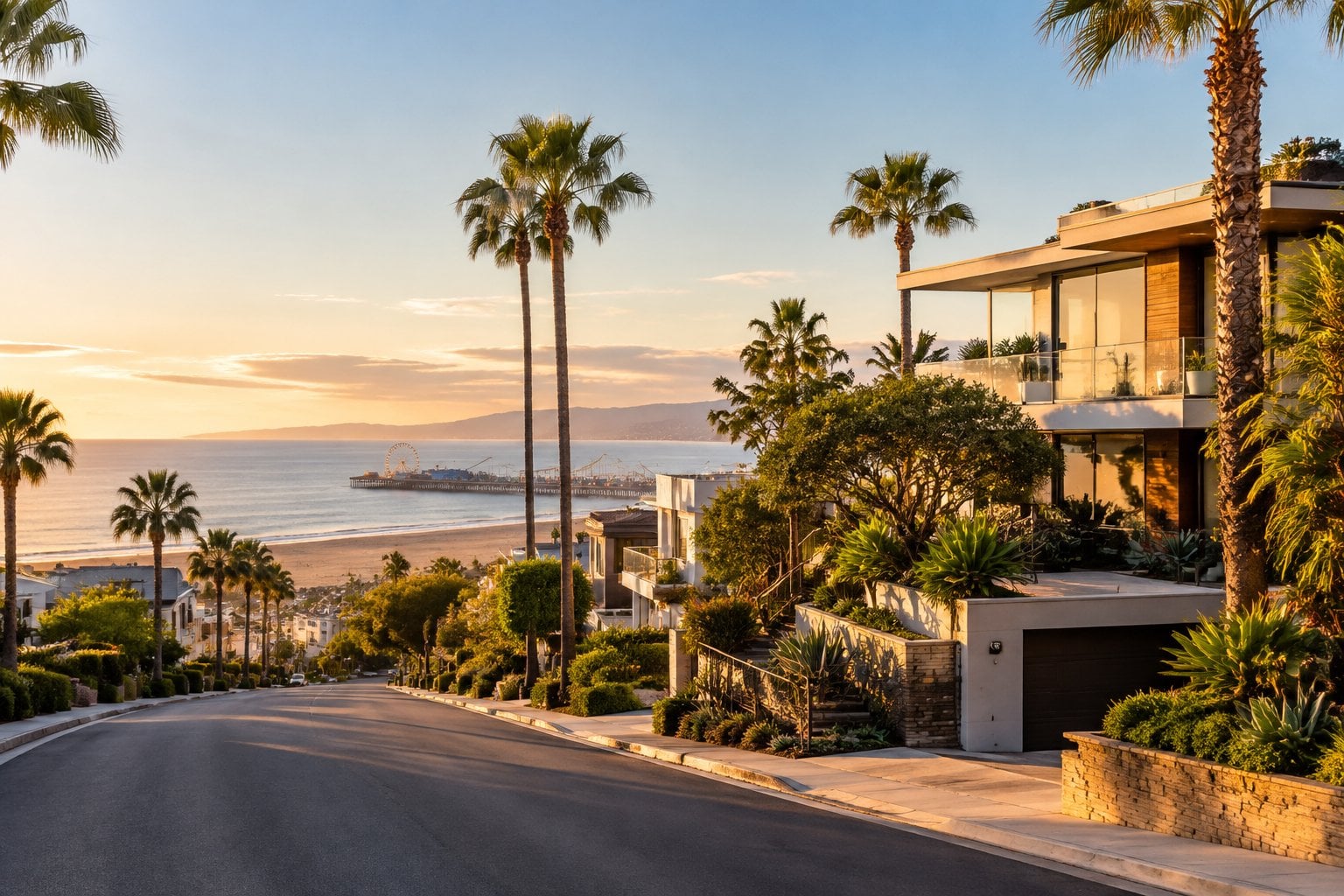
You’ll find Santa Monica sitting on the coast in western Los Angeles County, tucked between the Santa Monica Mountains and the Pacific Ocean. This location gives you easy access to beaches, the Santa Monica Pier, and a mild year-round climate that draws residents and visitors alike.
Home prices here run well above the state average, with the local real estate market shaped by limited land and high demand for coastal property. You can expect housing costs to make up the largest share of your monthly expenses if you choose to live here.
The overall cost of living reflects this housing pressure, with everyday expenses like groceries, utilities, and transportation also priced higher than typical California averages. Your dollar simply doesn’t stretch as far in Santa Monica as it does in most other parts of the state.
You’re drawn to Santa Monica for its walkable downtown, strong dining and retail scene, and relaxed beach town atmosphere. It offers a distinct lifestyle that balances urban amenities with a slower coastal pace.
What Drives California’s Highest Living Costs
Several factors combine to push certain California cities to the top of the price scale, from limited land to local tax structures. Understanding these forces helps you see why some areas cost significantly more than others, even within the same region.
Housing Supply, Location, and Buyer Demand
Your biggest cost driver in these cities is a mismatch between housing supply and buyer demand. Places like Atherton and Cupertino have little available land for new construction, so existing homes carry a premium.
Proximity to job centers matters too. Cities near Silicon Valley or coastal employment hubs attract high-income buyers competing for a small number of listings.
This competition pushes median home values far above the state average. When you look at top-tier cities, you’re often seeing values several times higher than typical California homes, driven by scarcity rather than size or amenities alone.
Property Taxes, Insurance, and Everyday Expenses
Once you own property in these areas, ongoing costs add up quickly. Property taxes scale with assessed home value, so a multimillion-dollar property generates a correspondingly high annual tax bill.
Insurance costs have also risen in many parts of California, particularly in areas with wildfire exposure or coastal risk. Your premiums may reflect both property value and regional risk factors.
Everyday expenses follow the same pattern. Groceries, utilities, and services tend to cost more in affluent cities because local businesses price goods according to what residents can pay, creating a cost environment that extends well beyond your mortgage or rent payment.
How to Assess Affordability Before Moving
Affordability in California depends on more than a single price tag. You need to compare your income against total household expenses, decide whether renting or buying fits your financial situation, and account for how commute time and lifestyle choices affect your budget.
Comparing Income With Total Household Costs
Start by calculating your after-tax income and comparing it to the full range of monthly expenses you’ll face, not just rent or mortgage payments.
California’s cost of living index runs well above the national average, and that gap widens in coastal cities. You should factor in housing, utilities, groceries, childcare, insurance, and state income tax, which ranges from 1% to 13.3% depending on your earnings.
A common guideline is the 30% rule, where housing costs shouldn’t exceed 30% of your gross income. In many California cities, that threshold is difficult to meet without a six-figure salary.
Review local wage data for your profession before committing to a move. Some cities offer higher pay to offset costs, but others do not.
Weighing Renting Against Buying
Renting and buying carry different financial trade-offs, and your decision should reflect how long you plan to stay in an area.
Renting offers flexibility and avoids large upfront costs like down payments, closing fees, and property taxes. It also shields you from market fluctuations, though rent increases can still erode your budget over time.
Buying builds equity and can stabilize your housing costs through a fixed-rate mortgage. In expensive markets, though, the upfront investment is substantial, often requiring a down payment of $100,000 or more.
Use a simple price-to-rent ratio to guide your decision. Divide the median home price by the annual rent for a similar property.
A ratio above 20 generally favors renting, while a ratio below 15 may favor buying, assuming you can afford the initial costs.
Balancing Commute Costs and Lifestyle Priorities
Your commute affects both your budget and your daily quality of life, so weigh it carefully against where you choose to live.
Gas prices in California are consistently among the highest in the country, and long commutes add wear and tear to your vehicle. If you work in a major metro area, living farther away may lower your housing costs but increase your transportation expenses and time spent traveling.
Public transit availability varies widely by city. Some areas offer efficient rail or bus systems, while others require a car for nearly every errand.
Think about your priorities beyond cost. Proximity to work, schools, healthcare, and recreational activities can affect your long-term satisfaction, even if it means paying more to live closer to those amenities.