The 30 Most Expensive Places to Live in North Carolina: Ranked by Cost
North Carolina offers a wide range of housing markets, from modest small towns to communities where home values climb well beyond the state average. If you are curious about where the state’s wealthiest residents live, a look at median home prices, income levels, and local amenities can reveal clear patterns.
Factors like school quality, proximity to major cities, and access to cultural or recreational attractions often drive up property values in certain areas. Reviewing the most expensive places to live in North Carolina gives you a clearer picture of how location, income, and housing costs intersect across the state.
This context can help you understand what sets these communities apart from the rest.
1. Marvin
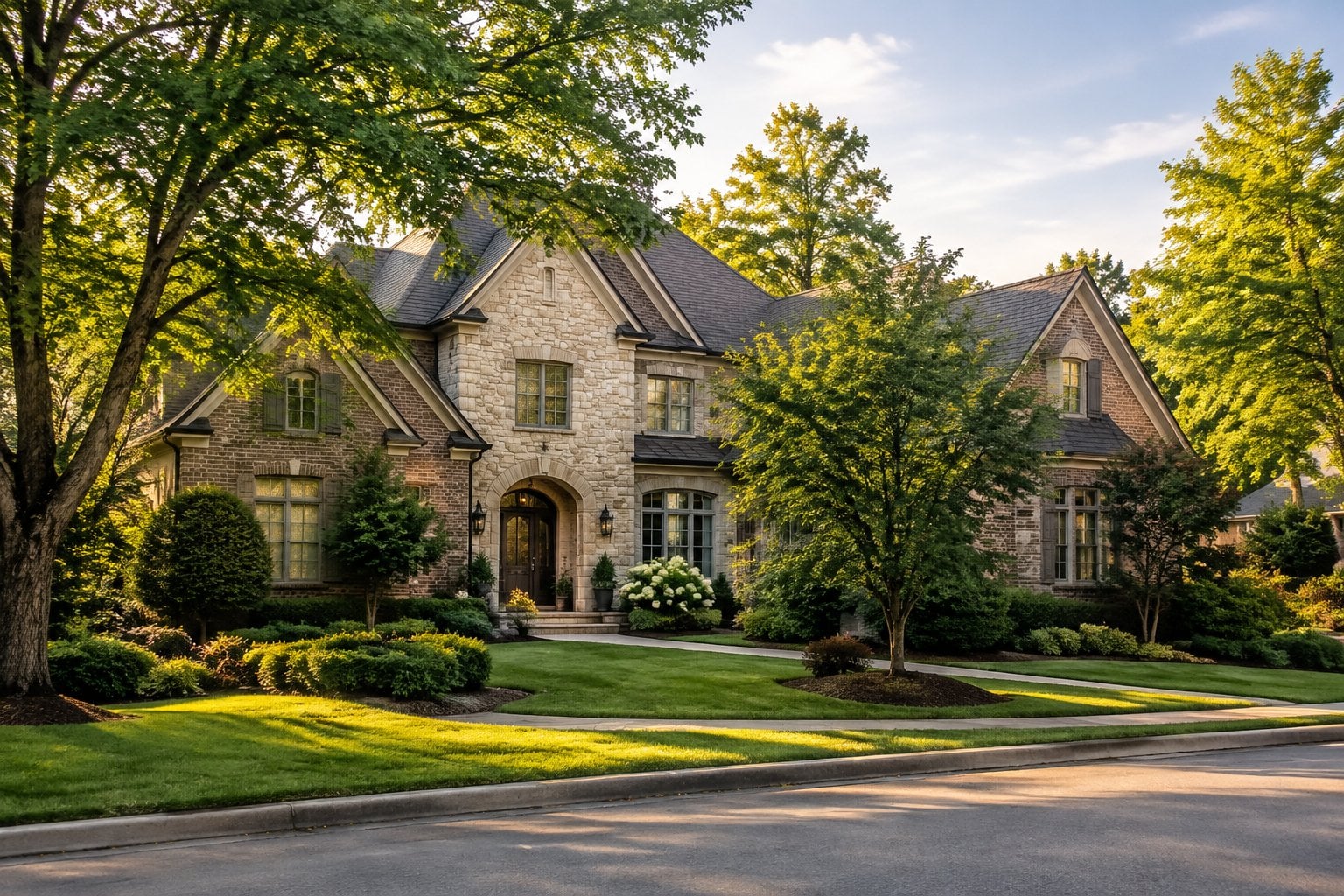
Marvin tops the list as the most expensive place to live in North Carolina for 2026. This village sits in northern Union County, roughly 20 miles southeast of Charlotte, within the 28173 zip code.
The median home value here reaches $1,251,047. That figure puts Marvin well above the state’s median of $336,408, and it also leads the top-10 group of North Carolina’s priciest communities.
Household incomes in Marvin average around $260,000 annually. This level of income supports the demand for larger lots and custom-built homes that define much of the village’s housing stock.
If you’re considering this area, you’ll find that school quality plays a significant role in property values. Marvin Ridge High School serves many families here, and its reputation contributes to the sustained interest in local real estate.
The village covers about 4 square miles, so you’re looking at a compact but tightly held market. Limited housing inventory, combined with steady demand from buyers seeking proximity to Charlotte without big-city density, keeps prices elevated.
Low crime rates and a quieter, more rural setting also factor into why Marvin commands the highest median home value in the state.
2. Weddington
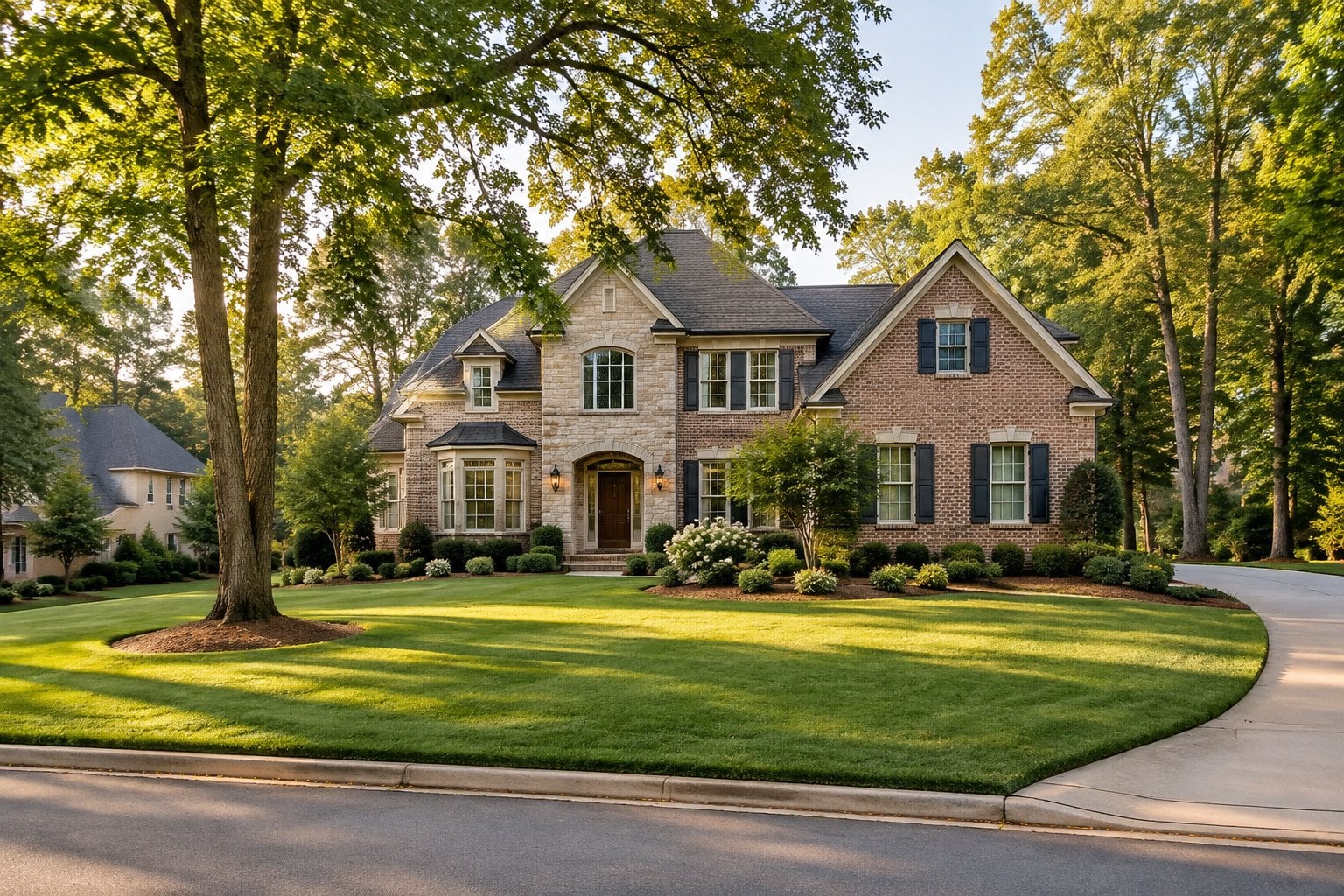
Weddington sits in Union County, just southeast of Charlotte, and it consistently ranks as one of the priciest places to live in North Carolina. Median home values here exceed $800,000, putting it well above most other cities in the state.
You’ll find large residential lots and spacious estates throughout the town. This low-density layout reflects Weddington’s zoning priorities, which favor single-family homes over denser development.
Property taxes come in at a rate of roughly $0.47 per $100 of assessed value. When combined with high home values, your overall tax burden can still be substantial even at a modest rate.
Weddington’s cost of living index reaches around 190, nearly double the national average. Housing costs drive most of this gap, though everyday expenses like groceries and utilities also trend higher than typical North Carolina towns.
Schools in the area are a major draw for families willing to pay a premium. Union County Public Schools serves Weddington, and the district’s reputation plays into the town’s overall appeal and property values.
If you’re considering a move here, expect commute times to Charlotte to factor into your daily routine, since many residents work in the city.
3. Davidson
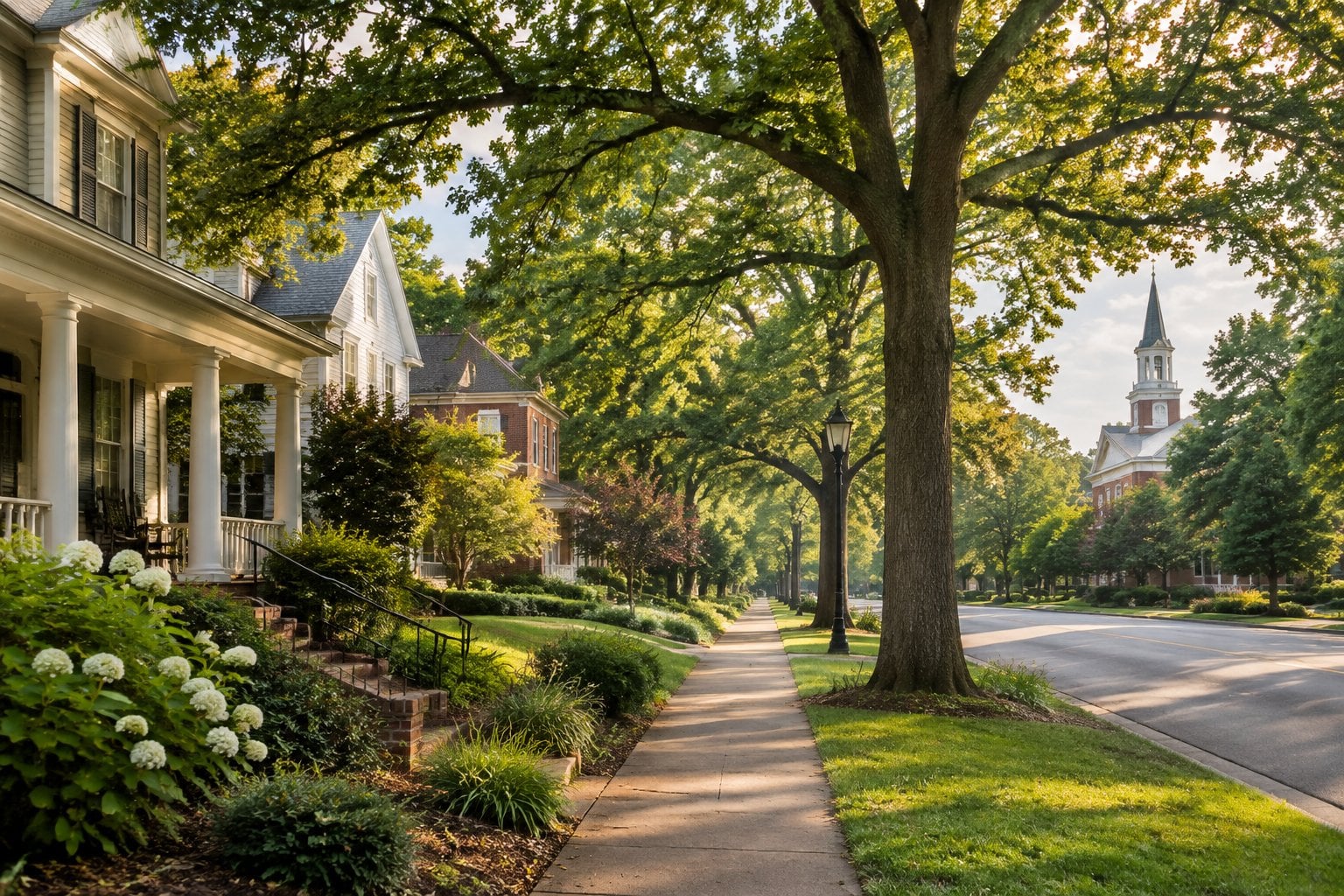
Davidson sits in Mecklenburg County, just north of Charlotte, and it’s home to one of North Carolina’s most selective liberal arts colleges. You’ll recognize the town by its tree-lined streets and walkable downtown, built around that academic presence.
Home values here run well above the state median, reflecting both the college town appeal and proximity to Charlotte’s job market. You’re paying for access to a small-town atmosphere without sacrificing a short commute to a major metro area.
The housing stock mixes historic homes near campus with newer developments on the outskirts. If you’re looking at property here, expect competition, since demand from families and retirees alike keeps inventory tight.
Beyond real estate costs, you’ll find your daily expenses shaped by the town’s upscale retail and dining options. Davidson’s commercial district caters to a population with higher-than-average disposable income, which shows up in pricing at local shops and restaurants.
Schools in the area consistently rank among the state’s best, a factor that continues to drive buyer interest and sustain elevated property values year after year.
4. Cornelius
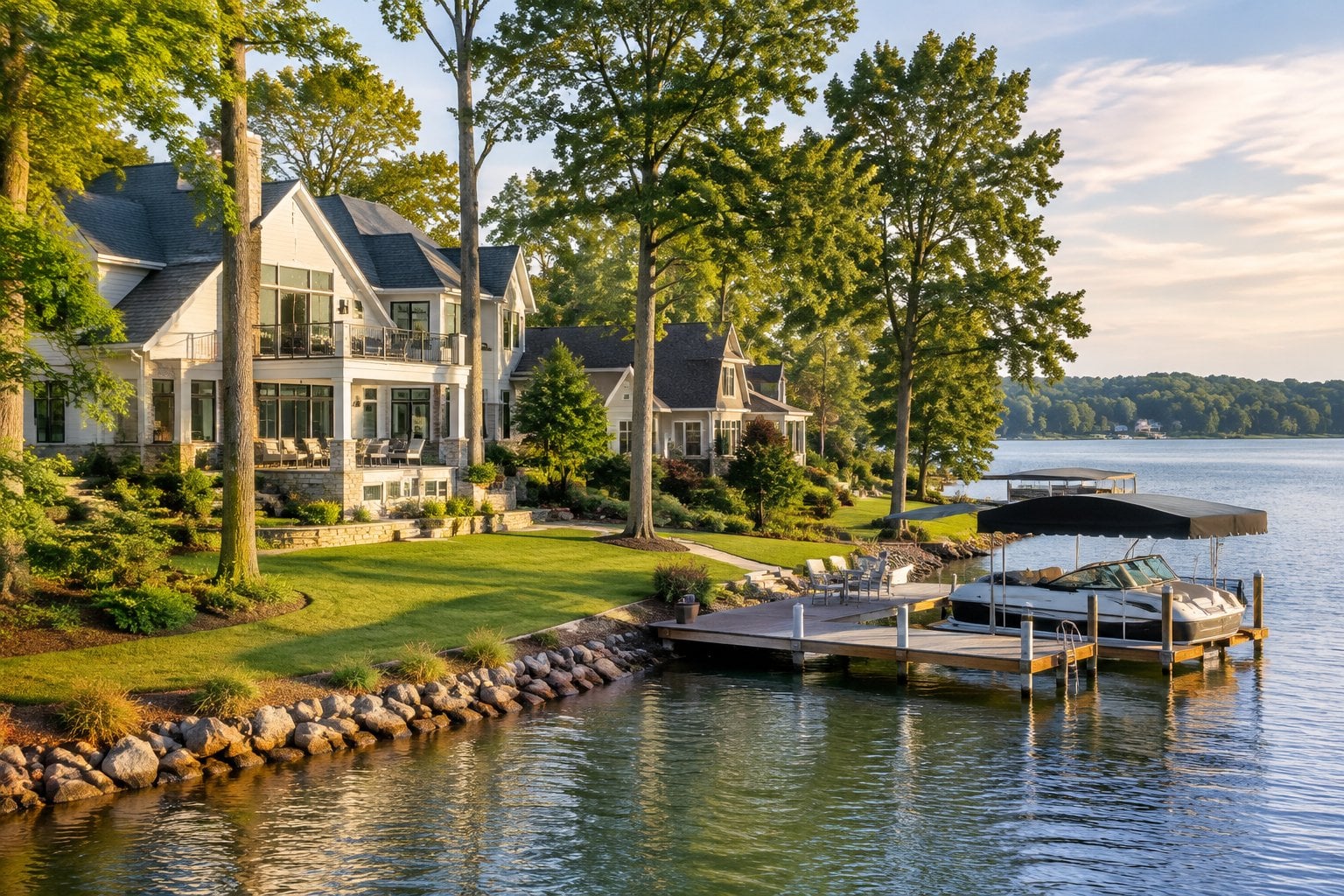
You’ll find Cornelius sitting on the shores of Lake Norman, about 20 miles north of Charlotte. This town has built its reputation on waterfront living, and the real estate market reflects that demand.
Home values here average around $522,000, placing Cornelius among the priciest zip codes in the state. You’ll notice the market has stayed relatively stable, with modest growth over the past year rather than sharp spikes.
Lake access drives much of the premium. Properties with direct boat access or expansive water views command significantly higher prices than homes further from the shoreline. You can expect the most exclusive listings in Cornelius to reach into the millions, with some high-end properties exceeding $12 million.
Your neighbors here tend to work in technical fields. Cornelius ranks unusually high for residents employed in computer and math-related professions compared to other North Carolina communities.
Beyond housing costs, you’ll pay somewhat more for daily living expenses than the national average, though housing itself runs slightly below what you might expect given the town’s reputation. Proximity to Charlotte gives you access to a major metro area while maintaining a quieter, lake-centered lifestyle.
5. Waxhaw
Waxhaw sits in southern Union County, roughly 30 minutes from Uptown Charlotte. You’ll find a cost of living index around 129, which means daily expenses run about 29% above the national average and 45% above the North Carolina state average.
Housing drives most of that gap. Home values here rank among the highest in the state, and the town has grown quickly in recent years as more people relocate from Charlotte’s urban core.
If you’re supporting a family, budget carefully. Estimates put monthly family expenses between $8,340 and $9,450, which translates to roughly $100,000 to $113,000 annually depending on where you land within the town’s zip codes.
You’ll also notice a distinct professional makeup among your neighbors. Waxhaw has a notably high concentration of residents working in computer science and mathematics fields compared to most US towns.
Despite the costs, you’re getting access to strong schools and a town that blends small-community character with proximity to a major metro area. Roughly 21,500 residents call Waxhaw home, making it a mid-sized option among North Carolina’s priciest communities.
6. Cary
You’ll find Cary near the top of North Carolina’s priciest towns, and the numbers back it up. This Raleigh-area suburb regularly ranks among the most expensive housing markets in the country, not just the state.
If you work in tech, you’ll fit right in. Cary has a higher concentration of residents in computer and math professions than 95% of US communities.
Your housing options here range from established communities to newer developments, with neighborhoods like Preston, MacGregor Downs, and Lochmere drawing buyers who want space and amenities. You’ll pay a premium for these addresses, but you’re also buying into strong schools and low crime rates.
Cary’s location works in your favor if you need access to the Research Triangle. You’re close enough to Raleigh and Durham for work, but far enough to enjoy a quieter, more suburban pace.
Your dollar goes toward more than square footage here. Parks, golf courses, and shopping centers are woven into most neighborhoods, so you won’t have to drive far for daily needs.
If you’re relocating for a tech job, you’ll likely see Cary mentioned as a top destination among coworkers and recruiters alike.
7. Chapel Hill
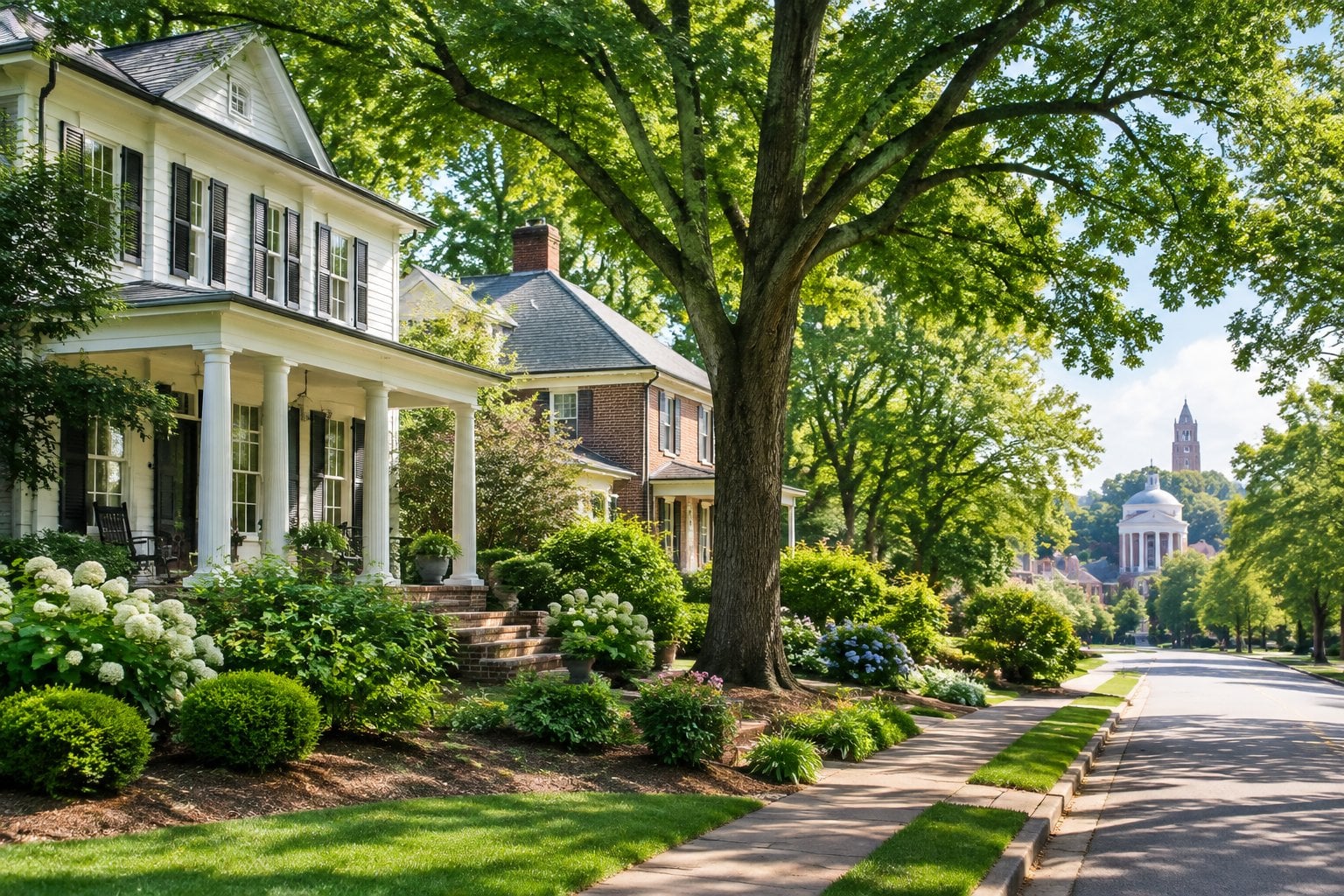
Chapel Hill is home to the University of North Carolina at Chapel Hill, and that institution shapes much of the local economy and housing market. You’ll find a population of roughly 64,000 residents spread across more than two dozen neighborhoods.
Median home values here rank among the highest in the state. The university draws faculty, researchers, and healthcare professionals connected to UNC Health, and that demand keeps property prices elevated.
Proximity to Duke University in nearby Durham adds another layer of appeal for buyers seeking access to top-tier academic and medical institutions. You’ll notice this regional cluster of universities supports a stable, well-educated workforce, which in turn sustains higher income levels and home prices.
Cost of living in Chapel Hill extends beyond housing. Everyday expenses, including groceries and services, tend to run higher than state averages, reflecting the town’s overall affluence.
If you’re considering a move here, expect a combination of academic culture, walkable neighborhoods, and a tax base shaped by consistent demand. Your housing budget should account for premium pricing relative to most other North Carolina communities.
8. Apex
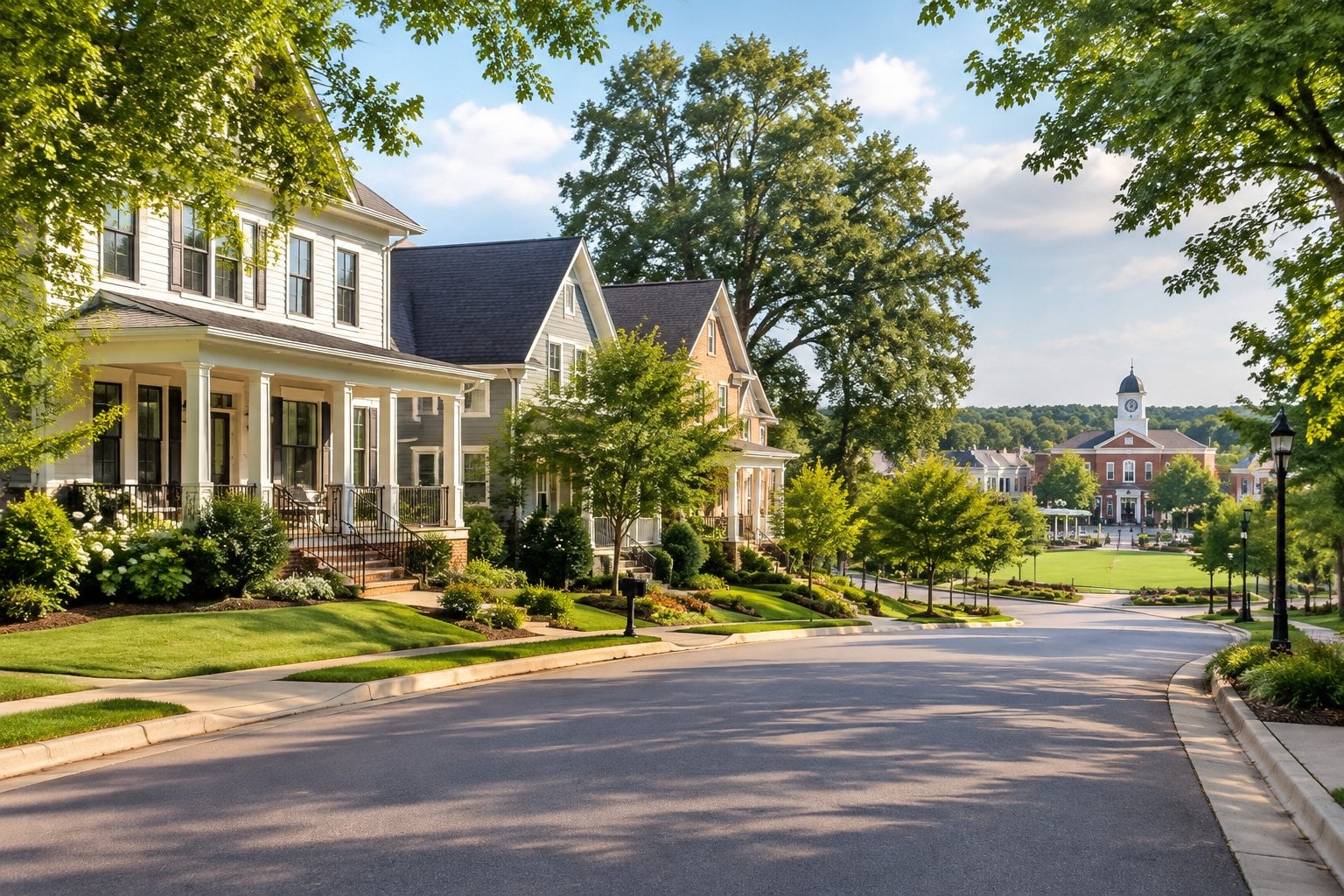
Apex sits in Wake County, just southwest of Raleigh, and it consistently ranks among the priciest places to settle in North Carolina. Median home values here run well above the state average, reflecting strong demand from buyers drawn to the area’s schools and suburban layout.
You’ll notice the town balances small-town character with proximity to major employers in the Research Triangle. This location advantage plays a direct role in pushing housing costs upward.
Downtown Apex retains a historic feel, with preserved buildings and a walkable core that adds to the appeal. Newer developments on the outskirts offer larger homes on bigger lots, often at a premium price point.
Schools in Apex are generally well-regarded, and that reputation factors into what buyers are willing to pay. Families specifically target this town for that reason.
Property taxes and overall cost of living in Apex exceed many other parts of the state, though they remain lower than some of North Carolina’s most exclusive enclaves. You’re paying for access to good infrastructure, low crime rates, and a community that has grown rapidly while keeping services intact.
9. Morrisville
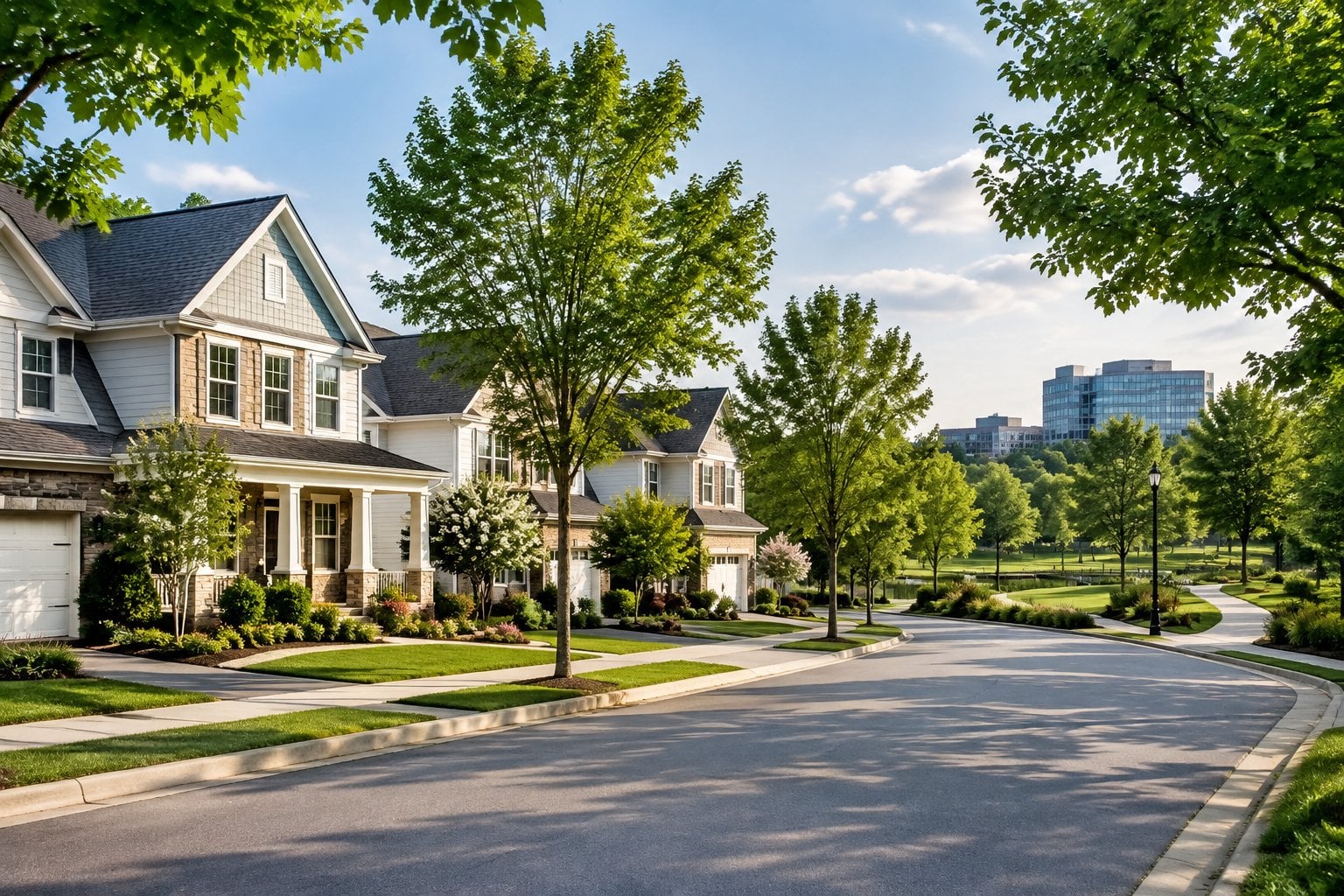
Morrisville sits in the heart of the Research Triangle, giving you easy access to jobs in Raleigh, Durham, and Chapel Hill. The town has built a reputation as one of the state’s wealthier communities, with a median household income exceeding $101,000.
You’ll find the cost of living here running about 3% above the national average, driven largely by housing costs. Home values in Morrisville rank among the higher end for North Carolina, though they don’t reach the extremes seen in some of the state’s priciest small towns.
If you work in tech or related fields, you’ll have plenty of company. Morrisville has a notably high concentration of residents employed in computer and math occupations compared to most US communities, reflecting the area’s ties to the nearby tech corridor.
Luxury housing options are available if you’re looking to buy, with upscale listings offering modern finishes and larger lot sizes. These properties reflect the premium placed on location within commuting distance of major employers.
Your dollar won’t stretch as far here as it would in many other parts of the state, but Morrisville’s combination of income levels and amenities explains why it commands higher prices.
10. Huntersville
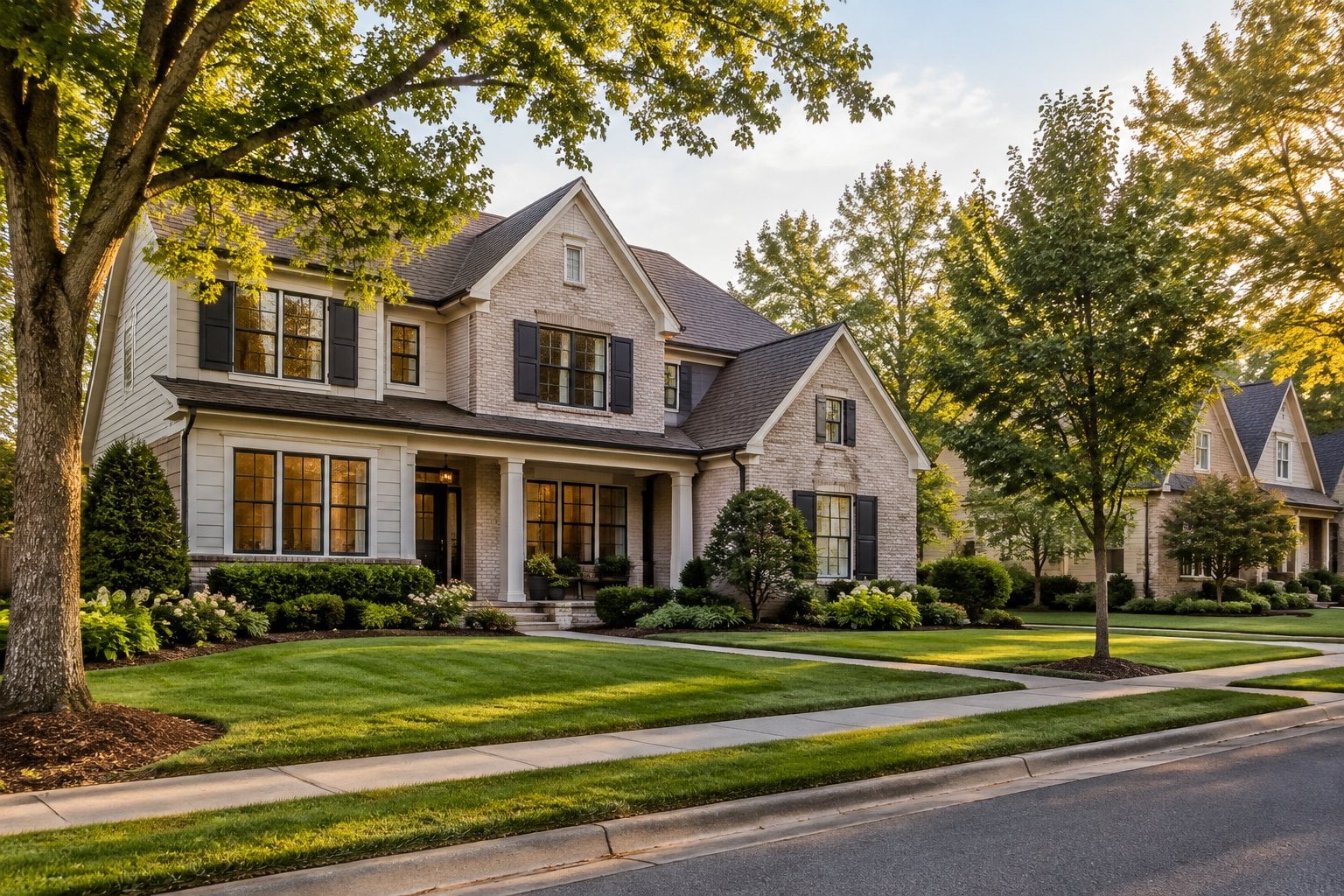
Huntersville sits just north of Charlotte in Mecklenburg County, and you’ll find it among the priciest places to settle in North Carolina. Home values here consistently rank among the highest in the state and the country.
Your neighbors are likely to include a significant number of professionals working in computer science and mathematics fields. Huntersville ranks in the top 5% of US places for this kind of workforce concentration, which helps explain the area’s income levels and housing demand.
If you’re budgeting for daily life here, expect monthly costs to run higher than most North Carolina cities. You’ll pay a premium for housing, groceries, and utilities compared to the state average.
Huntersville’s appeal comes from its proximity to Charlotte’s job market combined with a suburban setting. You get access to city amenities without living directly in the urban core, which draws tech workers and professionals willing to pay for that balance.
Schools, lake access near Lake Norman, and newer housing developments all factor into why property values here remain elevated relative to much of the state.
11. Raleigh
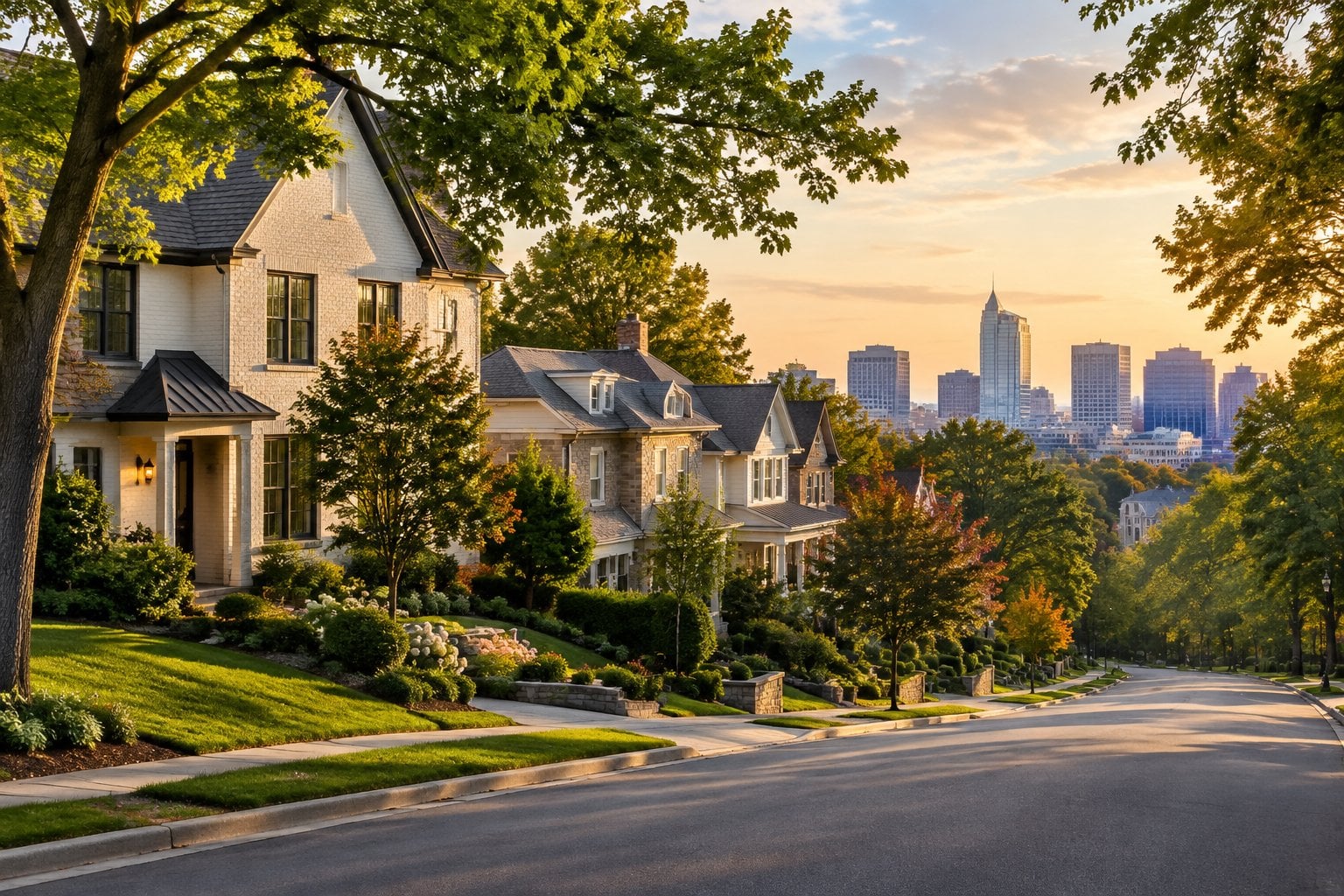
Raleigh continues to attract buyers drawn to its job market, mild climate, and growing tech and research sectors. You’ll find the city’s priciest properties concentrated in neighborhoods like North Hills, Hayes Barton, and Glenwood, where median home values have climbed steadily over the past several years.
North Hills stands out as the city’s most expensive enclave, with single-family homes commanding prices well above the metro average. If you’re considering this area, expect competition from other buyers, since demand here has outpaced many comparable markets statewide.
Older established neighborhoods such as Five Points and Mordecai also command premium prices, reflecting their mature tree canopies, historic architecture, and proximity to downtown. You’ll pay a premium for that convenience and character.
Raleigh’s overall cost of living remains lower than many coastal cities, but its luxury segment tells a different story. If you’re shopping in the city’s top-tier neighborhoods, you should budget for prices that rival or exceed those in larger Southeastern metros.
Population growth, estimated at roughly 60 new residents daily, has kept pressure on housing inventory. That steady demand helps explain why Raleigh’s most desirable neighborhoods have seen consistent price appreciation rather than the volatility found in smaller markets.
12. Charlotte
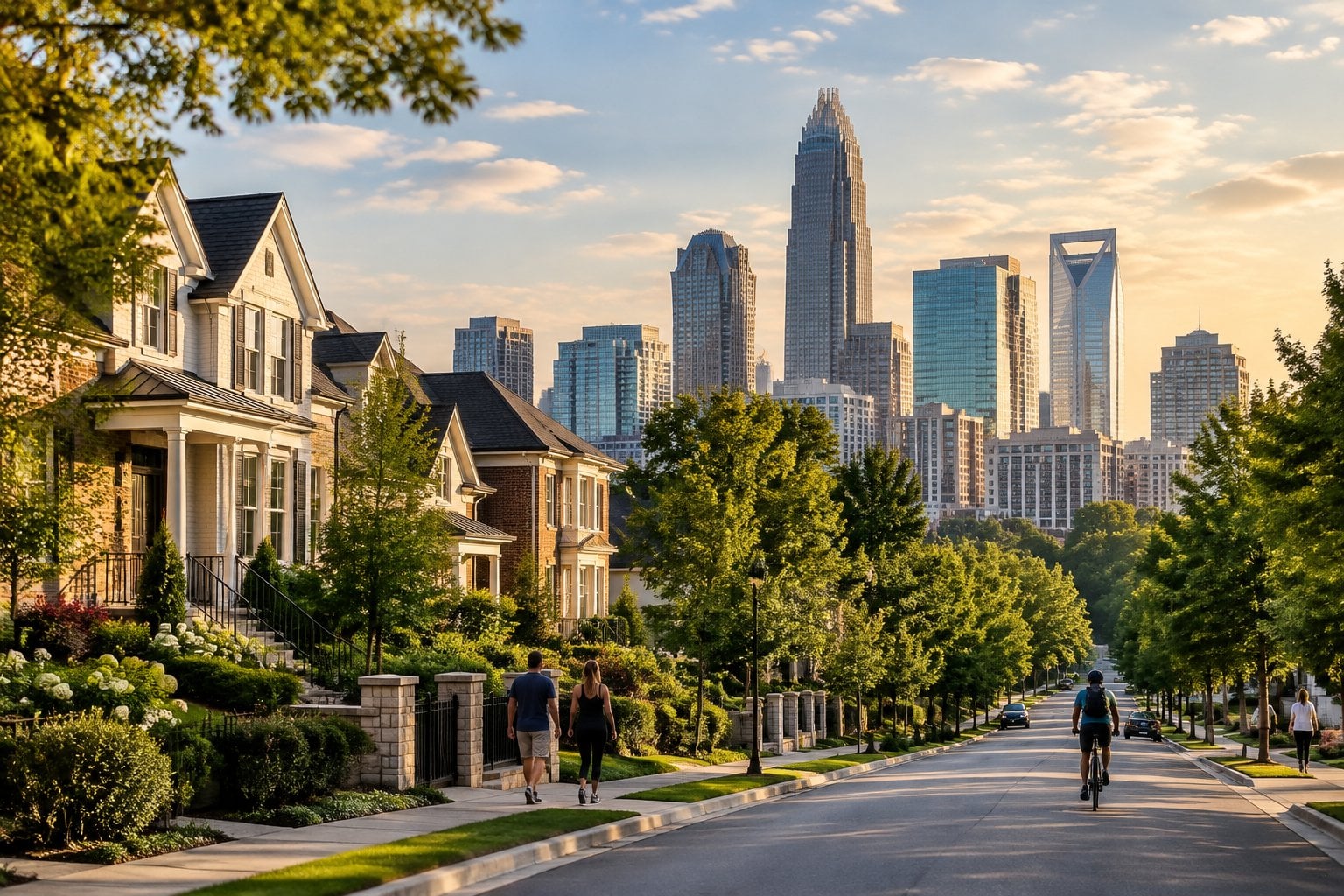
Charlotte is North Carolina’s largest city and a major financial hub, home to corporate headquarters for Bank of America and other national institutions. This economic base supports a wide range of housing costs, with the highest prices concentrated in a handful of established neighborhoods.
Eastover and Myers Park rank among the city’s most expensive areas, with median home values exceeding $1 million in many sections. You’ll find large historic homes, mature tree canopies, and proximity to uptown in these neighborhoods.
Foxcroft, Mountainbrook, and Quail Hollow also command premium prices, drawing buyers who want spacious lots and established landscaping. Morrocroft Estates offers some of the largest properties in the city, often exceeding several million dollars.
If you’re considering Charlotte, expect costs to vary significantly by neighborhood rather than remaining consistent citywide. Areas near South Park and along Providence Road tend to carry higher price tags due to shopping access and school district reputation.
Charlotte’s overall cost of living remains below some coastal North Carolina cities, but its luxury neighborhoods compete with the state’s most expensive addresses. Your housing budget will determine which of these distinct communities fits your needs.
13. Asheville
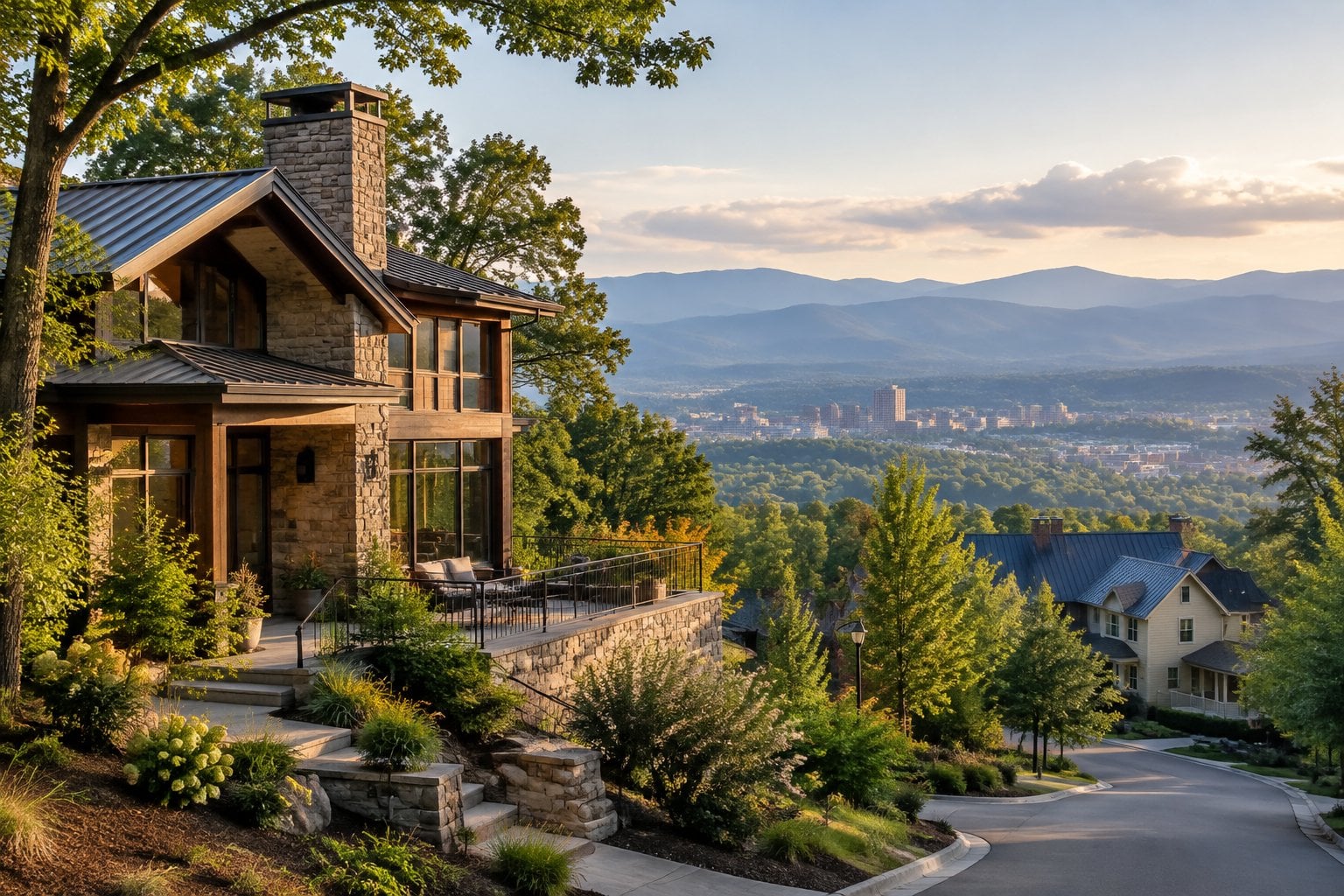
Asheville’s median home value sits at $411,000, placing it above both Charlotte and Raleigh despite its smaller population and lower average earnings.
You’ll find the city’s appeal tied directly to its setting. Mountain views, a walkable downtown, and a strong arts and food scene drive demand here, even though local wages don’t always keep pace with housing costs.
South Asheville’s Biltmore Park neighborhood illustrates this gap well. Homes there average more than $750,000, supported by a mix of residential streets and a central area with shops, restaurants, and gathering spaces.
Luxury buyers in this market have different expectations than in larger cities. You might be looking at a historic home near downtown, a property inside a gated community with private trails, or a house with long-range mountain views rather than a traditional estate.
Job opportunities in Asheville remain more limited than in Charlotte or Raleigh, which can affect your long-term affordability if you’re relying on local income alone. Still, for buyers prioritizing lifestyle and scenery over salary growth, the city continues to attract steady interest and rising home values.
14. Boone
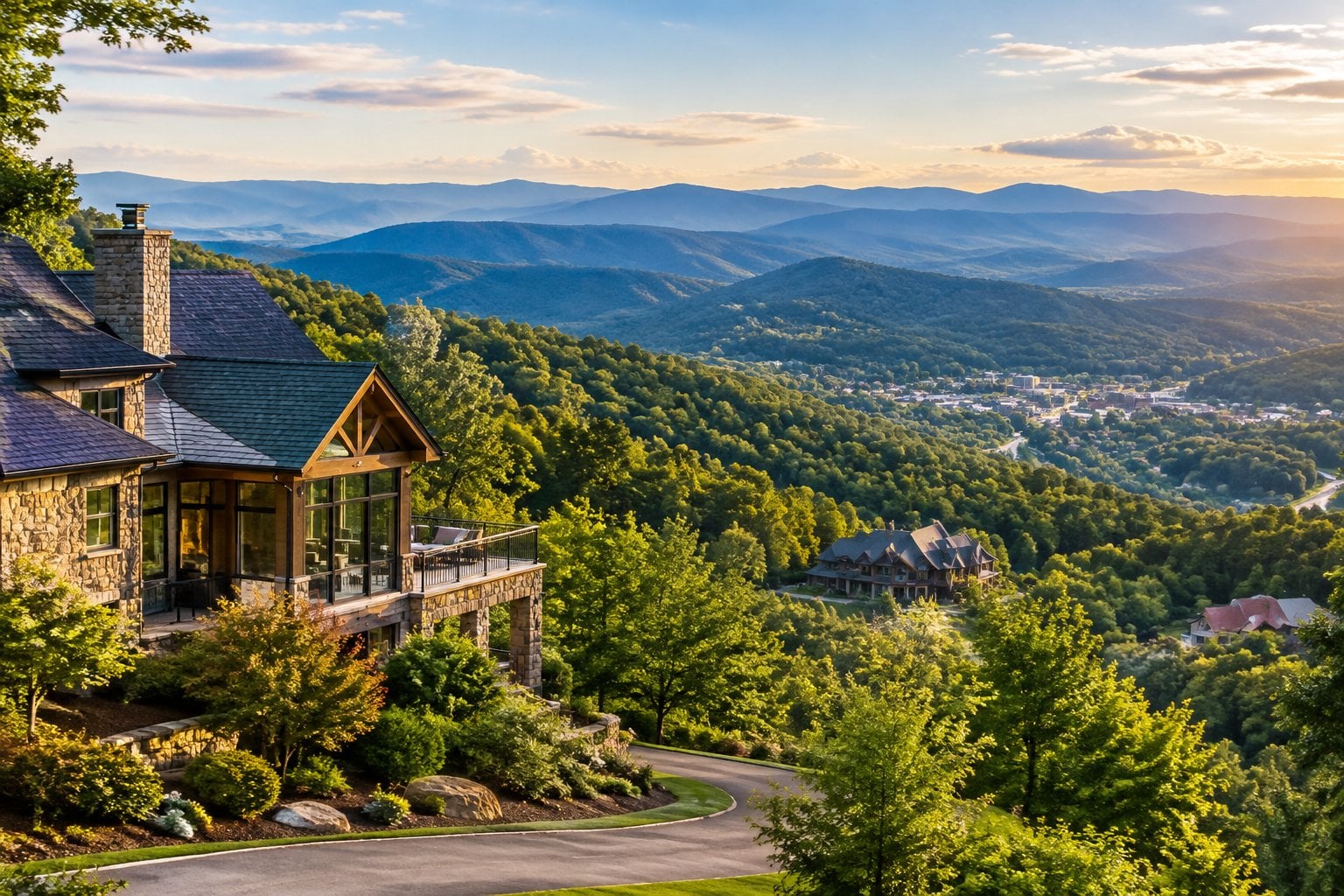
Boone sits in the North Carolina mountains and carries a reputation as a pricier destination within the state. You’ll find a cost of living index around 106, slightly above the national average of 100.
Home to Appalachian State University, the town draws a mix of students, faculty, and residents who value its mountain setting. This demand factors into local housing costs.
Among North Carolina communities with more than 5,000 residents, Boone ranks toward the upper half for overall expense. You’ll notice this reflected in both home values and everyday costs like groceries and utilities.
The local economy ties closely to the university and tourism, which shapes the job market you’d encounter here. The unemployment rate runs higher than the national figure, something worth weighing if you’re considering relocation for work.
Climate-wise, you can expect moderate temperatures, with average highs near 69°F and lows around 49°F. North Carolina’s state income tax tops out at 4.5%, and you’ll pay a combined sales tax of about 7% in the area.
If you’re drawn to college-town energy paired with mountain scenery, Boone offers that combination, though you should budget for its elevated costs compared to many other North Carolina towns.
15. Wilmington
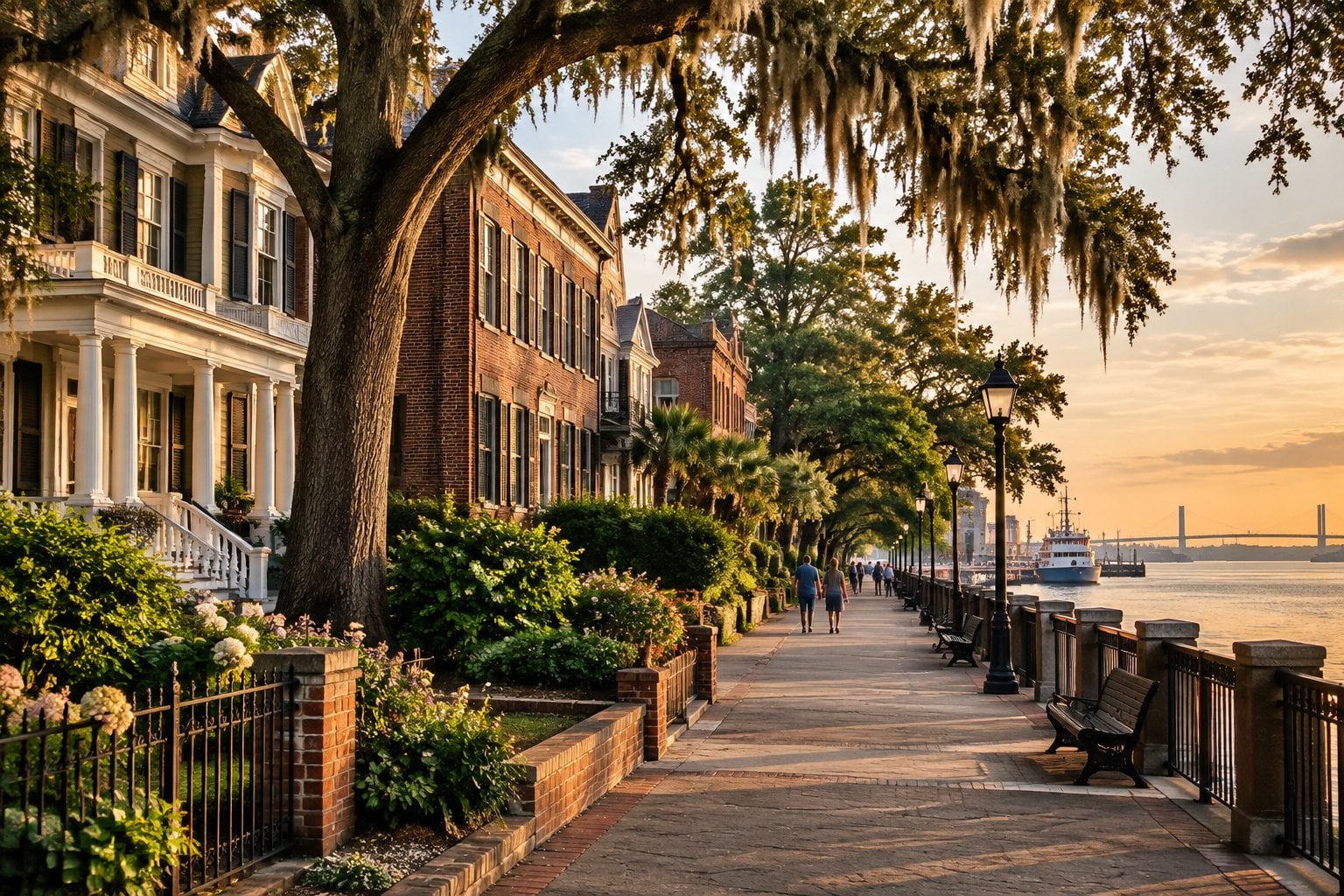
Wilmington sits along North Carolina’s coast, and its proximity to the Atlantic Ocean and the Intracoastal Waterway shapes its housing market. You’ll find a mix of historic downtown homes, waterfront properties, and newer suburban developments throughout the area.
Your cost of living here runs about 9% above the national average, with housing accounting for much of that gap. Home prices in Wilmington typically sit around 34% higher than the national norm.
If you’re looking at the most desirable neighborhoods, Wrightsville Sound stands out. Median sale prices there reached roughly $1.2 million in late 2025. The neighborhood’s location near Wrightsville Beach and the Intracoastal Waterway, combined with its range of architectural styles, contributes to its premium pricing.
Several employers in the area, including nCino and Novant Health, support local salaries, though wages don’t always keep pace with housing costs. You’ll also pay property taxes that factor into your overall expenses when comparing Wilmington to larger cities like Charlotte or Raleigh.
Wilmington’s appeal as a coastal destination continues to drive demand, which keeps upward pressure on home values across the metro area.
16. Wrightsville Beach
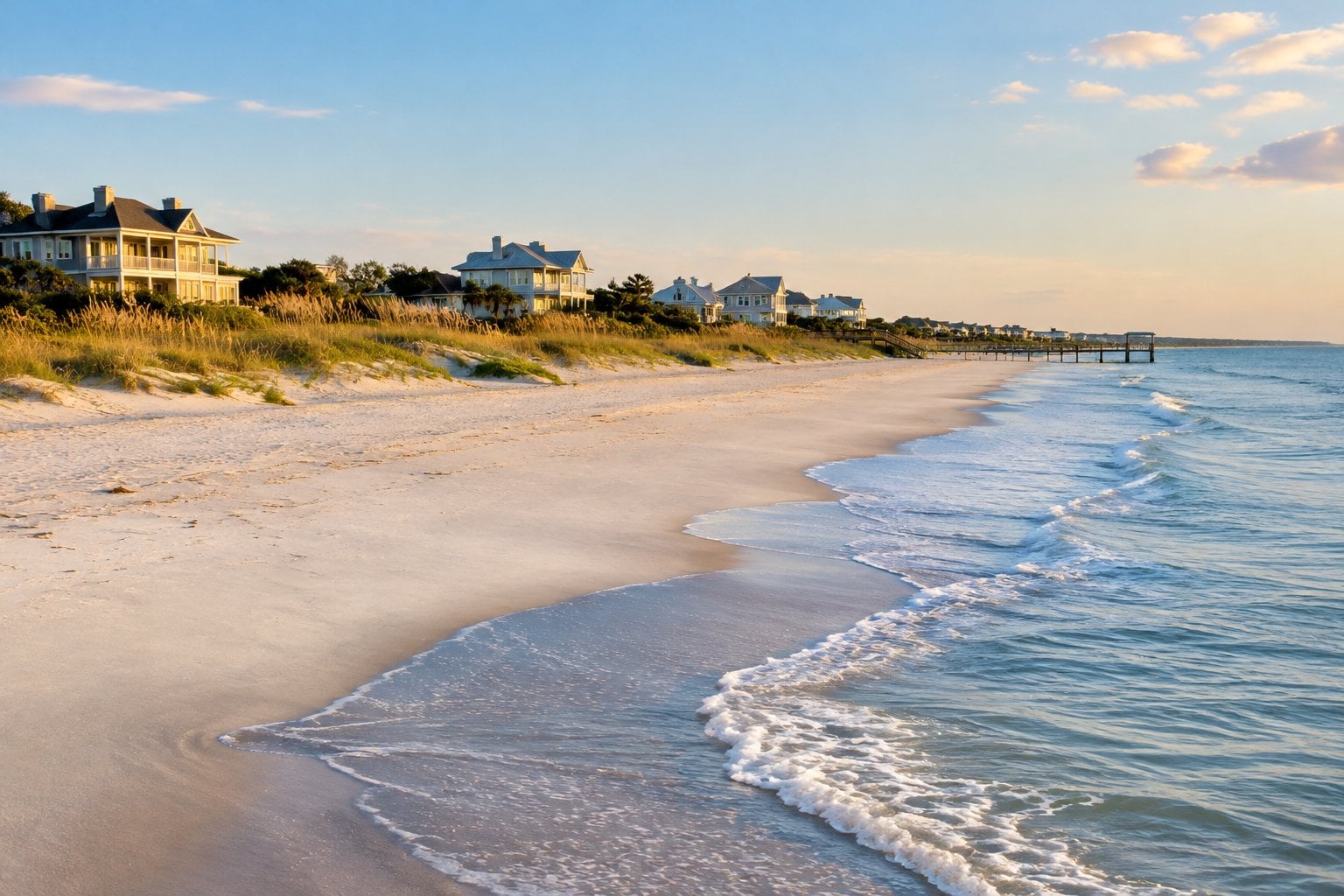
You’ll find Wrightsville Beach on a narrow barrier island four miles east of Wilmington. A protected harbor and consistent Atlantic surf draw year-round demand to this stretch of coastline.
The island’s inventory stays limited by geography, which keeps prices elevated. Average home values sit above $1.7 million, and the zip code 28480 ranks among the costliest in the state.
If you’re renting instead of buying, you won’t find much relief. Median rent runs around $5,000 a month, a reflection of the same supply constraints that drive up purchase prices.
You should factor flood risk into any decision to live here, since the island’s low elevation and coastal exposure carry real insurance and maintenance costs. These expenses add to an already high cost of living, one that runs well above both the state and national averages.
With a population of roughly 2,679 residents, you’re looking at a small, tight-knit community rather than a sprawling city. The Wrightsville Beach Loop, a popular drive and running route, adds to the area’s appeal and reinforces why buyers keep competing for the same limited stock of homes.
17. Biltmore Forest
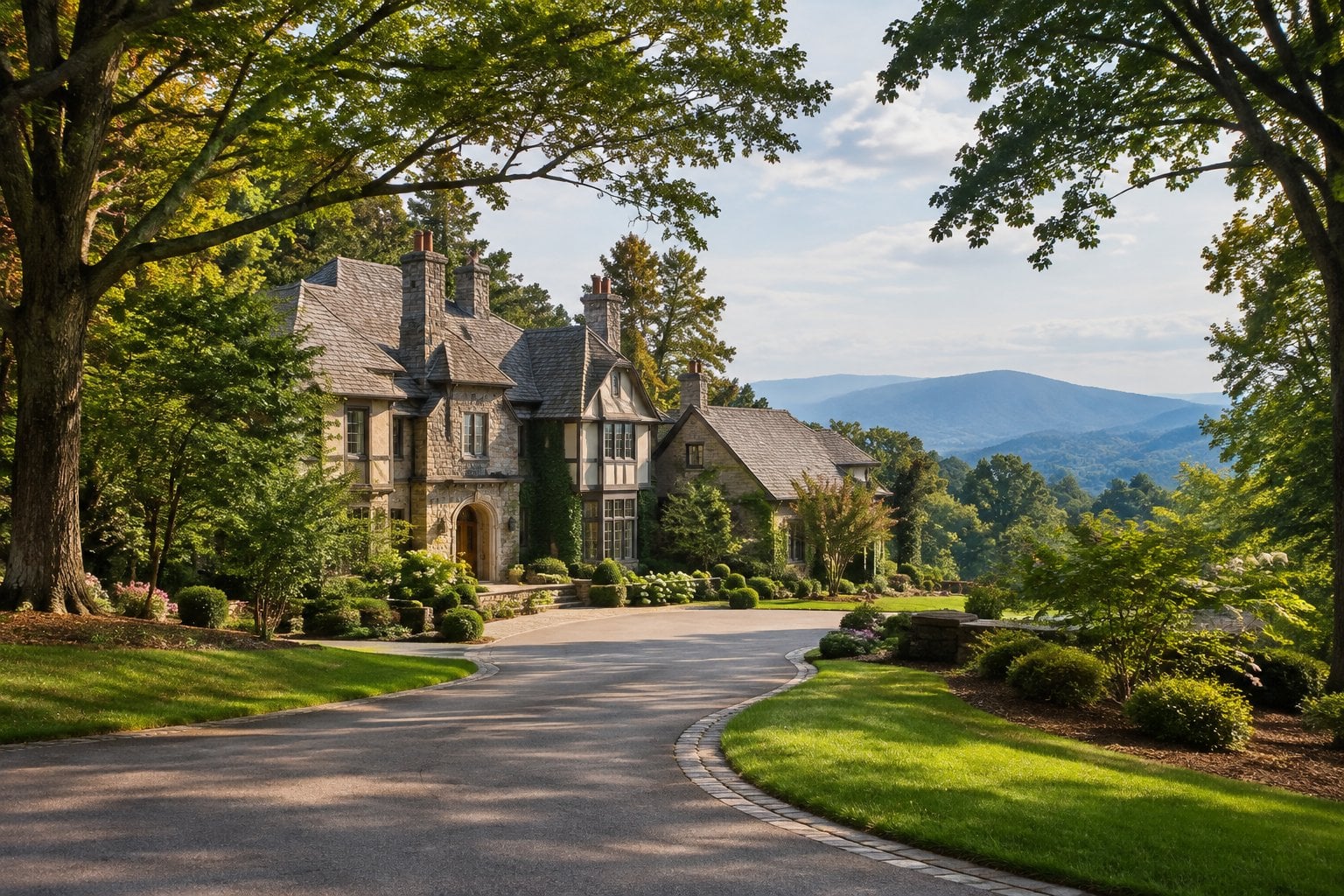
Biltmore Forest sits just south of Asheville, within Buncombe County. The community was developed in the 1920s on land that was once part of the Biltmore Estate, giving it a distinct historical identity.
You’ll find a cost of living index of 177 here, meaning expenses run 77% above the national average and roughly 92% higher than the North Carolina state average of 84. This makes it one of the most expensive places to live in the state.
The town has about 1,536 residents, so you’re looking at a small, tight-knit population. Despite its size, housing costs stand out significantly: a typical home runs around $1,299,600, far exceeding both the national average of $338,100 and the state average of $289,300.
If you’re considering renting instead, a two-bedroom unit costs about $1,980 per month, which is noticeably higher than both national and state rental averages.
For many households, median income tied to mortgaged properties reaches close to $179,404, reflecting the area’s affluent character. Biltmore Forest’s combination of historical roots and high property values places it firmly among North Carolina’s priciest communities.
18. Pinehurst
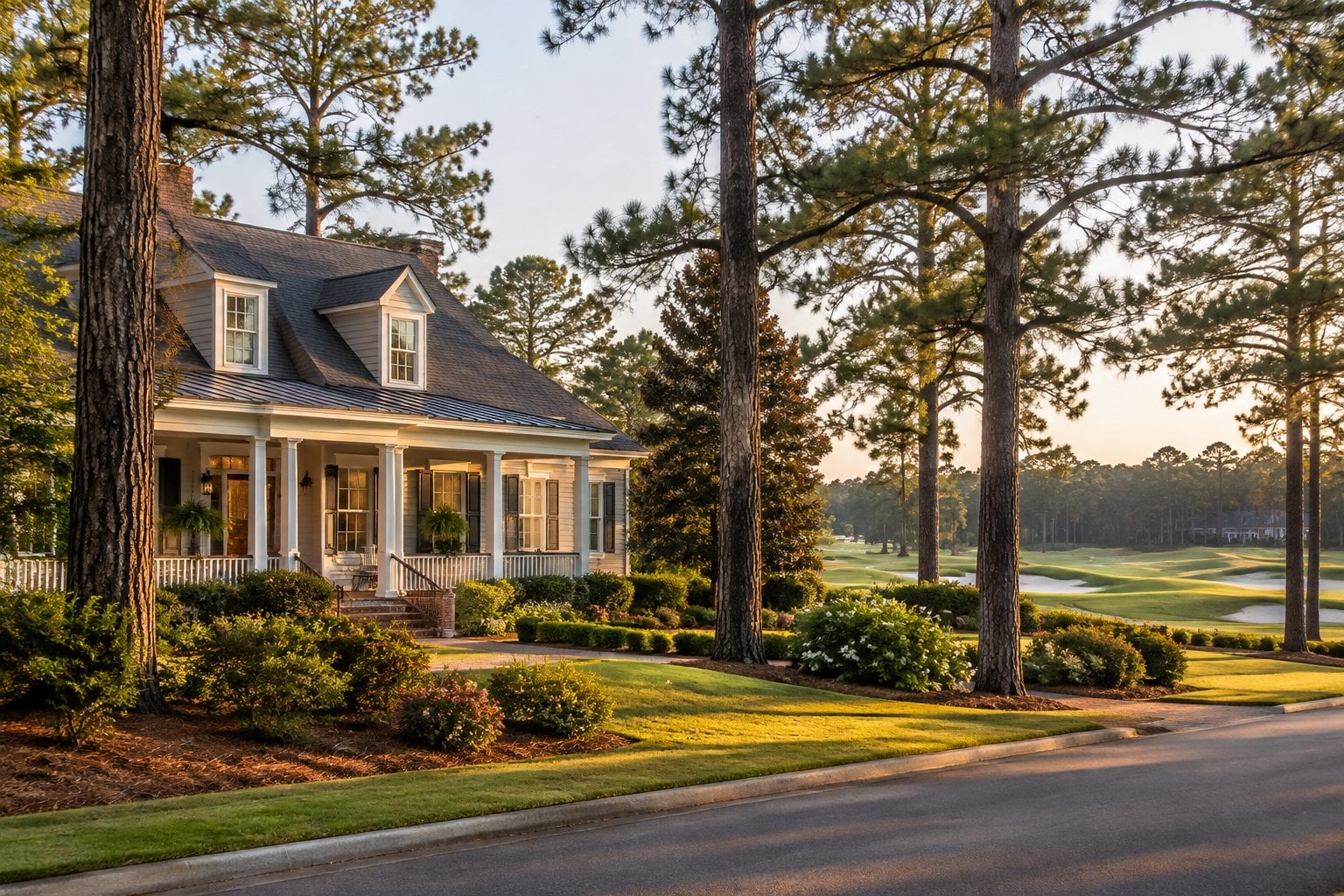
Pinehurst sits among the pricier villages in North Carolina, with a cost of living index estimated between 121 and 122, roughly 21% above the national average. You’ll find this driven primarily by housing costs rather than everyday expenses like groceries or transportation.
The median home value here runs around $423,300 to $454,100, depending on the data source and timing. That’s well above both the national median of $338,100 and the North Carolina state average.
If you’re renting instead, expect to pay around $1,490 for a two-bedroom unit, slightly above the national average. Despite these figures, your monthly owner costs, including mortgage, insurance, and taxes, average closer to $1,376, which keeps the rent-to-income ratio at a manageable 20.5%.
You won’t face a high state tax burden either. North Carolina’s income tax rate sits at a moderate 4.5%, which helps offset some of the housing premium.
With about 18,000 residents, Pinehurst remains a smaller community where real estate costs can shift noticeably compared to larger nearby cities. Its reputation for expensive housing is well established, consistently placing it among the priciest spots in the state and even nationally.
19. Southern Pines
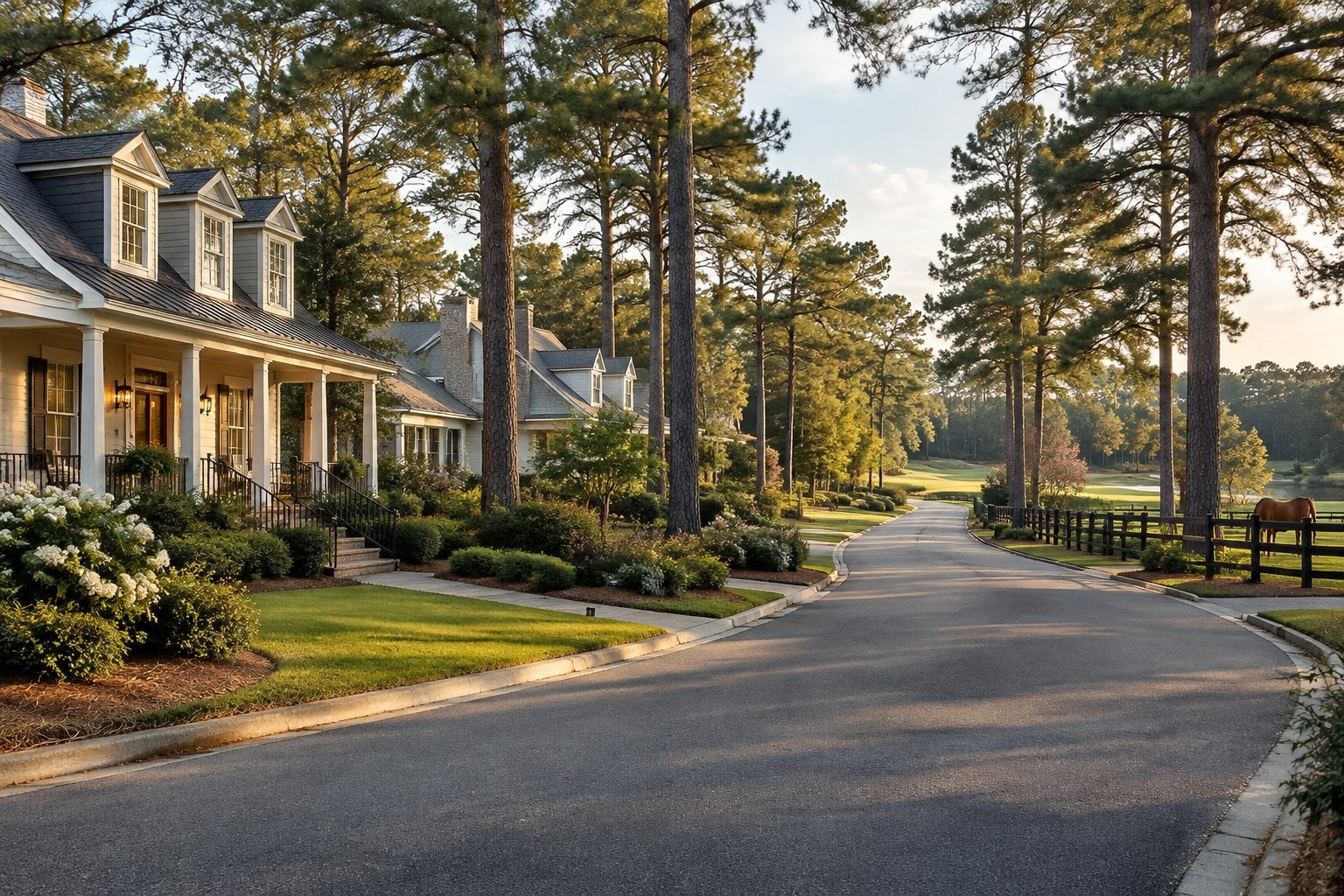
Southern Pines sits in Moore County, known for its golf courses and proximity to Pinehurst. You’ll find a median household income of $88,535, well above the state average.
Home values here reach $442,400 to $458,384, depending on the data source, making it roughly 30% to 50% more expensive than national and state housing averages. If you’re renting instead, a two-bedroom unit runs about $1,250 per month, slightly above North Carolina’s average but still below the national rate.
Overall, the cost of living index lands around 103, putting Southern Pines about 3% above the national average and 19% above the state average. Food costs here actually work in your favor, scoring cheaper than the national average.
You’ll pay a premium for housing, but other daily expenses can offset that somewhat. The combination of strong incomes, elevated home prices, and a smaller population of about 16,000 residents shapes the local economy. These figures place Southern Pines among the pricier communities in the state, driven largely by its real estate market rather than everyday living costs.
20. Brevard
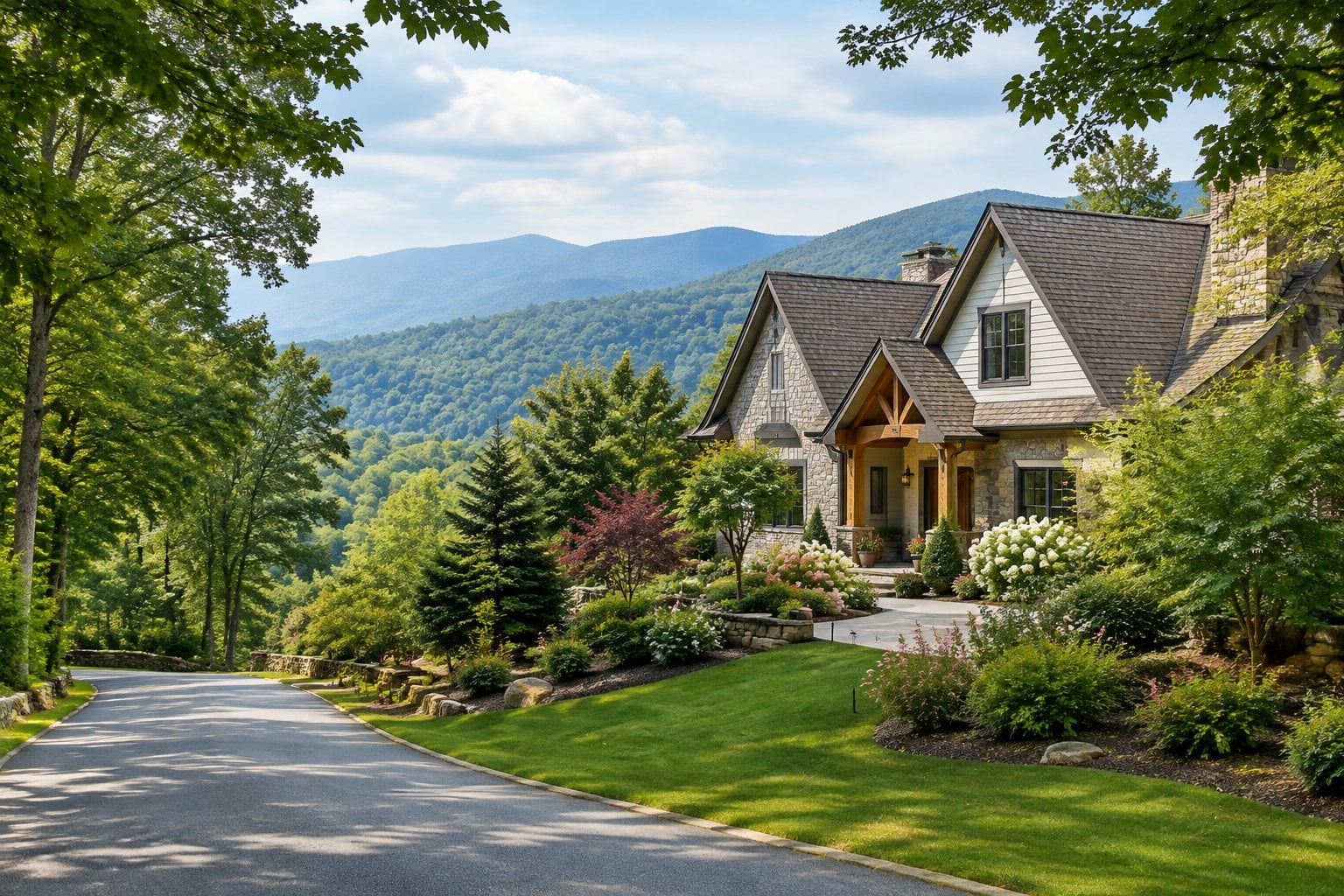
Brevard sits in the North Carolina mountains near the Pisgah National Forest, and home values here reflect demand for that setting. The average home value is around $456,651, having dropped roughly 2% over the past year.
You’ll find the cost of living in Brevard runs somewhat below national averages overall, with a BestPlaces score suggesting expenses are about 6% lower than the U.S. average. Housing costs are also slightly below the national benchmark, though they still rank among the higher figures within North Carolina.
With a population under 8,000, Brevard remains a small city, but its real estate market carries weight relative to its size. Several neighborhoods within the city have developed reputations for upscale properties, drawing buyers who want mountain scenery paired with a smaller-town atmosphere.
If you’re considering Brevard, you should know that while it doesn’t rival the state’s priciest markets like Marvin, it still commands prices that place it among North Carolina’s more expensive communities. Proximity to outdoor recreation and a walkable downtown contribute to its appeal and, by extension, its property values.
21. Black Mountain
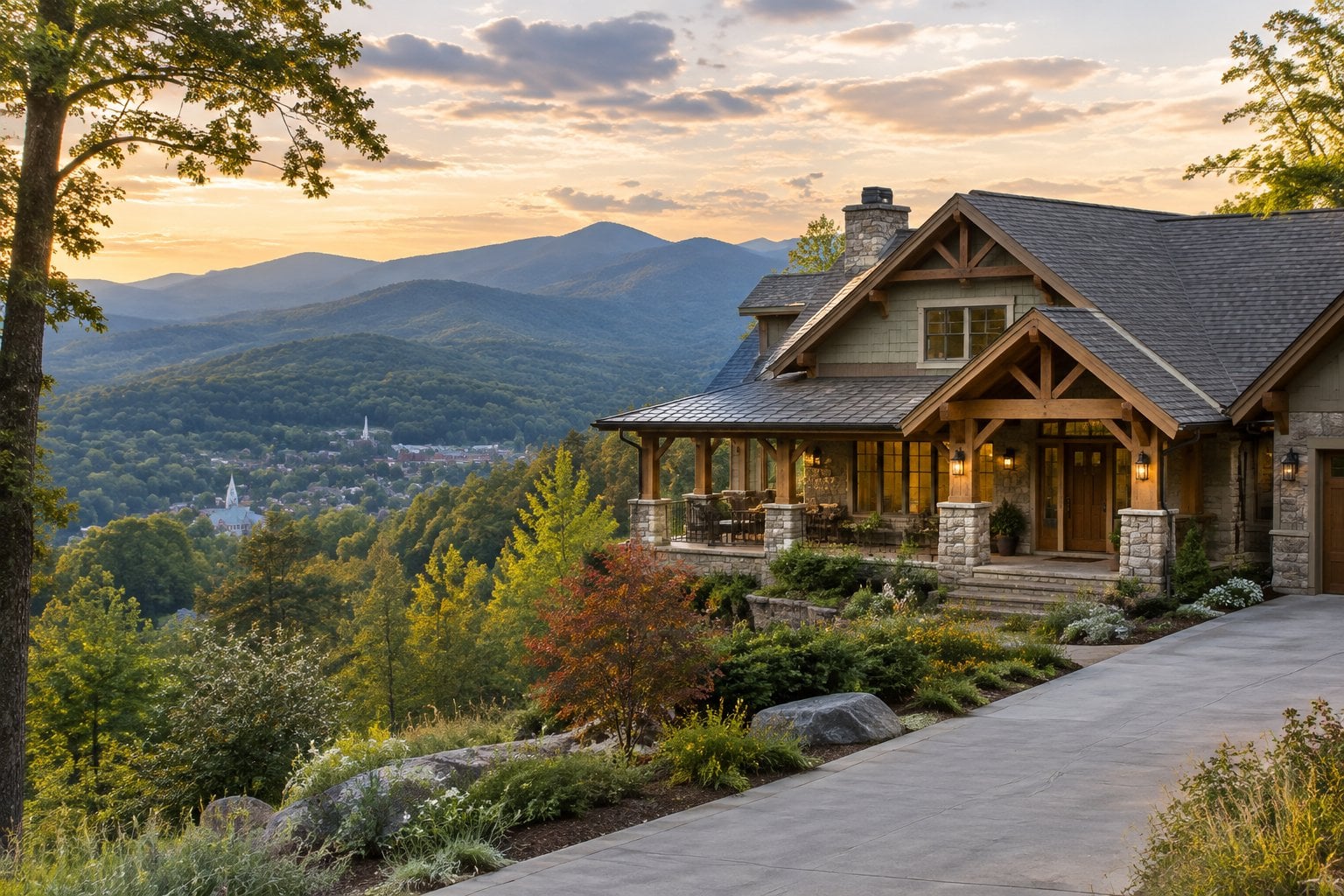
You’ll find Black Mountain tucked into the mountains east of Asheville, with a population of just over 8,500 people. It’s a small town, but it carries one of the higher price tags in the region.
The typical home here costs around $446,800. That’s more than 30% above the national average and over 50% higher than the North Carolina average of roughly $289,300.
Renting is somewhat more forgiving. A two-bedroom unit runs about $1,310 a month, which is slightly below the national average but still above what you’d pay in many other parts of the state.
Overall living costs reflect the housing numbers. A family in Black Mountain can expect to spend around $7,140 a month, or roughly $85,680 a year, which is about 32% higher than the national average.
If you’re considering Black Mountain, you’re paying for mountain scenery and proximity to Asheville’s amenities. The town’s small size and limited housing stock help keep demand, and prices, elevated.
22. Hendersonville
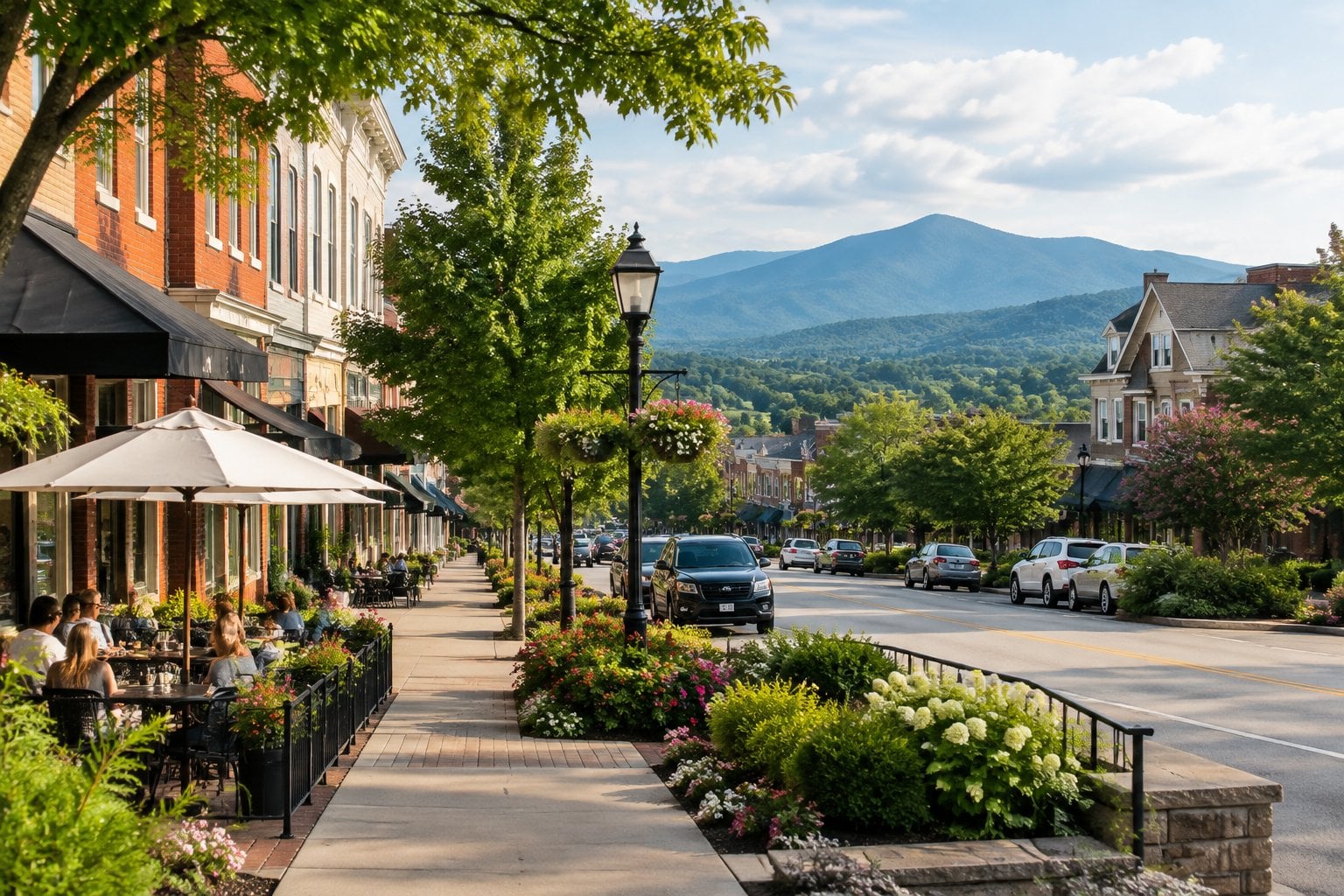
Hendersonville sits in Western North Carolina, home to around 15,000 residents. You’ll find a cost of living roughly 2% above the national average, driven largely by housing prices in this mountain town.
A typical home here costs close to $372,000, which runs about 10% higher than the national median and nearly 29% above the state average. If you’re renting instead, a two-bedroom unit averages around $1,290 per month, slightly below what you’d pay nationally but above the North Carolina average.
Your monthly housing costs will vary depending on household size. A single person can expect to pay around $1,150 for housing, while a family of four typically spends closer to $2,100.
Beyond real estate, you’ll notice Hendersonville’s appeal tied to its blend of mountain scenery and small-town character. Some neighborhoods lean rustic and modest, while others cater to a more upscale lifestyle. This range gives you options depending on your budget and preferences, though the overall cost of living still places Hendersonville among the pricier spots in the state.
23. Mooresville
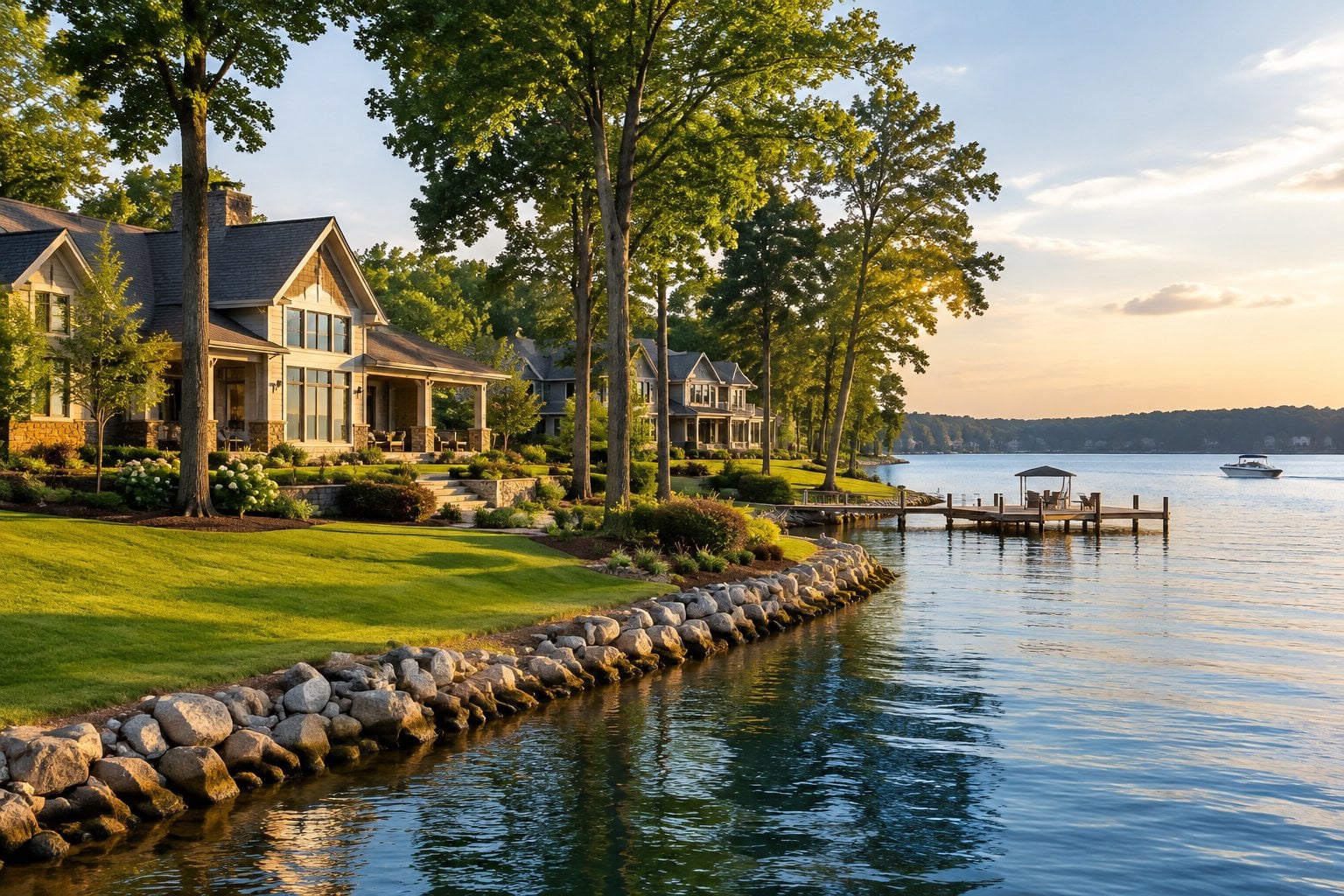
Mooresville sits along Lake Norman in Iredell County, and you’ll find it carries a noticeably higher cost of living than most North Carolina towns. The average monthly cost of living here runs around $1,973, placing it among the more expensive cities in the state and the country.
If you’re considering a move, housing will likely be your biggest expense. Mooresville’s real estate market ranks among the priciest in North Carolina, driven in part by its lakefront properties and proximity to Charlotte.
Your income expectations should align with local norms. The median household income in Mooresville is $89,647, which is well above the state average and helps offset the town’s higher expenses.
You’ll also notice the town’s reputation as a hub for motorsports and corporate relocations, which has pushed demand for housing upward over the years. This demand keeps home values elevated compared to many neighboring communities.
Despite the costs, Mooresville offers access to good schools, a growing economy, and a lakeside lifestyle that appeals to professionals and families alike. For many, the premium reflects the quality of life you gain in return.
24. Matthews
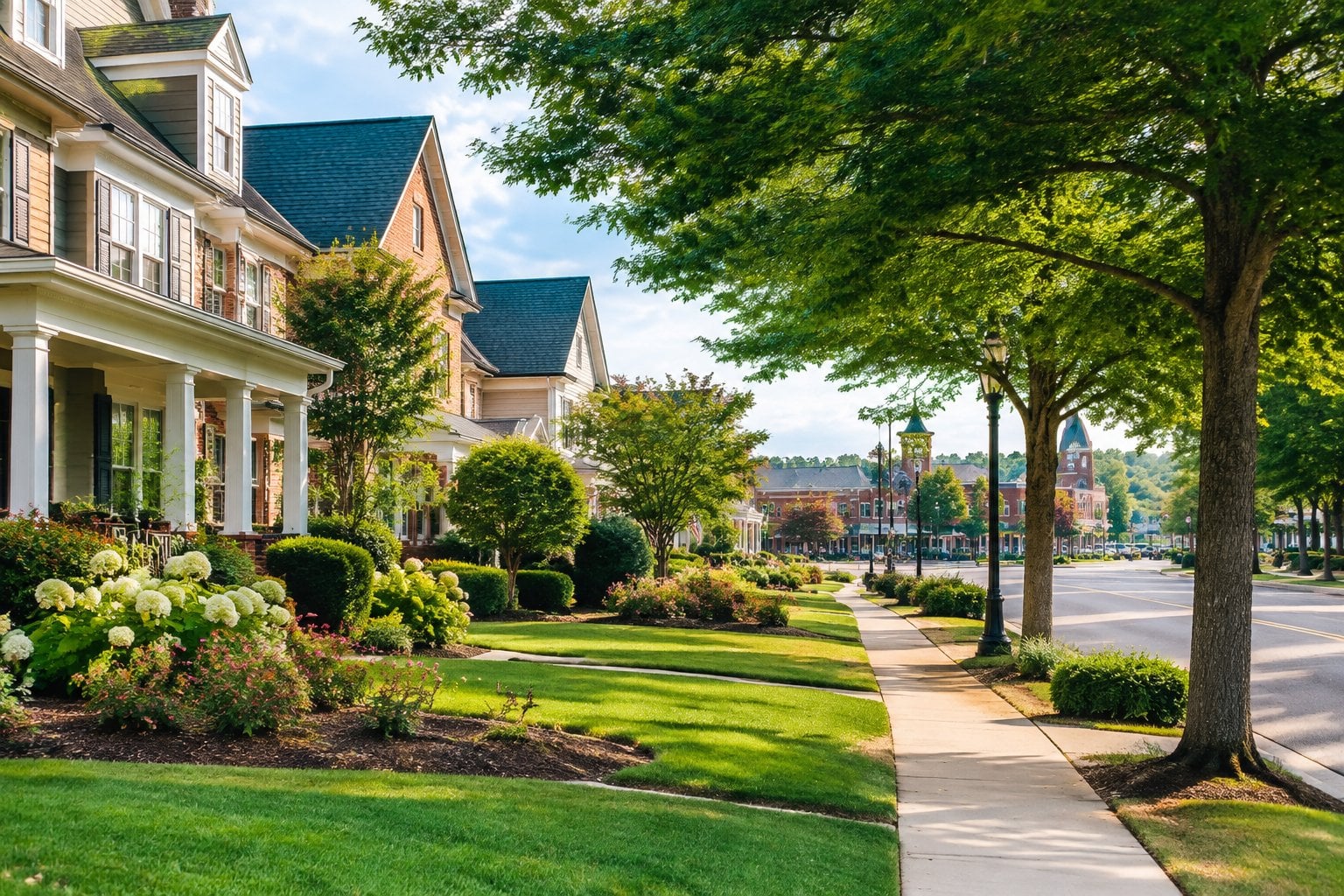
Matthews sits just southeast of Charlotte, giving you easy access to the city while keeping a distinct small-town feel. The median home value here runs around $509,000, placing it firmly among the pricier spots in the state.
You’ll find a strong concentration of residents working in computer and math-related fields, a reflection of the area’s proximity to Charlotte’s tech and finance sectors. Matthews also has a notable artistic community, which shapes much of its local culture and small business scene.
Your cost of living in Matthews runs about 18% above the national average and roughly a third higher than the North Carolina average. Housing costs are the biggest driver of that gap, though groceries and utilities factor in as well.
If you’re drawn to historic downtown charm, Matthews delivers it through preserved buildings and a walkable commercial district. You’ll also have access to well-regarded schools, a factor that continues to support home values in the area.
While it doesn’t rank among the absolute priciest towns in North Carolina, Matthews offers you a solid balance of suburban convenience and elevated living costs.
25. Mint Hill
Mint Hill sits on the eastern edge of the Charlotte metro area in Mecklenburg County. Its population has grown to roughly 28,800 residents, making it one of the larger towns on this list.
You’ll notice that home values here run higher than the state average, though they fall short of the priciest Charlotte suburbs. The cost of living index sits around 111, meaning you can expect expenses about 11% above the national average and 27% above North Carolina’s overall average.
Housing drives most of this gap. Real estate prices account for the bulk of the cost difference you’ll encounter compared to other parts of the state.
If you’re raising a family here, budget carefully. A family of four typically needs close to $7,400 per month to cover expenses, which adds up to nearly $89,000 annually.
Mint Hill offers access to Charlotte-Mecklenburg Schools, a draw for many residents considering the move. You’ll also find larger lot sizes compared to neighboring Matthews, giving you more space without straying far from the same school district benefits.
26. Holly Springs
Holly Springs sits in southern Wake County, part of the Raleigh metro area. You’ll find a median home value around $486,000 to $575,000, depending on the data source, placing it well above both the state and national averages.
Rent follows a similar pattern. Expect to pay roughly $1,860 to $1,890 per month for a typical rental here.
Your income expectations should adjust accordingly. The median household income in Holly Springs is approximately $132,000 to $135,500 per year, among the highest in North Carolina.
The town’s cost of living index ranges from 131 to 143, meaning you’ll spend 31% to 43% more here than the national average. Compared to the North Carolina state average, Holly Springs runs 46% higher.
Despite these costs, you’re buying into strong local amenities. Holly Springs has been recognized for its schools, family-friendly environment, and low crime rates.
Your housing dollar goes toward a growing, well-planned community rather than an older or stagnant market. Population growth here has been steady, and that demand has kept home values climbing in recent years.
27. Wake Forest
Wake Forest sits just north of Raleigh and has grown into one of the most sought-after suburbs in Wake County. Your cost of living here runs above both the state and national averages, driven largely by housing.
A typical home in Wake Forest costs around $483,600, which is roughly 67% more than the North Carolina average. If you’re renting instead, expect to pay about $1,410 per month for a two-bedroom unit.
Your overall monthly expenses, including housing, food, and transportation, land in the upper range for North Carolina cities. Despite this, median after-tax incomes in Wake Forest remain strong enough to offset many of these costs for working professionals and families.
You’ll find the town’s appeal tied to its proximity to Raleigh-Durham’s job market, along with highly rated schools and a walkable downtown area. These factors continue to draw new residents, which keeps upward pressure on home prices.
With a population approaching 57,000, Wake Forest has become one of the larger and more established communities on this list, blending small-town character with suburban growth.
28. Carrboro
You’ll find Carrboro sitting just west of Chapel Hill, and the two towns share a close-knit identity shaped by the University of North Carolina. Proximity to campus and the broader Chapel Hill housing market pushes your cost of living well above the state average.
Housing drives most of the expense here. Home values and rents track closely with Chapel Hill’s, since the towns function as a single housing market with limited inventory.
School quality plays a role in what you’ll pay. Carrboro falls under Chapel Hill-Carrboro City Schools, a district known for strong academic performance that draws families willing to pay a premium to live within its boundaries.
Your daily expenses extend beyond housing. Groceries, services, and dining in Carrboro reflect the same upward pressure seen throughout the Chapel Hill area, keeping overall cost of living high relative to other North Carolina towns.
Despite the cost, you’re paying for walkability, a dense arts and music scene, and access to the amenities of a university town without living directly in Chapel Hill itself.
29. Durham
Durham ranks among North Carolina’s more expensive places to live, with median household income reaching $81,619. You’ll find this city anchored in the Research Triangle, where proximity to major employers and universities drives demand for housing.
Home values in Durham sit well above the state average, though they remain lower than what you’d pay in nearby Chapel Hill. If you’re comparing costs across the Triangle, Durham often presents a slightly more accessible entry point than its neighbors.
You’ll notice certain neighborhoods within Durham command significantly higher prices than others. Some areas feature homes with assessed values that place them among the county’s most valuable properties.
Durham’s appeal extends beyond price tags. You get walkable historic districts, a growing job market tied to research and technology sectors, and cultural amenities that support the city’s higher cost of living.
When you weigh Durham against other North Carolina cities on this list, it occupies a middle position. Your dollar goes further here than in the state’s priciest markets, but you’ll still pay a premium compared to many other North Carolina communities.
30. Greensboro
Greensboro rounds out this list as the most affordable of North Carolina’s priciest places to live, though it still carries costs worth noting. You’ll find a cost of living index around 88, lower than the state’s larger metro areas like Raleigh and Charlotte.
Home values in Greensboro vary significantly by neighborhood. If you’re looking at the city’s most exclusive areas, you can expect median prices well above the metro average, while other neighborhoods remain accessible to typical buyers.
Your overall monthly expenses here include housing, groceries, and utilities that place Greensboro in the upper tier of US cities for cost, even as it ranks as one of the more budget-friendly options within North Carolina itself. This contrast matters when you’re comparing it to the other 29 cities on this list.
If you’re considering a move to Greensboro, you’ll benefit from relatively lower housing costs compared to the state’s most expensive enclaves. You won’t face the same price pressures found in places like Marvin or other top-tier North Carolina communities, making Greensboro a practical choice if affordability matters to you.
How Living Costs Are Compared
Rankings in this guide rely on housing values, rent levels, median household income, and everyday expense data pulled from current cost-of-living indexes. Comparing these factors side by side shows you why some North Carolina towns cost far more than others, even within the same region.
Home Prices and Rent
Housing drives most of the cost differences you’ll see across this list. Statewide, the median home value sits around $336,408, but places like Marvin push past $1.2 million.
The top 10 most expensive places average a median home value of $643,568, nearly double the state figure. Rent follows a similar pattern.
Across North Carolina’s tracked cities, average monthly rent runs about $1,241, though this varies widely by location. You’ll find the steepest rents concentrated in suburban areas near Charlotte and in mountain towns like Asheville, where limited land and high demand keep prices climbing.
Income and Everyday Expenses
Income levels help explain who can afford life in these high-cost areas. The statewide median household income is roughly $64,537 to $77,243, depending on the data source, but expensive places typically report incomes well above that range.
Everyday expenses, including groceries, utilities, and transportation, factor into the overall cost index too. You’ll notice that even in pricier cities, these categories often stay closer to the national average than housing does.
That’s because home prices and rent carry the most weight in determining a city’s overall cost ranking, while day-to-day costs tend to shift less dramatically from one place to another.
Why Costs Vary Across North Carolina
Your cost of living in North Carolina depends heavily on local job opportunities, population trends, and how tourism affects housing availability. These factors interact differently in each region, which is why a mountain town and a coastal community can have similar price tags for very different reasons.
Job Markets and Population Growth
If you’re looking at cities like Charlotte or Raleigh, you’ll notice that strong job markets in banking, tech, and research drive up demand for housing. These metro areas attract new residents faster than housing supply can keep pace.
Population growth puts pressure on everything from rent to grocery prices. When more people compete for the same homes, sellers and landlords raise prices accordingly.
You’ll find that cities with major employers or university systems tend to show higher median incomes alongside higher costs. This creates a cycle: better wages attract more workers, and more workers increase demand for limited housing stock.
Tourism and Housing Supply
Coastal towns and mountain destinations face a different pressure: seasonal demand from visitors and second-home buyers. In places like Nags Head or areas near Asheville, you’re competing with vacation renters and part-time residents for the same limited housing supply.
This drives up property values even when the local job market doesn’t support those prices. Your rent or mortgage in these areas often reflects what tourists and investors are willing to pay, not what year-round local wages can sustain.
Limited buildable land in coastal and mountain regions compounds this issue. When geography restricts new construction, existing homes carry a premium that you’ll pay regardless of your income level.