The 30 Most Expensive Places to Live in Florida: Ranked by Home Prices and Cost of Living
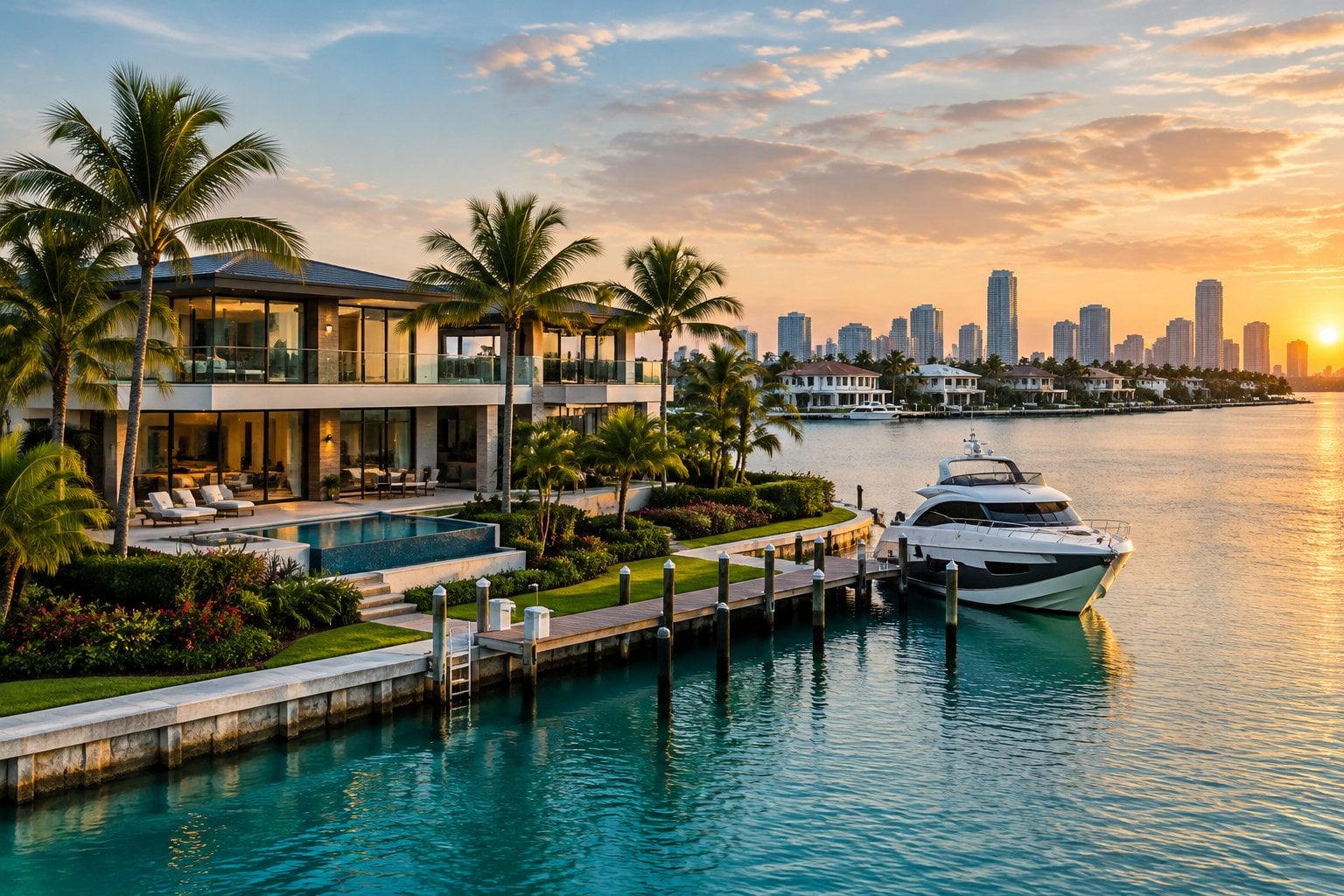
Florida attracts residents for many reasons, including its climate, coastal access, and lack of state income tax. These same factors also drive up housing costs in certain areas, creating a wide range of price points across the state.
If you are curious about where the highest costs of living in Florida are found, several cities and towns stand out for their home values, median incomes, and overall expenses. These locations typically combine waterfront property, limited housing inventory, and high demand, which together push prices well above the state average. Understanding what makes these places expensive can help you compare them to other areas in Florida.
This article looks at 30 of the most expensive places to live in the state, based on factors like median home prices and cost of living data. You will get a clear picture of what sets these communities apart financially.
1. Jupiter Island, Florida
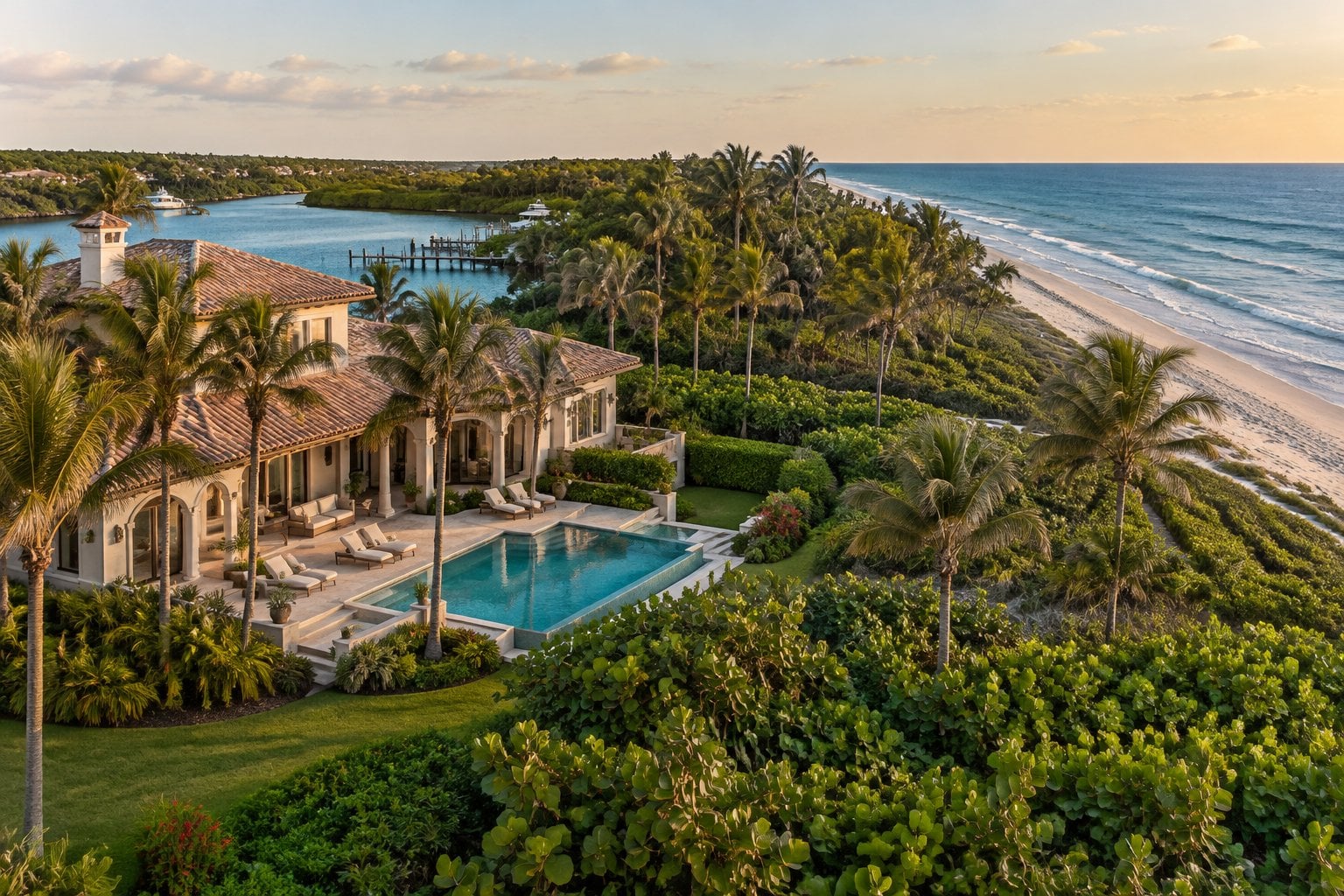
Jupiter Island sits on the Treasure Coast in Martin County, north of Palm Beach. You’ll find it among the most expensive places in the entire state, with home prices frequently reaching into the tens of millions.
The island’s appeal comes from its privacy and limited development. Strict zoning rules keep lot sizes large and building density low, which protects property values and restricts supply.
You can expect waterfront estates here with private beach access, deep-water dockage, and extensive acreage. Many properties sit behind gates or long private drives, with no sidewalks or commercial development disrupting the residential feel.
Property taxes reflect the high assessed values, often amounting to six figures annually for larger estates. Homeowners insurance also runs high given the coastal location and exposure to hurricane risk.
Living costs extend beyond the home itself. Landscaping, security, dock maintenance, and storm preparation all factor into your annual expenses.
The combination of scarcity, privacy, and direct oceanfront access keeps demand steady among buyers seeking seclusion rather than social visibility, setting Jupiter Island apart from more public luxury markets elsewhere in Florida.
2. Manalapan, Florida
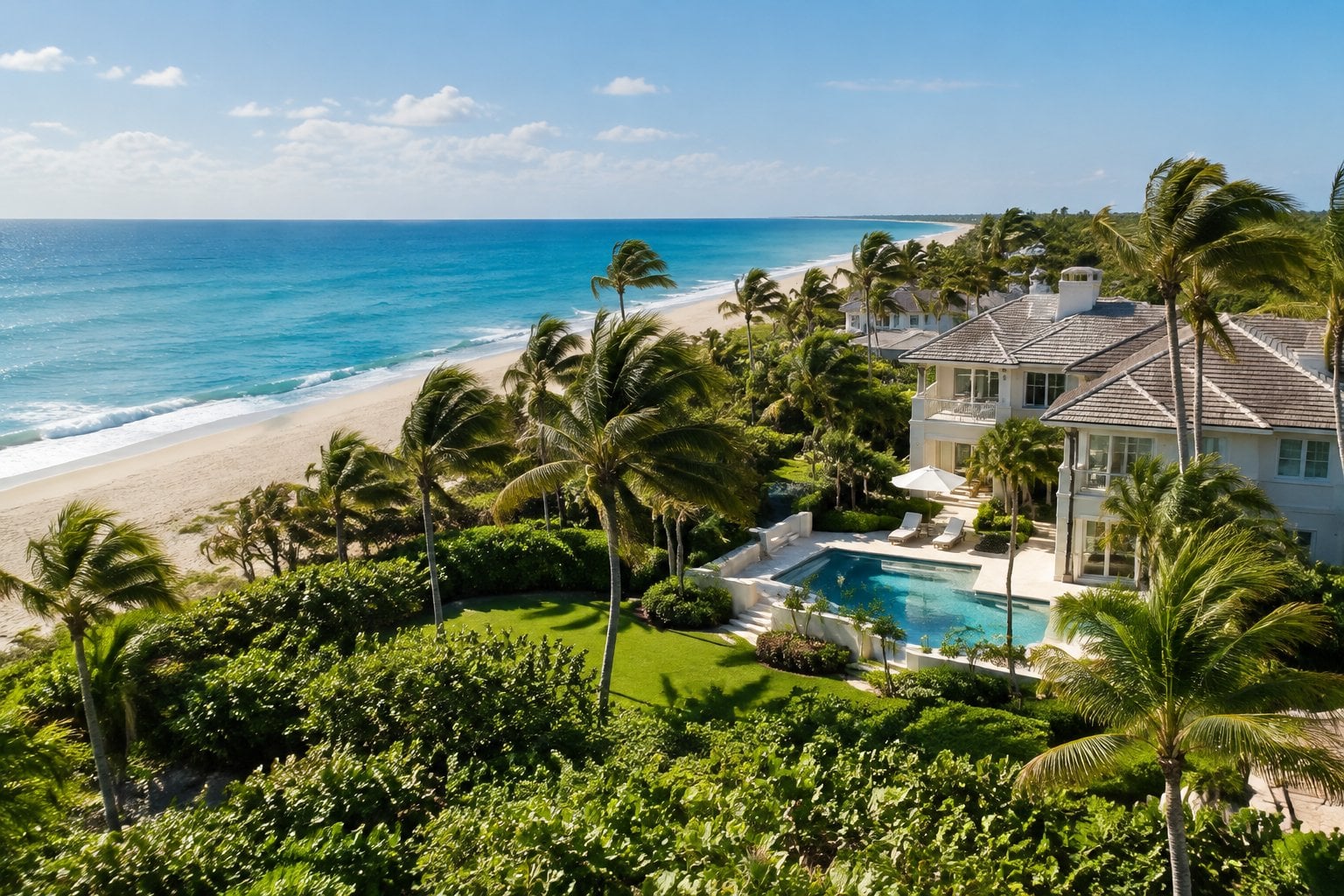
Manalapan sits on a narrow barrier island between Palm Beach and Boca Raton. You’re looking at one of the smallest, most exclusive towns in the state, with roughly 400 year-round residents and limited housing inventory.
Home prices here reflect that scarcity. Oceanfront estates regularly sell for tens of millions of dollars, and one property, purchased by Larry Ellison, sold for $173 million. Even condos in Manalapan sell at a steep premium, so you won’t find an affordable entry point into this market.
Property taxes and insurance costs run high, matching the value of the real estate. Oceanfront construction also means you’ll pay more for windstorm and flood coverage than you would further inland.
What drives Manalapan’s cost is privacy and location. You get direct beach access, low-density zoning, and proximity to Palm Beach’s social and business circles without the crowds. The town limits commercial development, which keeps it quiet but also restricts supply.
If you’re considering a move here, expect a market built around ultra-high-net-worth buyers rather than typical homeowners.
3. Jupiter Inlet Colony, Florida
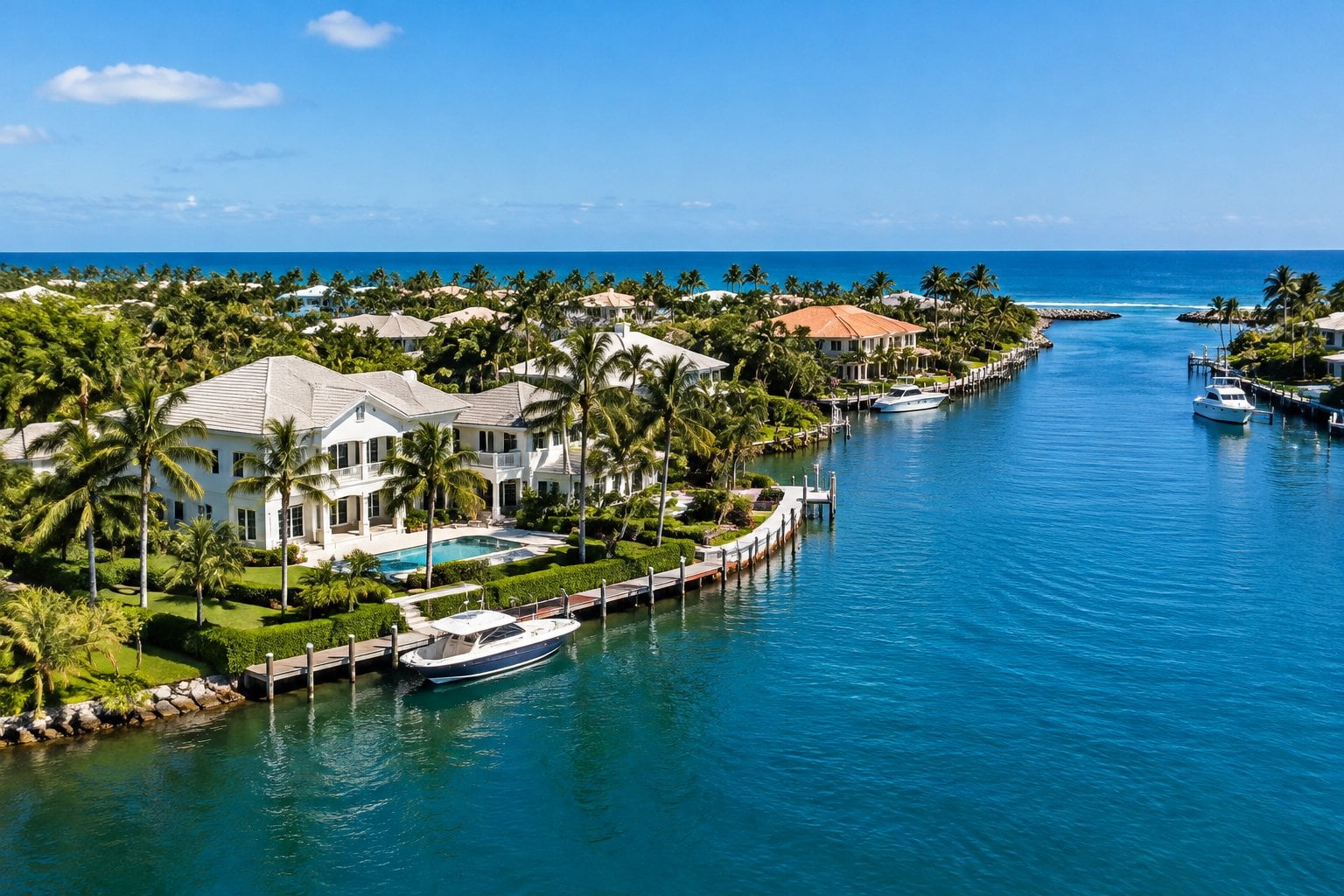
Jupiter Inlet Colony sits on a narrow barrier island in northern Palm Beach County, bordered by the Atlantic Ocean on one side and the Intracoastal Waterway on the other. You’re looking at a town of only a few hundred residents, and that scarcity drives much of the cost.
The typical home value here is around $3.85 million, one of the highest figures in the state. If you want direct oceanfront or deep-water dockage for a yacht, you’ll pay well above that figure.
Property taxes and insurance costs reflect the home values and coastal exposure. Flood and windstorm coverage on waterfront property in this zip code runs significantly higher than inland Florida markets.
You won’t find new construction opportunities, since the town is fully built out with no room to expand. That permanent supply constraint, paired with steady demand from high-net-worth buyers, keeps competition and prices elevated.
Residents also have access to a private residents-only beach and community park, amenities that add to the appeal without being open to the general public. Your neighbors here tend to value privacy as much as location.
4. Gulf Stream, Florida
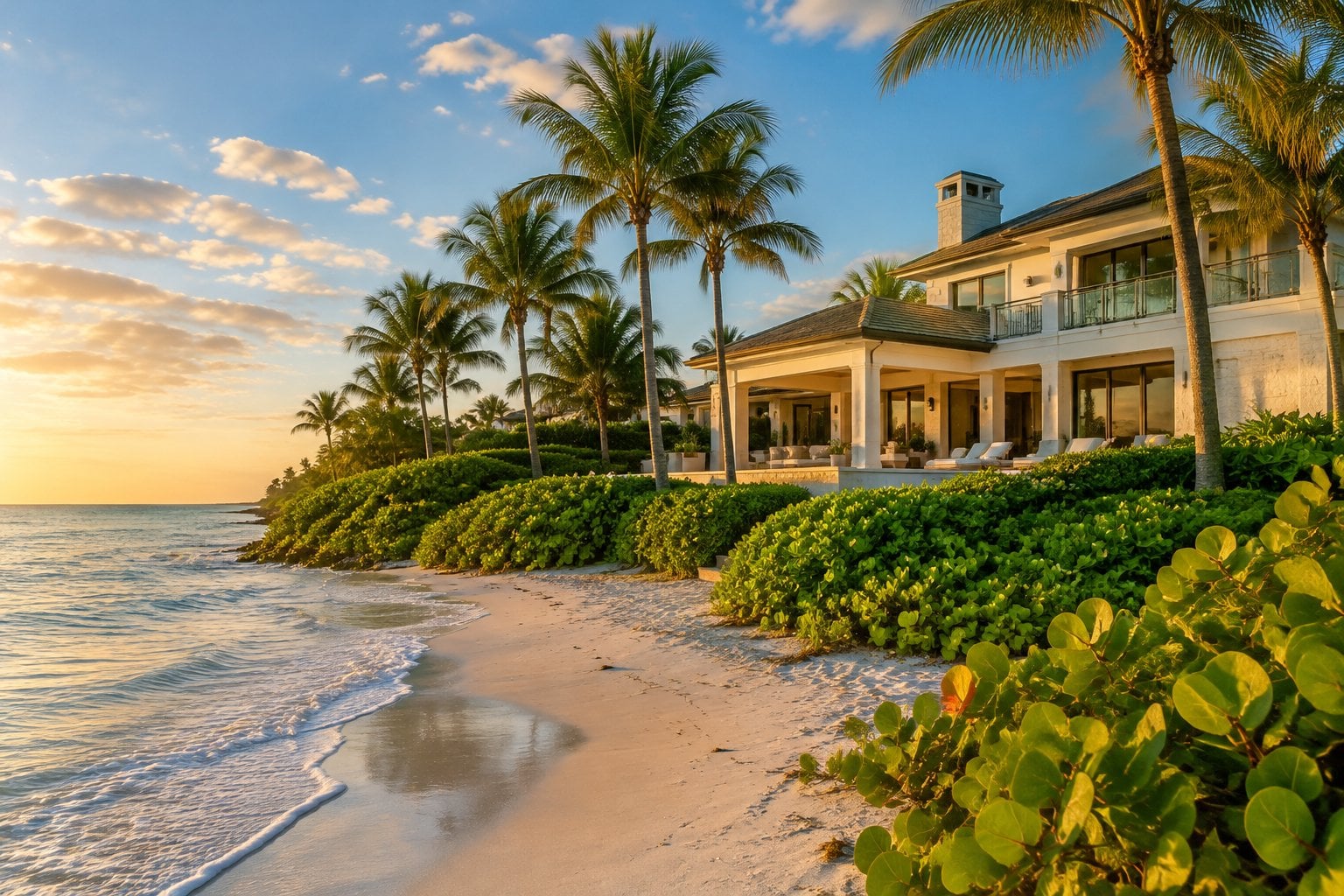
You’ll find Gulf Stream tucked along the coast in Palm Beach County, just south of Delray Beach. This small town is known for large estates, private beachfront access, and strict zoning rules that limit development and preserve a low-density, exclusive feel.
Home values here run well into the multi-millions, with many waterfront and oceanfront properties pushing prices even higher. You can expect property taxes to reflect those high valuations, since Florida’s tax rates are applied to assessed home value.
Homeowners insurance costs you more in Gulf Stream than in most of the state, largely due to its direct coastal exposure to hurricanes and flood risk. Comprehensive wind and flood coverage adds significantly to your annual housing costs.
Gulf Stream’s appeal comes from its privacy and seclusion. You won’t see commercial strips or high-rise condos here; instead, you’ll find winding roads, mature landscaping, and gated private estates. Its small population and limited housing supply keep demand high, which continues to drive prices upward for anyone looking to buy in.
5. Boca Grande, Florida
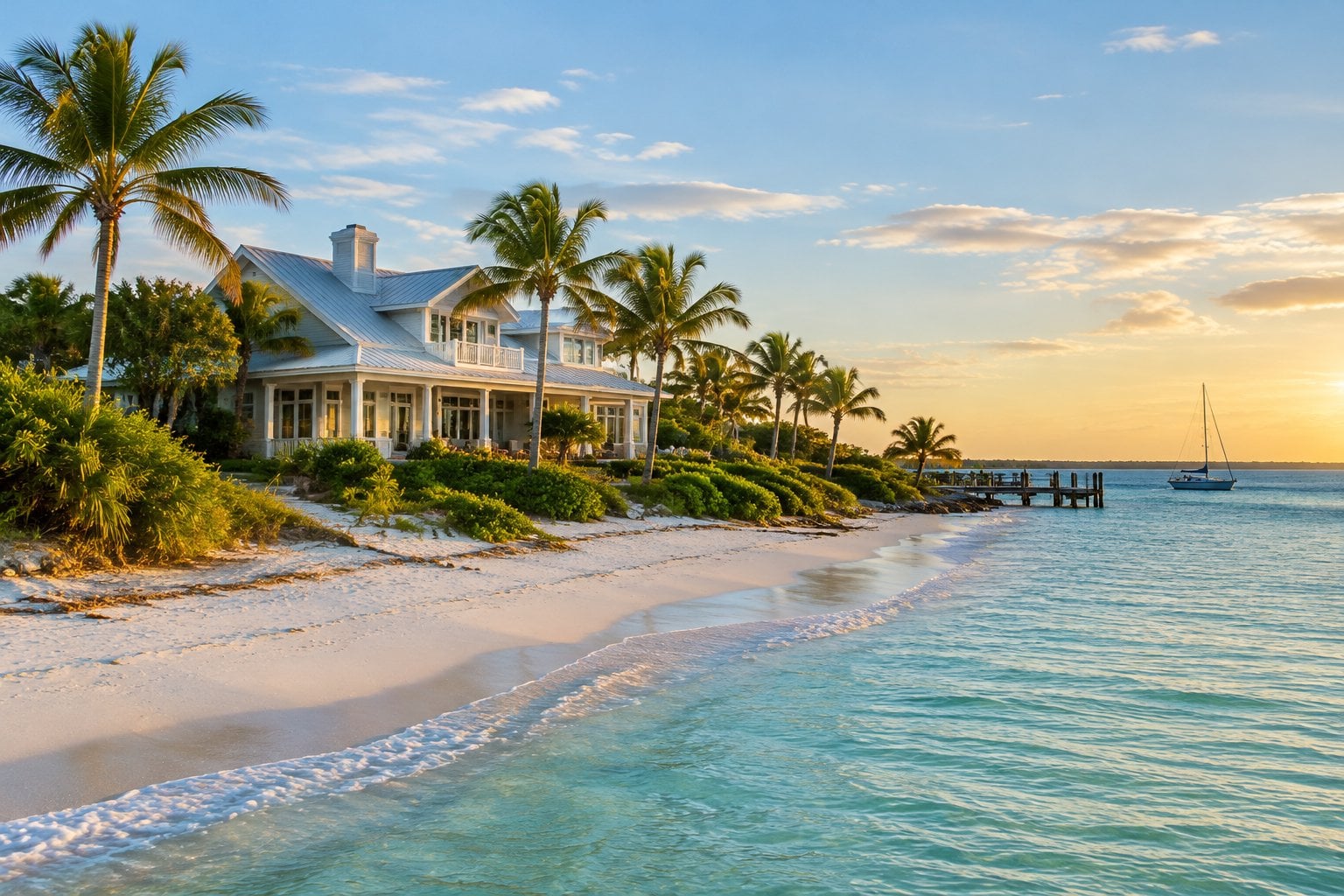
Boca Grande sits on Gasparilla Island along Florida’s Gulf Coast, south of Englewood. You’ll find one of the state’s most exclusive barrier island communities here, with a population of under 1,000 residents.
Median home prices in Boca Grande hover in the $2.5 million to $3 million range, and average listing prices often approach $4 million. Some waterfront properties sell well beyond that figure, reflecting the limited inventory and high demand for island living.
The 33921 ZIP code, which covers Boca Grande, consistently ranks among Florida’s most expensive. Household incomes in the area run well above state and national averages.
Your cost of living here reflects the premium placed on privacy and exclusivity. Property taxes and insurance costs run high, driven by elevated home values and the risks associated with coastal properties in a hurricane-prone region.
You won’t find large-scale development or commercial density in Boca Grande. Instead, you’ll encounter historic charm, restricted building codes, and a community that has preserved its small-town character despite its wealth, making it one of Florida’s priciest and most tightly held real estate markets.
6. Palm Beach, Florida
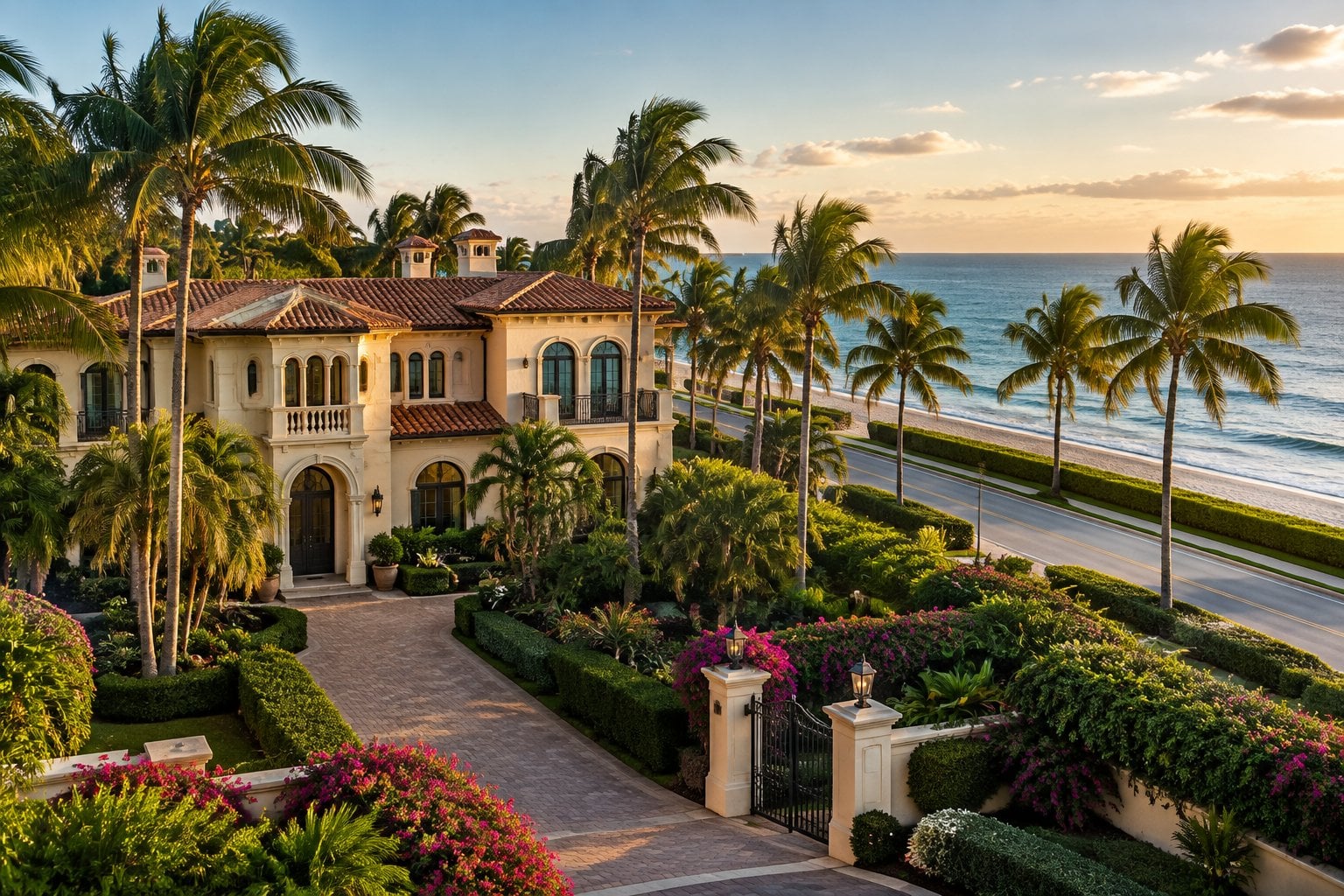
Palm Beach sits on a narrow barrier island in southeastern Florida, bordered by the Atlantic Ocean and the Intracoastal Waterway. You’ll find it directly across from West Palm Beach, connected by a handful of bridges.
Typical home prices sit well into the millions, placing it among the state’s priciest markets. If you’re looking at neighborhoods like the Estate Section or Everglades Island, prices climb even higher.
Property taxes here reflect those elevated home values, and you should expect homeowners insurance costs that run well above state averages due to coastal exposure and hurricane risk. Your cost of living overall will be significantly higher than most Florida cities, driven by real estate, services, and exclusivity.
What drives Palm Beach’s expense is its limited land, oceanfront access, and historic prestige. You’re buying into a legacy of wealth that dates back to the early 20th century, when the island became a winter retreat for industrialists. Privacy, low density, and strict zoning keep inventory tight, which sustains high prices year after year.
7. Anna Maria, Florida
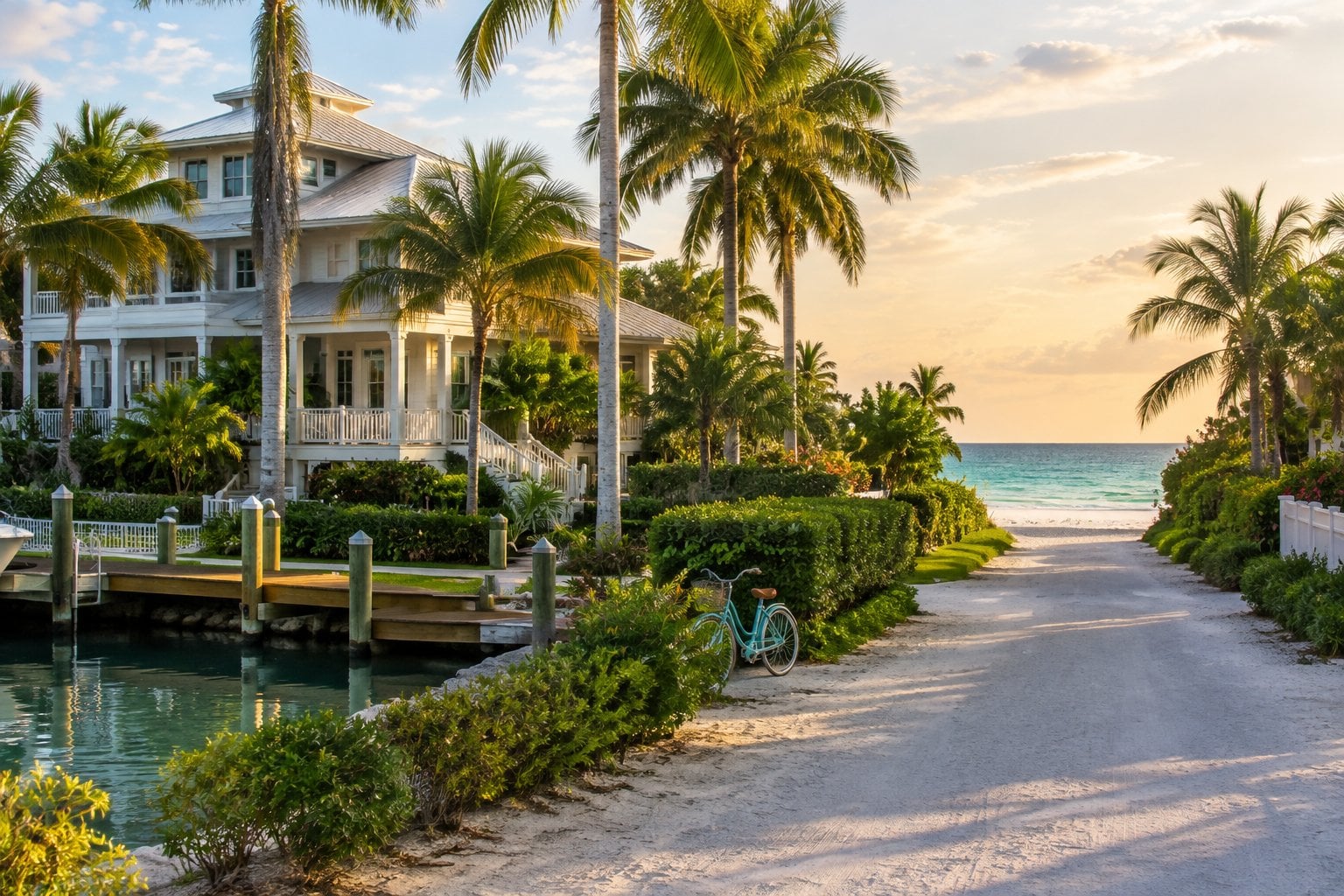
Anna Maria sits at the northern tip of Anna Maria Island, along Florida’s Gulf Coast near Bradenton and Sarasota. You’ll find median home values often exceeding $1.1 million, with waterfront and Gulf-view properties frequently pushing past $2 million or $3 million.
Limited land and strict building height restrictions keep inventory tight, which drives prices higher. You’re paying for scarcity as much as location, since the island can’t expand to meet demand.
Property taxes reflect these elevated home values, and homeowners insurance costs run high due to flood and hurricane risk along the coast. You should expect insurance premiums to be a significant part of your annual housing budget here.
Daily expenses also run above the state average, since many goods and services cater to tourists and seasonal residents. You’ll notice this especially in dining and retail costs during peak season.
What makes Anna Maria expensive isn’t just the real estate. It’s the combination of restricted growth, high demand for beachfront access, and the carrying costs tied to coastal living that keep this small town firmly among Florida’s priciest places to buy a home.
8. Ocean Ridge, Florida
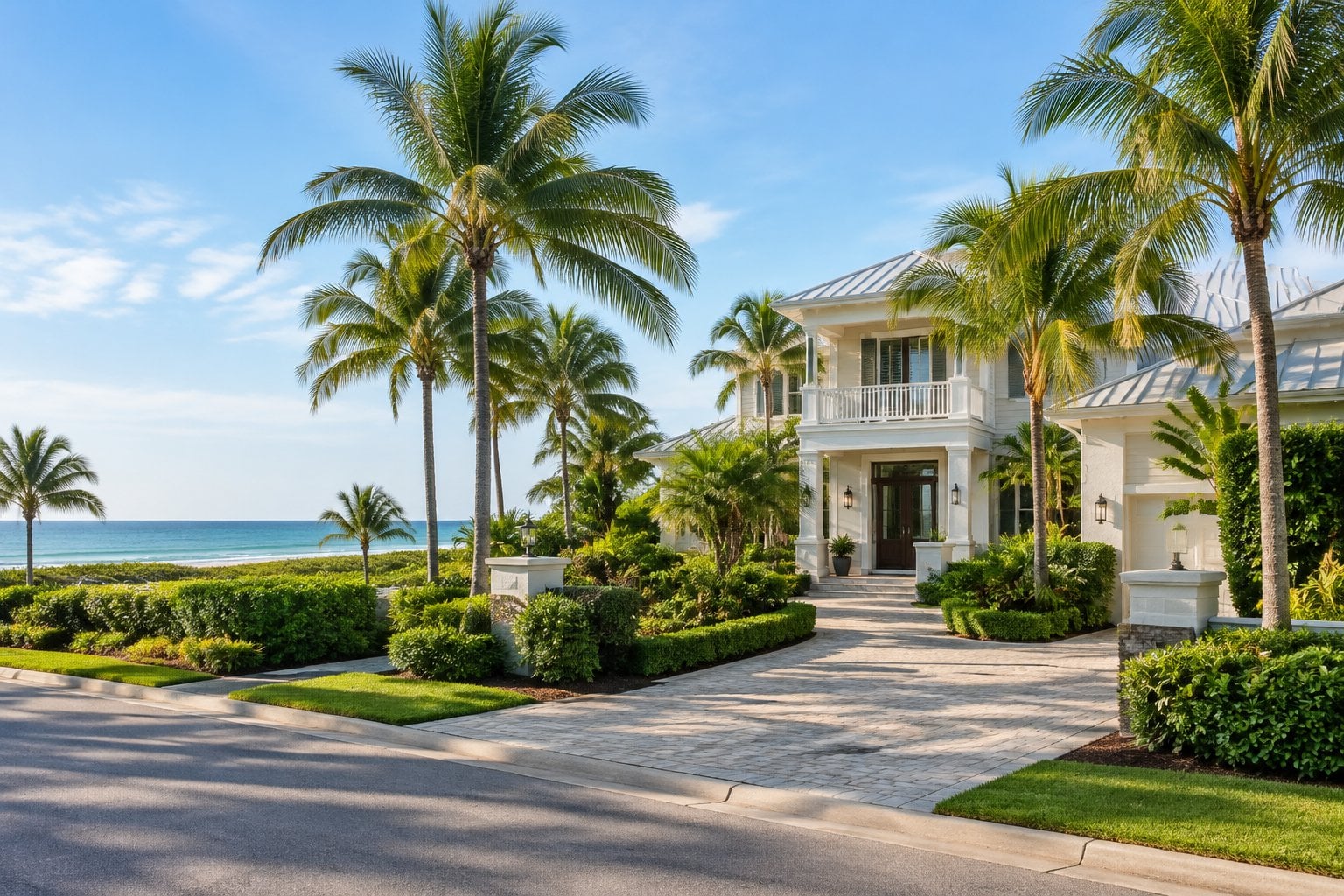
Ocean Ridge sits in Palm Beach County along a narrow barrier island between the Atlantic Ocean and the Intracoastal Waterway. You’ll find a small, low-density town made up mostly of single-family homes and waterfront estates.
Home prices here run high, with many listings well into the seven figures. Oceanfront and Intracoastal properties drive the market, and lot size matters as much as square footage given the limited land available on the barrier island.
Property taxes reflect these elevated home values, and homeowners insurance costs add another significant expense. Coastal properties in this part of Florida typically require specialized windstorm and flood coverage, which pushes insurance premiums higher than inland areas.
You’re paying for privacy and location as much as the house itself. Ocean Ridge has no commercial strip or high-rise development, so the town maintains a quiet, residential character that appeals to buyers seeking seclusion near Palm Beach and Boynton Beach.
Your cost of living extends beyond the mortgage. Maintenance on waterfront properties, dock fees if you own a boat, and landscaping suited to a coastal climate all factor into what it costs to live in Ocean Ridge.
9. Southwest Ranches, Florida
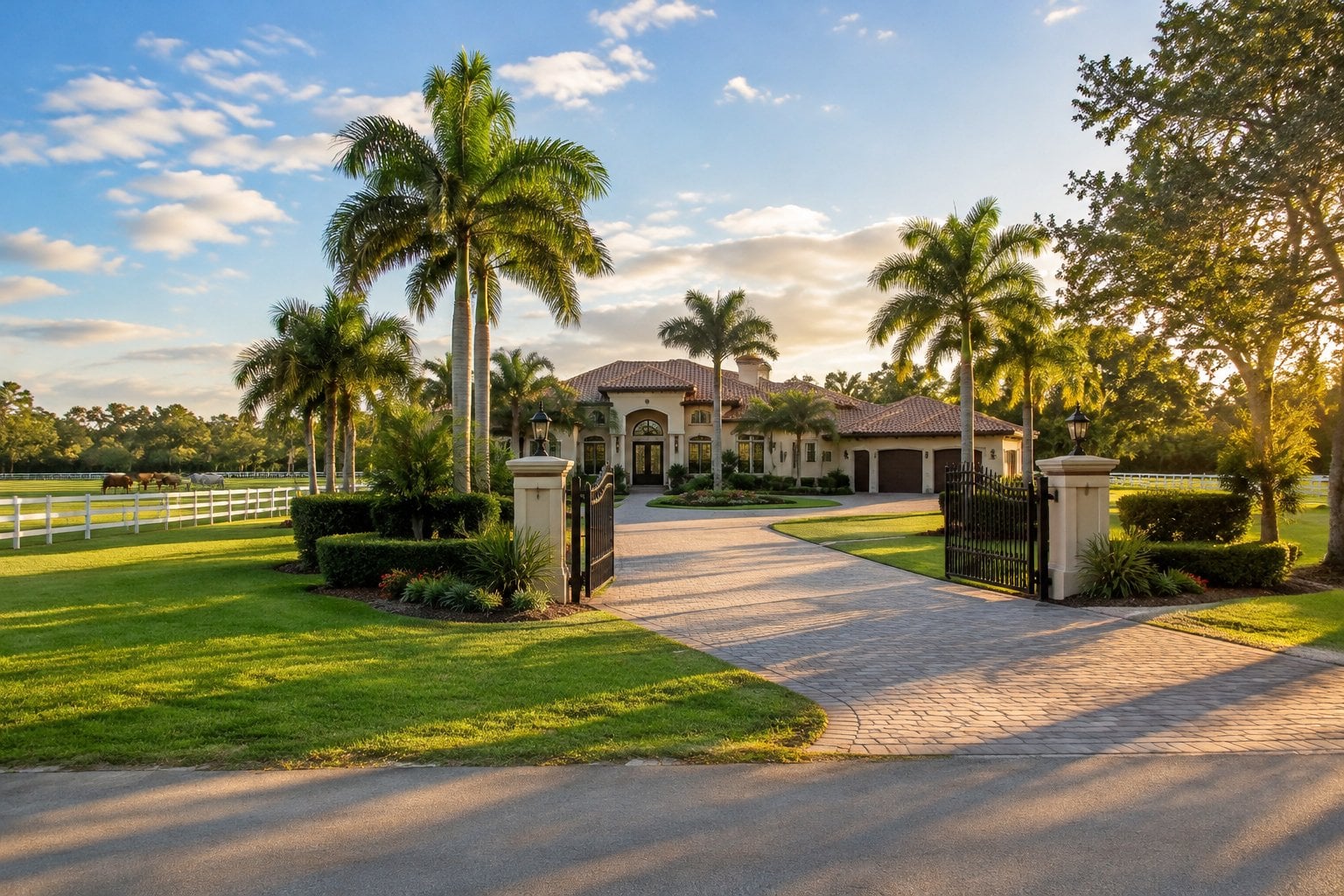
Southwest Ranches sits in southwestern Broward County, west of Fort Lauderdale. You’ll find a town built around large residential lots, equestrian properties, and a deliberately rural character that sets it apart from its densely developed neighbors.
The town was incorporated in 2000, partly to resist annexation by Pembroke Pines and preserve its low-density zoning. That decision has kept home prices high, since land here is scarce and lot sizes often exceed an acre.
If you’re house-hunting in neighborhoods like Sunshine Ranches or Rolling Oaks, you’ll encounter listings well into the seven figures, with some luxury estates priced far higher. Multi-acre properties with barns, riding rings, and private gates drive much of this cost.
Property taxes and insurance reflect the value of these large parcels and custom-built homes. You should also expect higher maintenance costs tied to acreage, well systems, and septic infrastructure, which are common here instead of municipal utilities.
Southwest Ranches offers privacy and space that’s increasingly rare in South Florida, and that scarcity is central to its high cost of living.
10. Sewall’s Point, Florida
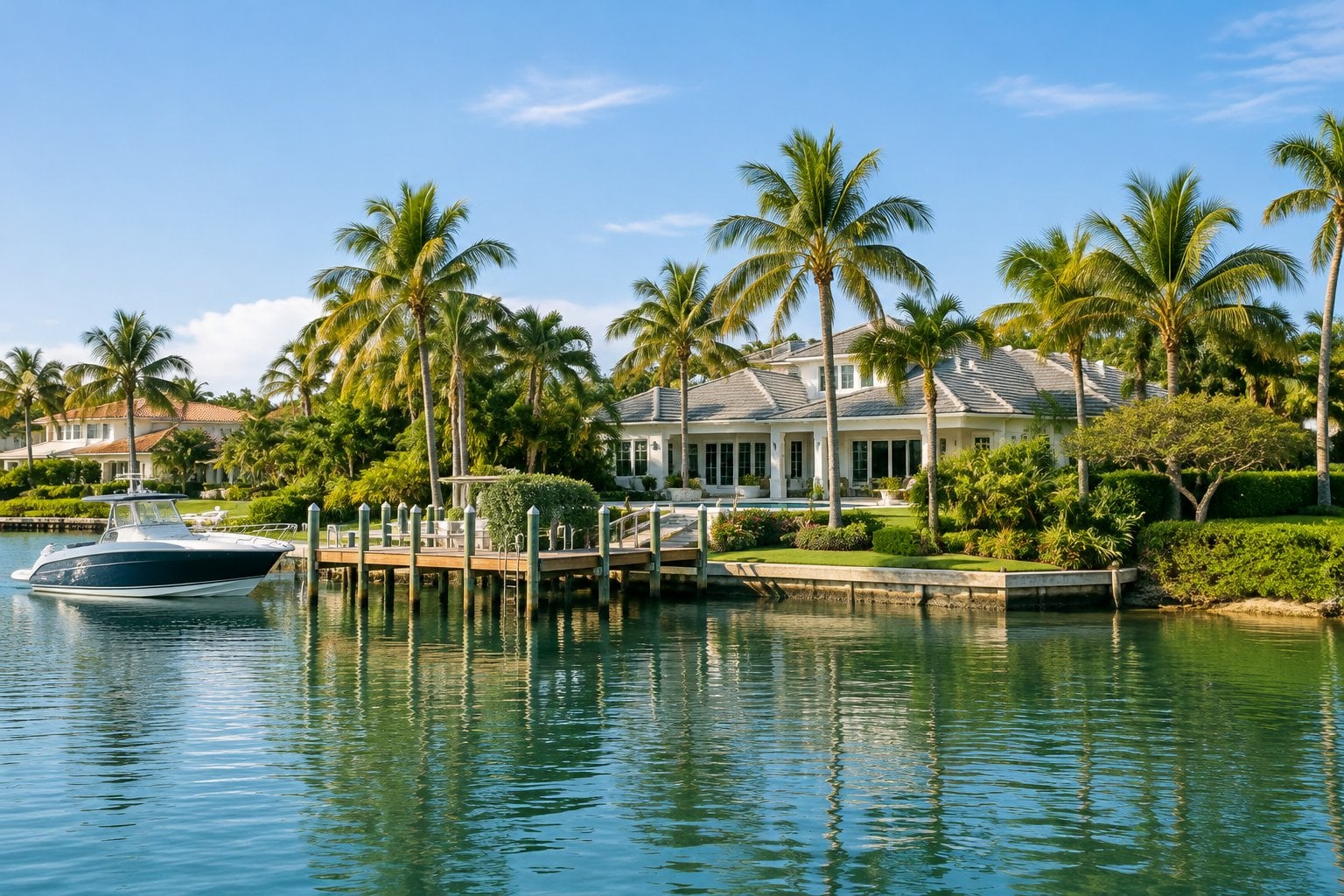
Sewall’s Point sits on a narrow peninsula in Martin County, bordered by the St. Lucie River and Indian River Lagoon. The location gives you waterfront access from nearly every direction, which drives much of the demand here.
Home values in this small community regularly push into the seven figures, reflecting its limited housing stock and low turnover. With roughly 2,000 residents, inventory stays tight, and that scarcity keeps prices elevated.
Your cost of living here runs well above both the Florida and national averages. Daily expenses, from groceries to services, cost significantly more than in most Florida towns.
Property taxes and homeowners insurance add to the financial commitment of living in Sewall’s Point. Waterfront exposure means insurance premiums tend to run higher than inland areas, particularly for flood and wind coverage.
You’re also paying for privacy and a slower pace, since the town has no major commercial strip. Most of what you need lies a short drive away in Stuart, which keeps Sewall’s Point itself quiet and largely residential.
11. Indian River Shores, Florida
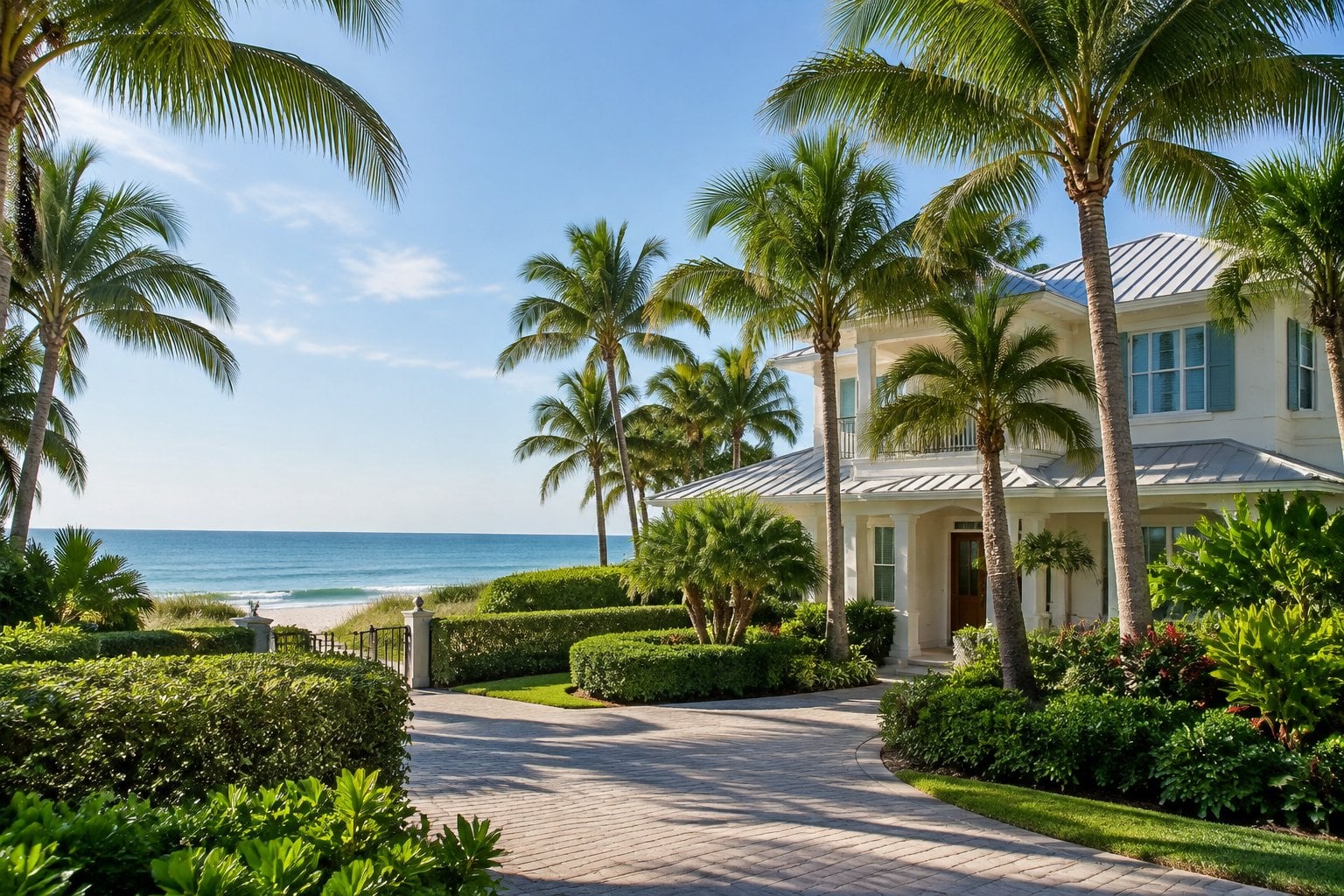
You’ll find Indian River Shores along a narrow barrier island in Indian River County, between the Atlantic Ocean and the Indian River Lagoon. This small town of roughly 4,300 residents carries a cost of living well above the national average.
Housing drives much of that figure. The typical home here is priced well over $1 million, making it one of the costlier markets in the state.
Oceanfront and riverfront properties, combined with limited buildable land, keep prices elevated. Property taxes reflect these high valuations, and homeowners insurance runs higher than inland areas due to coastal exposure to hurricanes and flooding.
Daily expenses add to the overall cost. Groceries, utilities, and healthcare all exceed state and national averages, and renting isn’t a cheap alternative either, with two-bedroom units costing noticeably more than typical Florida rents.
You’re paying for privacy, low density, and proximity to upscale amenities in nearby Vero Beach. The combination of exclusive real estate, limited inventory, and barrier-island geography explains why this small community ranks among Florida’s most expensive places to live.
12. Naples, Florida
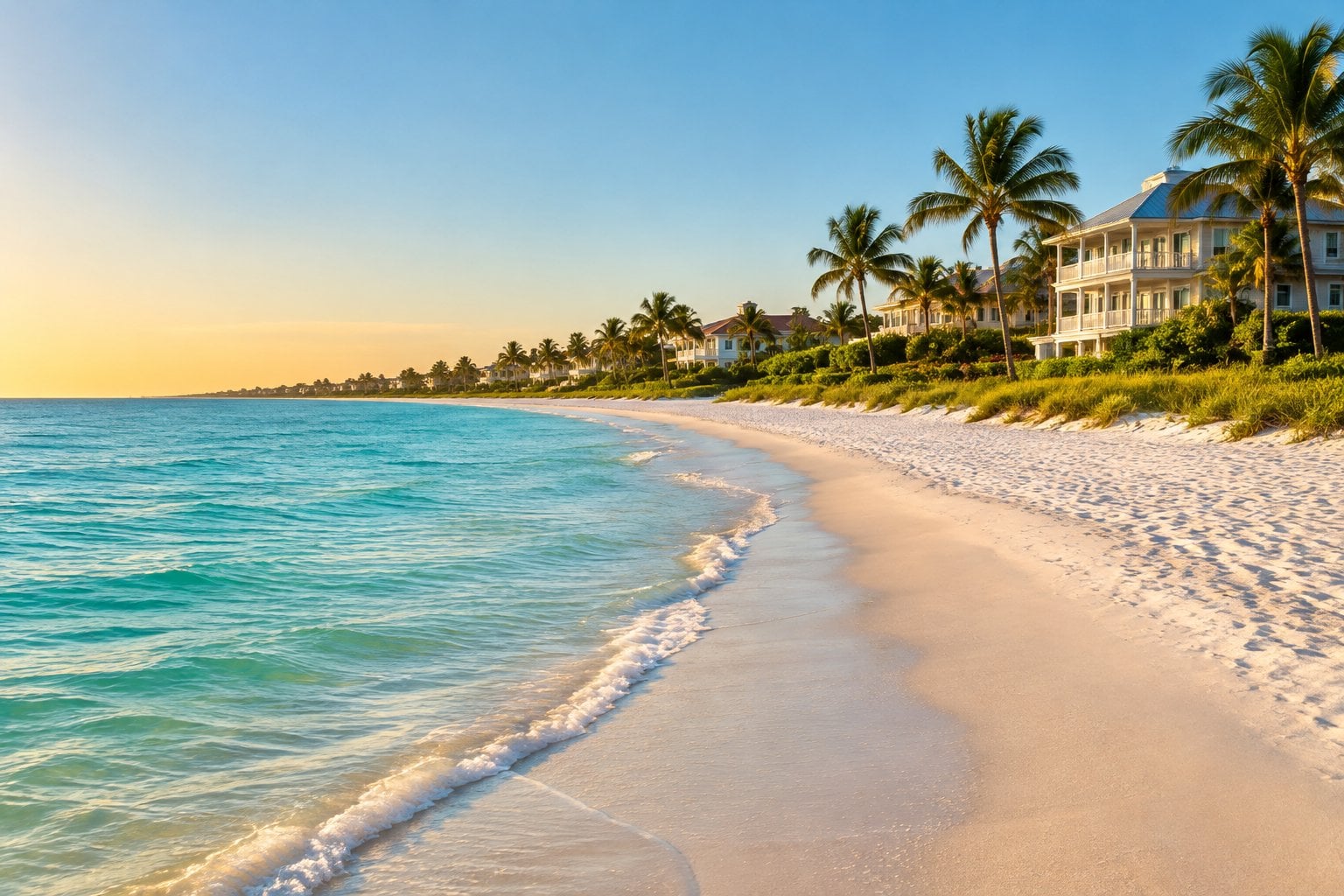
Naples sits on the Gulf Coast in Collier County, and you’ll find it consistently ranked among Florida’s most expensive places to live. Typical home values in the city itself run well over $1 million, far above the state average, with waterfront and gated communities pushing well into the millions.
Port Royal stands out as the city’s premier address, where estates regularly sell for $15 million to $60 million. Even the smallest lots there command premium prices.
Property taxes in Naples reflect these high valuations, and homeowners insurance costs run higher than the state average due to coastal exposure and hurricane risk. You’ll also notice elevated costs for flood insurance if your property sits near the water.
What drives Naples’ prices is a combination of pristine beaches, upscale shopping districts, and a low-density layout that preserves privacy. Golf courses and country clubs add another layer of exclusivity, often requiring significant membership fees.
Neighborhoods like Pelican Bay and Old Naples offer slightly more accessible entry points, though still well above typical Florida averages. The absence of state income tax continues to attract high-net-worth buyers to this market.
13. Islamorada, Florida
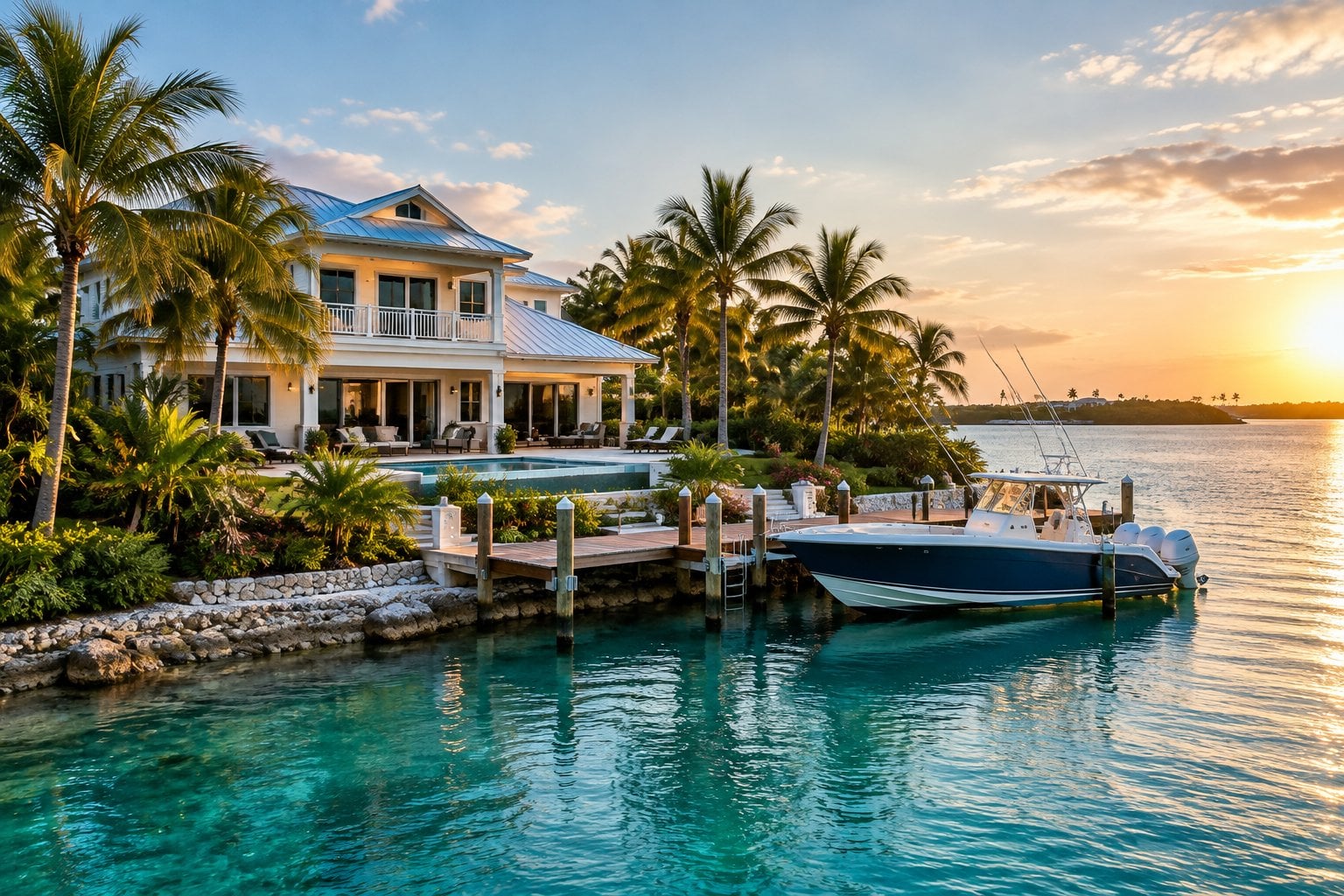
Islamorada sits in the Florida Keys, strung across a series of islands between Key Largo and Marathon. You’ll find median home values commonly reported near or above $1 million, though figures vary depending on the property mix included in the calculation.
Housing costs here run well above the national average. You can expect to pay noticeably more for housing than the typical American household, whether you’re single or supporting a family.
Your property tax bill and insurance premiums reflect the risks of coastal Keys living. Flood insurance and windstorm coverage add significant expense, given the area’s exposure to hurricanes and storm surge.
What drives Islamorada’s prices is its reputation as a sport fishing destination with direct access to the Atlantic Ocean and the Gulf of Mexico. Limited land availability on the narrow island chain restricts new construction, keeping supply tight. You’re also paying for proximity to coral reefs and a lifestyle built around boating and water recreation, which commands a premium in this stretch of the Keys.
14. Captiva, Florida
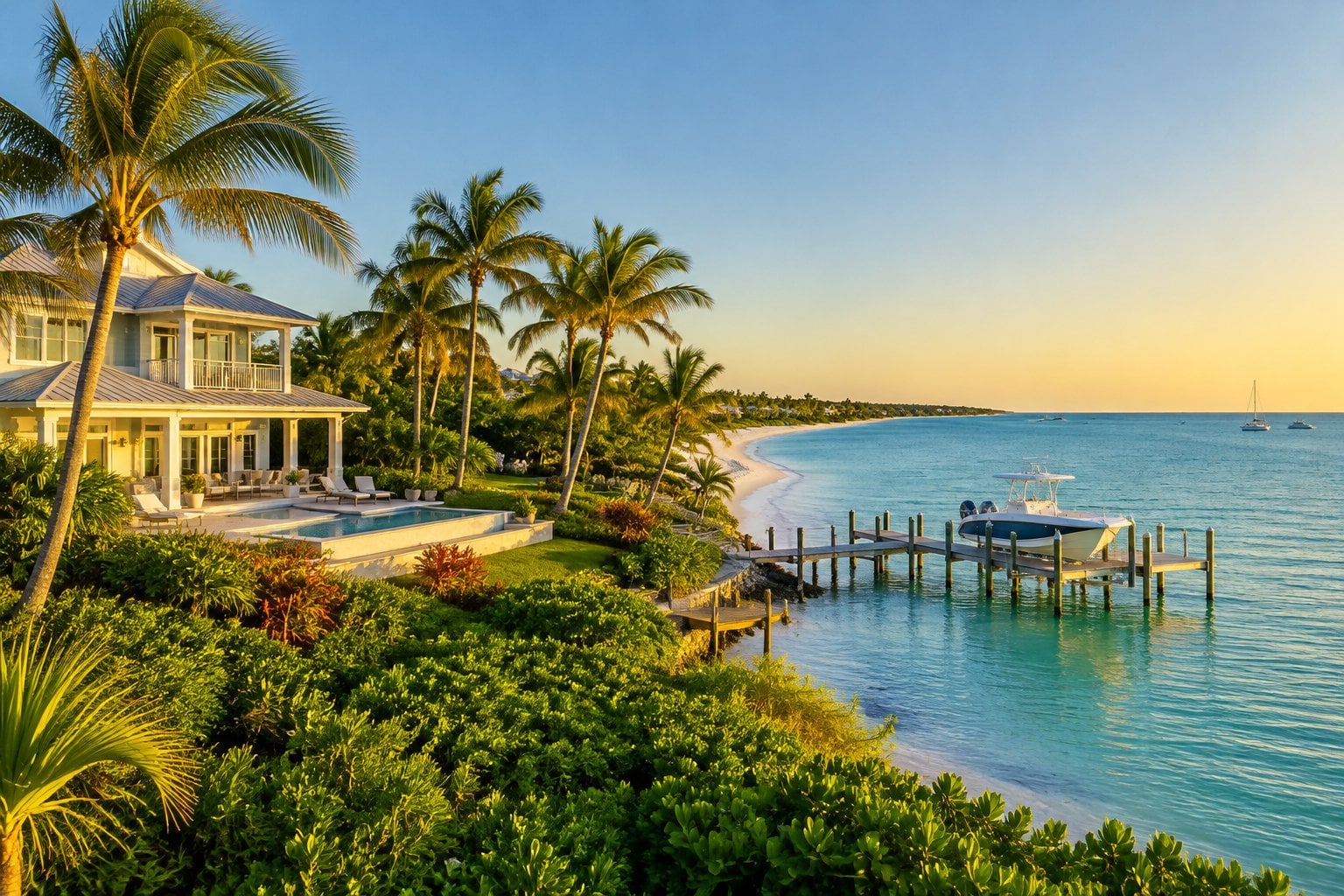
Captiva sits on a narrow barrier island off the coast of Southwest Florida, connected by bridge to Sanibel, which links to the mainland by causeway. You will find a small, tight-knit community here, with limited land and strict building regulations keeping development low and property values high.
Home prices on Captiva commonly top $1 million, and luxury waterfront estates often exceed that range by a wide margin. Zillow listings for the area regularly feature oceanfront and bayfront properties priced for buyers seeking privacy and exclusivity rather than affordability.
Insurance costs factor heavily into your overall expenses if you choose to live here. Flood and windstorm coverage on a barrier island carry significant premiums, given the exposure to hurricanes and storm surge.
Property taxes reflect the high assessed values of homes in the area, adding another layer of cost beyond the purchase price. Daily expenses, including groceries, services, and dining, also run higher than the state average, since goods must be transported to this remote island location.
You are paying for seclusion, natural beauty, and limited inventory when you choose Captiva, all of which keep this small island among Florida’s priciest places to live.
15. Parkland, Florida
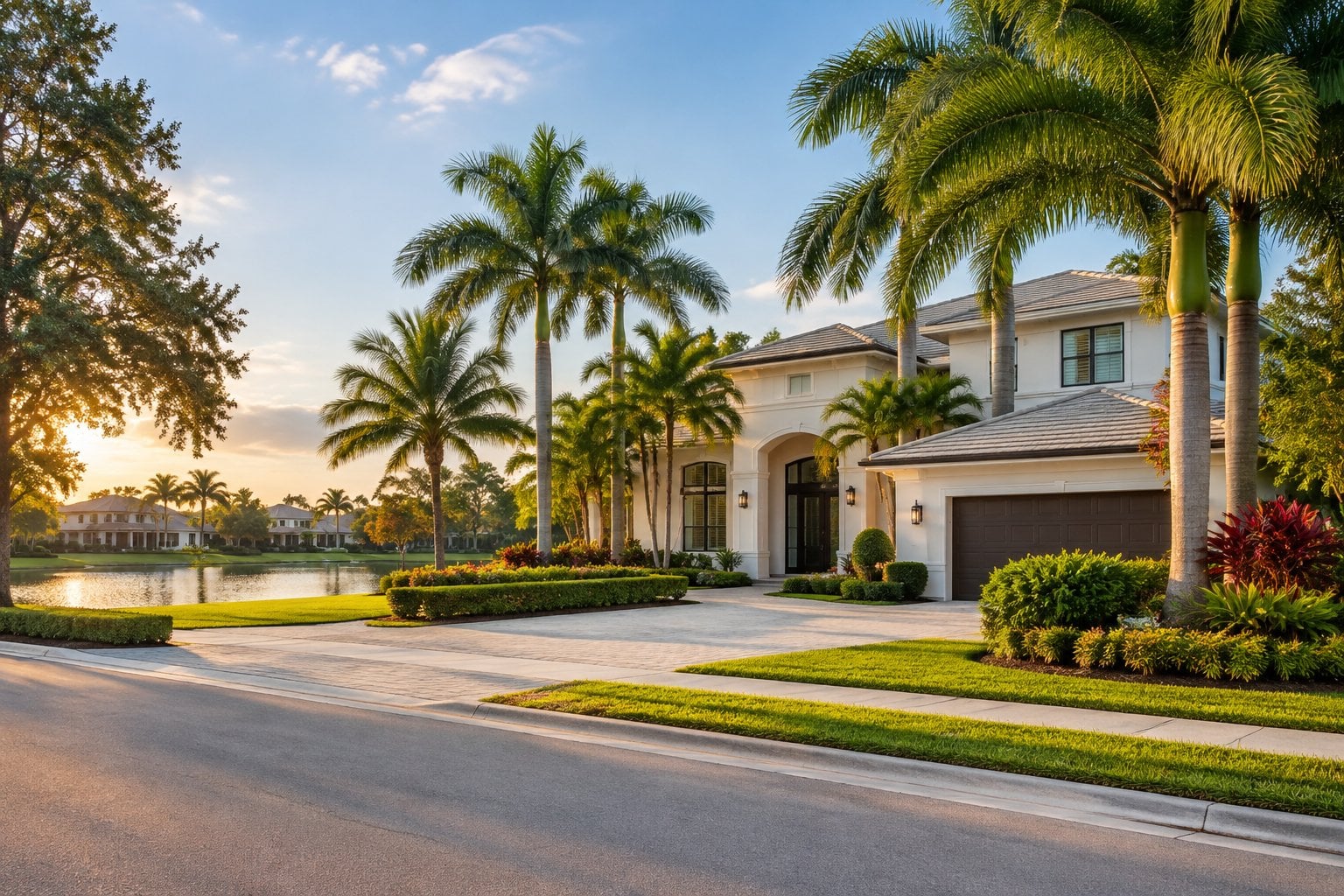
Parkland sits in northern Broward County and ranks among the most expensive cities in Florida. Typical home values here exceed $1 million, with median sales prices reported around $1.14 million.
You’ll find that median household income in Parkland runs far above the national median. This affluence shapes the local real estate market, pushing prices higher than in neighboring Coral Springs or Margate.
Monthly rents in Parkland run high, reflecting strong demand for housing in the area. Property taxes and homeowners insurance add further costs, especially given Broward County’s exposure to hurricane risk and flood zones.
Beyond housing costs, you’ll encounter HOA fees in many of Parkland’s gated communities, along with higher utility rates tied to larger lot sizes and upscale amenities. The city’s appeal comes from its A-rated public schools, many municipal parks, and low-density, family-oriented neighborhoods.
Luxury homes dominate the market, with listings ranging from the $500,000s to well over $5 million. Living in Parkland means paying a premium for space, safety, and strong school performance within reach of South Florida’s urban centers.
16. Key West, Florida
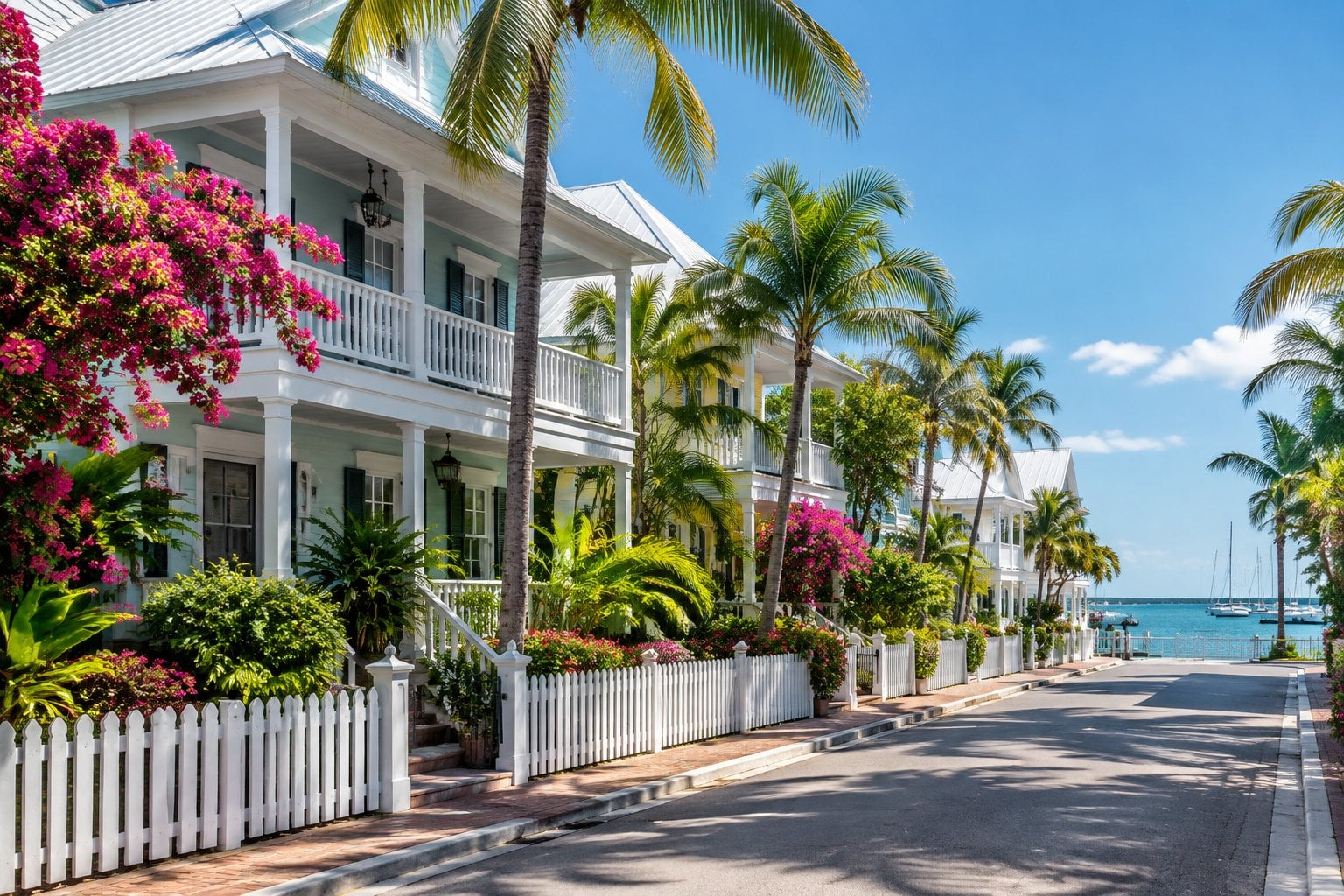
Key West sits at the southern tip of the Florida Keys, making it one of the most remote and geographically limited housing markets in the state. You will find a mix of historic conch houses, waterfront condos, and small lots, with median home values ranking among the highest in Florida.
Limited land availability drives much of the cost. The island only spans a few square miles, so new construction is restricted and existing properties carry a premium.
Your cost of living extends beyond housing. Groceries, dining, and everyday goods cost more here because most supplies travel long distances down US-1 to reach the island.
Flood insurance and homeowners insurance also add to your expenses. Key West’s location makes it vulnerable to hurricanes and storm surge, so insurers price policies accordingly.
Tourism shapes the local economy, with Duval Street and Mallory Square drawing visitors year-round. This steady demand supports short-term rental income but also keeps property values elevated.
If you’re considering Key West, you should budget for higher utility costs, insurance premiums, and a grocery bill that reflects the island’s isolated supply chain.
17. Holmes Beach, Florida
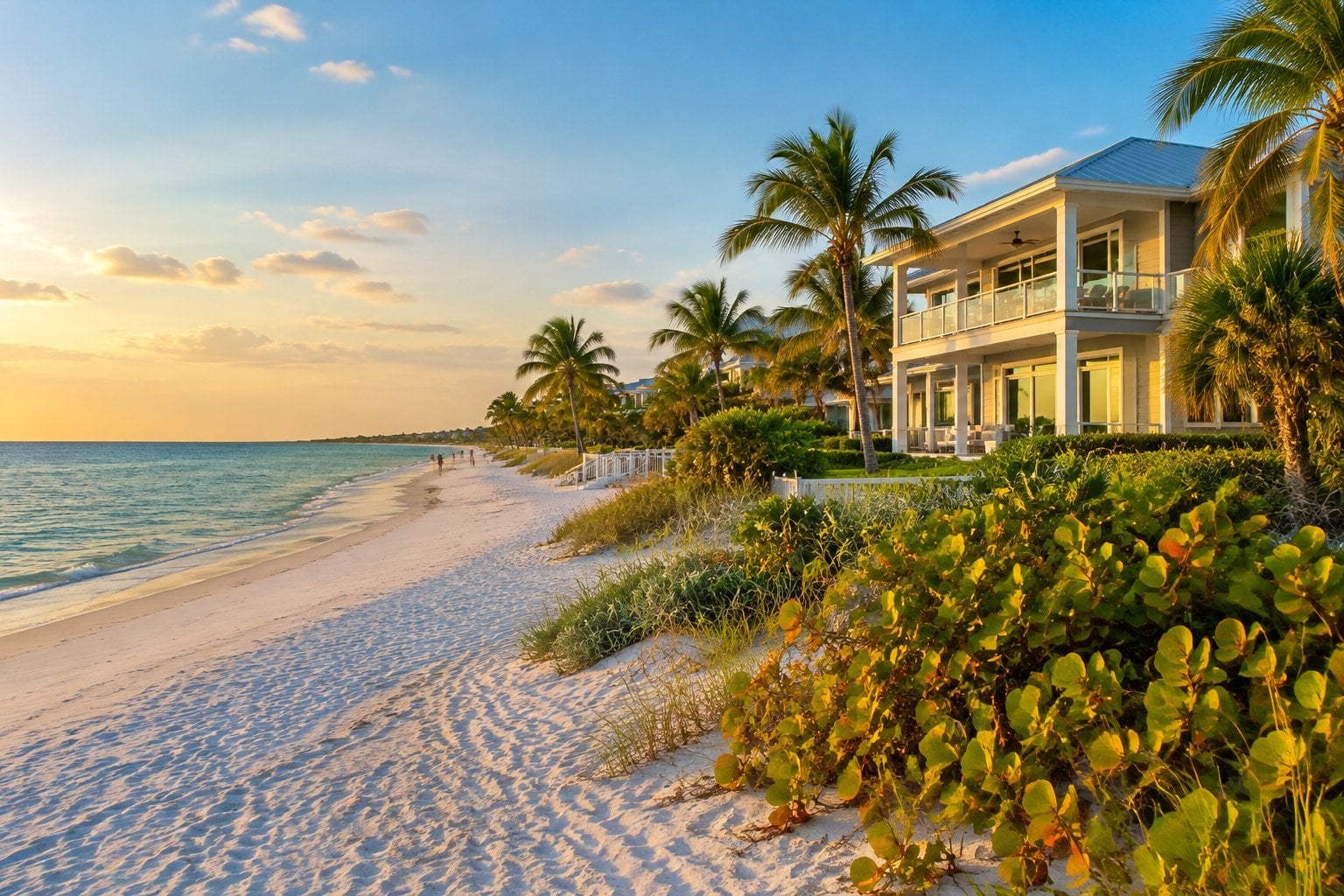
You’ll find Holmes Beach on Anna Maria Island, along Florida’s Gulf Coast near Bradenton. This barrier island location drives much of the cost here.
Median home prices typically sit around the $1 million mark, reflecting the limited inventory and high demand for beachfront and near-beach properties. You’re paying a premium for direct Gulf access and the island’s low-density zoning, which restricts new construction.
Property taxes and homeowners insurance add significantly to your ownership costs. Coastal properties in this area face elevated windstorm and flood insurance premiums, given the exposure to hurricanes and storm surge.
Many homes in Holmes Beach serve as vacation rentals or second residences, which keeps year-round demand steady and prices elevated. You’re also dealing with a smaller permanent population, so everyday goods and services can carry a higher markup than inland Florida communities.
The island lifestyle, walkable beaches, and proximity to Sarasota and Tampa amenities justify the cost for many buyers. If you’re considering Holmes Beach, you’re investing in scarcity, location, and a protected small-town coastal character.
18. Longboat Key, Florida
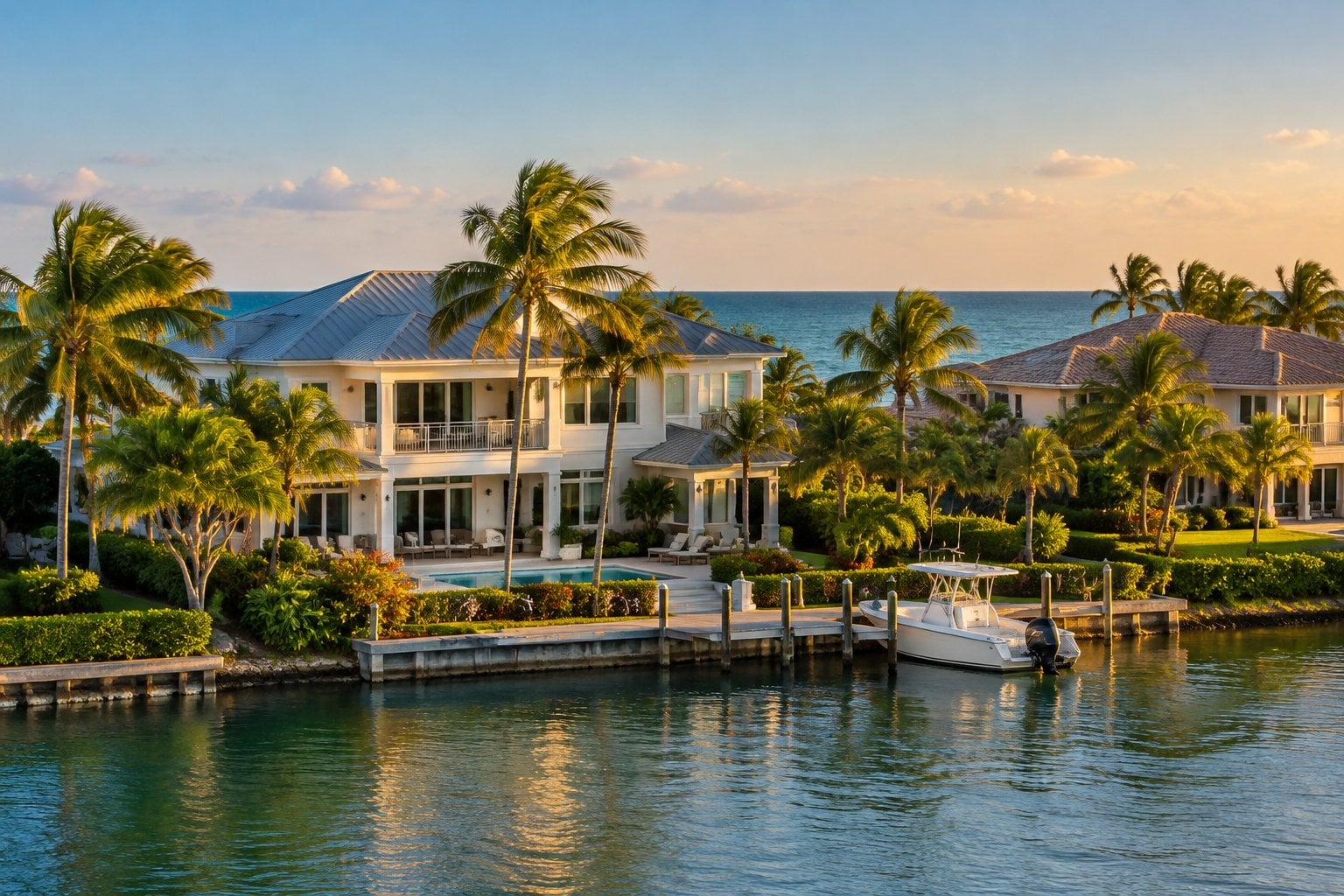
Longboat Key sits on a narrow barrier island on Florida’s Gulf Coast, stretching between Sarasota and Bradenton. You’ll find a mix of condominiums and single-family estates here, with luxury properties ranging from roughly $2 million to over $25 million. Gulf-front homes typically carry a premium over bay-side properties.
Your cost of living on Longboat Key runs well above both state and national averages, driven largely by housing and insurance. Waterfront exposure means higher flood and windstorm insurance premiums, which add significantly to your monthly expenses.
Property taxes reflect the high assessed values common throughout the island. You’re also paying a premium for privacy and low-density living, since Longboat Key limits development more strictly than many nearby coastal communities.
With a population of around 7,500 residents, you’re looking at a smaller, quieter market compared to larger Gulf Coast cities. Everyday costs like groceries and services remain comparatively modest, but housing dominates your overall budget here. The combination of limited inventory, Gulf access, and strict zoning keeps real estate values consistently high.
19. Highland Beach, Florida
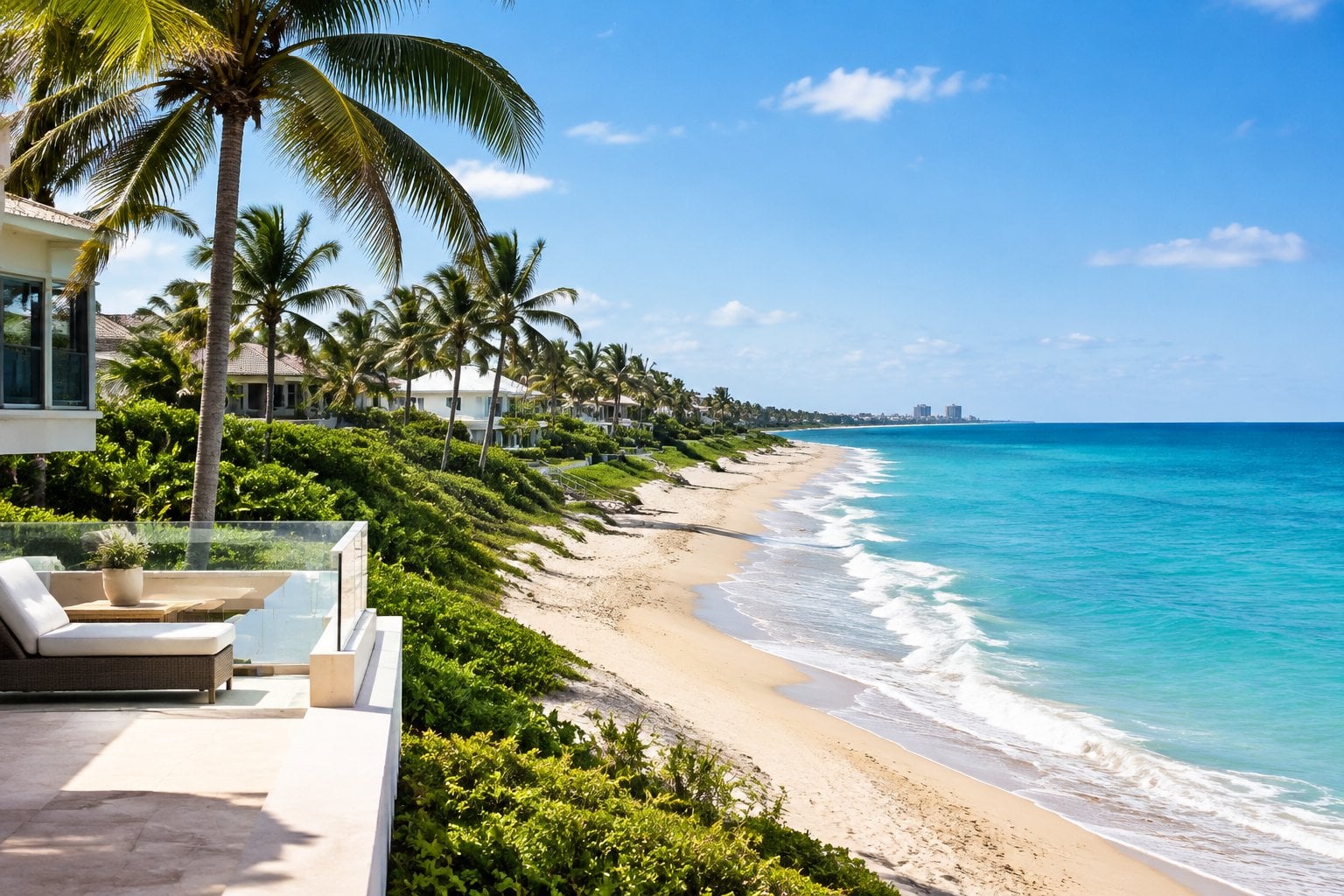
Highland Beach sits on a narrow barrier island in Palm Beach County, between Boca Raton and Delray Beach. You’ll find a town defined by oceanfront condominiums and private estates, with limited land driving up property values across the board.
Home prices here reflect that scarcity. Luxury listings commonly reach into the millions, and oceanfront enclaves like Byrd Beach command far higher prices. Even among smaller listings, you’re looking at a market where entry points sit well above state averages.
Your cost of living here runs well above the national average, placing Highland Beach among the priciest small towns in Florida. With just over 4,000 residents, the town maintains an exclusive, low-density character that keeps demand—and prices—high.
Property taxes and insurance costs add to your expenses, particularly given the coastal location and hurricane exposure common to barrier islands. Homeowners insurance tends to run higher here than inland communities due to flood and wind risk.
If you’re considering Highland Beach, you’re paying for privacy, oceanfront access, and a tightly controlled real estate market where supply rarely meets demand.
20. Santa Rosa Beach, Florida
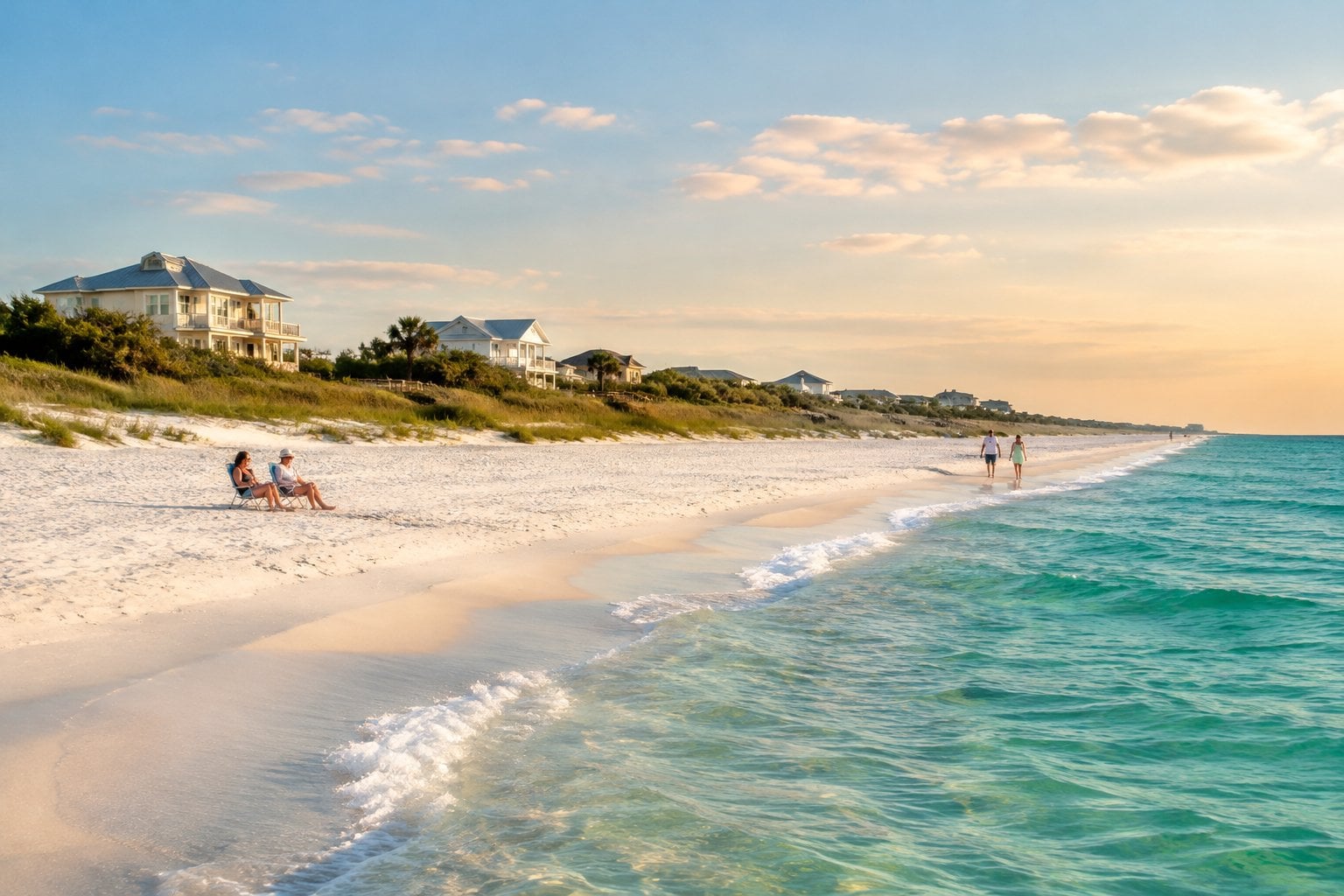
If you’re considering Santa Rosa Beach, you’re looking at one of the most expensive stretches of the Florida Panhandle. This community sits along Scenic Highway 30A in Walton County, an area known for its white sand beaches and turquoise Gulf waters.
Luxury home listings here commonly range from under $500,000 to well over $15 million, with many high-end properties averaging close to $1.7 million. Gulf-front estates and homes in exclusive 30A enclaves push prices even higher.
You’ll find that property taxes and homeowners insurance add significantly to your ownership costs, particularly for coastal and waterfront properties exposed to hurricane risk. Insurance premiums in this part of Florida tend to run higher than inland areas due to storm exposure.
Your overall cost of living here exceeds state averages, driven by housing demand, seasonal tourism, and limited inventory in desirable neighborhoods. Many buyers are drawn by the walkable beach communities and architectural variety, ranging from contemporary villas to classic coastal cottages.
If you’re relocating, you should expect premium pricing on groceries, dining, and services tied to the area’s resort-driven economy.
21. Belleair Beach, Florida
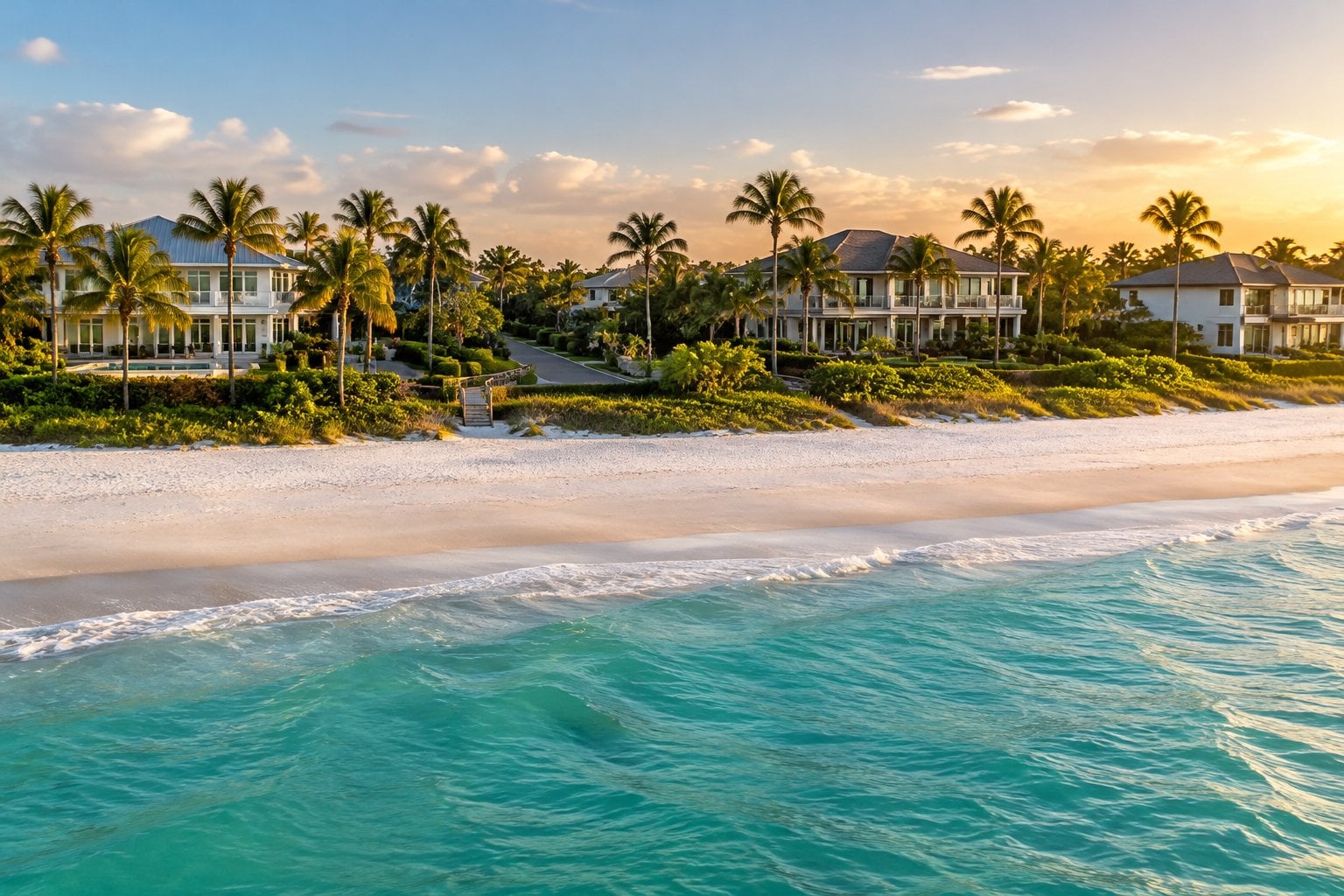
You’ll find Belleair Beach along a narrow barrier island in Pinellas County, between the Gulf of Mexico and the Intracoastal Waterway. This small community of roughly 1,500 residents carries a cost of living index well above the national average, driven largely by housing demand.
Home prices here reflect the limited inventory typical of barrier island living. Because the island is small and mostly built out, you’re paying a premium for scarcity as much as for location.
Property taxes and homeowners insurance add significantly to your monthly costs. Coastal properties in this area face higher insurance premiums due to storm exposure, including recent direct impacts from hurricanes that have affected the region.
Daily expenses, from groceries to services, also run higher than the state average. You’re paying for the convenience of beachfront access and the exclusivity that comes with a low-density coastal community.
If you’re considering Belleair Beach, you should factor in rising insurance costs alongside home prices. The appeal lies in direct Gulf access and a quieter residential setting, but that comes with a real financial commitment.
22. Siesta Key, Florida
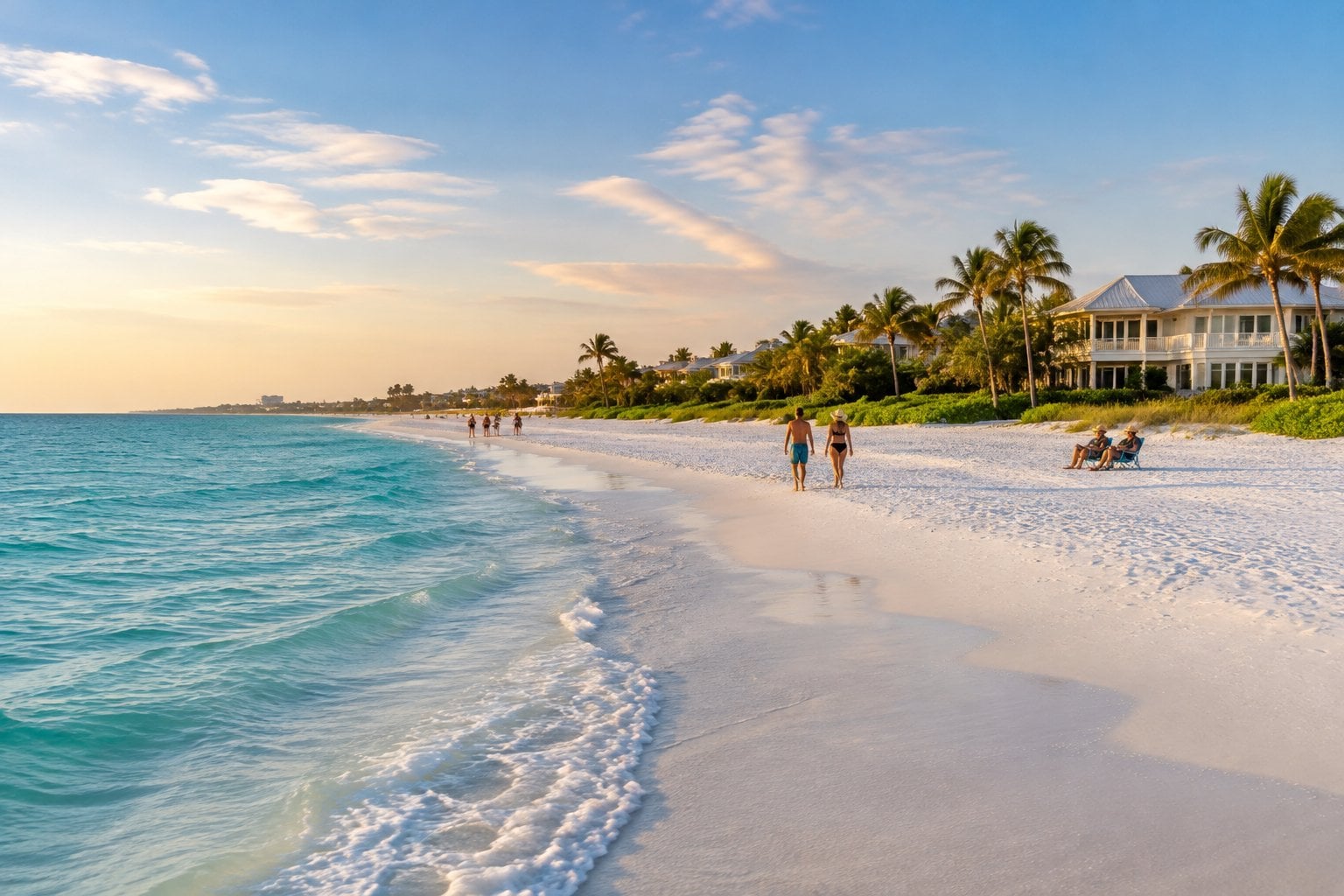
Siesta Key sits on a barrier island off Sarasota, and you’ll pay a premium for that location. Cost of living here runs well above the national average, with housing accounting for most of that gap.
Median home prices approach $1 million, and even a modest condo typically starts in the $400,000s. Beachfront properties and homes in enclaves like Sanderling Club push well beyond that figure.
Your property taxes and insurance costs add to the burden. Homeowners insurance runs especially high due to flood and hurricane risk tied to the island’s coastal exposure, so you should budget for this separately from your mortgage.
Florida’s lack of a state income tax helps offset some of these expenses if you’re a high earner. Still, your day-to-day costs, including groceries and services, tend to track close to national averages, meaning housing is the real driver of Siesta Key’s expense.
You’re paying for access to award-winning beaches and a small, tight-knit community of several thousand residents, which keeps inventory limited and prices elevated.
23. Lighthouse Point, Florida
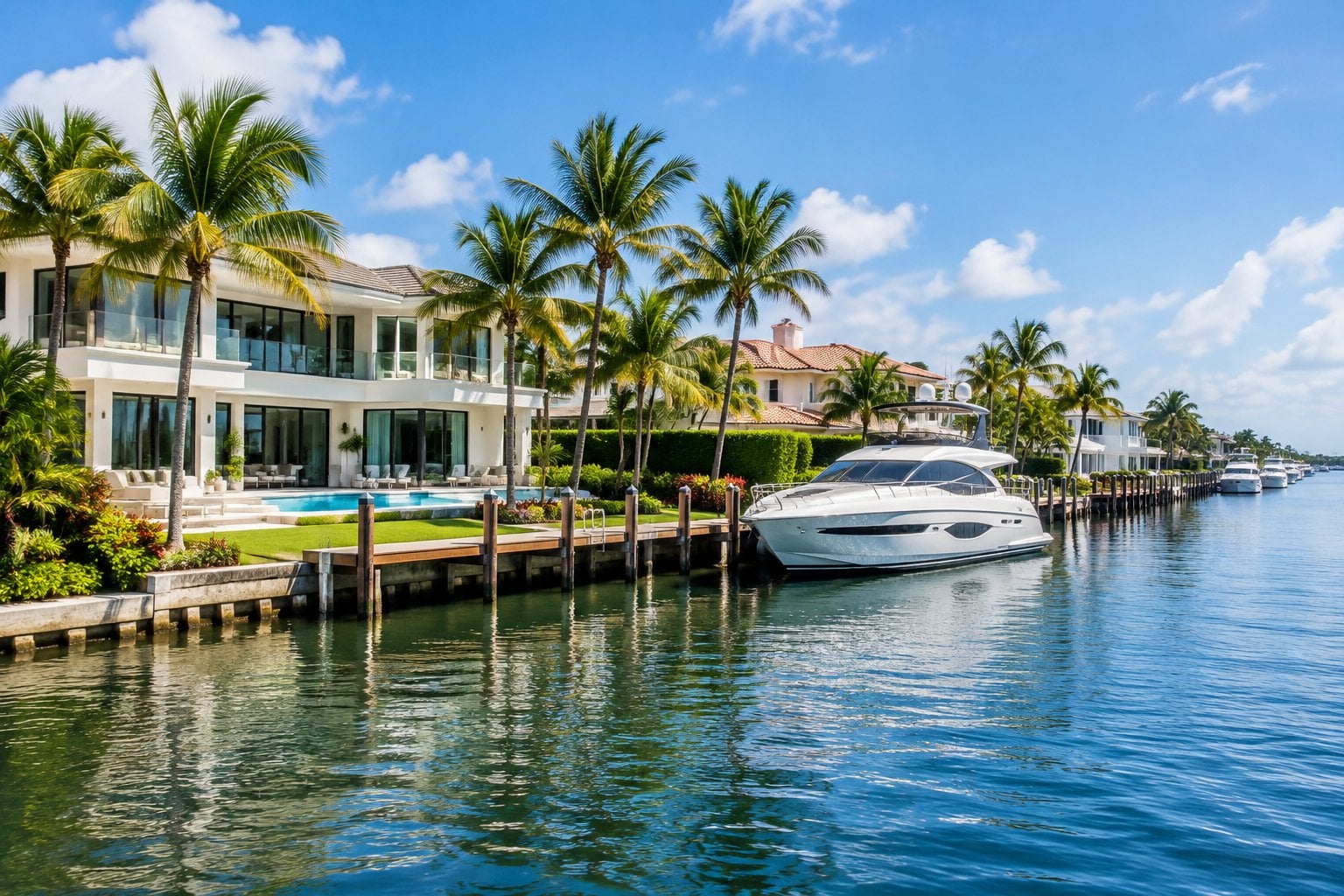
Lighthouse Point sits in Broward County, between Pompano Beach and Deerfield Beach. The city built its reputation on canal-front living, with many residential streets offering direct boat access to the Atlantic Ocean.
You can expect home values here to sit well above the national median, with Zillow putting the typical home value around $775,000. Waterfront properties push prices significantly higher, often into the multi-million dollar range.
The neighborhood developed in the 1950s and 1960s around a network of navigable canals, and that layout still drives demand today. If you want a dock behind your house and quick access to open water, you pay a premium for it.
Property taxes and insurance costs add to your monthly expenses, particularly for waterfront homes exposed to flood risk. Boat storage, dock maintenance, and seawall upkeep are additional costs you won’t find in landlocked communities.
Your proximity to major highways, including I-95 and the Florida Turnpike, keeps the city convenient despite its quiet, residential character.
24. Miami Shores, Florida
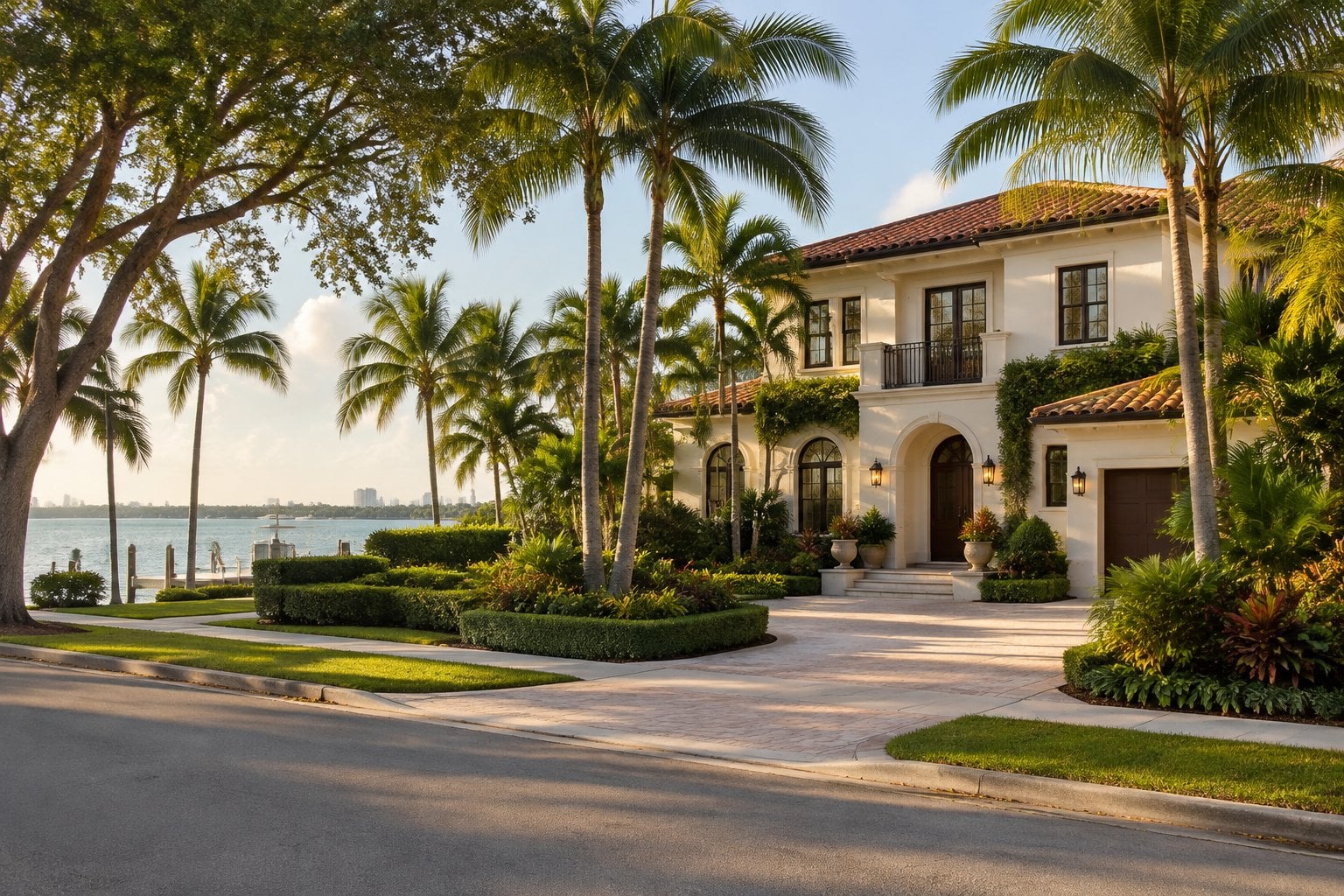
Miami Shores sits just north of the city of Miami, bordered by Biscayne Bay to the east. Median home prices here typically range from $700,000 to over $1 million, depending on lot size and proximity to the water.
You’ll notice the village’s tree-lined streets and Mediterranean Revival architecture, much of it dating back to the 1920s. This historic character adds to the appeal and keeps demand steady among buyers who want charm along with location.
Property taxes in Miami Shores reflect Miami-Dade County rates, which run higher than the state average. Homeowners insurance also adds a significant cost, especially given the area’s coastal exposure and hurricane risk.
The village offers a small-town feel while remaining close to downtown Miami, the Design District, and major highways. This balance of accessibility and quiet residential living drives up property values.
Cost of living in Miami Shores exceeds the national average, driven largely by housing costs. Utilities, groceries, and general goods also run slightly higher than in less centrally located Florida communities, making it a consistently expensive place to settle down.
25. Belleair, Florida
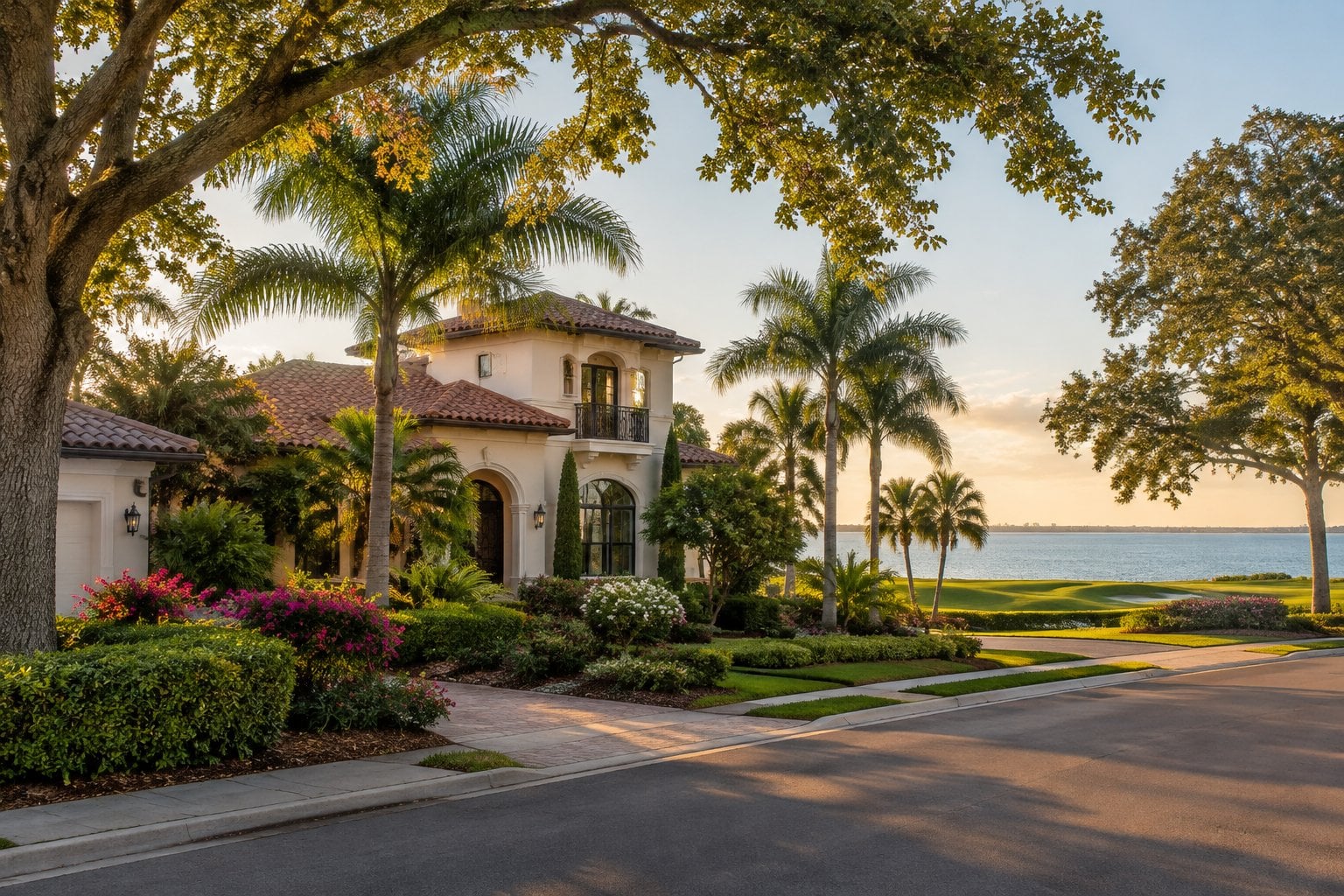
Belleair sits on the Pinellas County coastline, just south of Clearwater, and you’ll find it among Florida’s quietly wealthy enclaves. Home values here typically run well above the state median, often landing in the $700,000 to $1 million range depending on proximity to the water.
If you’re considering a move here, you should expect to pay a premium for the town’s low-density zoning and strict building codes, both of which limit new construction and keep inventory tight.
Waterfront insurance costs add up quickly in this area. Given the exposure to the Gulf and Intracoastal Waterway, homeowners insurance and flood coverage can be substantial, especially for older or larger properties.
Property taxes reflect Pinellas County rates, though Belleair’s high assessed values mean your actual tax bill can be steep even at a modest millage rate.
You’re also paying for access: private clubs, marina space, and golf courses define much of the social fabric here. Combined with its small population and limited housing turnover, Belleair remains one of the more exclusive, and costly, addresses on Florida’s west coast.
26. Windermere, Florida
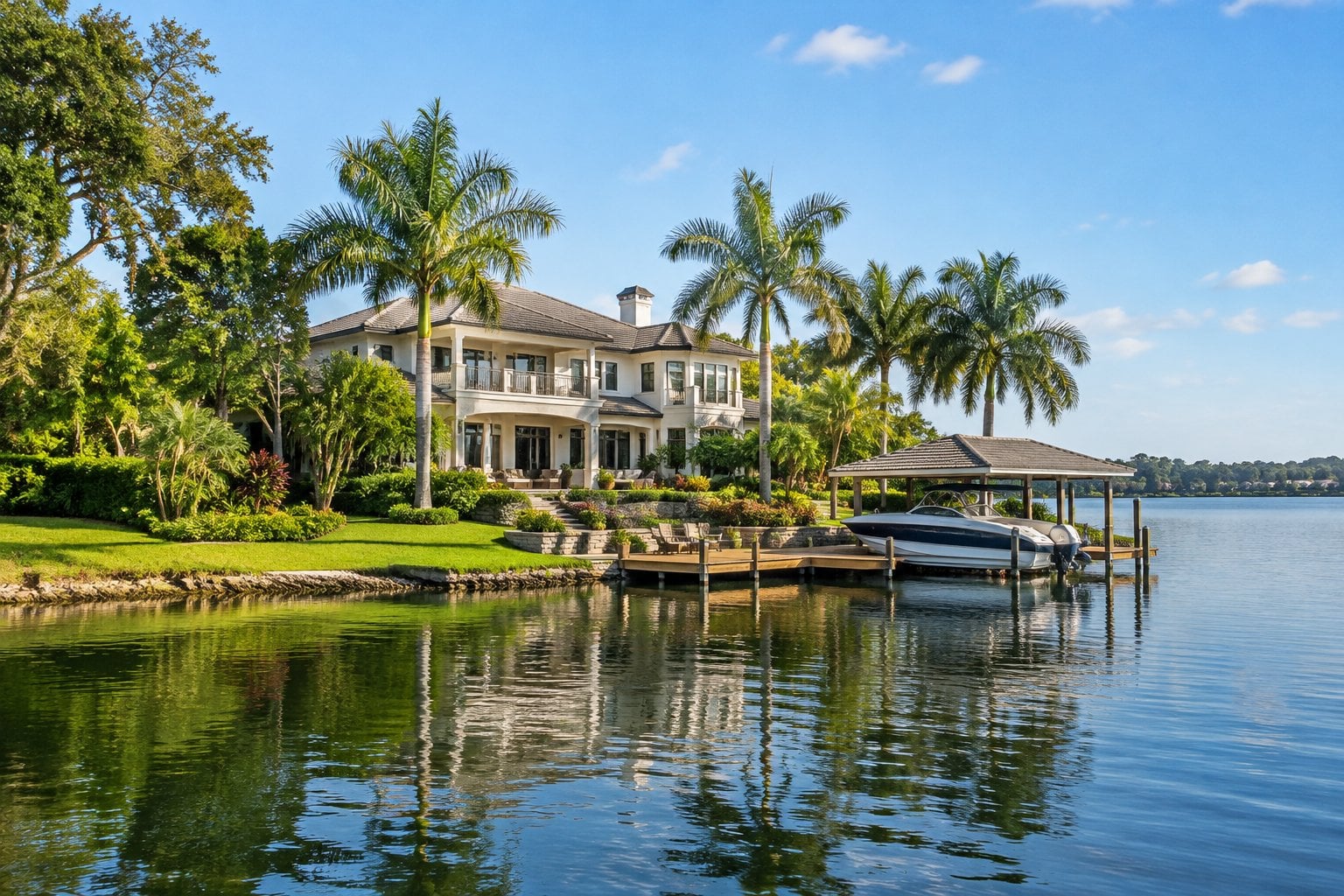
Windermere sits in Central Florida, just southwest of Orlando, and it has become one of the region’s most sought-after addresses. You’ll find median home values here reaching well into seven figures in its top neighborhoods, driven largely by access to the Butler Chain of Lakes and proximity to Walt Disney World.
Your housing costs in Windermere reflect its reputation as a luxury enclave. Communities like Isleworth and Keene’s Pointe command premium prices due to gated privacy, custom estate lots, and waterfront access.
Property taxes and homeowners insurance also add to your overall expenses, particularly for lakefront or newly built properties. Florida’s lack of state income tax offsets some of this burden for high-income residents, which partly explains why affluent buyers continue to settle here.
Beyond real estate, you’ll notice elevated costs tied to the area’s top-rated public schools and low-density zoning, both of which limit supply and keep demand high. Windermere’s blend of exclusivity, natural scenery, and strong school performance makes it one of the more expensive places you can choose to live in Florida.
27. Palm Beach Gardens, Florida
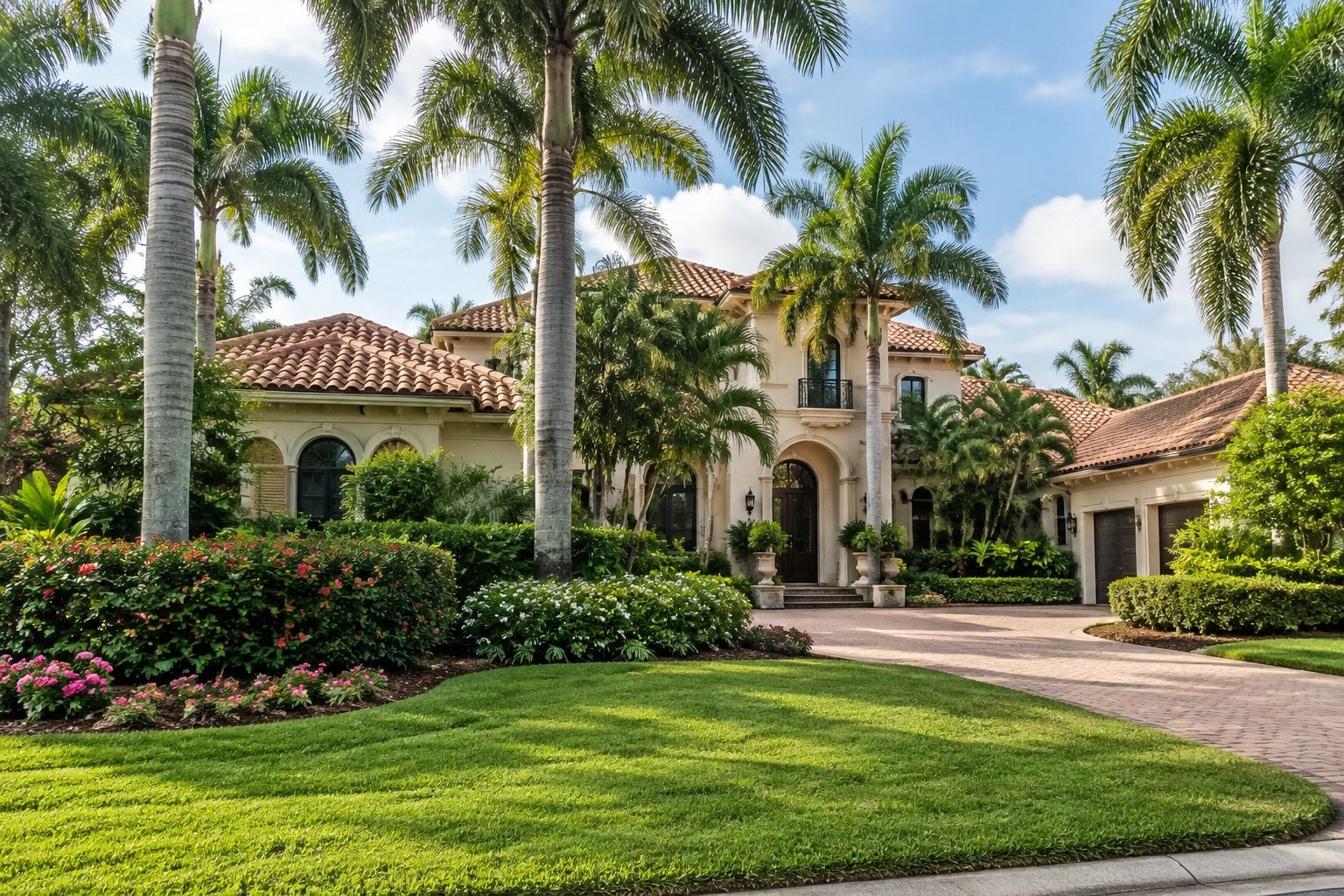
Palm Beach Gardens sits in northern Palm Beach County, and you’ll find it among Florida’s priciest markets. Luxury listings here regularly climb past $1.8 million, with the high end stretching into the tens of millions for waterfront or golf-course estates.
You’ll notice the city’s identity is tied closely to golf. As home to PGA National and the longtime base of the PGA of America, it draws residents who want proximity to championship courses and the lifestyle that comes with them.
Gated communities drive much of the expense. Old Palm, BallenIsles, Mirasol, and Frenchman’s Creek offer privacy, manicured grounds, and amenities that push property values well above state averages.
Your cost of living extends beyond the mortgage. Florida’s property taxes and rising homeowners insurance premiums, especially for coastal-adjacent properties, add meaningfully to monthly expenses.
If you’re considering a move, expect a market shaped by affluent buyers competing for limited inventory. That demand, paired with the area’s golf and waterfront amenities, keeps Palm Beach Gardens firmly positioned among Florida’s most expensive places to live.
28. Tequesta, Florida
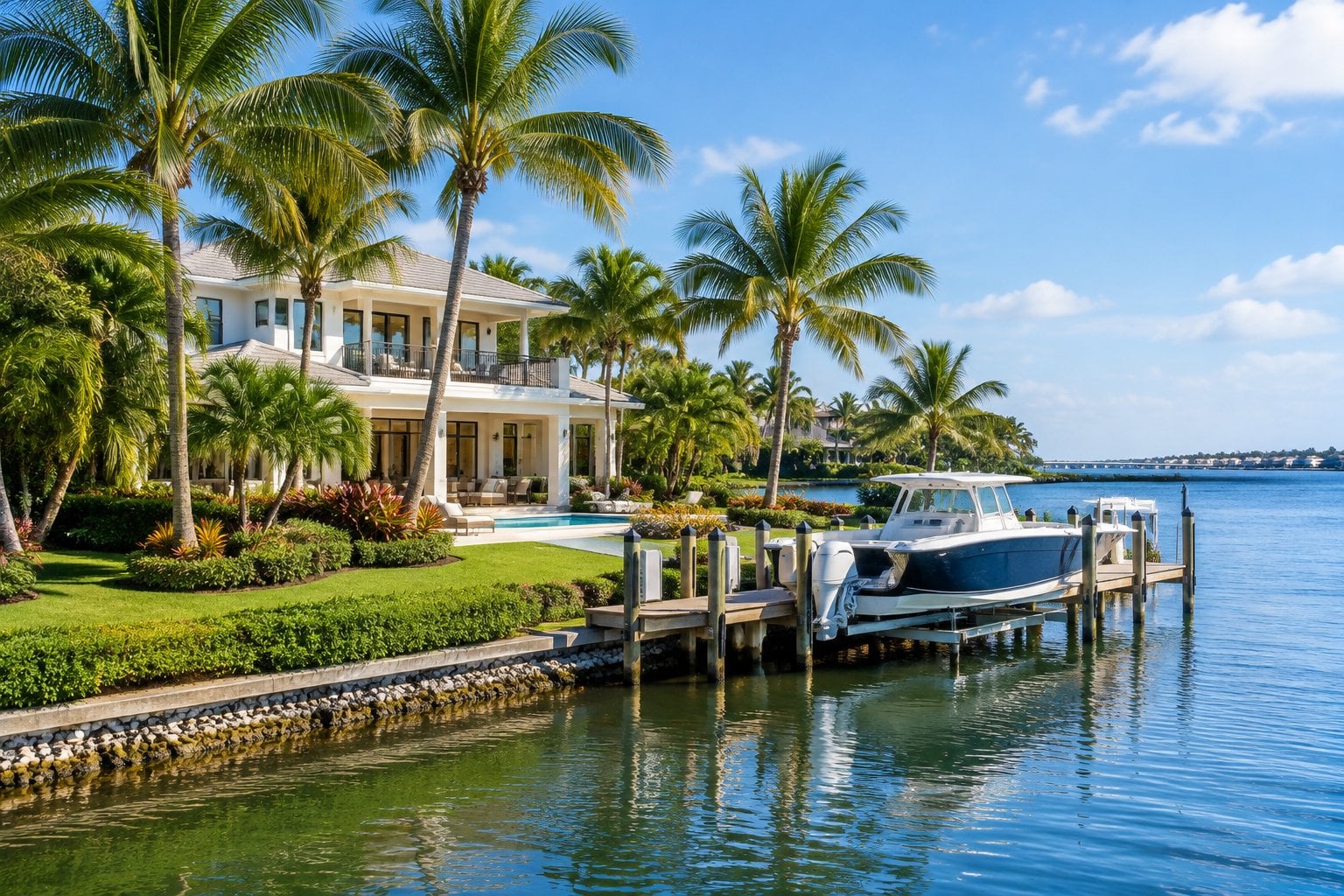
Tequesta sits in northern Palm Beach County, where the Loxahatchee River meets the Atlantic coastline. You’ll find a cost of living that puts daily expenses well above both the national and state averages.
Housing drives much of that gap. Waterfront lots and gated communities like Jupiter Hills Village push prices upward, and you can expect property taxes and insurance premiums to reflect the coastal location and flood risk common throughout this part of Florida.
With a population just over 6,000, Tequesta offers a smaller, quieter alternative to nearby Jupiter while still commanding premium real estate prices. You’re paying for access to marinas, golf courses, and a low-density setting that keeps inventory limited.
Proximity to the coast means insurance costs stay elevated here, a pattern you’ll notice throughout South Florida’s wealthier enclaves. Combined with high-end construction and renovation standards in many neighborhoods, your overall housing costs climb faster than general inflation.
If you’re considering Tequesta, expect your budget to stretch further toward housing and insurance than toward everyday essentials like groceries or utilities, which stay closer to statewide norms.
29. Hillsboro Beach, Florida
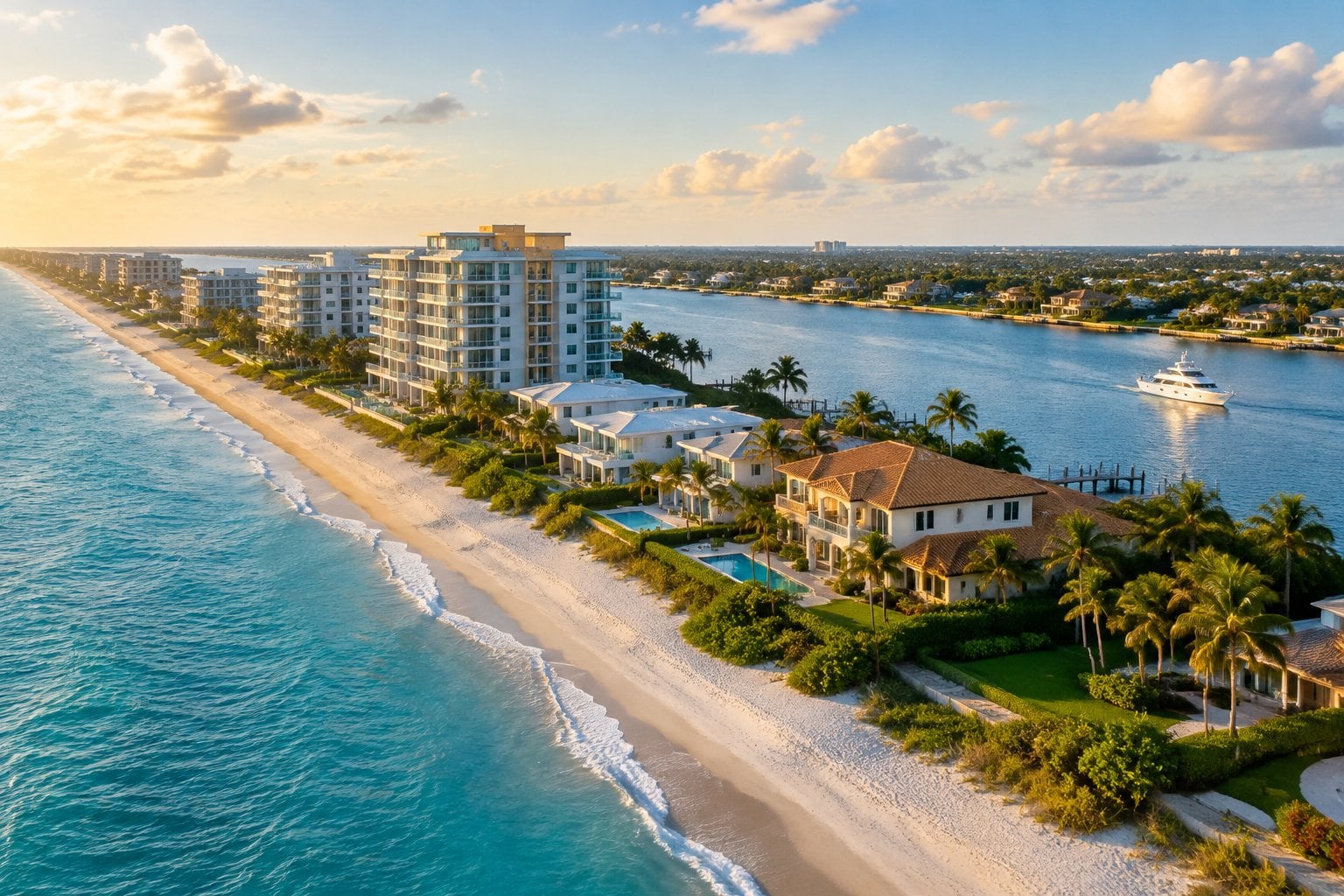
Hillsboro Beach sits on a narrow barrier island in Broward County, between the Atlantic Ocean and the Intracoastal Waterway. You’ll find it along the stretch of coastline sometimes called Millionaires Mile.
The cost of living here runs well above the national average. A typical home, most often a condo or co-op unit, costs well above the national median.
Renting isn’t cheap either. Two-bedroom units rent for well above national figures.
Your housing options mostly consist of beachfront cooperatives, luxury condos, and townhomes. Some oceanfront estates push prices far higher than the town average.
Several factors drive expenses up for you here. Waterfront land is limited on this narrow island, which keeps property values elevated.
Property taxes and homeowners insurance also add to your monthly costs, especially for oceanfront properties exposed to hurricane risk. You’re paying for direct beach access, privacy, and a quieter alternative to busier South Florida beach towns nearby.
30. Winter Park, Florida
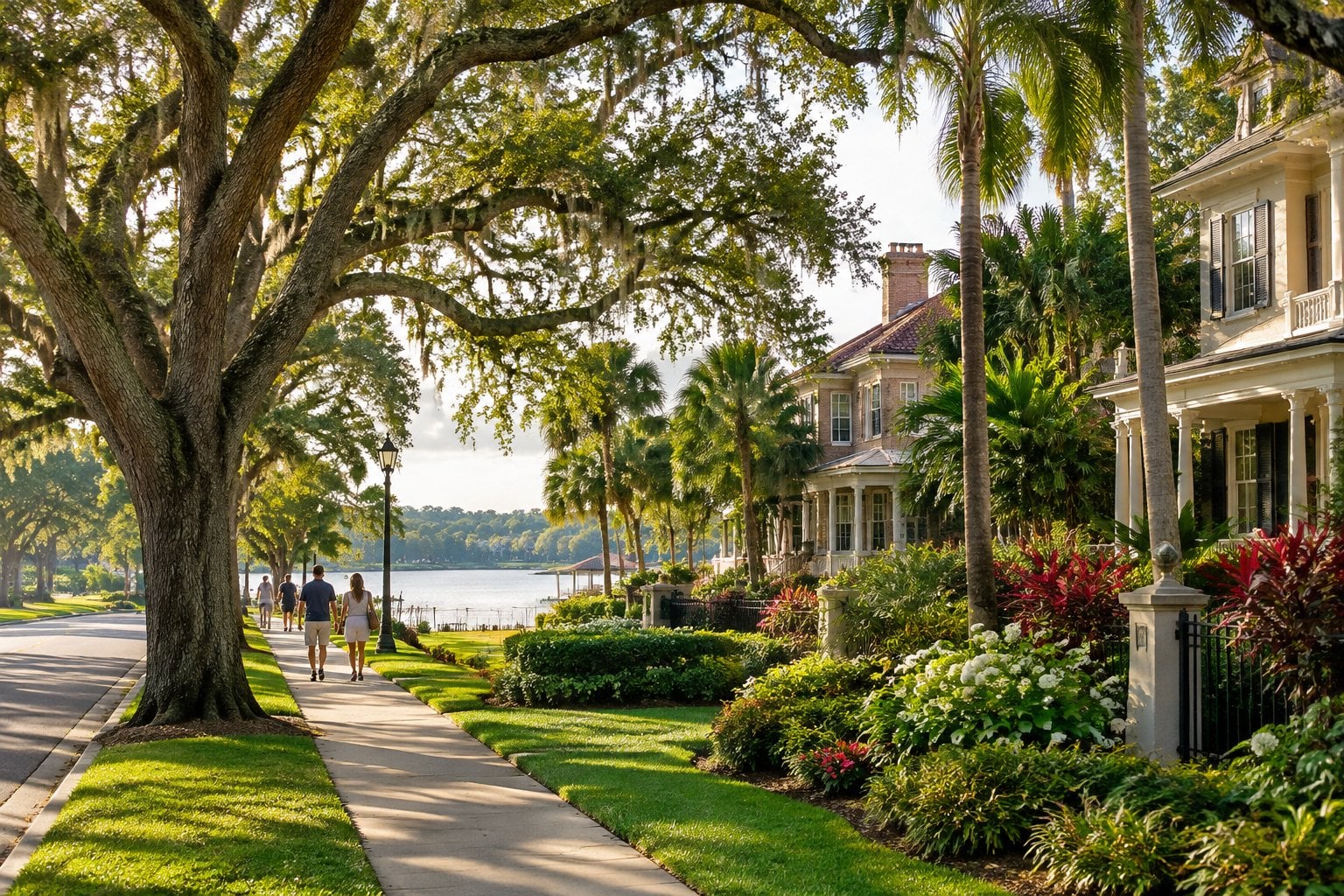
Winter Park sits just north of downtown Orlando in Orange County. You’ll find a city known for historic homes, brick-lined streets, and lakefront estates along the Winter Park Chain of Lakes.
Home prices here run high, with prices in its most sought-after areas commonly topping $1 million. Cash buyers make up a notable share of purchases, which tells you the market attracts buyers with significant liquid wealth.
The city actually spans more than one zip code, each with different price points. The 32789 side, where most of the prestige properties sit, drives the higher figures and pulls the overall median upward.
Property taxes reflect Orange County rates applied to high assessed values, so your annual tax bill scales with the premium price of your home. Homeowners insurance costs more here than in many other parts of the state, partly due to Florida’s broader insurance market pressures.
Beyond housing, you’ll pay more for dining, retail, and services, since the local economy caters to an affluent resident base. Park Avenue’s boutique shopping and restaurant scene adds to the cost of daily life, making Winter Park one of Central Florida’s most expensive places to settle down.
What Drives Florida’s Highest Living Costs
A combination of limited land, high-risk coastal exposure, and rising local fees pushes costs upward in Florida’s priciest cities. You’ll see these pressures show up most clearly in housing prices, insurance premiums, and the taxes and fees attached to property ownership.
Housing Prices, Waterfront Premiums, and Limited Supply
Waterfront and island locations drive much of Florida’s highest home values. In places like Palm Beach or Naples, you’re paying for scarce land rather than square footage alone.
Supply constraints matter as much as demand. Many high-cost cities have limited buildable land due to coastline, conservation zones, or strict local development rules.
When you’re shopping in these markets, expect bidding competition for any property near water, since inventory rarely keeps pace with buyer interest.
Property Insurance, Flood Coverage, and Hurricane Exposure
Your insurance costs in Florida reflect real risk, not just market speculation. Coastal cities face direct hurricane exposure, and insurers price that risk into both standard homeowners policies and separate flood coverage.
You’ll typically need multiple policies if you’re buying in a flood zone:
- Standard homeowners insurance for wind and structural damage
- Flood insurance through NFIP or private carriers, often required by lenders
- Windstorm coverage, sometimes separate in high-risk coastal counties
Premiums have risen sharply in recent years as insurers have left the Florida market or reduced coverage in vulnerable areas. If you’re considering a coastal property, factor in insurance costs early, since they can add thousands of dollars annually to your ownership expenses beyond the mortgage itself.
Property Taxes, HOA Fees, and Condo Assessments
Property taxes in Florida are tied directly to assessed home values, so you’ll pay more in cities where values have climbed fastest. Local millage rates vary by county and city, adding another layer of variation to your tax bill.
HOA fees add a separate, often substantial cost. In gated or waterfront communities, you may encounter monthly fees covering security, landscaping, and shared amenities like pools or marinas.
Condo ownership brings additional exposure. Following stricter state-mandated structural inspection requirements, many condo associations have increased reserve funding, leading to special assessments that can reach tens of thousands of dollars per unit. You should review an association’s financial reserves and inspection history before buying into any condo building in these high-cost markets.
How to Budget for Life in a High-Cost Florida Community
Living in one of Florida’s priciest cities requires more than tracking rent and groceries. You need to weigh housing decisions, factor in tax advantages, and prepare for price swings tied to tourism seasons and hurricane risk.
Comparing the Full Cost of Renting and Buying
Your rent-versus-buy decision should account for more than the monthly payment. Property taxes, homeowners insurance (especially flood and windstorm coverage), and HOA fees can add hundreds of dollars to your housing cost each month in coastal markets like Naples or Miami Beach.
Renting gives you flexibility and shields you from insurance premium spikes, which have risen sharply in high-risk zones. Buying builds equity but ties up capital in a market where home values can fluctuate with tourism trends.
Compare these factors side by side:
- Insurance costs: Owners in flood zones often pay thousands of dollars annually
- Maintenance: Budget 1-2% of home value yearly for upkeep
- Rent increases: Renewal hikes can be steep in high-demand areas
Balancing Income Tax Savings Against Everyday Expenses
Florida’s lack of state income tax gives you more take-home pay compared to residents of states like California or New York. You should redirect those savings toward housing and insurance costs, which tend to be higher in Florida’s priciest cities.
Your overall tax burden also includes property taxes and a 6% base sales tax, plus local surtaxes that push combined rates higher in most counties. These add up on big-ticket purchases like vehicles or furniture.
Calculate your effective savings by comparing your previous state’s income tax rate against Florida’s property and sales tax load. In many cases, you’ll still come out ahead, but the margin narrows in markets like Naples or Boca Raton.
Planning for Seasonal Price Changes and Emergency Reserves
Your grocery, dining, and entertainment costs will rise during peak tourist season, typically November through April. Restaurant prices and service costs in areas like Miami Beach or Key West can climb noticeably during this window.
You should also build a dedicated emergency fund for hurricane season, which runs June through November. This reserve should cover:
- Evacuation travel and temporary lodging
- Home repairs not covered by insurance deductibles
- Generator fuel and emergency supplies
Financial advisors recommend keeping three to six months of expenses in accessible savings, with Florida residents often leaning toward the higher end given storm-related risks.