The 30 Most Expensive Places to Live in Colorado: 2026 Rankings by Home Value
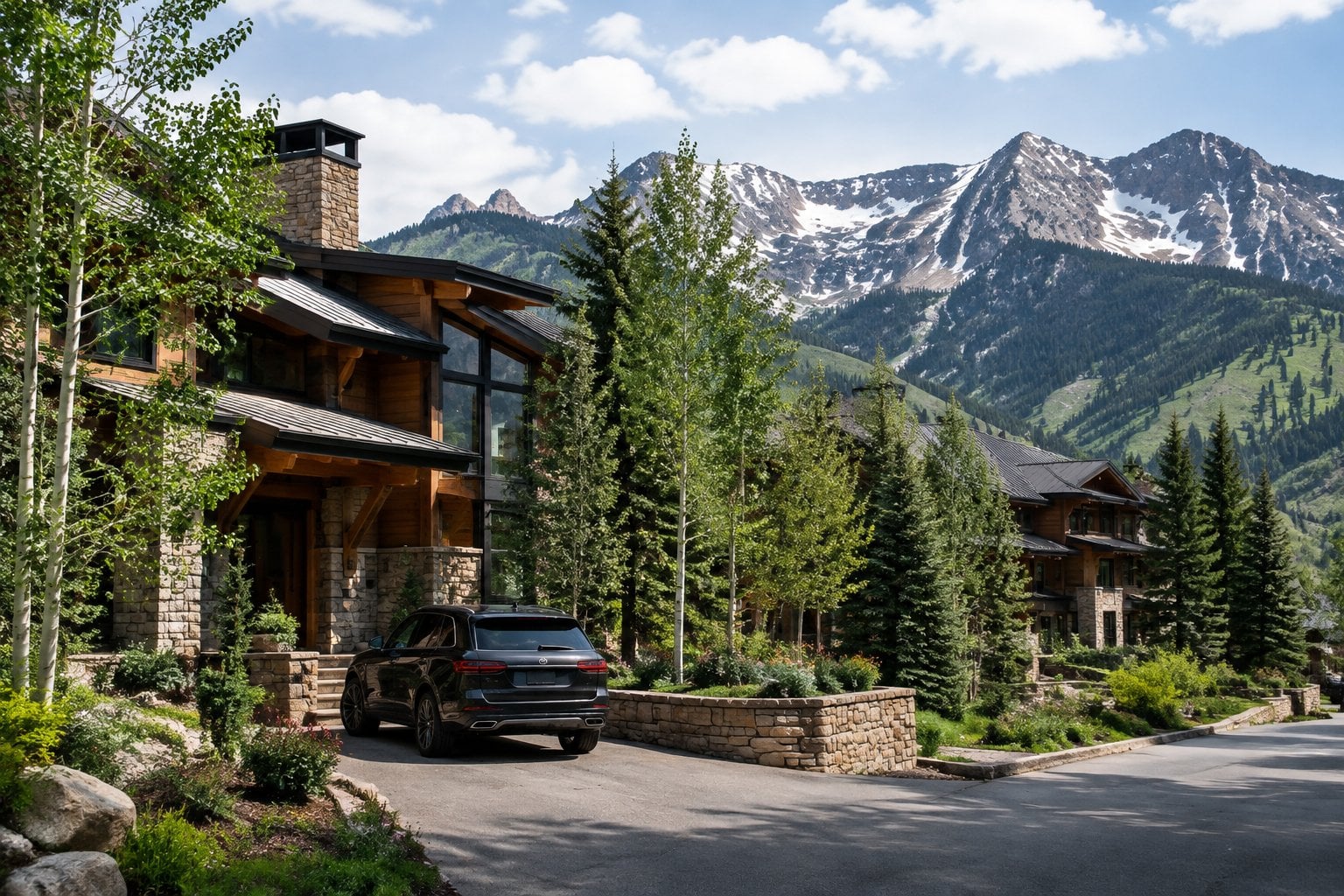
Colorado has some of the most expensive real estate in the country, and most of it is not in Denver. The priciest places are mountain resort towns built around world-famous ski areas, along with a handful of quiet, wealthy suburbs on the south side of the Denver area and the foothills west of it.
The typical home in Colorado is worth about $525,000, according to the Zillow Home Value Index for October 2026, down about 1.5% from a year earlier. In the 30 places on this list, typical values run from about $821,000 to more than $3.5 million. Household incomes vary a lot too: Colorado’s median household income is about $95,000 in the Census Bureau’s American Community Survey (2020-2024 five-year estimates), compared with about $81,000 for the country as a whole.
This list ranks Colorado cities, towns and census-designated places by Zillow’s typical home value as of October 2026. To keep the list to real communities, places with fewer than 1,000 residents at the 2020 Census were left out, along with rural areas that are not Census places. Population figures for towns and cities are the Census Bureau’s estimates for July 2024; for unincorporated communities they are 2020 Census counts.
1. Aspen, Colorado
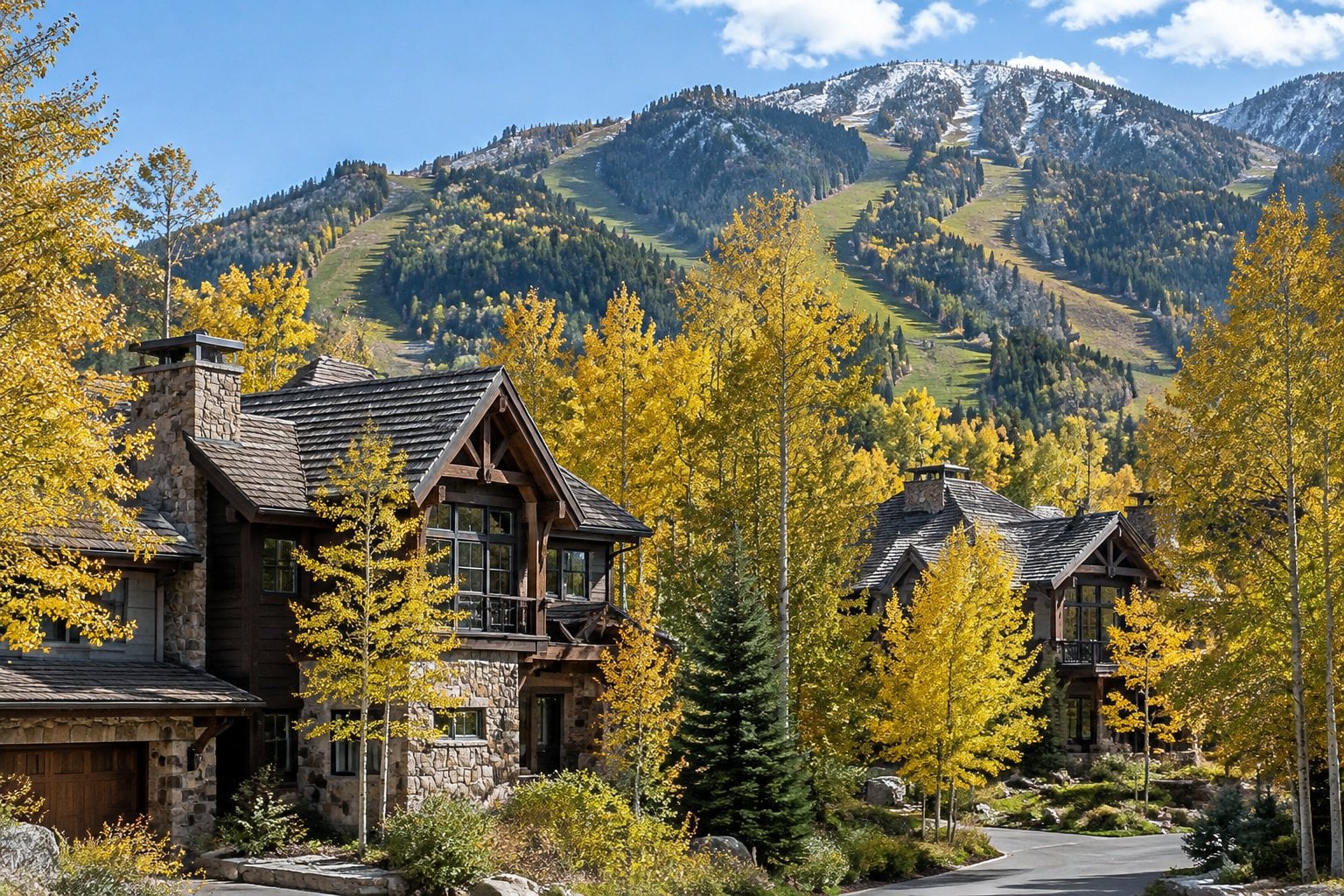
Aspen tops the list. Zillow puts the typical home value here at about $3.51 million as of October 2026, up about 8% from a year earlier and nearly seven times the Colorado figure.
Aspen began as a silver mining camp in the 1880s and turned into a ski town after World War II. Today it is the seat of Pitkin County and sits at the upper end of the Roaring Fork Valley, a drive of roughly three and a half to four hours from Denver. Four ski areas operate nearby: Aspen Mountain, Aspen Highlands, Buttermilk and Snowmass.
The town is home to about 6,600 people, according to the Census Bureau’s 2024 estimate, but its population swells in the winter and summer seasons. The Aspen Music Festival, the Aspen Institute and a steady stream of second-home buyers keep demand high. Land is scarce, because the town is hemmed in by mountains and much of the surrounding valley is national forest or protected open space. Many workers live farther down the valley, where homes cost less.
2. Cherry Hills Village, Colorado
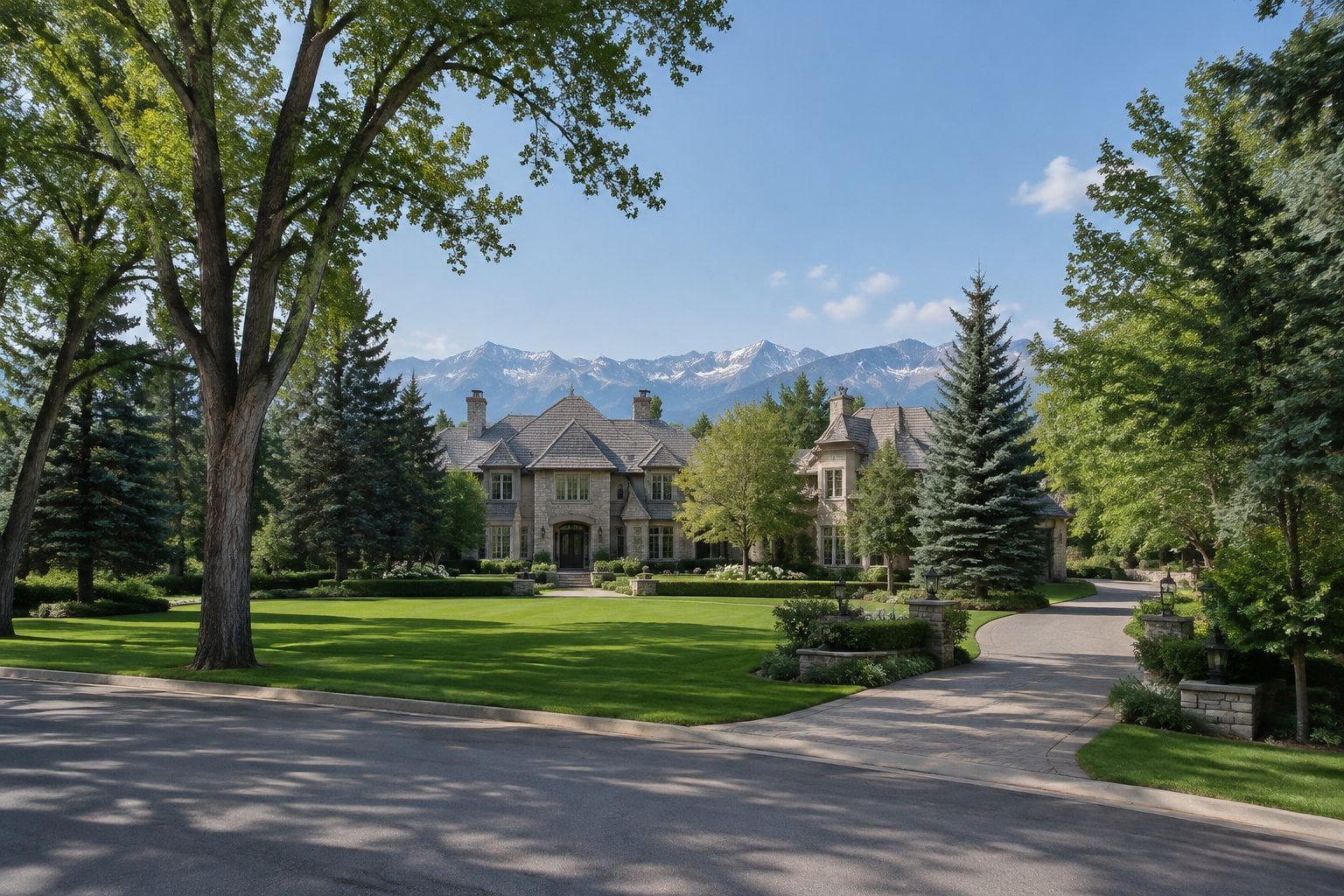
Cherry Hills Village is the most expensive place in Colorado outside the mountains. The typical home value here is about $3.20 million, up about 6% from a year earlier and roughly six times the state figure.
This small home-rule city in Arapahoe County borders the southern edge of Denver. It is known for large lots, horse properties and quiet, tree-lined roads, with very little commercial development. Cherry Hills Country Club, which hosted the U.S. Open in 1938, 1960 and 1978, sits inside the city.
Cherry Hills Village has about 6,300 residents. Its median household income is so high that the Census Bureau’s survey simply reports it as more than $250,000, the top figure the survey publishes. Residents are a short drive from downtown Denver and the Denver Tech Center, and most children attend schools in the Cherry Creek or Englewood school districts. With almost no land left to build on, homes rarely come up for sale.
3. Snowmass Village, Colorado
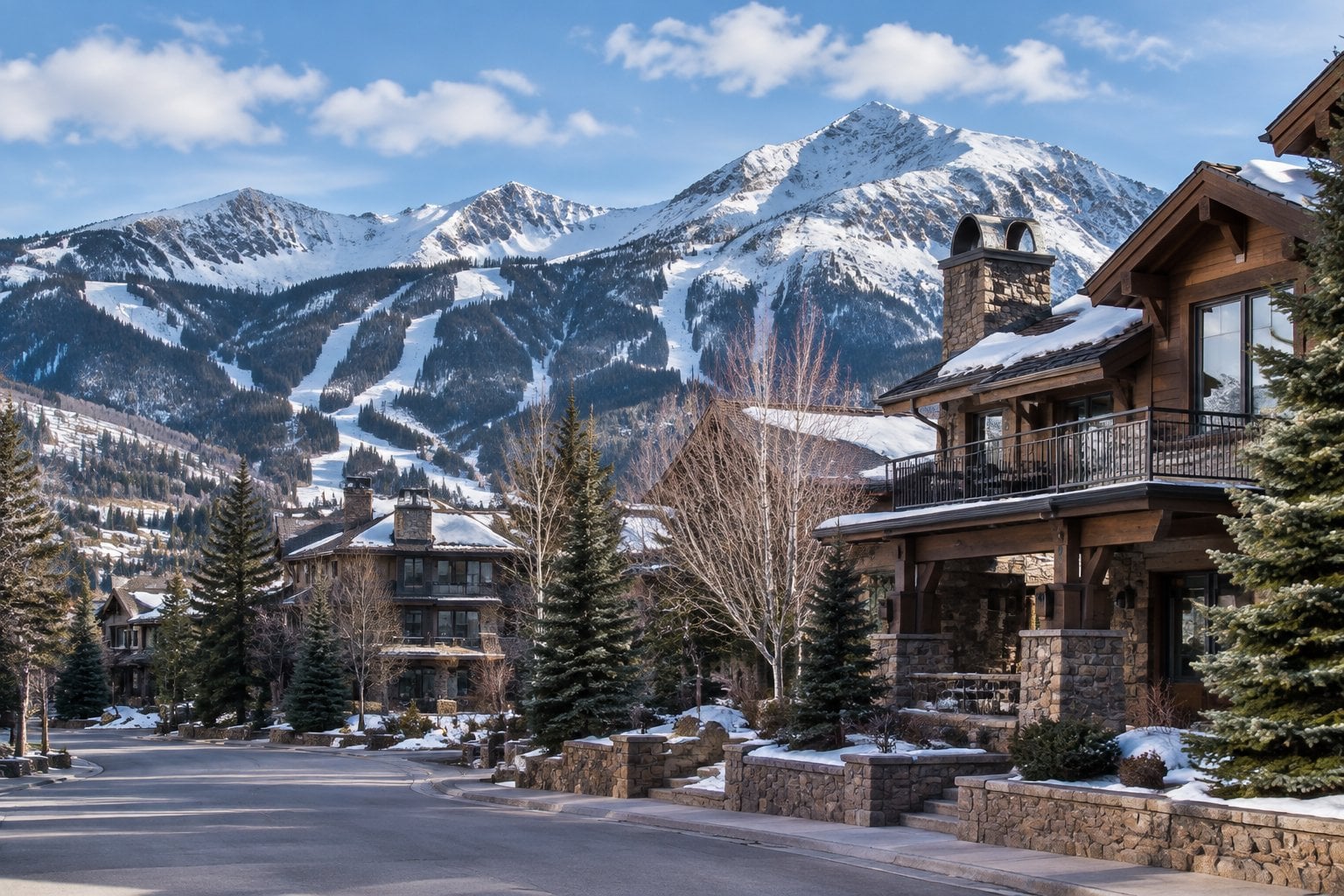
Snowmass Village ranks third, with a typical home value of about $2.55 million. That figure rose about 13.5% over the past year, one of the biggest gains on this list, and is nearly five times the Colorado figure.
The town sits in Pitkin County about 10 miles from Aspen and grew up around the Snowmass ski area, which opened in 1967 and is the largest of Aspen’s four ski mountains. Snowmass Village was incorporated as a town in 1977. Much of its housing is made up of ski-in, ski-out condos, townhomes and large mountain homes, many of them owned as second homes.
About 2,900 people live in Snowmass Village year-round. The town drew international attention in 2010, when crews expanding Ziegler Reservoir dug up the bones of mammoths, mastodons and other Ice Age animals. Today a free bus system connects the village with Aspen, and a new base village with shops and lodging was completed in recent years.
4. Telluride, Colorado
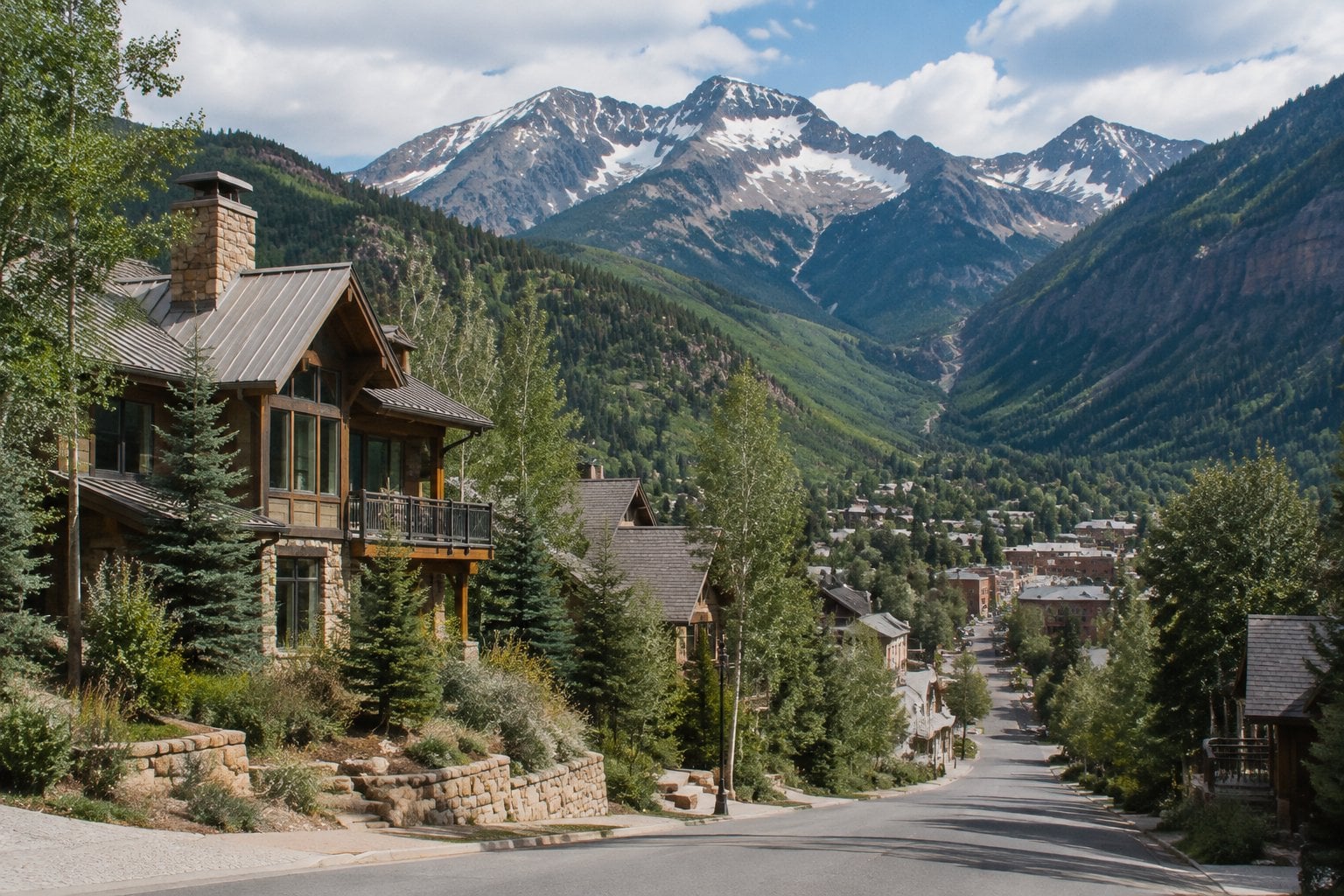
Telluride comes in fourth. Zillow’s typical home value here is about $2.32 million, up about 13.7% from a year earlier and about 4.4 times the state figure.
Telluride sits at the end of a narrow box canyon in the San Juan Mountains of southwest Colorado. It began as a gold and silver mining town, and its downtown is a National Historic Landmark District filled with Victorian buildings. Butch Cassidy robbed the town’s San Miguel Valley Bank in 1889, his first major bank robbery. Bridal Veil Falls, at the east end of the canyon, is the tallest free-falling waterfall in Colorado.
The town is the seat of San Miguel County and has about 2,500 residents. It is famous for the Telluride Film Festival and the Telluride Bluegrass Festival, and a free gondola links the town with the ski area and Mountain Village. Because the canyon is so narrow, there is almost no room to build new homes, which keeps prices high.
5. Mountain Village, Colorado
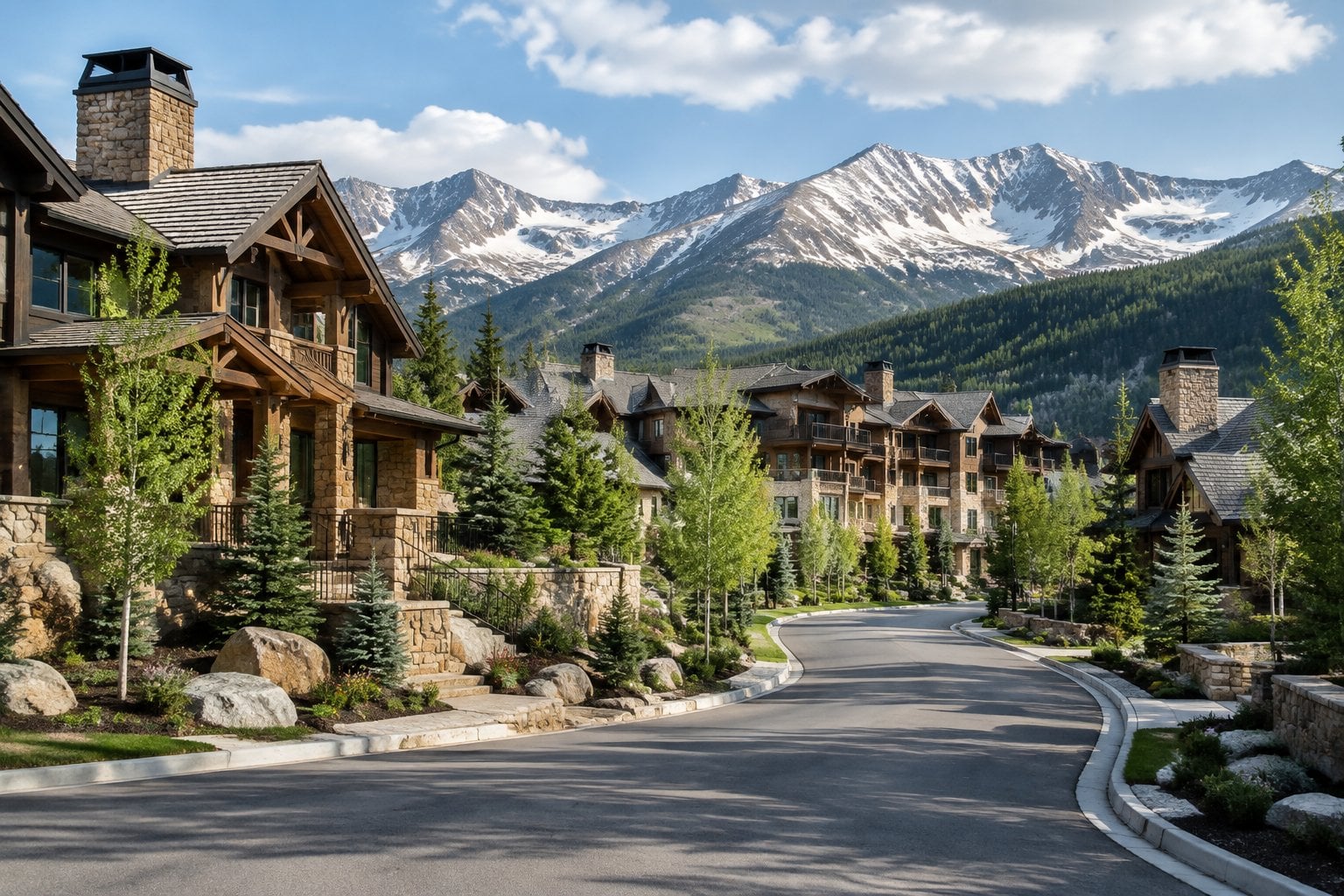
Mountain Village, Telluride’s neighbor up the mountain, ranks fifth. The typical home here is worth about $2.05 million, up about 5% over the past year and close to four times the Colorado figure.
The town sits at about 9,500 feet, above Telluride, and was built in the 1980s and 1990s as the base area for the Telluride Ski Resort. It was incorporated in 1995. A free public gondola, which opened in 1996, carries riders between Mountain Village and downtown Telluride in about 13 minutes, so residents can leave their cars at home.
About 1,200 people live in Mountain Village year-round, according to the Census Bureau, though many more homes are owned as vacation properties. The housing mix includes ski-in, ski-out condos, luxury hotel residences and large mountain homes on the slopes. Mountain Village also has a golf course, a small town center and wide views of the San Juan Mountains.
6. Vail, Colorado
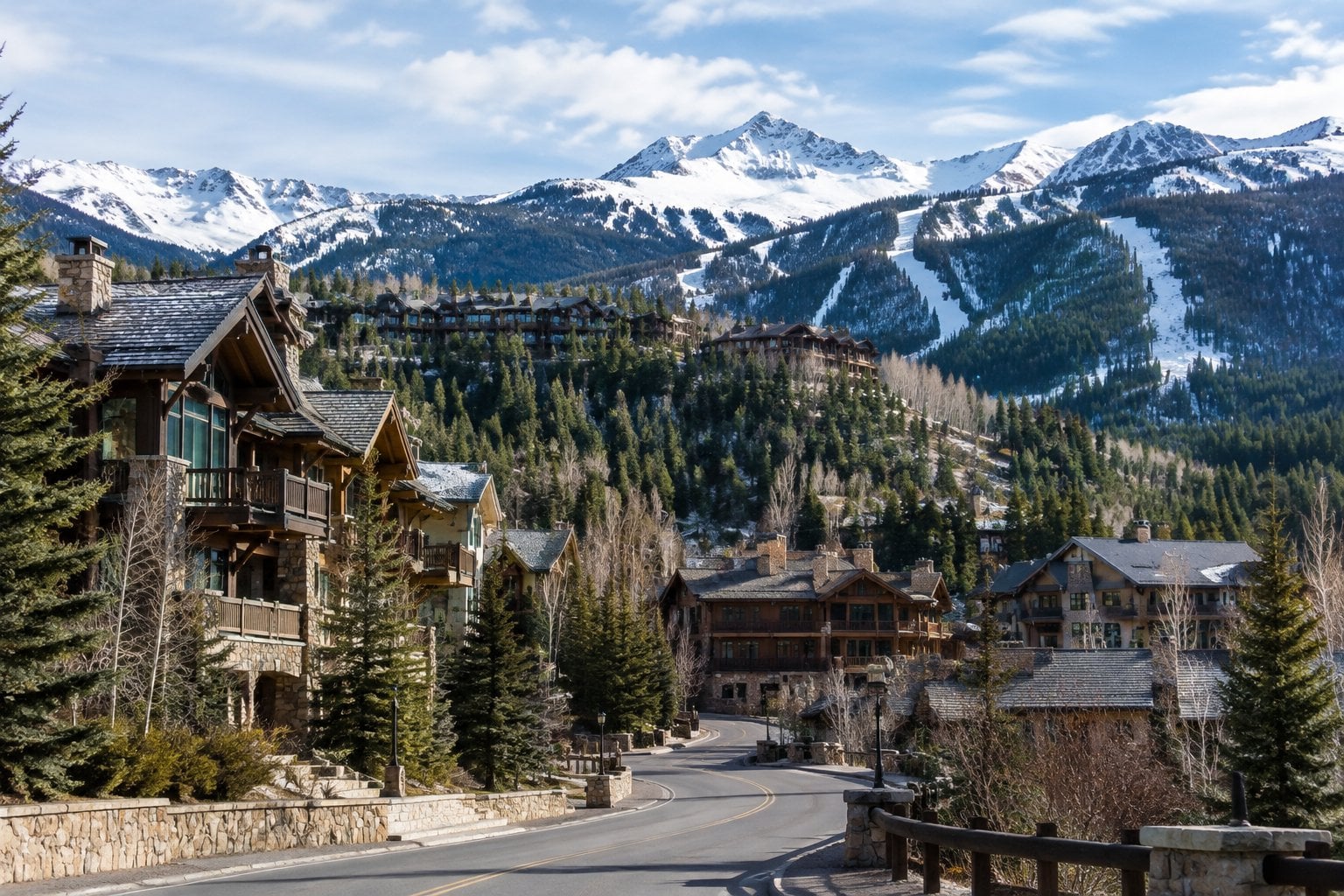
Vail ranks sixth, with a typical home value of about $1.73 million, up about 3.4% from a year earlier and more than three times the state figure.
Vail is one of the best-known ski towns in North America. The ski area opened in 1962, and the town was incorporated in 1966. It sits along Interstate 70 in Eagle County, about 100 miles west of Denver, and stretches for several miles along Gore Creek. The village core was designed to look like an Alpine town, with pedestrian streets, covered bridges and chalet-style buildings.
About 4,500 people live in Vail, according to the Census Bureau’s 2024 estimate, but many homes sit empty for much of the year because they are owned as second homes. The town has worked for years to add housing for local workers, since the narrow Gore Valley leaves little land for new building. Besides skiing, residents have easy access to hiking, mountain biking and fly fishing in the summer.
7. Edwards, Colorado
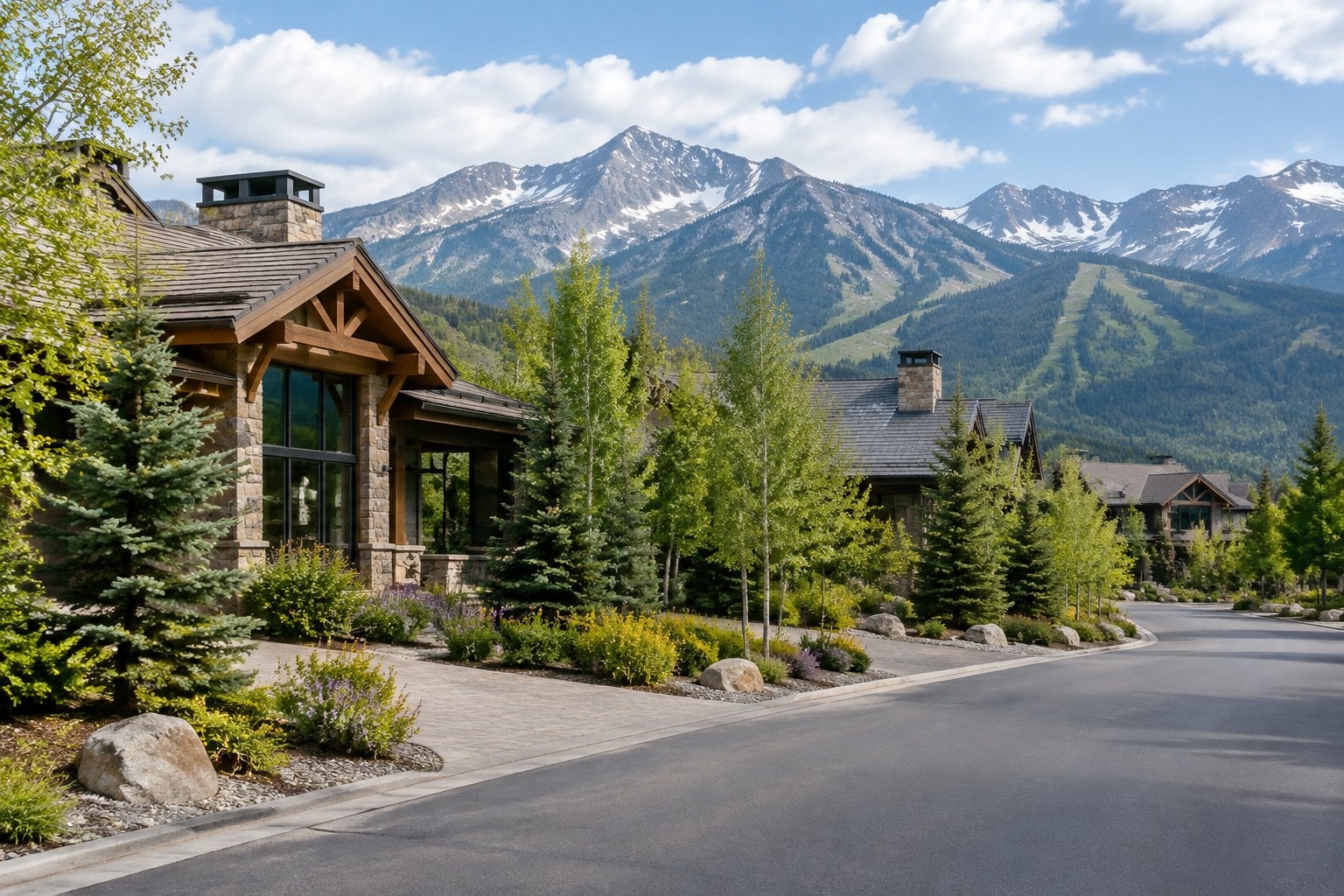
Edwards comes in seventh. Zillow puts the typical home value at about $1.70 million, up about 2.8% from a year earlier and more than three times the Colorado figure.
Edwards is an unincorporated community in Eagle County, along Interstate 70 and the Eagle River, a few miles west of Avon and Beaver Creek. It had about 11,200 residents at the 2020 Census, which makes it one of the biggest communities in the Vail Valley. The Edwards area takes in several high-end neighborhoods, including the gated Cordillera community and the Arrowhead area at the edge of Beaver Creek Resort.
Many people who work in Vail and Beaver Creek live in Edwards, and the community has grocery stores, restaurants, schools, medical offices and the Riverwalk shopping area. That makes it feel more like a year-round town than some resort villages. Homes range from condos and townhomes near the highway to large houses on big lots in the hills above the river.
8. Columbine Valley, Colorado
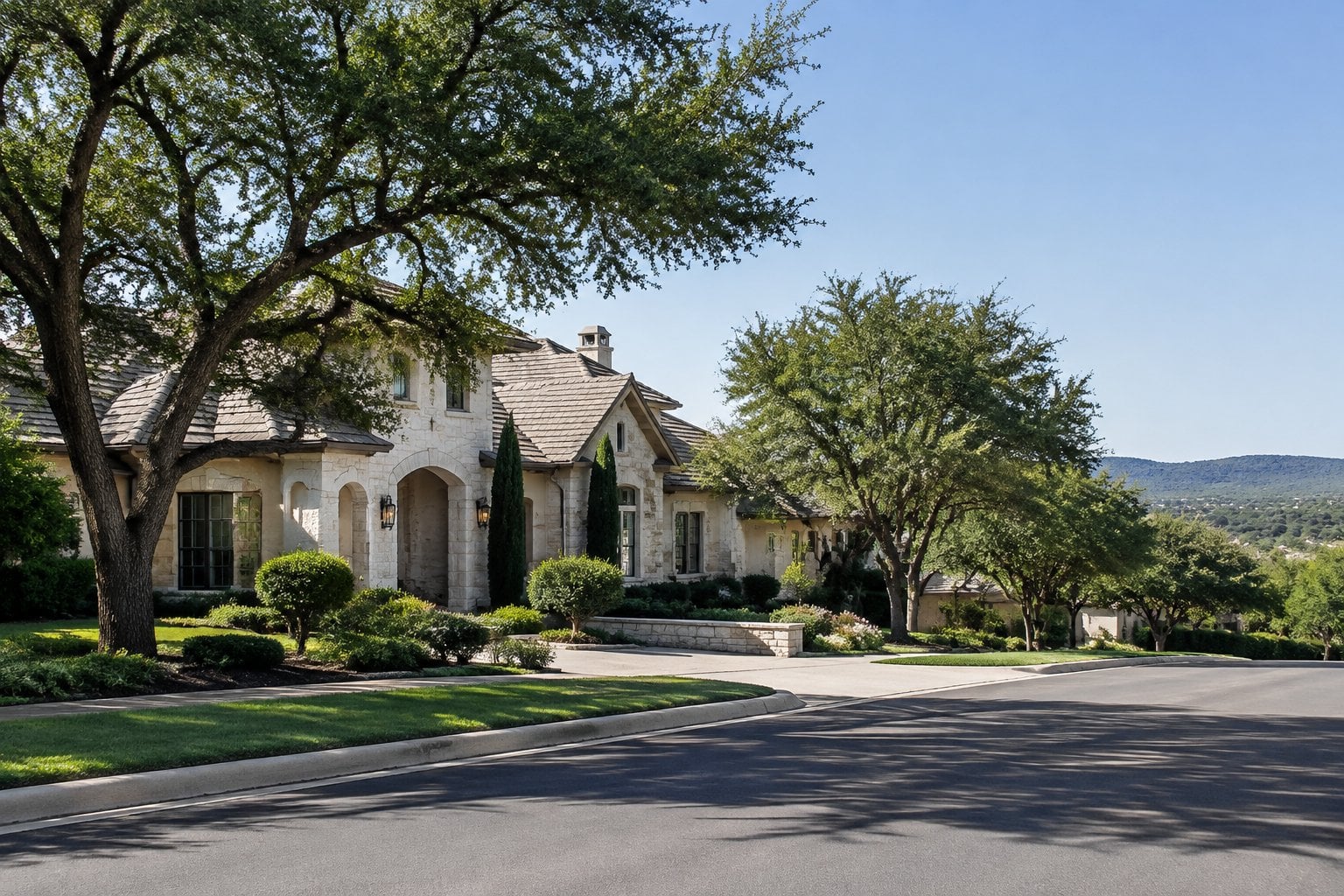
Columbine Valley ranks eighth, with a typical home value of about $1.69 million, up about 3.8% from a year earlier and more than three times the state figure.
This small town in far western Arapahoe County sits next to Littleton, about 12 miles south of downtown Denver. It is built around Columbine Country Club, which hosted the PGA Championship in 1967. Many homes back onto the golf course or sit near the South Platte River and its trail system.
Columbine Valley had about 1,700 residents in 2024, according to the Census Bureau, and like Cherry Hills Village, its median household income is reported simply as more than $250,000. The town is almost entirely residential, with large homes on generous lots and very little traffic. Its location gives residents quick access to Littleton’s shops and light rail, as well as the open space along the South Platte.
9. Crested Butte, Colorado
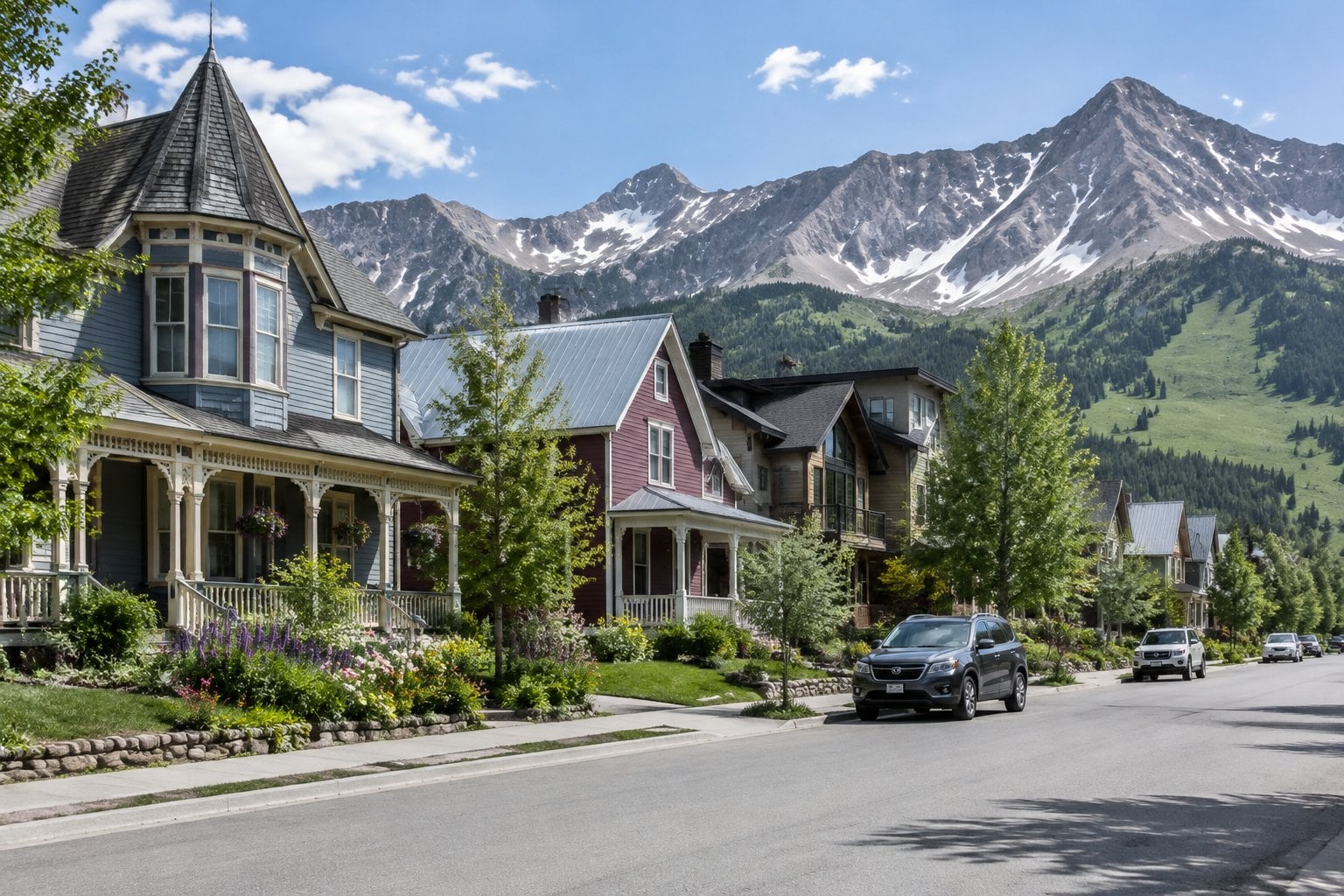
Crested Butte ranks ninth. The typical home value here is about $1.49 million, up about 6.6% over the past year and about 2.8 times the Colorado figure.
Crested Butte is a former coal mining town in Gunnison County, set at about 8,900 feet in the Elk Mountains, about 28 miles north of Gunnison. Its main street is lined with brightly painted Victorian buildings, and the town is a National Historic District. The Colorado legislature named it the Wildflower Capital of Colorado, and its summer wildflower festival draws visitors from across the country.
About 1,600 people live in the town. The Crested Butte Mountain Resort ski area is about three miles up the road in the separate town of Mount Crested Butte. Crested Butte is remote compared with the I-70 ski towns, which has helped it keep a small-town feel, but the limited supply of homes and strong demand from second-home buyers have pushed prices far above what most local workers can afford.
10. Basalt, Colorado
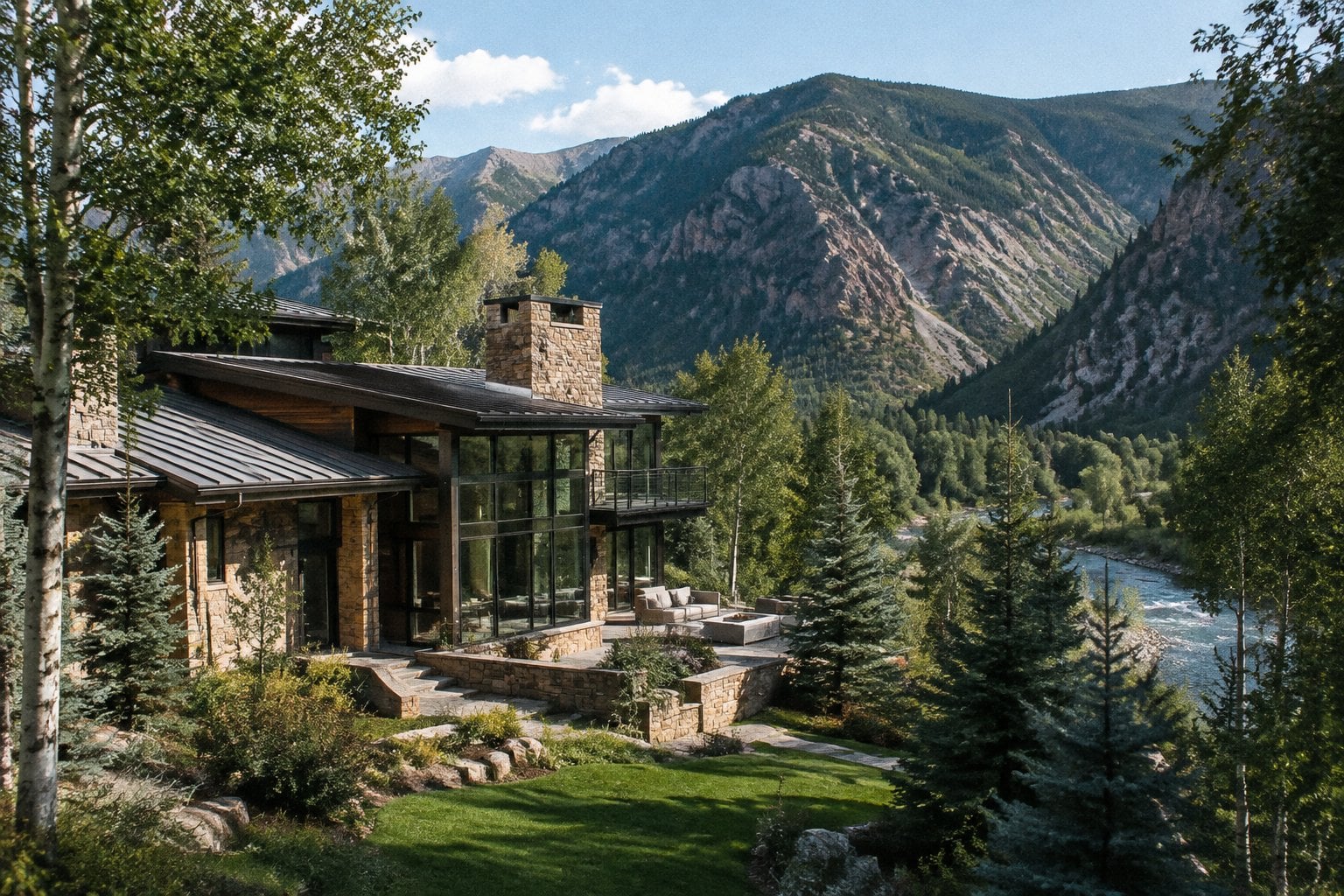
Basalt ranks tenth, with a typical home value of about $1.43 million, up about 7% from a year earlier and about 2.7 times the state figure.
Basalt sits where the Fryingpan River meets the Roaring Fork River, about 18 miles down the valley from Aspen. The town straddles the line between Eagle and Pitkin counties. It began as a railroad town in the 1880s and today is known for fly fishing: both rivers near town are designated Gold Medal trout waters.
Basalt has about 4,000 residents. Its old downtown has restaurants and small shops, while the newer Willits area has a grocery store, offices and apartments. Many people who work in Aspen and Snowmass live in Basalt, and the Roaring Fork Transportation Authority runs frequent buses up and down the valley. Homes here cost far less than in Aspen, but demand from both locals and second-home buyers keeps prices well above most of Colorado.
11. Carbondale, Colorado
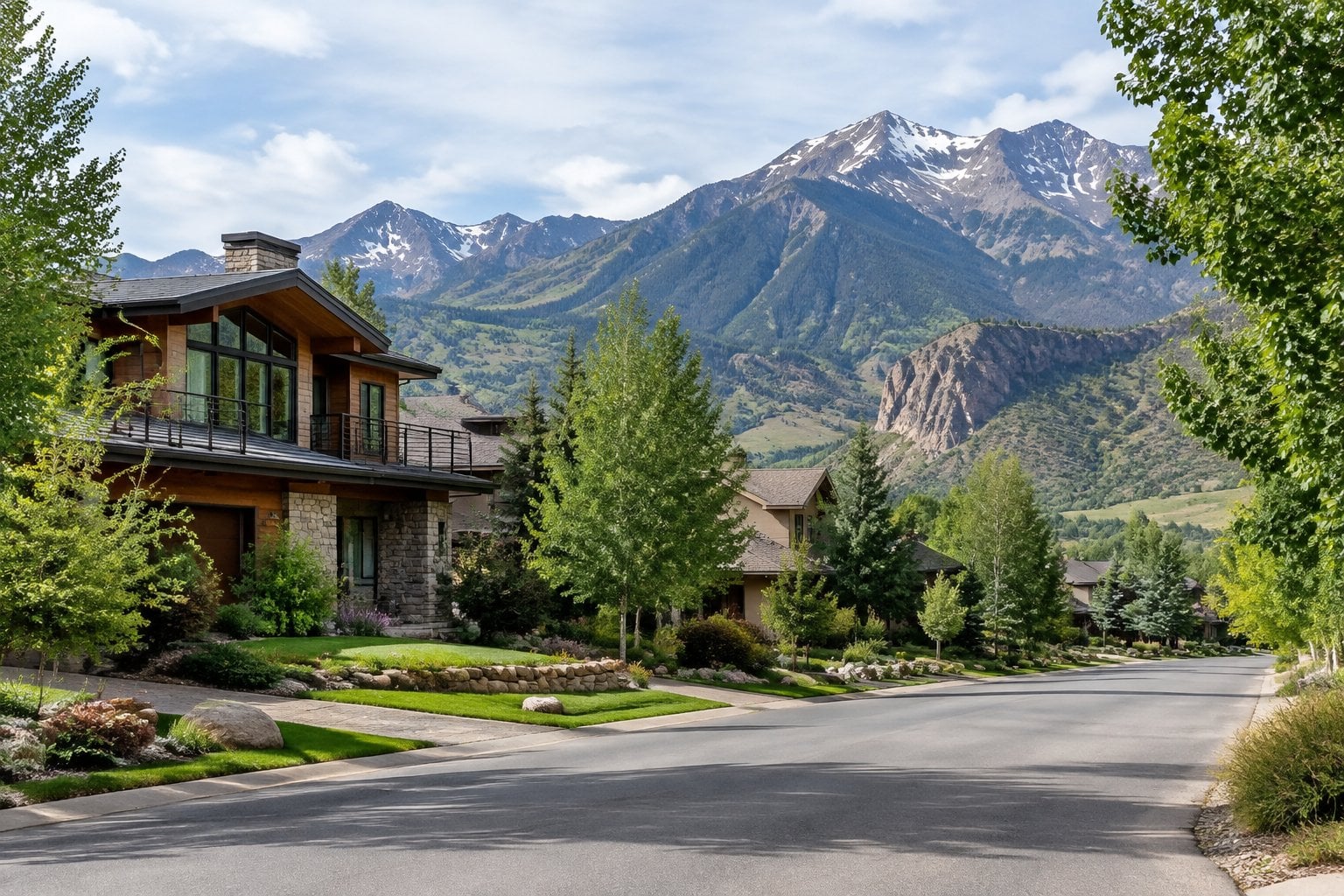
Carbondale comes in eleventh. Zillow’s typical home value here is about $1.43 million, up about 4.4% from a year earlier and about 2.7 times the Colorado figure.
Carbondale is in Garfield County, at the foot of 12,953-foot Mount Sopris, where the Crystal River meets the Roaring Fork. It sits about 12 miles south of Glenwood Springs and roughly 30 miles from Aspen. The town began as a farming and ranching community, and its Potato Day festival dates back to 1909.
Carbondale has about 6,800 residents and a busy arts scene, with galleries, theaters and a creative district along Main Street. It is a popular home for people who work in Aspen and want a more relaxed town with a bit more room. Homes range from older bungalows near downtown to newer subdivisions and large ranch properties outside town, and prices have risen sharply as more buyers have looked down the valley.
12. Greenwood Village, Colorado
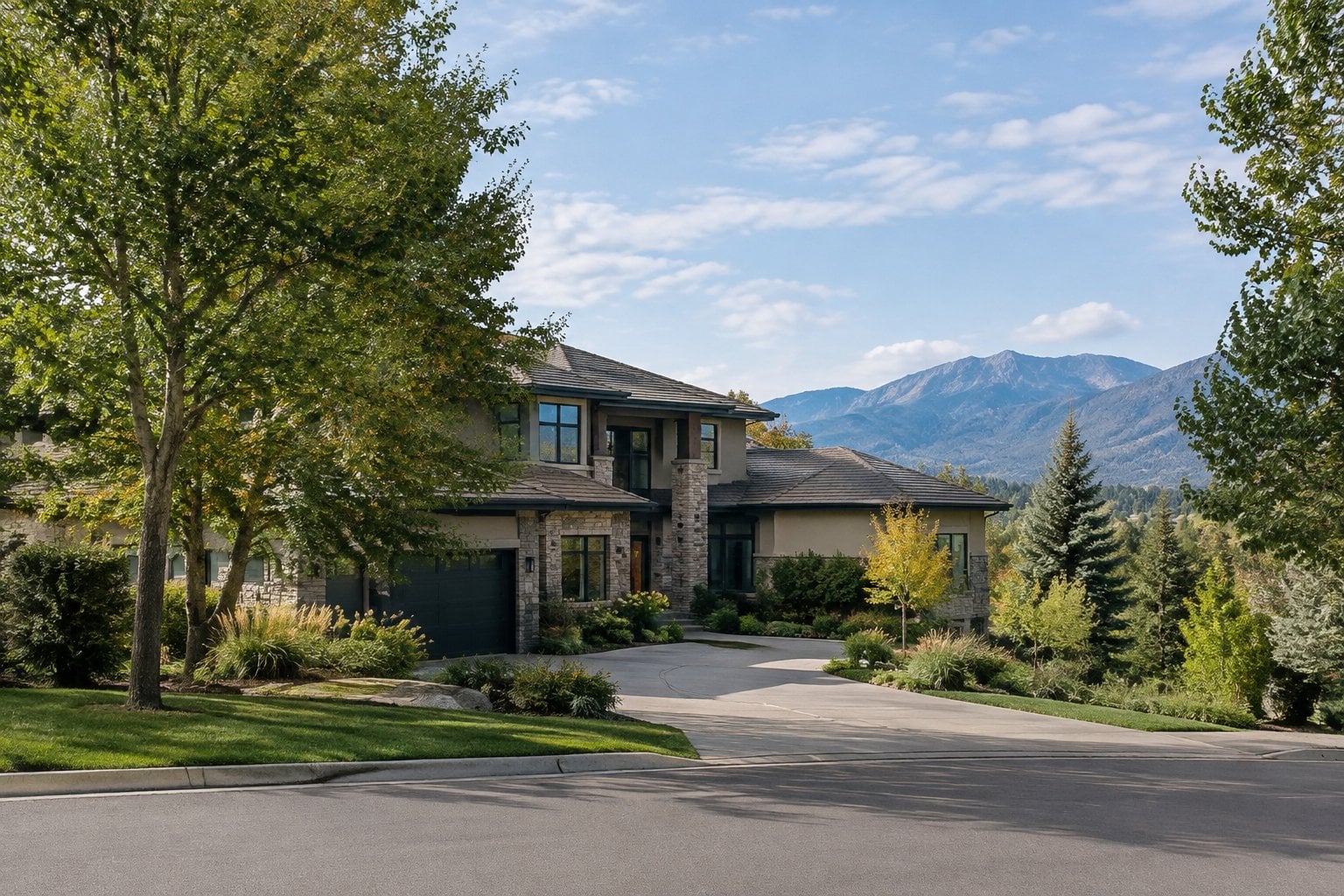
Greenwood Village ranks twelfth, with a typical home value of about $1.38 million, up about 2.9% from a year earlier and about 2.6 times the state figure.
This home-rule city in Arapahoe County sits just south of Denver and next to Cherry Hills Village. It is one of the main business centers in the Denver area: part of the Denver Tech Center lies within its borders, along with many corporate offices. It is also home to Fiddler’s Green Amphitheatre, a large outdoor concert venue.
Greenwood Village has about 15,300 residents, and its median household income is about $149,000, according to the Census Bureau. Its western neighborhoods have large homes on wooded lots, while the eastern side has more offices, apartments and townhomes. Residents can ride RTD light rail to downtown Denver, and most children attend schools in the highly rated Cherry Creek School District.
13. Minturn, Colorado
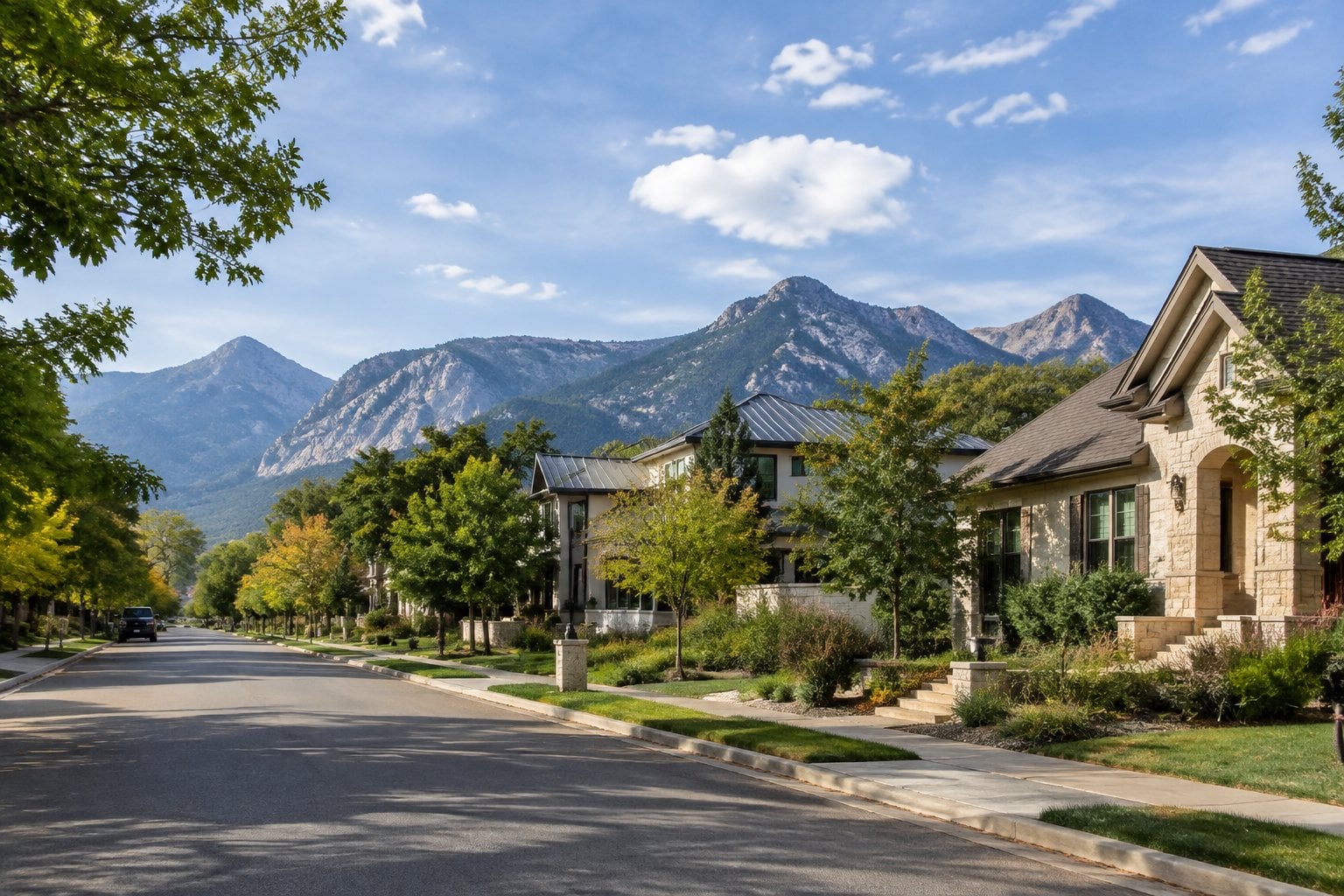
Minturn ranks thirteenth. The typical home value here is about $1.37 million, up about 5.6% from a year earlier and about 2.6 times the Colorado figure.
Minturn is a small town on the Eagle River, just off Interstate 70 and a few miles from Vail. It began as a railroad town on the Denver and Rio Grande line in the 1880s, and its main street still has an old-west feel, with the long-running Minturn Saloon and a summer market. Skiers know the town as the end point of the “Minturn Mile,” a backcountry route down from Vail.
The town had about 1,000 residents at the 2020 Census. Because it is so small, only a limited number of homes change hands each year, so Zillow’s figure can move around more than in bigger towns. Still, being minutes from Vail and Beaver Creek, at a slightly lower price than either, has drawn buyers to Minturn’s older houses and newer homes alike.
14. Steamboat Springs, Colorado
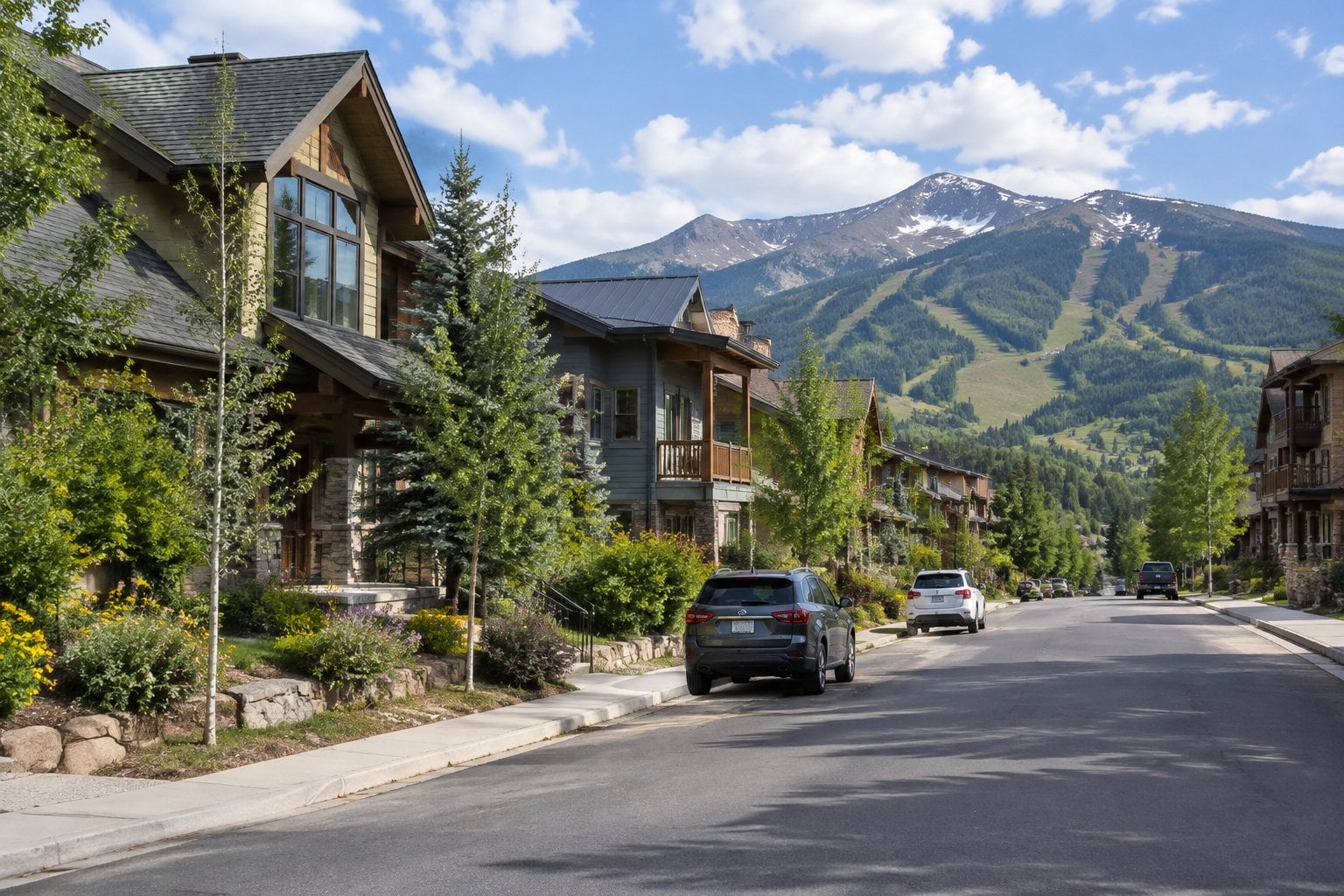
Steamboat Springs ranks fourteenth, with a typical home value of about $1.30 million, up about 3.6% from a year earlier and about 2.5 times the state figure.
Steamboat Springs is the seat of Routt County and sits in the Yampa Valley in northwest Colorado, about three hours from Denver. The town got its name from a hot spring whose chugging sound reminded early visitors of a steamboat. It calls itself “Ski Town USA,” and it has produced more Winter Olympians than almost any other town in North America.
Steamboat has about 13,600 residents, making it one of the larger mountain towns on this list. The Steamboat ski area sits just east of downtown, and Howelsen Hill, right in town, is the oldest ski area in continuous use in Colorado. Ranching is still part of the local economy, but tourism and second homes drive the housing market, and a shortage of homes for local workers has been a long-running issue.
15. Avon, Colorado
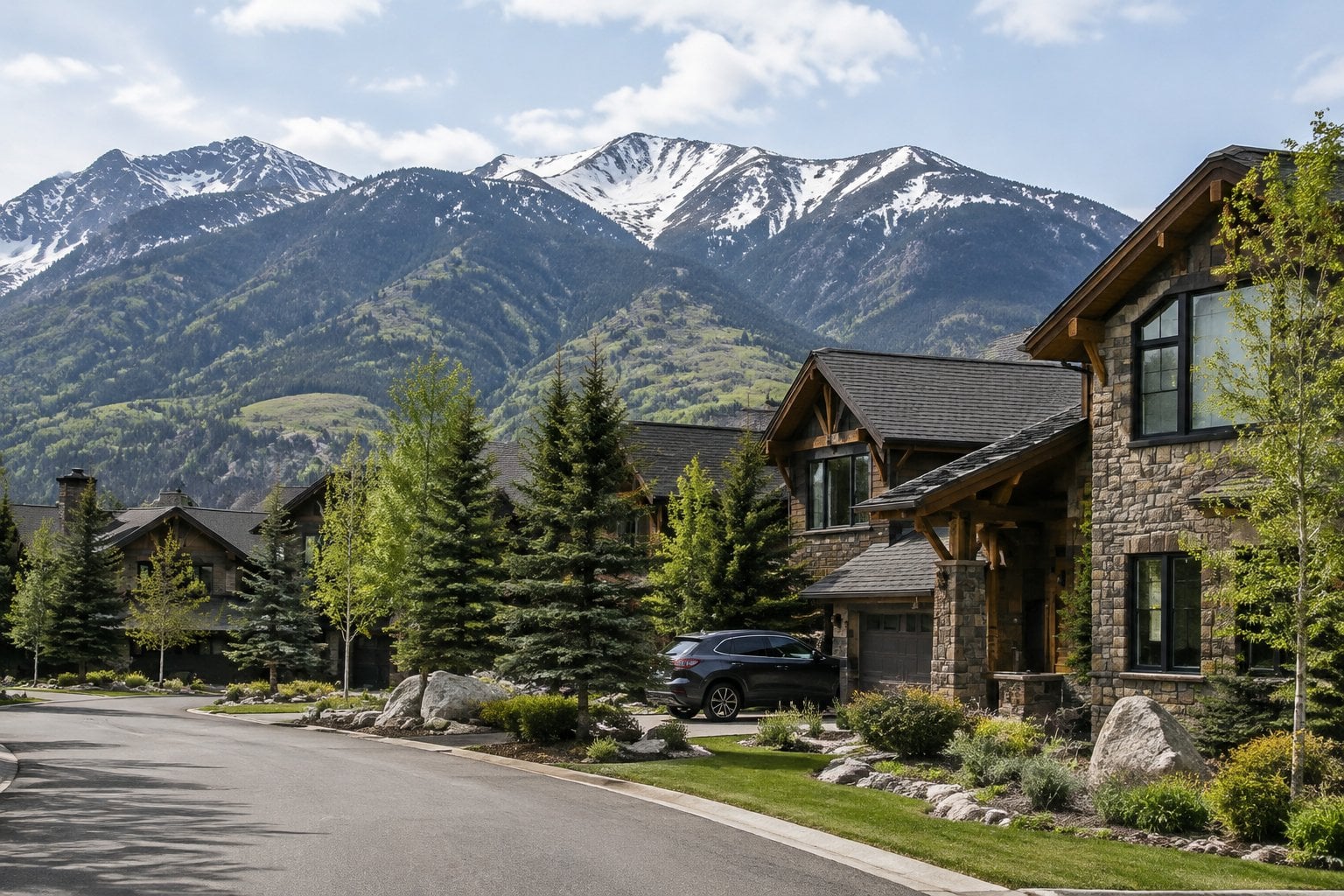
Avon ranks fifteenth. Zillow’s typical home value here is about $1.26 million, roughly flat over the past year and about 2.4 times the Colorado figure.
Avon sits along Interstate 70 and the Eagle River at the base of Beaver Creek Resort, about 8 miles west of Vail. The town was incorporated in 1978. A gondola runs from Avon’s riverfront up toward Beaver Creek, so many skiers stay in Avon and ride up to the mountain.
Avon has about 5,900 residents and serves as a commercial hub for the valley, with grocery stores, restaurants and shops. Nottingham Park and its lake sit in the middle of town and host summer concerts and events. Housing includes condos and townhomes close to the gondola, apartments for local workers, and large homes in neighborhoods such as Wildridge on the hillside north of town.
16. Breckenridge, Colorado
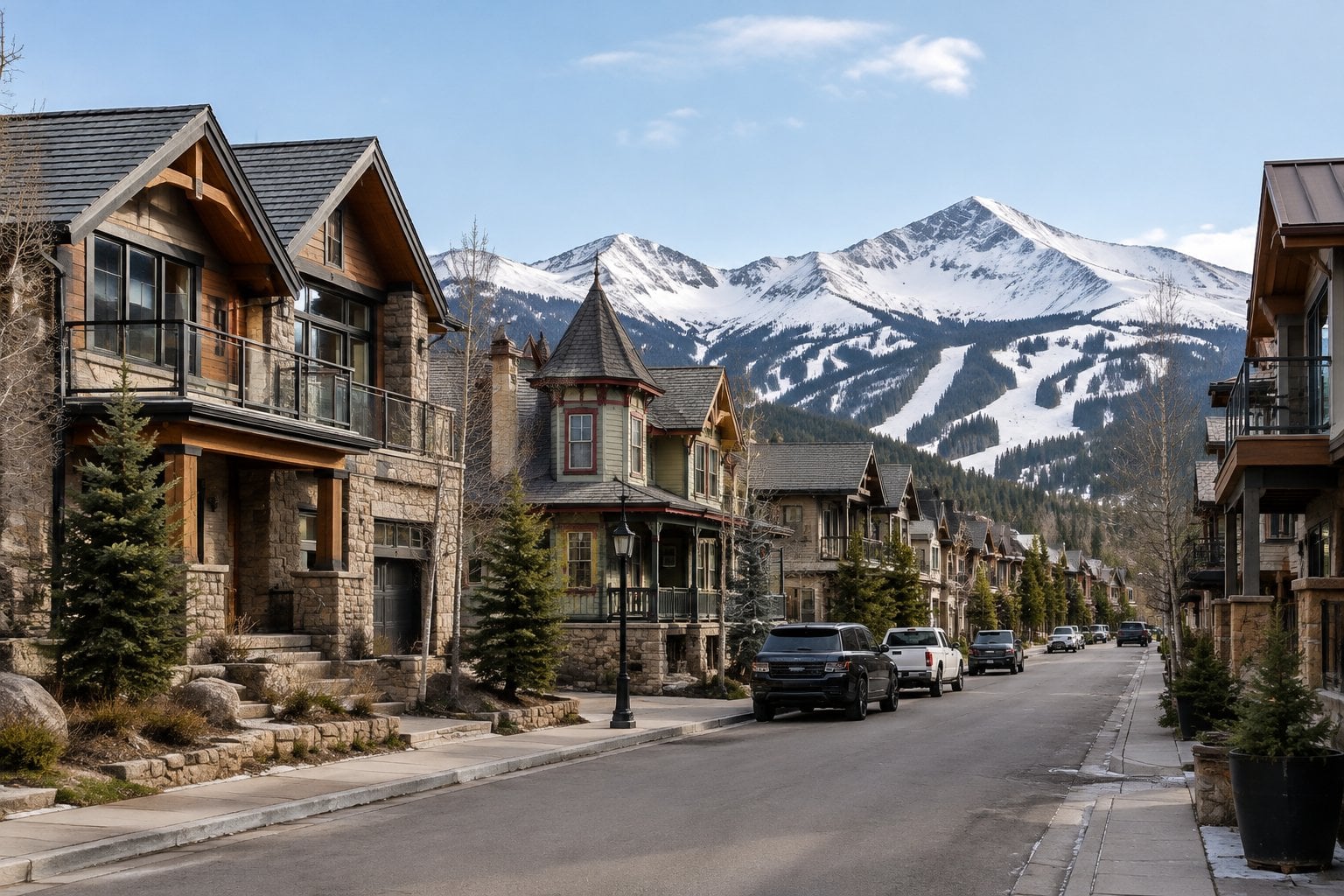
Breckenridge comes in sixteenth, with a typical home value of about $1.17 million, up about 1.5% from a year earlier and about 2.2 times the state figure.
Breckenridge was founded in 1859 during the Colorado gold rush, and its downtown is one of the largest historic districts in the state, with more than 200 historic buildings. It is the seat of Summit County and sits at about 9,600 feet, roughly 80 miles west of Denver. Breckenridge Ski Resort, one of the most visited ski areas in the country, rises right above town.
About 4,900 people live in Breckenridge year-round, according to the Census Bureau, but the town fills with visitors in both winter and summer. Most homes are condos, townhomes and mountain houses, and a large share are owned as second homes or short-term rentals. The town has invested in workforce housing to help local employees find a place to live.
17. Niwot, Colorado
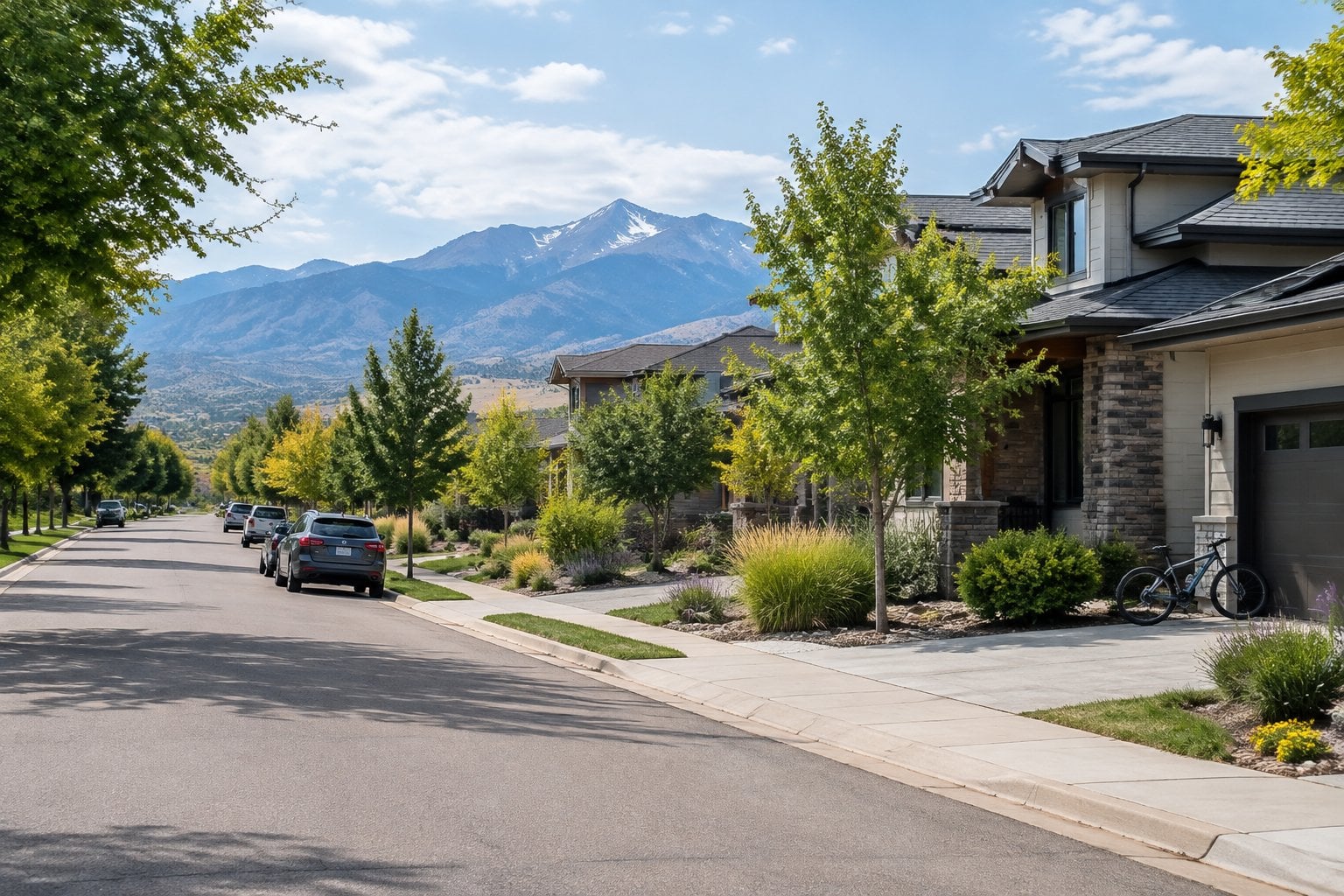
Niwot ranks seventeenth. The typical home value here is about $1.11 million, up about 4.2% from a year earlier and about 2.1 times the Colorado figure.
Niwot is an unincorporated community in Boulder County, between Boulder and Longmont. It is named for Niwot, also known as Left Hand, a leader of the Southern Arapaho people. Its small Old Town area, which grew up along the railroad in the 1870s, has restaurants and shops, and the community is surrounded by farmland and open space with views of the Front Range.
Niwot had about 4,300 residents at the 2020 Census, and its median household income is about $146,000, according to the Census Bureau’s survey. Many residents work in Boulder, Longmont or the tech and research companies along the Diagonal Highway. Homes are mostly single-family houses on larger lots than in nearby cities, and Boulder County’s limits on new building keep the supply tight.
18. Genesee, Colorado
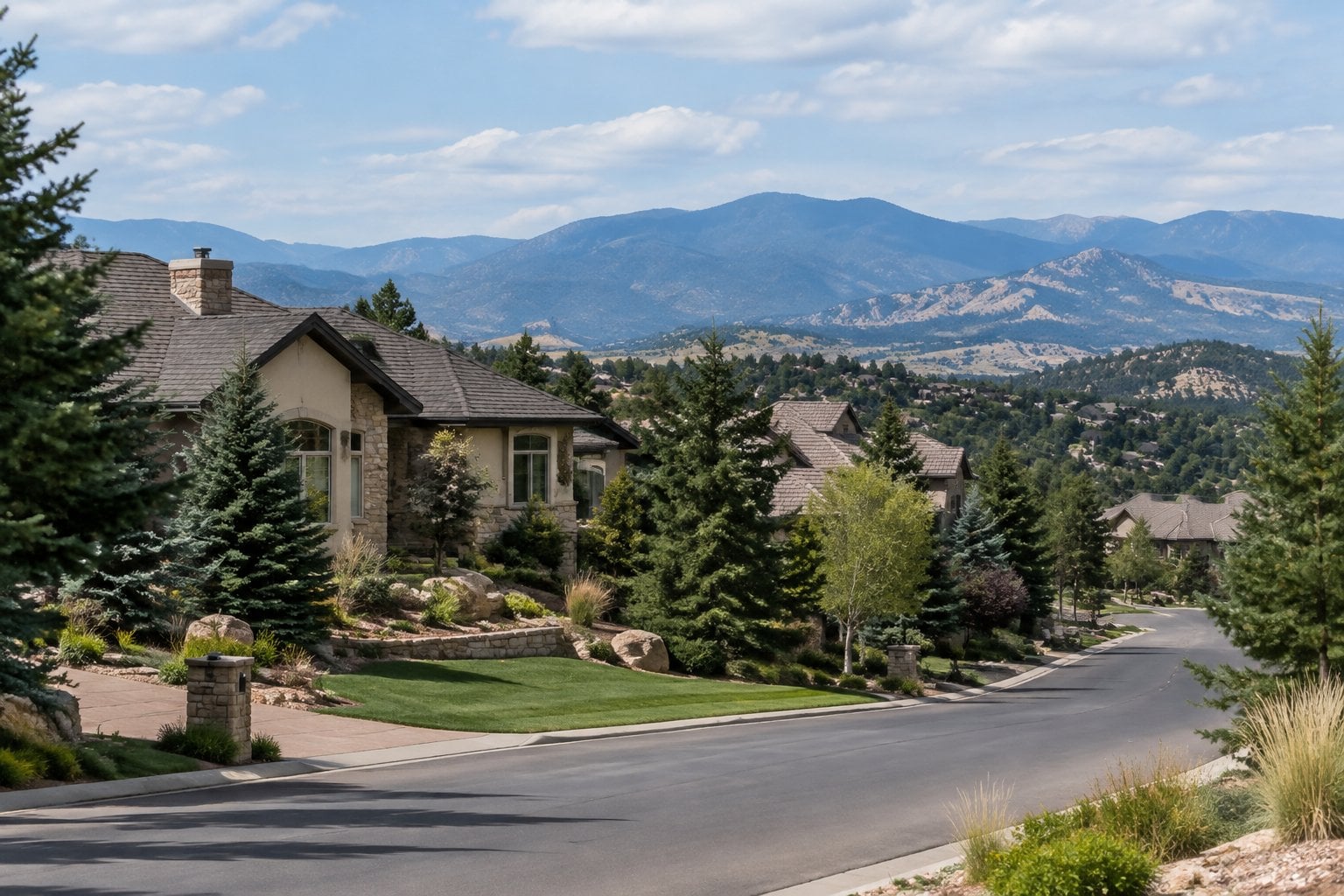
Genesee ranks eighteenth, with a typical home value of about $1.07 million, roughly flat over the past year and about twice the state figure.
Genesee is an unincorporated community in the foothills of Jefferson County, along Interstate 70 about 20 miles west of downtown Denver. It is next to Genesee Park, the first and largest of the Denver Mountain Parks, where herds of bison and elk can often be seen from the highway.
Genesee had about 3,600 residents at the 2020 Census, and its median household income is about $187,000, one of the highest on this list. The community is made up mostly of single-family homes on wooded hillsides, many with views of the Continental Divide and the plains to the east. Residents can reach downtown Denver or the ski areas along I-70 quickly, which makes Genesee popular with commuters who want a mountain setting.
19. Eagle, Colorado
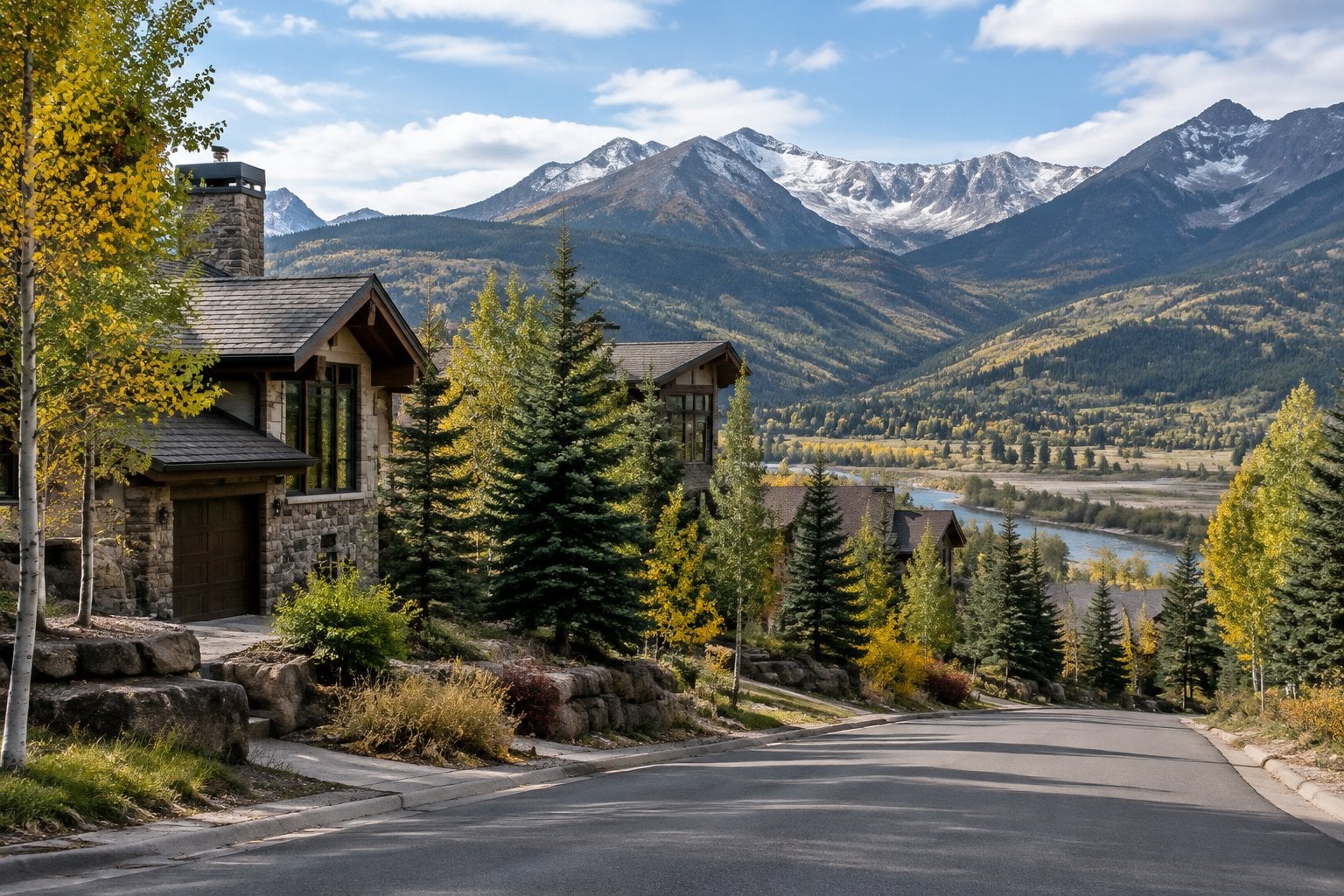
Eagle ranks nineteenth. Zillow’s typical home value here is about $1.01 million, up about 1.5% from a year earlier and almost twice the Colorado figure.
Eagle is the seat of Eagle County and sits along Interstate 70 and the Eagle River, about 30 miles west of Vail. Eagle County Regional Airport, which has seasonal flights from many U.S. cities, is a few miles west near Gypsum. The town is known for its mountain bike trails, river access and a calmer pace than the resort towns up the valley.
Eagle has about 7,300 residents. Many work in Vail, Beaver Creek or county government, and many families have moved here because homes cost less than in the towns closer to the ski areas. Newer neighborhoods such as Eagle Ranch have helped the town grow, but prices have still climbed past the million-dollar mark.
20. Frisco, Colorado
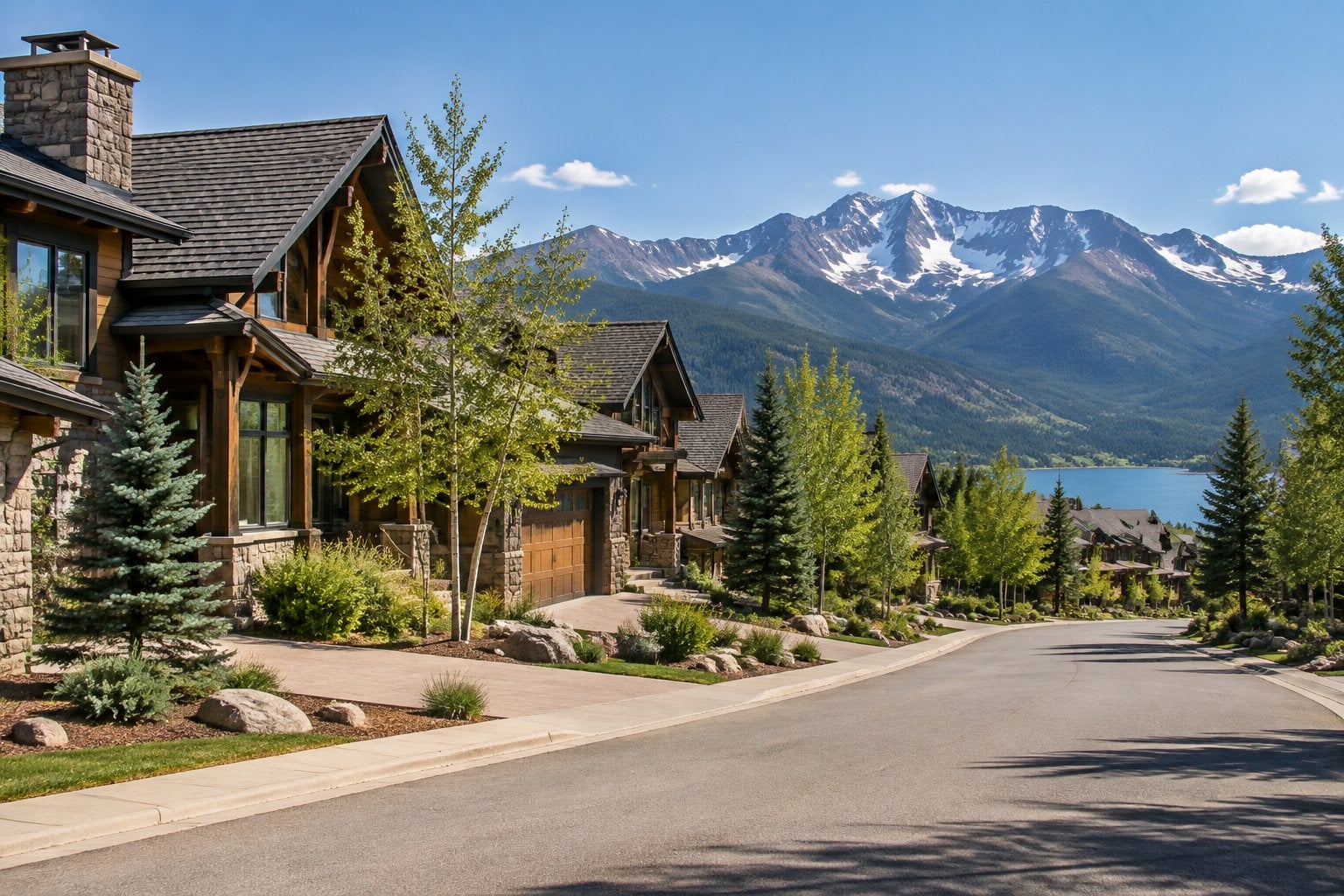
Frisco ranks twentieth, with a typical home value of about $967,000, up about 1.9% from a year earlier and about 1.8 times the state figure.
Frisco is a small town in Summit County on the shore of Dillon Reservoir, along Interstate 70 about 70 miles west of Denver. Its location puts several ski areas within a short drive, including Copper Mountain, Breckenridge, Keystone and Arapahoe Basin. Frisco’s Main Street has restaurants, shops and historic buildings, and the Frisco Bay Marina offers boating and paddling in summer.
Frisco has about 2,700 residents, according to the Census Bureau’s 2024 estimate. Homes are mostly condos, townhomes and mountain houses, and many are owned as second homes. The town’s central location and lower prices than Breckenridge have made it a favorite with both locals and visitors, and the town has worked to add housing for its workforce.
21. Boulder, Colorado
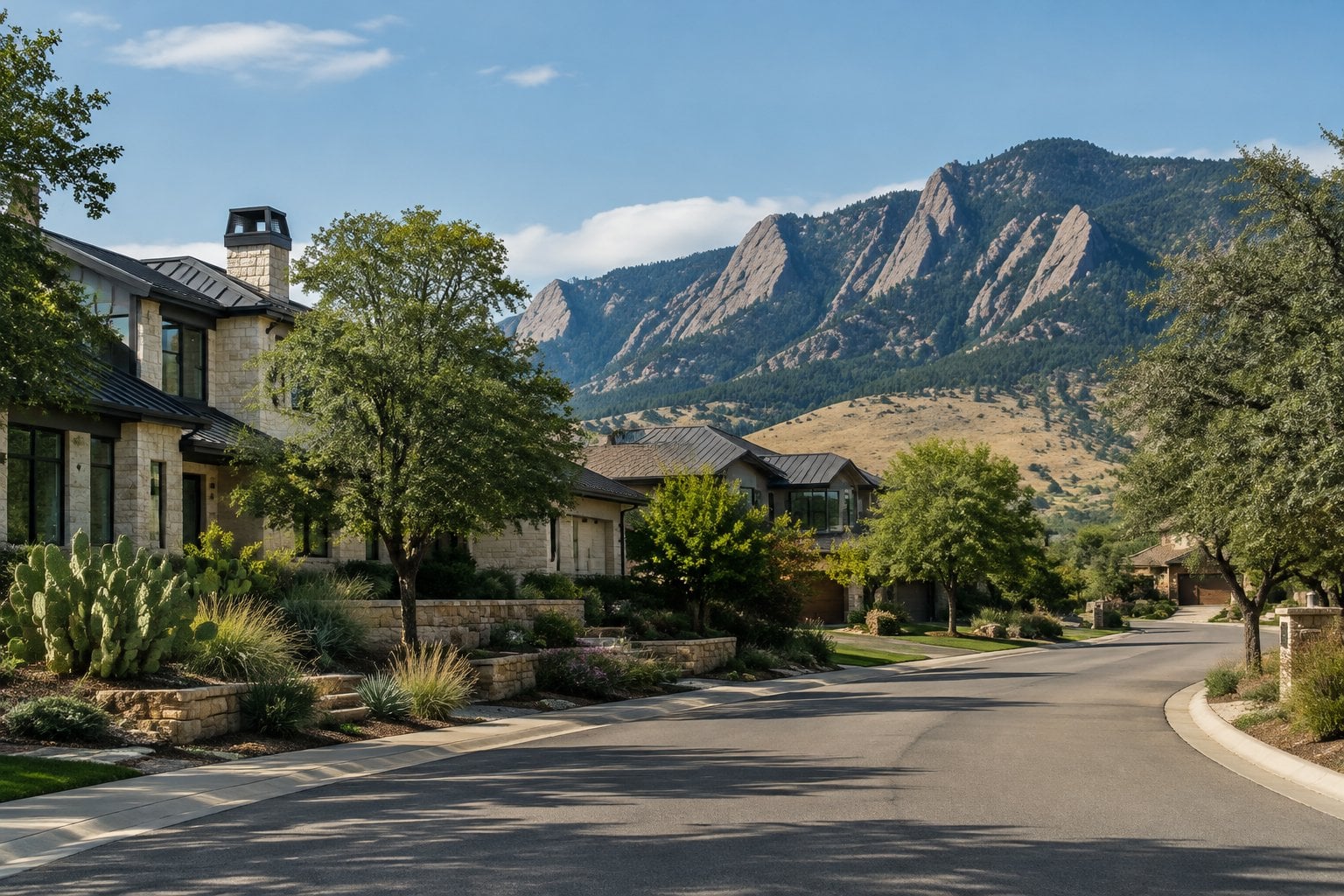
Boulder comes in twenty-first. The typical home value here is about $942,000, up about 1.4% from a year earlier and about 1.8 times the Colorado figure.
Boulder is the seat of Boulder County and the largest city on this list, with about 107,000 residents. It sits at the base of the Flatirons, about 25 miles northwest of Denver, and is home to the University of Colorado Boulder. Pearl Street Mall, a pedestrian street lined with shops and restaurants, is the heart of downtown.
In 1967, Boulder voters approved a sales tax to buy open space, and the city now owns tens of thousands of acres of protected land around its edges. Together with limits on building height and growth, that open space keeps the supply of homes tight. Boulder’s median household income, about $87,000, is held down by its large student population, but many residents work in tech, research and federal science labs.
22. Todd Creek, Colorado
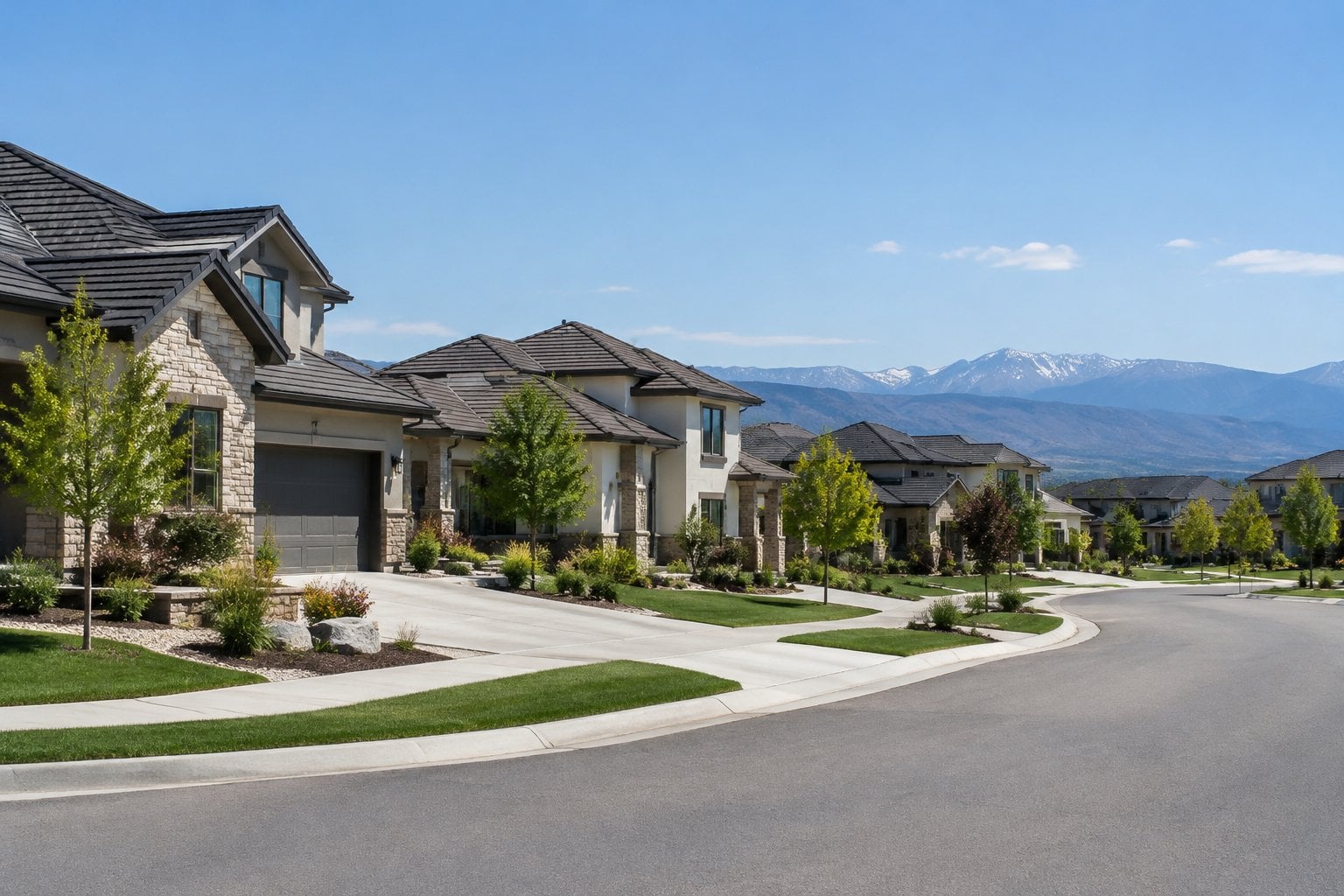
Todd Creek ranks twenty-second, with a typical home value of about $922,000, roughly flat over the past year and about 1.8 times the state figure.
Todd Creek, also called Todd Creek Village, is an unincorporated community in Adams County, between Thornton and Brighton on the north side of the Denver area. It is known for large custom homes, many on lots much bigger than in the nearby suburbs.
Todd Creek had about 5,000 residents at the 2020 Census. Its median household income is about $194,000, according to the Census Bureau’s survey, one of the highest on this list. The area has a rural feel, with room for horses and big yards, but it is only a short drive to E-470, Interstate 25 and Denver International Airport. That mix of space and access has made it one of the priciest places on the north side of the metro area.
23. Castle Pines, Colorado
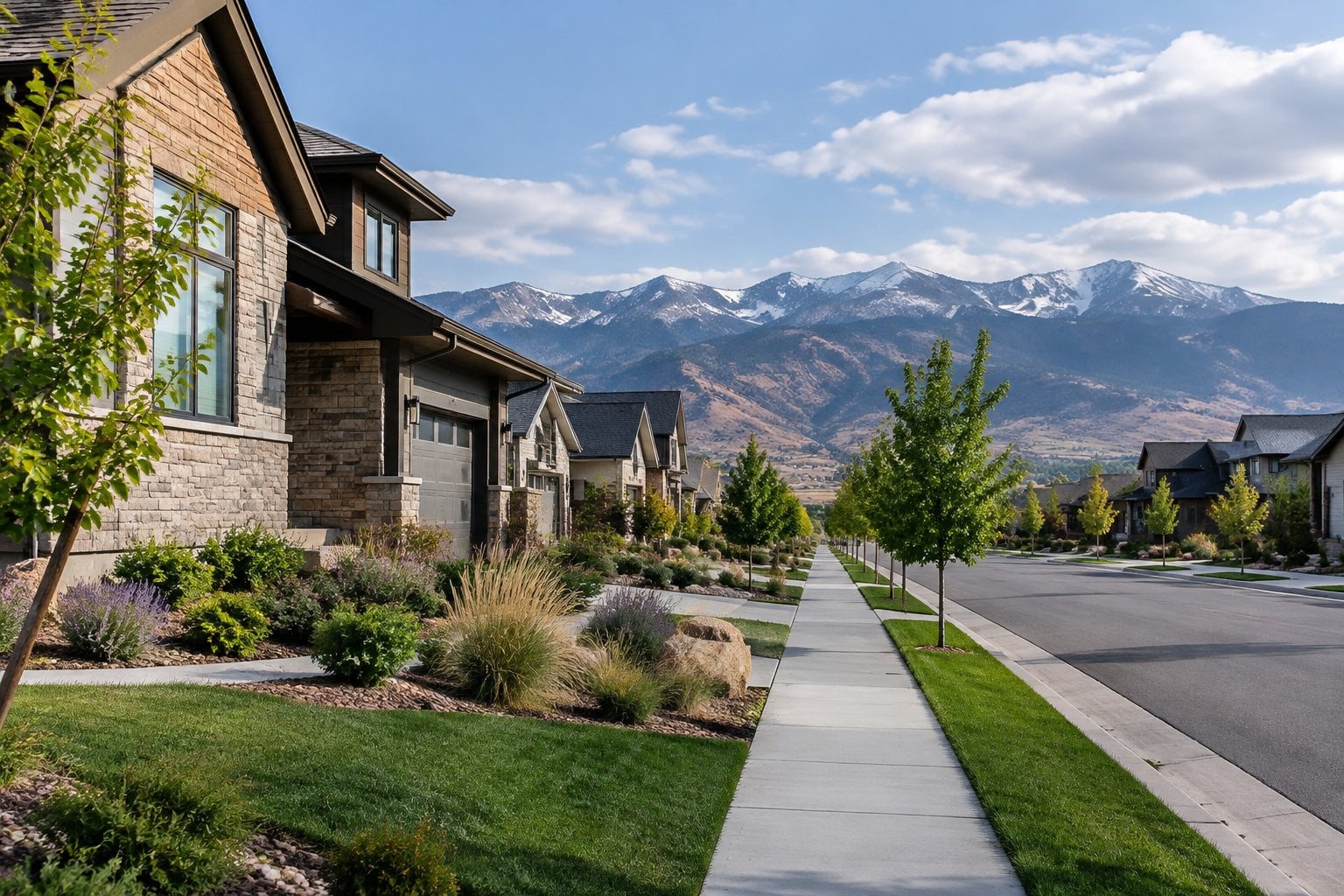
Castle Pines ranks twenty-third. Zillow’s typical home value here is about $875,000, unchanged from a year earlier and about 1.7 times the Colorado figure.
Castle Pines is a home-rule city in Douglas County, along Interstate 25 between Lone Tree and Castle Rock, about 20 miles south of downtown Denver. It was incorporated in 2008. Next to the city is the gated community of Castle Pines Village, home to Castle Pines Golf Club, which hosted the PGA Tour’s International tournament for two decades.
The city is one of the fastest-growing places in Colorado. Its population was about 11,000 at the 2020 Census and reached about 15,200 by 2024, according to the Census Bureau, as the large Canyons development added new neighborhoods. Castle Pines’ median household income is about $191,000. Homes are mostly newer single-family houses, many with views of the foothills and Pikes Peak.
24. Lone Tree, Colorado
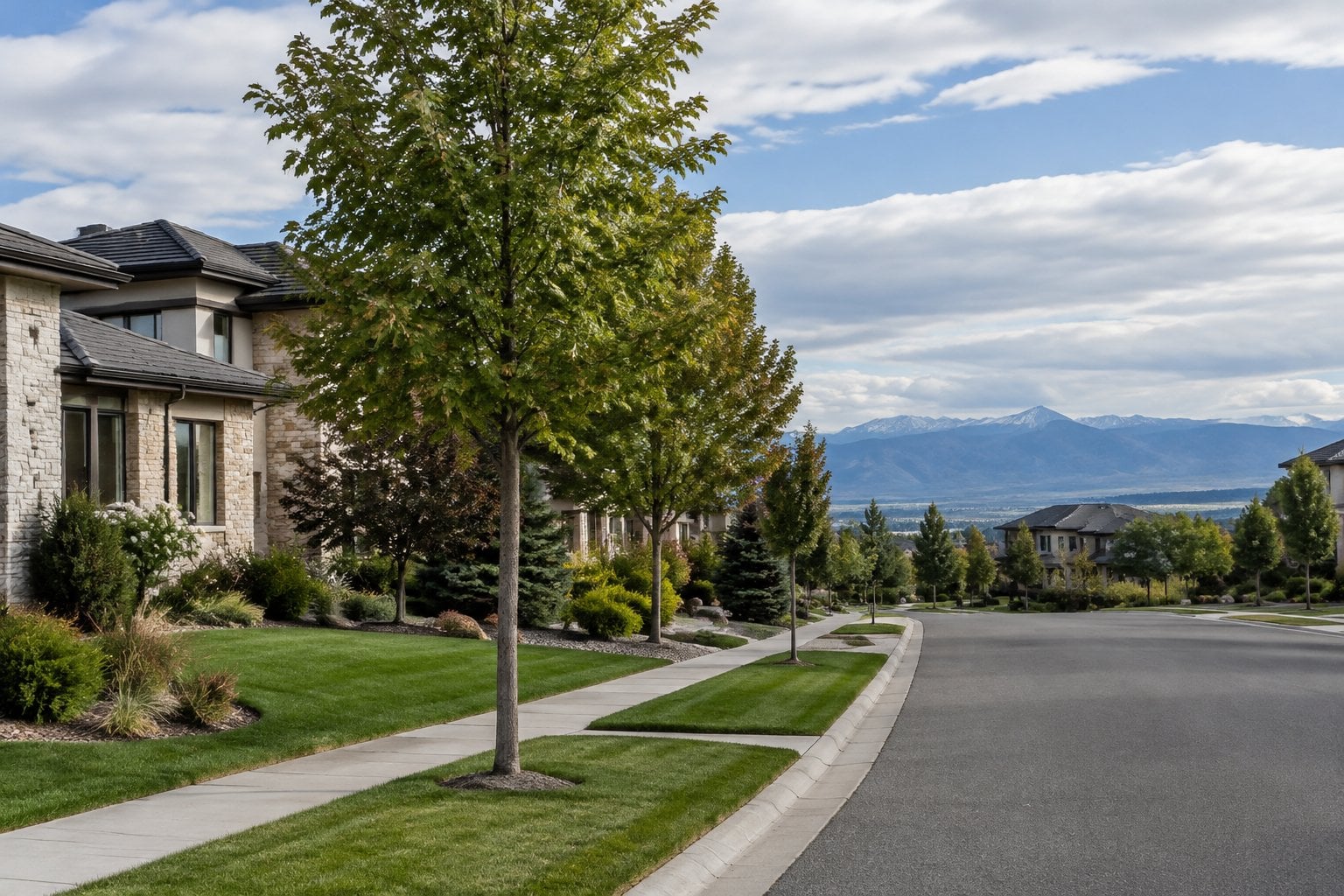
Lone Tree ranks twenty-fourth, with a typical home value of about $870,000, down about 1.2% from a year earlier and about 1.7 times the state figure.
Lone Tree is a home-rule city in Douglas County, south of Denver along Interstate 25 and C-470. It was incorporated in 1995. The city is home to Park Meadows, one of the largest shopping centers in Colorado, along with Sky Ridge Medical Center and the Lone Tree Arts Center. RTD light rail stations connect it with downtown Denver.
Lone Tree has about 14,100 residents, and its median household income is about $124,000, according to the Census Bureau. Neighborhoods range from townhomes and apartments near the shopping and office areas to large homes around the Lone Tree golf course and in the newer RidgeGate area. Its central location and quick access to the Denver Tech Center make it a popular choice for commuters.
25. Evergreen, Colorado
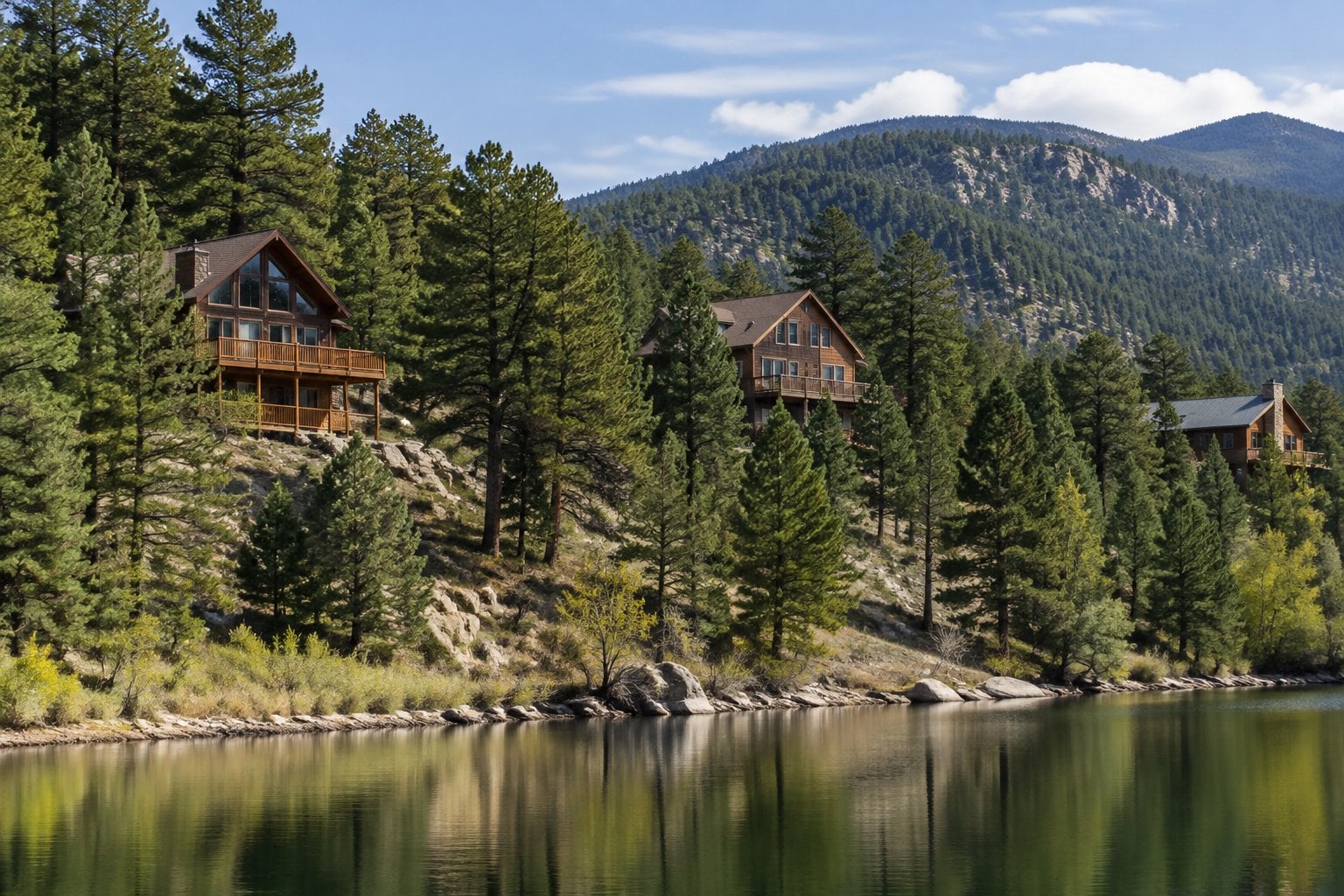
Evergreen comes in twenty-fifth. The typical home value here is about $859,000, down about 1.5% from a year earlier and about 1.6 times the Colorado figure.
Evergreen is an unincorporated mountain community in Jefferson County, about 30 miles west of downtown Denver at roughly 7,000 feet. Evergreen Lake sits at the center of town and is used for paddling in summer and ice skating in winter. Bear Creek runs through the small downtown, which has shops, restaurants and galleries.
The Evergreen census area had about 9,300 residents at the 2020 Census, although the wider Evergreen area is home to many more people. Its median household income is about $150,000, according to the Census Bureau’s survey. Homes are spread out across forested hillsides, many on large lots, and elk often wander through neighborhoods. Wildfire risk is a real concern here, as it is across much of the foothills.
26. Glenwood Springs, Colorado
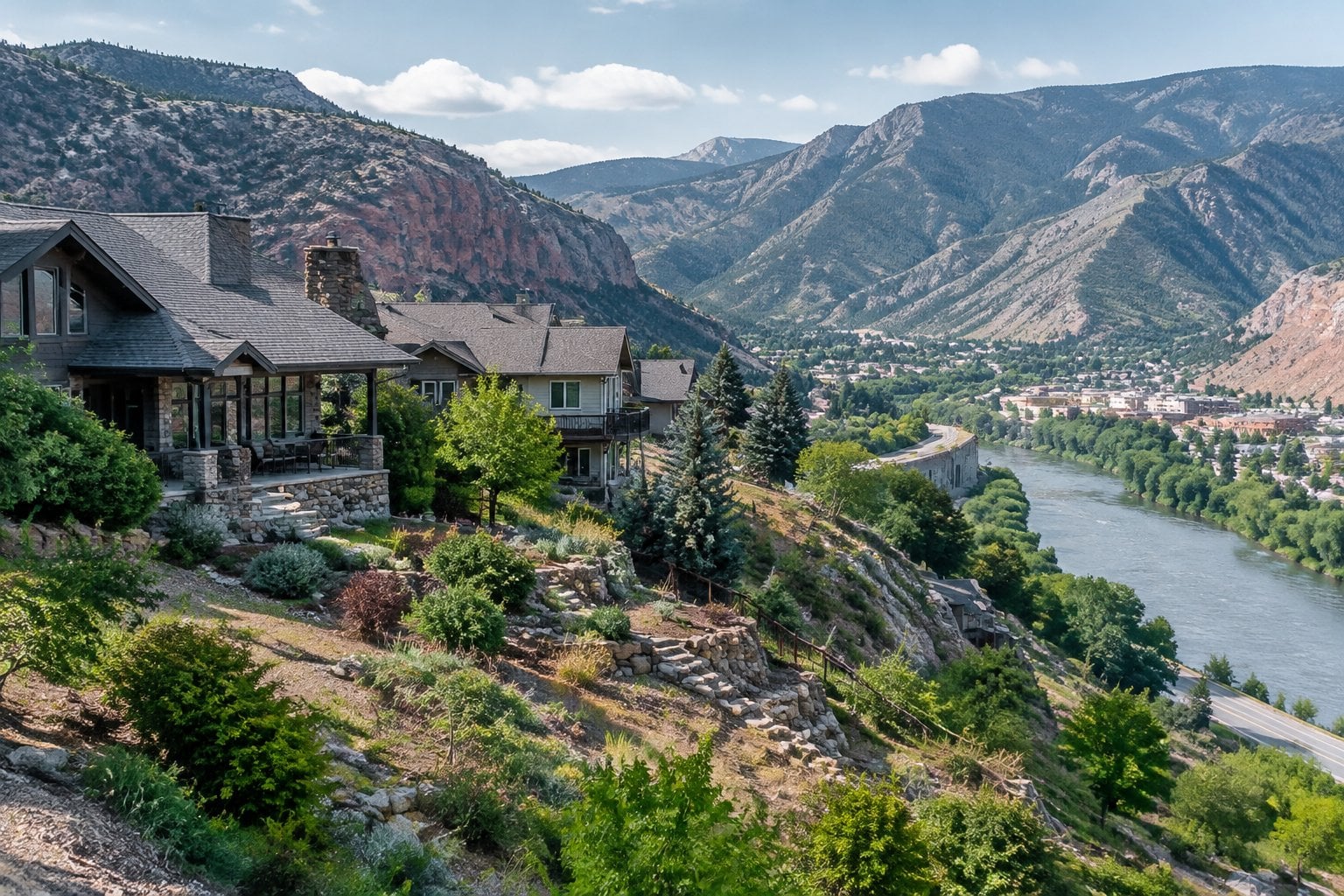
Glenwood Springs ranks twenty-sixth, with a typical home value of about $852,000, up about 2% from a year earlier and about 1.6 times the state figure.
Glenwood Springs is the seat of Garfield County and sits where the Roaring Fork River meets the Colorado River, at the west end of Glenwood Canyon. It is famous for its hot springs: the Glenwood Hot Springs pool opened in 1888 and is one of the largest hot springs pools in the world. The town also has an Amtrak stop on the California Zephyr route and the Glenwood Caverns Adventure Park on the mountain above town. The Old West gunfighter Doc Holliday is buried in the town’s Linwood Cemetery.
Glenwood Springs has about 10,300 residents. It is a regional hub for shopping, health care and jobs, and many people who work in Aspen and the rest of the Roaring Fork Valley live here. Homes cost much less than up the valley, but limited flat land between the canyon walls keeps prices high.
27. Cherry Creek, Colorado
Cherry Creek ranks twenty-seventh. Zillow’s typical home value here is about $847,000, unchanged from a year earlier and about 1.6 times the Colorado figure.
This Cherry Creek is not the well-known shopping district in Denver. It is a small unincorporated community in Arapahoe County, on the south side of the Denver area. It sits just south of Greenwood Village, next to Centennial and the Denver Tech Center, a few miles southwest of Cherry Creek State Park. Most children attend schools in the highly rated Cherry Creek School District.
Cherry Creek had about 11,500 residents at the 2020 Census, and its median household income is about $154,000, according to the Census Bureau’s survey. The community covers less than two square miles and is made up mostly of single-family homes. Residents have quick access to offices in the Denver Tech Center, Interstate 25, RTD light rail and the trails, beach and boating at Cherry Creek State Park.
28. Ridgway, Colorado
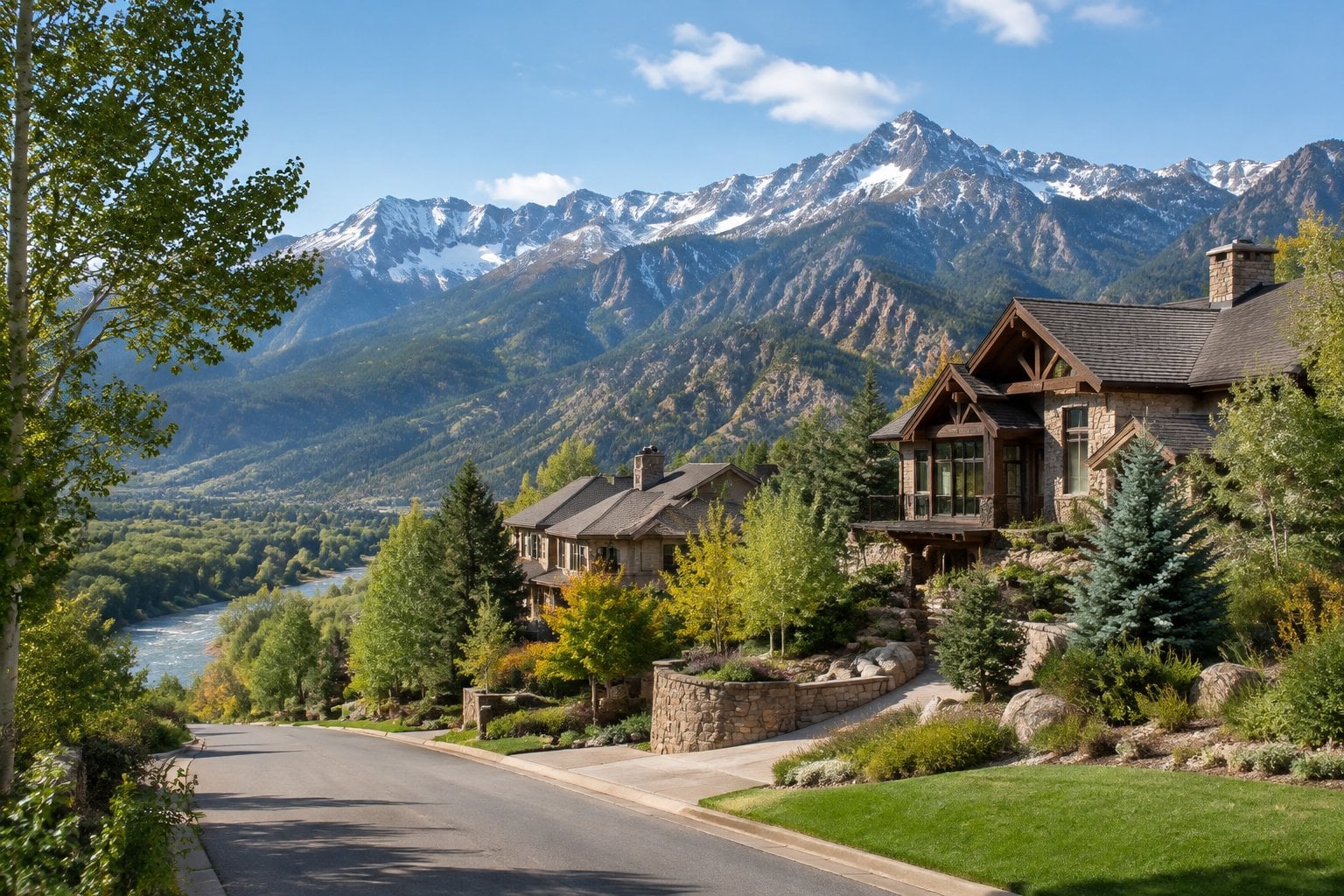
Ridgway ranks twenty-eighth, with a typical home value of about $845,000, up about 3.7% from a year earlier and about 1.6 times the state figure.
Ridgway is a small town in Ouray County, on the Uncompahgre River in the northern San Juan Mountains, about 10 miles north of the town of Ouray. It was founded in 1890 as a stop on the Rio Grande Southern Railroad. Ridgway and the ranch land around it were filming locations for the 1969 western “True Grit,” and the town still has a quiet, small-town feel.
Ridgway had about 1,300 residents in 2024, according to the Census Bureau. Ridgway State Park, just north of town, offers boating, fishing and camping, and the Sneffels Range rises to the southwest. The town is about 40 miles from Telluride, and some people who work there live in Ridgway. Its scenery and slower pace have drawn retirees and remote workers, which has pushed prices up.
29. Golden, Colorado
Golden ranks twenty-ninth. The typical home value here is about $842,000, roughly flat over the past year and about 1.6 times the Colorado figure.
Golden is the seat of Jefferson County and sits at the base of the foothills, about 15 miles west of downtown Denver, along Clear Creek. It served as the capital of the Colorado Territory in the 1860s. Today it is home to the Colorado School of Mines and the large Coors brewery, and Buffalo Bill Cody’s grave sits on Lookout Mountain above town.
Golden has about 20,200 residents, and its median household income is about $99,000, according to the Census Bureau. Its historic downtown, with its well-known “Howdy Folks” arch over Washington Avenue, has restaurants, shops and a creekside path. Mountains and open space around the city limit where new homes can be built, and Golden’s easy access to both Denver and the mountains keeps buyers interested.
30. Louisville, Colorado
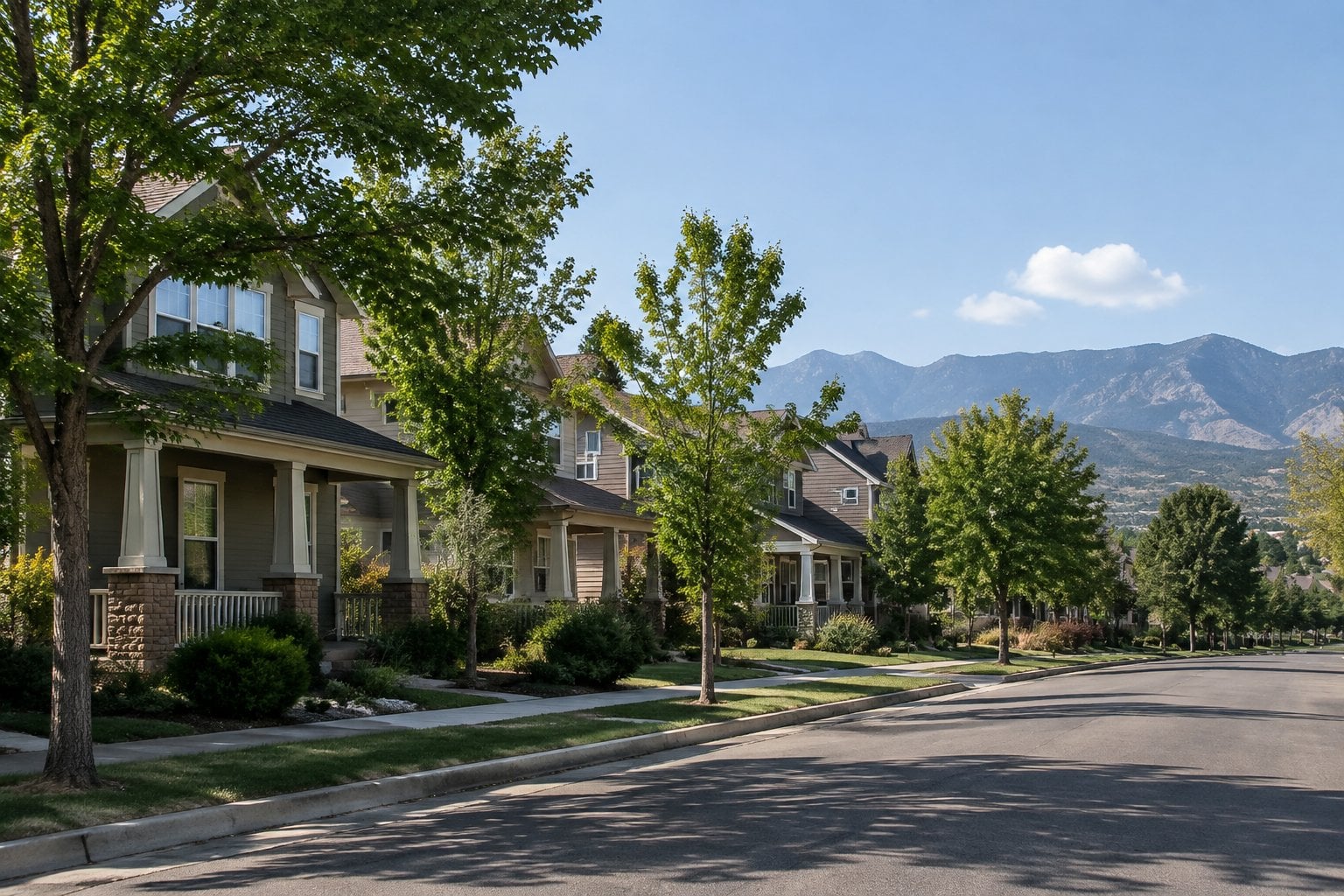
Louisville rounds out the list, with a typical home value of about $821,000, up about 1.3% from a year earlier and about 1.6 times the state figure.
Louisville is a city in Boulder County, about 6 miles southeast of Boulder and 20 miles northwest of Denver. It began as a coal mining town in the late 1870s, and its historic downtown along Main Street has restaurants and shops in older buildings. Money magazine ranked Louisville as the best small town in America in 2009 and 2011.
Louisville has about 20,800 residents, and its median household income is about $147,000, according to the Census Bureau. In December 2021, the Marshall Fire destroyed more than 500 homes in the city, and many neighborhoods have since been rebuilt. Good schools in the Boulder Valley School District, a short commute to Boulder and Denver, and plenty of parks and trails keep demand strong.
What Drives Living Costs in Colorado’s Priciest Places
The places on this list fall into three main groups. Each one has its own reasons for high costs, and knowing them helps explain why two places a short drive apart can look so different.
Ski Towns and Resort Valleys
Seventeen of the 30 places on this list are mountain towns, including eight of the top ten. Aspen, Snowmass Village, Telluride, Mountain Village, Vail and Breckenridge are built around famous ski areas, and many homes there are owned as second homes or vacation rentals. These towns are surrounded by national forest and steep terrain, so there is very little land to build on. That pushes prices up across whole valleys: places like Basalt, Carbondale, Edwards, Eagle and Glenwood Springs, which started as more affordable options for workers, now have typical values near or above $1 million.
The South Denver Suburbs
Cherry Hills Village, Columbine Valley, Greenwood Village, Cherry Creek, Lone Tree and Castle Pines sit on the south side of the Denver area, close to the Denver Tech Center and the Cherry Creek and Douglas County school districts. Many residents work in finance, health care, tech and other high-paying fields, and median household incomes in several of these places are well above $150,000. Large lots and strict zoning in the older suburbs keep the number of homes small. Todd Creek, on the north side of the metro area, draws buyers for the same reason: big lots and plenty of space.
Boulder County and the Foothills
Boulder, Louisville and Niwot share Boulder County’s mix of a big research university, tech jobs and strict limits on growth, including large belts of protected open space. Genesee, Evergreen and Golden sit in the foothills west of Denver, where buyers pay extra for mountain views and quick access to both the city and the high country.
Planning a Move
If you are thinking about moving to one of these places, look beyond the purchase price. Mountain towns often have higher costs for groceries, heating and services, and some homes need extra spending on snow removal or wildfire protection. Property taxes in Colorado are low compared with many states, but HOA fees can add up in resort areas. Visiting in both winter and the off-season is a good way to see what daily life is really like before you decide.