The 30 Most Expensive Places to Live in Arizona: 2026 Rankings by Home Value
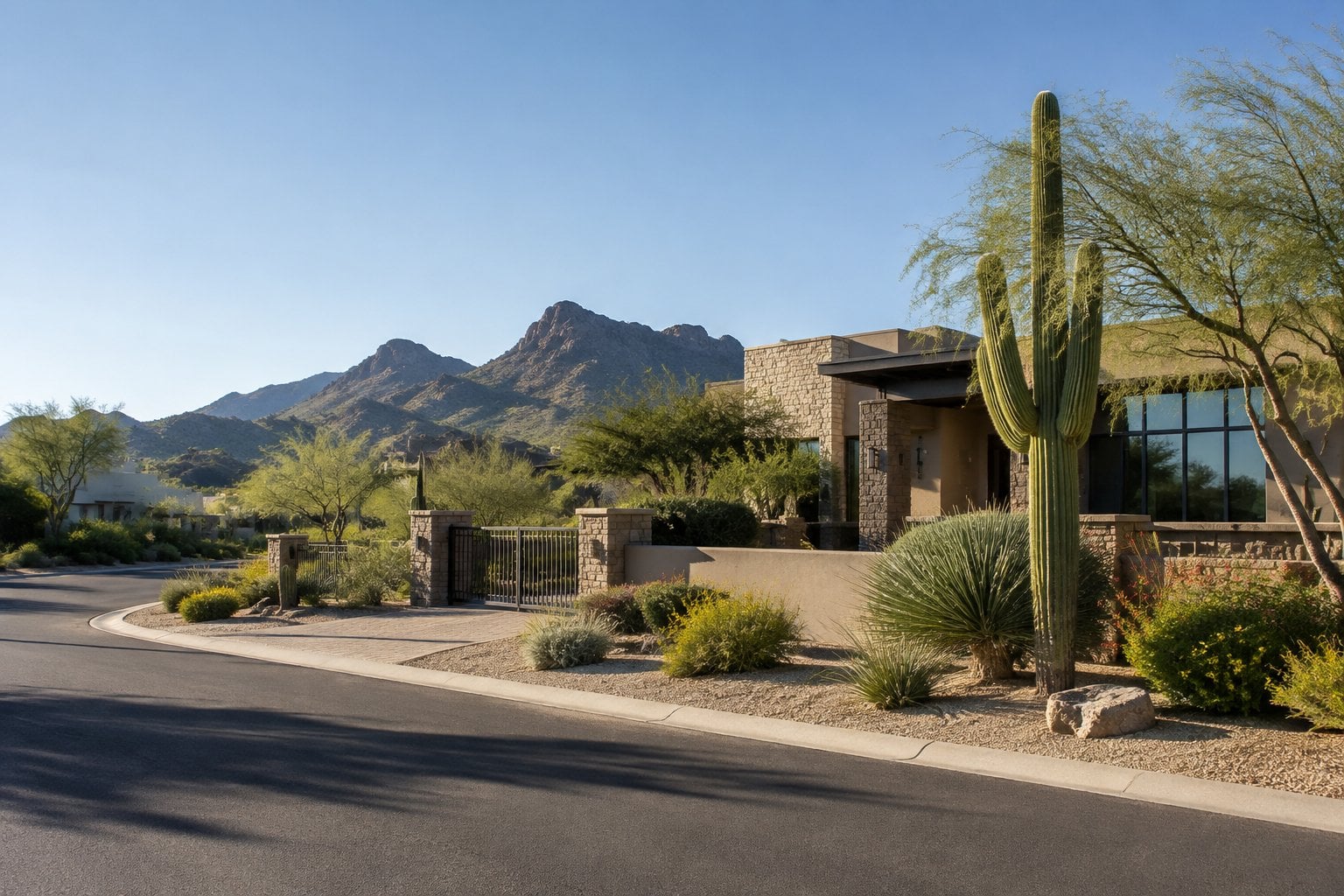
Arizona’s most expensive places are not where many people expect. A few sit in the desert foothills north and east of Phoenix, where large lots, mountain views and golf courses push prices up. Others are cool, pine-covered mountain towns where people go to escape the summer heat. If you are weighing a move or simply comparing markets, knowing where costs peak helps you set realistic expectations.
The typical home in Arizona is worth about $415,000, according to the Zillow Home Value Index for October 2026, down about 1% from a year earlier. In the places on this list, typical values run from about $461,000 to almost $3.6 million. Most of the 30 are in Maricopa County, but the list also reaches Flagstaff’s forests, the Prescott area, the Tucson foothills and the high country below the Mogollon Rim.
This list ranks Arizona cities, towns and census-designated places with at least 1,000 residents by Zillow’s typical home value as of October 2026. Population figures come from the 2020 Census. Fort McDowell, a tribal community, and very small rural places were left out.
1. Paradise Valley, Arizona
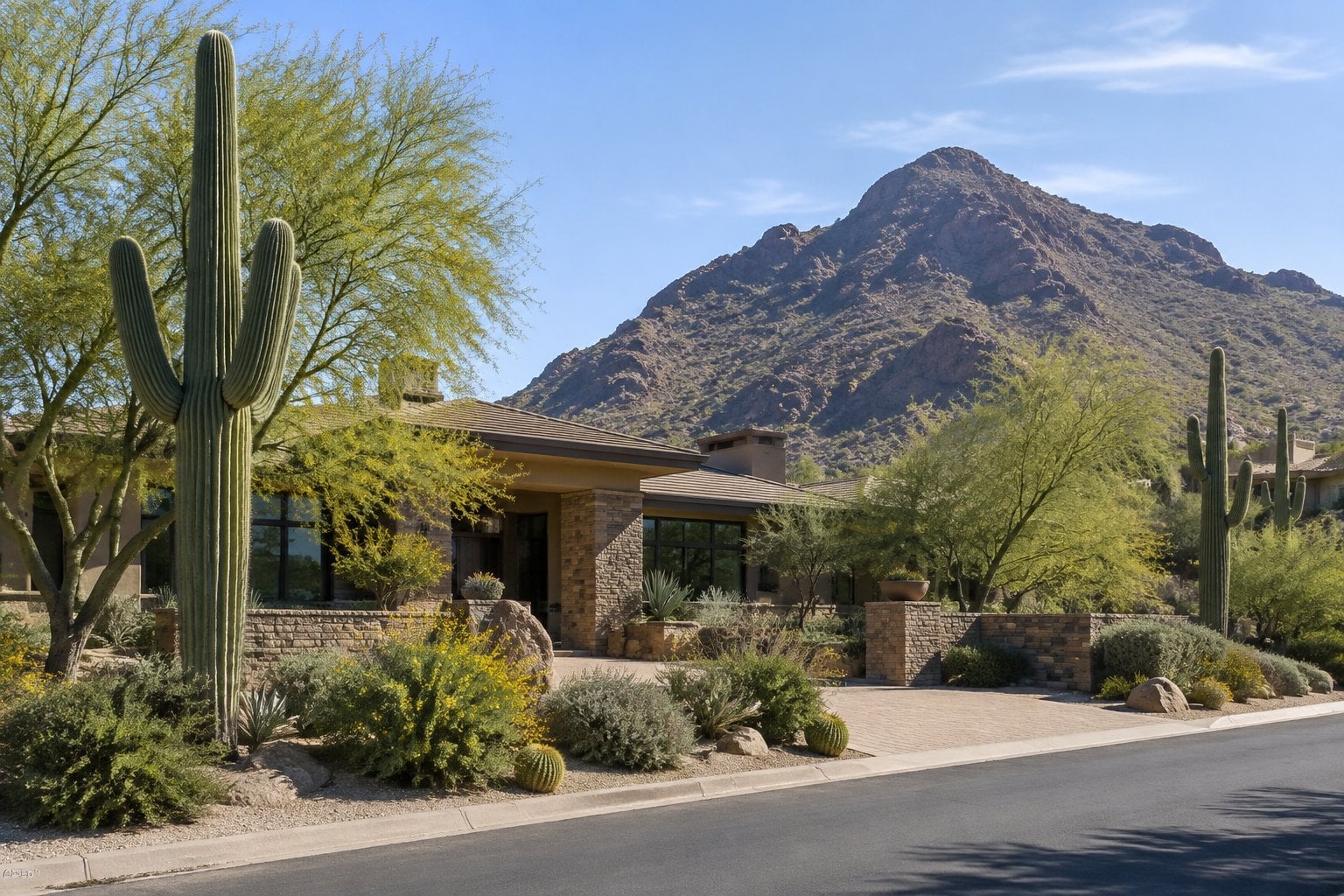
Paradise Valley is in a class of its own. Zillow puts the typical home value here at about $3.59 million as of October 2026, up roughly 12% from a year earlier. That is more than eight times the Arizona typical home value and almost three times the next place on this list.
The town sits between Phoenix and Scottsdale in Maricopa County, with Camelback Mountain and Mummy Mountain inside or along its borders. About 12,658 people lived here at the 2020 Census. Paradise Valley is almost entirely residential: homes sit on large lots, there are no big shopping centers, and much of the land that isn’t homes is taken up by resorts and golf courses.
Well-known resorts include Sanctuary Camelback Mountain, Mountain Shadows and the JW Marriott Camelback Inn. Most children in the town attend schools in the Scottsdale Unified School District. You are about 20 minutes from downtown Phoenix and close to Old Town Scottsdale, which is part of the appeal for buyers who want space without being far from the city.
2. Carefree, Arizona
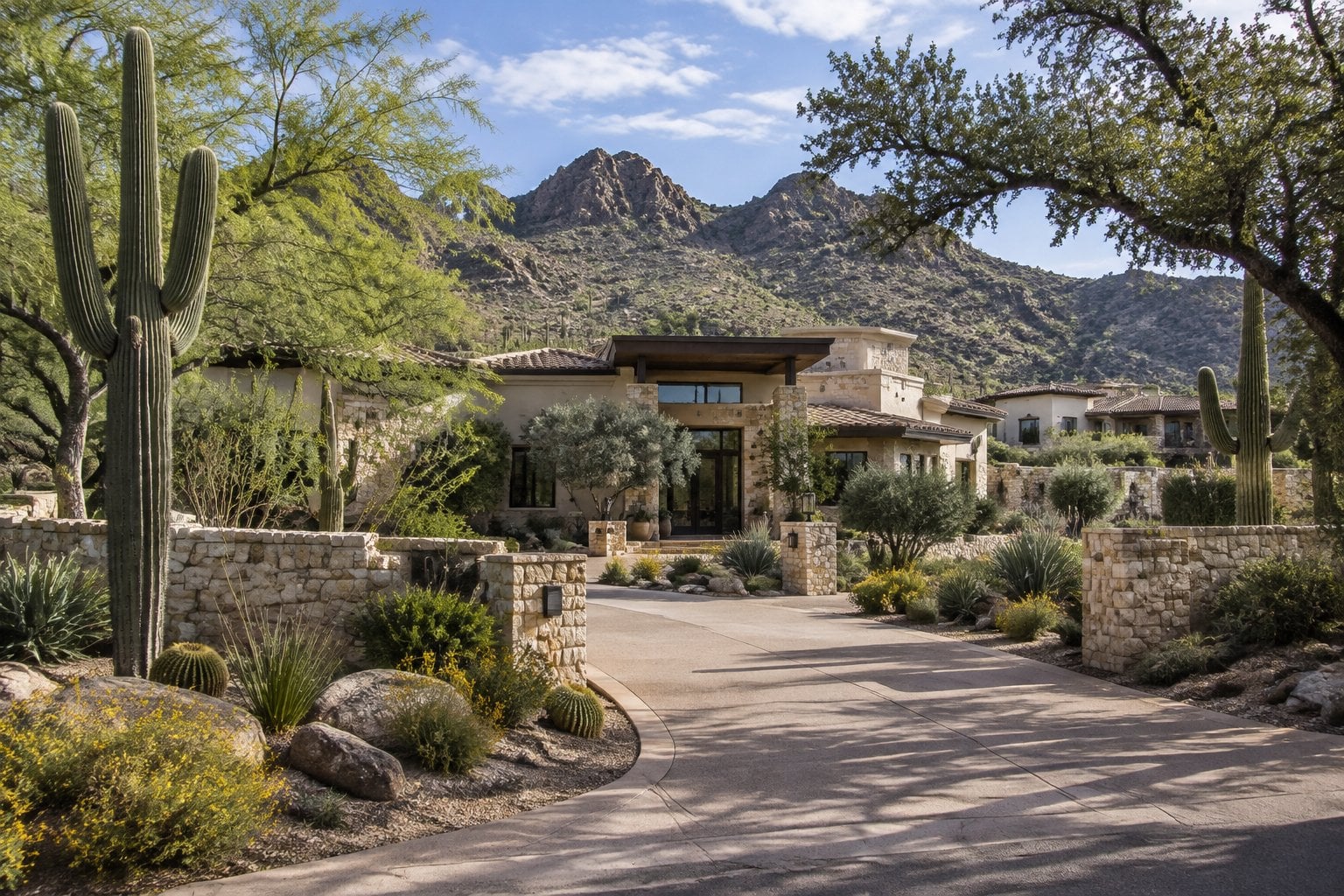
Carefree ranks second. Zillow puts the typical home value at about $1.28 million, up about 2.5% over the past year. That is roughly three times the state’s typical value.
The town lies in the far northeast corner of the Phoenix area, north of Scottsdale and next to Cave Creek. Only 3,690 people lived here at the 2020 Census. Carefree was planned in the 1950s as a relaxed desert community, and it still shows: street names include Easy Street and Ho Hum Road, and homes are spread out among granite boulders and saguaros.
Many houses are custom-built on lots of an acre or more, often with views of Black Mountain and the surrounding hills. The town center has a small cluster of shops and restaurants and the Carefree Sundial, a large solar timepiece that is a local landmark. There is no freeway nearby, so you will drive about 40 minutes or more to reach central Phoenix.
3. Cave Creek, Arizona
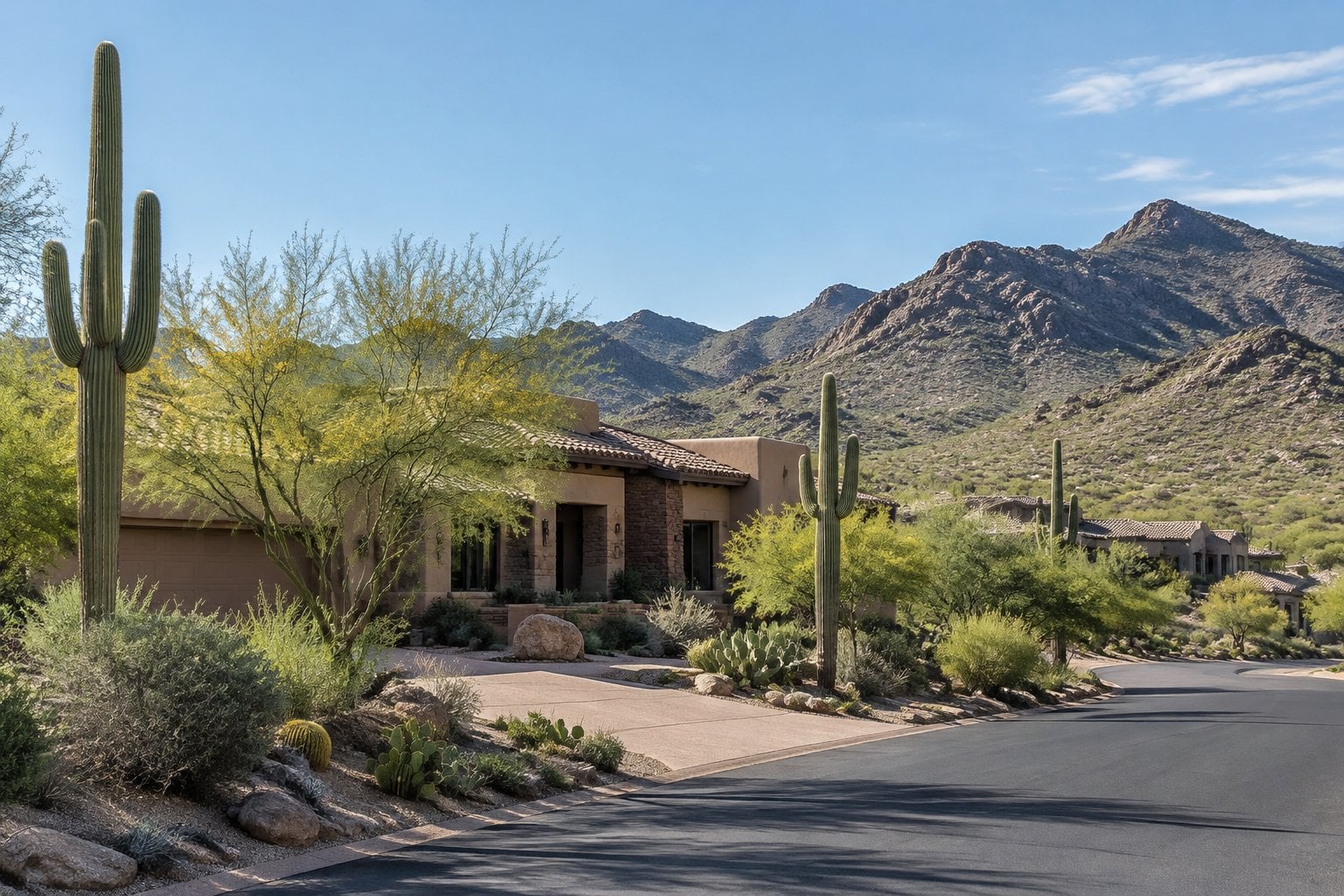
Cave Creek comes in third. Zillow puts the typical home value at about $1.04 million as of October 2026, up about 2.6% from a year earlier.
The town borders Carefree on the west side and had 4,892 residents at the 2020 Census. Cave Creek began as a mining and ranching settlement in the late 1800s, and its Western roots are still easy to see. The main street is lined with saloons, steakhouses and shops, and horse trails run through many neighborhoods.
What drives prices here is space. Many homes sit on one acre or more, and plenty of properties allow horses. Large stretches of open desert surround the town, including Cave Creek Regional Park and the Spur Cross Ranch Conservation Area, which limit how far new building can spread. If you want a quiet, rural setting within driving distance of north Phoenix and Scottsdale jobs, Cave Creek offers that, but you will pay well above the Phoenix-area average for it.
4. Sedona, Arizona
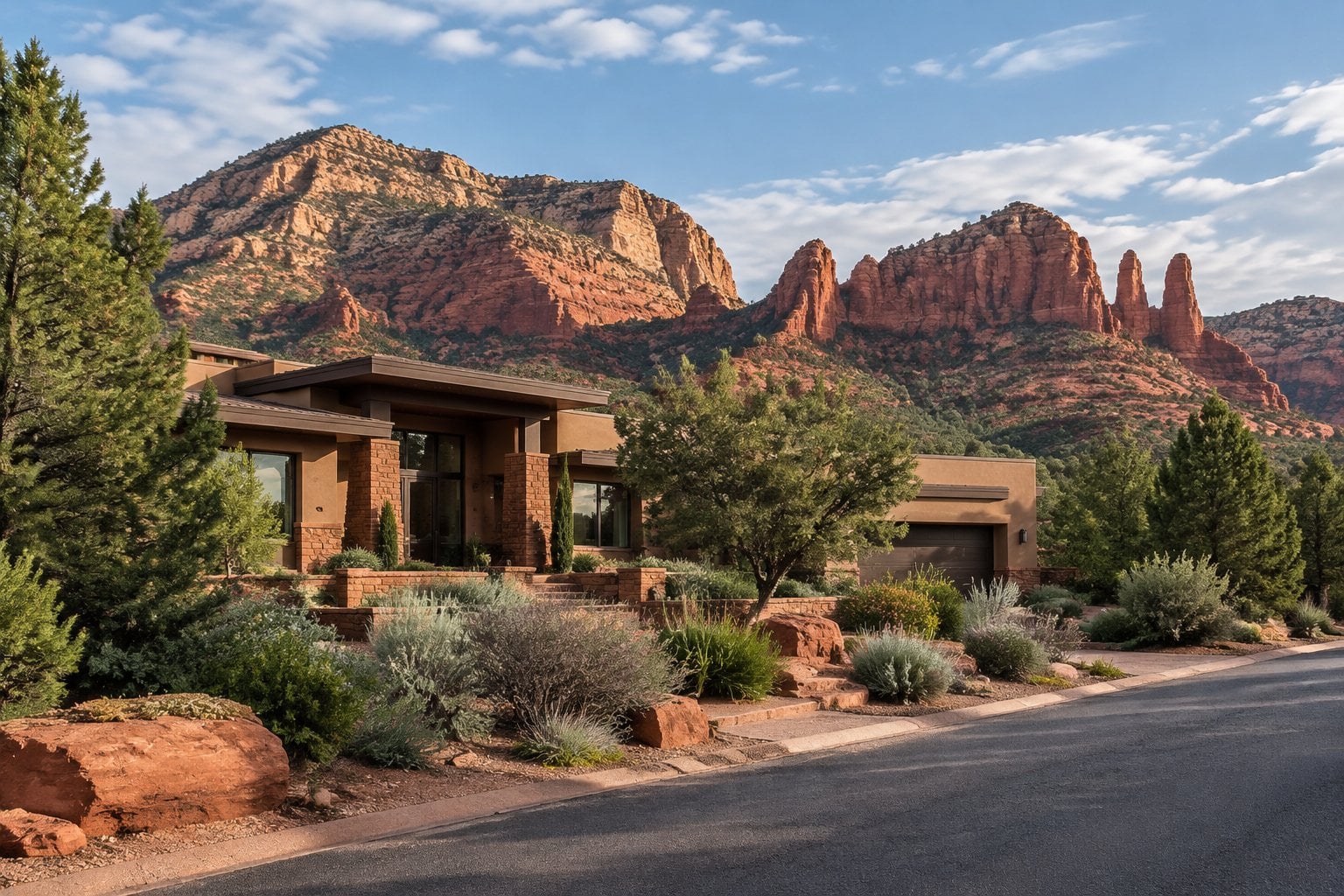
Sedona ranks fourth and is the priciest place in Arizona outside the Phoenix area. Zillow puts the typical home value at about $896,000, roughly flat (up about 0.7%) over the past year.
The city straddles the line between Coconino and Yavapai counties in the northern Verde Valley, about two hours north of Phoenix. It had 9,684 residents at the 2020 Census and is surrounded by the Coconino National Forest. That federal land is a big reason prices stay high: there is very little room to build.
Sedona’s red sandstone formations, such as Cathedral Rock and Bell Rock, draw millions of visitors a year, and demand for second homes and vacation rentals is strong. Many buyers are retirees or part-time residents rather than local workers. If you plan to live here year-round, expect high prices for homes and everyday services, and weigh the traffic that comes with being one of the state’s top tourist destinations.
5. Scottsdale, Arizona
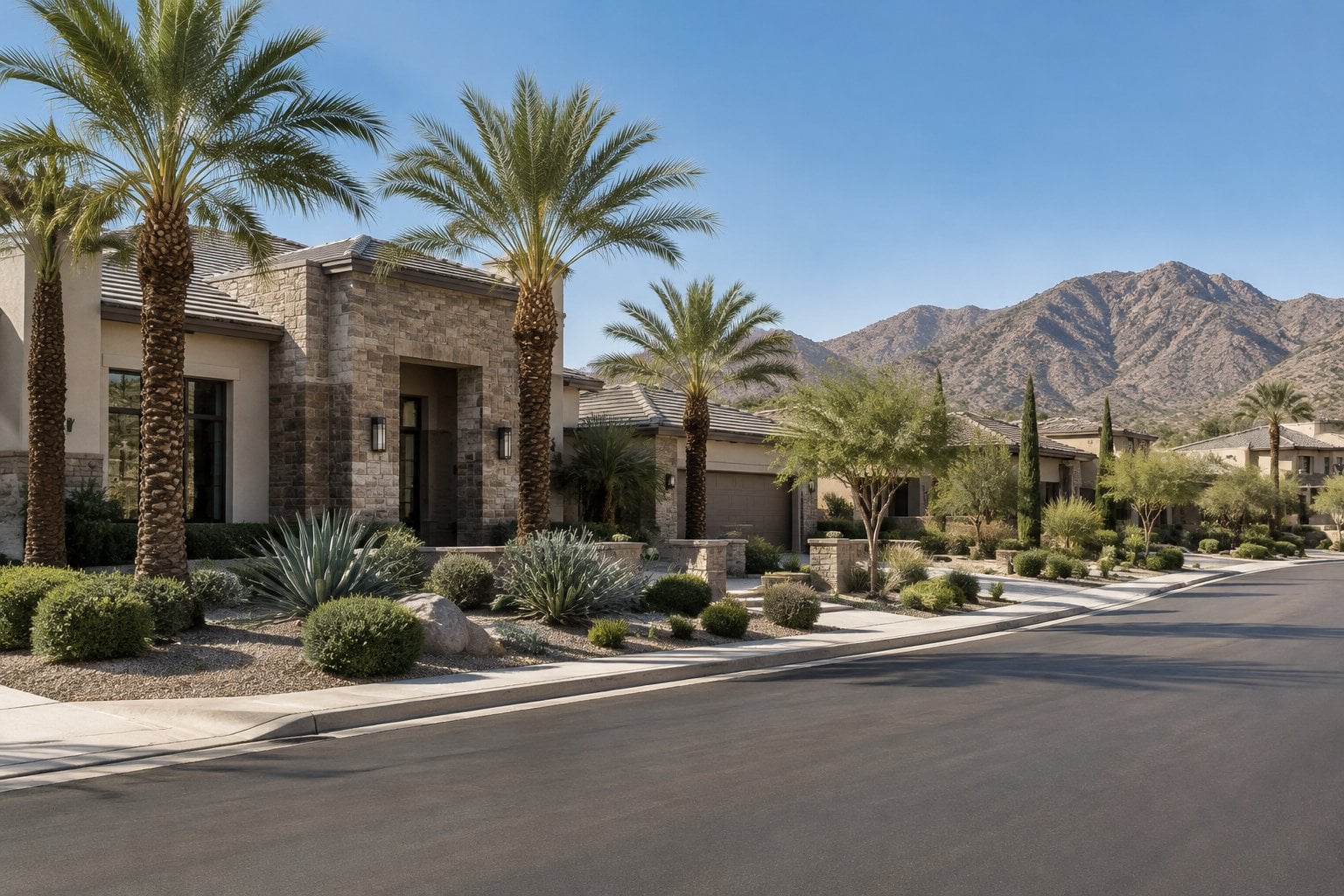
Scottsdale is the largest city in the top five. Zillow puts the typical home value at about $860,000 as of October 2026, up about 3.4% over the past year.
The city had 241,361 residents at the 2020 Census and stretches about 31 miles from north to south. That length matters for prices. Older homes in south Scottsdale cost far less than the large desert homes and golf communities in north Scottsdale, so the citywide figure blends very different markets.
Scottsdale is known for Old Town’s restaurants and galleries, dozens of golf courses, and spring training at Scottsdale Stadium, home of the San Francisco Giants each March. In the north, the McDowell Sonoran Preserve protects a huge area of desert from development. Frank Lloyd Wright’s Taliesin West is here too. If you want city amenities with resort-style living, Scottsdale offers both, but you should budget well above the Phoenix-area average for housing.
6. Rio Verde, Arizona
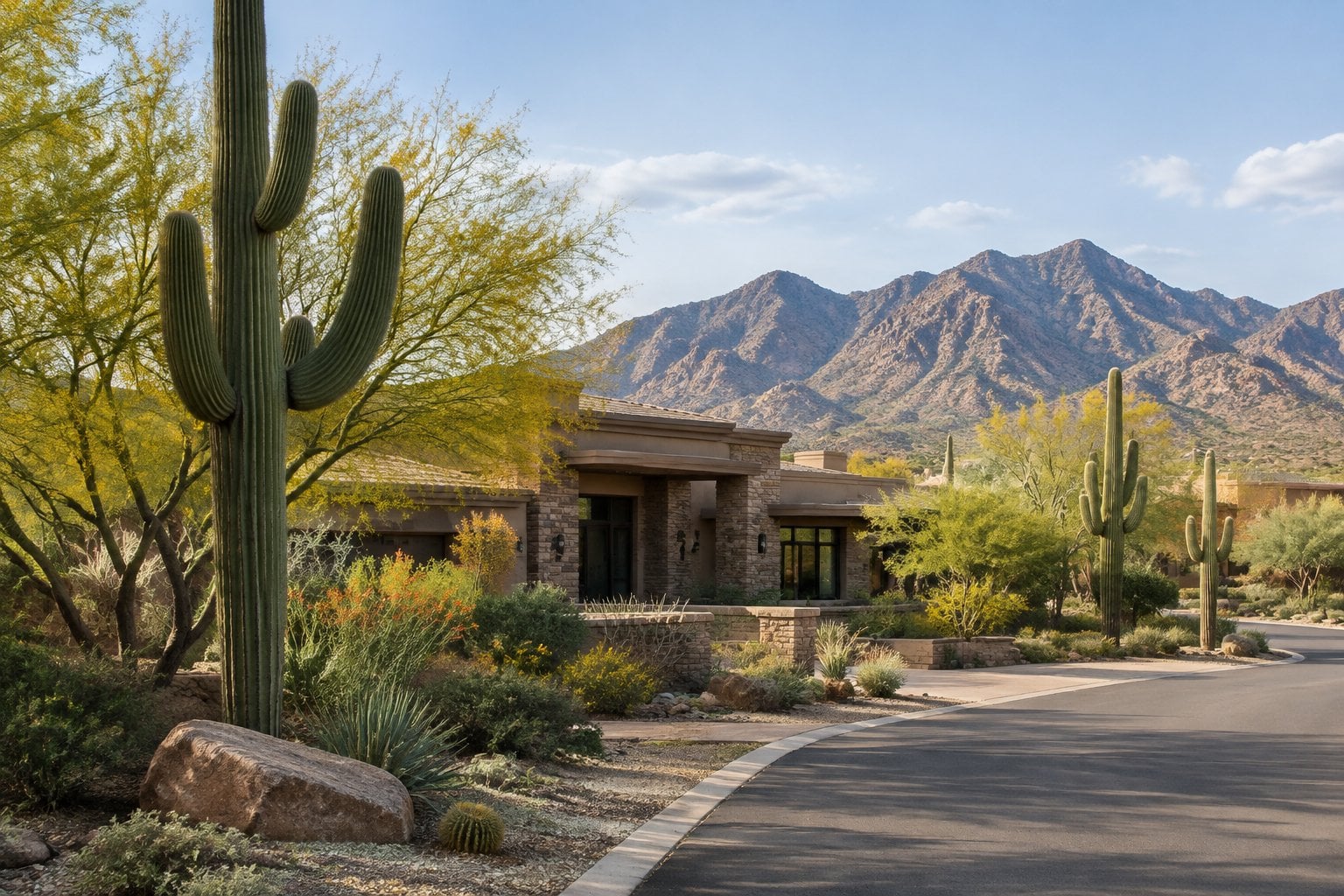
Rio Verde ranks sixth. Zillow puts the typical home value at about $826,000, up about 1.6% from a year earlier.
This master-planned golf community lies in far northeast Maricopa County, east of Scottsdale, near the Verde River and the edge of the Tonto National Forest. It is a census-designated place, not a city, and had 2,210 residents at the 2020 Census, up from 1,811 in 2010.
Homes here are mostly single-family houses built around the community’s golf courses, with wide desert and mountain views. Many residents are retirees or seasonal residents who spend the winter in Arizona. Daily life is quiet, and you will drive for most errands: the nearest large shopping areas are in Fountain Hills and north Scottsdale. If you want a peaceful setting away from city traffic and can accept longer drives, Rio Verde gives you that at a price well above the state’s typical home value.
7. New River, Arizona
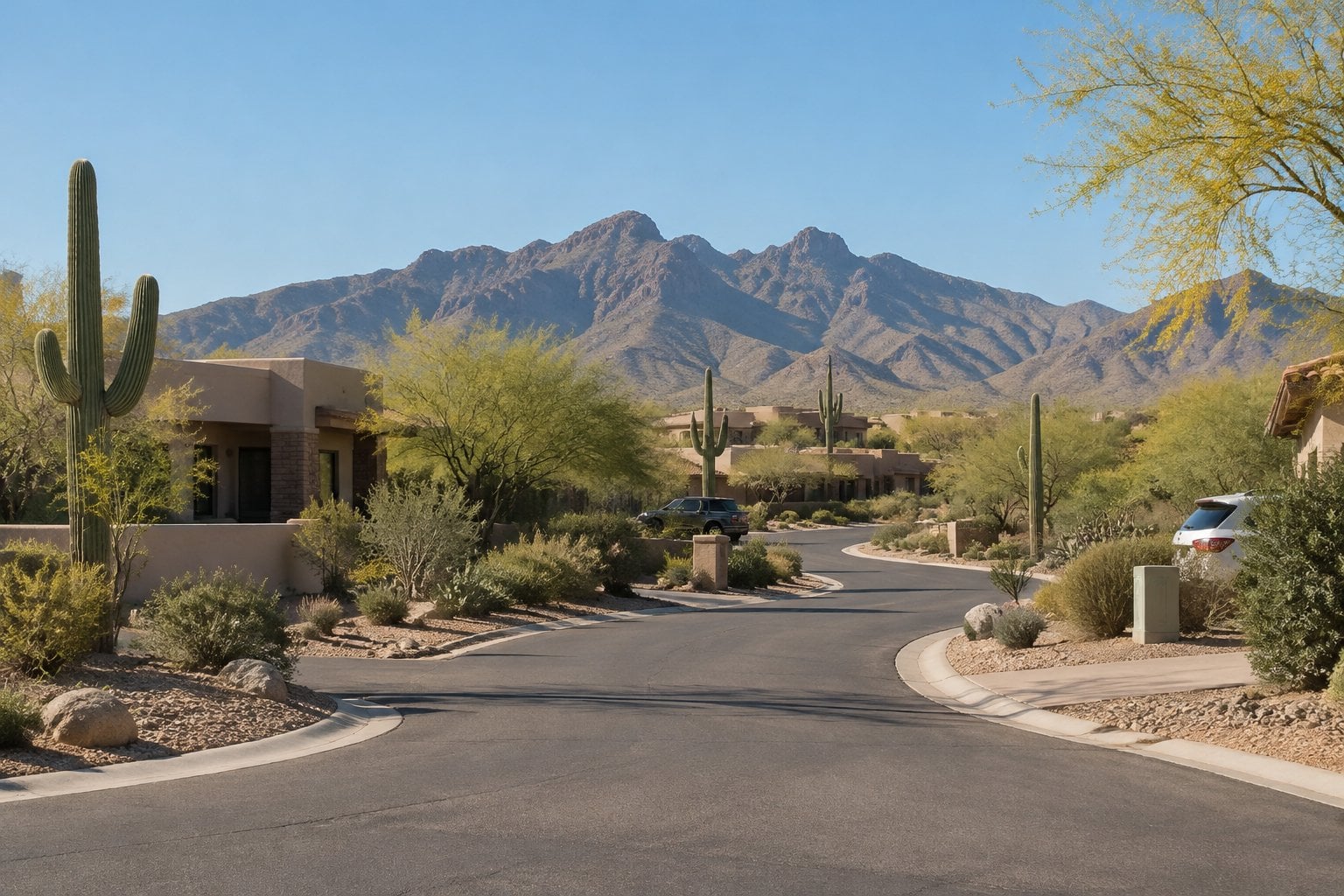
New River comes in seventh. Zillow puts the typical home value at about $755,000 as of October 2026, up about 1.8% over the past year.
The unincorporated community sits along Interstate 17 north of Phoenix, west of Cave Creek and next to Anthem. It is large in area and had 17,290 residents at the 2020 Census, up from 14,952 in 2010.
New River is rural in feel. Many homes sit on lots of several acres, with room for horses, workshops or RVs, and there are few subdivisions compared with the planned communities nearby. The landscape is high Sonoran Desert with rolling hills and washes, and Lake Pleasant is a short drive to the west. Because services are limited, you will likely drive to Anthem or north Phoenix for shopping. Some properties rely on wells or hauled water, so ask about the water source before you buy.
8. Fountain Hills, Arizona
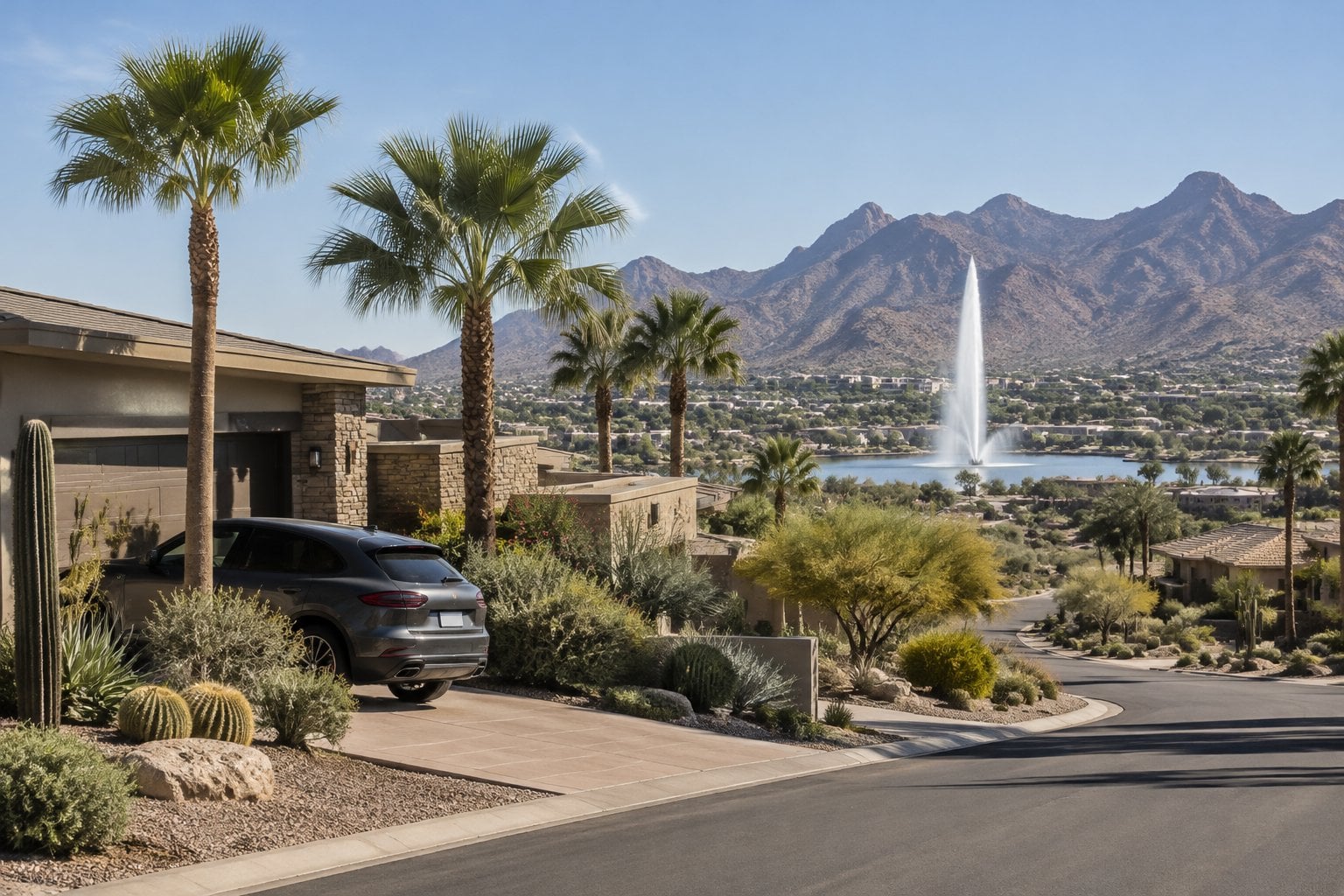
Fountain Hills ranks eighth. Zillow puts the typical home value at about $661,000, up about 1.1% from a year earlier.
The town lies northeast of Scottsdale and borders the Fort McDowell Yavapai Nation and the Salt River Pima-Maricopa Indian Community. It had 23,820 residents at the 2020 Census. Fountain Hills was developed in the 1970s by Robert McCulloch, the same developer behind Lake Havasu City, and it is named for its famous fountain, which can shoot water up to 560 feet in the air.
The town is surrounded by mountains and protected desert, including McDowell Mountain Regional Park, so it can only grow so far. Many residents are retirees, and the population skews older than the Phoenix area as a whole. Neighborhoods are hilly, with many homes facing views of Four Peaks or the McDowell Mountains. You will drive about 30 to 40 minutes to reach Scottsdale’s main business areas.
9. Flagstaff, Arizona
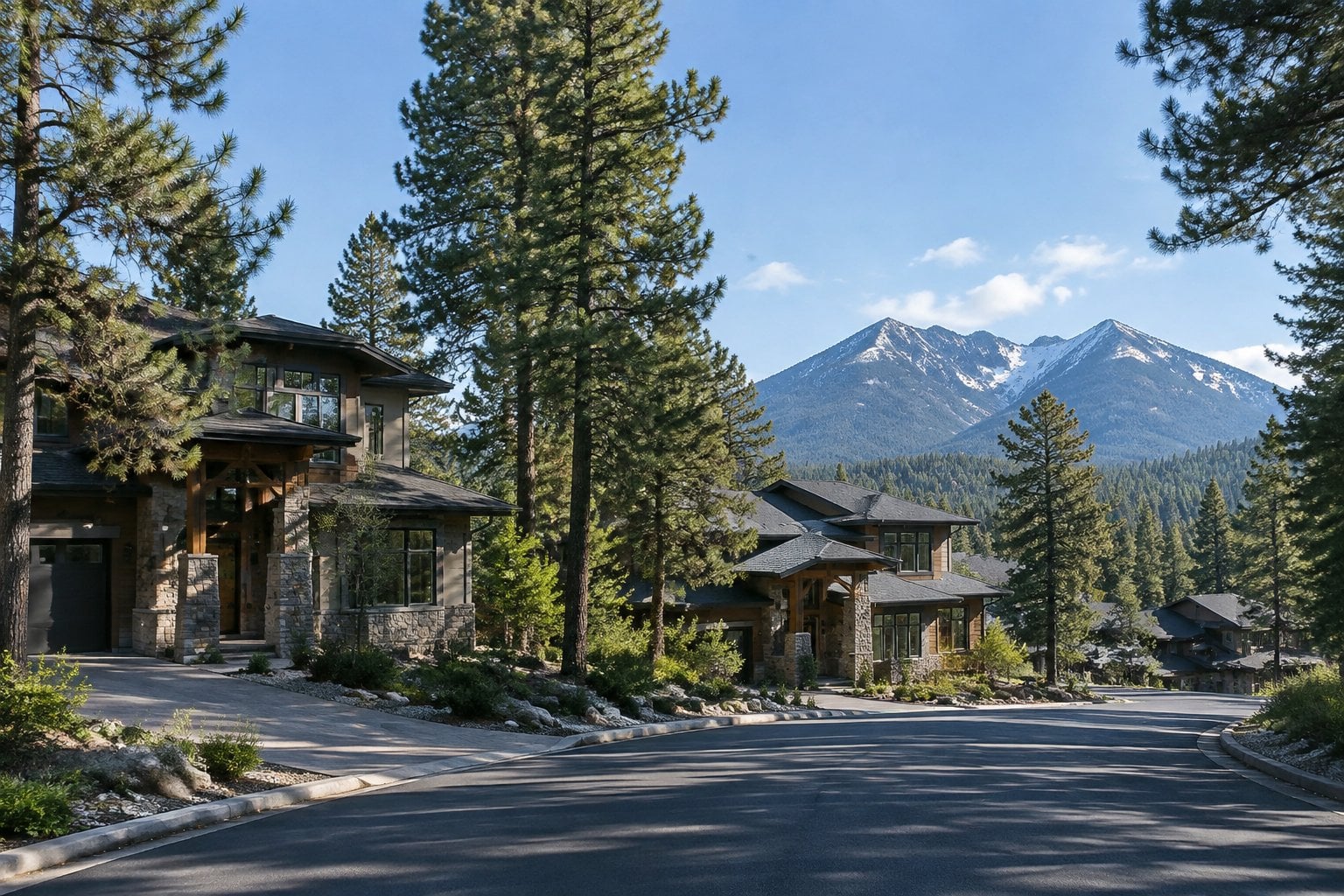
Flagstaff ranks ninth and is the largest city on this list outside the Phoenix area. Zillow puts the typical home value at about $651,000 as of October 2026, nearly flat over the past year.
The city is the county seat of Coconino County and had 76,831 residents at the 2020 Census. It sits at about 7,000 feet, next to the San Francisco Peaks and within the largest continuous ponderosa pine forest in the continental United States. Summers are mild and winters bring snow.
Several factors push prices up. National forest surrounds the city, so there is little land to build on. Northern Arizona University adds steady demand for rentals, and many Phoenix-area residents buy second homes here to escape the summer heat. The Grand Canyon, Arizona Snowbowl and Historic Route 66 bring a steady flow of visitors. If you work in Flagstaff, local wages may not keep pace with home prices, which is a common complaint among residents.
10. Queen Creek, Arizona
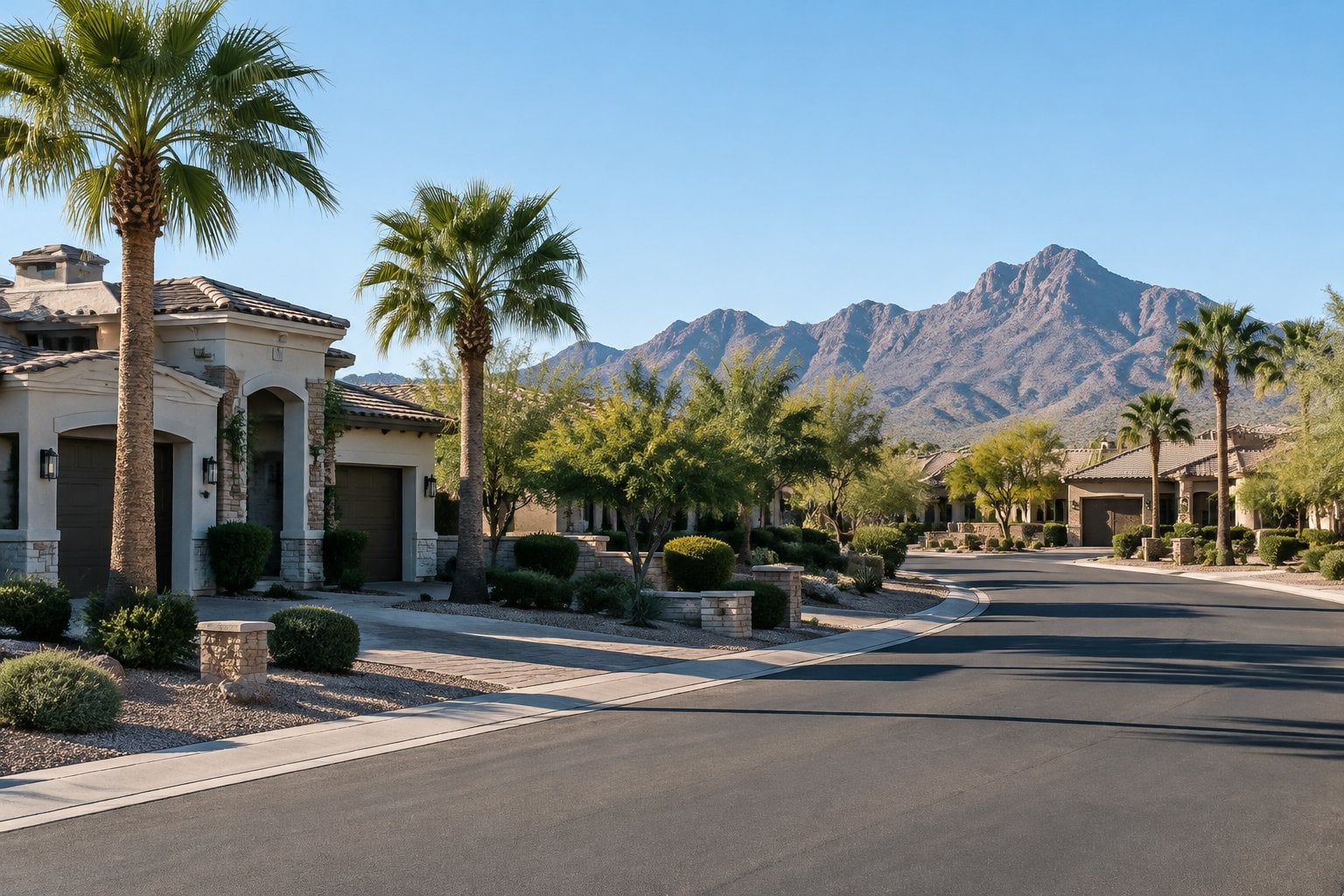
Queen Creek ranks tenth. Zillow puts the typical home value at about $626,000, roughly flat over the past year.
The town sits in the far southeast Phoenix area, mostly in Maricopa County with a portion in Pinal County. It is one of the fastest-growing places in Arizona: the population was 59,519 at the 2020 Census and it was estimated at about 83,700 in 2024.
Queen Creek grew from farmland, and some of that history remains in places such as Schnepf Farms and the Queen Creek Olive Mill. Most homes are newer single-family houses in large subdivisions, often on bigger lots than in older suburbs, and some neighborhoods allow horses. Families are drawn by the newer schools and parks. The tradeoff is distance: commutes to central Phoenix can be long, though the Loop 202 freeway and the nearby Phoenix-Mesa Gateway Airport have made the area easier to reach.
11. Parks, Arizona
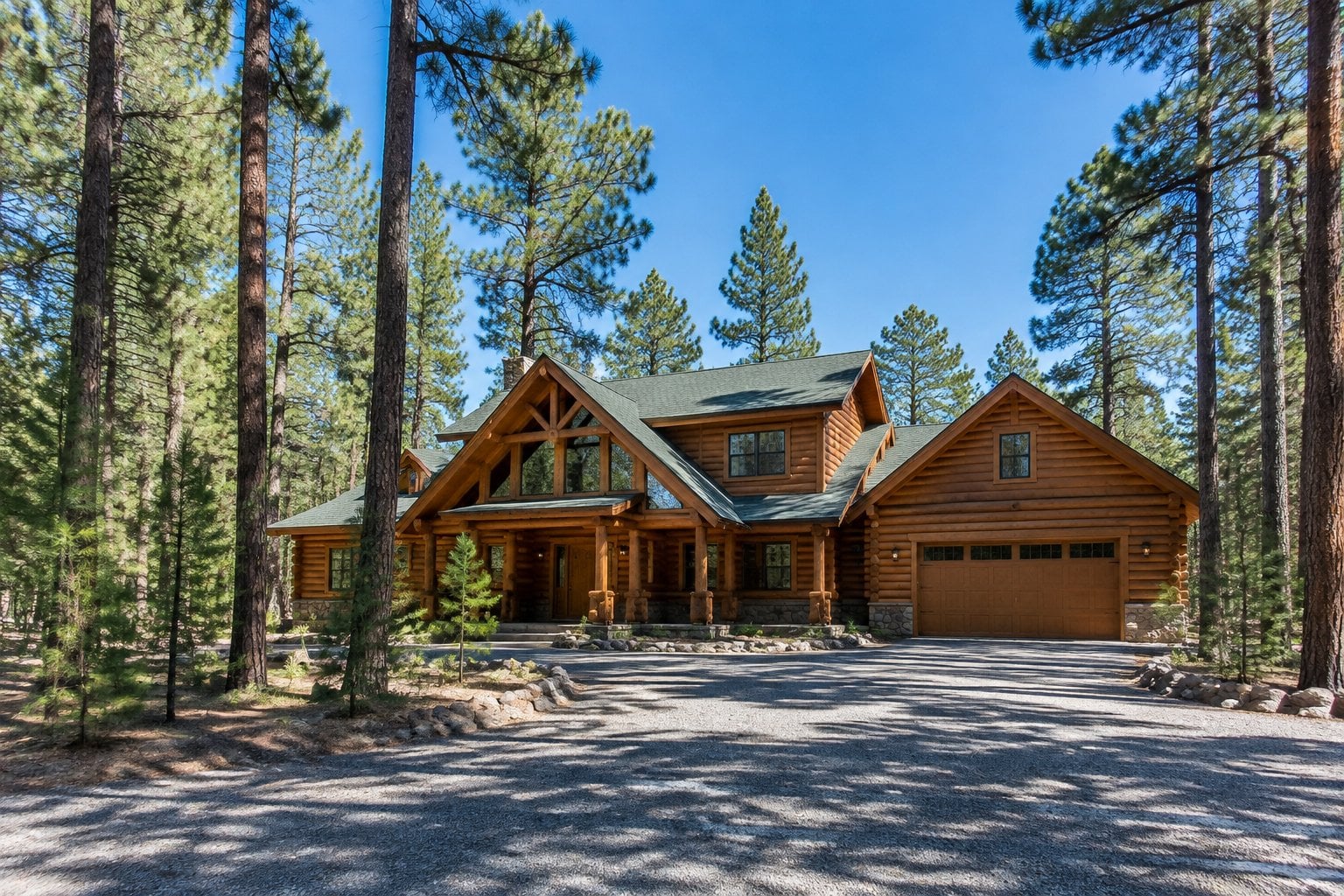
Parks ranks 11th. Zillow puts the typical home value in this forest community at about $619,000 as of October 2026, roughly flat over the past year.
Parks is a census-designated place in Coconino County, along Interstate 40 between Flagstaff and Williams. It had 1,382 residents at the 2020 Census. The area is covered in ponderosa pine forest at high elevation, with the Kaibab National Forest close by.
Most homes here sit on wooded lots of an acre or more, and many are cabins or larger mountain homes used as second homes. Buyers are drawn by cool summers, quiet surroundings and quick access to both Flagstaff and Williams, which is a gateway to the Grand Canyon. Daily life involves driving: there are few stores in Parks itself. Winters bring snow, so plan for plowing, heating and road conditions. Some properties rely on wells or hauled water, so check the water source and wildfire risk before buying.
12. Prescott, Arizona
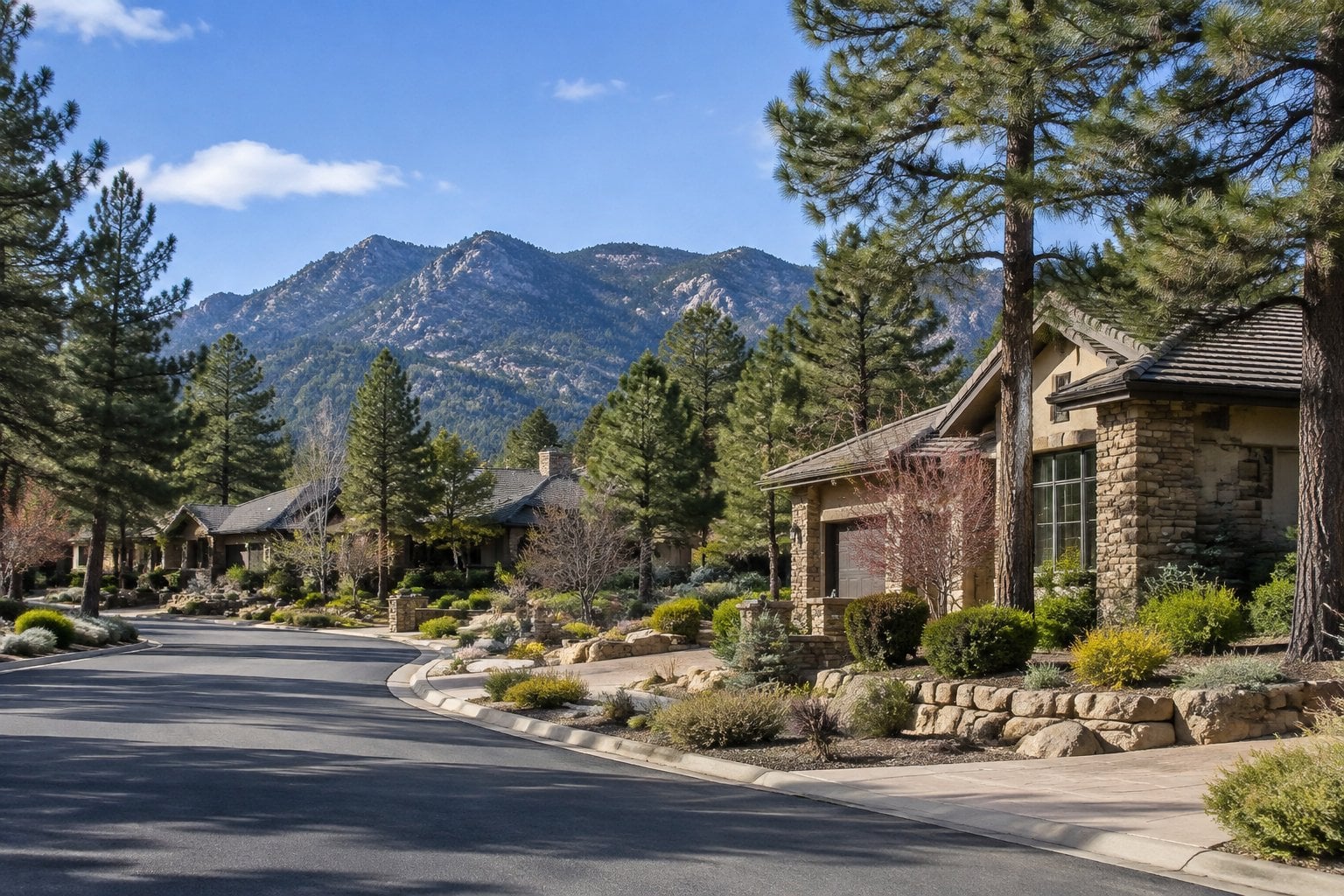
Prescott ranks 12th. Zillow puts the typical home value at about $592,000, down about 0.5% from a year earlier.
The city is the county seat of Yavapai County and had 45,827 residents at the 2020 Census. Prescott served as the capital of the Arizona Territory twice before Phoenix took the title in 1889, and its historic downtown around the courthouse plaza, including Whiskey Row, reflects that frontier past.
At about 5,400 feet, Prescott has four mild seasons, which makes it popular with retirees and with Phoenix residents looking for cooler summers. The Granite Dells and Watson Lake offer hiking and kayaking close to town. The city also hosts what it calls the “World’s Oldest Rodeo,” held every summer since 1888. Prices are well above the state average, and because many buyers bring equity from other markets, local workers can find it hard to compete for homes.
13. Munds Park, Arizona
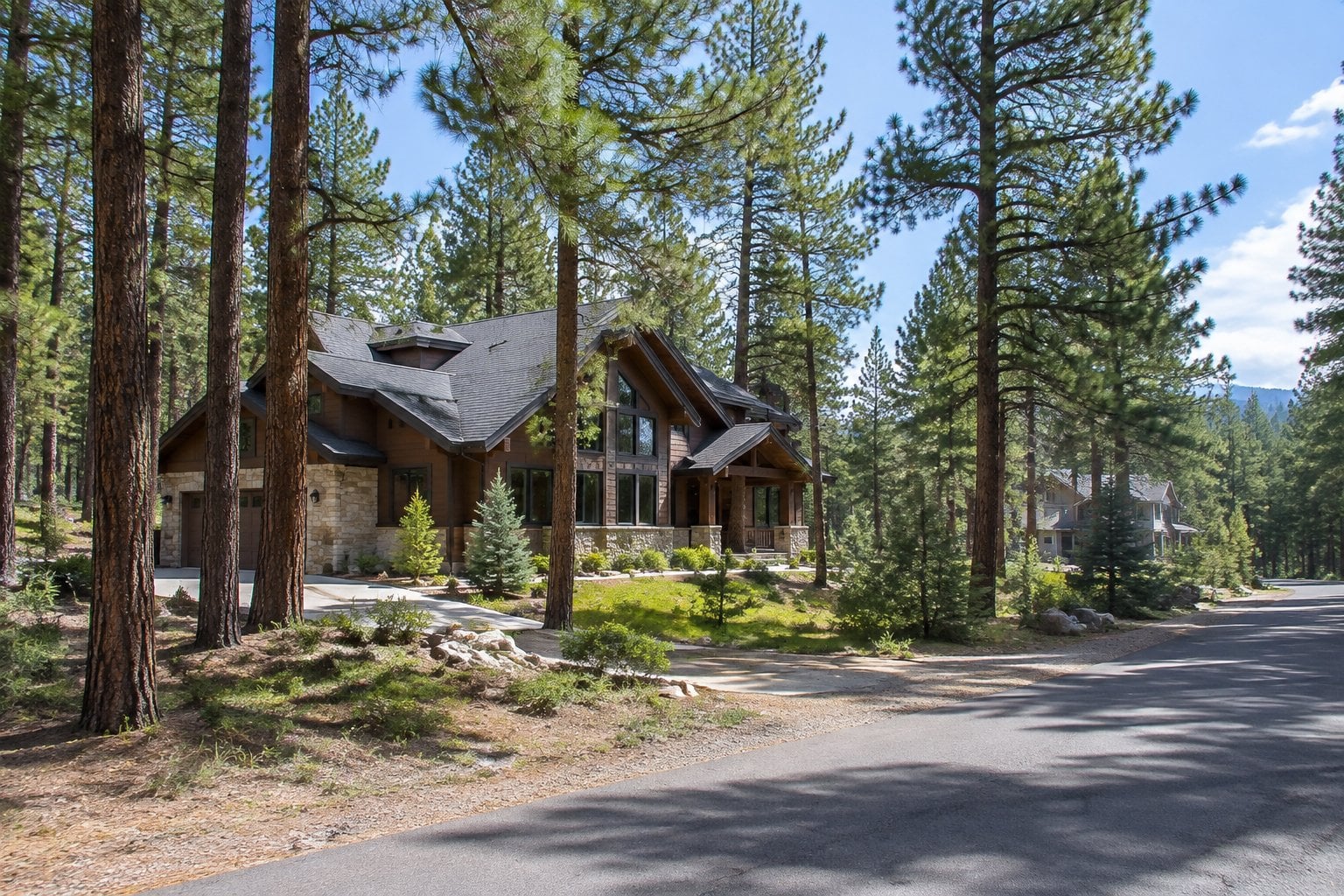
Munds Park ranks 13th. Zillow puts the typical home value at about $584,000 as of October 2026, about the same as a year earlier.
This small census-designated place sits just off Interstate 17 about 20 miles south of Flagstaff, at an elevation of about 6,500 feet, surrounded by the Coconino National Forest. It had 1,096 year-round residents at the 2020 Census, though the number rises in summer.
Munds Park is best known as a summer retreat for people from the Phoenix area, who come for the cool weather and pine forest. Many homes are cabins and mountain houses, and the community includes the Pinewood Country Club golf course. Because so much of the surrounding land is national forest, few new lots become available. Services are limited, so most shopping happens in Flagstaff. If you plan to live here year-round, factor in winter snow and the drive for groceries and medical care.
14. Gilbert, Arizona
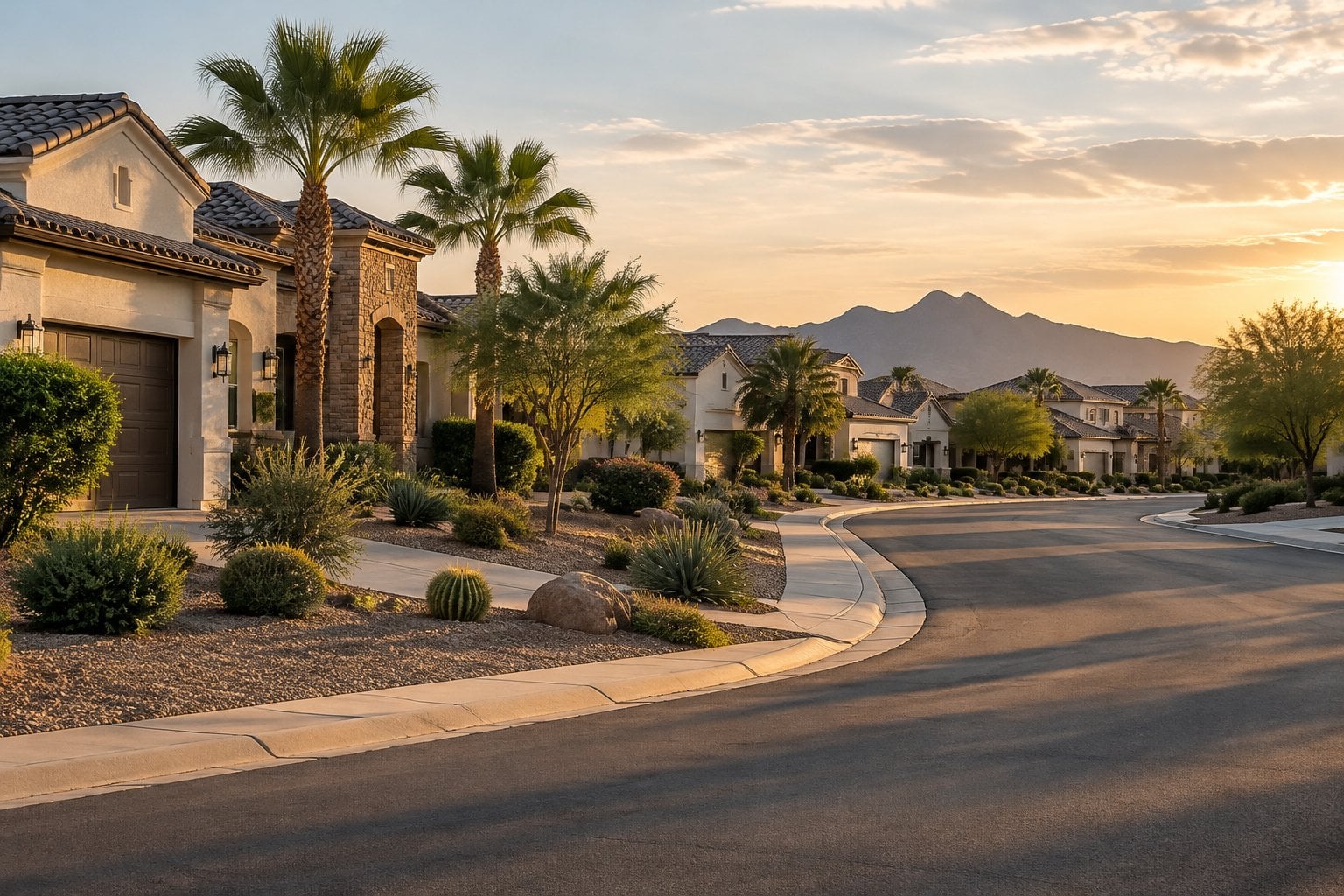
Gilbert ranks 14th. Zillow puts the typical home value at about $564,000, about the same as a year earlier.
Gilbert is a suburb southeast of Phoenix and is often called the largest town in America. It had 267,918 residents at the 2020 Census and has kept growing since. Once known as the “Hay Shipping Capital of the World,” it was a farm town until rapid growth began in the 1990s.
Today Gilbert is mostly single-family neighborhoods, many of them in master-planned communities with parks, lakes and community centers. Families are drawn by the schools, low crime and amenities such as the Heritage District’s restaurants and the Riparian Preserve at Water Ranch, a popular spot for walking and bird-watching. Homes cost well above the state average but less than in Scottsdale or Paradise Valley. Commutes to Phoenix or Tempe can take 30 minutes or more at rush hour, so factor that into your budget and schedule.
15. Anthem, Arizona
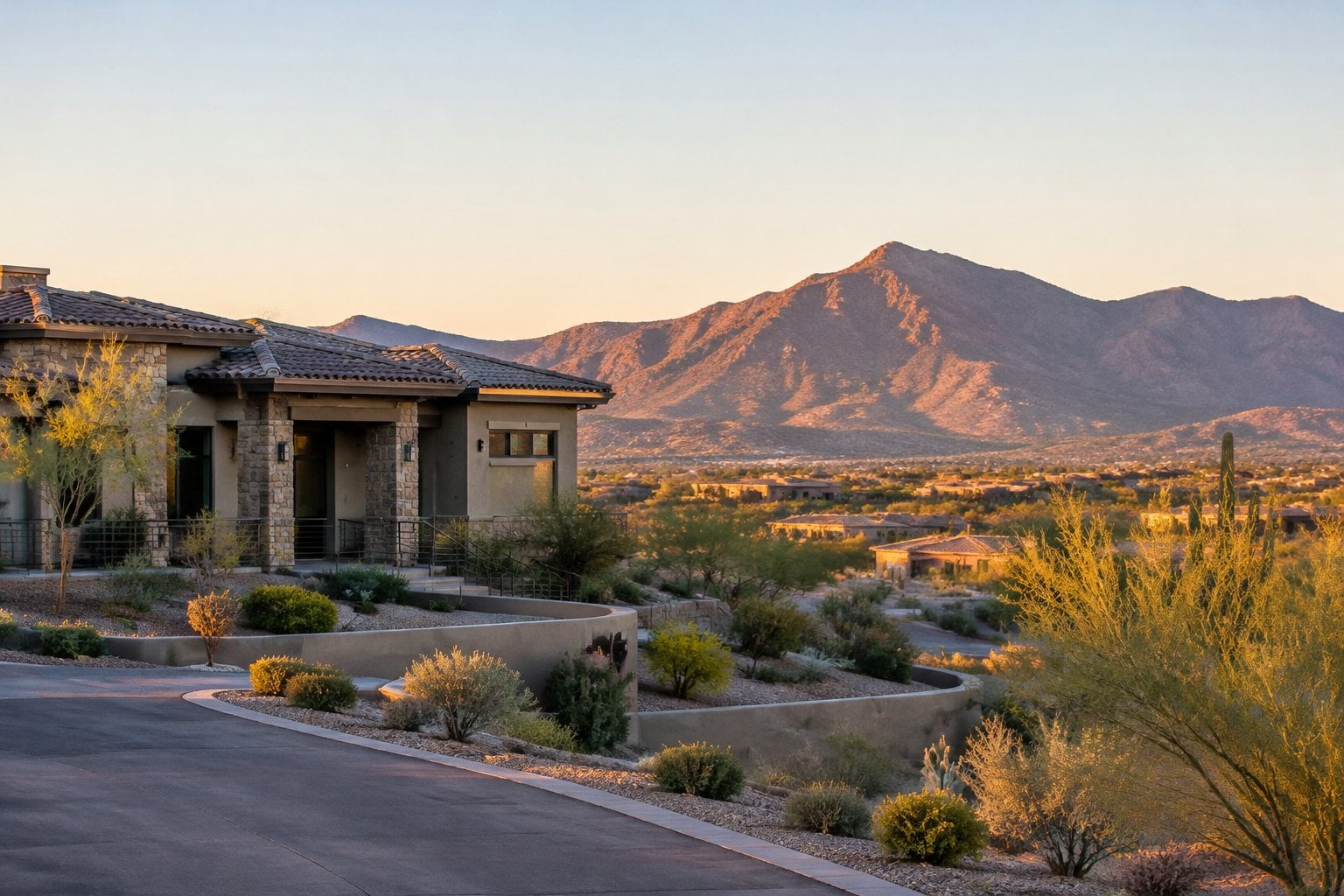
Anthem ranks 15th. Zillow puts the typical home value at about $554,000 as of October 2026, down about 1% from a year earlier.
Anthem is a planned community about 30 miles north of downtown Phoenix along Interstate 17. Del Webb began developing it in 1998, and it had 23,190 residents at the 2020 Census. It is a census-designated place rather than a city.
The community was built around family amenities: a large community center with pools and a water park, sports fields, walking paths and a 63-acre community park. Many of these are paid for through homeowners association dues, which you should include in your housing budget. Homes are mostly single-family houses from the late 1990s and 2000s, with views of Daisy Mountain and the surrounding desert. Anthem’s location gives you a quick drive to the outdoors, but commuting to central Phoenix can take 40 minutes or more each way.
16. Oracle, Arizona
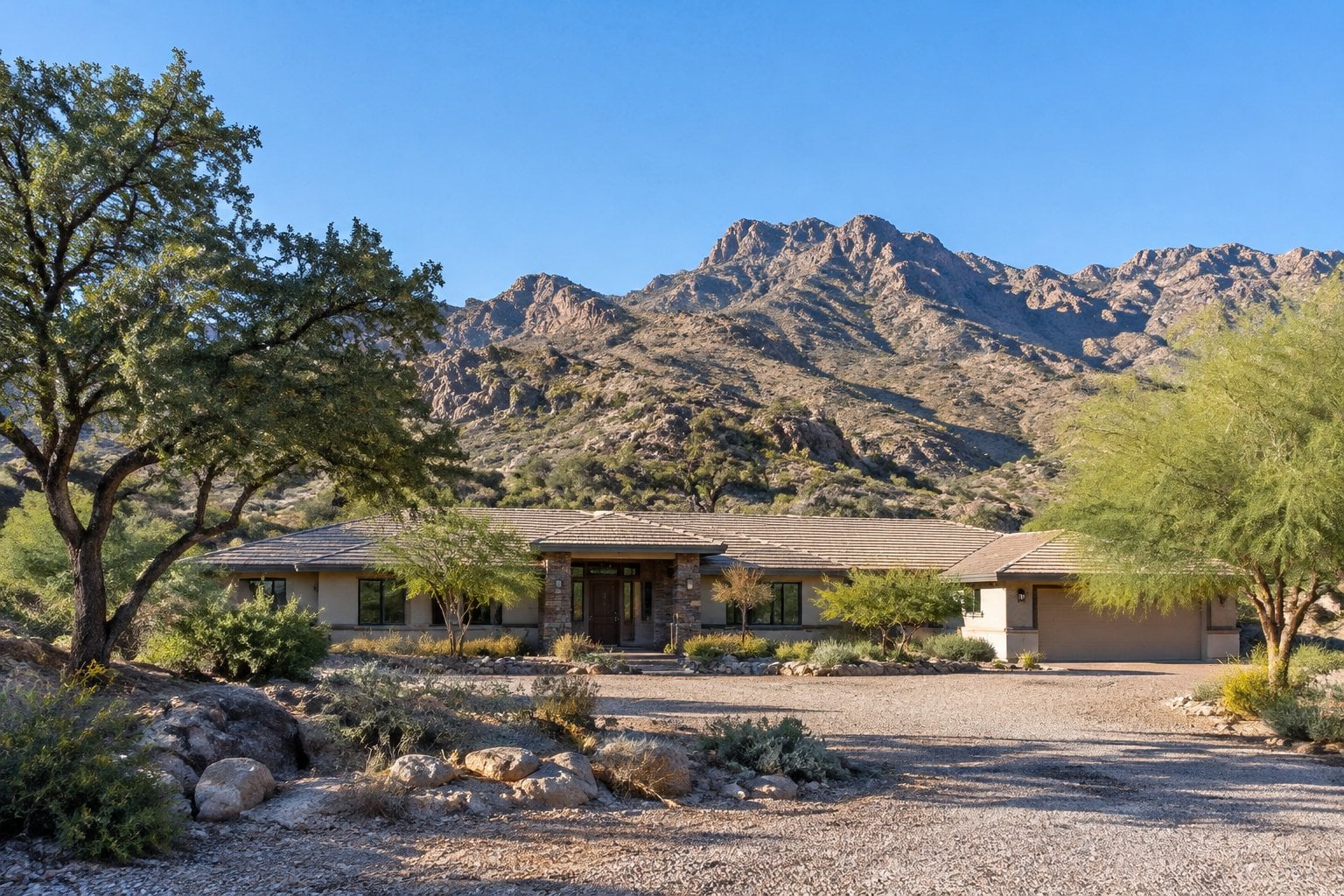
Oracle ranks 16th. Zillow puts the typical home value at about $514,000, up about 0.7% over the past year.
Oracle is a census-designated place in Pinal County, north of Tucson at the foot of the Santa Catalina Mountains. It had 3,051 residents at the 2020 Census. The community has a long mining and ranching history, and Oracle State Park sits next to it, with the Arizona Trail passing through.
Oracle’s figure may look high for a small, rural community. One reason is that Zillow’s estimate covers homes with Oracle addresses, which include the newer SaddleBrooke Ranch retirement community near Highway 77. Older homes in Oracle itself are often simpler, on larger lots with desert views. The area is also home to Biosphere 2, the research facility run by the University of Arizona. You will drive about 40 minutes or more to reach Tucson for most shopping and services.
17. Cornville, Arizona
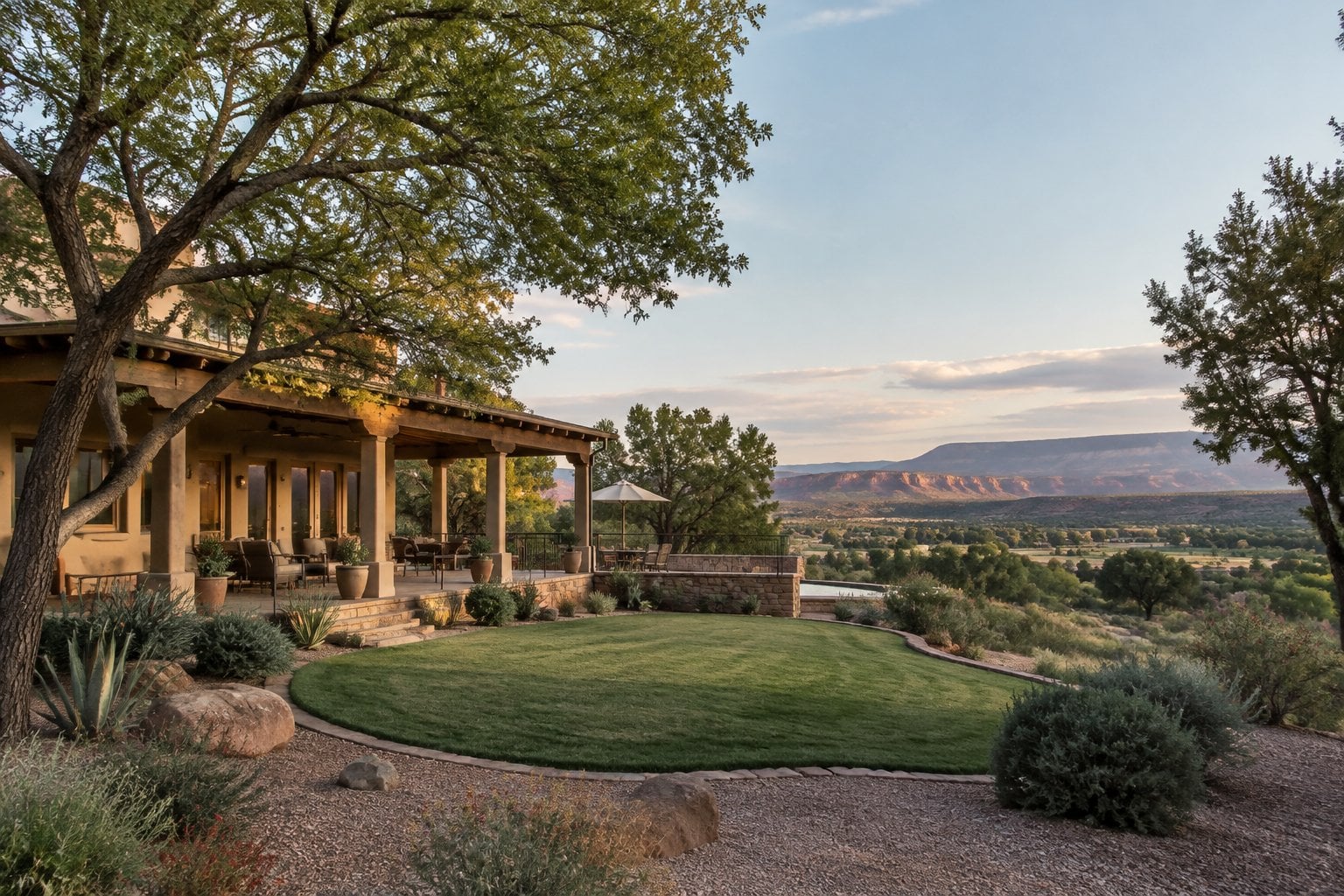
Cornville ranks 17th. Zillow puts the typical home value at about $514,000 as of October 2026, down about 0.7% from a year earlier.
Cornville is an unincorporated community in Yavapai County, along Oak Creek between Sedona and Cottonwood. The census-designated place, which includes nearby Page Springs, had 3,362 residents at the 2020 Census. It is best known as the home of the late Senator John McCain, whose ranch here was often called his “Sedona cabin.”
Cornville offers a quieter, more rural alternative to Sedona. Many homes sit on larger lots, some with creek frontage or views of the red rocks in the distance. Page Springs is known for its wineries and for a state fish hatchery with creekside trails, and Lower Oak Creek is a designated Important Bird Area. Prices are well above the state’s typical value but far below Sedona’s, which is why many people who work in the Verde Valley look here.
18. Litchfield Park, Arizona
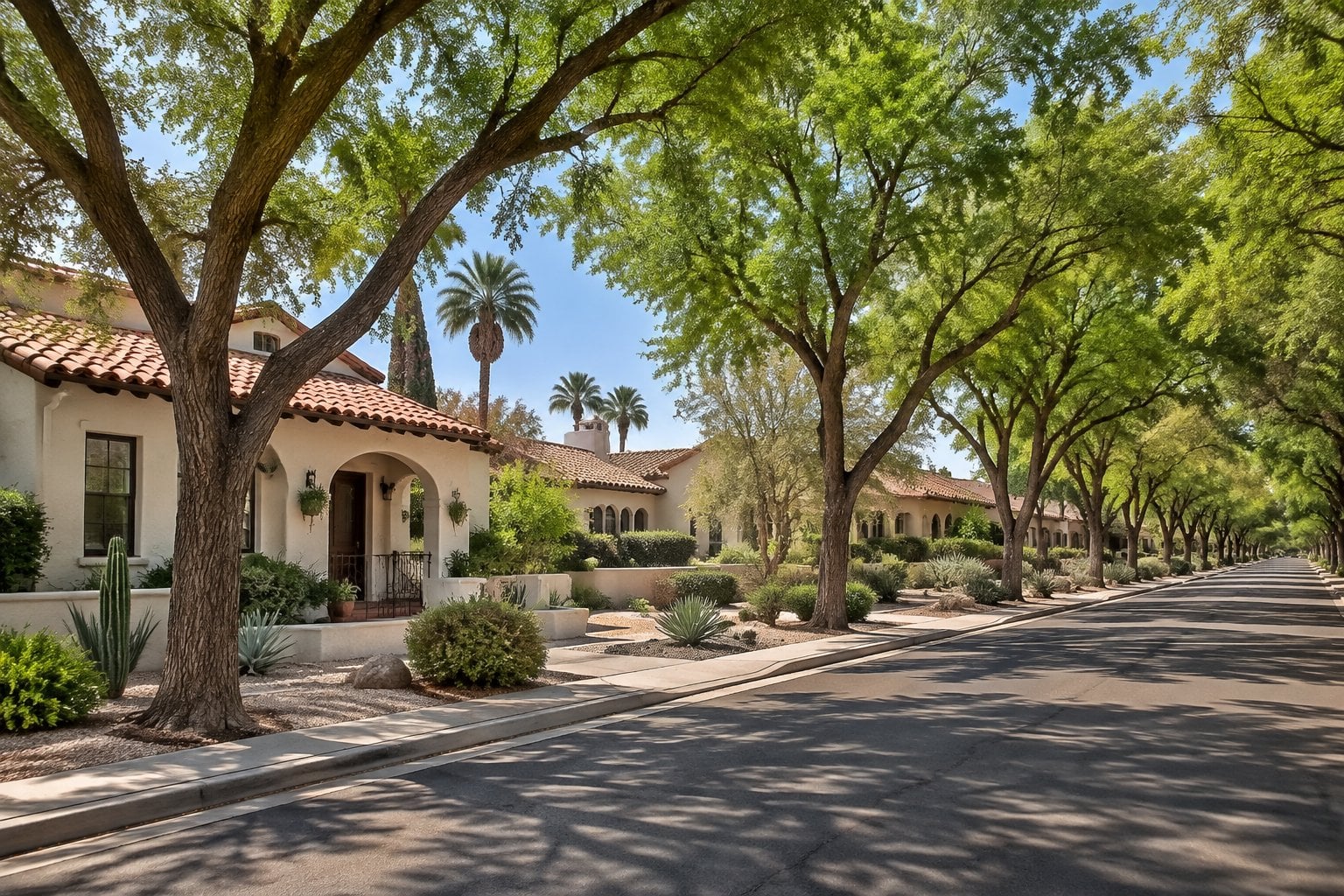
Litchfield Park ranks 18th. Zillow puts the typical home value at about $513,000, about the same as a year earlier.
The small city lies about 19 miles west of Phoenix and had 6,847 residents at the 2020 Census, up from 5,476 in 2010. It was founded as a company town for Goodyear Tire and Rubber, which grew cotton here for tires, and it is named for Goodyear executive Paul Litchfield.
Litchfield Park stands out in the West Valley for its older, tree-lined streets, which feel different from the newer subdivisions around it. The Wigwam, a historic resort with three golf courses, is in the center of town. Homes range from mid-century houses to newer golf-course properties. Because the city is small and almost fully built out, few homes come up for sale, which helps keep prices high. Luke Air Force Base is nearby, and Interstate 10 and Loop 303 give you access to the rest of the Phoenix area.
19. Chandler, Arizona
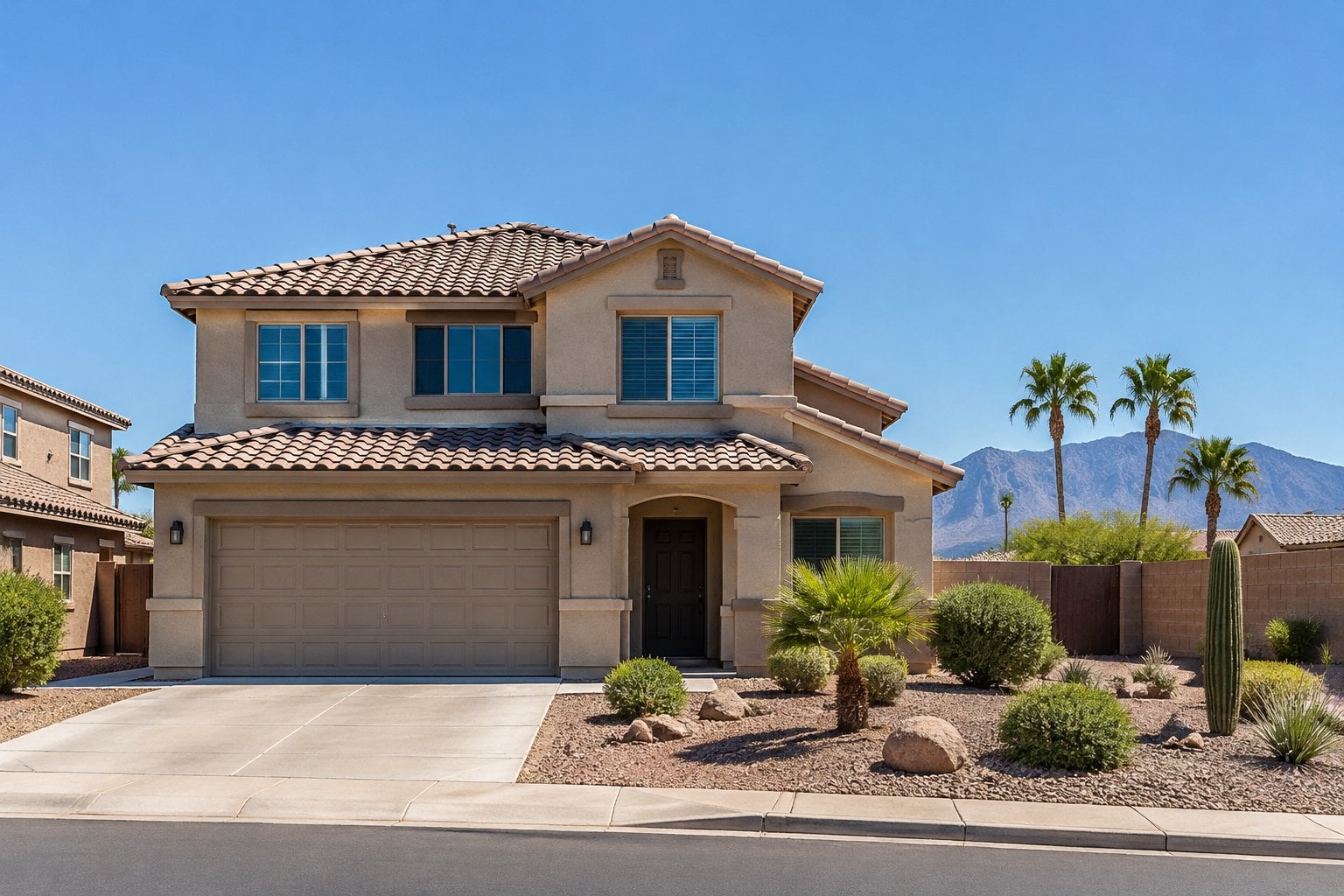
Chandler ranks 19th. Zillow puts the typical home value at about $512,000 as of October 2026, down about 1.3% from a year earlier.
Chandler is the fourth-largest city in Arizona, with 275,987 residents at the 2020 Census. It sits southeast of Phoenix and is one of the region’s biggest job centers, home to large employers such as Intel, Northrop Grumman, Wells Fargo and PayPal.
Those jobs are a big reason homes cost more than the state average. Many residents work in tech or engineering, and newer neighborhoods in south Chandler often include larger homes, golf communities and lakes. Downtown Chandler has a growing number of restaurants and events, and the city has a large network of parks and bike paths. Homes are still cheaper than in Scottsdale, which draws families who want a good school district and a shorter commute to the East Valley’s employers.
20. Wickenburg, Arizona
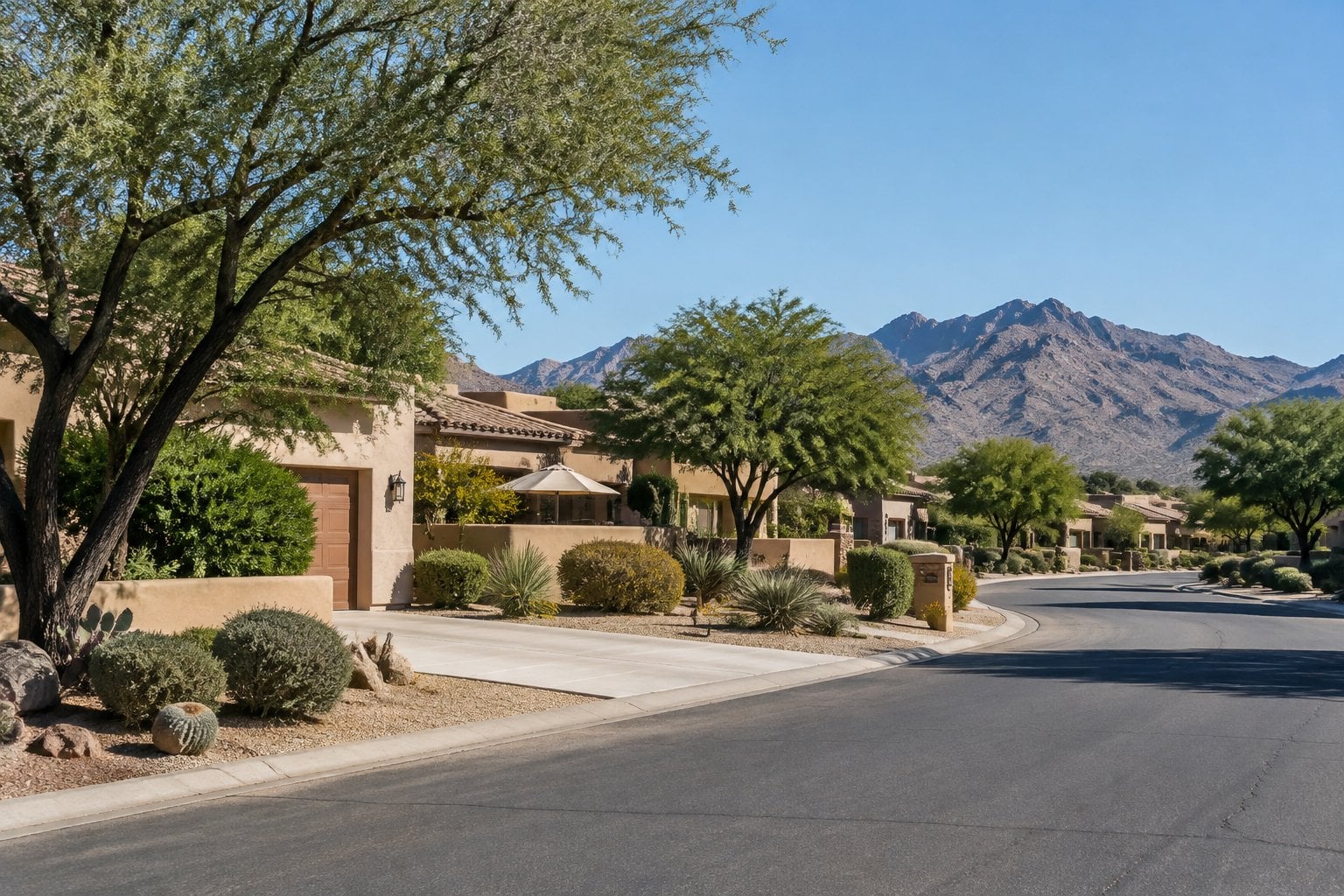
Wickenburg ranks 20th. Zillow puts the typical home value at about $502,000, down about 1% from a year earlier.
The town sits about an hour northwest of Phoenix, mostly in Maricopa County with a small part in Yavapai County. It had 7,474 residents at the 2020 Census. Wickenburg grew up around the Vulture Mine, a gold mine discovered by Henry Wickenburg in 1863, and later became known for its guest ranches, earning the nickname “Dude Ranch Capital of the World.”
Today the town draws retirees and people who want a small-town Western setting. Many homes sit on larger lots with room for horses, and the area has several golf communities. The Hassayampa River Preserve offers rare shade and water in the desert. Because the town is a long drive from Phoenix’s job centers, most buyers here are retirees, remote workers or people working locally.
21. Tubac, Arizona
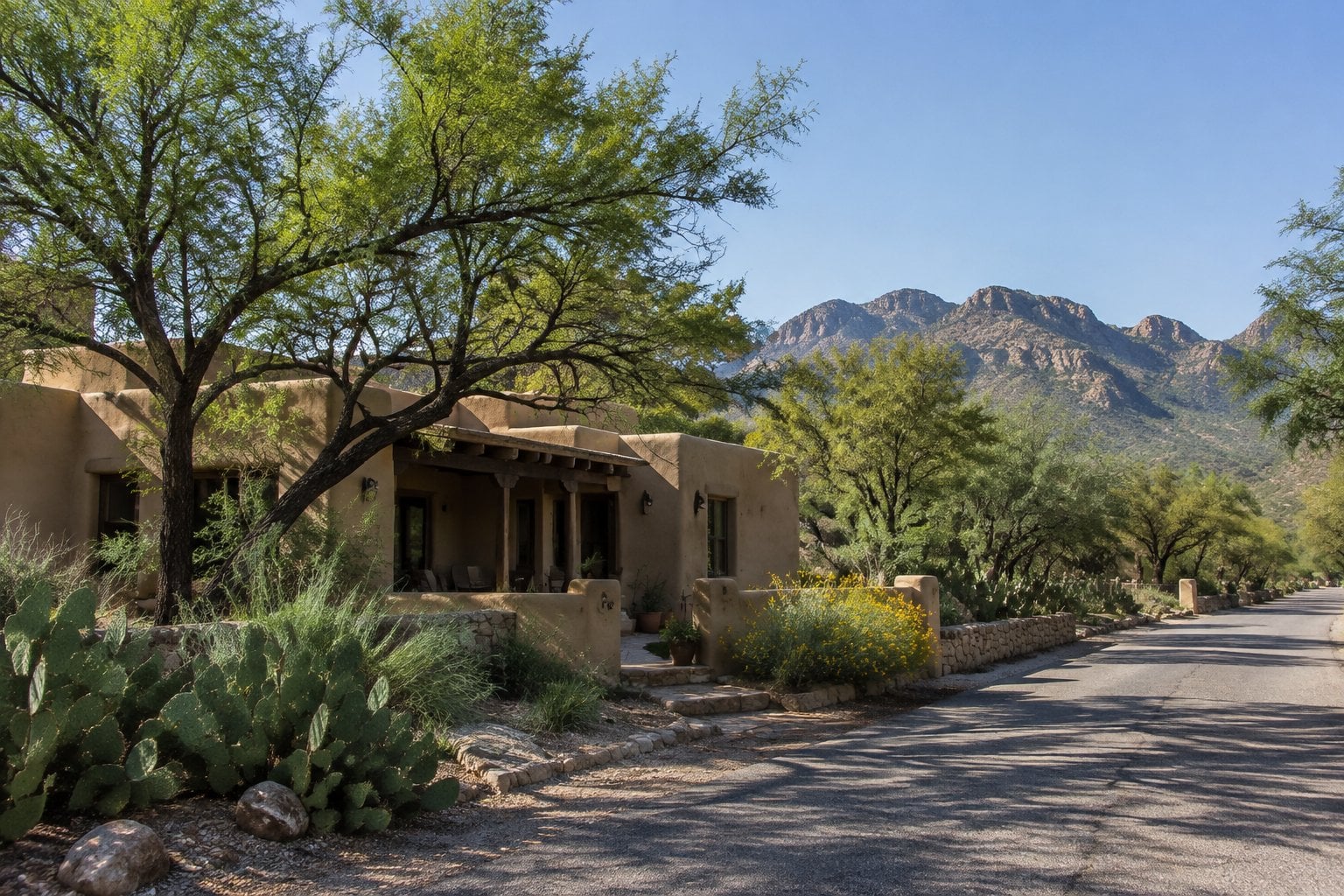
Tubac ranks 21st. Zillow puts the typical home value at about $499,000 as of October 2026, down about 0.9% from a year earlier.
Tubac is a census-designated place in Santa Cruz County, along Interstate 19 about 45 miles south of Tucson and about 20 miles north of the Mexican border. It had 1,581 residents at the 2020 Census. The community sits on the Santa Cruz River and was the site of the first Spanish colonial garrison in what is now Arizona.
Today Tubac is known as an artists’ colony, with dozens of galleries and shops in its historic village. Tubac Presidio State Historic Park preserves the ruins of the old fort, and the Juan Bautista de Anza National Historic Trail follows the river to nearby Tumacácori. Many residents are retirees, and homes include adobe-style houses and golf-course properties at the Tubac Golf Resort. You will drive to Tucson or Nogales for larger stores and most medical care.
22. Oro Valley, Arizona
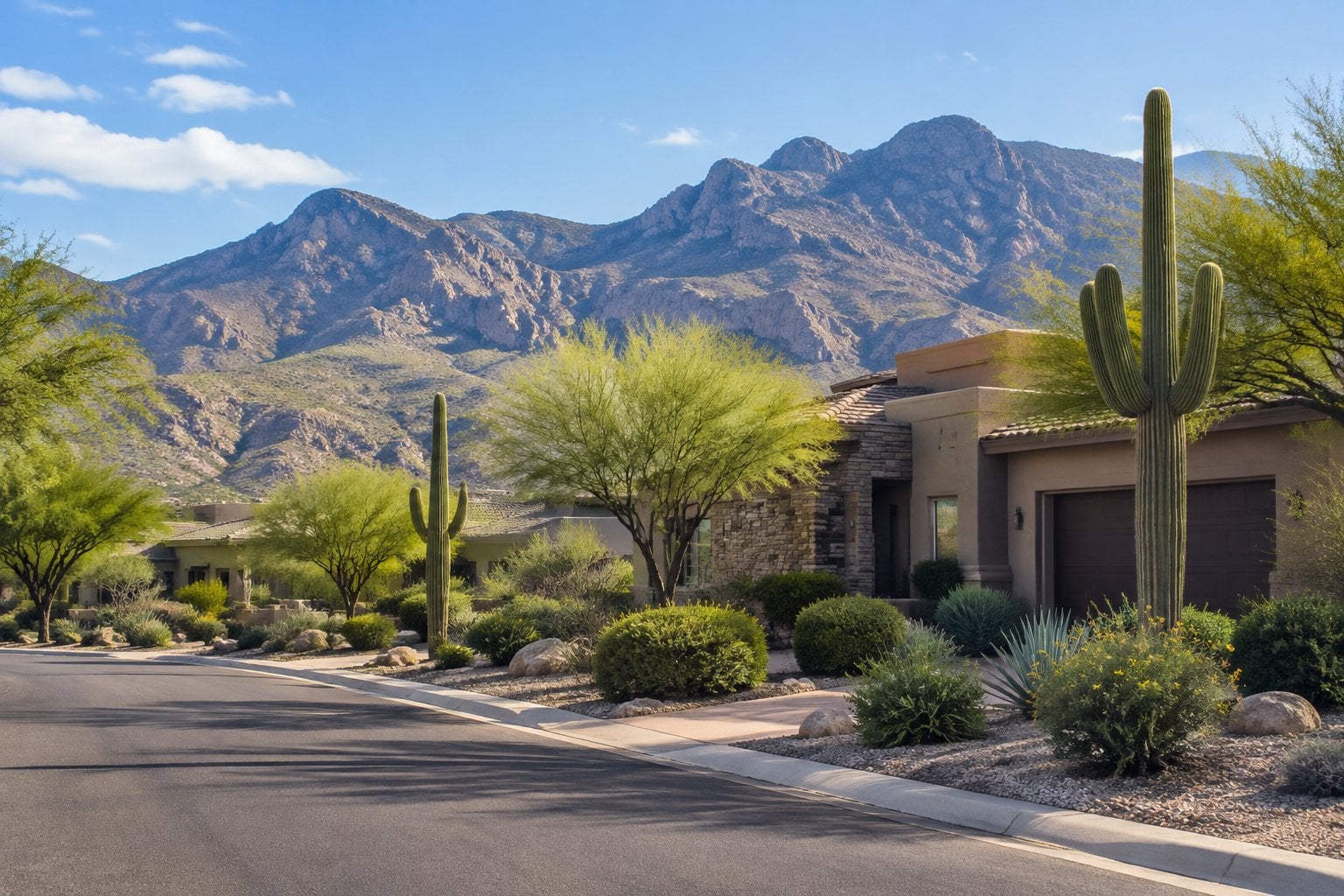
Oro Valley ranks 22nd. Zillow puts the typical home value at about $496,000, down about 1.1% from a year earlier.
The town lies about 6 miles north of Tucson in Pima County, at the base of Pusch Ridge in the Santa Catalina Mountains. It had 47,070 residents at the 2020 Census, up from about 29,700 in 2000. Oro Valley has a median household income well above the national figure and is often described as one of the more upscale suburbs in southern Arizona.
Many residents are retirees or winter visitors, and the town has several golf communities, including the Oro Valley Country Club. Catalina State Park borders the town and offers hiking and horseback riding with mountain views. Homes range from 1980s ranch houses to large custom homes in gated neighborhoods. Oro Valley costs more than Tucson as a whole, but it is still far cheaper than Scottsdale or Paradise Valley.
23. Chino Valley, Arizona
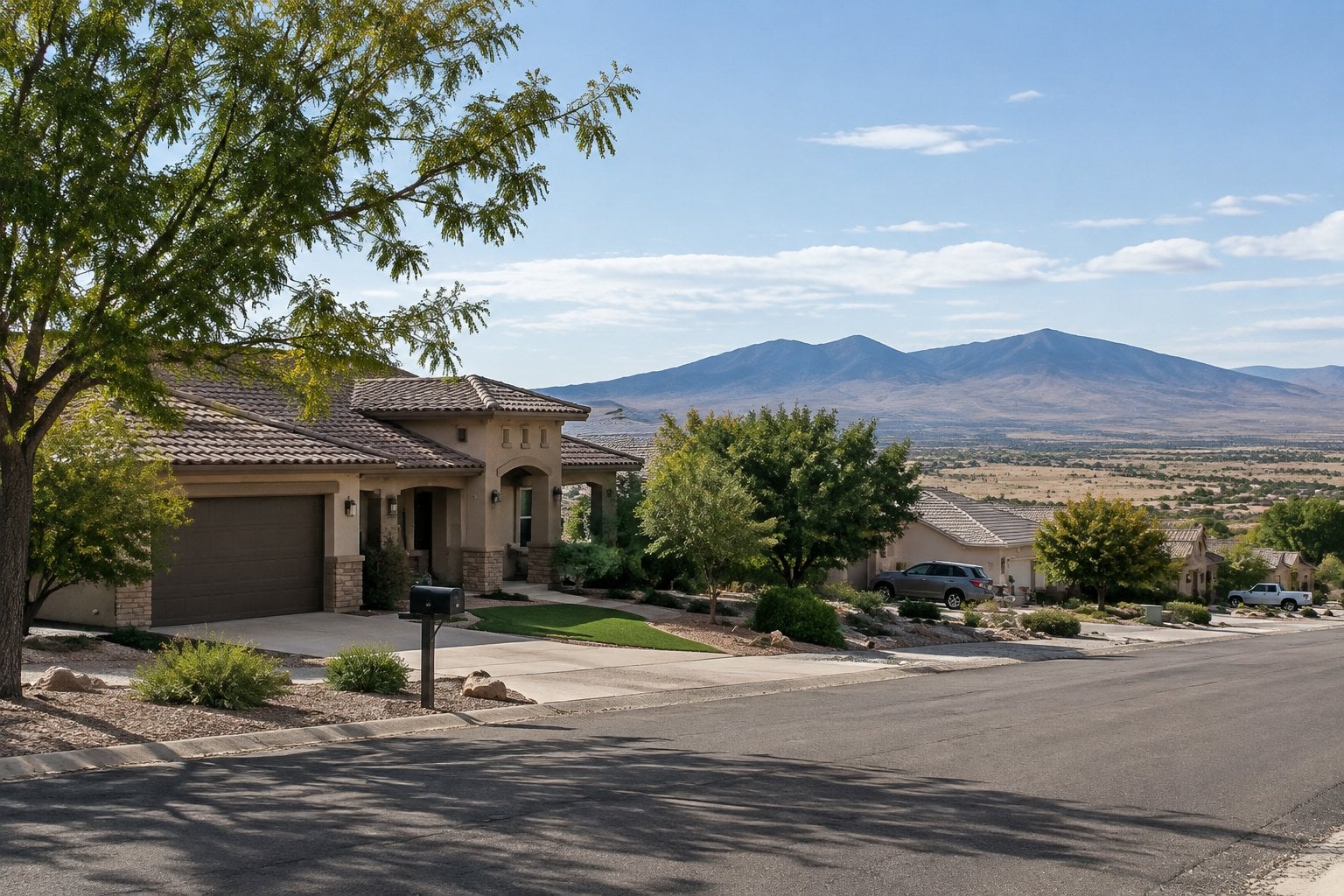
Chino Valley ranks 23rd. Zillow puts the typical home value at about $492,000 as of October 2026, up about 1.2% from a year earlier.
The town sits about 16 miles north of Prescott in Yavapai County and had 13,020 residents at the 2020 Census. It is part of the Prescott area’s “Quad-City” region, along with Prescott, Prescott Valley and Dewey-Humboldt. The first territorial capital of Arizona was briefly set up nearby at Fort Whipple’s first site in 1864, before it moved to Prescott.
Chino Valley has a more rural feel than Prescott. Many homes sit on lots of an acre or more, often with room for horses or small farms, and the town has fewer large subdivisions. Its elevation of about 4,700 feet gives you milder summers than Phoenix and occasional winter snow. Prices have risen as buyers priced out of Prescott look north, but homes are still cheaper here than in Prescott itself.
24. Star Valley, Arizona
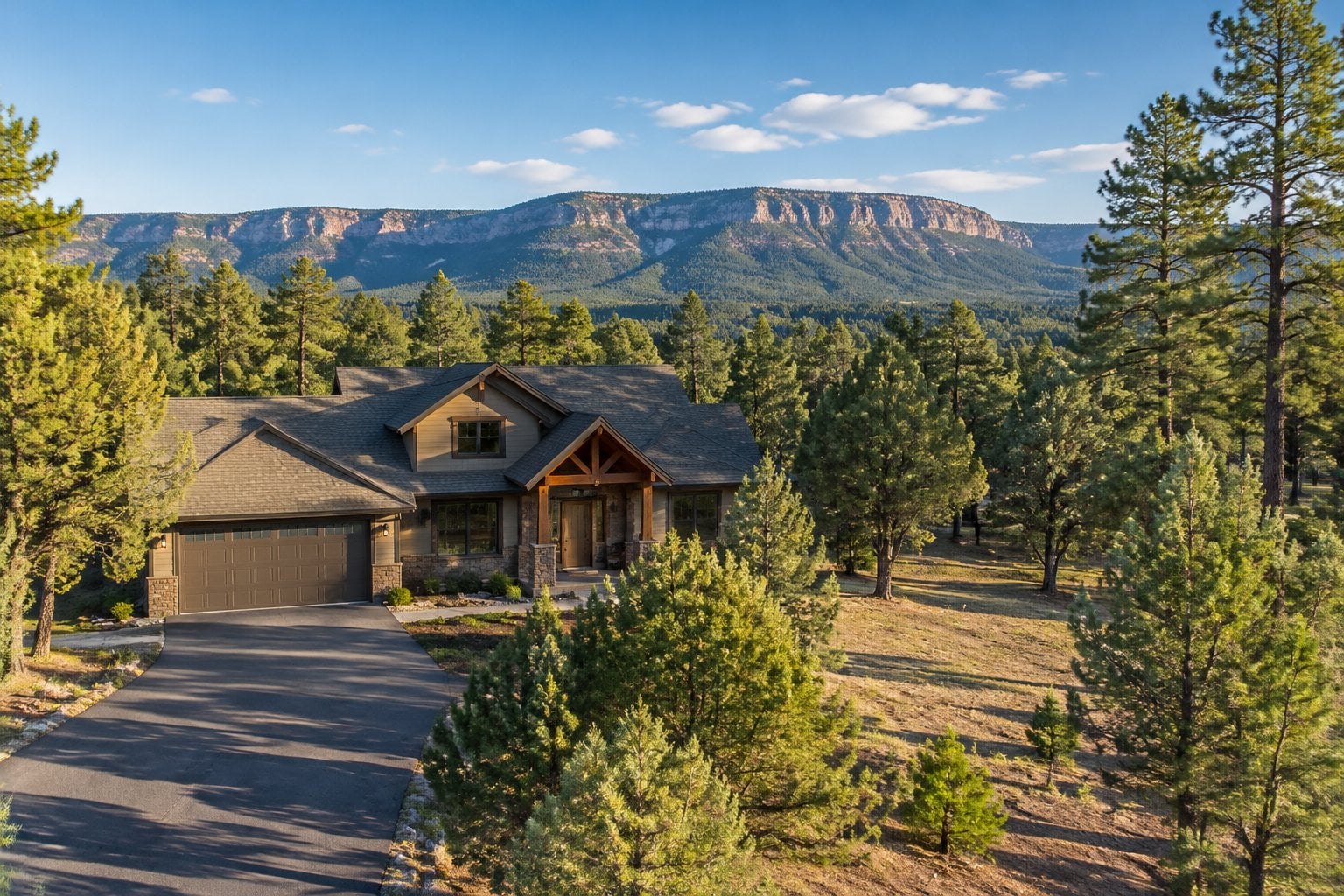
Star Valley ranks 24th. Zillow puts the typical home value at about $478,000, down about 1.4% from a year earlier.
Star Valley is a small town in Gila County, just east of Payson and below the Mogollon Rim. It had 2,484 residents at the 2020 Census and became a town in 2005; before that, it was a census-designated place.
The town sits in pine and juniper country, which gives it cooler summers than the Phoenix area, about 90 miles away. Many homes are on larger lots, and the Tonto National Forest surrounds the area, offering hiking, fishing and camping close to home. Most daily shopping and medical care is in neighboring Payson. Star Valley draws retirees and Phoenix-area residents who want a mountain getaway within a two-hour drive. As in other forest towns, check wildfire risk and the cost of homeowners insurance before you buy.
25. Peoria, Arizona
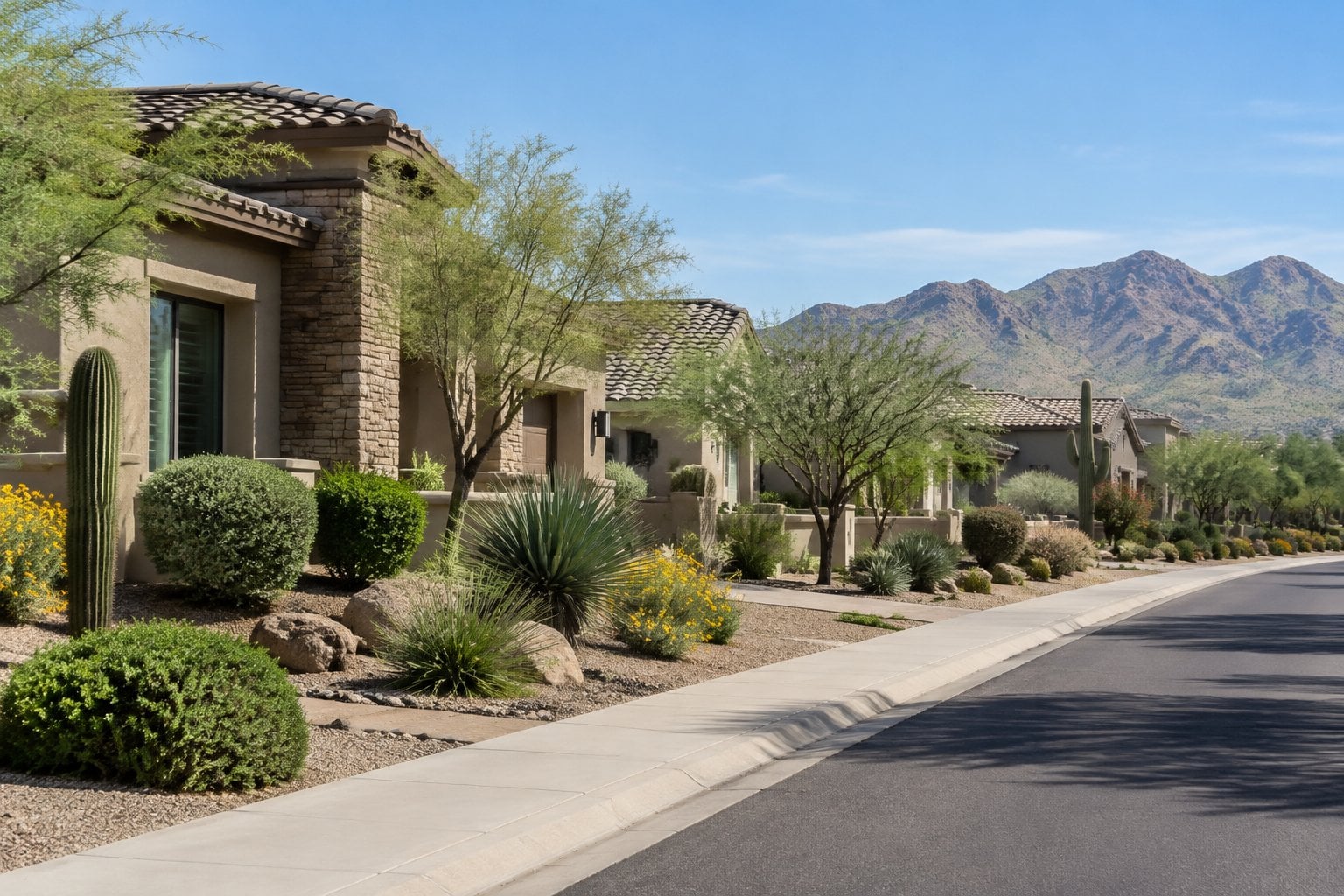
Peoria ranks 25th. Zillow puts the typical home value at about $478,000 as of October 2026, down about 0.8% from a year earlier.
Peoria is a large suburb northwest of Phoenix, mostly in Maricopa County with a northern portion in Yavapai County. It had 190,985 residents at the 2020 Census, up from 154,065 in 2010. The city is the spring training home of the San Diego Padres and Seattle Mariners, who share the Peoria Sports Complex.
The city’s range is wide. Older neighborhoods in the south cost less, while newer communities in north Peoria, near Lake Pleasant and the Vistancia area, include larger homes with mountain views. Lake Pleasant Regional Park offers boating and camping within easy reach. Peoria’s schools and parks draw families, and homes cost less than in Scottsdale or north Phoenix. Commutes into central Phoenix can be long from the northern parts of the city, so check drive times before you buy.
26. Gold Canyon, Arizona
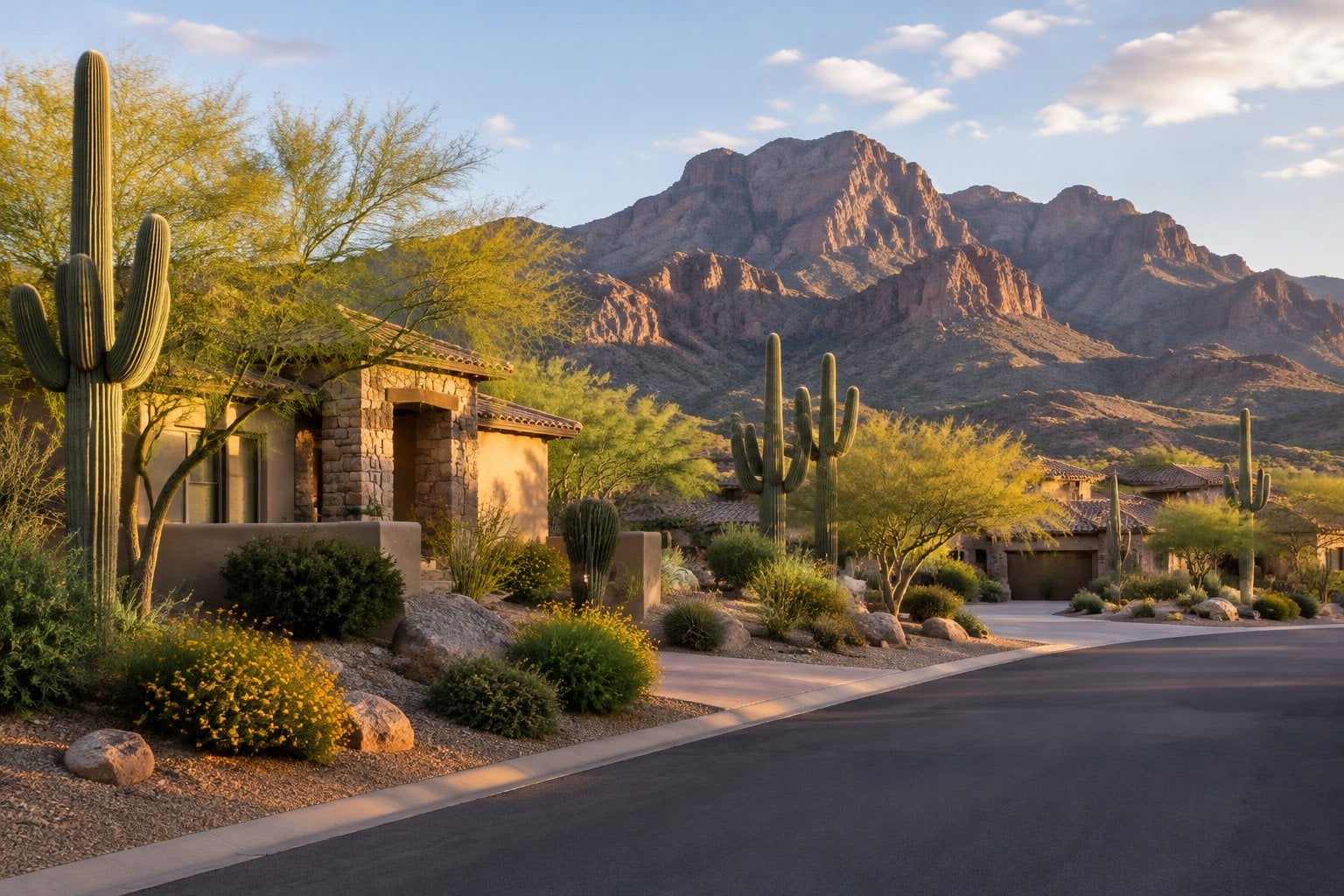
Gold Canyon ranks 26th. Zillow puts the typical home value at about $476,000, down about 2.4% from a year earlier.
Gold Canyon is an unincorporated community in Pinal County, east of Apache Junction at the foot of the Superstition Mountains. It had 11,404 residents at the 2020 Census.
The Superstitions are the main draw. Many homes have direct views of the mountains, and trailheads into the Superstition Wilderness are close by. The community includes the Gold Canyon Golf Resort and several golf neighborhoods, and many residents are retirees or winter visitors. Homes are mostly single-family houses built from the 1980s onward, often with desert landscaping and larger lots than in the central Phoenix suburbs. Gold Canyon has limited shopping, so most errands mean driving to Apache Junction or Mesa. Commutes to Phoenix can take an hour or more.
27. Pine, Arizona
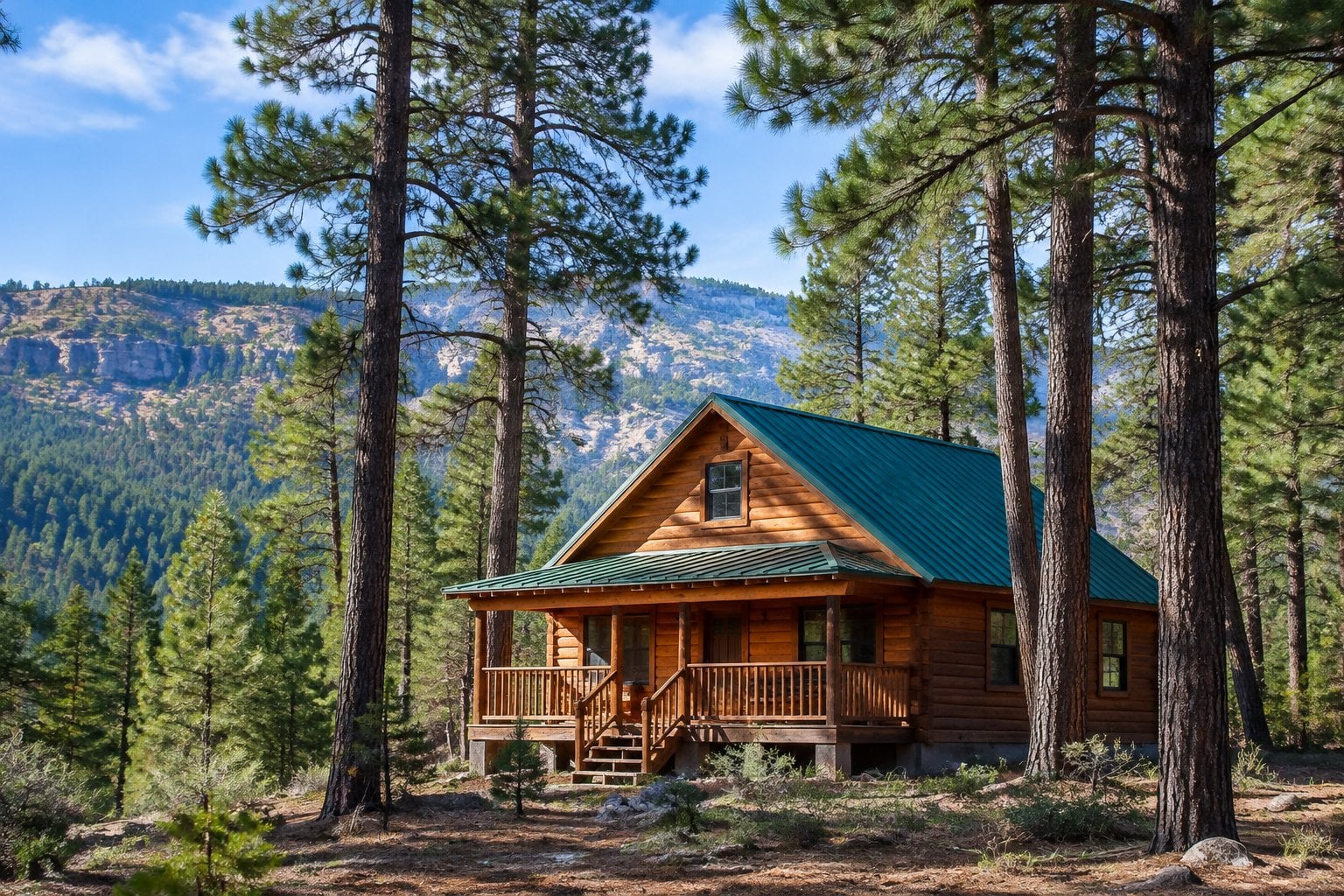
Pine ranks 27th. Zillow puts the typical home value at about $475,000 as of October 2026, down about 0.5% from a year earlier.
Pine is an unincorporated community in Gila County, north of Payson below the Mogollon Rim. It had 1,953 residents at the 2020 Census. The community was founded by Mormon families in 1879 and sits at about 5,400 feet, next to the neighboring community of Strawberry.
Pine and Strawberry are popular vacation and retirement spots for people from the Phoenix area, who come for the cooler weather and tall pines. Many homes are cabins or mountain houses on wooded lots. Tonto Natural Bridge State Park, home to one of the largest natural travertine bridges in the world, is a short drive south. Pine has a small selection of shops and restaurants, so you will likely drive to Payson for groceries and medical care. Water supply has long been a local concern, so ask about it before you buy.
28. SaddleBrooke, Arizona
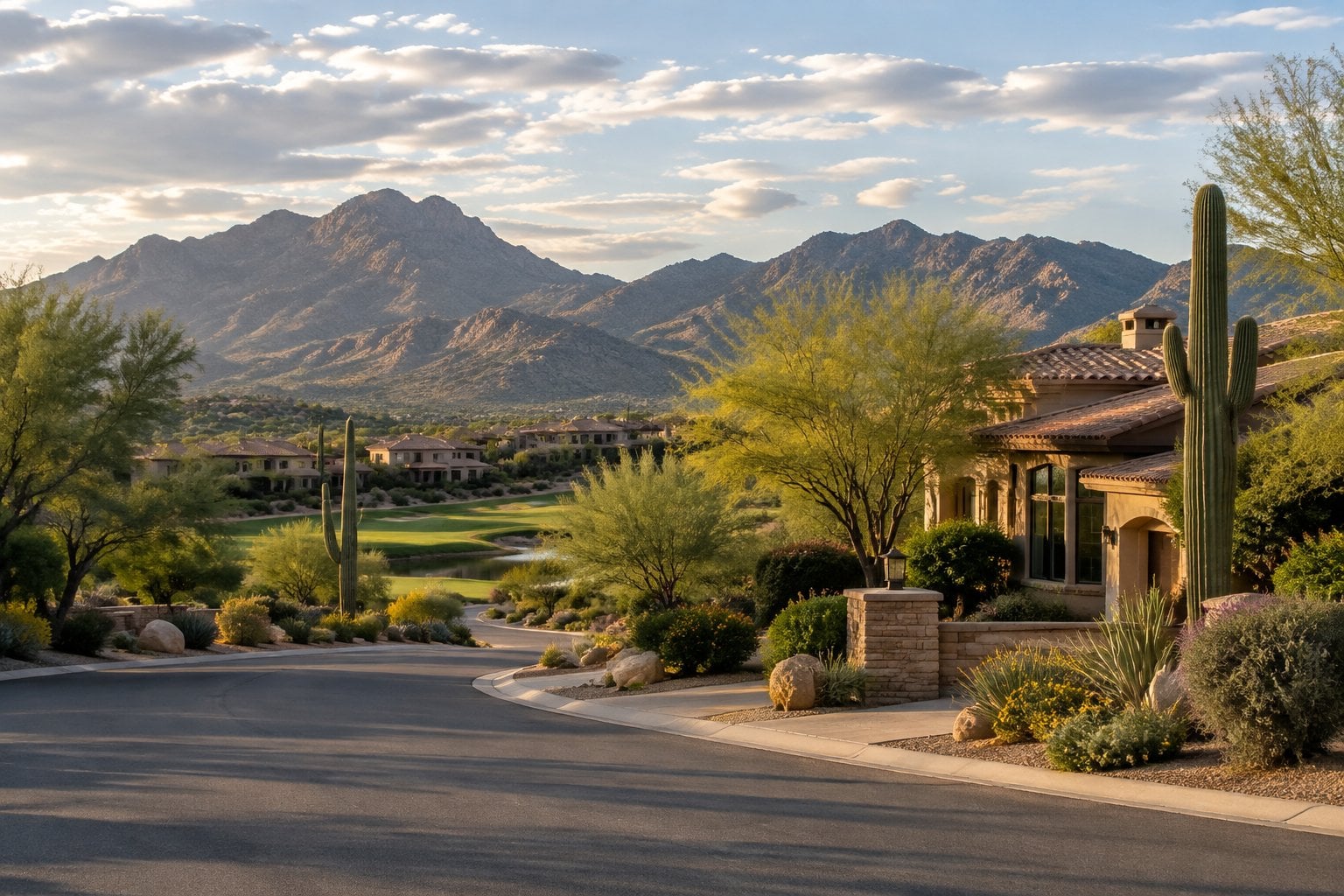
SaddleBrooke ranks 28th. Zillow puts the typical home value at about $475,000, nearly tied with Pine.
SaddleBrooke is a census-designated place and retirement community in Pinal County, just north of Oro Valley in the foothills of the Santa Catalina Mountains. It had 12,574 residents at the 2020 Census. Most of it is made up of two age-restricted communities managed by homeowners associations, SaddleBrooke One and SaddleBrooke Two, along with a smaller all-ages area.
At about 3,400 feet, SaddleBrooke is a little cooler than Tucson. The communities include golf courses, clubhouses, fitness centers and many social clubs, all aimed at active retirees. Homes are mostly single-story houses built from the late 1980s onward, many with mountain views. HOA dues cover a good share of the amenities, so include them in your budget. Shopping and medical care are mainly in Oro Valley and Tucson, a short drive south.
29. Dewey-Humboldt, Arizona
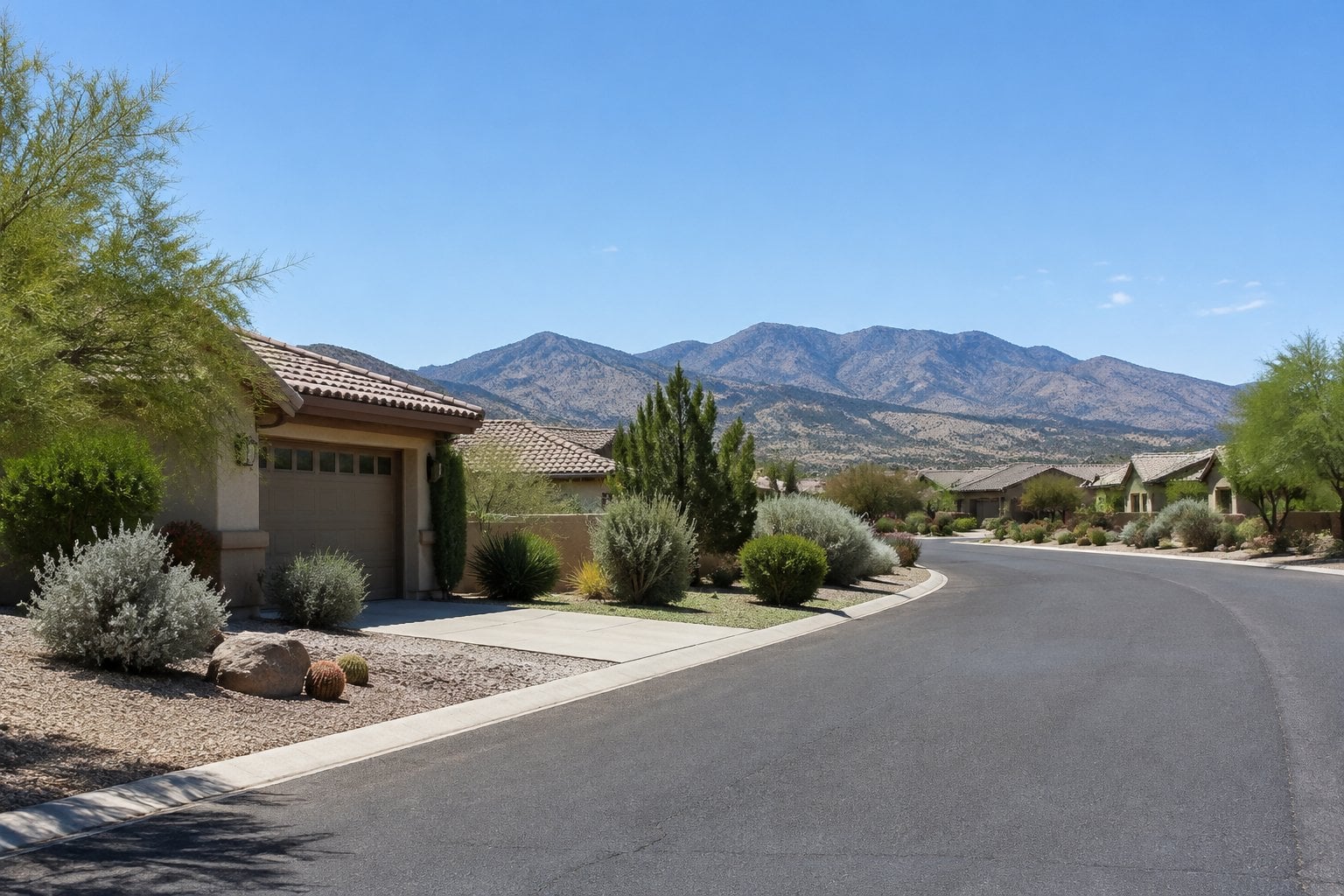
Dewey-Humboldt ranks 29th. Zillow puts the typical home value at about $466,000 as of October 2026, about the same as a year earlier.
The town lies in Yavapai County, about 13 miles east of Prescott along Highway 69. It had 4,326 residents at the 2020 Census and became a town in 2004. Along with Prescott, Prescott Valley and Chino Valley, it makes up the Prescott area’s “Quad-City” region.
Dewey-Humboldt is rural and spread out. Many homes sit on lots of an acre or more, with room for horses, gardens or workshops, and the town has worked to keep that open, low-density feel. The Agua Fria River runs nearby, and Humboldt has roots as a mining and smelter town. Prices are lower than in Prescott but well above the state’s typical value. You will drive to Prescott Valley or Prescott for most shopping, and commutes to Phoenix take about 90 minutes.
30. Goodyear, Arizona
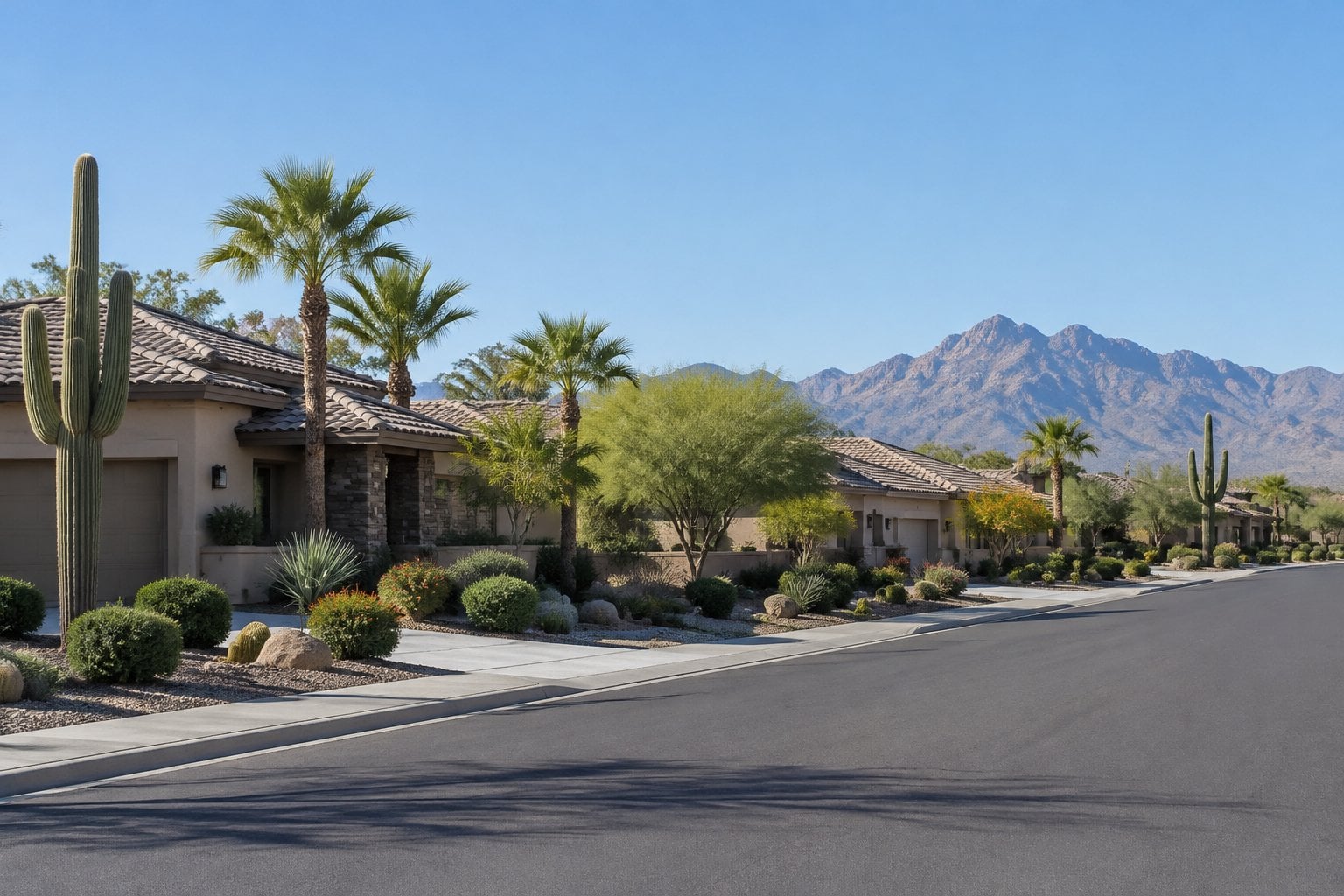
Goodyear rounds out the list at 30th. Zillow puts the typical home value at about $461,000, down about 1% from a year earlier.
The city lies west of Phoenix and is one of the fastest-growing in the West Valley. It had 95,294 residents at the 2020 Census, and the Census Bureau estimated more than 118,000 by 2024. Goodyear is named after the Goodyear Tire and Rubber Company, which grew cotton here for tire production, and it is the spring training home of the Cleveland Guardians and Cincinnati Reds.
Much of Goodyear is newer master-planned communities, such as Estrella in the south, with lakes, trails and mountain views. Many homes were built in the past 20 years, and new construction continues. Interstate 10 and Loop 303 connect the city to the rest of the Phoenix area, and new employers have opened warehouses and plants along those corridors. Goodyear’s prices are well above the state average but below the East Valley suburbs higher on this list.
What Drives Living Costs in Arizona’s Priciest Places
Prices in these places come down to a few repeating factors: land that can’t be built on, cooler weather, and access to the Phoenix area’s jobs and amenities. Knowing them helps you see why two similar homes can be priced so differently a short drive apart.
Land, Views and Protected Desert
Many of the most expensive places on this list are surrounded by land that will never be developed. National forests ring Sedona, Flagstaff, Munds Park and Pine. Preserves and parks hem in Scottsdale, Cave Creek and Fountain Hills, and Paradise Valley’s large-lot zoning keeps the number of homes low. When land is limited and demand is high, prices rise.
Views also matter. Homes facing Camelback Mountain, the McDowell Mountains, the red rocks or the Superstitions often sell for more than similar homes nearby without them.
Escaping the Summer Heat
Several places on this list sit in Arizona’s high country, from Flagstaff, Parks and Munds Park to Prescott, Pine and Star Valley. Many buyers there are Phoenix-area residents who want cooler summers, and many of those homes are second homes. That adds demand without adding year-round workers or new housing.
Retirees and winter visitors drive demand in other places, such as SaddleBrooke, Gold Canyon, Rio Verde and Tubac. Many of them bring equity from homes in other states, which helps keep local prices well above what local wages alone would support.
How to Budget for Life in a High-Cost Arizona Town
The price of a home is only the start. Before you commit, look closely at the costs that come with it.
Property Taxes and HOA Dues
Arizona’s property taxes are relatively low compared with many states, according to the Tax Foundation, which helps offset high home prices. Homeowners association dues are a different story. Many master-planned and golf communities on this list, such as Anthem, SaddleBrooke and Rio Verde, charge dues that pay for pools, clubhouses and landscaping. Ask for the exact amount and any special assessments before you buy.
Water, Cooling, Insurance and Commuting
In the desert, summer electric bills for air conditioning can be high. In rural areas such as New River, Parks or Dewey-Humboldt, check whether a property relies on a well, a shared well or hauled water. In forest towns, wildfire risk can raise homeowners insurance costs. And in outlying places like Queen Creek, Anthem or Wickenburg, long drives to Phoenix add fuel and time to your monthly costs.
If you are thinking about moving, compare these places against your budget, your commute and the way you want to live. For more ideas, see our list of the most expensive places to retire in the U.S..