The 30 Most Expensive Cities in the U.S.: Where Living Costs Hit Hardest

Cost of living varies widely across the United States, and some cities require significantly higher incomes to maintain a comfortable lifestyle. Housing prices, taxes, and everyday expenses like groceries and transportation all factor into what makes a city expensive.
If you’re considering a move or simply curious about where your money stretches the least, understanding these cost differences matters. The most expensive cities in the U.S. tend to cluster along the coasts, particularly in California and the Northeast, where limited housing supply and high demand push prices well above the national average.
You’ll find that factors like local job markets, climate, and access to amenities also play a role in driving up costs. This article breaks down the 30 priciest cities in the country, giving you a clear picture of where expenses are highest.
1. San Jose, California

San Jose sits at the top of the list as the most expensive city in the country. If you live here as a single adult, you need roughly $147,000 a year to cover basic expenses comfortably.
Housing drives most of this cost. The median home price in San Jose has climbed to around $1.63 million, far above the national average.
You’ll also notice higher utility bills in this area, running about 46% above the typical U.S. rate. Groceries cost more too, adding another layer of expense to daily life.
San Jose’s location in Silicon Valley plays a major role in these numbers. High-paying tech jobs draw workers to the region, which pushes demand for housing and services well beyond what you’d find in most other American cities.
2. San Francisco, California

San Francisco ranks among the most expensive cities you can choose to live in. The median home price sits above $1.3 million, well beyond what most household incomes can comfortably support.
Housing drives the bulk of your expenses here. Limited land, strict zoning rules, and high demand keep both home prices and rents elevated across nearly every neighborhood.
You’ll also notice utilities running higher than the national average, along with grocery costs that climb 20% to 30% above typical U.S. prices. Everyday spending adds up quickly.
To live comfortably in San Francisco, you’d generally need an income well above the national median, often cited near $119,000 or more. Even high earners can feel squeezed once housing and daily costs are factored in.
Despite these pressures, the city continues to draw residents for its economy, job opportunities, and coastal location.
3. New York City, New York

Manhattan sets the standard against which every other city gets measured. Housing drives most of your costs here, with average apartment rents running well above $5,000 a month in premium segments.
Your grocery bills, utilities, and transportation costs also sit far above the national average. Estimates put New York’s overall cost of living more than 80% higher than typical U.S. cities.
The five boroughs don’t offer equal pricing, though. You’ll find Manhattan carries the steepest costs, while parts of Queens, Brooklyn, and the Bronx give you more breathing room without leaving the city entirely.
Public transit remains one of your few cost advantages, letting you skip car ownership and its associated expenses. Still, when you add up rent, food, and daily expenses, New York consistently ranks among the most expensive places you could choose to live in the country.
4. Honolulu, Hawaii

Honolulu’s isolation drives its high cost of living. Most goods travel by ship or air before reaching store shelves, and that shipping expense gets passed on to you.
Groceries cost roughly 20% more than the national average. You’ll notice this at the checkout counter, especially with imported produce and packaged foods.
Housing adds another layer of expense. Limited land availability on Oahu keeps both home prices and rents elevated compared to mainland cities.
Utilities also run higher here. Electricity costs more in Hawaii than almost anywhere else in the country, partly because the state relies heavily on imported fuel for power generation.
Despite these costs, you’re paying for access to a unique location with a distinct climate and lifestyle. Many residents view the tradeoff as worthwhile, though your budget will need to account for these consistent premiums across daily expenses.
5. Seattle, Washington

Seattle’s cost of living sits well above the national average, driven largely by housing prices. If you’re buying a home here, you’ll pay significantly more than the typical American buyer, and rental rates follow a similar pattern across most neighborhoods.
The tech industry plays a major role in this equation. Amazon and Microsoft anchor the local economy, and their presence has pushed wages up alongside expenses, so you’ll find salaries here often outpace many other U.S. cities.
You won’t pay state income tax in Washington, which offsets some costs. Still, sales tax rates and other fees can add up quickly when you’re budgeting for daily life.
Grocery and utility costs also run higher than average, though not as extreme as housing. If you’re considering a move, factor in these combined pressures rather than housing alone, since they shape your overall monthly expenses in meaningful ways.
6. Boston, Massachusetts

Boston’s cost of living stems largely from its housing market. You’ll find home prices well above the national median, particularly in neighborhoods like Back Bay and Beacon Hill.
Rent follows the same pattern. A one-bedroom apartment in the city center often costs significantly more than the national average, and vacancy rates stay low due to steady demand from students and professionals.
The city’s dense concentration of universities and hospitals keeps demand for housing high year-round. This constant pressure limits affordable options, even in outlying neighborhoods.
You’ll also notice higher costs for utilities and transportation compared to many other U.S. cities. Winter heating expenses add another layer to household budgets.
Healthcare costs in Boston tend to run higher too, partly due to the concentration of major medical institutions. Combined with elevated state taxes, these factors keep Boston firmly among the nation’s priciest cities to call home.
7. Washington, D.C.

Washington, D.C. ranks among the most expensive places to live in the country. As the nation’s capital, it carries a cost of living well above the national average, driven largely by housing.
You’ll find rent and home prices here rival those in major coastal cities. Neighborhoods close to downtown and government offices command especially high premiums.
Beyond housing, you’ll pay more for everyday expenses like groceries, dining, and services. Transportation costs also add up, though the city’s public transit system offers some relief if you rely on it instead of a car.
Your income has less purchasing power in D.C. than it would in most other U.S. cities. This gap exists because wages, while often higher here, don’t always keep pace with the elevated cost of housing and daily necessities.
8. San Diego, California

San Diego’s coastal location and limited developable land keep housing costs high. You’ll find home prices and rents here consistently exceed the national average by a wide margin.
Your grocery and utility bills also tend to run higher than in many other U.S. metro areas, reflecting the broader cost pressures tied to California living. Gas prices add another layer of expense, often among the highest in the country.
Despite these costs, you gain access to a strong job market, particularly in biotech, healthcare, and military-related industries. The city’s climate and proximity to the ocean remain significant draws for residents willing to pay a premium.
If you’re considering a move to San Diego, you’ll want to weigh these expenses against your income and lifestyle priorities. Housing alone can consume a substantial portion of your monthly budget, so careful financial planning is essential before relocating.
9. Los Angeles, California

Los Angeles remains one of the priciest cities in the country, and housing costs are the main reason. If you’re renting or buying here, you’ll pay well above the national average for either option.
Your daily expenses add up quickly too. Groceries, utilities, and transportation all cost more in LA than in most other major metro areas.
Traffic and geography play a role in your cost of living as well. You’ll often need a car to get around, and gas prices in California consistently rank among the highest in the nation.
To live comfortably in Los Angeles, you’ll need a significant income. Many residents spend a large share of their earnings on housing alone, leaving less room for savings or discretionary spending compared to cities with lower overall costs.
10. Oakland, California

Oakland sits directly across the bay from San Francisco, and its cost of living reflects that proximity. Housing prices remain steep, though typically lower than San Francisco’s own.
You’ll pay a premium for rent here compared to most U.S. cities. The median home value in Oakland ranks among the highest nationally, driven by demand from people priced out of San Francisco.
Groceries, utilities, and transportation costs also run above the national average. Public transit connects you to San Francisco and other Bay Area cities, but owning a car adds significant expense given parking and gas prices.
Your income needs to stretch further here than in most American cities. Oakland’s location within the broader San Francisco Bay Area economic zone keeps wages relatively high, but they often don’t fully offset the elevated cost of daily life you’ll encounter.
11. Fremont, California

Fremont sits in the East Bay, close enough to San Francisco and Silicon Valley to feel their economic pull. Your housing costs here reflect that proximity, with a cost of living index around 87 to 95% above the national average.
You’ll notice home prices are the biggest factor driving Fremont’s ranking. The city’s tech-adjacent job market, including proximity to major employers in the Bay Area, keeps demand for housing steady.
Limited land and strict zoning rules mean new construction hasn’t kept pace with demand. This scarcity pushes prices upward year after year.
If you’re earning a Bay Area tech salary, Fremont may feel manageable. Without that income level, though, you’ll find groceries, utilities, and transportation costs add extra strain beyond just housing.
12. Miami, Florida
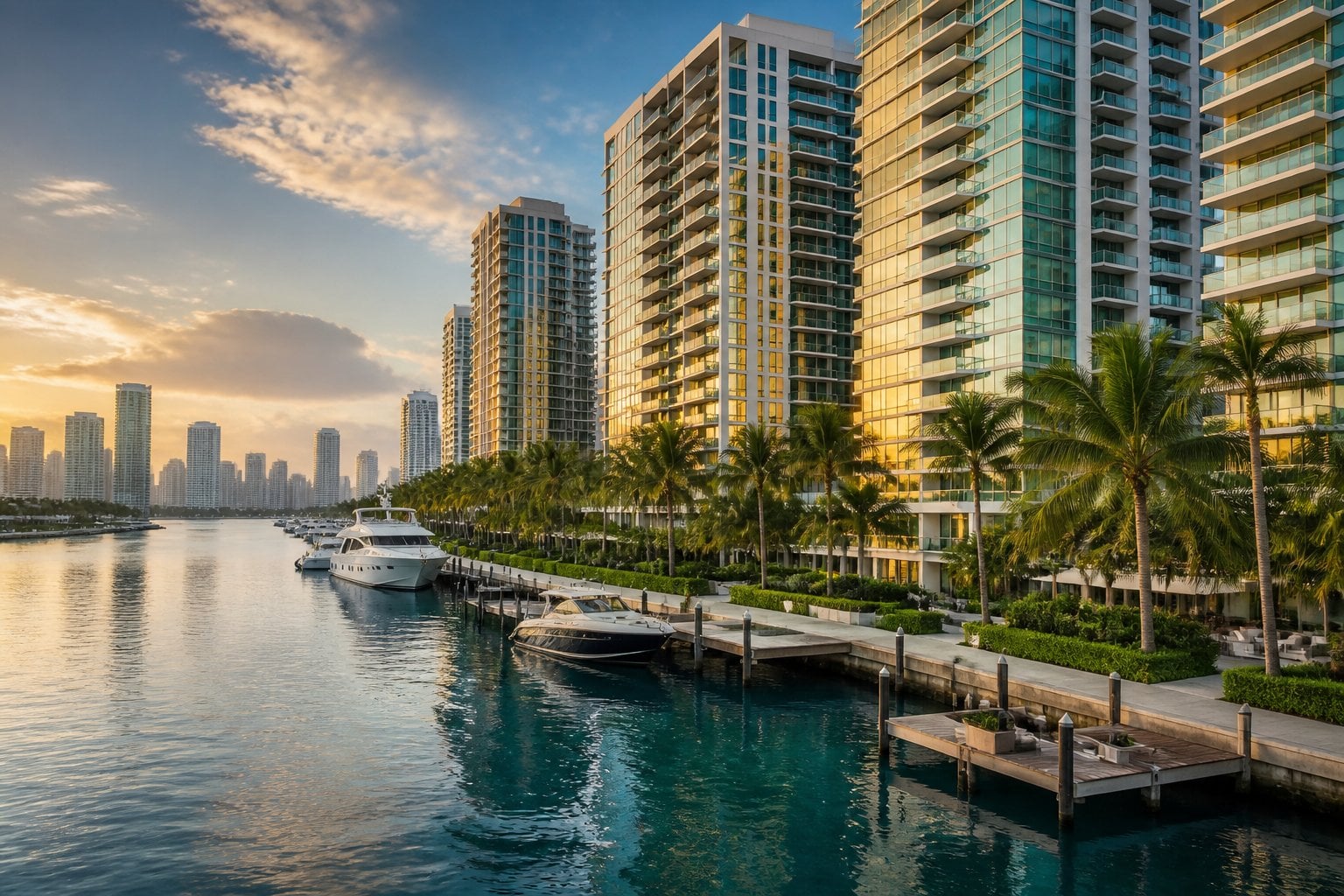
Miami’s cost of living runs well above the national average, driven mainly by housing. The median home price sits around $490,162, a figure that outpaces what most local salaries can comfortably support.
You’ll notice the gap between wages and expenses quickly here. The average salary hovers near $54,790, well below what’s needed to keep pace with home prices and everyday costs in the city.
Rent follows the same pattern. Whether you’re looking at apartments near downtown or further out in surrounding neighborhoods, prices reflect Miami’s status as a high-demand market, fueled by both domestic and international buyers.
Beyond housing, you’ll pay more for insurance, especially homeowner’s and flood coverage, given the city’s coastal exposure. Utilities and transportation costs also add to the total, making Miami one of the pricier places to settle in Florida and nationwide.
13. Jersey City, New Jersey

You’ll find Jersey City sitting just across the Hudson River from Manhattan, and that proximity comes at a price. Housing costs here rank among the highest in the state, with rents and home values reflecting demand from commuters who want easier access to New York without paying Manhattan prices.
Waterfront developments and high-rise apartments have transformed much of the skyline, particularly in areas like the Newport and Exchange Place districts. These neighborhoods offer skyline views and quick PATH train access, which drives up your monthly costs if you choose to live there.
Beyond housing, you’ll notice elevated grocery prices and dining costs compared to national averages. New Jersey’s property taxes also add to your overall expenses, even though the state doesn’t charge sales tax on clothing or groceries.
Your income needs to stretch further here than in most other New Jersey cities, making Jersey City one of the priciest places to settle in the region.
14. Brooklyn, New York

Brooklyn ranks among the priciest places you’ll find in the country, and its cost of living reflects proximity to Manhattan without matching it exactly. You’ll pay a premium for housing, particularly in neighborhoods like Williamsburg, Park Slope, and DUMBO, where rent and home prices rival many parts of Manhattan itself.
A one-bedroom apartment often costs well over $2,500 per month, depending on location. If you’re looking to buy, expect median home prices to climb into the seven figures in the borough’s most sought-after areas.
Your daily expenses add up quickly here, too. Groceries, dining, and transportation costs sit above the national average, though slightly below Manhattan’s rates.
Utilities and healthcare also carry higher price tags than what you’d find in most U.S. cities. Despite these costs, you gain access to strong public transit, cultural diversity, and proximity to job markets across New York City.
15. Washington, D.C. suburbs, Virginia
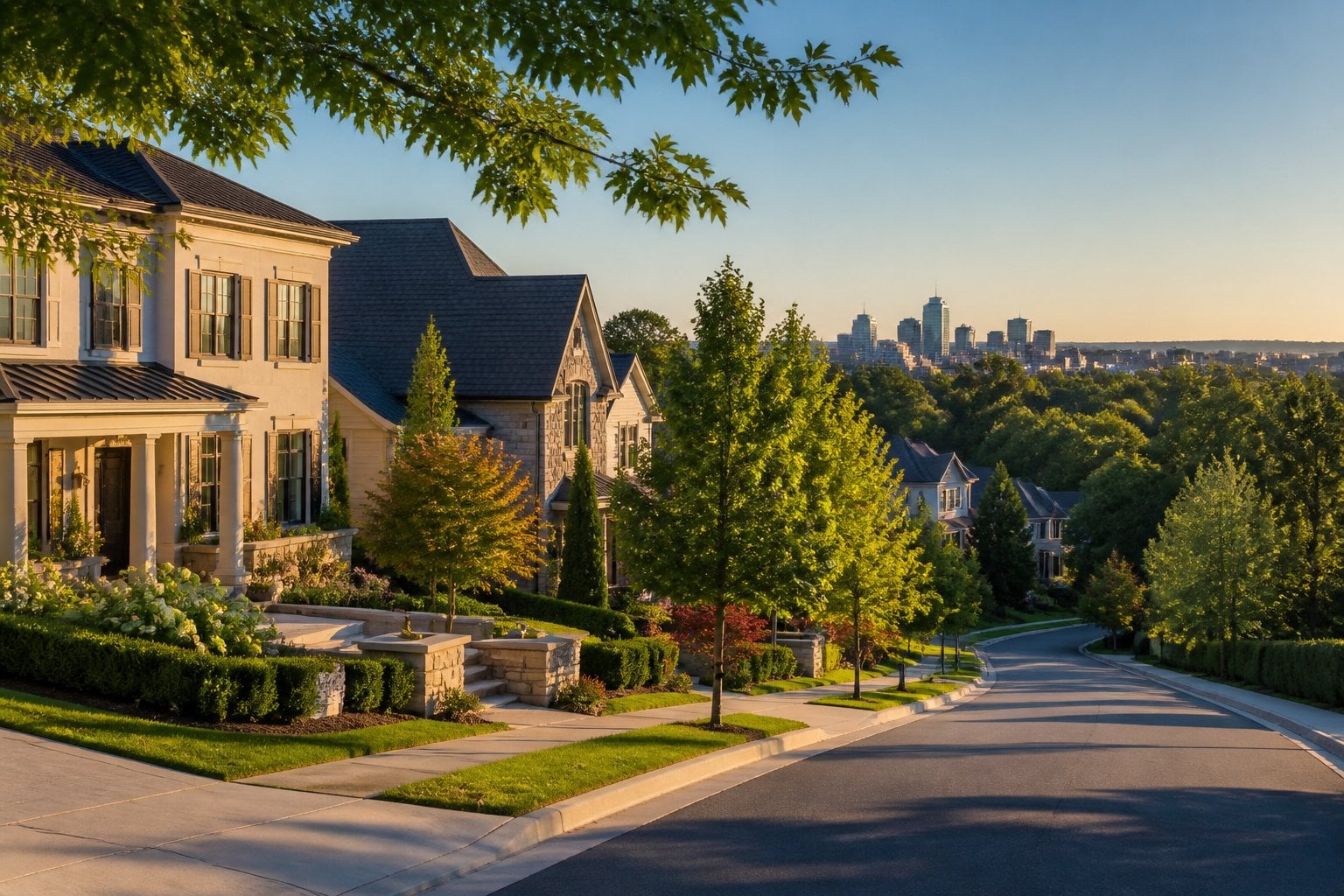
Northern Virginia’s suburbs sit among the priciest places you’ll find in the country. McLean, Great Falls, and Vienna lead the pack, with median home values that regularly climb well into seven figures.
Proximity to Washington, D.C. drives much of this cost. You’re paying for short commutes, strong school districts, and access to federal jobs, government contractors, and tech firms clustered throughout Loudoun and Fairfax counties.
Great Falls stands out for its large lot sizes and estate-style properties, while McLean draws you in with luxury developments and a mix of established and newly built homes. Vienna offers a similar price tag but with a slightly more suburban, family-oriented feel.
Falls Church rounds out the list, known for its walkable downtown and consistently high property values. Across these areas, limited housing supply keeps prices elevated, and demand shows no sign of slowing.
16. Arlington, Virginia

Arlington sits just across the Potomac River from Washington, D.C., and its cost of living reflects that proximity. You’ll find housing to be the biggest expense here, with median home prices and rents running well above the national average.
Your job prospects benefit from the concentration of federal agencies, defense contractors, and tech firms in the area, including Amazon’s HQ2 campus. This demand for skilled workers keeps wages competitive, but it also pushes up prices for everything from groceries to services.
Virginia’s state income tax adds another layer to your monthly budget. Property taxes in Arlington County are moderate compared to neighboring D.C., though your overall tax burden depends on your income level.
Transportation costs can stay manageable if you rely on the Metro system rather than owning a car, since parking and tolls in the region add up quickly.
17. Santa Barbara, California

If you’re considering Santa Barbara, plan for an average monthly cost of living around $3,450. This coastal city ranks among the more expensive places in California, sitting in the top third of the state’s cities for overall expenses.
Housing drives much of this cost. Santa Barbara’s limited land supply, combined with strict development restrictions, keeps home prices and rents elevated compared to national averages.
You’ll also notice higher costs for everyday goods and services. The city’s popularity as a tourist destination and its proximity to the ocean contribute to elevated prices across dining, groceries, and entertainment.
Despite these costs, many residents point to the city’s climate, scenic views, and small-town character as worthwhile trade-offs. If you’re relocating here, you should budget carefully and account for the premium that comes with coastal California living.
18. Irvine, California

You’ll find Irvine in Orange County, and it consistently ranks among the safest large cities in the country. That safety comes at a cost, and your housing budget will feel the impact immediately.
Median home prices in Irvine often exceed $1.3 million, well above the national average. If you’re renting instead, expect monthly costs that rival mortgage payments in most other states.
Your paycheck may stretch further here than in San Francisco, since Irvine benefits from a strong job market tied to tech, biotech, and higher education. UC Irvine anchors much of the local economy and draws steady demand for housing near campus.
California’s state income tax also applies, so you’ll pay more at tax time compared to residents in no-income-tax states. Groceries, utilities, and childcare costs sit above national medians as well, adding to your overall monthly expenses.
19. Palo Alto, California

Palo Alto sits at the heart of Silicon Valley, and its cost of living reflects the wealth concentrated there. You’ll find median home values well above $2 million, driven by demand from tech executives and Stanford University’s presence within city limits.
Housing dominates your expenses here. Rent for a modest apartment often exceeds $3,000 a month, while buying property requires an income far above the national average.
Stanford’s proximity shapes the local economy and school quality, which keeps demand for housing steady even during broader market slowdowns. You’ll also notice higher prices for everyday services, dining, and childcare compared to most U.S. cities.
Property taxes and utility costs add to your monthly budget, though California’s Prop 13 protections can moderate tax increases for long-term homeowners. Despite these costs, Palo Alto’s walkable downtown and strong public infrastructure remain draws for residents who can afford them.
20. Sunnyvale, California
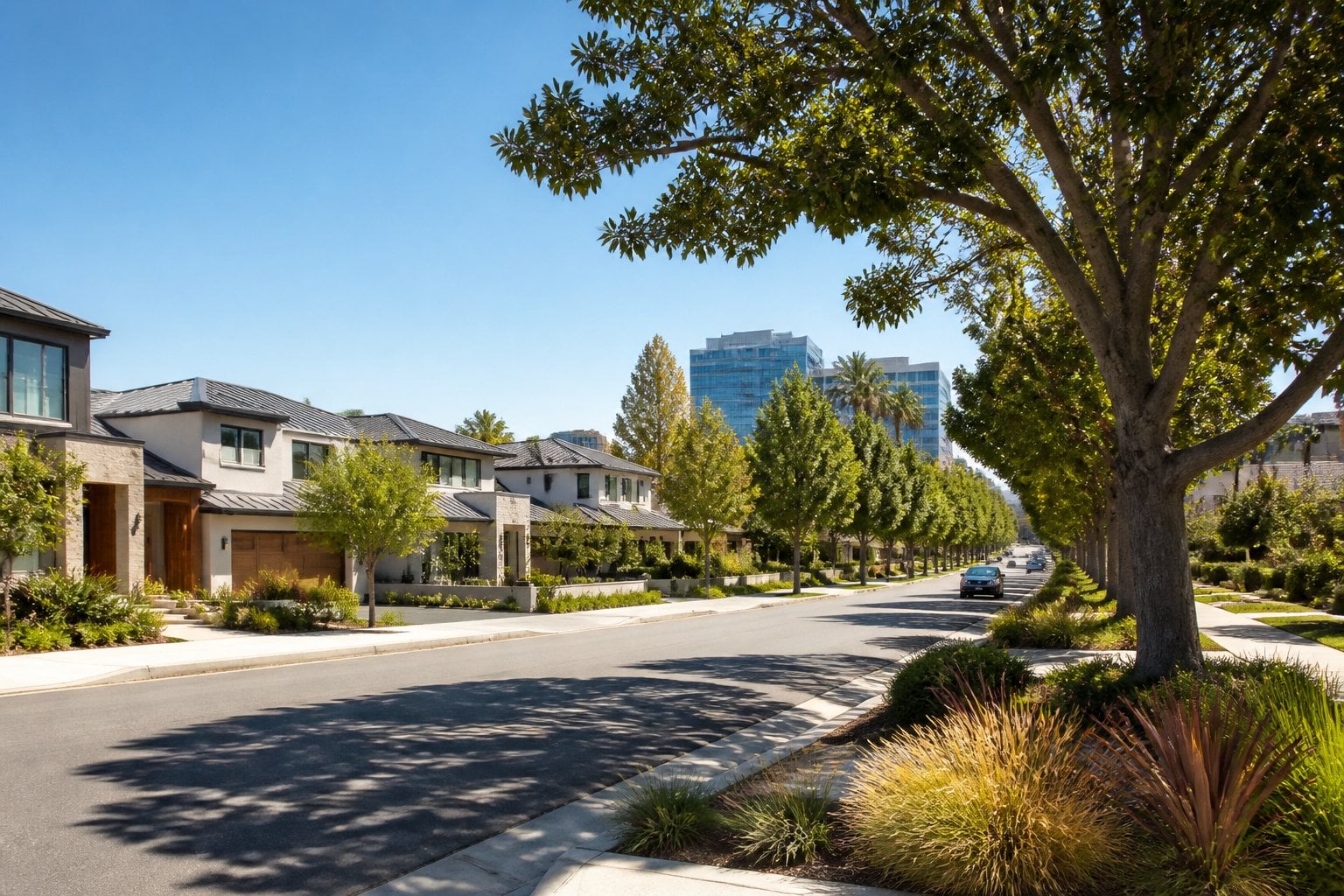
Sunnyvale sits in the heart of Silicon Valley, and you’ll find its cost of living reflects that location. Median home values here typically exceed $1.8 million, putting homeownership out of reach for most buyers without significant tech industry income.
Rent follows the same pattern. You can expect to pay well above the national average for even modest apartments, with one-bedroom units often starting near $2,800 to $3,000 monthly.
The city’s proximity to major employers like LinkedIn, Apple, and other tech firms drives demand for housing. This demand keeps prices elevated across the board, from groceries to services.
Your income needs to be substantial to live comfortably in Sunnyvale. Many residents report needing six-figure salaries just to cover basic expenses, let alone save for the future.
Despite these costs, you’ll find strong public schools and a walkable downtown area that some residents consider worth the price.
21. Berkeley, California

You know Berkeley for its university, but its cost of living rivals many of its Bay Area neighbors. Proximity to San Francisco and Oakland keeps housing demand strong, pushing home prices and rents well above the national average.
Your grocery bills and utility costs also run higher here than in most parts of the country. Local zoning restrictions and limited housing supply add to the pressure on prices, especially near the UC Berkeley campus.
If you’re renting, you’ll find that even modest apartments come with a premium price tag. Transportation costs stay moderate thanks to BART and bus access, but that doesn’t offset the high price of housing.
Dining out, healthcare, and everyday services all reflect the broader Bay Area cost structure. Living in Berkeley means budgeting carefully, since your income needs to stretch further than it would in most U.S. cities.
22. Anaheim, California

Anaheim ranks among the most expensive cities in the U.S., driven largely by its housing market. You’ll find home prices here well above the national average, reflecting the broader Southern California cost pressures.
Your housing costs make up the biggest share of expenses if you live in Anaheim. Rent and home prices track closely with nearby Los Angeles and Orange County markets, leaving little room for affordable options.
Beyond housing, you’ll notice elevated costs for everyday goods and services. Groceries, utilities, and transportation all run higher than national averages, adding to the overall financial burden.
Anaheim’s proximity to major employment hubs and tourist attractions, including Disneyland, contributes to sustained demand for housing and services. This demand keeps prices elevated across multiple spending categories.
If you’re considering a move to Anaheim, you should factor in these costs carefully. Your income will need to stretch further here than in most other U.S. cities.
23. Sacramento, California
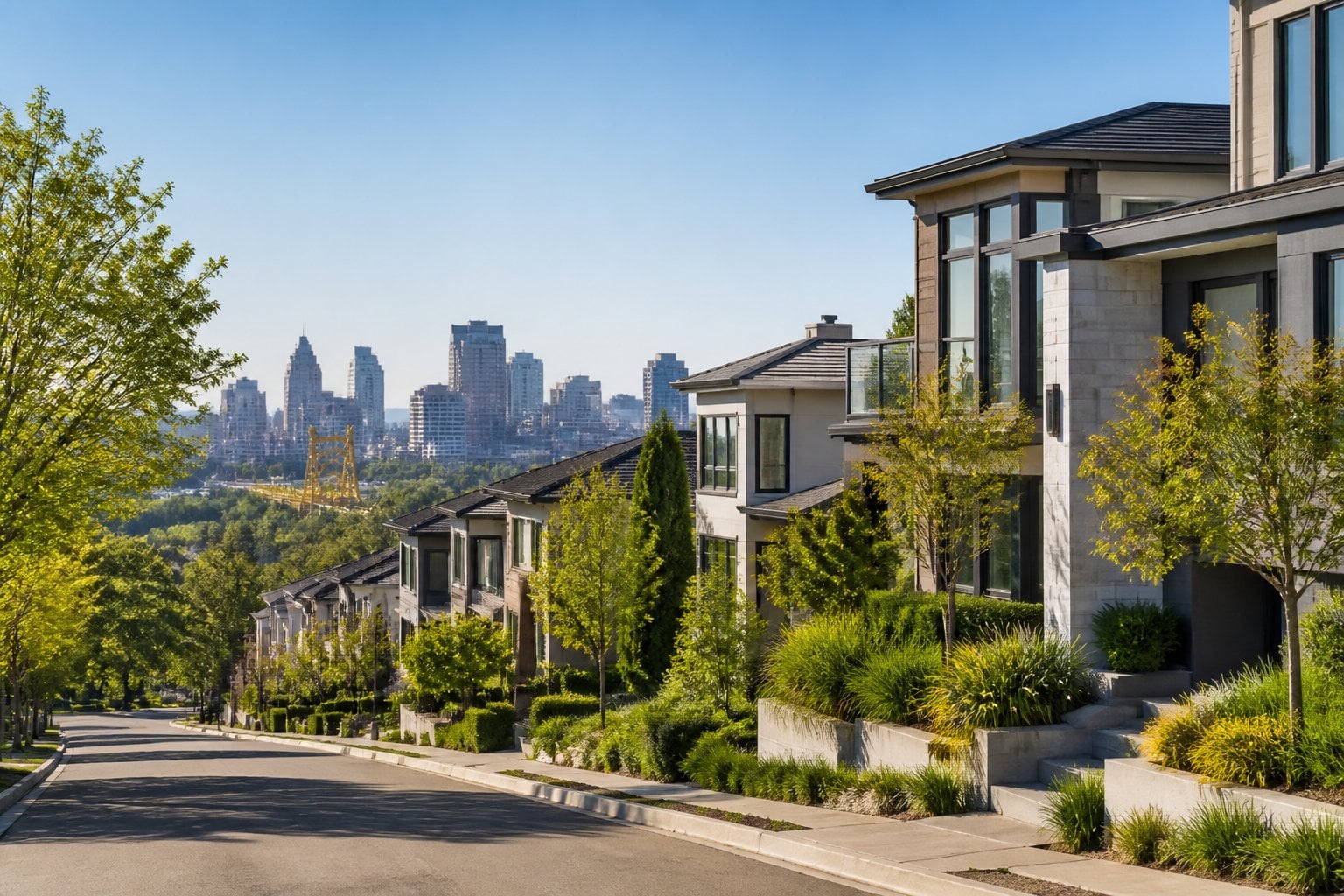
Sacramento is California’s capital, and you’ll find its cost of living reflects the broader pressures on the state’s housing market. It ranks among the more expensive U.S. cities, driven largely by home prices and rent that outpace the national average.
You’ll notice housing costs here run higher than in many other state capitals, partly due to demand from people leaving pricier coastal cities like San Francisco and Oakland. This spillover effect has pushed up both rents and home values in Sacramento over recent years.
Beyond housing, you can expect elevated costs for utilities and transportation compared to national norms. Grocery prices also tend to run above average, consistent with broader California pricing trends.
Despite these costs, Sacramento remains less expensive than California’s coastal metros, offering you a relatively more accessible entry point into the state’s economy.
24. Portland, Oregon

Portland’s cost of living runs well above the national average, with housing driving most of that gap. You’ll find home prices and rents in the metro area significantly higher than what you’d pay in most other US cities.
The Portland-Vancouver-Hillsboro metro area ranks among the priciest large metros in the country. Monthly living costs average around $2,684, covering essentials like housing, utilities, and transportation.
Oregon has no sales tax, which offsets some daily expenses. That said, income tax rates are relatively high, and property taxes add another layer of cost if you own a home here.
Grocery and utility prices in Portland tend to sit above national norms too. If you’re weighing a move, you should factor in wages carefully, since salaries don’t always scale with the elevated cost of housing and everyday goods in this market.
25. Denver, Colorado

Denver’s cost of living sits well above the national average, driven largely by housing prices. You’ll find median home prices and rents that reflect years of population growth and demand from people relocating to Colorado’s Front Range.
Your grocery and utility costs run moderately higher than the national average, though not as extreme as coastal cities. Transportation costs also add up, especially if you commute from surrounding suburbs to avoid downtown rent premiums.
If you’re considering Denver, your salary needs to account for both housing and the state’s income tax structure. Outdoor recreation access and a strong job market in tech, aerospace, and healthcare help offset some of these costs.
You should expect competition for housing, particularly in desirable neighborhoods near downtown or with mountain views. Renters and buyers alike face a market where inventory hasn’t fully kept pace with demand.
26. Austin, Texas

Austin’s cost of living has climbed steadily as the city’s population and tech sector have grown. You’ll find that housing drives most of the expense here, with median home prices well above the national average.
If you’re renting, expect to pay a premium for a one-bedroom apartment, especially in central neighborhoods close to downtown. Texas has no state income tax, which offsets some costs, but property taxes are notably high.
Your monthly budget needs to account for utilities, groceries, and transportation, all of which run slightly above national norms. Dining out and entertainment options are plentiful, but prices reflect the city’s growing reputation as a cultural hub.
Job opportunities in tech and other industries have attracted new residents, pushing demand—and prices—higher across housing and services. You’ll need a solid income to live comfortably, particularly if you want to settle near the city center rather than the outer suburbs.
27. Chicago, Illinois

Chicago’s cost of living sits above the national average, driven largely by housing prices in desirable neighborhoods like Lincoln Park and the Loop. You’ll find rent for a one-bedroom apartment downtown often exceeds $2,000 a month, while home prices in the city’s most sought-after areas can climb well past $500,000.
Property taxes add another layer of expense. Cook County has some of the highest property tax rates in the country, and you’ll notice this reflected in your monthly housing costs whether you rent or own.
Utilities and transportation also push your budget higher. Winter heating costs can spike significantly, and if you rely on the CTA or drive through the city’s toll system, those expenses add up over time.
Grocery and dining costs in Chicago run higher than in many Midwestern cities, though still below coastal metros like New York or San Francisco.
28. Philadelphia, Pennsylvania

Philadelphia’s cost of living sits above the national average, driven mainly by housing and taxes. Median home values in the city typically fall in the $250,000 to $300,000 range, lower than many coastal metros but still a burden if you’re renting or buying.
You’ll also face Pennsylvania’s wage tax alongside Philadelphia’s own city wage tax, which adds up quickly if you work within city limits. Combined with sales tax and property assessments, your overall tax burden here is notably higher than in surrounding suburbs.
Utilities and transportation costs also push your monthly expenses upward. SEPTA fares, parking costs, and seasonal heating bills add to your budget in ways that smaller Pennsylvania cities don’t require.
Grocery prices in Philadelphia run slightly above the national average, though not as extreme as in cities like New York or San Francisco. Your dollar goes further here than in most major East Coast cities, but you’ll still pay a premium compared to the rest of Pennsylvania.
29. Nashville, Tennessee

Nashville’s cost of living sits above the national average, driven largely by housing. You’ll find the median home price hovering around $525,000, a figure that’s climbed steadily as the city’s population has grown.
You won’t pay state income tax in Tennessee, which helps offset some of your higher housing costs. This is a real advantage if you’re relocating from a state with high income tax rates.
Rent in Nashville has also risen sharply over the past decade, reflecting demand from newcomers drawn by the job market and music industry. If you’re renting downtown or in trendy neighborhoods like East Nashville, expect to pay a premium.
Utilities and transportation costs remain closer to the national average, so your biggest budget consideration will be where you choose to live within the metro area.
30. Raleigh, North Carolina

Raleigh rounds out the list as the most affordable city among the 30 most expensive places to live in the U.S. You’ll need a median salary of roughly $102,752 to live comfortably as a single adult in North Carolina’s capital.
Housing costs in Raleigh remain lower than in most major coastal metros, though prices have climbed steadily as the city’s tech and research sectors continue to expand. You’ll find that the Research Triangle’s job market, anchored by nearby Durham and Chapel Hill, contributes to demand for housing and services.
Groceries, utilities, and transportation costs sit closer to the national average here than in cities higher on this list. If you’re comparing your options, Raleigh offers a lower cost of living than most entries here, while still carrying a price tag above the national median.
How Cost of Living Is Measured
Cost of living indexes compare cities against a national baseline, usually set at 100, to show how much more or less you’ll spend on essentials. Analysts typically weigh housing, groceries, healthcare, transportation, and taxes to build a composite score you can use to compare your budget across locations.
Housing Costs and Rental Markets
Housing carries the heaviest weight in most cost of living formulas, often accounting for 30% or more of the total index. You’ll see this reflected in two separate metrics: median home prices and average rent for comparable units.
Analysts typically track rent for a one-bedroom apartment alongside home prices for a standard single-family house. These figures get compared to national medians to calculate how far your dollar stretches.
In cities like San Francisco or New York, housing costs alone can push the overall index 50% or more above the national average. You should also watch for variations within a metro area, since suburban and urban rental rates within the same city can differ sharply.
Taxes, Transportation, and Everyday Expenses
Your tax burden depends on state income tax rates, local sales tax, and property tax assessments, all of which vary widely by location. States like California and New York impose higher income taxes, while others rely more heavily on sales or property taxes to fund services.
Transportation costs factor in gas prices, public transit fares, vehicle registration fees, and insurance rates you’d pay in a given area. Everyday expenses—groceries, utilities, and healthcare—round out the index using regional price data for common goods and services.
You can expect these categories to show smaller variations than housing, typically ranging between 10% and 20% above or below the national average in high-cost cities.
Budgeting Strategies for High-Cost Areas
Living in an expensive city requires you to rethink standard budgeting rules and adjust your spending priorities based on local realities. Two factors matter most: how your income measures up to actual costs, and where you can trim expenses without giving up the things that matter to you.
Evaluating Income Against Local Expenses
The traditional rule of spending 30% of your income on housing rarely applies in cities like San Francisco, New York, or Boston. You’ll often need to allocate 40% to 50% of your take-home pay to rent or mortgage payments alone.
Start by calculating your true cost of living, not just housing. Include these categories:
- Housing: rent, utilities, renter’s or homeowner’s insurance
- Transportation: public transit passes, parking, car payments
- Groceries: often 20% to 40% higher than the national average
- Taxes: state and local income tax rates vary significantly
Compare these totals against your net income, not your gross salary. This gives you a realistic picture of what you can actually afford, rather than relying on assumptions from lower-cost areas.
Finding Savings Without Sacrificing Quality of Life
You don’t need to eliminate everything you enjoy to make a high-cost budget work. Instead, focus on the expenses with the biggest impact.
Housing offers the most leverage. Consider a roommate, a smaller unit, or a neighborhood slightly outside the city center where rent drops but your commute stays reasonable.
For groceries and dining, plan meals around sales and buy staples in bulk. Reserve restaurant visits for occasions you actually value, rather than defaulting to takeout out of convenience.
Transportation costs add up quickly if you’re not careful. A monthly transit pass, biking, or carpooling can replace a car payment, insurance, and parking fees entirely.
Track your spending for at least one full month before making changes. This shows you exactly where your money goes and which cuts will free up the most cash without disrupting your daily routine.