The 30 Most Expensive ZIP Codes in the U.S.: Where America’s Wealthiest Live
Some ZIP codes in the United States command home prices far above the national average. These areas cluster in specific coastal regions, major metro suburbs, and resort towns where demand consistently outpaces supply.
If you’re curious about where America’s wealthiest homeowners live, you’ll find that location, exclusivity, and market scarcity drive these extreme valuations. This list breaks down the 30 most expensive ZIP codes in the country, based on median home values and sale prices.
You’ll see patterns across states like California, New York, and Florida, where luxury real estate markets remain concentrated. Your understanding of these rankings can offer insight into broader economic trends, including how proximity to business hubs, waterfront access, and limited housing inventory shape property values nationwide.
1. 33109 – Fisher Island, Florida
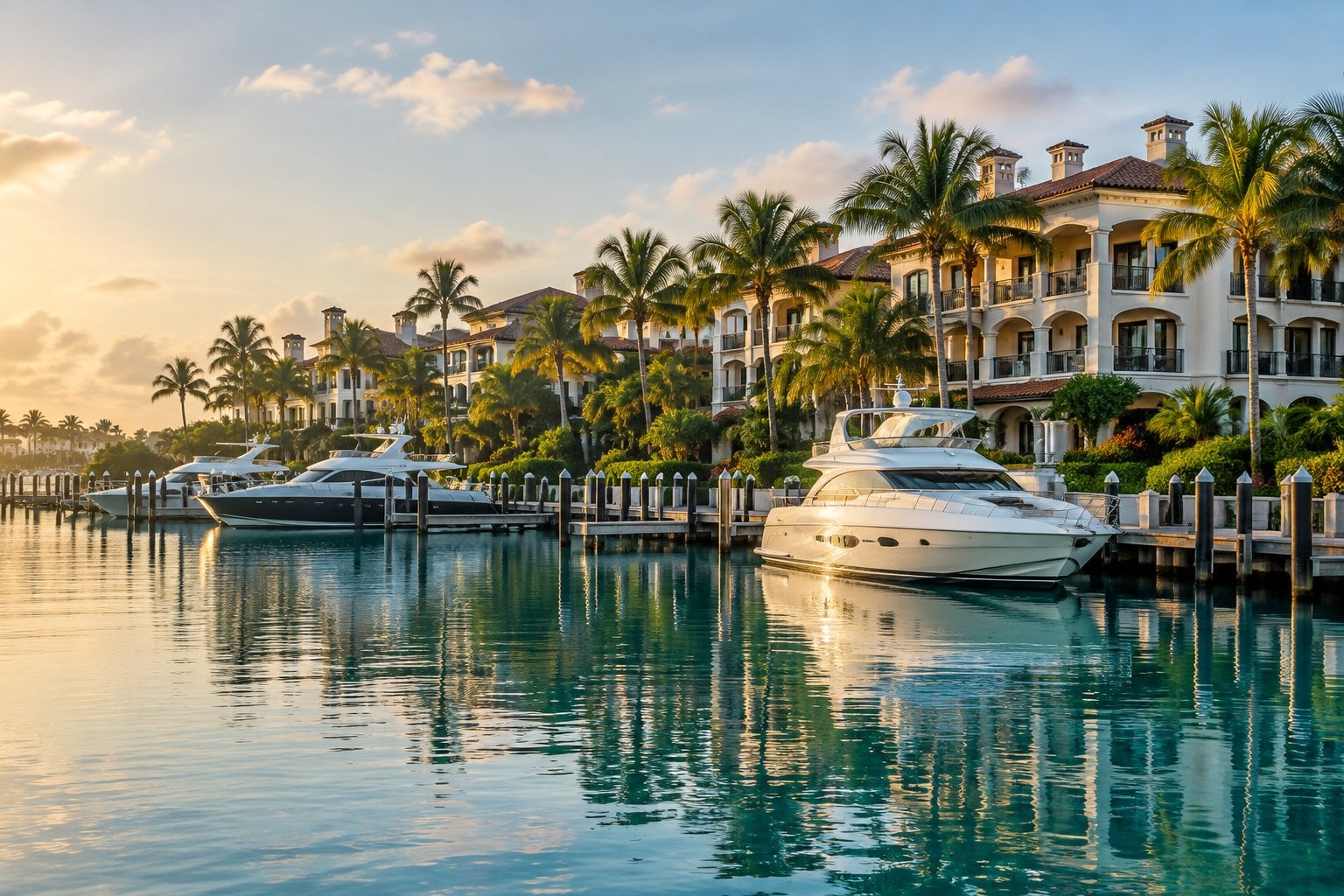
You can only reach Fisher Island by ferry, helicopter, or yacht, since no bridge connects it to the mainland. This access restriction helps explain why the ZIP code 33109 holds the title of the most expensive in the country, with a median home price of $9.5 million in 2025.
That figure marked a sharp increase from the prior year and pushed Fisher Island past Atherton, California, which had held the top spot for nearly a decade. The island sits just off Miami Beach and contains roughly 800 residences, so supply stays limited while demand from wealthy buyers remains steady.
You’ll find listings here averaging close to $2,900 per square foot. Private club access, marina slips, and strict security screening add to the cost of entry, making this one of the most exclusive residential communities in the United States.
2. 33480 – Palm Beach, Florida
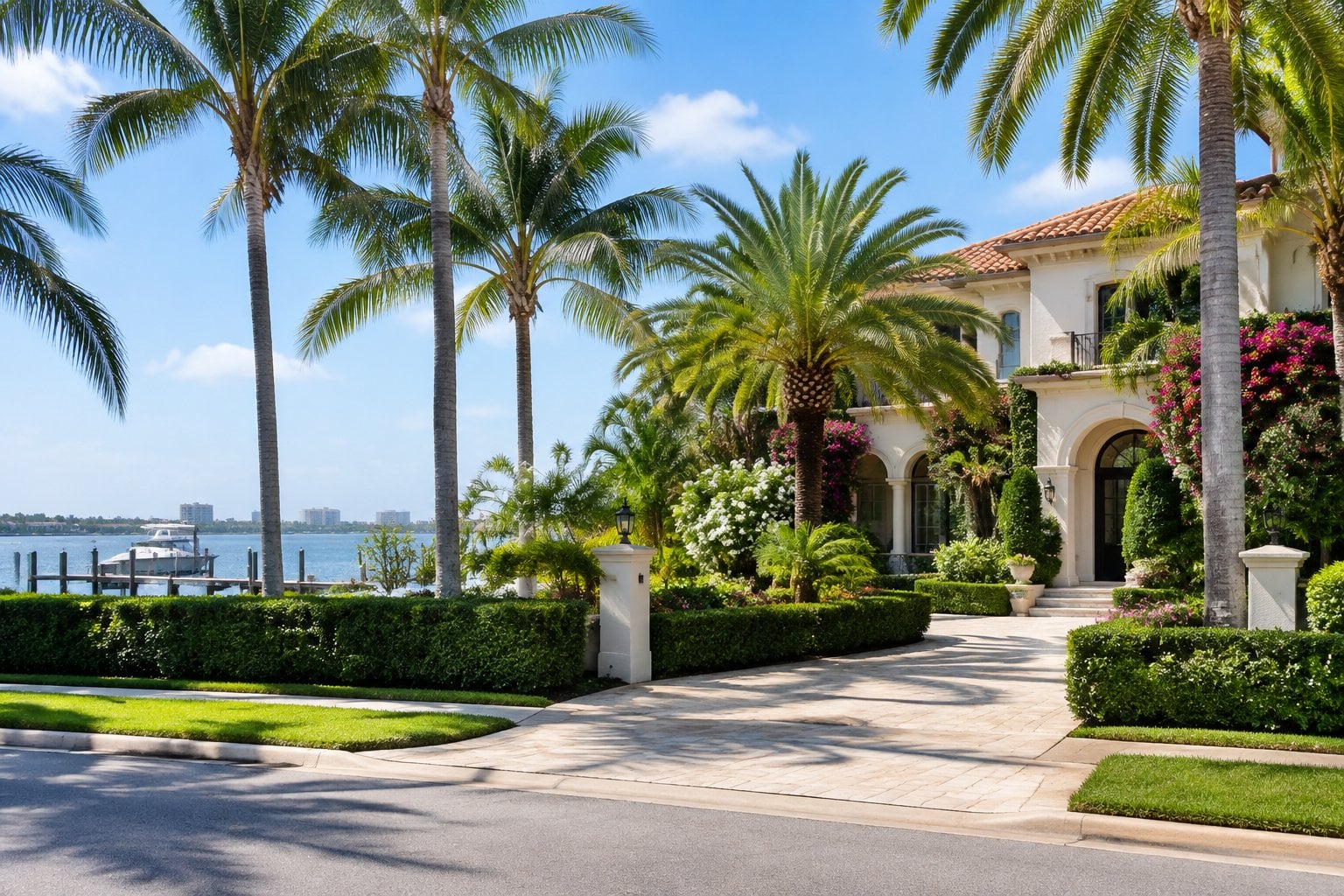
You’ll find the nation’s most expensive zip code on a narrow barrier island connected to West Palm Beach by a handful of bridges. Palm Beach has long attracted wealthy residents seeking oceanfront estates, historic mansions, and a level of privacy that few other markets can match.
The average home value here sits well above $1.5 million, and many properties sell for far more than that figure suggests. Waterfront estates, in particular, regularly trade in the tens of millions.
You’ll notice the island’s architecture reflects its history, with Mediterranean Revival mansions dating back to the 1920s standing alongside newer construction. Worth Avenue anchors the retail scene with luxury boutiques that match the surrounding real estate prices.
Limited land and strict zoning keep inventory tight, which supports the elevated prices you see across nearly every listing in this zip code.
3. 94027 – Atherton, California
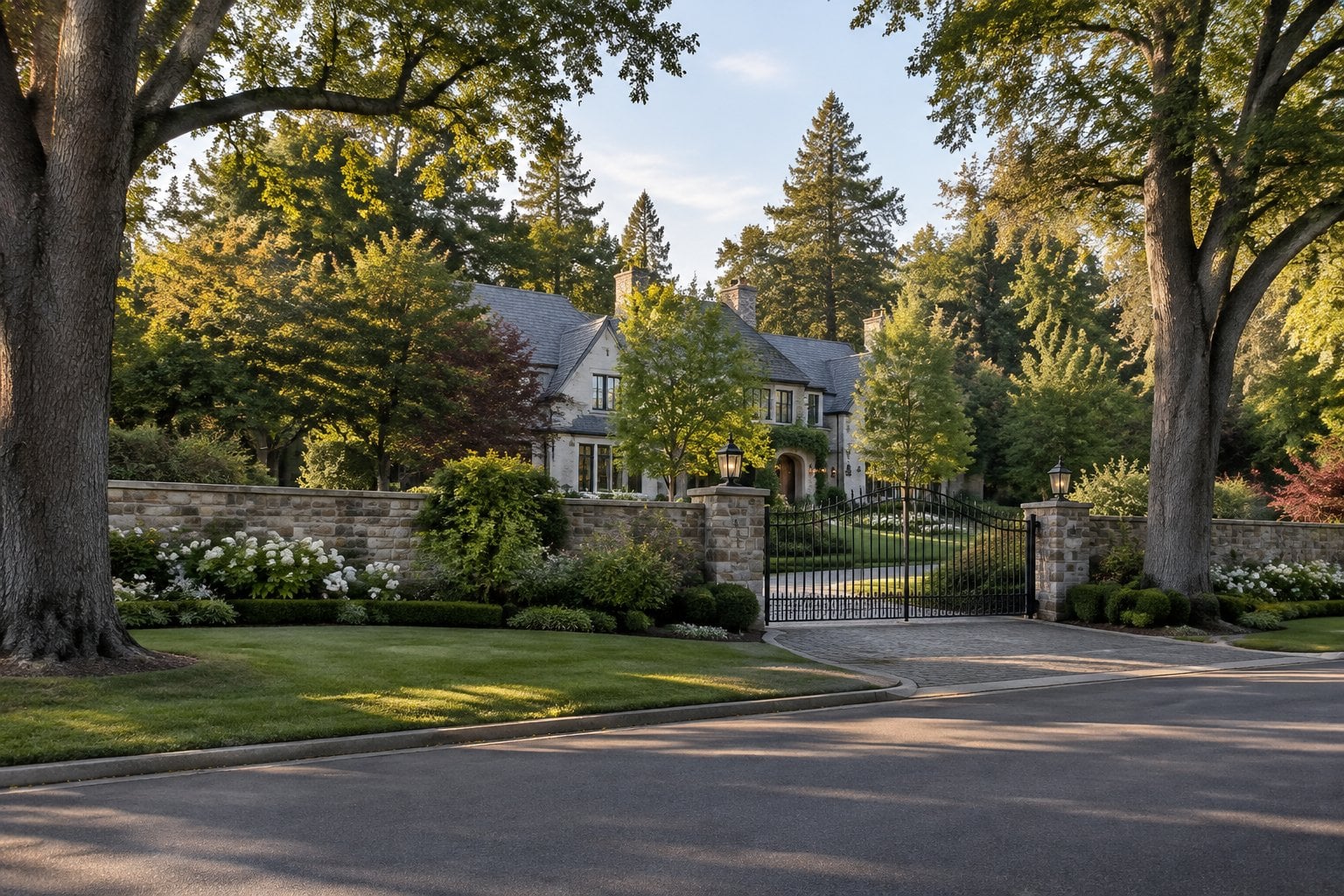
You’ll find Atherton’s 94027 ZIP code sitting near the top of national rankings, with a median home value around $8.3 million.
This small Silicon Valley town benefits from a prime location between Sand Hill Road, Stanford University, and major tech headquarters. You get access to venture capital, academia, and the tech industry within a few minutes’ drive.
Zoning plays a major role in keeping prices high. Atherton requires one-acre minimum lots for residential properties, which limits how many homes can exist in the town and restricts supply.
Recent AI-driven wealth has pushed values even higher. You’ll notice that properties here often sell within days, sometimes well above asking price.
Privacy and security add to the appeal, with fast police response times and a culture that favors discretion over visibility.
4. 90210 – Beverly Hills, California
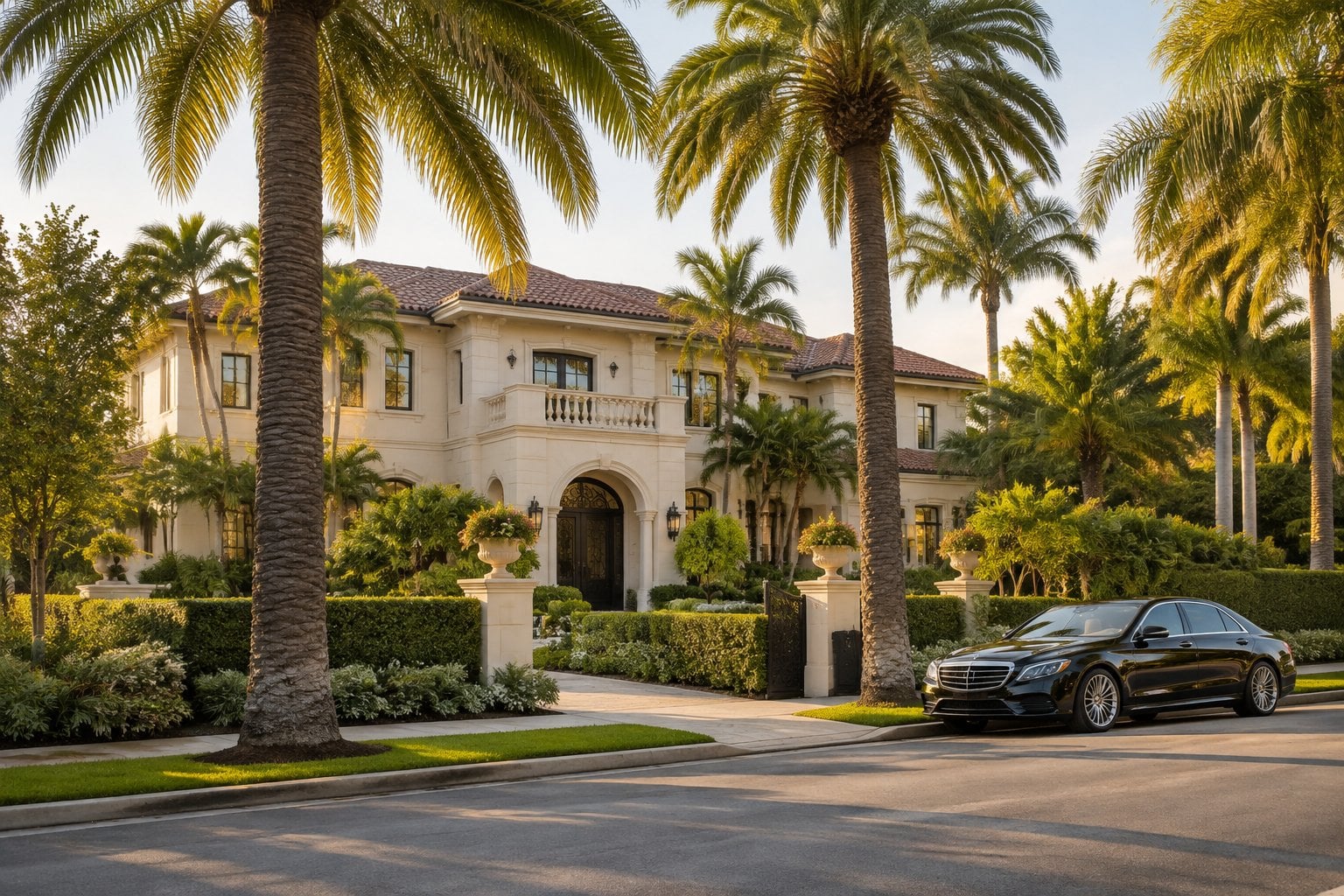
You already know this ZIP code, even if you’ve never set foot in it. 90210 has built its reputation through decades of pop culture, but the real estate numbers back up the hype.
Recent data puts the median home sale price here at over $4 million, with some reports showing figures climbing even higher depending on the time of year and market conditions.
If you’re looking for the city itself, Beverly Hills sits as a stand-alone municipality within Los Angeles County. You won’t find discount housing in this ZIP code. Even the more modest properties here carry price tags that would buy multiple homes elsewhere in the country.
Within the greater Los Angeles market, 90210 consistently ranks as the priciest ZIP code you’ll encounter, outpacing neighboring areas like 90211 and 90212.
5. 11962 – Sagaponack, New York
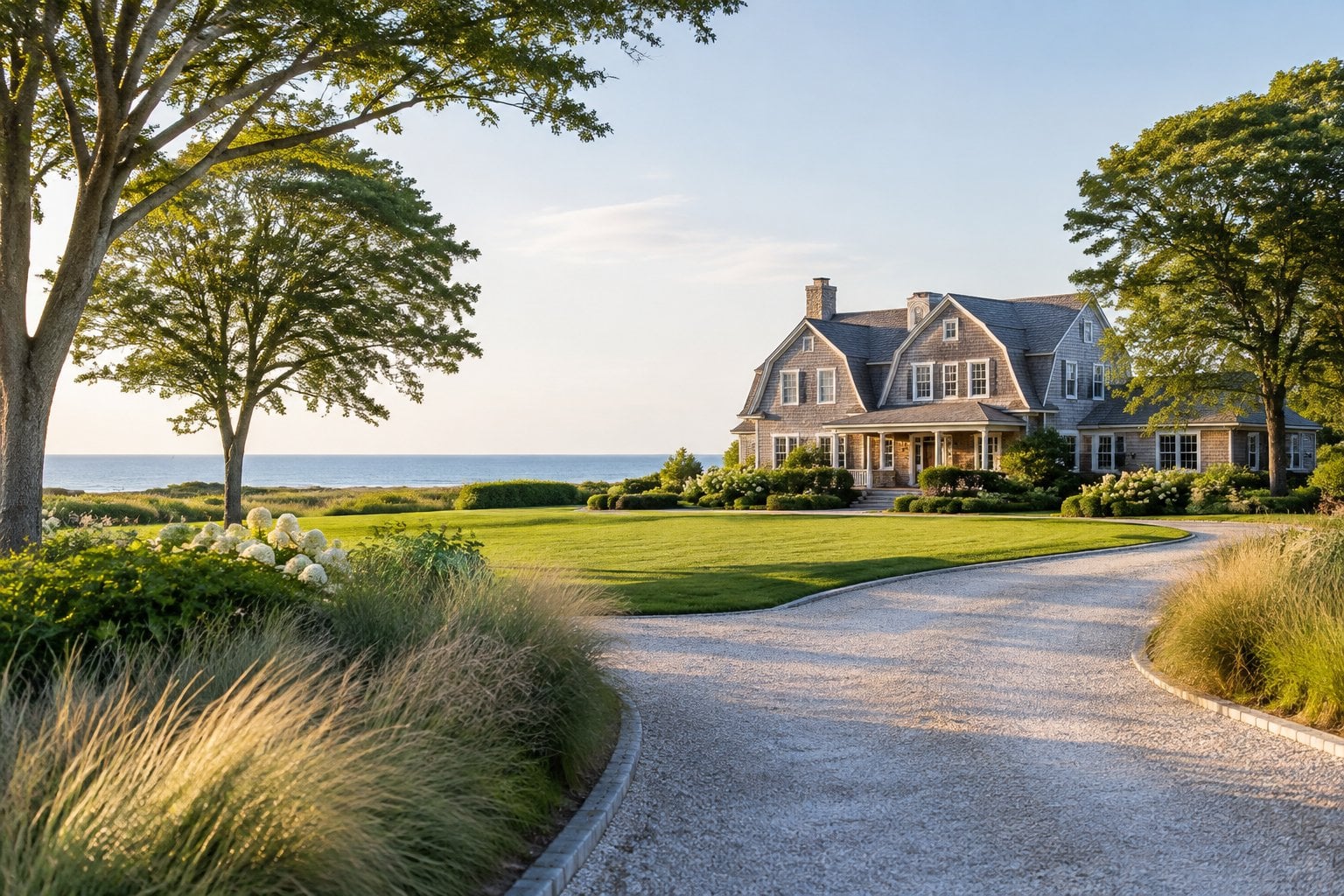
You’ll find Sagaponack on the South Fork of Long Island, part of the Hamptons. It’s a small village with roughly 450 year-round residents, one schoolhouse, and no commercial district to speak of.
Recent rankings place 11962 around third nationally, with median sale prices estimated near $6 million. Zillow’s 2026 figures put the typical home value above $6.9 million, reflecting continued demand in this market.
The housing stock here leans toward oceanfront estates and large properties on agricultural reserve land, which limits how much new construction can occur. That scarcity plays a role in sustaining high prices year after year.
One notable property is the Fair Field estate, owned by billionaire Ira Rennert. At roughly 110,000 square feet with 29 bedrooms, it’s one of the largest private homes in the country.
If you’re researching this ZIP code, you’re looking at a market defined by limited inventory and sustained buyer interest from New York City and beyond.
6. 93108 – Montecito, California
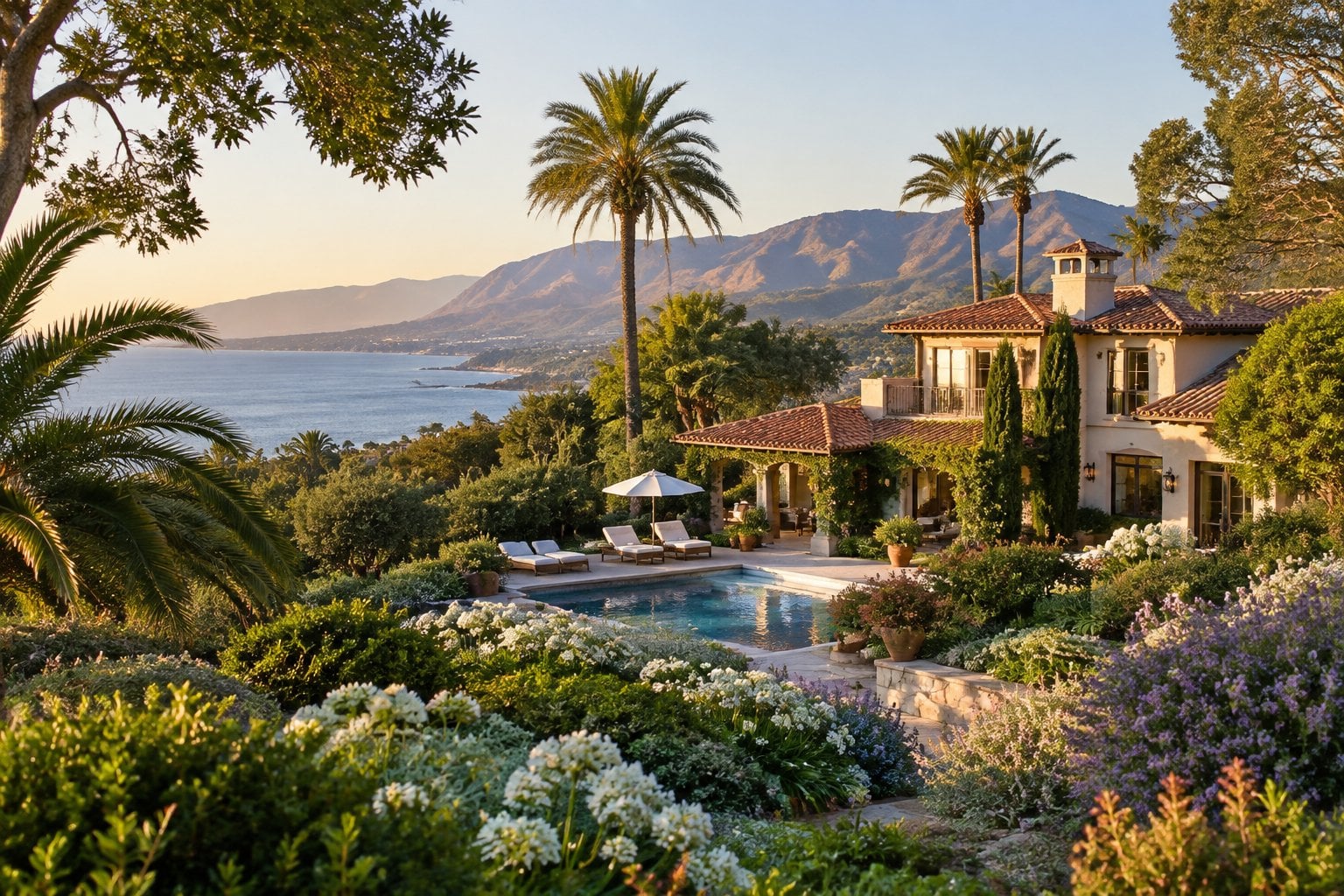
You’ll find Montecito tucked along Santa Barbara’s coastline, consistently ranked among the nation’s priciest ZIP codes. By the end of 2025, the median home price hit $6,192,000, a 6.3% increase from the prior year.
Zillow’s Home Value Index pegs the typical home here at just over $5.3 million, reflecting annual appreciation near 8.6%. If you’re browsing listings, expect entry points starting in the low millions, with top-tier estates reaching well past $60 million.
That ceiling isn’t theoretical. The 2025 sale of 700 Picacho Lane closed at $60 million, reinforcing Montecito’s standing among the five most expensive ZIP codes in the country.
You’re looking at a market shaped by limited inventory, oceanfront proximity, and a long history of high-profile residents. These factors continue to support values that outpace most other California ZIP codes.
7. 81611 – Aspen, Colorado
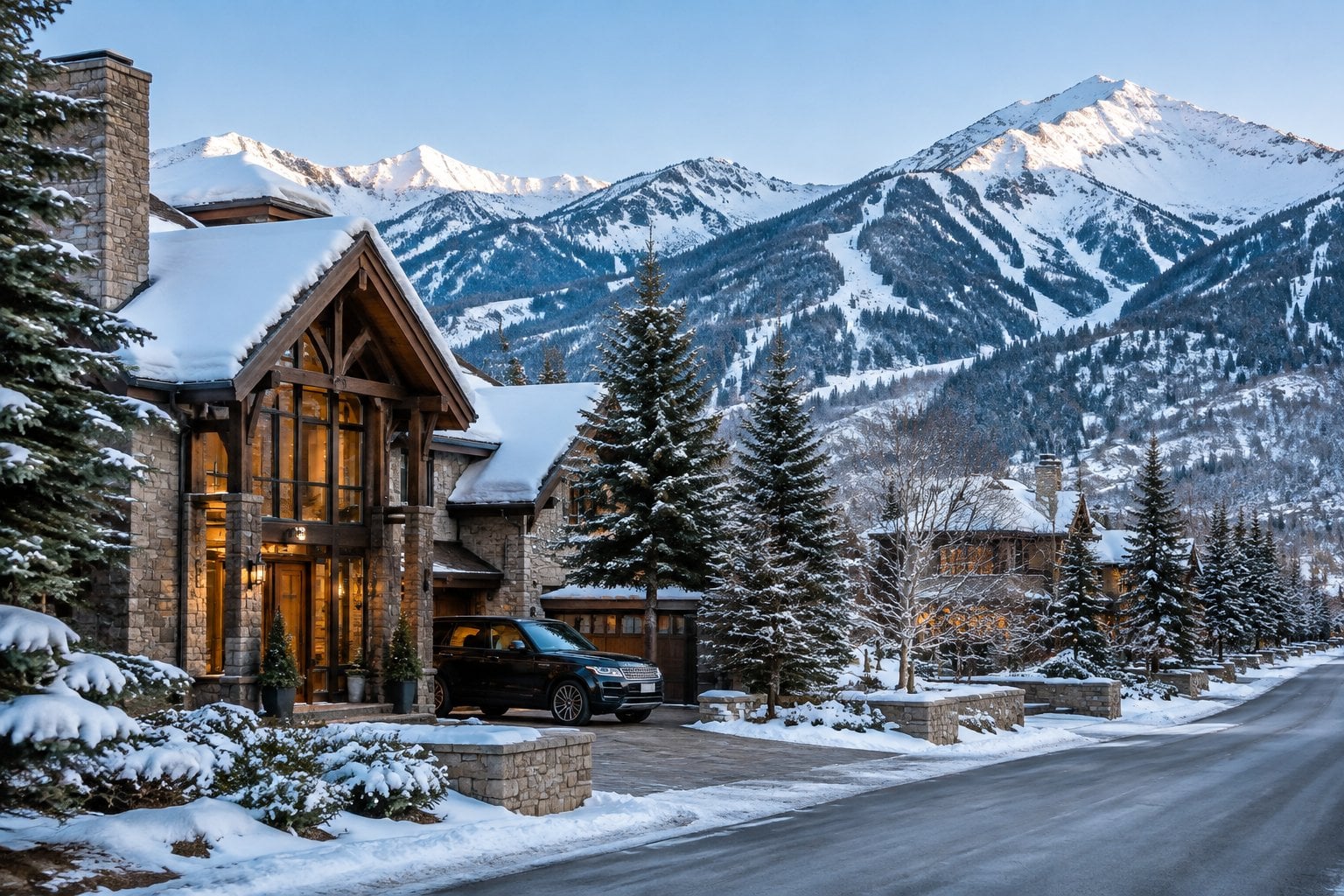
You’ll find Aspen’s 81611 ZIP code consistently ranked among the most expensive in the country. Located in Pitkin County, it draws buyers seeking mountain property with strong resale value and year-round appeal.
Median sale prices here have reached roughly $2.8 million, and list prices have climbed even higher, with some reports putting the figure near $3.67 million. If you’re looking at single-family homes specifically, you’ll notice prices trend upward compared to the broader market.
Pitkin County accounts for two of Colorado’s priciest ZIP codes, and 81611 sits at the top of that list. You won’t find many land-locked markets commanding these prices, which makes Aspen something of an outlier among non-coastal luxury destinations.
Limited inventory, recreational amenities, and the area’s reputation all play a role in sustaining these figures.
8. 94022 – Los Altos, California
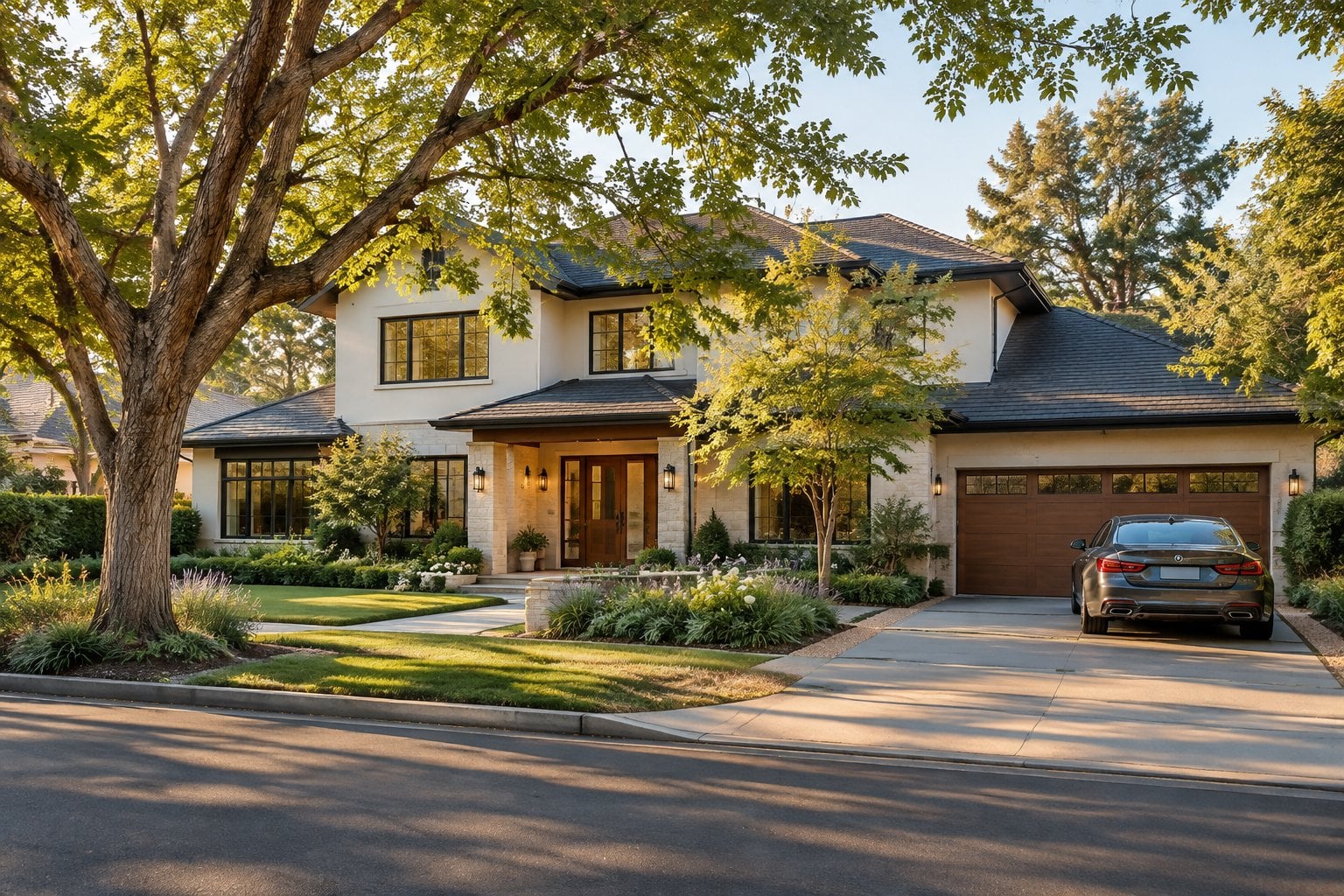
You’ll find this zip code nestled in Silicon Valley, covering parts of Los Altos Hills. It ranks among the top 10 wealthiest zip codes in the country year after year.
Your neighbors here include tech executives and venture capitalists drawn to the area’s proximity to major employers. Homes typically sell for well over a million dollars, reflecting the intense demand for Bay Area real estate.
If you’re considering a move here, you’ll want to understand the local market dynamics first. Santa Clara County holds 15 zip codes in the nation’s top 100, making it the second-most-expensive county overall.
You’ll notice that 94022 consistently competes with nearby 94024 for bragging rights in local rankings. Both zip codes draw from the same pool of affluent buyers and the same limited housing supply.
9. 94024 – Los Altos, California
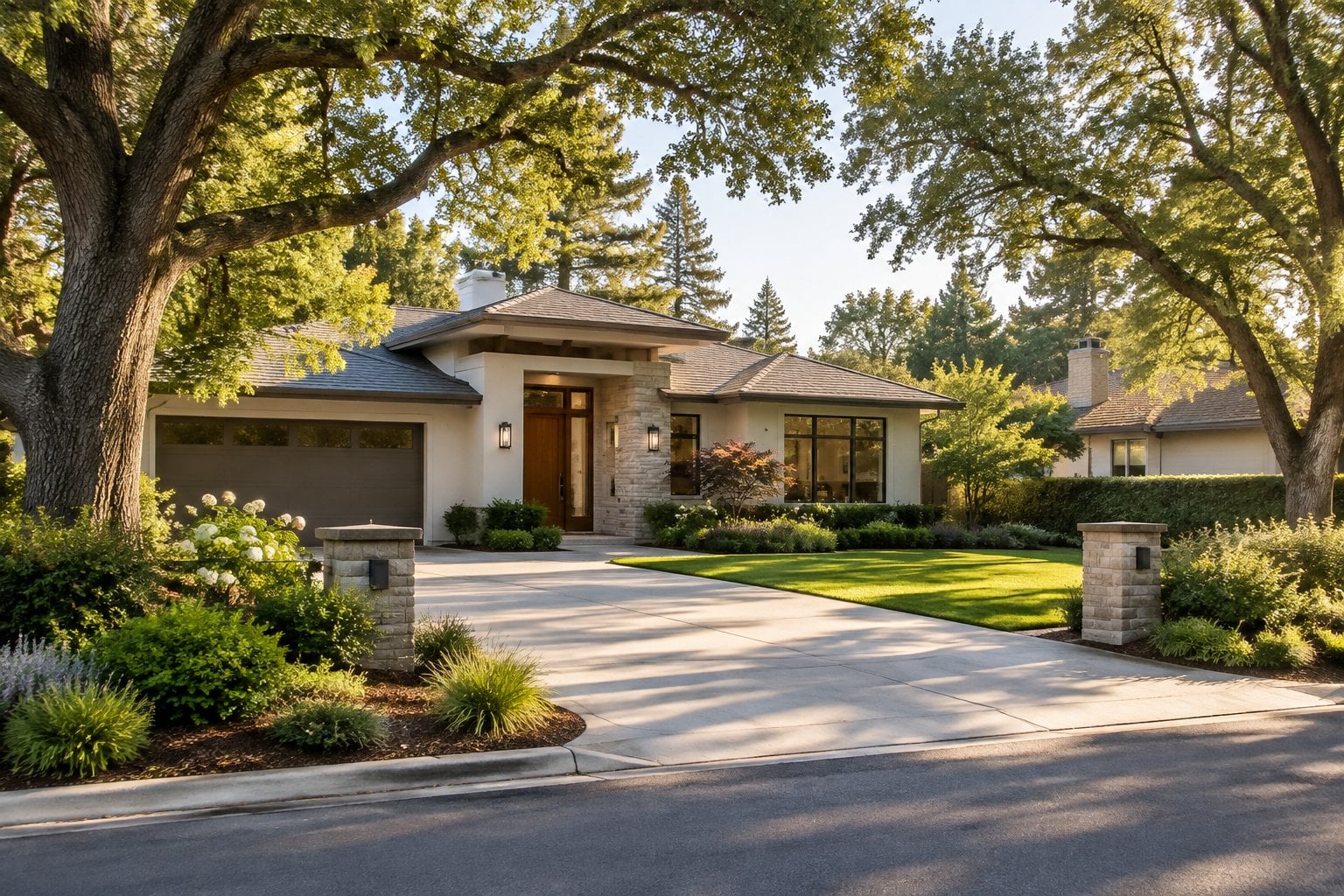
If you’re looking at ZIP code 94024, you’re looking at one of Silicon Valley’s most established wealth centers. Median home values here run into the millions, placing it consistently among the nation’s top-tier real estate markets.
This area covers the southern portion of Los Altos and parts of Los Altos Hills. You’ll find tree-lined streets, large residential lots, and proximity to major tech employers throughout the region.
The appeal largely comes down to location. You’re close to Stanford University and within easy reach of the job centers that define the South Bay economy.
Buyers here tend to have significant financial resources, and competition for available homes remains strong. You won’t find many bargains in this ZIP code, as scarcity and demand keep prices elevated year after year.
10. 94301 – Palo Alto, California
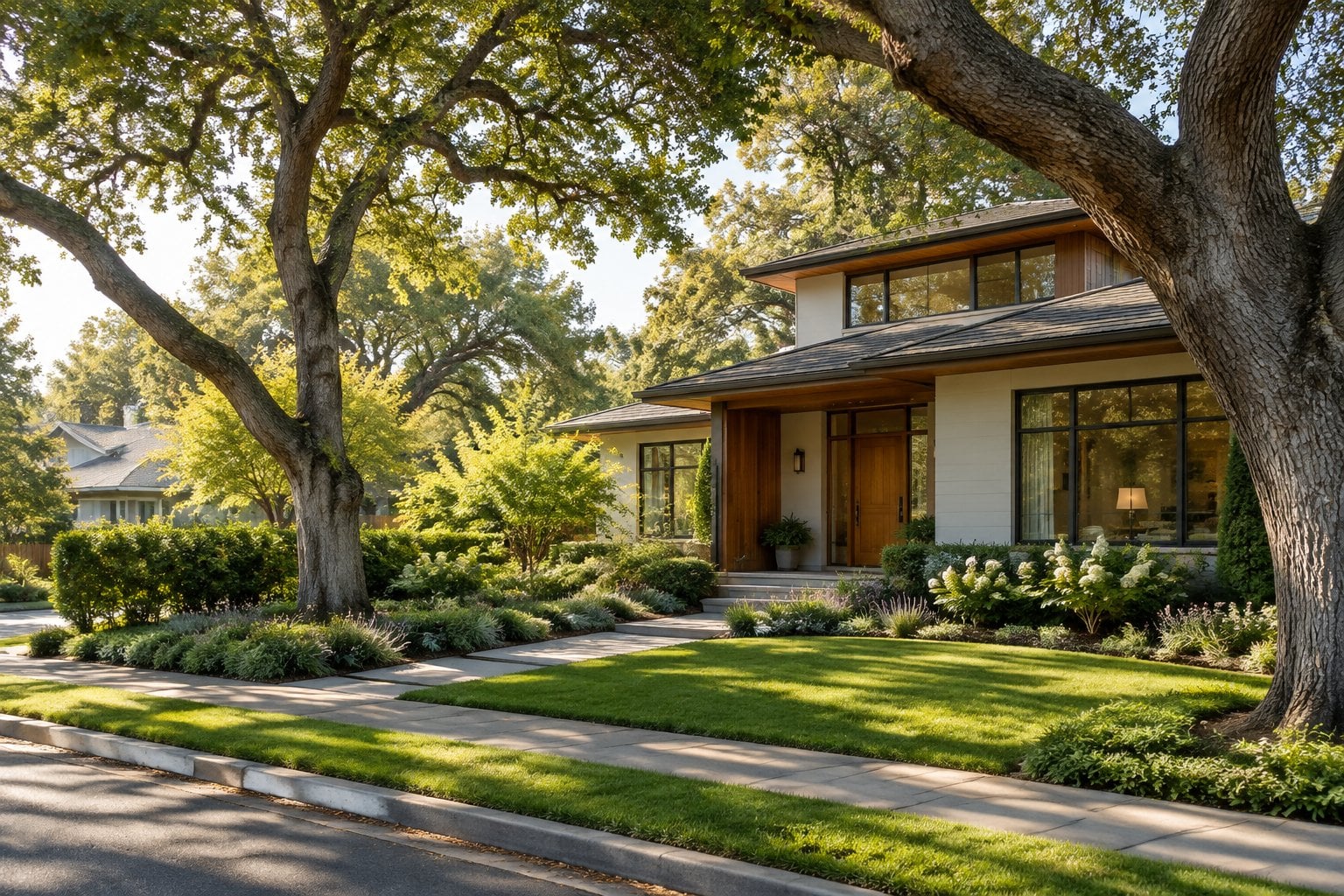
If you’re looking at property near Stanford University, this ZIP code puts you in one of the nation’s priciest housing markets. The median home price here reaches $3.6 million, placing it among the top 20 most expensive ZIP codes nationally.
You’ll find this area sits within Santa Clara County, in the heart of Silicon Valley. The proximity to Stanford draws academics, tech executives, and entrepreneurs who want easy access to the university and the broader innovation economy surrounding it.
Your children would attend schools within the Palo Alto Unified School District, which serves students from kindergarten through 12th grade. The district includes three public schools and four private school options within this specific ZIP code.
California dominates lists of expensive ZIP codes, and you’ll notice Palo Alto appears multiple times across these rankings, with 94301 representing one of several high-value areas in this Peninsula city.
11. 94010 – Hillsborough, California
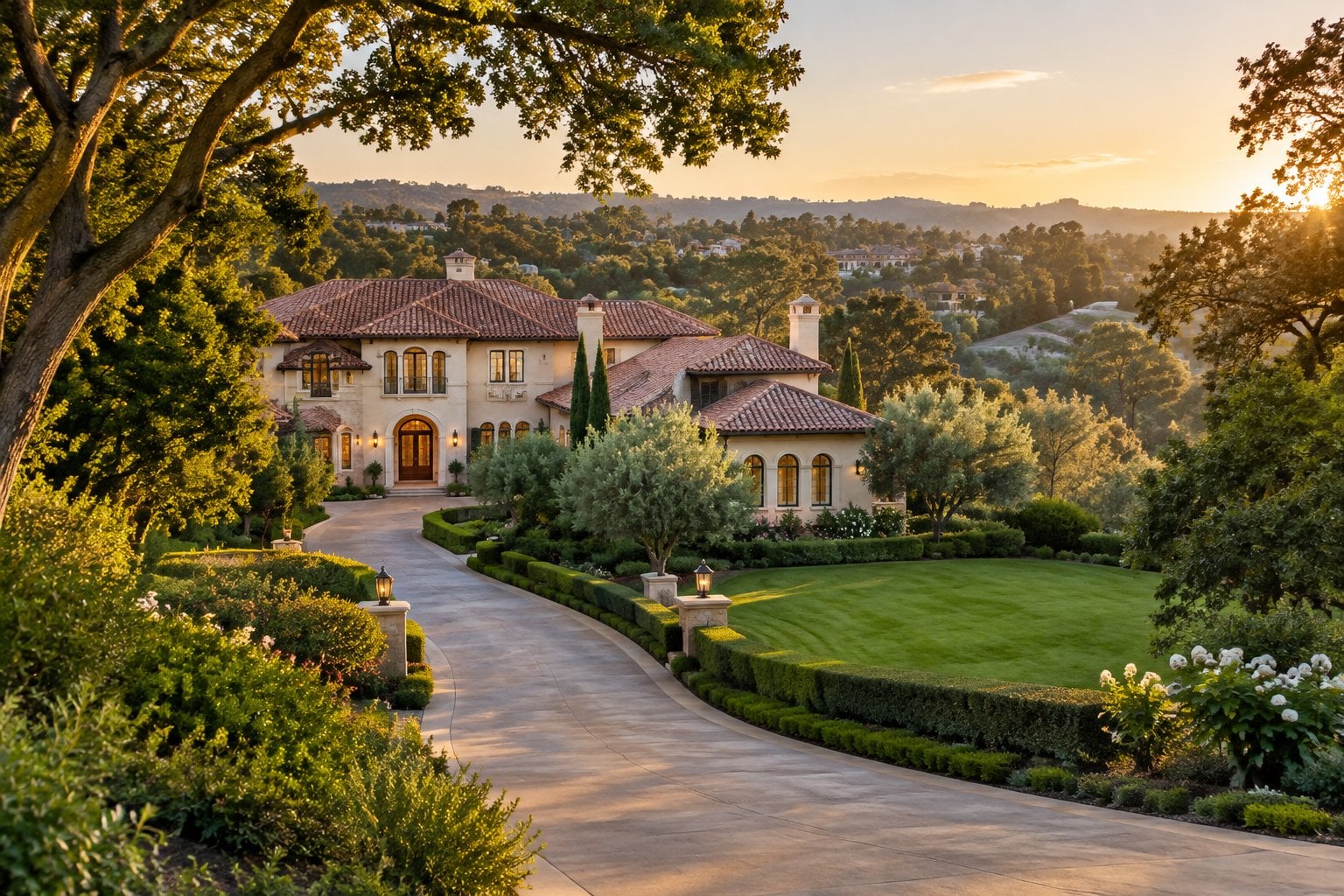
Hillsborough sits on the San Francisco Peninsula, just south of the city and bordering Burlingame. You’ll find a community built almost entirely around large residential estates, with no commercial zoning allowed within town limits.
Median home sale prices here reach into the mid-$3 million range. That places Hillsborough among the priciest ZIP codes in California, though it trails behind neighbors like Atherton.
The town’s layout emphasizes privacy and space. Lots tend to be large, often exceeding an acre, and many properties include mature landscaping, gated entries, and architectural styles ranging from Mediterranean to traditional estate homes.
You won’t find retail strips or office parks in Hillsborough—residents rely on nearby Burlingame and San Mateo for shopping and dining. Its proximity to Silicon Valley and San Francisco makes it attractive to executives and professionals who want seclusion without sacrificing a short commute.
12. 94957 – Ross, California
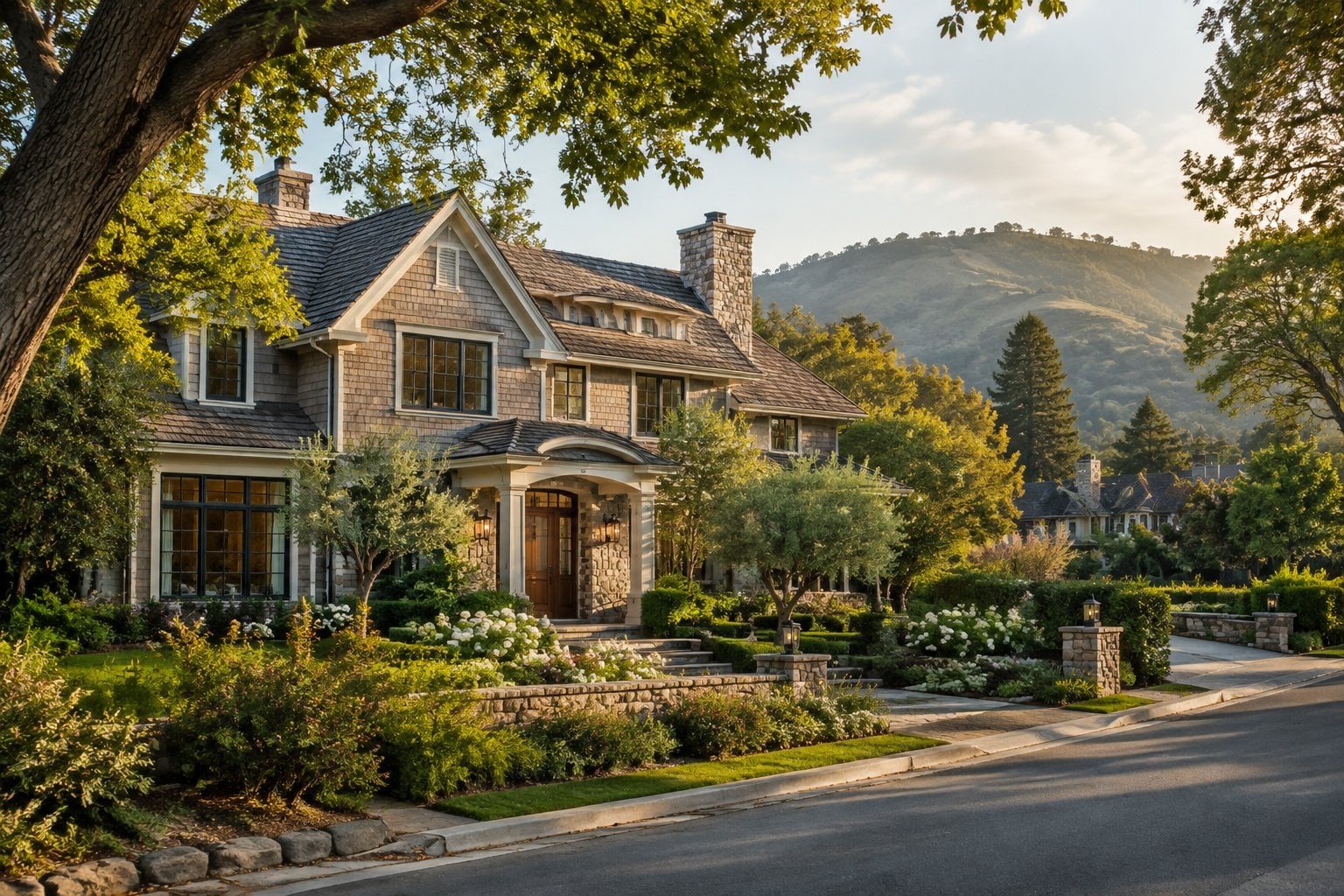
Ross sits in Marin County, just north of San Francisco. Home values here typically exceed $4 million, placing it among the priciest ZIP codes in the country.
You’ll find a small, tight-knit community in Ross, with a population numbering only in the low thousands. The town’s limited housing stock contributes to its elevated prices, since demand consistently outpaces supply.
Wooded hillsides and proximity to Mount Tamalpais give Ross a quieter, more secluded feel than denser Bay Area suburbs. Many properties sit on larger lots, offering privacy that’s harder to find closer to San Francisco.
Marin County’s broader reputation for high-end real estate extends into Ross, where your neighbors are likely to include executives and professionals drawn to the area’s schools and natural surroundings. The combination of scarcity and location keeps Ross firmly positioned among California’s most expensive ZIP codes.
13. 94920 – Belvedere, California
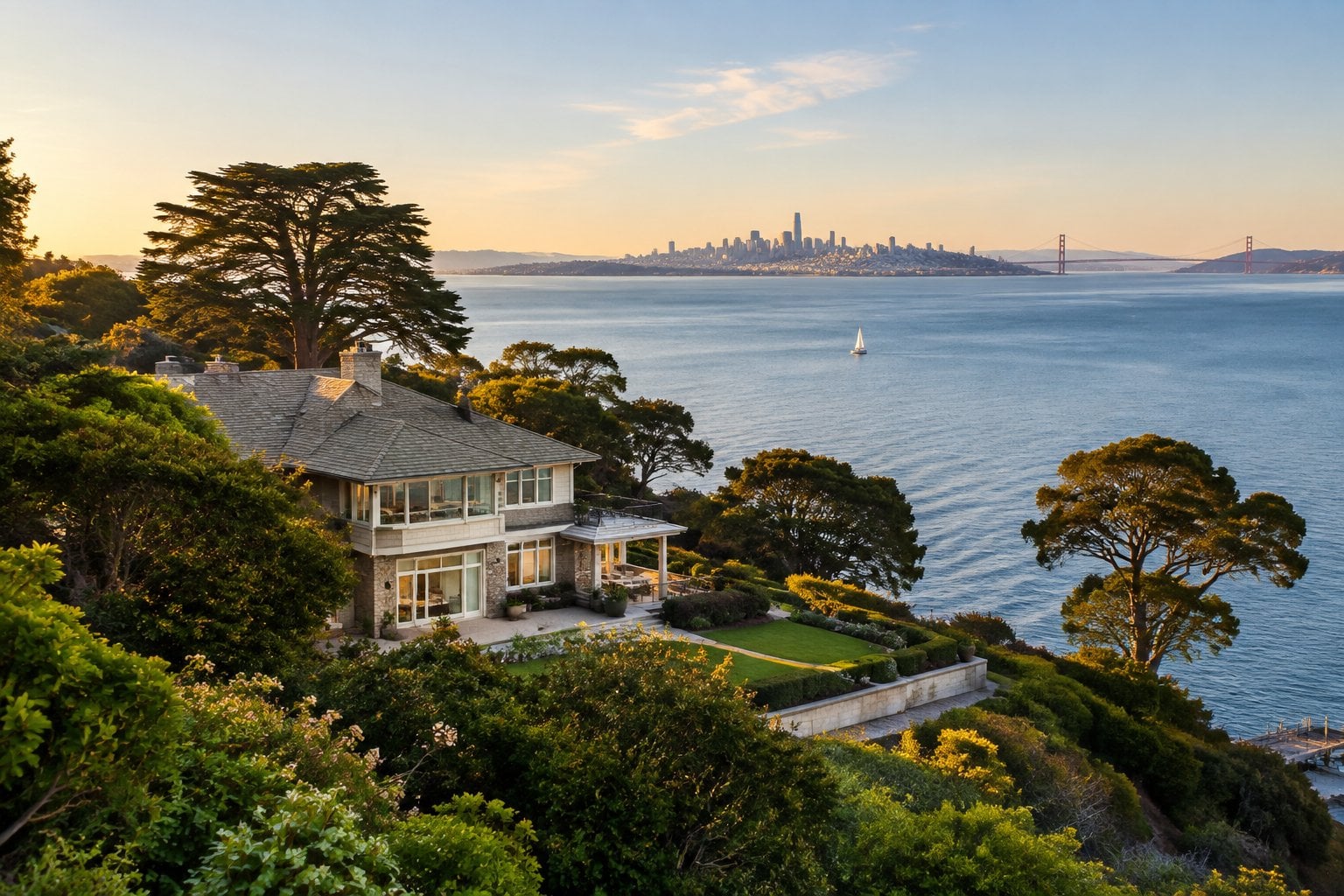
You’ll find Belvedere tucked onto a small peninsula and island in Marin County, just across the bay from San Francisco. Median home values here sit around $2.8 million, putting this ZIP code firmly among the nation’s priciest.
Your view here is the draw. Properties often face the San Francisco skyline, Angel Island, or the bay itself, and that waterfront access commands a steep premium.
Belvedere’s housing stock leans toward low-density, custom-built homes, many with private docks. You won’t find much multifamily development or dense construction competing for space.
Marin County as a whole contributes several ZIP codes to national rankings of expensive housing, and Belvedere consistently ranks near the top of that group. Its small size and limited inventory keep competition among buyers tight, reinforcing the elevated price floor you’d expect in this market.
14. 94970 – Stinson Beach, California
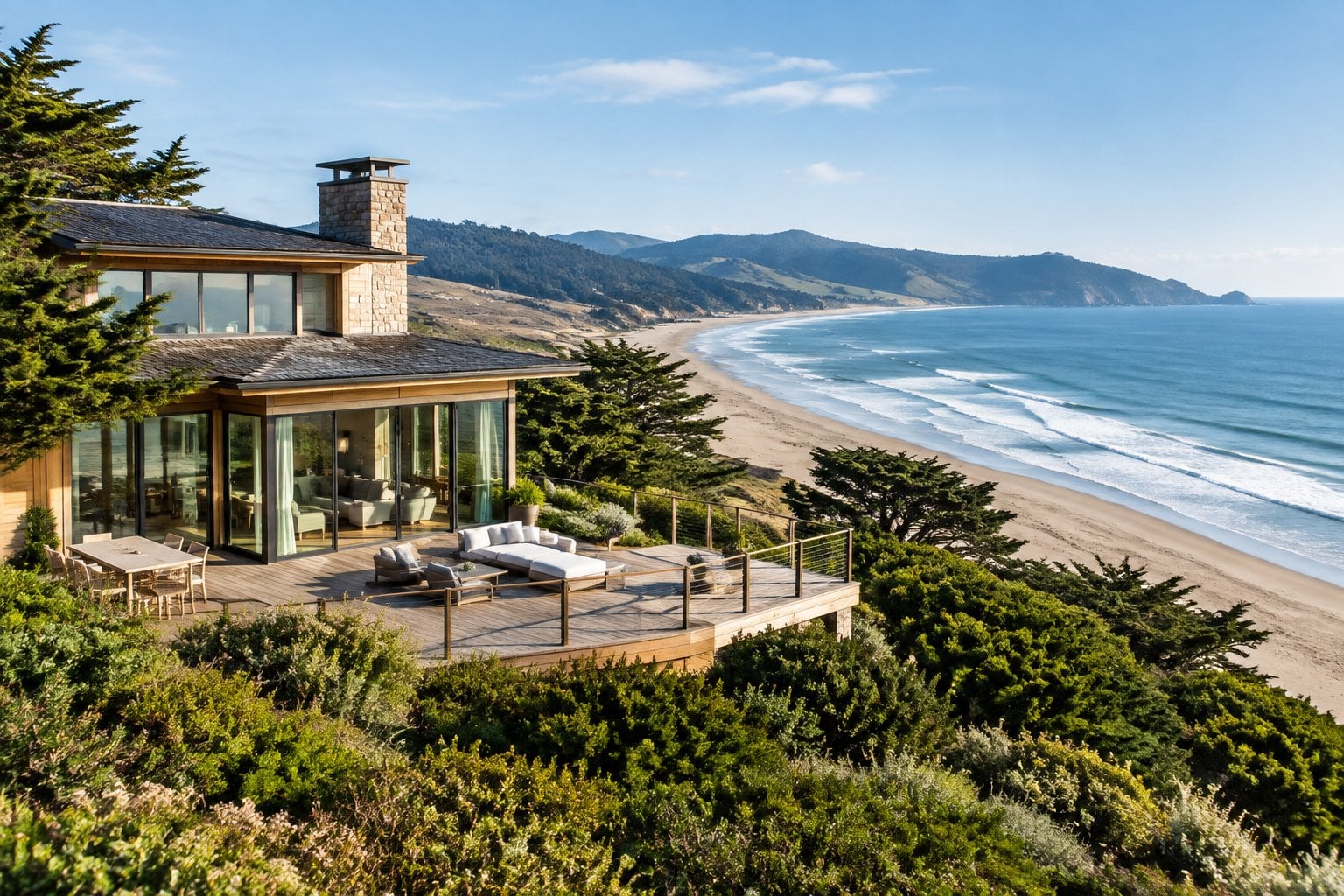
Stinson Beach sits along the Marin County coastline, a small unincorporated community defined by its proximity to the Pacific. The median home price here climbed to roughly $5.26 million, a jump of about 38% from the prior year.
You won’t find density in this ZIP code. Homes are limited, beachfront, and surrounded by protected land, which keeps supply tight and prices moving upward.
Marin County places six ZIP codes on national rankings of priciest real estate, and Stinson Beach leads that group. You’re looking at a market shaped by scarcity rather than size, since the town’s population stays small year-round.
Access matters too. The drive from San Francisco takes you through Mount Tamalpais State Park, reinforcing the sense of seclusion that buyers pay for. Demand here reflects a preference for coastal isolation over urban convenience.
15. 92067 – Rancho Santa Fe, California
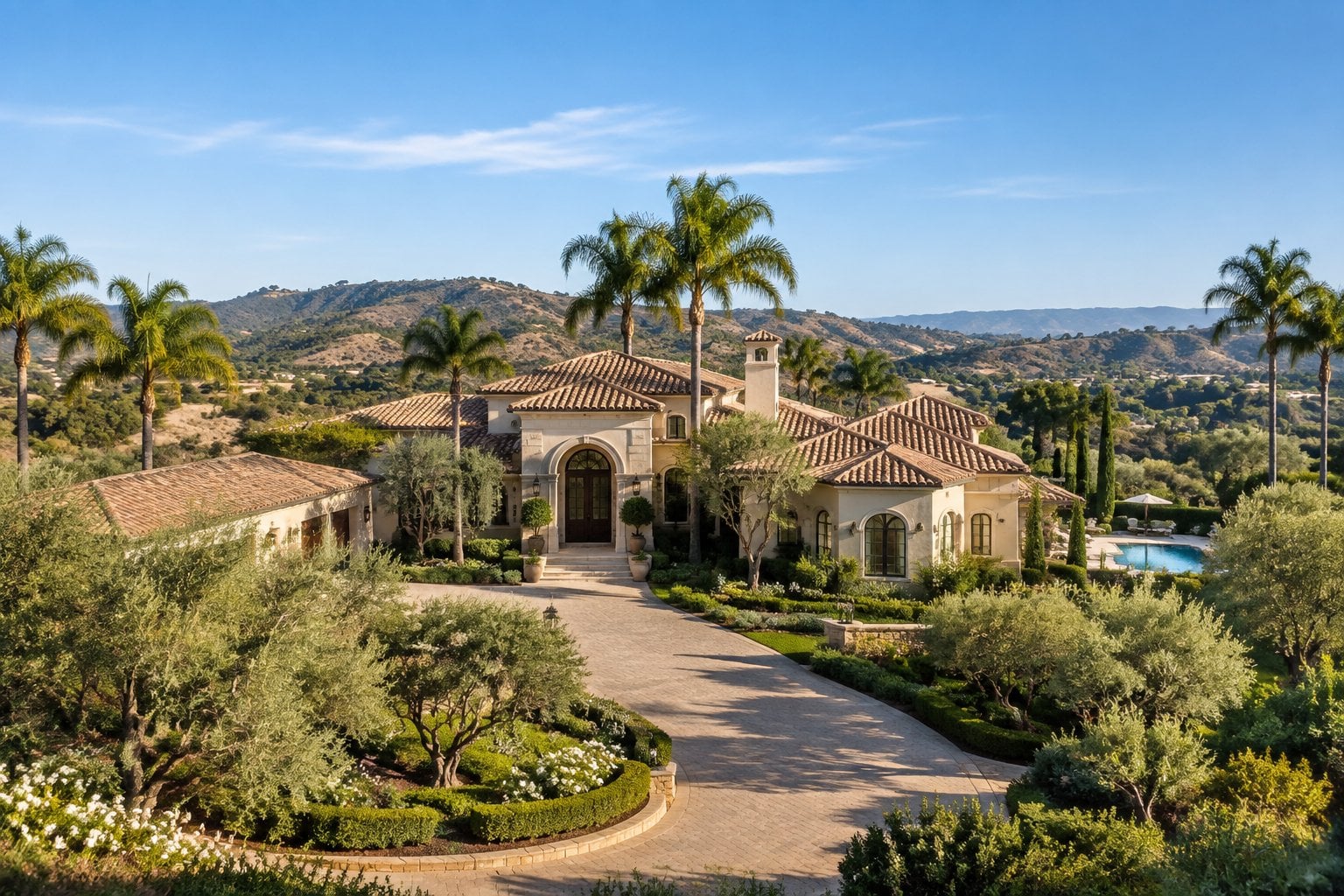
You’ll find Rancho Santa Fe’s 92067 ZIP code consistently ranked among the nation’s most expensive, with a median home listing price near $6 million. Home values here have climbed steadily, reflecting strong demand for the area’s estate-style properties.
What sets this community apart is the Rancho Santa Fe Covenant, a set of standards requiring lot sizes between two and ten acres along with strict architectural guidelines. These rules have preserved the area’s low-density, estate character for decades.
You’re looking at San Diego County’s wealthiest neighborhood when you consider Rancho Santa Fe. It regularly outpaces every other local ZIP code on national rankings of priciest areas.
Despite national rankings showing a slight dip in buyer interest recently, Rancho Santa Fe’s position near the top has remained stable. Its combination of large lots, privacy, and strict development controls continues to support high property values across the ZIP code.
16. 90265 – Malibu, California
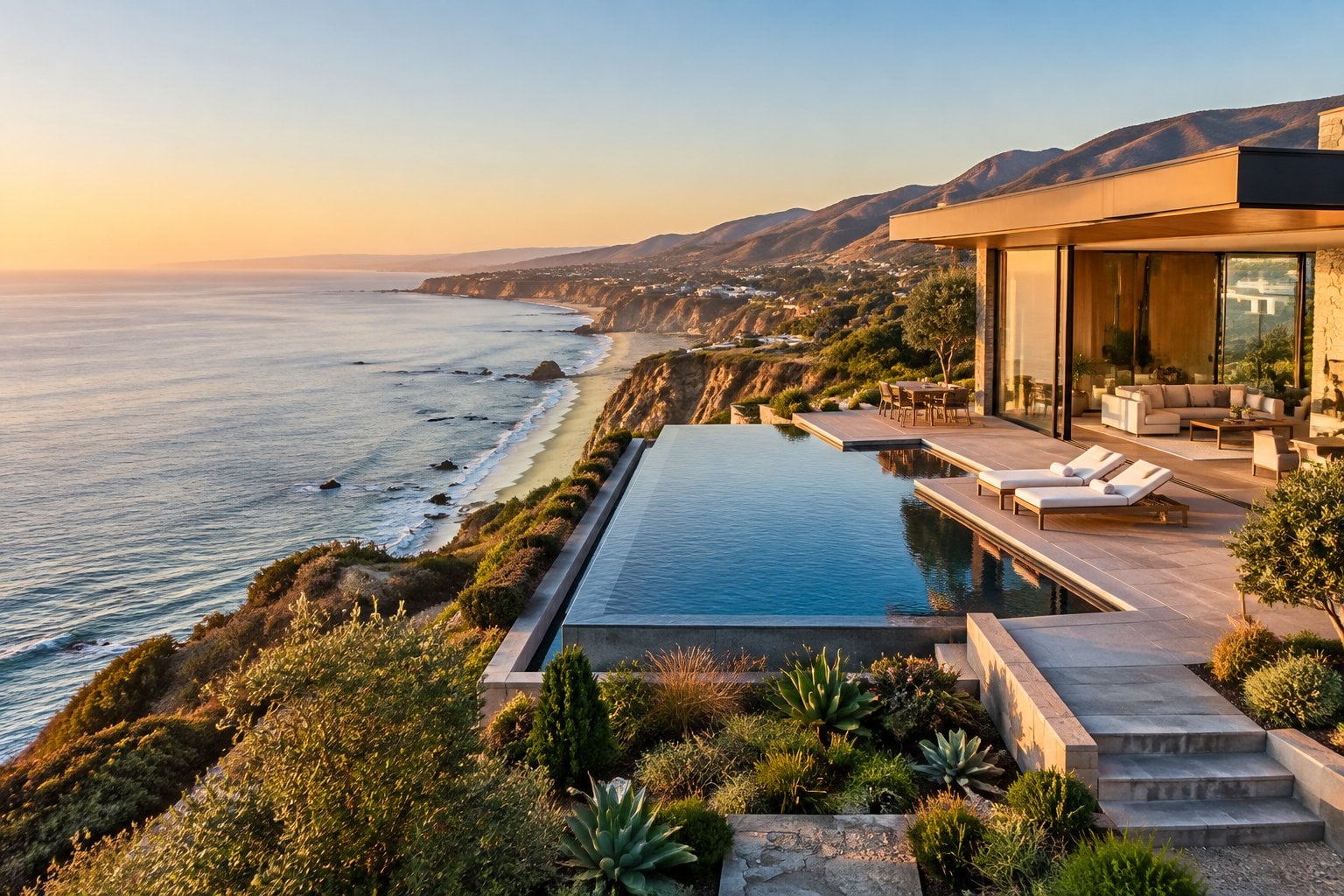
You’ll find Malibu’s 90265 ZIP code consistently ranked among the most expensive in the country. Rankings vary by source and timeframe, but median prices typically range from the mid-$2 million to the high-$6 million mark depending on the dataset and whether it reflects list or sale prices.
What drives this valuation is direct beach access. Properties here often feature panoramic ocean views and architecture designed to take advantage of coastal living.
Recent data shows some volatility in this market. One analysis noted a steep year-over-year drop in buyer interest alongside price recalibration, suggesting the market has cooled somewhat from its peak.
Despite this, you’re still looking at a ZIP code where entry-level pricing remains well beyond reach for most buyers. Malibu’s combination of scarcity, location, and lifestyle appeal keeps it firmly positioned among the nation’s top luxury markets.
17. 90077 – Bel Air, California
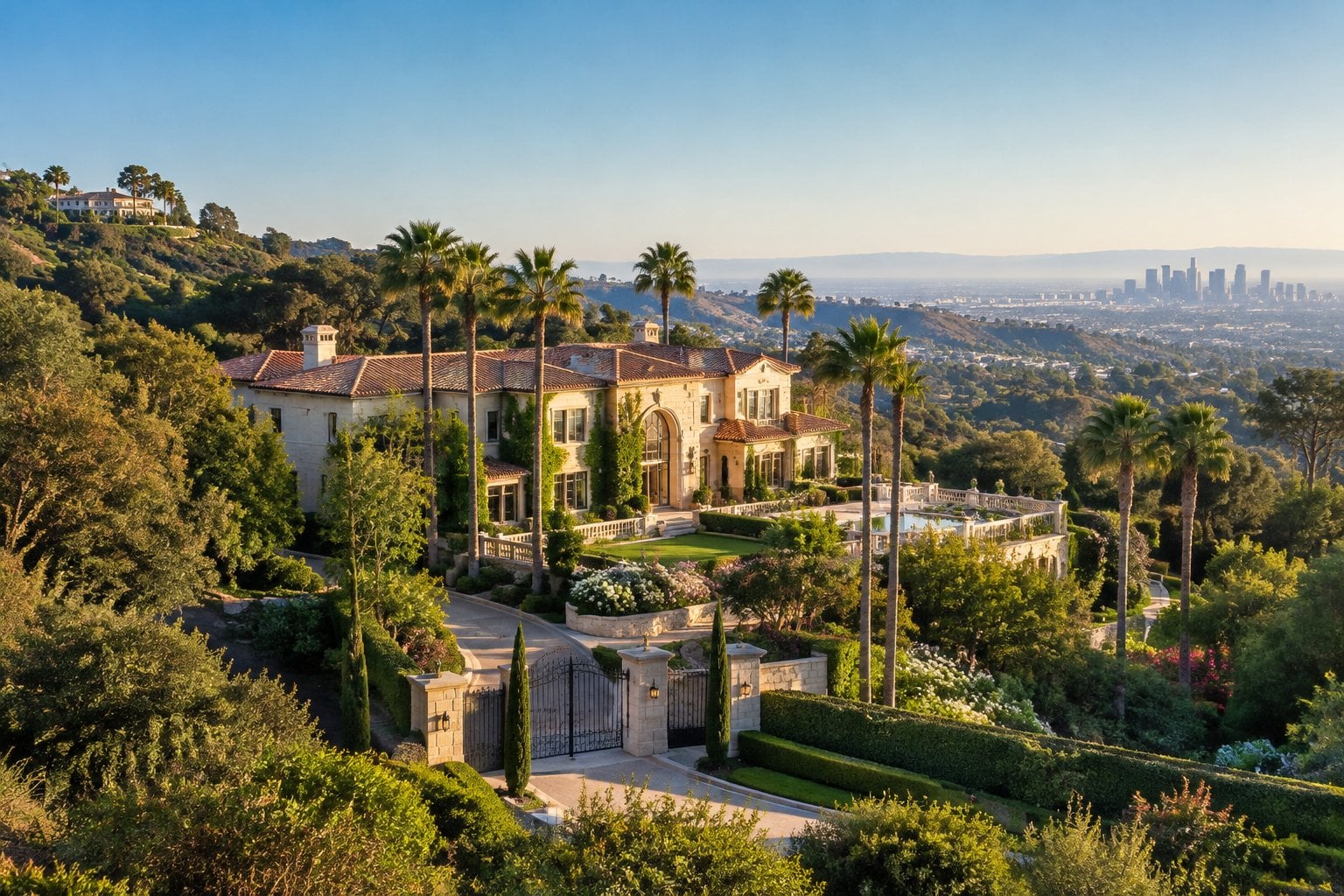
You’ll find ZIP code 90077 covers Bel Air, along with the Beverly Crest and Holmby Hills areas of Los Angeles. This is one of the most recognized luxury enclaves in California.
Home values here typically run in the multi-million dollar range. You can expect gated estates, hillside lots, and properties that emphasize privacy and seclusion.
The area draws buyers who want proximity to Beverly Hills and West Los Angeles without sacrificing exclusivity. Large lot sizes and architect-designed homes are common throughout the neighborhood.
If you’re researching this market, you’ll notice that inventory tends to stay limited. Demand from high-net-worth buyers keeps competition steady, even as broader housing trends shift.
Bel Air’s reputation was built over decades, and it continues to anchor Los Angeles as a center for high-end residential real estate.
18. 10013 – Tribeca, New York
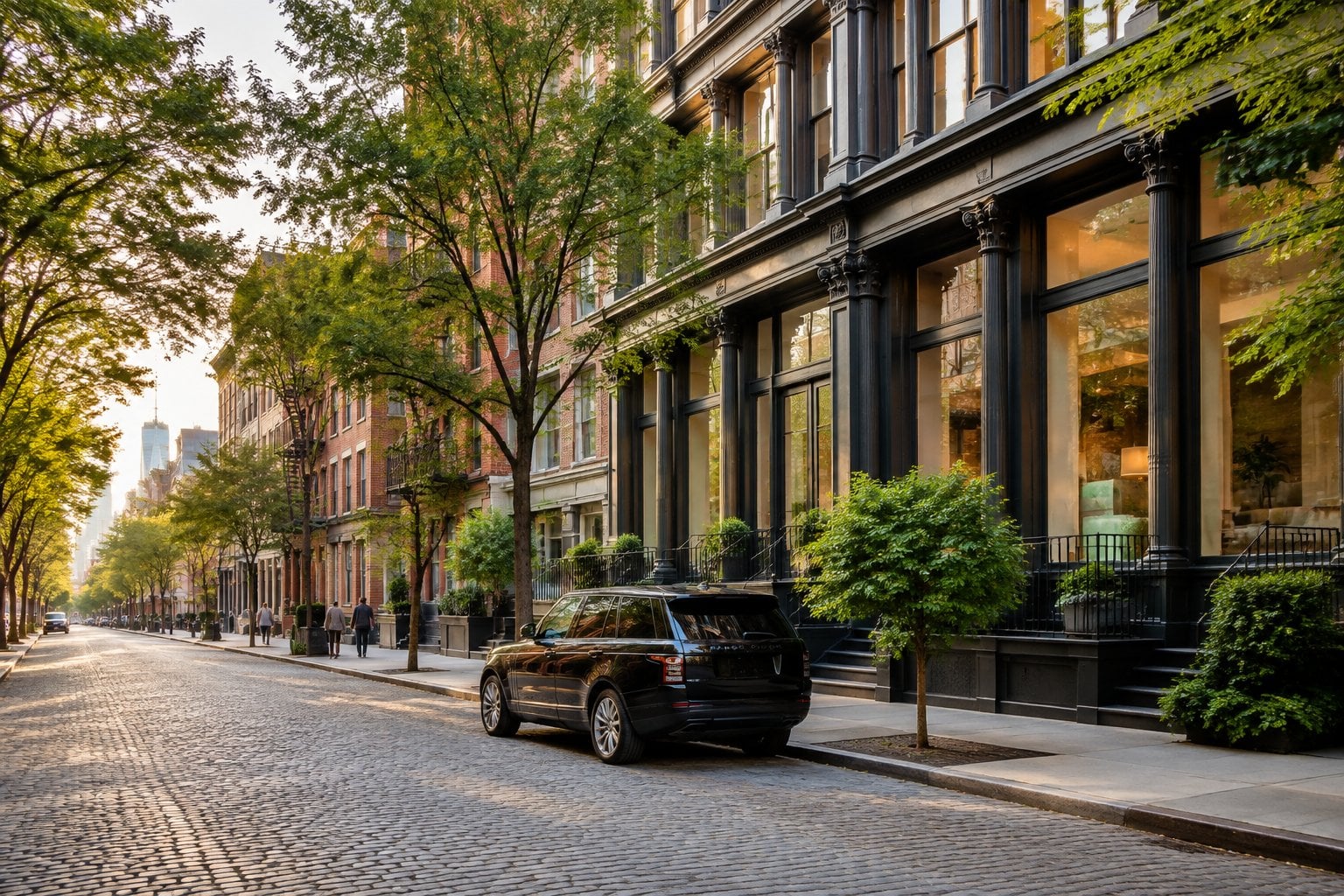
You’ll find Tribeca’s 10013 ZIP code among the most expensive residential areas in the country. Median sale prices here have ranged between roughly $3.4 million and $4.1 million in recent market data, depending on the source and reporting period.
The neighborhood centers on Canal Street and stretches from Chinatown in the east to the Hudson River in the west. You’ll notice a mix of converted industrial lofts and newer luxury condominiums, a combination that defines much of the area’s residential character.
Home values in this ZIP code have softened compared to five years ago, according to Zillow data. Still, you’ll see this address consistently ranked as New York City’s priciest, outpacing other Manhattan neighborhoods on a median basis.
If you’re considering this market, expect competition for inventory. Homes here have sold after an average of roughly 91 days on the market, reflecting steady but measured buyer interest at this price point.
19. 10007 – Tribeca, New York
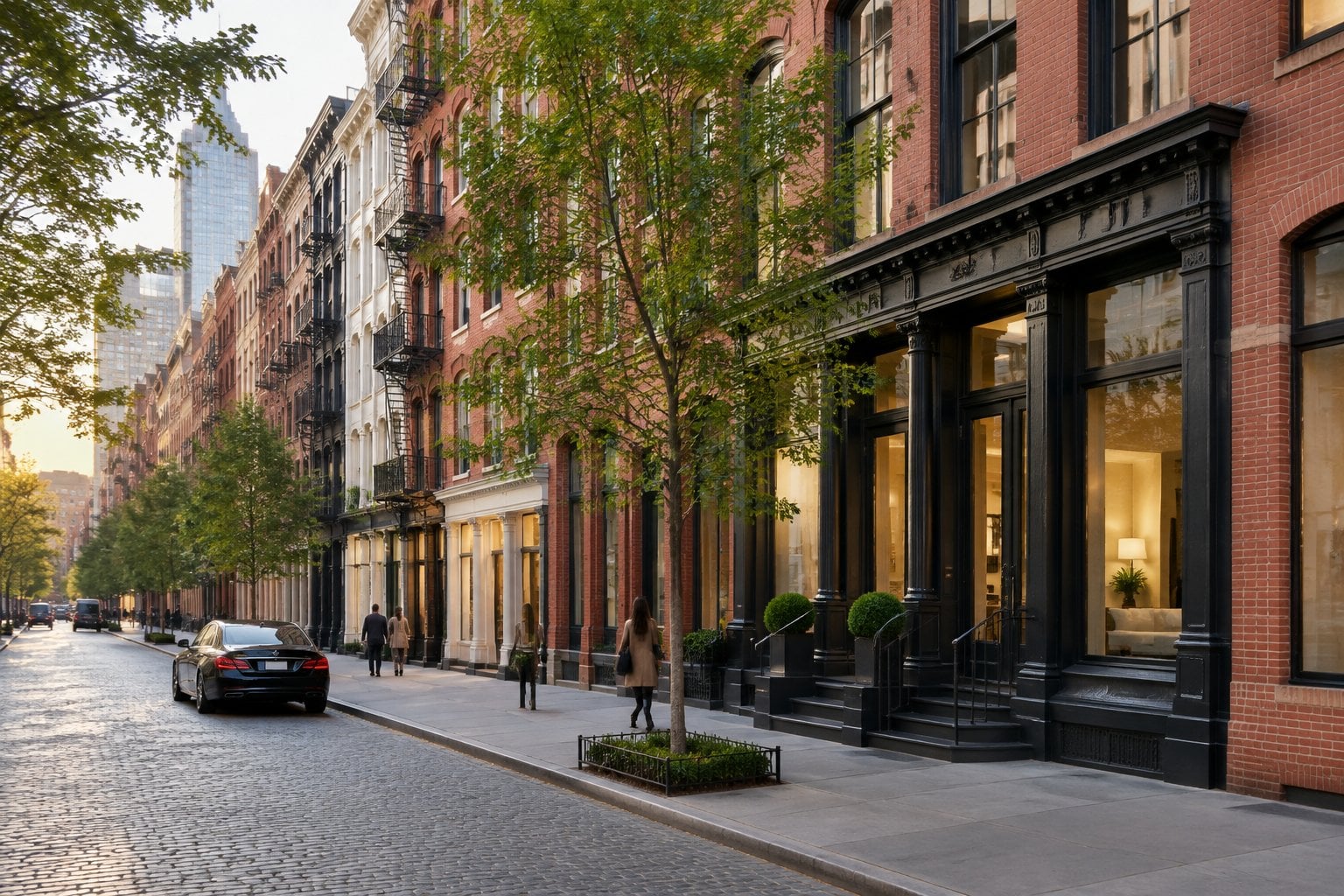
Tribeca’s 10007 ZIP code ranks among the most expensive in the country, with a median sale price around $4.1 million. You’ll find this neighborhood tucked into lower Manhattan, where converted industrial lofts and cast-iron buildings define the streetscape.
Many residents here earn substantial incomes, with a notable share reporting annual earnings above $200,000. This financial profile reflects the area’s reputation as a magnet for high-net-worth buyers.
If you walk through Tribeca, you’ll notice cobblestone streets alongside upscale restaurants and boutiques. The neighborhood’s proximity to downtown Manhattan adds to its appeal, giving residents easy access to business districts and cultural attractions.
Property values here have remained consistently high over the years. You’re looking at a market where historic architecture meets modern luxury, creating demand that keeps prices elevated across the zip code.
20. 10021 – Upper East Side, New York
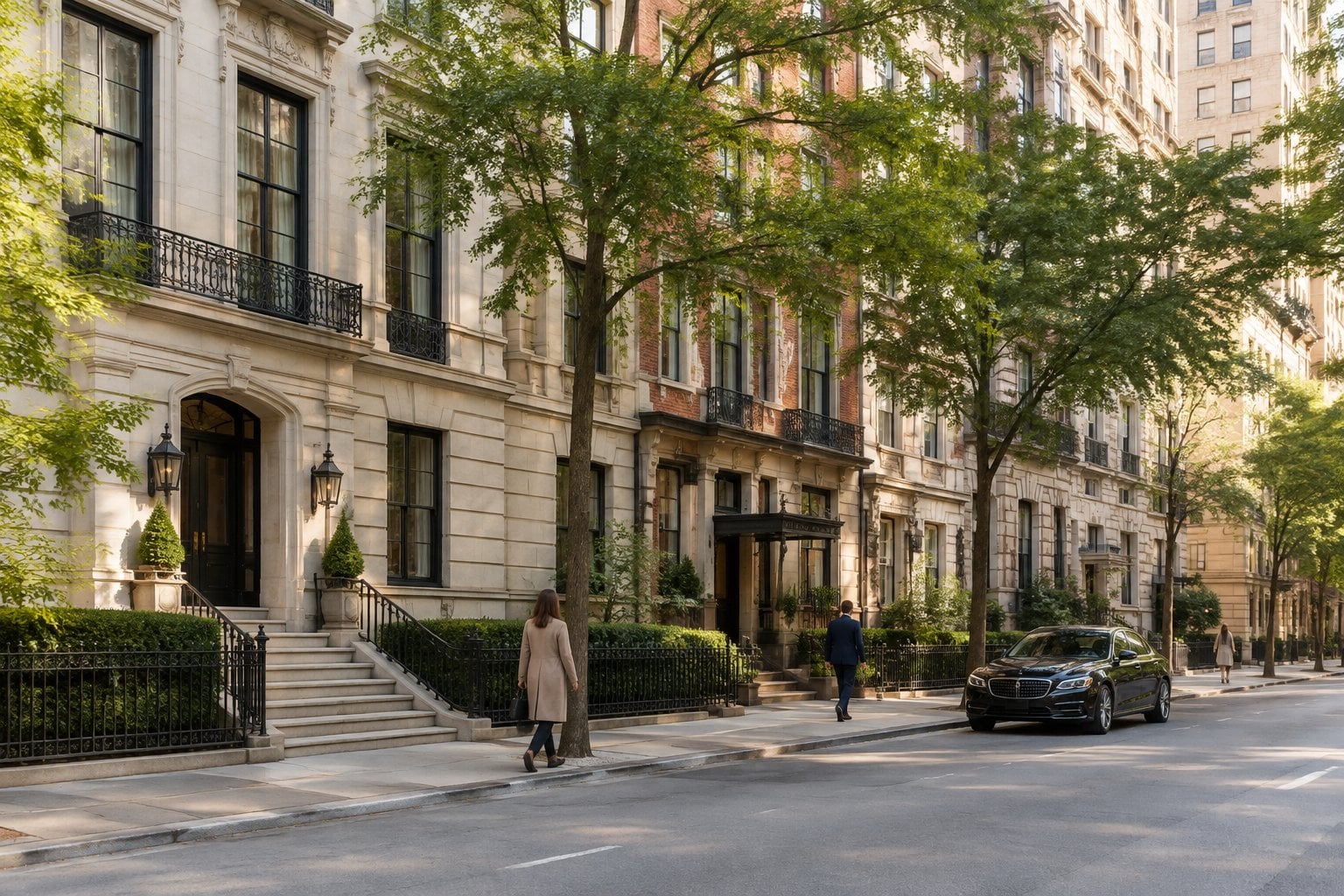
If you’re looking at this ZIP code, you’re looking at one of Manhattan’s most established addresses. It sits on the Upper East Side, bordered by Central Park and the East River, and has carried a reputation for wealth and exclusivity for decades.
You’ll find prewar co-ops and townhouses here alongside luxury condo towers. Many of these buildings date back to the early 20th century, offering classic architectural details that newer construction can’t replicate.
Your neighbors in this area include some of the city’s oldest-money families, along with professionals and executives drawn to the proximity to Central Park and Fifth Avenue. The neighborhood also encompasses smaller pockets like Lenox Hill, which adds to its layered character.
You won’t find many bargains here. Limited inventory and steady demand keep prices elevated, and the area’s long-standing prestige continues to attract buyers who want a foothold in one of New York’s most recognized residential districts.
21. 10065 – Upper East Side, New York
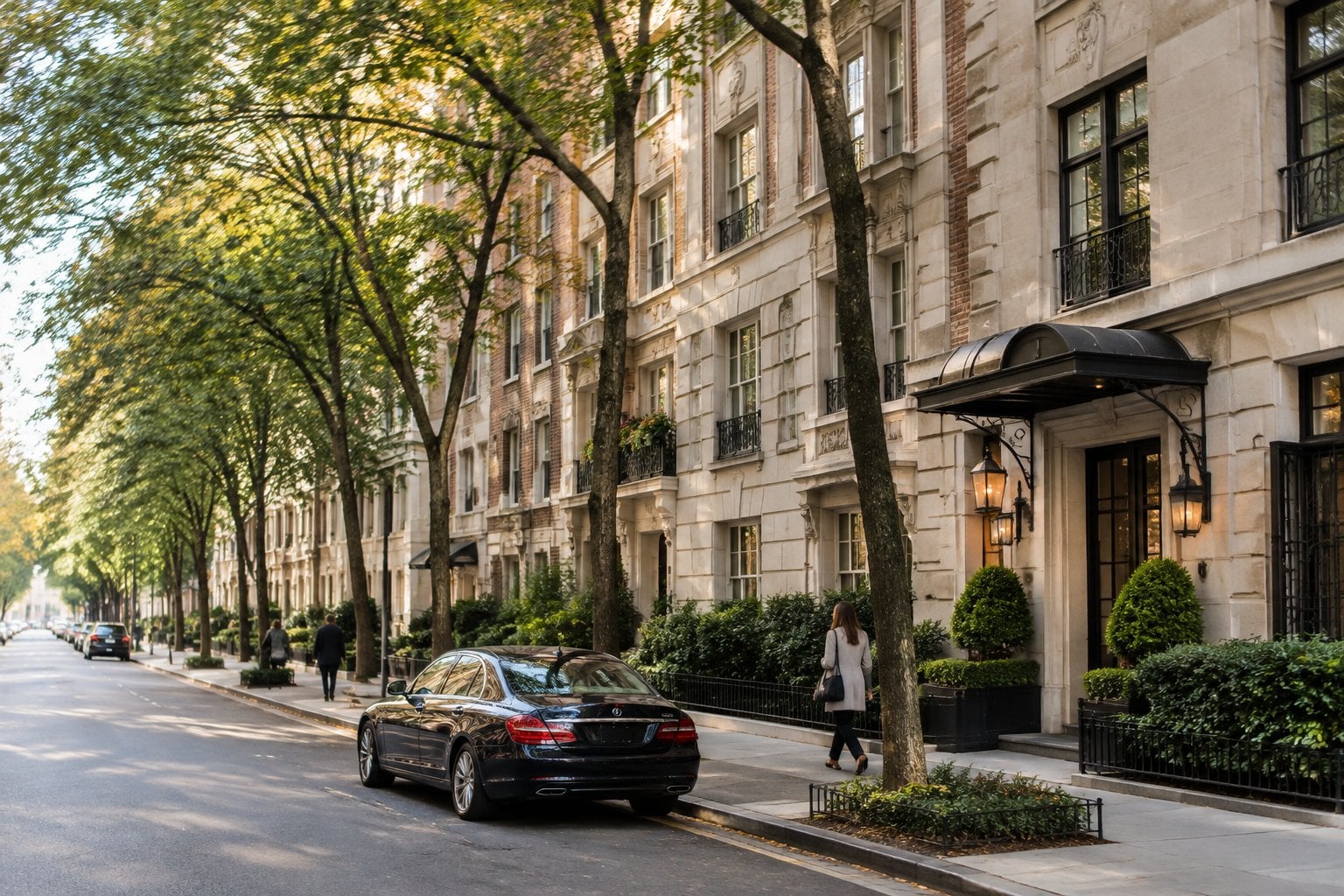
You’ll find ZIP code 10065 on Manhattan’s Upper East Side, spanning roughly 60th to 69th Streets between the East River and Fifth Avenue. The median home value here sits around $1.58 million, more than four times the national median.
This ZIP code has repeatedly ranked among the most expensive in the country, at times claiming the top national spot. Inventory in the area tends to run tight, which helps support consistently high prices.
You’re looking at a neighborhood known for prewar co-ops, luxury condominiums, and proximity to Central Park. The area also borders cultural institutions along Museum Mile, adding to its appeal.
If you’re considering property here, expect competition from buyers drawn to the combination of location, architecture, and long-term stability in home values.
22. 10075 – Upper East Side, New York
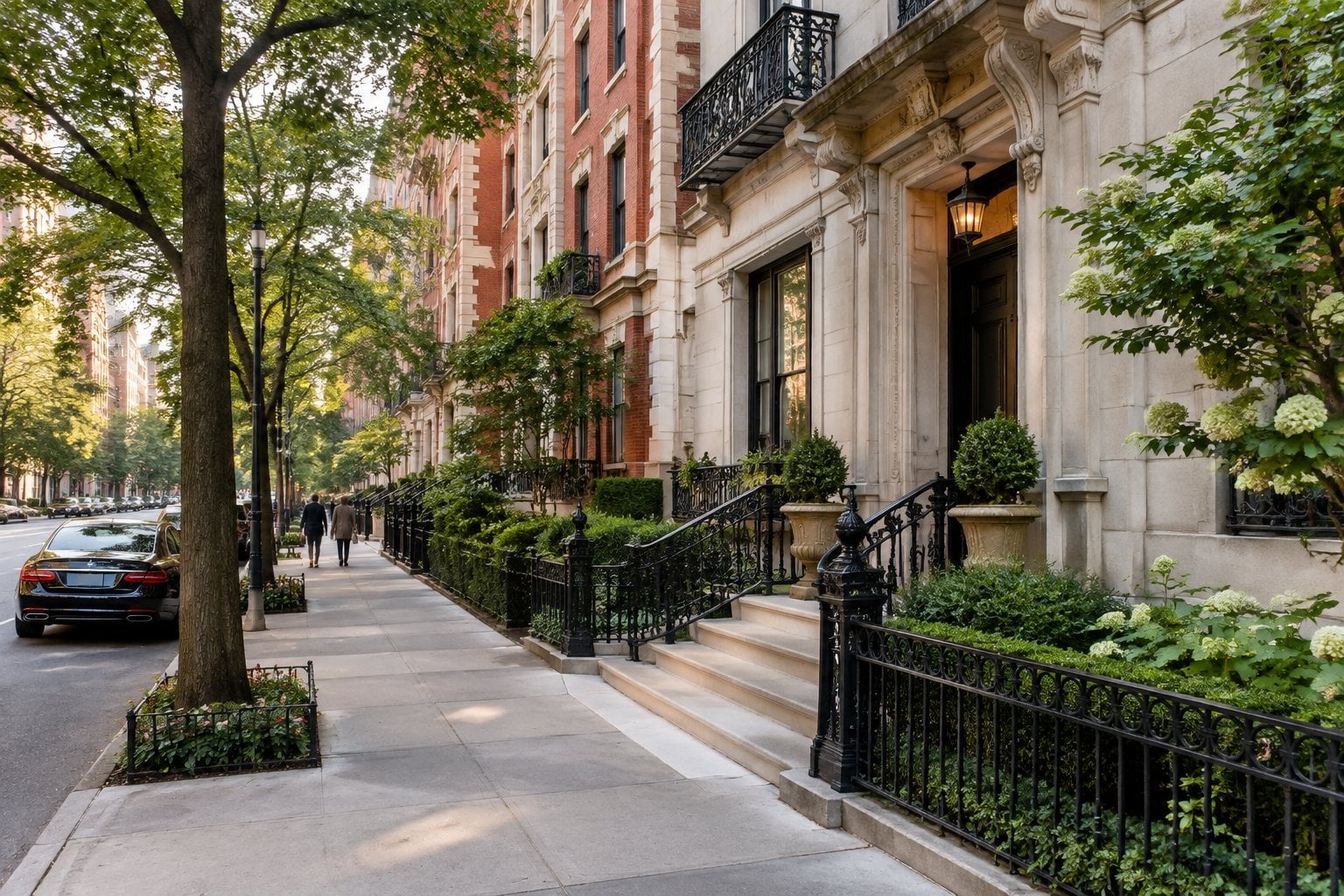
If you’re looking at 10075, you’re looking at one of Manhattan’s most established residential areas. This ZIP code sits on the Upper East Side, bordered by Central Park and the East River.
The median real estate price here runs above $1 million, placing it well above most neighborhoods nationally. You’ll find a mix of prewar co-ops, townhouses, and condo buildings throughout the area.
Proximity matters here. You’re close to Central Park, Museum Mile, and some of the city’s most recognized cultural institutions, including the Metropolitan Museum of Art.
The neighborhood draws buyers who want established infrastructure, good transit access, and a quieter residential feel compared to midtown. You’ll also notice a strong concentration of private schools and medical centers, including several affiliated with major hospitals.
Housing stock here tends to hold value due to limited new construction and consistent demand from both domestic and international buyers.
23. 10014 – West Village, New York
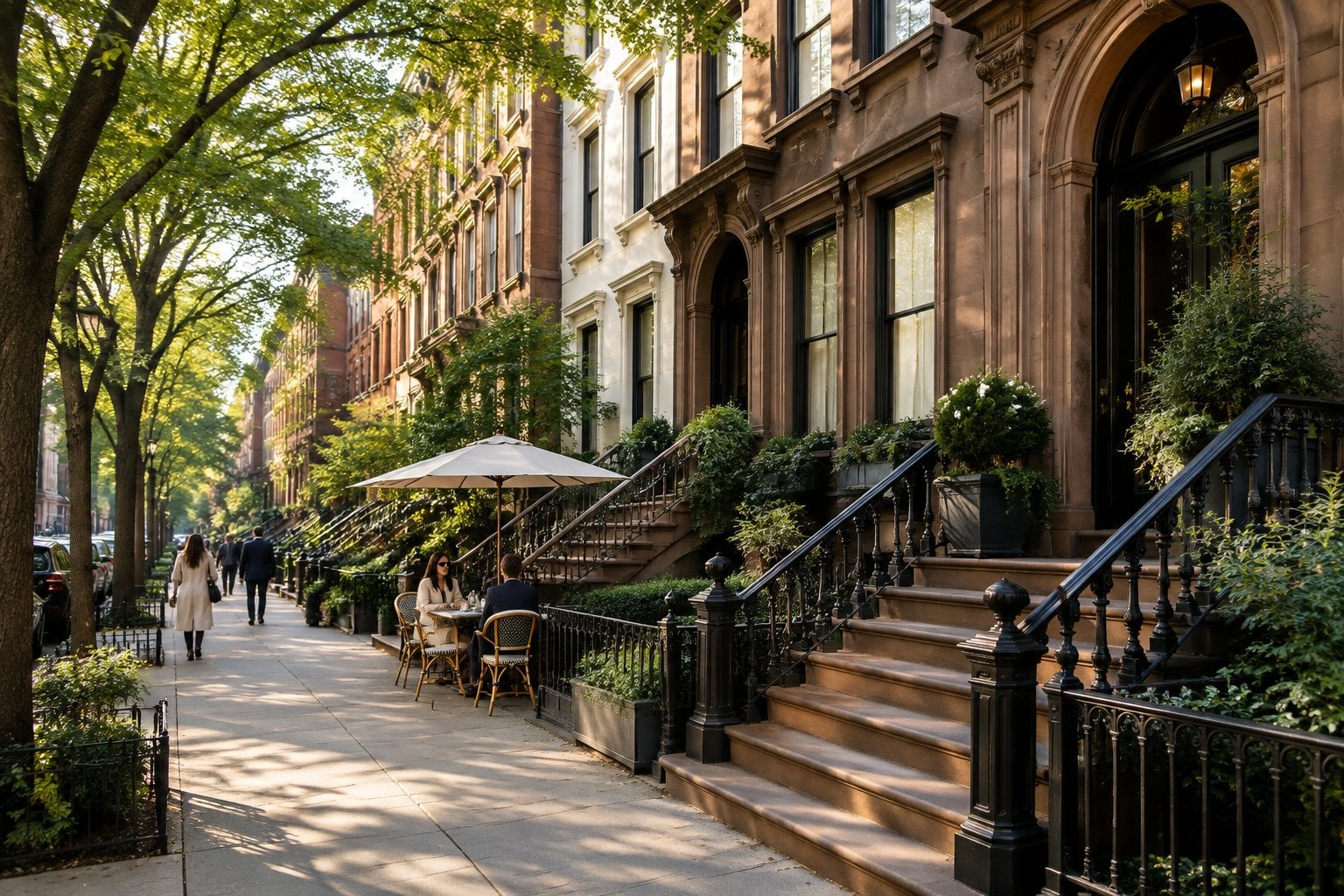
You’ll find West Village tucked into the southwestern edge of Manhattan, known for its cobblestone streets and low-rise townhouses. This ZIP code carries a median listing price around $2.62 million, placing it among Manhattan’s priciest neighborhoods.
Prices per square foot here have reached roughly $2,400, reflecting the premium buyers pay for the area’s historic character. You’re looking at a market shaped by limited inventory and consistent demand from buyers who want charm over density.
Unlike much of Manhattan, you won’t see many high-rises in West Village. Instead, you’ll encounter pre-war buildings, tree-lined blocks, and a neighborhood feel that’s harder to find elsewhere in the borough.
Dining options here lean upscale, and the area’s walkability adds to its appeal. If you’re searching for real estate that blends residential quiet with cultural relevance, this ZIP code represents one of the clearest examples in the city.
24. 10012 – SoHo, New York
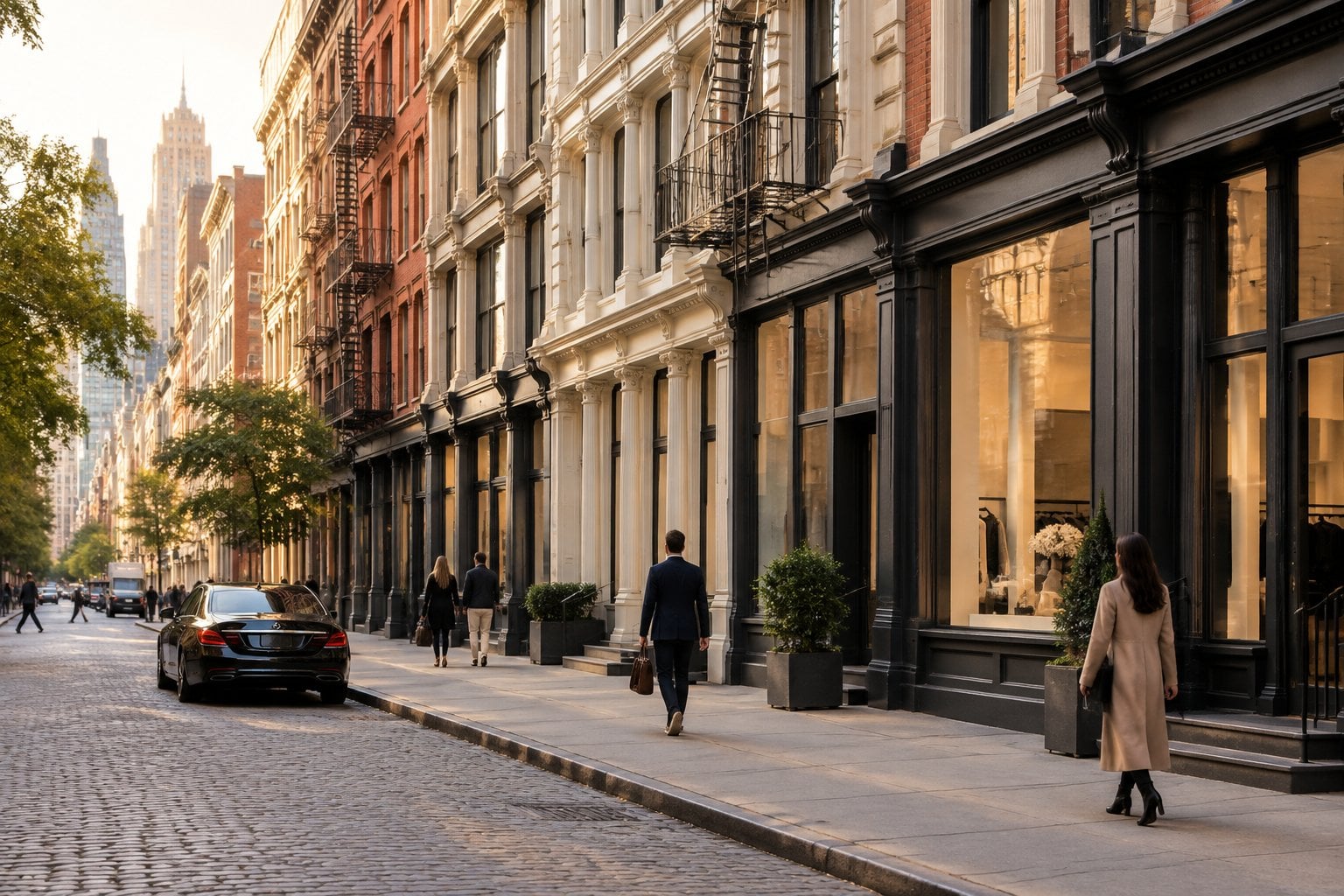
You’ll find SoHo priced among the most expensive ZIP codes in Manhattan, with median sale prices exceeding $2.1 million. Homes here move relatively fast compared to other luxury markets, with an average of around 94 days on the market.
This ZIP code covers SoHo, NoHo, and parts of Nolita, stretching north toward Washington Square. You’re buying into a neighborhood known for cast-iron architecture and a compact footprint of just over half a square mile.
Housing values in this area sit well above the national median, making it one of the priciest places to live in the country. If you’re renting instead, expect monthly costs that reflect the same premium, with average rents running into the thousands.
SoHo consistently ranks among the top residential ZIP codes nationally, not just in New York City.
25. 10011 – Chelsea, New York
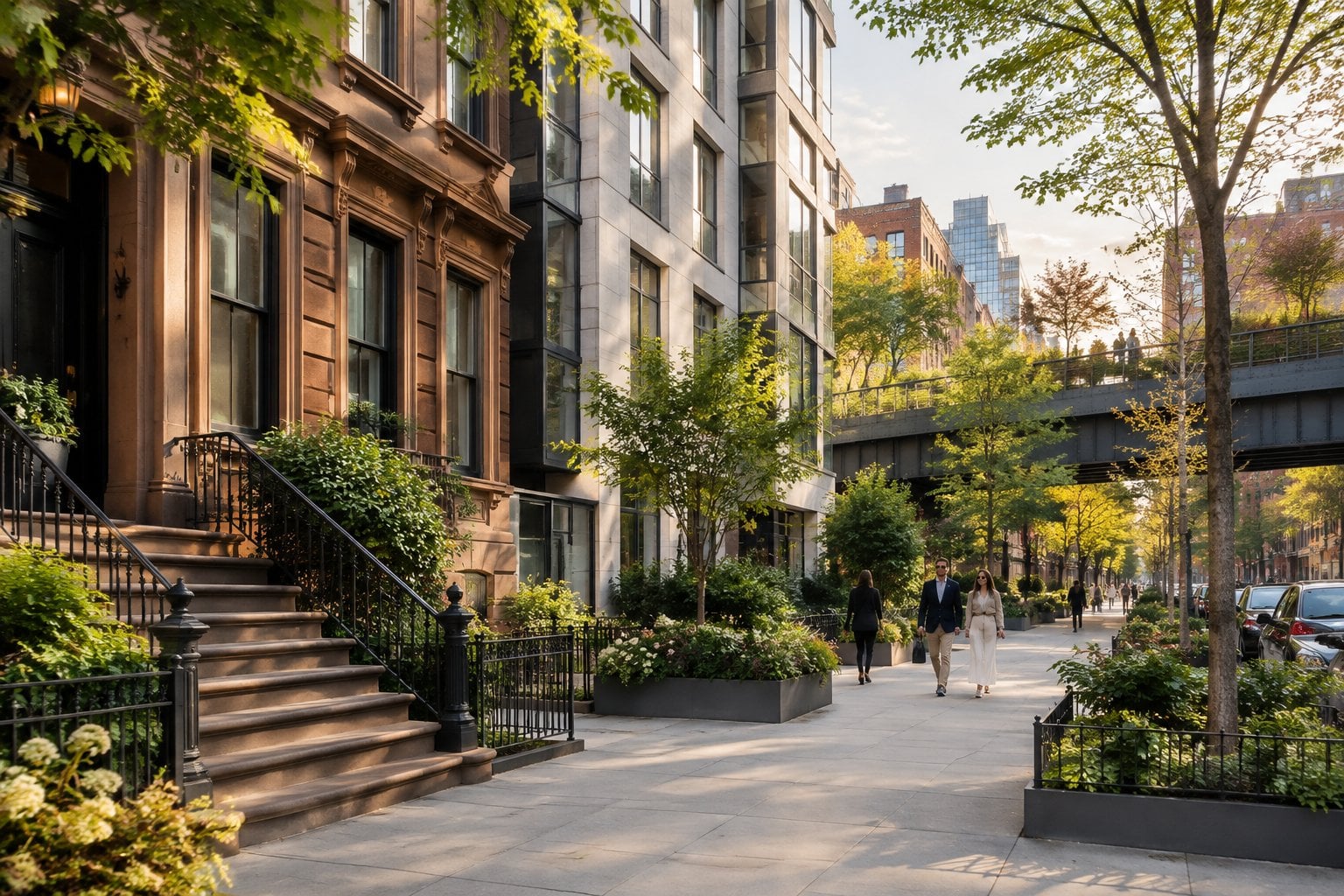
ZIP code 10011 covers Chelsea and part of the West Village on Manhattan’s West Side. It ranks among the wealthiest ZIP codes in New York City, and some analyses place it at the top of that list.
You’ll find a mix of historic brownstones, converted industrial buildings, and newer luxury condos here. The High Line runs through the area, and Chelsea Market and numerous art galleries sit within its boundaries.
Median real estate prices in Chelsea exceed $1.1 million, putting the area above most neighborhoods in both New York and the broader U.S. market. Average rents hover near $4,900 per month, reflecting steady demand for this part of Manhattan.
Your proximity to downtown business districts, transit lines, and the Hudson River waterfront contributes to the ZIP code’s consistent appeal among buyers and renters.
26. 11976 – Water Mill, New York
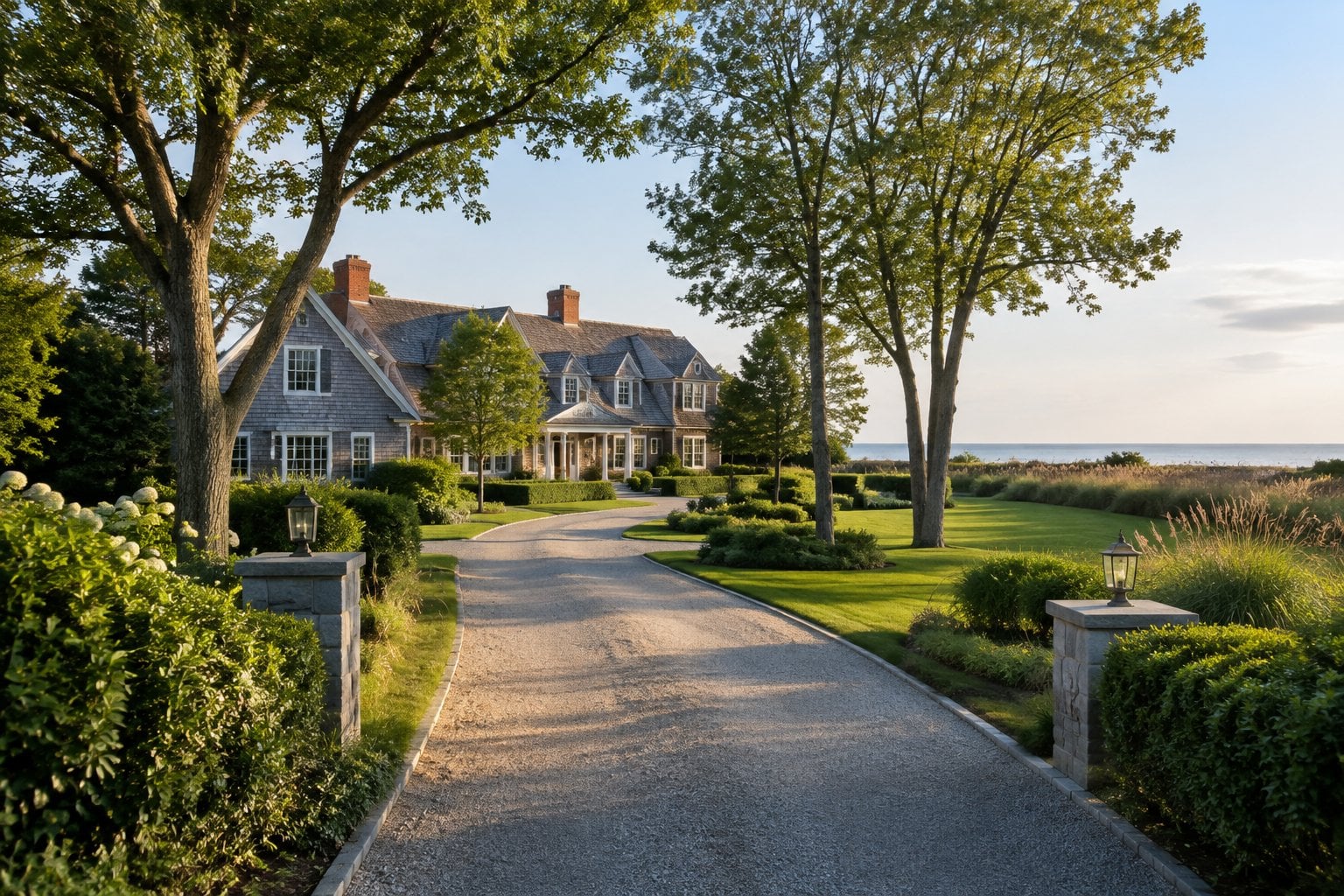
In Water Mill, you’re looking at median home prices around $5.3 million, placing it among the nation’s most expensive ZIP codes.
You’ll find this Hamptons hamlet shaped by its large properties. Homes here often exceed 6,100 square feet, giving you considerably more space than typical luxury markets elsewhere.
If you’re renting instead of buying, expect costs that rival the purchase market. Monthly rent in Water Mill has reached figures well into the tens of thousands, reflecting the same scarcity that drives home values upward.
You’re also joining a community with notable neighbors. Public records and reporting have linked residents like Jennifer Lopez and Ralph Lauren to the area, reinforcing its reputation as a retreat for high-profile buyers.
Your investment here reflects both land value and the broader demand defining the East End’s luxury real estate landscape.
27. 11932 – Bridgehampton, New York
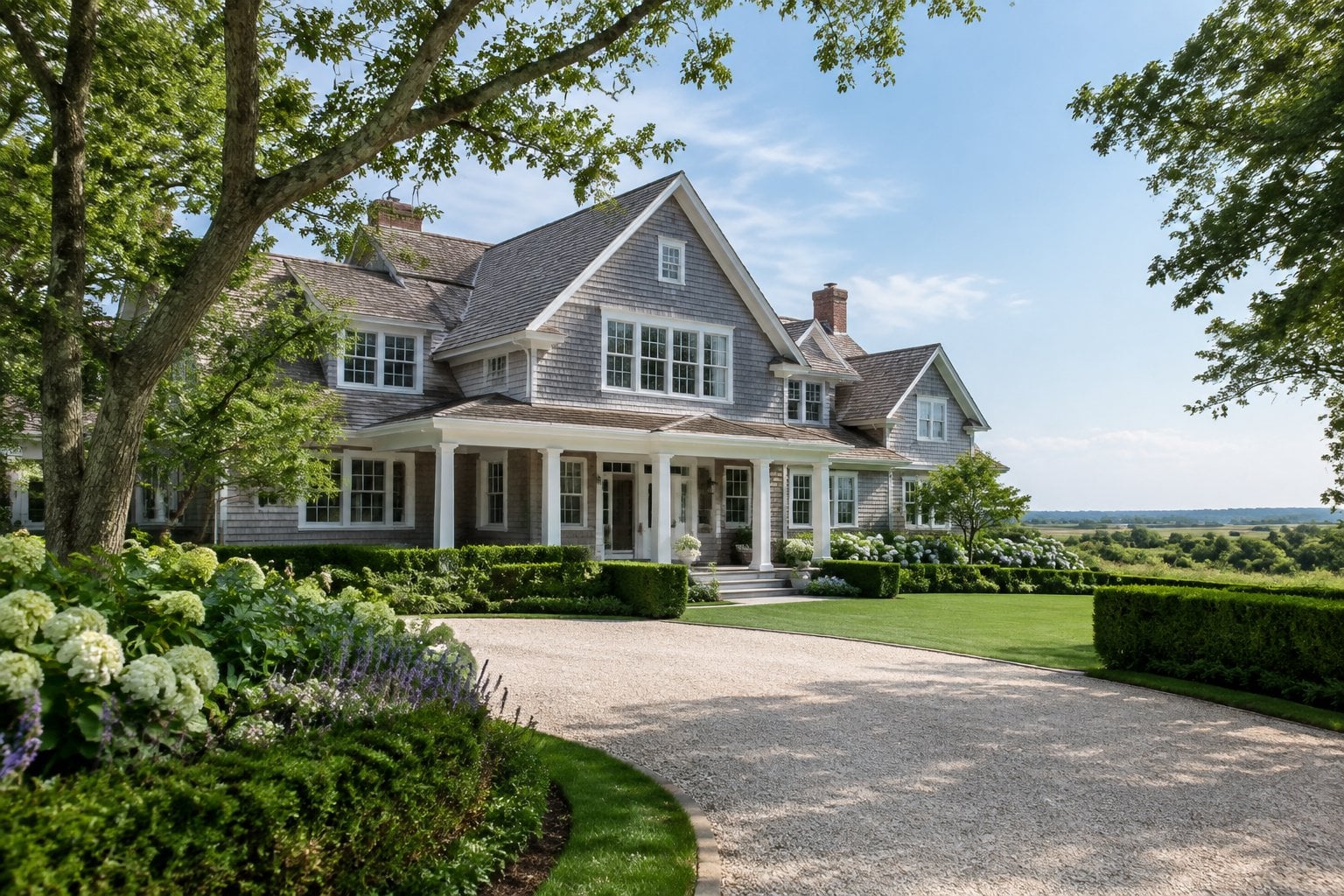
If you’re looking at Bridgehampton, you’re looking at one of the Hamptons’ most established luxury markets. The ZIP code has consistently ranked among the nation’s priciest, with recent median listing prices near $8.8 million.
You’ll find a small, mature population here, with just under 700 year-round residents and a median age above 51. The median household income exceeds $200,000, more than double the national figure.
Housing supply stays limited, which keeps competition high among buyers. You’re dealing with a market where large estates, agricultural land, and proximity to the ocean all factor into valuation.
Bridgehampton’s Main Street retains a small-town feel despite the surrounding wealth. If you’re considering property here, you should expect pricing that reflects both scarcity and sustained demand from affluent buyers across the region.
28. 11930 – Amagansett, New York
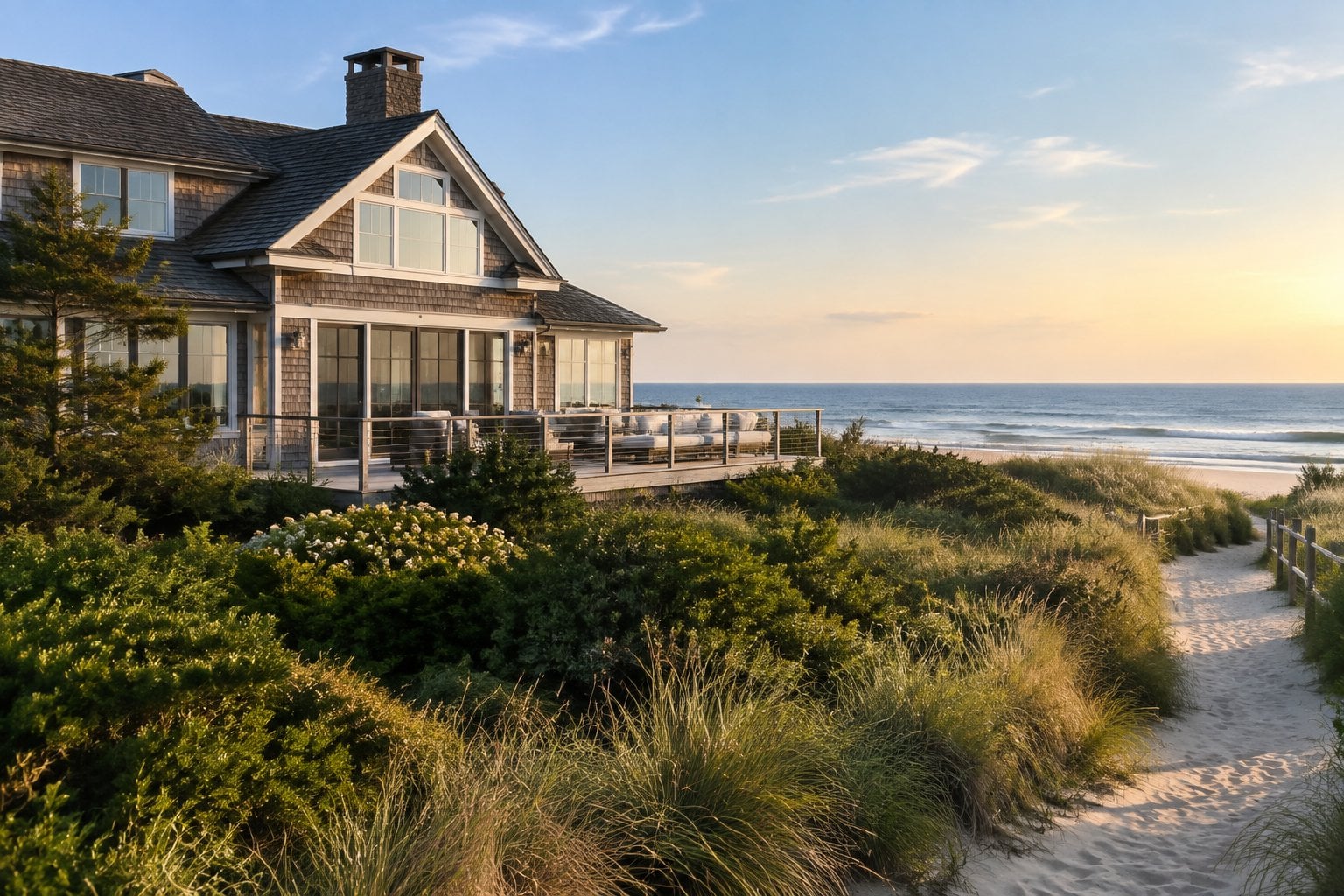
Amagansett sits on the East End of Long Island, part of the Hamptons corridor that draws seasonal residents from New York City. The median home value here lands around $3.7 million, placing it among the priciest zip codes in the country.
You’ll find a mix of oceanfront estates and shingled cottages, many dating back decades but renovated to modern standards. Proximity to the Atlantic coastline drives much of the demand, along with the area’s reputation as a quieter alternative to East Hampton.
Property values reflect limited inventory and strict zoning that restricts new construction. If you’re looking at this market, expect seasonal price swings, since summer demand pushes competition and prices higher than the off-season. Buyers here are typically purchasing second homes rather than primary residences.
29. 11937 – East Hampton, New York
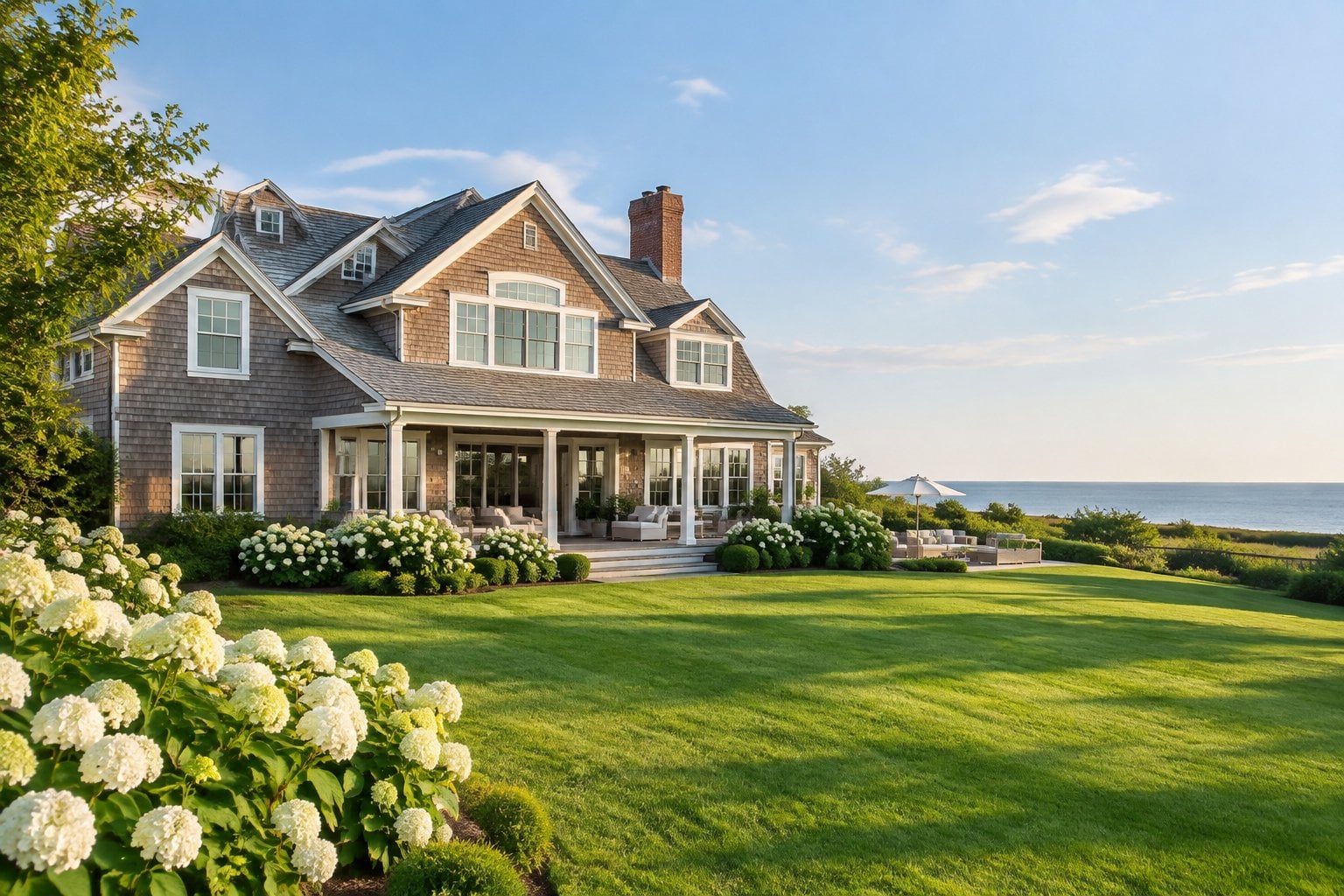
You’ll find this ZIP code on the South Fork of Long Island, in one of the most recognized towns in the Hamptons. The average home value here sits at $2,181,076, reflecting a 2.7% increase over the past year.
East Hampton’s appeal comes from its combination of beaches, historic village character, and proximity to Manhattan. If you’re considering property here, you’re buying into a market shaped by seasonal demand and limited inventory.
Prices in 11937 vary widely depending on whether you’re looking near the ocean or further inland. The town also borders other high-value ZIP codes, including Sagaponack, which pushes overall regional prices upward.
You should expect competition from buyers seeking second homes rather than primary residences. This pattern keeps demand steady even as broader housing markets fluctuate.
30. 11975 – Wainscott, New York
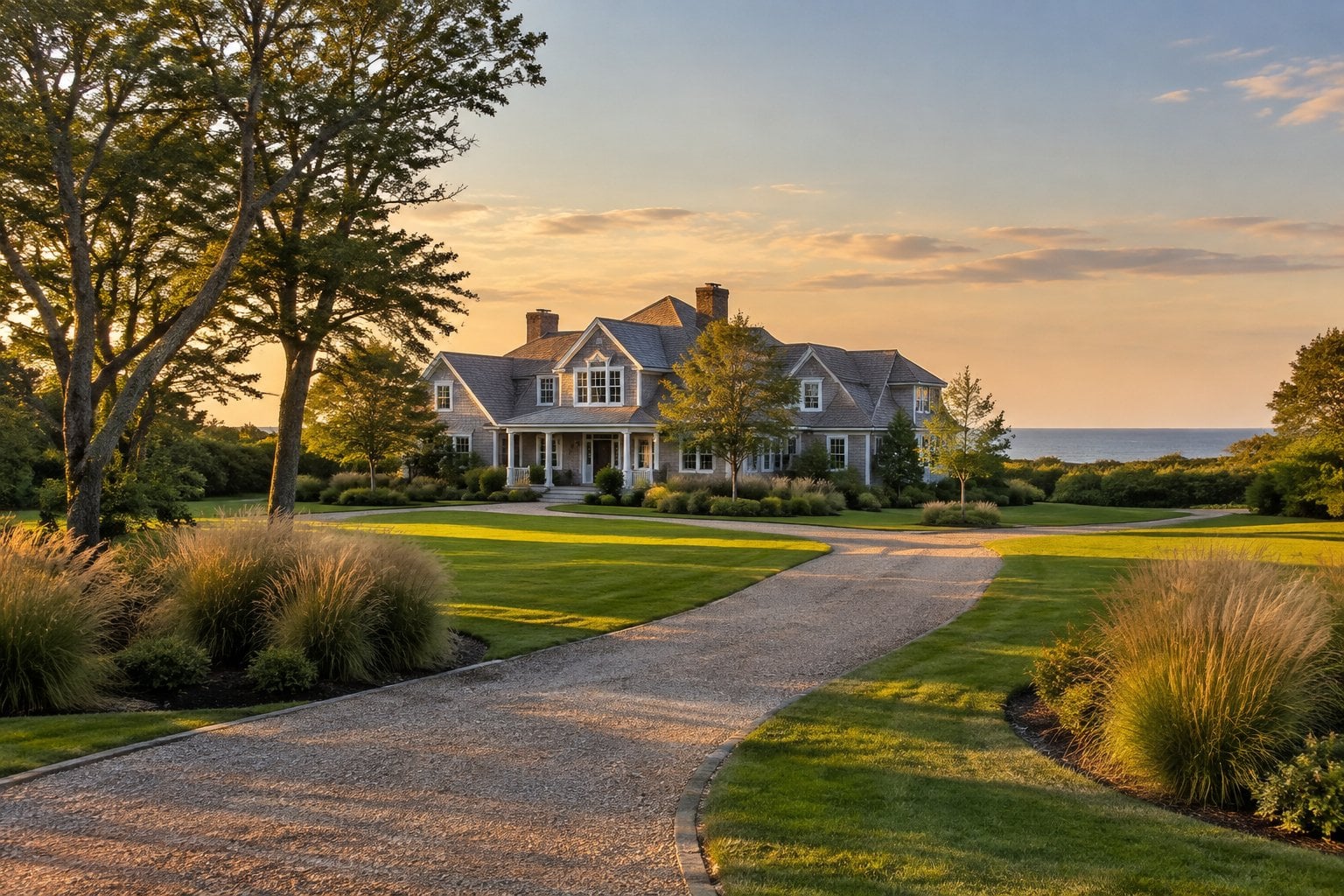
You’ll find Wainscott tucked into the Hamptons on the South Fork of Long Island, a small hamlet that trades on privacy and proximity to the ocean. Home values here reflect the broader Hamptons market, where buyers pay a premium for space, beachfront access, and distance from denser neighboring towns.
You won’t see the density of Manhattan or the brand recognition of Sagaponack when you look at Wainscott, but the ZIP code still commands prices far above the national median. Much of this comes down to limited inventory and large parcels of land that rarely come up for sale.
If you’re considering this area, you should expect competition from buyers who view Wainscott as a quieter alternative to its more famous Hamptons neighbors, without sacrificing much in terms of exclusivity or value.
How ZIP Code Price Rankings Are Calculated
Different data providers use different methods to rank ZIP codes, which can lead to variation in results. Two factors matter most: the type of price figure used and the underlying data source.
Median Sale Price Versus Median Listing Price
When you compare ZIP code rankings across sources, you’ll notice some use median sale price while others use median listing price. These are not the same thing.
Median sale price reflects closed transactions, meaning the deal has actually gone through at that amount. This figure is based on what buyers have actually paid, not what sellers hope to receive.
Median listing price, on the other hand, reflects current asking prices on active listings. Sellers set these numbers, and they can run higher than what a property eventually sells for.
A few points to keep in mind:
- Sale price data lags behind market conditions since it reflects deals closed in the past.
- Listing price data shows what’s currently on the market but doesn’t guarantee final sale amounts.
- Rankings built on listing prices can skew higher in markets with aggressive pricing strategies.
Data Sources and Minimum Sales Requirements
You’ll also find that rankings differ based on which data provider compiled them. Zillow’s ZHVI, realtor.com listing data, and county-level closed sale records each use their own methodology and timeframes.
Most reputable rankings set a minimum number of listings or sales per ZIP code, often around 30, to ensure the figures reflect genuine market activity rather than one or two outlier transactions.
Without this threshold, a ZIP code with only a handful of sales could show a distorted median if one ultra-luxury property skews the numbers.
When you’re reading any ranking, check whether the source applied a minimum sales requirement and what time period the data covers. These details affect how reliable and comparable the rankings are from one list to the next.
What Drives Prices in High-Cost ZIP Codes
Several factors push home values in these areas far above the national median. You’ll find that supply constraints, buyer demand, and how boundaries are drawn all play a role in the final price tag.
Limited Housing Supply and Local Demand
In most top-tier ZIP codes, you’re dealing with a fixed or shrinking housing stock. Coastal communities, island enclaves, and historic districts often have little to no room for new construction.
Zoning restrictions in places like Newport Beach or the Hamptons limit density, which keeps supply low even as demand climbs. When you combine that scarcity with high-income buyers competing for the same limited inventory, prices rise quickly.
Local amenities add another layer of demand:
- Proximity to major business districts
- Access to private beaches or waterfront
- Top-rated school systems
- Low crime rates and gated privacy
You’ll notice that these ZIP codes rarely see price corrections, since demand tends to outpace any new supply that does become available.
How ZIP Code Boundaries Affect Comparisons
You need to understand that ZIP codes aren’t drawn with real estate analysis in mind. The U.S. Postal Service created them for mail delivery routes, so their size and shape vary widely from one area to another.
This means a ZIP code covering a few blocks of ultra-luxury homes, like Fisher Island, will show a vastly different median price than one spanning a larger, mixed-income area. When you compare rankings across reports, differences in boundary size can skew which areas appear “most expensive.”
A ZIP code with only 30 active listings, a common threshold researchers use for data reliability, may not reflect the same market depth as one with hundreds of transactions. You should treat ZIP-code-level data as a useful indicator, not an exact measure of a neighborhood’s full value range.