
30 Things You’ll Always Find in Happy Homes: Essential Elements That Create Joyful Living Spaces
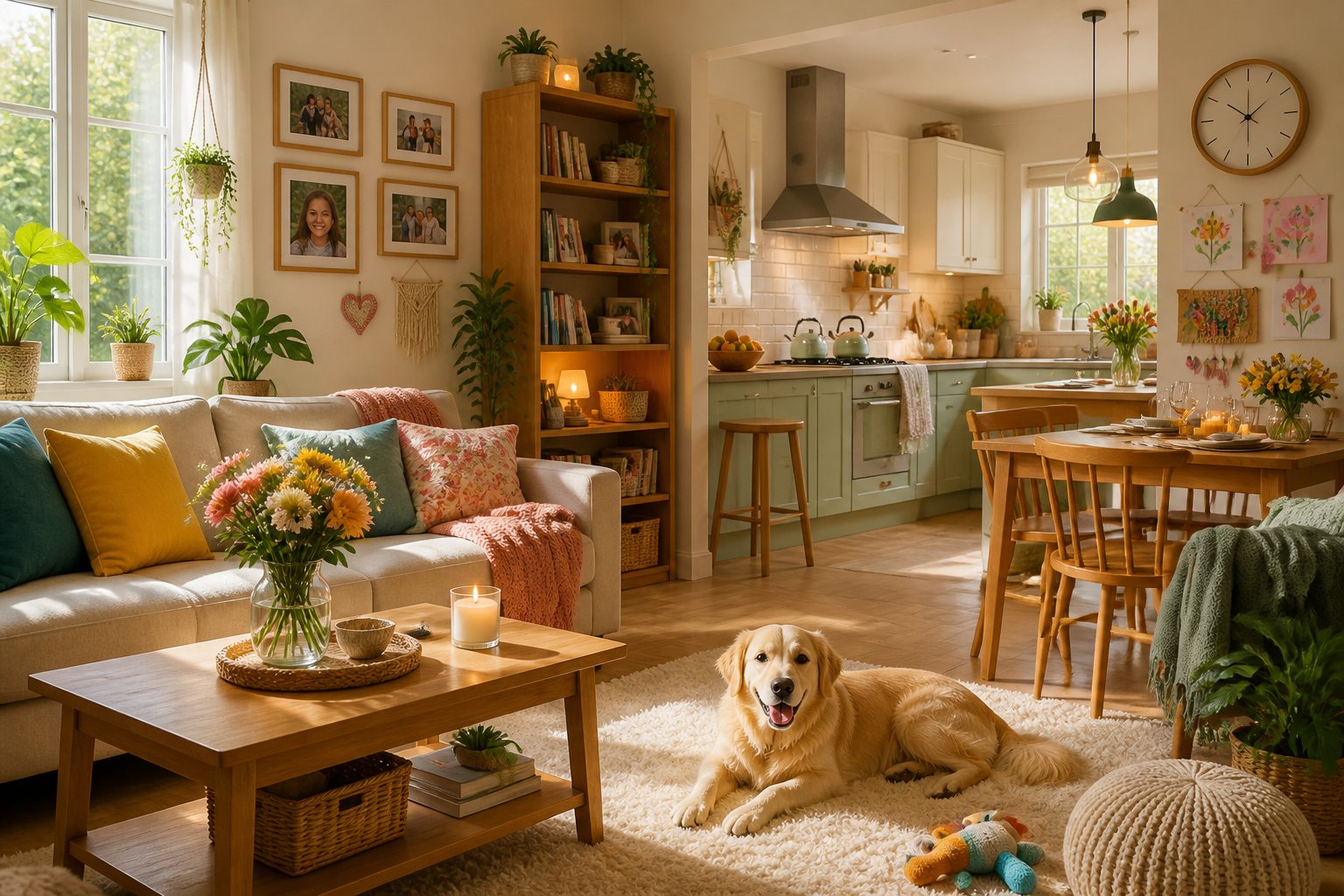
A happy home isn’t defined by expensive furniture or designer décor. Instead, it reveals itself through the small, functional details that support daily life and nurture connection among the people who live there. These items aren’t carefully curated for appearances—they emerge naturally from routines, preferences, and the genuine needs of a household.
The objects you’ll consistently find in joyful homes share a common thread: they make everyday moments easier, more comfortable, or more meaningful.
From practical storage solutions to personal touches that reflect family identity, these elements create an environment where people feel at ease. They signal that a home prioritizes function alongside warmth, organization alongside spontaneity.
This article examines thirty specific items that appear again and again in homes where contentment thrives. You’ll also discover the underlying principles that make these choices effective and learn simple habits that help maintain a positive living space.
1. A well-worn fleece throw blanket draped over the couch
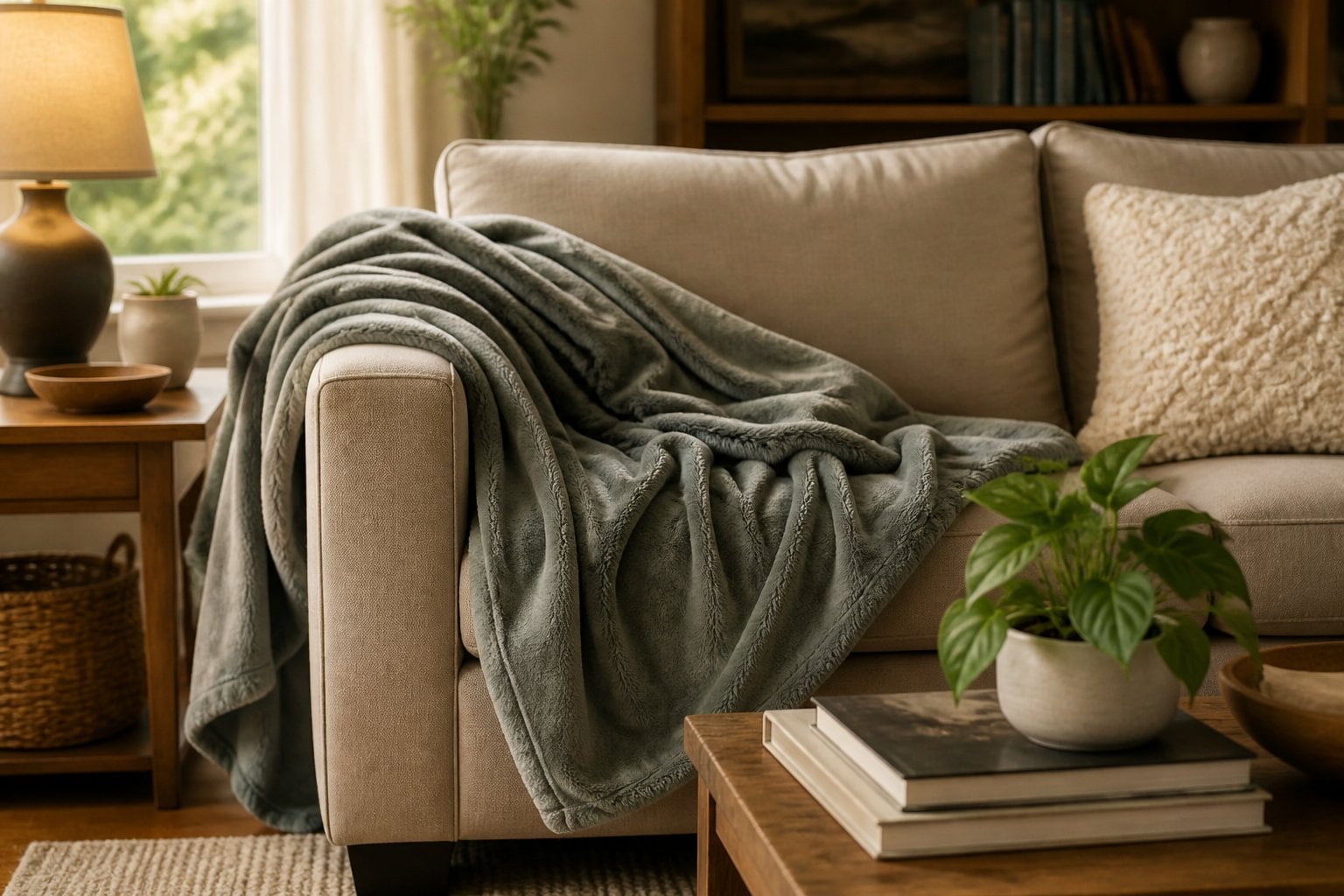
You’ll notice that happy homes always have a fleece throw blanket casually placed on the sofa. This isn’t a decorative accent that stays perfectly folded. It’s a frequently used blanket that shows signs of regular comfort.
The blanket typically drapes over the arm or back of the couch in an effortless way. You can grab it quickly for movie nights, afternoon reading, or when the temperature drops. Fleece is particularly common because it’s soft, warm, and easy to maintain.
The well-worn quality matters. A blanket that looks lived-in signals that your home prioritizes comfort over perfection. It tells visitors they can relax and actually use what’s in your space.
When you see this simple element in a living room, it creates an immediate sense of warmth and approachability.
2. A junk drawer organized with labeled compartments
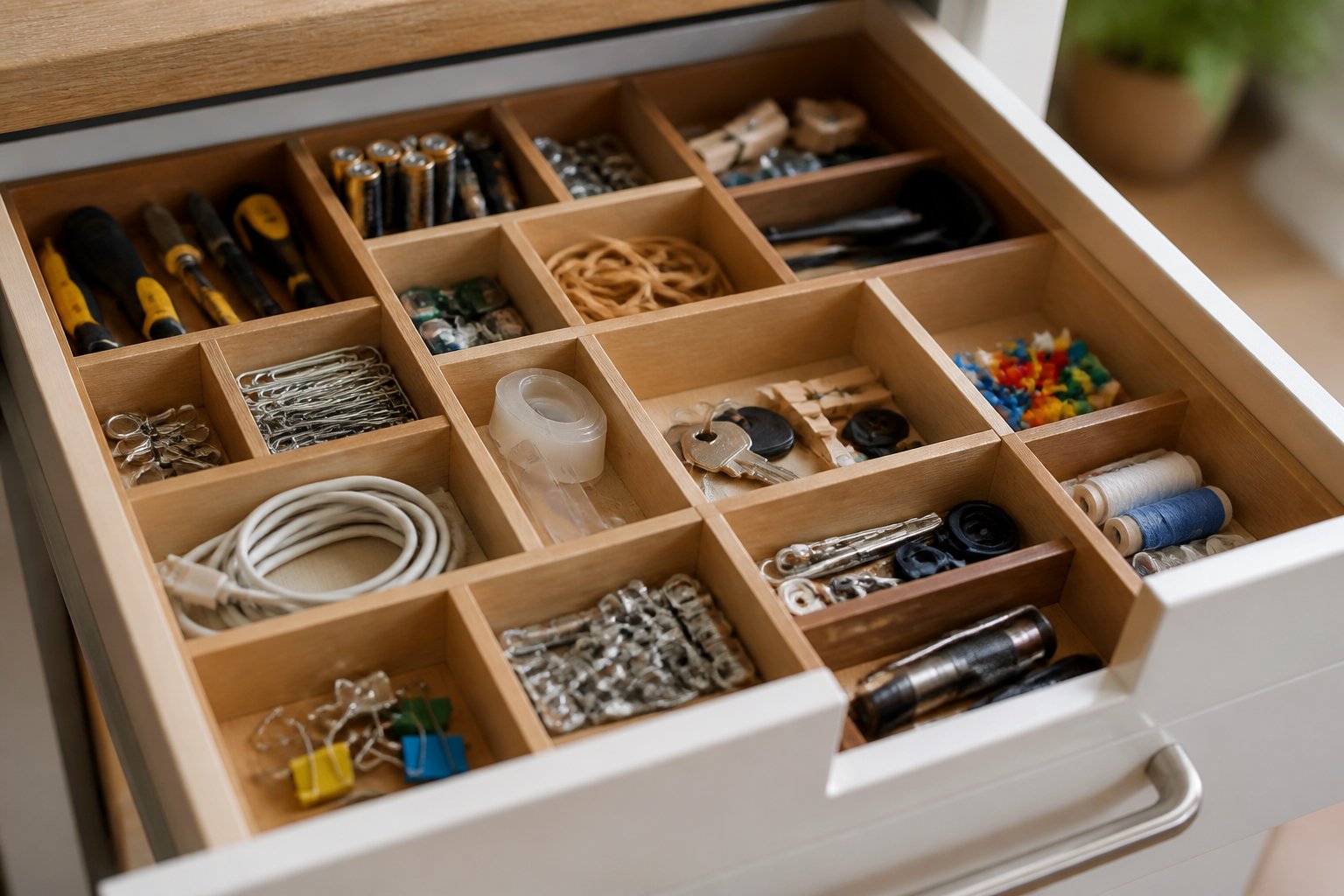
Your junk drawer doesn’t have to be a chaotic mess. Professional organizers now call these “utility drawers,” and they can become one of your home’s most functional spaces with the right approach.
Start by using drawer dividers or clear bins to create distinct zones. Each compartment should hold a specific category of items like batteries, charging cables, pens, or tape. This prevents everything from mixing together into an unusable jumble.
Labels take your organization to the next level. When each section is clearly marked, everyone in your household knows exactly where items belong and where to find them. This simple system saves you time when you need something quickly.
The key is choosing expandable or customizable organizers that fit your drawer’s dimensions and adapt to what you actually store.
3. A rotating stack of library books with visible due-date stickers

Happy homes maintain an active relationship with their local library. You’ll often spot a small stack of borrowed books on a coffee table or nightstand, each displaying its due date sticker.
These visible reminders serve a practical purpose. They help you avoid late fees and keep your borrowing privileges in good standing. The stickers also signal that reading is a valued activity in your household.
A rotating collection means you’re regularly returning books and checking out new ones. This habit keeps fresh ideas and stories flowing through your home without the expense of buying every book you want to read.
The presence of library books demonstrates your commitment to continuous learning and entertainment. It shows you’re engaged with your community resources and value the shared experience of public libraries.
4. A kitchen counter bowl holding fresh, seasonal fruit
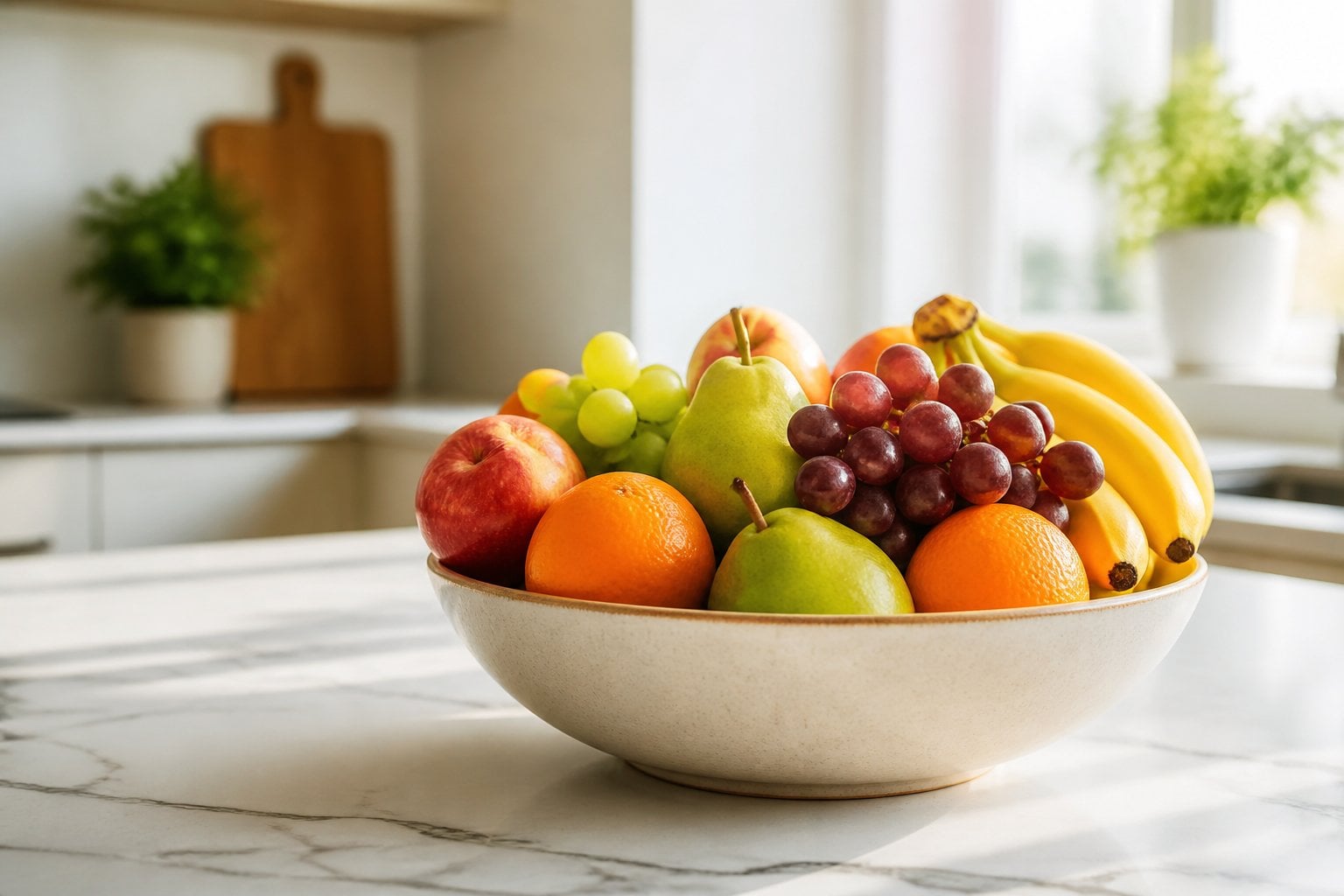
A fruit bowl on your kitchen counter serves both practical and aesthetic purposes. It keeps healthy snacks visible and accessible, encouraging better eating habits throughout the day.
Choosing seasonal fruit ensures you’re getting the freshest options while adding natural color to your space. Summer might bring peaches and berries, while fall offers apples and pears.
The bowl itself becomes part of your kitchen’s character. Whether you prefer ceramic, wood, or wire designs, the right vessel organizes your produce while creating an intentional look on your countertop.
This simple addition transforms a functional need into a welcoming display. Your fruit stays within easy reach, and your kitchen gains warmth and life from the natural elements present in your daily routine.
5. A framed family photo gallery wall
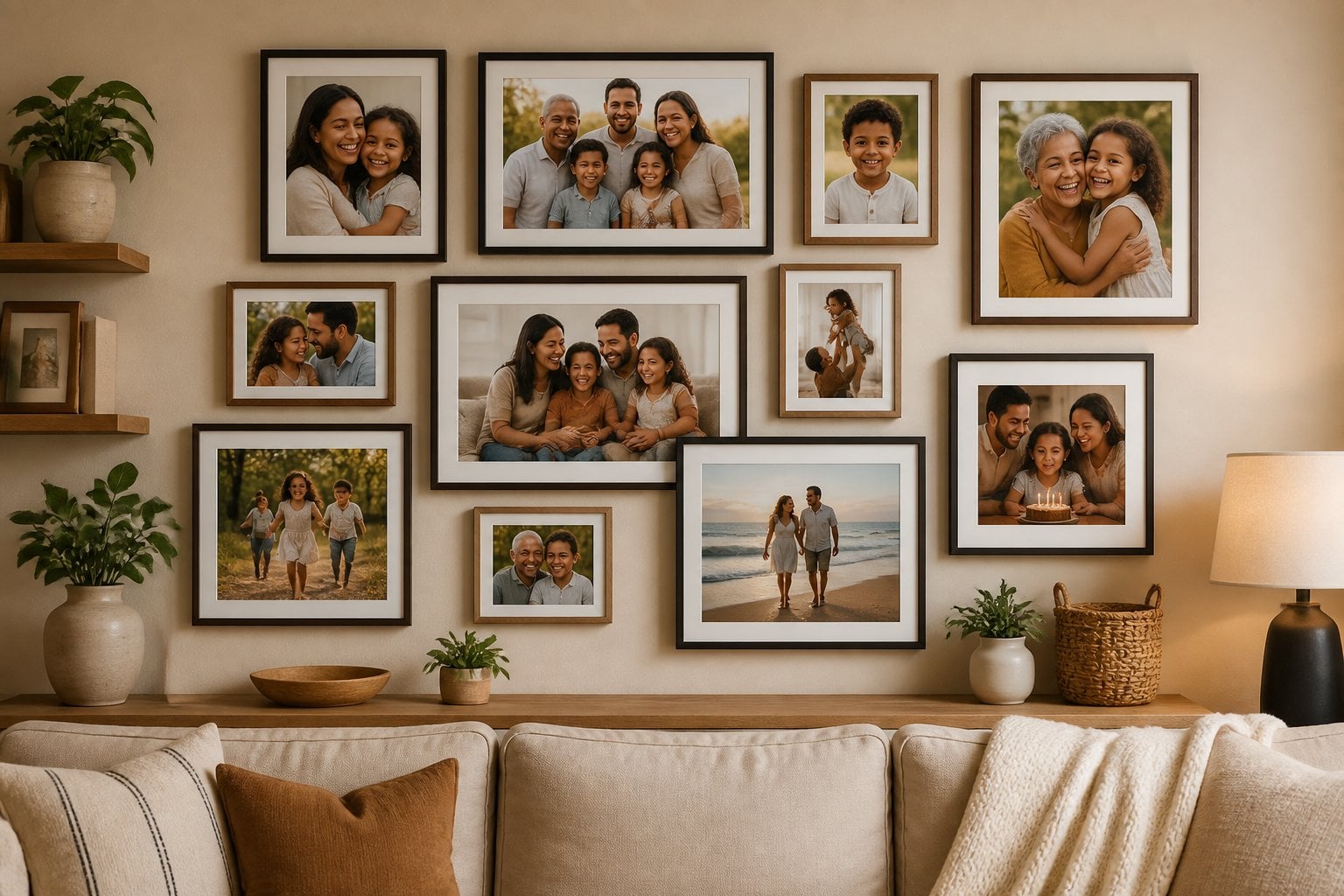
A gallery wall of family photos transforms blank space into a visual celebration of your relationships and memories. You can arrange frames in a structured grid for a clean look or create an organic, asymmetrical layout that feels more casual.
Your gallery wall works best when you choose frames that complement each other, whether matching or coordinated in style and color. Black and white photos create a cohesive feel, while color images bring energy to the display.
The placement matters too. Living rooms and hallways are popular spots, but dining areas and staircases also work well. You’ll want to hang frames at eye level for easy viewing.
This personalized display keeps your cherished moments visible daily. It shows visitors what matters most to you while making your space feel distinctly yours.
6. A houseplant collection including a snake plant (Sansevieria)
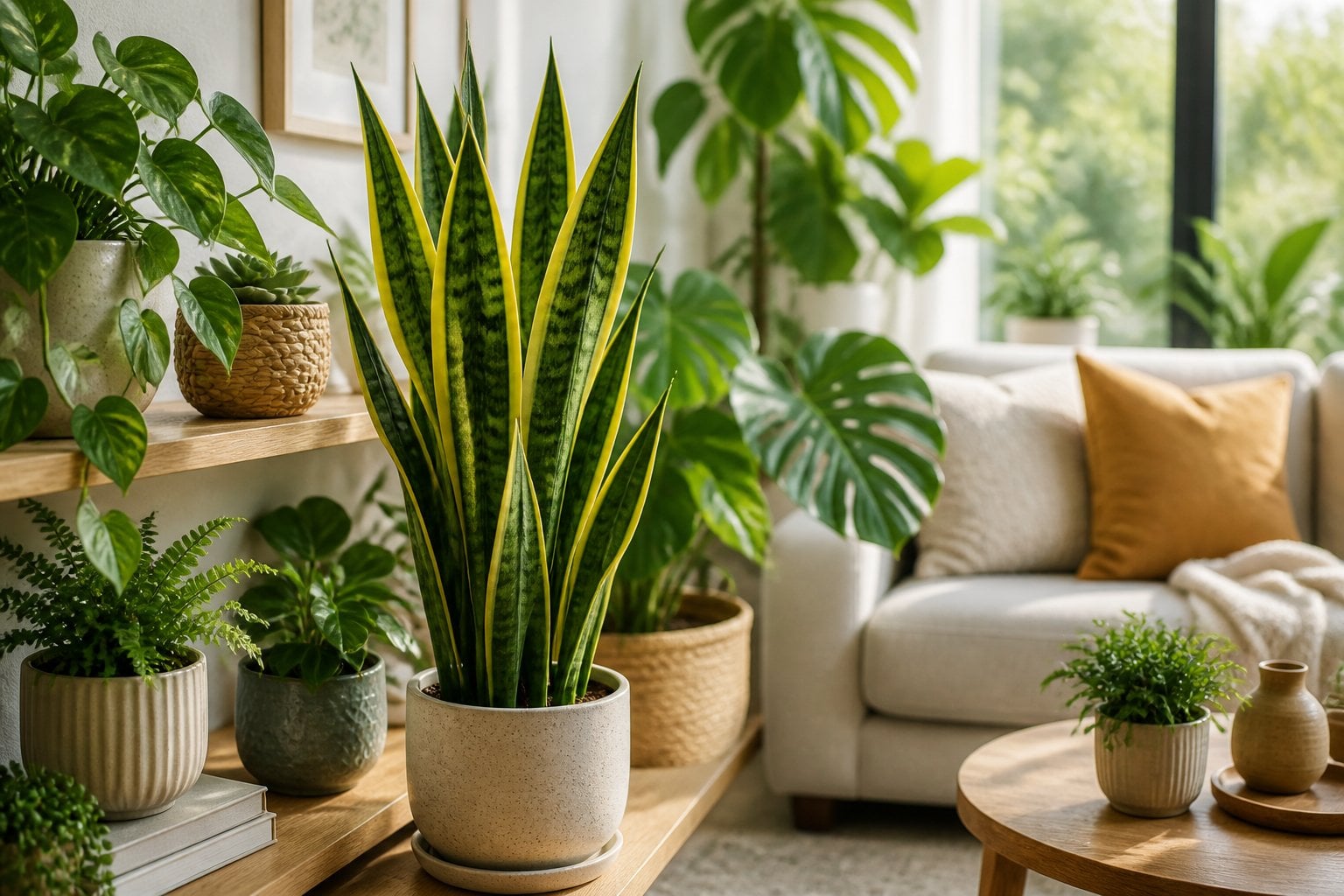
Happy homes often feature a thoughtfully curated collection of houseplants, with snake plants as a reliable foundation. These plants, scientifically known as Dracaena trifasciata but still commonly called Sansevieria, bring structural beauty and clean lines to your interior spaces.
Snake plants work well in collections because they require minimal maintenance. They tolerate low light conditions and infrequent watering, making them practical for busy households.
You can expand your collection by selecting different varieties. Sansevieria trifasciata offers classic sword-like leaves, while Sansevieria cylindrica provides cylindrical foliage for visual contrast. With over 70 species available, you have plenty of options to create diversity in your plant display.
These plants don’t require much horizontal space since most varieties grow vertically. This makes them suitable for homes of all sizes, from spacious rooms to compact apartments.
7. A designated reading nook with a floor lamp and comfy chair
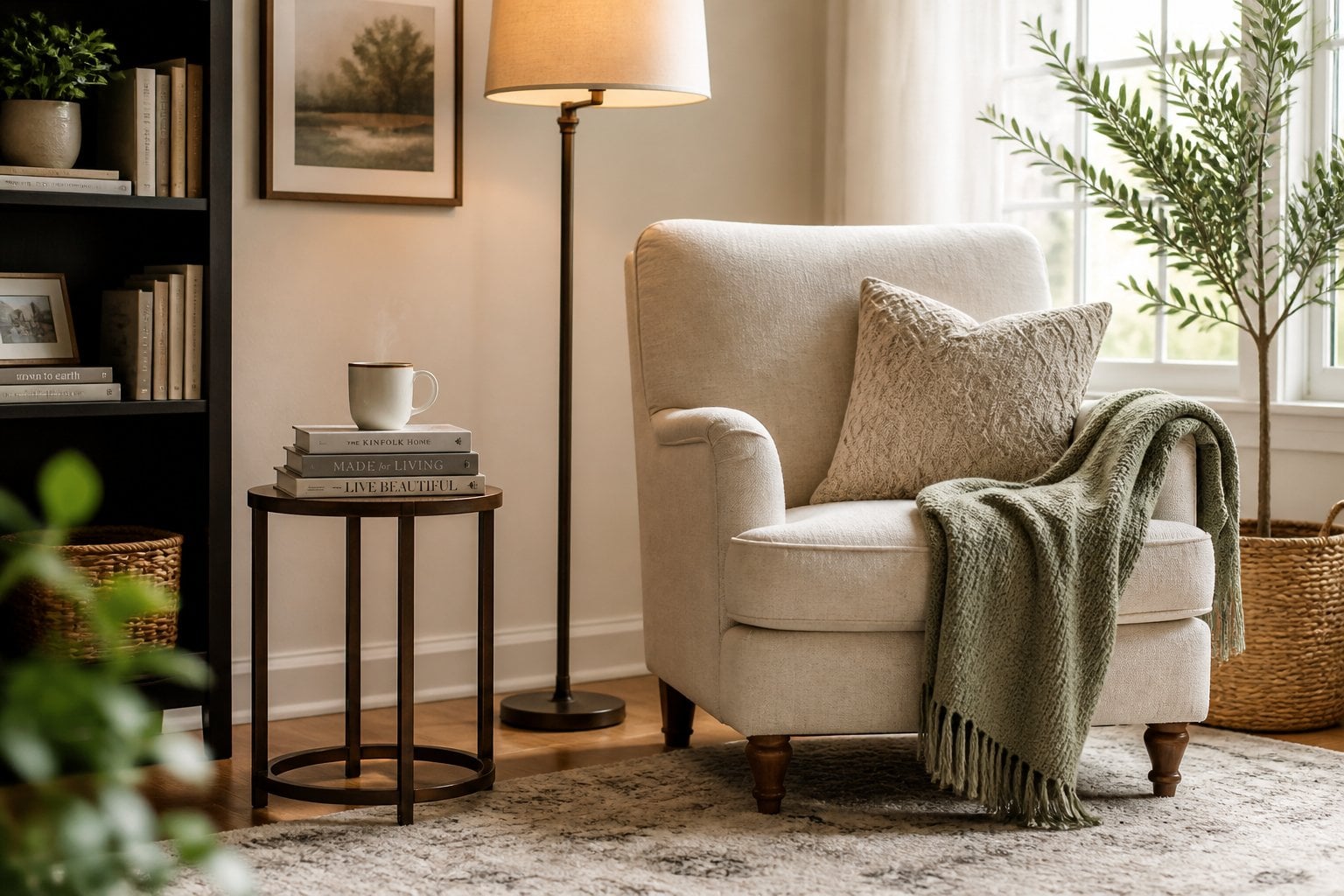
Happy homes make space for quiet moments with a dedicated reading nook. This doesn’t require a large footprint. You can transform an unused corner or alcove into a peaceful retreat.
The foundation is a comfortable chair that supports extended reading sessions. Pair it with a quality floor lamp that provides adequate lighting without straining your eyes. The lamp should arc over your seating area to illuminate pages effectively during evening hours.
Your reading nook becomes more inviting with thoughtful additions like throw pillows for back support and a small side table for your current book and beverage. Built-in shelving or a nearby bookcase keeps your reading material within reach.
This personalized space signals to your household that rest and reflection matter. It creates a designated spot where you can disconnect from daily demands and lose yourself in a good book.
8. A corkboard or magnetic board with family calendar and appointments
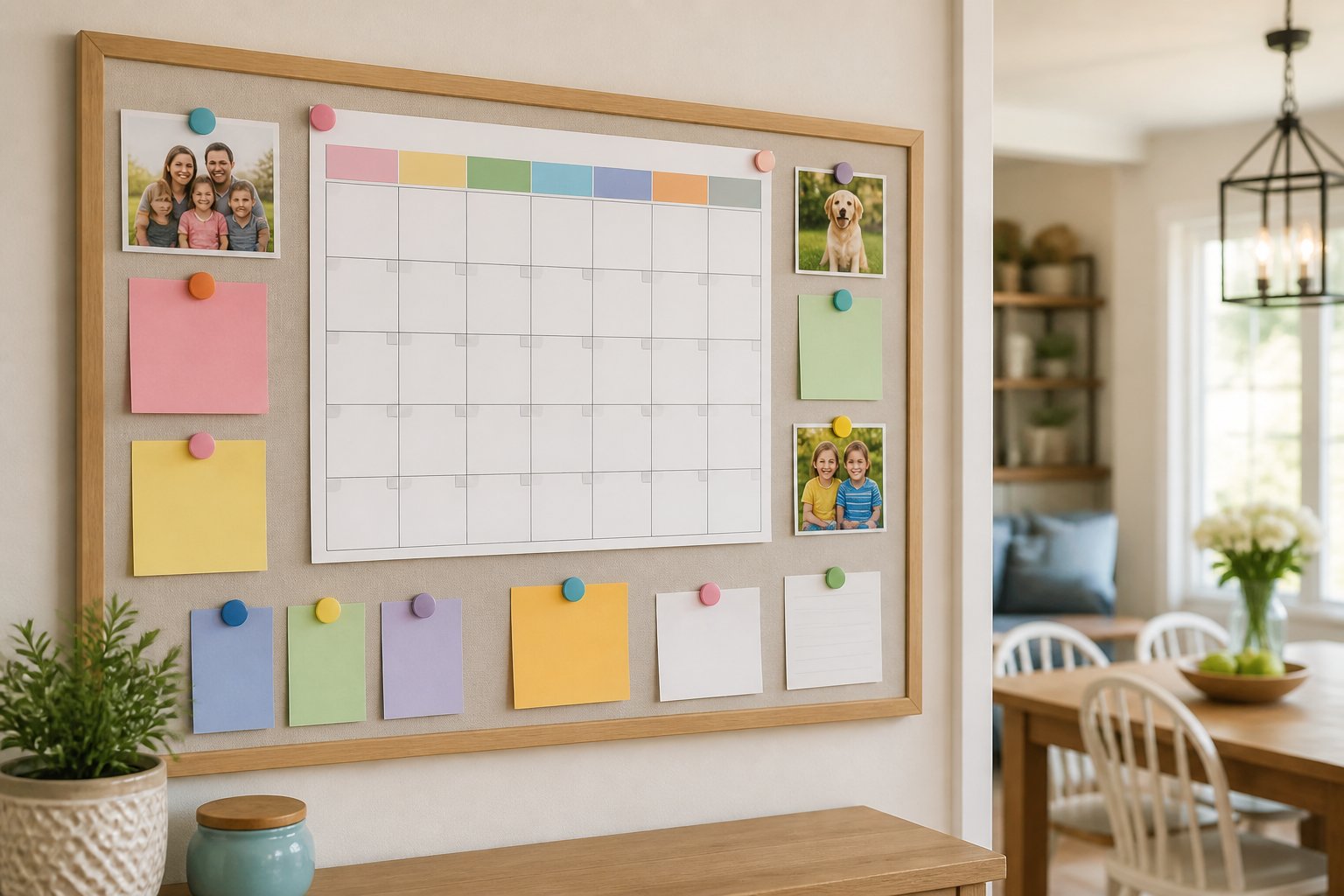
Happy homes stay organized with a central command center. A combination calendar board serves as the hub where everyone can track schedules, appointments, and important dates.
These boards typically pair a dry erase calendar section with either cork or magnetic surfaces. You can write upcoming events on the calendar portion while using the other section to pin reminders, photos, or to-do lists.
The physical presence of a wall-mounted board keeps your family’s commitments visible to everyone. Unlike digital calendars stored on individual phones, this shared space ensures nothing gets missed.
Most combo boards range from compact 17×23 inch sizes to larger 36×24 inch options. They mount easily on kitchen or hallway walls where family members naturally gather throughout the day.
9. A welcome mat with a friendly phrase or family name
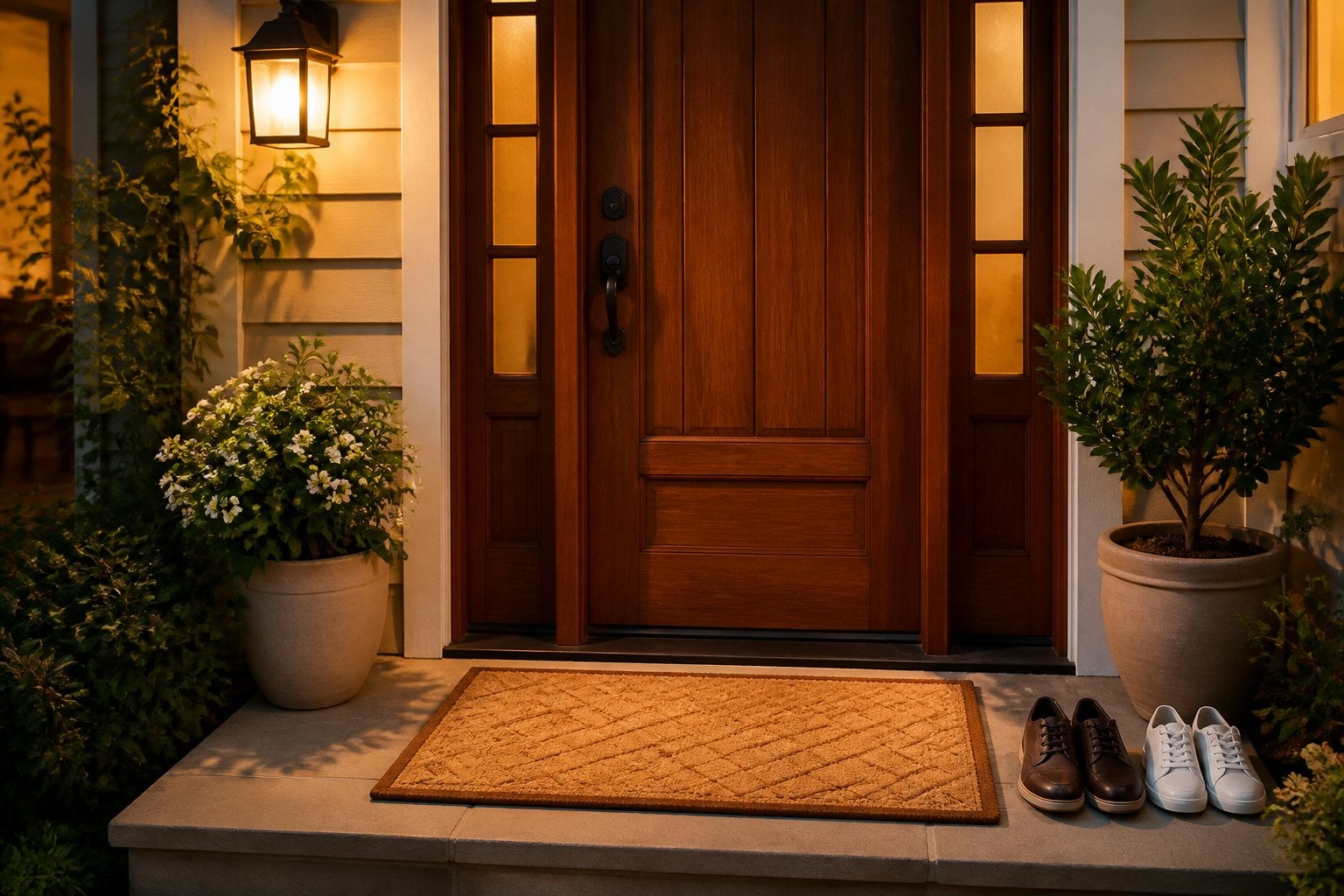
A personalized doormat sets the tone for your home before guests even step inside. You can choose from mats featuring your family name, a warm greeting, or a touch of humor that reflects your household’s personality.
These mats come in materials like natural coir, rubber, and carpet surfaces, each offering different durability and aesthetic options. You’ll find they work well for both covered porches and exposed entryways.
Custom doormats serve a dual purpose. They keep dirt from entering your home while creating an inviting atmosphere that makes visitors feel expected and valued.
You can easily personalize these mats with monograms, addresses, or seasonal messages. The customization adds a layer of thoughtfulness that turns a functional item into a welcoming statement about your home.
10. A stash of board games like Catan on a living-room shelf
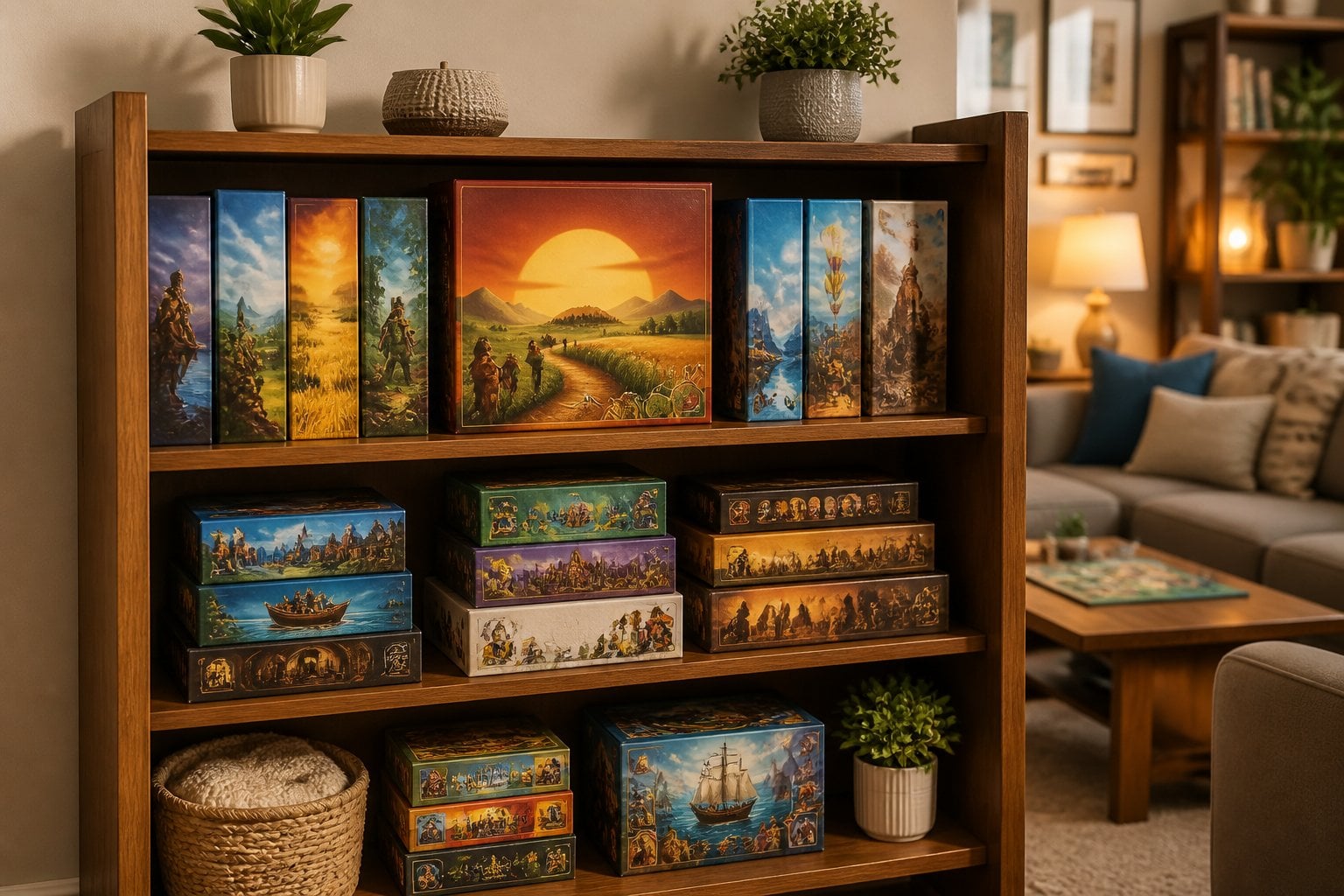
Your board game collection says a lot about how you create connection at home. Catan and similar strategy games encourage face-to-face interaction in ways that screens simply can’t replicate.
These games share common elements that bring people together. Resource management, negotiation, and strategic decision-making create engaging experiences for players of different skill levels. You’ll find titles that involve trading, route building, and territorial expansion work particularly well for game nights.
Keep your collection visible and accessible on a living-room shelf. When games are in plain sight, you’re more likely to suggest playing them. A curated selection of four to six games provides enough variety without overwhelming choice.
The physical presence of board games in your main living space signals that your home prioritizes quality time and shared experiences.
11. A mason jar filled with spare change and small receipts

You’ll often find a designated jar for loose coins in homes where contentment thrives. This simple container serves as a practical collection point for pocket change that would otherwise scatter across countertops and disappear into couch cushions.
The jar makes saving effortless. You can deposit coins without thinking, and over weeks or months, those small amounts accumulate into usable funds. Some households keep receipts tucked in alongside the change as informal spending reminders.
This visible savings method creates a tangible connection to your money. When the jar fills up, you have options: fund a small treat, cover an unexpected expense, or simply roll the coins and deposit them into your account.
The practice requires no special equipment or financial expertise. Any jar works, making it accessible regardless of your budget or living situation.
12. A bedside notebook and pen for jotting dreams or tasks
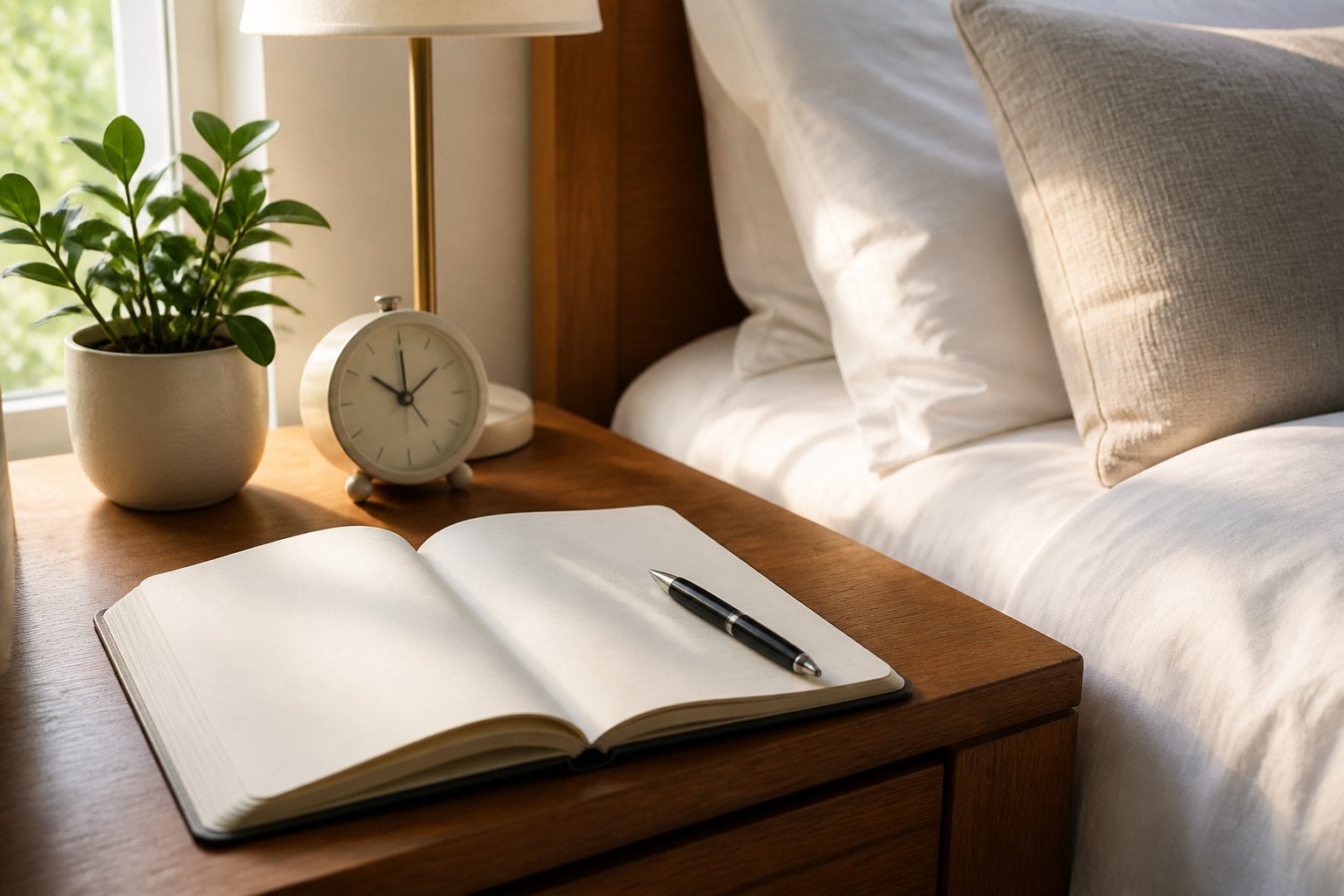
Keeping a notebook and pen within arm’s reach of your bed creates a practical system for capturing fleeting thoughts. When ideas strike in those moments between sleep and waking, you can record them immediately instead of hoping to remember them in the morning.
A compact notebook works best for this purpose. Sizes around 3.5″ x 5.5″ or slightly larger fit comfortably on nightstands without taking up excessive space.
You can use your bedside notebook for multiple purposes. Dream journaling helps you remember and reflect on your nighttime experiences. Task lists let you clear your mind of tomorrow’s responsibilities before sleep. Some people jot down gratitude notes or creative ideas that emerge during quiet evening moments.
The physical act of writing by hand can be more convenient than reaching for your phone, which introduces unwanted screen light and potential distractions.
13. A functional coat rack by the entryway with daily-use jackets
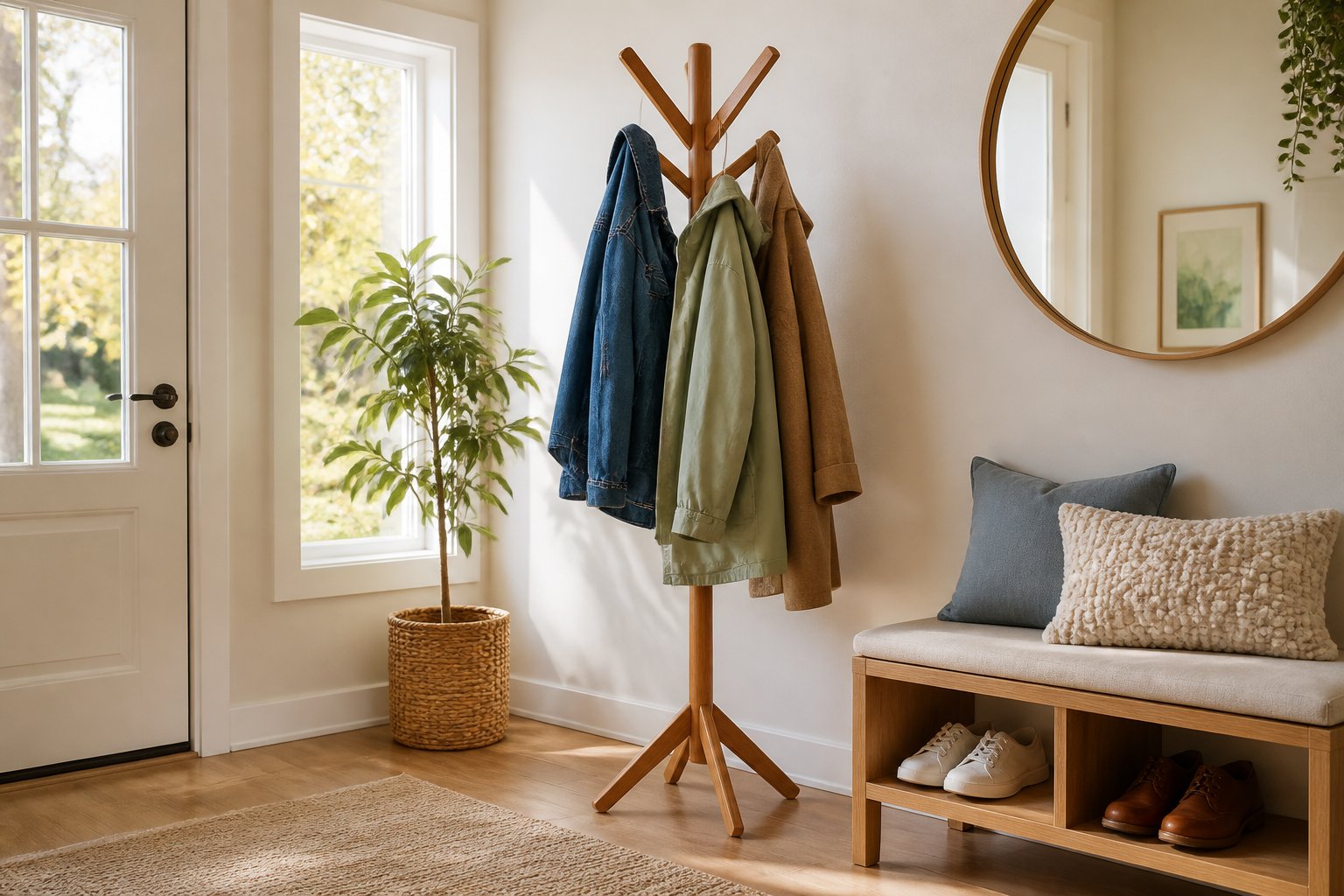
A coat rack near your entrance keeps the jackets you wear most within easy reach. When you walk in the door, you can hang up your coat immediately instead of tossing it on furniture or leaving it in another room.
This simple addition prevents clutter from spreading throughout your home. You’ll find freestanding models work well if you have floor space, while wall-mounted options are better for smaller entryways.
Choose a rack with enough hooks for everyone in your household. The key is keeping it stocked with only your current season’s everyday jackets, not storing every coat you own. This ensures the rack stays functional rather than overcrowded.
14. A set of matching sturdy ceramic mugs for morning coffee
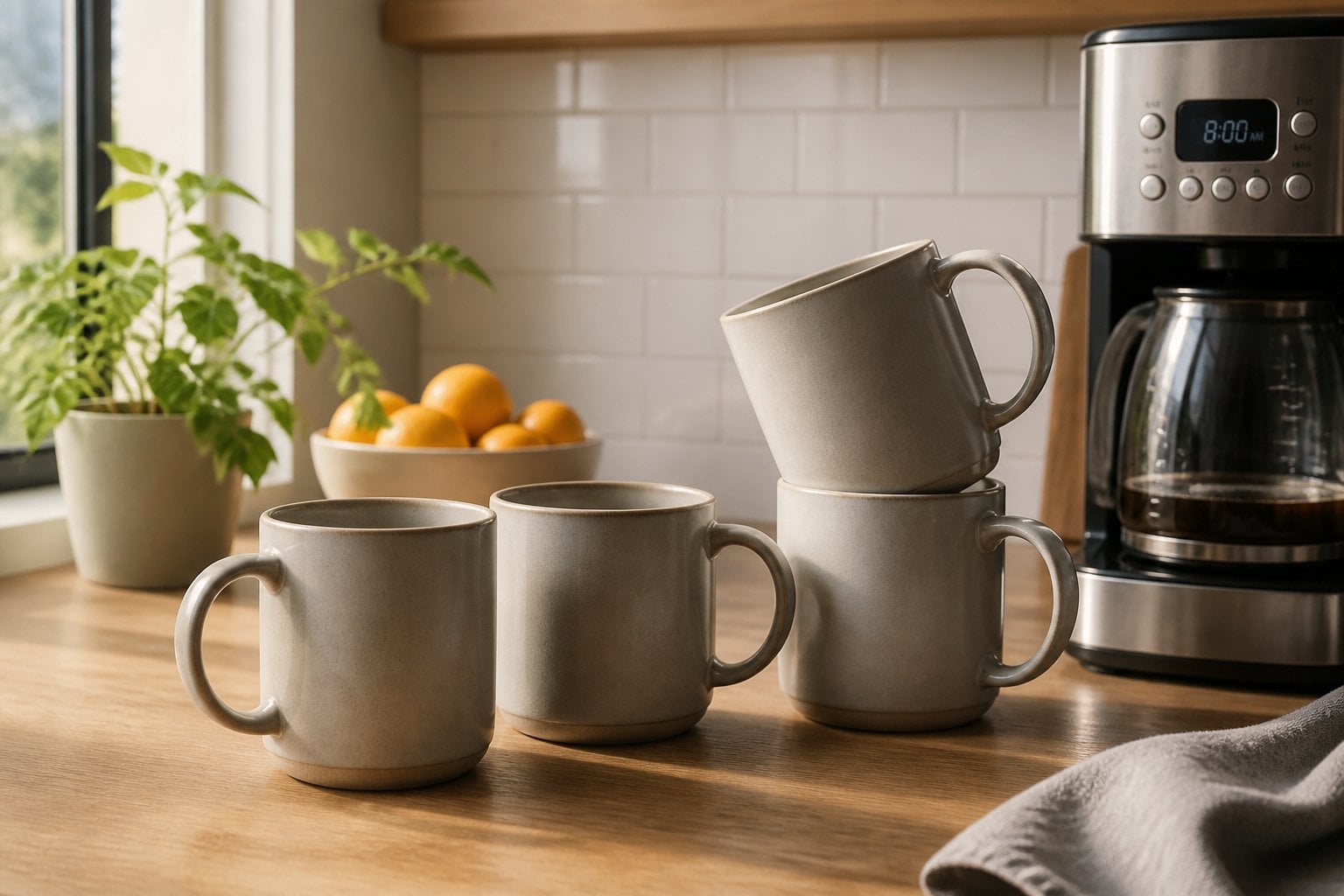
Ceramic mugs retain heat better than other materials, keeping your coffee warm longer. When you choose a matching set, you create visual harmony in your kitchen that makes daily routines more pleasant.
Sturdy ceramic construction means these mugs can withstand regular use and dishwasher cycles without chipping easily. You’ll find sets ranging from 12 to 16 ounces, giving you flexibility based on your preferred serving size.
Matching mugs work well whether you live alone or share your home with others. They eliminate the frustration of mismatched drinkware cluttering your cabinets and create a more organized kitchen space.
Look for sets with comfortable handles and balanced weight distribution. These practical features make your morning coffee ritual smoother and more enjoyable every single day.
15. A recycling bin clearly labeled and easy to access
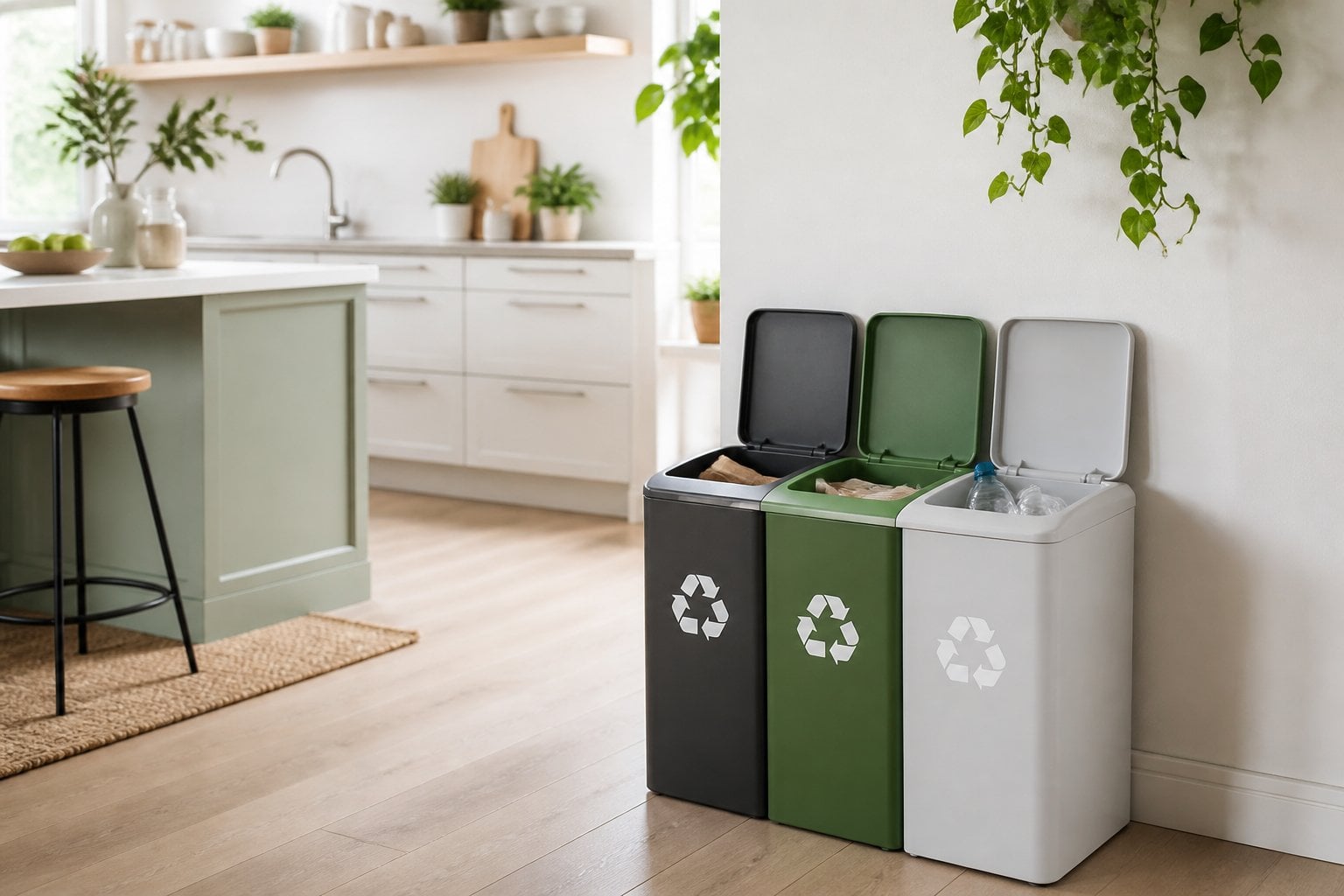
Happy homes make recycling effortless for everyone. When bins have clear labels showing what goes where, there’s no confusion about sorting paper, plastic, or glass.
Your recycling station works best when positioned where you generate the most waste. The kitchen is typically ideal since that’s where most recyclables accumulate. Keep it close to your main trash bin so the choice between garbage and recycling becomes automatic.
Labels with simple symbols and text help every family member participate correctly. Even young children can learn to sort when the instructions are straightforward and visual.
Making recycling accessible removes the friction that causes people to give up on good habits. When your system is functional and easy to understand, sustainable practices become part of your daily routine rather than an extra chore.
16. A communal digital calendar shared across family devices
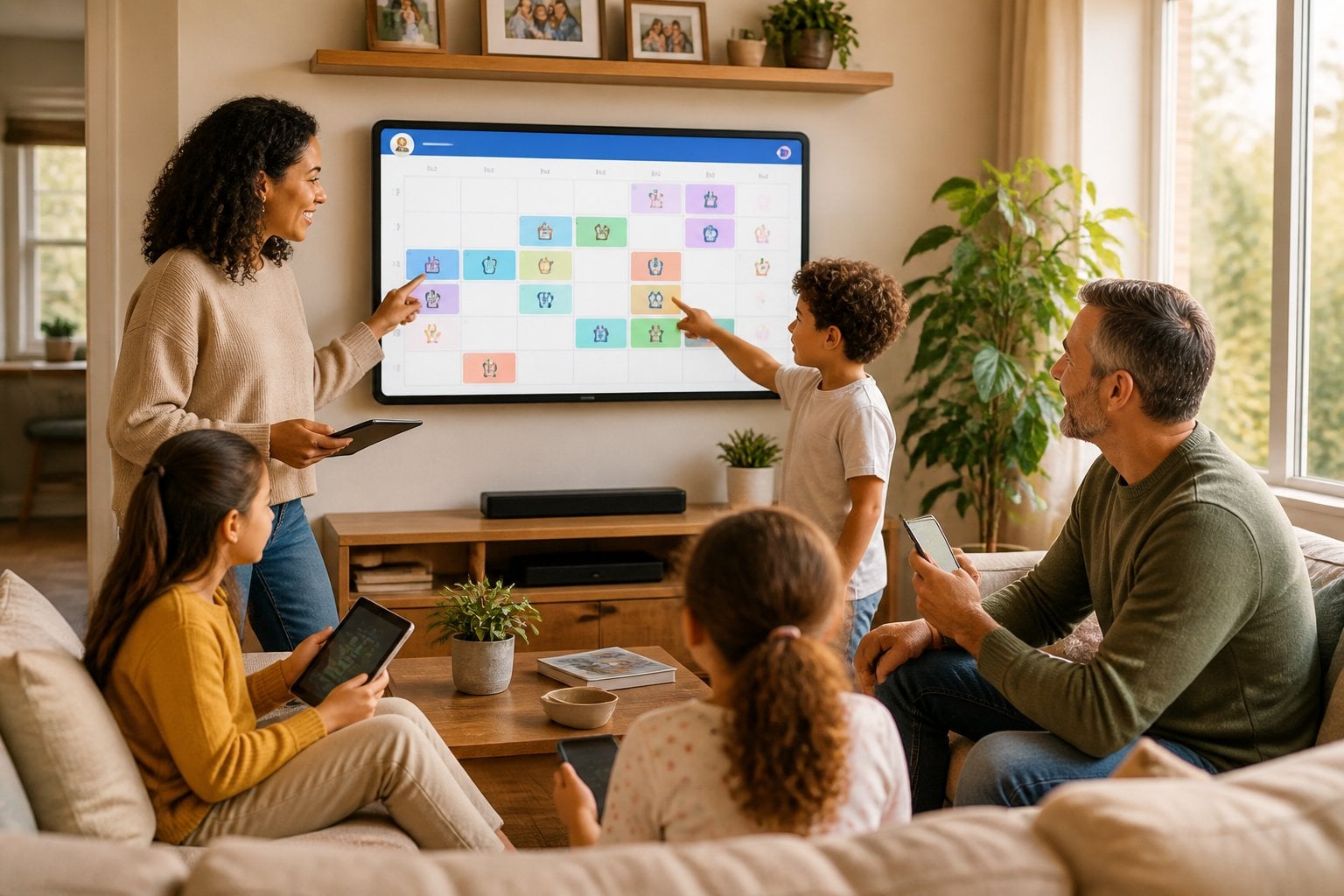
A shared digital calendar eliminates the confusion of scattered schedules and missed appointments. When everyone in your household can view and update the same calendar, you reduce conflicts and keep activities coordinated.
Apps like Cozi, TimeTree, and Jam sync across phones, tablets, and computers in real time. This means updates made by one family member appear instantly for everyone else.
You can assign different colors to each person, set reminders for important events, and track everything from doctor appointments to soccer practice. The best part is that no one needs to ask “What’s happening this week?” because the answer is always accessible on their device.
This simple tool reduces mental load and helps your family stay organized without constant check-ins.
17. A drawer of mismatched but beloved T‑shirts
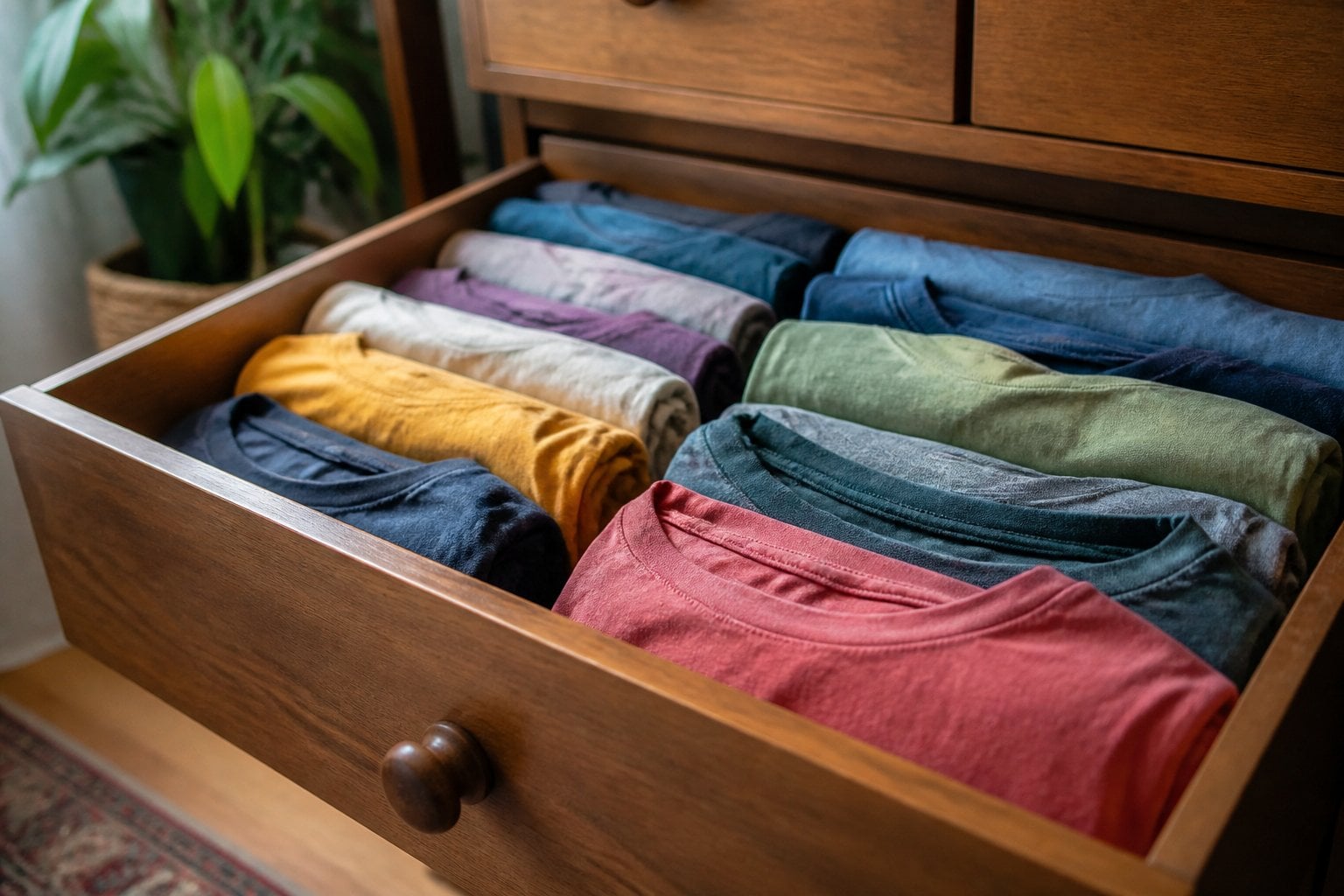
Every happy home has that one drawer filled with an eclectic collection of T-shirts that don’t match but somehow tell your story. You’ll find concert tees from shows you attended years ago, college shirts you can’t part with, and random designs that made you laugh at the time.
These shirts might not be your everyday wear anymore, but you keep them because they hold memories. Each one represents a moment, a trip, or a phase of your life worth remembering.
The drawer itself might be overstuffed and disorganized, but that’s part of its charm. You know exactly which shirt sits at the bottom, even if you haven’t worn it in months. This collection isn’t about fashion—it’s about keeping pieces of your past close at hand.
18. A first-aid kit kept in a predictable kitchen or hall closet
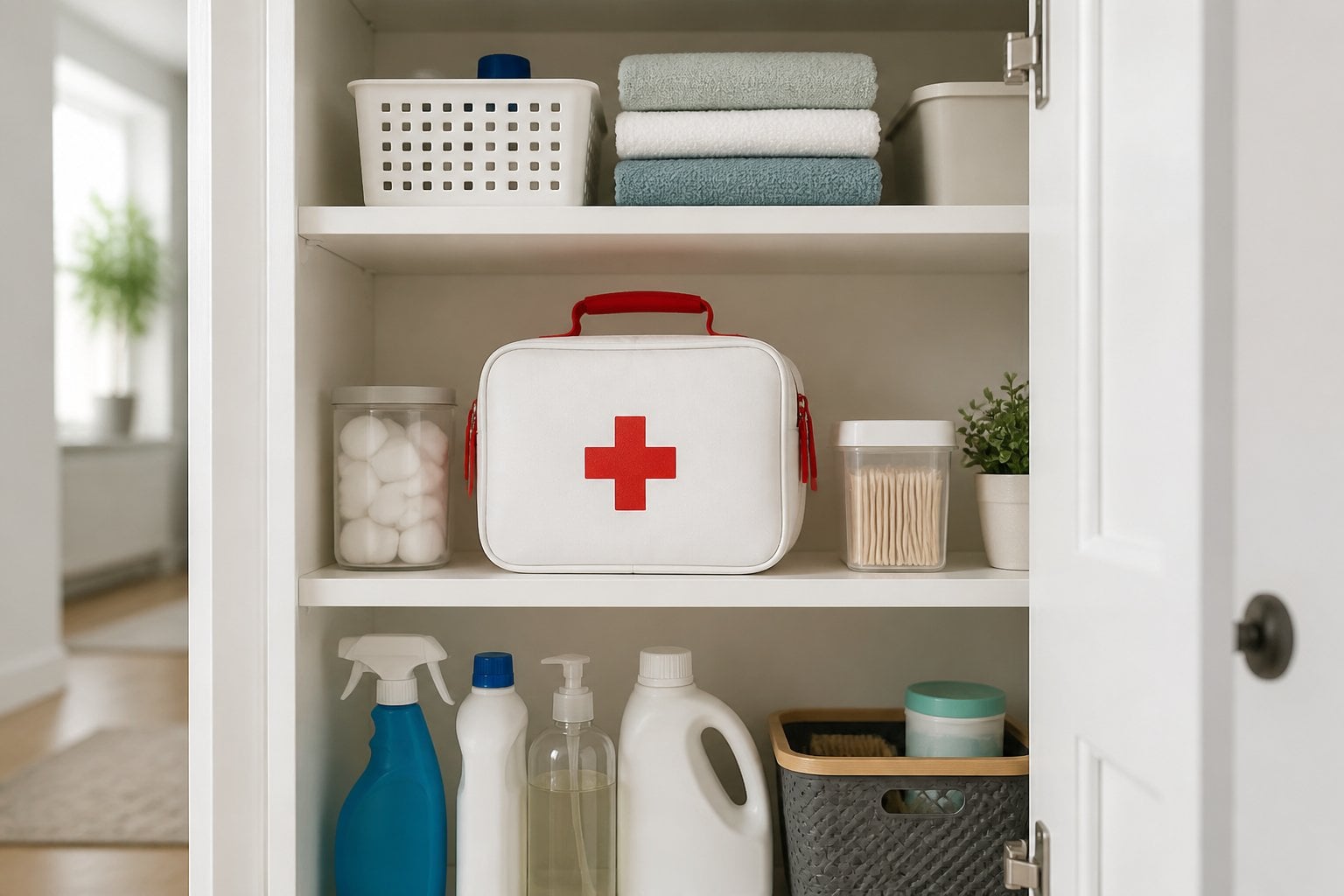
Happy homes keep their first-aid kit in a consistent, accessible spot that everyone knows. The kitchen pantry or hall closet works best because these locations are central and easy to reach during emergencies.
Your kit should include basic wound care items like bandages, gauze, and medical tape. Add antiseptic wipes, pain relievers, and tweezers for common injuries. Include burn care supplies since kitchen accidents happen frequently.
Store the kit where adults can grab it quickly but out of reach of young children. Everyone in your household should know exactly where to find it.
A well-stocked kit doesn’t need to be elaborate. Focus on covering the basics for minor cuts, burns, and everyday mishaps. Replace expired items regularly to keep everything ready when you need it.
19. A spice rack with commonly used spices like cumin and oregano
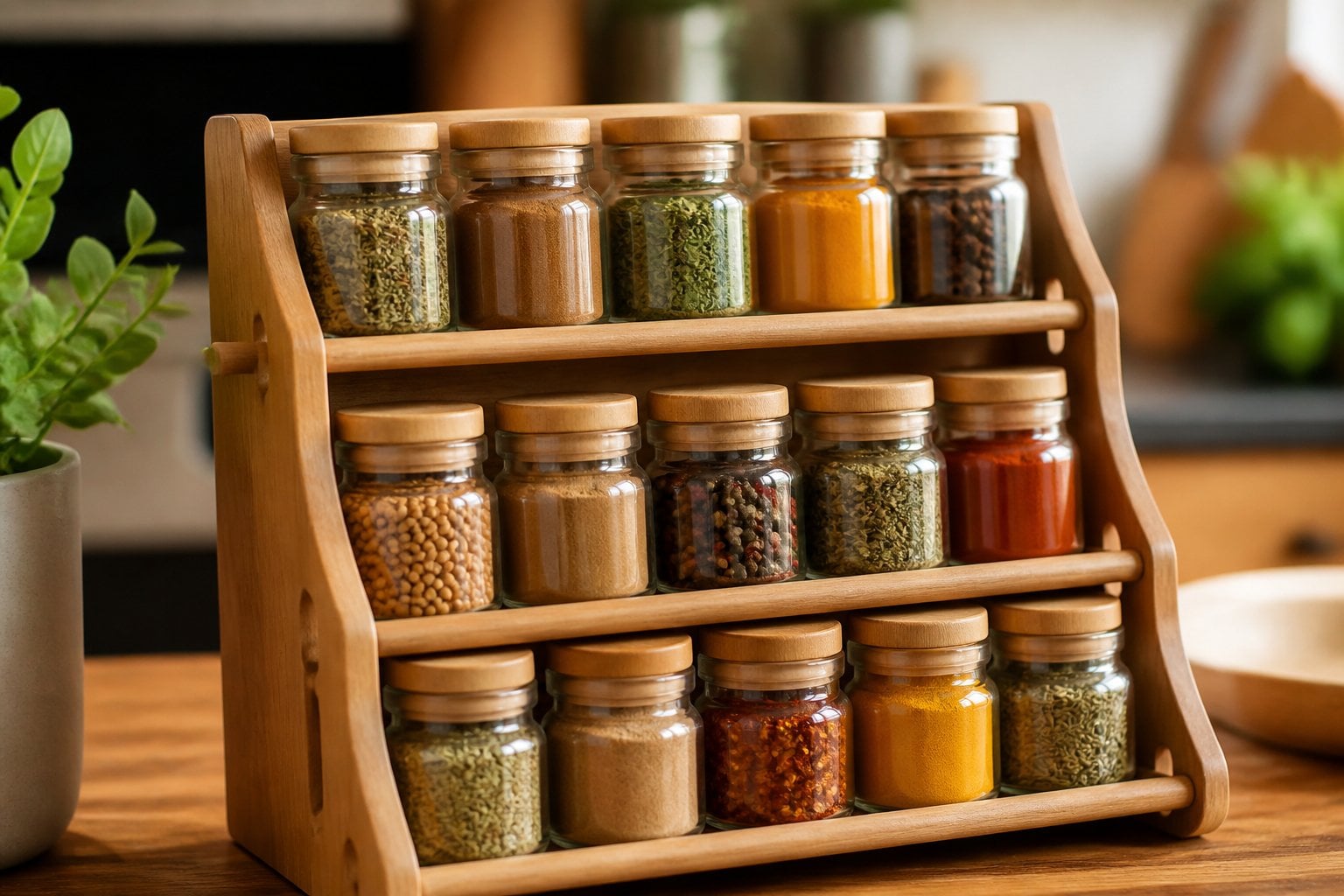
A well-organized spice rack keeps your most-used seasonings within easy reach while cooking. You’ll want to stock essential spices that work across different cuisines and recipes.
Cumin adds earthy warmth to Mexican, Indian, and Middle Eastern dishes. Oregano brings Mediterranean flavor to pasta sauces, pizzas, and grilled meats. These two spices form part of a practical foundation alongside black pepper, paprika, garlic powder, and cinnamon.
Your spice collection should include both herbs and spices. Herbs come from leafy plant parts like basil and thyme, while spices derive from seeds, bark, or roots.
Store your spices in a cool, dry location away from direct sunlight to maintain their potency. A visible, accessible rack encourages you to experiment with flavors and makes meal preparation more efficient. Replace ground spices every six months to a year for optimal taste.
20. A key bowl or hook near the door for daily essentials
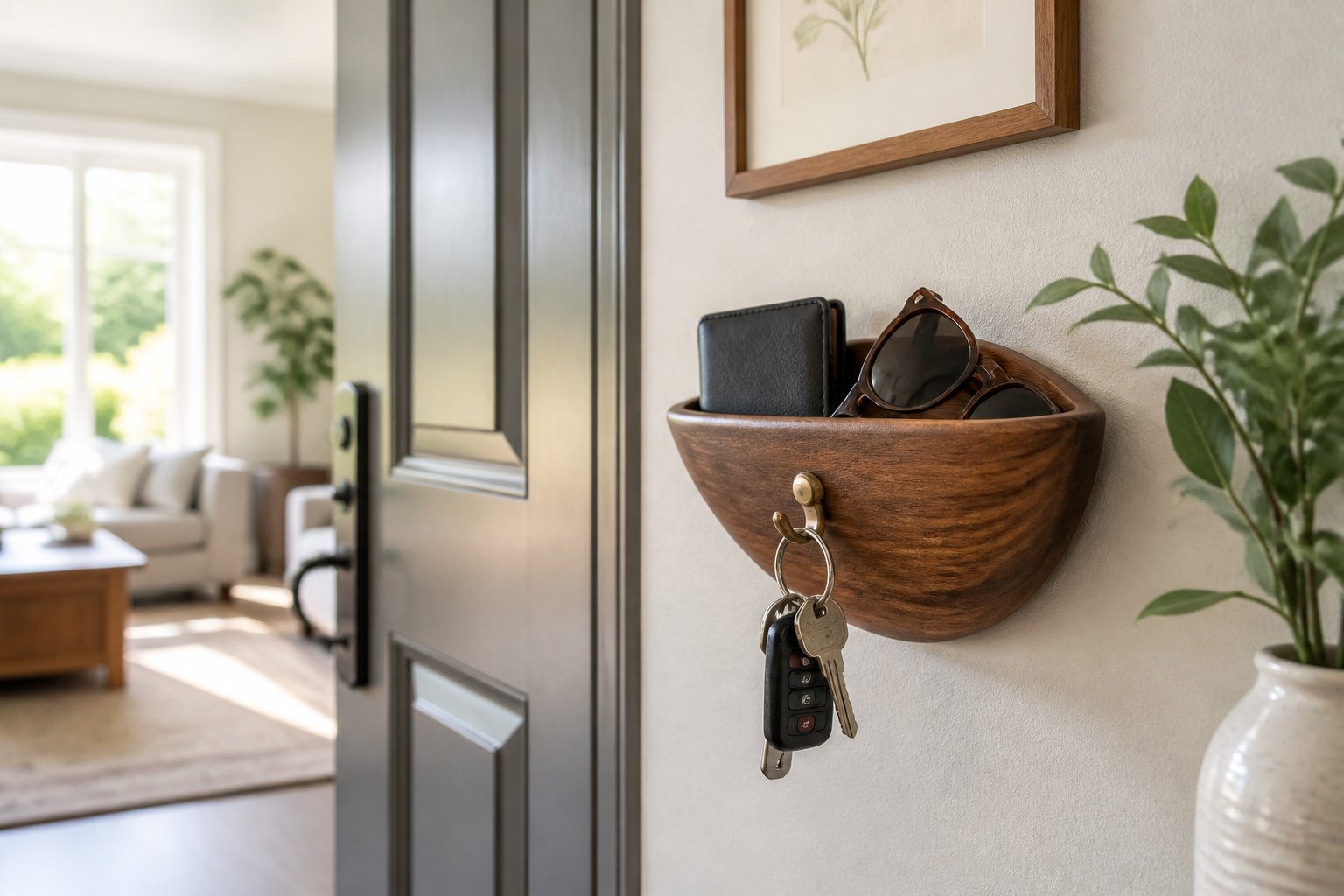
Happy homes have a designated spot for keys right by the entrance. This simple solution prevents the daily frustration of searching through bags, pockets, or countertops when you’re rushing out.
A decorative bowl on your entryway table works well for collecting keys, sunglasses, and other small items you grab before leaving. You can choose from materials like ceramic, wood, or marble to match your decor style.
Wall-mounted hooks offer another practical option. They keep your keys visible and easy to access while saving counter space. Some designs include small shelves or compartments for additional storage.
The key is consistency. When everyone in your household knows where keys belong, they actually end up there. This small organizational habit creates a more peaceful daily routine and eliminates unnecessary stress.
21. A rotating display of children’s artwork on the fridge
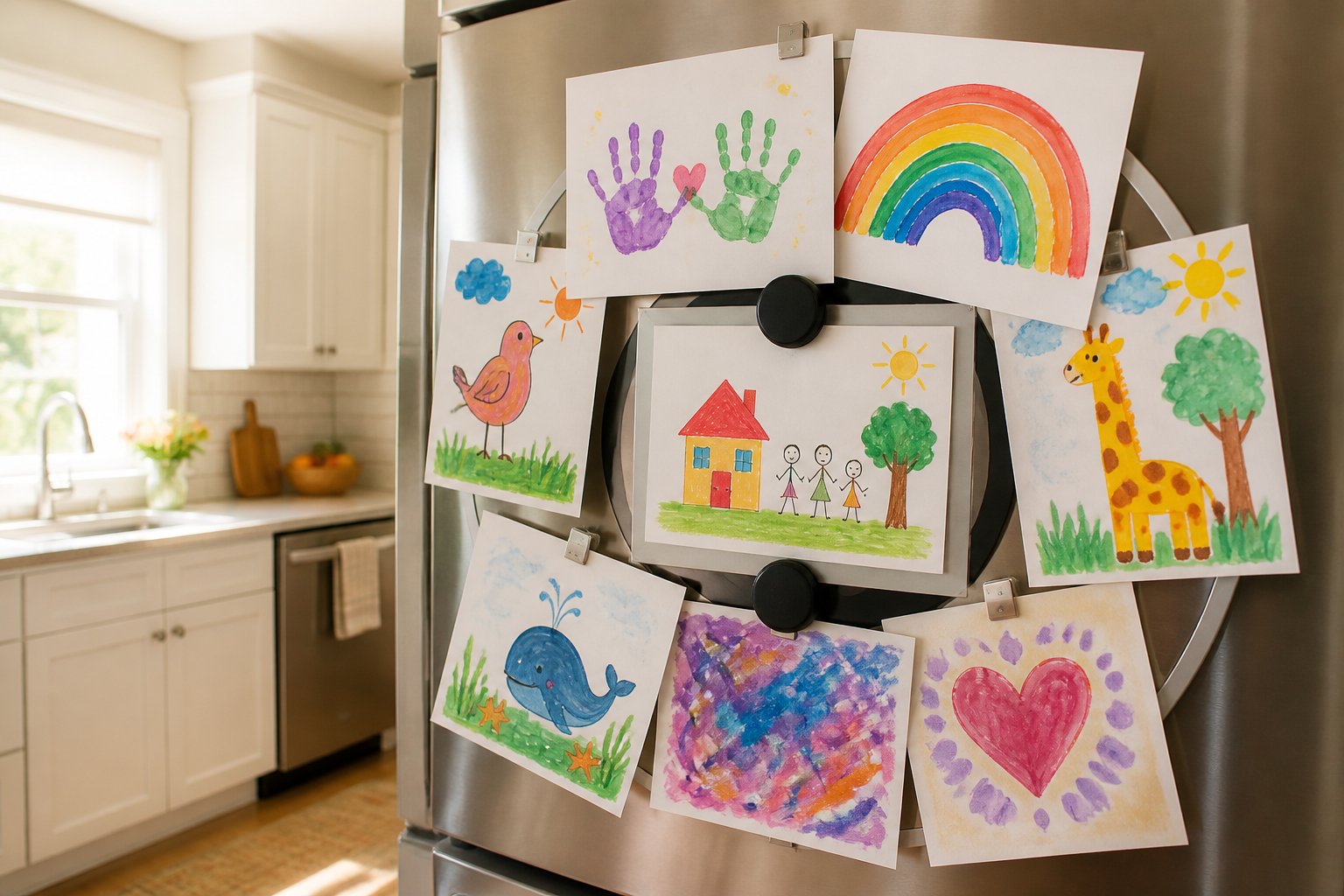
Your fridge door tells a story about what matters in your home. When you dedicate space to displaying your children’s latest creations, you acknowledge their creativity and effort in a tangible way.
The key word is “rotating.” Happy homes don’t let artwork freeze in place for months. You regularly swap out pieces to reflect what your kids are creating now, keeping the display fresh and relevant.
This practice serves multiple purposes. It gives children pride in their work and shows them their artistic efforts have value. For you, it creates a simple system for managing the constant stream of drawings and paintings that come home from school.
Clip frames, magnets, or simple tape make swapping artwork quick and effortless. The display stays current without requiring significant time or planning.
22. A place for shoes by the door, such as a shoe bench
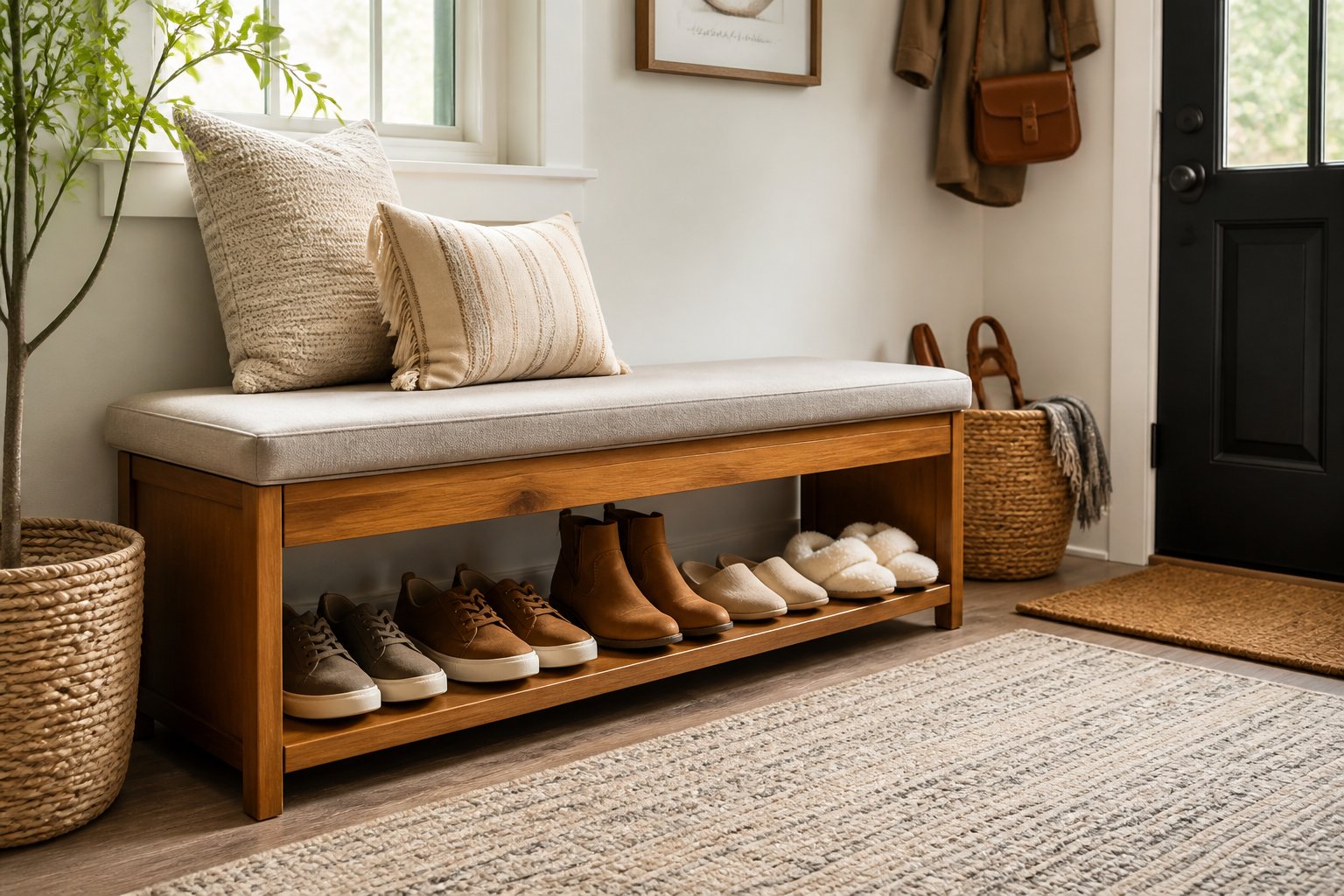
A designated spot for shoes near your entryway prevents clutter from taking over your home. When shoes pile up at the door, they create visual chaos and make your space feel disorganized.
A shoe bench serves double duty by offering both storage and seating. You can sit comfortably while putting on or taking off your shoes, which is especially helpful when dealing with boots or laces.
The key is placing your shoe storage where you actually use it. If you enter through the front door, that’s where it should go. If you typically come in through the garage, position it there instead.
Choose a size that fits your space and household needs. Compact options work well for apartments and narrow hallways, while larger families may need longer benches with more storage capacity.
23. A playlist or smart speaker set to a family-favorite station

Music creates an inviting atmosphere in any home. Families who prioritize happiness often have a go-to playlist or smart speaker ready to fill their space with familiar tunes.
Smart speakers from Amazon, Google, and Apple make it simple to access your preferred music with voice commands. You can set up stations based on genres, moods, or specific artists that everyone enjoys.
The key is having something curated that reflects your household’s taste. Whether it’s jazz for Sunday mornings, upbeat pop for cleaning days, or classical music during dinner, these shared musical preferences become part of your home’s identity.
You don’t need an expensive system. A single smart speaker or even a phone connected to a Bluetooth speaker works perfectly for establishing this comforting ritual.
24. A jar of homegrown or locally bought honey on the pantry shelf

A jar of local honey sits in happy homes as both a natural sweetener and a connection to your community. When you buy from nearby beekeepers, you support local agriculture and get honey that reflects your region’s unique flowers and seasons.
Local honey offers practical benefits in your kitchen. You can use it in tea, spread it on toast, add it to salad dressings, or incorporate it into baked goods. Raw, unprocessed honey also serves as a natural cough suppressant and contains trace amounts of local pollen.
Finding local honey is straightforward. Check farmers markets, farm stands, or connect with beekeepers in your area. If you have space and interest, keeping your own hives provides the most direct source. Either way, that golden jar represents a mindful choice about where your food comes from.
25. A basket of hand-knit or store-bought baby blankets
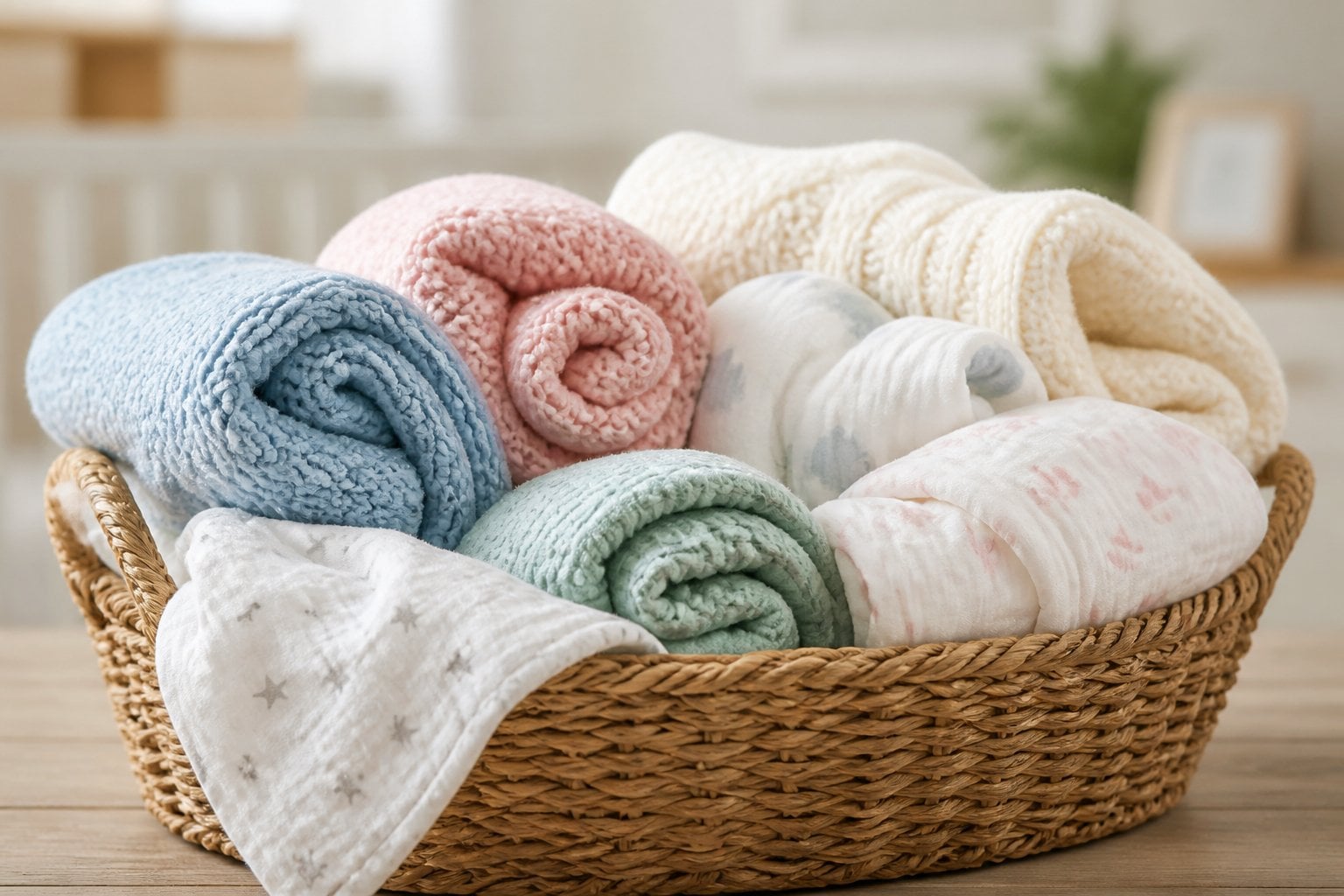
A basket filled with soft baby blankets creates instant warmth in any home. These blankets serve practical purposes beyond infant care, offering comfort during movie nights or chilly evenings.
Hand-knit options provide unique textures and personal touches that make them cherished keepsakes. Store-bought blankets in organic cotton or chenille offer equal comfort with easy-care convenience. You’ll find both types work beautifully for guests, pets, or anyone needing an extra layer.
The basket itself becomes part of your home’s welcoming atmosphere. Placed near seating areas or in guest rooms, it signals thoughtfulness and preparation for comfort. Quality blankets in neutral tones or gentle patterns complement most décor styles while remaining functional.
Whether you knit them yourself, receive them as gifts, or purchase them from trusted retailers, these blankets become household staples that last for years.
26. A set of reusable grocery bags stored in the car or by the door

You’ll find reusable shopping bags strategically placed where they’re actually useful in happy homes. These bags aren’t stuffed in a random drawer where they’ll be forgotten.
The most effective approach is keeping one set near your main exit and another in your vehicle. A basket or bin by the door provides a designated spot for folded bags you can grab on your way out.
Storing bags in your car trunk ensures you always have them available when shopping. This eliminates the frustration of standing at checkout without bags or accumulating more plastic.
The key is consistency. Choose storage locations that match your shopping routine, whether that’s a pantry hook, mudroom bin, or car organizer. When your bags have a permanent home, you’ll actually remember to use them.
27. A bedside lamp with a soft, warm LED bulb
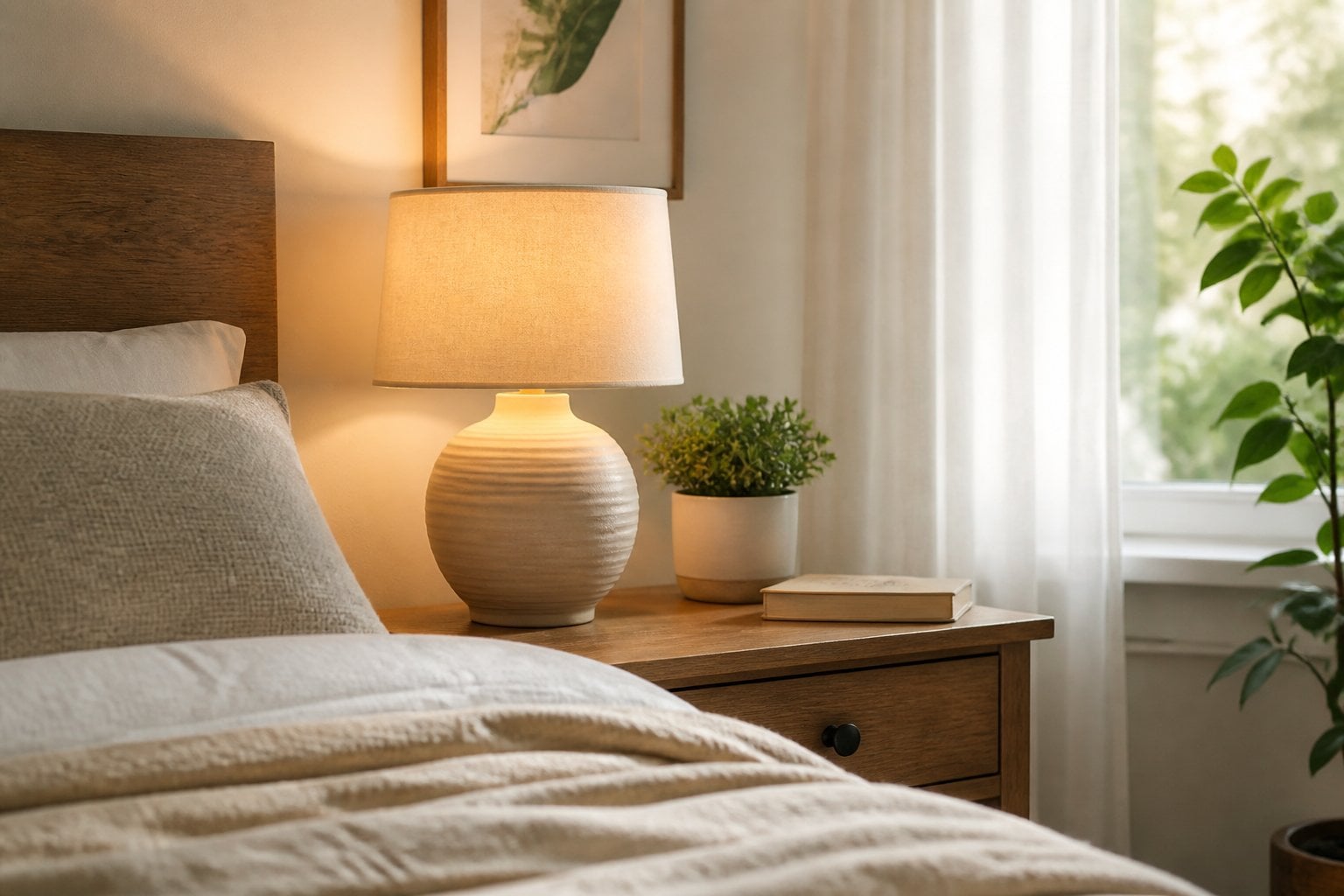
A bedside lamp with warm LED lighting creates the right environment for winding down at night. The soft glow helps your body prepare for sleep, unlike harsh overhead lights or cool-toned bulbs that can feel clinical and energizing.
Look for lamps with warm white or amber-toned LEDs, typically around 2700K on the color temperature scale. These produce a gentle illumination that’s comfortable for reading without being too bright.
Dimmable options give you control over light levels throughout the evening. You can adjust the brightness as needed, from sufficient light for tasks to a subtle nighttime glow.
Many modern bedside lamps come with built-in LED bulbs designed specifically for bedroom use. The right lamp on your nightstand transforms your sleeping space into a more restful retreat.
28. A tabletop vase with fresh flowers or foraged greenery
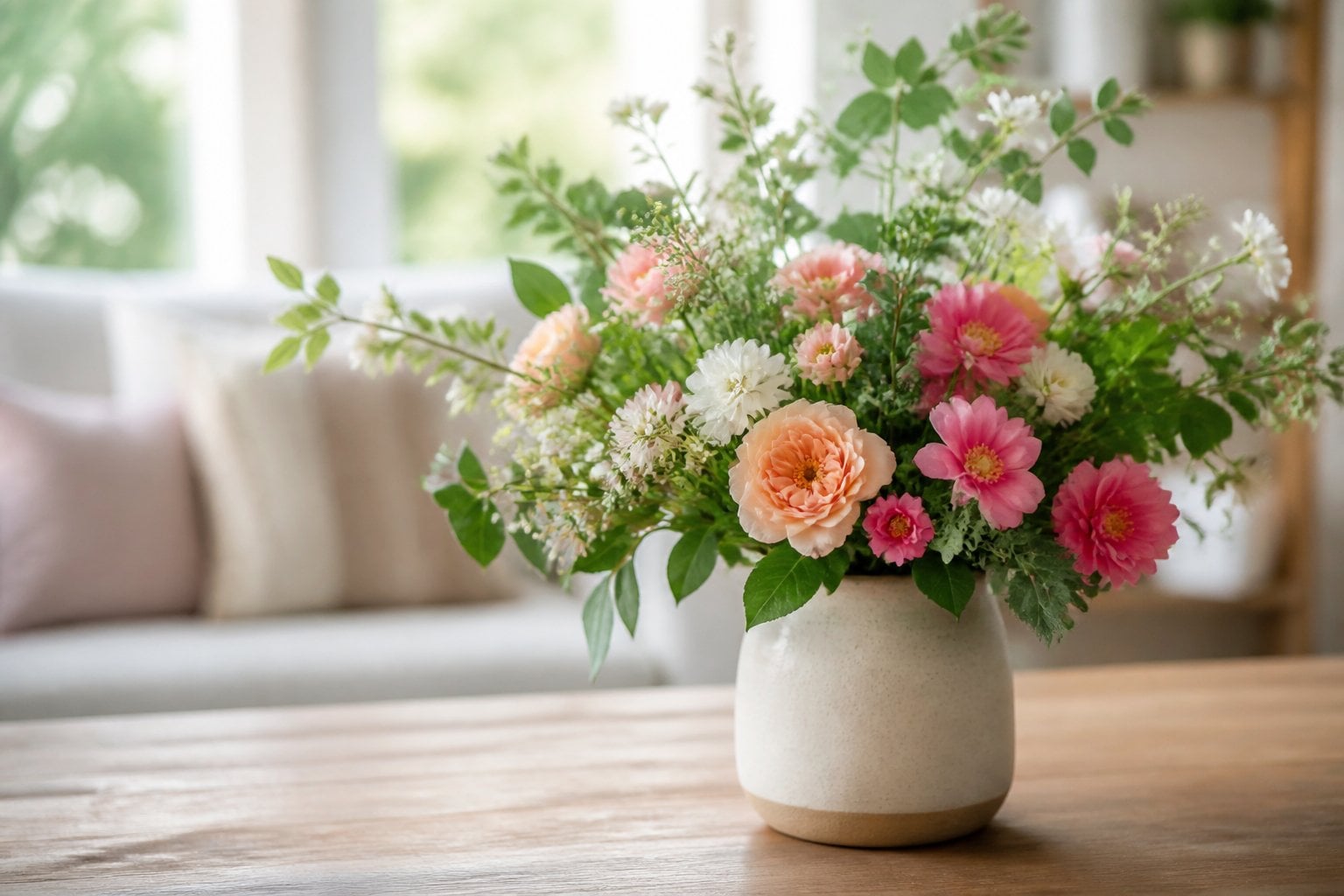
A simple vase with fresh flowers or greenery brings natural life into your home. You don’t need elaborate arrangements or expensive blooms to create this effect.
The key is choosing stems that look organic rather than overly staged. Mix different heights and textures for a more natural appearance. Fresh flowers from your garden work just as well as foraged branches or wild greenery from a walk outdoors.
Place your vase where you’ll see it daily, like your kitchen table, dining room, or entryway. The vessel itself matters too. Select a vase that fits your style, whether it’s ceramic, glass, or an unexpected container.
Change the water every few days to keep flowers fresh longer. Even a single stem in the right vase can transform a space.
29. A simple meditation cushion or corner for quiet time
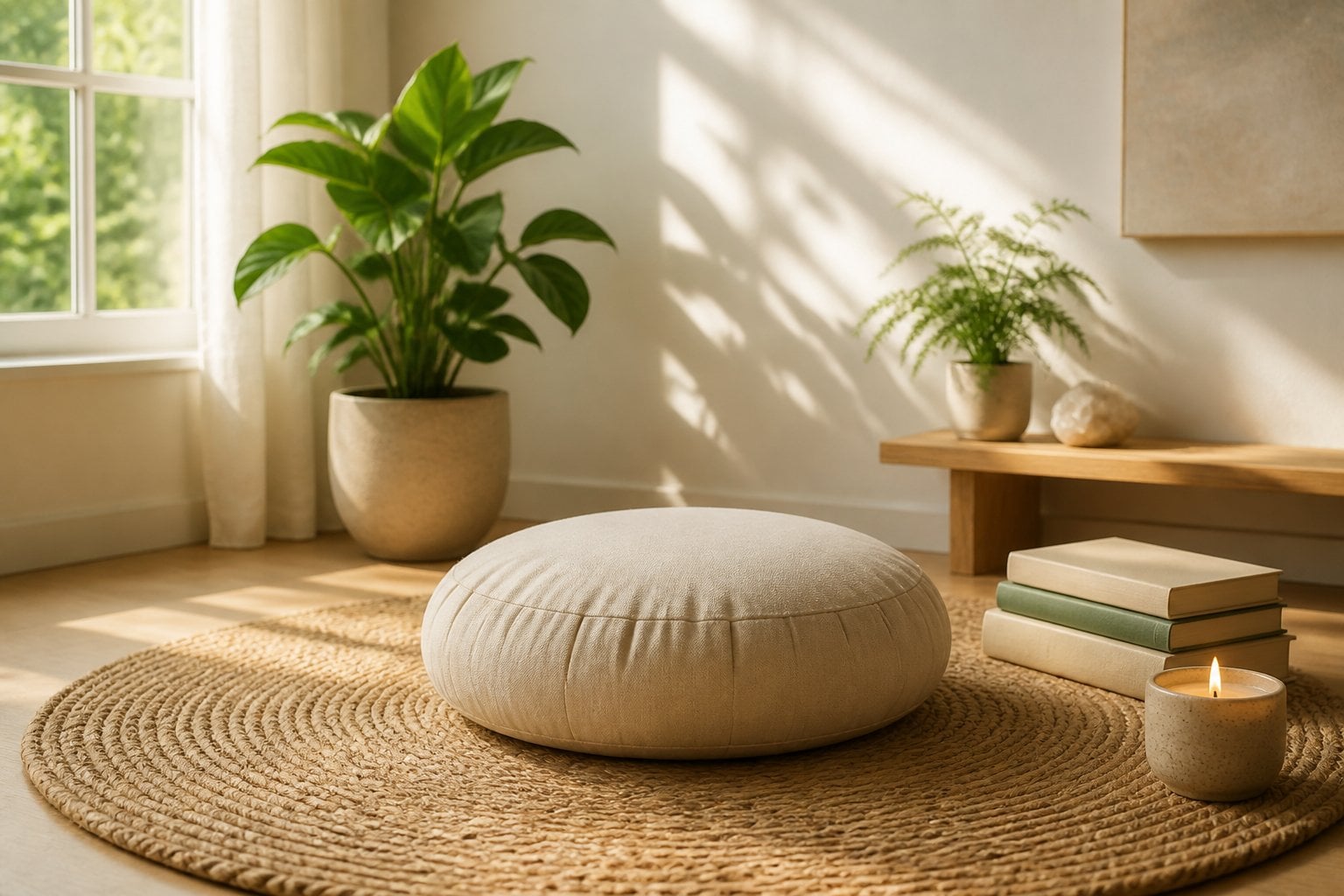
Happy homes include a dedicated spot for mindfulness and reflection. You don’t need an entire room to create this space. A single cushion on a mat in a quiet corner works perfectly well.
The key is choosing a location where you’ll actually want to sit. This could be near a window with natural light, a peaceful bedroom corner, or any small area that feels calm. The space itself matters less than your commitment to using it.
Keep the setup minimal with just a comfortable cushion that supports good posture. You can add a soft blanket or small plant if desired, but simplicity helps maintain focus.
What makes this corner special is having it ready whenever you need a moment to pause and breathe.
30. A toolbox with basics: hammer, screwdrivers, tape measure
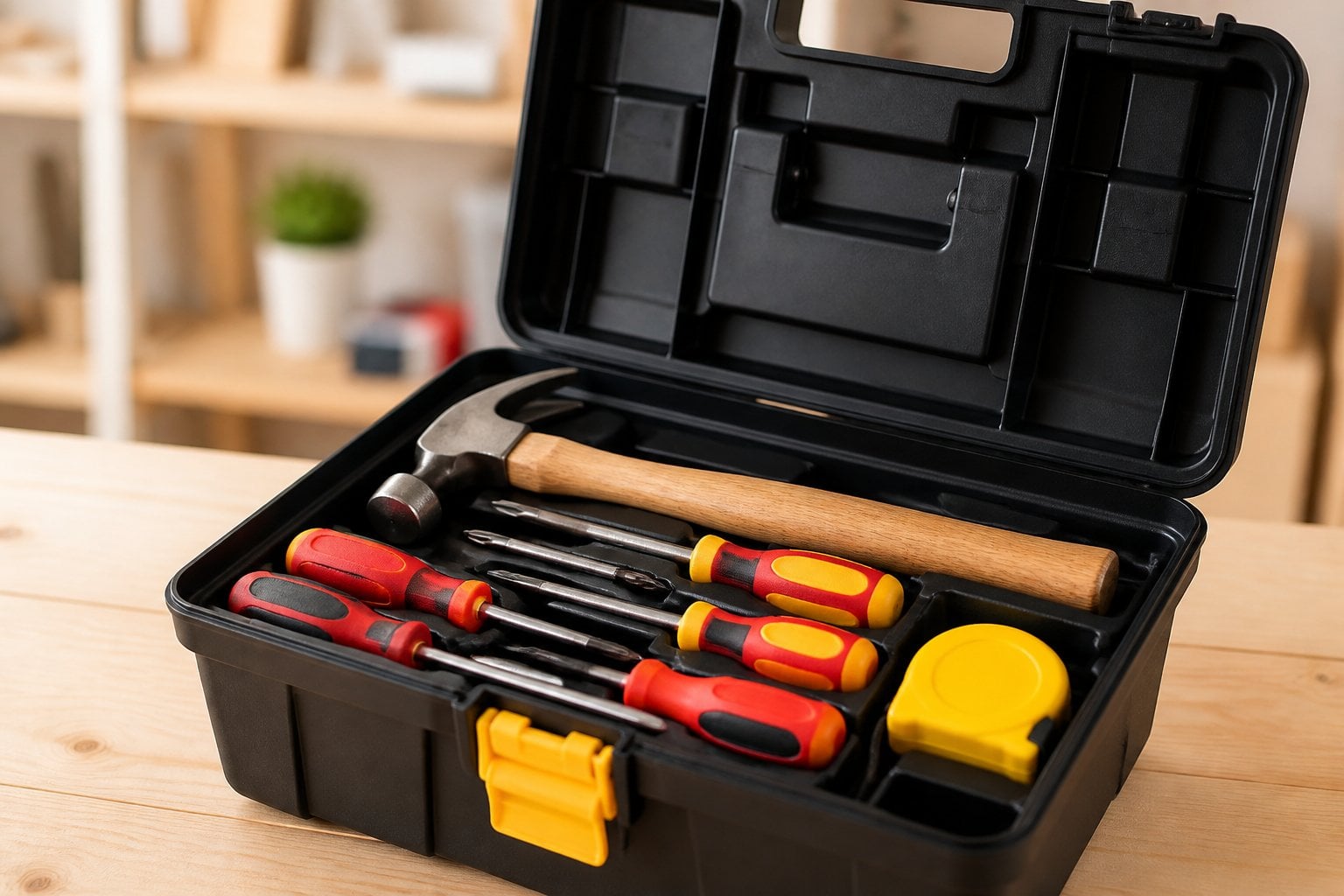
Happy homes are prepared for simple repairs without the stress of searching for tools or making emergency store runs. A basic toolbox keeps your living space functional and reduces frustration when something needs fixing.
You don’t need an extensive collection to handle common household tasks. The essential trio includes a hammer for hanging pictures and minor assembly work, a set of screwdrivers (both Phillips-head and flat-head) for tightening loose fixtures, and a tape measure for accurate dimensions.
Keeping these basics in your living area makes quick fixes convenient. You can handle furniture assembly, mount shelves, and tackle everyday repairs without digging through a garage or workshop.
Quality matters more than quantity. Well-made tools perform better and last longer, making your home maintenance safer and more efficient.
Underlying Principles of a Joyful Living Space

The spaces where you live directly affect your mental state and emotional well-being. Understanding how your environment influences mood and why organized surroundings promote calmness helps you create a home that supports happiness.
Psychology of Positive Environments
Your brain responds to environmental cues without conscious awareness. Natural light triggers serotonin production, which regulates mood and promotes feelings of well-being. Spaces with adequate sunlight reduce symptoms of seasonal depression and improve sleep patterns.
Color psychology plays a measurable role in emotional response. Cool tones like blue and green lower heart rate and blood pressure, creating calm atmospheres. Warm colors such as yellow and orange stimulate energy and social interaction.
Key environmental factors that affect mood:
- Temperature control: Spaces between 68-72°F optimize comfort and cognitive function
- Air quality: Proper ventilation and low VOC materials reduce headaches and fatigue
- Sound levels: Quiet spaces or pleasant ambient noise decrease stress hormones
- Biophilic elements: Plants and natural materials lower cortisol levels by 15-20%
Your sense of control over your environment matters significantly. When you can adjust lighting, temperature, and layout to your preferences, you experience greater satisfaction with your living space.
Role of Order and Harmony
Clutter creates cognitive overload by competing for your attention. Your visual cortex processes every item in your field of view, which depletes mental energy and increases stress. Organized spaces allow your mind to rest and focus on chosen tasks.
Harmony emerges when objects relate to each other through consistent principles. This includes matching scale, coordinating colors, and maintaining visual balance. Your eyes naturally seek patterns and rhythm, finding satisfaction when design elements repeat or complement each other.
Physical order supports practical function. When items have designated locations, you spend less time searching and experience fewer frustrations. This efficiency translates to more time for activities that genuinely contribute to happiness.
Simple Habits That Foster Contentment at Home
Contentment flourishes when you establish predictable routines and create opportunities for meaningful connection. These small, intentional practices shape the emotional atmosphere of your space more than any decorative choice.
Daily Practices That Encourage Happiness
Starting your morning with a consistent routine sets a positive tone for the entire household. This might include opening curtains to let in natural light, preparing breakfast together, or spending five minutes tidying shared spaces. These actions create order and predictability.
Key morning habits include:
- Making beds within 30 minutes of waking
- Clearing kitchen counters after breakfast
- Playing music during morning routines
- Opening windows for fresh air
Evening rituals matter equally. Dimming lights an hour before bed signals relaxation time. Many content households implement a nightly reset where everyone spends 10-15 minutes returning items to their designated spots.
Gratitude practices also contribute to home happiness. Some families keep a shared journal where members write one thing they appreciated that day. Others discuss highlights during dinner. These habits shift focus toward positive experiences rather than problems or complaints.
How Shared Rituals Build Closeness
Regular activities done together strengthen household bonds and create anticipation. Weekly game nights, Sunday morning pancakes, or Friday movie selections become anchors in your family culture. The specific activity matters less than the consistency and participation.
Effective shared rituals:
- Occur at predictable intervals
- Include all household members who wish to participate
- Require minimal planning or preparation
- Allow for conversation and interaction
Mealtime rituals deserve special attention. Eating together without screens fosters conversation and connection. Even busy households can designate certain meals as technology-free zones where everyone shares about their day.
Seasonal traditions also build closeness. Annual activities like spring cleaning together, decorating for holidays, or planting a summer garden create lasting memories. These rituals give everyone something to look forward to and reinforce the sense of belonging within your home.


